⚡ FLASH SALE: Get 60% OFF All Premium 3D & STL Models! ⚡

In the demanding world of real-time rendering, where visual fidelity is paramount and performance is non-negotiable, managing digital assets efficiently is a constant challenge. This is particularly true for high-quality 3D car models, which often feature intricate geometries and expansive texture sets that push the boundaries of available memory and processing power. Whether you’re developing an immersive game, crafting a stunning automotive visualization, or building a cutting-edge virtual production scene, the quest for photorealism must be balanced with optimal performance.
Unreal Engine offers powerful solutions to this perennial dilemma: Texture Streaming and Virtual Texturing. These advanced systems are not just mere optimizations; they are fundamental technologies that enable artists and developers to achieve breathtaking detail without crippling frame rates or exceeding memory budgets. They allow for the seamless integration of high-resolution PBR materials, ensuring that every rivet, every paint flake, and every intricate detail on your 3D car models shines with unparalleled clarity, precisely when and where it’s needed.
In this comprehensive guide, we will delve deep into the technical intricacies of Texture Streaming and Virtual Texturing within Unreal Engine. We’ll explore how these systems work independently and in concert, providing practical workflows, optimization strategies, and best practices tailored for automotive visualization and high-fidelity rendering. You’ll learn how to set up, configure, and leverage these features to elevate the visual quality and performance of your projects, ensuring that your meticulously crafted assets—like the premium 3D car models available on platforms such as 88cars3d.com—perform flawlessly in any real-time environment.
Texture Streaming is a core optimization technology present in Unreal Engine since its early iterations, designed to manage the memory footprint of textures dynamically. Without it, every texture in your scene, regardless of whether it’s currently visible or how close it is to the camera, would occupy its full resolution in video memory (VRAM). This quickly becomes unsustainable in modern projects featuring hundreds or even thousands of high-resolution PBR textures, especially when working with detailed assets like those found in automotive visualization. A high-quality 3D car model, with its numerous materials for body, interior, tires, and undercarriage, can easily demand gigabytes of texture data.
The fundamental principle behind Texture Streaming is simple: only load the necessary mipmap levels of a texture into VRAM based on its on-screen size and importance. A mipmap chain consists of progressively lower-resolution versions of a texture, generated during the import process. When an object is far away or occupies a small portion of the screen, the streaming system loads a smaller, lower-resolution mipmap. As the object moves closer to the camera or becomes more prominent, higher-resolution mipmaps are streamed in seamlessly. This intelligent memory management significantly reduces VRAM usage, improves loading times, and enhances overall performance, allowing for richer, more detailed environments without sacrificing fluidity.
At its core, Unreal Engine’s Texture Streaming system operates by estimating the ideal mipmap level for each texture based on various factors. The primary determinants are the texture’s on-screen pixel size (calculated from the mesh’s UV density, camera distance, and field of view) and its importance (e.g., whether it’s part of a major character or a background prop). The engine maintains a global streaming pool in VRAM, into which it continuously streams and unstreams mipmaps. When a texture requires a higher resolution mipmap, the system requests it from disk and loads it into the pool. Conversely, if a texture is no longer needed at high resolution, its larger mipmaps are evicted to free up space.
This dynamic process is governed by a predictive algorithm that anticipates future texture needs, minimizing visible pop-in. However, manual control over streaming can also be exercised through various settings, such as Texture LOD Bias, which allows you to manually force a texture to stream at a lower or higher resolution than the system would automatically determine. Understanding the interplay of these factors is crucial for optimizing your project’s performance. For further technical details on texture management, the official Unreal Engine documentation (https://dev.epicgames.com/community/unreal-engine/learning) is an invaluable resource.
Unreal Engine provides several ways to configure and monitor Texture Streaming, ensuring you can fine-tune it for your specific project requirements. The global streaming pool size is a critical setting, controllable via the console variable r.Streaming.PoolSize or through Project Settings under Engine > Streaming > Texture Streaming. A larger pool size allows more high-resolution textures to reside in VRAM simultaneously, potentially reducing mip-swapping but increasing overall memory footprint. For highly detailed automotive visualization projects, you might need a generous pool size to maintain consistent visual quality.
Individual textures can also be configured. Within the Texture Editor, under the ‘Level Of Detail’ section, you can set a ‘Mip Gen Settings’ (e.g., Leave Existing, From Texture Group) and adjust the ‘LOD Bias’. A positive LOD Bias forces lower mipmaps to be used, reducing memory but potentially lowering visual quality. Conversely, a negative bias forces higher mipmaps, increasing quality at the cost of memory. Textures are also assigned to ‘Texture Groups’ (e.g., World, Character, Vehicle), each with its own default LOD bias. For 3D car models, ensuring your main body, interior, and wheel textures are in an appropriate ‘Vehicle’ or ‘Character’ group with minimal or negative LOD bias is crucial for maintaining pristine visual fidelity up close.
While Texture Streaming is highly effective for managing conventional texture assets, it has inherent limitations when dealing with extremely large, unique texture maps or complex material blending scenarios across expansive surfaces. Imagine a vast, intricately detailed landscape or a highly customized car body covered in unique decals, scratches, and dirt layers, all with their own distinct PBR attributes. Each unique texture would still contribute to the overall memory burden, and blending multiple detailed materials efficiently could become a challenge for traditional rendering pipelines. This is where Virtual Texturing (VT), particularly Runtime Virtual Texturing (RVT), emerges as a powerful, next-generation solution.
Virtual Texturing is a system that allows artists to work with “virtually infinite” resolution textures by breaking them down into smaller, fixed-size pages. Instead of loading the entire texture into memory, only the pages currently visible on screen and relevant to the camera’s perspective are loaded on demand. This approach eliminates the traditional constraints of fixed texture resolutions and unique texture counts, enabling unprecedented levels of detail, especially crucial for detailed environments surrounding 3D car models or for creating highly realistic, layered material effects directly on vehicle surfaces. It fundamentally changes how texture data is accessed and processed, offering a new paradigm for asset creation and memory management.
The concept of Virtual Texturing draws inspiration from “mega-texture” systems, where a single, massive texture atlas covers an entire scene or object, and only relevant portions are streamed. Unreal Engine’s VT system refines this by using a page-based virtual memory approach for textures. Instead of dealing with individual texture assets, you essentially define a “virtual texture” space. When a pixel requires texture data from this virtual space, the system determines which page of the virtual texture contains that data and streams it into a small, fixed-size physical texture cache in VRAM. This process is entirely asynchronous and hardware-accelerated, making it incredibly efficient.
This page-based system means that artists are no longer limited by the resolution of individual textures. A single virtual texture can represent an enormous amount of detail—tens or even hundreds of thousands of pixels wide—without consuming an equally massive amount of VRAM. Only the ‘pages’ that are actively being sampled by the camera’s view frustum and at the appropriate mip level are brought into memory. This is particularly transformative for blending complex PBR materials on terrains, large architectural elements, or for layering intricate custom paint jobs and wear effects directly onto high-fidelity 3D car models, providing a seamless and highly optimized way to render extreme visual complexity.
The advantages of Virtual Texturing are numerous and profound, especially for projects demanding the highest visual quality for assets like the detailed 3D car models from 88cars3d.com. One of the most significant benefits is the removal of the traditional unique texture limit. Artists can create highly customized surfaces with unique wear patterns, rust, dirt, and decals, all layered and blended without worrying about individual texture memory or draw call overhead. This enables an incredible level of artistic freedom and fidelity, where every imperfection and detail on a car’s body can be rendered with pixel-perfect precision.
Furthermore, VT excels at efficient material blending. Instead of relying on complex shader logic with many texture samples and blend operations, artists can output multiple PBR channels (Base Color, Normal, Roughness, etc.) directly into a Runtime Virtual Texture, which can then be sampled by other materials. This significantly simplifies material graphs, reduces shader complexity, and improves rendering performance. It’s an ideal solution for creating dynamic dirt or snow layers on a car, blending tire tracks into a ground material, or achieving highly complex and realistic paint finishes with multiple layers of clear coat, metallic flake, and sub-surface scattering, all while maintaining optimal performance by streaming only the visible pages.
Integrating Virtual Texturing into your Unreal Engine workflow for automotive visualization projects can dramatically enhance visual fidelity and performance. While traditional Texture Streaming is largely automatic, Runtime Virtual Texturing (RVT) requires a more deliberate setup, but the benefits for complex PBR materials on vehicles and their environments are well worth the effort. By leveraging RVTs, you can create intricate material layers for car bodies, blend vehicles seamlessly into detailed environments, and achieve dynamic surface effects that would be cumbersome or impossible with conventional methods.
Consider a high-end 3D car model, such as those optimized for Unreal Engine on 88cars3d.com. It likely features a base paint material, intricate decals, clear coat effects, and perhaps subtle grime or scratches. With RVT, you can consolidate these layers into a single, highly efficient texture lookup. This isn’t just about rendering a single car; it’s about making sure that the car integrates perfectly with its surroundings, whether it’s reflecting a detailed environment or leaving realistic marks on a virtual road surface. The key is to think about how different material layers interact and how RVT can streamline that interaction.
To implement Runtime Virtual Textures for your automotive scene, you’ll first need to create an RVT Asset. This asset defines the resolution, format, and number of texture pages for your virtual texture. In the Content Browser, right-click, navigate to Textures, and select ‘Runtime Virtual Texture’. Once created, you’ll define the ‘Contents’ (e.g., BaseColor, Normal, Roughness, Specular, WorldHeight) and ‘Size’ (e.g., 8192, 16384, 32768) in its properties. For detailed automotive scenarios, choose resolutions that allow for fine details, but remember that the effective resolution is determined by what’s actually streamed.
Next, you’ll place an ‘Runtime Virtual Texture Volume’ into your level. This volume defines the spatial bounds and origin of your virtual texture. For automotive scenes, you might define an RVT Volume that encompasses a showroom floor, a specific section of a track, or the entire playable area if you’re simulating an open-world driving experience. The volume’s extent determines which objects contribute to the RVT and which materials can sample from it. Objects within this volume that have materials configured to ‘Write to Runtime Virtual Texture’ will project their material outputs onto the RVT. This is crucial for creating decals, tire marks, or ground blending effects that interact realistically with your 3D car models.
The real power of RVT for automotive assets lies in its material integration. In your master car paint material, for instance, you can use the ‘Runtime Virtual Texture Output’ node to write its PBR attributes (Base Color, Normal, Roughness, Metallic, etc.) into the RVT. This means the car’s paint job, its intricate reflections, and its surface details can be captured by the virtual texture. Then, on a separate material, like a ground material or a decal material, you can use a ‘Runtime Virtual Texture Sample’ node to read from that same RVT. This allows for incredibly efficient material blending and interaction.
Consider a scenario where you want to add dynamic dirt or mud to your car. You could have a base car paint material writing to an RVT. Then, a separate material for dirt, driven by a mask or a physics simulation, could also write its PBR data to the *same* RVT. Any material that samples from this RVT would then dynamically display the combined effect of the car paint and the dirt layer, all streamed efficiently. This layered approach simplifies complex material graphs, reduces texture memory, and ensures consistent visual quality across all interacting surfaces. For advanced material setups, referencing the official Unreal Engine documentation on RVTs (https://dev.epicgames.com/community/unreal-engine/learning) can provide deeper insights into nodes and best practices.
The goal of both Texture Streaming and Virtual Texturing is not just to enable higher fidelity, but to achieve it within acceptable performance parameters. For real-time applications like games or interactive configurators, maintaining a smooth frame rate is paramount. When dealing with highly detailed 3D car models and complex environments, performance optimization becomes an ongoing process. Understanding how to fine-tune these texture systems is key to balancing visual quality with resource efficiency, especially concerning VRAM usage and draw calls.
Effective optimization involves a holistic approach. It’s not enough to simply enable Texture Streaming or Virtual Texturing; you need to monitor their impact, identify bottlenecks, and make informed decisions about texture resolutions, mipmap bias, and RVT configurations. A common pitfall is assuming that because these systems exist, you no longer need to consider texture budget. While they are powerful, they are not a magic bullet. Thoughtful asset creation, originating from sources like 88cars3d.com where models are already optimized for Unreal Engine, combined with intelligent engine configuration, yields the best results. Without proper tuning, even these advanced systems can struggle to keep up with excessive demands.
One of the primary benefits of Texture Streaming and Virtual Texturing is their ability to intelligently manage VRAM. However, misconfigurations can lead to suboptimal memory usage. For Texture Streaming, regularly monitoring the ‘Texture Streaming Pool’ (accessible via the console command stat streaming) is crucial. If the pool is consistently over budget, it indicates that the engine is constantly thrashing, streaming textures in and out, which can cause hitches and visual pop-in. You might need to increase r.Streaming.PoolSize in Project Settings, reduce texture resolutions, or apply a higher LOD Bias to less critical textures.
For Virtual Texturing, while it inherently reduces unique texture memory, the RVT cache itself still consumes VRAM. The resolution and number of channels in your RVT Asset directly impact this. It’s essential to define RVT volumes judiciously—only encompassing areas where the dynamic blending or high-detail layering is truly needed. Avoid excessively large RVT volumes if the detail isn’t required across the entire space. Use the ‘Virtual Texture Debugger’ (accessible via the console command ShowFlag.VirtualTexturing 1) to visualize how RVT pages are being used, ensuring only necessary data is being streamed. This helps you identify if your RVT is over-provisioned or if there are areas where it’s being sampled unnecessarily, allowing you to refine your setup.
Unreal Engine 5 introduces transformative technologies like Nanite and Lumen, and their synergy with Texture Streaming and Virtual Texturing is critical for achieving truly next-gen visuals. Nanite, Unreal Engine’s virtualized geometry system, handles incredibly high polygon counts with ease, freeing artists from traditional poly budget constraints. However, high-poly meshes still require high-resolution textures to match their geometric detail. This is where Texture Streaming ensures that those detailed PBR materials are loaded efficiently, providing the visual information that Nanite’s geometry system presents.
Lumen, the dynamic global illumination and reflections system, also benefits significantly. Lumen’s real-time GI and reflections often require accurate material information, including normal maps and roughness, from surfaces. Virtual Texturing can provide this rich, layered material data with extreme efficiency. For instance, if a highly detailed 3D car model is reflecting an RVT-driven ground material with complex mud and puddles, Lumen can accurately reflect these dynamic details. By combining Nanite’s geometric fidelity, Lumen’s advanced lighting, and the texture efficiency of Streaming and Virtual Texturing, developers can create truly immersive and photorealistic automotive scenes that were previously unattainable in real-time, pushing the boundaries of what’s possible in games and visualization.
The combined power of Texture Streaming and Virtual Texturing extends far beyond basic scene optimization; it unlocks advanced applications in automotive visualization, game development, and virtual production. For professionals working with high-end assets like those from 88cars3d.com, these technologies are not just tools but enablers for next-level creative freedom and fidelity. They allow for the creation of incredibly detailed digital twins of vehicles, expansive interactive environments, and cinematic sequences that blur the lines between virtual and reality.
Implementing these systems effectively means adopting industry best practices that consider the entire production pipeline, from asset creation to final rendering. This includes mindful UV mapping, consistent texture density, and strategic use of RVT volumes. The goal is to maximize visual quality while adhering to strict performance budgets, especially for interactive experiences like configurators or AR/VR applications where frame rate is king. By mastering these techniques, artists and developers can push the boundaries of real-time rendering and deliver truly exceptional automotive experiences.
For automotive applications involving large-scale environments, such as open-world driving simulators or extensive virtual showrooms, Texture Streaming and Virtual Texturing are indispensable. Imagine a vast landscape featuring diverse terrains, roads, and environmental elements, all rendered in meticulous detail. Virtual Texturing allows artists to paint massive, unique PBR texture maps across an entire terrain, blending multiple material layers (e.g., asphalt, gravel, dirt, grass, puddles) seamlessly and efficiently without incurring significant performance overhead. This is critical for creating realistic driving surfaces for 3D car models, ensuring that tire tracks and environmental interactions appear authentic.
Similarly, for large-scale virtual production sets using LED walls, precise texture management is crucial. If a vehicle is being filmed against an LED background displaying a complex, high-resolution environment, the virtual texture system ensures that only the visible portions of that environment’s texture data are rendered at full fidelity, avoiding unnecessary VRAM consumption. This enables cinematographers to place highly detailed 3D car models within dynamic, photorealistic digital environments, offering unparalleled flexibility and quality during live shooting. The efficiency gains provided by these technologies facilitate the creation of expansive and visually stunning backdrops for virtual vehicle presentations and interactive experiences.
While powerful, Texture Streaming and Virtual Texturing can sometimes present challenges that require careful troubleshooting. A common issue with Texture Streaming is visible mip-swapping or “pop-in,” where textures visibly switch between lower and higher resolutions. This can often be mitigated by increasing the global streaming pool size, adjusting individual texture LOD Bias settings, or optimizing texture density across your meshes. Unreal Engine’s console command r.DisplayInternals(TextureStreaming) can provide a visual overlay of texture streaming status, helping identify problematic assets. For more in-depth debugging, the Unreal Engine official documentation on texture streaming provides comprehensive troubleshooting guides (https://dev.epicgames.com/community/unreal-engine/learning).
For Virtual Texturing, common pitfalls include incorrect RVT Volume placement (leading to areas outside the volume not receiving VT data) or materials not correctly writing to or sampling from the RVT. Ensure your ‘Runtime Virtual Texture Volume’ is precisely aligned with the area you intend to cover. Use the ‘Virtual Texture Debugger’ (ShowFlag.VirtualTexturing 1) to visualize the virtual texture pages and ensure data is being written and read as expected. UV mapping quality is also paramount for both systems; clean, non-overlapping UVs with appropriate texel density are essential for textures to stream correctly and for RVT data to map accurately onto surfaces. Regular profiling with tools like ‘stat gpu’ and ‘stat streaming’ will help identify and resolve performance bottlenecks related to texture memory and processing.
In the relentless pursuit of real-time photorealism, particularly in demanding fields like automotive visualization and high-fidelity game development, efficient texture management is not merely an option but a necessity. Unreal Engine’s Texture Streaming and Virtual Texturing systems represent a critical toolkit for achieving this balance, enabling artists and developers to craft stunningly detailed 3D car models and immersive environments without compromising on performance.
From the foundational memory optimizations of Texture Streaming, dynamically loading mipmaps based on visibility, to the transformative capabilities of Virtual Texturing, which allows for virtually infinite texture resolutions and complex material layering, these technologies empower creators. They free us from the traditional constraints of VRAM and unique texture counts, facilitating the integration of exquisite PBR materials and dynamic surface effects crucial for realistic vehicle rendering and interactive experiences. When combined with other UE5 innovations like Nanite and Lumen, they form a robust pipeline capable of delivering visuals that rival offline renders.
By understanding and meticulously applying the principles and best practices outlined in this guide—from configuring streaming pool sizes and LOD biases to setting up Runtime Virtual Textures and optimizing material workflows—you can significantly enhance the visual quality and performance of your projects. Embrace these powerful systems to elevate your automotive visualizations, game environments, and virtual productions to new heights. For a solid foundation of high-quality, Unreal Engine-optimized 3D car models, explore the extensive collection available at 88cars3d.com, ready to be integrated into your next groundbreaking real-time experience.

Meta Description:
Texture: Yes
Material: Yes
Download the Porsche Cayenne 3D Model featuring realistic exterior styling and detailed interior design. Includes .blend, .fbx, .obj, .glb, .stl, .ply, .unreal, and .max formats for rendering, simulation, AR VR, and game development.
Price: $19.9
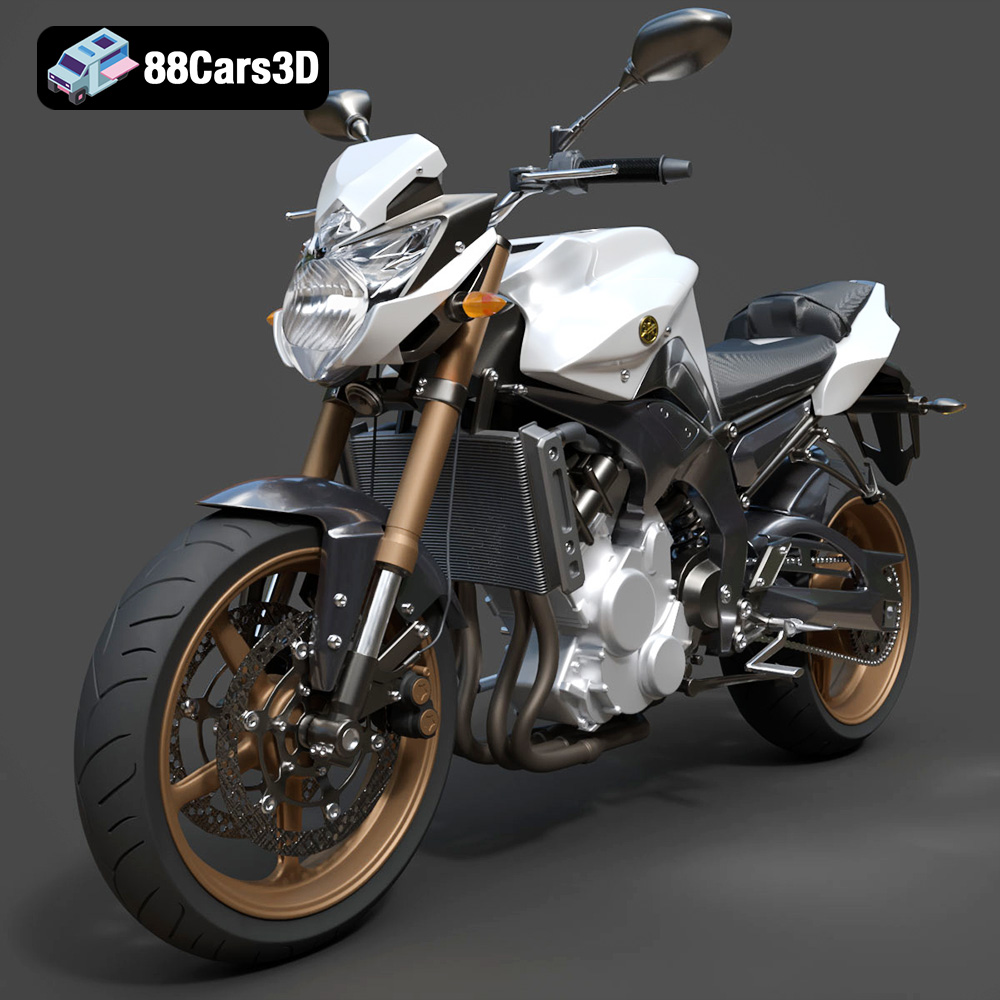
Texture: Yes
Material: Yes
Download the Yamaha FZ8 2011 3D Model featuring clean geometry, realistic detailing, and a fully modeled interior. Includes .blend, .fbx, .obj, .glb, .stl, .ply, .unreal, and .max formats for rendering, simulation, and game development.
Price: $19.99
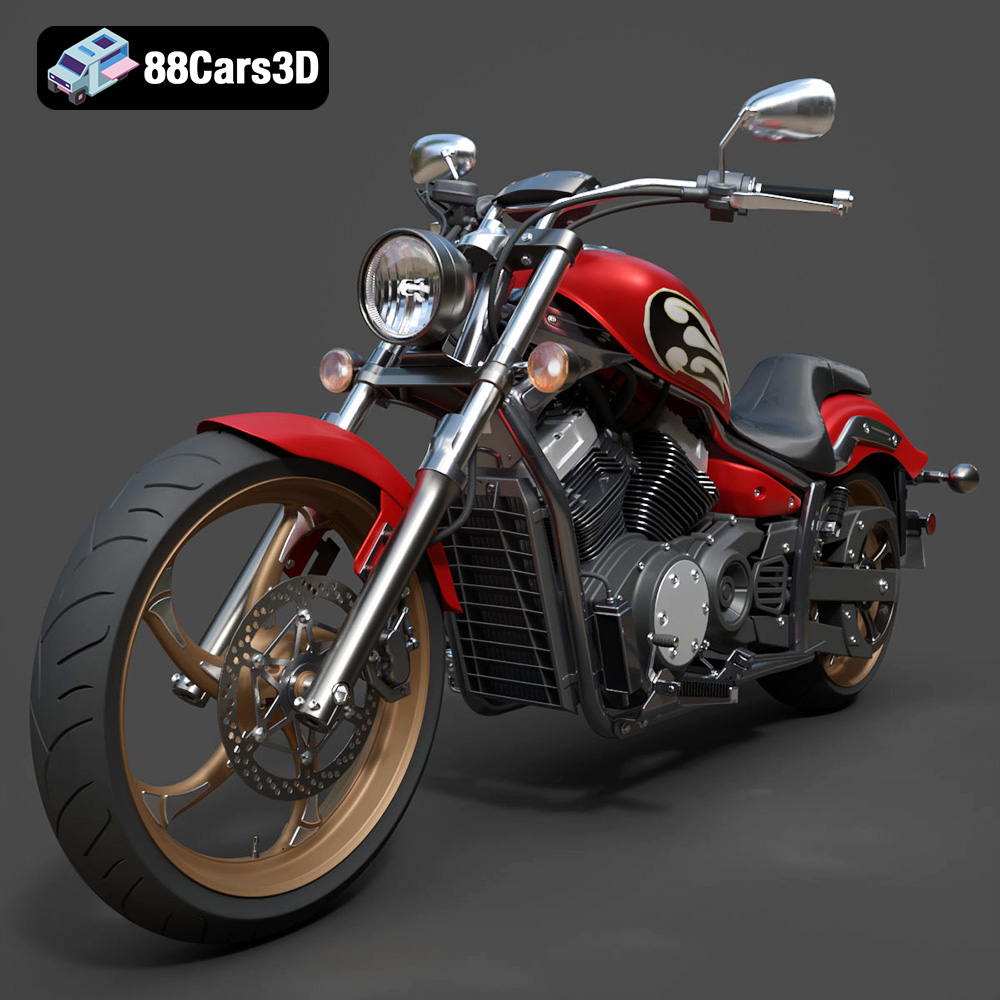
Texture: Yes
Material: Yes
Download the Yamaha Stryker 2012 3D Model featuring clean geometry, realistic detailing, and a fully modeled interior. Includes .blend, .fbx, .obj, .glb, .stl, .ply, .unreal, and .max formats for rendering, simulation, and game development.
Price: $19.99
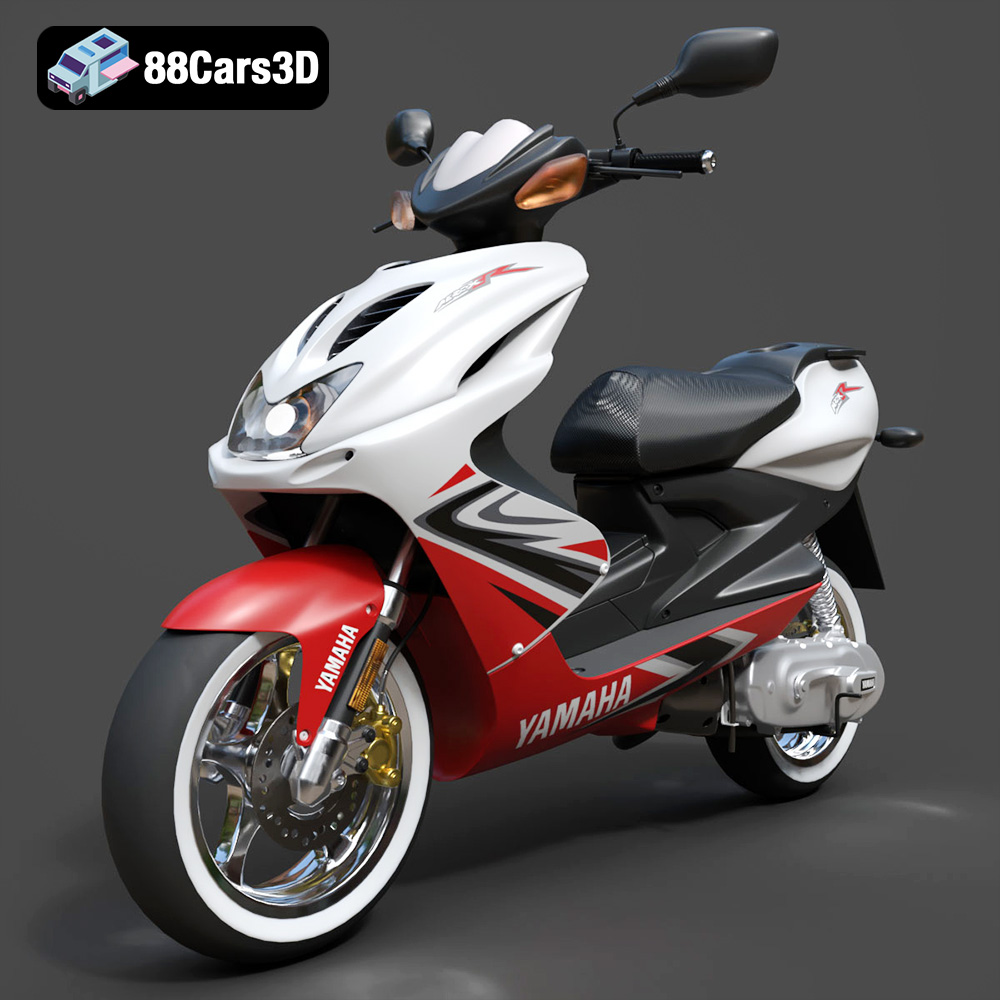
Texture: Yes
Material: Yes
Download the Yamaha Aerox R-002 2024 3D Model featuring clean geometry, realistic detailing, and a fully modeled interior. Includes .blend, .fbx, .obj, .glb, .stl, .ply, .unreal, and .max formats for rendering, simulation, and game development.
Price: $19.99
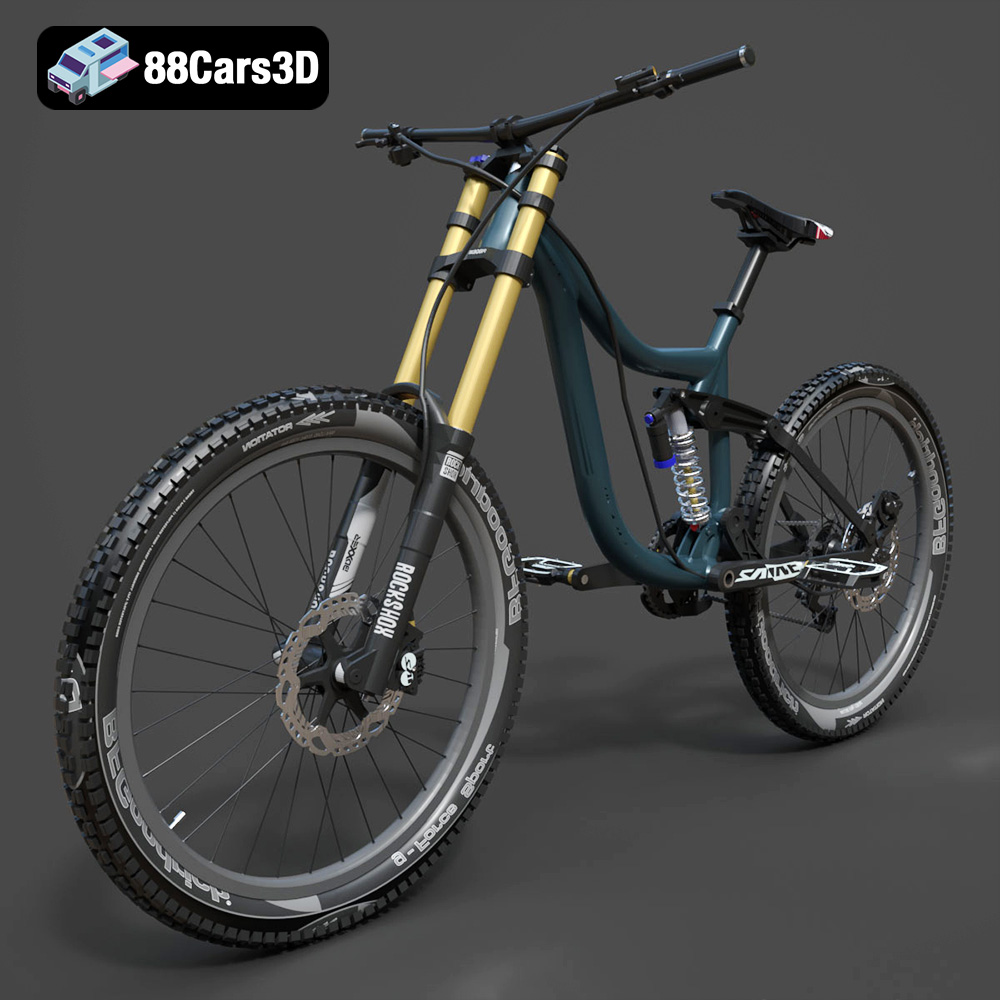
Texture: Yes
Material: Yes
Download the Mototsikly Downhill Bike-002 3D Model featuring clean geometry, realistic detailing, and precise mechanical components. Includes .blend, .fbx, .obj, .glb, .stl, .ply, .unreal, and .max formats for rendering, simulation, and game development.
Price: $19.99
Texture: Yes
Material: Yes
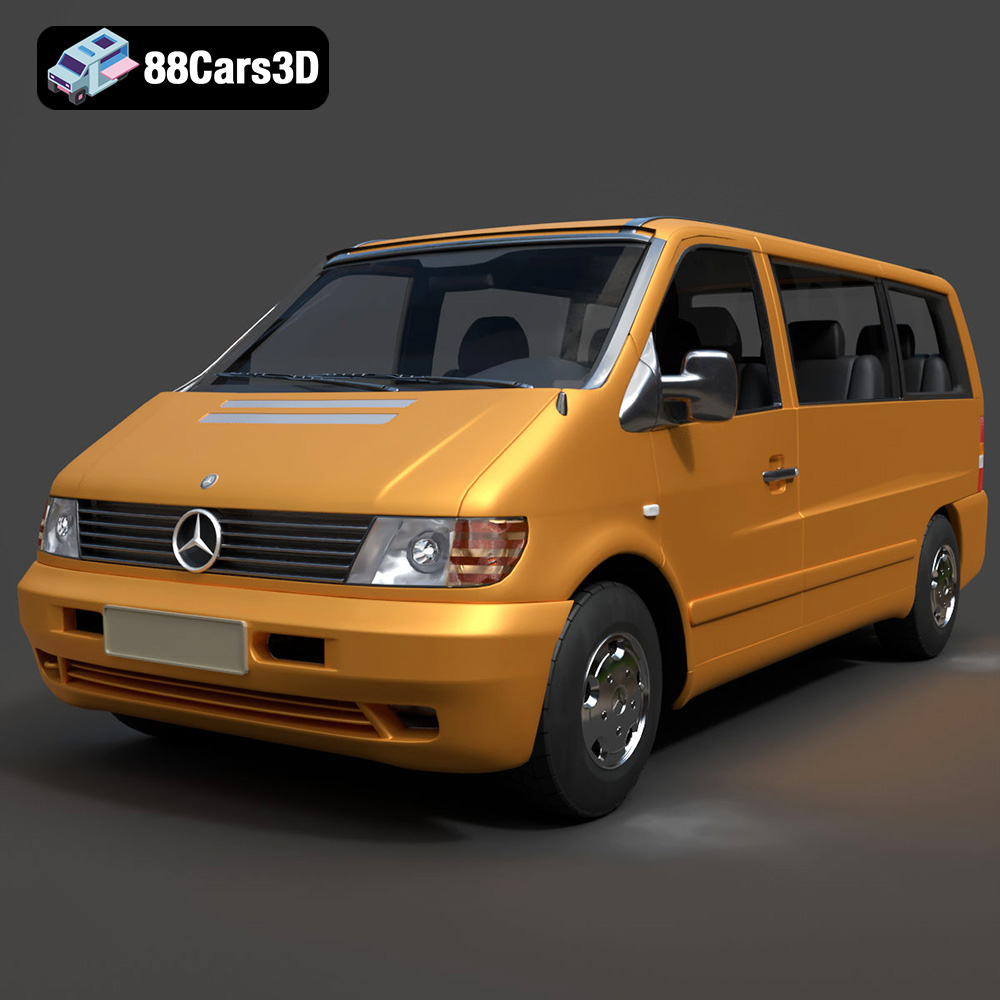
Download the Mercedes-Benz Vito Passenger Van 3D Model featuring clean geometry, realistic detailing, and a fully modeled interior. Includes .blend, .fbx, .obj, .glb, .stl, .ply, .unreal, and .max formats for rendering, simulation, and game development.
Price: $19.99
Texture: Yes
Material: Yes
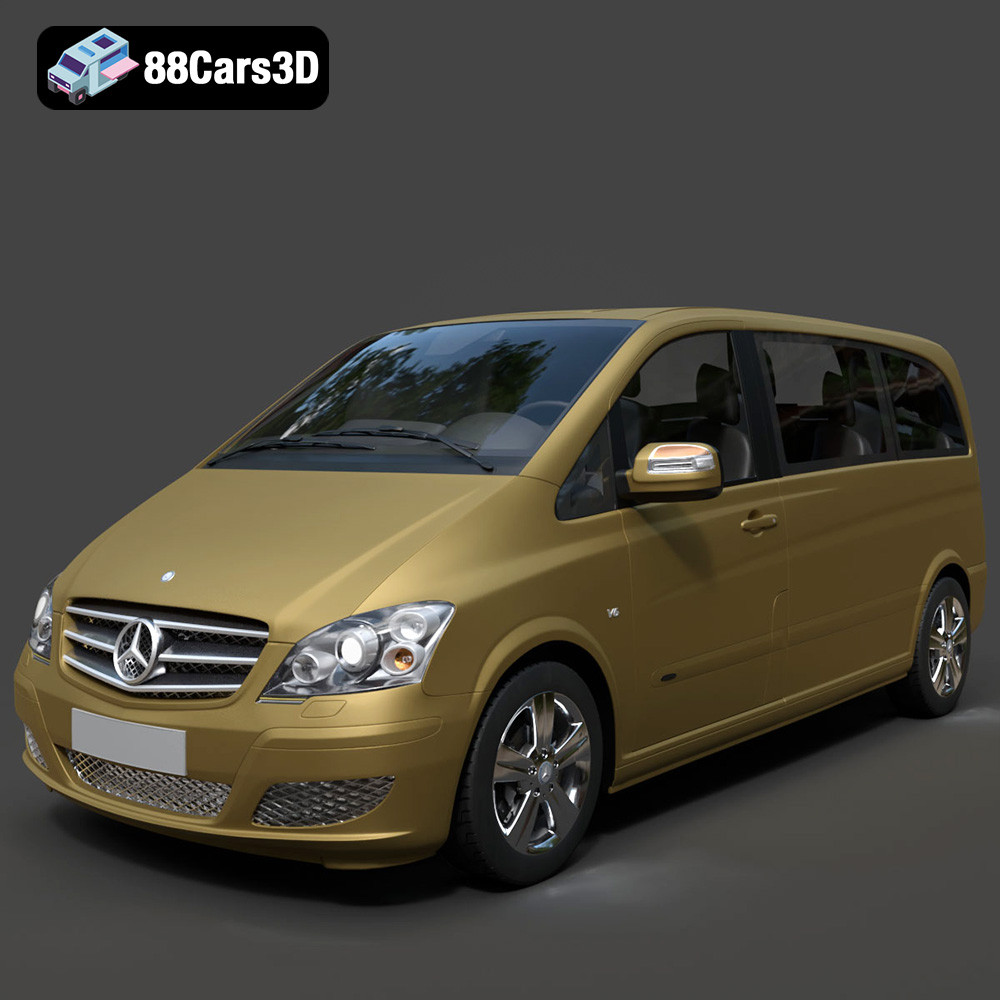
Download the Mercedes-Benz Viano 2010 3D Model featuring clean geometry, realistic detailing, and a fully modeled interior. Includes .blend, .fbx, .obj, .glb, .stl, .ply, .unreal, and .max formats for rendering, simulation, and game development.
Price: $19.99

Texture: Yes
Material: Yes
Download the Emt Avtobus 007 3D Model featuring clean geometry, realistic detailing, and a fully modeled interior. Includes .blend, .fbx, .obj, .glb, .stl, .ply, .unreal, and .max formats for rendering, simulation, and game development.
Price: $19.99
Texture: Yes
Material: Yes
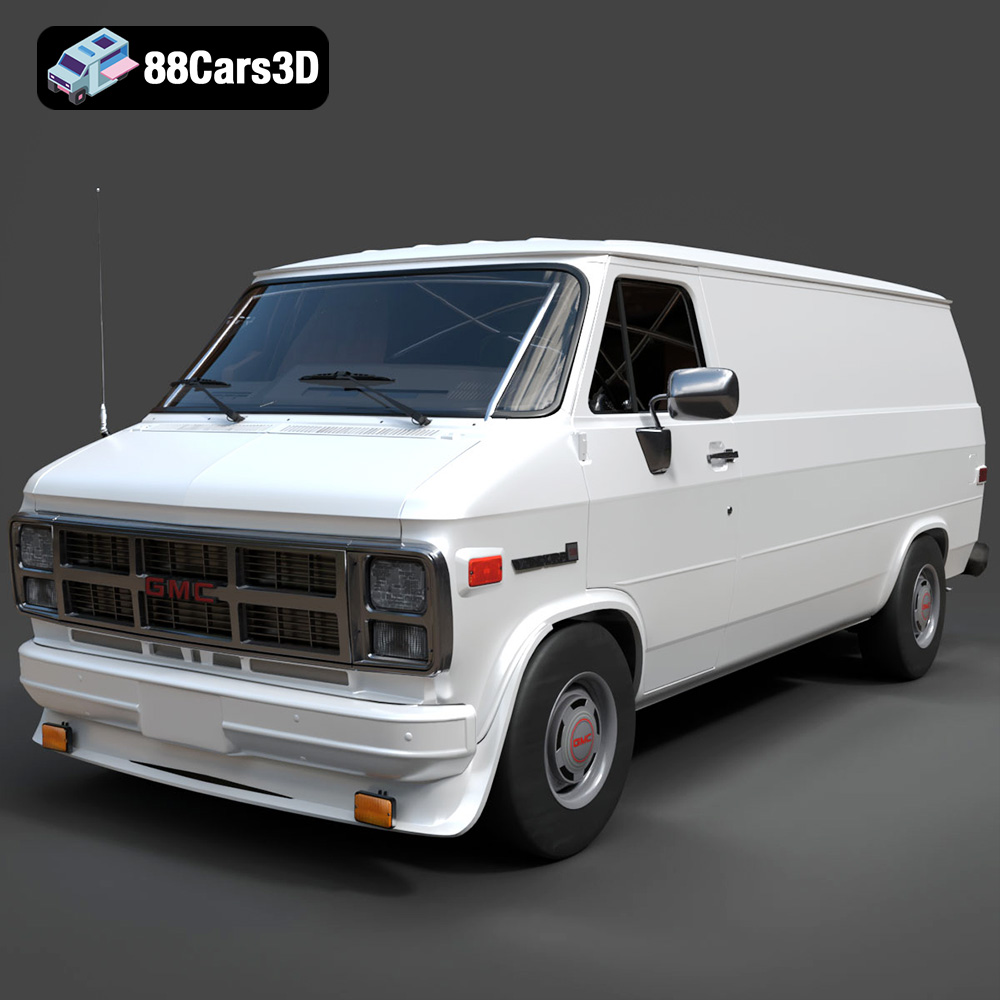
Download the GMC Vandura G-1500 1983 3D Model featuring clean geometry, realistic detailing, and a fully modeled interior. Includes .blend, .fbx, .obj, .glb, .stl, .ply, .unreal, and .max formats for rendering, simulation, and game development.
Price: $19.99

Texture: Yes
Material: Yes
Download the Ford E-450 Ambulance 3D Model featuring clean geometry, realistic detailing, and a fully modeled interior. Includes .blend, .fbx, .obj, .glb, .stl, .ply, .unreal, and .max formats for rendering, simulation, and game development.
Price: $19.99

