⚡ FLASH SALE: Get 60% OFF All Premium 3D & STL Models! ⚡

The pursuit of photorealism in real-time experiences has long been the holy grail for 3D artists, game developers, and visualization professionals. For years, achieving truly cinematic lighting, reflections, and global illumination in interactive environments was a compromise, often relying on baked lighting and screen-space trickery. Then came Real-Time Ray Tracing (RTRT), a paradigm shift in how we render virtual worlds. Integrated deeply within Unreal Engine, RTRT unlocks unparalleled visual fidelity, transforming everything from game development to architectural walkthroughs and, perhaps most profoundly, automotive visualization.
Imagine showcasing a sleek concept car, its polished paint reflecting an intricate environment with pixel-perfect accuracy, realistic shadows falling across its contours, and ambient light bouncing naturally throughout the interior – all in a live, interactive setting. This is the power of Real-Time Ray Tracing. This comprehensive guide will demystify the process of setting up and optimizing Real-Time Ray Tracing in Unreal Engine, providing you with the technical knowledge and best practices to elevate your projects to a new level of realism. Whether you’re an Unreal Engine developer, a 3D artist, or an automotive designer, prepare to unlock the full potential of physically accurate rendering.
Real-Time Ray Tracing fundamentally changes how light interacts with objects in a 3D scene, moving beyond the approximations of traditional rasterization. Instead of rendering surfaces to a 2D screen and then calculating light based on what’s visible, ray tracing simulates light rays originating from the camera and bouncing through the scene, interacting with geometry and materials. This allows for physically accurate lighting effects that were previously impossible or prohibitively expensive to compute in real time.
Unreal Engine’s implementation of Real-Time Ray Tracing leverages modern graphics hardware (primarily NVIDIA RTX GPUs and AMD RDNA2 GPUs) and Microsoft’s DirectX Raytracing (DXR) API to achieve these stunning visuals at interactive frame rates. This integration means developers can toggle on a suite of advanced rendering features that dramatically enhance realism, moving closer to offline render quality within a real-time context. The result is an immersive visual experience where light behaves as it would in the physical world, creating a stronger sense of presence and believability.
At its core, ray tracing works by casting rays into a scene. For each pixel on the screen, a primary ray is cast from the camera. When this ray hits an object, secondary rays are spawned to calculate various lighting effects: shadow rays determine if the point is in shadow, reflection rays calculate what the surface reflects, and global illumination rays track indirect light bounces. This recursive process accurately simulates complex light interactions, leading to truly realistic visuals. Unlike rasterization, which projects 3D objects onto a 2D screen and then applies shading, ray tracing starts from the camera’s perspective and traces the path of light, making it inherently more accurate for phenomena like reflections, refractions, and global illumination.
The “real-time” aspect comes from the optimizations and specialized hardware (like RT Cores in NVIDIA RTX GPUs) that accelerate these calculations. While not every light bounce can be simulated in real-time due to performance constraints, Unreal Engine intelligently samples and denoises ray-traced data to provide a compelling real-time result. This hybrid approach, often combining rasterization for primary visibility and ray tracing for complex lighting, strikes a balance between visual quality and interactive performance.
Unreal Engine provides a comprehensive set of ray-traced features that can be enabled and configured. These include:
Each of these features can be individually toggled and fine-tuned, allowing developers to balance visual fidelity with performance targets. For detailed technical specifications and deeper dives into each feature, refer to the official Unreal Engine documentation at dev.epicgames.com/community/unreal-engine/learning.
Before you can bask in the glory of ray-traced visuals, you need to correctly configure your Unreal Engine project. This involves ensuring your hardware meets the minimum requirements, enabling the necessary settings, and configuring your scene’s post-processing to utilize ray tracing features. The setup process is straightforward, but attention to detail is key to unlocking optimal performance and visual quality.
For automotive visualization, where precision and realism are paramount, a clean and optimized project setup is crucial. When working with high-quality assets, such as the 3D car models available on 88cars3d.com, ensuring your Unreal Engine project is correctly configured for ray tracing will allow these models to shine with their intended photorealistic fidelity. These models typically feature clean topology, realistic PBR materials, and optimized UV mapping, making them ideal candidates for advanced rendering techniques like ray tracing.
To begin, ensure your system meets the basic requirements for Unreal Engine’s Real-Time Ray Tracing: a DirectX 12 compatible graphics card (NVIDIA RTX series, AMD Radeon RX 6000 series or newer), Windows 10 (version 1809 or newer), and the latest graphics drivers. When creating a new project, you can start with a Blank template or a template like “Games” or “Architectural Visualization,” which provides some basic scene elements. Regardless of the template, the core settings remain the same.
It’s often beneficial to use a blank project or a template with minimal pre-existing content to ensure you have full control over lighting and rendering settings from the outset. Consider setting your project to use “Desktop” as the target hardware and “Maximum Quality” as the rendering preset during creation. This ensures that Unreal Engine prioritizes visual fidelity, which is essential for ray tracing.
The primary step to enable ray tracing is within your project settings:
After restarting, your project is now technically capable of rendering with ray tracing. However, you won’t see an immediate visual change until you configure your scene’s lighting and post-processing. It’s important to note that enabling all features might significantly impact performance, so choose wisely based on your project’s needs and target hardware.
While enabling ray tracing in Project Settings provides the core functionality, the actual visual impact and quality control happen within a Post-Process Volume in your level. A Post-Process Volume allows you to override global rendering settings for a specific area or the entire scene. If you don’t have one, drag a Post-Process Volume into your level from the Place Actors panel.
Once placed, ensure its “Infinite Extent (Unbound)” property is checked in the Details panel if you want it to affect the entire scene. Then, navigate to the Ray Tracing section within the Post-Process Volume’s details:
Experimentation with these settings is encouraged. Observe the visual changes and measure performance to find the sweet spot for your specific project and hardware. This granular control allows for highly customized and optimized ray-traced scenes.
The quality of your 3D assets directly impacts the effectiveness of Real-Time Ray Tracing. Even with the most advanced rendering techniques, a poorly optimized or incorrectly set up model will yield suboptimal results. For stunning automotive visualizations, where every curve and material detail matters, ensuring your 3D car models are prepared correctly is paramount. Platforms like 88cars3d.com specialize in providing high-quality 3D car models that are already optimized for Unreal Engine, making them an excellent starting point for ray-traced projects.
Optimizing models for ray tracing involves more than just polygon counts; it encompasses mesh integrity, UV mapping, and the precise setup of Physically Based Rendering (PBR) materials. Ray tracing algorithms are highly sensitive to geometric accuracy and material properties, as they simulate the actual path of light. Therefore, investing time in preparing your assets ensures that the ray-traced reflections, shadows, and global illumination appear as realistic and artifact-free as possible.
Clean geometry is the cornerstone of accurate ray tracing. Ray tracing algorithms interact directly with the surface normals and geometric data of your models. Issues like non-manifold geometry, inverted normals, overlapping faces, or open edges can lead to rendering artifacts such as black spots, incorrect reflections, or jagged shadows. When sourcing automotive assets, ensuring they adhere to professional modeling standards is crucial. High-quality 3D car models from marketplaces such as 88cars3d.com are typically constructed with clean, manifold geometry and correct normal directions, minimizing these potential issues.
Similarly, meticulous UV mapping is essential for PBR materials to display correctly under ray tracing. While ray tracing doesn’t directly use UVs for light calculations (like baked lighting), PBR textures (Albedo, Normal, Roughness, Metallic) rely heavily on accurate UV coordinates. Overlapping UVs, seams in critical areas, or insufficient texture resolution can lead to visible artifacts or pixelation, especially under close-up ray-traced scrutiny. Ensure your models have non-overlapping UVs across different material IDs and consider using multiple UV sets for different purposes (e.g., lightmap UVs, texture UVs).
Physically Based Rendering (PBR) materials are fundamental to achieving realistic results with ray tracing. Ray tracing relies on accurate material properties (base color, metallic, roughness, specular, normal) to simulate how light interacts with surfaces. Incorrect PBR values can lead to unrealistic reflections or absorption, even with ray tracing enabled. For example, a fully metallic material with low roughness should produce mirror-like reflections, while a high roughness value will scatter light, creating a matte appearance.
In Unreal Engine’s Material Editor, ensure your PBR textures are connected correctly:
Pay particular attention to the Roughness map for car paint, as subtle variations can dramatically affect how light reflects off the surface. For highly reflective surfaces like car bodies, accurate roughness values are crucial for creating convincing reflections. Consider using a ‘Clear Coat’ material layer in Unreal Engine for car paint, as it provides a realistic two-layer shader for base paint and a glossy topcoat.
Unreal Engine provides some ray tracing-specific optimization features at the mesh level. In the Static Mesh Editor, under the Ray Tracing section, you can find settings that influence how individual meshes behave during ray tracing queries.
Additionally, Level of Detail (LODs) remain relevant even with technologies like Nanite. While Nanite effectively handles high-poly meshes for primary visibility, LODs can still be beneficial for traditional rasterization passes (like shadow maps) or for certain ray tracing features where the full Nanite mesh might be too expensive to query. For non-Nanite meshes, generating appropriate LODs can significantly reduce the geometric complexity for distant objects, improving overall performance.
With Real-Time Ray Tracing enabled, Unreal Engine unlocks a new realm of possibilities for lighting and reflections. Moving beyond the limitations of screen-space techniques and baked lightmaps, ray tracing allows for truly dynamic and physically accurate illumination that reacts realistically to every change in your scene. This is particularly transformative for automotive visualization, where pristine reflections and nuanced global illumination are critical to showcasing the form and finish of a vehicle.
Understanding how to leverage Ray Traced Global Illumination (RTGI), Ray Traced Reflections (RTR), and Ray Traced Shadows is key to creating environments that feel alive and responsive. These features don’t just add a layer of polish; they fundamentally alter the perception of depth, material properties, and environmental interaction, bringing your virtual cars closer to their real-world counterparts.
Global Illumination (GI) simulates how light bounces indirectly off surfaces, illuminating areas that are not directly lit by light sources. This indirect lighting softens shadows, adds realistic color bleeding, and significantly improves the overall realism of any scene. Unreal Engine offers several GI solutions, including Lumen (primarily for UE5) and baked lightmaps. RTGI, however, provides a dynamic, high-fidelity solution that is often superior in terms of accuracy and responsiveness.
To enable RTGI, ensure it’s checked in your Project Settings and then configured within a Post-Process Volume. Key settings include:
RTGI vs. Lumen GI: While both are dynamic GI solutions, RTGI uses a pure ray tracing approach, offering high accuracy for specific scenarios. Lumen, introduced in Unreal Engine 5, is a software-based GI solution that combines several techniques for robust and widespread dynamic GI. For certain high-end, controlled environments like an automotive studio or configurator where absolute ray-traced accuracy is desired, RTGI can still provide superior quality. However, for open-world games or scenarios demanding broader performance scalability, Lumen often takes precedence.
Reflections are perhaps the most immediately impactful feature of Real-Time Ray Tracing, especially for highly reflective surfaces like those found on cars. Unlike traditional screen-space reflections (SSR), which can only reflect what’s visible on screen, RTR accurately captures off-screen objects, providing a complete and convincing reflective environment. This is vital for automotive visualization, where the car’s paint, chrome, and glass need to perfectly mirror their surroundings.
To configure RTR in your Post-Process Volume:
Tips for RTR: To enhance reflections further, use a well-calibrated HDRI (High Dynamic Range Image) in your Sky Light. This provides a robust source of environmental reflections and ambient light that ray tracing can leverage. Ensure your materials have accurate Metallic and Roughness values, as these directly dictate how reflective and sharp the reflections will appear.
Ray Traced Shadows (RTS) offer a significant upgrade over traditional shadow maps, producing physically accurate soft shadows with correct penumbrae (the fuzzy outer edge) and umbrae (the darker, sharper inner shadow). This realism stems from the direct simulation of light occlusion by tracing rays from the shaded point towards light sources. The softer and more accurate nature of RTS dramatically improves the believability of a scene.
In the Post-Process Volume, under the Ray Tracing Shadows section, you can adjust:
Ray Traced Ambient Occlusion (RTAO) provides realistic contact shadows in crevices and areas where surfaces are close together, enhancing depth and definition. Unlike screen-space ambient occlusion (SSAO), RTAO is view-independent and more accurate, making it invaluable for showing the intricate details of a car’s interior or the panel gaps on its exterior. Configure RTAO within the Post-Process Volume, adjusting parameters such as Intensity, Radius, and Samples Per Pixel to achieve desired visual fidelity.
By mastering these advanced lighting and reflection techniques, you can transform your Unreal Engine scenes from good to truly breathtaking, particularly for projects demanding the utmost visual accuracy like high-end automotive visualization.
While Real-Time Ray Tracing delivers unparalleled visual fidelity, it is computationally intensive. Achieving stable frame rates and smooth interactive experiences requires a thoughtful approach to optimization. Balancing visual quality with performance is an ongoing challenge, but Unreal Engine provides a robust set of tools and features to help you navigate this. The goal is to maximize the visual impact of ray tracing without sacrificing interactivity, especially crucial for demanding applications like real-time configurators or virtual production workflows.
Efficient management of scene complexity, strategic use of ray tracing features, and leveraging Unreal Engine’s cutting-edge technologies like Nanite and Lumen are key components of a successful optimization strategy. Even when using optimized 3D car models from 88cars3d.com, further scene-level adjustments are often necessary to achieve peak performance.
Not every ray tracing feature needs to be enabled at its highest quality for every scene or every object. A strategic approach to feature activation and quality settings can yield significant performance gains without a dramatic loss in visual quality. Consider the following:
Experimentation is vital. Profile your scene (using `Stat GPU`, `Stat RHI`, `ProfileGPU` commands in the console) to identify bottlenecks and then adjust specific ray tracing features to see their impact on frame rate. Sometimes, a subtle reduction in quality on one feature can free up enough GPU resources to significantly boost overall performance.
Unreal Engine 5 introduces two revolutionary technologies that dramatically impact how we approach real-time rendering: Nanite and Lumen. While both offer distinct benefits, they can work in conjunction with Real-Time Ray Tracing for even higher fidelity and performance, though their interaction requires careful understanding.
Unreal Engine offers extensive scalability settings and console variables (CVars) to fine-tune performance. These are invaluable for creating different quality presets (e.g., “High,” “Medium,” “Low”) or debugging performance issues.
By diligently profiling and adjusting these settings, you can achieve a stable and visually stunning real-time ray-traced experience, even with highly detailed assets. Remember, the goal is not just to turn ray tracing on, but to apply it intelligently where it provides the most visual benefit while respecting performance budgets.
The advent of Real-Time Ray Tracing in Unreal Engine has had a profound impact across various industries, pushing the boundaries of what’s possible in interactive 3D. From revolutionizing automotive design workflows to empowering virtual production stages, the ability to render physically accurate lighting and reflections in real time has opened doors to new creative and practical applications. As hardware continues to evolve and Unreal Engine further refines its rendering capabilities, the adoption of ray tracing will only grow, becoming an indispensable tool for professionals seeking the highest levels of visual fidelity.
For industries like automotive, where visual representation is key to product development, marketing, and sales, ray tracing is not just a feature; it’s a transformative technology. It enables faster iteration, more compelling presentations, and a seamless transition from design to visualization, blurring the lines between the digital and the physical.
Automotive visualization has been one of the biggest beneficiaries of Real-Time Ray Tracing. Designers and marketers can now showcase vehicles with breathtaking realism, accurately depicting intricate paint finishes, chrome reflections, and interior materials in a fully interactive environment. This capability is particularly impactful for:
The ability to integrate high-quality 3D car models (such as those found on 88cars3d.com) into an Unreal Engine environment with ray tracing enables automotive companies to create marketing assets, training materials, and interactive experiences that are virtually indistinguishable from reality.
Real-Time Ray Tracing has also become a cornerstone of modern virtual production workflows. Filmmakers and content creators are leveraging Unreal Engine with ray tracing to:
While Real-Time Ray Tracing is computationally demanding, its potential in high-end AR/VR applications, particularly for automotive design and visualization, is immense. The immersive nature of AR/VR thrives on realism, and ray tracing provides that crucial layer of physical accuracy. However, achieving interactive frame rates (typically 90 FPS or higher) with ray tracing in AR/VR remains a significant challenge.
The future of real-time rendering is undoubtedly intertwined with ray tracing. As the technology matures and becomes more accessible, its applications will continue to expand, driving innovation across various digital content creation industries.
Real-Time Ray Tracing in Unreal Engine represents a monumental leap forward in the pursuit of photorealism for interactive experiences. By simulating the physical behavior of light, it empowers artists and developers to create scenes with unparalleled fidelity in reflections, global illumination, and shadows. This transformative technology has already revolutionized automotive visualization, virtual production, and high-end game development, allowing for dynamic content that was once confined to offline rendering.
Mastering Real-Time Ray Tracing requires a combination of correct project setup, meticulous asset optimization, and strategic application of its various features. By understanding how to configure your Unreal Engine project, optimize your 3D car models, and judiciously apply advanced lighting techniques, you can achieve stunning visual results without compromising interactivity. The key lies in balancing visual ambition with performance realities, leveraging tools like Nanite and Lumen, and always profiling your scene to identify optimization opportunities.
The journey to photorealistic real-time content is an exciting one, and Real-Time Ray Tracing is a powerful ally. We encourage you to experiment with these techniques, push the boundaries of what’s possible, and unlock new levels of visual storytelling. To kickstart your projects with high-quality, optimized assets designed for Unreal Engine’s advanced rendering capabilities, explore the extensive collection of 3D car models available on 88cars3d.com. With the right assets and the techniques outlined in this guide, your next Unreal Engine project is poised to achieve unparalleled visual excellence.

Meta Description:
Texture: Yes
Material: Yes
Download the Porsche Cayenne 3D Model featuring realistic exterior styling and detailed interior design. Includes .blend, .fbx, .obj, .glb, .stl, .ply, .unreal, and .max formats for rendering, simulation, AR VR, and game development.
Price: $19.9
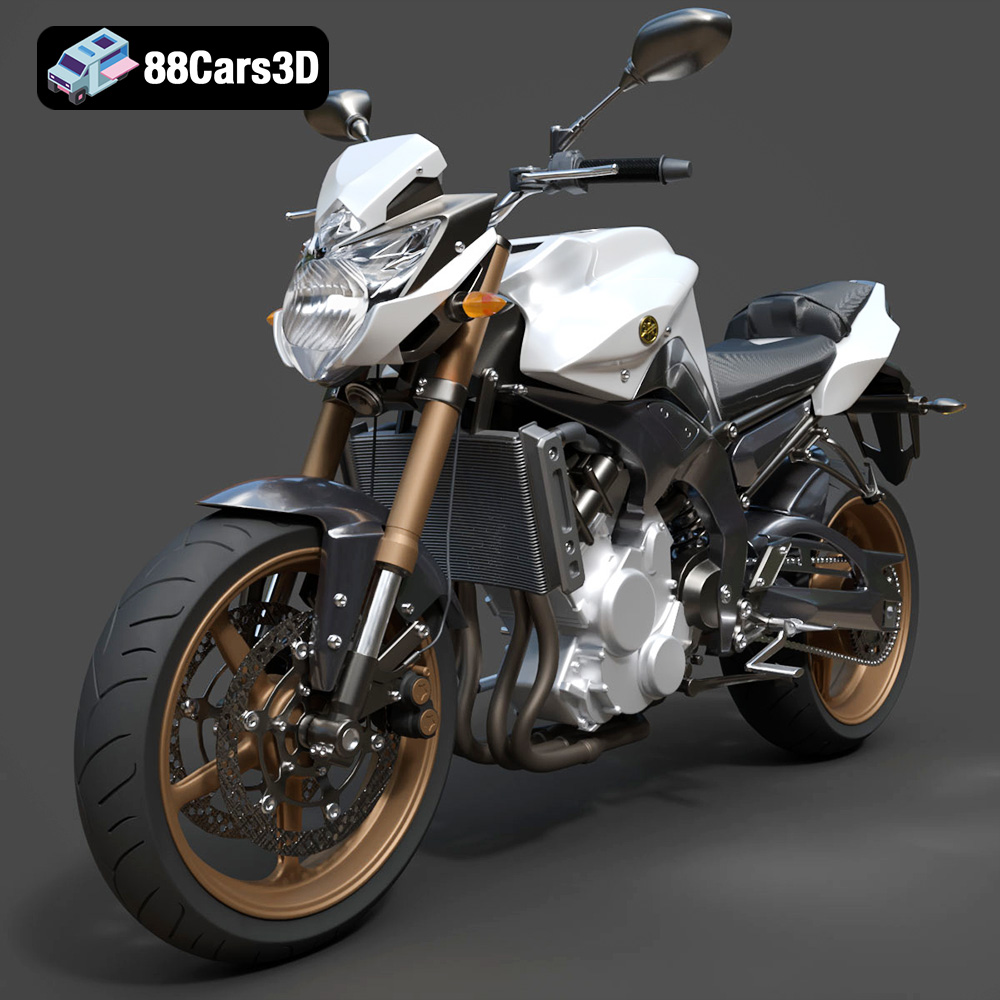
Texture: Yes
Material: Yes
Download the Yamaha FZ8 2011 3D Model featuring clean geometry, realistic detailing, and a fully modeled interior. Includes .blend, .fbx, .obj, .glb, .stl, .ply, .unreal, and .max formats for rendering, simulation, and game development.
Price: $19.99
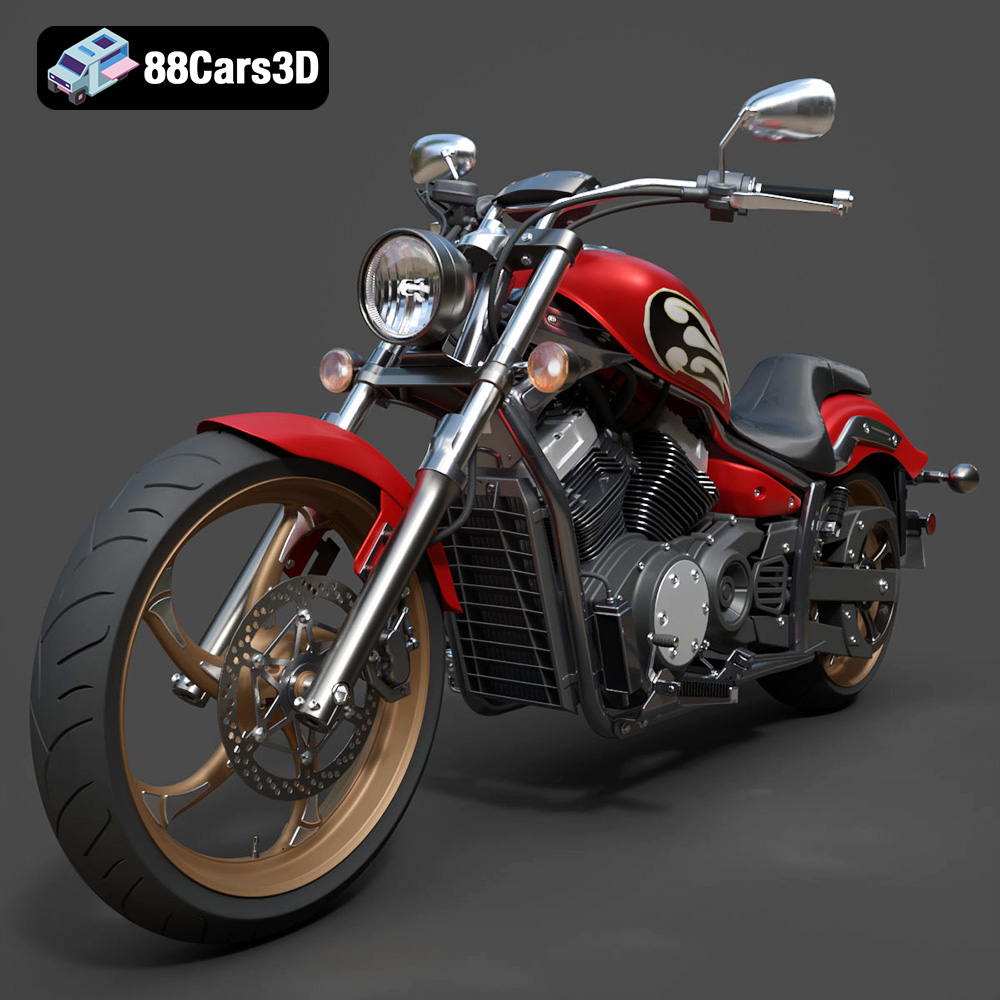
Texture: Yes
Material: Yes
Download the Yamaha Stryker 2012 3D Model featuring clean geometry, realistic detailing, and a fully modeled interior. Includes .blend, .fbx, .obj, .glb, .stl, .ply, .unreal, and .max formats for rendering, simulation, and game development.
Price: $19.99
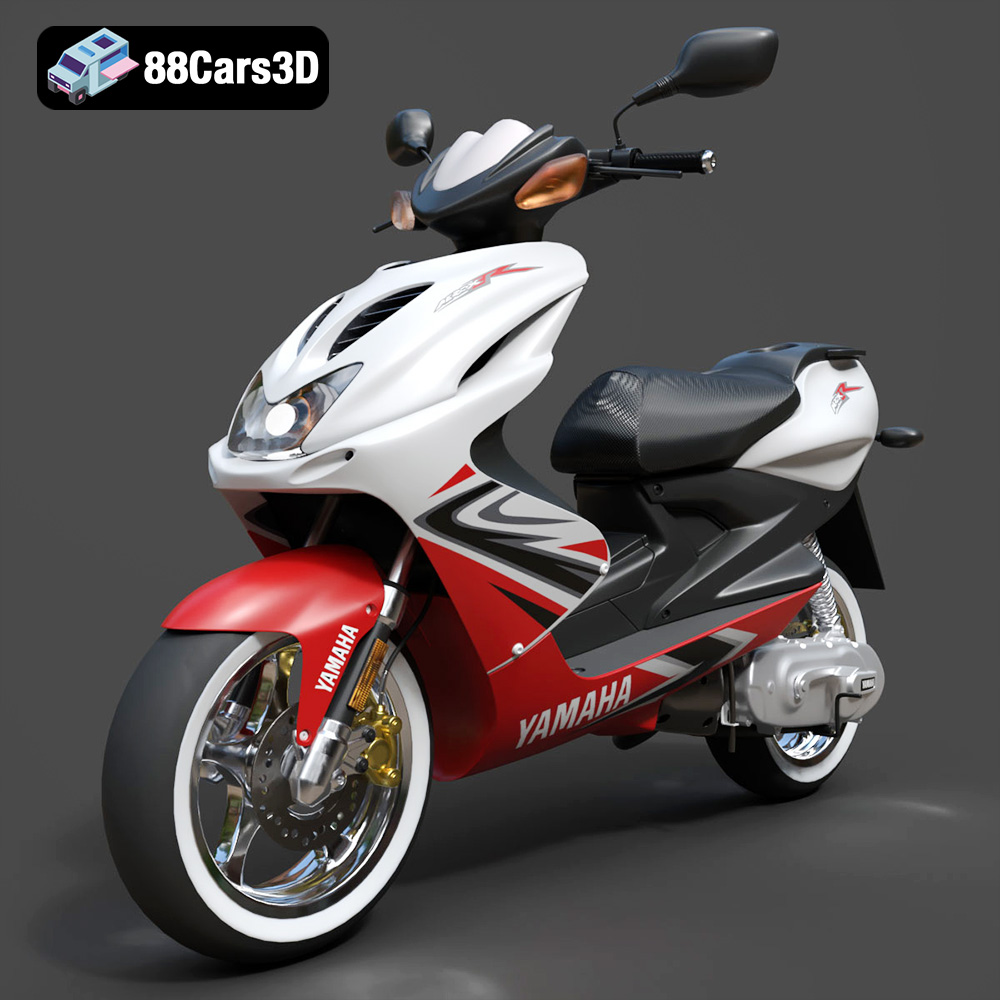
Texture: Yes
Material: Yes
Download the Yamaha Aerox R-002 2024 3D Model featuring clean geometry, realistic detailing, and a fully modeled interior. Includes .blend, .fbx, .obj, .glb, .stl, .ply, .unreal, and .max formats for rendering, simulation, and game development.
Price: $19.99
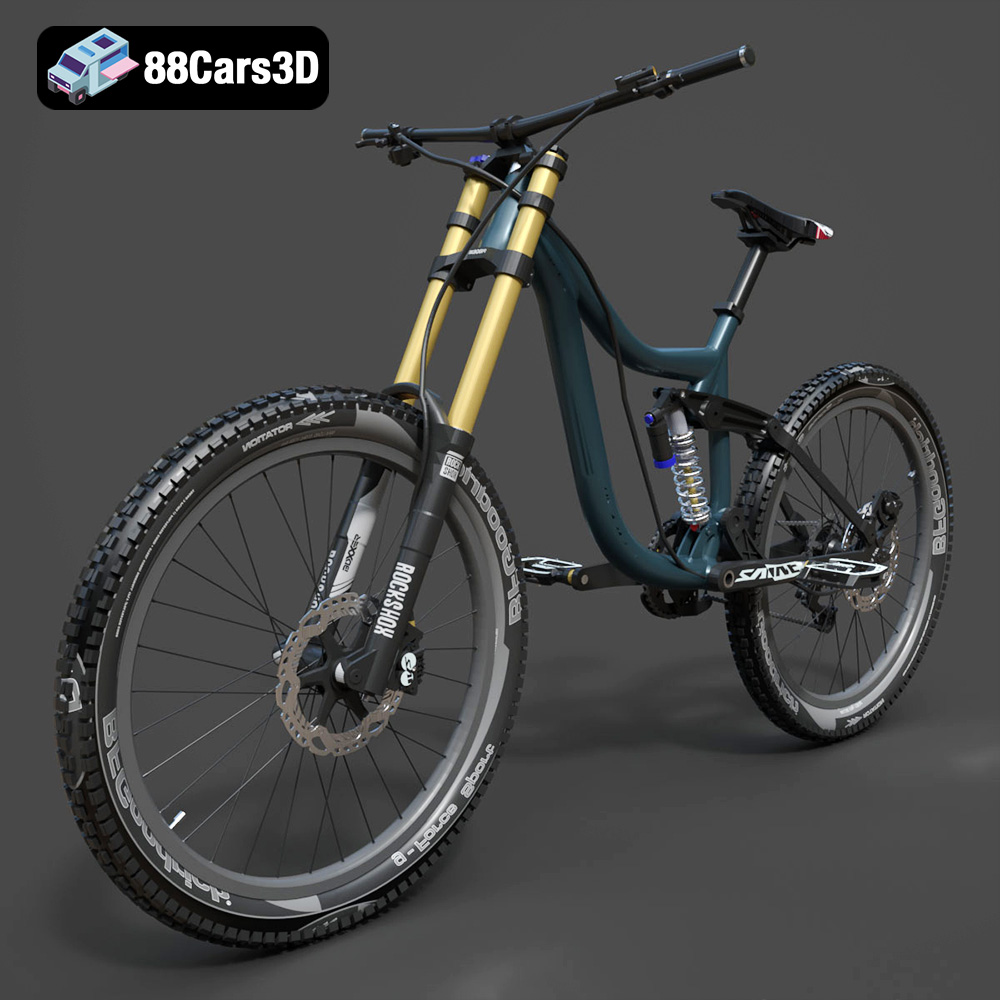
Texture: Yes
Material: Yes
Download the Mototsikly Downhill Bike-002 3D Model featuring clean geometry, realistic detailing, and precise mechanical components. Includes .blend, .fbx, .obj, .glb, .stl, .ply, .unreal, and .max formats for rendering, simulation, and game development.
Price: $19.99
Texture: Yes
Material: Yes
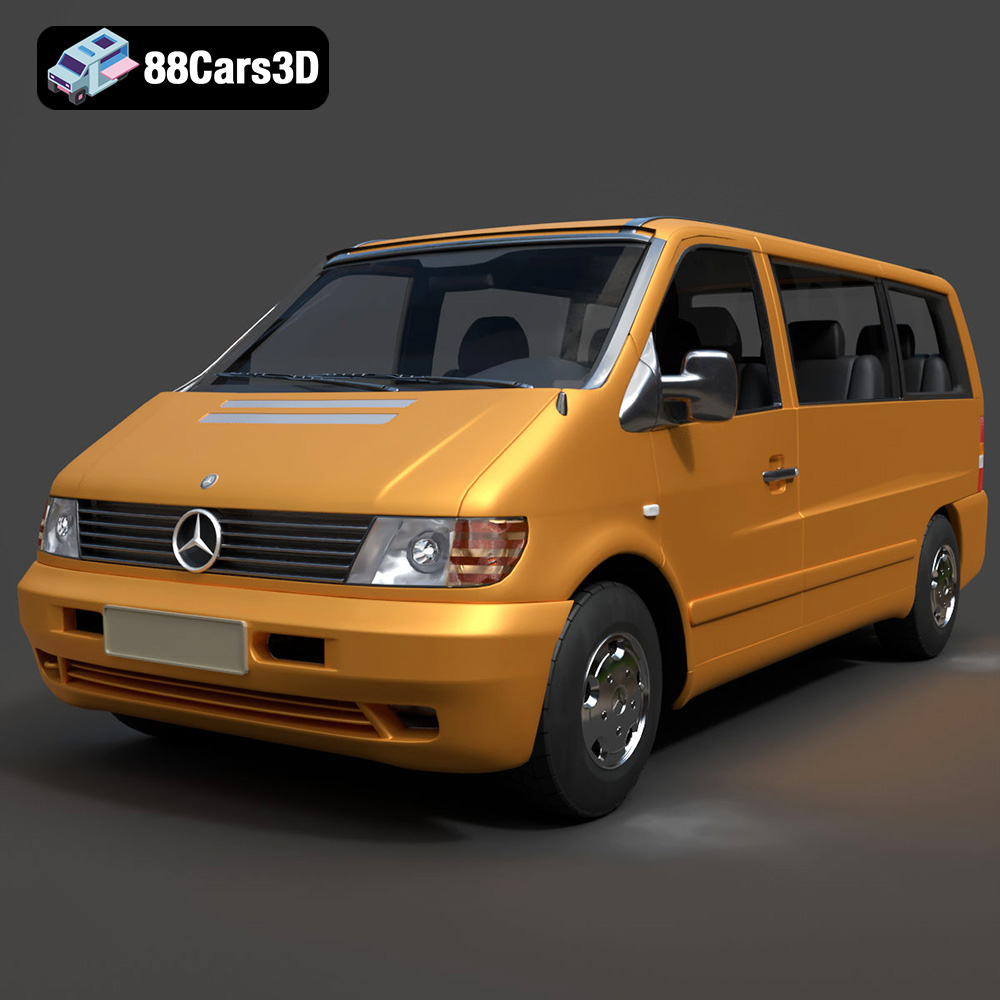
Download the Mercedes-Benz Vito Passenger Van 3D Model featuring clean geometry, realistic detailing, and a fully modeled interior. Includes .blend, .fbx, .obj, .glb, .stl, .ply, .unreal, and .max formats for rendering, simulation, and game development.
Price: $19.99
Texture: Yes
Material: Yes
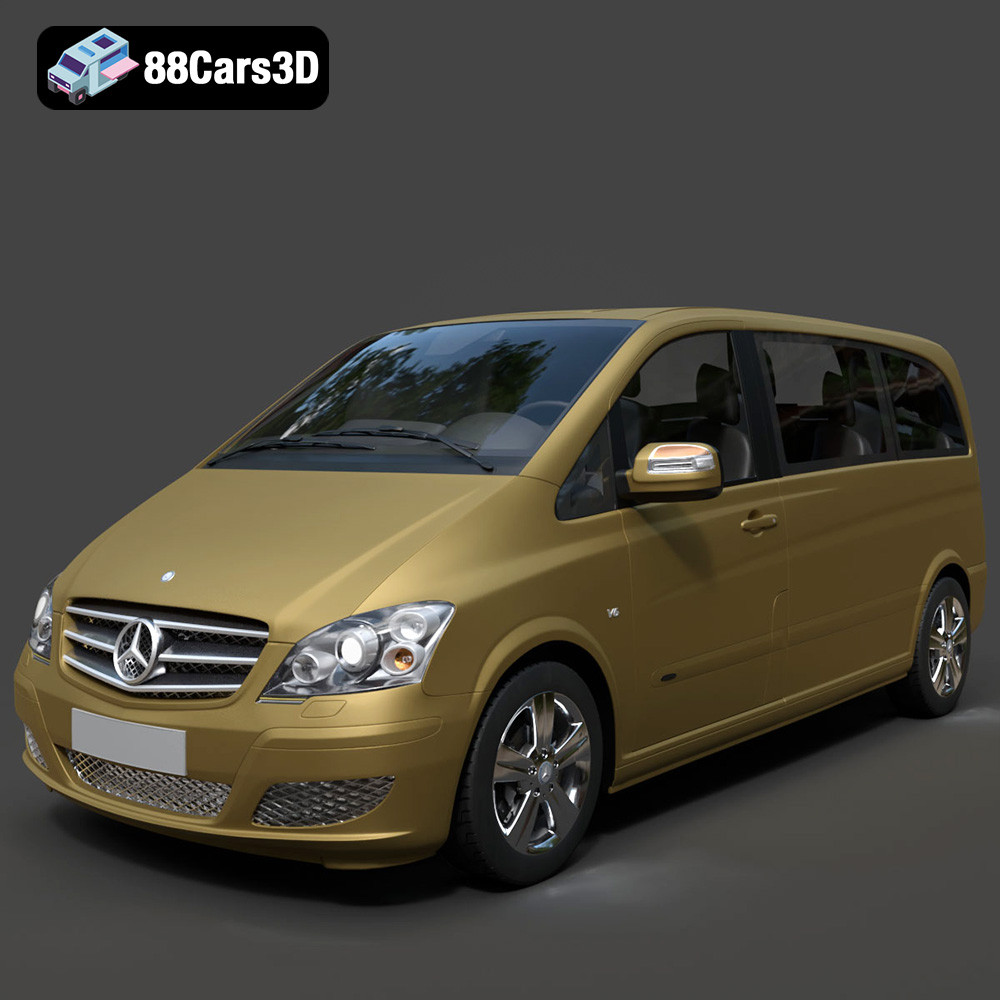
Download the Mercedes-Benz Viano 2010 3D Model featuring clean geometry, realistic detailing, and a fully modeled interior. Includes .blend, .fbx, .obj, .glb, .stl, .ply, .unreal, and .max formats for rendering, simulation, and game development.
Price: $19.99

Texture: Yes
Material: Yes
Download the Emt Avtobus 007 3D Model featuring clean geometry, realistic detailing, and a fully modeled interior. Includes .blend, .fbx, .obj, .glb, .stl, .ply, .unreal, and .max formats for rendering, simulation, and game development.
Price: $19.99
Texture: Yes
Material: Yes
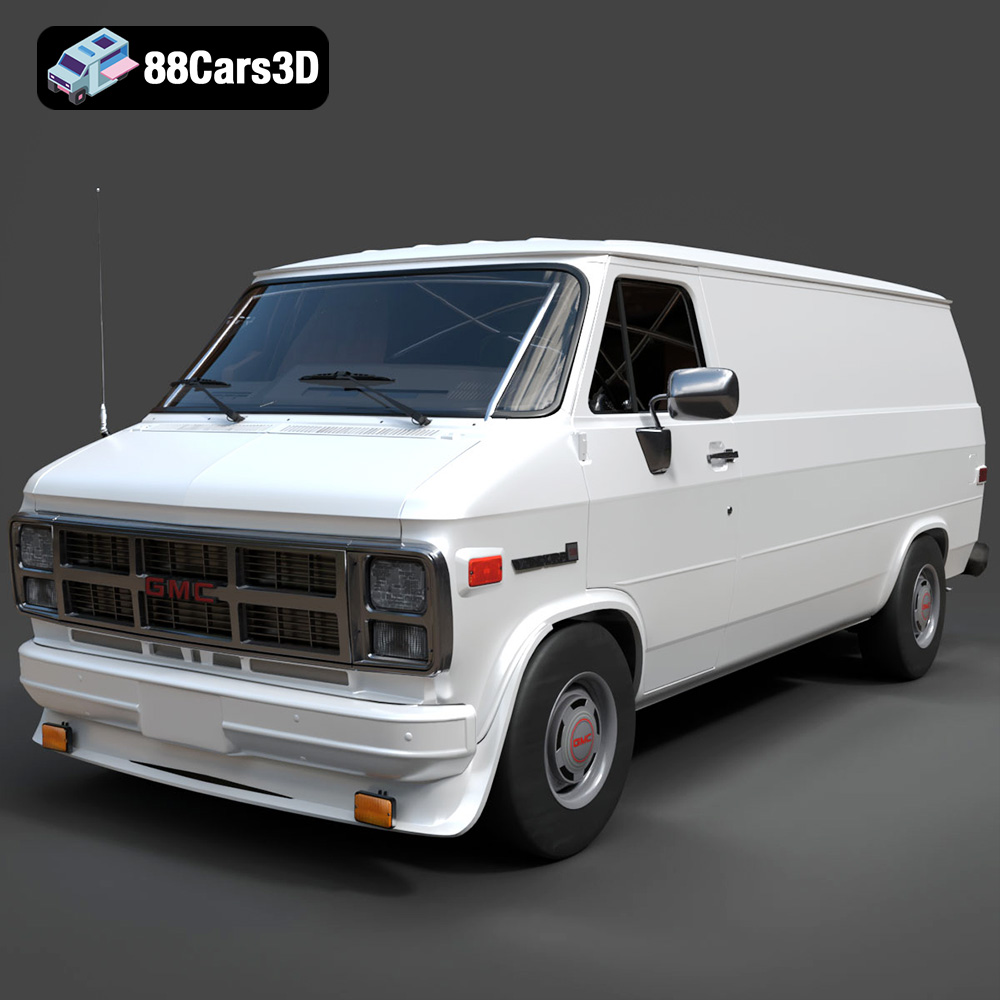
Download the GMC Vandura G-1500 1983 3D Model featuring clean geometry, realistic detailing, and a fully modeled interior. Includes .blend, .fbx, .obj, .glb, .stl, .ply, .unreal, and .max formats for rendering, simulation, and game development.
Price: $19.99
Texture: Yes
Material: Yes
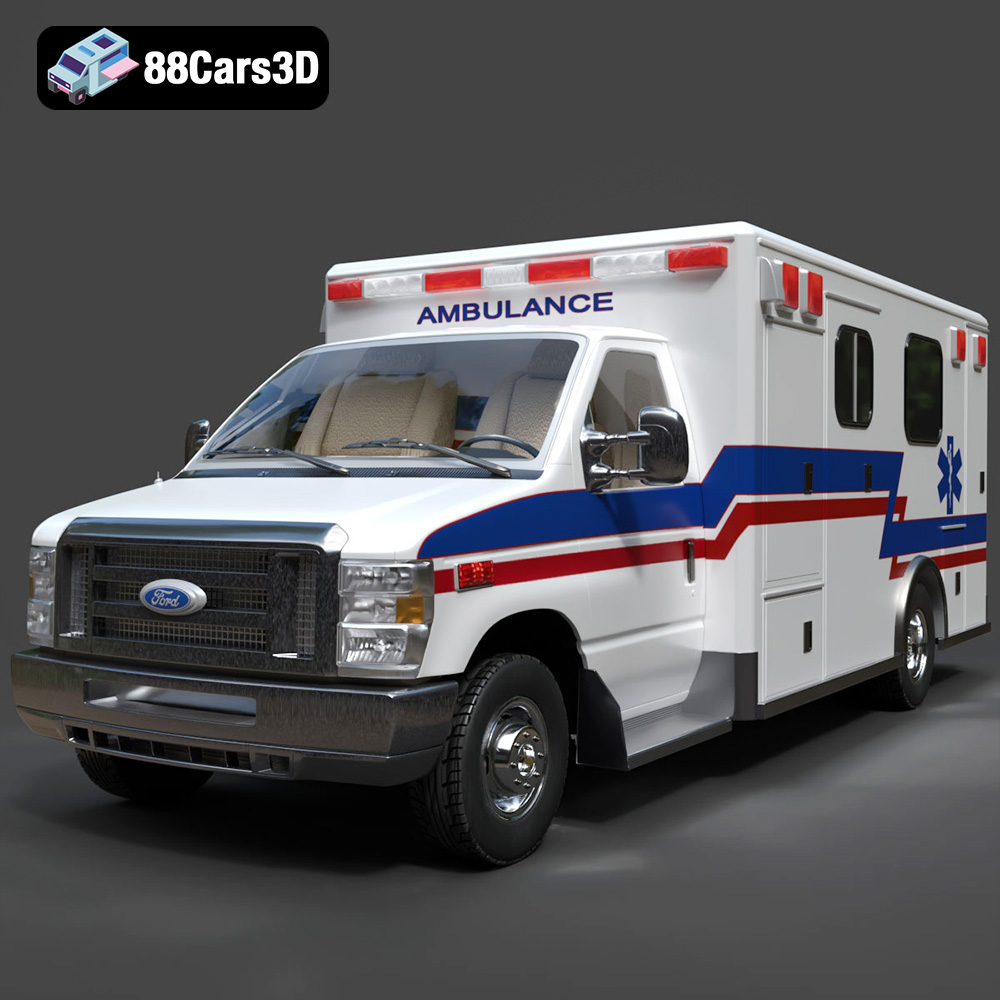
Download the Ford E-450 Ambulance 3D Model featuring clean geometry, realistic detailing, and a fully modeled interior. Includes .blend, .fbx, .obj, .glb, .stl, .ply, .unreal, and .max formats for rendering, simulation, and game development.
Price: $19.99

