⚡ FLASH SALE: Get 60% OFF All Premium 3D & STL Models! ⚡

“`html
The world of 3D printing has transformed hobbyists, makers, and even professionals into creators capable of bringing intricate designs to life. For automotive enthusiasts, this means the ability to hold a meticulously detailed replica of a classic supercar, a rugged off-roader, or a futuristic concept car right in your hands. But translating that digital vision from an STL file into a tangible, high-quality print can seem daunting, especially for newcomers. Where do you begin with slicing software? How do you ensure perfect bed adhesion? What are the secrets to flawless surface finishes? This guide is your comprehensive roadmap, demystifying the process of 3D printing automotive models. We’ll delve into the nitty-gritty of preparing your STL files, optimizing your 3D printer settings, mastering slicing techniques, and exploring the nuances of both FDM and resin printing. Get ready to elevate your hobby and print stunning printable car models that will impress even the most discerning eyes.
Before a single layer is printed, the quality of your STL file is paramount. An STL (STereoLithography) file is the industry standard for representing 3D object geometry. It describes the surface geometry of a 3D object using a collection of triangles (facets). For printable car models, this means the car’s body, wheels, and interior components are all tessellated into a mesh of these triangles. The cleaner and more robust this mesh is, the smoother and more accurate your final print will be. Issues like non-manifold geometry, inverted normals, or holes in the mesh can lead to slicing errors, failed prints, and a subpar end product.
A “watertight” or “manifold” mesh is crucial. Imagine it as a closed surface with no holes, where every edge is shared by exactly two triangles. Non-manifold edges or vertices can confuse the slicer, leading to missing sections or incorrect printing paths. For complex models, especially those downloaded from marketplaces like 88cars3d.com, it’s often wise to perform a mesh check. Software like Meshmixer, Blender, or Netfabb offer tools to automatically detect and repair these issues. A simple check involves looking for stray vertices, internal faces, or edges shared by more than two triangles. Understanding basic mesh topology helps in identifying potential problems even before you send a file to the slicer.
While STL is ubiquitous, other formats like OBJ and FBX are also common, especially for models that may include color or texture information (though these are typically not relevant for standard 3D printing). OBJ files can represent geometry, UVs, and material information. FBX is a proprietary format developed by Autodesk that supports more complex scene data. For pure 3D printing purposes, a well-formed STL is usually sufficient. However, if you’re working with highly detailed models or intend to add custom details in modeling software, understanding the capabilities of different file formats can be beneficial.
The slicer is the bridge between your 3D model and your 3D printer. Software like Cura, PrusaSlicer, or Simplify3D takes your STL file and slices it into hundreds or thousands of thin horizontal layers, generating the G-code instructions that your printer follows. This is where you define critical print parameters that directly impact quality, strength, and print time. For intricate printable car models, careful slicing is essential to capture fine details like panel lines, badges, and interior components.
Several parameters within your slicer are vital. Layer height is perhaps the most impactful on detail. A smaller layer height (e.g., 0.1mm or 0.12mm for FDM) results in smoother curves and finer details but significantly increases print time. For resin printers, layer heights can be much smaller (e.g., 0.025mm – 0.05mm), offering exceptional detail. Infill density and pattern affect the model’s internal structure, impacting strength and material usage. For display models, low infill (5-15%) is often sufficient. Patterns like gyroid or cubic offer good strength-to-weight ratios. Print speed needs to be balanced; faster printing saves time but can compromise surface quality and detail accuracy. For intricate car models, reducing print speed for outer walls and fine details is often recommended.
Most car models, with their overhangs (like spoilers, mirrors, or wheel arches) and bridges, require support structures. Your slicer can automatically generate these. Key considerations include support density (how solid the supports are), support interface layers (making the top surface of the support cleaner for easier removal), and support placement (touching build plate only vs. touching build plate and model). For delicate parts or models with very fine details, using manual supports or carefully adjusting auto-generated supports in your slicer (or even in mesh editing software) can prevent damage during removal. Tree supports, available in some slicers like Cura, can be efficient and easier to remove from complex geometries.
Fused Deposition Modeling (FDM) is the most common type of 3D printing, utilizing spools of thermoplastic filament. It’s generally more affordable and offers a wide range of materials, making it a popular choice for hobbyists printing printable car models. However, achieving the high level of detail seen in resin prints can be challenging.
A well-calibrated FDM printer is fundamental. This includes ensuring your bed leveling is perfect, your E-steps are calibrated (for accurate filament extrusion), and your retraction settings are dialed in to minimize stringing. For detailed car models, consider using a smaller nozzle size (e.g., 0.2mm or 0.3mm instead of the standard 0.4mm). This allows for finer details and sharper corners, though it will increase print times. Optimal temperatures for filament like PLA (a common and easy-to-print material) are typically around 190-220°C nozzle and 50-60°C bed. PETG offers more durability but can be stringier and requires slightly higher temperatures. Printing speeds for outer walls might be set as low as 20-40 mm/s for maximum quality.
PLA is an excellent starting point due to its ease of printing and low warping. For models that might require more robustness or exposure to slightly higher temperatures (e.g., a car interior that might sit in a hot vehicle), PETG can be a good alternative. ABS offers excellent strength but is prone to warping and requires an enclosed printer and specific ventilation. Regardless of the material, good bed adhesion is crucial. Using a PEI sheet, glue stick, or specialized build surfaces can ensure your print doesn’t detach mid-print. First layer settings are critical: a slightly slower speed (15-20 mm/s) and potentially a slightly higher temperature for the first layer can greatly improve adhesion.
Stereolithography (SLA) and Digital Light Processing (DLP) printers, collectively known as resin printers, use liquid photopolymer resin cured by a UV light source. They offer significantly higher resolution and smoother surface finishes compared to FDM, making them ideal for highly detailed printable car models where capturing every curve and accent is essential.
Resin printing involves a vat of liquid resin, a build platform, and a UV light source. Key settings include layer height (typically 0.025mm – 0.05mm), exposure time (how long the UV light cures each layer, crucial for resin properties and print success), and lift speed (how quickly the build plate moves, affecting print time and peel forces). Resin printers usually require supports, and these need to be robust enough to handle the forces involved in lifting the cured layers from the resin. It’s common to use smaller, denser supports than with FDM. Resin types vary greatly, from standard resins suitable for display models to tough or flexible resins for functional parts. Always follow the manufacturer’s recommendations for exposure times based on the specific resin used.
The post-processing workflow for resin prints is critical and involves several steps. After printing, the model is removed from the build plate and needs to be cleaned to remove uncured resin. This is typically done using isopropyl alcohol (IPA) or specialized resin cleaning solutions in an ultrasonic cleaner or by soaking and brushing. Safety precautions are vital here, including wearing gloves and working in a well-ventilated area. After cleaning, the parts need to be fully cured under UV light. This can be done using a dedicated UV curing station or even direct sunlight. Incomplete curing can lead to parts being brittle or sticky. Careful removal of supports, often with flush cutters or hobby knives, is also a key step to achieving a flawless finish.
Even with careful preparation, printing challenges can arise. Understanding common issues and how to address them will save you time, frustration, and material. Whether you’re printing a 1:18 scale classic or a miniature race car, these techniques are invaluable.
The orientation of your model on the build plate significantly impacts print quality, support requirements, and print time. For car models, orienting them to minimize overhangs that require extensive supports is often beneficial. Printing a car body upright will likely require extensive supports under the roof and hood, while printing it upside down might be more efficient. Experiment with different orientations. For FDM, ensuring strong bed adhesion is paramount. If you’re experiencing prints detaching, consider increasing the first layer temperature, adding a brim or raft in your slicer settings, or ensuring your build surface is clean and free of grease.
Warping: A common issue with FDM, especially with materials like ABS. Solutions include using an enclosure, adjusting bed temperatures, using brims/rafts, and ensuring good bed adhesion. Stringing: Caused by filament oozing during travel moves. Solution: Dial in retraction settings (distance and speed), lower print temperature slightly, and consider a filament dryer. Layer Shifting: Often due to mechanical issues like loose belts or stepper motor overheating. Solution: Check belt tension, ensure smooth axis movement, and consider lowering print speed. Under-extrusion/Over-extrusion: Affects the overall density and accuracy of the print. Solution: Calibrate E-steps, check nozzle for clogs, and ensure correct filament diameter is set in the slicer.
Once your printable car model is off the printer, the journey isn’t over. Post-processing is where you achieve that professional, show-ready finish. For FDM prints, this often involves sanding to remove layer lines and support marks. Start with coarser grit sandpaper (e.g., 120-220 grit) and gradually move to finer grits (up to 2000+ grit). Fillers, primers, and painting are then used to create a smooth, uniform surface. For resin prints, after cleaning and curing, supports are carefully removed, and sanding is used for any minor imperfections or support contact points. Many hobbyists use airbrushes for smooth, even paint application on their car models.
The world of 3D printing automotive models is incredibly rewarding. By understanding the fundamentals of STL files, mastering your slicer settings, choosing the right printing technology and materials, and dedicating time to post-processing, you can create stunning replicas. Whether you’re downloading a perfectly prepared STL file from a trusted source like 88cars3d.com or working on your own designs, the principles discussed here will set you on the path to success. Don’t be afraid to experiment, learn from failed prints, and refine your techniques. The ultimate satisfaction comes from holding a 3D printed masterpiece that you brought to life yourself, a testament to your skill and passion for automobiles.
“`

Meta Description:
Texture: Yes
Material: Yes
Download the Porsche Cayenne 3D Model featuring realistic exterior styling and detailed interior design. Includes .blend, .fbx, .obj, .glb, .stl, .ply, .unreal, and .max formats for rendering, simulation, AR VR, and game development.
Price: $19.9
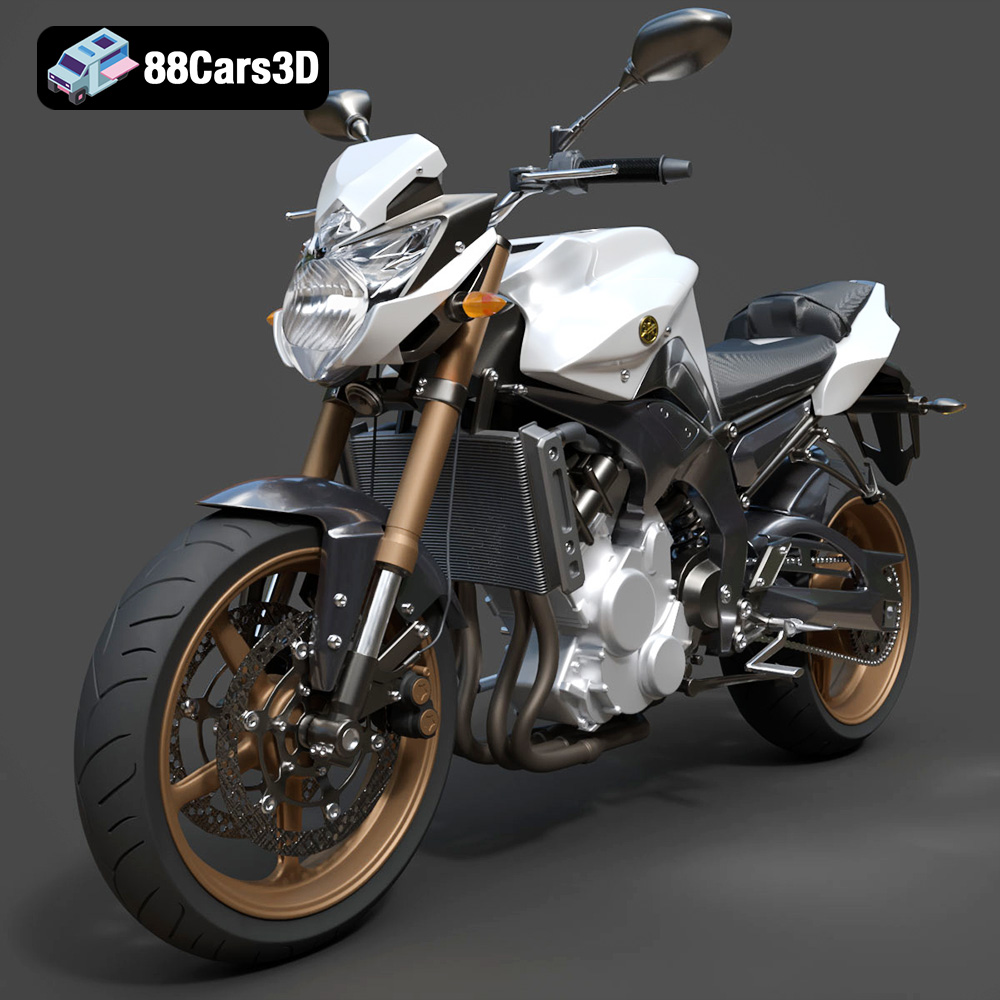
Texture: Yes
Material: Yes
Download the Yamaha FZ8 2011 3D Model featuring clean geometry, realistic detailing, and a fully modeled interior. Includes .blend, .fbx, .obj, .glb, .stl, .ply, .unreal, and .max formats for rendering, simulation, and game development.
Price: $19.99
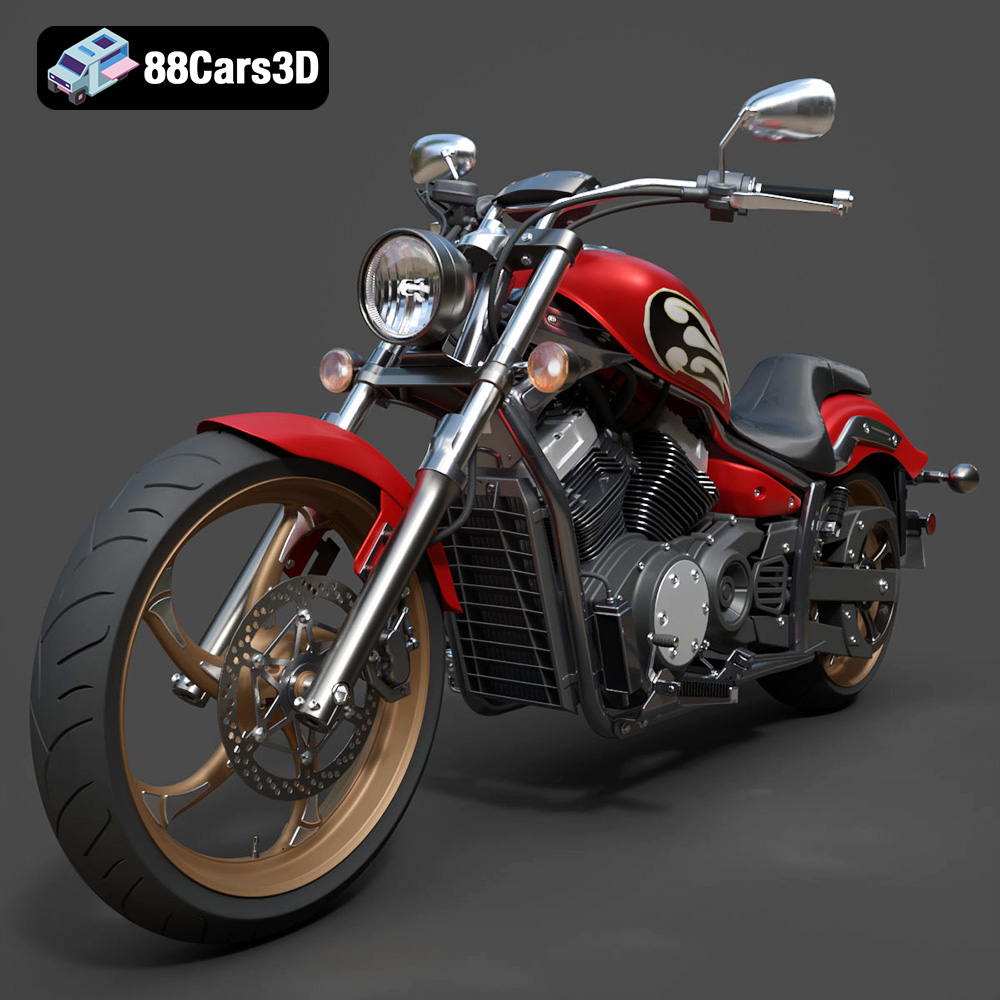
Texture: Yes
Material: Yes
Download the Yamaha Stryker 2012 3D Model featuring clean geometry, realistic detailing, and a fully modeled interior. Includes .blend, .fbx, .obj, .glb, .stl, .ply, .unreal, and .max formats for rendering, simulation, and game development.
Price: $19.99
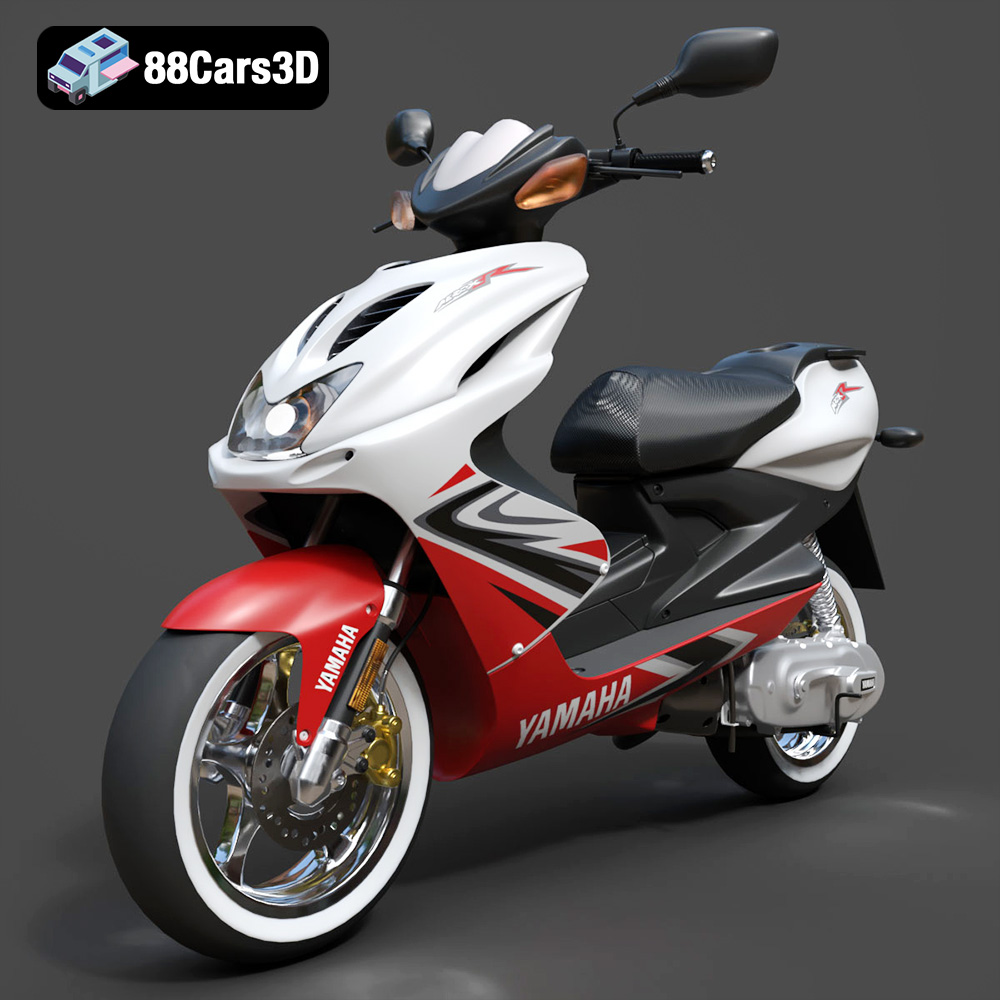
Texture: Yes
Material: Yes
Download the Yamaha Aerox R-002 2024 3D Model featuring clean geometry, realistic detailing, and a fully modeled interior. Includes .blend, .fbx, .obj, .glb, .stl, .ply, .unreal, and .max formats for rendering, simulation, and game development.
Price: $19.99
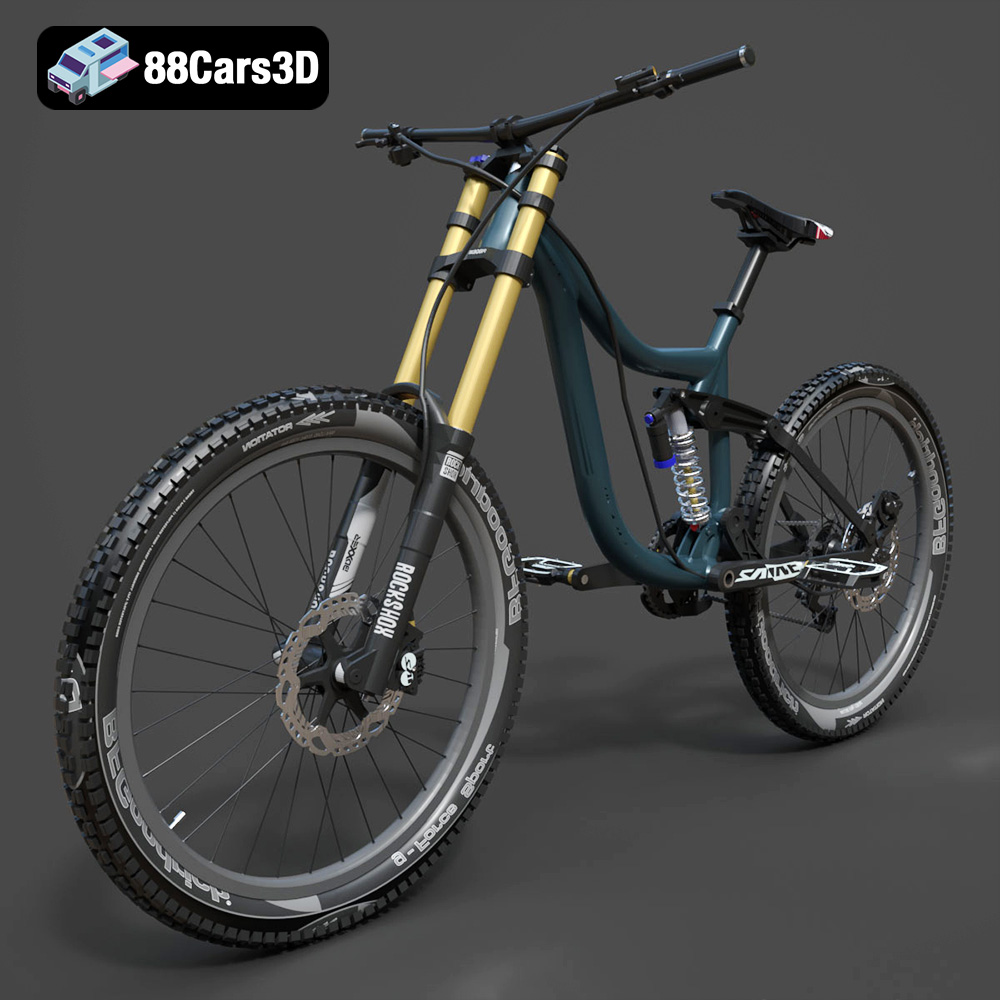
Texture: Yes
Material: Yes
Download the Mototsikly Downhill Bike-002 3D Model featuring clean geometry, realistic detailing, and precise mechanical components. Includes .blend, .fbx, .obj, .glb, .stl, .ply, .unreal, and .max formats for rendering, simulation, and game development.
Price: $19.99
Texture: Yes
Material: Yes
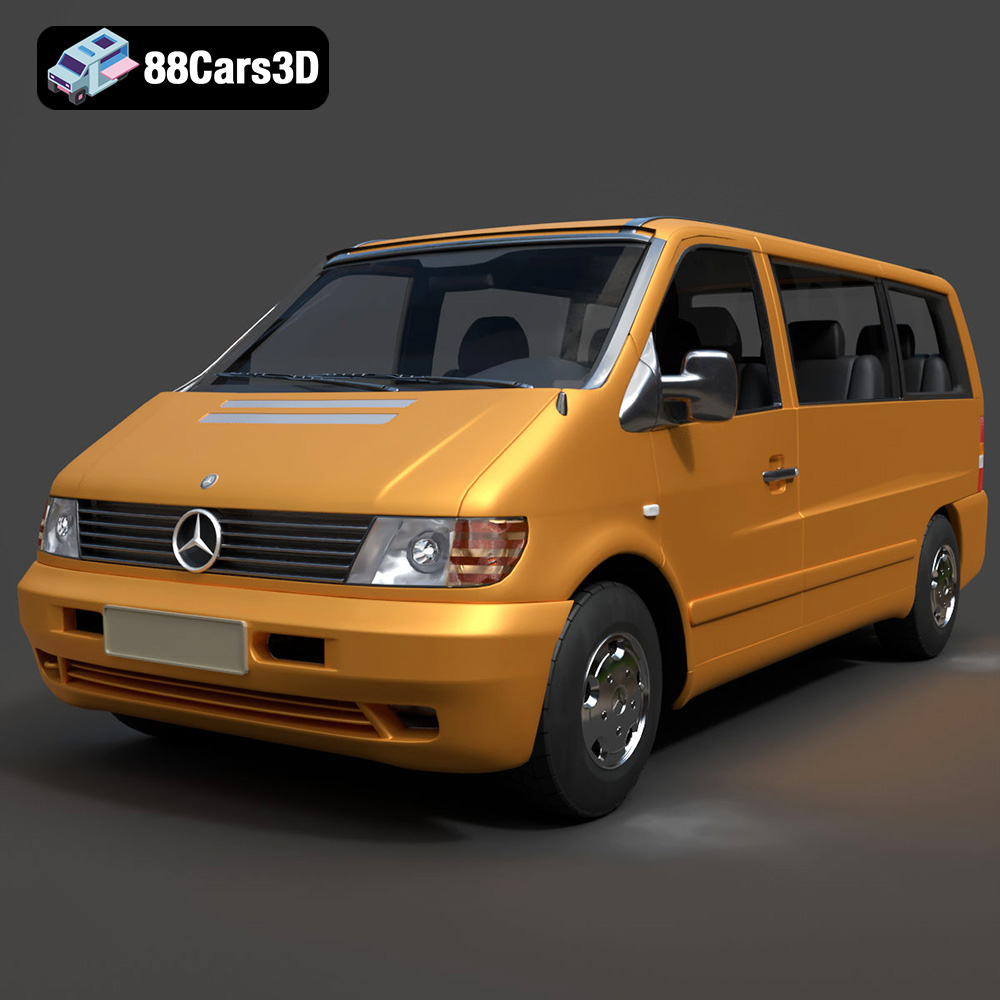
Download the Mercedes-Benz Vito Passenger Van 3D Model featuring clean geometry, realistic detailing, and a fully modeled interior. Includes .blend, .fbx, .obj, .glb, .stl, .ply, .unreal, and .max formats for rendering, simulation, and game development.
Price: $19.99
Texture: Yes
Material: Yes
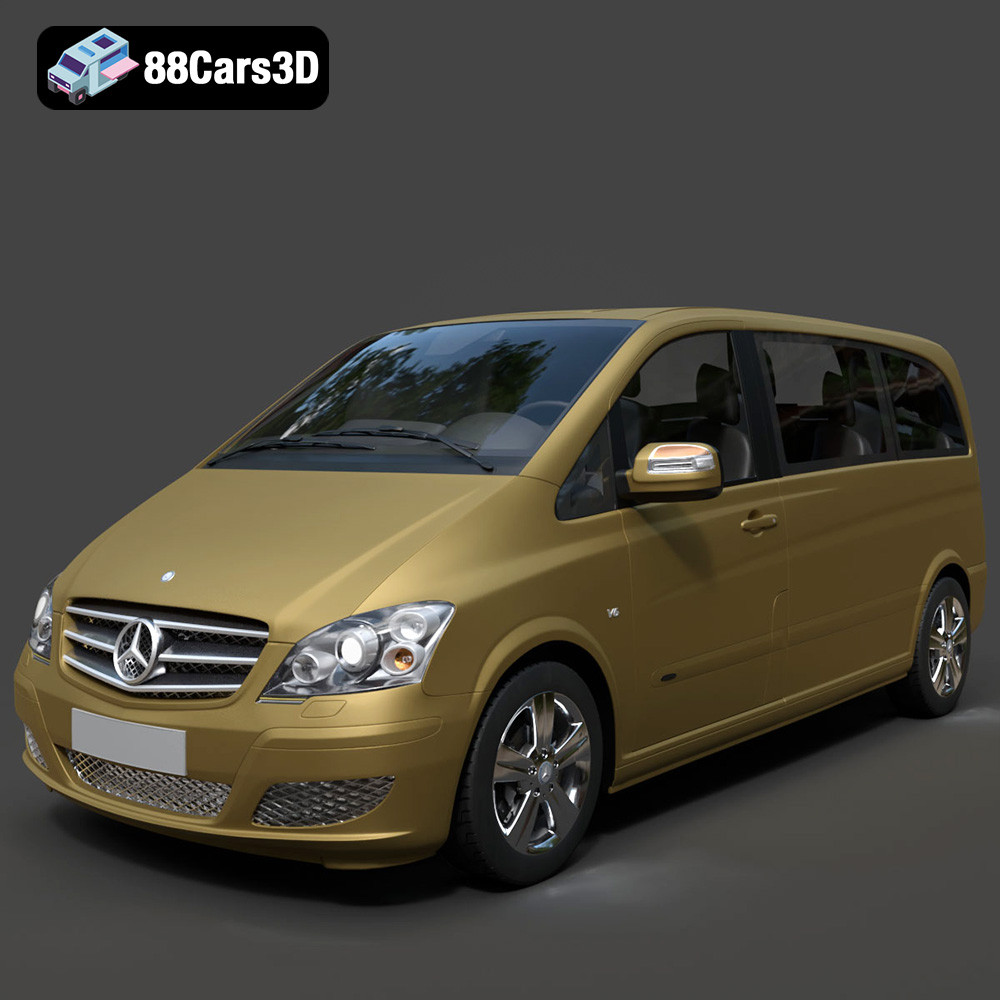
Download the Mercedes-Benz Viano 2010 3D Model featuring clean geometry, realistic detailing, and a fully modeled interior. Includes .blend, .fbx, .obj, .glb, .stl, .ply, .unreal, and .max formats for rendering, simulation, and game development.
Price: $19.99

Texture: Yes
Material: Yes
Download the Emt Avtobus 007 3D Model featuring clean geometry, realistic detailing, and a fully modeled interior. Includes .blend, .fbx, .obj, .glb, .stl, .ply, .unreal, and .max formats for rendering, simulation, and game development.
Price: $19.99
Texture: Yes
Material: Yes
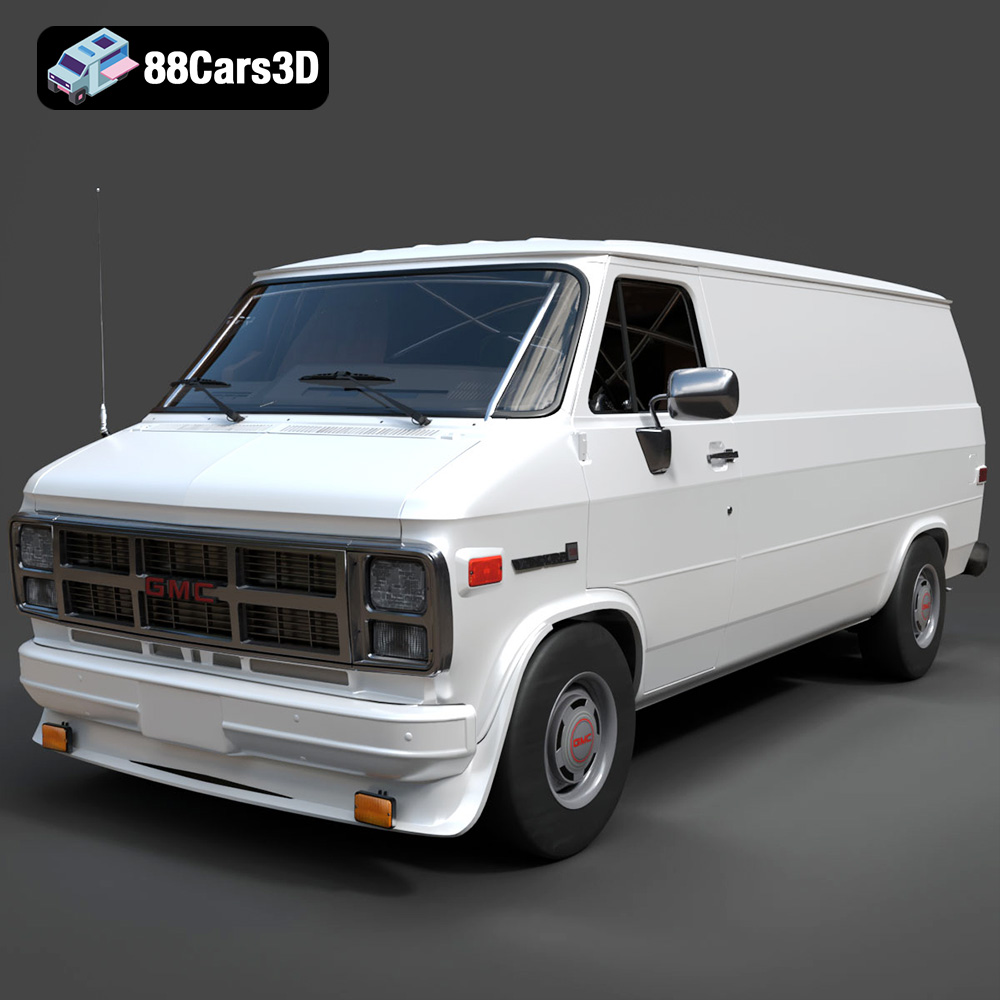
Download the GMC Vandura G-1500 1983 3D Model featuring clean geometry, realistic detailing, and a fully modeled interior. Includes .blend, .fbx, .obj, .glb, .stl, .ply, .unreal, and .max formats for rendering, simulation, and game development.
Price: $19.99
Texture: Yes
Material: Yes
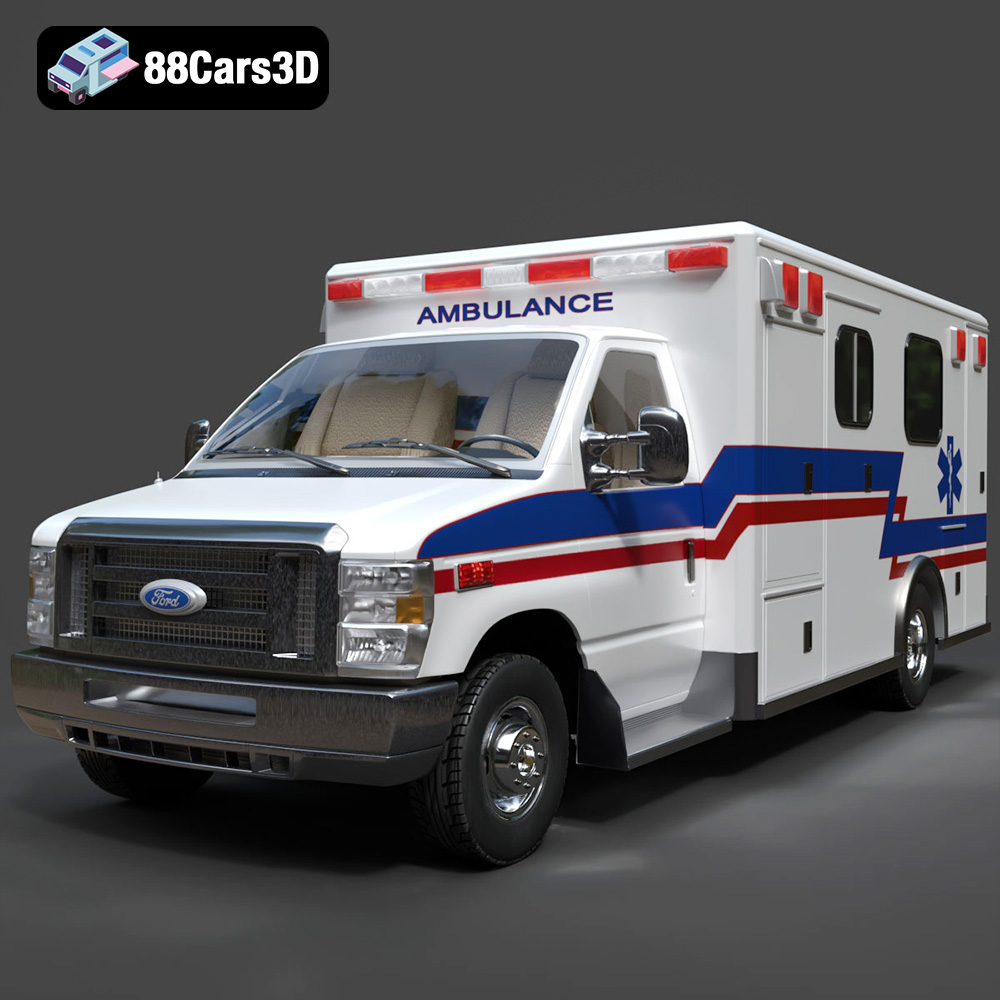
Download the Ford E-450 Ambulance 3D Model featuring clean geometry, realistic detailing, and a fully modeled interior. Includes .blend, .fbx, .obj, .glb, .stl, .ply, .unreal, and .max formats for rendering, simulation, and game development.
Price: $19.99

