
BMW 6 Series 640i F12 3D Model – Understanding 3D Model File Formats

In the dynamic world of 3D visualization, the demand for high-fidelity automotive assets continues to soar. From blockbuster game titles to cutting-edge architectural walkthroughs and cinematic advertising, a meticulously crafted vehicle model can elevate a project from ordinary to truly exceptional. The art of capturing the essence of a real-world automobile, with its intricate curves, luxurious finishes, and engineering prowess, requires both artistic vision and technical precision. This pursuit of perfection is particularly evident when working with iconic brands known for their blend of performance and design, like BMW.
For professionals seeking to infuse their projects with unparalleled realism and detail, the availability of high-quality 3D car models is a game-changer. These aren’t just simple meshes; they are intricate digital sculptures built to rigorous standards, ready to be integrated into diverse workflows. Today, we’re diving deep into the technical marvel that is the BMW 6 Series 640i F12 3D Model, a prime example of automotive excellence available on 88cars3d.com, and explore how such an asset empowers creators across various industries.
Understanding 3D Model File Formats
When acquiring a sophisticated 3D asset like the BMW 6 Series 640i F12, understanding the various file formats it comes in is crucial. Each format serves a specific purpose, offering optimized compatibility and features for different stages of the 3D pipeline, from initial modeling and texturing to real-time rendering and physical production. The BMW 6 Series 640i F12 3D Model, provided by 88cars3d.com, is a prime example of versatility, offering a comprehensive suite of formats designed to cater to virtually any professional need.
.blend – Fully Editable Blender Scene with Materials
The .blend format is native to Blender, the popular open-source 3D creation suite. When you receive a .blend file, you’re getting a fully editable scene, complete with the model’s geometry, materials, textures, lighting setups, and even animation data. This format is ideal for artists who primarily work in Blender and require maximum flexibility for modifications, custom rigging, or integration into existing Blender projects. Its non-destructive nature allows for deep customization of the BMW F12’s paint, interior fabrics, or intricate mechanical components, making it a powerful starting point for advanced artistic endeavors.
.fbx – Ideal for Unreal, Unity, and Real-time Pipelines
The .fbx (Filmbox) format is an industry-standard interchange format developed by Autodesk. It’s renowned for its robust ability to store not only mesh data but also materials, textures, animations, and camera information in a single file. This makes .fbx an excellent choice for transferring assets between different 3D software applications, and it’s particularly favored in game development. Engines like Unreal Engine and Unity have highly optimized .fbx importers, ensuring that the BMW F12 model retains its hierarchy, pivot points, and material assignments when brought into a real-time environment. It’s the go-to format for complex scenes requiring animation or intricate object relationships.
.obj – Universal Format for Cross-Software Compatibility
The .obj (Wavefront OBJ) format is one of the most widely supported 3D file formats, making it a universal choice for basic mesh transfer. It’s a simple, text-based format that primarily stores geometry (vertices, normals, texture coordinates, and faces) and can link to external .mtl (material) files for basic material properties. While it doesn’t support advanced features like animation or rigging, its widespread compatibility means the BMW F12 model can be opened and edited in virtually any 3D software package, from 3ds Max to Maya, Cinema 4D, and Blender, providing a reliable foundation for any project.
.glb – Optimized for AR, VR, and Browser-based Display
.glb (GLB format, derived from glTF) is quickly becoming the standard for 3D web, AR (Augmented Reality), and VR (Virtual Reality) applications. It’s a compact, self-contained format that includes models, materials, textures, and even animations in a single file, making it highly efficient for streaming and display in real-time environments. The BMW F12 in .glb format is perfect for embedding in websites, showcasing in AR apps on mobile devices, or integrating into WebGL-powered experiences, offering a lightweight yet visually rich representation of the vehicle without requiring extensive external data.
.stl – Suitable for 3D Printing Output
The .stl (Stereolithography) format is the de facto standard for 3D printing. It represents a 3D model as a series of connected triangles, defining only the surface geometry without color or texture information. For those looking to bring the BMW F12 from the digital realm into physical reality, the .stl format ensures a watertight mesh suitable for additive manufacturing processes. It allows designers to create physical prototypes, miniature models, or custom parts based on the precise digital sculpt.
.ply – Precision Mesh Format for CAD or Analysis
The .ply (Polygon File Format, or Stanford Triangle Format) is another format for storing 3D data, particularly useful for scanned data, point clouds, and precision meshes. It can store a wider range of properties than .obj, including color, transparency, normals, and depth for each vertex or face. While less common for general-purpose asset exchange, the .ply format for the BMW F12 could be valuable in CAD (Computer-Aided Design) pipelines, reverse engineering, or specific scientific/analytical applications where precise geometric data with additional per-element properties is required.
.unreal – Engine-ready Asset for Real-time Environments
The .unreal format signifies an asset specifically packaged and optimized for direct integration into Unreal Engine projects. This goes beyond a simple .fbx import; it typically means the asset comes with pre-configured materials, textures, collision meshes, LODs (Levels of Detail), and a proper scene hierarchy, all set up to meet Unreal Engine’s specifications for real-time performance and visual fidelity. An .unreal file for the BMW F12 would offer a streamlined workflow, saving significant setup time for game developers and real-time visualization artists by providing an “out-of-the-box” solution.
.max – Editable 3ds Max Project for Animation and Rendering
Finally, the .max format is native to Autodesk 3ds Max, a powerful software widely used for architectural visualization, animation, and high-end rendering. Similar to .blend, a .max file contains the complete scene, including geometry, materials (often V-Ray, Corona, or Arnold shaders), lighting, cameras, and animation data. For professionals relying on 3ds Max for their automotive rendering projects, the .max file for the BMW F12 provides full access to the original scene setup, allowing for complex material adjustments, intricate rigging for vehicle dynamics, and advanced rendering techniques to produce stunning photorealistic results.
The Art of Automotive Rendering: Bringing the BMW F12 to Life
Automotive rendering is a specialized discipline that blends technical mastery with artistic sensibility. It’s about more than just applying a shiny material; it’s about recreating the subtle interplay of light and shadow, the tactile feel of materials, and the emotional resonance of a beautifully designed vehicle. With a high-quality 3D car model like the BMW 6 Series 640i F12 from 88cars3d.com, artists have an exceptional foundation to produce stunning, photorealistic visuals.
Crafting Photorealistic Materials
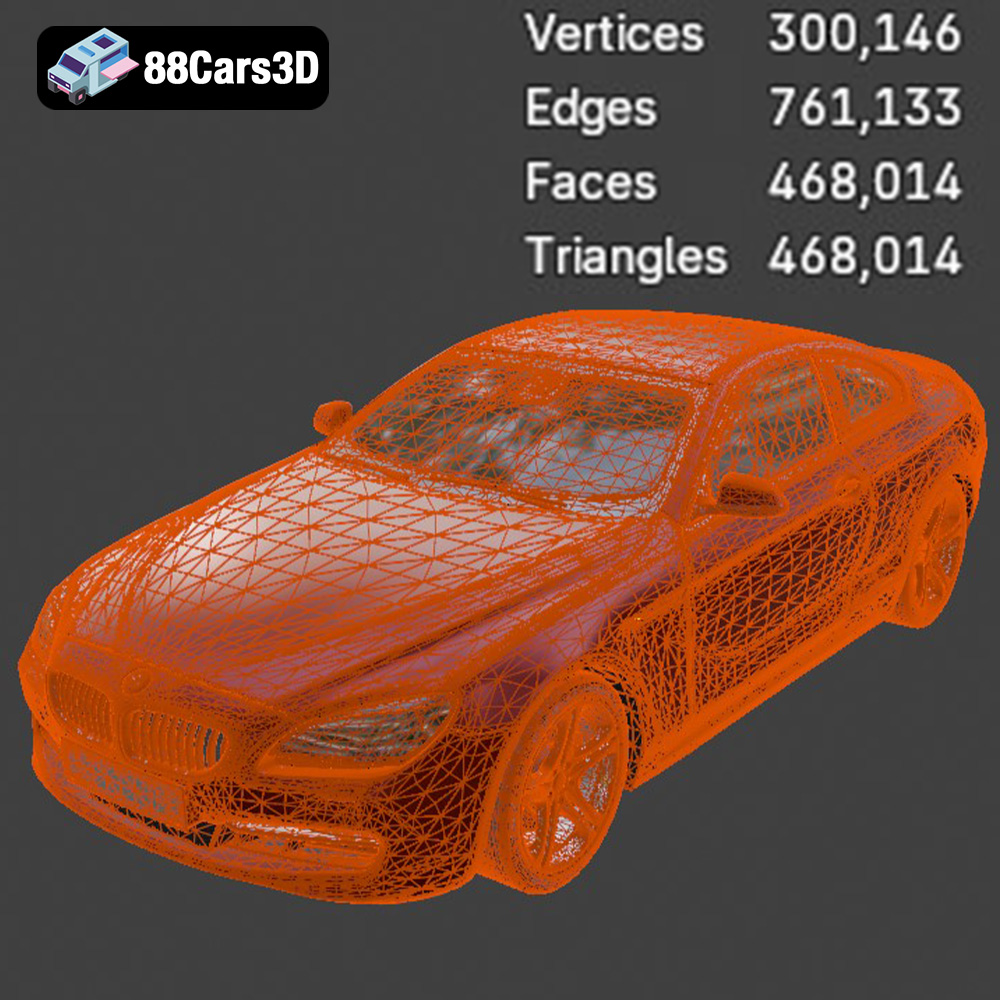
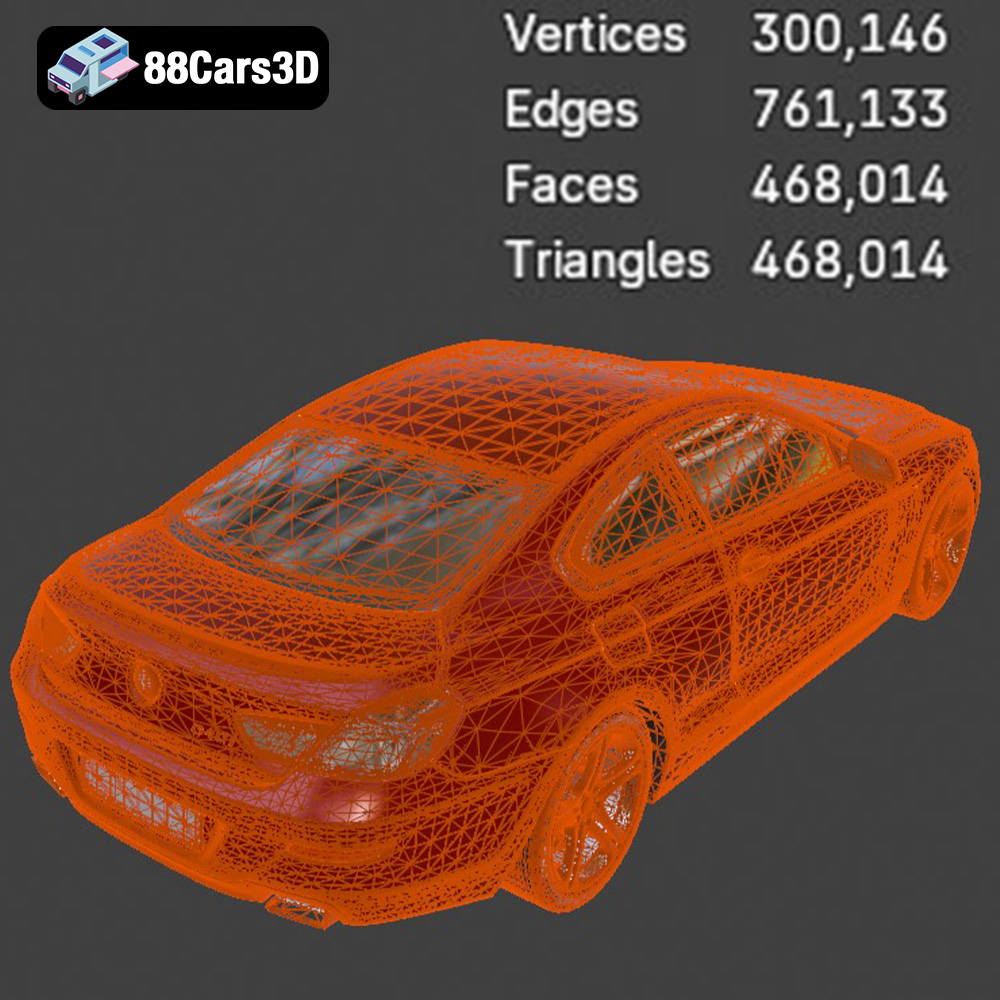
The realism of an automotive render hinges significantly on the materials. The BMW F12 model’s detailed exterior and interior features, including accurately modeled body panels, chrome accents, and distinct interior textures, provide a perfect canvas. Professional workflows typically involve advanced shaders in renderers like V-Ray, Corona, or Arnold. The car paint shader, for instance, isn’t just a color; it’s a complex blend of metallic flakes, clear coat reflections, and subtle fresnel effects that simulate depth and sheen. Chrome and metallic trims require specific IOR (Index of Refraction) values and high reflectivity, often with nuanced anisotropy to catch highlights realistically. Glass materials for windows and headlights need to accurately refract and reflect light, often with subtle tinting. Even the rubber of the tires and the textured surfaces of the dashboard components are crucial, requiring detailed normal maps and roughness values to convey their true nature. The clean, quad-dominant topology of this model ensures smooth subdivision surfaces, preventing artifacts and allowing for pristine reflections and refractions on complex curved surfaces.
Dynamic Lighting and Environment Setup
Lighting is the soul of any render. For automotive rendering, it can make or break the visual impact. Studio lighting setups, often using large area lights or HDRI (High Dynamic Range Image) environments, are common for showcasing the vehicle’s form and finish. An HDRI can encapsulate an entire real-world environment, providing accurate ambient lighting, reflections, and even shadows, instantly grounding the BMW F12 in a believable scene. For more dramatic or cinematic renders, volumetric lighting, rim lights, and carefully placed spot lights can emphasize contours and create a sense of drama. The model’s real-world scale is invaluable here, ensuring that lighting falloff and camera perspectives behave as they would with a physical car, leading to more accurate and believable results.
Post-Production for Cinematic Flair
Once the raw render is complete, post-production in software like Adobe Photoshop or Nuke is essential for adding that final polish. This stage involves color grading, adjusting contrast, adding subtle atmospheric effects like haze or lens flares, and refining reflections or specular highlights. Compositing the rendered vehicle into a backplate image or video footage requires meticulous attention to detail, ensuring seamless integration through matching lighting, shadows, and perspective. The high-resolution output achievable with a detailed 3D car model like the BMW 6 Series 640i F12 means there’s ample data to work with in post, allowing for significant artistic control to achieve a cinematic or advertising-quality finish.
Optimizing 3D Car Models for Real-time Game Development
Integrating sophisticated 3D car models into real-time game engines like Unreal Engine or Unity presents a unique set of challenges and opportunities. While the goal is still visual fidelity, performance is paramount. A model must not only look good but also run efficiently at high frame rates. The BMW 6 Series 640i F12 3D Model is optimized for exactly this purpose, making it a stellar game asset for racing simulations, open-world environments, or interactive experiences.
Integrating into Unreal Engine
For Unreal Engine, the .fbx or the dedicated .unreal file format offers the most streamlined integration. The .fbx carries the mesh, materials, and hierarchy, ensuring that doors, hood, and trunk are separate components, ready for animation. The .unreal package takes this a step further, providing a pre-configured asset with proper materials, collision meshes, and LODs (Levels of Detail) already set up. Developers can then create blueprints to add dynamic functionality, such as opening doors, realistic suspension physics, and custom interaction points. Shader complexity is carefully balanced, often utilizing physically-based rendering (PBR) workflows to achieve realistic metallic and reflective surfaces while minimizing render costs. The optimized mesh quality of the BMW F12 ensures that even at high detail, it remains manageable for real-time rendering.
Performance Considerations: LODs and Collision
Performance optimization in games relies heavily on Levels of Detail (LODs) and efficient collision meshes. LODs are simplified versions of the model that automatically switch based on the camera’s distance, reducing the polygon count for objects further away from the player. A professional game asset will include several LODs, ranging from a high-detail mesh for close-ups to a heavily optimized one for distant views. Collision meshes, separate simplified geometries, are crucial for accurate physical interactions without taxing the engine with complex visual geometry. The BMW 6 Series 640i F12 model is designed with this in mind, enabling developers to implement robust physics without compromising visual quality or performance. The organized hierarchy and properly set pivot points also aid in accurate physics simulations and skeletal animation for vehicle dynamics.
Customizing for Gameplay Mechanics
Beyond visual integration, game assets need to be adaptable to specific gameplay mechanics. The BMW 6 Series 640i F12 model, with its separated components like doors, hood, and trunk, allows for dynamic interactions crucial in many games. Imagine a racing game where body parts can deform upon impact, or an open-world title where players can customize paint finishes, body graphics, and even internal components. The clean topology and material distinction of the model facilitate these modifications, allowing for easy material swaps, decal application, and even internal upgrades without needing to re-model the base asset. This versatility makes it an invaluable addition to any game developer’s library.
Beyond Visualization: AR/VR, Simulation, and 3D Printing Applications
The utility of a high-fidelity 3D car model like the BMW 6 Series 640i F12 extends far beyond traditional rendering and game development. Its precise geometry and versatile file formats open doors to innovative applications in augmented reality (AR), virtual reality (VR), advanced simulations, and even physical prototyping through 3D printing.
Immersive Experiences in AR/VR
AR and VR environments demand assets that are both visually rich and performant. The .glb format is particularly well-suited for these applications, offering a compact, self-contained model optimized for real-time rendering on various devices, from high-end VR headsets to mobile AR platforms. Imagine placing a virtual BMW F12 in your driveway using an AR app, exploring its interior in full scale, or experiencing a virtual test drive in a VR simulation. The model’s attention to detail, from the sculpted contours of the seats to the intricate dashboard, contributes significantly to the sense of immersion, making these experiences incredibly realistic and engaging. This capability makes such 3D car models ideal for automotive configurators, interactive product showcases, and virtual showrooms.
High-Fidelity Simulations and Training
In industries ranging from automotive design and engineering to professional driver training, accurate 3D models are indispensable for simulations. The BMW 6 Series 640i F12’s real-world scale and optimized mesh quality make it suitable for sophisticated driving simulators, allowing engineers to test design concepts or trainees to practice maneuvers in a risk-free virtual environment. The precisely modeled components, including potential visible suspension elements and the exhaust system, provide the necessary geometric detail for accurate physics calculations and visual feedback. This level of detail supports comprehensive design reviews, aerodynamic analysis, and virtual prototyping, significantly reducing the need for expensive physical prototypes.
Physical Prototyping with 3D Printing
The ability to convert a digital model into a physical object through 3D printing is a powerful application, especially in design and manufacturing. The .stl format, included with the BMW F12 model, ensures that the geometry is watertight and ready for 3D printers. Designers can use this to produce scaled-down prototypes, custom accessories, or even display models. This bridge between the digital and physical realms allows for tactile evaluation of forms and proportions, providing a tangible output of the meticulously crafted 3D car models. It’s a fantastic way to extend the value of the digital asset into the realm of physical production and showcasing.
Professional Workflows: Leveraging High-Quality Assets
In a fast-paced professional environment, time is a precious commodity. Creating a complex 3D car model like the BMW 6 Series 640i F12 from scratch can take hundreds of hours, demanding specialized skills in modeling, texturing, and optimization. This is where investing in pre-made, high-quality assets from reputable marketplaces like 88cars3d.com becomes an intelligent strategic decision for studios, freelancers, and design firms alike.
Accelerating Project Timelines
The most immediate benefit of using pre-made assets is the dramatic reduction in project timelines. Instead of allocating resources to model an entire vehicle, artists can immediately focus on scene composition, lighting, animation, and final rendering. For projects with tight deadlines, such as an advertising campaign for a new product line or a critical game release, having an already optimized and technically sound 3D car model available can shave weeks off development schedules. This allows teams to iterate faster, experiment more, and deliver higher-quality results within constrained timeframes, ultimately boosting productivity and client satisfaction.
Ensuring Consistency and Quality
High-quality 3D models like the BMW 6 Series 640i F12 are built by expert modelers who adhere to industry-best practices. This means clean, quad-dominant topology, real-world scale, logically organized hierarchies, and properly set pivot points. This level of technical precision ensures consistency across projects and guarantees a robust foundation for further work. When teams rely on assets from a trusted source, they can be confident in the model’s integrity, minimizing the need for extensive clean-up or re-topology, which can often be more time-consuming than starting from scratch. This consistency is particularly vital in large-scale projects where multiple artists contribute, ensuring that all automotive elements maintain a unified standard of excellence.
Case Study: A Virtual Car Launch Scenario
Consider a hypothetical virtual car launch for a client. The brief requires a cinematic animation, several high-resolution stills for marketing, and an interactive AR experience for mobile. Building the car model from scratch would be prohibitive. By leveraging the BMW 6 Series 640i F12 3D Model, the team can immediately:
- Import the .max or .blend file into their preferred rendering software for cinematic sequences, focusing on complex camera movements and atmospheric effects.
- Use the same asset to generate print-ready stills, adjusting materials and lighting for different environments (studio, outdoor, night scenes).
- Utilize the .glb format for the AR experience, allowing potential customers to explore the car in their own environment.
This integrated approach, made possible by a versatile and high-quality 3D car model, saves time, ensures visual consistency across all deliverables, and allows the creative team to focus on storytelling and visual impact rather than foundational asset creation. The cost-effectiveness and efficiency gained are significant, making it a clear advantage for any professional endeavor.
Unpacking the BMW 6 Series 640i F12 3D Model’s Technical Excellence
The true value of a premium 3D asset lies in its underlying technical specifications and meticulous construction. The BMW 6 Series 640i F12 3D Model is a testament to this philosophy, engineered with an eye towards both aesthetic perfection and functional utility across diverse professional applications. It exemplifies what high-quality 3D car models should be.
Precision Modeling and Topology
At the core of this model’s excellence is its clean, quad-dominant topology. This isn’t merely an aesthetic choice; it’s a fundamental engineering decision. Quad-based meshes deform smoothly during animation and subdivide predictably, ensuring that even under extreme close-ups or complex lighting, the sleek lines and subtle curvatures of the F12 generation remain pristine. This meticulous approach prevents unsightly pinches or distortions, which are common with less carefully constructed models. The model is built to real-world scale, an often-overlooked detail that is critical for accurate integration into scenes, correct lighting falloff, and realistic physics simulations in games or training environments. Every body panel, from the distinctive kidney grille to the aerodynamic roofline, is faithfully replicated to reflect the F12’s signature silhouette.
Interior Detailing for Immersive Experiences
A truly immersive 3D car model extends its detail beyond the exterior. The BMW 6 Series 640i F12 3D Model delivers on this with a highly detailed interior. The dashboard features a realistic instrument cluster and infotainment screen, complete with intricate controls and switches that add to an authentic cabin feel. The comfortable seating boasts sculpted contours and distinct material separation, allowing for realistic textile or leather shaders. This level of interior fidelity is crucial for projects requiring close-up shots, virtual tours, or first-person perspectives in games and AR/VR experiences. The optimized mesh quality ensures that even these intricate interior elements contribute to visual realism without unduly taxing rendering engines, balancing detail with performance.
Animation Readiness and Scalability
The model’s design inherently supports a wide range of animation workflows. Key components such as doors, the hood, and the trunk are separated and logically organized within a hierarchy, with properly set pivot points. This preparation allows animators to easily create realistic opening and closing sequences, vehicle damage animations, or custom interactive elements without extensive rigging setup. Furthermore, the inclusion of authentic alloy wheels with detailed brake calipers means that wheel spin and steering animations will look convincing. The model’s versatility, offering various file formats and an adaptable structure, means it can scale from high-end cinematic rendering to real-time game integration, making it an invaluable, future-proof asset for any creative professional seeking top-tier automotive content.
Conclusion
In the competitive landscape of 3D visualization, the demand for truly exceptional assets is unwavering. High-quality 3D car models are not just commodities; they are foundational tools that empower artists and developers to achieve unparalleled realism and efficiency. The BMW 6 Series 640i F12 3D Model stands as a prime example of this commitment to excellence, offering meticulous detail, robust technical specifications, and broad compatibility across a spectrum of applications.
From crafting breathtaking automotive rendering projects in 3ds Max or Blender to optimizing performance for immersive game assets in Unreal Engine, or even translating digital designs into physical objects via 3D printing, this model provides the necessary versatility and fidelity. Its clean topology, real-world scale, and comprehensive file format support streamline professional workflows, allowing creative teams to focus on artistic expression and project delivery rather than foundational asset creation. For anyone seeking to elevate their projects with a truly iconic and technically precise vehicle, this BMW F12 model from 88cars3d.com represents an invaluable investment. Explore the possibilities and accelerate your next project with assets that genuinely reflect automotive excellence.
Featured 3D Model
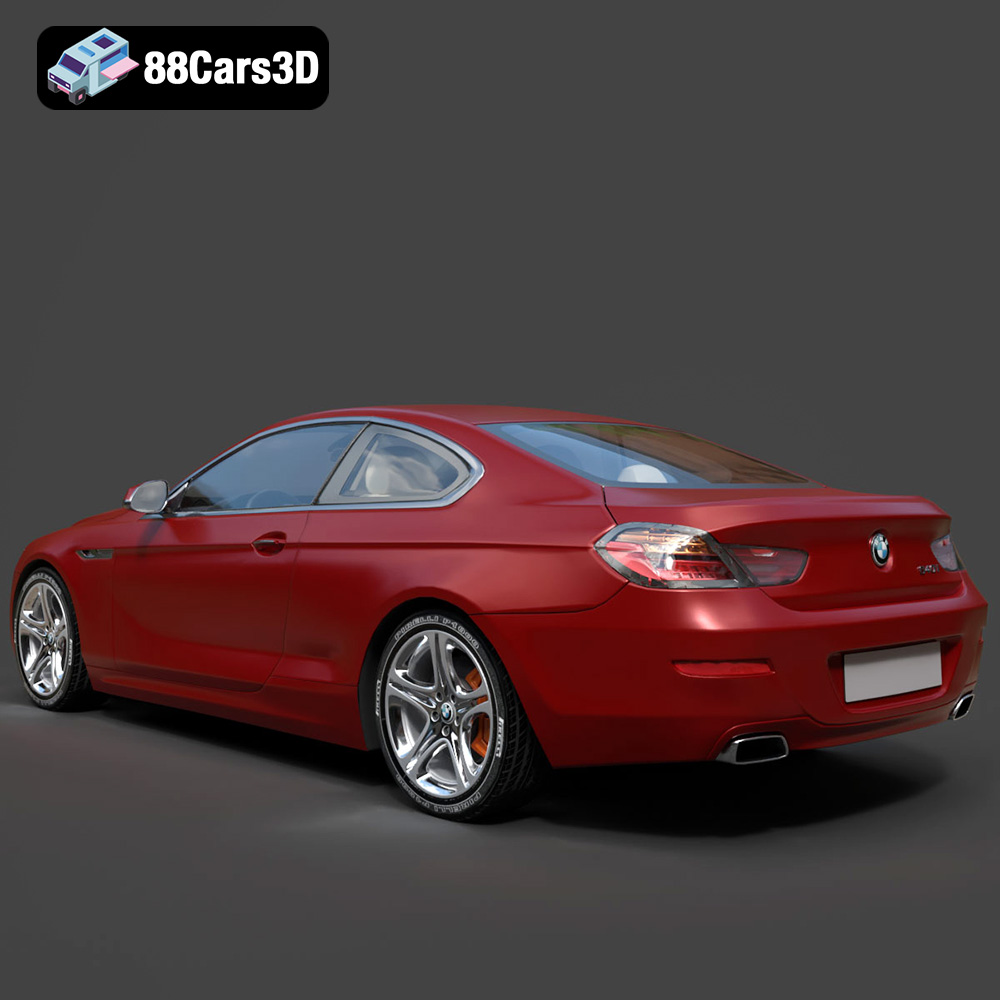
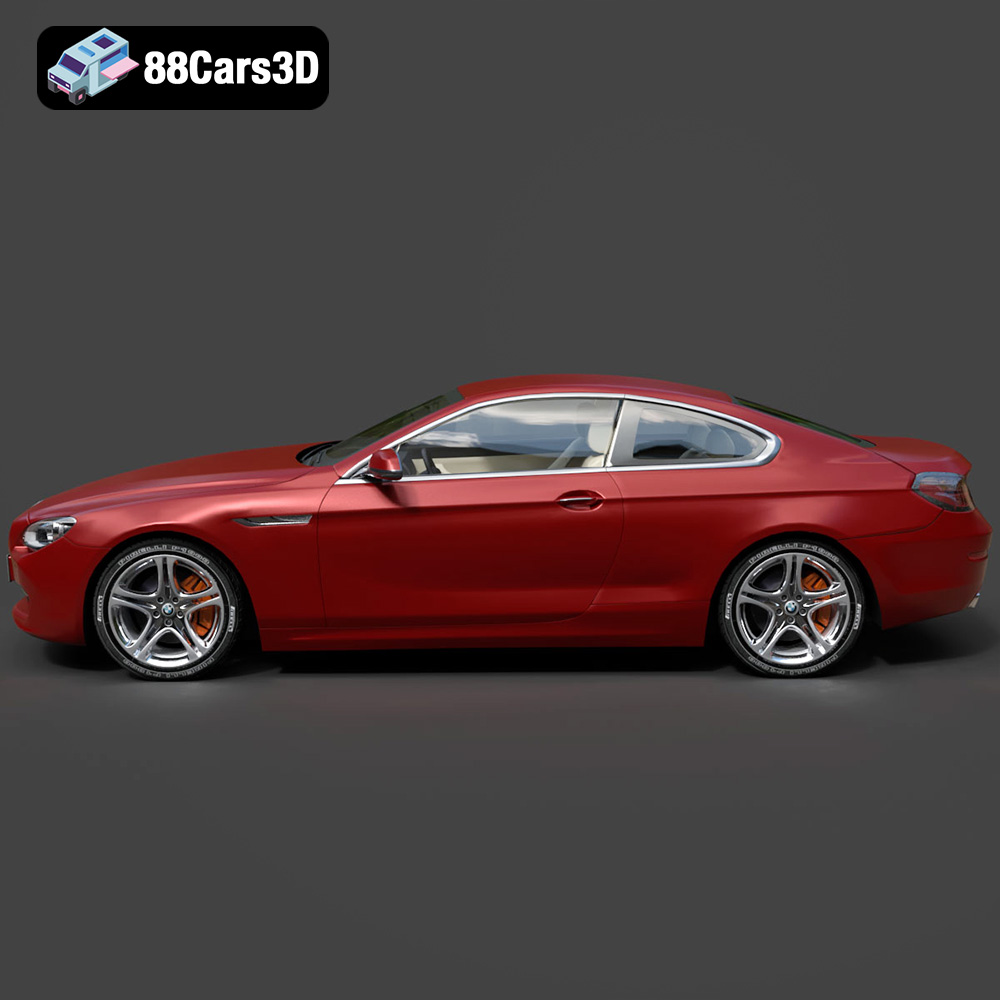
BMW 6 Series 640i F12 3D Model
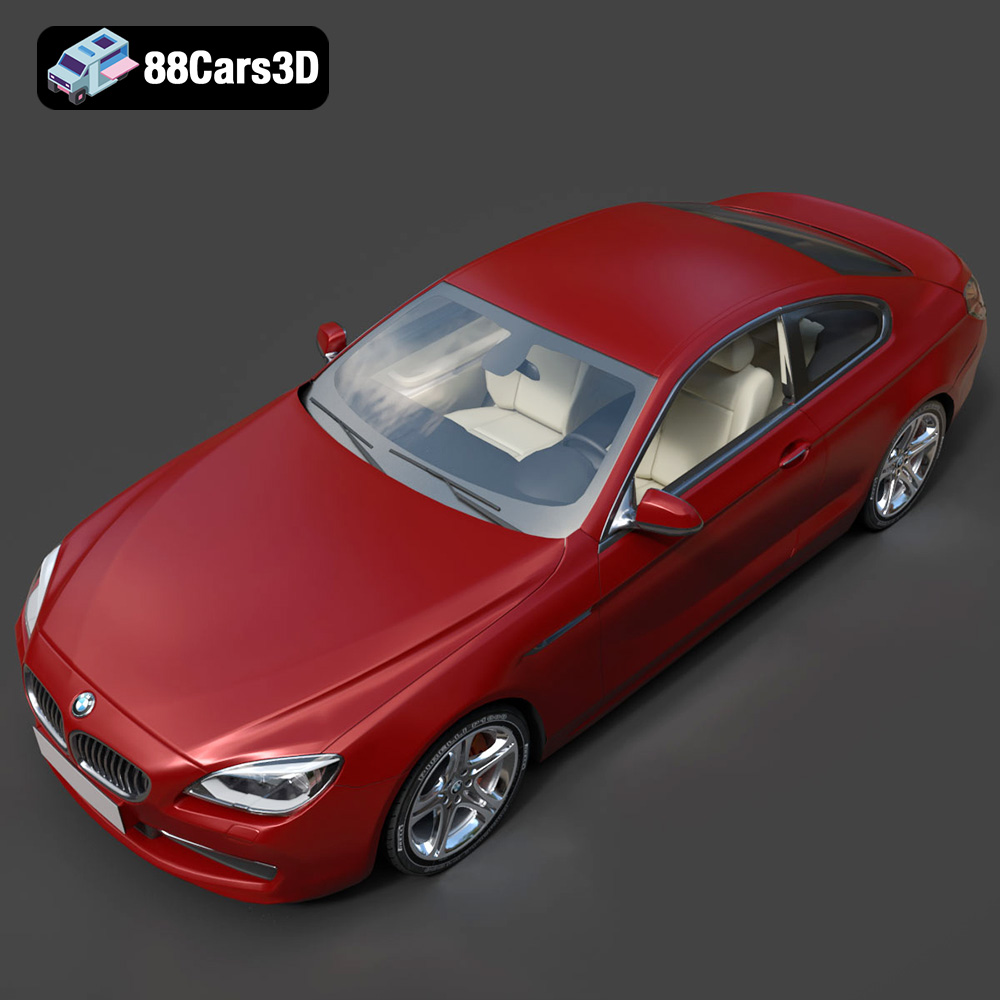
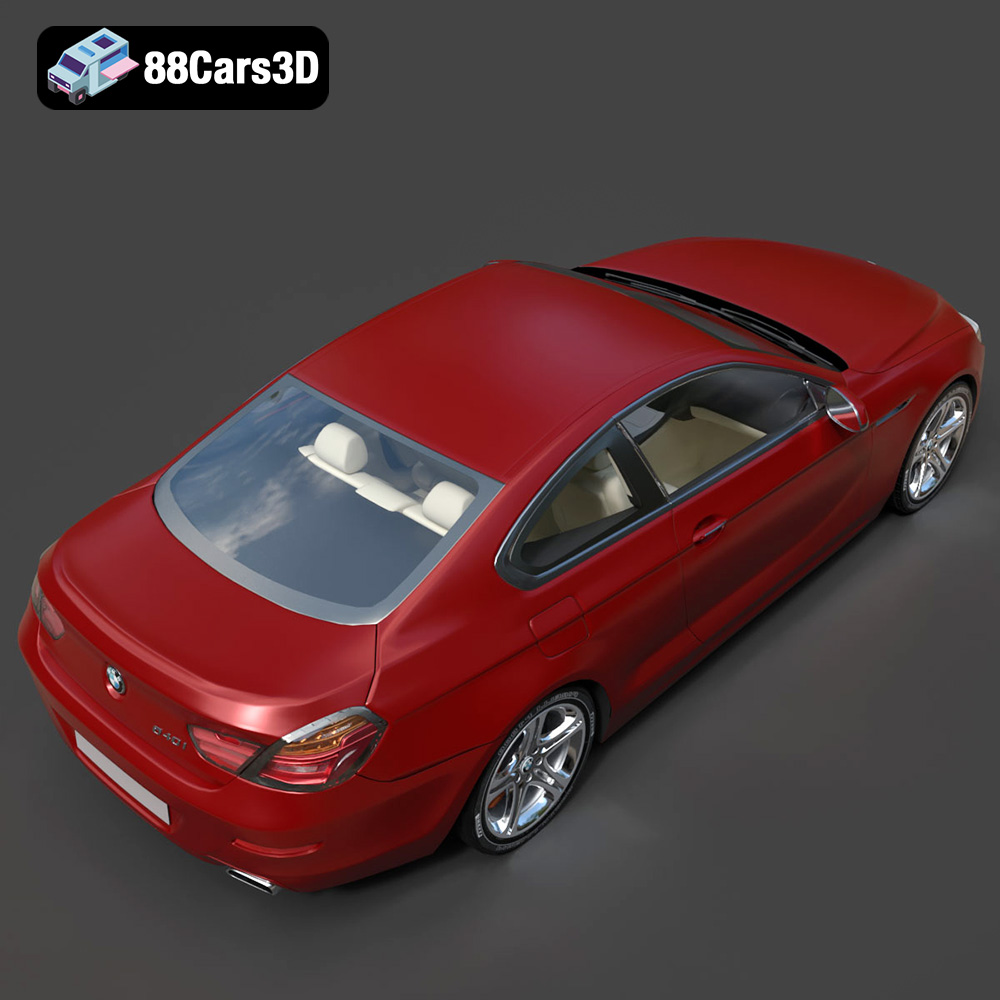
Experience automotive excellence with this meticulously crafted 3D model of the BMW 6 Series 640i F12. Representing BMW’s iconic blend of luxury, performance, and sophisticated design, this model captures the sleek lines and sporty elegance of the F12 generation. Built with clean geometry and balanced detailing, it is optimized for a wide range of professional applications, including high-end rendering, dynamic animation sequences, realistic simulations, and immersive game development environments.
$10.79
Product Image Gallery


Related Tags
.640i
.6series
.arvr
.blend
.bmw
.car
.coupe
.f12
.fbx
.gameasset
.glb
.luxurycar
.max
.obj
.ply
.rendering
.simulation
.sportsCar
.stl
.unreal
