
BMW 7-Series F02 3D Model – The Intersection of Luxury and Poly Count: Mastering Professional Automotive Rendering with the BMW 7-Series F02 3D Model

The Intersection of Luxury and Poly Count: Mastering Professional Automotive Rendering with the BMW 7-Series F02 3D Model
In the high-stakes world of automotive visualization and interactive media, the quality of your source assets dictates the success of your final output. Whether you are producing cinematic trailers, developing next-generation racing simulators, or creating highly accurate architectural walkthroughs, the foundation must be built on precision geometry and meticulously structured data. Generic or low-fidelity models simply cannot withstand the scrutiny of modern PBR (Physically Based Rendering) pipelines.
The demand for highly detailed 3D car models—especially luxury executive vehicles—is constant. Professionals require assets that not only look visually stunning but are also technically clean, easily deformable, and optimized for various export scenarios. This deep dive focuses on leveraging premium assets, exemplified by the professional BMW 7-Series F02 3D Model, and explores the specialized workflows required to integrate such fidelity into production pipelines, ranging from 3ds Max visualization to real-time Unreal Engine integration.
A true professional asset, such as the F02 model available on 88cars3d.com, is designed for versatility. It includes logically separated components—doors, hood, wheels, interior elements—ensuring that animators and developers have complete control over articulation, damage modeling, and customization. This engineering foresight is what transforms a simple visual prop into a powerful production tool for automotive rendering.
Understanding 3D Model File Formats
One of the most frequent technical hurdles in professional 3D production is managing file compatibility and format optimization. A high-quality 3D asset needs to be delivered not just in one native format, but in a carefully curated selection of exports, each tailored for specific software, engine, or end-use case. The versatility of the BMW 7-Series F02 model is immediately apparent in its extensive format library, ensuring it fits into virtually any production workflow.
Understanding when and how to deploy each format is essential for maximizing efficiency and maintaining asset quality across different pipelines. This strategic selection is crucial for minimizing re-work and ensuring technical consistency, particularly when bridging the gap between high-end visualization and real-time development.
.max – The 3ds Max Production Standard
The .max format represents the fully editable, native 3ds Max project file. This is often the primary source file for many visualization studios, containing complex V-Ray or Arnold material setups, pre-existing lighting rigs, non-destructive modifiers, and detailed animation hierarchies. For users focusing on high-end commercial rendering or detailed technical animation, the .max file provides the highest degree of control and editability over the scene.
.blend – Fully Editable Blender Scene
The .blend format provides the complete scene file for Blender users. This includes all geometry, materials configured for Cycles or Eevee, textures, and the full scene setup. Given Blender’s rise in professional pipelines, having a native, fully functional .blend file allows for immediate, high-quality production without the need for complex material rebuilding.
.fbx – The Real-Time Pipeline Workhorse
The FilmBox (.fbx) format is the industry standard for asset exchange, particularly when transitioning models into real-time environments like Unreal Engine and Unity. FBX efficiently packages geometry, smooth shading data, UV maps, skeleton information, and basic material assignment into a single, reliable file. It is the ideal format when the F02 model is destined to be a high-fidelity game asset, prioritizing clean importation and animation readiness.
.obj – Universal Compatibility and Reliability
The Wavefront .obj format is the foundational universal exchange format. While it does not carry complex material node trees or animation data, it reliably transfers geometry (vertices, normals, UV coordinates) across virtually every 3D application, making it the perfect fallback or starting point for cross-software compatibility. It ensures the core mesh data of the BMW F02 is accessible regardless of the user’s primary DCC application.
.unreal – Engine-Ready Asset Deployment
The dedicated .unreal file represents a highly optimized, pre-configured package specifically designed for the Unreal Engine pipeline. This format often includes pre-set material instances, optimized LODs (Levels of Detail), and appropriate collision meshes, saving developers significant time in the engine import process and guaranteeing the asset meets established real-time performance metrics.
.glb – Optimized for AR, VR, and Web
The GL Transmission Format (.glb) is critical for modern immersive and web-based visualization. It is a binary format that bundles the model data, textures, and material properties into a single, compact file. This optimization is essential for deployment in augmented reality (AR) apps, virtual reality (VR) experiences, and browser-based 3D viewers where loading speed is paramount.
.stl – Preparing for Physical Output
The Stereolithography (.stl) format is the standard for additive manufacturing, or 3D printing. It converts the polygonal geometry into a triangulated mesh, defining the surface geometry of the object. While the F02 model is initially high-poly, conversion to an optimized, manifold .stl ensures that the vehicle can be prototyped or manufactured as a physical collector’s item.
.ply – Precision Mesh for CAD and Analysis
The Polygon File Format (.ply) is often used for precision tasks, especially involving scan data, simulation, or technical analysis. Its structure is flexible and can store additional properties like color, transparency, and range data, making it useful when the BMW F02 needs to be integrated into CAD or engineering analysis tools rather than purely artistic rendering.
Technical Precision: Geometry, Topology, and Scale Fidelity
The difference between a consumer-grade model and a professional asset lies in the underlying geometry. For a vehicle as structurally complex and visually refined as the BMW 7-Series F02, topology must be clean, deliberate, and scalable. This is non-negotiable for high-end production.
The Quad Advantage for Subdivision
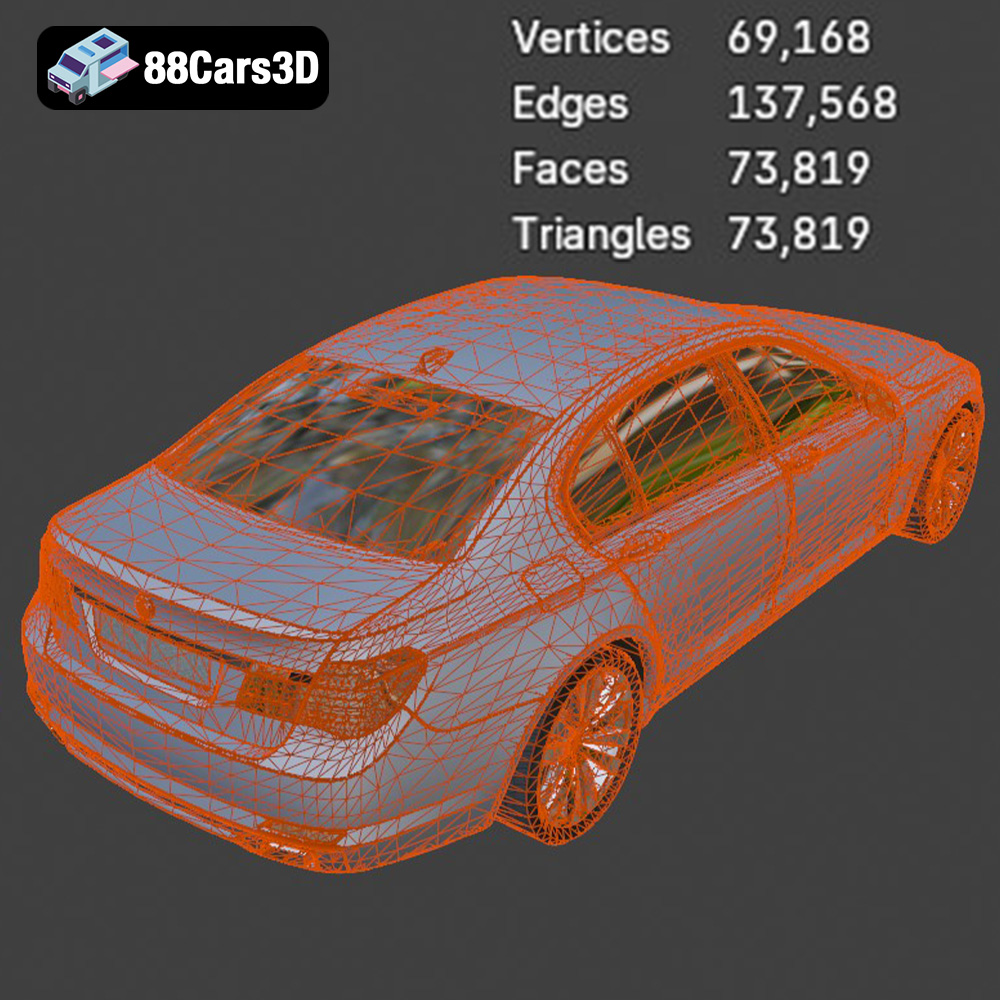
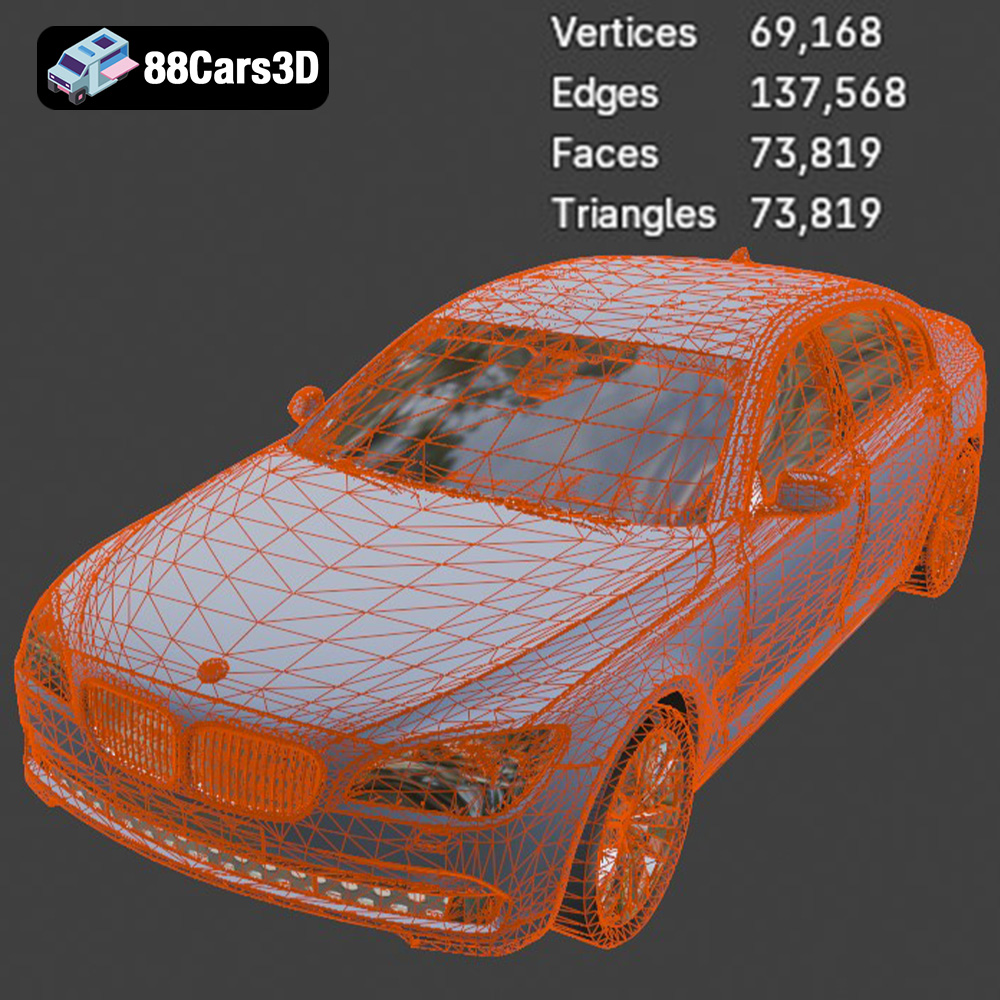
The product description highlights “clean, quad-dominant topology.” This is paramount. Quads (four-sided polygons) ensure predictable subdivision results when applying modifiers like TurboSmooth or Subdivision Surface. This technique is fundamental in automotive rendering, allowing artists to keep the base mesh light while achieving hyper-smooth, visually perfect body panels—crucial for catching sophisticated specular highlights on the F02’s elegant curves. Poor topology leads to pinching, artifacts, and unpredictable smoothing, which ruins the illusion of high-end manufacturing fidelity.
Perfect UV Mapping for Advanced Texturing
A professional asset must feature non-overlapping, logically unwrapped UV maps. These maps serve as the coordinates for applying PBR texture sets (Albedo/Base Color, Metallic, Roughness, Normal maps). The BMW 7-Series F02 model is built to accommodate advanced material layering—essential for achieving realistic paint flake, complex tire sidewall detail, and nuanced interior fabrics. If UVs are poorly organized, texturing in Substance Painter or directly within the renderer becomes impossible or requires significant, costly manual cleanup.
Real-World Scale and Asset Hierarchy
Integration into visualization scenes (arch-viz, product placement) requires strict adherence to real-world scale dimensions. The F02 model is built to be dimensionally accurate, ensuring it sits correctly within existing environments. Equally important is the scene hierarchy: the doors, hood, trunk, and wheels are separated and properly pivoted. This logical structure allows animators to quickly rig the car for sequences like opening doors for a showroom presentation or tracking the movement of the wheels in a dynamic chase scene, all without complex setup overhead.
Integrating the F02 into Real-Time Game Engine Workflows
While the BMW 7-Series F02 3D Model is detailed enough for static rendering, its utility as a premium game asset is equally important. Real-time environments like Unreal Engine 5 or Unity demand highly efficient mesh data and streamlined material setups to maintain frame rates while delivering AAA visual quality.
FBX Pipeline to Unreal Engine
The recommended pipeline for transferring the F02 model into Unreal Engine involves using the optimized .fbx format, or even better, the dedicated .unreal package included with the model. Importing via FBX allows developers to select specific components for export (e.g., body, glass, wheels) and ensures that all material IDs are retained. Once in Unreal, the PBR maps (exported from the source application) are assigned to material instances, utilizing the engine’s sophisticated shader system for highly realistic results, particularly for the multi-layered car paint and chrome accents.
LOD Creation for Performance Optimization
A detailed 3D car model, particularly one designed for close-up inspection like the F02, may have millions of polygons if fully subdivided. This is too dense for distance shots in a game environment. Professionals must implement a Level of Detail (LOD) strategy. The F02 asset is typically supplied ready for or easily adaptable to LOD creation, where progressively simpler meshes (LOD1, LOD2, LOD3) are generated. LOD0 retains maximum fidelity for the closest camera distance, while LOD3 might be only a few thousand polygons, ensuring that the visual quality holds up without crushing performance across a massive open-world map.
Setting Up Physics and Collision Meshes
For the BMW 7-Series F02 to function within a driving simulator or racing game, accurate physics and collision meshes are mandatory. The high-poly visual mesh is too complex for physics calculations. Instead, simpler, convex decomposition collision hulls (often named UCX_* prefixes in Unreal) are created and attached to the body, wheels, and major components. This enables realistic vehicle dynamics, damage response, and interaction with the environment without introducing excessive computational strain.
Achieving Cinematic Quality: Advanced Automotive Rendering Techniques
When the goal is absolute photorealism—for advertising, film, or high-definition product launches—the focus shifts entirely to light, material response, and camera fidelity. The quality of 3D car models found on platforms like 88cars3d.com is designed to hold up under the unforgiving scrutiny of cinematic close-ups.
Mastering Paint Shaders and Clear Coats
Luxury vehicles like the BMW F02 require highly specialized multi-layer material shaders. A simple diffuse/specular setup is insufficient. A professional paint shader incorporates: 1) the base color, 2) metallic flakes (anisotropy), 3) the primary clear coat (using complex Fresnel calculations to determine reflection falloff), and 4) often a secondary dirt/dust layer. Achieving the deep, lustrous finish of a factory BMW requires precise management of the IOR (Index of Refraction) and the roughness distribution within the clear coat layer.
Studio Lighting and HDRI Environments
High-end automotive rendering relies heavily on environment lighting. Standard three-point lighting is often replaced by HDRI (High Dynamic Range Image) environment maps captured in controlled studio settings. These HDRIs provide realistic, complex reflections across the vehicle’s body panels, which is vital for defining the contours of the F02. By blending a high-quality studio HDRI with strategically placed virtual area lights (acting as reflectors or key light sources), the artist can sculpt the body shape using highlights, creating that polished, high-gloss advertising aesthetic.
Post-Production Fidelity and Detail
Once the primary render is complete, a crucial step in achieving cinematic realism involves subtle post-production effects. This is where physical camera imperfections are simulated. Implementing accurate Depth of Field (DOF) draws the viewer’s eye to the key features of the BMW, while subtle lens effects like chromatic aberration, vignetting, and grain can help “glue” the rendered car into a live-action plate or make it feel like a photograph taken with a high-end lens.
Beyond Visualization: Utilizing 3D Models for AR, VR, and Physical Prototyping
The utility of a high-quality 3D asset extends far beyond traditional static rendering or game development. The comprehensive file formats offered with the BMW 7-Series F02 enable its use in emerging fields like augmented reality, virtual reality showrooms, and even physical manufacturing prototyping.
AR/VR Optimization with GLB
Augmented Reality platforms (like Apple ARKit or Google ARCore) require fast-loading, consolidated assets. The .glb format addresses this directly. Because the format efficiently embeds all texture and shader data, the user experience in AR/VR is seamless. Imagine placing a photorealistic, full-scale BMW 7-Series F02 in a user’s driveway using only their smartphone. This application of the model allows manufacturers and dealers to create highly interactive, personalized visualization experiences.
Preparing the Mesh for 3D Printing (STL)
The conversion process from a render-ready mesh to a 3D printable model is specialized. While the F02 model geometry is quad-dominant, 3D printing requires a manifold, fully watertight, triangulated mesh (.stl). Key steps involve ensuring uniform wall thickness across the body panels and scaling the mesh correctly for the printer volume. This rigorous preparation, often requiring software like Magics or Netfabb, transforms the digital asset into a tangible physical prototype, scale model, or collectible.
The Investment in Quality: Why Choose 88cars3d.com Assets
Sourcing high-fidelity 3D car models is an investment that saves dozens, if not hundreds, of hours of modeling and topology cleanup. When dealing with complex geometry like a luxury executive sedan, modeling errors can derail an entire project. This is why professionals rely on specialized marketplaces.
The BMW 7-Series F02 3D Model exemplifies the rigorous standards expected by the industry. The clean geometry, accurate mechanical separation, and comprehensive format support mean that the model is ready for integration immediately, whether you are launching into a high-polygon subdivision render in 3ds Max or preparing an optimized asset for an Unreal Engine project. Purchasing pre-verified, production-ready assets from dedicated providers like 88cars3d.com guarantees technical reliability and visual integrity, allowing artists and developers to focus their valuable time on artistic direction and final polish rather than fundamental asset creation.
When selecting assets for high-end cinematic or game asset pipelines, always prioritize models that explicitly detail their topology (quads), UV mapping status, and hierarchy organization—attributes all clearly defined in the specifications for the F02 model.
Conclusion
The successful deployment of high-impact automotive rendering and advanced real-time simulation rests on the foundational quality of the 3D assets used. The BMW 7-Series F02 3D Model serves as a perfect case study in professional asset quality, offering unmatched technical flexibility through its comprehensive set of file formats—from the editable .max and .blend files to the streamlined .fbx and .unreal exports, and even specialized formats like .glb for AR/VR applications.
By understanding the nuances of quad topology, PBR material layering, and platform-specific optimizations, professionals can leverage assets sourced from trusted marketplaces like 88cars3d.com to create visualizations and interactive experiences that meet the highest industry standards. Investing in quality assets is not just about saving time; it’s about guaranteeing that the final product, whether a static visualization or a dynamic game environment, possesses the unmistakable polish and fidelity that defines true professional work.
Featured 3D Model
BMW 7-Series F02 3D Model
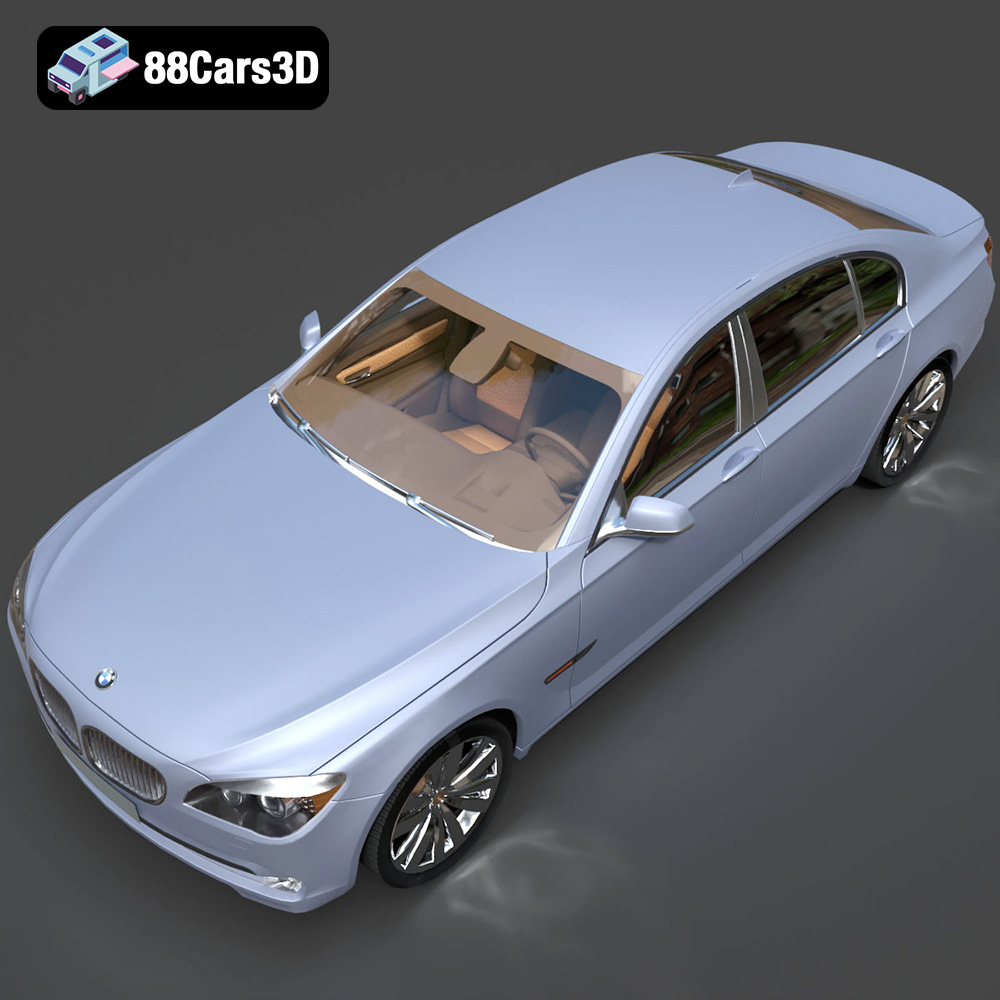
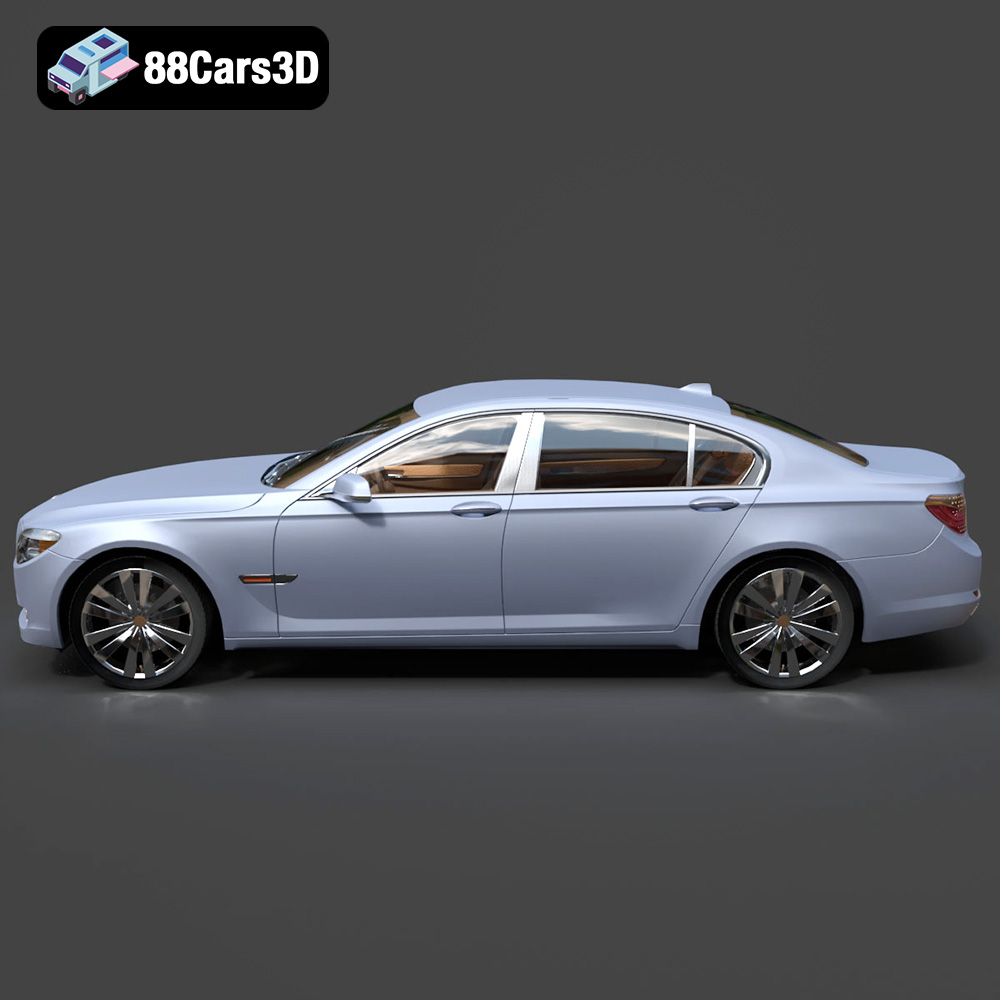
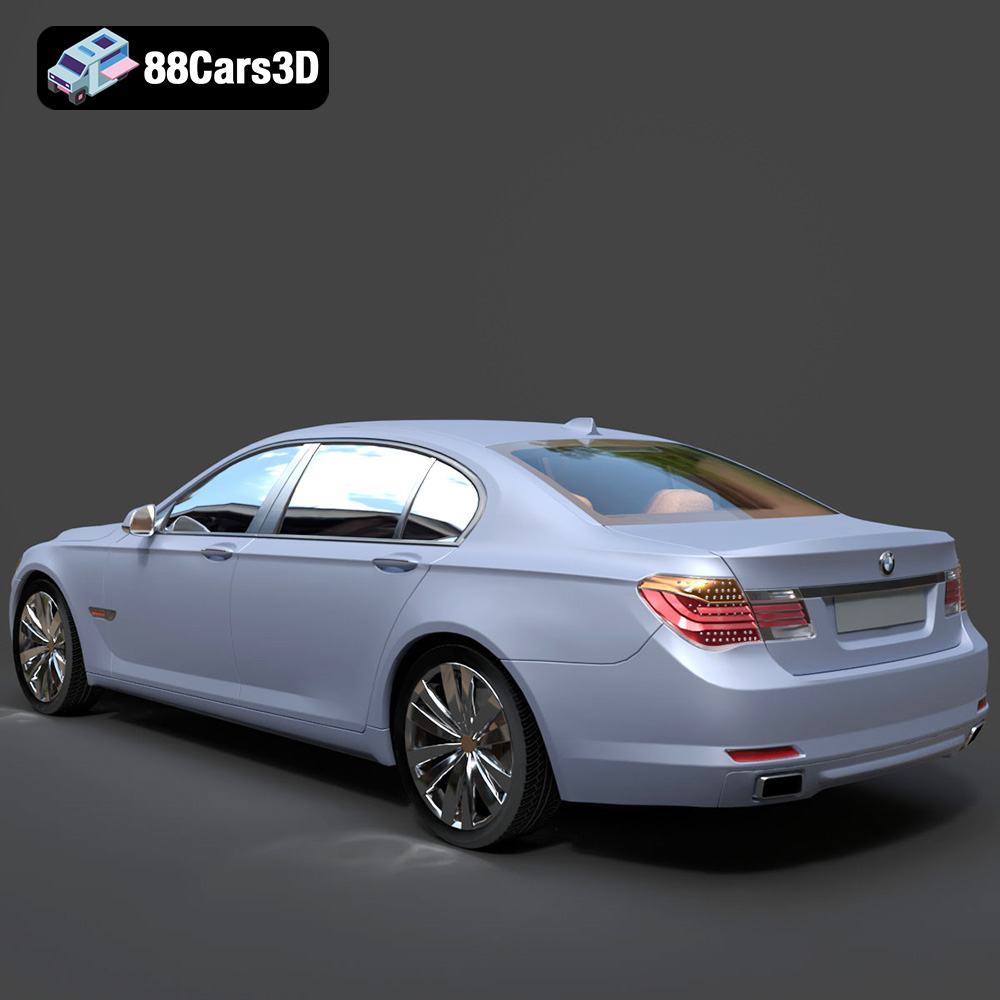
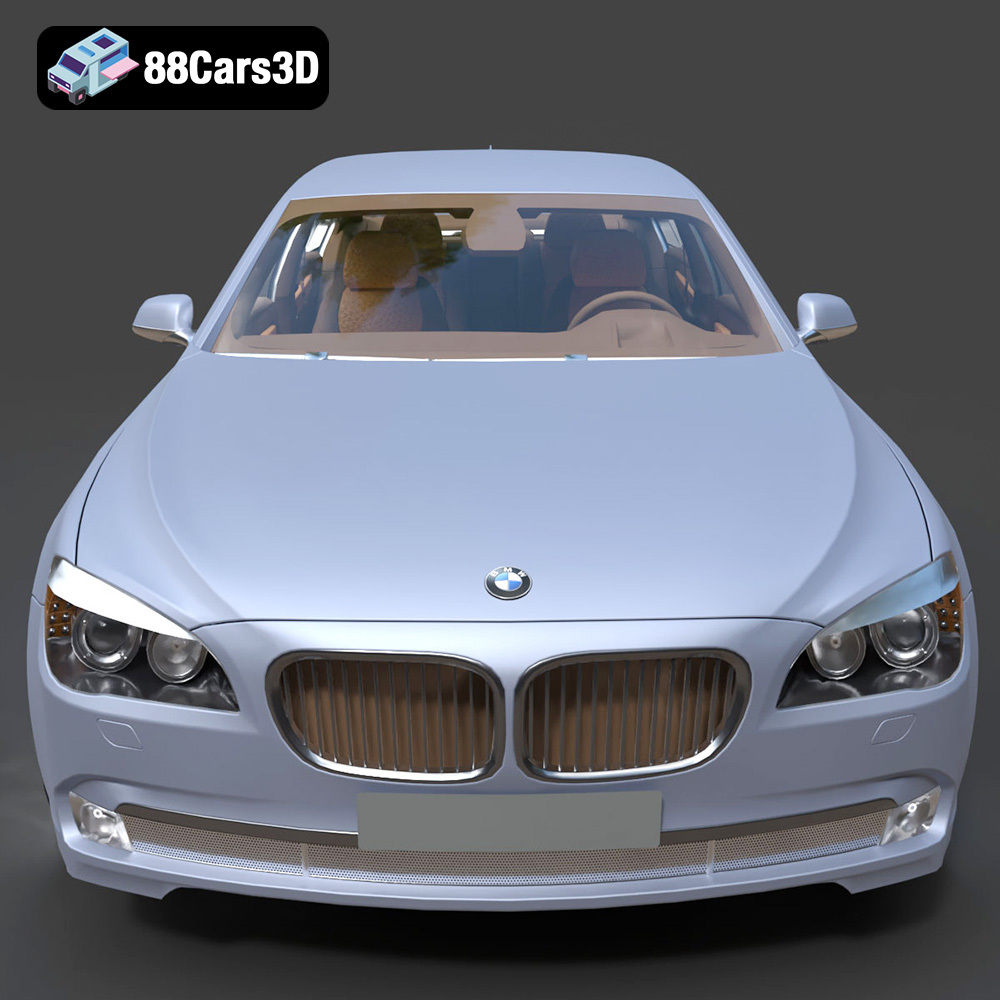
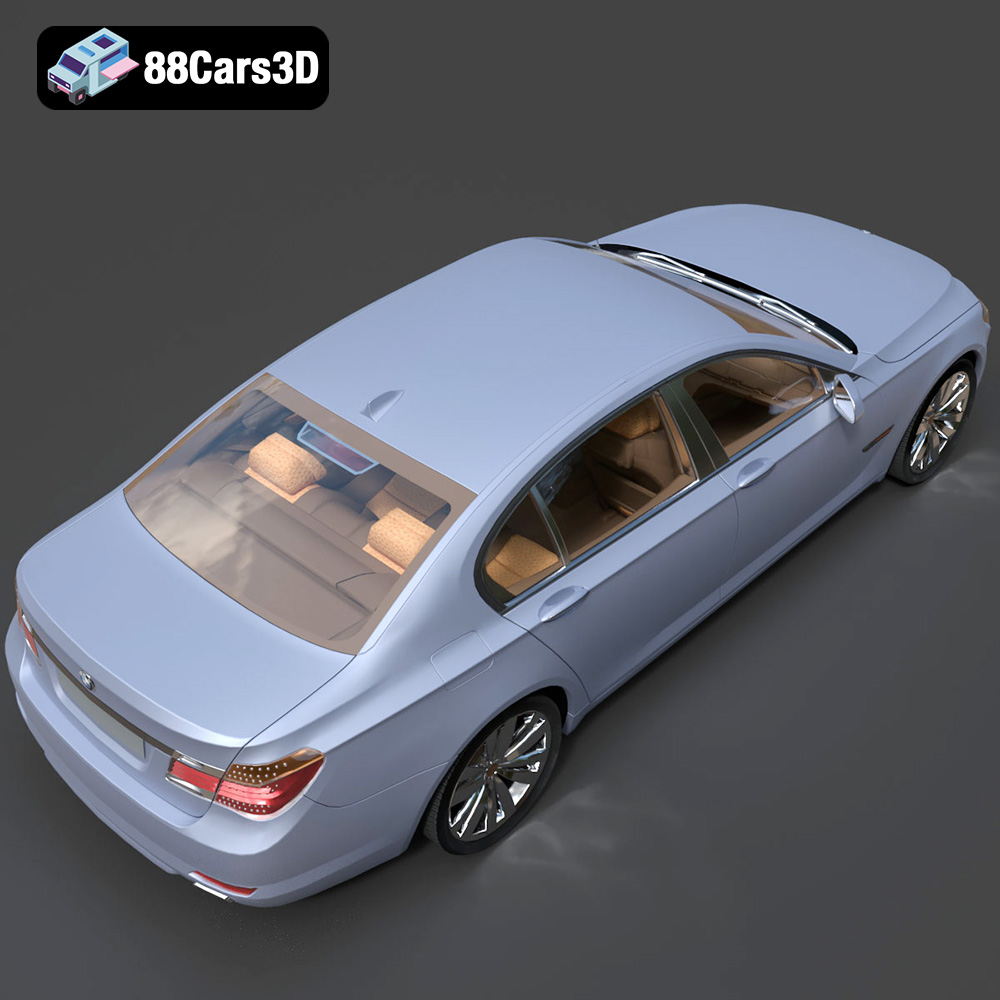
Experience automotive luxury and precision with this professional 3D model of the BMW 7-Series F02. Representing a pinnacle of executive sedan design, this model captures the sophisticated styling and elegant proportions of the renowned vehicle. Built with clean geometry and balanced detailing, it ensures visual fidelity and efficient performance across various platforms. Ideal for high-end rendering, cinematic animation, detailed simulations, and as a premium asset for game development.
$10.79
Product Image Gallery

Related Tags
.7seriesf02
.arvr
.blend
.bmw
.executivecar
.f02
.fbx
.gameasset
.glb
.luxurycar
.max
.obj
.ply
.rendering
.sedan
.simulation
.stl
.unreal
