The Engine of Innovation: Mastering 3D Car Models for Automotive Rendering and Game Assets
The automotive industry has always been a beacon of design and engineering prowess. In the digital age, this innovation extends into the realm of 3D modeling, where high-fidelity representations of vehicles are critical for everything from marketing and visualization to game development and virtual reality experiences. The demand for exceptional 3D car models is constantly accelerating, driven by the need for photorealism in advertising, immersive interactivity in games, and precise digital twins for engineering analysis.
Creating these intricate digital vehicles requires a deep understanding of complex technical workflows, precise artistic skill, and a keen eye for detail. From the fundamental principles of mesh topology to advanced PBR material creation and engine optimization, every aspect plays a crucial role in the final output. This comprehensive guide will delve into the technical intricacies of professional 3D car models, exploring their applications in automotive rendering, game development, and beyond, empowering you to leverage these assets effectively in your projects.
The Foundation of Automotive Visualization: High-Quality 3D Car Models
At the heart of any stunning automotive rendering or immersive game experience lies a meticulously crafted 3D car model. The quality of this foundational asset dictates the potential for realism, performance, and versatility across various applications. Understanding the core technical elements is paramount for both creators and those acquiring these assets.
Precision Modeling and Topology
A truly professional 3D car model begins with impeccable mesh topology. This refers to the arrangement of polygons (typically quads) that form the surface of the model. Clean, all-quad topology is essential for several reasons:
- Smooth Subdivision: When applying subdivision surface modifiers (e.g., Turbosmooth in 3ds Max or Subdivision Surface in Blender), clean quads ensure smooth, predictable curves and surfaces, accurately reflecting the car’s design intent without pinching or artifacts.
- Optimized Poly Counts: Different applications demand varying polygon counts. For high-end cinematic rendering, models can be millions of polygons, allowing for extreme detail. For real-time game engines, multiple Levels of Detail (LODs) are created, starting with a base mesh often optimized to tens of thousands of polygons, with lower poly versions swapped in as the object moves further from the camera. A clean base mesh facilitates this optimization process.
- Effortless Deformation: For models intended for animation (e.g., opening doors, suspension movement), proper edge flow around hinges and moving parts is critical to prevent mesh tearing or unnatural deformation.
Texture Mapping and PBR Materials
Beyond the raw geometry, the visual fidelity of a 3D car model is largely determined by its textures and materials. Physically Based Rendering (PBR) has become the industry standard for achieving photorealistic results, simulating how light interacts with surfaces in the real world.
- UV Unwrapping: This critical process involves “unfolding” the 3D surface of the model into a 2D space, allowing 2D textures to be accurately mapped onto it. Professional models feature clean, non-overlapping UVs, often spread across multiple UV sets to maximize texture resolution for different parts (e.g., body, interior, wheels).
- PBR Workflow: PBR materials utilize a set of texture maps to define surface properties. Common maps include:
- Albedo (Base Color): Defines the diffuse color of the surface, free from lighting information.
- Normal Map: Adds surface detail (like subtle dents or panel gaps) without increasing polygon count, by faking surface angles for lighting calculations.
- Roughness Map: Controls the microscopic surface irregularities, determining how sharp or blurry reflections appear. A low roughness value indicates a very smooth, reflective surface.
- Metallic Map: Differentiates between metallic and dielectric (non-metallic) surfaces, instructing the renderer how to calculate reflections and albedo.
- Ambient Occlusion (AO) Map: Simulates soft shadows where surfaces are close together, adding depth and realism.
Understanding 3D Model File Formats
Navigating the diverse landscape of 3D software and applications necessitates a firm grasp of various file formats. Each format serves specific purposes, offering unique advantages in terms of compatibility, data preservation, and optimization for particular workflows. Choosing the correct format is crucial for seamless integration and optimal performance in your projects.
Universal Interchange Formats
These formats are designed for broad compatibility across different 3D software packages and engines, making them invaluable for collaborative projects and asset sharing.
- .obj (Wavefront OBJ): This is one of the oldest and most universally supported 3D file formats. It primarily stores geometric data (vertices, UVs, normals) and can reference external material (.mtl) files for basic color and texture information. Its strength lies in its simplicity and widespread compatibility, making it excellent for transferring static meshes. However, it does not support animation, rigging, or scene hierarchy, limiting its use for complex animated scenes. It’s a reliable choice for simple model exchanges where only geometry and basic UVs are needed, offering robust cross-software compatibility.
- .fbx (Filmbox): Developed by Autodesk, FBX has become the industry standard for transferring 3D data between various applications, especially for game development and animation pipelines. It supports not only geometry, UVs, and PBR materials but also complex scene elements such as cameras, lights, skeletal animations, blend shapes, and inverse kinematics. Its robustness makes it ideal for importing assets into game engines like Unreal Engine and Unity, where full scene data and animation fidelity are critical. When preparing assets for real-time environments, FBX is often the format of choice due to its comprehensive data support and optimization features like embedding media.
Software-Specific and Specialized Formats
While interchange formats facilitate sharing, native formats preserve the full fidelity and editability within their respective software environments.
- .blend (Blender File): This is the native file format for Blender, a powerful open-source 3D creation suite. A .blend file encapsulates an entire Blender scene, including all 3D models, textures, materials, animations, lighting setups, cameras, and even custom scripts and modifiers. It is fully editable, allowing users to delve into every aspect of the model’s creation, from its base mesh to its complex shader nodes and rigging. This format is perfect for users who wish to inspect, modify, or extend a model within Blender, providing maximum flexibility and access to all original project data.
- .max (3ds Max Scene File): Similar to .blend, .max is the native file format for Autodesk 3ds Max. It stores a complete 3ds Max project, including all geometry, materials (using specific Max shaders like V-Ray, Corona, or physical materials), animations, lighting, cameras, and any applied modifiers or plug-in specific data. This format is essential for professional studios working within the 3ds Max ecosystem, offering full editability and control over every scene element for high-end rendering and animation tasks.
- .unreal (Unreal Engine Asset): While not a single file format in the traditional sense, when you refer to an “.unreal” asset, it implies a model that has been fully imported, optimized, and configured within the Unreal Engine. This typically starts with an FBX import, followed by the creation of optimized materials, collision meshes, Levels of Detail (LODs), and specific engine settings. These engine-ready assets are designed for real-time environments, ensuring maximum performance and visual quality directly within Unreal Engine projects.
Emerging and Niche Applications
Specialized formats cater to particular use cases, from web-based visualization to physical fabrication.
- .glb (GL Transmission Format Binary): GLB is the binary version of glTF, a royalty-free specification for the efficient transmission and loading of 3D scenes and models by applications. GLB bundles all assets (geometry, textures, animations) into a single, self-contained file, making it highly optimized for AR (Augmented Reality), VR (Virtual Reality), and browser-based display. Its compact size and ease of integration into web platforms make it an excellent choice for interactive 3D viewers and digital product showcases.
- .stl (Stereolithography): STL is almost exclusively used for 3D printing. It represents the surface geometry of a 3D object using a mesh of interconnected triangles, without any color, texture, or material information. The format is simple and universally supported by 3D printing software. However, STL files can sometimes suffer from issues like non-watertight meshes (holes in the surface), which can cause problems during the slicing process for printing. It is solely focused on defining the solid shape for physical output.
- .ply (Polygon File Format): PLY is a versatile format for storing 3D data, particularly favored in applications involving 3D scanning, scientific visualization, and CAD. Unlike STL, PLY can store not only geometric data (vertices, faces) but also additional properties like color, transparency, surface normals, and even confidence values per vertex or face. It offers more precision and data richness than STL, making it suitable for more complex analysis or reconstruction tasks where detailed mesh attributes are required.
For those looking for premium 3D car models for various applications, exploring a marketplace like 88cars3d.com often provides assets in multiple, ready-to-use formats, ensuring compatibility with your specific software and workflow needs.
Mastering Automotive Rendering: From Studio Shots to Photorealism
Automotive rendering is an art form that transforms 3D models into stunning, photorealistic images or animations. It requires a blend of technical expertise and artistic vision to recreate the subtle nuances of light, material, and environment that make a car look truly real.
Renderer Choices and Workflow
The choice of renderer significantly impacts the workflow and final image quality. Modern renderers typically employ either ray tracing or path tracing algorithms to simulate light physics.
- Popular Renderers:
- V-Ray & Corona Renderer: Widely used in architectural visualization and product rendering for their robust feature sets and physically accurate results. V-Ray offers immense control, while Corona is known for its ease of use.
- Arnold: Autodesk’s CPU-based renderer, favored in film and VFX for its unbiased results and ability to handle complex scenes.
- Octane & Redshift: GPU-accelerated renderers known for their speed, making them excellent for interactive rendering and animations where rapid feedback is crucial.
- Lighting Setup: Photorealism heavily relies on realistic lighting.
- HDRI (High Dynamic Range Image): Provides environment lighting and reflections from a single image, simulating real-world scenarios (e.g., parking lot, studio, cityscape).
- Area Lights & Spotlights: Used to emphasize specific features, create controlled reflections, and mimic studio lighting setups.
- Dome Lights: Offer soft, even ambient lighting, often paired with HDRIs.
Advanced Material Creation and Shading
Achieving realistic car materials is one of the most challenging aspects of automotive rendering. Each component demands a specific PBR approach.
- Car Paint Shaders: Complex multi-layered materials that often include a base metallic flake layer, a clear coat layer for reflections, and sometimes an additional pearlescent or chameleon effect. Proper IOR (Index of Refraction) and roughness values are critical for the clear coat.
- Glass & Headlights: Require precise transmission, refraction, and reflection settings. Headlights often involve intricate inner geometry, reflectors, and light sources.
- Tire Rubber: Textured with subtle displacement or normal maps for tread patterns, and a low-gloss, slightly rough PBR material.
- Interior Materials: Leather, plastics, fabrics, and metals each have unique PBR properties and require careful texture work to convey their tactile qualities. Node-based material editors offer granular control over these intricate setups.
Post-Production Techniques
The rendering process doesn’t end with the raw image. Post-production in software like Adobe Photoshop or Affinity Photo is vital for bringing renders to life.
- Render Passes: Professional renders are typically output as multiple render passes (e.g., beauty, diffuse, reflection, specular, Z-depth, ambient occlusion, ID masks). These passes provide granular control over each element of the image during compositing.
- Color Grading & Tonal Adjustments: Fine-tuning colors, contrast, and brightness to achieve the desired mood and visual impact.
- Atmospheric Effects: Adding bloom, lens flares, depth of field, and subtle motion blur can dramatically enhance realism and photographic quality.
- Compositing Elements: Integrating the rendered car into a background plate (a photograph or another rendered environment) and adding subtle environmental effects like dust or fog.
Integrating 3D Car Models into Game Development
Game development presents a unique set of challenges and requirements for 3D car models. Unlike static renders, game assets must perform in real-time, demanding rigorous optimization while maintaining visual fidelity across various platforms.
Optimization Strategies for Real-Time Environments
Performance in a game engine is paramount. Every polygon, texture, and instruction contributes to the computational load.
- LODs (Levels of Detail): A crucial optimization technique where multiple versions of a model exist, each with a progressively lower polygon count. The game engine automatically swaps these models based on the camera’s distance to the object. A high-quality 3D car model might have 4-5 LODs, ranging from hundreds of thousands of polygons up close to a few thousand or even hundreds for distant views.
- Collision Meshes: Simplified, low-polygon meshes used solely for physics calculations and collision detection. These are invisible to the player but dictate how the car interacts with the environment and other objects, minimizing the computational cost of complex geometry.
- Texture Atlasing: Combining multiple small textures into a single, larger texture map (an atlas). This reduces draw calls, improving rendering performance by allowing the GPU to process more textures in one go.
- Baking Details: High-resolution mesh details (like panel lines or rivets) are often baked into normal maps, which are then applied to a much lower-polygon base mesh. This gives the illusion of high detail without the performance overhead.
Engine Integration: Unreal Engine and Unity
The process of bringing a 3D car model into a game engine involves several steps to ensure it performs and looks its best.
- Importing FBX Assets: FBX is the preferred format for game engines due to its support for mesh, skeletal animations, and PBR materials. During import, settings for scale, pivots, and material channels are configured.
- Setting Up Materials: PBR textures (albedo, normal, roughness, metallic, AO) are imported and connected to the engine’s standard physically based shaders. Engine-specific material graphs (e.g., Unreal’s Material Editor, Unity’s Shader Graph) are used to create sophisticated car paint, glass, and interior materials that respond correctly to real-time lighting.
- Blueprint/C# Scripting: Game logic for car functionality (e.g., opening doors, working headlights, interactive dashboards, dynamic damage models) is implemented using visual scripting tools like Unreal Engine’s Blueprints or C# in Unity. This also includes setting up vehicle physics and control systems.
Performance vs. Visual Fidelity
Game developers constantly balance visual quality with performance targets. A model might look incredible in a static render but be entirely unsuitable for real-time due to its complexity.
- Target Platform Considerations: Mobile games require significantly more aggressive optimization than PC or console titles. This impacts poly count budgets, texture resolutions, and shader complexity.
- Dynamic Elements: Features like real-time reflections, dynamic shadows, and complex particle effects all consume resources. Strategic use of these elements, combined with optimized 3D car models, is key to a smooth gameplay experience.
Beyond Visualization: 3D Car Models in AR/VR, 3D Printing, and Engineering
The utility of high-quality 3D car models extends far beyond traditional rendering and gaming. They are increasingly vital tools in emerging technologies and established engineering workflows, offering new dimensions for interaction, prototyping, and analysis.
Immersive Experiences with AR/VR
Augmented Reality (AR) and Virtual Reality (VR) environments are transforming how we interact with products, offering immersive and interactive experiences. 3D car models are central to these innovations.
- Real-Time Performance: For AR/VR, ultra-low latency and high frame rates are paramount to prevent motion sickness and ensure a smooth experience. This necessitates extremely optimized 3D car models, often requiring even lower poly counts and more efficient material setups than traditional games.
- Asset Optimization for Mobile AR: Platforms like Apple ARKit and Google ARCore bring AR to millions of smartphones. Models need to be highly efficient, with small file sizes (.glb is often preferred here) and simplified textures to load quickly and run smoothly on mobile hardware.
- Interactive Showrooms and Virtual Test Drives: AR allows users to “place” a car in their driveway via their phone, exploring colors, trims, and features. VR offers full virtual test drives or immersive showroom experiences, enabling customers to step inside a car before it even exists physically.
Prototyping and Manufacturing with 3D Printing
3D printing has revolutionized prototyping, allowing designers and engineers to quickly translate digital models into physical objects. High-quality 3D car models are invaluable here.
- Preparing Models for STL Output: For 3D printing, the model needs to be “watertight” – meaning it has no holes or gaps in its surface, forming a perfectly enclosed volume. Meshes need to be manifold and free from intersecting geometry.
- Wall Thickness Considerations: Depending on the printing technology and material, models must adhere to minimum wall thickness requirements to ensure structural integrity when printed. Delicate parts like grilles or emblems may need to be thickened.
- Rapid Prototyping: Automotive designers can quickly print scale models of new designs or specific components (e.g., new wheel designs, interior consoles) to assess ergonomics, aesthetics, and fit before committing to expensive physical tooling.
Engineering and Design Verification
In the engineering realm, highly accurate 3D car models serve as digital twins for rigorous analysis and verification, far beyond mere visual representation.
- High-Precision Models for CFD: Computational Fluid Dynamics (CFD) simulations analyze aerodynamic performance. These require extremely precise, watertight models with clean surfaces and accurate dimensions to simulate airflow and drag coefficients reliably.
- Ergonomics Studies and Packaging Analysis: Engineers use detailed interior models to simulate human interaction, ensuring controls are within reach, visibility is optimal, and components fit together without interference.
- Digital Mock-ups (DMU): Before physical prototypes are built, digital mock-ups allow engineers to assemble entire vehicles virtually, checking for potential clashes between components, validating assembly sequences, and identifying design flaws early in the development cycle, saving significant time and cost.
Case Studies and Best Practices for Acquiring 3D Car Models
Whether you’re an independent developer, a visualization studio, or an engineering firm, the acquisition of 3D car models can be a significant undertaking. Understanding where to source models and what to look for technically is crucial for project success.
Leveraging Professional Marketplaces
For many, creating every 3D car model from scratch is simply not feasible due to time, budget, or specialized skill constraints. Professional online marketplaces offer a valuable solution.
- The Value of Pre-Made Assets: High-quality, ready-to-use 3D car models save immense amounts of development time and resources. They allow creators to focus on rendering, animation, or game logic rather than spending weeks or months on modeling.
- Benefits of Curated Collections: Marketplaces like 88cars3d.com specialize in providing meticulously crafted automotive assets. Such curated platforms often guarantee a certain level of technical quality, PBR material readiness, and often include multiple file formats, making them incredibly versatile. This ensures you’re starting with a professional-grade foundation.
- Cost-Effectiveness: The cost of purchasing a professionally made 3D car model is typically a fraction of what it would cost to commission or create one internally, especially when considering the hours of expert labor involved.
Technical Due Diligence
When acquiring 3D models, it’s essential to perform some technical checks to ensure they meet your project’s requirements and quality standards.
- Checking Topology and UVs: Inspect screenshots or wireframe renders provided. Look for clean, all-quad topology and well-organized UV maps without excessive stretching or overlaps. Good topology will simplify any future modifications or optimizations.
- Material Setup: Verify that the model includes PBR textures (albedo, normal, roughness, metallic, AO) and that materials are set up correctly for common renderers or game engines. This reduces the time spent on recreating shaders.
- Understanding File Formats Provided: Ensure the model is available in the formats compatible with your primary software (e.g., .max for 3ds Max users, .blend for Blender, .fbx for game engines). Confirm that all necessary components (geometry, textures, materials, and potential animations) are included in the chosen format.
- Ensuring Model Scales and Units are Correct: Importing models with incorrect scales can lead to significant issues with lighting, physics, and scene integration. Confirm that the model is built to real-world scale, typically in meters or centimeters.
Customization and Future-Proofing
Even a high-quality purchased model may need customization. Planning for this can extend the model’s lifespan and versatility.
- Modifying Purchased Models: Be prepared to adapt models to your specific needs, whether it’s changing paint colors, adding custom body kits, or modifying interior elements. Clean topology makes these modifications much easier.
- Maintaining Clean Asset Libraries: Organize your acquired 3D car models logically, along with their associated textures and supporting files. This ensures easy access and reusability for future projects.
Conclusion
The world of 3D car models is a vibrant intersection of art, engineering, and technology. From generating breathtaking automotive renders for marketing campaigns to integrating highly optimized assets into the latest game titles, the demand for precision, realism, and performance is ever-present. Mastering the technical nuances of topology, PBR materials, file formats, and optimization strategies is key to unlocking the full potential of these complex digital assets.
Whether you’re crafting a new vehicle from scratch or integrating professional, pre-made assets, a deep understanding of these principles empowers you to create compelling visual experiences. By making informed choices about your tools, workflows, and asset acquisition, such as exploring the curated collection at 88cars3d.com, you can significantly elevate the quality and efficiency of your projects across automotive visualization, game development, AR/VR, and beyond.
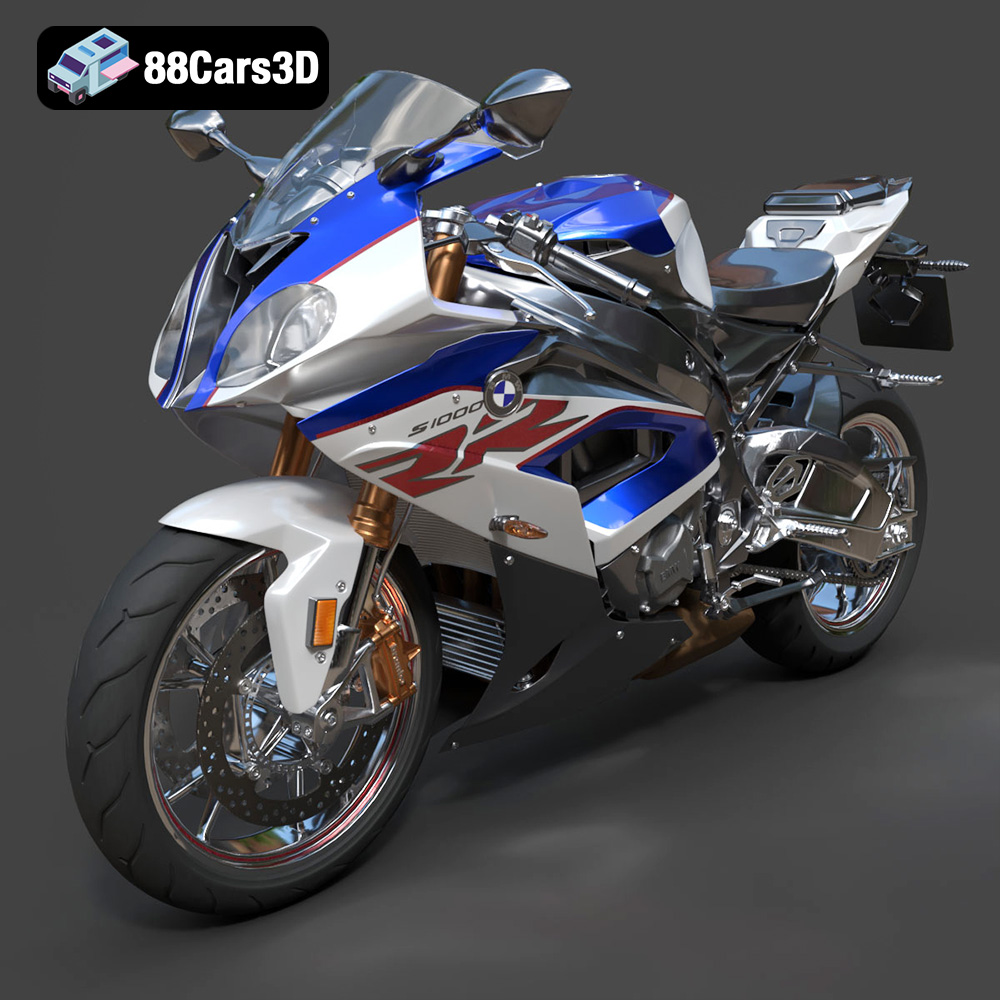
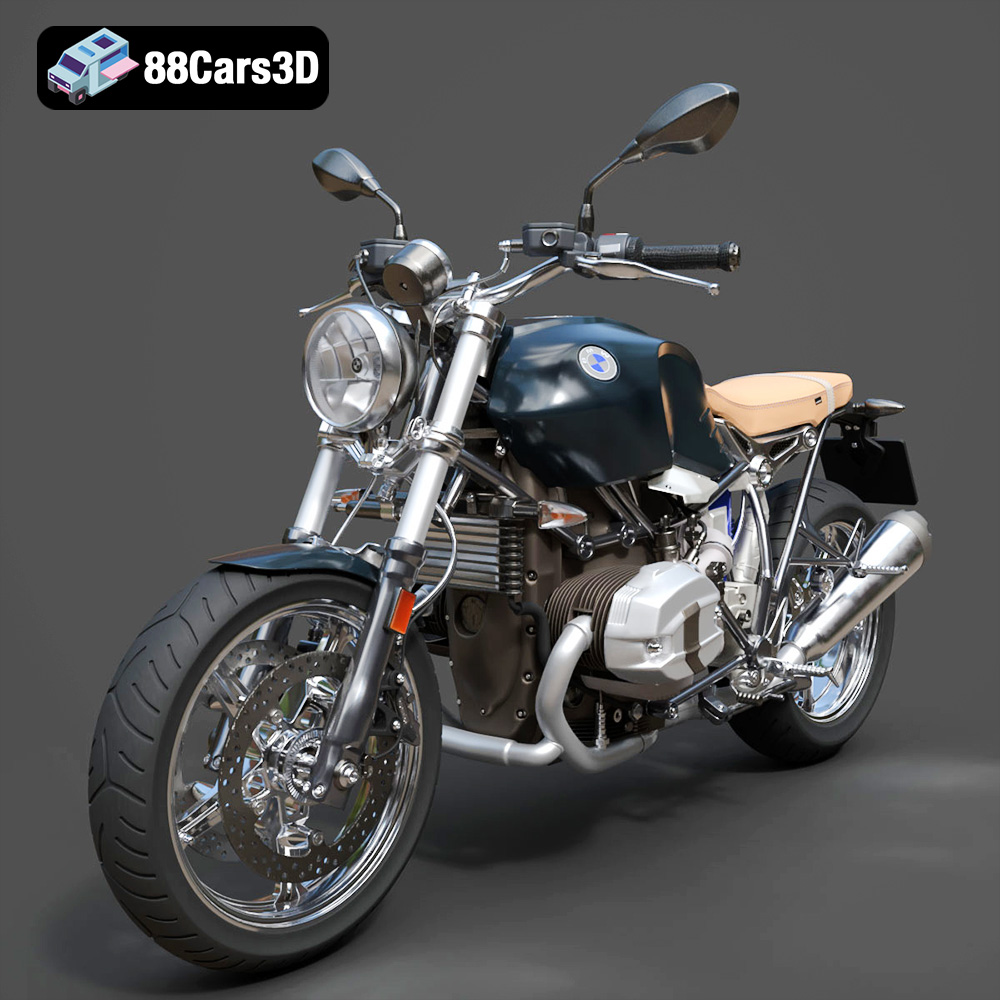
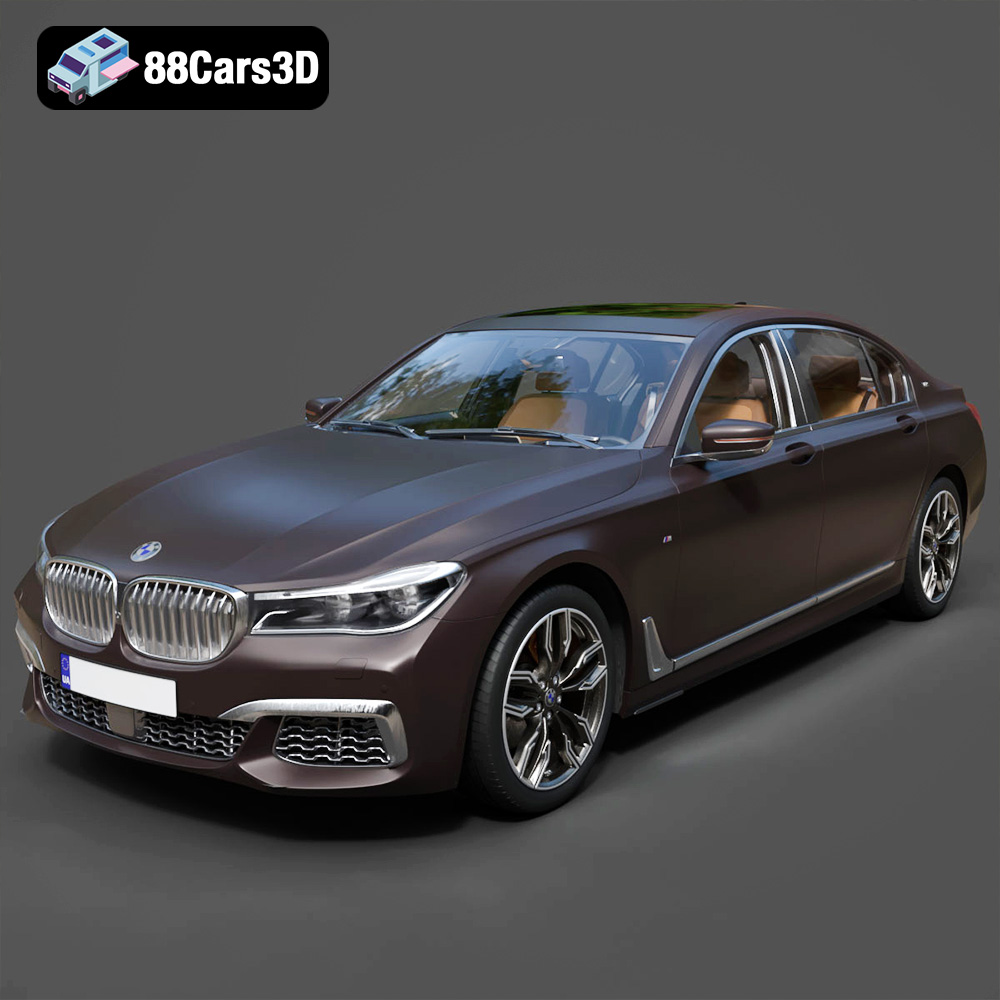
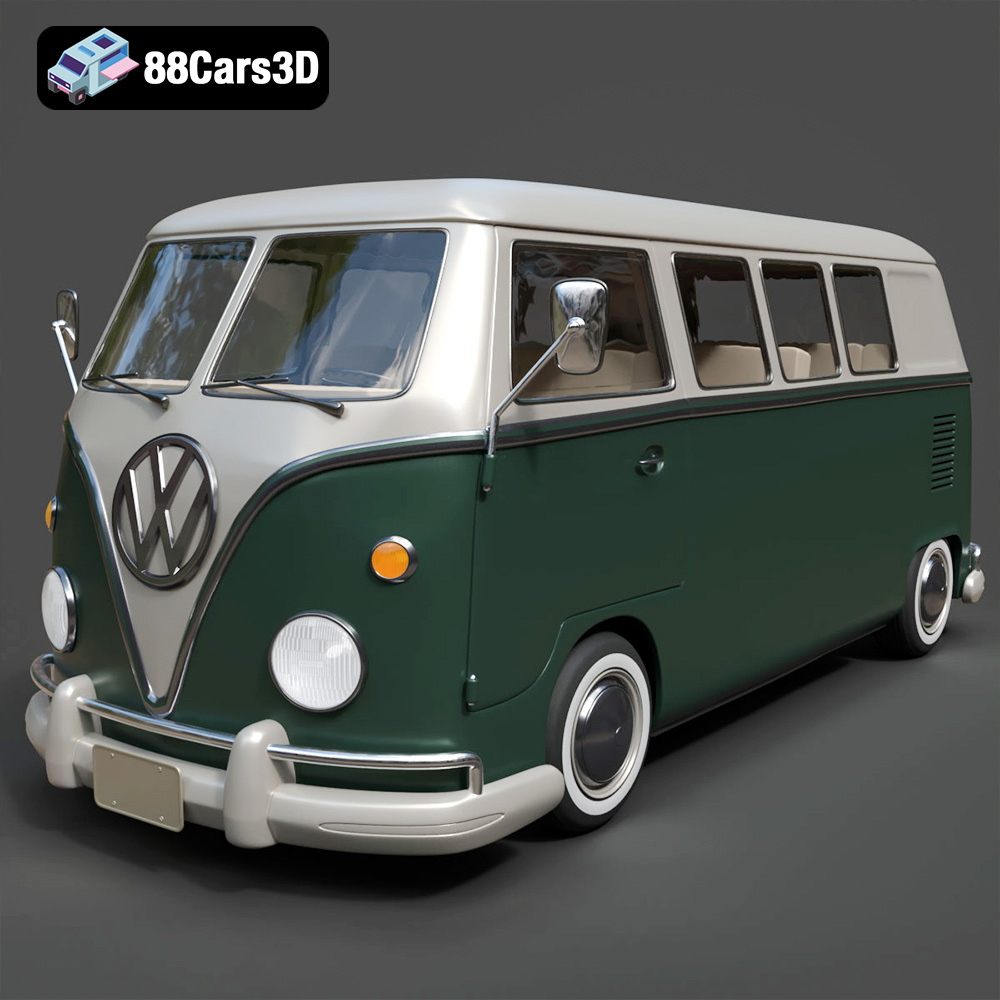
Featured 3D Car Models