⚡ FLASH SALE: Get 60% OFF All Premium 3D & STL Models! ⚡

In the dynamic world of digital content creation, the line between imagination and reality blurs with every innovation. From breathtaking cinematic sequences to immersive virtual experiences and cutting-edge product visualizations, the demand for hyper-realistic assets is insatiable. For automotive enthusiasts, designers, game developers, and architects alike, the allure of a meticulously crafted 3D car model is undeniable. These digital masterpieces serve as the foundation for bringing iconic vehicles to life in myriad applications.
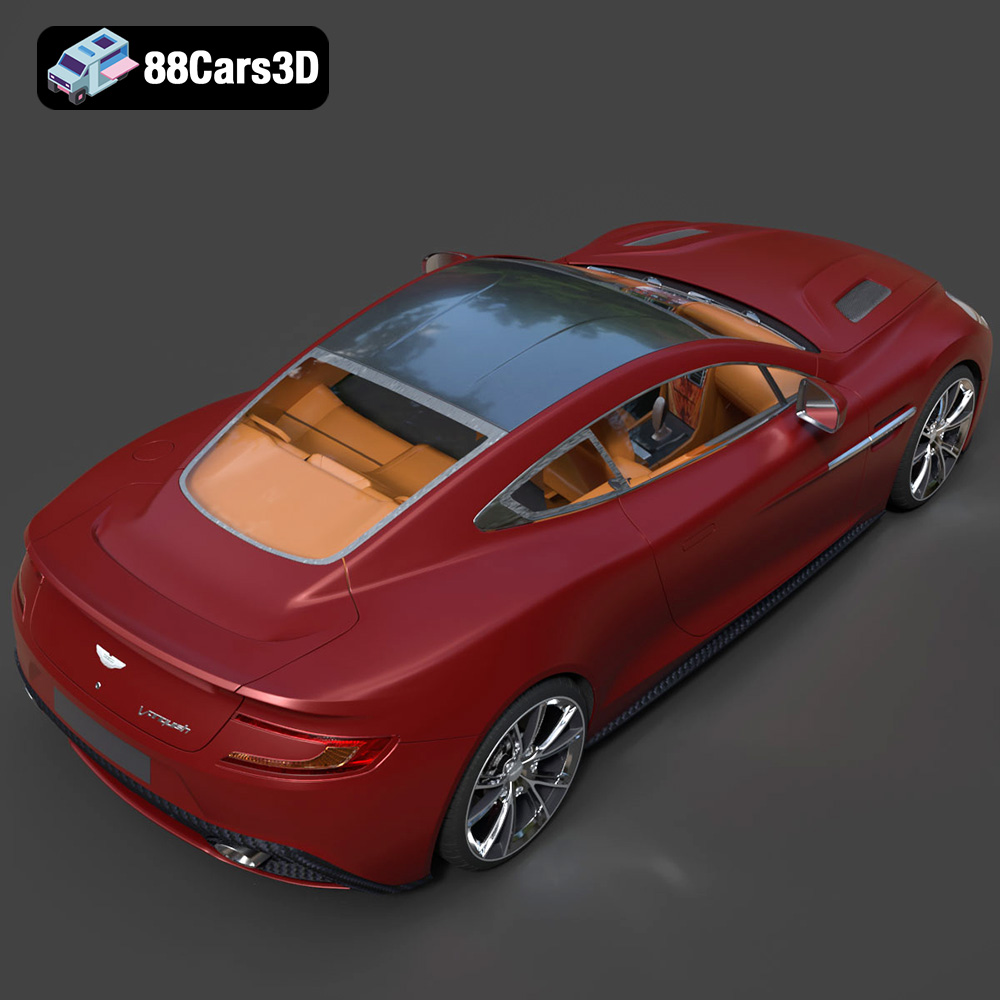
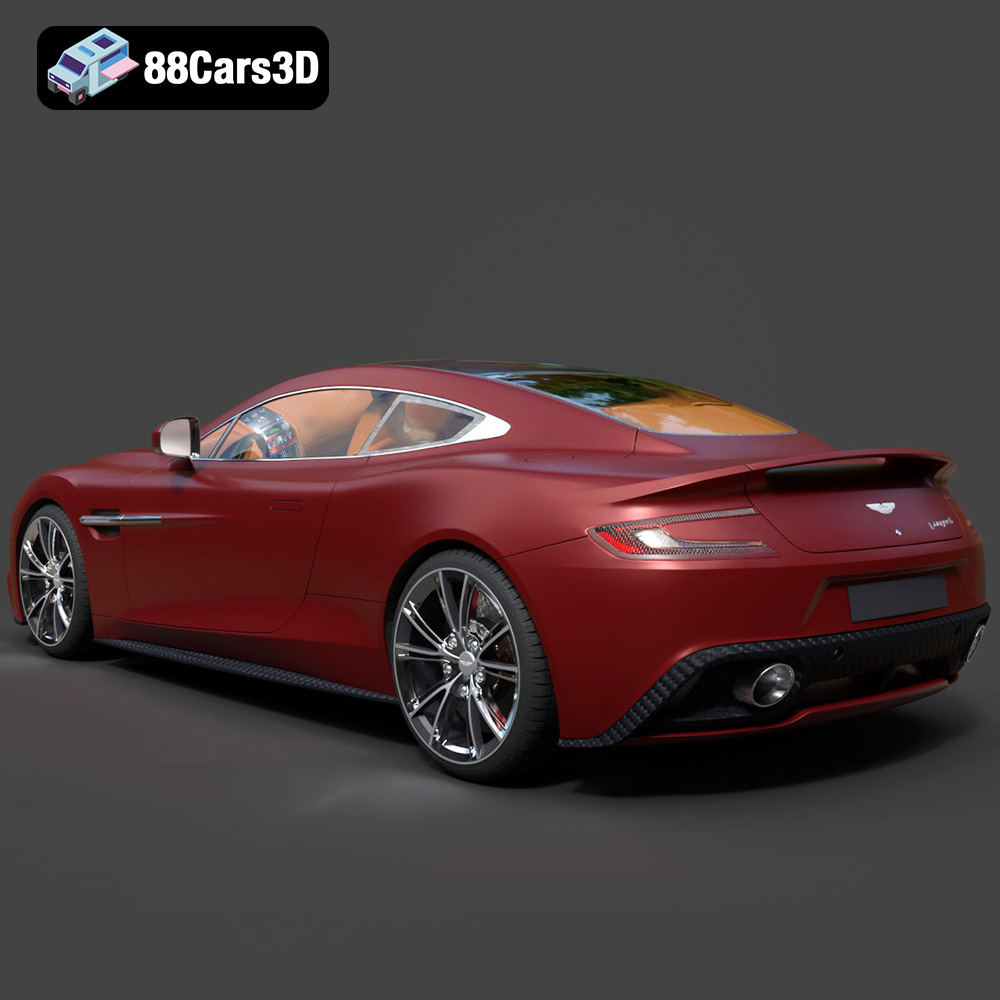
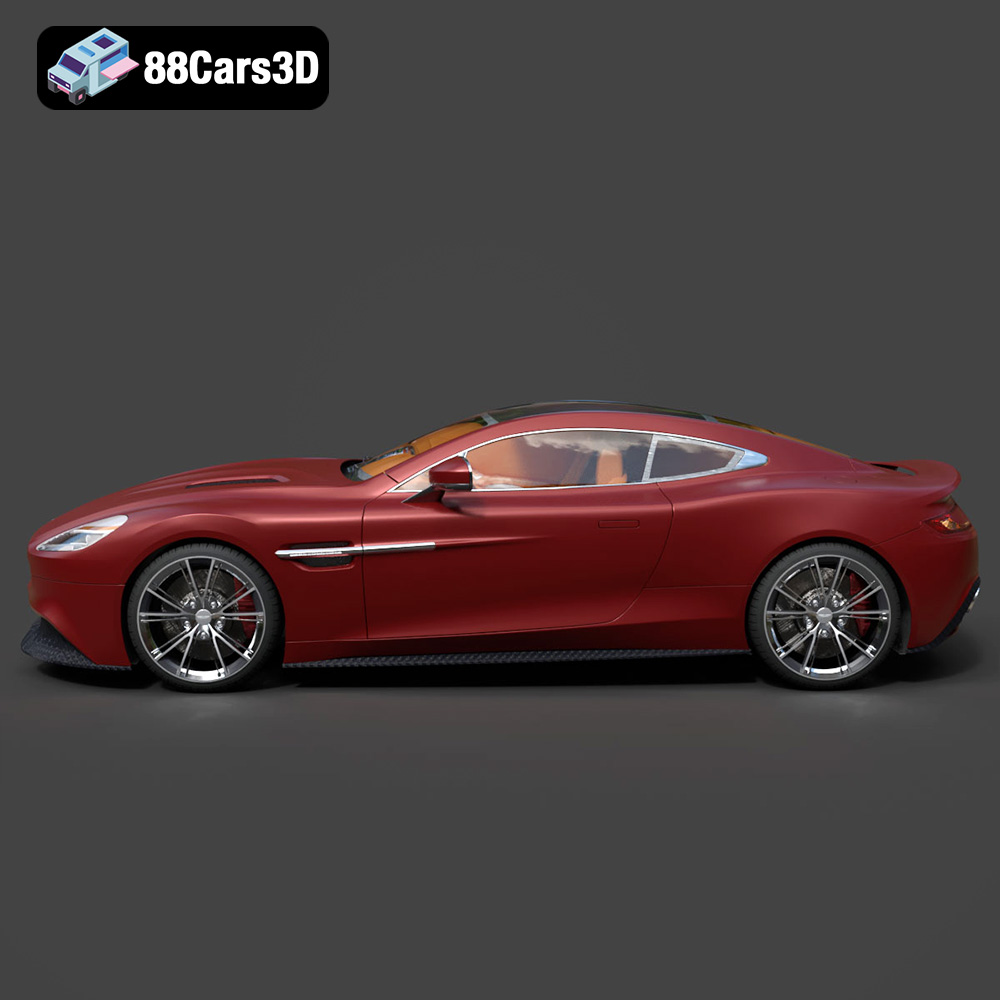
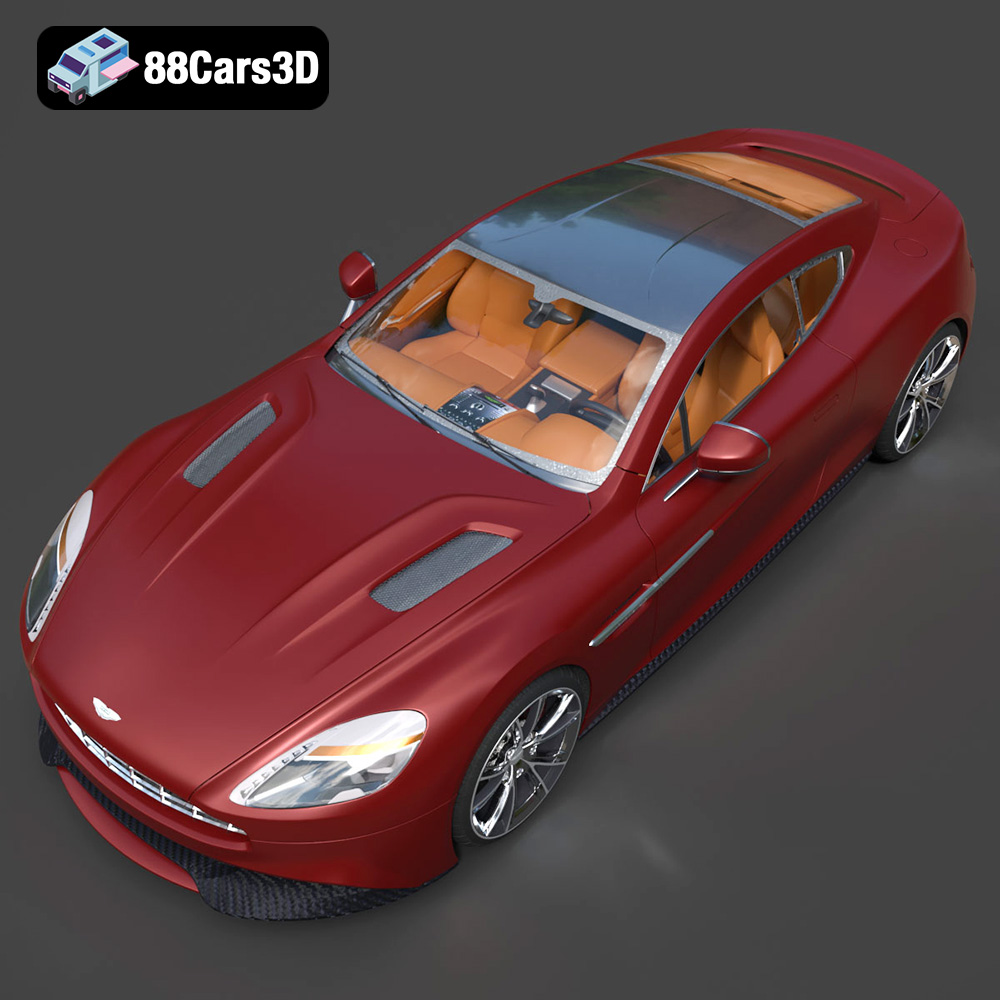
Imagine harnessing the raw power and sophisticated elegance of a legendary grand tourer, not just on a racetrack, but within your next design project, game environment, or marketing campaign. This is where premium 3D car models shine, offering unparalleled detail and versatility. Today, we delve into the meticulous craft behind these assets, spotlighting an exceptional example: the Aston Martin 2013 AM 310 Vanquish 3D Model. This digital recreation embodies the spirit of Aston Martin’s carbon-fiber-bodied masterpiece, providing a robust and flexible asset for professionals across various industries. Whether you’re aiming for photorealistic renders, seamless game integration, or even a tangible 3D printed collectible, understanding the technical nuances and creative potential of such models is paramount.
The versatility of a 3D model often hinges on its available file formats. Each format is designed with specific strengths, making certain ones more suitable for particular workflows, software environments, or end-use applications. For a high-fidelity asset like the Aston Martin 2013 AM 310 Vanquish 3D Model, having a comprehensive suite of formats ensures maximum compatibility and utility. Let’s break down the core formats you’ll encounter and why they matter.
The .blend file is the native format for Blender, a powerful and widely-used open-source 3D creation suite. When a model is provided in .blend format, it means you’re getting a fully editable Blender scene. This typically includes not just the mesh geometry, but also materials, textures, lighting setups, camera positions, animations, and even modifiers or rigging information. For Blender users, this offers the highest degree of flexibility, allowing for direct manipulation, customization, and seamless integration into existing Blender projects without any loss of data during import/export. It’s the ideal starting point for anyone looking to deeply customize the Aston Martin Vanquish within Blender.
.fbx (Filmbox) is arguably the most prevalent exchange format in 3D content creation, particularly favored for game development and animation pipelines. Developed by Autodesk, it excels at storing not only mesh data but also crucial information like materials, textures, animations, skinning, skeletal data, and camera/light settings in a single file. This makes it ideal for transferring complex animated models between different software packages such as 3ds Max, Maya, Blender, Unreal Engine, and Unity. When working with the Aston Martin Vanquish for a driving simulator or a cinematic sequence in Unreal, an .fbx file ensures that all animated components (like rotating wheels or a steering column) transfer correctly, maintaining their pivot points and hierarchies.
The .obj (Wavefront Object) format is a universal standard for transmitting 3D geometry data. It’s renowned for its simplicity and wide compatibility, supported by virtually every 3D application. An .obj file primarily stores mesh geometry (vertices, normals, texture coordinates) and group information. Material properties are typically referenced in a separate .mtl (Material Template Library) file. While it doesn’t support animation or rigging, its clean, plain-text structure makes it incredibly robust for cross-software compatibility, especially when you need to bring the Aston Martin Vanquish into a less common application or simply need the raw geometric data.
.glb (GL Transmission Format Binary) is an increasingly important format, particularly optimized for real-time applications, augmented reality (AR), virtual reality (VR), and web-based 3D experiences. It’s the binary version of .gltf, packing all assets (geometry, materials, textures, animations) into a single, self-contained file. This reduces load times and simplifies deployment, making it perfect for interactive configurators, virtual showrooms, or embedding the Aston Martin Vanquish into a web page for a 360-degree view. Its efficiency and comprehensive nature make it a go-to for modern immersive applications.
When it comes to physical manufacturing, the .stl (Stereolithography) format is king. It represents a 3D model as a series of connected triangles, describing only the surface geometry of an object without color, texture, or other attributes. This simple, unambiguous representation is what 3D printers understand. For those looking to bring the Aston Martin Vanquish from the digital realm into a tangible collectible model, an .stl file is essential. The model’s manifold geometry ensures it’s “watertight” and ready for slicing software, providing a faithful physical reproduction.
The .ply (Polygon File Format, or Stanford Triangle Format) is another format that stores 3D data, often used for scanned data, CAD, or scientific analysis. It’s more flexible than .obj in terms of what data it can store per vertex (color, normal, confidence values, etc.) and per face (lists of vertices). While less common for general 3D model distribution than .fbx or .obj, it’s valuable in niche applications requiring precise mesh information or for models generated from point clouds. For the Aston Martin Vanquish, it provides an alternative, robust mesh representation that can be useful for certain engineering or simulation contexts.
The .unreal format signifies an asset specifically optimized and packaged for direct import into the Unreal Engine. This could refer to a native Unreal Engine asset file or an .fbx specifically prepared with Unreal’s import settings in mind, potentially including collision meshes, level of detail (LODs), and material instances already configured for the engine’s physically based rendering (PBR) pipeline. Having the Aston Martin Vanquish available in an “engine-ready” format dramatically accelerates game development, ensuring materials and shaders translate accurately and performance is optimized right out of the box.
Finally, the .max file is the native project format for Autodesk 3ds Max, a long-standing industry leader in 3D modeling, animation, and rendering. Like .blend for Blender, a .max file offers a complete 3ds Max scene, including geometry, complex material networks, lighting rigs, render settings, animations, and scene hierarchy. For professionals deeply embedded in the 3ds Max ecosystem, this provides the highest level of detail and editability for the Aston Martin Vanquish, allowing full access to the original scene construction for advanced rendering and animation tasks.
The creation of a high-fidelity 3D car model, especially one as iconic as the Aston Martin 2013 AM 310 Vanquish, is a blend of artistry and technical precision. It requires not just an eye for detail, but also a deep understanding of automotive design and 3D modeling principles. The Aston Martin Vanquish 3D Model from 88cars3d.com stands as a testament to this intricate process, delivering a product that meets professional standards across various applications.
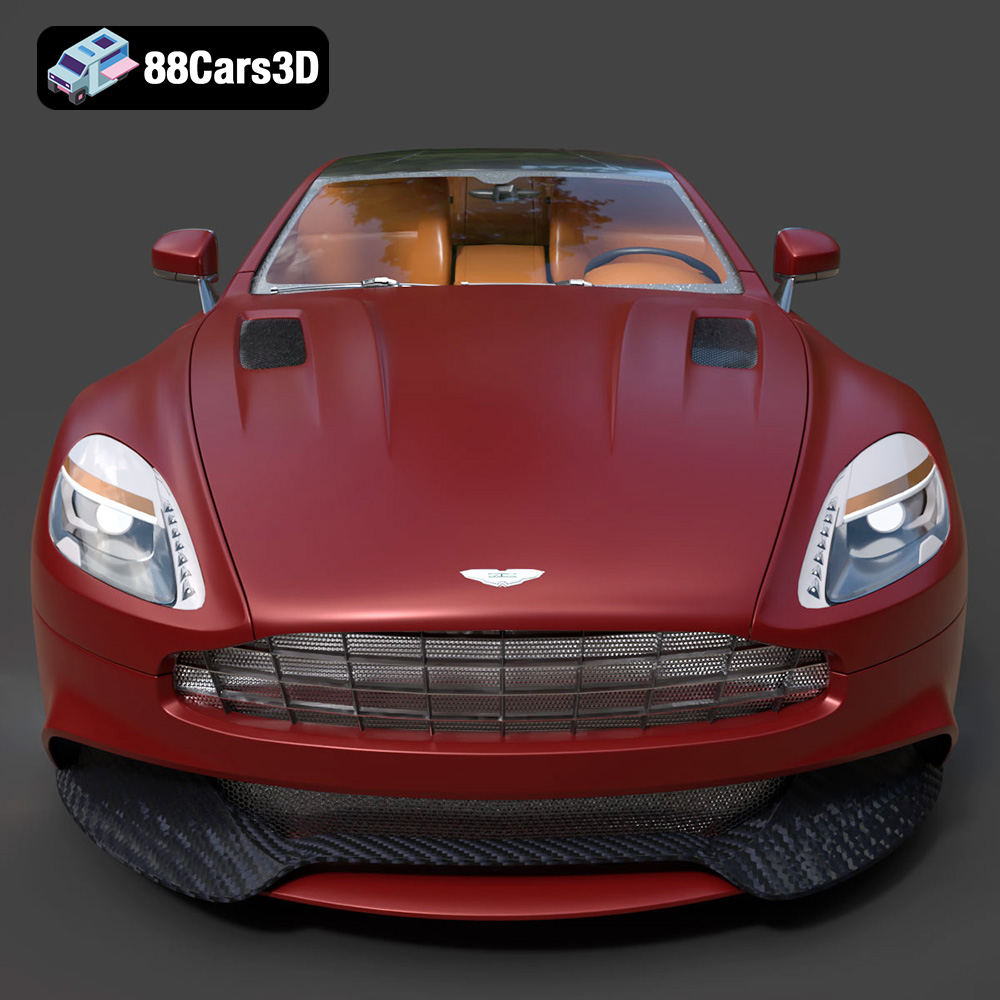
At its core, automotive visualization aims to replicate the real-world experience of a vehicle with stunning accuracy. For the Vanquish, this means capturing its distinctive carbon-fiber body structure, the aggressive yet elegant stance, and the sophisticated luxury performance it represents. The model meticulously recreates the sculpted aerodynamic bodywork, from the signature front grille and sharp LED light design to the carbon-fiber detailing and the powerful quad exhaust system. Every curve, every vent, and every panel line is carefully observed and translated into a digital form with clean, optimized topology. This level of detail is crucial for creating promotional campaigns, luxury showroom scenes, and cinematic automotive renders that truly captivate an audience.
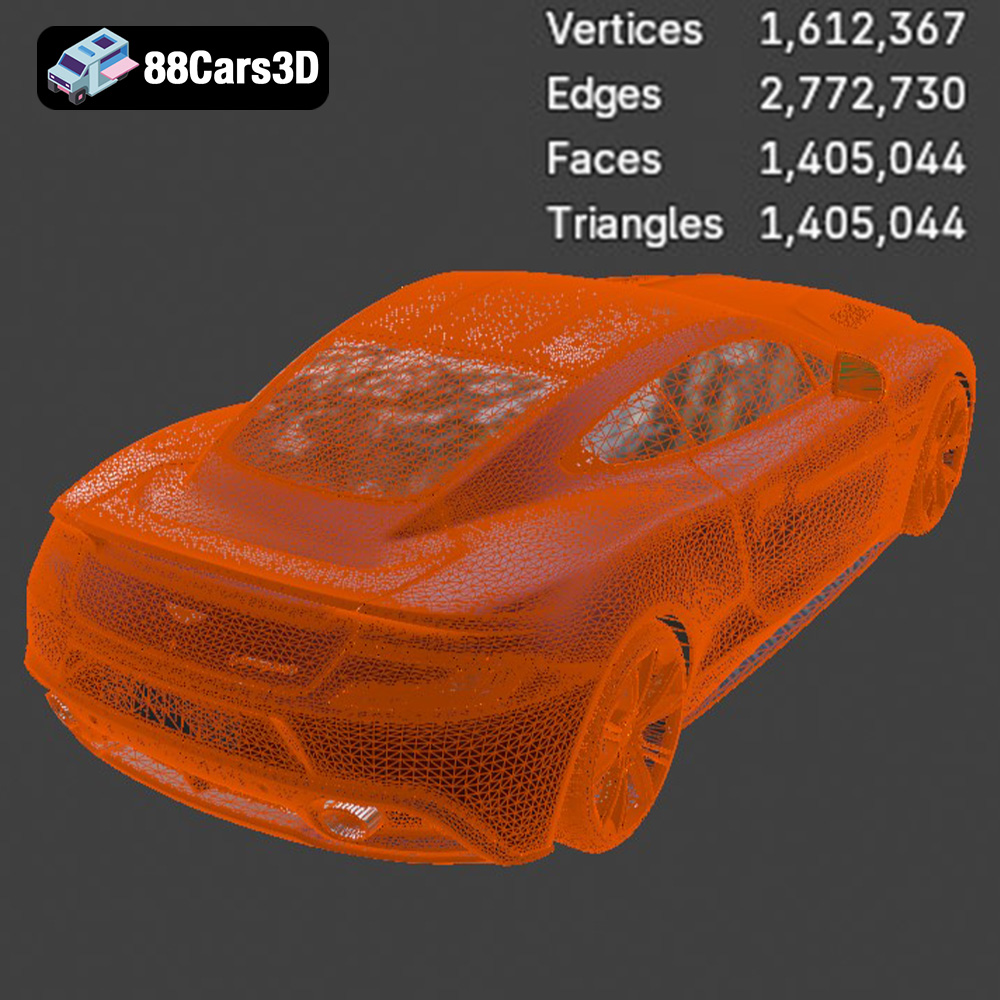
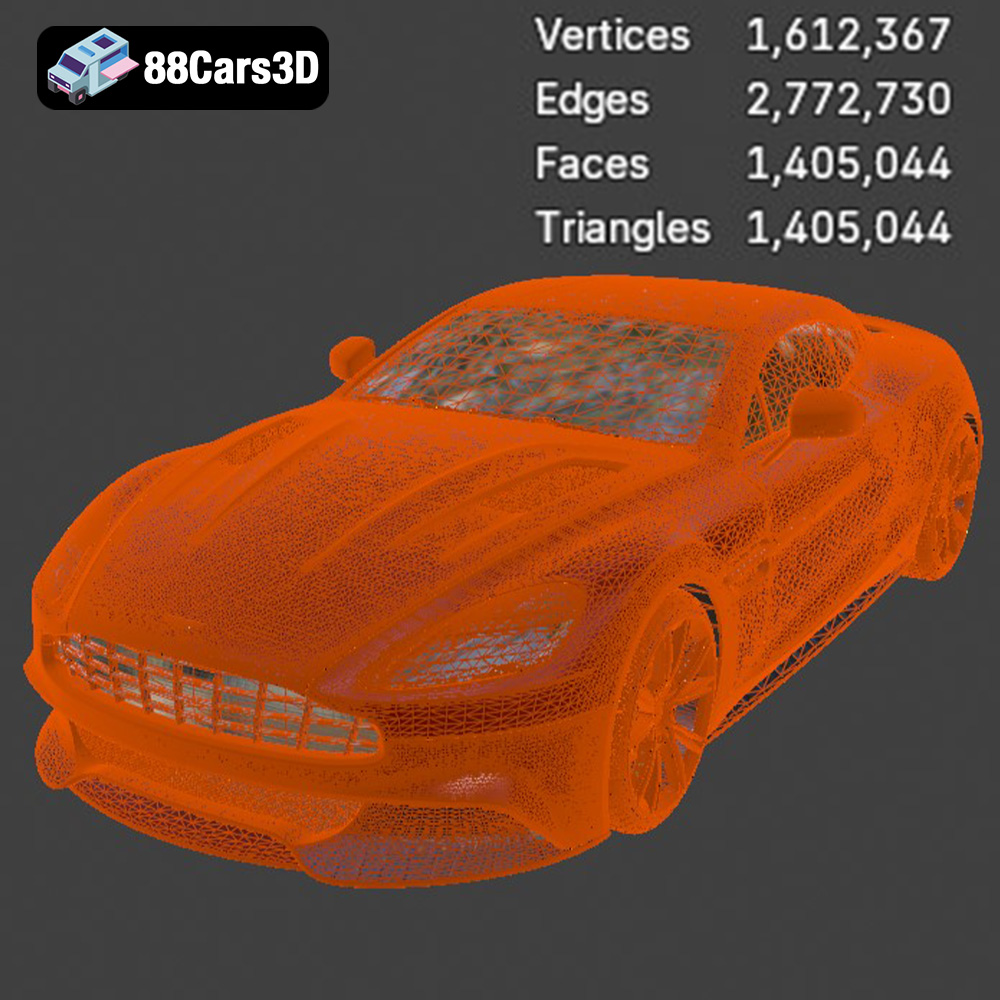
Beyond visual accuracy, the true value of a premium 3D model lies in its technical foundation. The Aston Martin Vanquish model boasts a clean and well-organized mesh structure, ensuring efficient rendering and smooth performance across different engines. Real-world scale accuracy is another critical factor, allowing the model to integrate seamlessly into environments without needing constant adjustments. Furthermore, specific technical advantages like proper pivot setup for steering and wheel rotation make it animation-ready straight out of the box. This careful attention to optimized polygon flow and efficient mesh design means the model performs admirably in demanding real-time applications like game development and AR/VR, where frame rates and resource management are paramount.
A superior 3D model like the Aston Martin 2013 AM 310 Vanquish is more than just a static object; it’s a dynamic asset that can be woven into complex professional pipelines. Understanding how to leverage it within industry-standard software like 3ds Max, Blender, and Unreal Engine is key to unlocking its full potential.
For professionals focused on high-end visualization, 3ds Max and Blender offer robust rendering engines that can transform raw 3D data into stunning photorealistic images.
In 3ds Max, with its native .max file, artists can directly open the Aston Martin Vanquish model with all its original scene data. This means materials are likely pre-configured for renderers like V-Ray or Corona. The workflow typically involves:
Similarly, in Blender, the .blend file provides an excellent starting point. Using Blender’s Cycles or Eevee render engines, artists can:
Game developers and real-time visualization specialists will find the .fbx and .unreal formats of the Aston Martin Vanquish model invaluable for Unreal Engine. The focus here shifts from raw poly count to optimized assets that run smoothly at high frame rates.
The utility of a high-quality 3D model extends far beyond digital rendering. With the advent of accessible 3D printing technology, models like the Aston Martin Vanquish can transcend the screen and become tangible, physical collectibles. The inclusion of the .stl format, specifically tailored for 3D printing, opens up an entirely new dimension of application.
Converting a complex digital model into a physical object requires careful consideration of the printing process. The Aston Martin Vanquish 3D Model, designed with printability in mind, demonstrates a thoughtful approach to this transition. The .stl format is the universal language for 3D printers, representing the object’s surface as a tessellated mesh of triangles. For models like this, ensuring “manifold geometry” – meaning a watertight mesh with no holes or self-intersecting faces – is critical for successful printing.
The recommended 3D print settings highlight the attention to detail required:
Once printed, the journey from raw plastic to a display-worthy replica is a meticulous process of post-processing. This typically involves:
This entire process transforms a digital file into a high-quality, tangible collectible, demonstrating the incredible versatility of premium 3D car models sourced from platforms like 88cars3d.com.
The true power of a versatile 3D asset, exemplified by the Aston Martin 2013 AM 310 Vanquish 3D Model, lies in its ability to be customized and adapted for an endless array of creative and commercial applications. From subtle material tweaks to dramatic scene changes, these models provide a canvas for digital artists and developers.
Customization is where a generic model becomes a unique asset. The Vanquish model’s structure facilitates numerous modifications:
These customization options allow the Aston Martin 2013 AM 310 Vanquish 3D Model to serve a multitude of creative briefs without needing to start from scratch.
The applications for such a detailed automotive 3D model are extensive and impactful:
Automotive Marketing & Commercials: High-end car manufacturers and luxury brands utilize 3D models for concept reveals, pre-production advertising, and virtual showroom experiences. A 3D Vanquish can be rendered in impossible environments, showcasing its features without the logistical constraints and costs of physical photography. Imagine a commercial featuring the Vanquish driving through a futuristic city that only exists in CG.
Game Development & Simulation: For racing simulators and open-world driving games, realistic 3D car models are non-negotiable. The Vanquish can be integrated into a virtual racing track, providing players with an authentic driving experience. Beyond entertainment, models are crucial for professional driving simulation and training, where engineers or drivers can practice in a virtual environment.
AR/VR Applications: Augmented and virtual reality offer immersive experiences. The Vanquish model can power a virtual car configurator, allowing prospective buyers to explore color options, interior trims, and wheel designs in a fully interactive 3D space. It can also be part of an AR experience, allowing users to “place” the virtual car in their driveway via a smartphone.
Architectural Visualization (ArchViz): While not the primary focus, high-quality car models are essential for populating architectural renders. Placing an Aston Martin Vanquish outside a luxury residence or in a high-end parking garage instantly elevates the perceived value and realism of an architectural scene.
Product Design & Engineering Visualization: Automotive design studios use 3D models extensively for design iteration, aerodynamic analysis, and presenting concepts. While not a CAD model for manufacturing, a detailed visual model can aid in early-stage visualization and communication.
In the expansive marketplace of digital assets, finding truly professional-grade 3D models can be a challenge. This is where specialized platforms like 88cars3d.com prove invaluable. They curate and offer high-quality 3D car models, ensuring that creators have access to assets that meet rigorous standards for detail, accuracy, and versatility.
The Aston Martin 2013 AM 310 Vanquish 3D Model is a prime example of the caliber of assets available on 88cars3d.com. By providing models with clean topology, real-world scale, PBR-ready materials, and a wide array of file formats, the platform significantly streamlines the workflow for professionals. Instead of investing countless hours in modeling from scratch, artists and developers can acquire pre-built, optimized assets, allowing them to focus their creativity on integration, lighting, and scene development. This efficiency is critical for meeting tight deadlines and delivering exceptional results across all digital media.
The journey from a blank digital canvas to a fully realized, high-fidelity 3D car model is a complex one, blending technical expertise with artistic vision. As we’ve explored, models like the Aston Martin 2013 AM 310 Vanquish 3D Model represent the pinnacle of this craft, offering an indispensable tool for professionals in automotive rendering, game development, AR/VR, and even 3D printing. Understanding the nuances of file formats, the specific demands of different software environments, and the vast potential for customization are key to harnessing these powerful digital assets.
Whether you’re creating a breathtaking cinematic sequence, developing the next-generation racing simulator, or fabricating a tangible scale model, the foundation of a premium 3D car model is paramount. Platforms like 88cars3d.com provide a trusted source for these meticulously crafted assets, empowering creators to bring their visions to life with unparalleled realism and efficiency. The Aston Martin Vanquish 3D Model is more than just a digital file; it’s an investment in quality, a catalyst for innovation, and a gateway to automotive artistry in the digital age. Embrace the power of precision and drive your projects forward with assets that truly stand out.
The Aston Martin 2013 AM 310 Vanquish 3D Model is a high-detail digital recreation of the iconic British grand tourer known for its carbon-fiber body structure, aggressive stance, and refined luxury performance. The 2013 Vanquish (AM 310) represents a blend of handcrafted elegance and high-powered V12 engineering. This 3D model accurately represents the sculpted aerodynamic bodywork, signature front grille, sharp LED light design, carbon-fiber detailing, quad exhaust system, multi-spoke alloy wheels, and premium interior layout. Built with clean topology and real-world scale accuracy, it is ideal for rendering, animation, automotive visualization, game development, and AR/VR showroom applications. Perfect for luxury showroom scenes, cinematic automotive renders, promotional campaigns, urban night environments, and driving simulation platforms.
$34.99