⚡ FLASH SALE: Get 60% OFF All Premium 3D & STL Models! ⚡

The world of 3D modeling is a fascinating blend of artistry and precision engineering, especially when it comes to capturing the intricate details of automotive design. Whether you’re a seasoned professional in architectural visualization, a game developer crafting immersive open worlds, or an enthusiast bringing historical vehicles to life through rendering, the quality of your 3D car models is paramount. These digital assets are the backbone of photorealistic scenes, dynamic simulations, and interactive experiences, demanding meticulous attention to detail, optimized geometry, and versatile file formats.
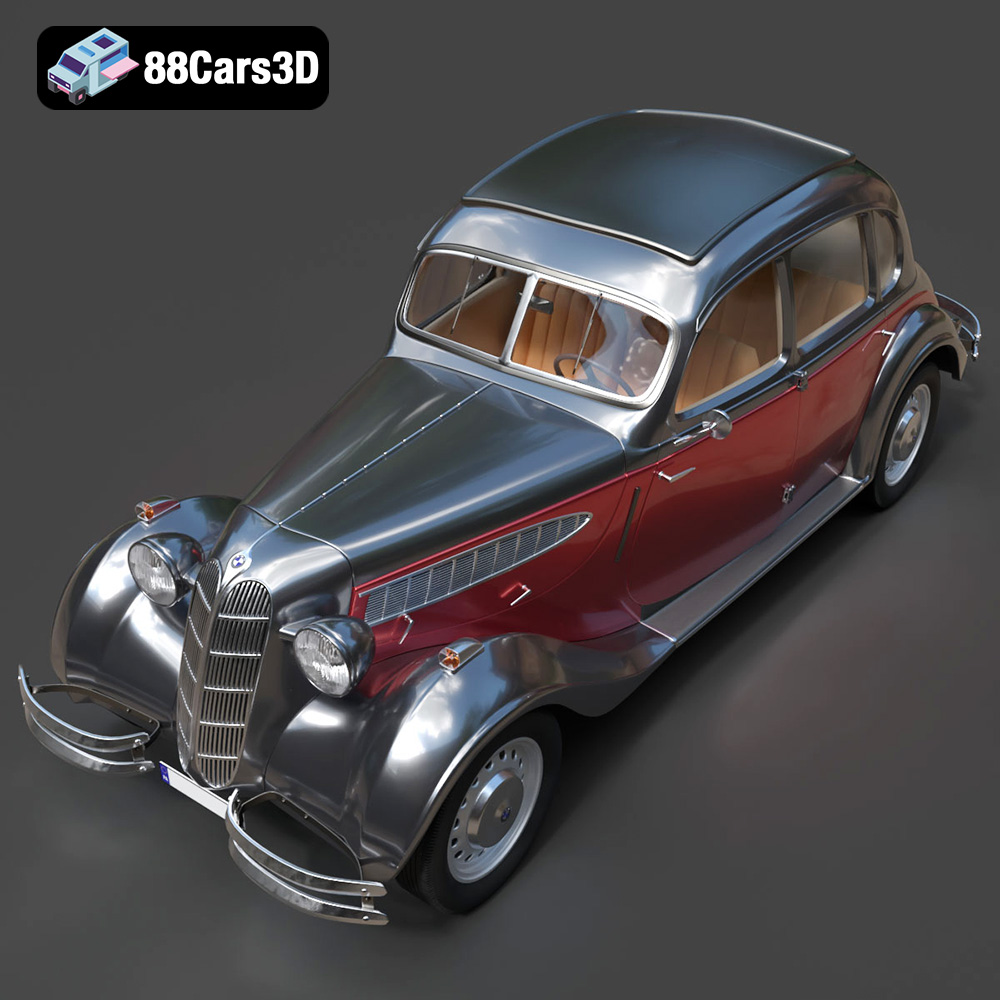
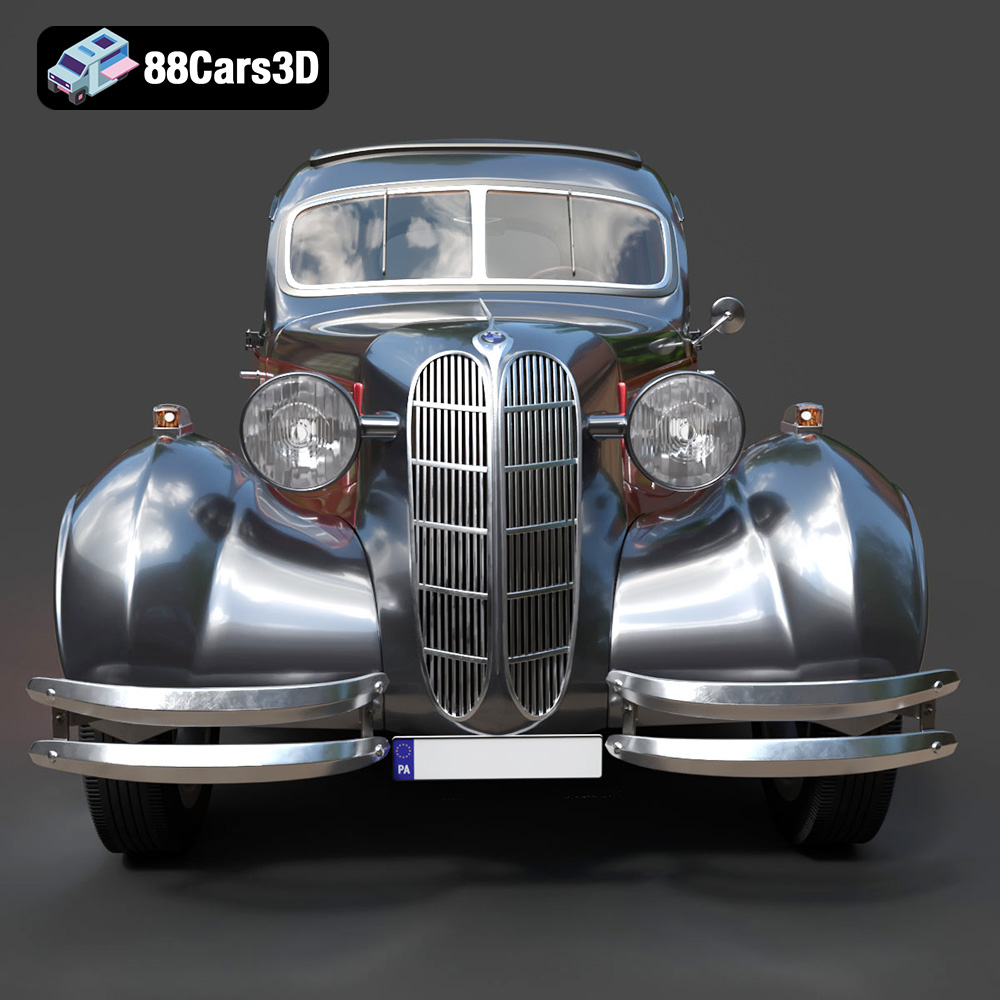
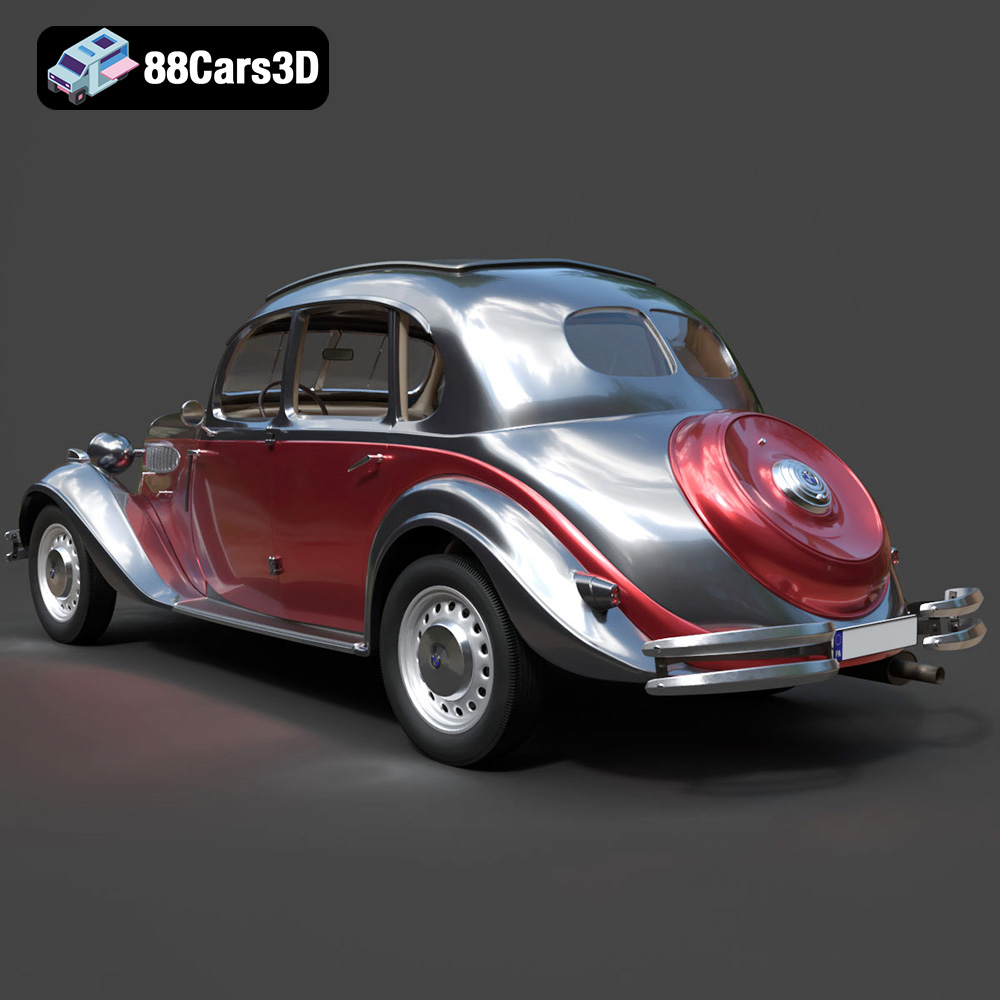
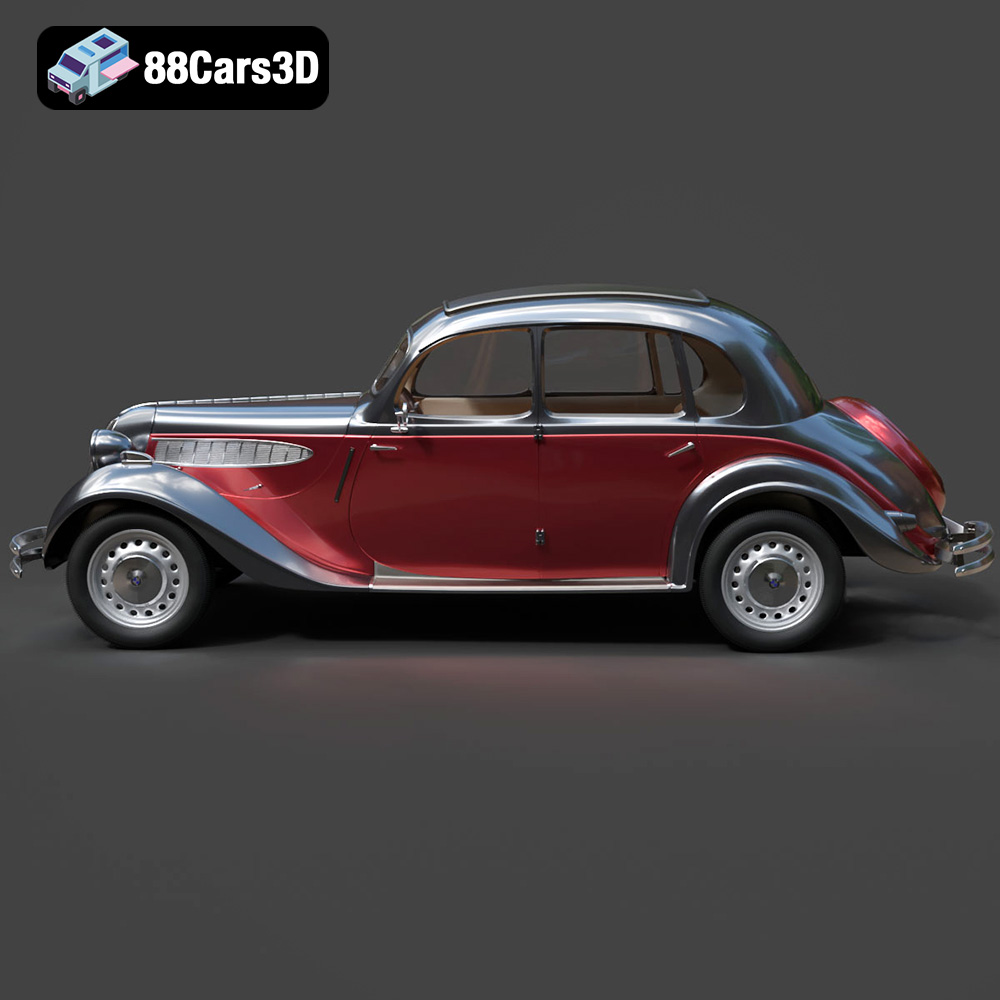
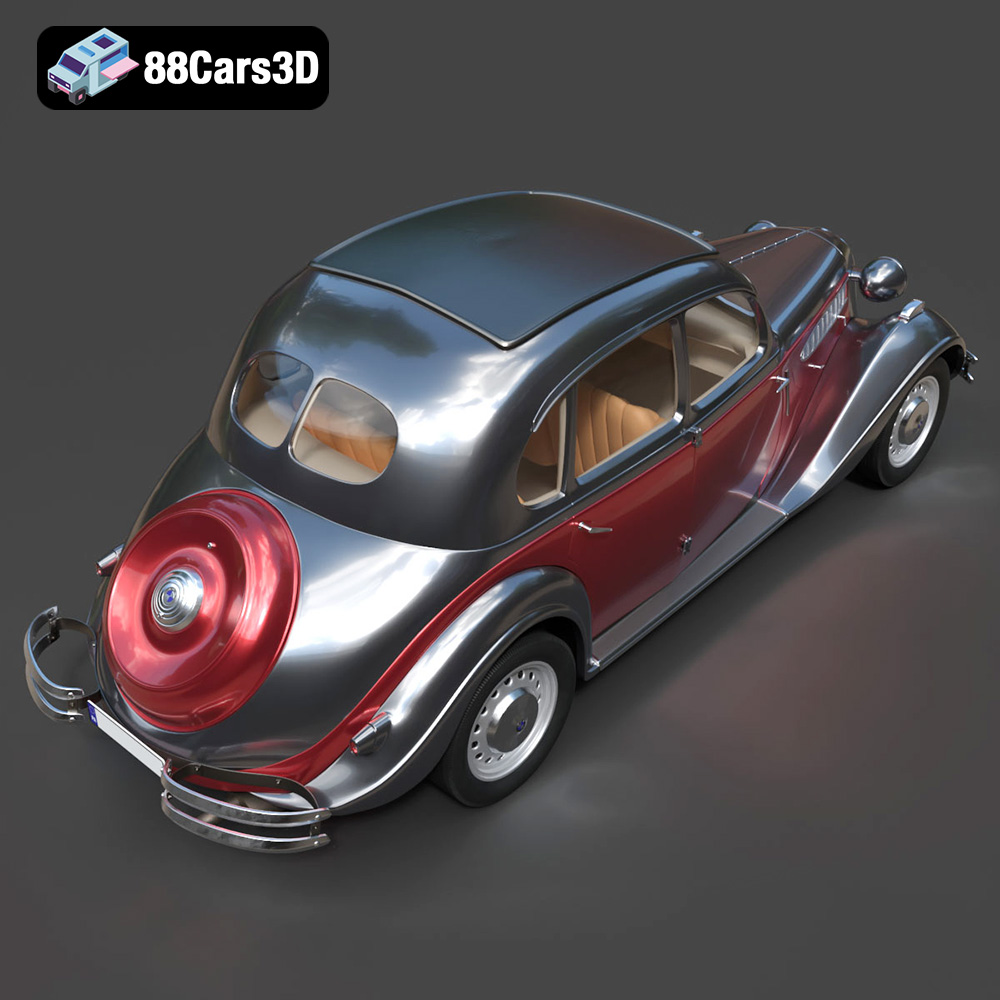
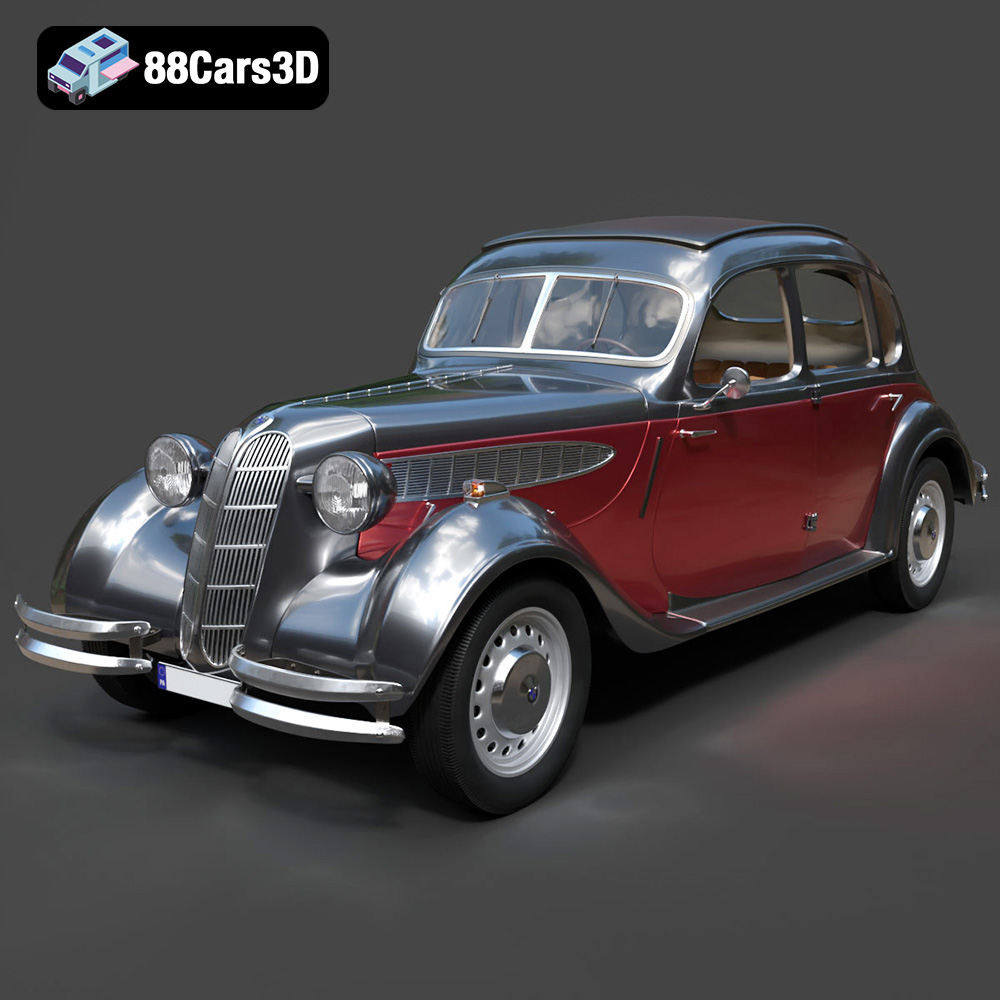
Today, we delve into the comprehensive journey of leveraging high-quality 3D models, exemplified by a truly iconic piece of automotive history: the BMW 326 1941 3D Model. This pre-war German luxury sedan, renowned for its elegant curves and pioneering aerodynamic styling, offers a perfect case study for exploring the technical nuances and creative possibilities available to 3D artists. From its rounded fenders and classic kidney grille to its vintage interior, every aspect of this digital recreation showcases what truly professional 3D car models can achieve, fitting seamlessly into diverse projects from high-fidelity renders to 3D printable collectibles.
Navigating the ecosystem of 3D software and engines requires a solid understanding of various file formats. Each format has its strengths, ideal use cases, and technical considerations. Selecting the correct format for your project is crucial for maintaining data integrity, optimizing performance, and ensuring compatibility. The BMW 326 1941 3D Model, available on 88cars3d.com, offers a wide array of these essential formats, providing maximum flexibility for any workflow.
The .blend file is Blender’s native format, containing an entire scene with all its elements: meshes, materials, textures, lighting, cameras, animations, and even physics simulations. For Blender users, this format offers full editability, allowing complete control over the model’s structure, modifiers, and node-based materials. It’s ideal for projects where deep customization and integration into a Blender-centric pipeline are required, providing access to every detail that makes the BMW 326 model so rich.
Autodesk’s .fbx (Filmbox) format is widely considered the most versatile for exchanging 3D data between different software applications and game engines like Unreal Engine and Unity. It supports geometry, animation, skinning, blend shapes, cameras, lights, and even embedded media. While extremely powerful, it’s essential to understand that FBX can be complex, and export/import settings must be carefully managed to ensure all data translates correctly. For real-time pipelines, FBX is the go-to, providing a robust container for the BMW 326 as a game asset or for animation.
The .obj (Wavefront OBJ) format is a simple, universal geometry definition format that has been around for decades. It’s excellent for static mesh data, defining vertices, normals, UV coordinates, and faces. Materials are typically defined in a separate .mtl (Material Template Library) file, which links to textures. While it doesn’t support animation or complex scene data, its widespread compatibility makes it a safe choice for basic geometric exchange, ensuring almost any 3D software can open and work with the BMW 326’s core shape.
The .glb (GL Transmission Format Binary) is a relatively newer format, rapidly gaining traction for web-based 3D, Augmented Reality (AR), and Virtual Reality (VR) applications. It’s designed to be a compact, self-contained asset, embedding geometry, materials, and textures into a single binary file. This optimization makes it perfect for fast loading and efficient delivery across browsers and mobile devices, making the BMW 326 accessible for interactive virtual showrooms or AR experiences with minimal fuss.
For those looking to bring digital models into the physical world, the .stl (Stereolithography) format is indispensable. It represents 3D surfaces as a collection of unconnected triangles, forming a purely geometric, watertight (manifold) mesh. STL files do not contain color, texture, or material information, focusing solely on the object’s shape for fabrication. The BMW 326 1941 3D Model’s availability in STL format means it’s ready for 3D printing, allowing hobbyists and professionals to create tangible scale models or prototypes, adhering to specific 3D print settings like recommended scales and support structures.
The .ply (Polygon File Format) is often used for storing 3D data from 3D scanners or for CAD/analysis applications. It’s more comprehensive than OBJ, capable of storing color, transparency, confidence values, and other properties per vertex or per face. While less common in general 3D rendering pipelines, its precision and ability to carry rich mesh data make it valuable for specific engineering or scientific visualization tasks involving the BMW 326.
When a product listing specifies .unreal, it typically implies an asset pre-configured and optimized for direct import into Unreal Engine. This isn’t a single file type but rather a package that contains the FBX geometry, along with pre-setup materials, textures, and possibly blueprints or LODs (Levels of Detail) tailored for Unreal Engine’s rendering pipeline. This saves significant setup time, making the BMW 326 immediately usable in historical open-world games or cinematic sequences within Unreal, thanks to the foresight of providers like 88cars3d.com.
Finally, the .max file is the native format for Autodesk 3ds Max. Similar to .blend, it encapsulates an entire 3ds Max scene, including all modeling, animation, lighting, and rendering settings. It offers the most flexibility for 3ds Max users to modify the BMW 326 model’s geometry, apply advanced modifiers, or integrate it into complex animated sequences, preserving all original scene data and relationships.
Creating a truly exceptional 3D car model, such as the BMW 326 1941, requires a deep understanding of both aesthetics and technical constraints. It’s not merely about replicating shape; it’s about building a digital asset that performs reliably across various platforms and use cases, delivering both visual fidelity and optimal performance.
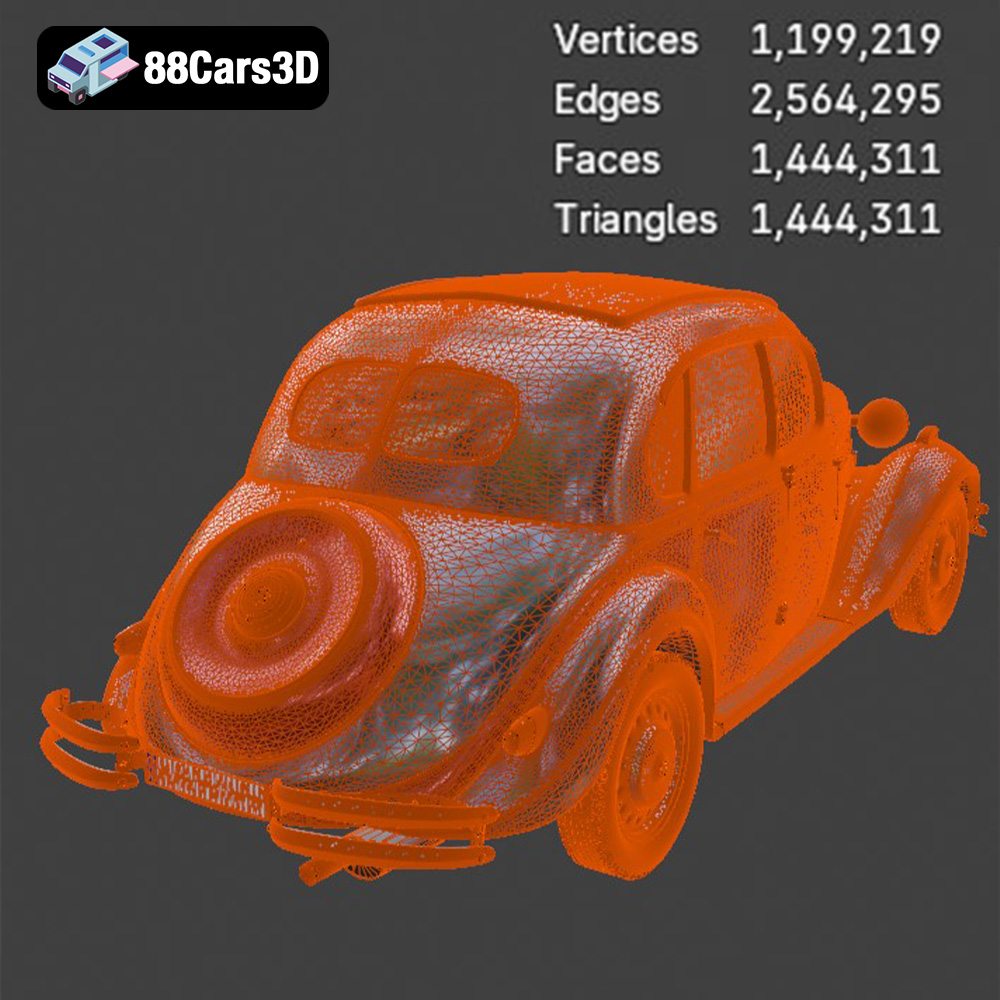
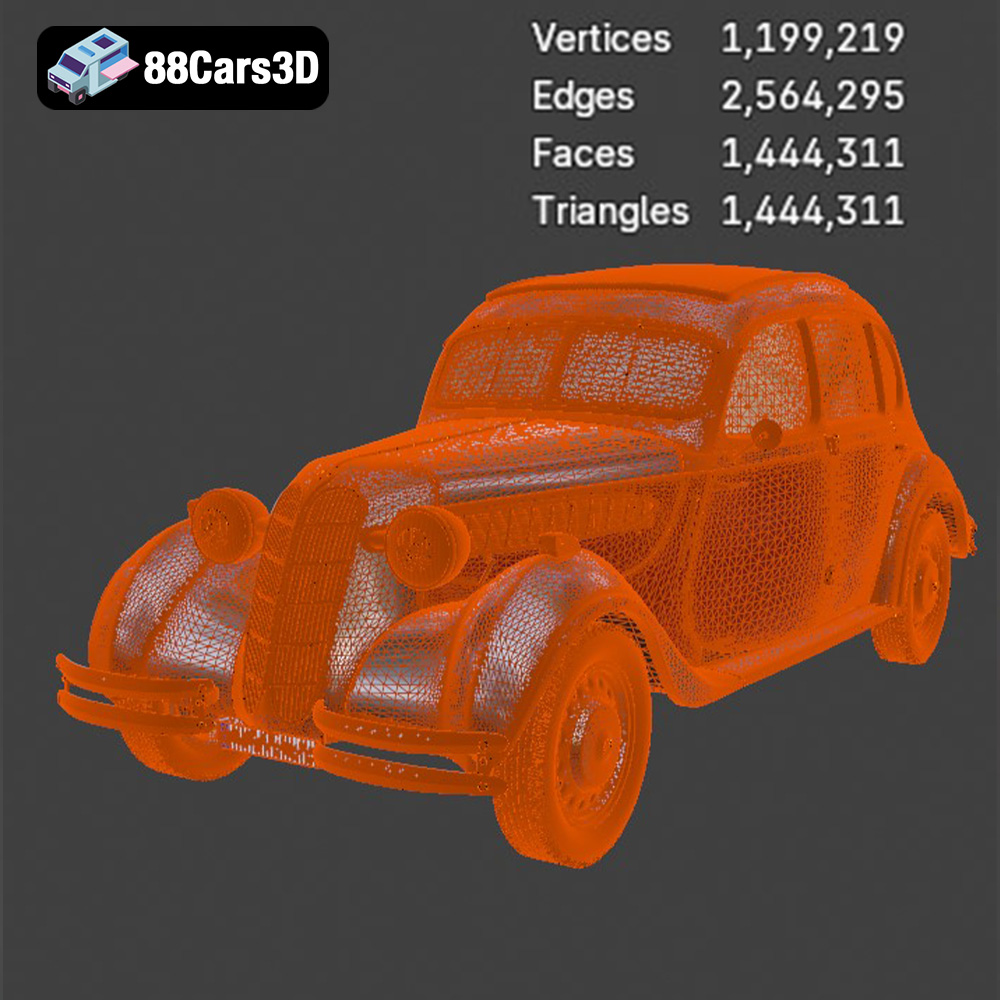
At the heart of any high-quality 3D model is its topology – the arrangement of polygons that form its surface. For automotive assets, clean, quad-based topology is crucial. This ensures smooth deformations during animation, predictable subdivision for higher detail, and efficient UV mapping. The BMW 326 1941 3D Model boasts an optimized polygon flow, striking a balance between intricate detail for close-up renders and efficiency for real-time applications like game development.
Once the geometry is perfect, the next step is to give the model its surface characteristics. This involves UV mapping, texturing, and material creation, all of which contribute significantly to the perceived realism of the BMW 326.
Accuracy is key in automotive modeling. The BMW 326 1941 3D Model is built with real-world scale accuracy, ensuring it fits realistically into any scene, whether it’s a bustling historical city or a precise engineering simulation.
The versatility of premium 3D car models shines brightest in their integration into various professional pipelines. The BMW 326 1941 3D Model from 88cars3d.com is engineered for seamless adoption across leading software and engines, empowering artists and developers alike.
For cinematic visuals, architectural visualization, or high-end marketing, rendering is where the BMW 326 truly comes to life. Using native .max and .blend files ensures maximum control and quality.
Integrating the BMW 326 1941 3D Model into real-time environments for game development or interactive experiences demands careful optimization and efficient asset management. The .fbx and .unreal formats are paramount here.
The rise of AR/VR has opened new avenues for showcasing 3D car models interactively. The .glb format is particularly beneficial for these applications.
The ability to transform a digital model into a physical object is a magical aspect of 3D design, and the BMW 326 1941 3D Model offers this capability through its dedicated .stl format. This opens doors for collectors, educators, and hobbyists to create tangible replicas of this historic vehicle.
Converting a high-detail rendering model into a print-ready STL requires specific considerations to ensure successful fabrication.
The journey from a raw 3D print to a display-worthy model involves a series of artistic post-processing steps.
The impact of high-quality 3D car models extends across numerous creative and professional domains. The BMW 326 1941 3D Model is a versatile asset that can drive innovation in diverse projects.
For historical documentaries, museum showcases, or educational content, accurate 3D models are invaluable. The BMW 326 can be placed in meticulously recreated historical environments, allowing viewers to experience pre-war Europe with unprecedented realism. Its precise detailing makes it ideal for:
For designers, engineers, and restoration specialists, 3D models serve as powerful tools for study and planning.
Filmmakers and virtual photographers can leverage the BMW 326 1941 3D Model to elevate their visual storytelling.
The demand for high-quality 3D car models is consistently growing, reflecting their essential role in everything from cutting-edge game assets to stunning automotive rendering and immersive AR/VR experiences. Assets like the BMW 326 1941 3D Model demonstrate the pinnacle of digital craftsmanship, offering not just visual fidelity but also the technical robustness and versatility required by today’s demanding production pipelines.
Whether you’re developing the next big historical game, producing a documentary, or bringing a vintage car to life through 3D printing, having access to meticulously crafted 3D models with optimized geometry and a wide array of file formats is a game-changer. The BMW 326 1941 3D Model stands as a testament to this quality, providing a foundation for countless creative endeavors. Explore this model and many other exceptional 3D car models by visiting 88cars3d.com, where quality meets convenience, empowering you to push the boundaries of your digital projects.
The BMW 326 1941 3D Model is a high-detail digital recreation of the pre-war German luxury sedan, known for its elegant curves and refined craftsmanship. Accurately representing its vintage design, this model is ideal for rendering, animation, game development, AR/VR, and 3D printing, offering clean topology and real-world scale accuracy.
$19.9
.1941car
.arvr
.automotive
.blend
.bmw
.bmw326
.car3dmodel
.fbx
.gameasset
.glb
.historicalvehicle
.max
.obj
.ply
.prewarcar
.rendering
.simulation
.stl
.unreal
.vintagecar
classicbmw