⚡ FLASH SALE: Get 60% OFF All Premium 3D & STL Models! ⚡

In the world of automotive design, some vehicles transcend mere transportation to become icons of luxury, power, and prestige. The Rolls-Royce Phantom V, produced between 1959 and 1968, stands as a testament to this legacy. A vehicle synonymous with royalty, heads of state, and the pinnacle of hand-crafted refinement, its stately presence commands attention even today. For 3D artists, game developers, architects, and visualization specialists, recreating such a monumental piece of automotive history can be a daunting, time-consuming endeavor.
However, the pursuit of perfection often begins with the right foundation. This is where high-quality 3D car models become indispensable. Imagine integrating the dignified grandeur of the Phantom V into your next project without spending hundreds of hours on modeling, texturing, and optimization. This article delves into the technical intricacies and creative possibilities offered by a meticulously crafted digital asset, specifically the Rolls-Royce Phantom V 3D Model available on 88cars3d.com. We’ll explore how this model, engineered for precision and versatility, empowers professionals across diverse industries, from breathtaking automotive rendering to dynamic game assets and innovative AR/VR experiences, all while ensuring compatibility through a wide array of file formats.
The versatility of a 3D car model often hinges on the file formats it supports. Different formats are optimized for distinct purposes, software compatibility, and industry pipelines. The Rolls-Royce Phantom V 3D Model from 88cars3d.com boasts an extensive range of included formats, making it a highly adaptable asset for any professional workflow. Understanding the strengths of each is crucial for seamless integration and optimal project results. This Rolls-Royce Phantom V 3D Model includes: .blend, .fbx, .obj, .glb, .stl, .ply, .unreal, and .max.
The .blend file format is native to Blender, the powerful open-source 3D creation suite. When you receive a .blend file, you’re not just getting a mesh; you’re getting a fully editable Blender scene. This typically includes the model with its materials, textures, lighting setups, cameras, and even animations, all within Blender’s intuitive interface. For artists primarily working in Blender, this format offers unparalleled flexibility. You can easily modify the topology, adjust shaders, tweak UVs, or experiment with geometry nodes. It’s the perfect starting point for comprehensive customization and intricate scene composition, allowing direct access to every component that makes up the Phantom V model.
The .fbx (Filmbox) format is a proprietary file format developed by Autodesk, widely recognized as the industry standard for exchanging 3D data between different software applications. It excels at preserving scene information beyond just geometry, including materials (often as PBR definitions), textures, animations, skeletal meshes, and more. This makes it an ideal choice for pipelines involving multiple software packages, such as modeling in one application and animating or rendering in another. Crucially, .fbx is the preferred format for importing game assets into real-time engines like Unreal Engine and Unity, due to its robust support for animation curves and efficient handling of complex scene data. The Rolls-Royce Phantom V model in .fbx ensures a smooth transition into any major 3D ecosystem.
The .obj (Wavefront OBJ) format is one of the oldest and most universally supported 3D file formats. It’s a simple, text-based format primarily used for exchanging raw geometric data – vertices, faces, normals, and UV coordinates. While it doesn’t store advanced scene information like animations, lighting, or complex materials (though it can link to a separate .mtl file for basic material definitions), its widespread compatibility makes it a go-to for static mesh transfers. If you need to bring the Phantom V into virtually any 3D software for basic modeling or sculpting operations, .obj is a reliable choice for ensuring foundational geometry is preserved.
The .glb (GL Transmission Format Binary) is an increasingly vital format, particularly for modern web, Augmented Reality (AR), and Virtual Reality (VR) applications. It’s a binary version of glTF, designed for efficient transmission and loading of 3D scenes and models. What sets .glb apart is its self-contained nature: it embeds geometry, materials, textures, and animations into a single, compact file. This optimization makes it perfect for displaying the Rolls-Royce Phantom V on websites, in browser-based configurators, or within mobile AR/VR experiences where performance and quick loading times are paramount.
The .stl (Stereolithography) format is the cornerstone of 3D printing. It represents a 3D model as a series of connected triangles, defining only the surface geometry of an object without color, texture, or other CAD attributes. For anyone looking to bring the digital Rolls-Royce Phantom V into the physical world as a collectible scale model or a display miniature, the .stl format is essential. It’s universally accepted by 3D printing software (slicers) and machines, ensuring the model’s manifold geometry is correctly interpreted for fabrication.
The .ply (Polygon File Format) is often used for storing 3D data from 3D scanners, CAD applications, or scientific simulations. It can store a wider range of properties than .obj, including color, transparency, and normal data per vertex or face, along with additional geometric properties like material properties. While less common for general 3D model exchange, the .ply format provides a highly precise and detailed representation of the Rolls-Royce Phantom V’s mesh, valuable for advanced analysis, reverse engineering, or niche CAD workflows where exact geometric fidelity is critical.
The .unreal format signifies an asset specifically optimized and often pre-configured for direct use within Unreal Engine. This could mean the model has been imported, set up with Unreal-specific materials (often using Unreal’s physically-based rendering system), collision meshes, and potentially LODs (Levels of Detail) to ensure optimal performance within the engine. For developers targeting Unreal Engine for games, simulations, or high-fidelity visualizations, an .unreal asset of the Phantom V greatly streamlines the import and setup process, minimizing guesswork and maximizing efficiency.
Finally, the .max format is the native file type for Autodesk 3ds Max, one of the leading software packages for 3D modeling, animation, and automotive rendering. Similar to .blend, a .max file contains the complete scene, including the Rolls-Royce Phantom V model’s geometry, modifiers, materials (often V-Ray or Corona Renderer setups), lighting, cameras, and animation tracks. For professionals entrenched in the 3ds Max ecosystem, this format offers the highest degree of editability and control, allowing for detailed adjustments to the model and integration into complex rendering and animation pipelines without any loss of data fidelity.
The Rolls-Royce Phantom V is not just a car; it’s a statement. Its distinct design and historical significance make it a prized subject for digital recreation. A high-quality 3D car model of this calibre must meticulously capture every nuance, transforming the classic into a versatile digital asset.
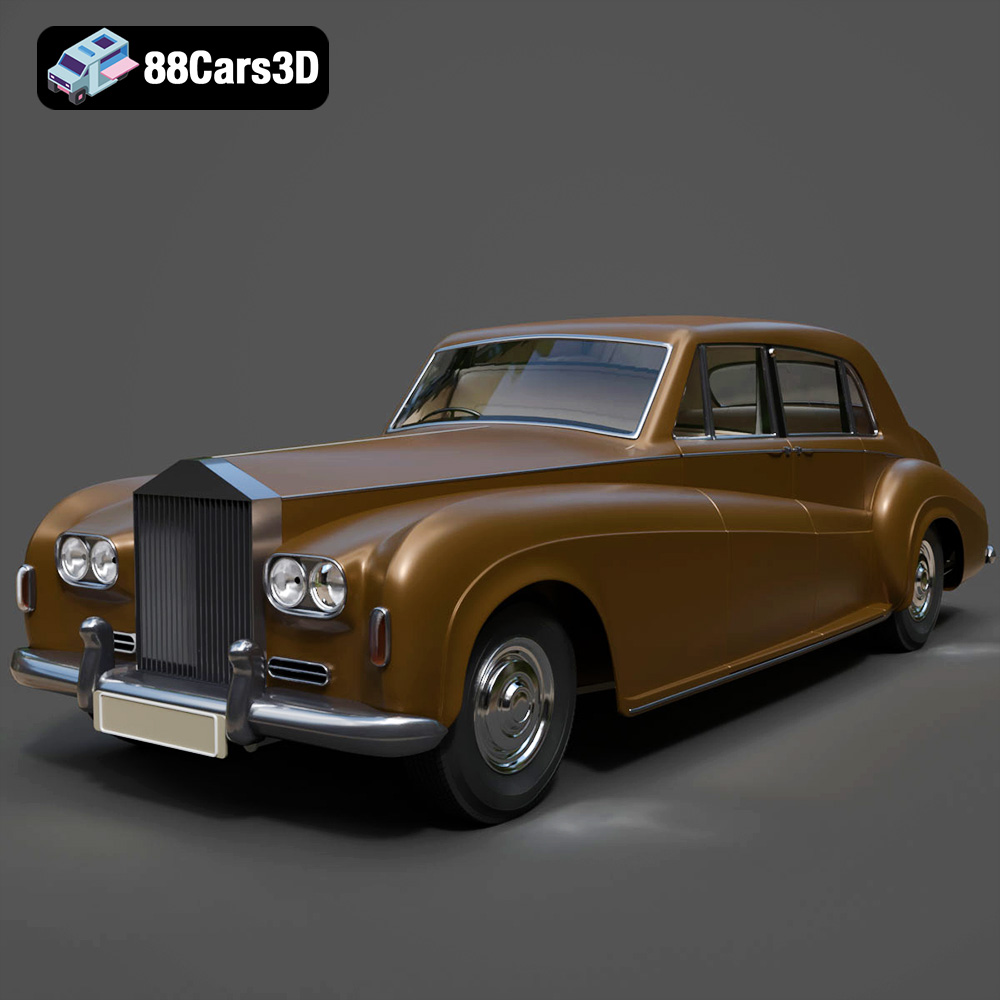
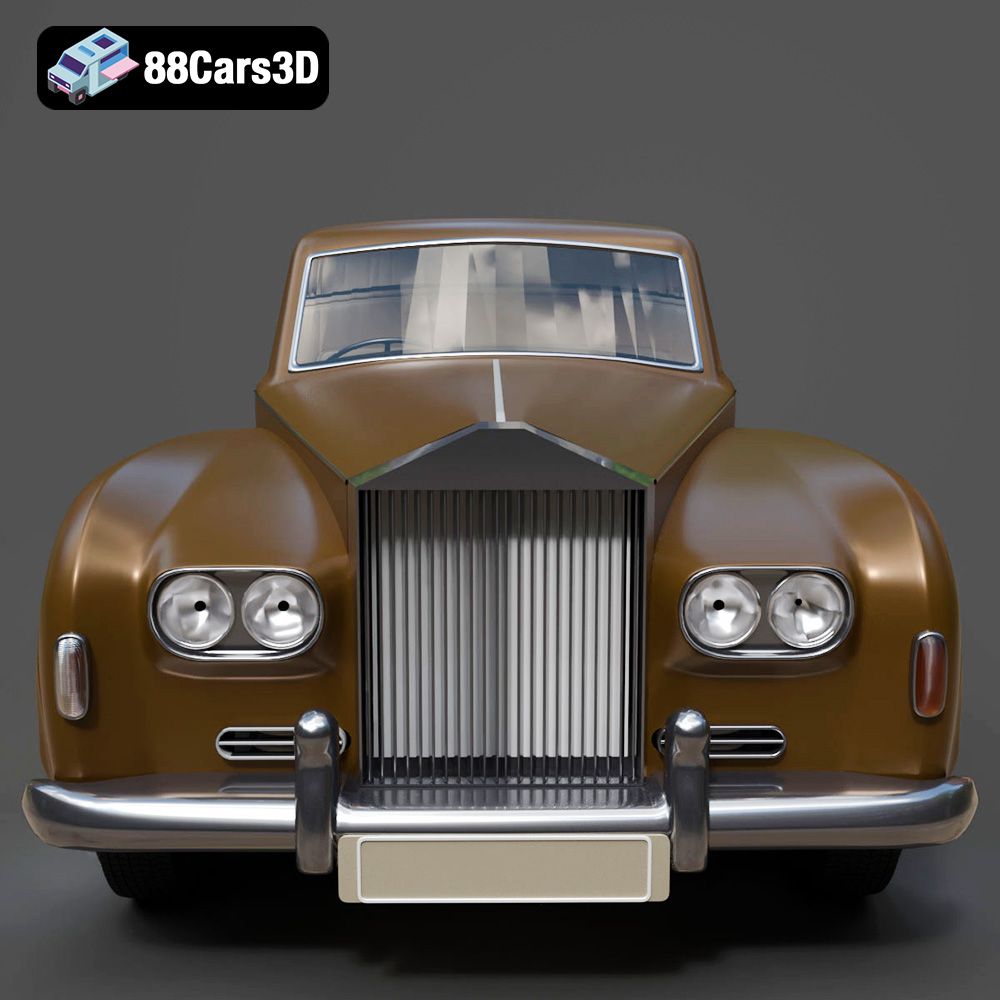
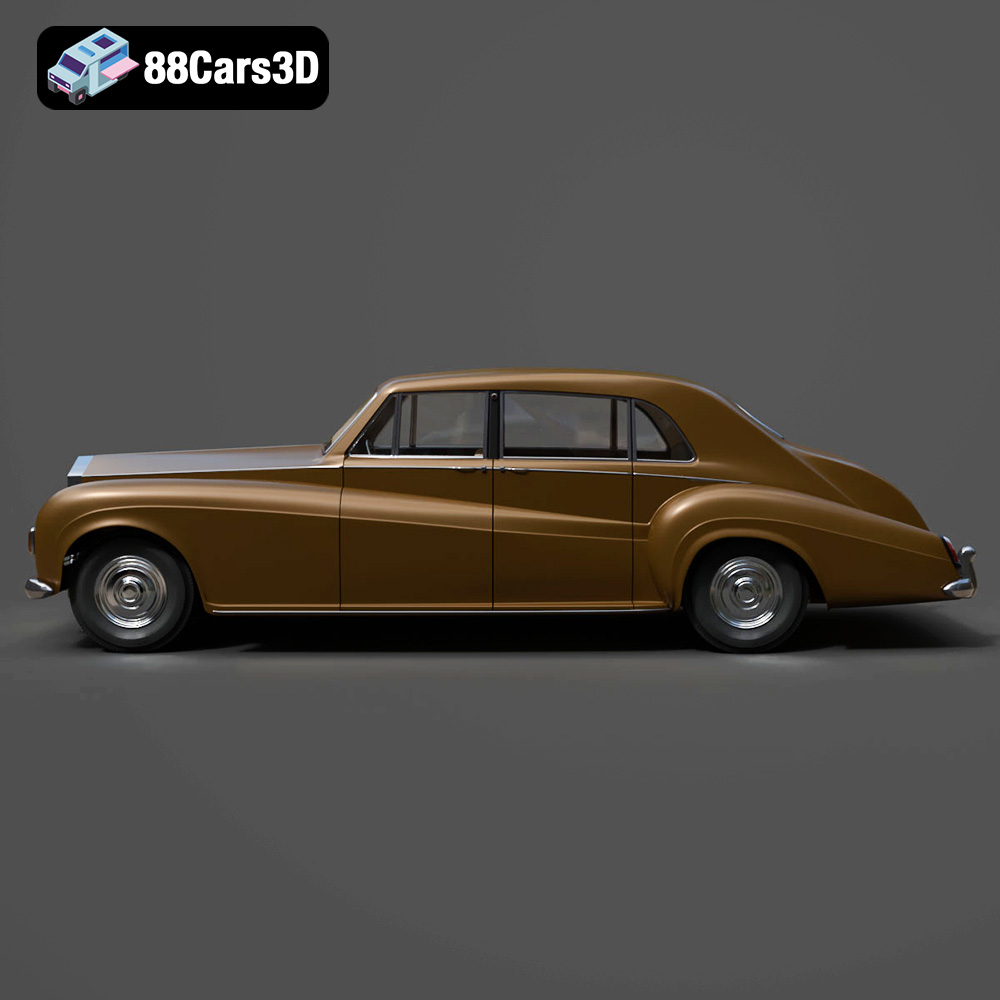
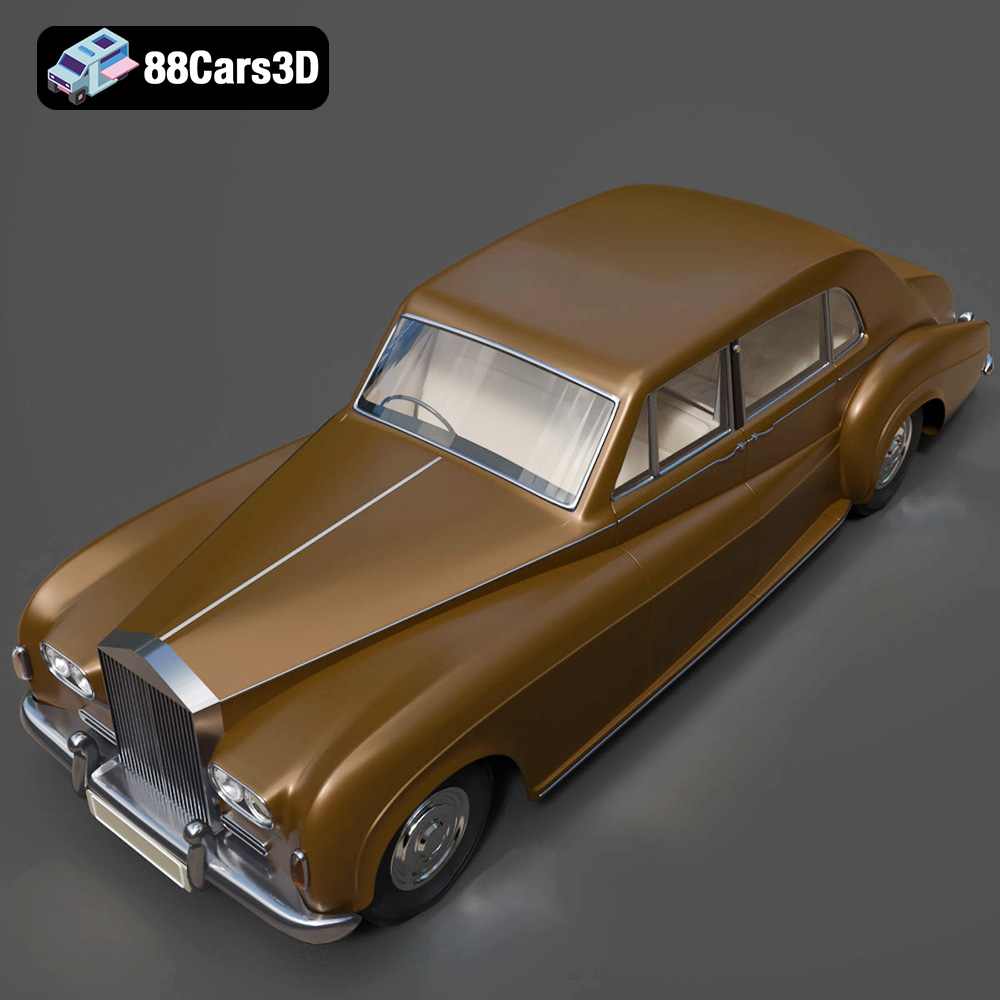
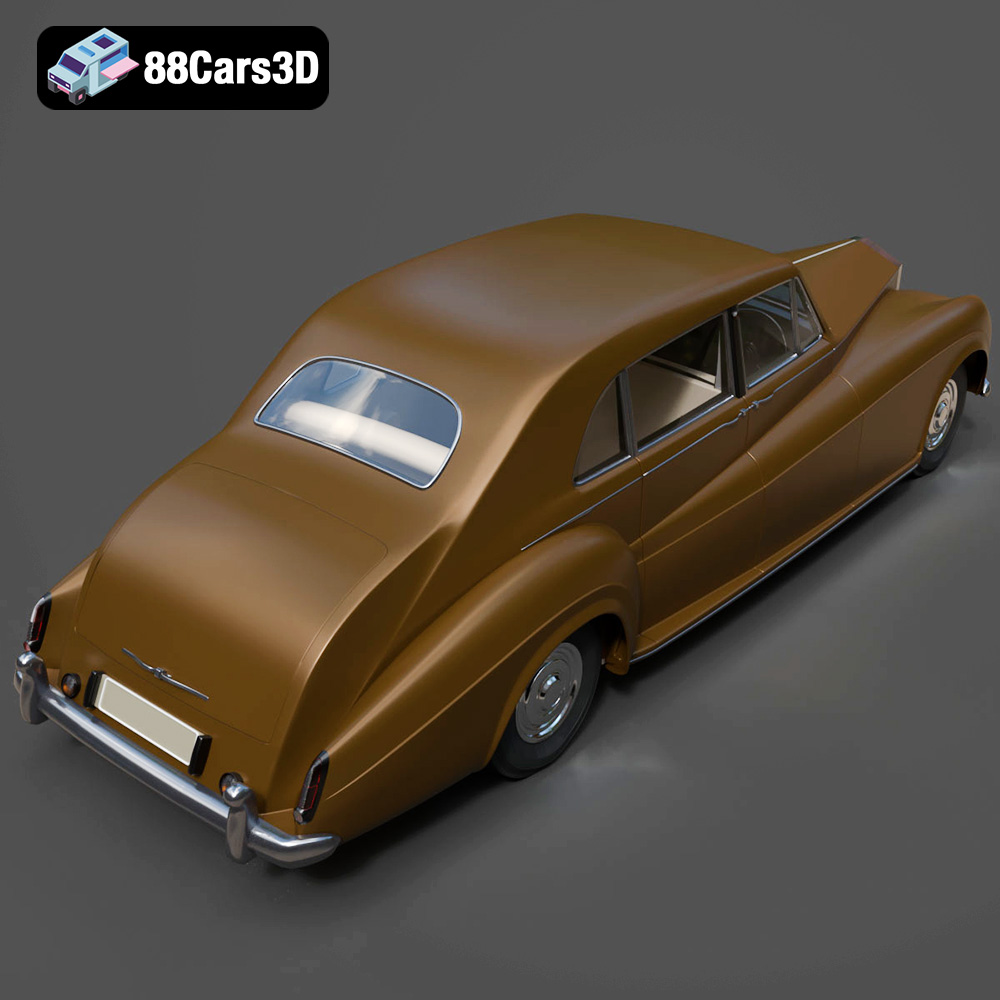
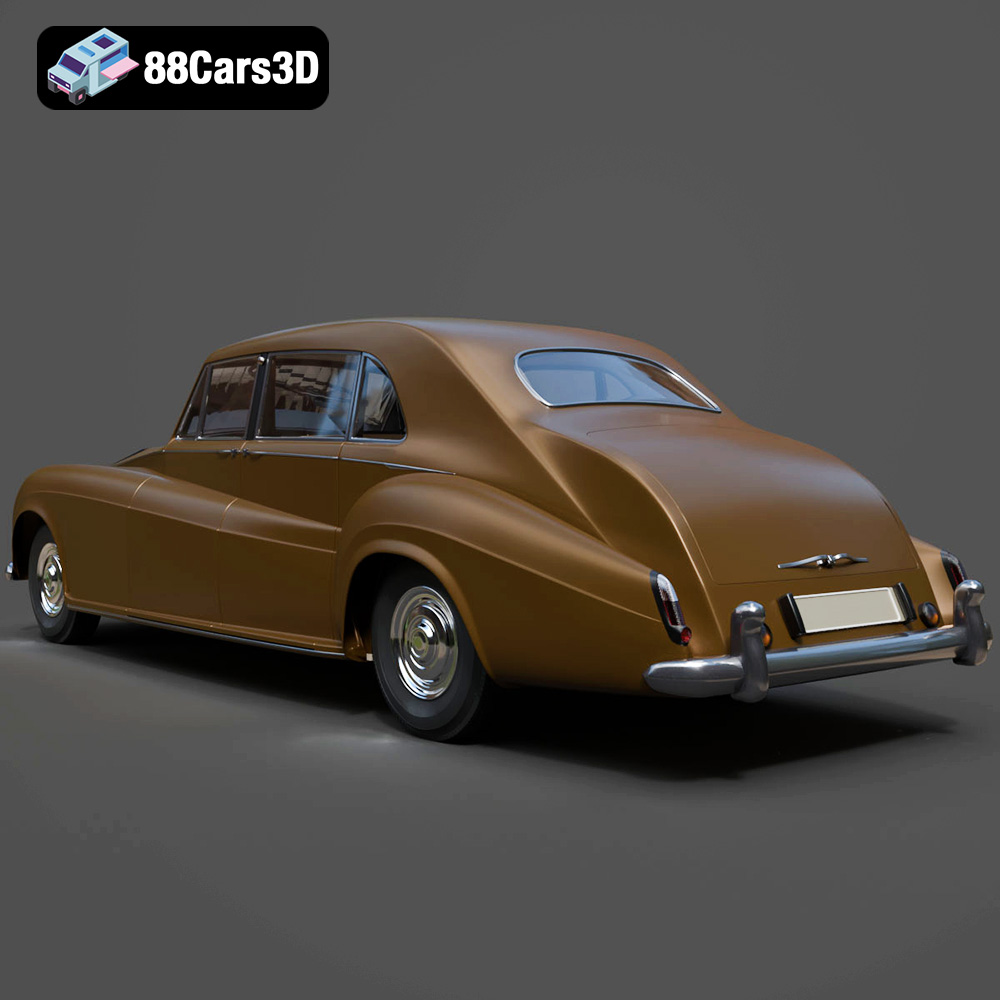
The Phantom V embodies an era of unparalleled luxury and bespoke craftsmanship. The digital model available on 88cars3d.com accurately translates this heritage. From its imposing, long-wheelbase proportions that signify its limousine status, to the iconic vertical chrome grille that defines the Rolls-Royce brand, every element is faithfully rendered. The inclusion of the revered Spirit of Ecstasy hood ornament is a detail that cannot be overlooked, crucial for authentic representation. Such precision ensures that whether the model is used for a historical documentary, a luxury brand campaign, or a virtual museum exhibit, its authenticity is undeniable.
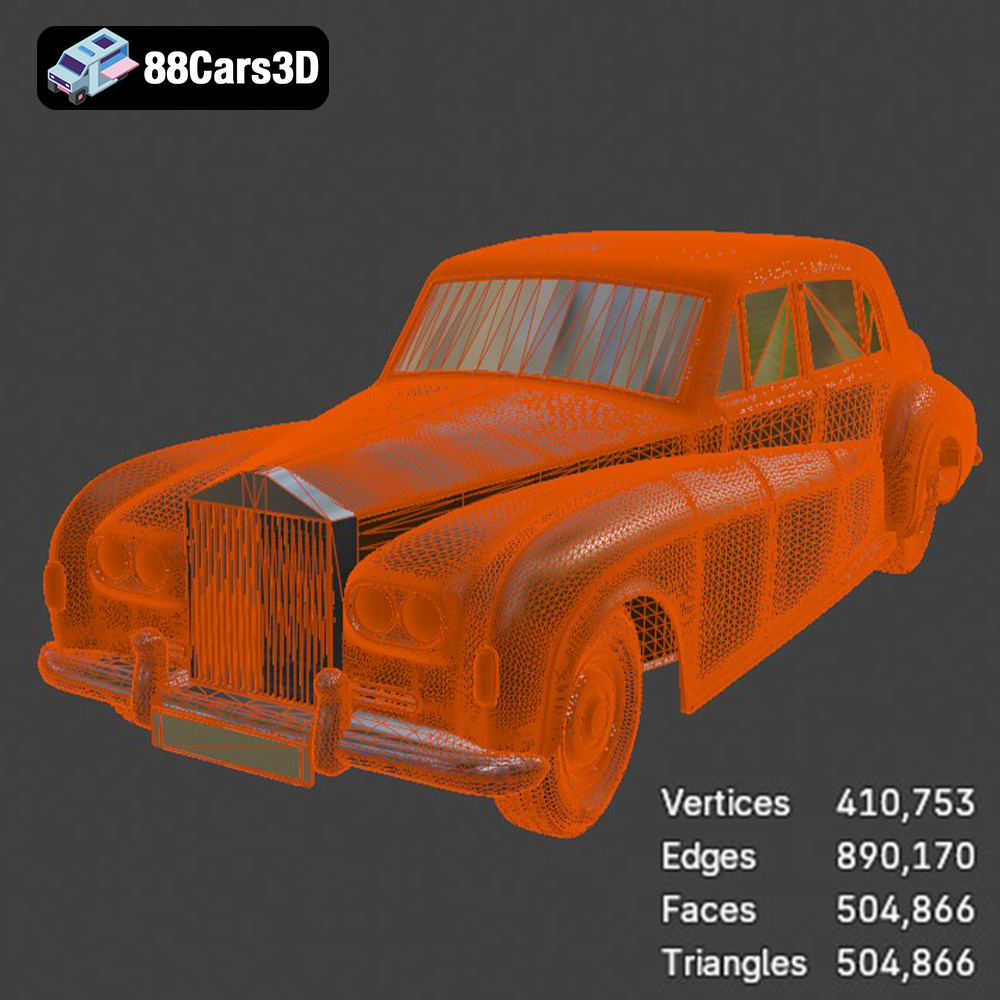
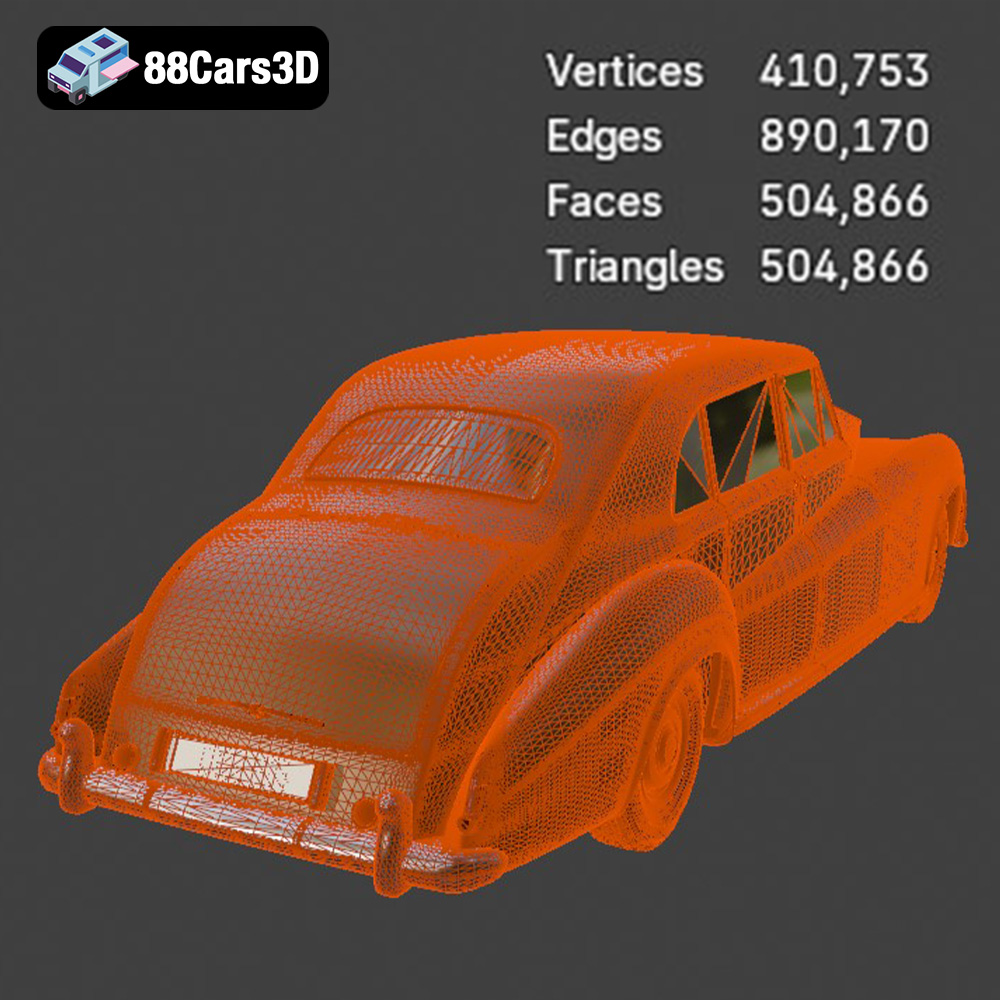
A truly exceptional 3D model pays attention to both the grand gestures and the subtle intricacies. On the exterior, the Rolls-Royce Phantom V 3D Model features dual round headlamps, gleaming chrome bumpers, and trim accents that define its luxurious aesthetic. The signature rear-hinged (coach-style) door setup is accurately modeled, adding to the visual authenticity and providing a canvas for realistic animation. The classic luxury wheels with period-correct styling complete the exterior, with separate components for steering and rotation, essential for any animation sequence. Inside, the vintage luxury dashboard layout, the large classic steering wheel, and the limousine’s rear passenger seating configuration are all meticulously modeled. Detailed wood veneer trim and door panels with chrome and wood accents further enhance the sense of opulence, providing a rich environment for detailed interior renders and immersive AR/VR walkthroughs. The optimized geometry ensures both high-quality renders and efficient performance in real-time engines.
Automotive rendering is an art form that transforms digital models into photorealistic images and animations. The Rolls-Royce Phantom V 3D Model provides an exceptional foundation for achieving stunning visual results, perfect for luxury marketing, cinematic productions, and historical showcases.
Professionals using 3ds Max, coupled with renderers like V-Ray or Corona, will find the .max or .fbx formats particularly beneficial. The model’s clean mesh structure and real-world scale accuracy streamline the rendering pipeline. Artists can easily set up advanced PBR (Physically Based Rendering) materials, applying realistic reflections, refractions, and surface textures to the chrome, paintwork, and interior finishes. Lighting is paramount in automotive rendering; studios can craft dynamic lighting scenarios – from a sun-drenched estate driveway to a dramatic night-time city backdrop – to accentuate the Phantom V’s elegant lines. Careful camera placement and depth-of-field effects can further elevate the visual narrative, making the vehicle feel tangible and alive. Whether for advertising, film, or historical visualization, the model provides the fidelity needed for truly breathtaking outputs.
Beyond traditional automotive contexts, the Rolls-Royce Phantom V 3D Model is invaluable for architectural visualization (ArchViz) and high-end product showcases. Imagine this classic limousine parked elegantly in front of a grand mansion, adding a layer of sophisticated realism to an architectural rendering. For luxury brands or museums, the model can be the centerpiece of a digital exhibition, showcasing the vehicle in various conceptual environments or alongside complementary luxury products. Its inclusion can instantly elevate the perceived value and historical richness of any scene, creating compelling marketing collateral or immersive digital experiences that resonate with discerning audiences.
In the realm of interactive entertainment and simulations, game assets must strike a delicate balance between visual fidelity and performance. The Rolls-Royce Phantom V 3D Model is engineered to excel in these demanding environments, offering robust solutions for game developers and AR/VR creators.
For game development, the .fbx and .unreal formats are specifically tailored for real-time engines like Unreal Engine and Unity. The model’s “optimized polygon flow” ensures that even with high detail, it can be integrated efficiently into virtual worlds. While a high-detail asset might require careful implementation of Levels of Detail (LODs) to maintain performance across different distances, the foundational quality of the mesh reduces the workload for optimization. Developers can leverage the accurate pivot setup for steering and wheel rotation to implement realistic vehicle physics and handling. The pre-setup materials (or easily convertible PBR materials) allow for quick integration into the engine’s rendering pipeline, bringing this classic luxury car to life in open-world games, historical simulations, or driving experiences. This ensures that players can experience the Phantom V with visual authenticity while maintaining smooth gameplay.
The Rolls-Royce Phantom V is a perfect candidate for immersive AR/VR experiences. Utilizing the .glb format, the model can be deployed in web-based AR applications, allowing users to place a virtual Phantom V in their driveway via their smartphone. In VR, it can form the centerpiece of an interactive vintage showroom, a historical exhibition, or even a virtual test drive scenario. Users could “walk around” the vehicle, open its coach doors, and explore its opulent interior in a fully immersive 3D environment. These applications extend beyond entertainment, offering valuable tools for automotive history visualization, design studies, and even interactive sales experiences for classic car dealerships or luxury heritage brands looking to showcase their legacy in a new dimension.
The ability to transition a digital 3D car model into a physical object opens up a world of possibilities for collectors, hobbyists, and educators. The Rolls-Royce Phantom V 3D Model, with its detailed .stl format, is perfectly poised for high-quality 3D printing.
The .stl format, specifically designed for additive manufacturing, ensures that the Rolls-Royce Phantom V can be accurately reproduced. When preparing for 3D printing, the model’s manifold geometry is critical, ensuring a watertight mesh suitable for slicing software. The product description provides precise 3D print settings, which are invaluable for achieving optimal results. Recommended scales (1:32, 1:24, 1:18, 1:12) cater to various display preferences, while specified layer heights (0.08–0.16 mm) ensure fine detail reproduction. Wall thickness (1.5–2.5 mm) and infill (15–25%) guidance contribute to the structural integrity of the print. Crucially, the advice on supports (for mirrors, hood ornament, bumper overhangs) and print orientation (body angled, wheels separately) demonstrates a deep understanding of successful 3D printing, enabling users to achieve a smooth surface finish and accurate assembly. This level of detail is a testament to the comprehensive nature of the asset provided by 88cars3d.com.
The practical application of 3D printing the Rolls-Royce Phantom V is immense. Enthusiasts can create exquisite, custom-scale models for display, replicating the vehicle’s classic aesthetics. Model makers can utilize the detailed .stl to produce unique additions to their collections or as gifts. For educational purposes, printed models can serve as tangible aids for automotive history lessons or design studies. Beyond collectibles, the model can also be used for rapid prototyping, allowing designers to physically examine proportions, fit, and finish before committing to traditional manufacturing. The post-processing recommendations – sanding, primer, gloss black or two-tone finish, and chrome detailing – empower users to achieve a truly professional, display-worthy physical asset that mirrors the digital model’s fidelity.
In today’s fast-paced digital production environment, efficiency is key. High-quality, pre-built 3D car models like the Rolls-Royce Phantom V offer significant advantages, allowing artists and developers to focus on creativity rather than foundational asset creation.
Developing a complex 3D car model from scratch, especially one with the historical accuracy and detail of the Rolls-Royce Phantom V, requires hundreds of hours of expert modeling, texturing, and optimization. By leveraging a professional-grade asset from 88cars3d.com, studios and individual artists can drastically cut down production time and costs. This ensures consistency in quality, as these models are crafted by experienced 3D artists to meet industry standards. The “clean and well-organized mesh structure” and “proper pivot setup” mentioned in the product description are indicators of a production-ready asset, saving valuable time during integration and animation phases. This allows creative teams to allocate resources more effectively to other aspects of their projects, confident that their automotive centerpiece is visually impeccable and technically sound.
While the Rolls-Royce Phantom V 3D Model comes fully detailed, its design allows for extensive customization, empowering artists to tailor it to specific project requirements. The product description highlights several options: changing the body color to a unique two-tone luxury scheme, adding custom license plates or ceremonial flags for a specific event, or modifying the wheel finish to match a particular era or style. Furthermore, artists can add chauffeur detailing elements or configure lighting to evoke a formal event or a vintage city scene, enriching the model’s narrative presence. This adaptability means the same high-quality base model can serve numerous distinct applications, from a pristine museum exhibit to a weathered relic in a post-apocalyptic game, showcasing its versatility as a fundamental digital asset.
The Rolls-Royce Phantom V stands as an automotive legend, and its digital counterpart, the Rolls-Royce Phantom V 3D Model from 88cars3d.com, extends its legacy into the virtual realm. This meticulously crafted asset offers a powerful blend of historical accuracy, technical sophistication, and unparalleled versatility. Whether your goal is to produce stunning automotive rendering for luxury marketing, integrate realistic game assets into immersive virtual worlds, create interactive AR/VR experiences, or even bring the iconic design to life through 3D printing, this model provides the robust foundation you need.
With comprehensive file format support, detailed exterior and interior features, and optimizations for various pipelines, it empowers professionals across the design, entertainment, and manufacturing sectors. Investing in such a high-quality 3D car model not only streamlines your workflow but also ensures that your projects achieve a level of authenticity and visual excellence that truly captures the timeless majesty of the Rolls-Royce Phantom V. Explore this exceptional model and a wide range of other premium 3D car models on 88cars3d.com to elevate your next creative endeavor.
The Rolls-Royce Phantom V 3D Model is a high-detail digital recreation of the ultra-luxury limousine produced between 1959 and 1968. Renowned for its stately proportions, hand-crafted refinement, and association with royalty and world leaders, the Phantom V represents one of the most prestigious classic luxury vehicles ever built. This 3D model accurately captures the long-wheelbase limousine body, upright chrome grille, Spirit of Ecstasy hood ornament, round headlamps, chrome bumpers, rear-hinged coach doors, and elegant body lines. Designed with clean topology and real-world scale accuracy, it is ideal for rendering, animation, automotive visualization, game development, and AR/VR experiences. Perfect for heritage automotive showcases, ceremonial scenes, luxury-themed projects, cinematic productions, and classic car simulations.
$39.99
.arvr
.automotive
.blend
.britishluxury
.car3dmodel
.classiclimousine
.fbx
.gameasset
.glb
.luxurycar
.max
.obj
.phantomv
.ply
.rendering
.rollsroyce
.simulation
.stl
.unreal
.vintagecar