⚡ FLASH SALE: Get 60% OFF All Premium 3D & STL Models! ⚡

In the fast-evolving landscape of game development, the visual fidelity and performance of 3D assets are paramount to creating truly immersive experiences. For genres ranging from high-octane racing simulations to sprawling open-world adventures and even intricate city builders, car 3D models are often at the heart of player interaction and environmental realism. As we look towards 2025, game developers face ever-increasing demands for stunning graphics, fluid performance, and diverse content, making the selection of high-quality, optimized car 3D models a critical decision.
This comprehensive guide delves into the top 10 most popular car 3D model archetypes that game developers will be leveraging in 2025. We’ll explore what makes these vehicle 3D models essential, the technical considerations for their integration, and how to choose the best 3D car assets to fuel your game’s success. Whether you’re building for PC, console, or mobile, understanding these trends and best practices for game development car models will provide a significant edge.
Before we dive into the specific car types, it’s crucial to understand the underlying criteria that define a “popular” and “valuable” car 3D model for game development. These factors go beyond mere aesthetics, focusing on practical implementation and player experience.
High-quality car 3D models must strike a delicate balance between visual fidelity and performance. This involves intelligent use of Level of Detail (LODs), where simpler versions of the model are rendered at a distance. Efficient polygon count (often targeted as low-poly car models for background or high-poly for hero vehicles) and minimized draw calls are essential for maintaining high frame rates, especially critical for car models in Unity and car models in Unreal Engine projects across various platforms.
Modern games demand realistic car models. This means robust PBR (Physically Based Rendering) textures for materials like paint, glass, metal, and rubber, ensuring they react accurately to light. Detailed interiors, realistic lighting setups, and even convincing damage models are increasingly expected, contributing to player immersion.
Many games thrive on player choice. Popular car 3D models often come with options for customization, such as multiple paint jobs, interchangeable body kits, wheel options, and even modular components that allow for extensive player expression or dynamic in-game variations.
A static model is insufficient. Game-ready cars require proper rigging for essential functionalities: independent wheel rotation, realistic suspension compression, opening doors, steering, and even pre-configured damage states or destruction physics. Properly rigged models significantly reduce integration time.
The popularity of a car 3D model can also hinge on its legal usability. Developers must be vigilant about commercial use licenses, especially concerning copyrighted real-world vehicle designs. Many popular assets offer generic or stylized designs to avoid intellectual property infringements, providing a safer option for game vehicle assets.
Models with strong positive reviews, high download counts, frequent updates from creators, and active community support on platforms like the Unity Asset Store or Unreal Engine Marketplace often indicate reliability and value. These assets are frequently updated to work with the latest engine versions and rendering pipelines.
Instead of naming specific, potentially transient models, we’ll focus on the archetypes and categories of car 3D models that consistently prove popular and valuable for game developers, offering a more evergreen and actionable perspective.
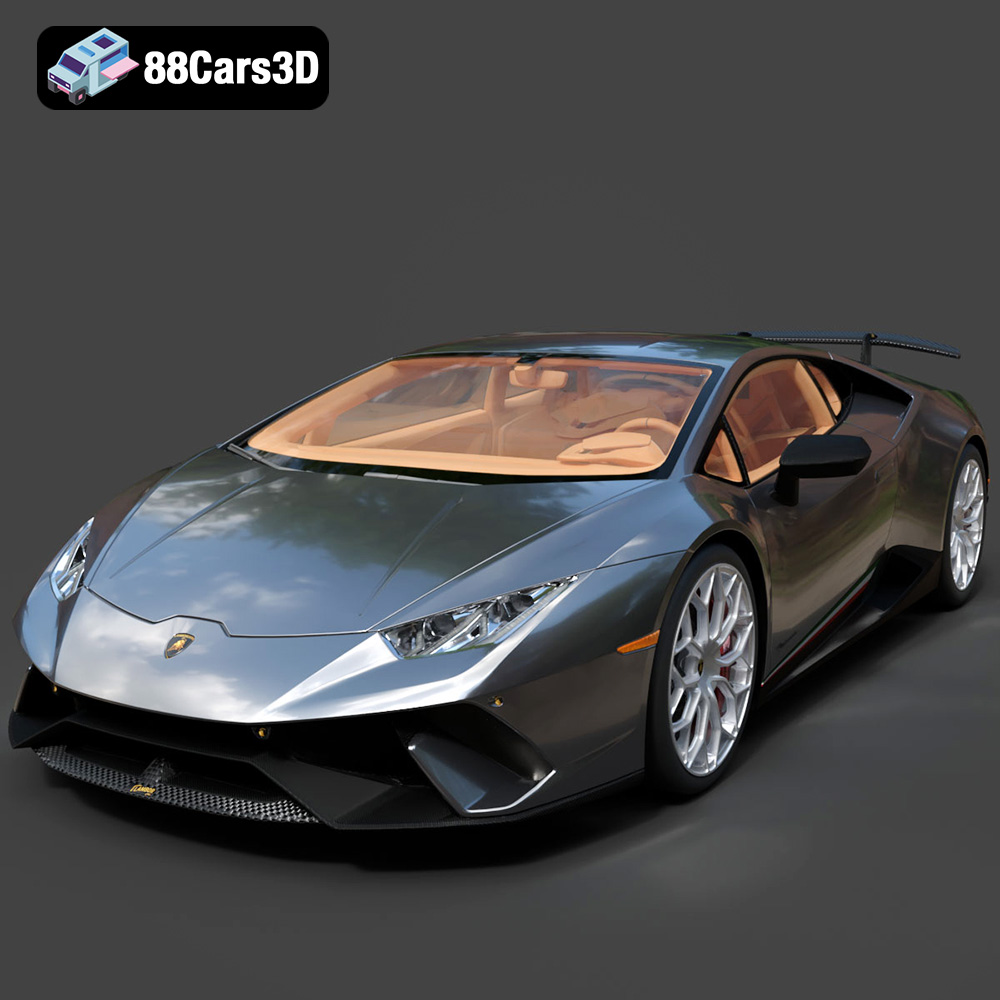
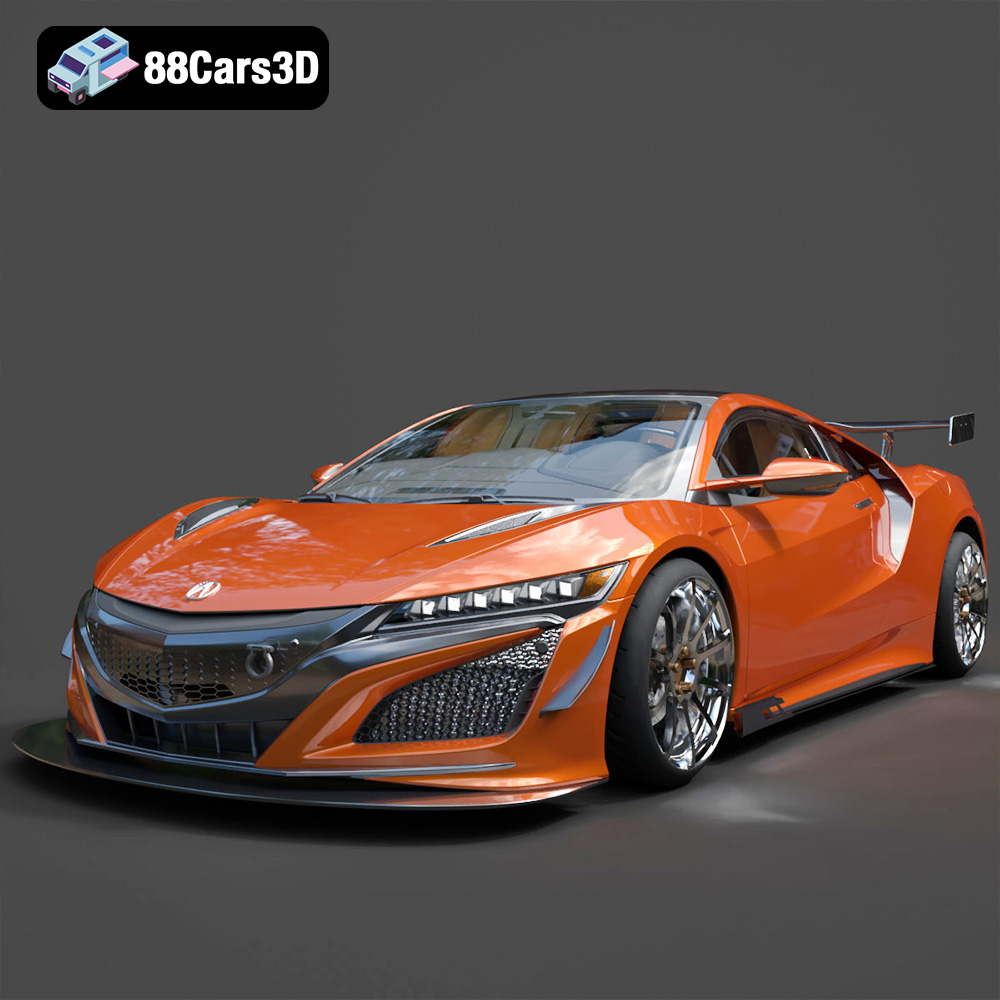
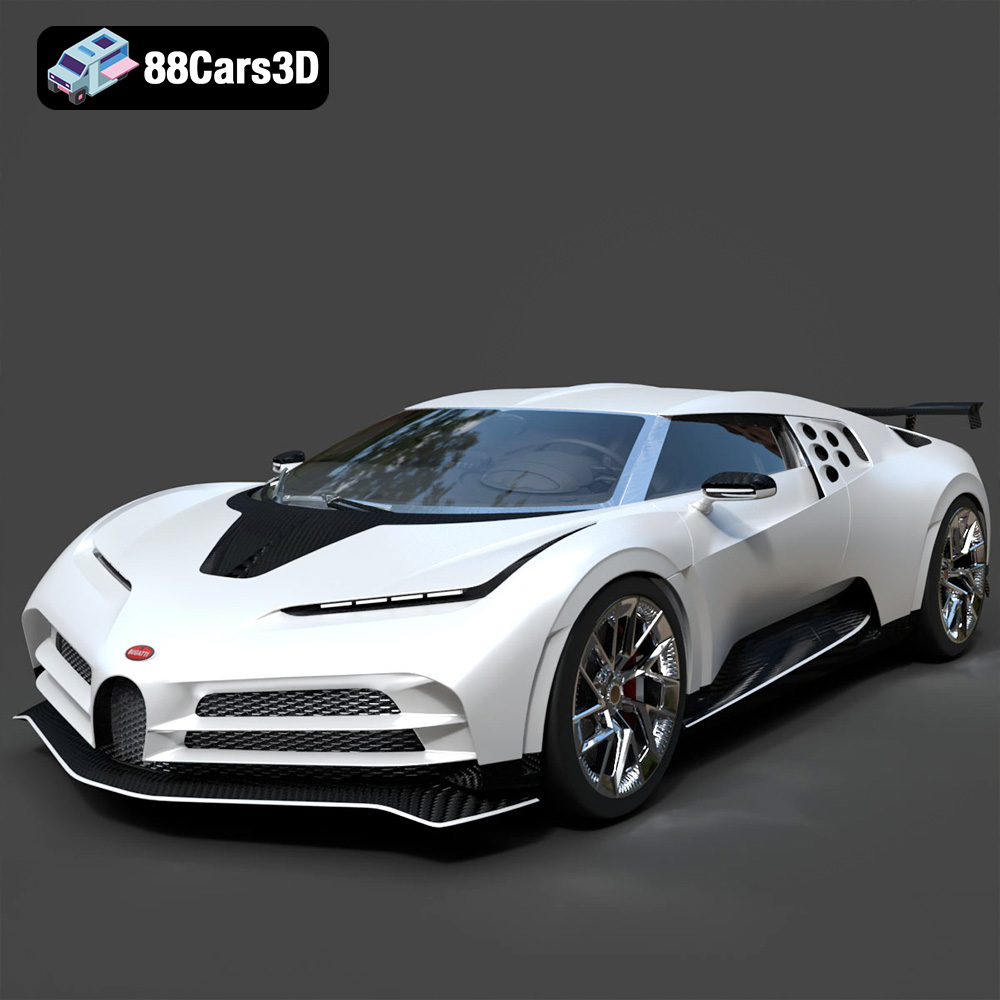
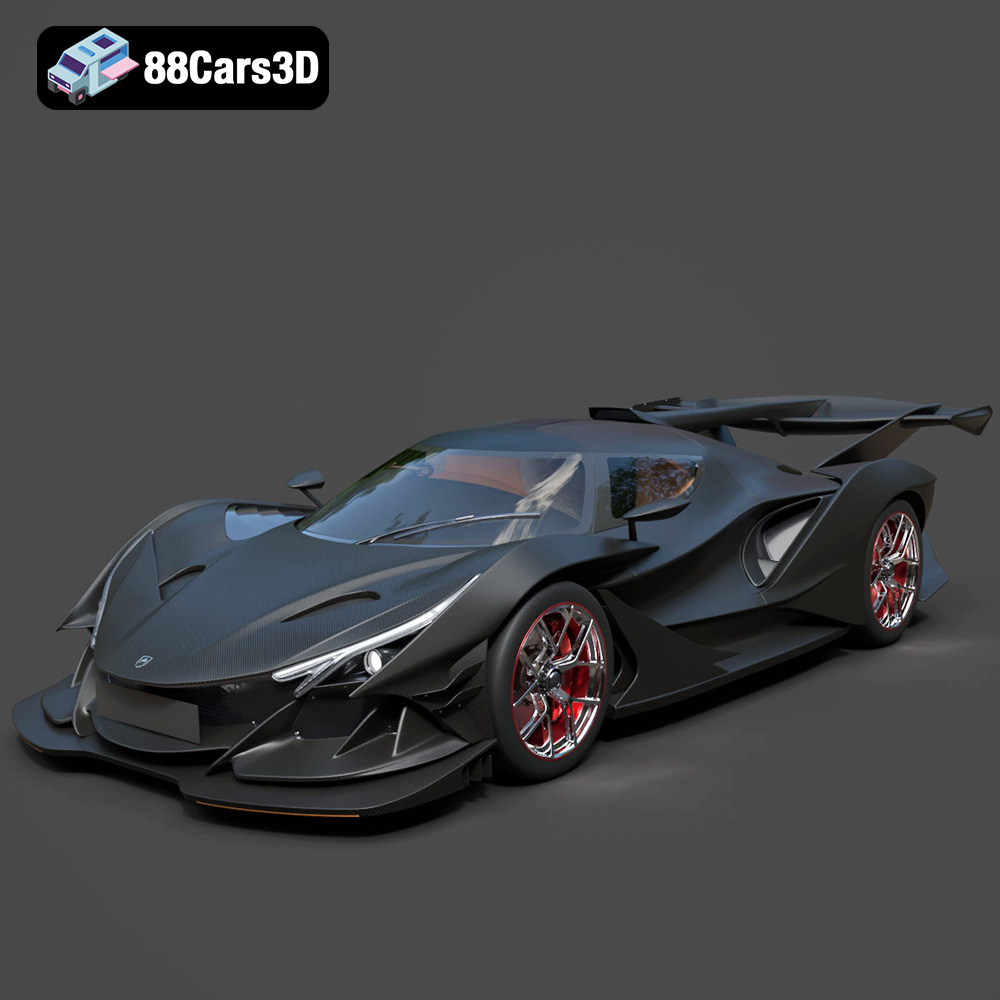
Appeal: These are the showpieces of any racing game. Think sleek, aerodynamic designs reminiscent of top-tier sports cars. Their appeal lies in their extreme visual fidelity, luxurious interiors, and the sensation of speed they convey.
Use Cases: High-end racing simulations, competitive multiplayer games, hero vehicles in open-world titles, and stunning cinematic sequences.
Why Popular: Players are drawn to the fantasy of driving powerful, expensive vehicles. Developers need these high-quality car models to push graphical boundaries and deliver a premium experience.
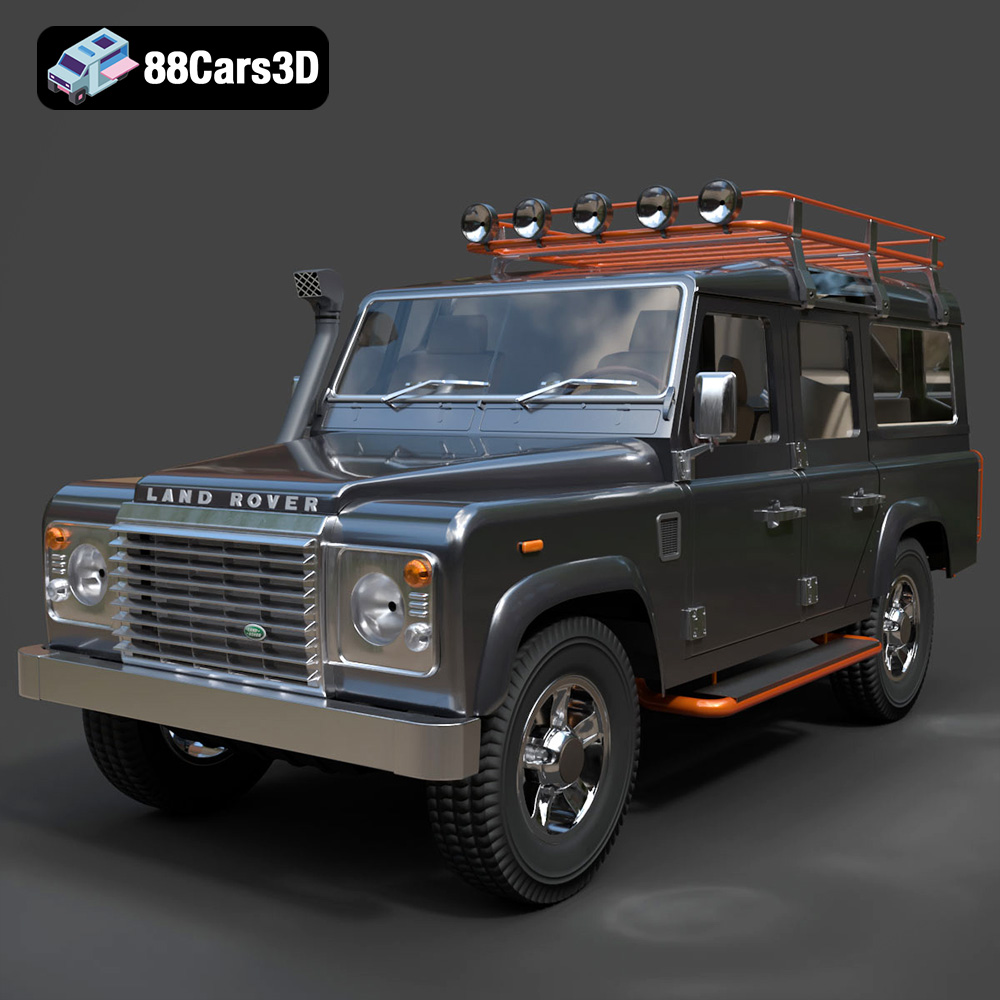
Appeal: Built for rugged terrain, these vehicles exude strength and adventure. They feature high ground clearance, prominent tires, and often visible suspension systems.
Use Cases: Open-world exploration games, off-road racing simulators, adventure games, and titles requiring physics-heavy vehicle interactions and environmental traversal.
Why Popular: Offers diverse gameplay mechanics beyond simple road driving. The physics of mud, rocks, and water interacting with these vehicles is a key draw.
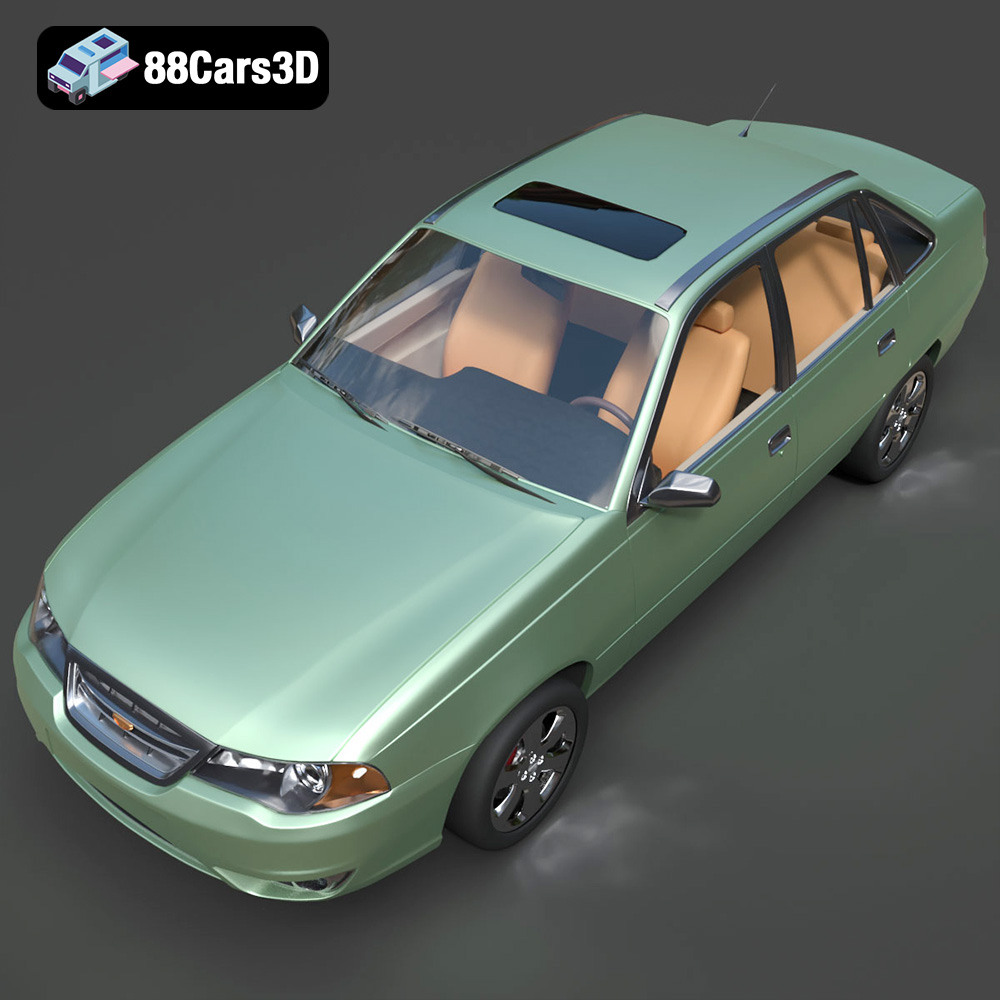
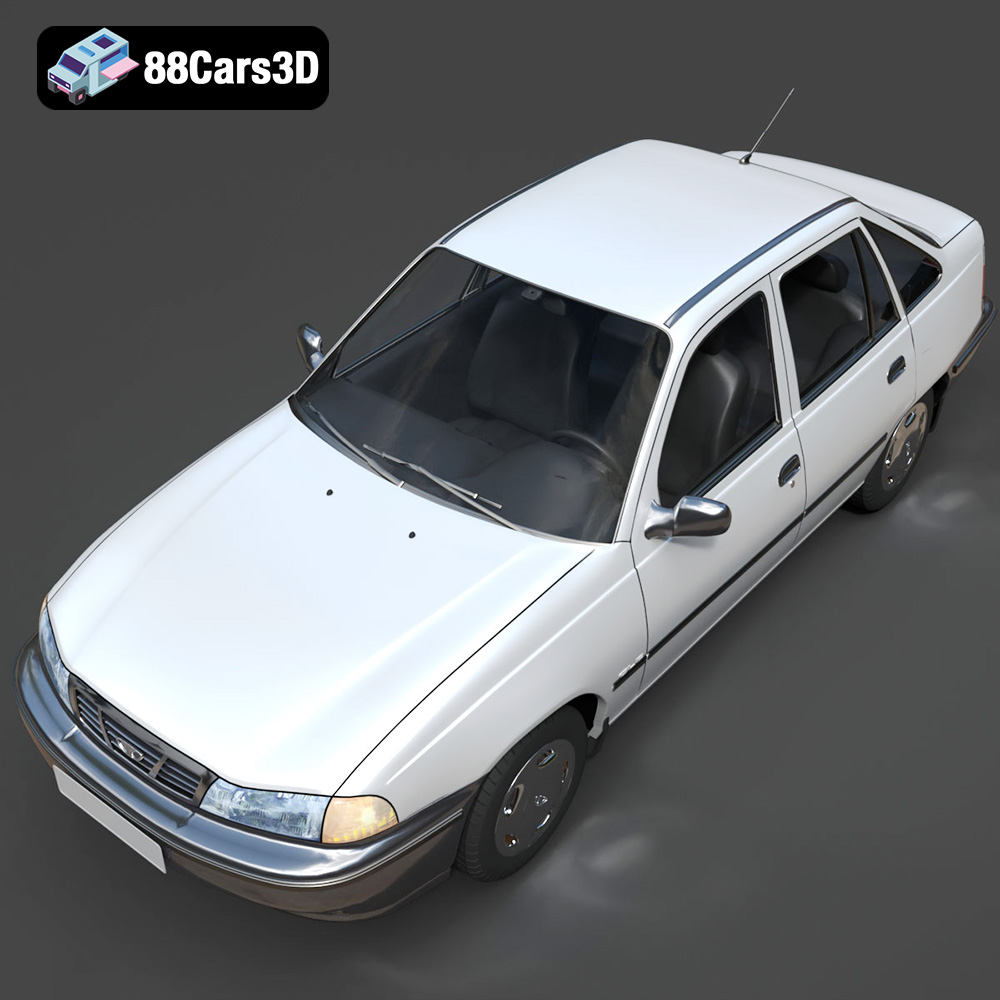
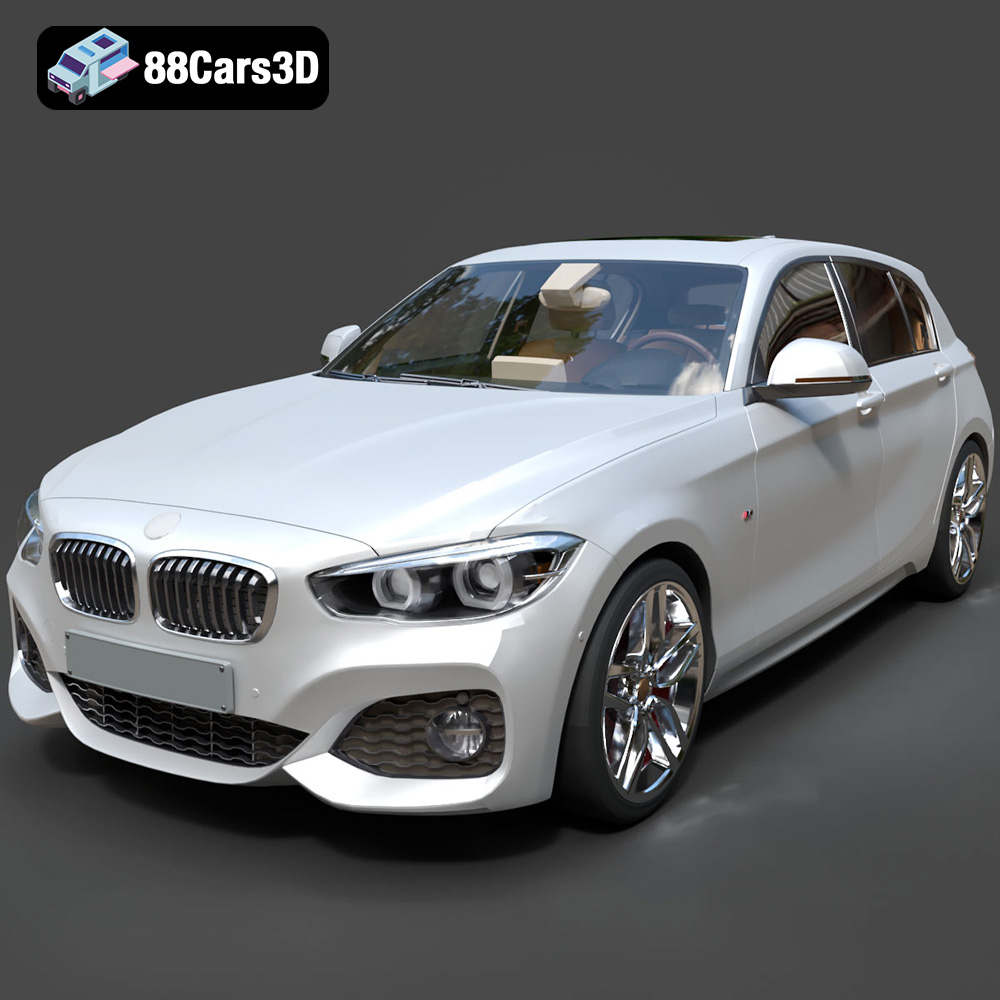
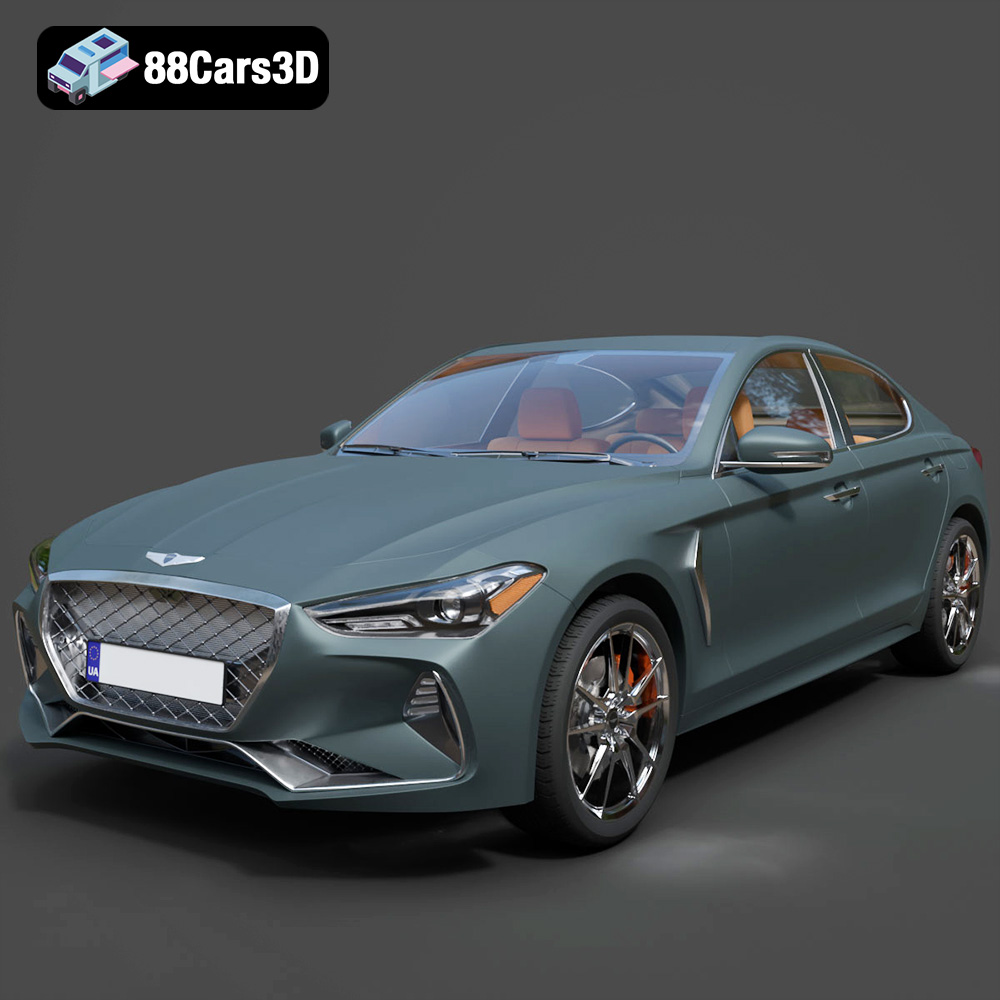
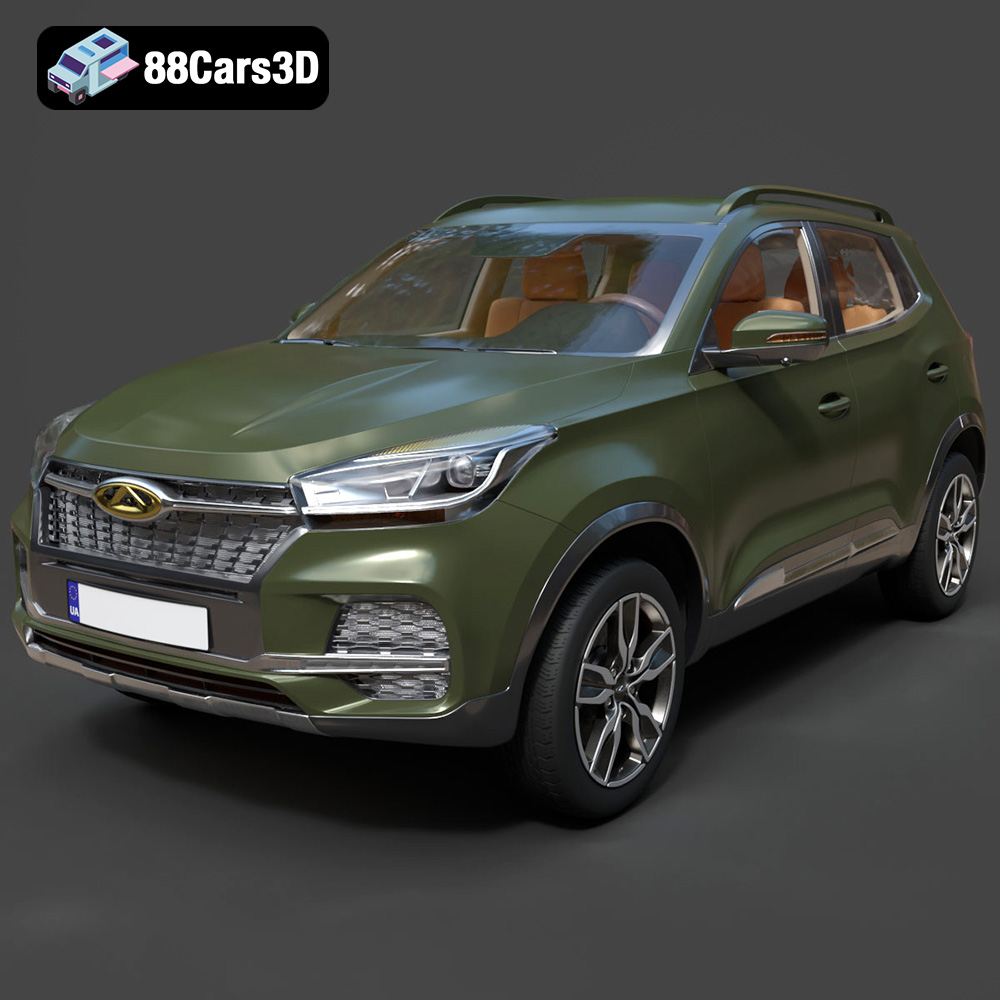
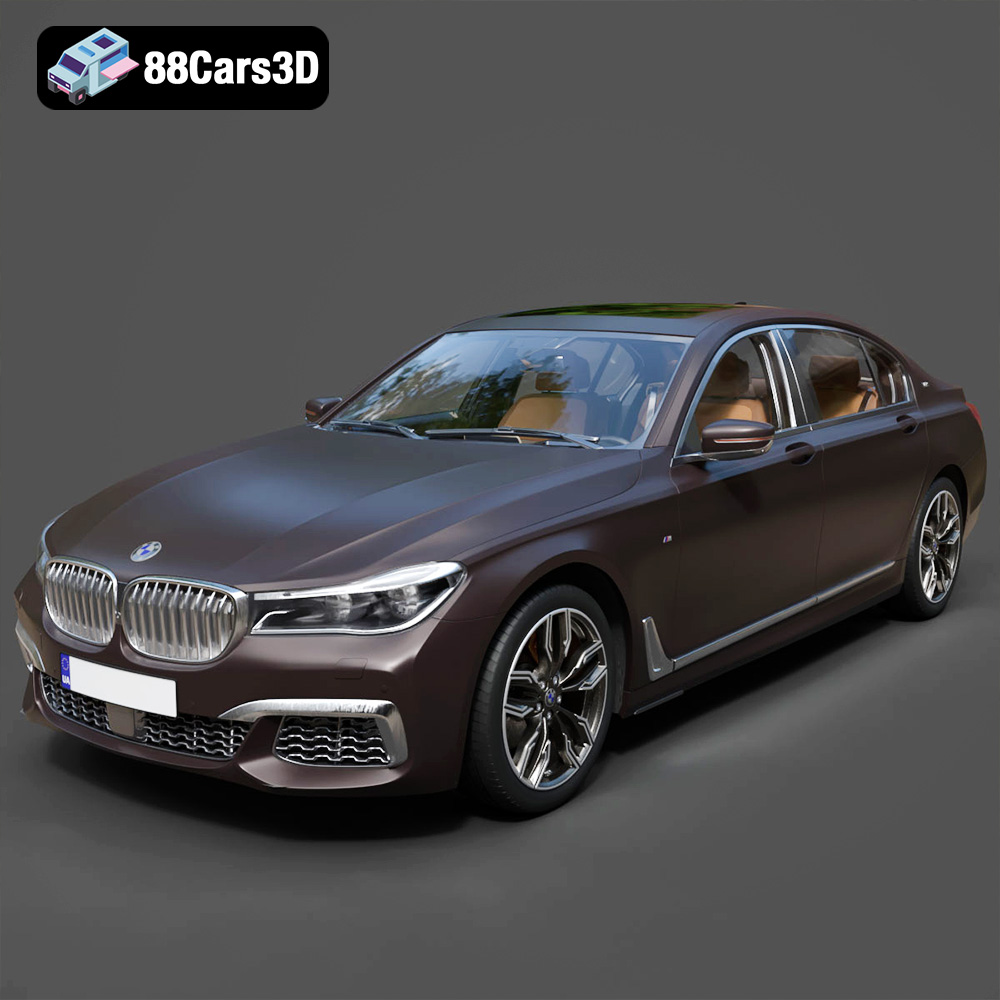
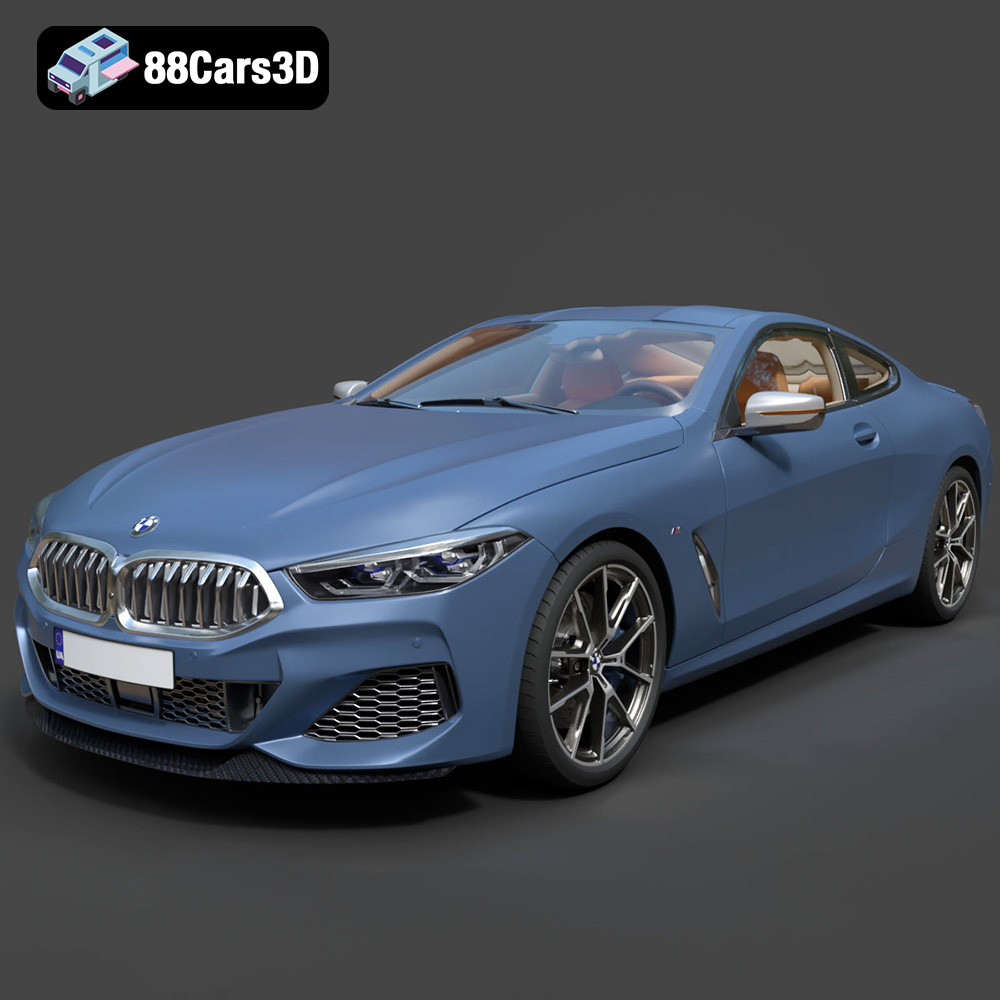
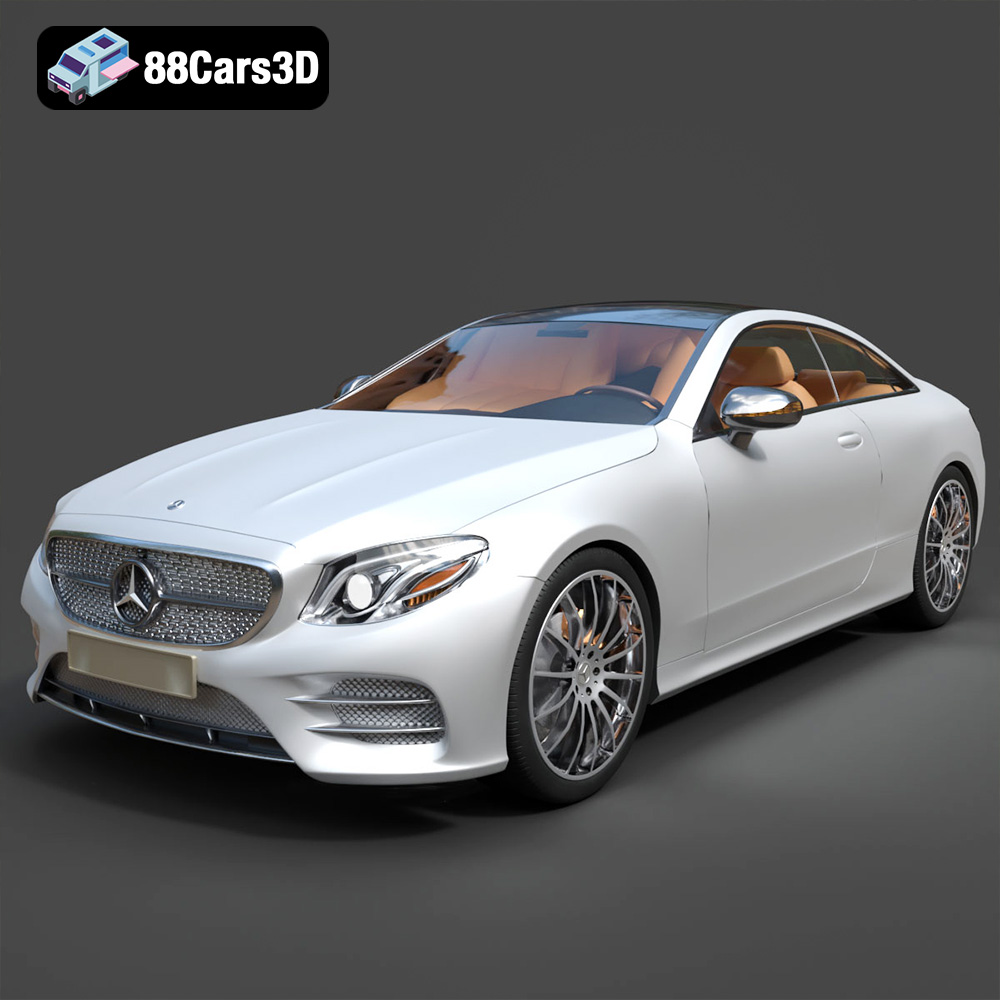
Appeal: Representing everyday life, these models are essential for creating believable urban environments. They range from compact hatchbacks to executive sedans, often with detailed interiors for player interaction.
Use Cases: Traffic systems in open-world games, background vehicles, chase sequences, player-driven vehicles in simulation games, and urban exploration.
Why Popular: Provides the backbone of realistic cityscapes and general vehicle variety, crucial for atmosphere and environmental storytelling. Optimized car 3D models of this type are always in demand.
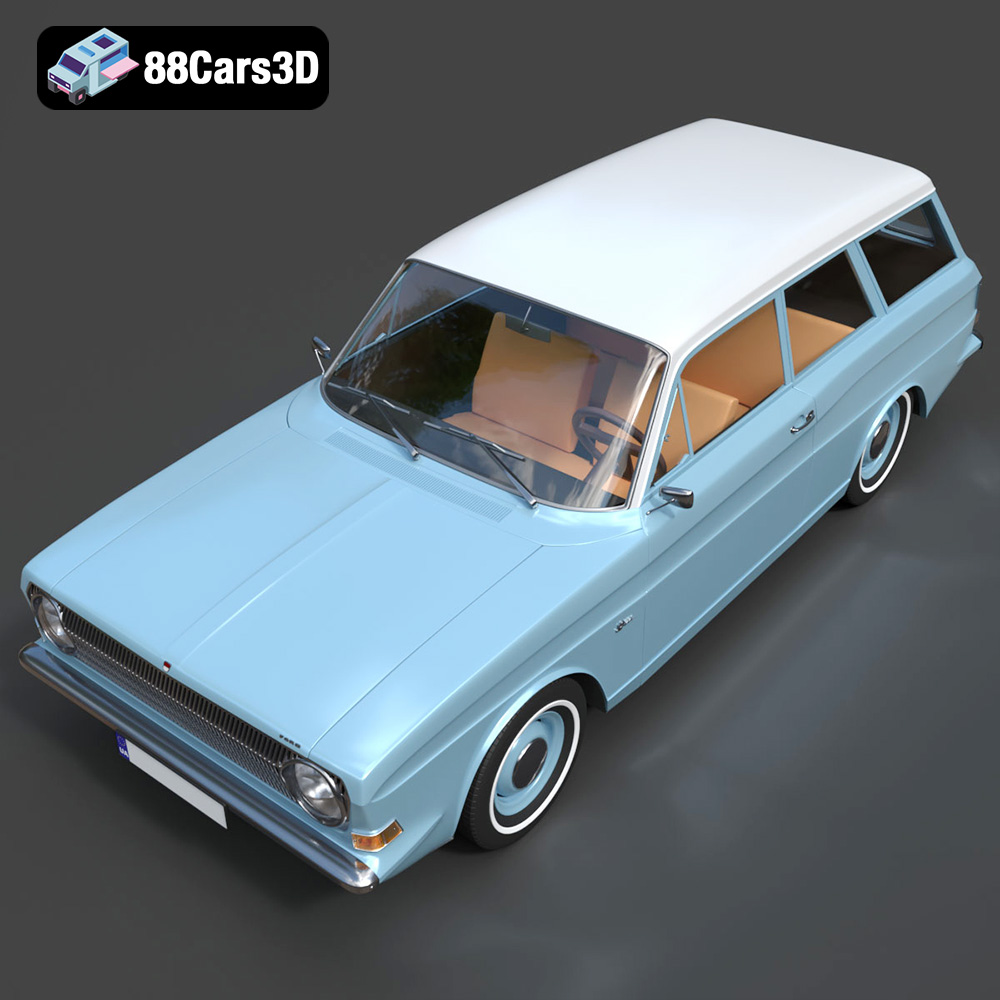
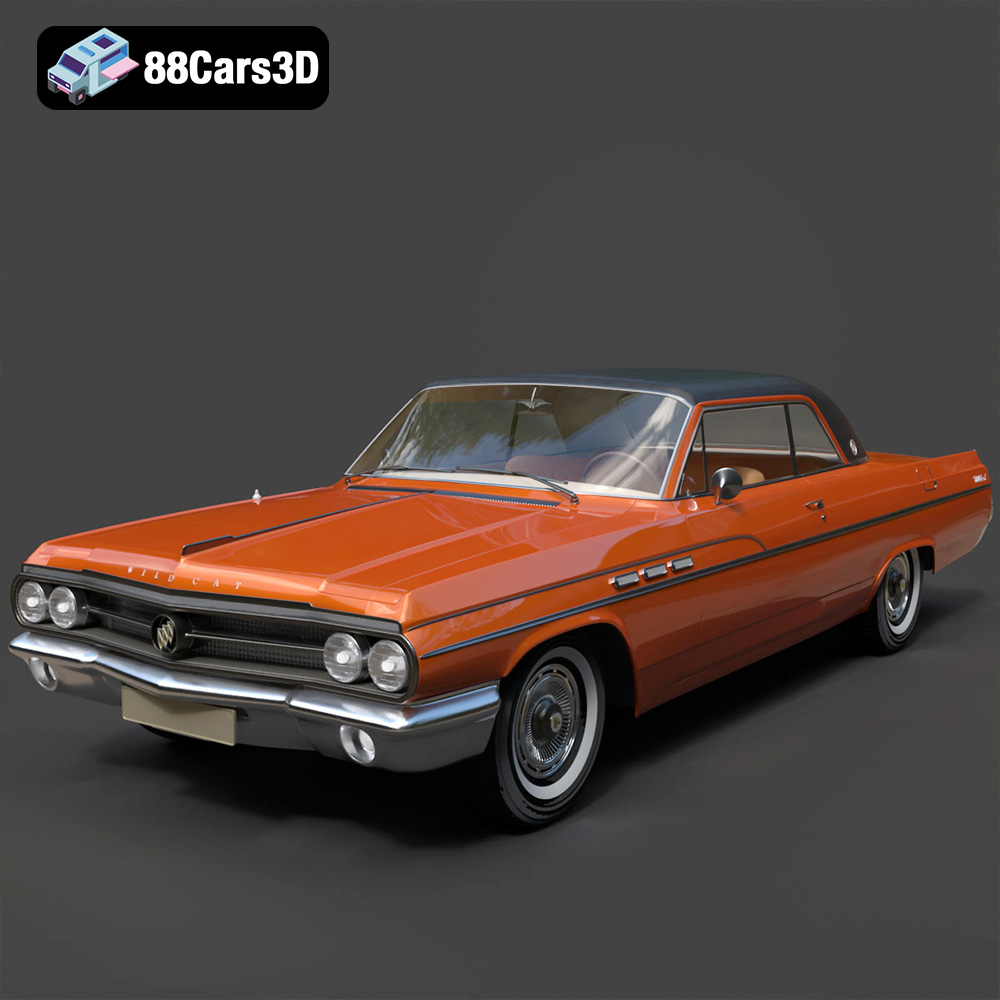
Appeal: Evokes nostalgia and raw power. These vehicles often feature distinctive, bold designs from specific eras (e.g., 60s/70s American muscle) and have a dedicated fan base.
Use Cases: Retro racing games, customization-focused games, demolition derbies, games set in past decades, or as unique collectibles in modern titles.
Why Popular: Their iconic status and the opportunity for deep visual and performance customization make them player favorites. They offer a strong personality for game design cars.
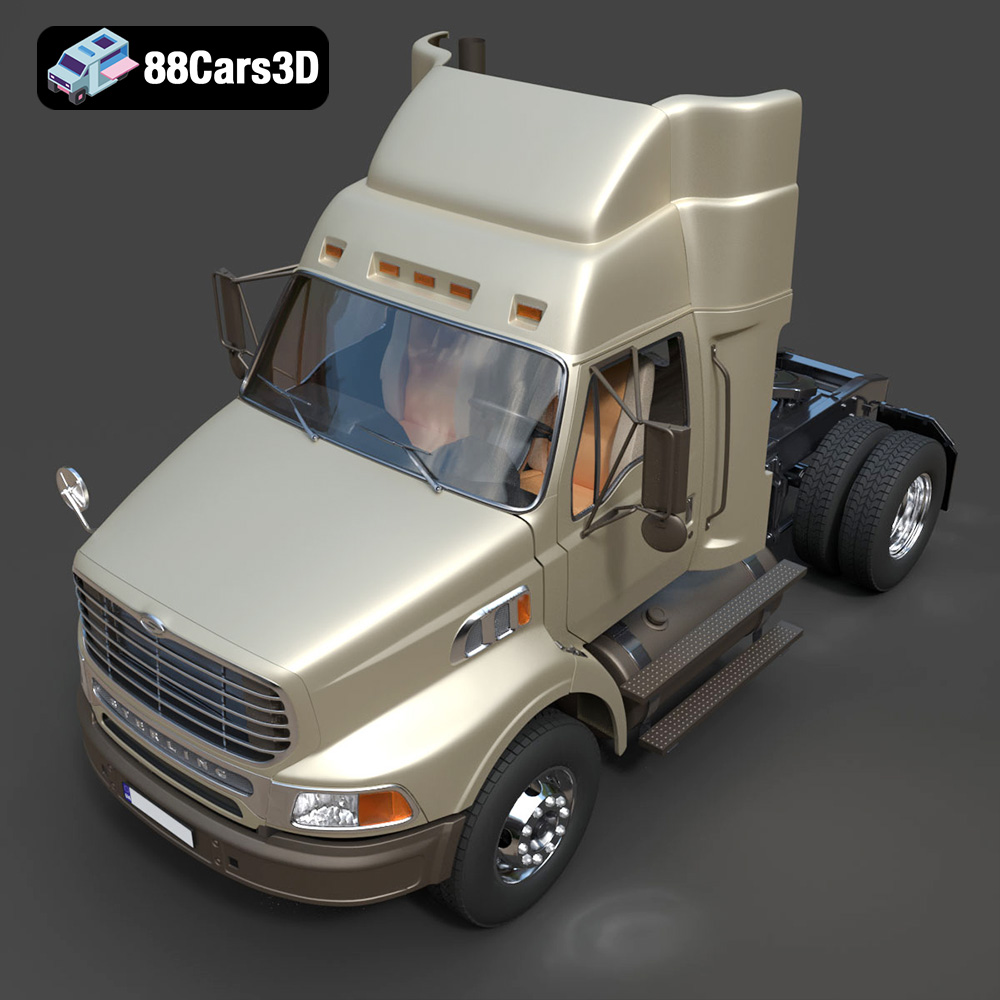
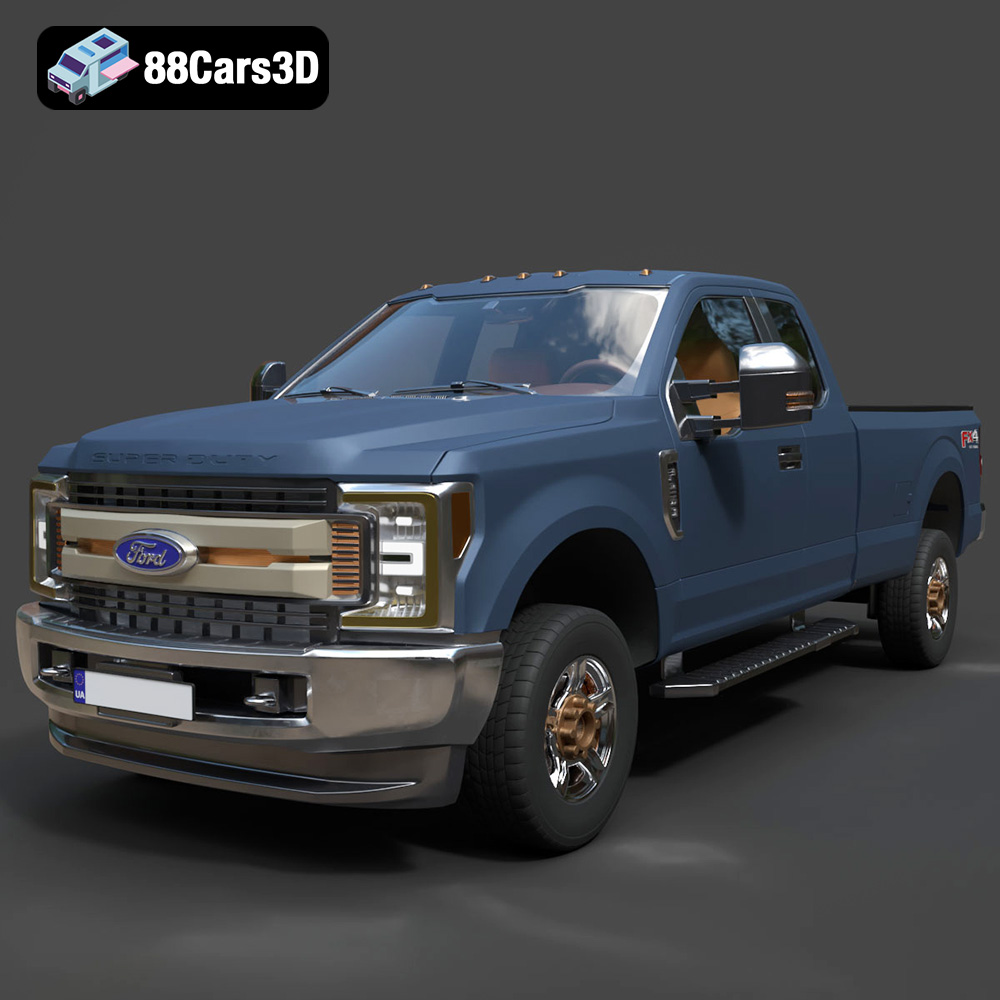
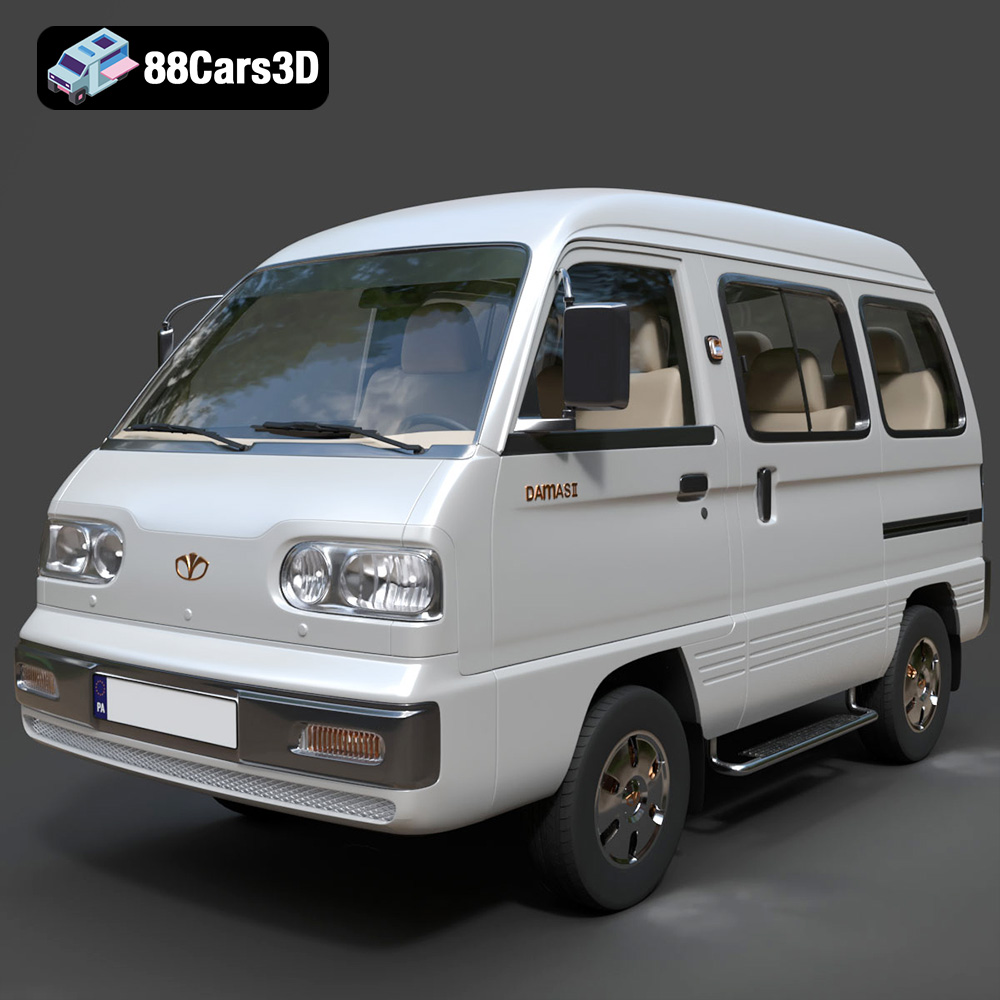
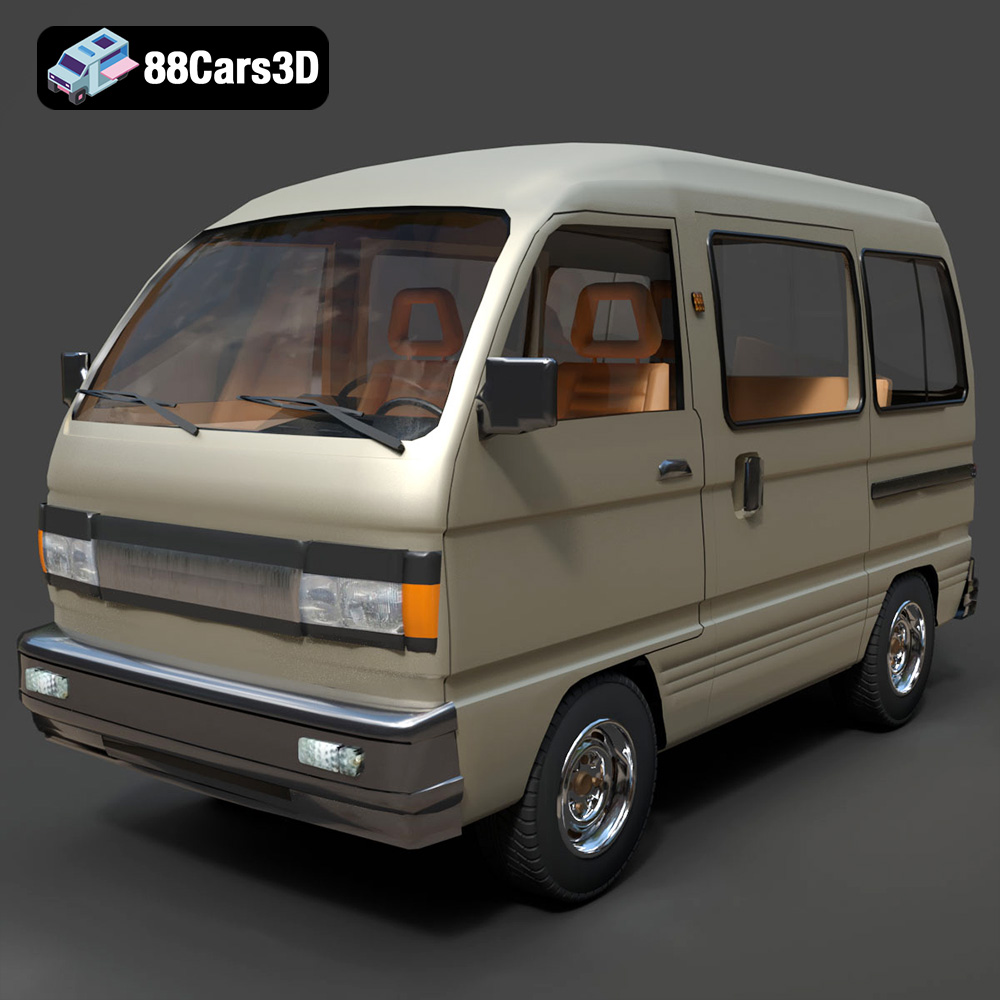
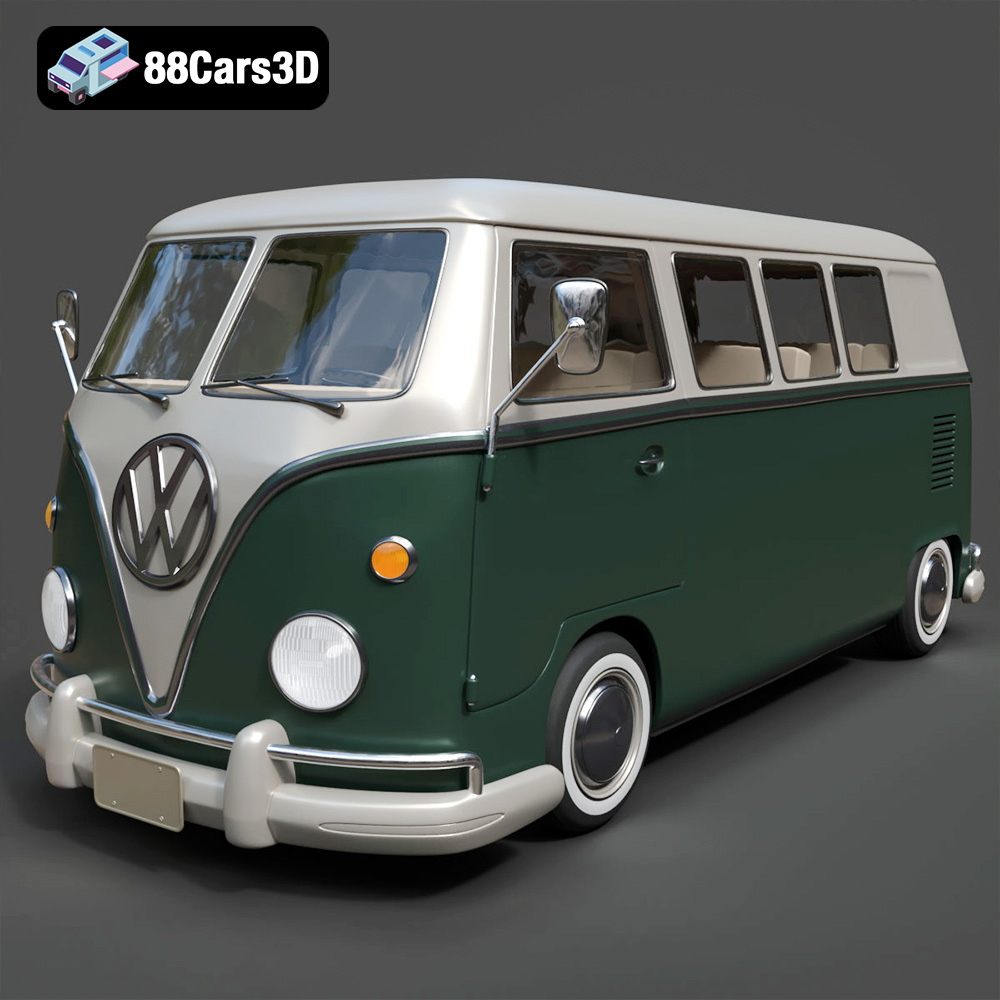
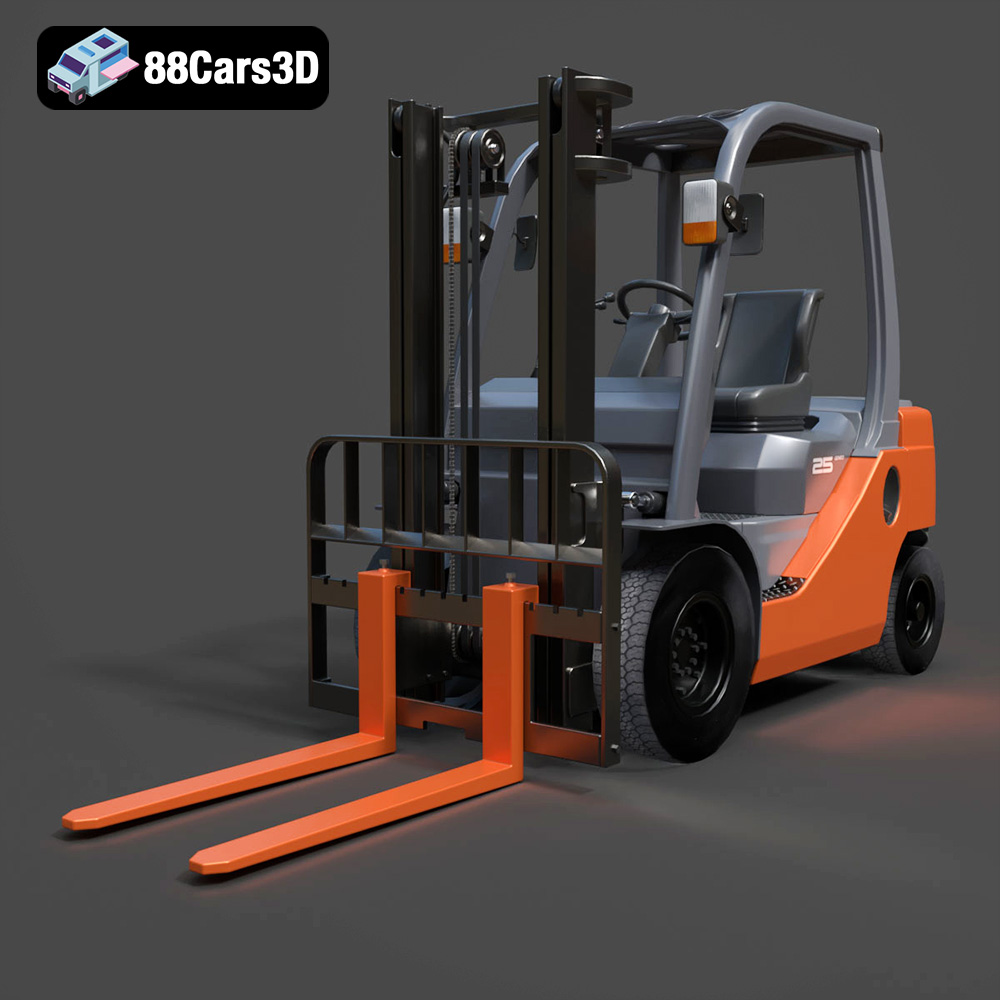
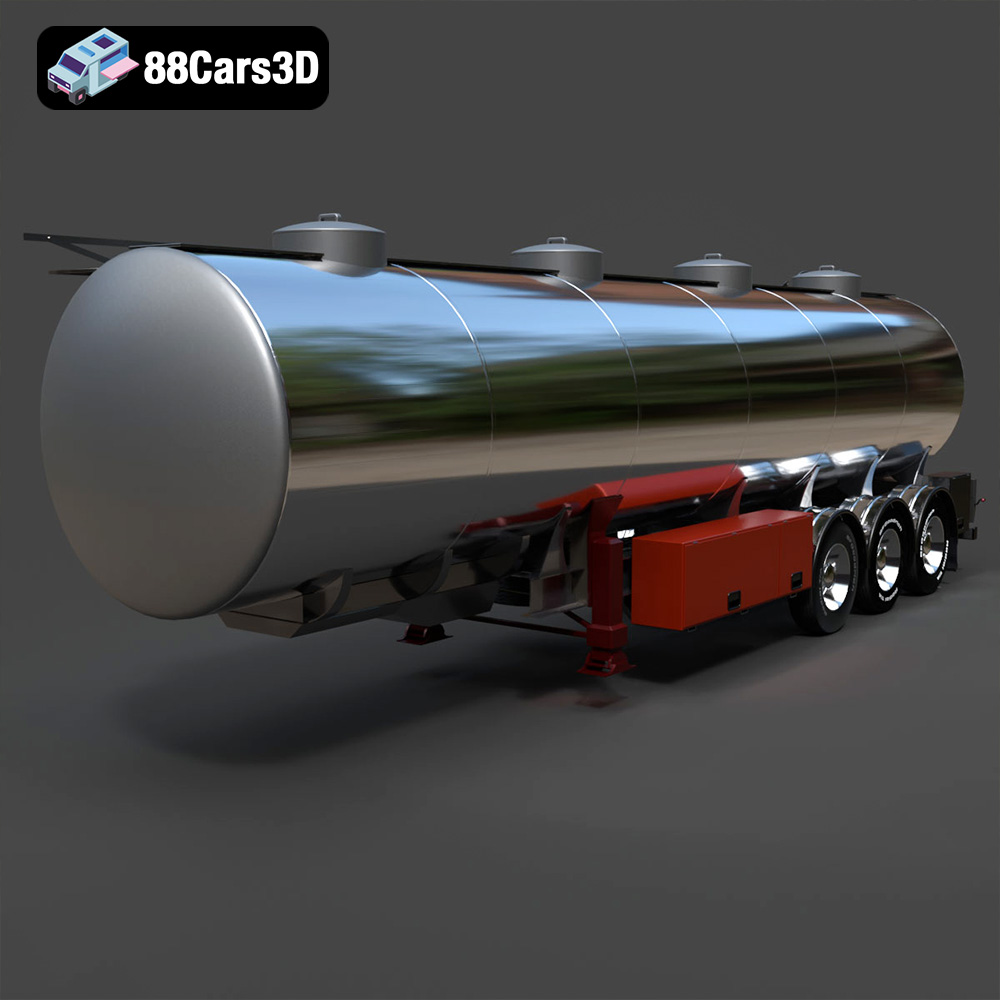
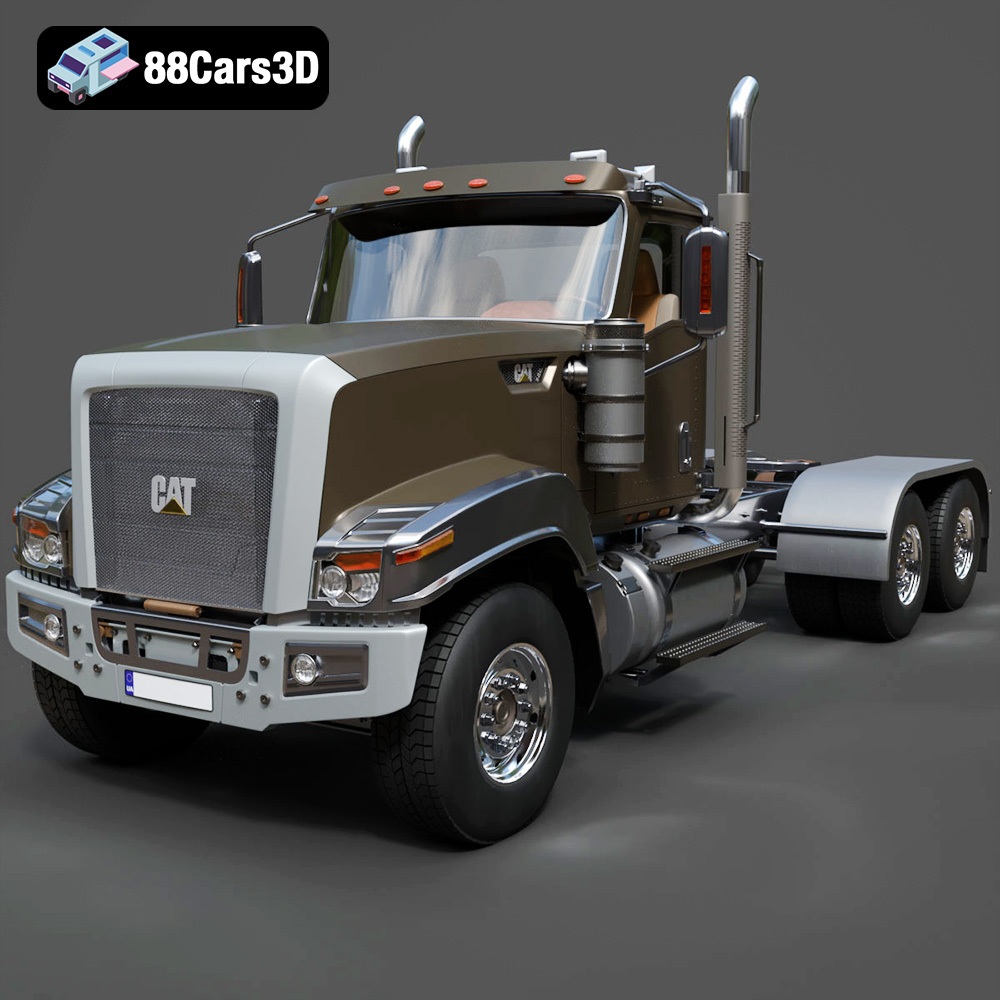
Appeal: Functional and robust, these include delivery vans, pickup trucks, buses, and heavy machinery. They are characterized by practicality and often have cargo areas or specialized attachments.
Use Cases: Simulation games (logistics, construction, public transport), open-world games for environmental detail and interactive elements, mission-specific vehicles.
Why Popular: Adds depth and realism to non-combat scenarios, crucial for simulation and role-playing genres. They often require specific functionality beyond just driving.
Appeal: Pushing the boundaries of design, these include hovercars, space cruisers, and cyberpunk-inspired vehicles. They often feature unique propulsion systems and sleek, unconventional aesthetics.
Use Cases: Sci-fi adventure games, futuristic racing, dystopian open worlds, and games requiring innovative movement mechanics.
Why Popular: Offers unique gameplay possibilities and allows for distinct art styles, differentiating a game from real-world counterparts.
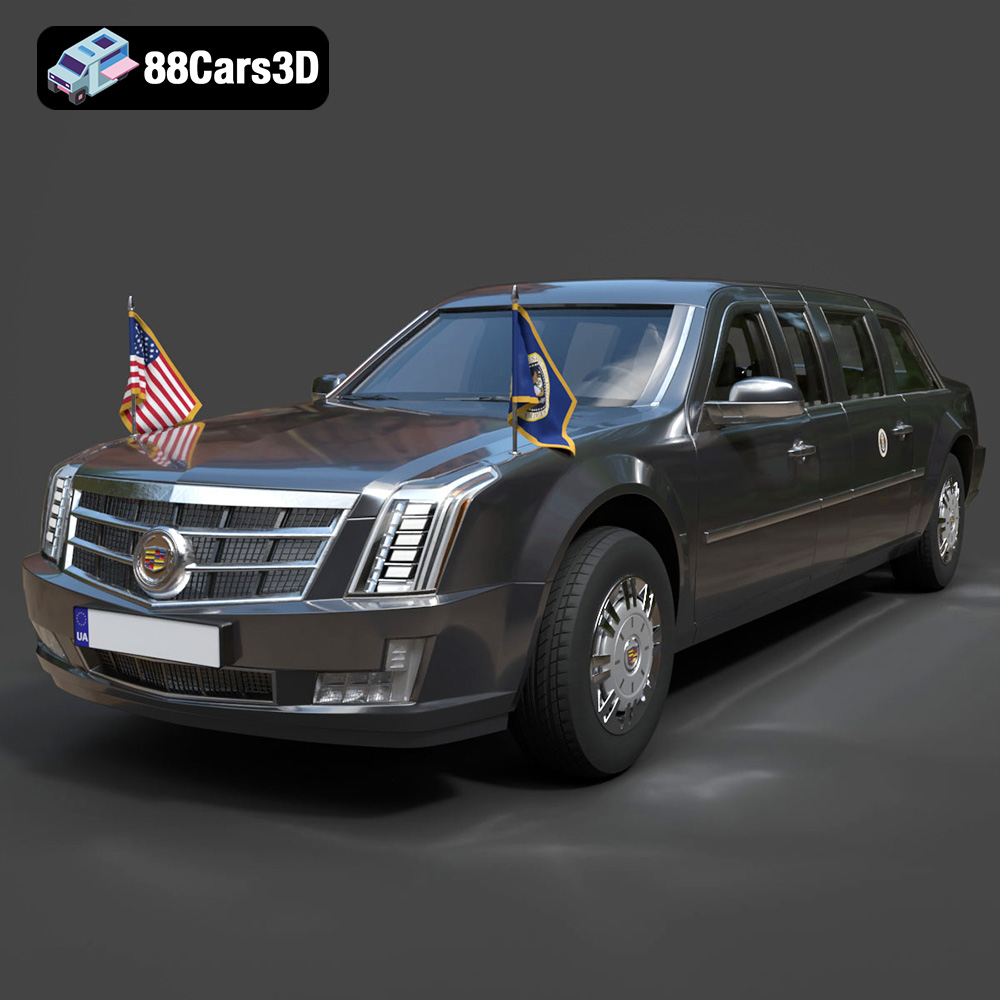
Appeal: Military-grade vehicles, police cruisers, and armored personnel carriers. They are designed for durability, protection, and often come with weapon mounts or specialized equipment.
Use Cases: First-person shooters, tactical combat games, military simulations, police pursuits, and games set in conflict zones.
Why Popular: Essential for combat-oriented games, providing cover, transport, and offensive capabilities. They contribute significantly to the action and strategy elements.
Appeal: Emphasizes customization, performance modifications, and distinct visual styles often seen in street racing culture. Japanese domestic market (JDM) inspired models are particularly prevalent.
Use Cases: Arcade racers, drift simulators, street racing games with extensive tuning systems, and competitive multiplayer environments.
Why Popular: Deep customization options for both performance and aesthetics resonate strongly with players who enjoy personalizing their vehicles and competitive driving.
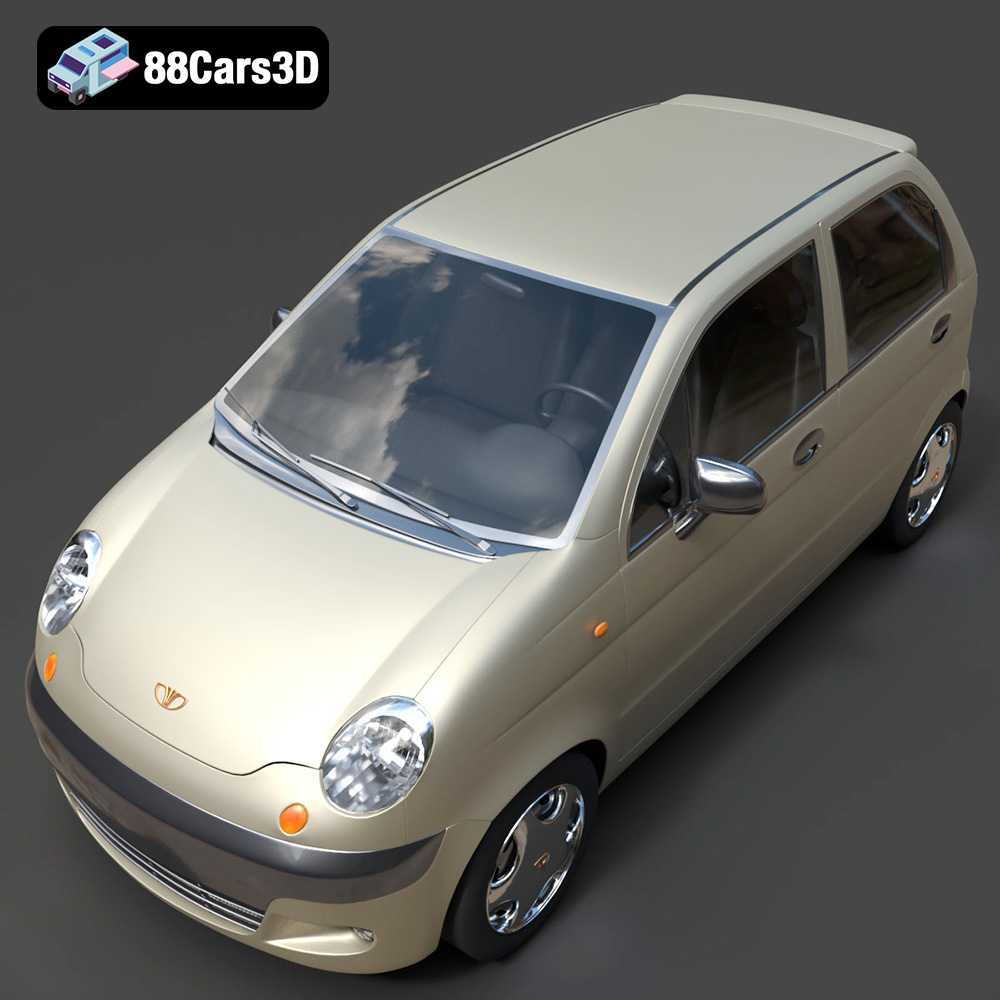
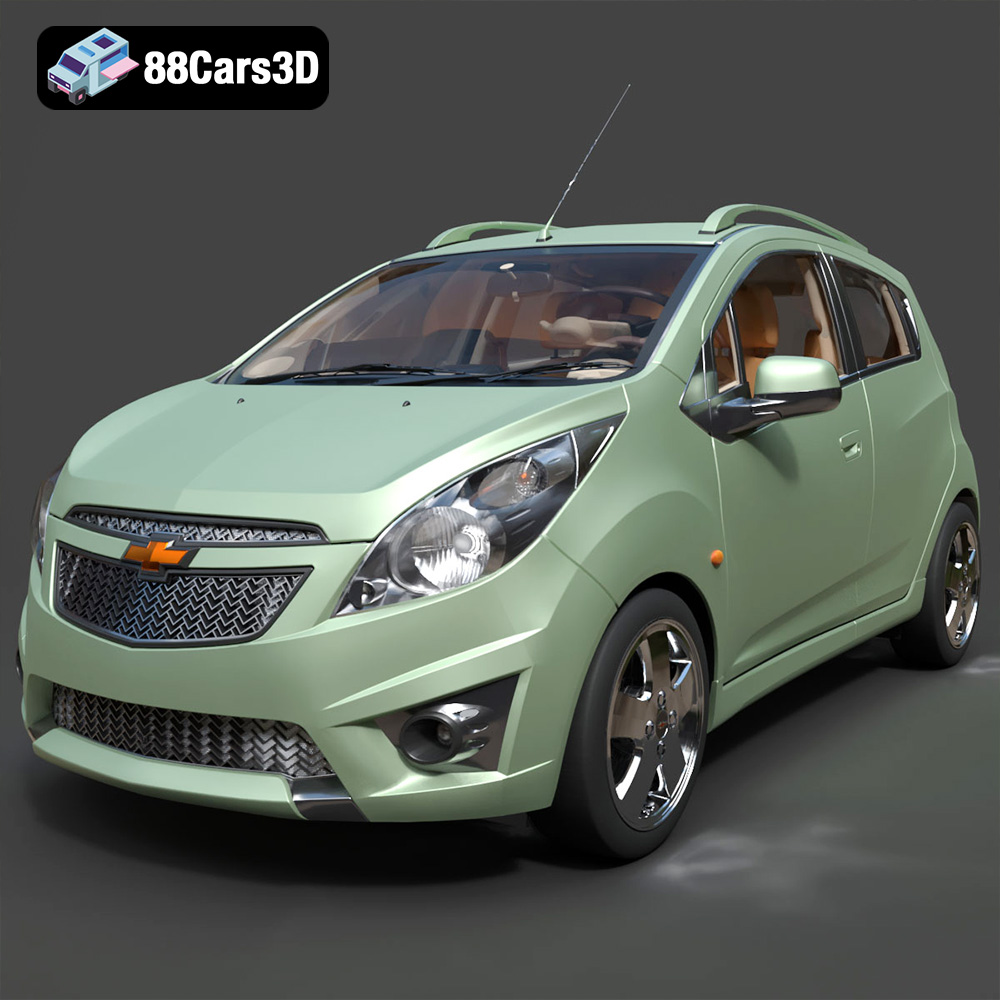
Appeal: Small, efficient, and often quirky, these models represent affordability and urban practicality. Think small hatchbacks or microcars.
Use Cases: Indie games with stylized art, mobile games (due to lower poly counts), urban simulation, and as a contrast to larger vehicles in open worlds.
Why Popular: Great for performance optimization, especially for mobile game car models, and can add a touch of charm or humility to a game’s setting.
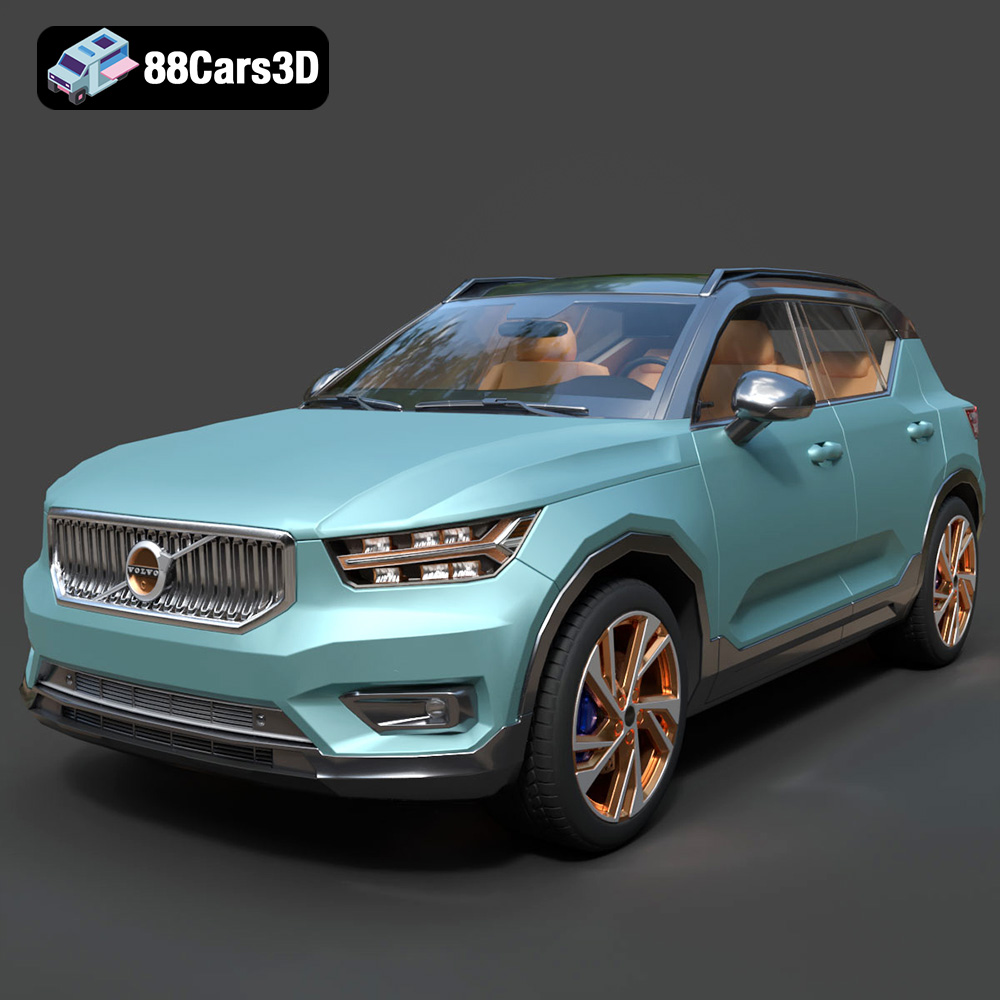
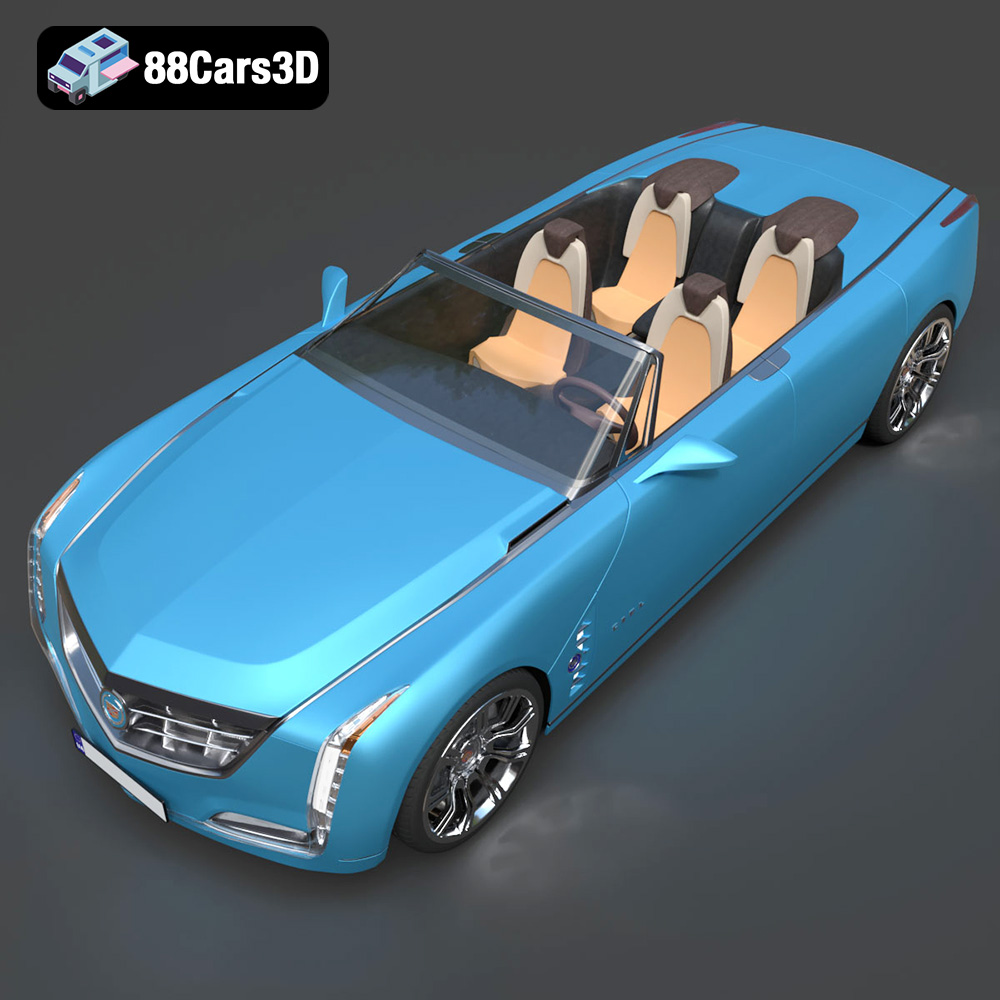
Appeal: Modern, often minimalist designs reflecting contemporary automotive trends towards electric power and autonomous driving. These can range from sleek sedans to futuristic SUVs.
Use Cases: Games set in the near future, eco-conscious simulations, urban planners, and showcasing cutting-edge technology.
Why Popular: Taps into current real-world trends, offering a fresh aesthetic and potential for unique gameplay mechanics related to charging, range, or silent operation.
Beyond the type of car, practical technical aspects determine a model’s suitability for your project.
The number of polygons directly impacts performance. While supercars might justify 100,000+ polygons for a hero asset, traffic cars might need to be below 10,000. Ensure the asset includes well-implemented LODs (e.g., LOD0, LOD1, LOD2, LOD3) for scaling performance across distances and platforms.
Verify that the car 3D model utilizes PBR textures (Albedo/Base Color, Metallic, Roughness, Normal, Ambient Occlusion). Check if materials are correctly set up for your target game engine’s rendering pipeline (e.g., Unity’s HDRP/URP or Unreal Engine’s default PBR workflow) to ensure consistent and realistic lighting.
For driving mechanics, assess the rigging. Are wheels properly separated and parented? Are there suspension bones? Are colliders optimized and ready for physics engines? Good game car rigging is invaluable.
Many top-tier 3D car assets come as pre-configured prefabs (Unity) or blueprints (Unreal Engine), often with scripts for basic driving, damage, or customization. This significantly speeds up the integration process for game development car models.
The most common and versatile formats are FBX and OBJ. FBX is preferred for animated and rigged models as it retains more data. GLTF is gaining popularity for web and real-time applications. Ensure compatibility with your 3D modeling software (Blender, Maya, 3ds Max) and game engine.
To make an informed choice, consider these questions:
| Car Archetype | Primary Game Genres | Key Features | Performance Impact (General) | Customization Potential |
|---|---|---|---|---|
| Hyper-Realistic Supercar | Racing Sims, Open-World (Hero) | High fidelity, detailed interior, PBR materials | High (often requires LODs) | Moderate (paint, wheels, minor body kits) |
| Robust Off-Road/4×4 | Adventure, Off-Road Racing, Open-World | Rugged design, strong physics compatibility, large tires | Medium-High | High (lift kits, accessories, paint) |
| Versatile Sedan/City Car | Open-World (Traffic), Simulation, Urban RPGS | Everyday aesthetics, range of styles | Medium (can vary with detail) | Moderate (paint, minor mods) |
| Classic Muscle/Vintage | Retro Racing, Customization, Demolition | Iconic design, powerful engine appeal, distinct era | Medium | High (extensive body mods, engine swaps) |
| Industrial/Utility Vehicle | Simulation, Open-World (Functionality) | Practicality, cargo space, specialized attachments | Medium | Low-Moderate (company branding, utility mods) |
| Futuristic/Sci-Fi Vehicle | Sci-Fi Adventure, Future Racing | Unique design, often hover/flying, energy effects | Medium-High (due to effects) | Moderate (colors, basic variants) |
| Armored/Tactical Vehicle | FPS, Military Sims, Action | Durability, weapon mounts, robust build | Medium | Low-Moderate (camo, weapon loadouts) |
| Drift/Tuner Car | Arcade Racing, Drift Sims, Street Racing | Aggressive styling, wide body kits, performance focus | Medium-High | Very High (extreme visual & performance tuning) |
| Compact/Economic Car | Indie, Mobile, Urban Sims | Small footprint, efficiency, often stylized | Low-Medium (optimized for performance) | Low (basic customization) |
| Electric Vehicle (EV) Concept | Near-Future Games, Eco-Sims | Sleek, modern, often minimalist design | Medium | Moderate (colors, interior tech) |
The landscape of 3D car models for game development in 2025 is rich and diverse, offering unparalleled opportunities to enhance your game’s visual appeal and gameplay mechanics. By understanding the popularity of various car archetypes and diligently considering the technical implications, developers can make strategic choices that balance aesthetics, performance, and functionality. Whether you require realistic car models for a hardcore simulator or optimized low-poly car models for a mobile casual game, the key lies in thoughtful selection and integration. Prioritizing assets that align with your game’s vision, target platform, and technical requirements will undoubtedly accelerate your project’s journey to success.
Don’t let your game’s potential stall! Dive into the vast world of 3D asset stores and communities to find the perfect vehicle 3D models for your project. Look for asset packs offering variety, robust optimization, and clear licensing.
Start building your dream garage today and bring your game’s world to life with stunning, game-ready cars.