⚡ FLASH SALE: Get 60% OFF All Premium 3D & STL Models! ⚡

In the fast-paced world of digital creation, the demand for high-quality 3D assets is ever-growing. From cinematic automotive renders that capture the imagination to interactive virtual showrooms that redefine car buying, and from cutting-edge racing games to precise 3D-printable scale models, the foundation of success lies in exceptional 3D car models. These aren’t just mere digital representations; they are intricate works of art and engineering, meticulously crafted to serve diverse professional applications. They bridge the gap between imagination and reality, bringing iconic vehicles to life in the digital realm with astonishing fidelity.
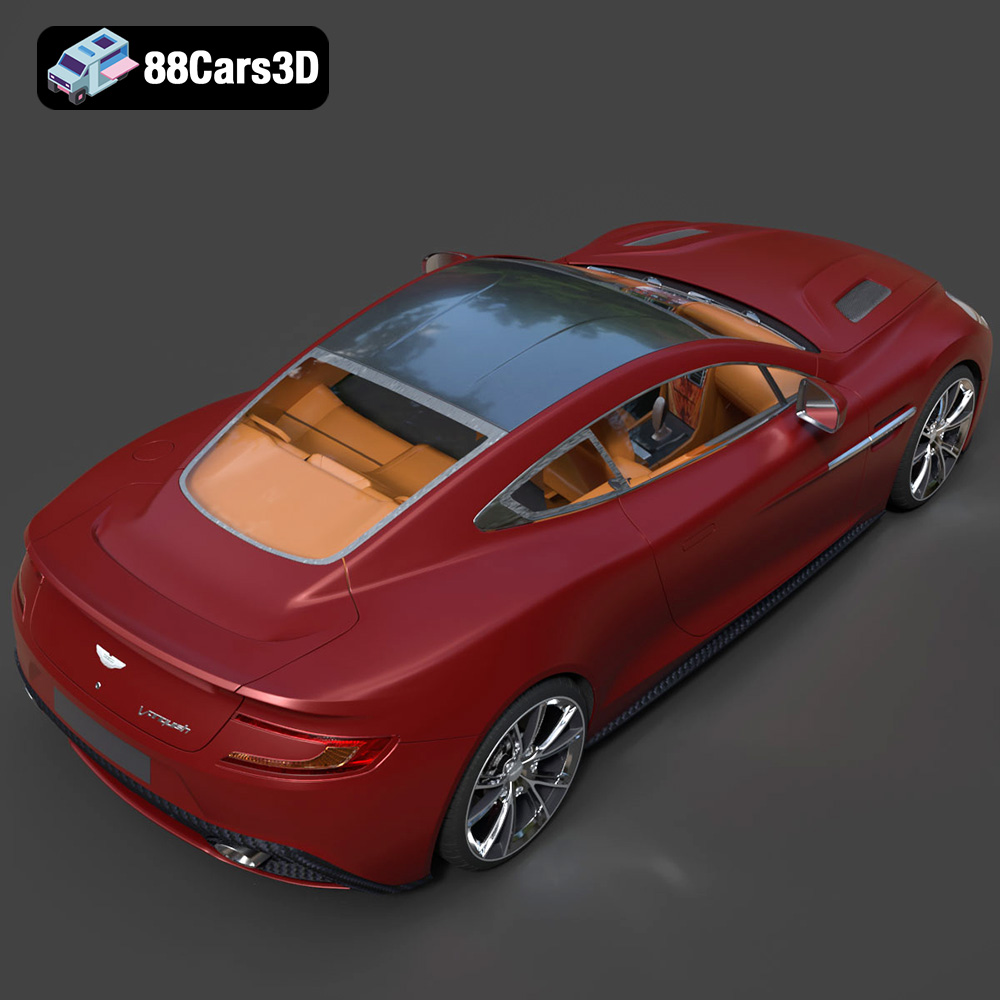
Today, we’re taking a closer look at what makes a premium 3D car model indispensable, exploring the technical nuances, workflow integrations, and creative possibilities they offer. We’ll delve into the intricacies of mesh topology, file formats, and application-specific optimizations, all while showcasing the exemplary Aston Martin 2013 AM 310 Vanquish 3D Model. This particular model embodies the pinnacle of digital automotive craftsmanship, offering a seamless blend of luxury, performance, and digital versatility for creators across industries.
The Aston Martin 2013 AM 310 Vanquish is more than just a car; it’s a statement. Known for its sculpted carbon-fiber body, aggressive stance, and the symphony of its V12 engine, it represents a hallmark of British grand touring excellence. For 3D artists and developers, having access to a meticulously crafted digital twin of such an icon is invaluable. It’s not just about aesthetics; it’s about capturing the essence, the engineering, and the presence of the vehicle with absolute precision.
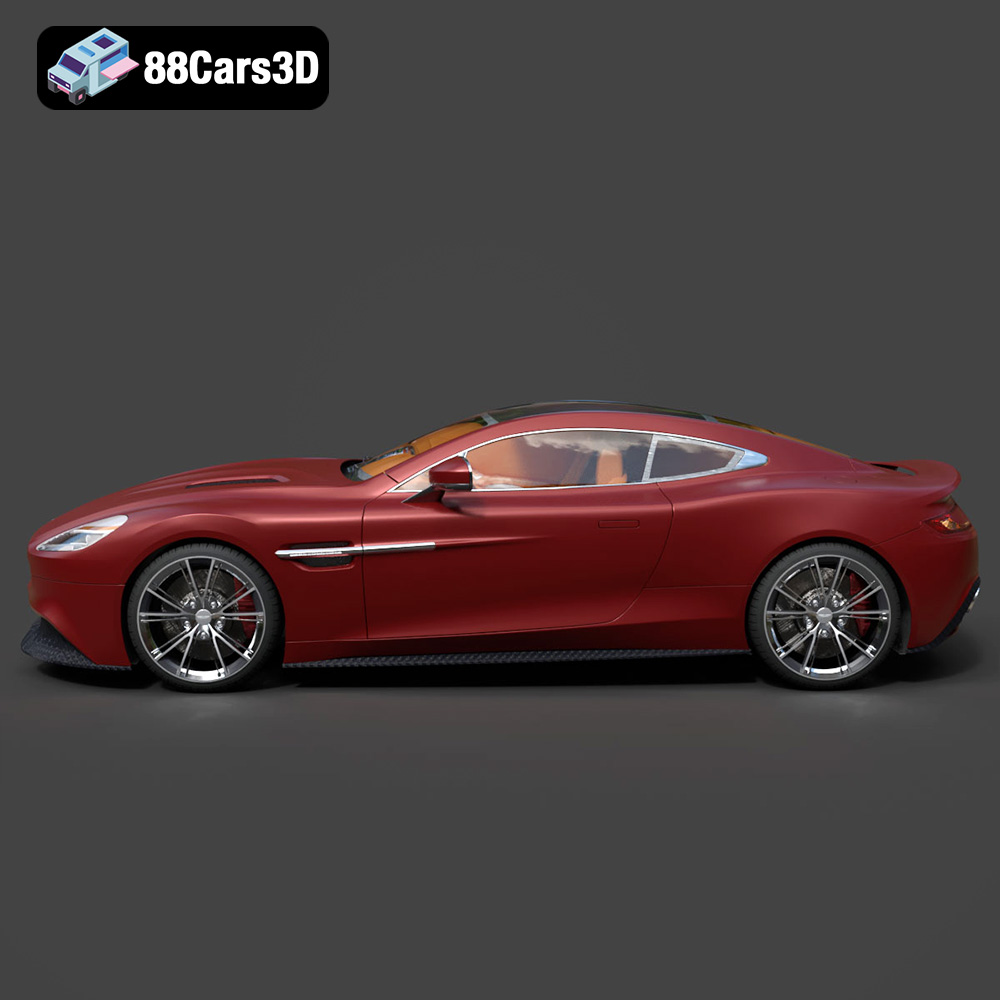
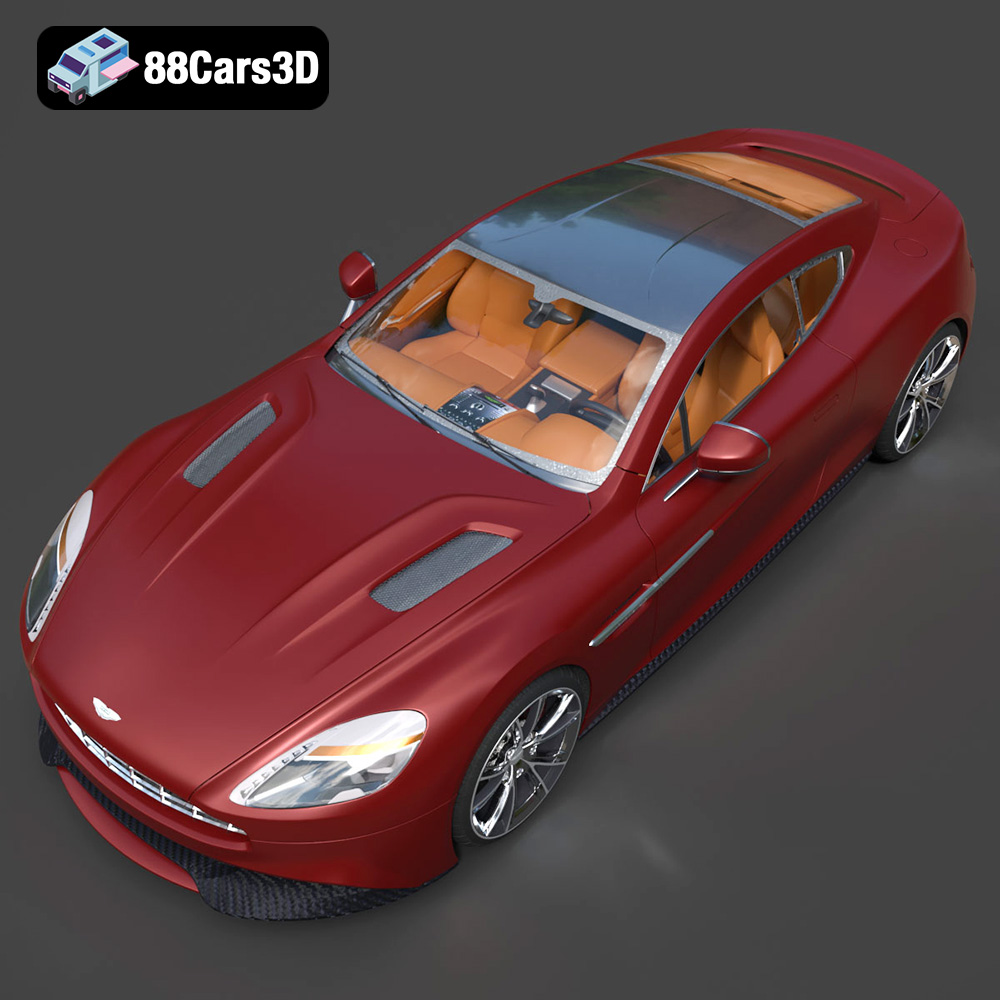
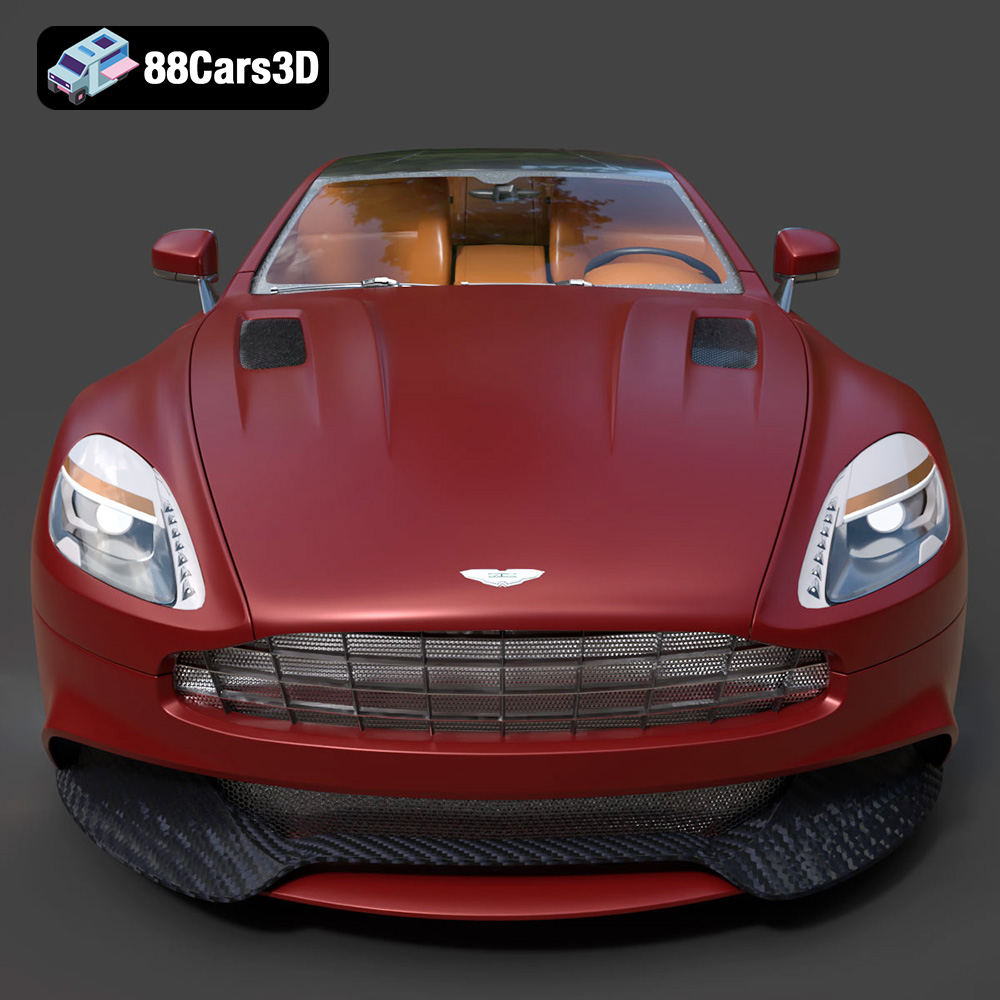
The Aston Martin 2013 AM 310 Vanquish 3D Model is designed to meet the rigorous demands of professional projects. It accurately reflects every curve, every vent, and every detail, from the signature front grille to the multi-spoke alloy wheels and the sophisticated interior. This level of detail ensures that whether you’re creating a photorealistic render, integrating it into a real-time game, or preparing it for 3D printing, the model retains the inherent beauty and character of the original Vanquish. Its clean topology, real-world scale, and optimized structure make it a cornerstone asset for any project demanding automotive luxury.
Recreating a car like the Aston Martin Vanquish in 3D involves more than simply matching its dimensions. It requires an understanding of its design philosophy, the way light interacts with its surfaces, and the tactile quality of its materials. This model succeeds by presenting accurate AM 310 Vanquish body proportions, detailed LED lighting, and intricate carbon-fiber accents. The quad exhaust system, precise brake calipers, and transparent glass materials are all testament to the commitment to realism, ensuring that the digital model evokes the same sense of awe as its physical counterpart.
Beyond the stunning exterior, the interior of a luxury vehicle is crucial for complete immersion. The Aston Martin 2013 AM 310 Vanquish 3D Model provides a fully modeled dashboard, a detailed center console, and a sport steering wheel with multifunction controls. The premium seat geometry includes stitching details, adding a layer of authenticity that is essential for close-up renders, virtual cockpit experiences, or detailed game interiors. This attention to both external grandeur and internal sophistication makes the model exceptionally versatile.
The choice of file format is a critical decision in any 3D workflow, dictating compatibility, feature retention, and overall project efficiency. A high-quality 3D asset, like the Aston Martin 2013 AM 310 Vanquish 3D Model available on 88cars3d.com, often comes with a variety of formats to ensure maximum versatility across different software and applications. Understanding these formats is key to leveraging the model’s full potential.
The .blend format is native to Blender, a powerful open-source 3D creation suite. When a model is provided in .blend, it signifies a fully editable Blender scene. This typically includes the mesh, materials, textures, lighting setups, cameras, and even animations if present. For users immersed in the Blender ecosystem, this format offers the most flexibility for modifications, rigging, and rendering within Blender’s Cycles or Eevee engines. It’s ideal for those who want to dive deep into the model’s structure, adjust shaders, or integrate it into complex Blender projects, providing a complete, ready-to-work environment.
.fbx (Filmbox) is arguably the most widely used proprietary file format for 3D content exchange, developed by Autodesk. Its strength lies in its ability to store a comprehensive range of 3D data, including geometry, materials, textures, animations, and skeletal information. This makes it an ideal choice for pipelines involving multiple software, especially when moving assets between DCC (Digital Content Creation) tools like 3ds Max, Maya, and game engines like Unreal Engine and Unity. For real-time applications, .fbx is a go-to for importing animated characters, vehicles, and complex scenes, ensuring that pivots, transforms, and basic materials translate effectively.
The .obj (Wavefront Object) format is a venerable and highly compatible open standard. It primarily stores geometry (vertices, normals, texture coordinates, and faces) and references external .mtl (material) files for basic material properties. While it doesn’t support animation or complex material node setups, its universality is its greatest asset. Almost every 3D software can import and export .obj, making it excellent for simple mesh exchange across disparate platforms. It’s a reliable fallback when other formats fail or when you only need the raw geometric data, perfect for static renders or initial modeling stages.
.glb (GLB format for GL Transmission Format) is a modern, compact, and efficient format designed for rapid loading and display of 3D models in web browsers, AR (Augmented Reality), and VR (Virtual Reality) applications. It’s a binary representation of glTF (GL Transmission Format), embedding all necessary assets like textures and animations directly into a single file. This “all-in-one” package simplifies deployment, making .glb the preferred format for interactive 3D viewers on websites, social media, and lightweight immersive experiences. Its optimization for real-time rendering on various devices makes it increasingly popular.
.stl (STereoLithography) is the de facto standard for 3D printing. It represents a 3D model as a collection of triangular facets, defining the surface geometry without any color, texture, or material information. For models intended for physical output, like the Aston Martin 2013 AM 310 Vanquish 3D Model, conversion to .stl is essential. It’s crucial for the mesh to be “manifold” (watertight) for successful printing. This format simplifies the geometry to what a 3D printer needs to know: where to build the layers of material.
The .ply (Polygon File Format, also known as Stanford Triangle Format) is similar to .obj but offers greater flexibility in storing mesh data. Beyond vertices and faces, .ply can include properties like color, transparency, and range data (from 3D scanners) for each vertex or face. While not as universally supported as .obj, it’s particularly useful in scientific, CAD, and engineering applications where precise data capture and analysis are paramount. It can represent models with complex attribute data, often generated from laser scans or advanced geometric operations.
While not a standalone file format in the traditional sense, “.unreal” often refers to assets specifically prepared and optimized for direct import into Unreal Engine. This might imply an .fbx file that has been pre-processed, has correct scaling, LODs (Levels of Detail), collision meshes, and material slots ready for the Unreal Editor. For the Aston Martin 2013 AM 310 Vanquish 3D Model, an “unreal” specific format indicates it’s been designed for seamless integration, minimizing import errors and optimizing performance within the engine, a boon for game developers and real-time visualization specialists.
The .max format is the native file type for Autodesk 3ds Max, a leading software for 3D modeling, animation, and rendering. Like .blend, a .max file contains the entire scene data, including geometry, materials, textures, lights, cameras, modifiers, and animation curves. It provides the most comprehensive access to the original project file for users of 3ds Max, allowing for deep editing, re-texturing, rigging, and high-quality rendering using renderers like V-Ray or Corona. It is indispensable for professional animation studios and architectural visualization firms that rely on 3ds Max for complex projects.
Having such a comprehensive suite of file formats, as offered with the Aston Martin Vanquish model from 88cars3d.com, ensures that irrespective of your preferred software or target application, you have the right tool for the job. This flexibility is a hallmark of professional-grade 3D assets.
The true value of a premium 3D car model lies beneath its gleaming surfaces. It’s in the meticulous technical execution that ensures both visual fidelity and practical usability across diverse platforms. For an asset like the Aston Martin 2013 AM 310 Vanquish 3D Model, this involves a series of technical considerations that elevate it from a simple model to a professional-grade asset.
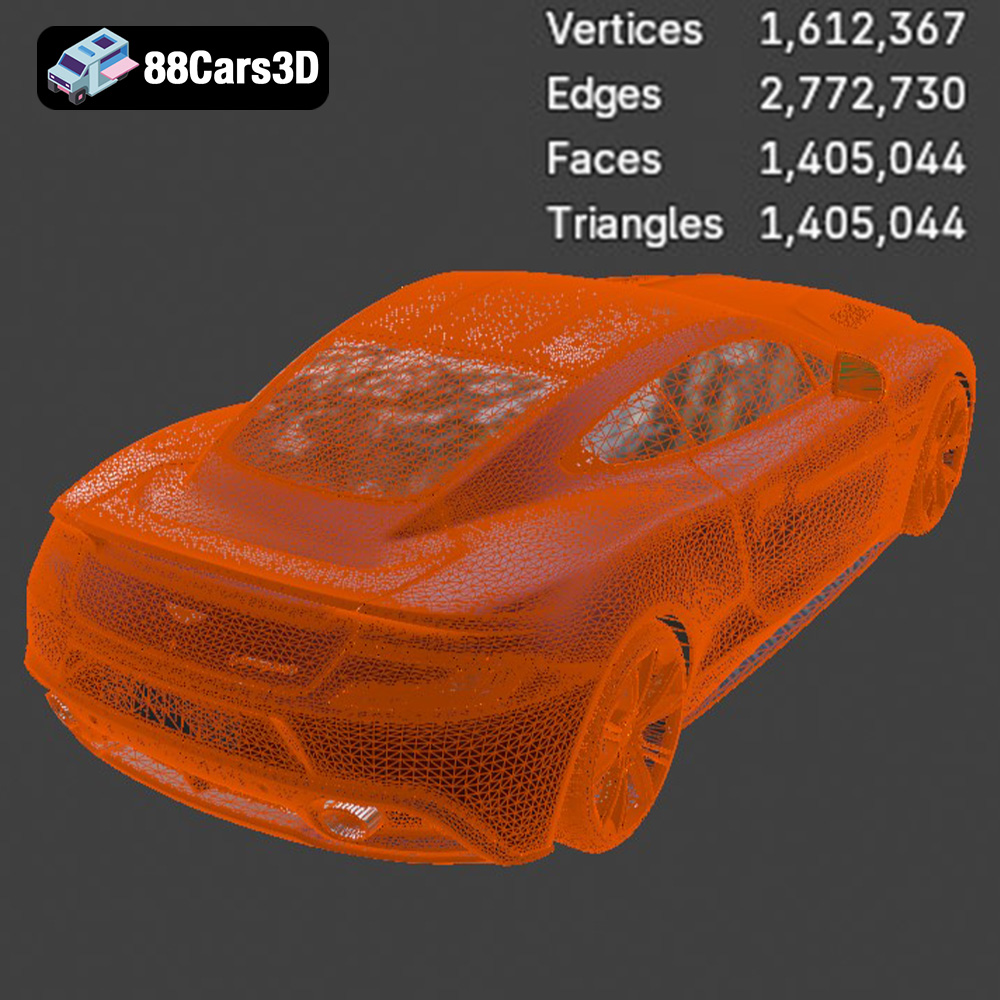
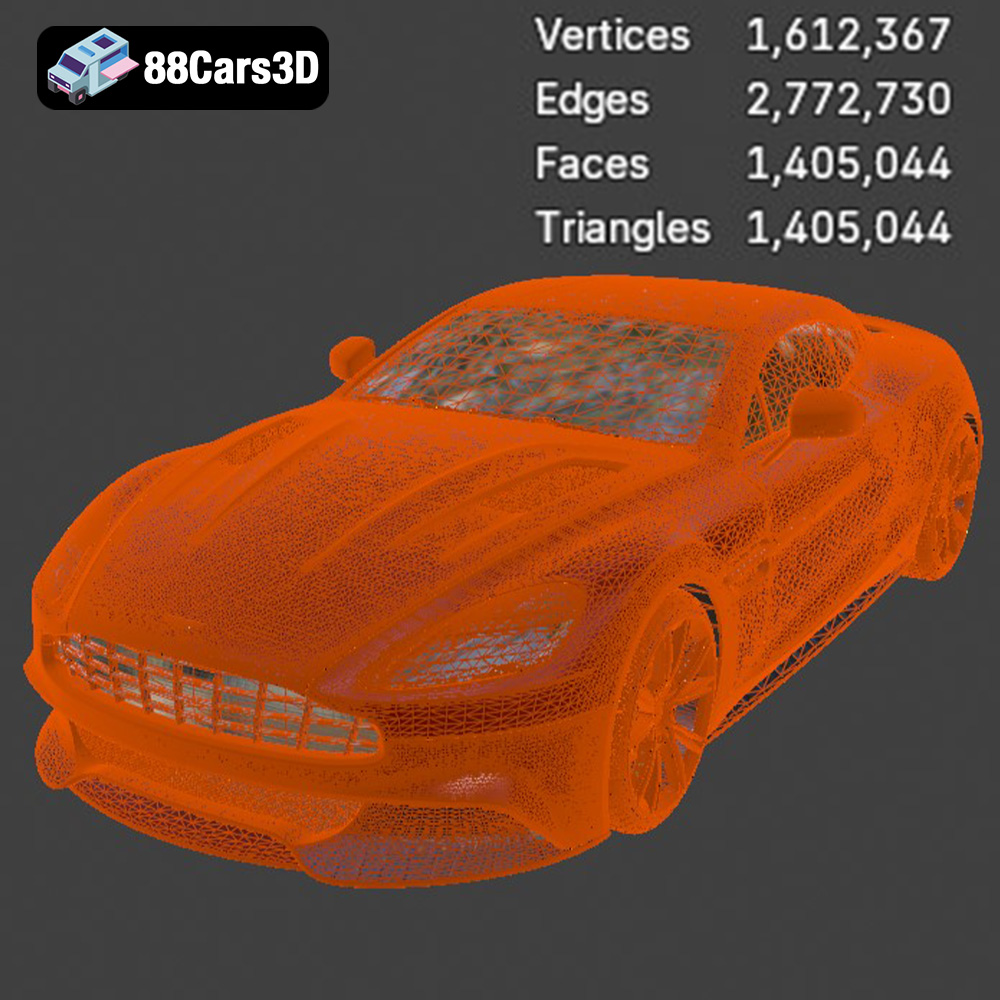
A “clean and well-organized mesh structure” is paramount. This refers to the intelligent distribution of polygons (quads, ideally) that define the model’s surfaces. Good topology ensures smooth subdivisions, accurate reflections, and efficient deformation for animation. For a car, this means critical areas like wheel arches, body panels, and aerodynamic curves must have an optimized polygon flow that avoids stretched or distorted UVs and unsightly rendering artifacts. An optimized polygon count strikes a balance between detail and performance, making the model suitable for both high-end rendering and real-time game engines. The Aston Martin Vanquish model boasts this, promising realism without excessive poly burden.
UV mapping is the process of unwrapping the 3D mesh into a 2D space, allowing textures to be applied accurately. Professional models feature clean, non-overlapping UVs that maximize texture resolution and prevent distortion. This is especially crucial for complex details like carbon-fiber weaves, dashboard textures, or intricate stitching on seats. Coupled with robust material setups, often using PBR (Physically Based Rendering) principles, these elements bring the model to life, ensuring that surfaces react realistically to light. The Vanquish model, with its specified “Texture: Yes” and “Material: Yes,” indicates a ready-to-render asset that demands minimal setup.
Accuracy in “real-world scale” is non-negotiable for automotive models. It ensures that the vehicle fits correctly into architectural scenes, scales appropriately in game environments, and maintains believable interactions. Beyond scale, proper “pivot setup for steering and wheel rotation” is a key technical advantage. This articulation allows for easy animation of moving parts, from the subtle turn of the steering wheel to the dynamic rotation of the wheels, essential for cinematic sequences, driving simulations, and interactive experiences. The Aston Martin 2013 AM 310 Vanquish 3D Model explicitly includes separate wheels and steering components for animation, underscoring its readiness for dynamic applications.
The versatility of a high-quality 3D car model like the Aston Martin Vanquish is evident in its adaptability across various professional workflows. From Hollywood-grade visualizations to immersive interactive experiences, the underlying asset remains critical.
For artists focused on photorealistic imagery, the Aston Martin 2013 AM 310 Vanquish 3D Model excels in rendering and visualization. Using software like 3ds Max with V-Ray or Corona Renderer, or Blender’s Cycles and Eevee, artists can create breathtaking visuals. The model’s clean mesh, accurate materials, and real-world scale provide a perfect foundation. Workflows typically involve importing the .max or .blend file, setting up studio lighting or environmental HDRI maps, refining shaders for car paint, glass, and chrome, and then rendering out high-resolution images or animation sequences for luxury automotive marketing, commercial presentations, or print media. The model’s premium interior and exterior details ensure every render is gallery-worthy.
Game developers and real-time artists benefit immensely from optimized assets. The inclusion of .fbx and “unreal” formats for the Vanquish model directly addresses these needs. In Unreal Engine, developers can import the model, apply engine-specific materials, set up collision meshes, and implement physics for driving simulators or open-world games. The optimized polygon flow ensures that the model performs smoothly even in demanding real-time environments, maintaining high visual quality at interactive frame rates. Its proper pivot setup allows for straightforward vehicle rigging, essential for realistic driving dynamics and character interactions.
Augmented Reality (AR) and Virtual Reality (VR) are transforming how we interact with products. The Aston Martin Vanquish model, optimized for formats like .glb, is ideal for creating virtual car configurators, interactive showroom experiences, and immersive driving simulations. In these applications, users can walk around, inspect, and even “sit inside” the car, customizing colors, wheels, and interior trims in real-time. The model’s detail ensures a believable and engaging experience, crucial for showcasing luxury vehicles in a novel and impactful way. Platforms like WebGL for browser-based AR/VR benefit from the lightweight and embedded nature of .glb files.
Beyond the digital screen, the Vanquish model can also manifest as a tangible collectible. Its “3D Printable STL” tag signifies its readiness for physical production. The .stl format allows enthusiasts and professionals to print scale models for display or prototyping. The provided 3D print settings – recommended scales (1:32 / 1:24 / 1:18 / 1:14), layer heights, wall thickness, infill, and specific support requirements – are critical for successful printing. Post-processing, including sanding, primer, and gloss automotive paint, can transform a raw print into a stunning miniature replica. This capability opens doors for merchandise, educational tools, and personalized automotive collectibles.
The true power of a versatile 3D asset like the Aston Martin 2013 AM 310 Vanquish 3D Model lies in how professionals leverage it to achieve specific project goals. Its robust design allows for extensive customization, making it suitable for a wide array of applications.
Imagine a high-stakes marketing campaign for a luxury brand. A digital studio is tasked with creating a stunning animation that highlights the elegance and power of a grand tourer. Instead of investing countless hours in modeling from scratch, they procure the Aston Martin Vanquish model from 88cars3d.com. With the .max or .blend file, they can quickly set up complex lighting scenarios—a sunset boulevard, a sleek studio, or a dramatic urban night. They can animate the car driving through dynamic environments, showcasing its sculpted bodywork and aggressive stance. Customizable elements like body colors (metallic silver, British racing green), carbon-fiber trim variations, and unique wheel designs allow the team to tailor the vehicle to specific brand aesthetics, delivering a visually compelling narrative that captivates audiences.
Automotive manufacturers and dealerships are increasingly turning to interactive 3D solutions to enhance the customer experience. A virtual car configurator, built using Unreal Engine or a web-based GLB viewer, allows potential buyers to explore the Vanquish in detail. They can switch between different exterior paint options, modify brake caliper colors, adjust ride height, and even select interior trim elements in real-time. The optimized geometry and clean materials of the Vanquish model make this seamless interaction possible, providing a powerful sales tool that transcends geographical limitations and offers a truly personalized viewing experience. Such applications redefine how consumers engage with luxury vehicles long before stepping into a physical showroom.
The ability to customize is a hallmark of professional 3D assets. The Vanquish model offers numerous options:
These customization options empower artists and developers to not just use a model, but to truly own its appearance and integrate it seamlessly into any creative vision.
In the competitive landscapes of automotive design, game development, and visualization, time is a precious commodity. Creating a vehicle as complex and detailed as the Aston Martin 2013 AM 310 Vanquish from scratch can consume hundreds of hours of skilled labor. This is where investing in premium, pre-built 3D car models proves invaluable.
High-quality assets, like those found on 88cars3d.com, represent not just a file, but an investment in efficiency, quality, and reliability. They come with “clean and well-organized mesh structure,” “real-world scale accuracy,” and “proper pivot setup,” eliminating the need for extensive cleanup and preparation. This allows artists and developers to focus on the creative aspects of their projects – lighting, scene composition, animation, and interaction – rather than the foundational modeling work. The inclusion of multiple file formats ensures compatibility across diverse software and pipelines, further streamlining workflows and reducing technical hurdles.
For professionals, a premium 3D model isn’t just about saving time; it’s about setting a higher standard for their output. It ensures consistent, high-fidelity results that meet industry expectations for realism and performance. Whether you’re building a groundbreaking game, producing a captivating automotive commercial, or developing an innovative AR/VR experience, starting with a top-tier 3D car model provides an undeniable competitive edge. It’s the foundation upon which truly exceptional digital experiences are built.
The world of 3D modeling for automotive applications is rich with potential, offering endless creative avenues for professionals. From the intricate detail of an exterior render to the dynamic performance within a game engine, the quality of the underlying 3D asset dictates the success of the final output. The Aston Martin 2013 AM 310 Vanquish 3D Model stands as a testament to the power of precision digital craftsmanship, offering a robust, versatile, and visually stunning foundation for a wide array of projects.
Its comprehensive technical features—including clean topology, real-world scale, animated components, and a suite of universally compatible file formats (like .blend, .fbx, .obj, .glb, .stl, .ply, .unreal, and .max)—make it an indispensable tool for anyone in automotive rendering, game development, AR/VR, or 3D printing. By choosing a high-quality, production-ready asset, creators can save invaluable time, maintain exceptional quality, and push the boundaries of their digital creations. Explore this exceptional model and many others to elevate your next project to the pinnacle of digital automotive excellence at 88cars3d.com.
The Aston Martin 2013 AM 310 Vanquish 3D Model is a high-detail digital recreation of the iconic British grand tourer known for its carbon-fiber body structure, aggressive stance, and refined luxury performance. The 2013 Vanquish (AM 310) represents a blend of handcrafted elegance and high-powered V12 engineering. This 3D model accurately represents the sculpted aerodynamic bodywork, signature front grille, sharp LED light design, carbon-fiber detailing, quad exhaust system, multi-spoke alloy wheels, and premium interior layout. Built with clean topology and real-world scale accuracy, it is ideal for rendering, animation, automotive visualization, game development, and AR/VR showroom applications. Perfect for luxury showroom scenes, cinematic automotive renders, promotional campaigns, urban night environments, and driving simulation platforms.
$34.99