⚡ FLASH SALE: Get 60% OFF All Premium 3D & STL Models! ⚡

In the demanding world of 3D visualization, automotive design, and real-time experiences, precision and quality are paramount. Whether you’re an architect seeking to populate a luxury scene, a game developer crafting an immersive open-world environment, or an automotive designer showcasing a future concept, the vehicles you integrate can define the realism and impact of your work. This is precisely where high-fidelity 3D car models become indispensable assets.
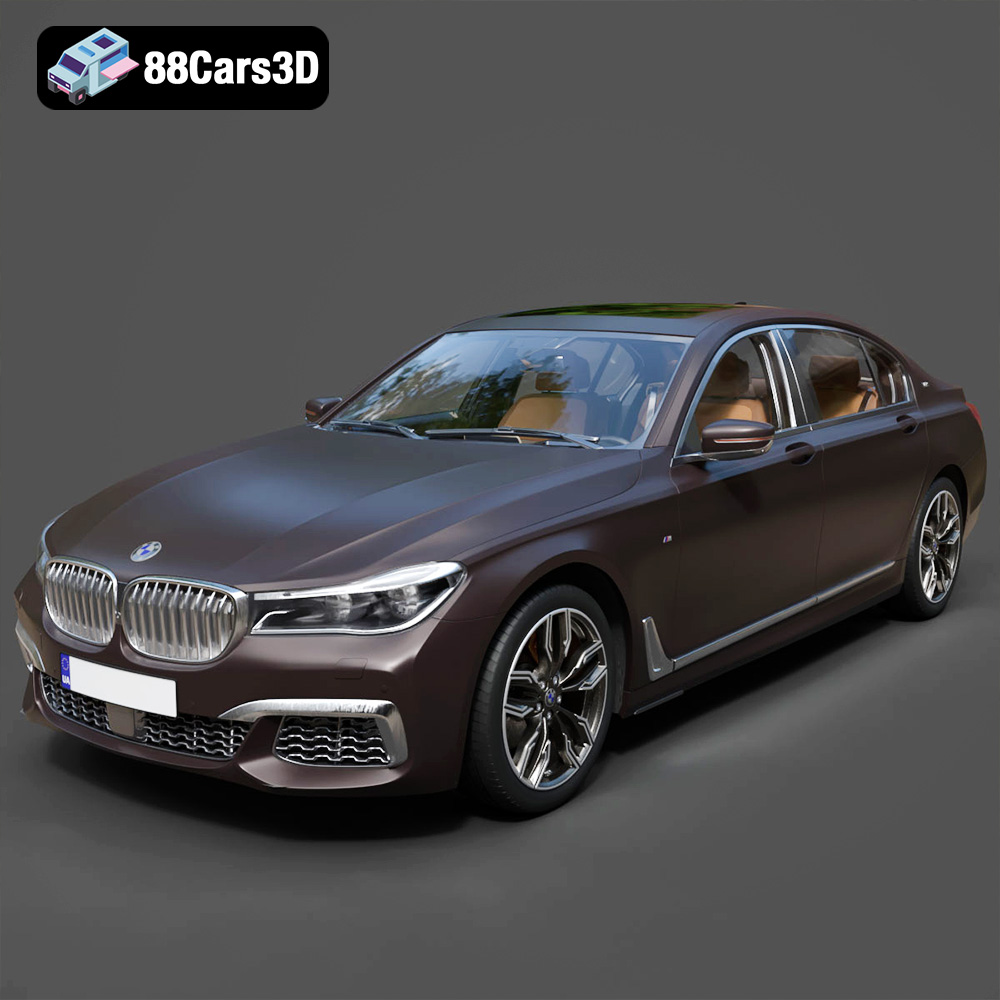
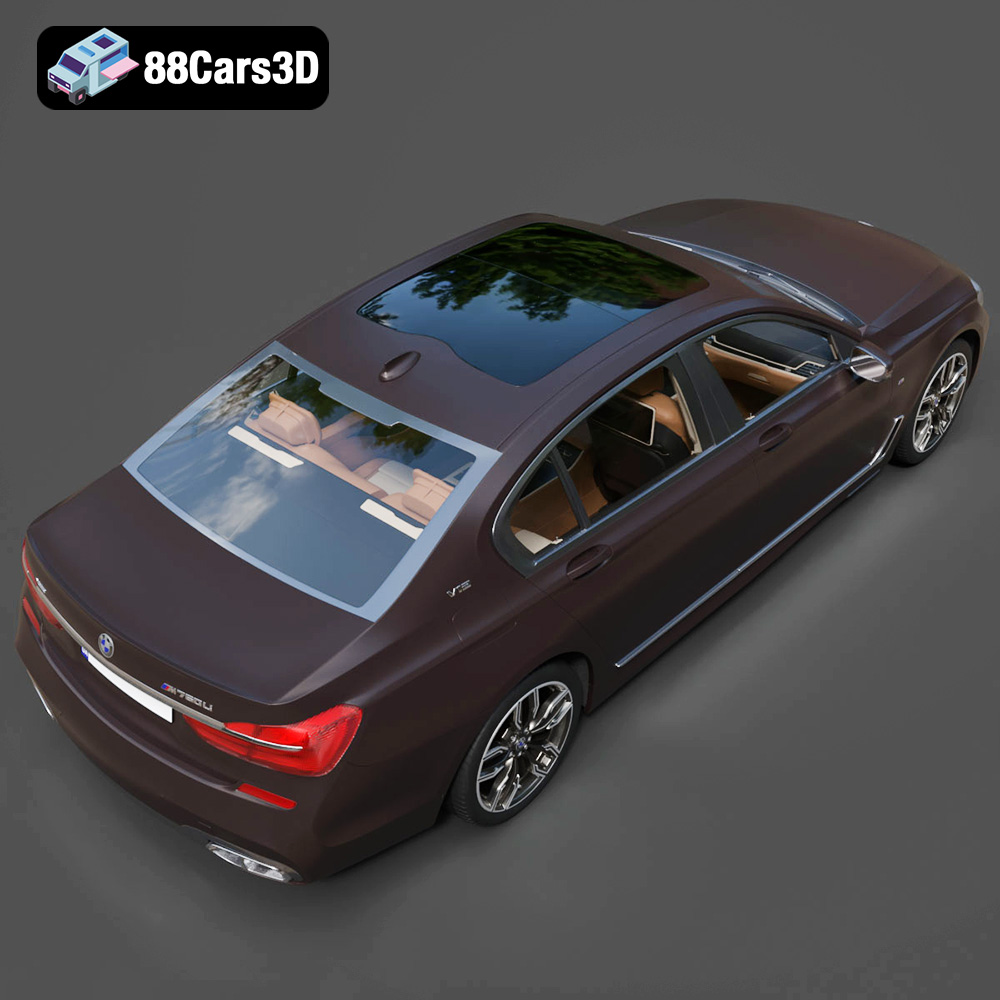
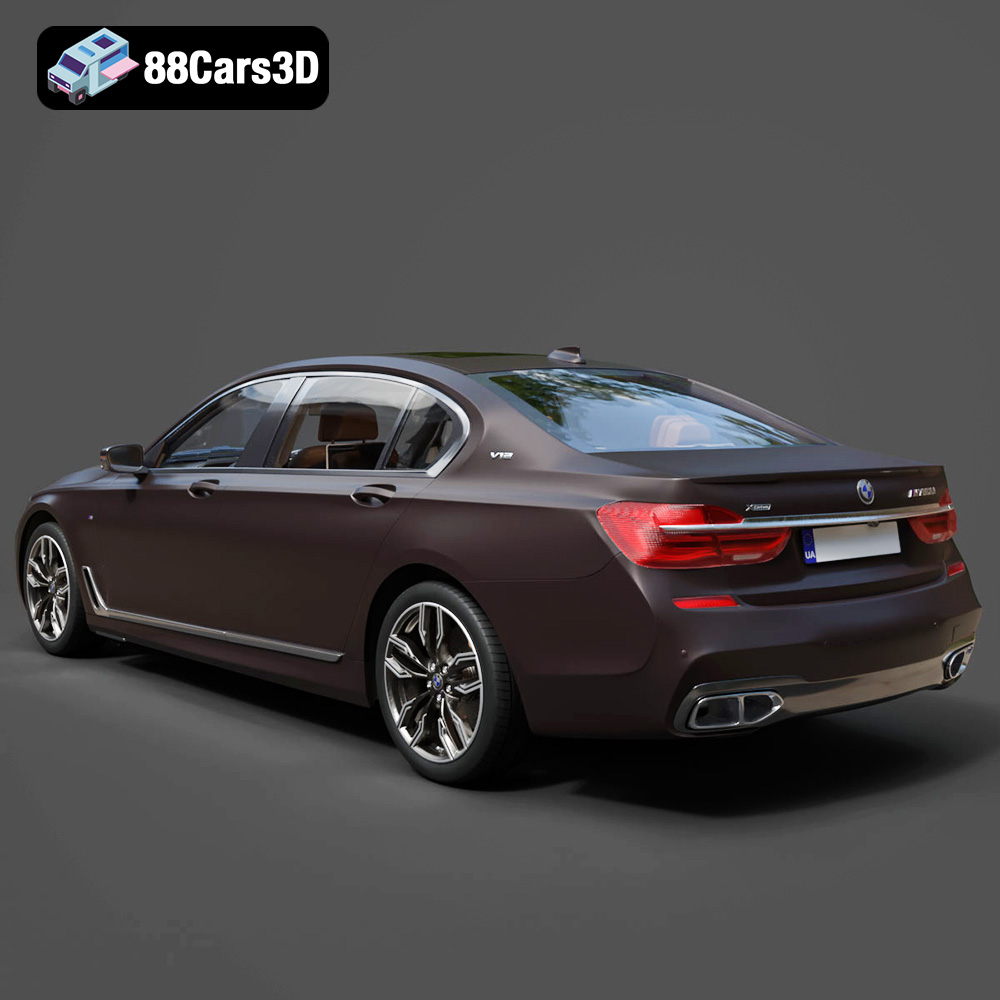
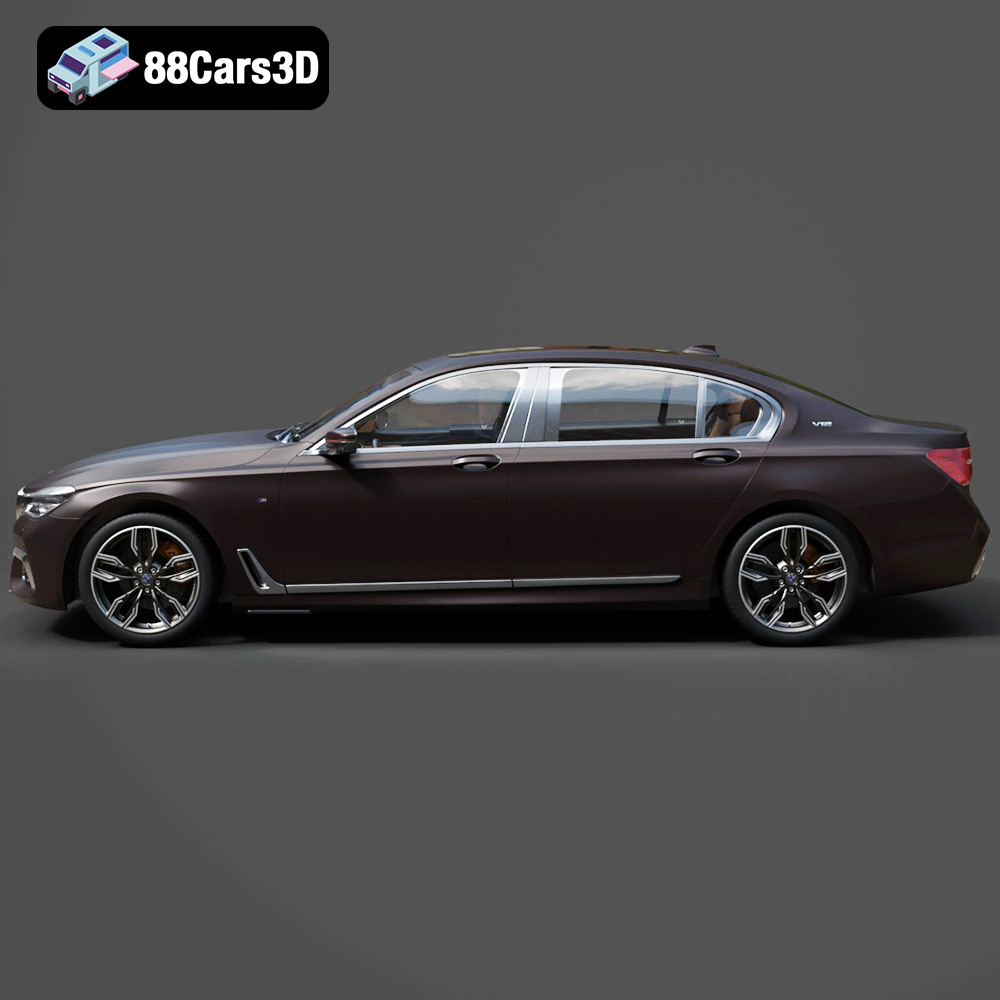
Today, we delve into a prime example of such an asset: the BMW M7 (G12) with HQ Interior 2017 3D Model. This exquisite digital recreation of BMW’s luxury performance sedan offers an unparalleled level of detail and versatility, making it a cornerstone for a wide array of professional applications. From its accurately sculpted exterior to its meticulously rendered high-quality interior, this model embodies the standard of excellence that professionals expect and delivers the flexibility required across diverse workflows. Sourced from a trusted marketplace like 88cars3d.com, such a model provides an immediate advantage, saving countless hours of modeling and texturing while guaranteeing a production-ready asset right out of the box.
Join us as we explore the technical facets, practical applications, and strategic benefits of incorporating premium 3D car models like the BMW M7 (G12) into your projects, from photorealistic rendering to interactive simulations and even physical 3D printing.
The success of any 3D project often hinges on the judicious selection and handling of file formats. A professional-grade asset, such as the BMW M7 (G12) with HQ Interior 2017 3D Model, typically comes equipped with a comprehensive suite of formats, each optimized for specific software, engines, or end-use cases. Understanding these formats is crucial for seamless integration and maximizing project efficiency. Let’s break down the most common and vital formats you’ll encounter and why the BMW M7 model includes them.
The .blend format is native to Blender, the popular open-source 3D creation suite. When you receive a model in .blend format, you’re getting a fully editable Blender scene. This includes all geometry, materials, textures, lighting, camera setups, and even animation data if present. For the BMW M7, this means artists can directly open the file in Blender, leverage its powerful Cycles or Eevee renderers, modify materials using node-based workflows, adjust mesh details, or integrate the vehicle into a broader scene with ease. It’s ideal for Blender-centric studios or individuals who prefer a complete, modifiable source file.
The Filmbox, or .fbx, format is arguably the most widely adopted interchange format in the 3D industry. Developed by Autodesk, it excels at transferring 3D model data, including geometry, materials, textures, animations, and skeletal rigs, between different software packages and game engines. For the BMW M7, an .fbx file is indispensable for bringing the car into Unreal Engine, Unity, 3ds Max, Maya, or Cinema 4D while preserving crucial aspects like hierarchical structures (e.g., wheels parented to axles, doors to the body) and UV mapping. It’s the go-to format for real-time pipelines due to its robust support for game engine requirements.
The Wavefront .obj format is a simple, universal 3D geometry definition format that has been around for decades. It’s highly compatible with virtually all 3D software. An .obj file primarily stores mesh geometry (vertices, normals, UVs, faces) and can reference external .mtl (material) files for basic material properties and texture paths. While it doesn’t support advanced features like animation, rigging, or complex material node setups, its widespread compatibility makes it perfect for transferring raw mesh data or as a reliable fallback. The BMW M7’s .obj variant ensures that even legacy software or specialized tools can import the core visual representation of the car.
The GL Transmission Format Binary, or .glb, is a relatively newer format designed for efficient transmission and loading of 3D scenes and models in web and AR/VR applications. It’s a binary version of glTF, which embeds textures and other assets directly into a single file, making it incredibly compact and easy to deploy. For interactive virtual showrooms, browser-based configurators, or augmented reality experiences featuring the BMW M7, the .glb format is optimal. Its efficiency ensures quick loading times and smooth performance on various devices, from smartphones to VR headsets.
The Stereolithography, or .stl, format is the de facto standard for 3D printing. It represents a 3D model as a collection of triangulated surfaces, defining only the surface geometry of an object without any color, texture, or material information. A “manifold” .stl is critical, meaning it’s a watertight mesh with no holes or self-intersecting geometry, essential for successful printing. The inclusion of an .stl format for the BMW M7 means that the digital asset is immediately ready to be sent to a 3D printer, allowing for the creation of physical scale models, prototypes, or collectibles of this luxury sedan.
The Polygon File Format, or .ply, is a format designed to store 3D data from 3D scanners, CAD applications, and other sources that require precise mesh representation. It can store various properties for each vertex (e.g., color, normals, transparency) and face (e.g., color, textures). While less common for general-purpose 3D asset distribution, its presence in the BMW M7 package indicates a commitment to precision, potentially offering a more raw, data-rich mesh that might be preferred for certain engineering analyses or specialized manufacturing processes beyond typical rendering.
When a model is provided in the .unreal format (often referring to a packaged asset ready for direct import into an Unreal Engine project), it signifies that the asset has been specifically prepared and optimized for this powerful real-time engine. This can include proper scaling, collision setups, material instances, and even basic LOD (Level of Detail) configurations. For the BMW M7, an .unreal file streamlines the integration process into an Unreal project, ensuring that the luxury sedan is engine-ready for high-fidelity interactive experiences, simulations, or cinematic sequences within Unreal Engine.
The .max format is the native file type for Autodesk 3ds Max, a long-standing industry leader in 3D modeling, animation, and rendering. An included .max file for the BMW M7 means that 3ds Max users gain full access to the scene setup, including potentially complex materials (e.g., V-Ray or Corona Renderer setups), lighting, cameras, modifiers, and animation rigs. This offers the highest degree of flexibility for customization, detailed rendering, or integration into existing 3ds Max workflows, making it a powerful option for professional visualization studios.
By offering this comprehensive range of formats, the BMW M7 (G12) with HQ Interior 2017 3D Model from 88cars3d.com ensures that users across various disciplines and software preferences can seamlessly integrate this premium asset into their pipelines, minimizing compatibility hurdles and maximizing creative potential.
Photorealistic automotive rendering is an art form that demands meticulous attention to detail, lighting, and material science. The BMW M7 (G12) with HQ Interior 2017 3D Model provides an exceptional foundation for achieving stunning visual results, thanks to its accurate geometry, high-quality textures, and sophisticated interior modeling. This section explores how professionals leverage such detailed 3D car models for top-tier rendering projects.
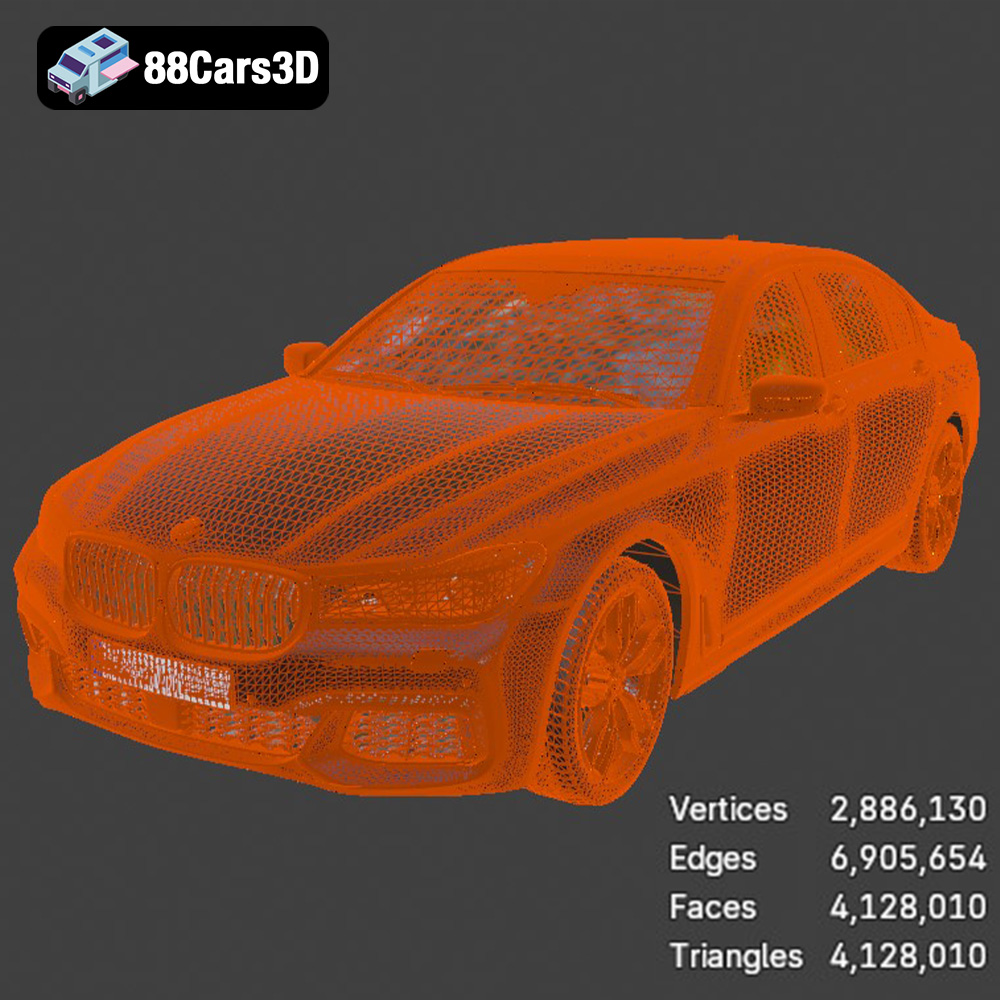
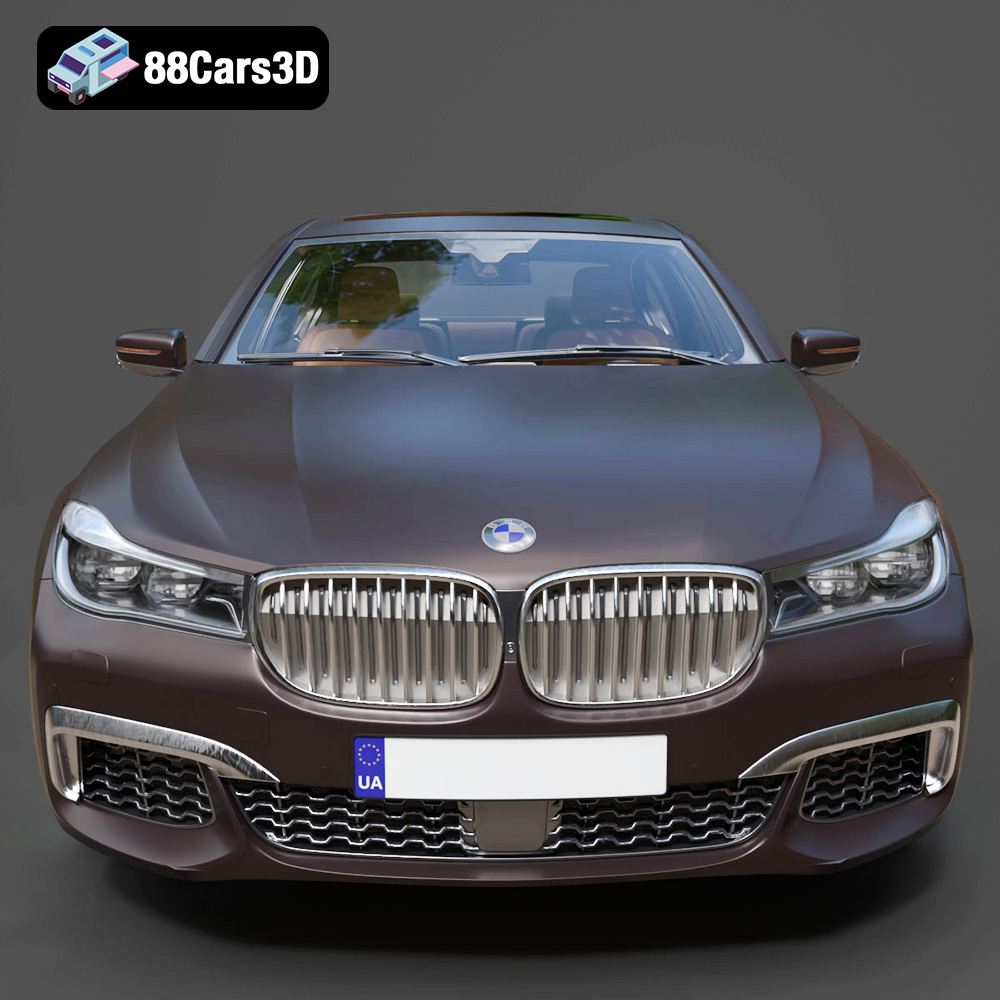
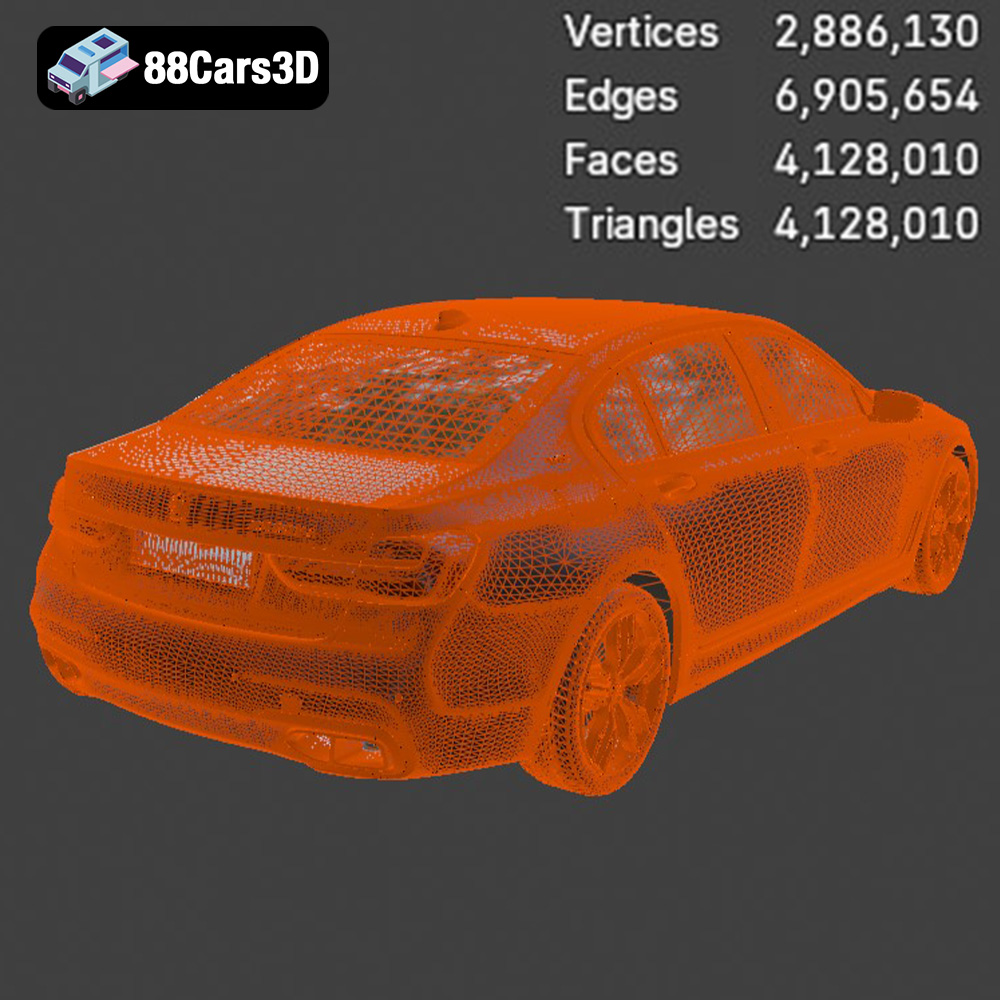
The foundation of any great render is the mesh itself. The BMW M7 model boasts clean topology and real-world scale accuracy, which are critical for smooth shading and realistic reflections. High polygon counts, particularly in areas like the signature kidney grille, LED headlight assemblies, and intricate wheel designs, ensure that close-up renders maintain fidelity without appearing blocky or faceted. Furthermore, the use of Physically Based Rendering (PBR) materials allows artists to simulate how light interacts with surfaces in a physically accurate manner. For the M7, this translates to authentic metallic paint finishes, realistic glass reflections, chrome trim gleam, and soft leather textures for the interior. These elements combine to create a visually convincing representation that stands up to scrutiny in high-resolution stills and animations.
Achieving a compelling automotive render extends beyond the model; it’s heavily influenced by lighting and the surrounding environment. Professionals often utilize High Dynamic Range Imaging (HDRI) environments to capture real-world lighting conditions, providing natural reflections and ambient illumination. For the BMW M7, placing it in an urban night scene, a luxury showroom, or a corporate setting demands careful consideration of light sources – from subtle ambient lighting strips in the interior to dramatic exterior spotlights. The model’s detailed chrome trim and window surrounds, along with its aggressive M-style front bumper, catch and reflect light in ways that add depth and realism, making it ideal for cinematic car renders and sophisticated marketing visuals. Its HQ interior, with its digital instrument cluster and infotainment display, can be illuminated to create captivating cabin shots.
Even the most technically perfect render can be elevated through professional post-processing. Tools like Adobe Photoshop or Nuke are used to refine colors, adjust contrast, add atmospheric effects such as haze or lens flares, and introduce subtle imperfections that enhance realism. For automotive visualization, common techniques include chromatic aberration, depth of field to draw attention to key features, and color grading to establish a specific mood or brand aesthetic. The high-resolution output from a model like the BMW M7 provides ample data for these post-production stages, ensuring that the final images and animations are polished and professional, ready for dealership presentations or luxury automotive campaigns.
The demands of real-time applications like game development and AR/VR differ significantly from static rendering. Here, performance, optimization, and seamless interaction are key. The BMW M7 (G12) 3D Model is engineered with these considerations in mind, making it an excellent asset for interactive environments.
While the BMW M7 model offers high detail for close-up renders, integrating it into a real-time engine like Unreal Engine or Unity requires intelligent optimization. This typically involves creating multiple Levels of Detail (LODs) for the mesh. LODs are simplified versions of the model that automatically switch based on the camera’s distance, reducing polygon count for distant objects and maintaining detail for closer views. This dramatically improves frame rates without sacrificing visual quality where it matters. Additionally, accurate collision meshes must be generated to ensure realistic interactions with the environment and other vehicles. The model’s clean mesh structure and optimized polygon flow mentioned in its specifications are crucial starting points for efficient LOD generation and collision detection, ensuring it performs well in driving simulators or open-world urban games.
Unreal Engine, with its powerful material editor and blueprint system, is perfectly suited for bringing a high-detail automotive asset to life. The .unreal and .fbx formats provided for the BMW M7 model facilitate straightforward import. Materials can be converted to Unreal’s PBR workflow, often involving texture maps for Albedo, Normal, Roughness, Metallic, and Ambient Occlusion. For the M7’s HQ interior, separate material instances can be created for leather, wood trim, and digital displays, allowing for dynamic customization within the engine. Furthermore, the model’s separate wheels and steering components with proper pivot setup are essential for realistic animation and physics. Using Unreal Engine’s blueprint system, developers can create interactive elements like opening doors, functional headlights, or even dynamic reflections that respond to the environment, enhancing the immersion of virtual showrooms or executive vehicle experiences.
Augmented Reality (AR) and Virtual Reality (VR) represent powerful new frontiers for automotive visualization. The BMW M7 model, with its real-world scale accuracy and detailed interior, is ideal for creating interactive virtual showrooms. Imagine a potential customer exploring the M7 in VR, stepping inside to examine the rear executive seating, interacting with the infotainment display, or even changing the exterior color in real time. The .glb format is particularly beneficial here, offering a compact, web-friendly option for deployment. These immersive experiences can provide a level of engagement far beyond traditional marketing, allowing users to truly connect with the luxury and engineering of the vehicle.
The utility of 3D models extends beyond digital realms, offering the exciting possibility of tangible, physical objects. The BMW M7 (G12) 3D Model is specifically designed to be 3D printable, opening doors for architects, collectors, and designers to create scale models of this luxurious sedan.
The inclusion of the .stl format is a direct nod to 3D printing capabilities. As previously discussed, an .stl file converts the 3D model into a series of interconnected triangles, forming a “watertight” mesh that a 3D printer can understand. For the BMW M7, this means transforming a digital representation into a physical object. The model’s clean topology, a hallmark of professional 3D car models, translates directly into a more robust and error-free .stl conversion, minimizing issues like non-manifold geometry that can plague amateur models. The recommended scales (1:32 / 1:24 / 1:18) indicate careful consideration for printing detail and structural integrity, ensuring that even intricate features like the side air intakes and quad exhaust outlets are preserved in the physical model.
Successful 3D printing, especially for detailed automotive models, requires precise print settings. The product description provides excellent guidance: a layer height of 0.10–0.18 mm ensures fine detail capture, crucial for the sharp lines of the G12 platform and the subtle curves of the body. A wall thickness of 1.2–2.0 mm provides structural integrity, while an infill of 15–25% offers a good balance between material usage and model strength. Supports are explicitly recommended for delicate features such as mirrors, bumper overhangs, and spoiler details, which would otherwise deform during printing. Furthermore, the suggested print orientation – body angled for a smooth finish and wheels printed separately – is a professional technique to maximize surface quality and allow for easier post-processing and assembly. These specific recommendations ensure that the digital quality of the BMW M7 translates accurately to its physical counterpart.
Bringing a 3D-printed BMW M7 to life involves more than just the printing process. Post-processing is where the model truly shines. Sanding removes layer lines and imperfections, while a good primer prepares the surface for paint. For a luxury sedan, metallic or gloss paint finishes are essential to mimic the real vehicle’s appearance. Optional chrome detailing can be added to the trim and grilles, elevating the realism. This meticulous finishing process transforms a raw print into a high-quality scale luxury sedan display model, perfect for automotive collectibles, tabletop displays, or as a tangible prototype in an automotive design studio. The thoughtful design of the digital BMW M7 model supports this entire workflow, ensuring a rewarding physical outcome.
In a competitive industry, the efficiency and quality of your assets can make or break a project. Investing in premium 3D car models like the BMW M7 (G12) offers significant strategic advantages for professionals across various sectors.
Time is money, and custom 3D modeling from scratch is incredibly time-consuming, especially for complex objects like modern automobiles with detailed interiors. Purchasing a high-quality, pre-made asset from a reputable source like 88cars3d.com instantly accelerates production. Artists and designers can bypass the tedious initial modeling, UV unwrapping, and basic texturing phases, jumping straight into integration, scene building, and refinement. This allows teams to meet tighter deadlines, dedicate more resources to creative problem-solving, and take on more projects, increasing overall productivity and profitability.
For industries like automotive marketing or corporate visualization, maintaining a consistent level of quality and accurate brand representation is non-negotiable. The BMW M7 (G12) model, with its accurate BMW G12 long-wheelbase body proportions, aggressive M-style bumper, and detailed interior, ensures that the digital vehicle precisely matches its real-world counterpart. This eliminates the risk of inaccuracies or stylistic deviations that can occur with hastily made models. Using such a reliable asset guarantees that the final output, whether a render for a luxury showroom or an animation for a corporate scene, upholds the prestige and engineering excellence associated with the BMW brand.
A truly valuable 3D asset is one that can be leveraged across diverse applications. The BMW M7 (G12) model exemplifies this versatility. Its robust set of included file formats (.blend, .fbx, .obj, .glb, .stl, .ply, .unreal, .max) means it can seamlessly transition from a photorealistic render in 3ds Max, to an interactive experience in Unreal Engine, to a physical 3D print. This multi-purpose utility makes it an incredibly cost-effective investment. A single purchase can serve an entire project lifecycle, from initial visualization to marketing collateral, and even physical merchandise, maximizing its return on investment for studios and individual professionals alike.
While off-the-shelf 3D models offer a fantastic starting point, the ability to customize them to specific project needs is crucial for professional work. The BMW M7 (G12) with HQ Interior 2017 3D Model provides extensive customization options, facilitating seamless integration and creative expression.
The base model of the BMW M7 is a high-fidelity representation, but every project has unique requirements. Professionals often need to change exterior colors to match brand palettes (e.g., metallic, matte, or custom finishes), adjust wheel designs, or alter brake caliper colors to reflect specific trim levels or bespoke options. The clean geometry and well-organized mesh structure of the BMW M7 model make these modifications straightforward, even for artists who prefer to make manual tweaks in their preferred 3D software. Furthermore, the ability to vary interior color and trim allows for precise tailoring of the cabin to specific luxury aesthetics, ensuring the vehicle fits perfectly into any desired scene, from sleek corporate settings to opulent private garages.
A standalone car model needs to feel organic within a larger environment. The BMW M7 model’s real-world scale accuracy is vital here, ensuring it fits realistically alongside other assets like buildings, characters, or landscapes. Its proper pivot setup for steering and wheel rotation simplifies animation, allowing the car to be dynamically driven or parked with authentic movement. For advanced rendering, artists can adjust lighting specifically for showroom displays, daylight exteriors, or dramatic night city scenes, using the car’s reflective surfaces and illuminated interior elements to enhance the overall ambiance. Adding custom license plates is a small but impactful detail that grounds the vehicle in a specific context, whether it’s for a client’s region or a fictional game world.
The extensive list of included file formats is not just about compatibility; it’s about workflow optimization. For instance, a designer might use the .max file in 3ds Max for primary rendering with V-Ray, then export an optimized .fbx for real-time review in Unreal Engine. Concurrently, an .stl version can be sent for a physical prototype. This multi-format approach allows different team members to work concurrently using their preferred tools, all based on the same high-quality source asset. This flexibility, offered by the BMW M7 model, minimizes conversion issues, maintains data integrity across various pipelines, and empowers creative teams to work efficiently and effectively on complex, multi-faceted projects.
In the fast-evolving landscape of 3D visualization, the quality of your digital assets is a direct reflection of your professional output. The BMW M7 (G12) with HQ Interior 2017 3D Model stands as a testament to what a premium 3D car model should offer: unparalleled detail, technical precision, and incredible versatility across a myriad of applications. From its photorealistic rendering capabilities, leveraging its high-detail geometry and PBR materials, to its seamless integration into real-time game engines and immersive AR/VR experiences, this model is designed to excel.
Furthermore, its readiness for 3D printing opens up exciting avenues for physical manifestations, transforming digital artistry into tangible collectibles or prototypes. The strategic advantages of incorporating such a high-quality asset are clear: accelerated workflows, consistent brand representation, and the flexibility to adapt to diverse project requirements. By choosing a meticulously crafted model like the BMW M7 (G12), available at 88cars3d.com, professionals can save invaluable time and resources, allowing them to focus on creativity and innovation rather than foundational modeling challenges. Invest in excellence, and let your projects drive forward with the power of premium 3D car models.
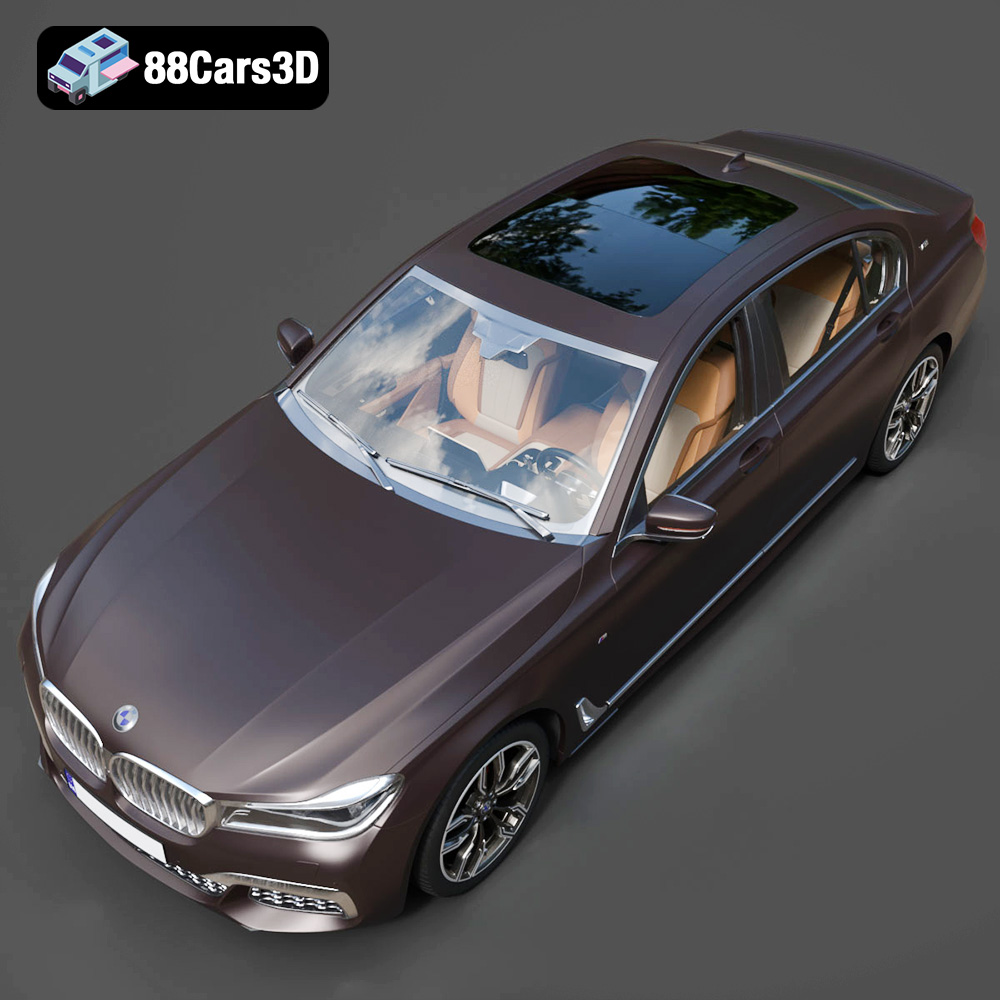
The BMW M7 (G12) with HQ Interior 2017 3D Model is a high-detail digital recreation of the luxury performance sedan, capturing its executive-class comfort and aggressive M styling. With accurate proportions, a meticulously crafted interior, and optimized geometry, this model is perfect for professional rendering, game development, AR/VR experiences, and high-quality 3D printing.
$59.99
.7series
.arvr
.automotive
.blend
.bmw
.car3dmodel
.executivecar
.fbx
.gameasset
.glb
.hqinterior
.luxurysedan
.m7g12
.max
.obj
.performancecar
.ply
.rendering
.simulation
.stl
.unreal