⚡ FLASH SALE: Get 60% OFF All Premium 3D & STL Models! ⚡

The world of 3D modeling has revolutionized how we visualize, design, and interact with complex objects, none more so than in the automotive sector. From sleek supercars to rugged off-roaders, high-quality 3D car models are the backbone of modern automotive design, advertising, and game development. But beyond the four-wheeled marvels, there’s a thriving subculture that captures hearts with its unique blend of engineering and artistry: custom motorcycles. These bespoke machines are not just vehicles; they are expressions of individuality, crafted with passion and precision. For designers, game developers, and visualization artists seeking to tap into this rebellious spirit, acquiring a meticulously crafted digital asset is paramount. This is where models like the Custom_Motorcycle 3D Model shine, offering an unparalleled level of detail and versatility for a multitude of professional applications.
In this comprehensive guide, we’ll delve deep into the technical intricacies of professional 3D vehicle assets, exploring the essential file formats, advanced workflows in industry-standard software, and the exciting possibilities for rendering, game development, and even 3D printing. We’ll demonstrate how a premium asset, such as the Custom_Motorcycle 3D Model available at 88cars3d.com, serves as a powerful foundation for bringing your most ambitious projects to life, ensuring every weld, every chrome gleam, and every unique design choice is perfectly represented.
Custom motorcycles embody a unique fusion of mechanical engineering and artistic expression. Each custom build tells a story, a narrative woven through bespoke components, meticulous detailing, and a defiant departure from mass-produced uniformity. Translating this intricate craftsmanship into the digital realm requires a 3D model that doesn’t just look the part but captures the very essence of custom bike culture. The Custom_Motorcycle 3D Model is engineered precisely for this purpose, serving as an exceptional digital twin for creators across various industries.
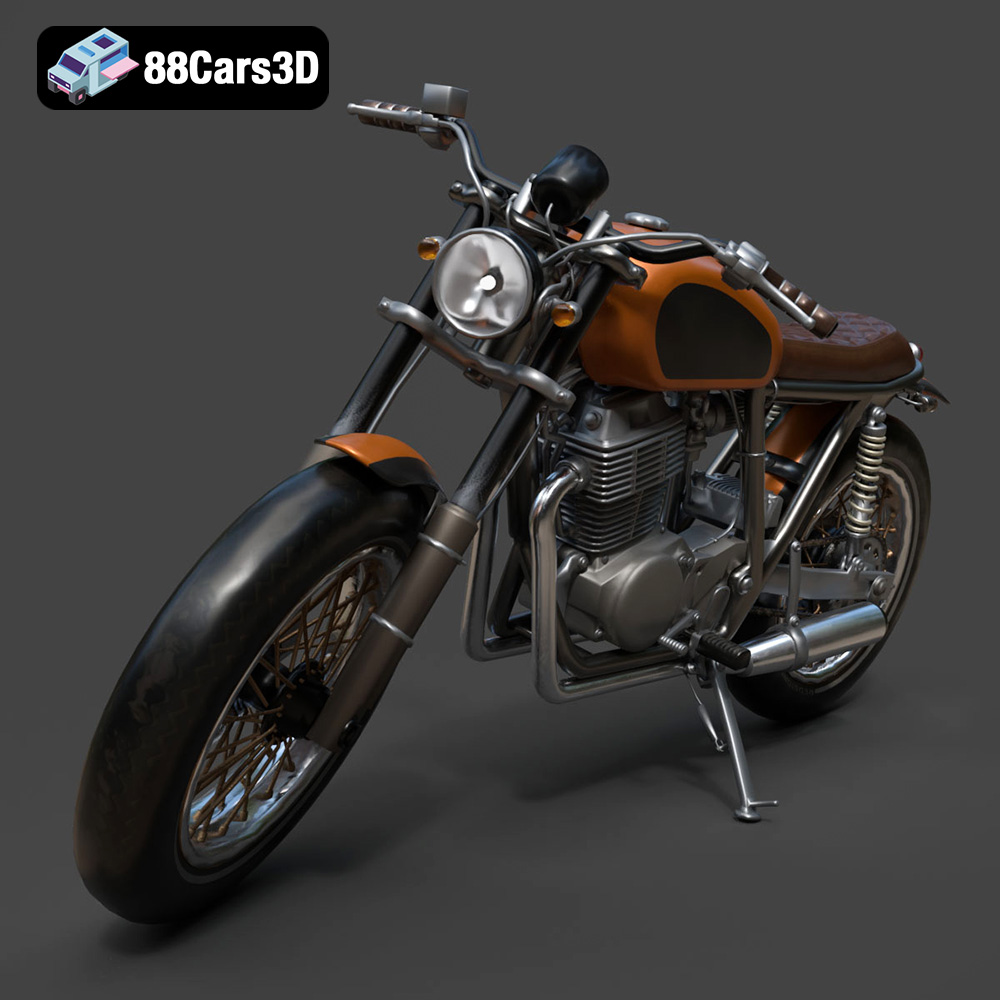
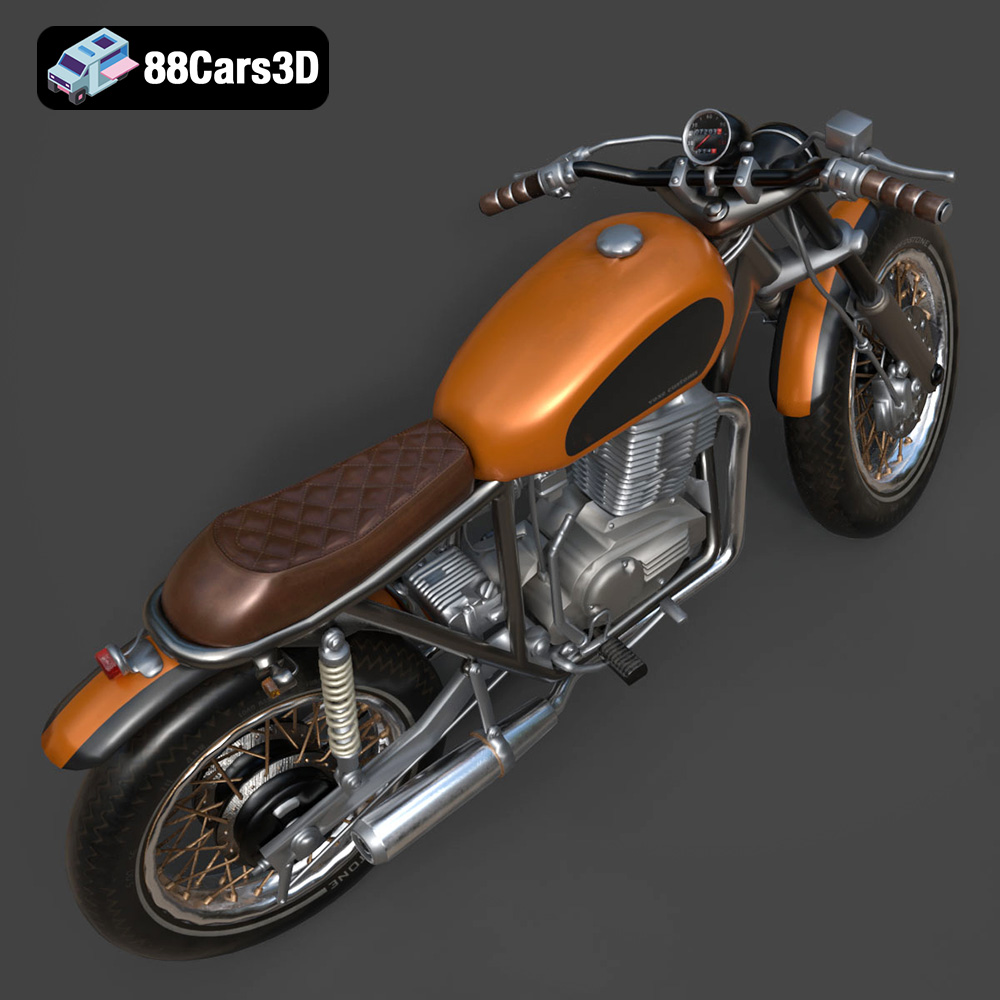
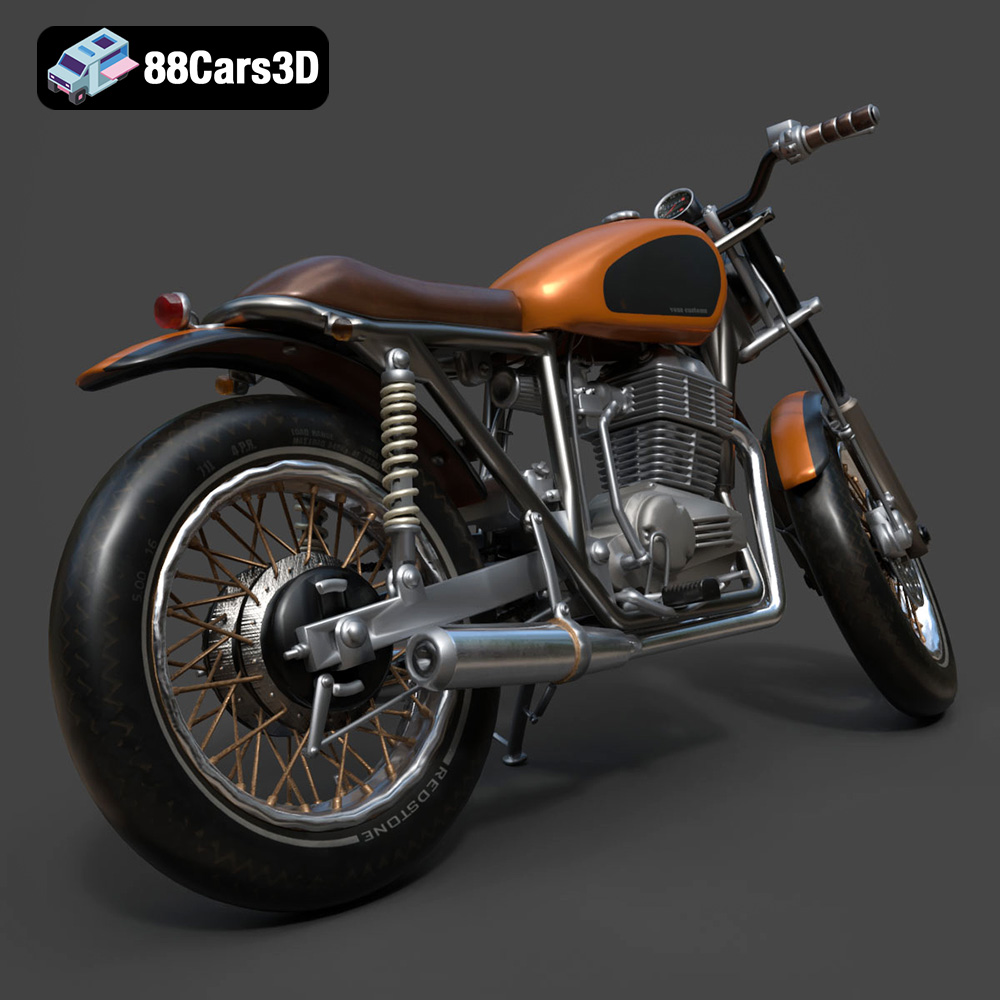
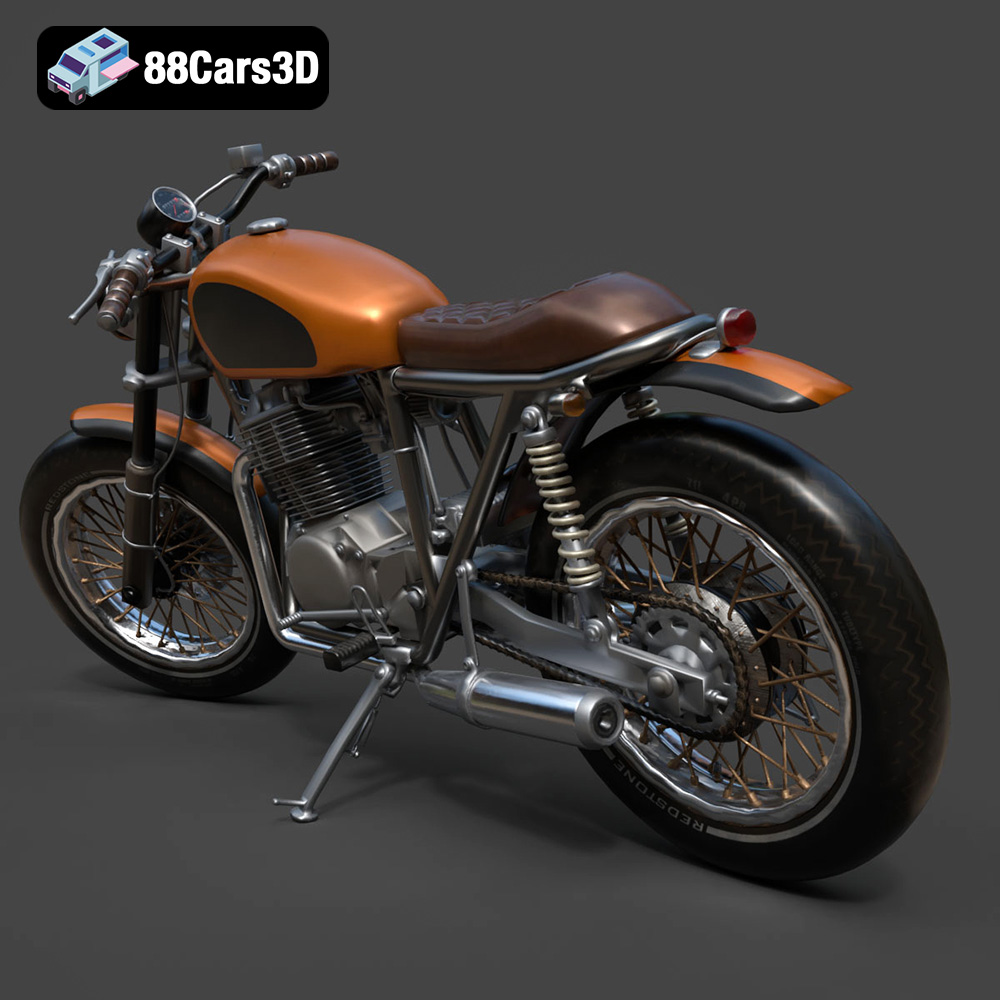
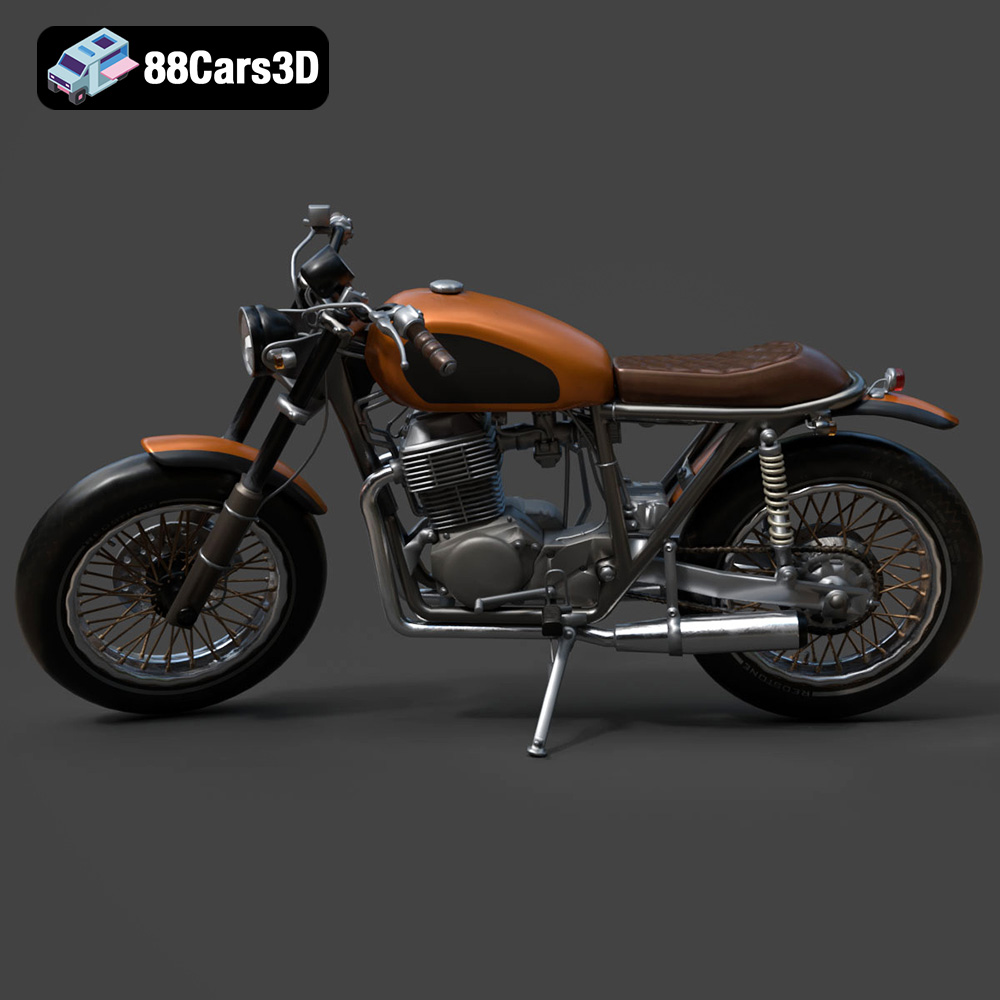
The beauty of a custom motorcycle lies in its unique silhouette and the personalized touches that make it one-of-a-kind. This model meticulously recreates a “bespoke, one-of-a-kind two-wheeled build,” reflecting aggressive styling, exposed engine components, and premium aftermarket detailing. Whether your vision is a gritty urban street scene, a high-end automotive gallery, or a biker lifestyle campaign, this 3D asset provides the visual fidelity necessary to make your project stand out. Its adaptability to various aesthetics like bobber, chopper, or cafe racer styles makes it an invaluable resource for diverse creative directions, a hallmark of well-designed 3D car models or, in this case, motorcycle models.
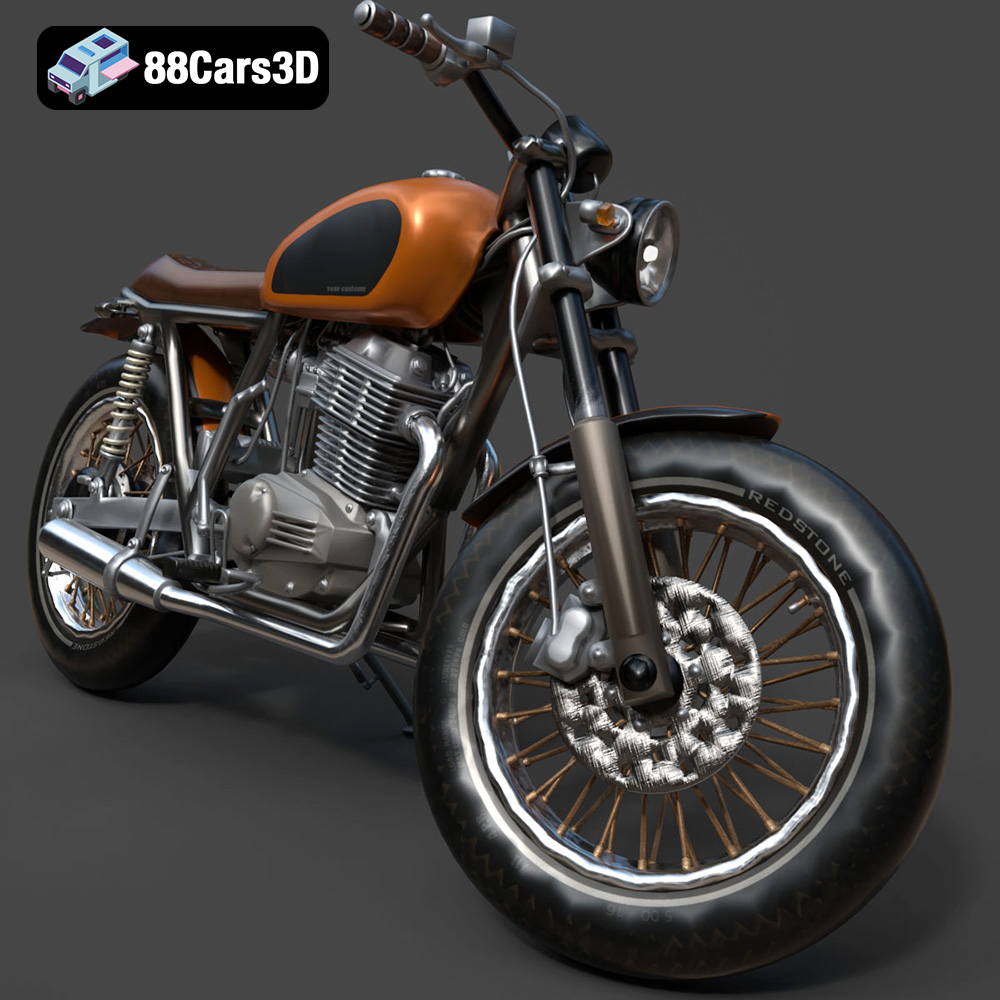
What truly sets a high-quality 3D model apart is its attention to detail. The Custom_Motorcycle 3D Model boasts an accurate representation of a modified frame geometry, a handcrafted fuel tank, and an intricate custom exhaust system. Features like specialized wheels, a highly detailed engine block, and even realistic weld and heat-stain material zones on the sweeping exhaust pipes elevate its realism. These elements are crucial for professional automotive rendering, where close-up shots and cinematic sequences demand impeccable precision. The inclusion of separate components like wheels, suspension forks, and steering means this model isn’t just a static display piece but a dynamic asset ready for complex animations and interactive experiences.
Navigating the diverse landscape of 3D software and applications requires a solid understanding of the various file formats available. Each format serves specific purposes, offering unique advantages for different stages of the 3D pipeline, from initial modeling to final rendering, game integration, or 3D printing. The Custom_Motorcycle 3D Model comes with an extensive array of file types, ensuring maximum compatibility and flexibility for professionals working across multiple platforms. This versatility is a key indicator of a premium game asset or visualization tool, enabling seamless transitions between different workflows.
The comprehensive range of formats included with the Custom_Motorcycle 3D Model underscores its professional-grade quality and ensures that no matter your pipeline or project requirement, you have the right tool for the job.
The true value of a premium 3D asset, especially for complex subjects like a custom motorcycle, lies not just in its aesthetic appeal but in its underlying technical construction. A well-built model translates into easier integration, better performance, and superior visual results. The Custom_Motorcycle 3D Model exemplifies this, offering a robust foundation for any serious project, from high-end automotive rendering to intricate game asset development.
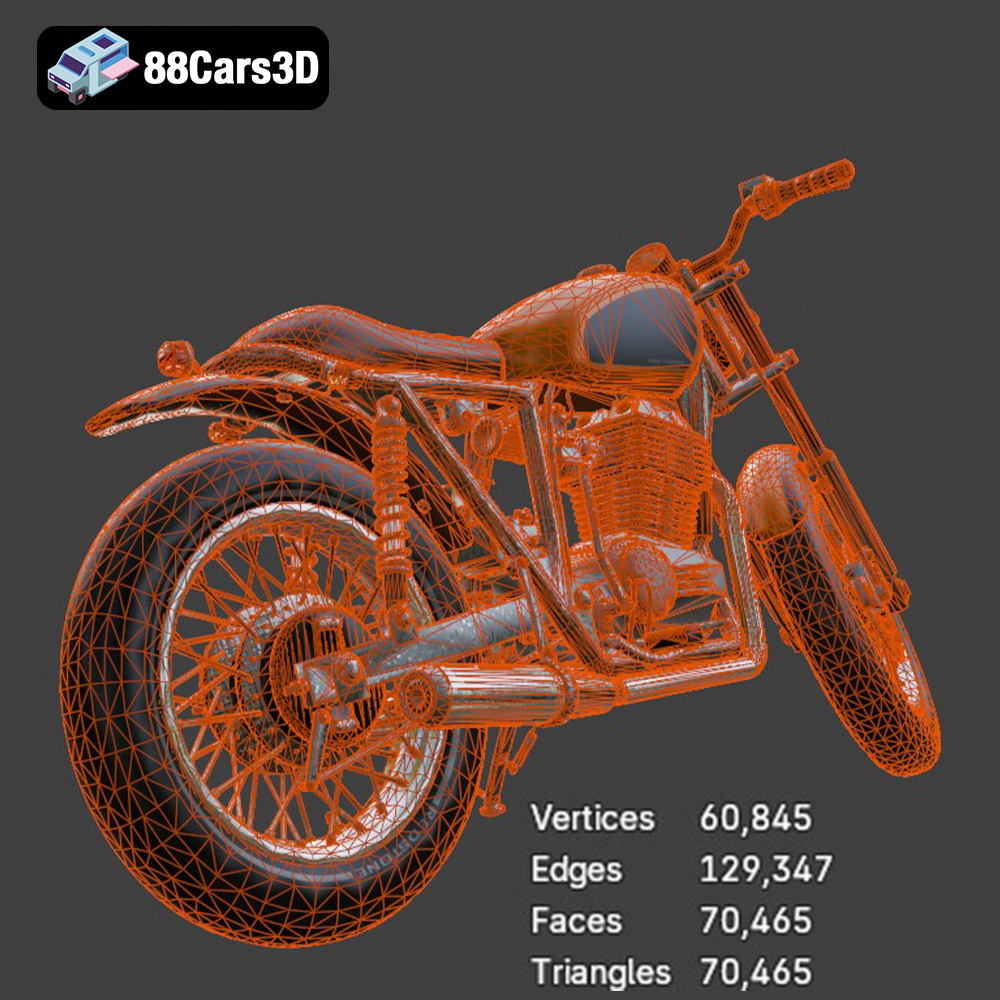
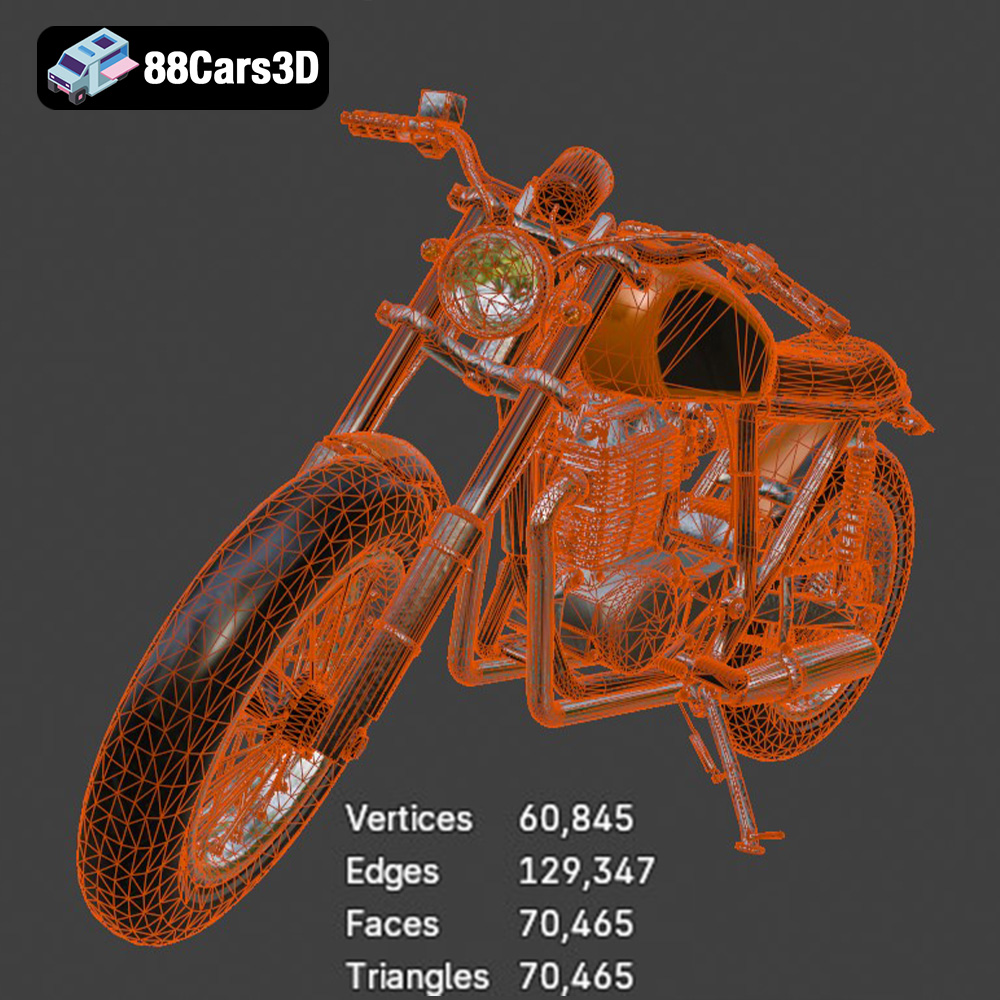
With impressive specifications of 945,800 vertices, 1,860,200 edges, and 910,500 faces/polygons (and triangles), this model is decidedly high-poly. This dense mesh structure is critical for achieving maximum mechanical realism, particularly for close-up studio rendering where every curve, bolt, and weld needs to be flawlessly smooth and defined. The clean topology ensures that subdivision surfaces, if applied, will perform optimally, yielding pristine results without artifacts. For game development, while this high poly count would typically require retopology or decimation for real-time performance, the clean base mesh provides an excellent source for baking normal maps and other texture details onto a lower-poly version, preserving the intricate design while optimizing for performance.
Accuracy in 3D modeling extends beyond visual appeal to practical usability. The Custom_Motorcycle 3D Model adheres to real-world scale, a crucial factor for architectural visualization, AR/VR experiences, and even accurate physical 3D printing. This ensures that when the motorcycle is placed in a scene alongside other assets, its dimensions are correct, contributing to overall scene believability. Furthermore, the model comes with a proper pivot setup for steering, wheel rotation, and kickstand articulation. This pre-configured rigging saves significant time for animators and interactive developers, enabling quick setup for dynamic sequences, ride cycles, or interactive configurators where components need to move realistically.
Beyond raw geometry, the thoughtful separation of material zones is key to customization. The product description highlights features like “realistic weld and heat-stain material zones” on the exhaust pipes, implying a sophisticated material setup. This allows artists to easily apply PBR (Physically Based Rendering) materials, achieving photorealistic results with minimal effort. The model’s design also anticipates customization, offering options to change fuel tank and fender colors (e.g., Candy Apple Red, Metal Flake), modify engine and exhaust finishes (high-polish chrome vs. blacked-out thermal wrap), and adjust seat materials (distressed brown leather vs. black alcantara). This level of granular control is indispensable for creating unique visual narratives and adapting the model to specific client requirements or creative briefs.
A truly versatile 3D car model, or in this case, a motorcycle model, proves its worth by seamlessly integrating into diverse professional pipelines. The Custom_Motorcycle 3D Model is designed with this versatility in mind, offering a high-quality base that can be adapted for static renders, dynamic animations, interactive applications, and real-time environments. Its comprehensive file format support, including .blend, .max, .fbx, and .unreal, ensures compatibility across the industry’s leading software suites.
For artists focused on producing stunning visuals, the Custom_Motorcycle 3D Model provides an exceptional starting point. In software like 3ds Max, combined with powerful renderers such as V-Ray or Corona, the model’s high-poly mesh and detailed material zones allow for exquisite photorealistic results. Imagine crafting a moody studio shot with dramatic lighting emphasizing the chrome accents and the intricate engine block, or placing it within a sprawling urban environment for a cinematic chase sequence. The .max file format provides direct access to the scene, allowing animators to leverage 3ds Max’s robust animation tools for dynamic camera movements or realistic suspension compression. Similarly, Blender users benefit from the native .blend file, enabling full creative control. With Blender’s Cycles or Eevee renderers, artists can achieve stunning visuals, from hyper-realistic beauty shots to stylized artistic interpretations, showcasing the bike’s bespoke frame geometry and handcrafted fuel tank with unparalleled detail.
The demand for high-quality game assets has never been greater, and the Custom_Motorcycle 3D Model is well-suited for this purpose. While its initial high-poly count is perfect for cinematic cutscenes or high-end visualization, preparing it for real-time engines like Unreal Engine involves a specific workflow. The .fbx format is crucial here, providing a streamlined way to export geometry, basic materials, and animation pivots. For optimal performance within Unreal, artists would typically create a lower-polygon version (LODs) of the motorcycle, bake normal maps, ambient occlusion, and other texture details from the high-poly model onto the low-poly mesh. The included .unreal file suggests the model may already be prepped, or at least optimized for easier integration, potentially including pre-configured materials, basic physics assets, and collision meshes. This allows for the creation of immersive open-world motorcycle games or specialized vehicle packs where the custom bike can be driven, customized, and interacted with dynamically.
Beyond traditional rendering and gaming, the Custom_Motorcycle 3D Model opens doors to cutting-edge interactive experiences. Its optimization for AR/VR, particularly with the inclusion of the .glb format, makes it an ideal candidate for immersive virtual showrooms or interactive configurators. Imagine a potential customer exploring the bike in augmented reality on their driveway, or a virtual reality garage where they can walk around the Custom_Motorcycle, inspect its exposed engine components, and even change its fuel tank color or exhaust finish in real-time. This level of interaction, crucial for modern marketing and design review, is made possible by the model’s clean topology, real-world scale, and ready-to-use formats. Designers can leverage this for client presentations, showcasing different customization options, or creating engaging promotional content for the custom bike culture.
The journey of a 3D model doesn’t always end on a screen. For enthusiasts and professionals alike, the ability to translate a digital design into a tangible, physical object is immensely satisfying. The Custom_Motorcycle 3D Model, with its “3D Printable STL” designation, offers this exciting possibility, allowing you to bring its bespoke custom frame geometry and intricate detailing into the real world as a miniature masterpiece. This feature significantly broadens its appeal, moving beyond virtual environments to become a collectible physical asset.
The .stl file format is the universal language of 3D printing. When converting or exporting a high-detail model like the Custom_Motorcycle to .stl, ensuring manifold geometry is crucial. This means the mesh must be watertight, with no holes, self-intersecting faces, or flipped normals, to guarantee a successful print. The model’s “high-poly, well-organized mesh structure” suggests it’s already well-suited for this conversion. Once in .stl format, it’s imported into a slicing software (e.g., Cura, PrusaSlicer, Chitubox) where print settings are configured based on the chosen 3D printer and material. For scale models, precision is paramount, and the model’s real-world scale accuracy assists in selecting appropriate print dimensions, with recommended scales like 1:12, 1:10, or 1:8 offering a good balance between detail and manageable size.
The choice between FDM (Fused Deposition Modeling) and resin (SLA/DLP) printing is critical for achieving desired results with a detailed model like the Custom_Motorcycle. The product description “Resin printing highly recommended for fine mechanical details and spokes” highlights this. Resin printers excel at capturing intricate features like the detailed engine block, specialized custom wheel design, and minimalist handlebar setup due to their finer layer height capabilities (0.04–0.12 mm). FDM, while more accessible, might struggle with such fine elements without significant post-processing. Regardless of the method, attention to wall thickness (1.2–2.0 mm) is vital for structural integrity, especially for delicate parts like exhaust pipes and footpegs. Supports will be necessary for overhangs such as handlebars and the kickstand, and a strategic print orientation (frame angled, wheels/exhaust separate) can minimize support material and maximize surface quality.
Bringing the Custom_Motorcycle 3D print to life often involves a dedicated post-processing stage. This isn’t merely cleanup; it’s an art form in itself. Sanding to smooth layer lines, applying primer to create a uniform surface for paint, and then meticulously painting can transform a raw print into a stunning display piece. The product’s customization options even provide inspiration: “metalizer paints for the engine block, chrome or matte black finishes, and custom tank livery recommended.” This attention to detail in the physical realm mirrors the precision in the digital model, allowing hobbyists to truly personalize their tangible custom bike, making it a unique addition to any collection of automotive rendering-inspired memorabilia.
In the dynamic landscape of 3D design and digital content creation, the demand for highly detailed, versatile, and technically robust assets is unwavering. The Custom_Motorcycle 3D Model stands as a prime example of such an asset, meticulously crafted to meet the stringent requirements of professional workflows across diverse industries. From its dense, clean topology and real-world scale to its comprehensive file format support, this model empowers creators to achieve their artistic and technical visions with efficiency and precision.
Whether you are an architectural visualization artist seeking the perfect custom bike for a luxury garage scene, a game developer looking for an authentic and adaptable game asset, an animator crafting a compelling narrative, or a hobbyist eager to 3D print a stunning miniature, this model delivers. It provides the flexibility to render breathtaking close-ups in 3ds Max or Blender, integrate seamlessly into real-time environments like Unreal Engine, or even serve as the foundation for interactive AR/VR experiences. The thoughtfulness behind its design, from separate animated components to suggested 3D printing parameters, underscores its value.
Ultimately, investing in a high-quality 3D car model or motorcycle model like the Custom_Motorcycle 3D Model from 88cars3d.com is an investment in your project’s fidelity and efficiency. It frees up valuable time, allowing you to focus on the creative aspects of your work rather than grappling with technical imperfections. Explore the possibilities and elevate your next project with this exceptional digital creation.
The Custom_Motorcycle 3D Model is a high-detail digital recreation of a bespoke, one-of-a-kind two-wheeled build. Designed to capture the raw mechanical beauty and rebellious spirit of custom bike culture, this model combines aggressive styling, exposed engine components, and premium aftermarket detailing. It is ideal for close-up rendering, automotive visualization, animation, game development, and AR/VR garage showcases.
$29.99
.biker
.blend
.bobber
.chopper
.fbx
.obj
.rendering
.stl
3d printing
cafe-racer
custom-bike
custom-motorcycle
engine-details
game asset
high poly
motorcycle-3d-model
two-wheeler
VR/AR