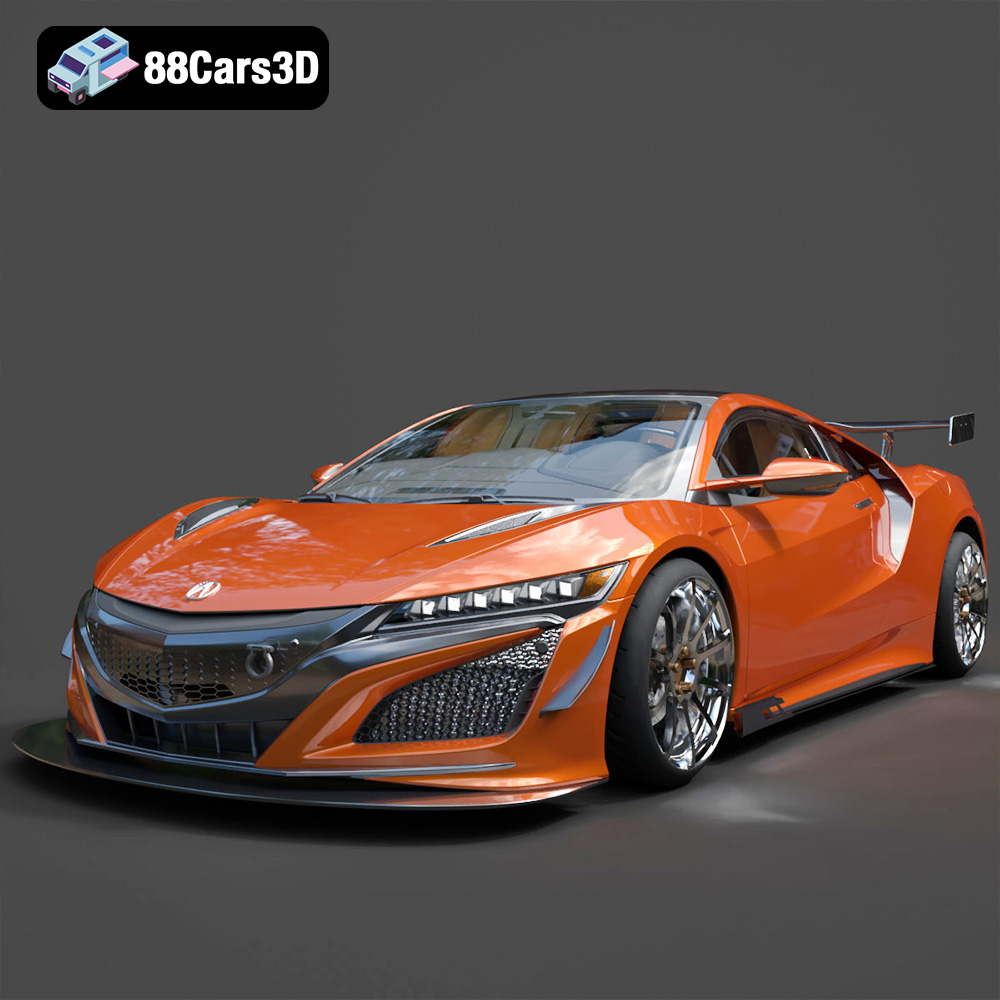
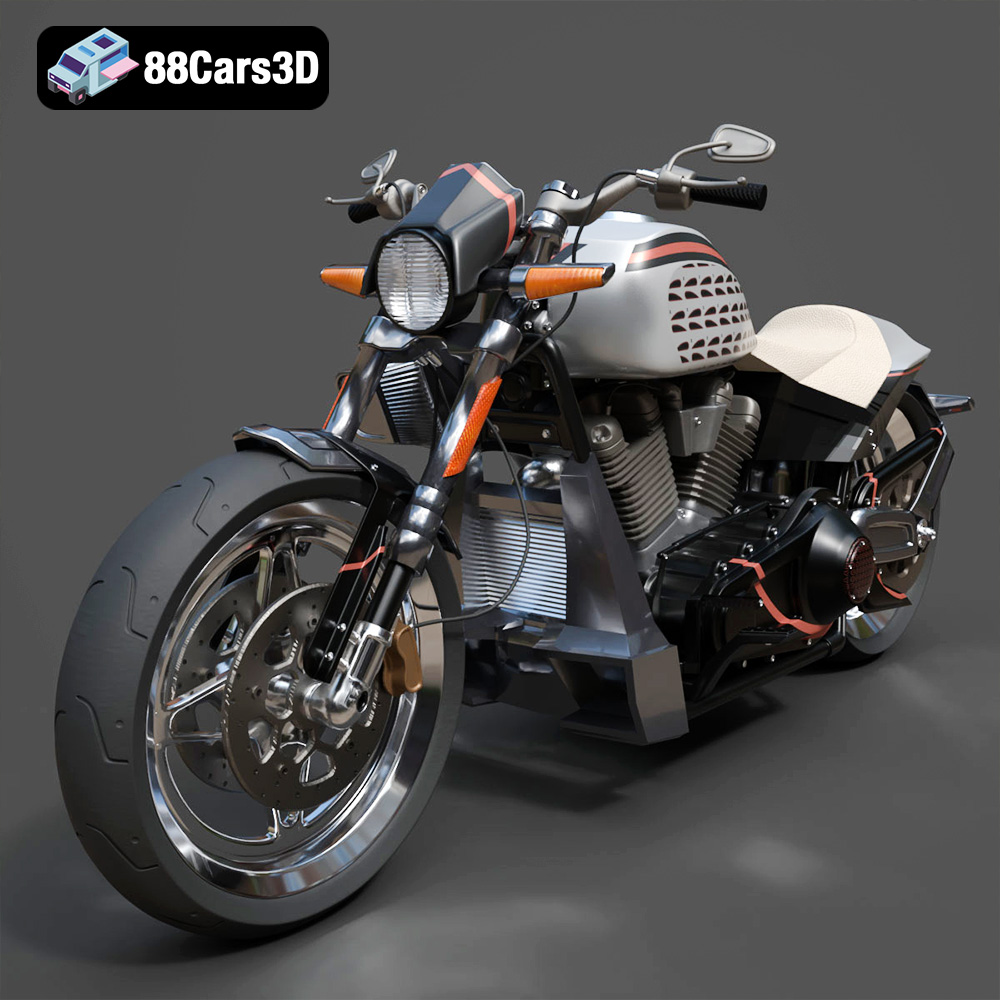
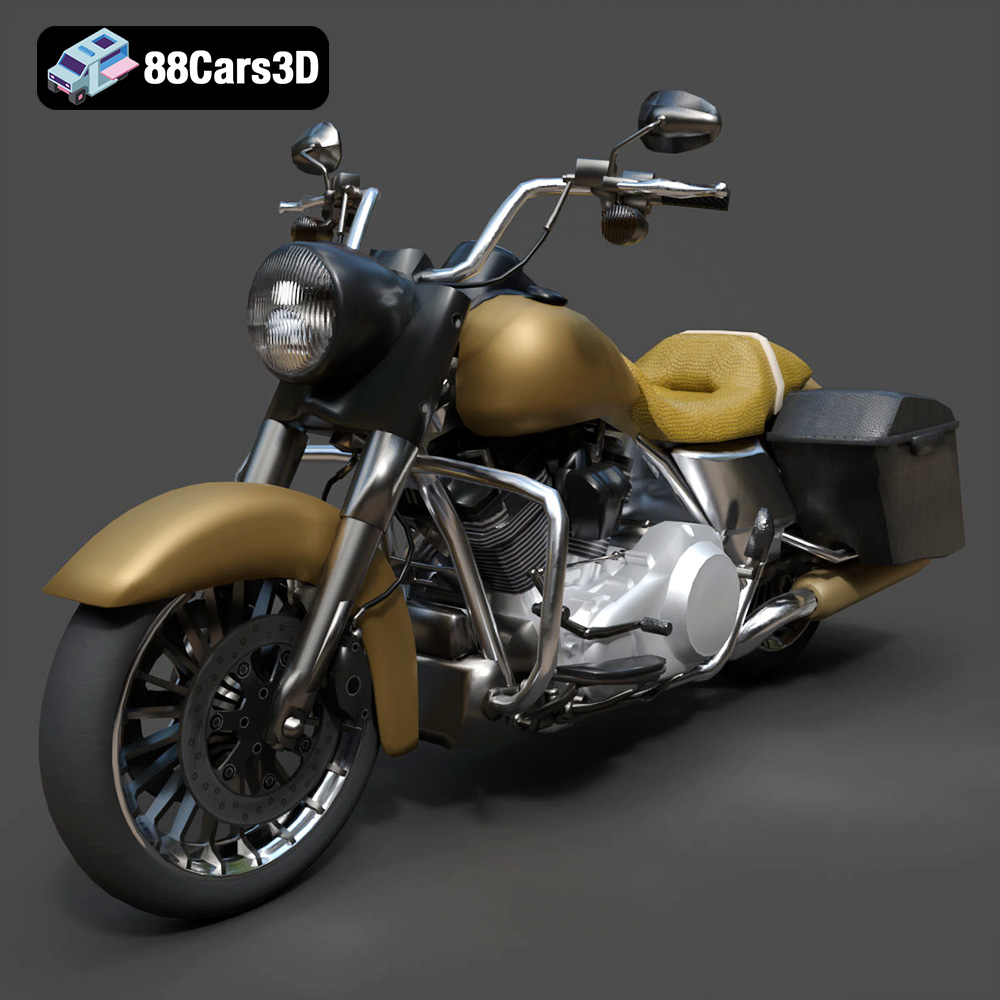
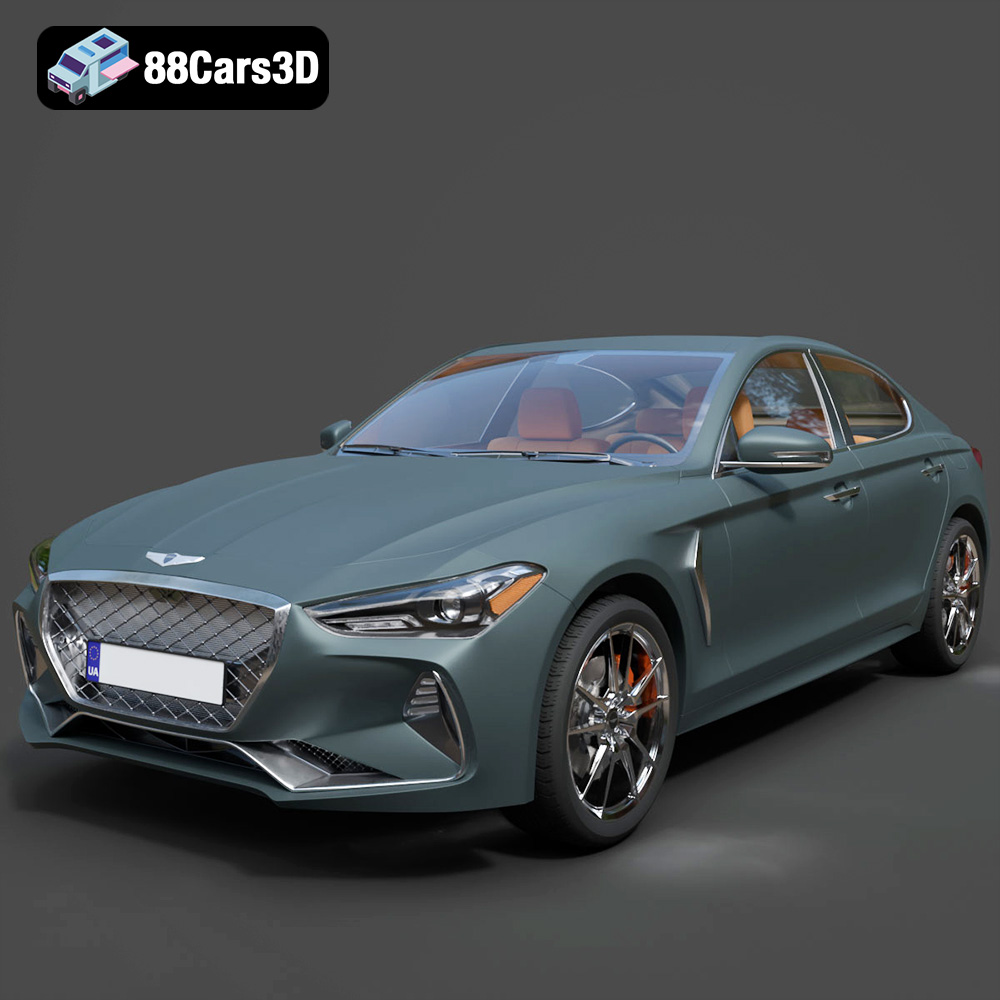
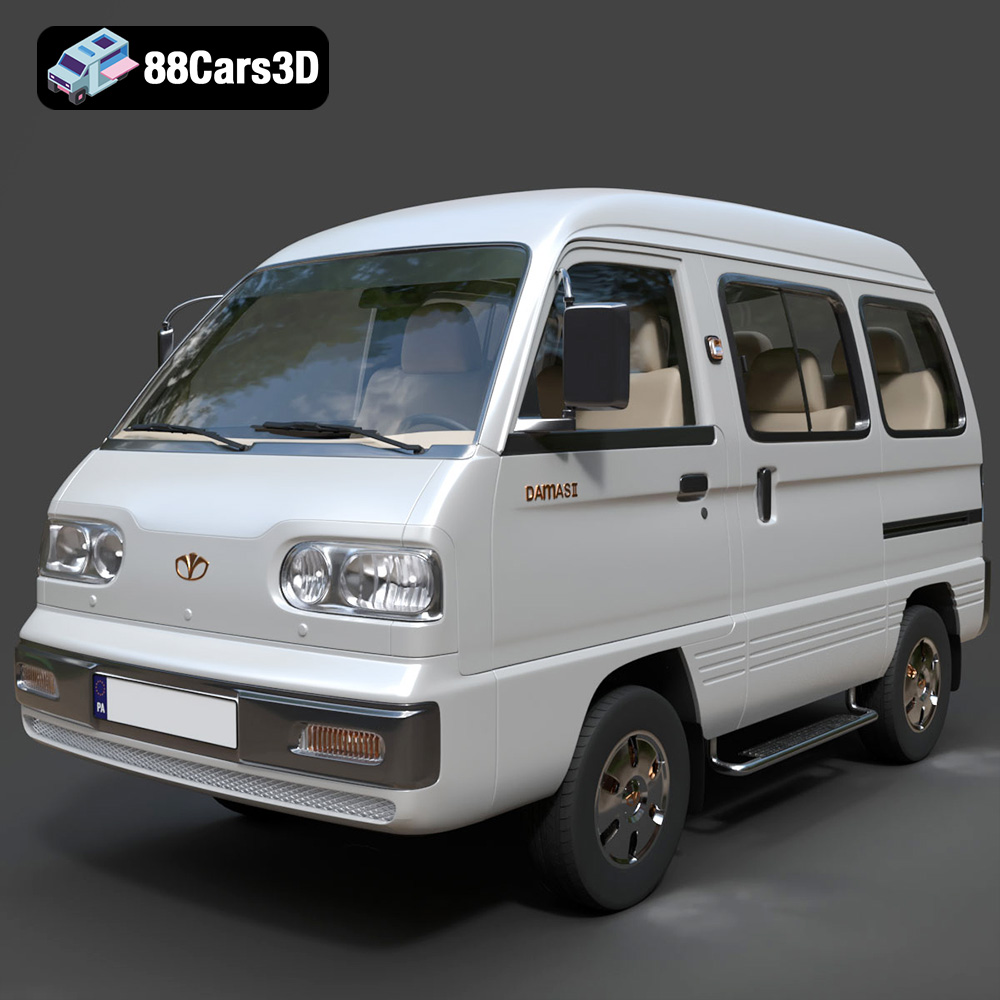
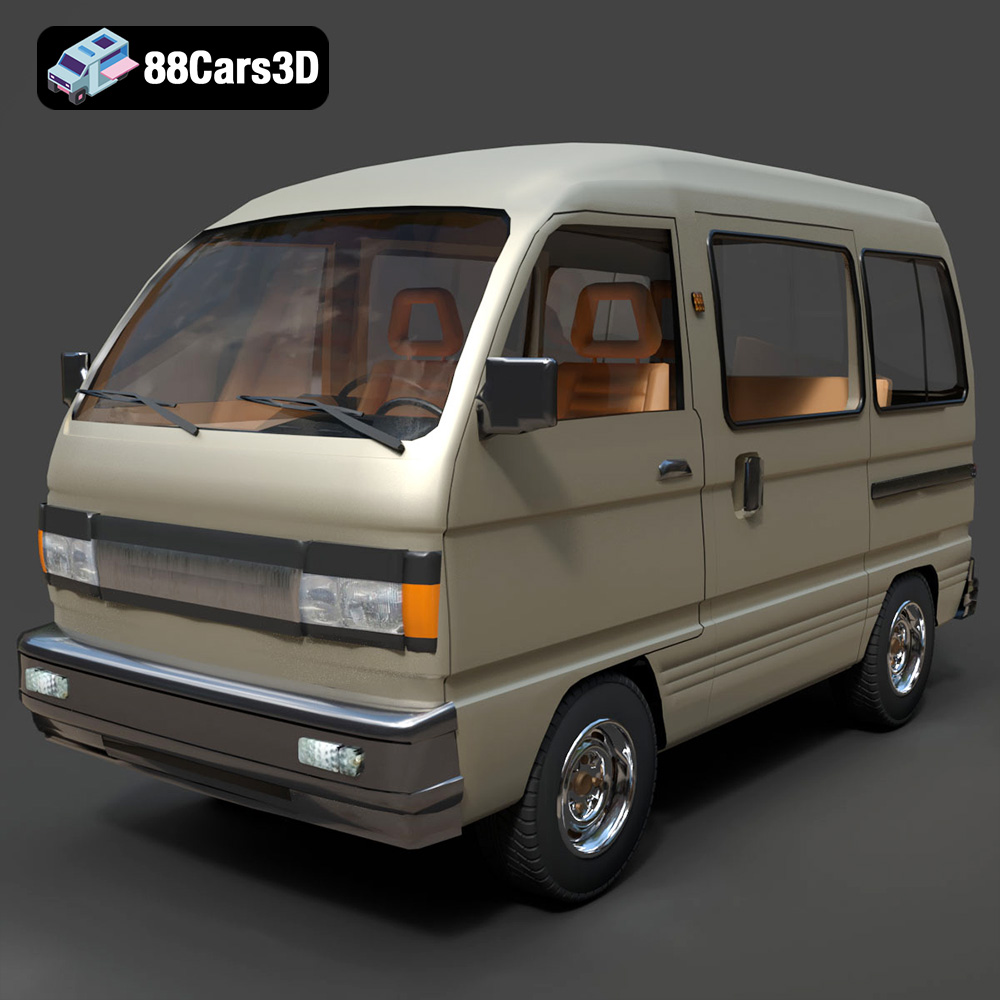
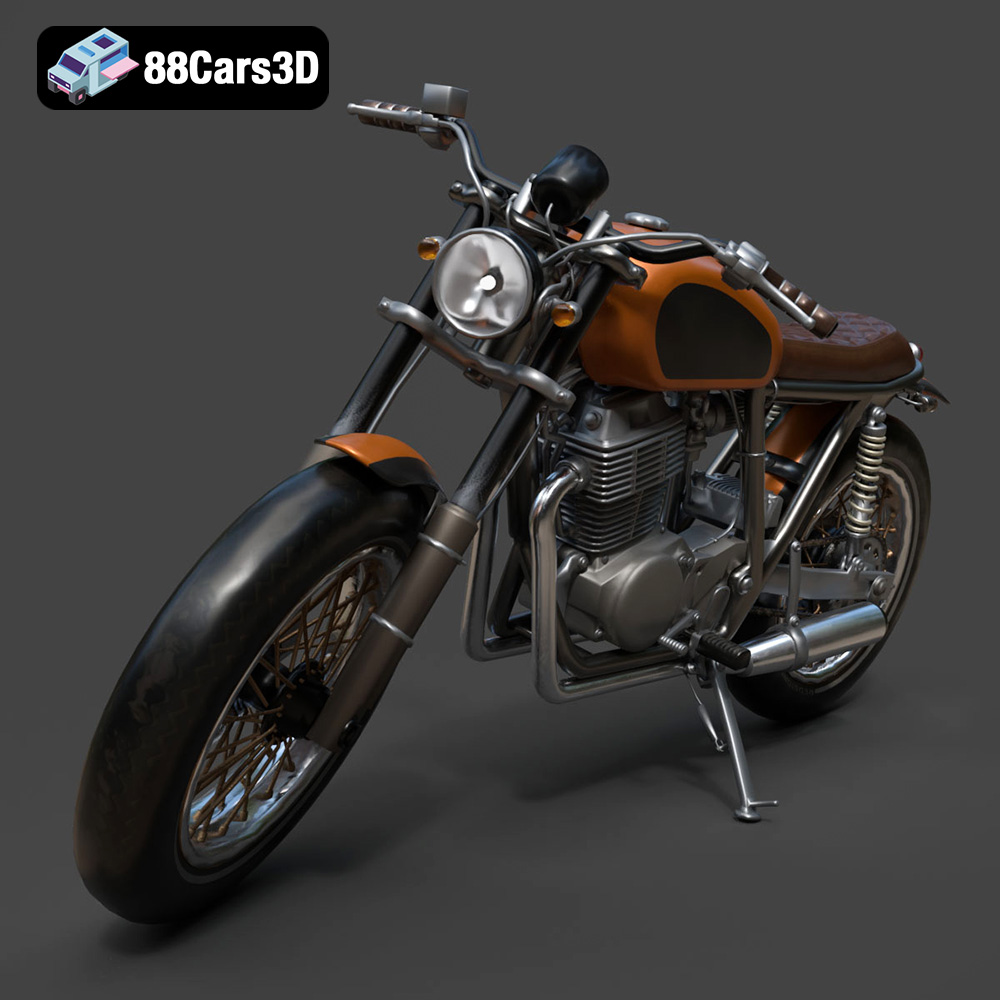
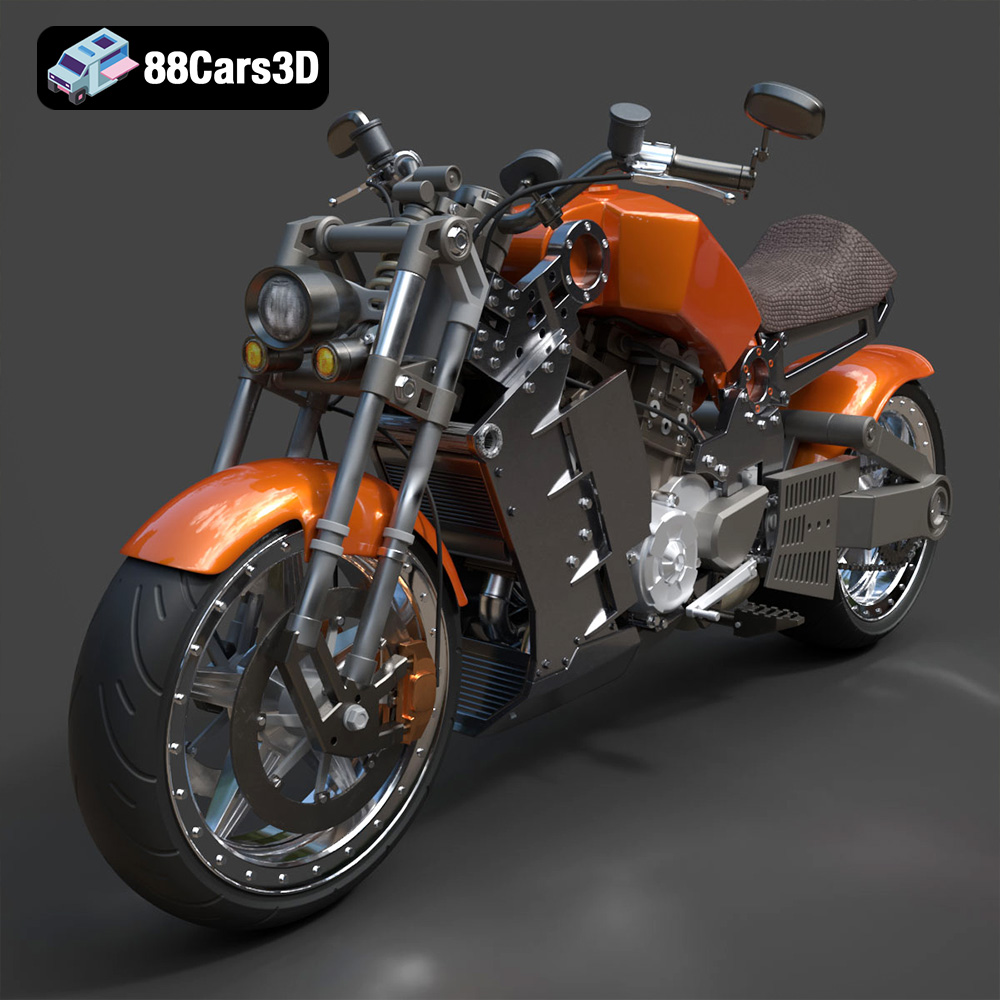
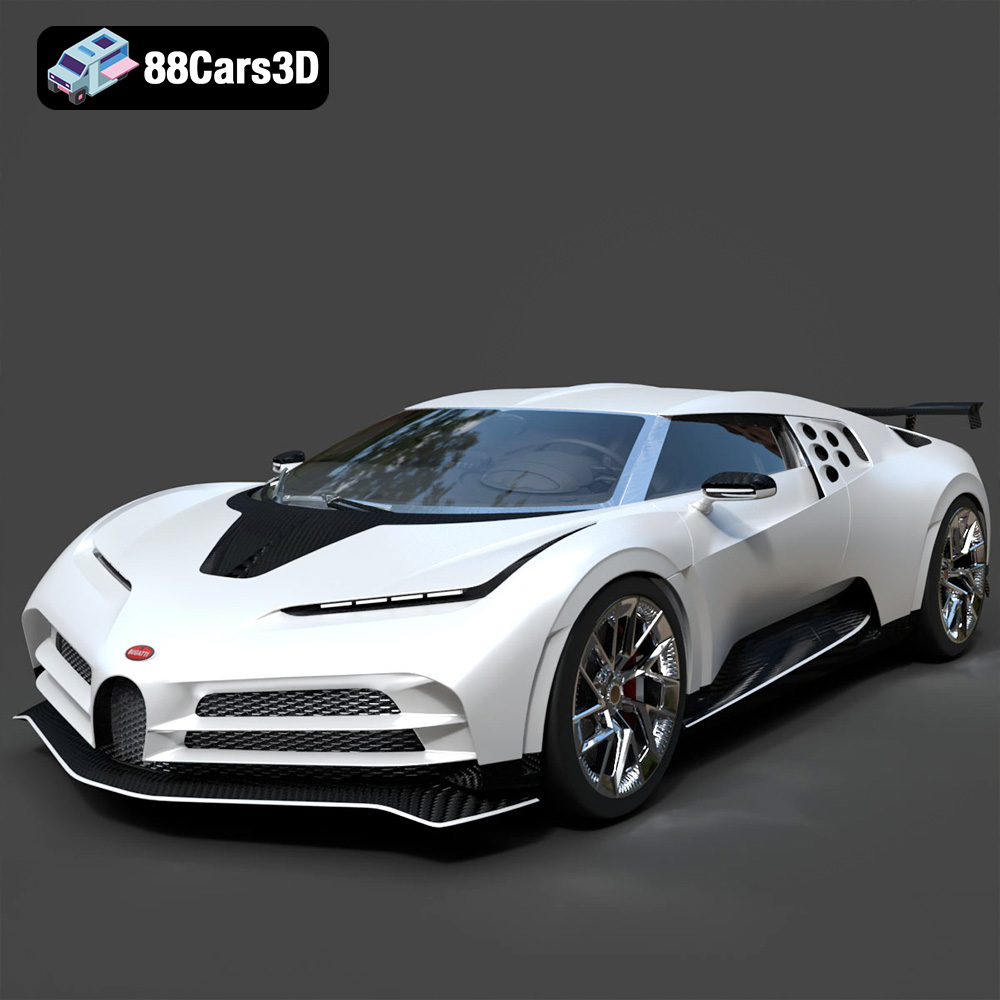
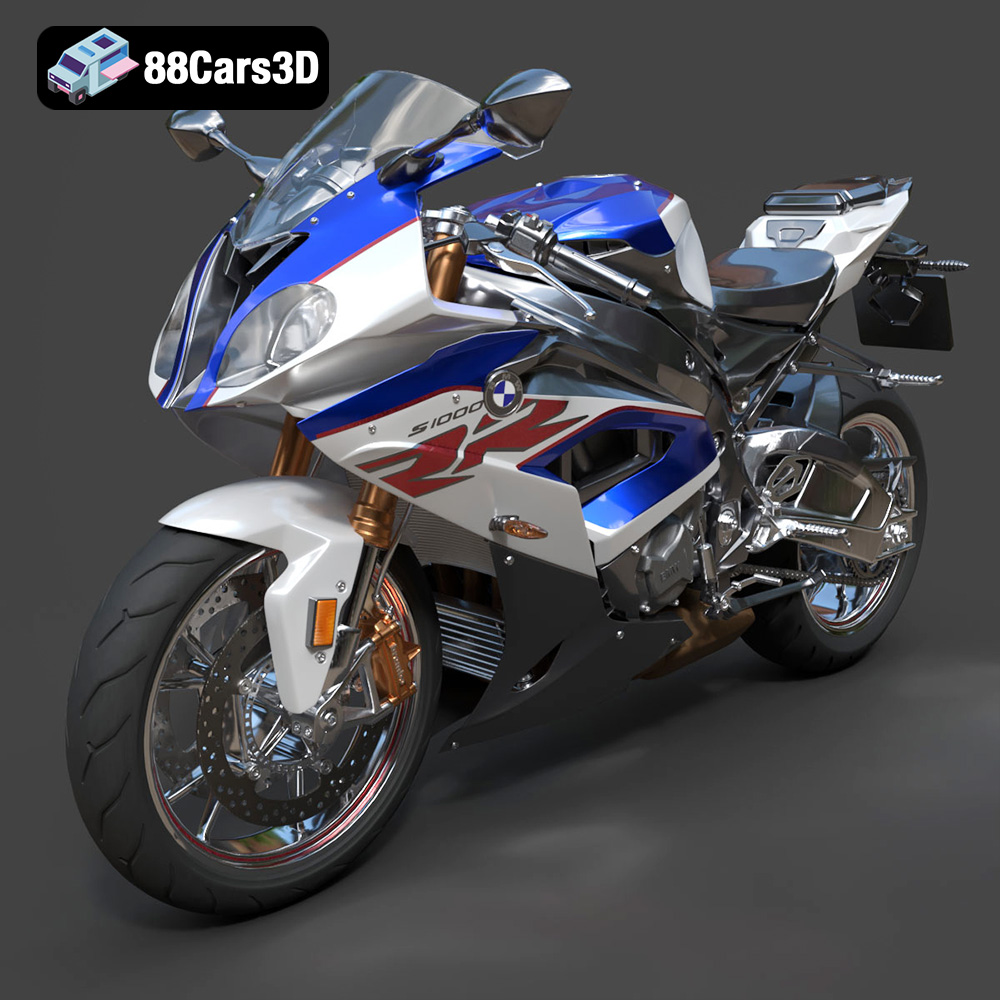
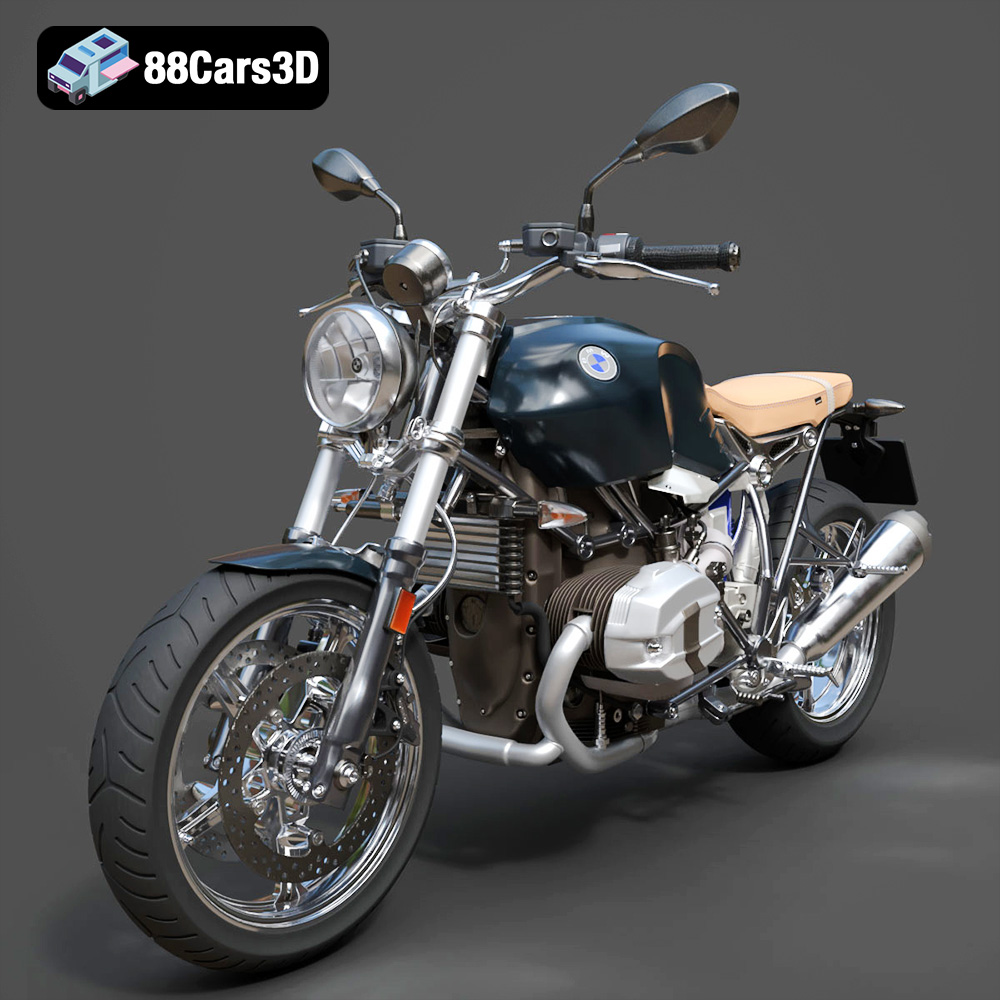
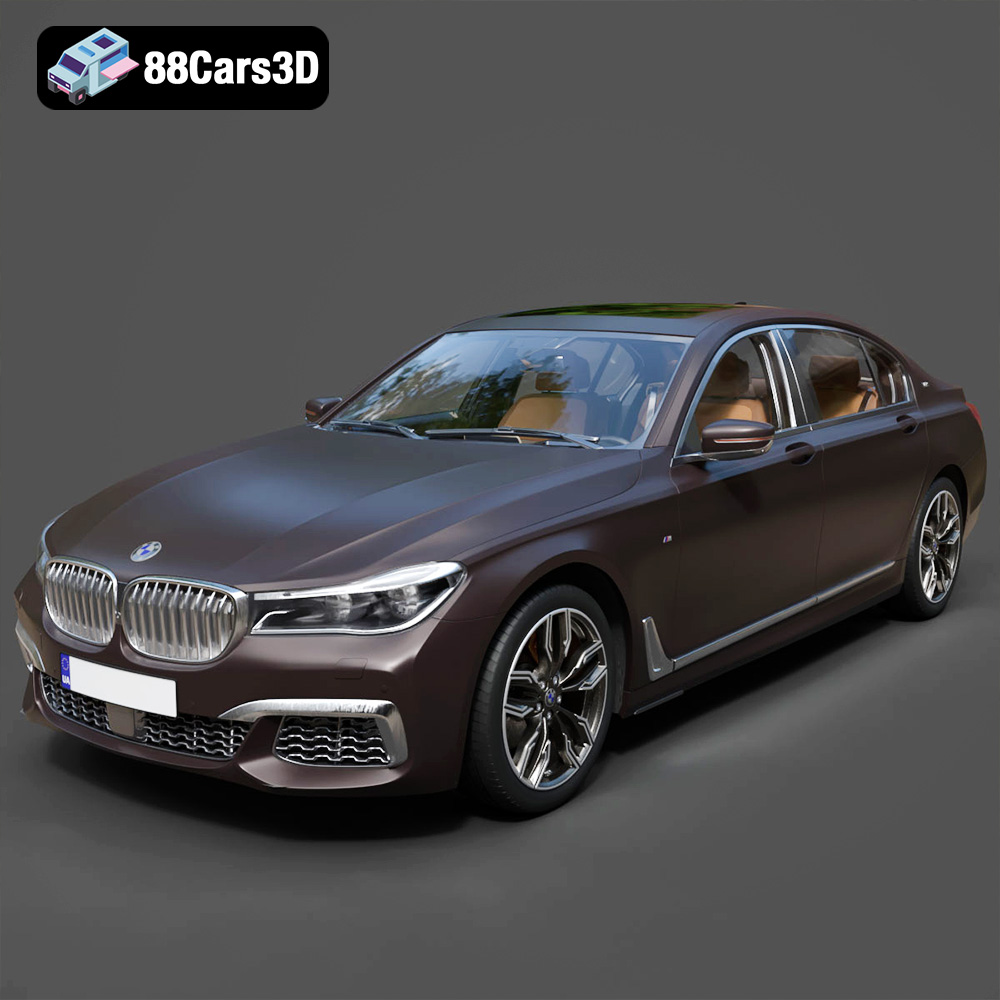
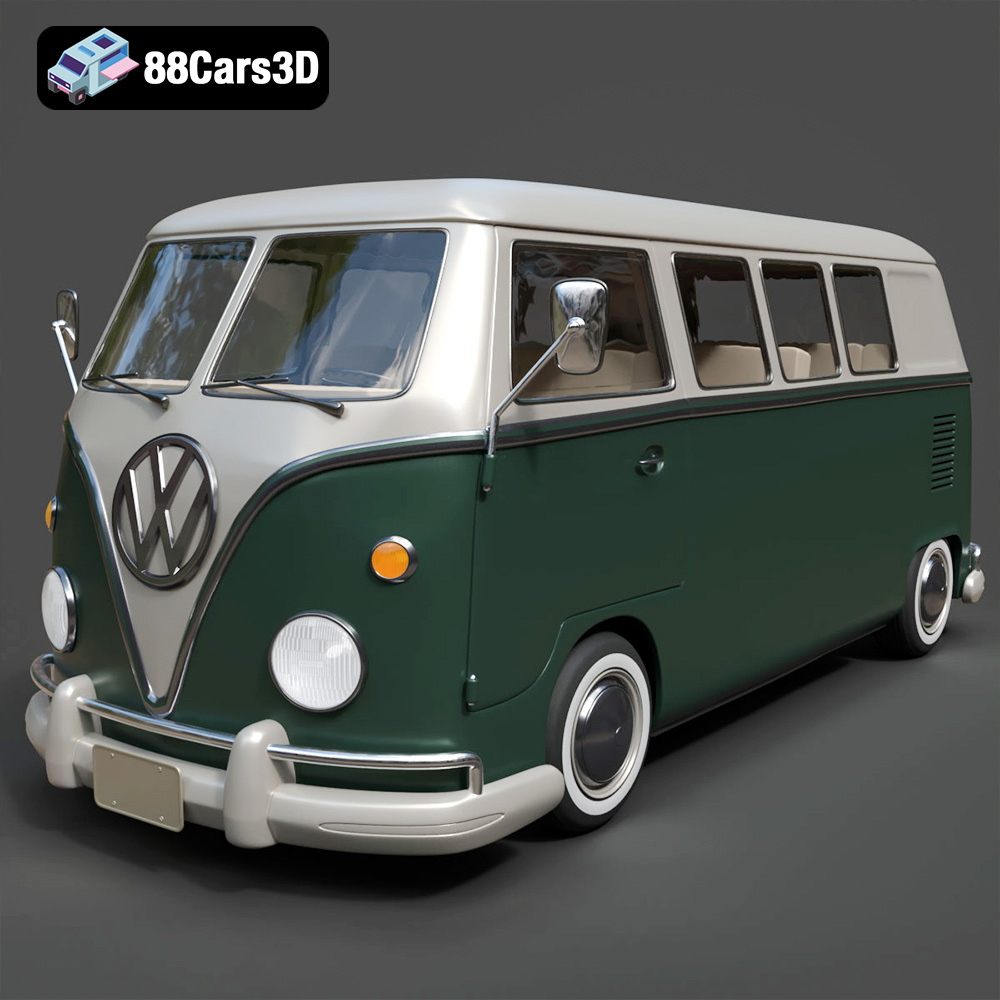
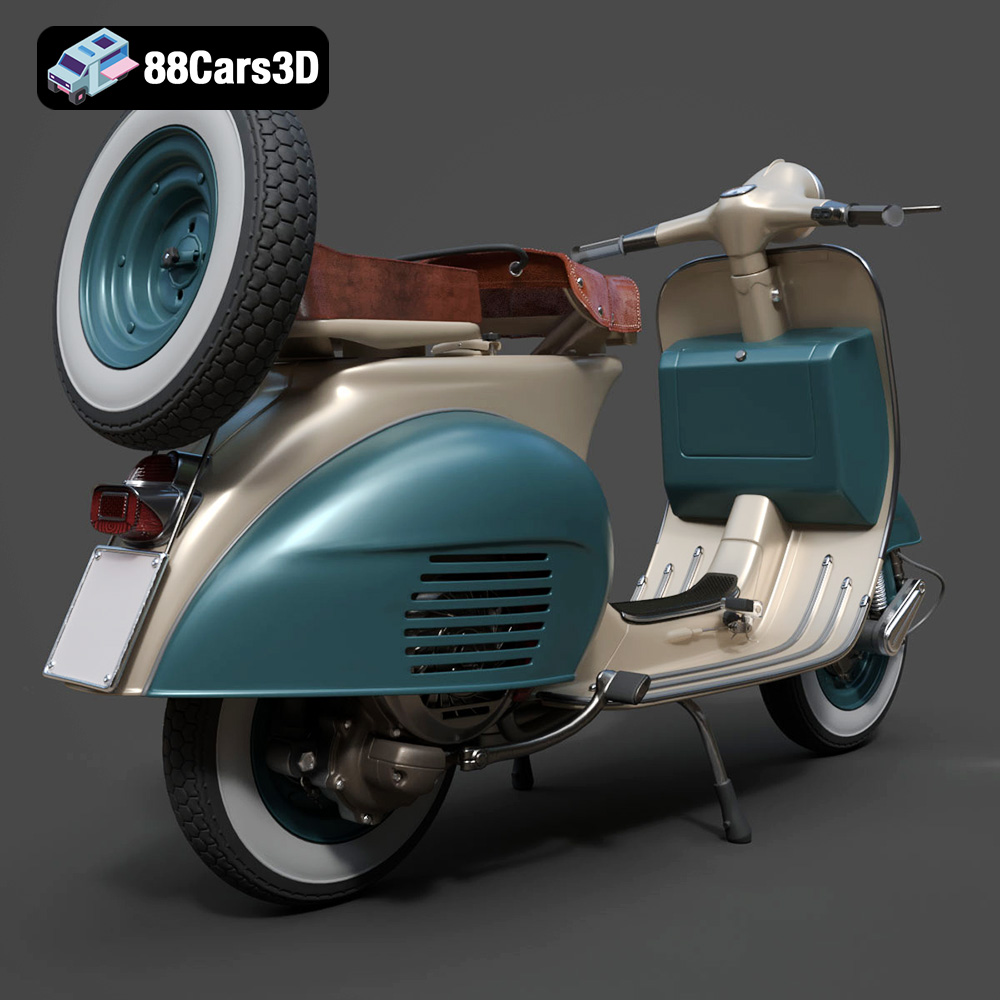
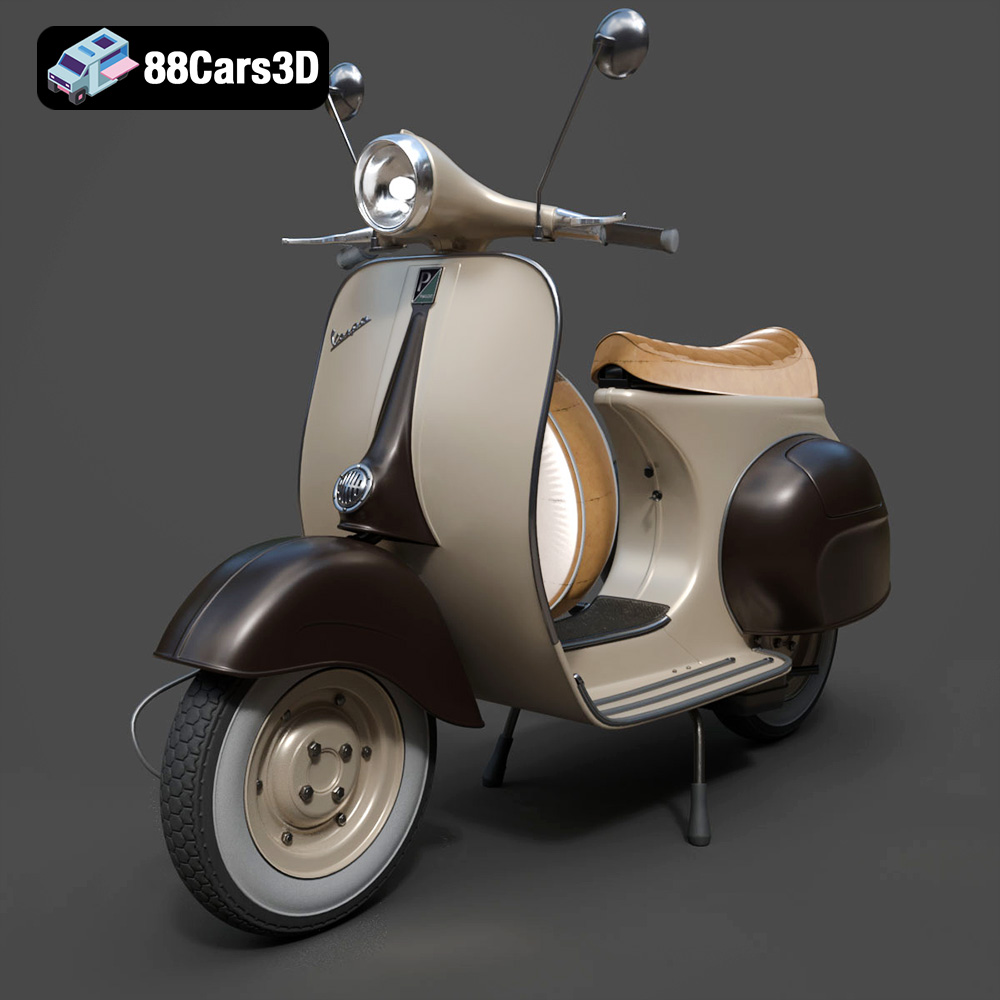
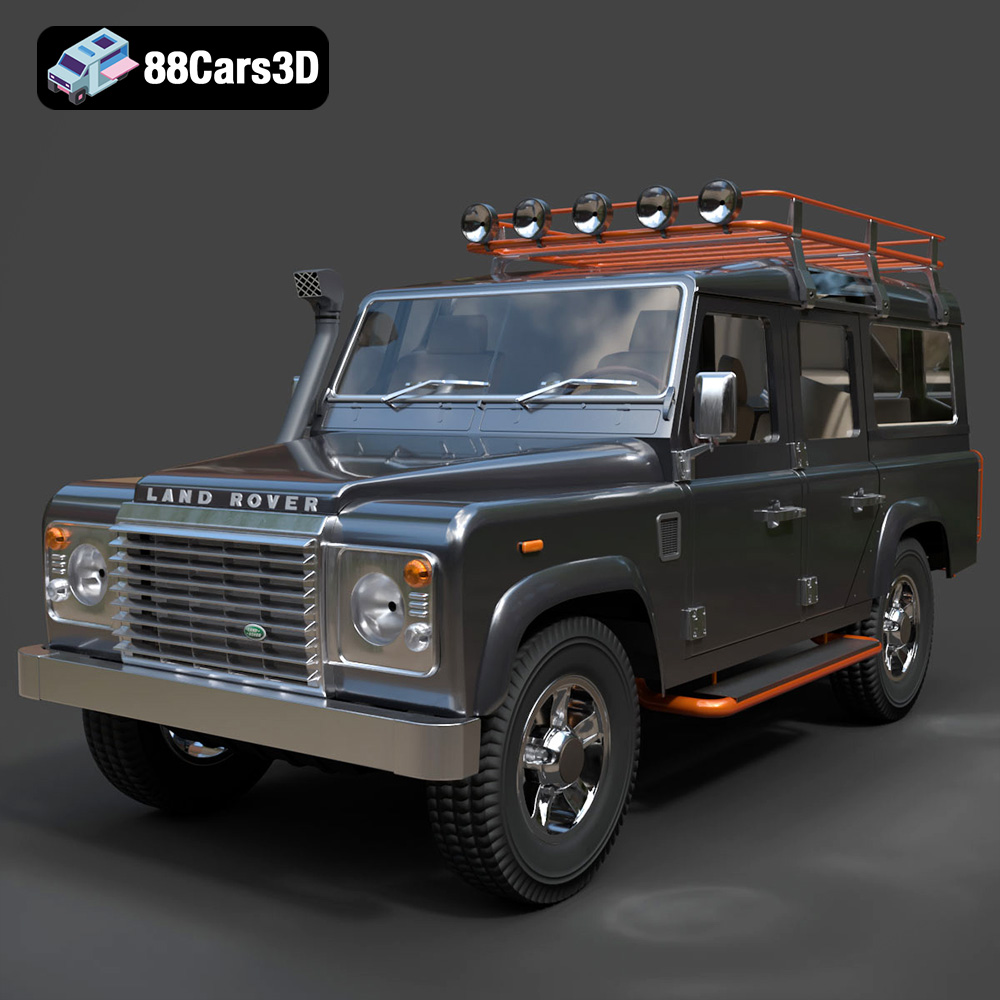
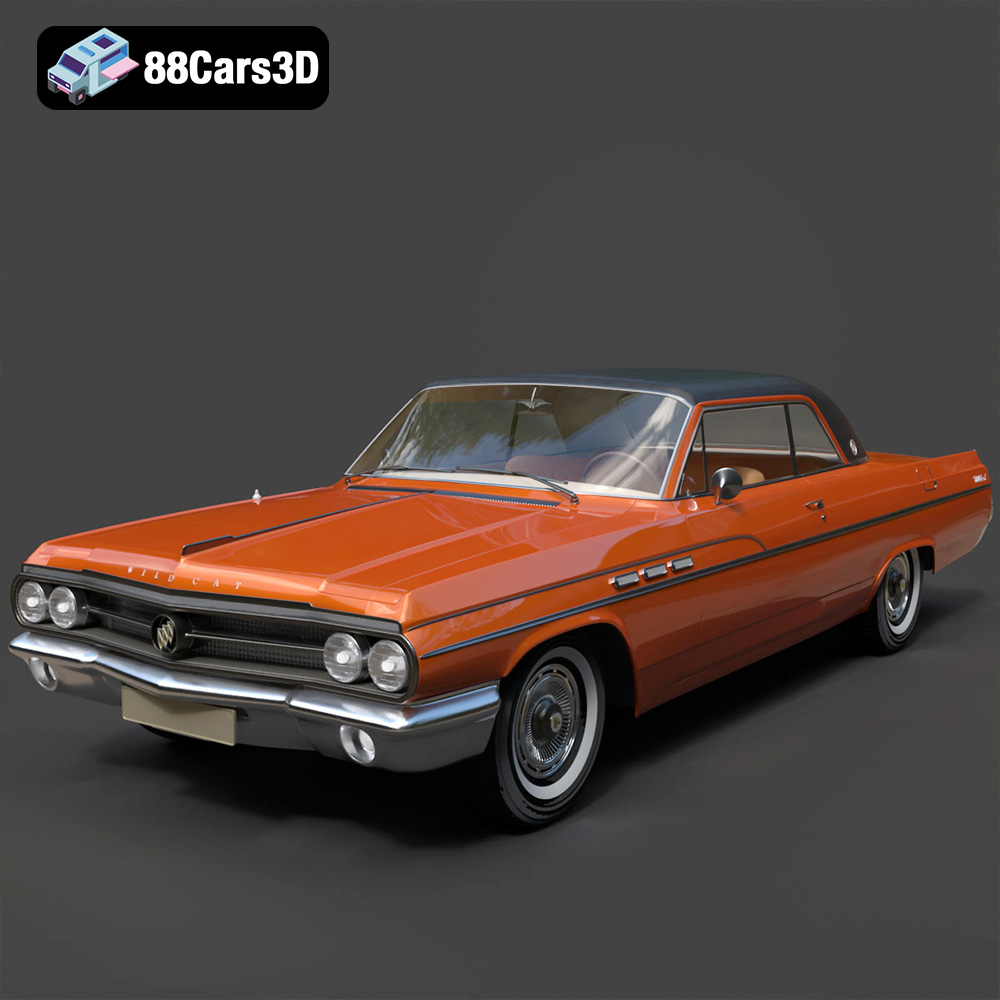
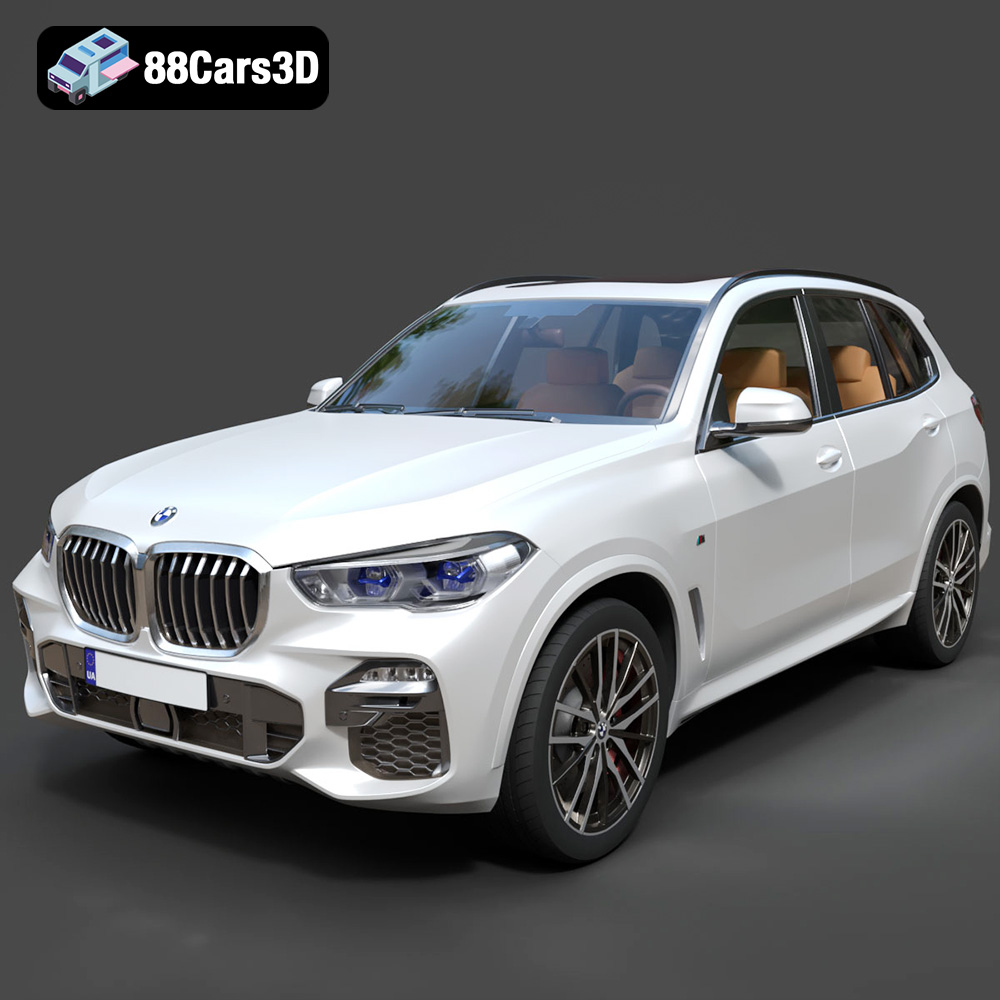
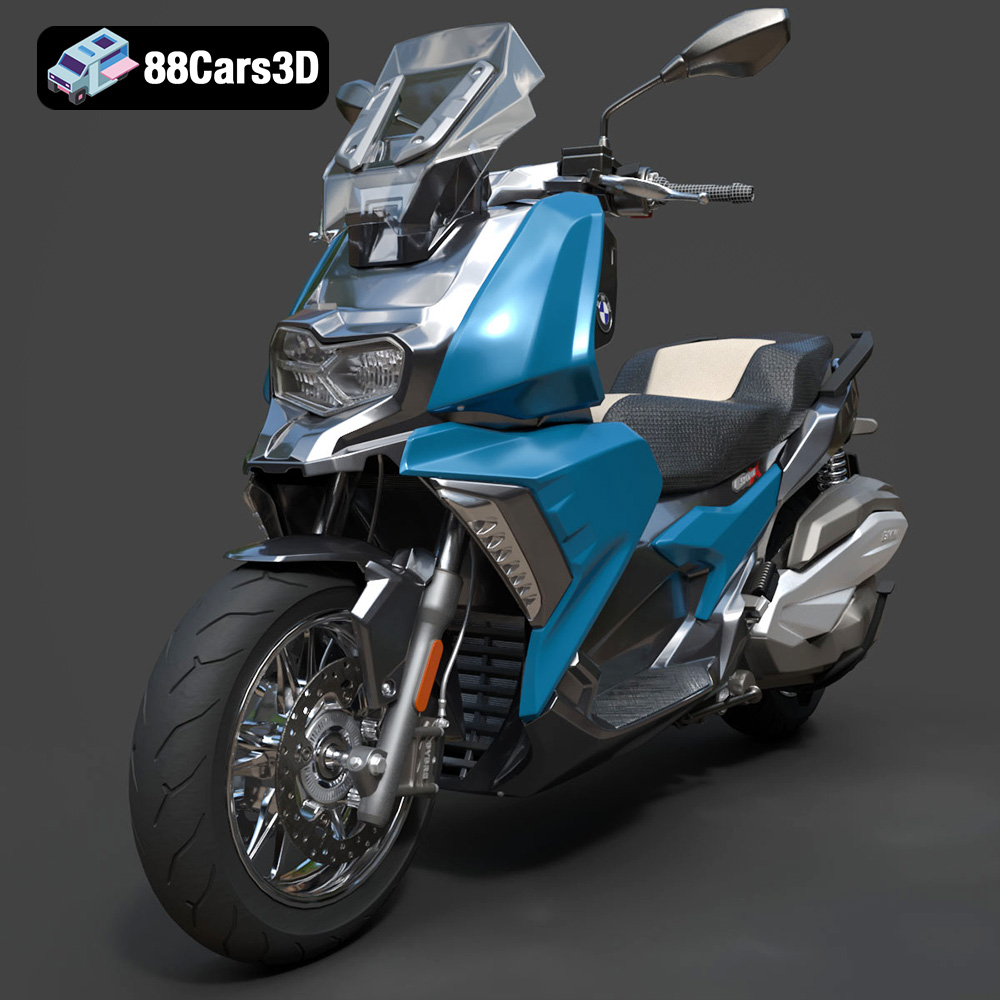
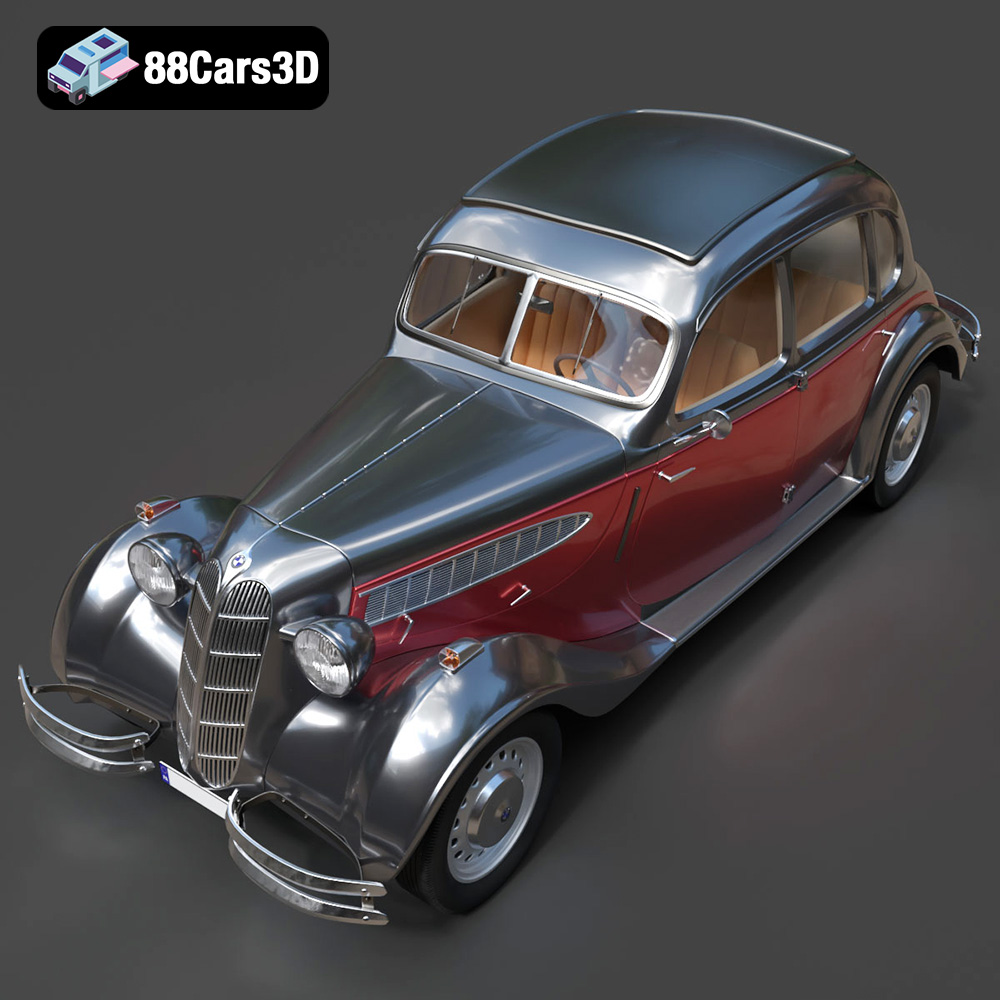
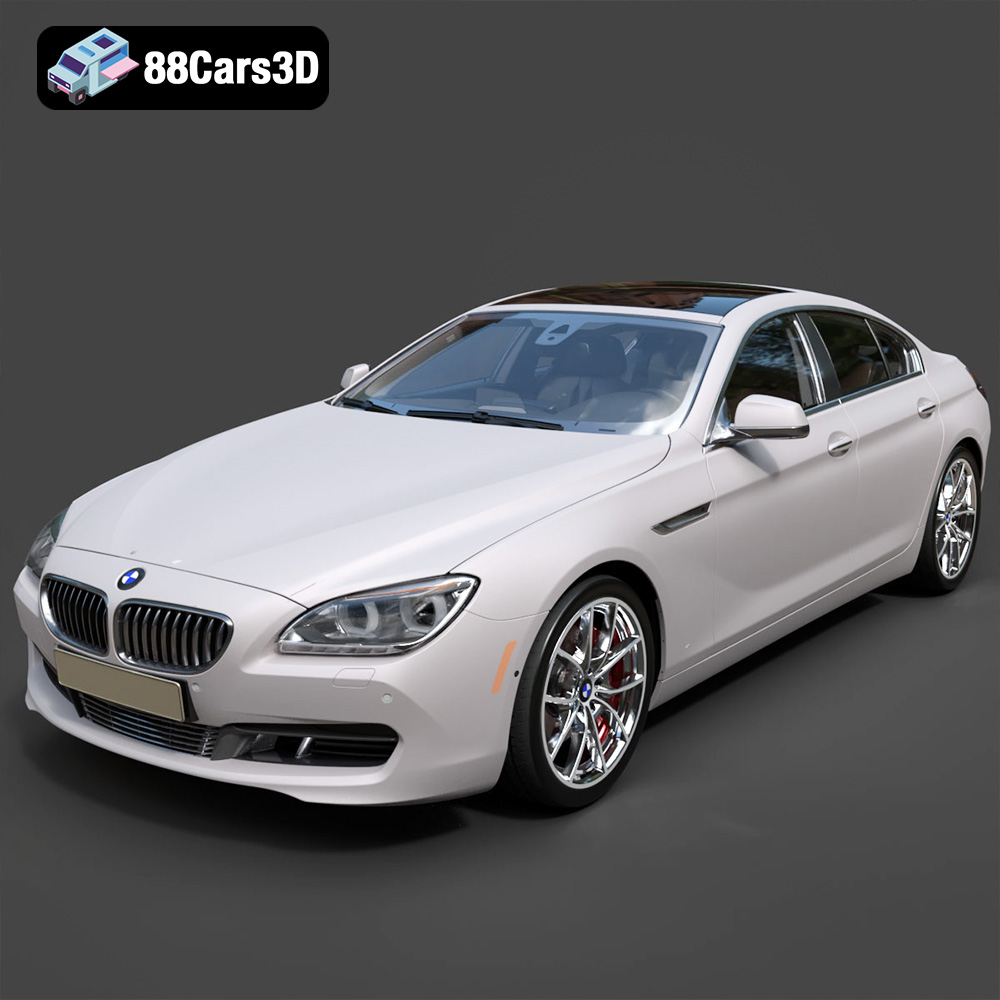
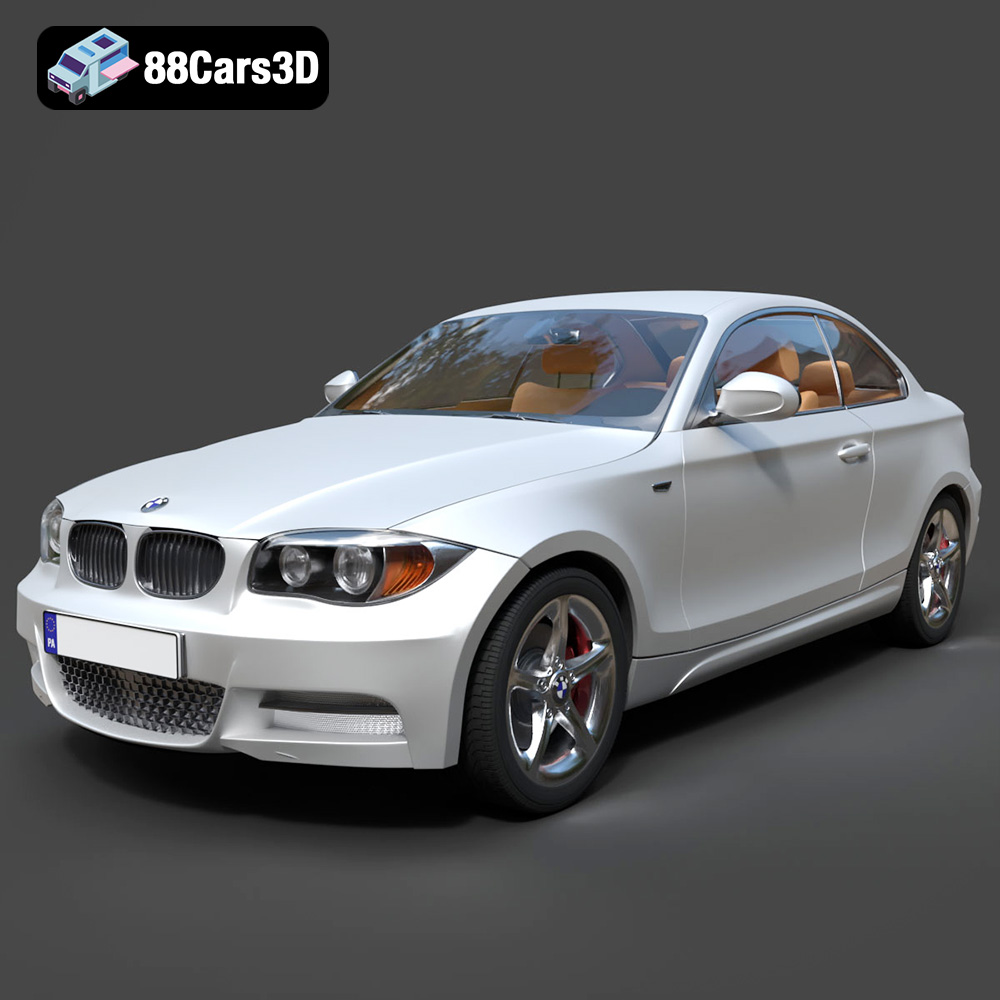
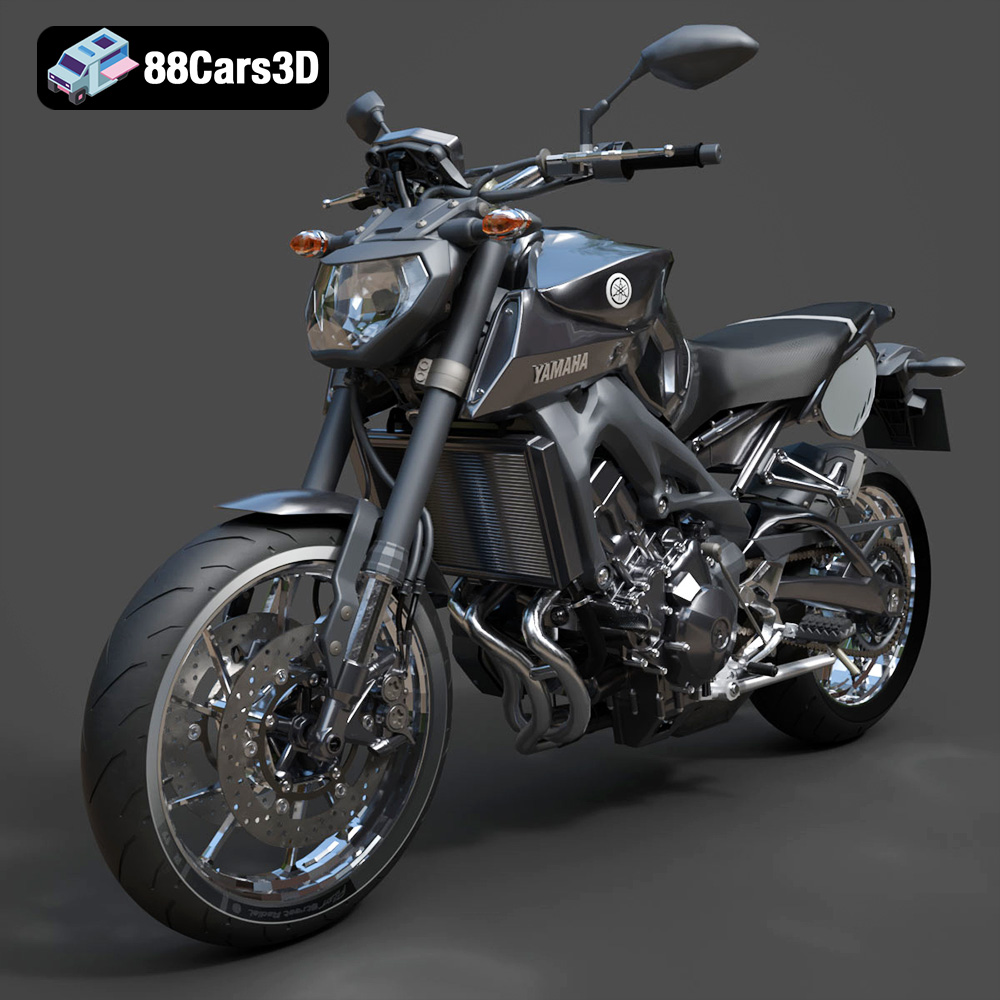
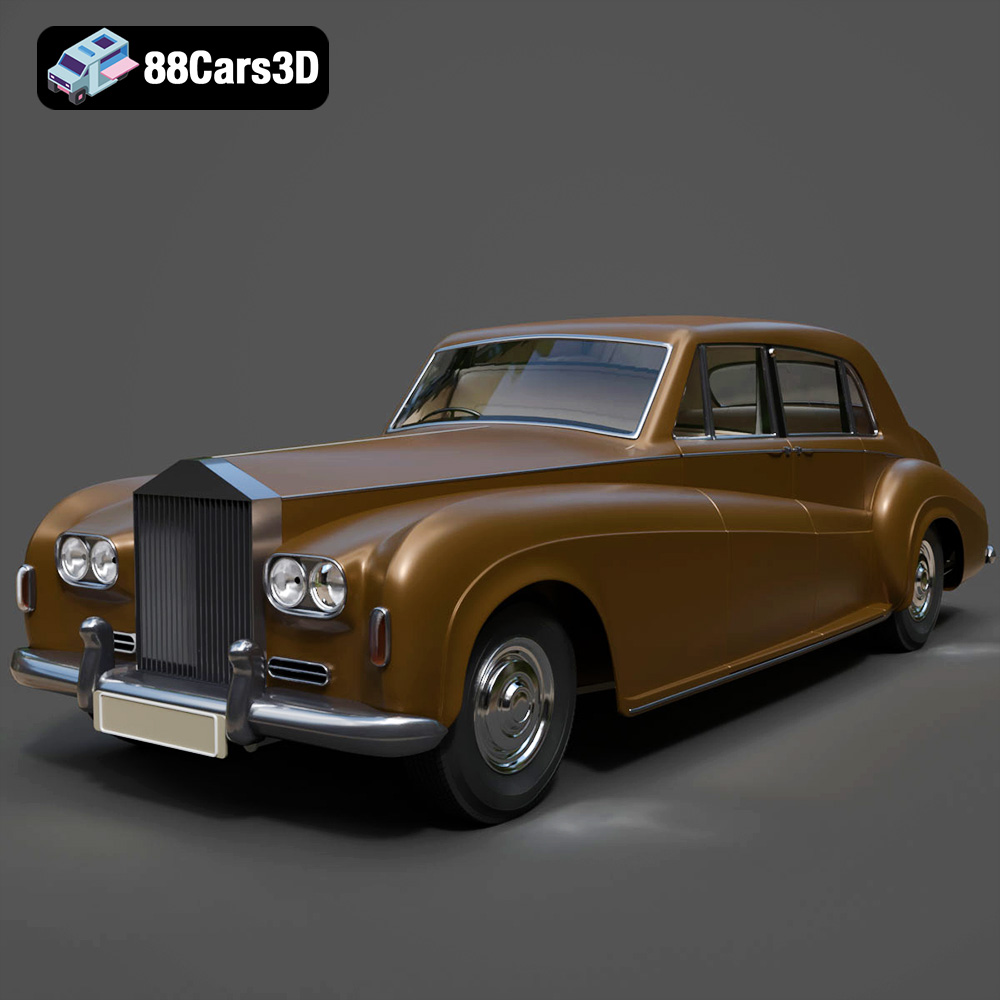
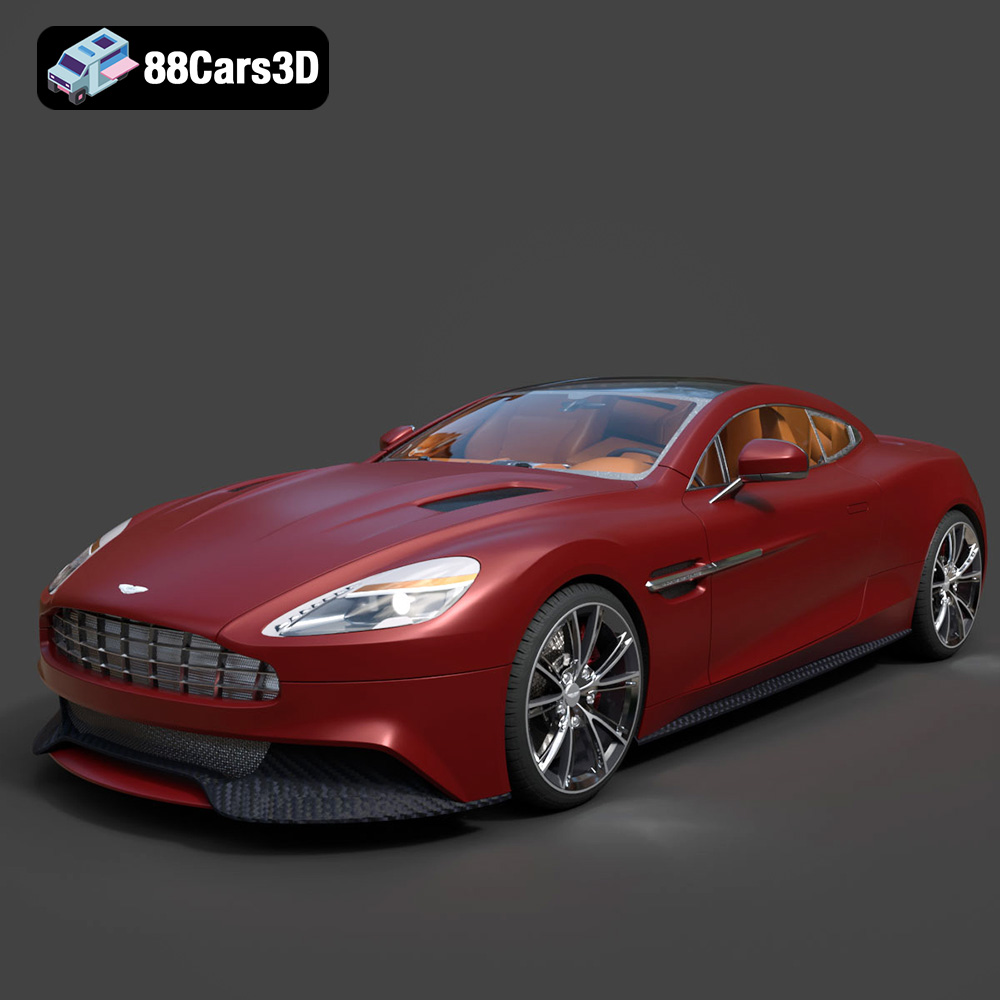
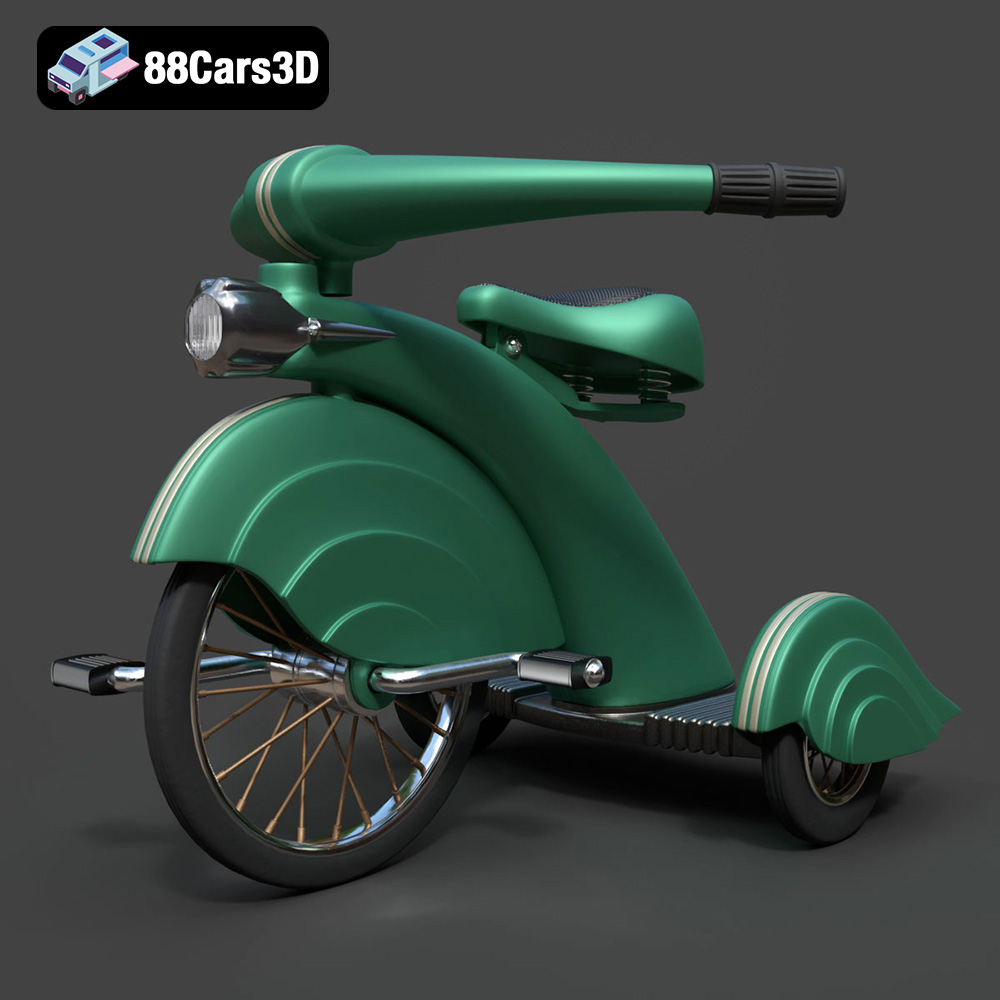
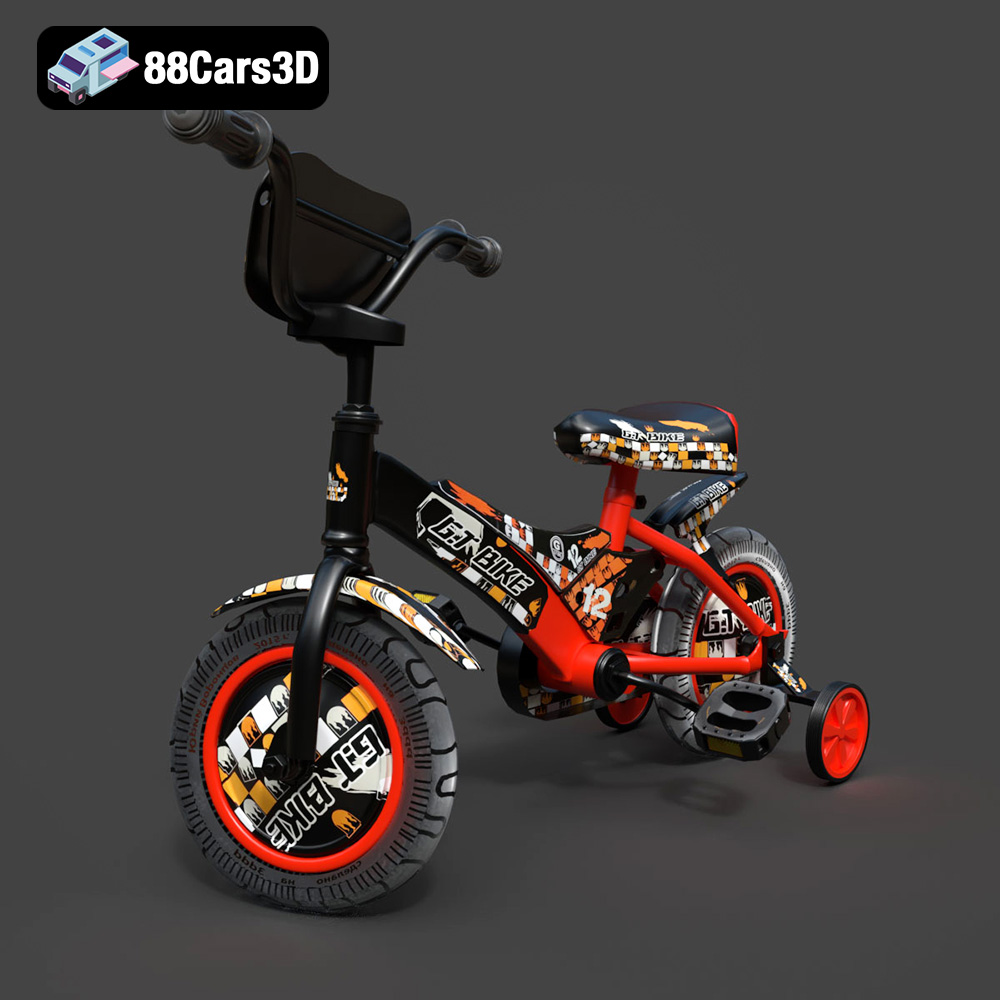
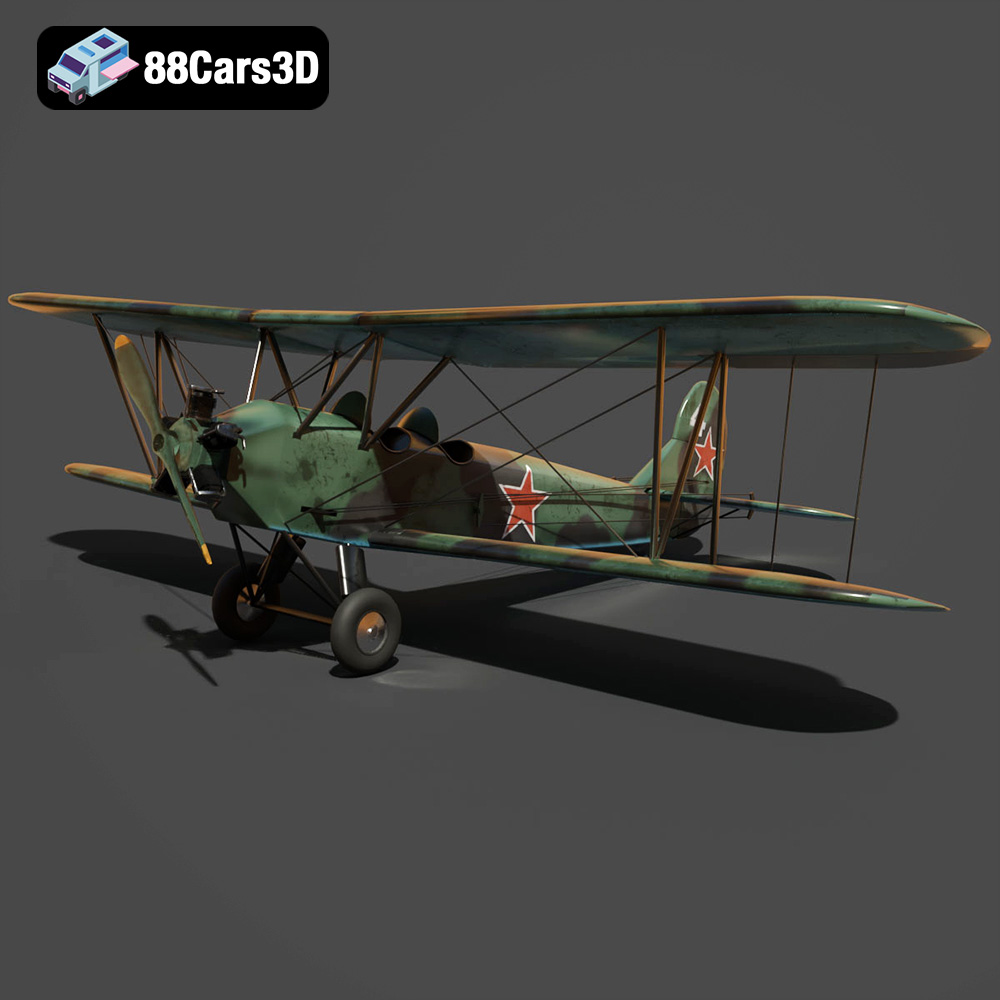
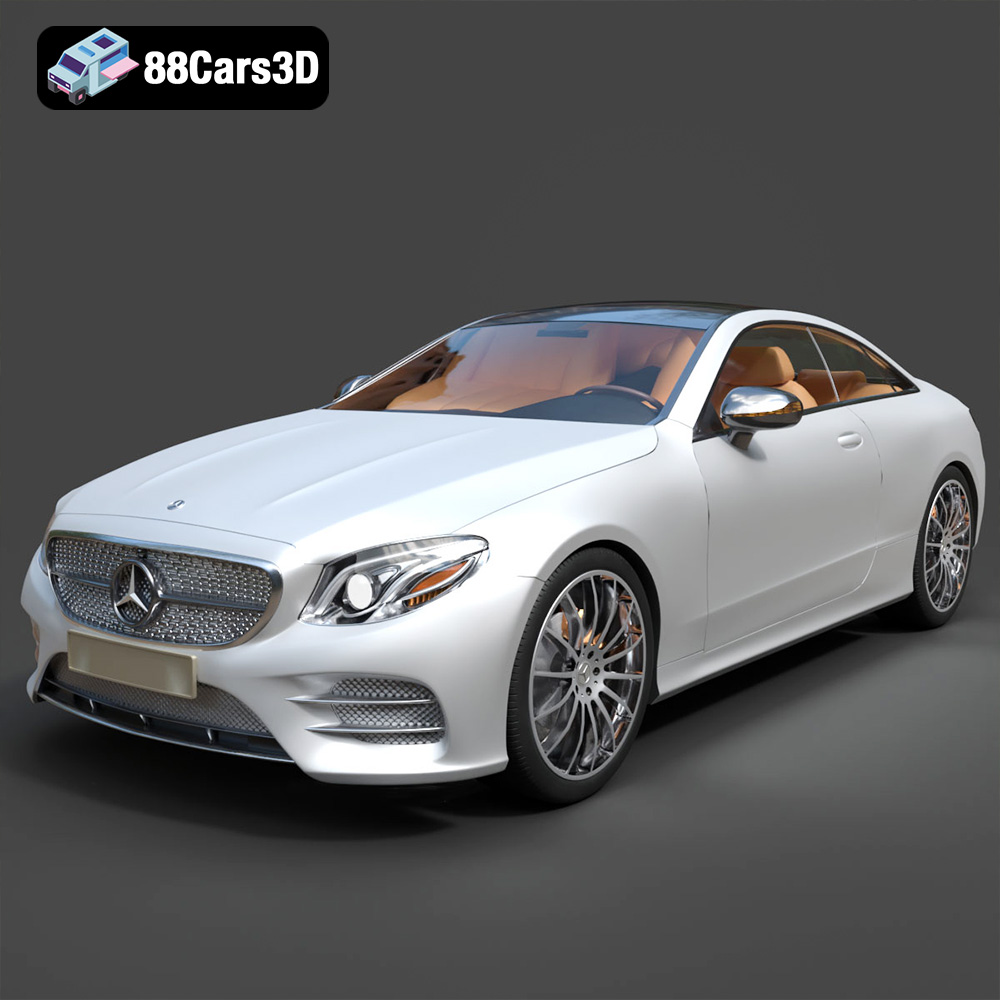
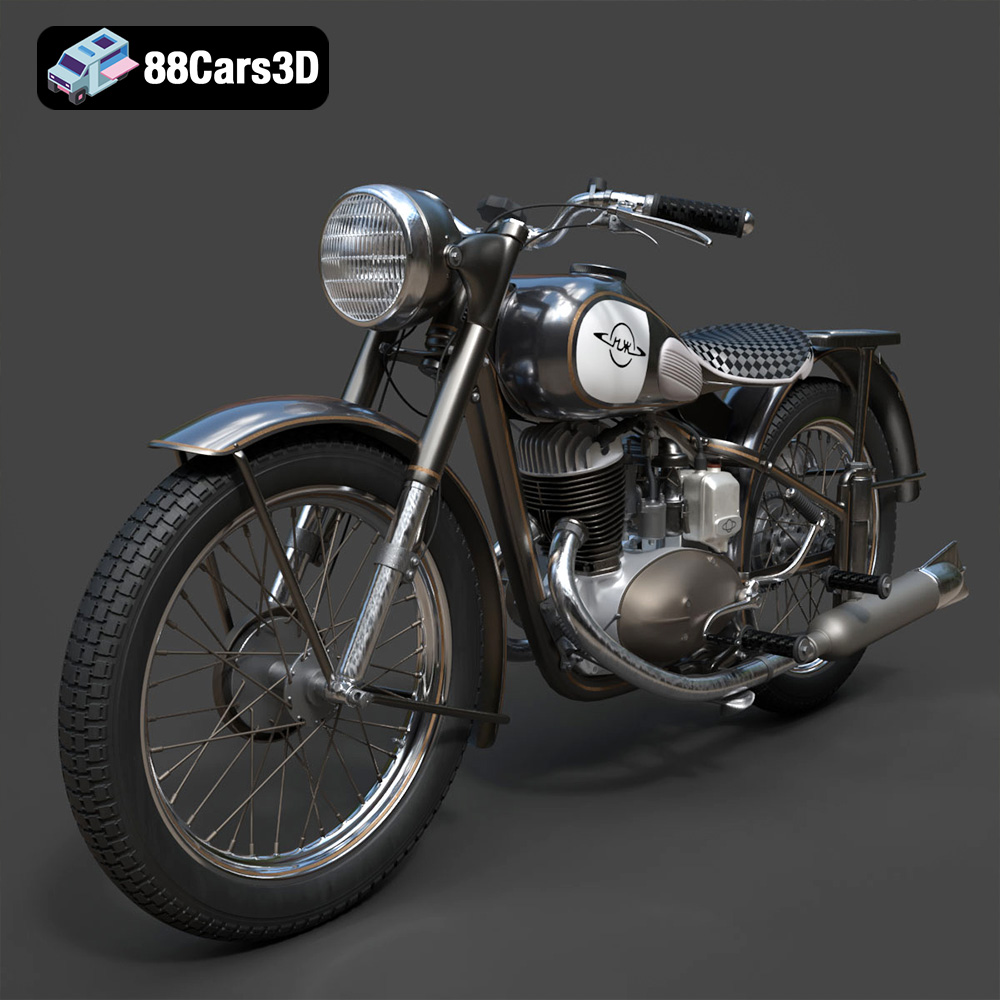
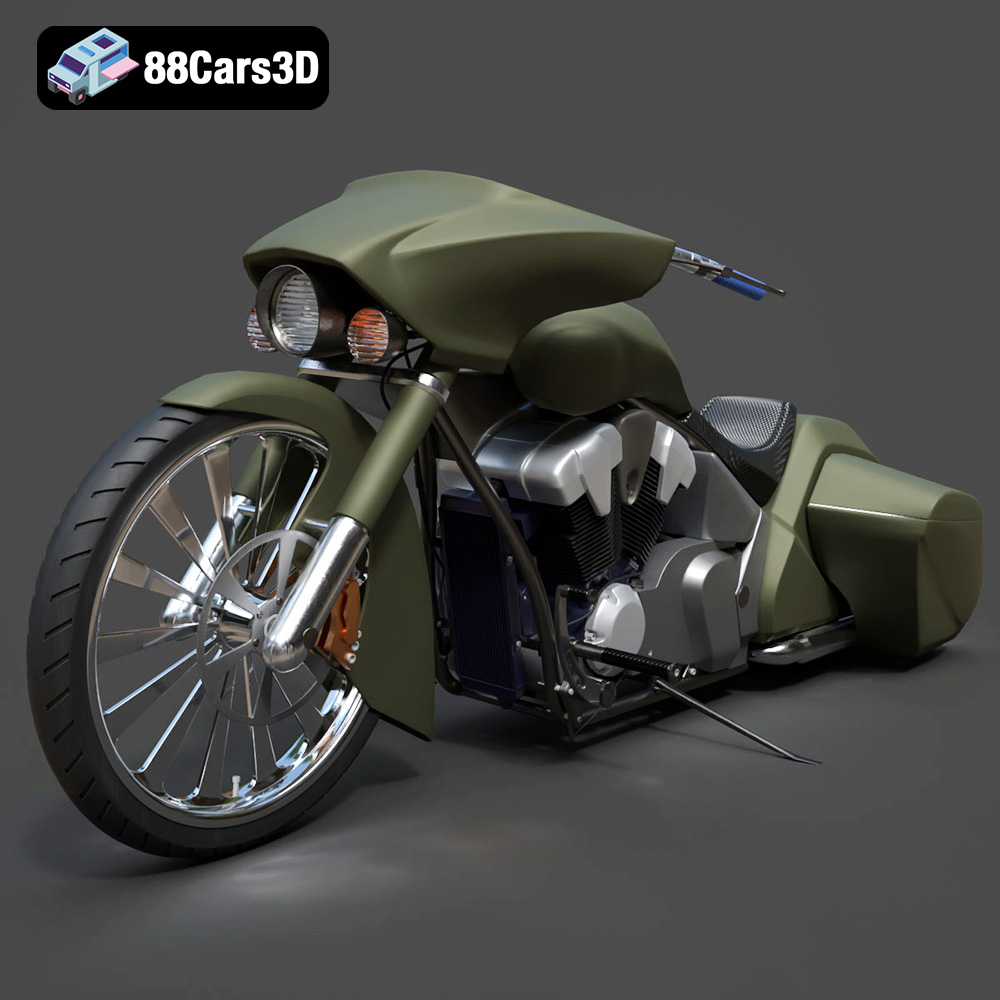
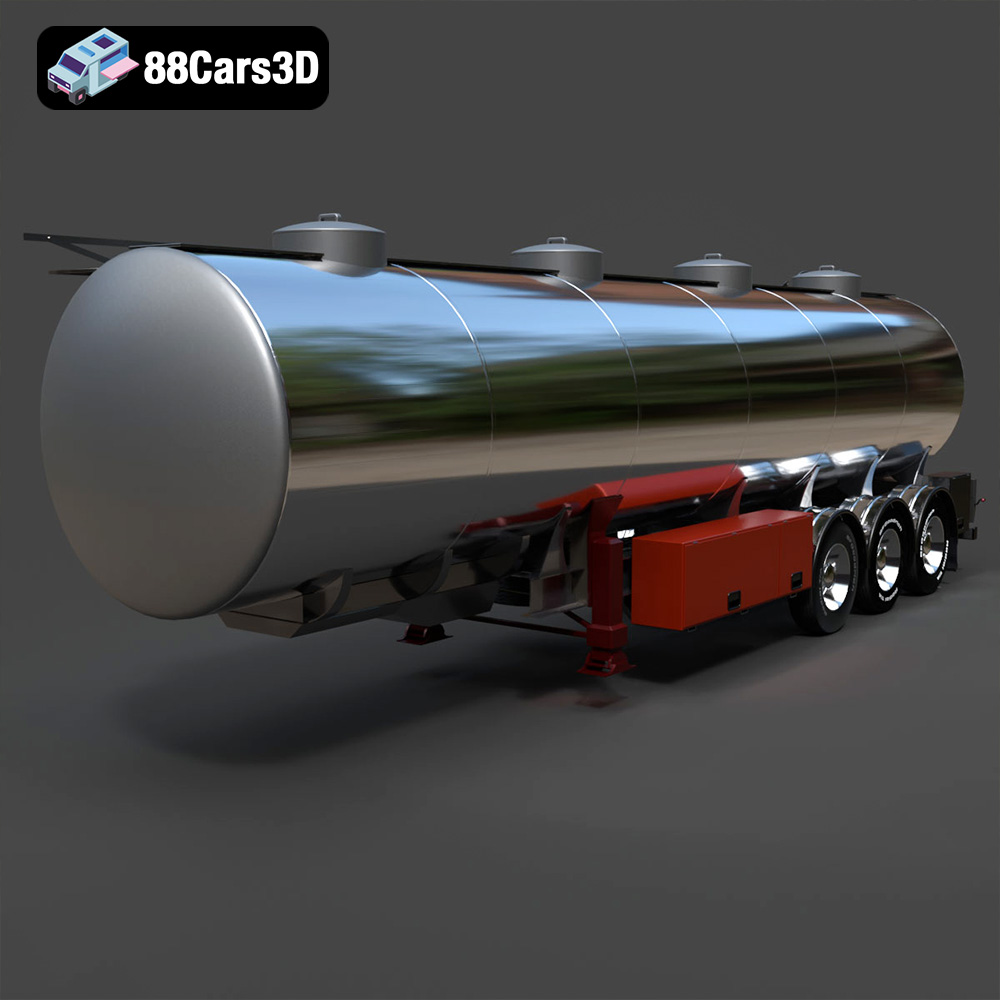
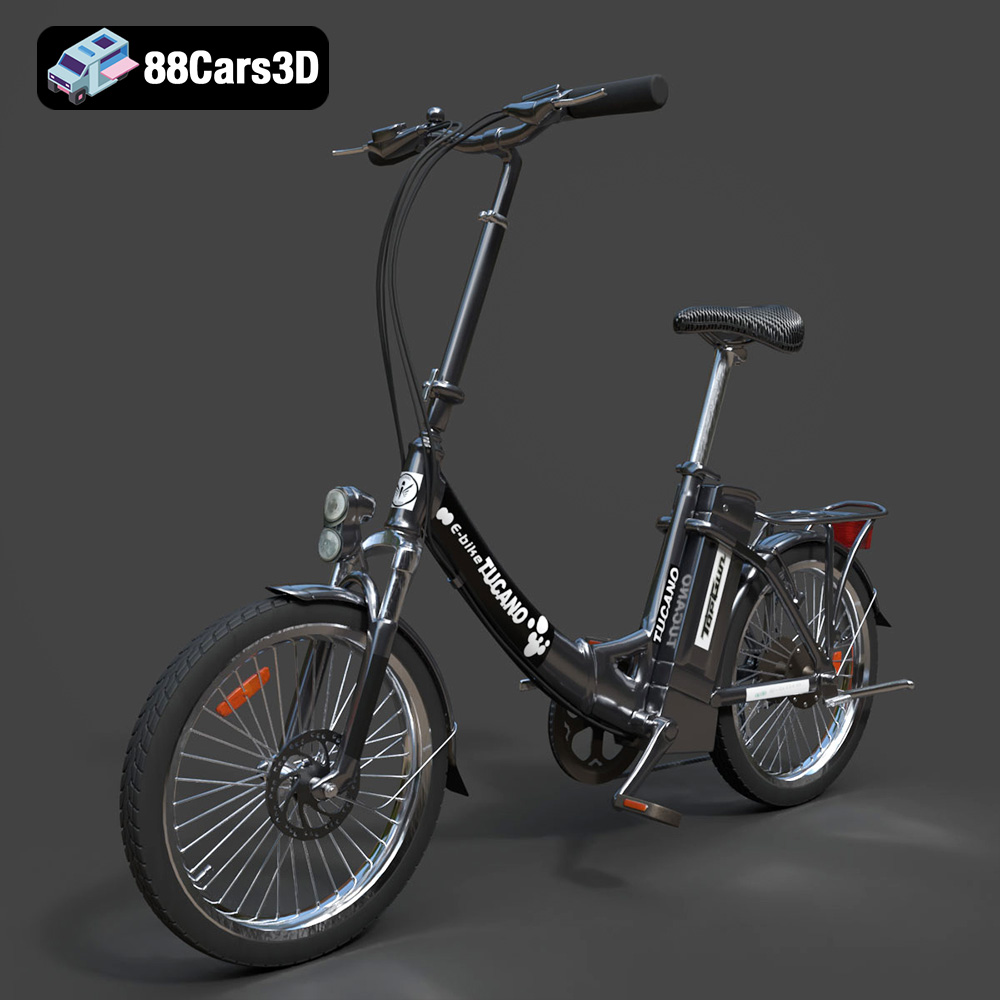
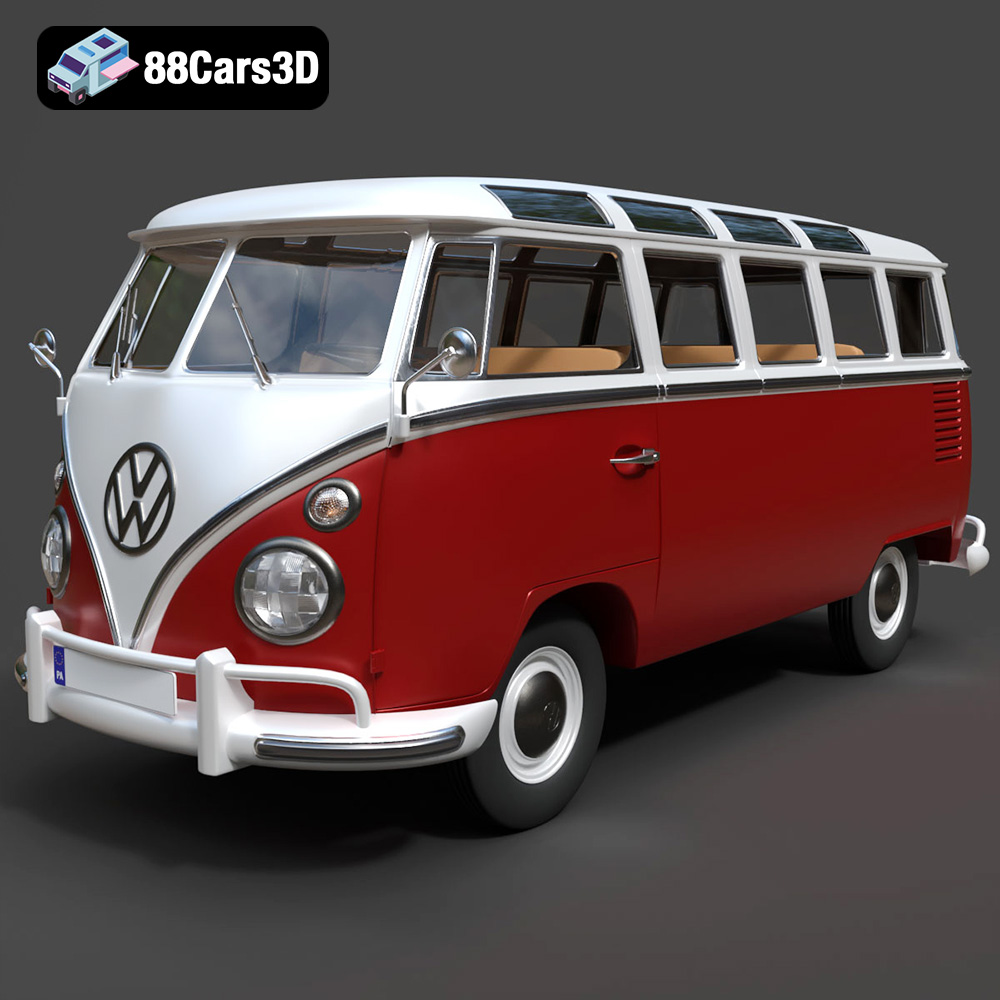
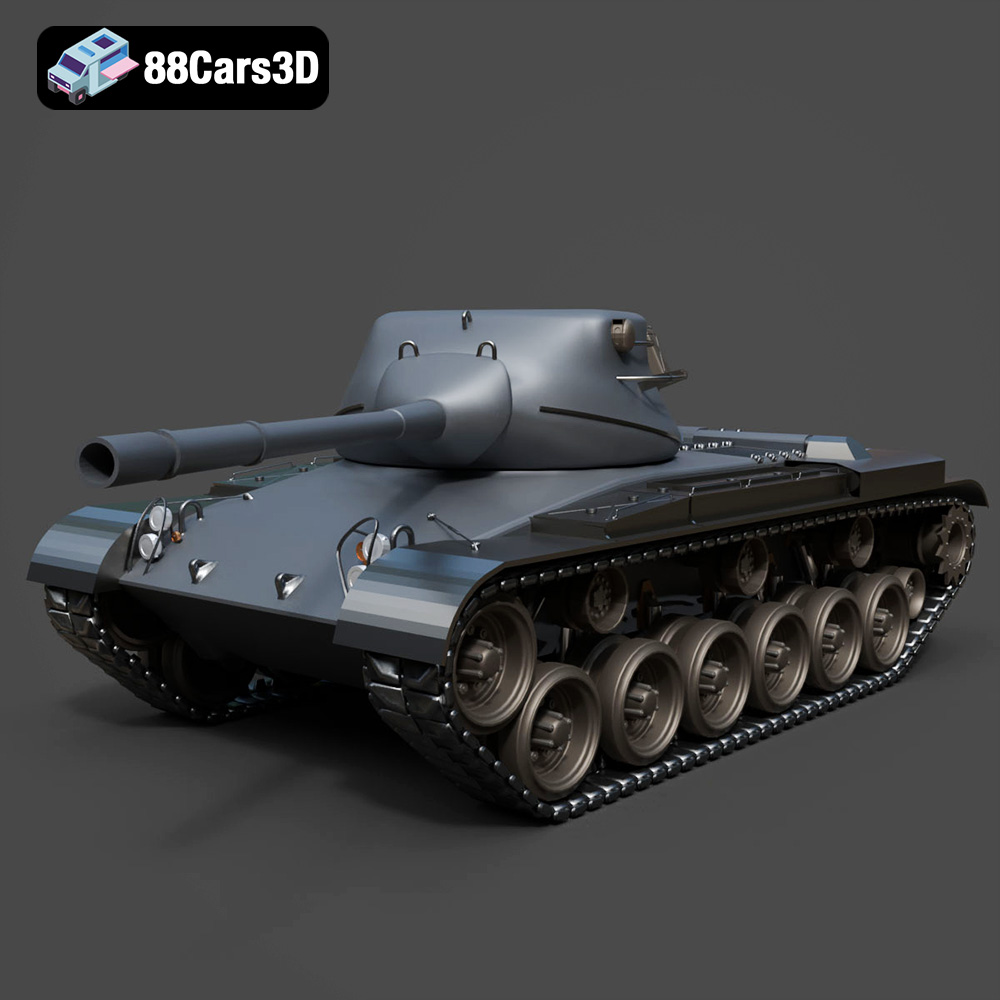
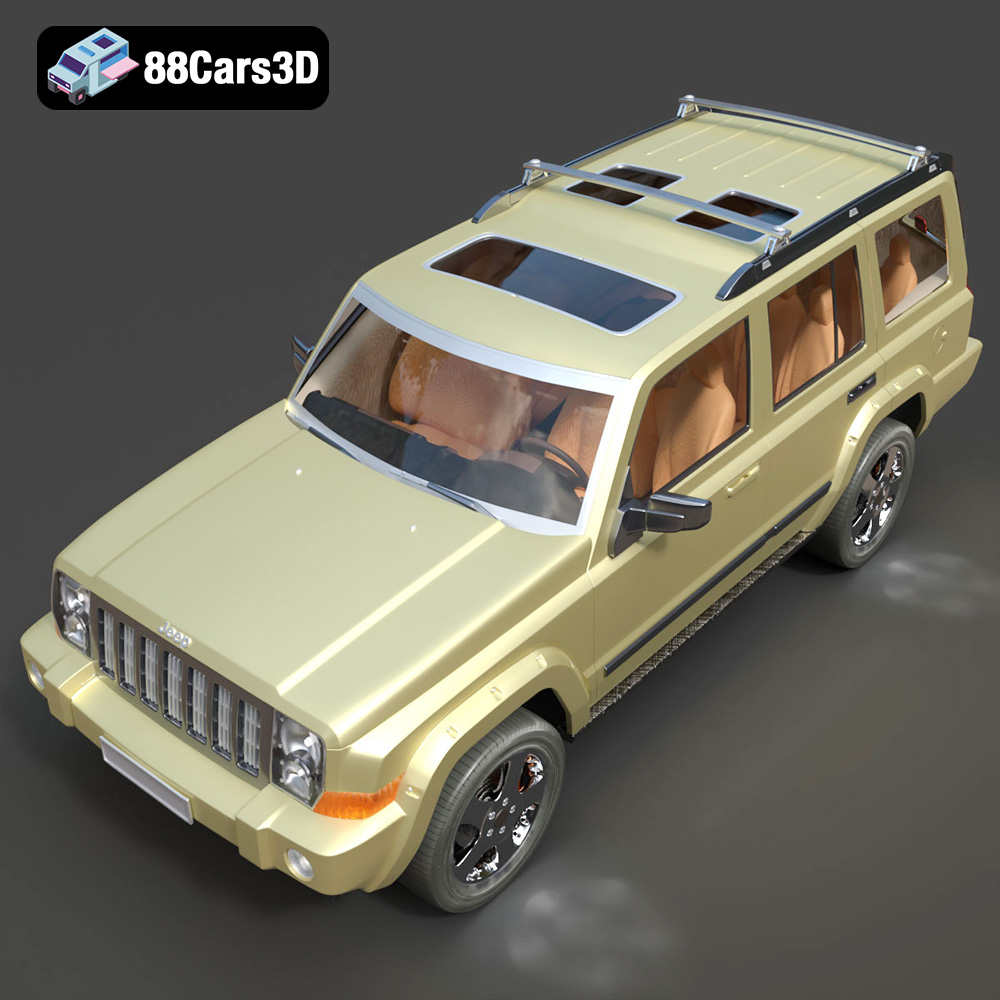
Driving Innovation: The Art and Science of High-Quality 3D Car Models
In the rapidly evolving landscape of digital visualization, the demand for realistic, meticulously detailed 3D car models has never been higher. From blockbuster films and immersive video games to cutting-edge automotive configurators and advanced engineering simulations, high-quality automotive assets are the bedrock upon which stunning visuals and interactive experiences are built. They are more than just digital sculptures; they are complex data sets representing countless hours of design, engineering, and artistic refinement.
The journey from concept to a fully realized 3D car model involves a profound understanding of topology, materials, lighting, and rendering techniques. It requires a blend of technical prowess and artistic vision to accurately capture the intricate curves, the interplay of light on polished surfaces, and the mechanical precision that defines a vehicle. Whether you’re a professional looking to enhance your project or an enthusiast seeking the perfect asset, the quality of your 3D car models directly impacts the final output.
This comprehensive guide delves into the technical intricacies of 3D car models, exploring their applications in various industries, the critical factors that define their quality, and the specific workflows that bring them to life. We’ll also touch upon how platforms like 88cars3d.com serve as a vital resource for obtaining premium, ready-to-use automotive assets that meet the rigorous demands of modern digital production.
The Foundation of Automotive Visualization: Why Quality 3D Car Models Matter
The underlying quality of a 3D car model dictates its utility, performance, and visual fidelity across all applications. It’s not merely about aesthetics; it’s about the technical integrity that allows for seamless integration and manipulation within diverse digital environments.
Precision and Authenticity in Design
For automotive design studios, advertising agencies, and architectural visualization firms, absolute precision is paramount. A high-quality 3D car model accurately replicates every nuance of a real-world vehicle, from the subtle curvature of its body panels to the intricate details of its interior components. This level of authenticity is crucial for creating renders that are indistinguishable from photographs, allowing designers to visualize new concepts, marketing teams to create compelling campaigns, and architects to integrate vehicles realistically into their building designs.
- Surface Continuity: High-quality models exhibit smooth, continuous surfaces without pinching or distortion, even under extreme lighting conditions. This is achieved through careful polygonal modeling and subdivision surface techniques.
- Proportional Accuracy: Every dimension and proportion of the vehicle is meticulously recreated, ensuring that the digital model is a true representation of its physical counterpart.
- Detail Fidelity: From tire treads and brake calipers to dashboard instrumentation and stitching on seats, accurate models capture the micro-details that contribute to overall realism.
Efficiency in Production Pipelines
Time is a critical resource in any production environment. Utilizing pre-built, high-quality 3D car models can significantly accelerate workflows, freeing up valuable artist time that would otherwise be spent on modeling from scratch. This efficiency extends beyond initial creation:
- Optimized Topology: Good models feature clean, quad-based topology that is easy to manipulate, subdivide, or retopologize for different levels of detail (LODs). This ensures smooth deformations for animation and efficient rendering.
- Ready for Rigging and Animation: Many premium models come pre-rigged, allowing for immediate posing, door opening, or wheel rotation without extensive setup.
- PBR Material Ready: Models often include physically based rendering (PBR) textures and materials, ensuring they look correct under any lighting condition, minimizing material setup time in various render engines.
Versatility Across Platforms
A truly versatile 3D car model can adapt to a multitude of platforms and applications without significant rework. Whether it’s for a real-time game engine, an offline renderer, or an augmented reality experience, adaptability is key. This often involves careful poly count management, efficient UV mapping, and a comprehensive understanding of different file formats.
- Scalability: Models can be easily adjusted for different performance requirements, from high-poly cinematic renders to low-poly mobile game assets.
- Consistent Visuals: With well-calibrated PBR textures and materials, the model maintains a consistent visual appearance across different rendering engines and lighting scenarios.
- Broad Compatibility: Available in multiple industry-standard file formats, ensuring ease of import into various 3D software suites and game engines.
Understanding 3D Model File Formats
The choice of file format is a critical technical decision that impacts compatibility, feature retention, and overall workflow efficiency when working with 3D car models. Each format is designed with specific use cases and technical considerations in mind, making it essential to understand their strengths and limitations. Selecting the correct format ensures smooth integration into your chosen software or engine, preserving critical data like geometry, materials, textures, and animations.
The Blender Ecosystem (.blend)
The .blend format is Blender’s native file format. It encapsulates an entire Blender scene, including all 3D geometry, materials, textures, lighting, cameras, animations, physics simulations, and even scene settings. This makes it an incredibly powerful and self-contained format for users working entirely within Blender’s ecosystem. For those who frequently iterate or develop assets in Blender, the .blend file provides a complete, editable project.
- Use Cases: Ideal for Blender users who need full editability and access to all scene components. Perfect for further modeling, texturing, rigging, animation, and rendering directly within Blender.
- Compatibility: Primarily used within Blender itself. While other software can sometimes import .blend files via plugins, it’s not a universal exchange format.
- Technical Details: Stores data in a structured way that Blender can quickly read and write. It can become quite large if the scene contains high-resolution textures, complex geometry, or extensive animation data.
Industry Standard Exchange (.fbx & .obj)
.fbx (Filmbox) is an Autodesk-developed format widely considered the industry standard for 3D data exchange, especially for animated models. It supports not only geometry but also materials, textures, rigging (skeletons and skinning), animations, lights, and cameras. Its robust support for animation and scene hierarchy makes it invaluable for game development and cinematic pipelines.
- Use Cases: Ideal for transferring animated 3D car models to game engines (Unreal, Unity), other 3D software (Maya, 3ds Max, Cinema 4D), and for VFX pipelines.
- Compatibility: Excellent across major 3D applications and game engines.
- Technical Details: Can store complex scene data efficiently. Users often export FBX with embedded media (textures) or external texture references. It supports different versions, and sometimes older software may require older FBX versions.
.obj (Wavefront OBJ) is one of the oldest and most universally supported 3D file formats. It primarily stores geometry (vertices, normals, texture coordinates, and faces) and can reference external material (.mtl) files for basic color, diffuse, and specular properties. While it lacks support for rigging and animation, its simplicity and wide compatibility make it a reliable choice for static mesh exchange.
- Use Cases: Excellent for basic geometric exchange between almost any 3D software. Good for static 3D car models where animation or complex material setups aren’t required, or when starting a new project that needs a clean mesh.
- Compatibility: Near-universal across all 3D modeling, rendering, and CAD software.
- Technical Details: Text-based, making it human-readable (though large files can be unwieldy). Its simplicity means it’s highly stable, but features like advanced PBR materials or animation are not natively supported.
Real-Time and Web-Optimized (.glb & .unreal)
.glb (GL Transmission Format Binary) is the binary version of glTF, a royalty-free specification for 3D scenes and models. Optimized for web and real-time applications, .glb packages all assets (geometry, textures, materials, animations) into a single, compact file, making it incredibly efficient for streaming and display in browsers, AR, and VR experiences.
- Use Cases: Optimized for AR, VR, web-based 3D viewers, and mobile applications where file size and quick loading are critical. Excellent for product configurators and interactive web content featuring 3D car models.
- Compatibility: Supported by many modern browsers, AR/VR platforms (e.g., Google ARCore, Apple ARKit via Reality Converter), and 3D content viewers.
- Technical Details: Highly efficient due to its binary nature and JSON-based scene description. It natively supports PBR materials and is designed for runtime asset delivery.
The .unreal format, more accurately referring to assets packaged within an Unreal Engine project, represents a set of engine-ready files that have been imported, optimized, and configured for the Unreal Engine environment. While not a single external file format in the same way as .fbx or .obj, when you download an “Unreal-ready” asset, it implies that the model has been specifically prepared and structured for optimal performance and integration within Unreal Engine.
- Use Cases: Exclusive to Unreal Engine projects. This is the ultimate format for game developers, virtual production studios, and anyone developing interactive experiences within Unreal.
- Compatibility: Solely within Unreal Engine. Often involves FBX imports then internal engine asset creation.
- Technical Details: Refers to a collection of Unreal assets (Static Meshes, Material Instances, Textures, Blueprints) saved within an Unreal project structure, optimized for real-time rendering, LODs, collision, and PBR shaders native to Unreal.
Manufacturing and CAD Integration (.stl & .ply)
.stl (Stereolithography) is a standard file format used for 3D printing and rapid prototyping. It describes only the surface geometry of a 3D object using a collection of interconnected triangular facets. It does not contain color, texture, or material information, making it purely a geometric representation.
- Use Cases: Essential for 3D printing car models, prototyping vehicle components, and transferring designs to manufacturing software.
- Compatibility: Universally supported by 3D printing slicer software and CAD/CAM applications.
- Technical Details: Simple, triangular mesh. Often requires “manifold” geometry (watertight, no gaps or self-intersections) for successful printing. Resolution is dependent on the number of triangles.
.ply (Polygon File Format or Stanford Triangle Format) is a versatile format for storing 3D data, particularly from 3D scanners. It supports both triangular meshes and point clouds, and can store a wide range of properties including color, normal vectors, and even transparency per vertex or face. It’s often used where precision and a rich set of geometric attributes are needed, such as in scientific visualization or industrial design.
- Use Cases: Precision mesh format for CAD, scientific analysis, reverse engineering from 3D scans, and complex data visualization. Less common for general game or rendering pipelines unless converted.
- Compatibility: Supported by many CAD software, scientific visualization tools, and some 3D modeling packages (often requiring plugins).
- Technical Details: Can store both ASCII (human-readable) and binary data. Supports a wide array of properties per vertex or face, making it powerful for detailed geometric data.
Native Software Fidelity (.max)
The .max format is the native file format for Autodesk 3ds Max. Similar to .blend, it saves an entire 3ds Max scene, preserving all aspects including geometry, modifiers, materials, textures, lights, cameras, animation keyframes, rigging, and plug-in data. This format ensures full editability and the highest fidelity when working within 3ds Max.
- Use Cases: Essential for 3ds Max users who require full control over the scene, including complex animation, rendering with V-Ray or Corona, and architectural visualization. Ideal for projects that will be continuously developed or modified within 3ds Max.
- Compatibility: Primarily used within 3ds Max. Direct import into other software is generally not supported without converting to an exchange format first.
- Technical Details: Stores a highly detailed representation of the scene, including object hierarchies, modifier stacks, and specific renderer settings. Can be quite large, especially with complex scenes and numerous textures.
When sourcing 3D car models from platforms like 88cars3d.com, you’ll typically find models available in several of these key formats, allowing you to choose the one that best fits your specific software, workflow, and project requirements. Understanding these distinctions is fundamental to making informed decisions and optimizing your production pipeline.
Crafting Photorealistic Automotive Renders
Achieving photorealistic renders of 3D car models is an art form that demands a meticulous approach to materials, lighting, and camera work. It’s about recreating the subtle interplay of light and shadow, the reflectivity of surfaces, and the overall atmospheric conditions that define how we perceive a real vehicle.
Mastering Materials and Textures (PBR Workflow)
Modern photorealism relies heavily on Physically Based Rendering (PBR), a methodology that simulates how light interacts with surfaces in the real world. For automotive rendering, this means creating materials that react accurately to light, mimicking paint, glass, chrome, rubber, and leather.
- Car Paint: This is often the most complex material. It involves multiple layers: a base coat (diffuse color), metallic flakes (simulated with anisotropic reflections or detailed normal maps), and a clear coat (a highly reflective, slightly rough layer). Parameters like clear coat thickness, metallic flake density, and color shift are critical.
- Glass & Windows: Requires accurate transmission, refraction (controlled by Index of Refraction – IOR), and subtle reflections. Tinting, dirt, or water droplets add further realism.
- Tires & Rubber: Characterized by high roughness, subtle bump/normal maps for tread patterns, and sometimes subsurface scattering for very thin rubber parts.
- Chrome & Metals: Modeled with high metallic values, low roughness, and often anisotropic reflections to simulate brushed or polished finishes.
- Interior Materials: Leather, fabric, plastics, and carbon fiber all require distinct PBR properties, often accompanied by detailed texture maps (albedo, roughness, normal, metallic, ambient occlusion).
Lighting Techniques for Impact
Lighting is arguably the most crucial element in automotive rendering. It defines the mood, highlights the vehicle’s form, and reveals material properties. A common approach combines environmental lighting with targeted artificial lights.
- HDRIs (High Dynamic Range Images): These are panoramic images that capture real-world lighting information, providing realistic ambient light, reflections, and subtle color casts. HDRIs are excellent for establishing a believable environment and base lighting.
- Area Lights & Spot Lights: Used to accentuate specific features, create sharp reflections, or simulate studio lighting setups. Long, narrow area lights are often used to create elegant highlights along body panels.
- Global Illumination (GI): Essential for realistic light bounces and soft shadows. Renderers like V-Ray, Corona, Arnold, or Redshift excel at calculating GI, adding depth and realism.
- Shadows: Pay attention to the sharpness and softness of shadows, which vary depending on light source size and distance. Contact shadows are vital for grounding the vehicle in the scene.
Camera Settings and Composition
Just like a professional photographer, a 3D artist must understand camera principles to create compelling renders.
- Focal Length: A longer focal length (e.g., 85mm-135mm) can flatten perspective and make the car appear more heroic, while wider angles (e.g., 35mm-50mm) can create more dynamic, aggressive shots but risk distortion.
- Depth of Field (DOF): Used sparingly, a shallow DOF can draw attention to specific parts of the car, blurring the foreground and background for a cinematic feel.
- Composition Rules: Apply principles like the rule of thirds, leading lines, and negative space to create visually balanced and engaging images. Experiment with low-angle shots to emphasize power or high-angle shots for a more elegant presentation.
- Exposure & White Balance: Calibrate these settings to ensure the render is neither too dark nor blown out, and that colors are accurate to the intended mood.
Post-Production Enhancements
While a good render should look great straight out of the renderer, post-production in software like Adobe Photoshop or Affinity Photo can add the final polish.
- Color Correction & Grading: Adjusting hue, saturation, and contrast to enhance the mood and visual appeal.
- Vignetting & Lens Effects: Subtle vignetting can focus attention, while lens flares or chromatic aberration can add cinematic realism.
- Bloom & Glare: Enhances the brightness of highlights, simulating how light scatters around bright objects in a real camera.
- Noise Reduction & Sharpening: Cleaning up any rendering noise and adding a final touch of sharpness to details.
Integrating 3D Car Models into Game Development
Game development presents a unique set of challenges and requirements for 3D car models, primarily centered around real-time performance and interactive functionality. Unlike static renders, game assets must be highly optimized to run smoothly at high frame rates, while still maintaining visual fidelity.
Optimization for Real-Time Performance
The core of game asset preparation is optimization. This involves a delicate balance of reducing complexity without sacrificing visual quality.
- Polygon Count Management: One of the most critical factors. High-end cinematic models with millions of polygons are unsuitable for real-time games. Game-ready models typically range from tens of thousands (for main player vehicles) to a few thousand (for background vehicles or mobile games). This often involves retopologizing high-poly models or careful manual poly reduction.
- Levels of Detail (LODs): To manage performance efficiently, multiple versions of a model with decreasing polygon counts are created. As the car moves further from the camera, the game engine switches to a lower LOD, significantly reducing the computational load. Typically, 3-5 LODs are sufficient.
- Efficient UV Mapping: UVs must be laid out cleanly with minimal stretching and overlapping to maximize texture resolution and prevent visual artifacts. Packing multiple small elements into one UV space (atlas mapping) can reduce draw calls.
- Texture Optimization: Using appropriate texture resolutions (e.g., 2K or 4K for primary vehicles) and formats (e.g., .dds, .tga). Combining texture maps (e.g., roughness, metallic, ambient occlusion into a single channel-packed texture) further optimizes memory.
Rigging, Animation, and Physics Setup
For a car to function realistically in a game, it needs more than just geometry and textures; it needs a functional skeleton and physics properties.
- Basic Car Rig: A typical car rig includes bones for each wheel, steering, suspension, and potentially doors, hood, and trunk. These bones are linked to the car’s geometry, allowing for realistic deformation and movement.
- Physics Assets: In game engines like Unreal Engine, a “Physics Asset” (PhAT) is created to define collision geometry and joint constraints for the car’s components. This allows the car to interact realistically with the environment and react to impacts.
- Suspension & Wheel Animation: Blueprinting or scripting within the engine allows for dynamic suspension travel, wheel rotation based on speed, and realistic steering.
- Damage States: Advanced game assets may include multiple damage states, with geometry and material changes that appear as the car takes damage.
Engine Integration (Unreal Engine, Unity considerations)
Bringing 3D car models into popular game engines requires specific steps and considerations.
- Unreal Engine:
- Importing FBX: Models are typically imported as FBX files. Unreal handles geometry, materials, and skeletal meshes.
- Material Setup: PBR textures (Albedo/Base Color, Normal, Roughness, Metallic, Ambient Occlusion) are assigned to Material Instances in Unreal, leveraging the engine’s powerful PBR shader system.
- Blueprint Setup: Complex car functionality (movement, physics, sounds, damage) is often managed through Blueprints, Unreal’s visual scripting system. This involves setting up inputs, wheel configuration, engine parameters, and more.
- Collision: Custom collision meshes (often simple box or convex hull shapes) are created to optimize physics calculations.
- Unity:
- Importing FBX/OBJ: Unity also supports FBX and OBJ. FBX is preferred for animated or rigged models.
- Material Configuration: PBR materials are set up using Unity’s Standard Shader or Universal Render Pipeline (URP)/High Definition Render Pipeline (HDRP) shaders, matching texture maps to their respective slots.
- Physics & Scripting: Vehicle physics are typically handled via the Wheel Collider component for realistic wheel behavior and custom C# scripts for overall vehicle control, engine sounds, and other interactive elements.
- Prefab Creation: The entire car assembly (model, materials, scripts, colliders) is often saved as a Prefab for easy instantiation and reuse throughout the game.
Sourcing game-ready 3D car models from a reputable marketplace like 88cars3d.com can dramatically streamline this process, as many models are already optimized and sometimes pre-configured for direct engine import.
Beyond Rendering and Gaming: AR/VR, Configurators, and 3D Printing
The utility of high-quality 3D car models extends far beyond traditional rendering and gaming. Emerging technologies like Augmented Reality (AR), Virtual Reality (VR), interactive configurators, and 3D printing are continuously finding innovative ways to leverage these digital assets, pushing the boundaries of what’s possible in visualization and manufacturing.
Interactive Experiences with AR/VR
AR and VR offer unprecedented levels of immersion, allowing users to interact with 3D car models in highly realistic virtual or mixed environments. This has profound implications for automotive marketing, training, and design review.
- Augmented Reality (AR): Imagine placing a full-scale 3D car model directly into your driveway using a smartphone or tablet. AR applications allow users to visualize vehicles in real-world contexts, change colors, open doors, and explore interiors. This requires highly optimized models (often in .glb format) that load quickly and perform smoothly on mobile devices, leveraging technologies like Apple ARKit and Google ARCore.
- Virtual Reality (VR): VR provides a fully immersive experience where users can “step inside” a car, explore its interior in 360 degrees, and even “test drive” it in a simulated environment. This is invaluable for designers to review ergonomics, for salespeople to showcase features, and for customers to experience a vehicle before it’s even manufactured. VR experiences demand extremely high visual fidelity and robust performance to prevent motion sickness, requiring highly detailed yet optimized models.
- Training & Simulation: AR/VR also enables technicians to train on complex vehicle repairs or assembly processes in a safe, virtual environment, using interactive 3D models.
Automotive Configurators and Marketing
Online car configurators have become an essential tool for automotive manufacturers, allowing potential buyers to customize their dream car down to the smallest detail. These tools rely heavily on a library of high-quality, modular 3D car models.
- Real-time Customization: Users can change paint colors, wheel designs, interior trims, and add optional accessories in real-time. Each option is represented by a separate 3D asset or material variation that is dynamically loaded and applied to the base model.
- Modular Assets: Configurators often utilize a base car model with interchangeable components (e.g., different wheel designs, headlight types, interior dashboards) that can be swapped out instantly. This requires meticulous planning of asset hierarchies and consistent pivot points.
- Web-Based Deployment: Many configurators run directly in web browsers, often utilizing technologies like WebGL and optimized 3D formats like .glb to deliver interactive experiences without requiring plug-ins or powerful local hardware.
- Marketing Content Generation: Beyond interactive experiences, the underlying 3D models can be used to generate an endless array of marketing images and videos for brochures, websites, and social media, showcasing every possible configuration.
Prototyping and Manufacturing with 3D Printing
While often overlooked in digital visualization discussions, 3D car models play a direct role in the physical world through 3D printing. This technology allows for rapid prototyping and the creation of physical models from digital designs.
- Scale Models: Automotive designers and enthusiasts can 3D print highly detailed scale models of existing or concept cars. These physical models are valuable for aesthetic review, wind tunnel testing (in some cases), or simply as collectibles.
- Component Prototyping: Individual parts of a car model, such as a dashboard vent or a unique fender design, can be 3D printed for fit and form testing before committing to expensive tooling for mass production. This requires accurate, “watertight” meshes, often provided in .stl or .obj formats, ensuring no gaps or errors that would impede the printing process.
- Custom Parts & Aftermarket: The advent of accessible 3D printing has opened avenues for creating custom car parts or aftermarket accessories directly from 3D designs.
The versatility of high-quality 3D car models underscores their value as foundational assets in an increasingly digital and interconnected world. Their ability to bridge the gap between virtual experiences and physical manifestations makes them indispensable across a spectrum of industries.
Key Considerations When Sourcing 3D Car Models
Acquiring pre-made 3D car models can be a significant time-saver, but it’s crucial to evaluate their quality and suitability for your specific project. Not all models are created equal, and understanding what to look for can prevent costly rework down the line.
Topology and Mesh Quality
The underlying mesh structure is the backbone of any 3D model. Poor topology can lead to rendering artifacts, difficult animation, and problems with subdivision or deformation.
- Quad-based Geometry: Aim for models primarily composed of quadrilaterals (four-sided polygons). Quads are easier to work with, subdivide smoothly, and deform predictably. While triangles are unavoidable in some areas, a predominantly quad mesh indicates a professional model.
- Clean Edge Flow: Good topology follows the natural curves and contours of the car, allowing for crisp details and smooth reflections. Avoid unnecessary edges, stretched polygons, or Ngons (polygons with more than four sides).
- Optimized Density: The polygon count should be appropriate for the model’s intended use. A model for cinematic rendering will have a much higher poly count than one for a mobile game. Ensure the density is even, without unnecessarily dense areas unless they contribute to detail.
- No Overlapping Vertices or Faces: These issues can cause visual glitches, rendering errors, and problems with physics simulations.
UV Mapping and Texture Resolution
UV mapping is the process of flattening the 3D surface onto a 2D plane, allowing textures to be applied. High-quality UVs are as important as good geometry.
- Non-overlapping UVs: Essential for unique texture application and avoiding artifacts. For PBR workflows, each part of the car should have its own dedicated UV space or be part of a well-organized UV atlas.
- Minimal Stretching: UVs should be laid out in a way that minimizes texture distortion, ensuring textures appear crisp and accurate.
- Texture Resolution: The accompanying textures (albedo, normal, roughness, metallic, etc.) should be high enough resolution (e.g., 2K, 4K) for close-up shots, but also ideally come with lower-resolution versions for LODs or less critical areas.
- PBR Compatibility: Confirm that textures are designed for a PBR workflow, including separate maps for diffuse/albedo, roughness, metallic, normal, and optionally ambient occlusion.
Rigging and Animation Readiness
If your project requires animation, check if the model comes pre-rigged and how robust that rig is.
- Functional Rig: A good car rig will have controls for steering, wheel rotation, suspension compression, and possibly doors, hood, and trunk.
- Clean Bind/Skinning: Ensure the geometry deforms smoothly with the rig, especially around complex joints.
- Animation Layers: For complex animations, check if the rig supports non-destructive animation layers or easy resetting.
Licensing and Usage Rights
Always review the license agreement carefully before purchasing a 3D model. Understand what you are permitted to do with the asset:
- Commercial Use: Can you use the model in projects that generate revenue (e.g., games, advertisements, films)?
- Modifications: Are you allowed to modify the model?
- Resale/Redistribution: Can you sell or distribute the modified or original model? (Usually, the answer is no.)
Platforms like 88cars3d.com prioritize offering high-quality 3D car models that meet these rigorous technical standards, ensuring artists and developers receive assets that are ready for immediate integration and deliver professional results. Their selection is curated to provide a solid foundation for diverse projects, from cinematic renders to interactive game environments.
Conclusion: Driving Digital Excellence with Premium 3D Car Models
The world of 3D visualization is a dynamic realm where technical precision meets artistic expression. At the heart of captivating automotive renders, immersive game experiences, innovative AR/VR applications, and cutting-edge configurators lies the undeniable importance of high-quality 3D car models. These aren’t just aesthetic components; they are critical technical assets that dictate performance, visual fidelity, and the efficiency of your entire production pipeline.
From understanding the nuanced differences between file formats like .fbx for game engines and .glb for web-based AR, to meticulously crafting PBR materials and optimizing topology for real-time performance, every technical detail contributes to the final masterpiece. The effort invested in sourcing or creating superior 3D car models pays dividends, translating into stunning visuals, seamless workflows, and ultimately, a more impactful digital product.
For professionals and enthusiasts alike, accessing a reliable source of premium, technically sound 3D car models is a game-changer. Marketplaces like 88cars3d.com specialize in providing meticulously crafted automotive assets, saving invaluable development time and ensuring your projects are built upon a foundation of excellence. By prioritizing quality and understanding the technical requirements of your chosen medium, you empower your creativity to truly drive digital innovation.
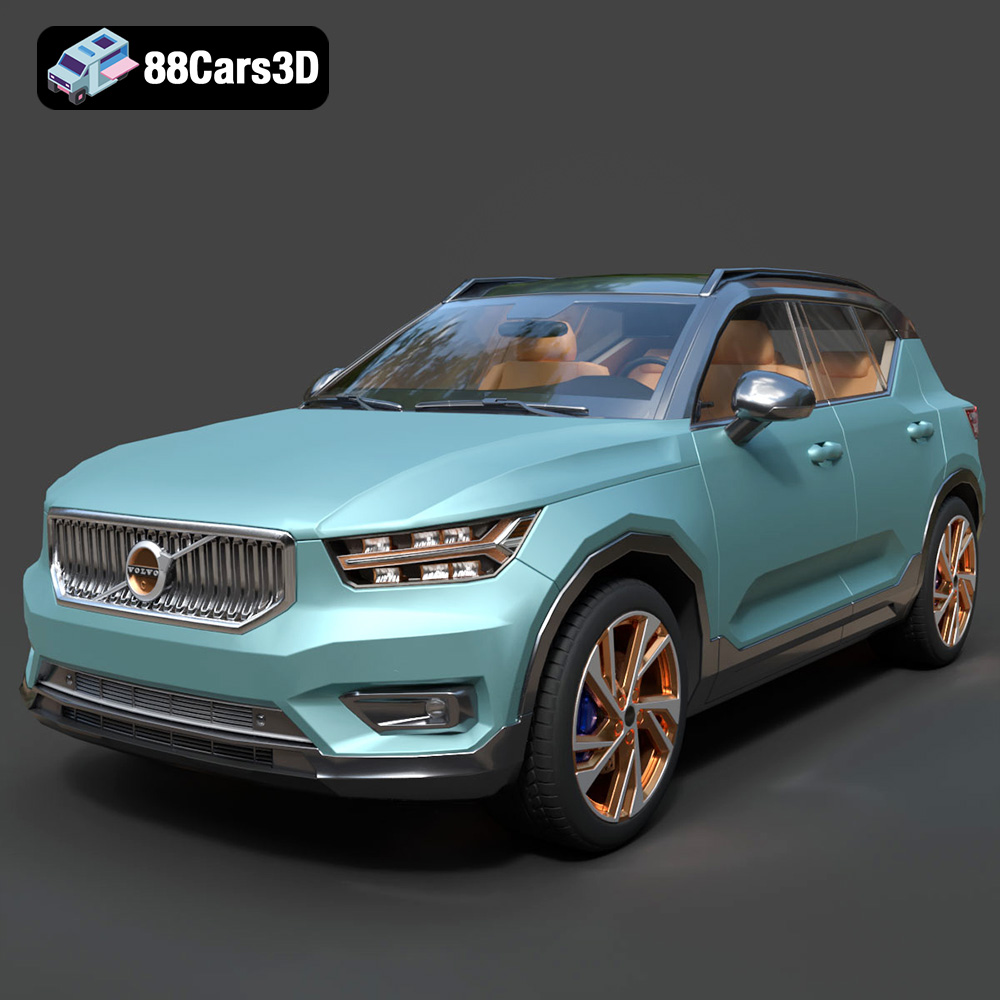
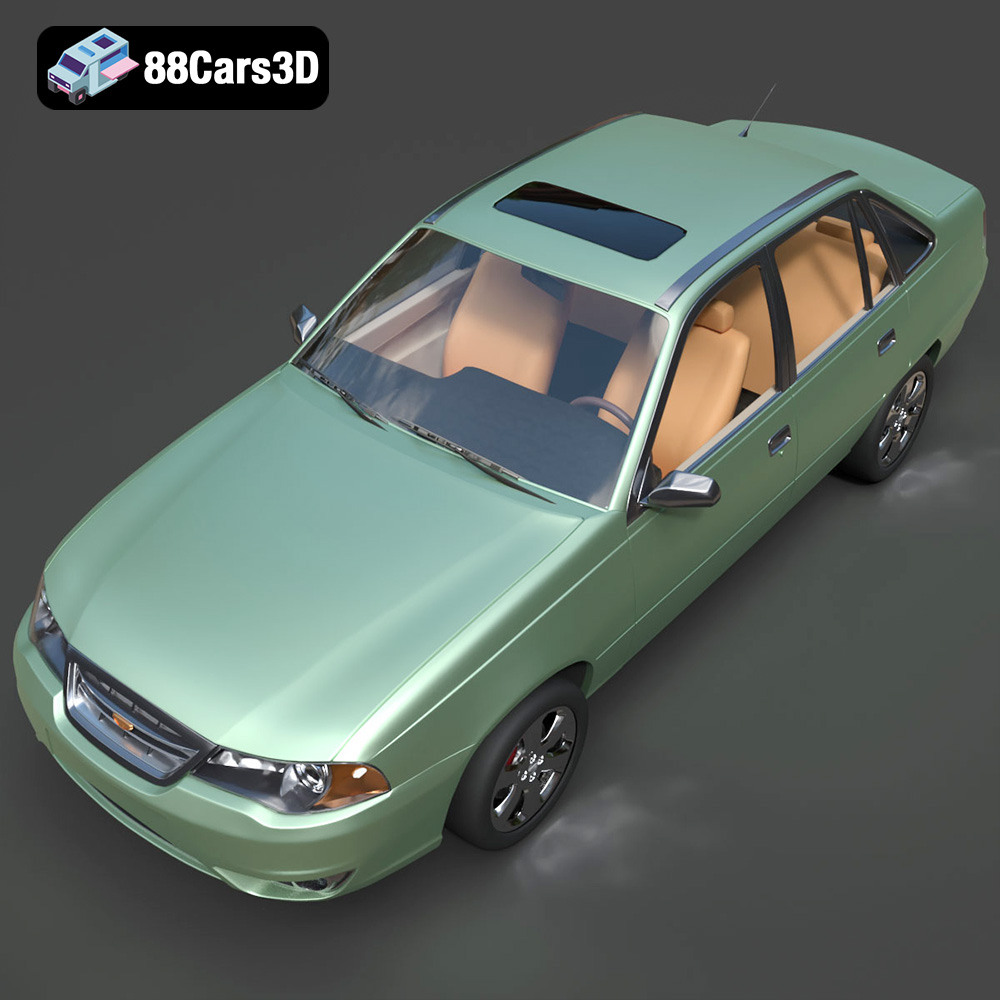
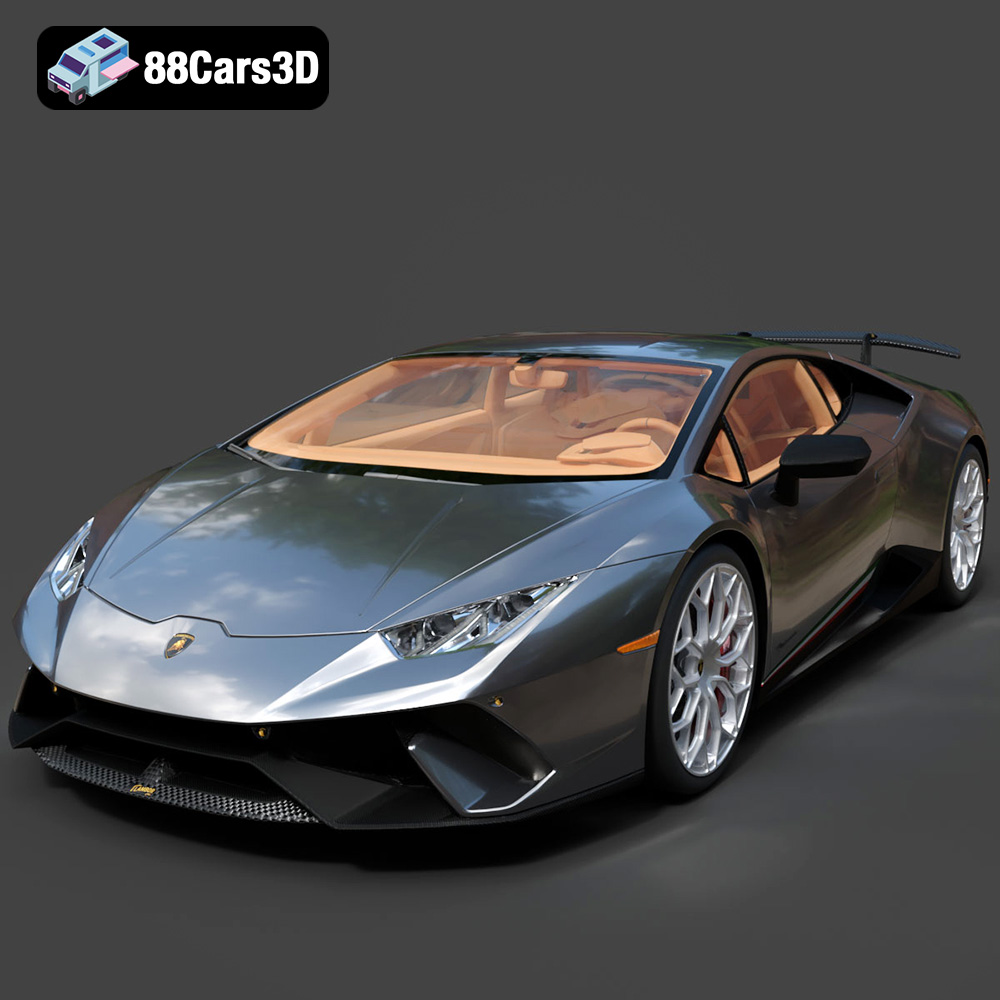
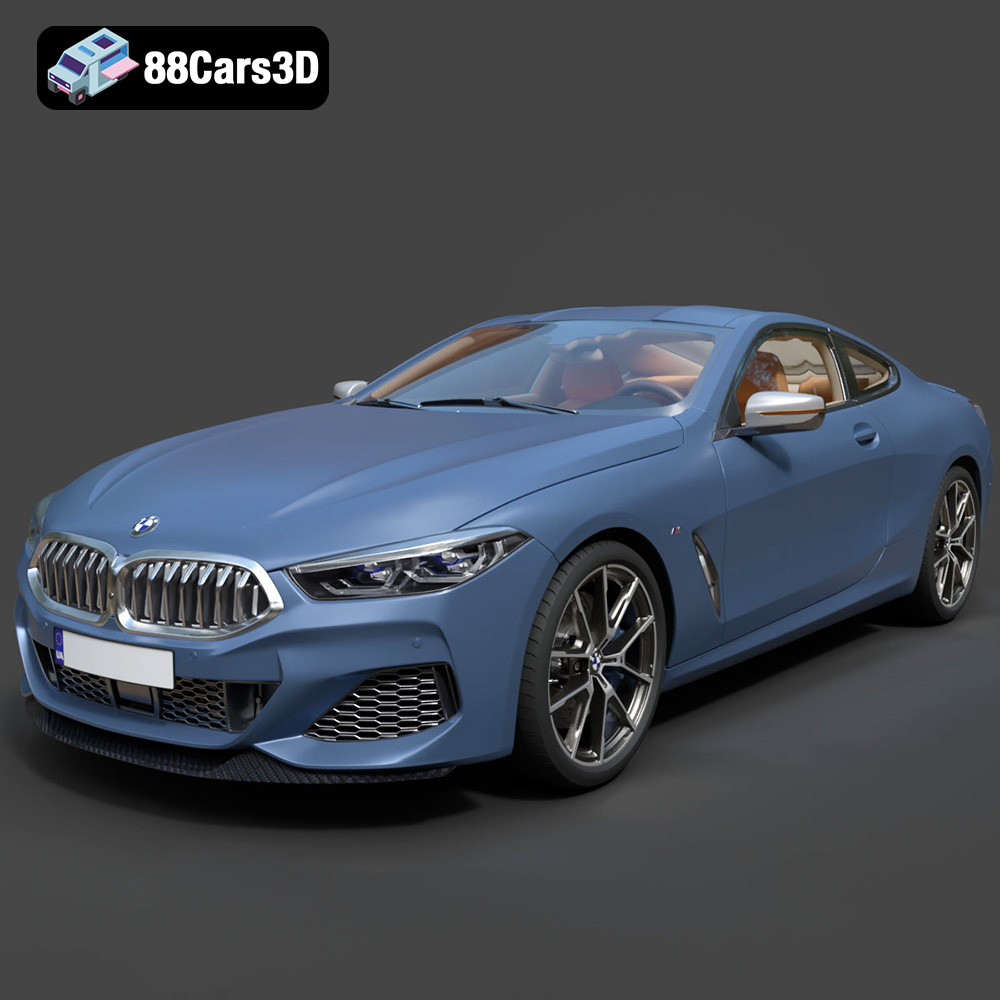
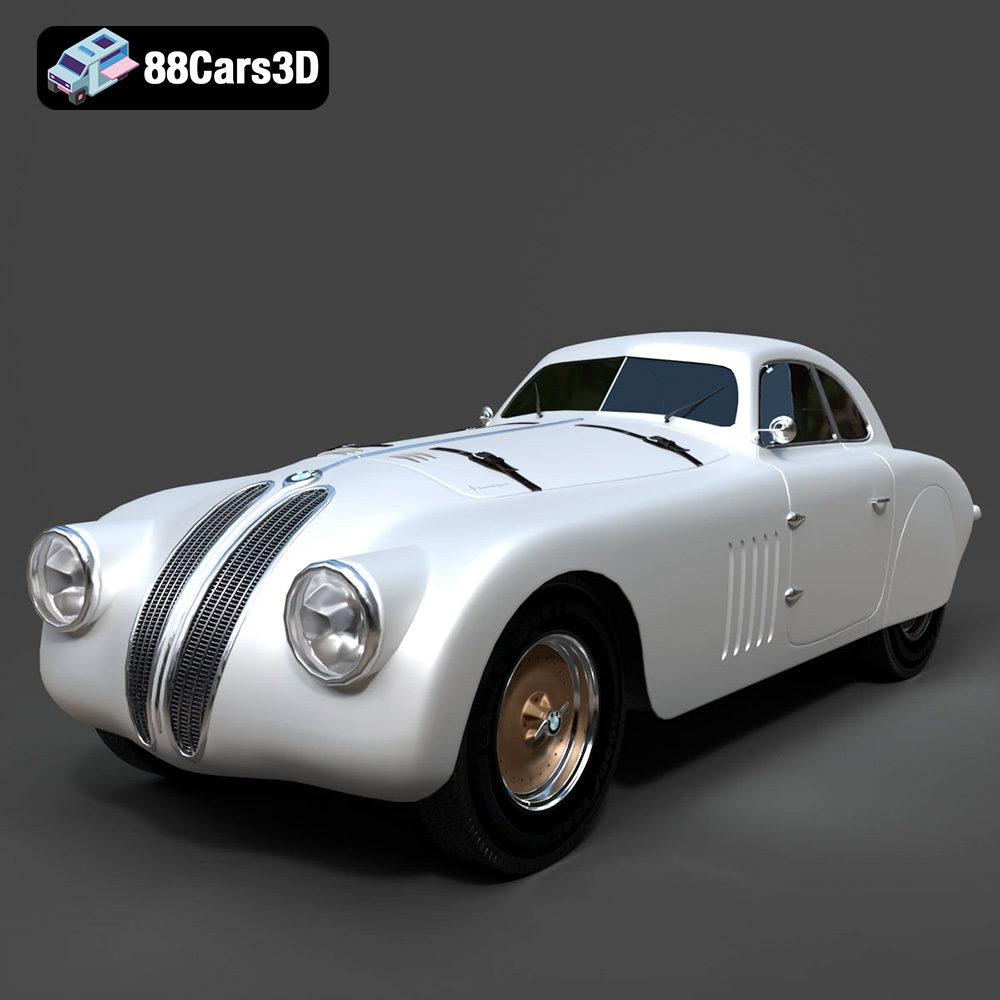
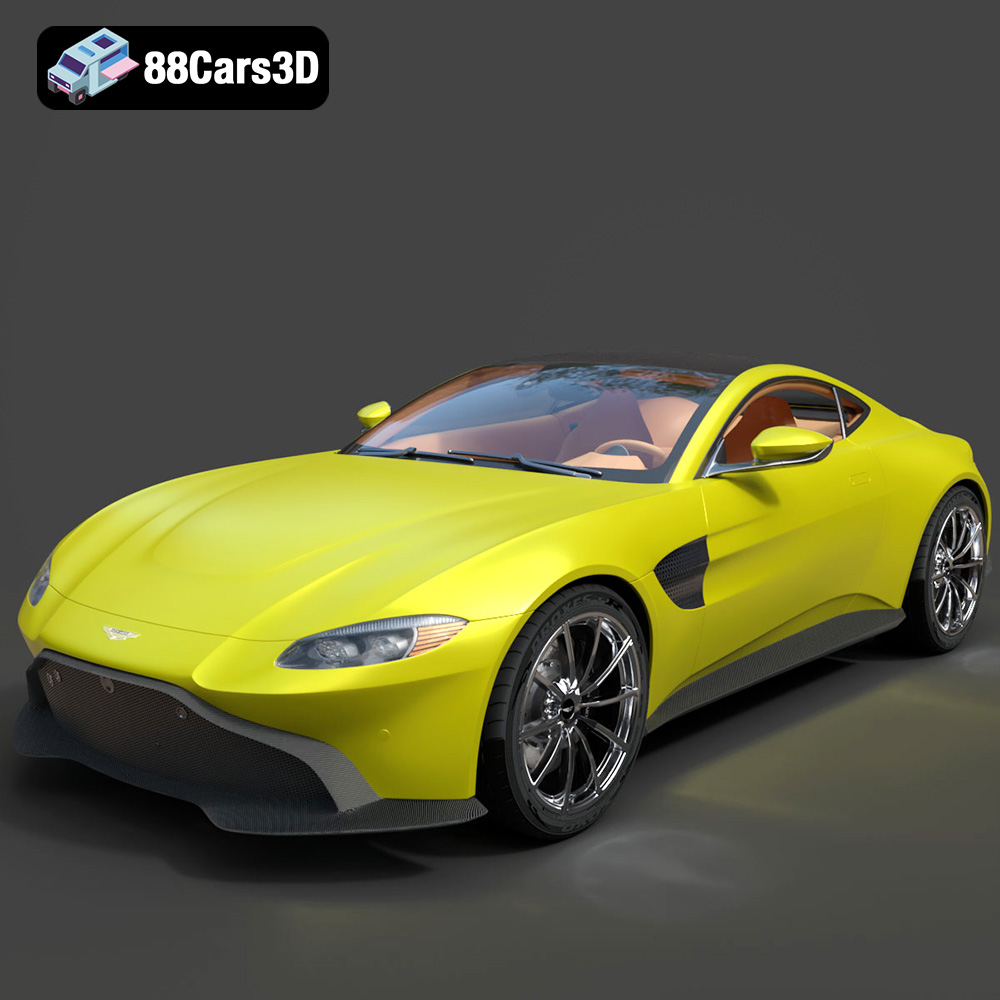
Featured 3D Car Models