⚡ FLASH SALE: Get 60% OFF All Premium 3D & STL Models! ⚡

In the dynamic world of 3D modeling, where digital artistry meets engineering precision, the demand for highly detailed, historically accurate assets is ever-growing. From blockbuster film productions to immersive game environments and intricate architectural visualizations, the authenticity of every element plays a crucial role in delivering a convincing experience. Among these elements, classic automobiles hold a special place, embodying eras, styles, and stories. It’s not just about creating a car; it’s about resurrecting a piece of history, pixel by pixel.
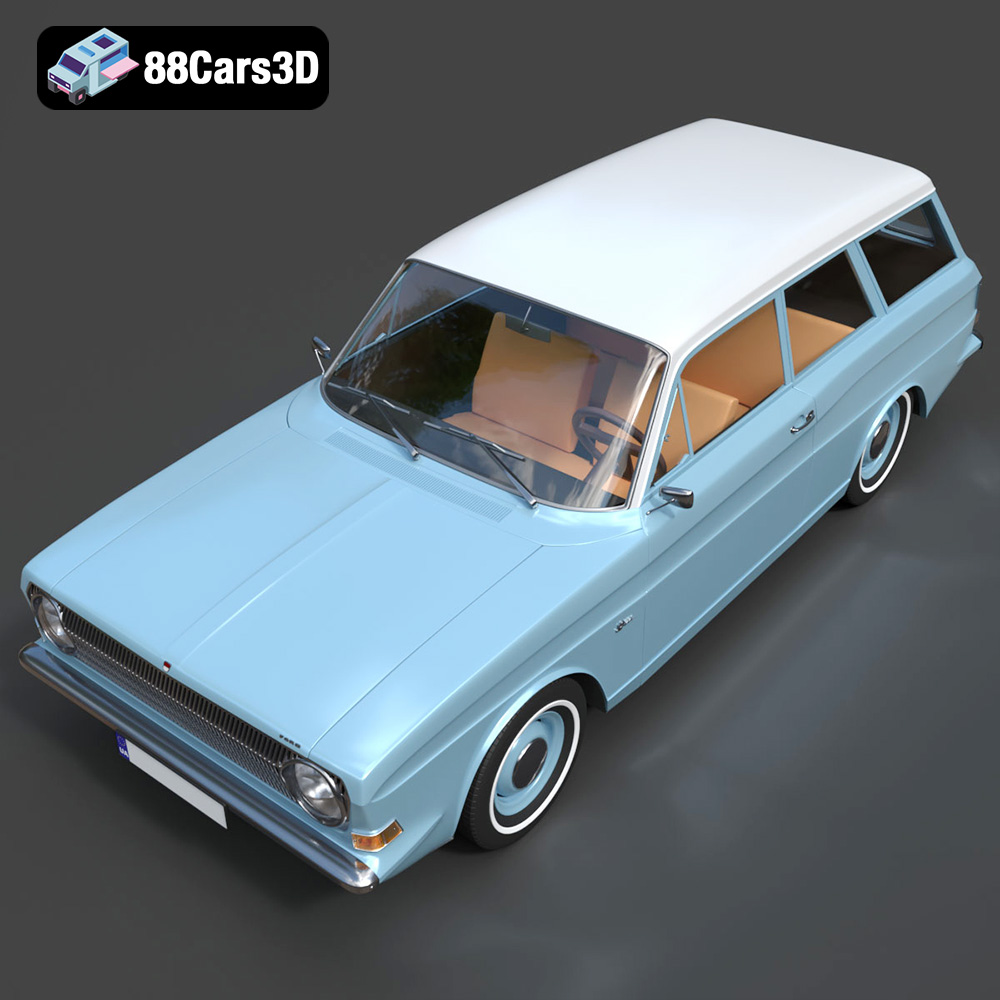
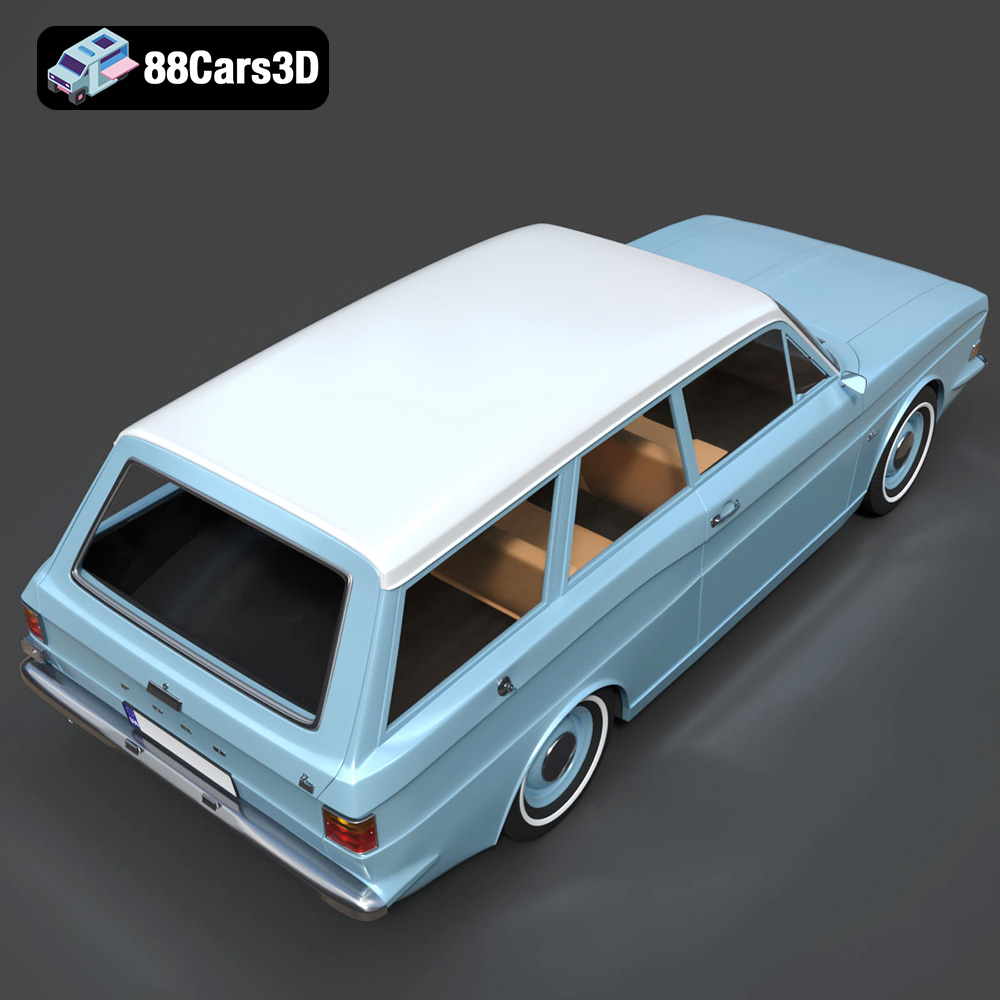
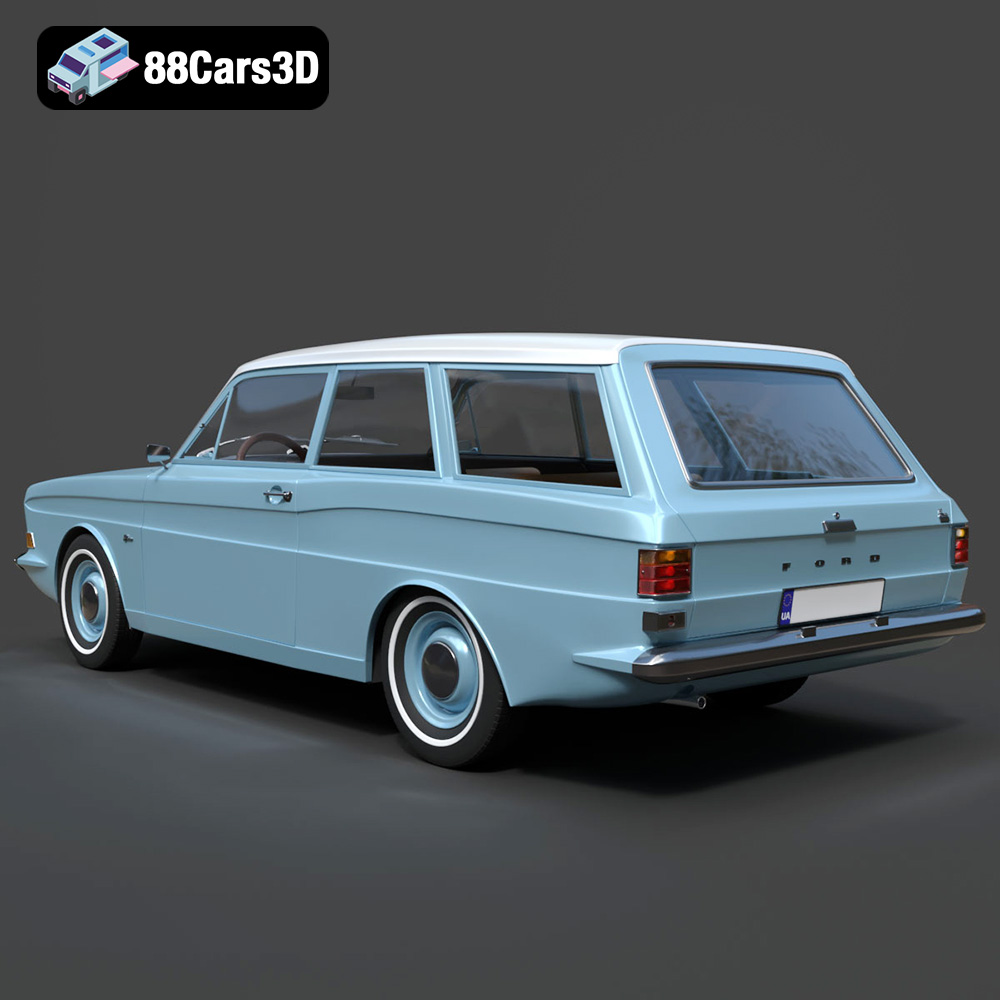
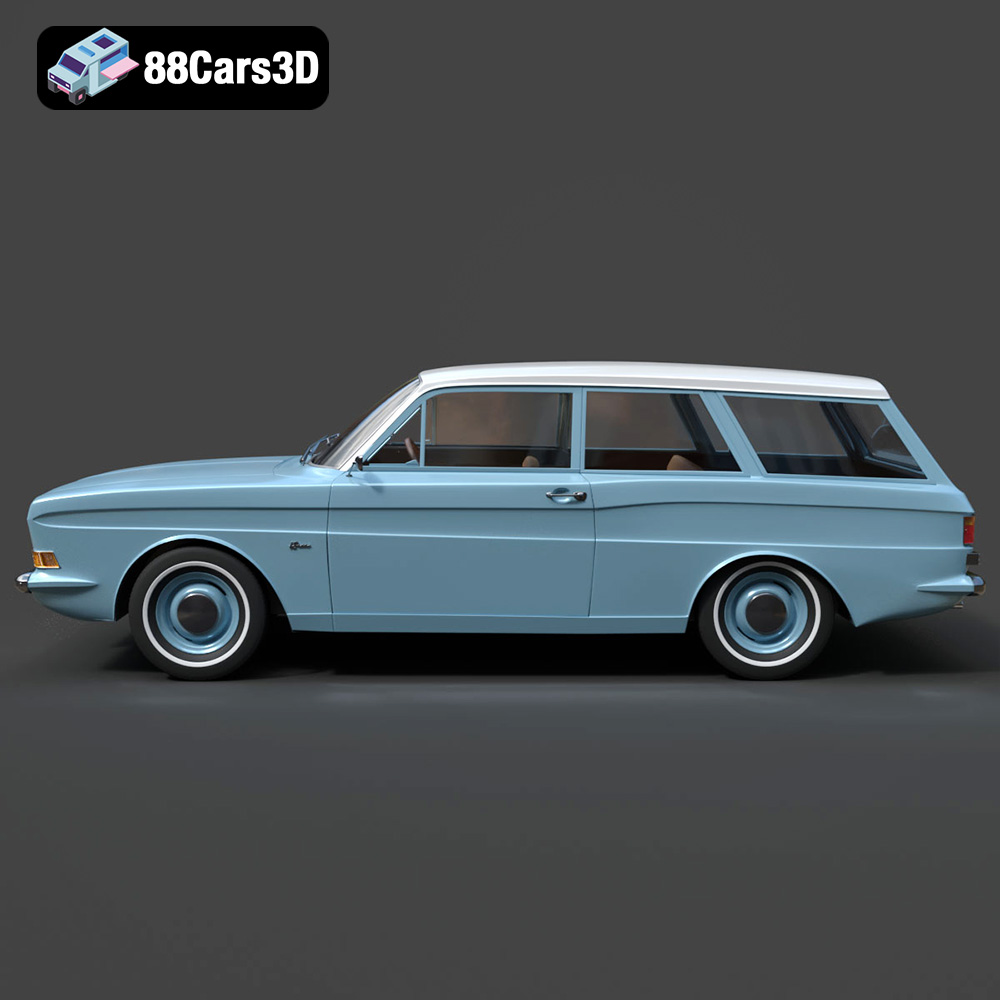
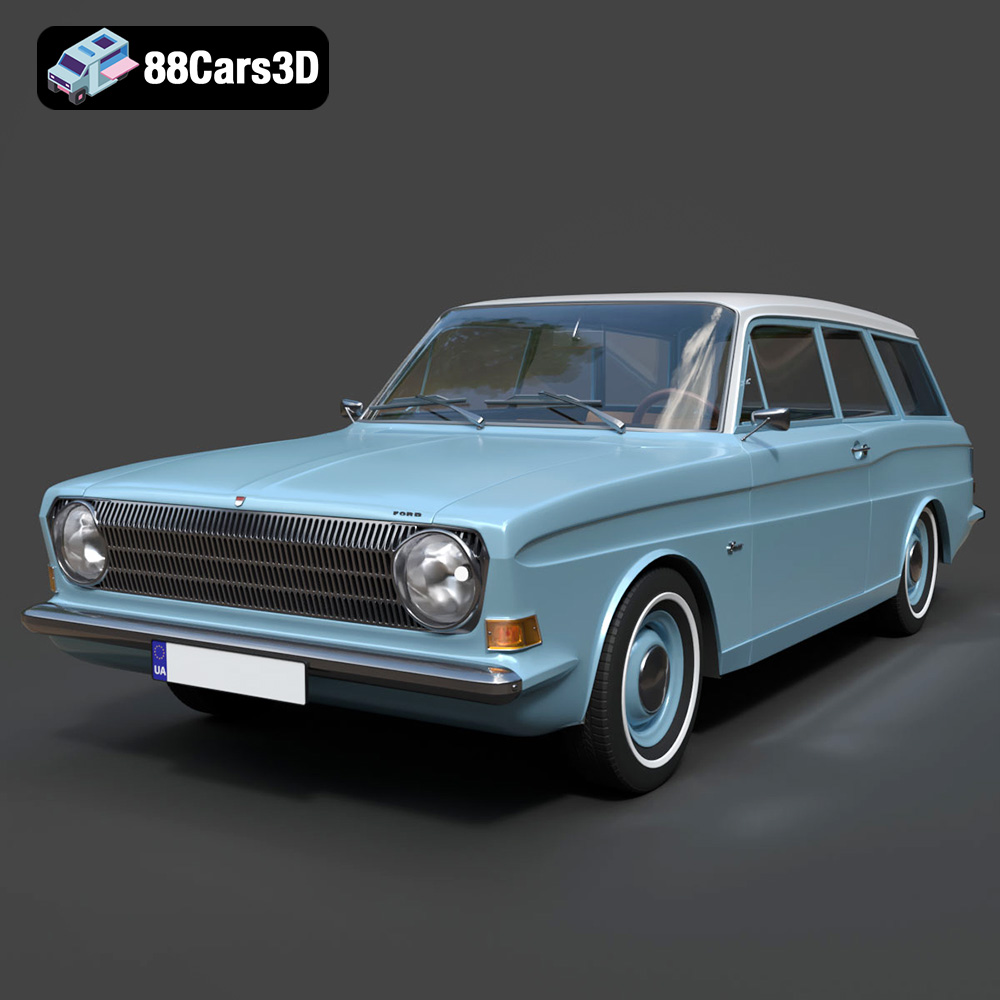
Today, we’re diving deep into the intricate world of classic 3D car models, spotlighting a truly exceptional example: the Ford Taunus (P6) 12M Station Wagon 1967 3D Model. This particular model isn’t just a digital replica; it’s a meticulously crafted homage to a beloved European family estate, known affectionately as the “Turnier.” With its charming, boxy silhouette, distinctive vintage Ford styling, and practical proportions, the Taunus P6 is a gem from the golden era of 1960s automotive manufacturing. Professionals seeking unparalleled accuracy for their automotive rendering, game assets, or 3D printing projects will find this model a cornerstone for their creative endeavors. Let’s explore the technical depth and vast applications of such a sophisticated digital asset.
The choice of a 3D model file format is far more than a simple preference; it dictates compatibility, functionality, and optimization for specific pipelines. A truly versatile asset, like the Ford Taunus (P6) 12M Station Wagon 1967 3D Model, is provided in multiple formats to ensure maximum utility across various professional workflows. Understanding each format’s strengths and typical use cases is crucial for any 3D artist or developer.
The .blend format is native to Blender, the powerful open-source 3D creation suite. When you receive a .blend file, you’re getting a fully editable Blender scene, often complete with materials, textures, lighting setups, and even animation rigs. This format is ideal for artists who primarily work within Blender, offering direct access to the model’s underlying mesh structure, modifiers, and intricate material nodes. For the Ford Taunus model, a .blend file allows for seamless customization, whether adjusting the vintage seating upholstery or reconfiguring the tailgate for a specific animation. Its comprehensive nature makes it perfect for deep dives into asset modification and iteration within the Blender ecosystem.
The .fbx (Filmbox) format is a proprietary file format developed by Autodesk, serving as a widely accepted interchange format for 3D assets, especially in game development and animation. Its robust support for geometry, materials, textures, animations, and skeletal data makes it indispensable. For importing high-quality 3D car models into game engines like Unreal Engine and Unity, or animation software like Maya and 3ds Max, .fbx is often the go-to. The Ford Taunus model, provided as an .fbx, is perfectly primed for integration into real-time pipelines, allowing developers to quickly bring this classic car into their virtual worlds with all its animated components and material definitions intact.
The .obj (Wavefront OBJ) format is one of the oldest and most universally supported 3D file formats. It’s a simple, text-based format primarily used for transferring static mesh data, including vertices, normals, UVs, and faces. While it doesn’t typically store animation or rigging data, its widespread compatibility across virtually all 3D software makes it an excellent choice for basic mesh exchange. If you need to import the Ford Taunus model into a less common application or simply require the raw geometric data for specific tasks, the .obj version ensures broad access and foundational compatibility.
The .glb (GLB Transmission Format Binary) is the binary version of the glTF (GL Transmission Format), designed for efficient transmission and loading of 3D scenes and models by engines and applications. It packages geometry, materials, textures, and animation into a single compact file, making it ideal for web-based 3D, augmented reality (AR), virtual reality (VR), and other real-time applications where performance and file size are critical. For showcasing the Ford Taunus in an interactive web viewer, a virtual classic car museum in VR, or an AR experience on a mobile device, the .glb format offers optimal performance and visual fidelity.
The .stl (Stereolithography) format is the cornerstone of 3D printing. It represents a 3D model as a series of connected triangles, describing only the surface geometry of an object without color, texture, or other CAD attributes. For hobbyists and professionals looking to bring the Ford Taunus (P6) 12M Station Wagon into the physical realm as a display-scale model, the .stl file is essential. It requires a “manifold” mesh, meaning it has no holes or inverted normals, to ensure a successful print. The provision of the Taunus in .stl directly supports the growing trend of digital manufacture and personalized collectibles.
The .ply (Polygon File Format) is another common format for storing 3D data, particularly useful for applications involving 3D scanners, CAD, and scientific analysis. Unlike .obj, .ply can store a broader range of properties beyond just geometry, including color, transparency, and sometimes even material properties per vertex or face. It’s often used for precision mesh data, making it valuable for engineering, historical preservation, or complex analysis of the Taunus’s intricate surfaces. Its utility extends to scenarios where highly accurate geometric data is paramount.
The inclusion of an .unreal format typically signifies an asset that has been specifically prepared and potentially imported into an Unreal Engine project. This could mean it’s an exported asset from Unreal, or a package containing the necessary files and configurations (like .uasset files) to drop directly into an Unreal project. Such a format streamlines the workflow for Unreal Engine developers, providing an engine-ready version of the Ford Taunus with optimized materials, collision meshes, and potentially even basic animation blueprints, saving considerable setup time in real-time environments.
The .max format is the native scene file for Autodesk 3ds Max, a leading software for 3D modeling, animation, rendering, and visualization. Similar to .blend, a .max file contains the complete scene, including geometry, lights, cameras, materials, textures, animations, and render settings. This format is crucial for users who wish to leverage 3ds Max’s powerful modeling tools, sophisticated rendering engines (like V-Ray or Corona), or complex animation capabilities for the Ford Taunus. It allows for advanced customization and high-end cinematic rendering directly within its native environment.
The provision of the Ford Taunus (P6) 12M Station Wagon 1967 3D Model in such a comprehensive array of formats underscores its versatility and the commitment to professional utility. Whether you’re an architect needing a period-correct vehicle for a visualization, a game developer crafting an open-world historical game, or a hobbyist looking to 3D print a classic car, 88cars3d.com ensures you have the right tool for the job.
Automotive rendering is a specialized field that demands an exacting blend of artistic vision and technical mastery. It’s where the raw data of a 3D model transforms into stunning, photorealistic imagery. For a classic like the Ford Taunus (P6) 12M Station Wagon 1967, achieving authenticity requires careful attention to mesh detail, material properties, and environmental lighting.
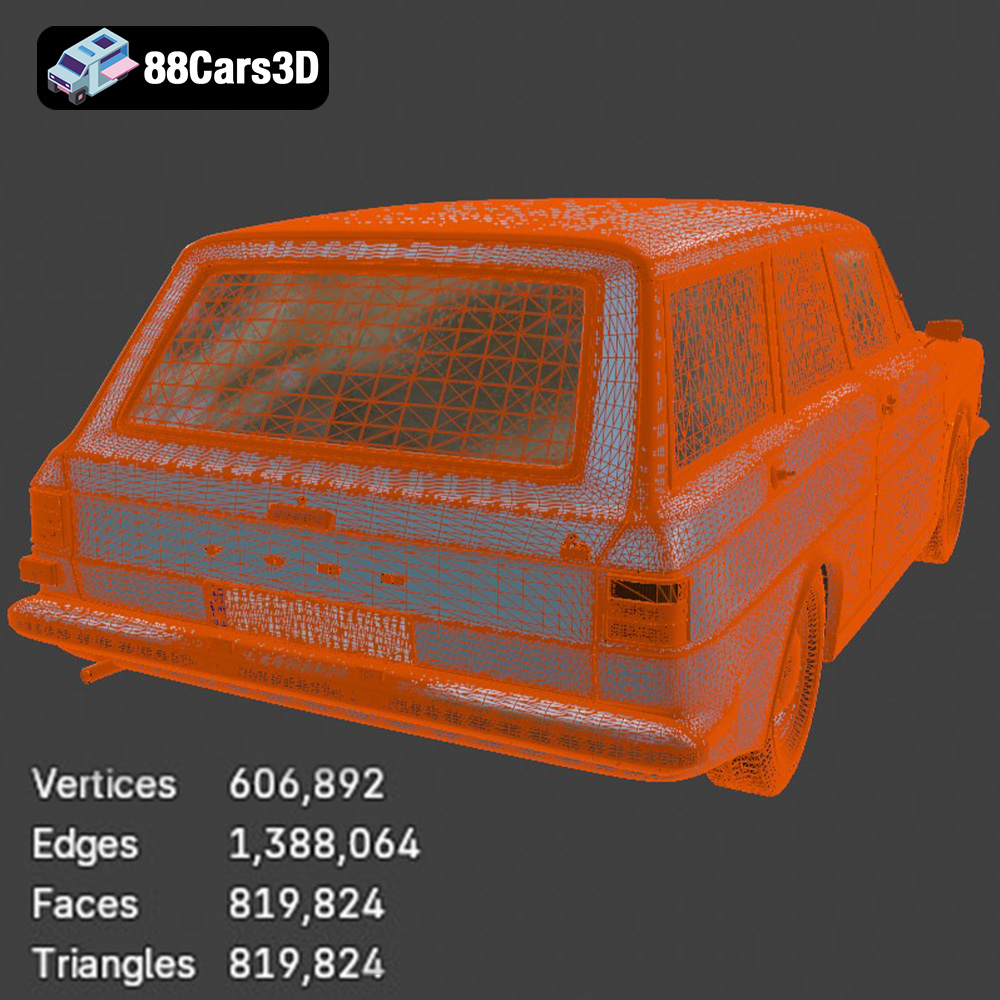
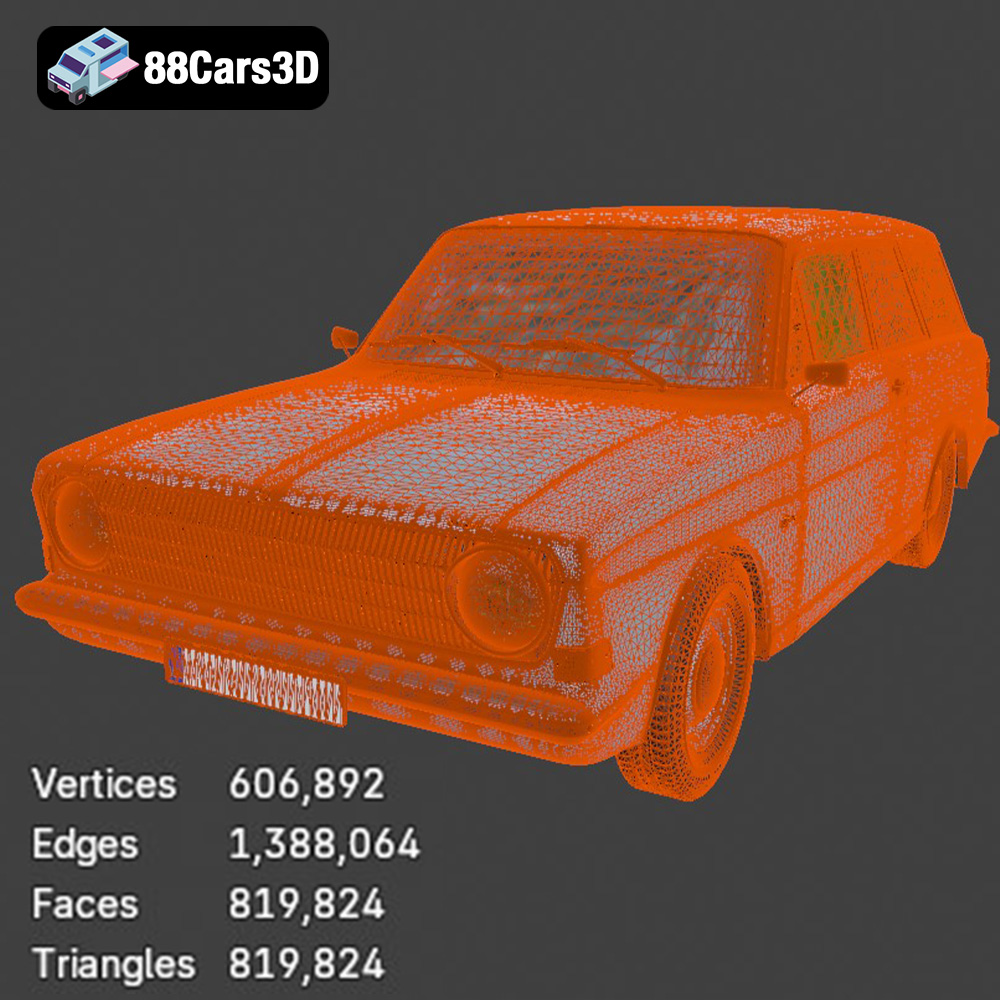
The Ford Taunus model boasts a dense, high-polygon topology with an impressive 1,185,400 vertices, 2,350,100 edges, and 1,215,800 faces/polygons. This high poly count is not merely a number; it’s the foundation for premium visual fidelity. It allows for incredibly smooth curves, sharp edges, and subtle surface variations that are crucial for realistic automotive rendering, especially in close-up shots. Every crease, every panel gap, and every chrome accent can be accurately represented without resorting to normal maps or relying heavily on displacement, providing true geometric detail.
Lighting is arguably the most critical component of photorealistic rendering. For a 1967 vehicle, the lighting must evoke the era and context. Whether it’s a nostalgic sunset on a suburban street or the crisp, even light of a professional studio, the environmental setup dictates the mood and realism.
Game development presents a unique set of challenges for 3D car models. While visual fidelity is paramount, real-time performance and interactivity are equally crucial. The Ford Taunus (P6) 12M Station Wagon 1967 3D Model, with its high-poly count, offers excellent foundations for game assets, especially for cinematic use or next-gen titles, but also provides opportunities for optimization.
High-polygon models like the Taunus are often designed for high-end rendering and visualization. For real-time game engines, optimization is frequently a necessary step to maintain smooth frame rates. This usually involves techniques to reduce polygon count without significant loss of visual quality.
A static 3D model is just the beginning for game development. To bring a vehicle to life, it needs to be rigged and animated, allowing players to interact with it realistically. The Ford Taunus model is thoughtfully prepared for this, with separate components designed for animation.
The utility of high-quality 3D car models extends beyond digital screens. With advancements in additive manufacturing, these digital assets can be transformed into tangible objects, opening up new avenues for collectors, hobbyists, and even industrial designers. The Ford Taunus (P6) 12M Station Wagon 1967 3D Model is ready for this leap into the physical world.
3D printing requires models to adhere to specific geometric rules to ensure successful fabrication. The .stl format, specifically provided with the Taunus model, is the industry standard for this process.
Bringing a 3D printed model to life involves more than just the printing process. Post-processing and finishing are critical for achieving a professional, museum-quality collectible.
The versatility of a premium 3D car model like the Ford Taunus (P6) 12M Station Wagon 1967 extends across numerous professional industries. Its high detail and multi-format availability make it an invaluable asset for various high-stakes projects.
In film and TV, historical accuracy is paramount. Recreating period street scenes or vehicle chases can be prohibitively expensive and logistically complex with physical props. This is where 3D car models shine.
Augmented Reality (AR) and Virtual Reality (VR) are transforming how we interact with digital content. High-quality 3D car models are central to creating immersive and engaging experiences.
Architectural renderings often require more than just buildings; they need life and context. Adding period-appropriate vehicles can significantly enhance the realism and narrative of an architectural scene.
The journey from a digital concept to a tangible or interactive experience relies heavily on the quality and versatility of its core assets. The Ford Taunus (P6) 12M Station Wagon 1967 3D Model exemplifies the pinnacle of digital automotive craftsmanship, offering a wealth of technical detail and adaptability for a diverse range of professional applications. Its high-fidelity mesh, meticulous interior and exterior features, and availability in industry-standard formats like .blend, .fbx, .obj, .glb, .stl, .ply, .unreal, and .max, make it an indispensable tool for anyone involved in automotive rendering, game development, AR/VR experiences, or 3D printing.
Whether you’re recreating a nostalgic street scene for a film, building a historically accurate game environment, or crafting a detailed scale model for your collection, this 3D model provides the foundation for unparalleled realism and creative freedom. It’s a testament to how advanced 3D car models can bridge the gap between historical accuracy and cutting-edge digital visualization. For professionals seeking such premium assets, resources like 88cars3d.com continue to be a vital marketplace, offering the detailed 3D car models needed to bring any vision to life with precision and authenticity.
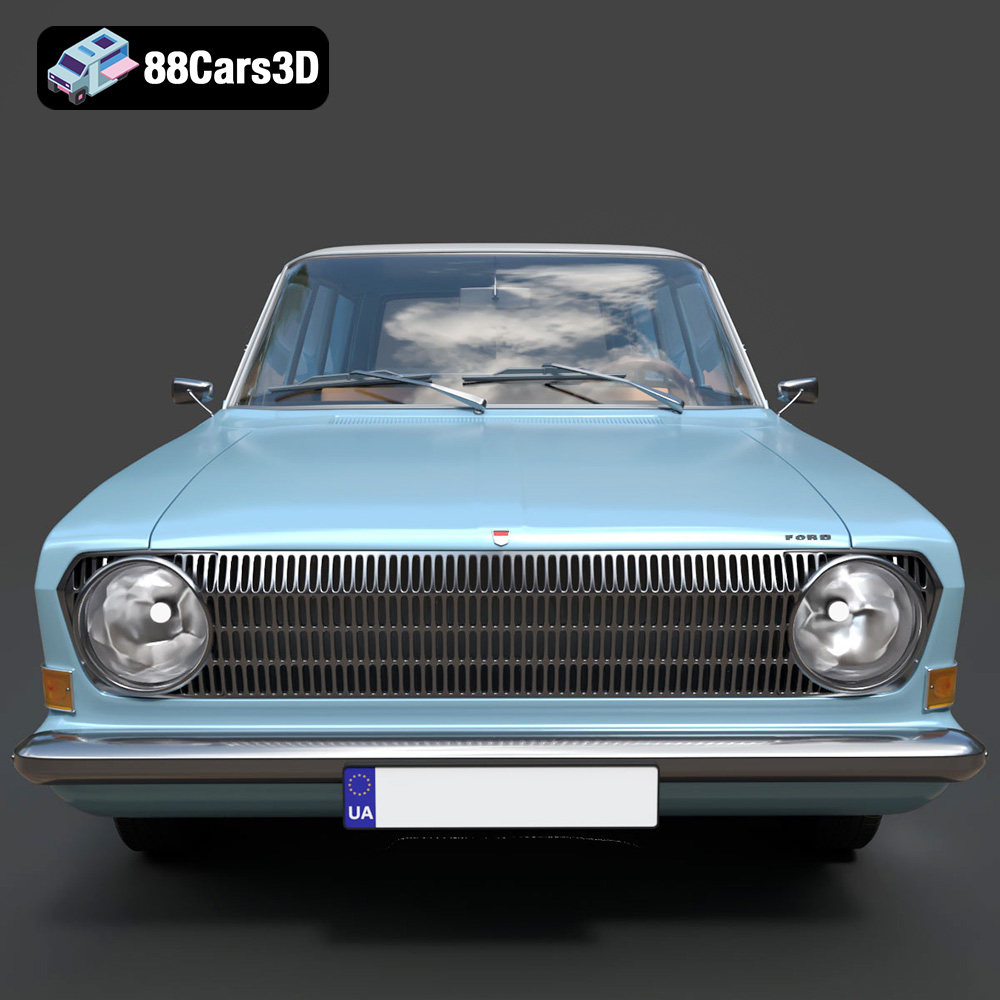
The Ford Taunus (P6) 12M Station Wagon 1967 3D Model is a high-detail digital recreation of the classic European family estate, also known as the “Turnier.” Designed during the golden era of 1960s automotive manufacturing, the Taunus P6 combines a charming, boxy silhouette with practical station wagon proportions, chrome accents, and distinctive vintage Ford styling. This 3D model accurately represents the retro exterior styling, including the iconic round headlights, wide horizontal front grille, classic chrome bumpers, elongated estate roofline, and period-correct hubcaps. Built with dense, high-polygon topology for premium visual fidelity and real-world scale accuracy, it is ideal for close-up rendering, period-accurate historical visualization, animation, game development, and AR/VR classic car showcases. Perfect for retro street scenes, 1960s cinematic productions, classic automotive galleries, and vintage vehicle collections. Includes .blend, .fbx, .obj, .glb, .stl, .ply, .unreal, .max formats for rendering, simulation, AR/VR, and 3D printing.
$49.99
.automotive
.blend
.fbx
.obj
.rendering
.stl
1967-classic
3d printing
car-3d-model
estate-car
ford-taunus
game asset
german-ford
high poly
p6-12m
retro-auto
station-wagon
turnier
vintage-car