⚡ FLASH SALE: Get 60% OFF All Premium 3D & STL Models! ⚡

The allure of Italian supercars is undeniable. Their blend of aggressive performance, breathtaking aesthetics, and rich heritage has captivated enthusiasts for decades. For 3D artists, game developers, architects, and product designers, bringing these iconic machines into digital or physical realms requires 3D car models that truly do justice to their legendary status. Compromises in detail, accuracy, or optimization simply aren’t an option when depicting the “Bella Macchina.”
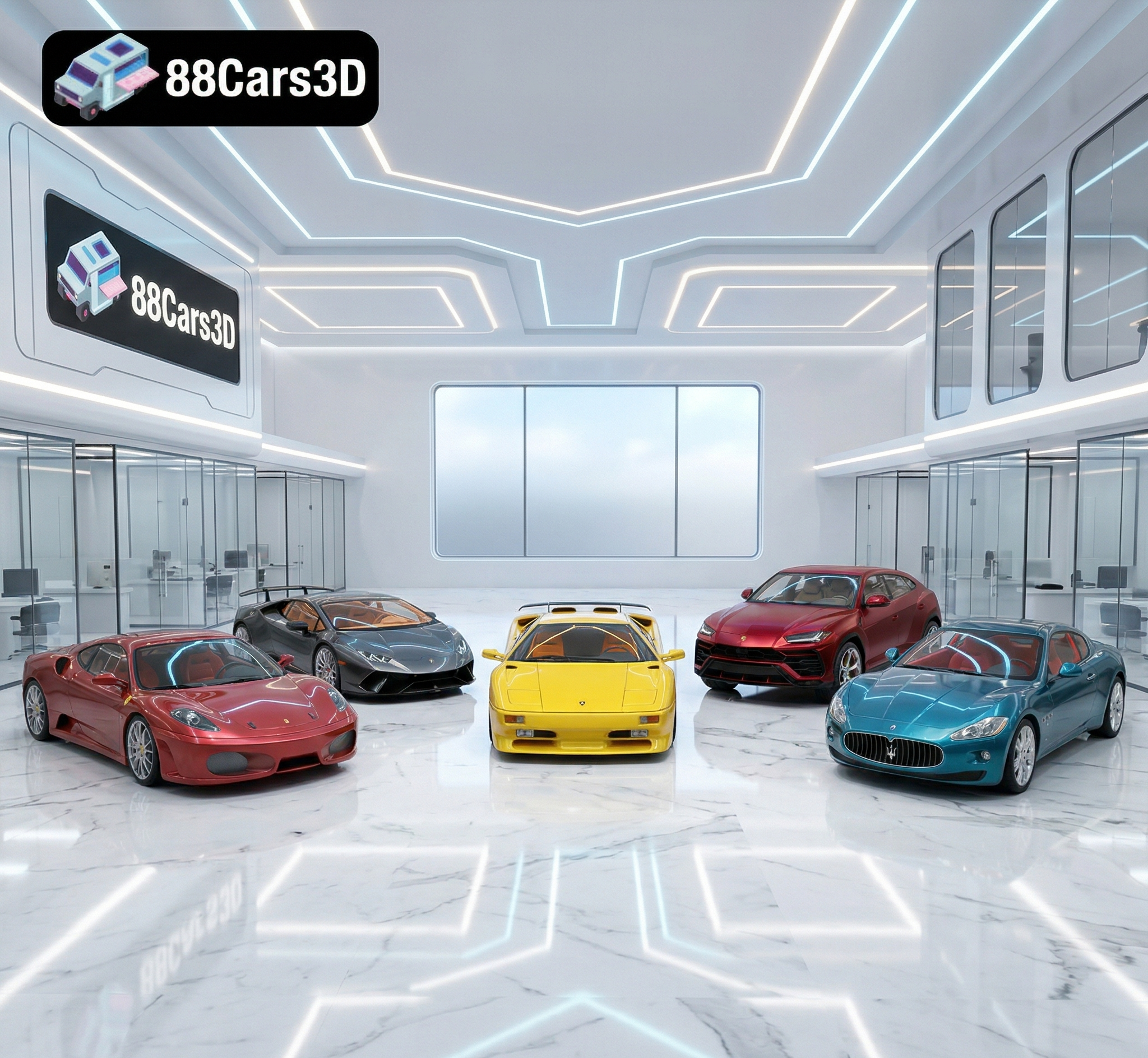
This is where specialized, high-quality asset collections become invaluable. Imagine having a curated garage of Italy’s finest, ready to integrate into your next cinematic render, immersive game environment, or even a tangible 3D-printed collectible. Such a resource not only saves hundreds of hours of modeling and texturing but also guarantees a level of fidelity that elevates any project. We’re talking about the kind of precision that captures the elegant sweep of a Ferrari’s fender, the menacing stance of a Lamborghini, or the understated luxury of a Maserati. This quest for digital perfection culminates in offerings like The Italian Legends Bundle 5 Ultimate Supercar 3D Models STL Optimized, a collection specifically designed to meet the rigorous demands of professional 3D production, from high-stakes cinematic renders to precise 3D printing projects.
Navigating the world of 3D modeling often begins with understanding the myriad of file formats available, each serving a distinct purpose and offering specific advantages. Choosing the correct format for your workflow is crucial for seamless integration, preserving model fidelity, and ensuring project efficiency. The Italian Legends Bundle, like many premium 3D car models found on 88cars3d.com, provides a versatile array of formats to cater to diverse professional needs.
The .blend file is the native format for Blender, a powerful and increasingly popular open-source 3D content creation suite. When you receive a .blend file, you’re not just getting the mesh; you’re getting a complete Blender scene. This includes all geometry, materials, textures, lighting setups, cameras, animations, modifiers, and even custom scripts. It offers maximum editability, allowing artists to delve deep into the model’s construction, adjust its topology, modify materials, or re-rig components with ease. It’s ideal for those who primarily work within Blender and require full control over the asset, making it perfect for custom animations, detailed material overrides, or integrating the model into a larger Blender-native scene.
Known as a universal interchange format, .fbx (Filmbox) is widely adopted across 3D applications and game engines, particularly ideal for Unreal Engine, Unity, and real-time pipelines. Developed by Autodesk, FBX is excellent at storing not just mesh data but also critical information like materials (though often simplified, requiring re-setup in the target application), textures, animations, skinning, and camera data. Its strength lies in its ability to transfer complex scene information between different software packages while maintaining a high degree of fidelity. For game developers or those needing to move assets between various DCCs (Digital Content Creation tools), .fbx is often the go-to format due to its robust support for animation and skeletal data, ensuring a smooth transition for rigged models like the separated components of the Italian Legends Bundle.
The .obj (Wavefront OBJ) format is one of the oldest and most widely supported 3D formats, making it a truly universal option for cross-software compatibility. It primarily stores geometric data – vertices, normals, UV coordinates, and faces. While it can reference external material (.mtl) files for basic color and texture mapping, it doesn’t support advanced material properties, animation, or rigging. Its simplicity is its strength; almost every 3D software can import and export .obj files reliably. It’s an excellent choice for transferring static meshes when the primary focus is on geometry, and materials will be re-created or refined in the target application.
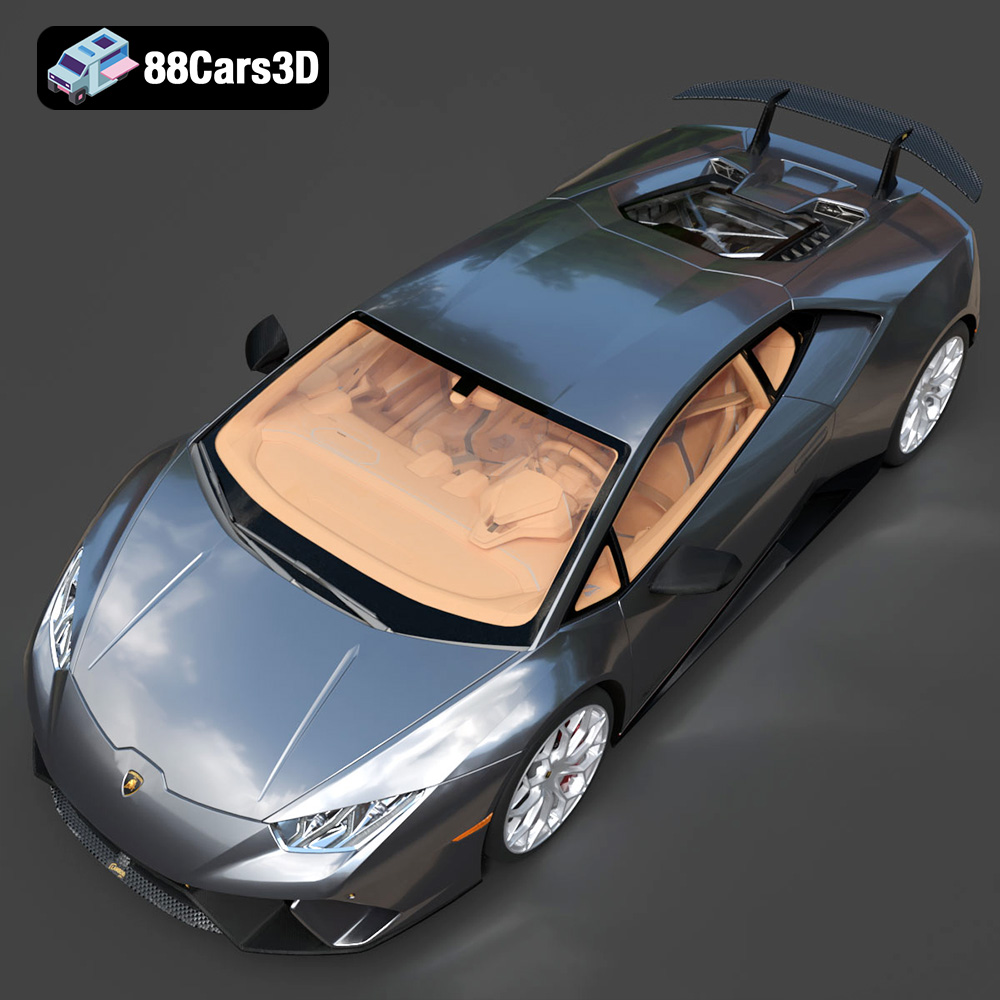
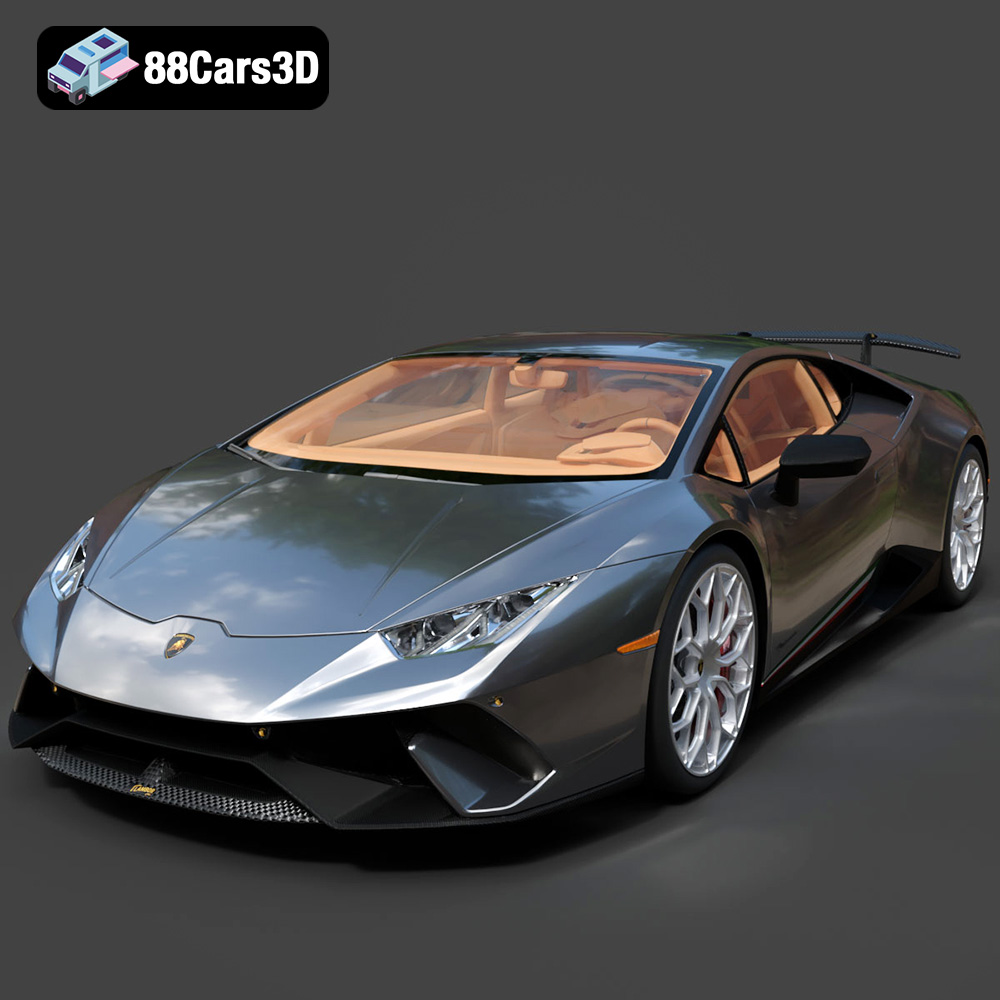
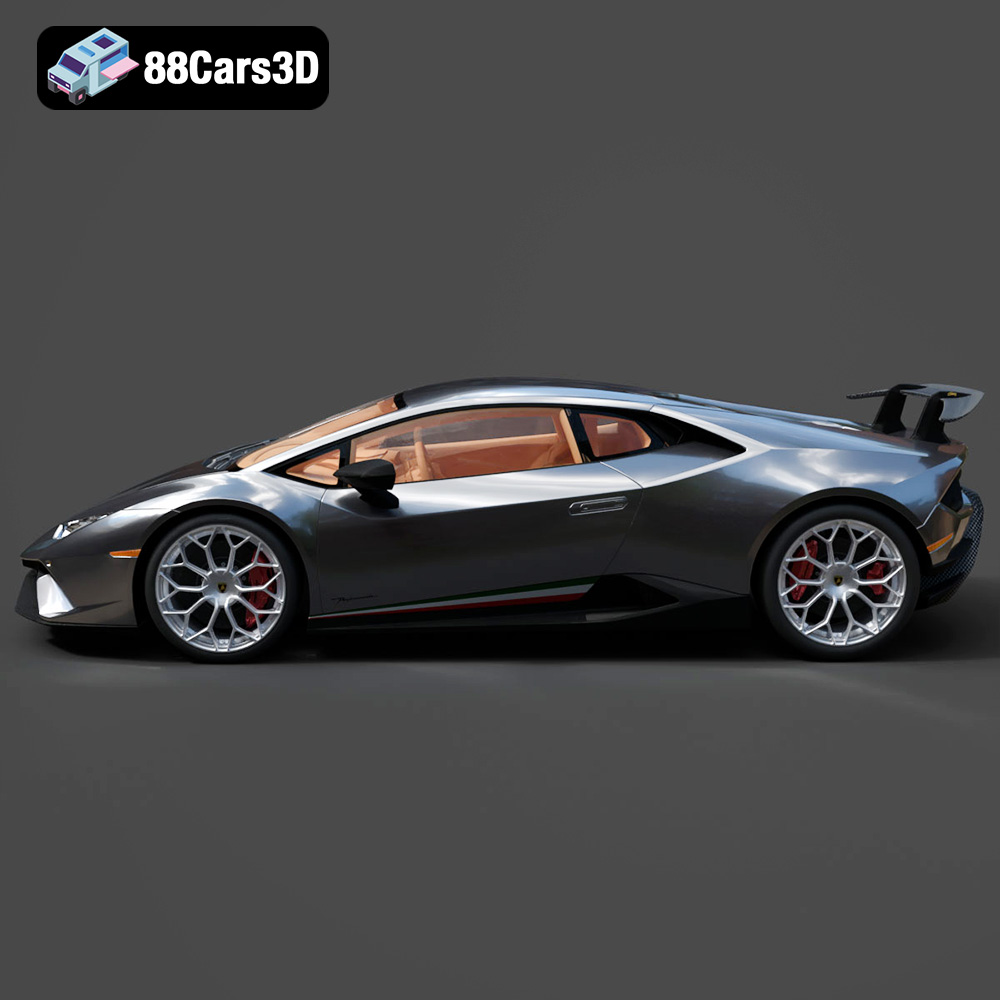
The .glb (GL Transmission Format Binary) format is gaining significant traction due to its optimization for AR (Augmented Reality), VR (Virtual Reality), and browser-based display. It’s essentially a self-contained, binary version of the glTF format, bundling all necessary data—geometry, materials, textures, and animations—into a single file. This makes it incredibly efficient for streaming and displaying 3D models on the web or in mobile AR/VR applications, as it eliminates the need for external texture files and reduces load times. For showcasing a Lamborghini Huracán Performante in an interactive web viewer or a virtual showroom, .glb is the superior choice.
The .stl (STereoLithography) format is the undisputed king of 3D printing. It represents a 3D model as a collection of unconnected triangular facets, defining only the surface geometry without color, texture, or material information. This simplicity makes it universally compatible with 3D printers and slicing software. When a model like the Ferrari 458 Italia is described as “3D Print Ready (STL Included),” it means the mesh has been specifically optimized for successful physical fabrication, ensuring watertight geometry and manifold surfaces crucial for a clean print. This format is essential for anyone looking to bring digital supercars into the physical world as collectibles or prototypes.
The .ply (Polygon File Format or Stanford Triangle Format) is another format for storing 3D data, particularly useful for high-resolution scanned data, CAD (Computer-Aided Design), or scientific analysis. Unlike .stl, .ply can store a wider range of properties for each vertex and face, including color, transparency, surface normals, and even confidence values from scanning devices. While less common for general 3D asset exchange compared to .fbx or .obj, it’s a precision mesh format valuable in specific pipelines where detailed geometric properties are paramount.
While not a universal file extension in the same way as .fbx or .obj, “unreal” often refers to assets specifically prepared or packaged for direct import into Unreal Engine projects. This might be a .fbx file pre-configured with materials, textures, and collision data, or even a self-contained Unreal Engine asset file (e.g., a .uasset). For the Italian Legends Bundle, an “unreal” compatible asset signifies that the model is designed for seamless integration into the Unreal ecosystem, often implying proper scale, pivot points, and a clean hierarchy ready for PBR (Physically Based Rendering) material setup and real-time performance optimization.
Similar to .blend for Blender, the .max file is the native scene format for Autodesk 3ds Max, a long-standing industry standard for architectural visualization, animation, and game asset creation. A .max file contains the complete 3ds Max scene, including geometry, modifiers, materials (V-Ray, Corona, Standard Max materials), lighting, cameras, animation, and any scene-specific settings. It offers the highest level of editability and preservation of scene complexity within the 3ds Max environment, making it ideal for professionals who use 3ds Max as their primary DCC and need full control over every aspect of the Italian Thoroughbreds Bundle’s components for detailed rendering or animation.
In the competitive world of digital content, visual quality is paramount. This is especially true for automotive visualization, where discerning clients and audiences expect nothing less than photorealism. High-fidelity 3D car models are not just about looking good; they are about technical precision that stands up to scrutiny in every scenario.
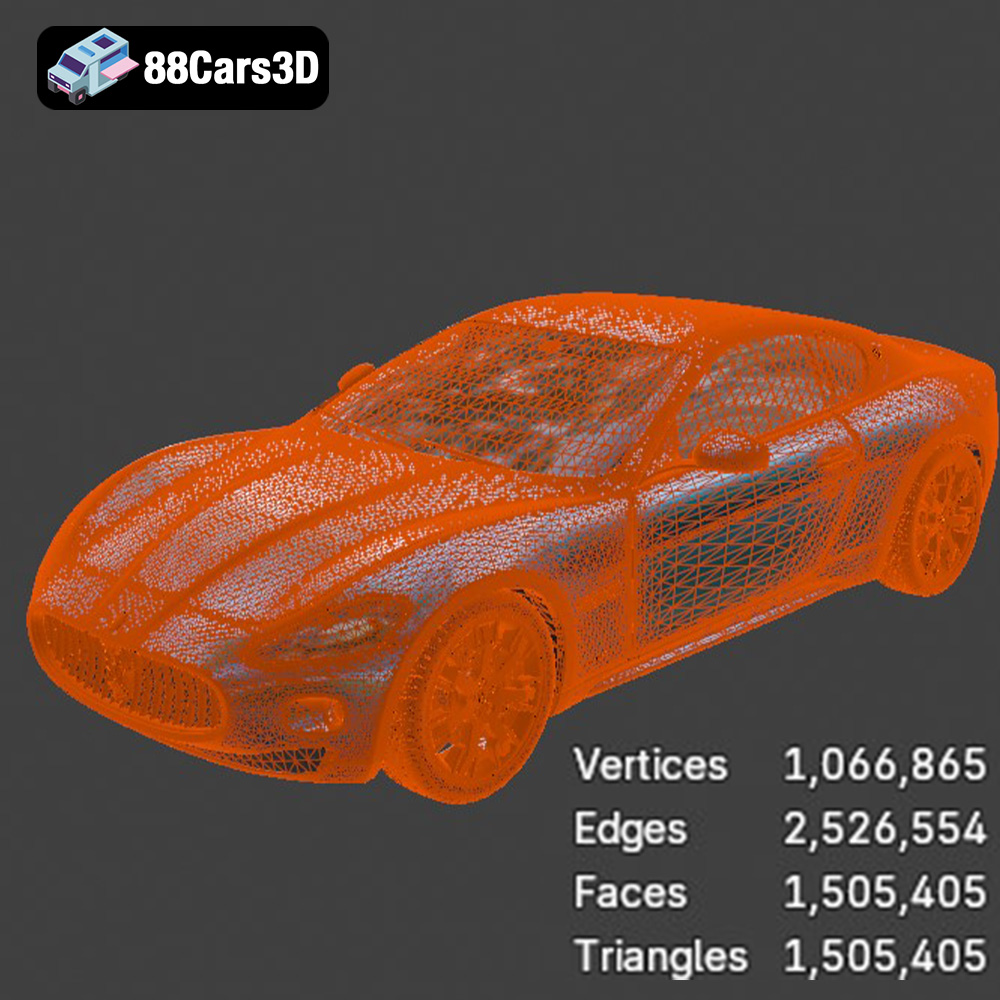
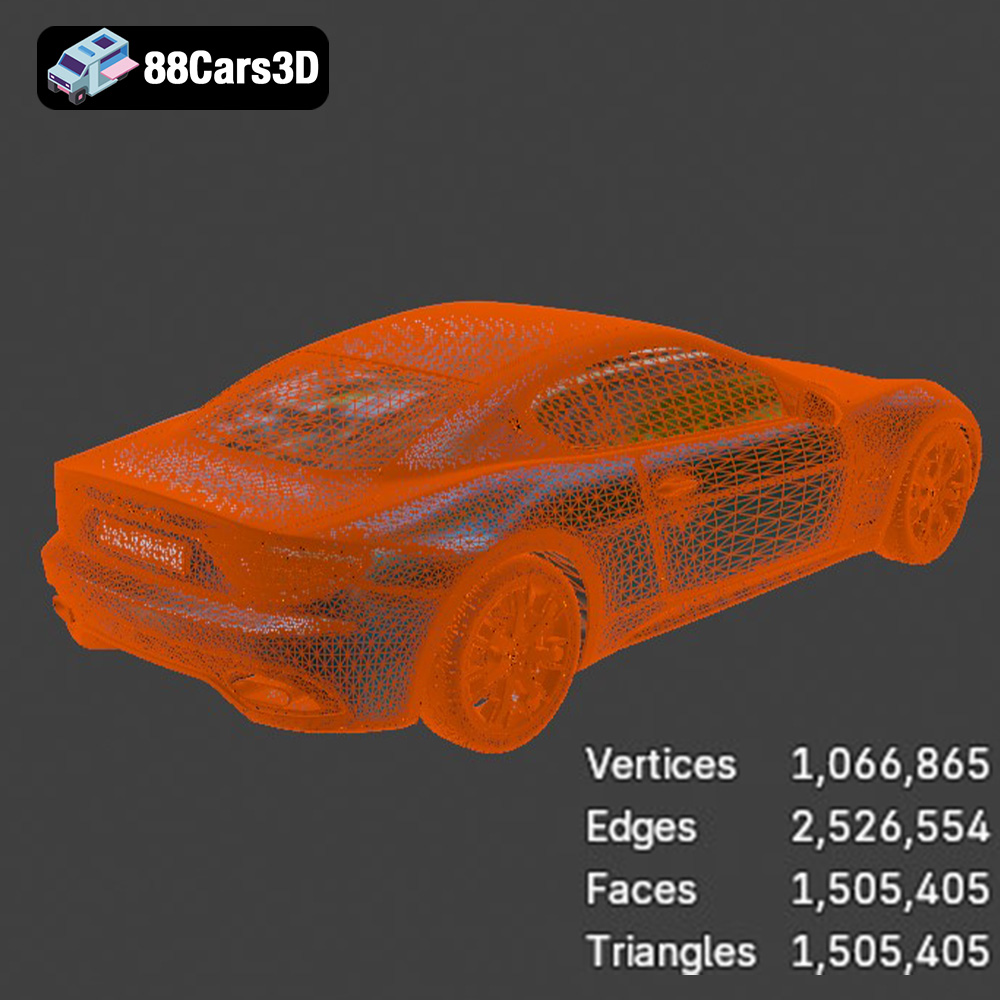
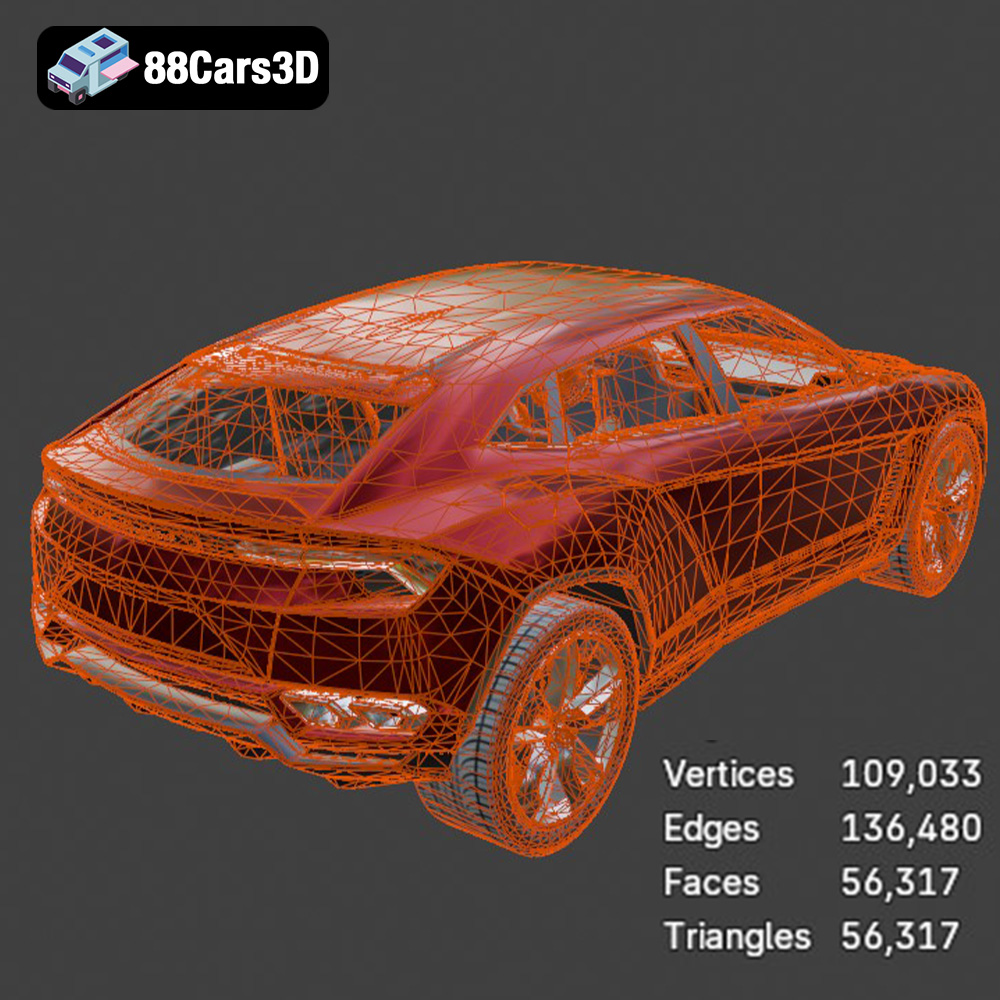
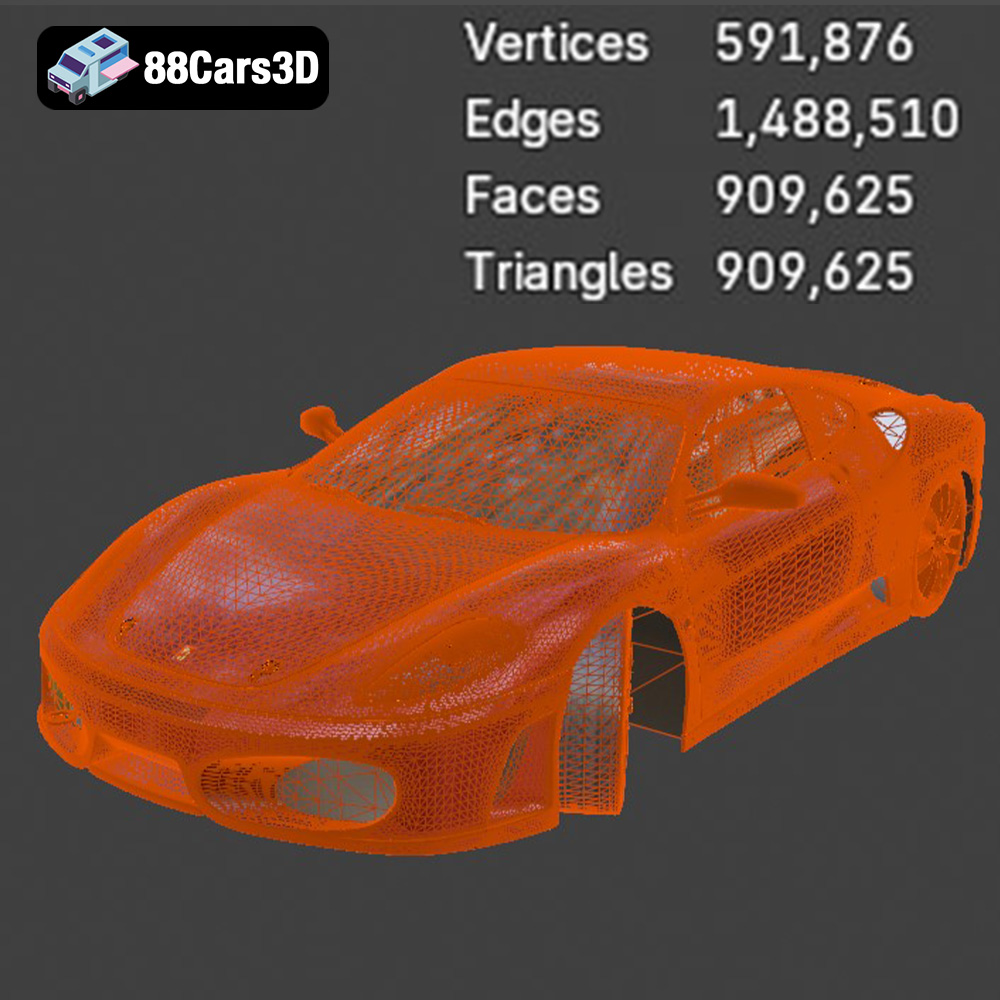
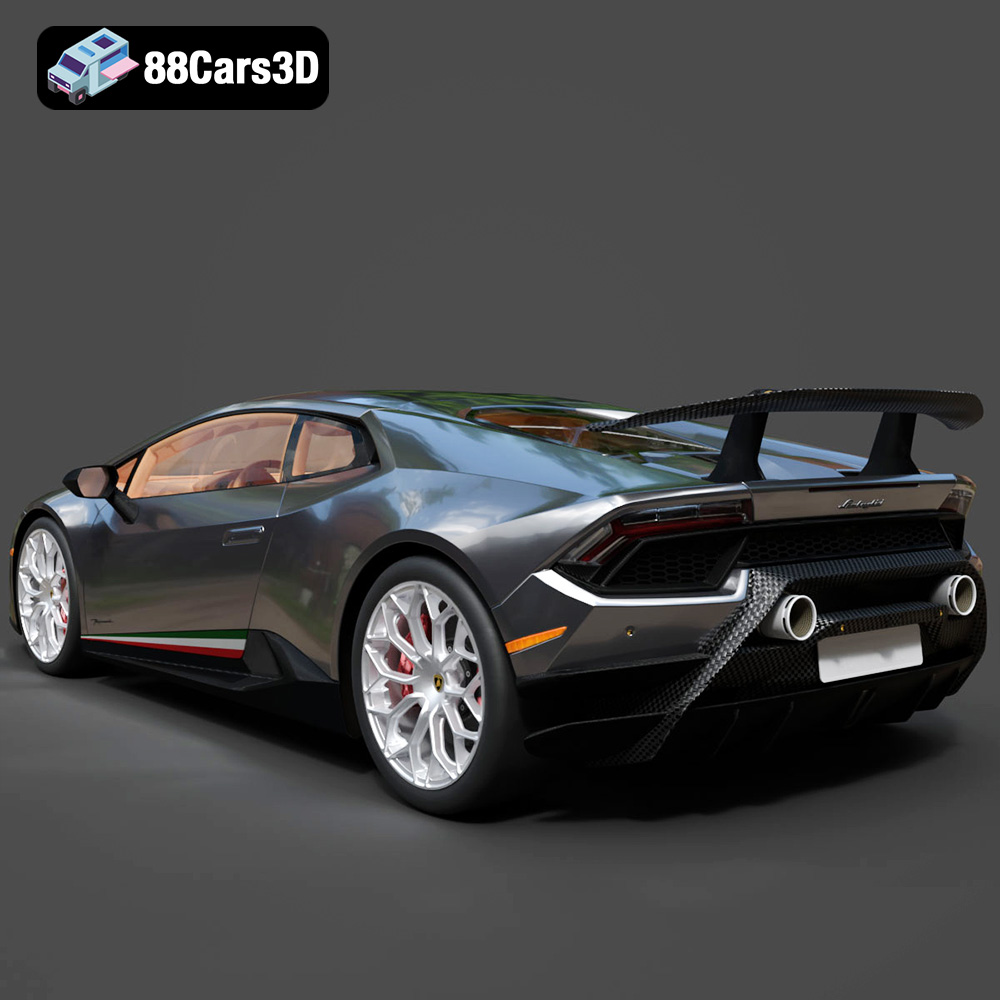
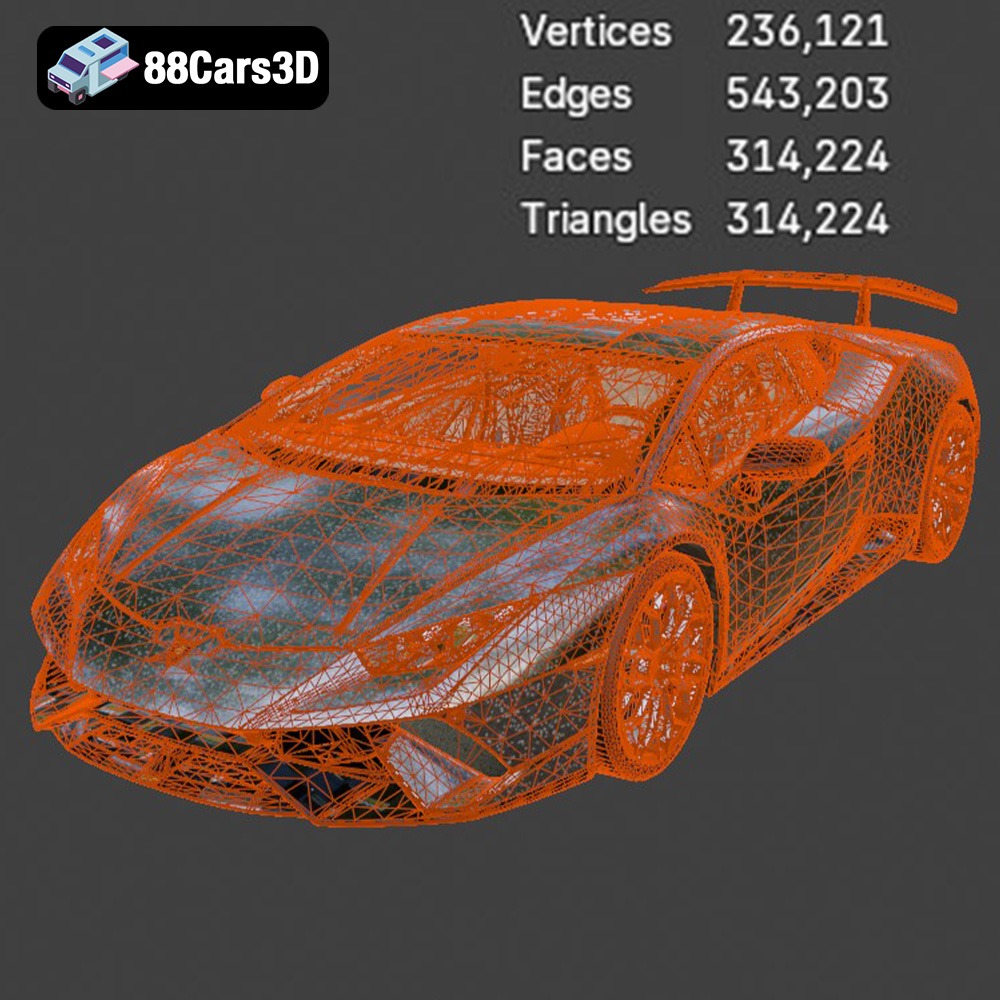
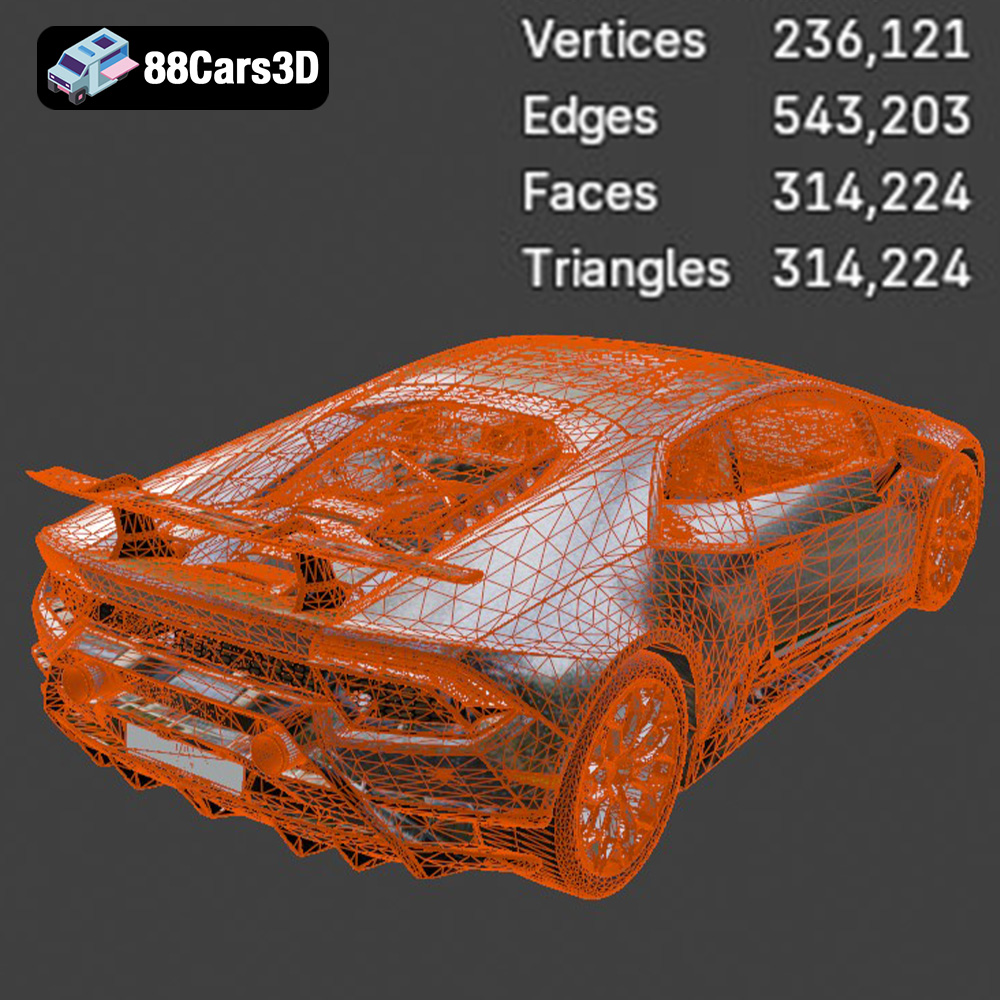
Automotive rendering demands meticulous attention to detail, from the reflections on a polished surface to the subtle contours that define a vehicle’s character. The Italian Legends Bundle excels here with its “Optimization Mastery” and “Precision Detailing.” Each model boasts a meticulously crafted, optimized quad-based topology. This isn’t just a technical term; it’s the foundation for beautiful light reflections, ensuring that the car’s paintwork gleams realistically under any lighting condition, from a sun-drenched outdoor scene to a studio environment. Clean topology also prevents artifacts and allows for smooth subdivisions, crucial for “Hero Car” close-ups in cinematic renders. Furthermore, the accuracy of elements like light clusters, branded brake calipers, and intricate aerodynamic fins—such as the ALA system on the Huracán Performante—adds a layer of authenticity that makes the difference between a good render and an exceptional one. Whether you’re using V-Ray, Corona, Arnold, or Cycles, these models provide the perfect canvas for creating stunning visual experiences that capture the essence of Italian luxury and performance.
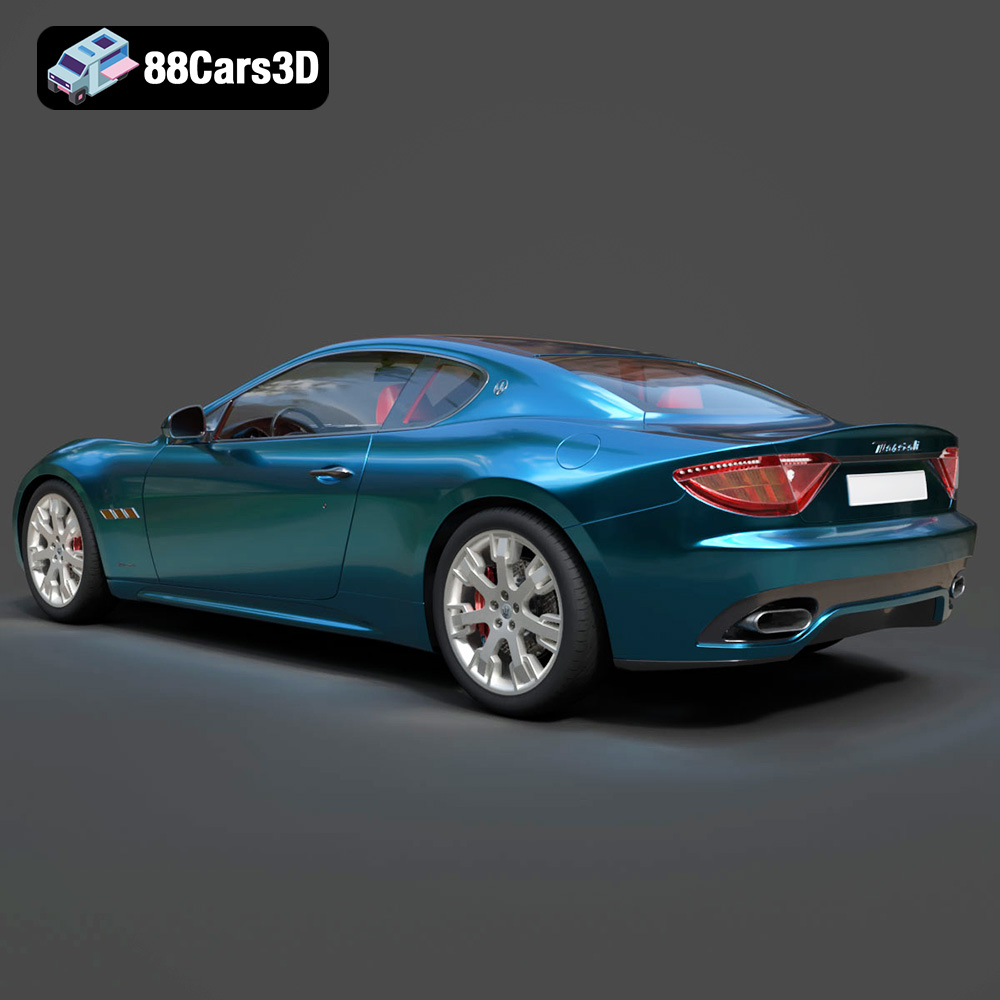
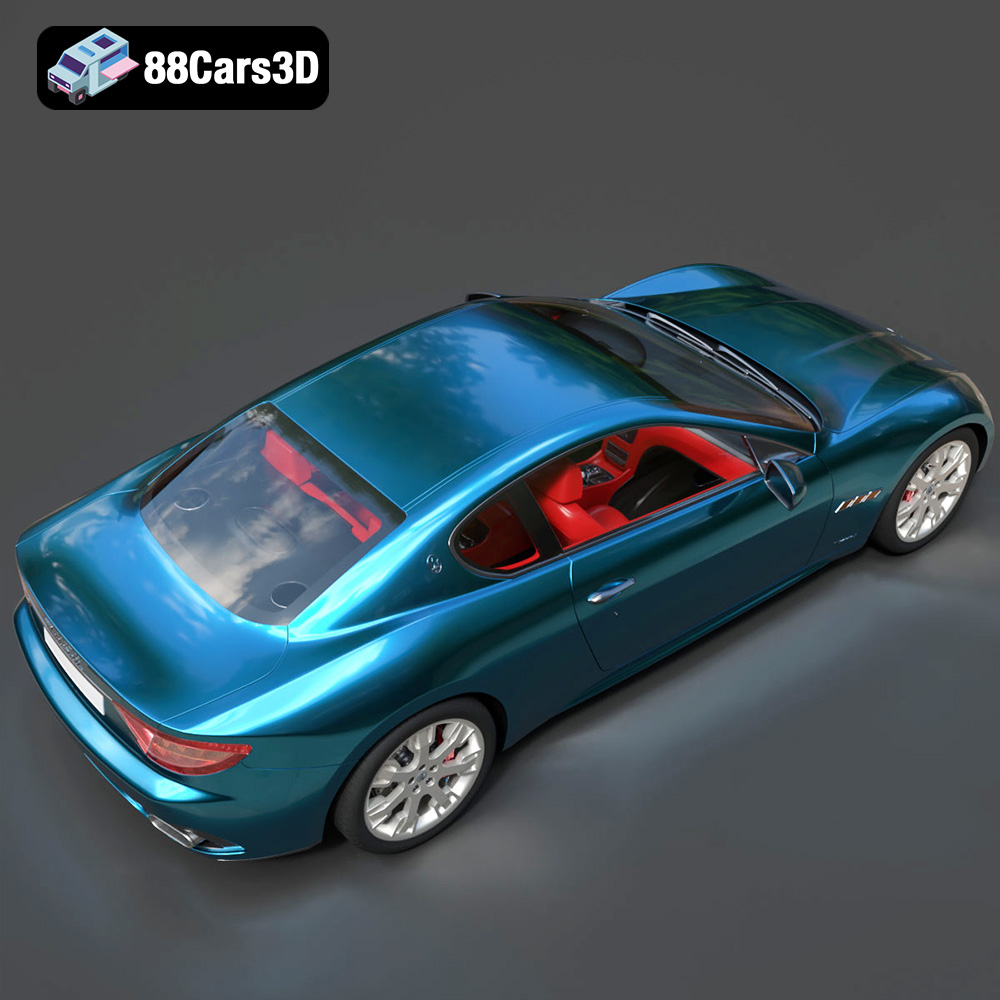
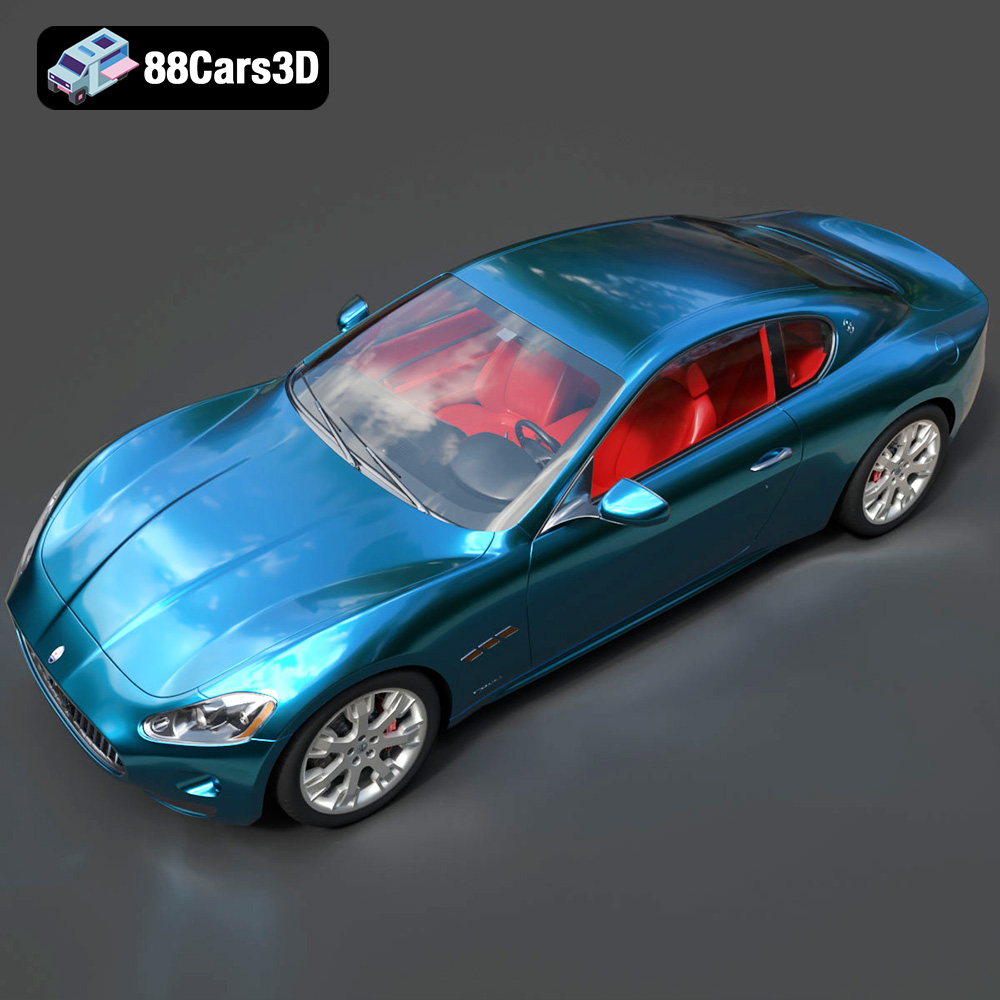
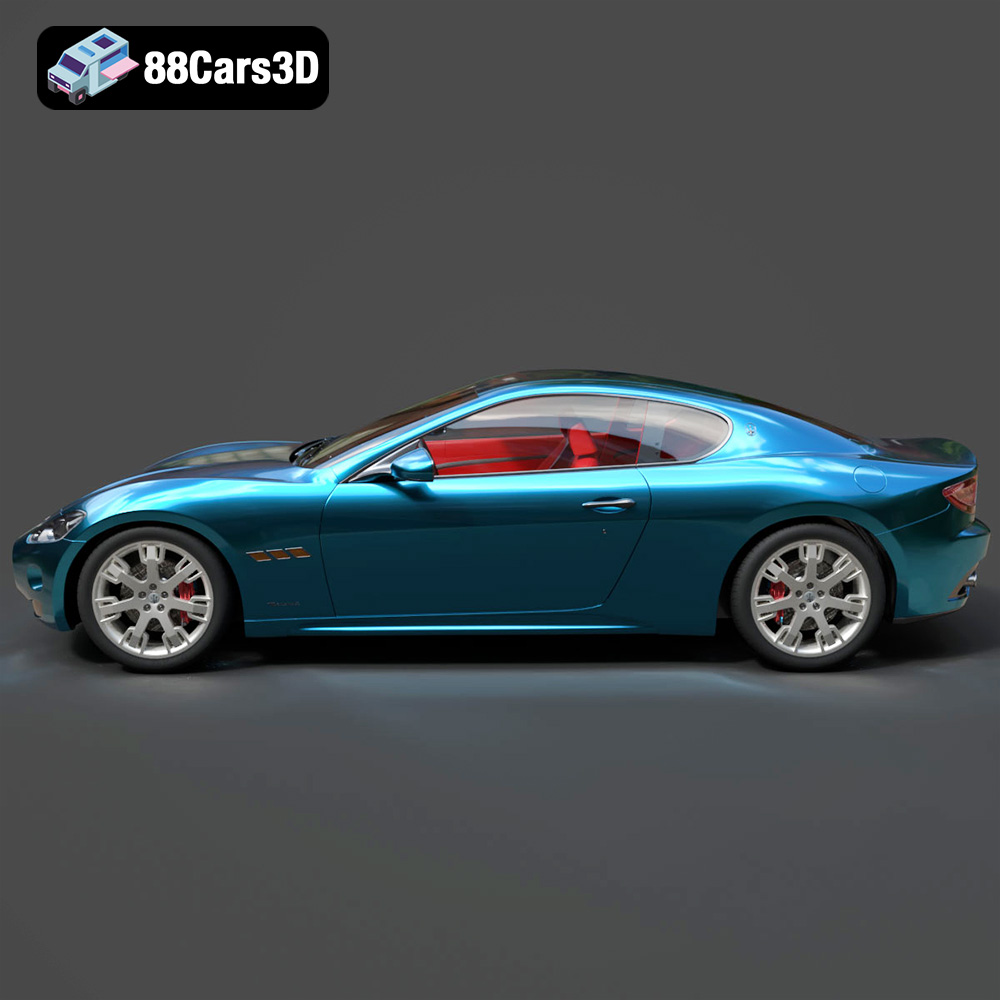
While visual appeal is crucial, technical accuracy is the backbone of professional 3D car models. The Italian Legends Bundle features vehicles built to exact factory dimensions, ensuring 1:1 scale accuracy. This “Real-World Scale” is indispensable for a multitude of applications. In architectural visualization (ArchViz), placing a Maserati GranTurismo in a luxury driveway or a Lamborghini Urus in an urban landscape needs to feel authentic, not oversized or undersized. For simulations, accurate dimensions are critical for physics and spatial relationships. Even for product configurators or virtual showrooms, maintaining true-to-life proportions ensures that the digital representation precisely matches its real-world counterpart. This commitment to technical exactitude not only enhances realism but also streamlines integration into projects where scale is a critical factor.
The tactile satisfaction of holding a meticulously crafted miniature of a supercar is unparalleled. The advent of 3D printing has democratized this experience, allowing designers, hobbyists, and collectors to bring digital models into the physical world. However, not all 3D models are created equal when it comes to printing readiness. The Italian Legends Bundle, with its “STL Included” designation, bridges this gap effortlessly.
Successful 3D printing hinges on a model’s mesh integrity. An “optimized mesh flow” means that the models within the Italian Thoroughbreds Bundle have been specifically prepared to minimize common printing issues. This includes ensuring watertight geometry (no holes or gaps in the surface), manifold meshes (no overlapping or intersecting faces), and appropriate wall thicknesses where necessary. For Resin (SLA) printers, these optimized meshes allow for incredibly fine details and smooth surfaces, perfect for capturing the delicate curves of a Ferrari 458 Italia or the aggressive lines of a Diablo SV. For FDM (Fused Deposition Modeling) printers, clean topology helps in generating cleaner layers and reducing print errors. The included STL files are not just raw exports; they are the result of careful preparation, designed to streamline the slicing process and result in high-resolution, display-worthy physical models, whether for luxury 3D print collections or RC car body shell prototyping.
The ability to customize and animate 3D models extends beyond the digital realm, directly impacting 3D printing projects. The Italian Legends Bundle features “Separated Components,” meaning elements like wheels, steering mechanisms, and body panels are distinct and pivoted correctly. This offers immense flexibility for 3D printing enthusiasts. Imagine printing a Diablo SV with independent, rotating wheels, or even swapping out custom wheel designs. For RC car body shell prototyping, this separation simplifies the process of integrating internal components or designing custom chassis. This modularity not only enhances the collectibility of the printed models but also opens up possibilities for intricate dioramas, scale modeling, and personalized builds, transforming static prints into dynamic, interactive pieces of art. This foresight in model preparation truly sets these 3D car models apart.
The dynamic and ever-evolving landscape of game development and interactive experiences thrives on compelling visuals. High-quality 3D car models are crucial for creating believable environments, engaging gameplay, and immersive user experiences. Whether it’s a hyper-realistic racing simulator or a luxury virtual showroom, the quality of the automotive assets can make or break the immersion.
Game development presents a unique challenge: balancing visual fidelity with real-time performance. While the Italian Legends Bundle offers high-poly detail, its “optimized quad-based topology” provides a strong foundation. For “Elite Tier 1” assets in racing games or high-end urban environments, these models can serve as primary hero cars. Developers can then implement Level of Detail (LOD) systems to manage poly counts effectively across different distances, ensuring smooth performance without sacrificing visual quality up close. The availability of .fbx and .unreal formats specifically facilitates integration into game engines like Unreal Engine and Unity. These assets are prepared with clean hierarchies and separated components, allowing for easy rigging, animation (e.g., suspension, steering, doors), and the application of Physically Based Rendering (PBR) materials for stunning real-time visuals. The attention to accurate light clusters and other details means that even under real-time lighting conditions, the models retain their photorealistic appeal.
The demand for immersive digital experiences in AR (Augmented Reality) and VR (Virtual Reality) is skyrocketing, particularly in the automotive industry. Virtual showrooms, interactive configurators, and experiential marketing campaigns all benefit immensely from ultra-realistic 3D car models. The Italian Legends Bundle provides the perfect foundation for these applications. The high-fidelity meshes and precision detailing ensure that when a Lamborghini Urus appears in your living room via AR, it looks as substantial and detailed as its real-world counterpart. For VR experiences, these models can transport users into the driver’s seat of a Ferrari 458 Italia, allowing for exploration of every interior and exterior detail in a truly engaging way. The .glb format, optimized for web and real-time streaming, becomes particularly relevant here, enabling smooth, interactive experiences that would otherwise be hampered by heavy file sizes. The quality of these assets from 88cars3d.com directly translates into more convincing and memorable immersive interactions.
The true value of a comprehensive 3D asset bundle lies not just in its individual models, but in its ability to integrate seamlessly into diverse professional workflows. The Italian Legends Bundle is designed for maximum compatibility, offering formats suitable for a wide range of industry-standard software.
For artists whose primary tools are 3ds Max or Blender, the inclusion of native .max and .blend files is a significant advantage. Importing these files provides full access to the original scene setup, including potentially complex modifiers, material networks, and object hierarchies. In 3ds Max, artists can leverage the “Separated Components” to easily animate the Maserati GranTurismo’s wheels for a drive-by shot or adjust suspension for an uneven terrain. The accurate real-world scale makes it straightforward to drop the models into existing ArchViz scenes. Similarly, in Blender, users can explore the optimized quad-based topology, refine materials using Cycles or Eevee, or even re-texture individual panels of the Lamborghini Diablo SV. This direct access to the editable source files empowers artists to customize the models to their exact project specifications, whether for high-resolution renders, custom animations, or detailed product visualizations.
Unreal Engine has become a dominant force in real-time visualization, game development, and virtual production. The Italian Legends Bundle’s compatibility, especially with the provided .fbx files and “unreal” optimized assets, ensures a smooth pipeline for integration. Importing a Ferrari 458 Italia into Unreal Engine involves setting up PBR materials, utilizing the separated components for blueprint-driven animations (e.g., opening doors, steering), and potentially adding physics assets for drivable vehicles. The “Precision Detailing” means that even within a real-time environment, subtle details like branded brake calipers remain crisp and impressive. For creating high-end cinematic sequences, virtual showrooms, or realistic driving simulators, these models provide the visual fidelity expected of top-tier Unreal Engine projects, allowing artists to focus on environmental design and interactive elements rather than spending precious time modeling cars from scratch.
Beyond the technical specifications and file formats, the heart of The Italian Legends Bundle lies in its exquisite selection of vehicles. This is more than just a collection of 3D car models; it’s a digital homage to Italian automotive artistry, capturing moments from different eras of design and engineering excellence.
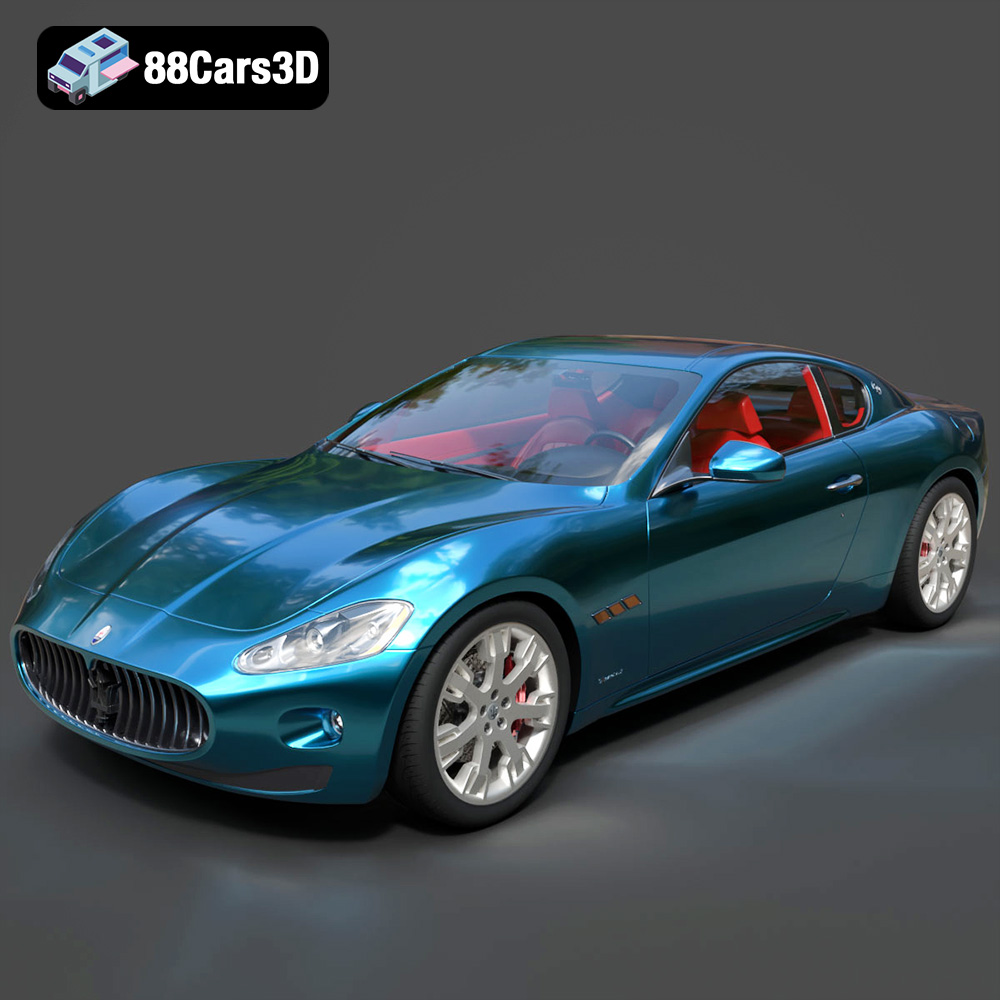
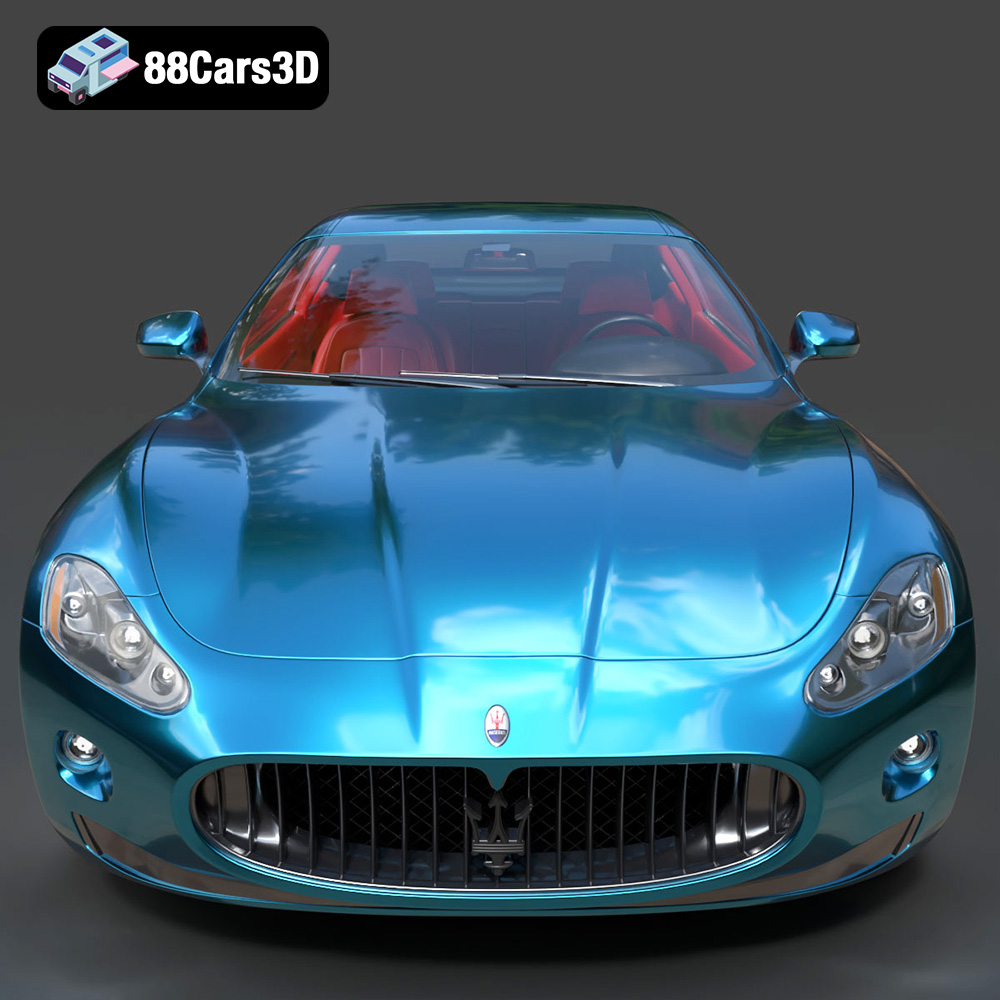
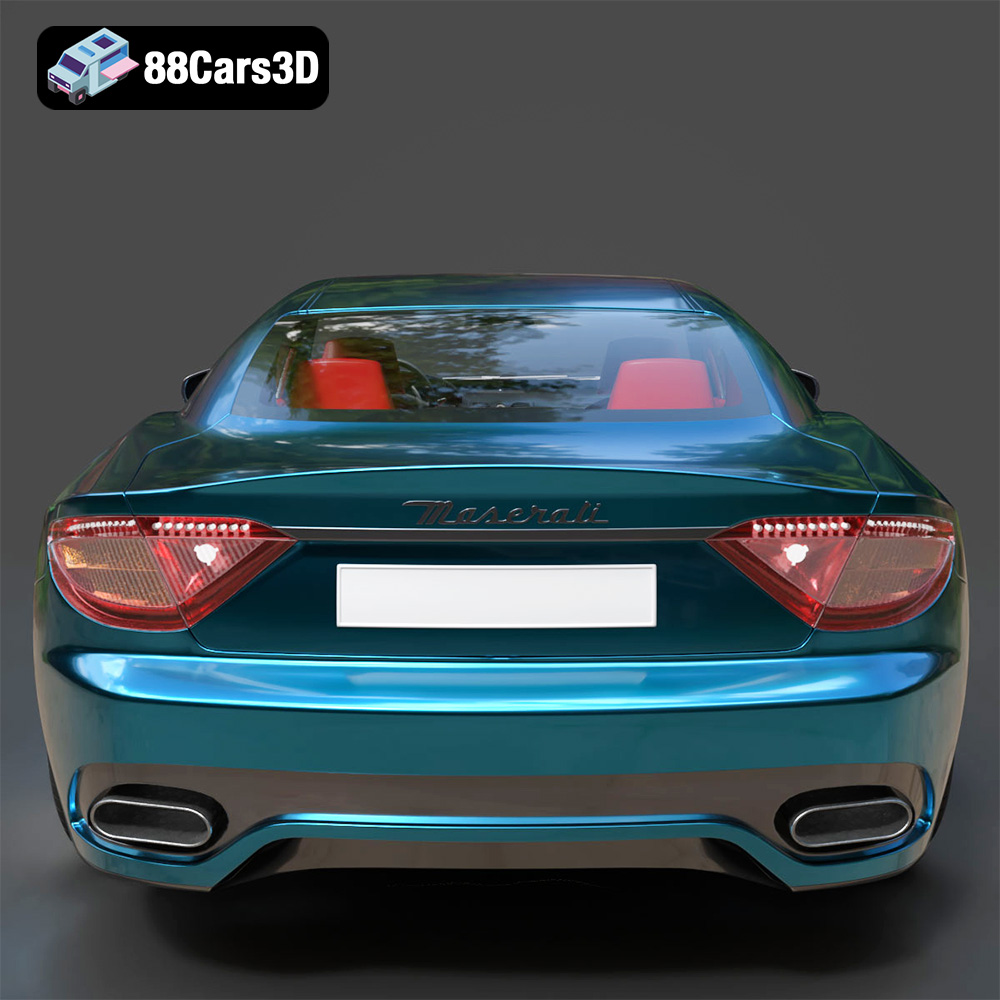
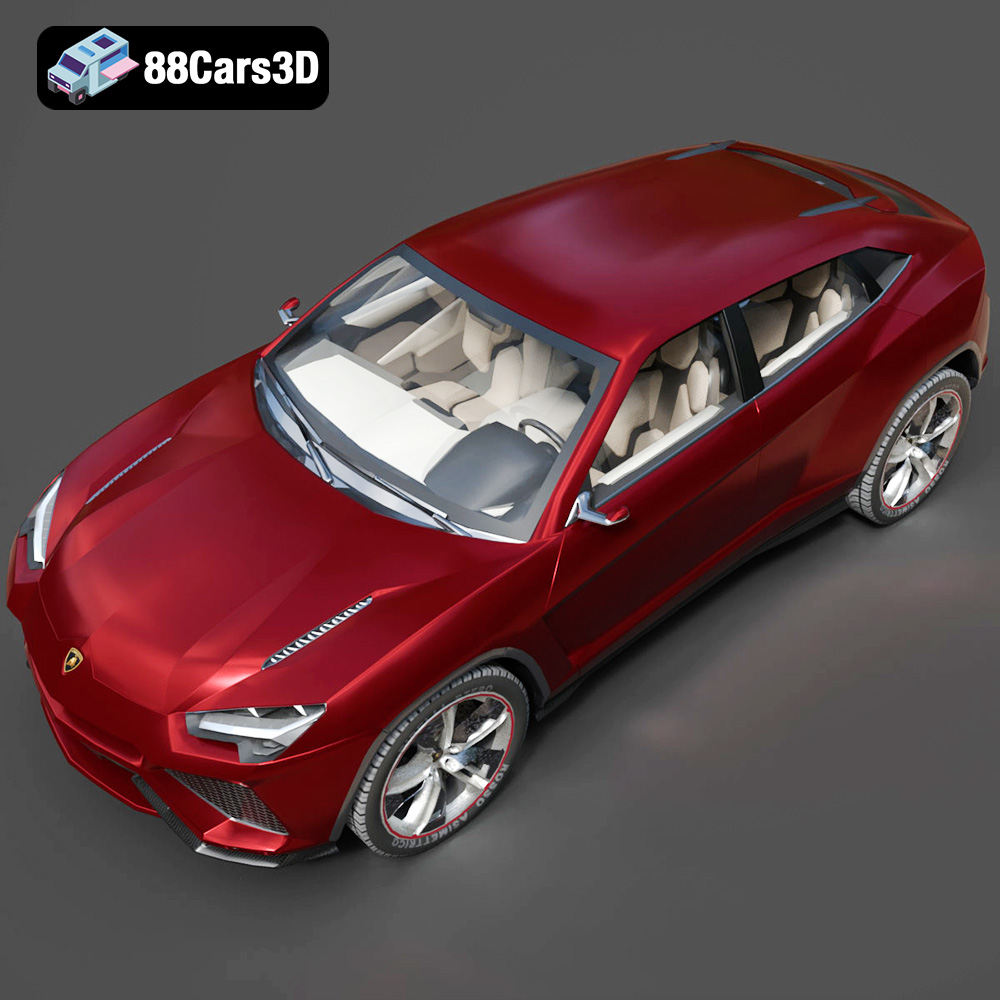
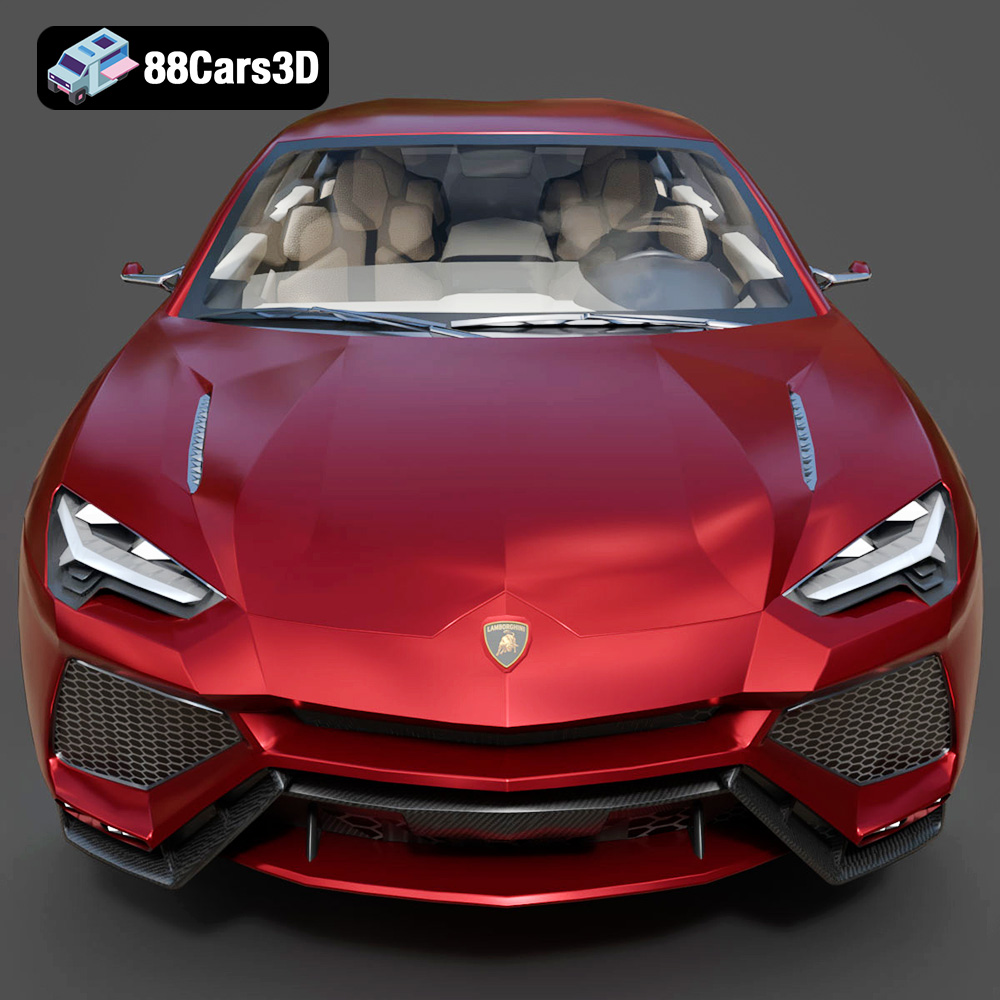
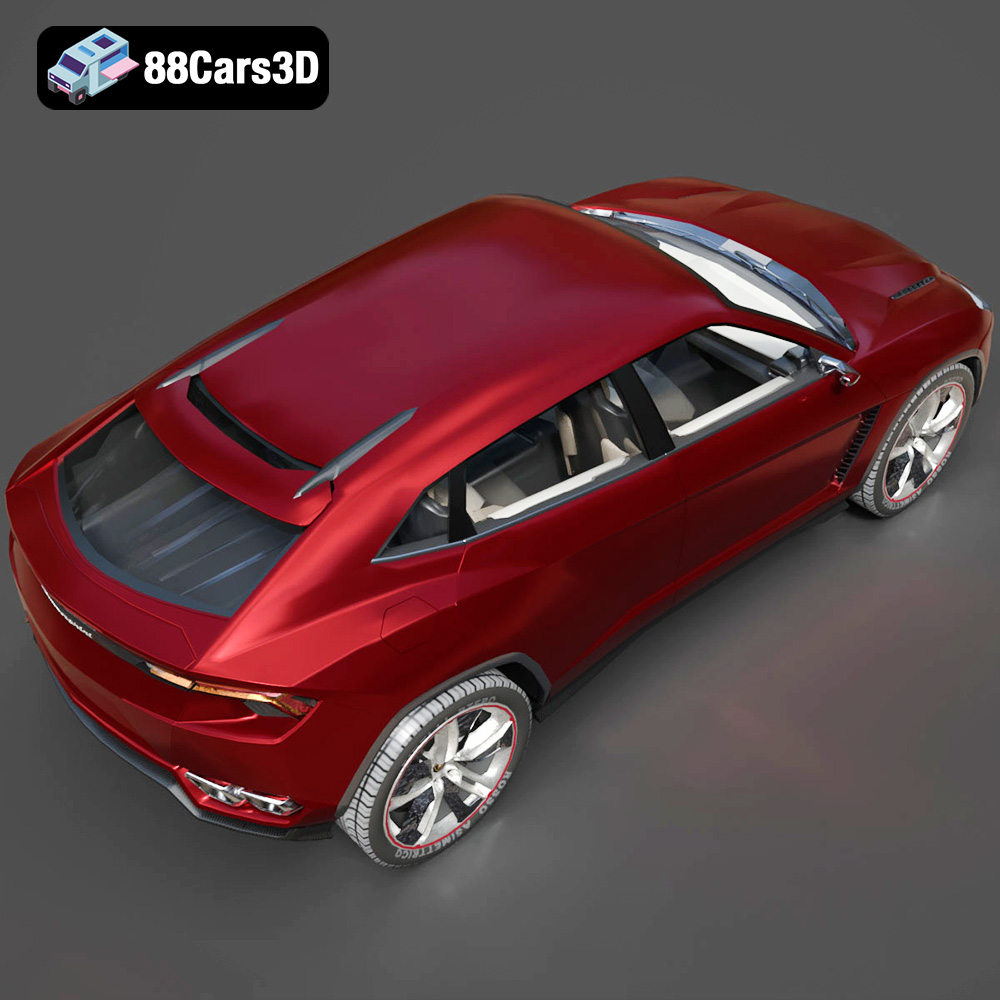
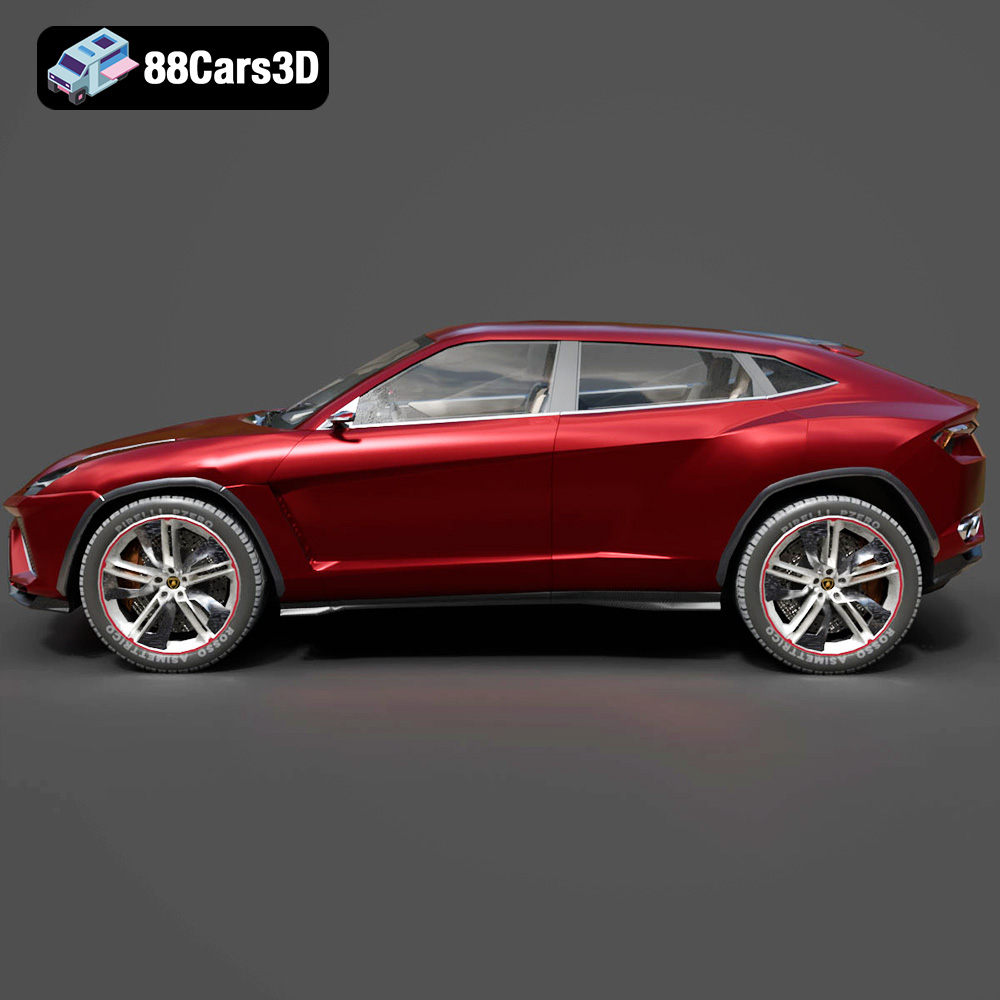
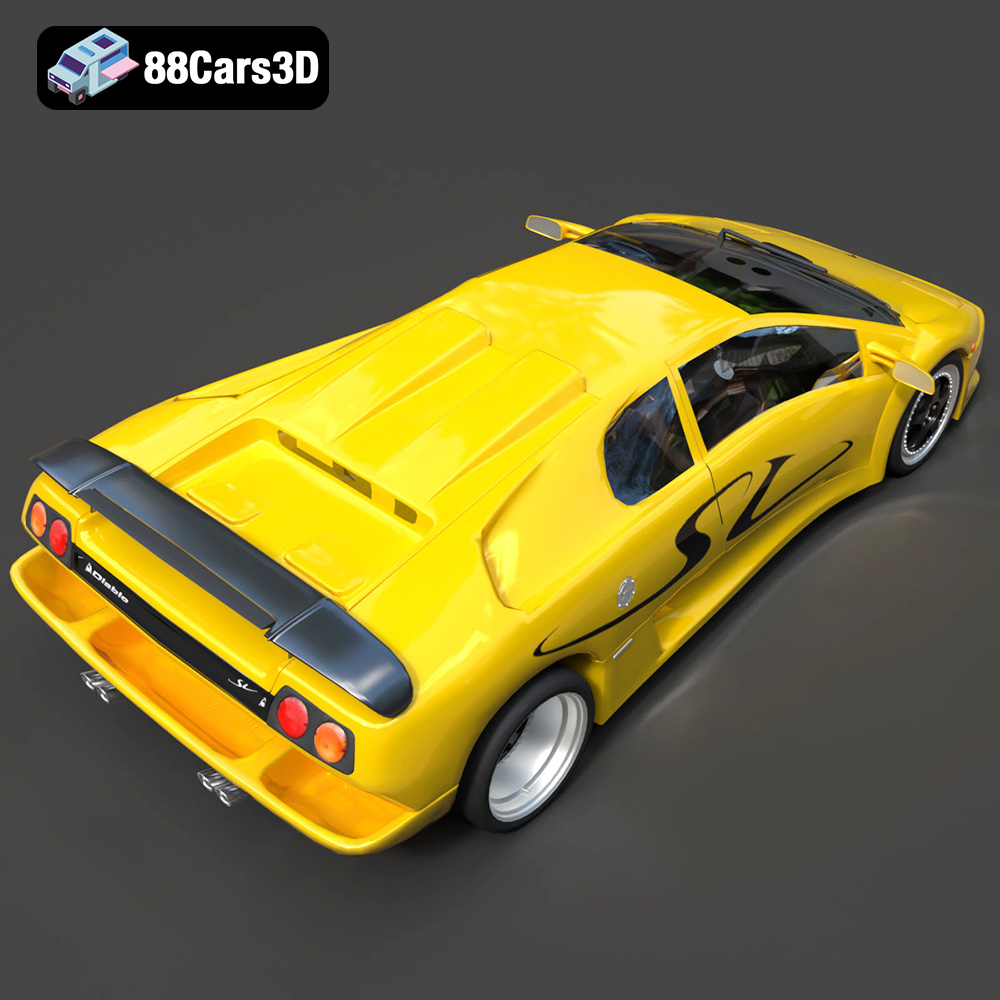
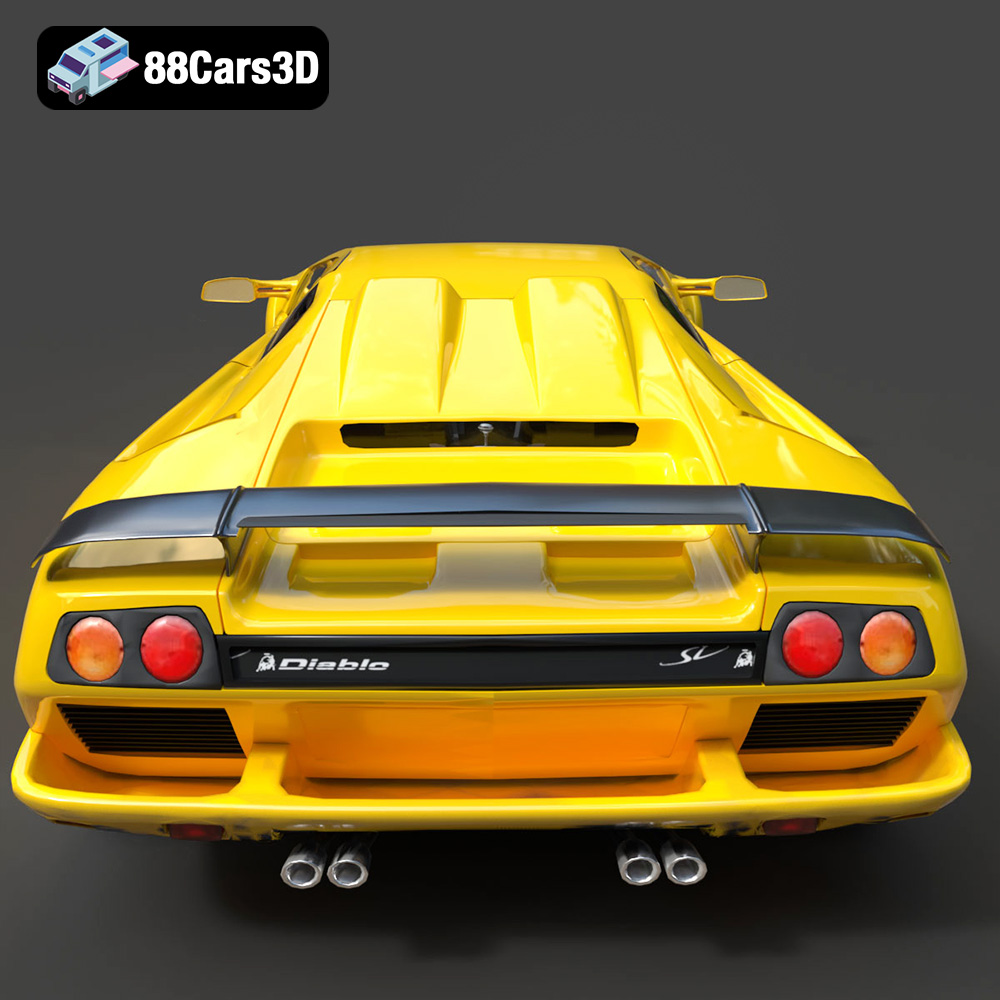
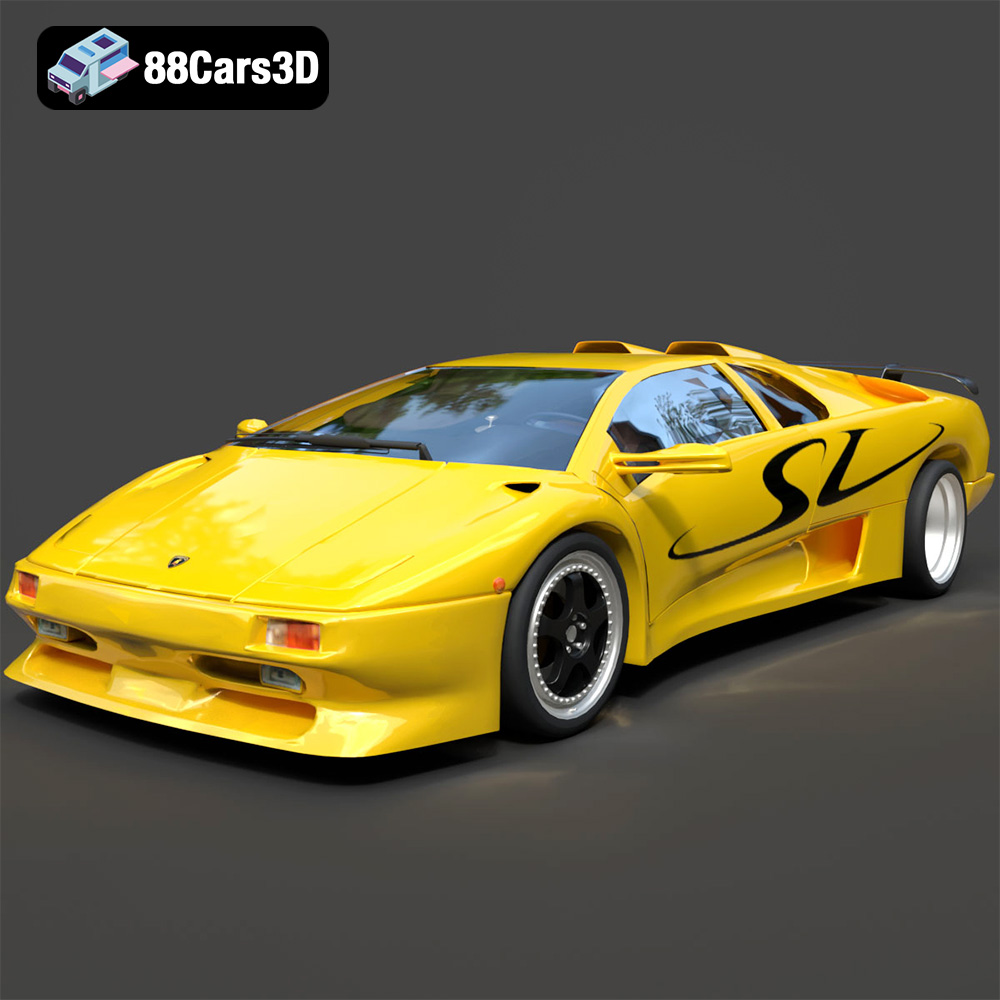
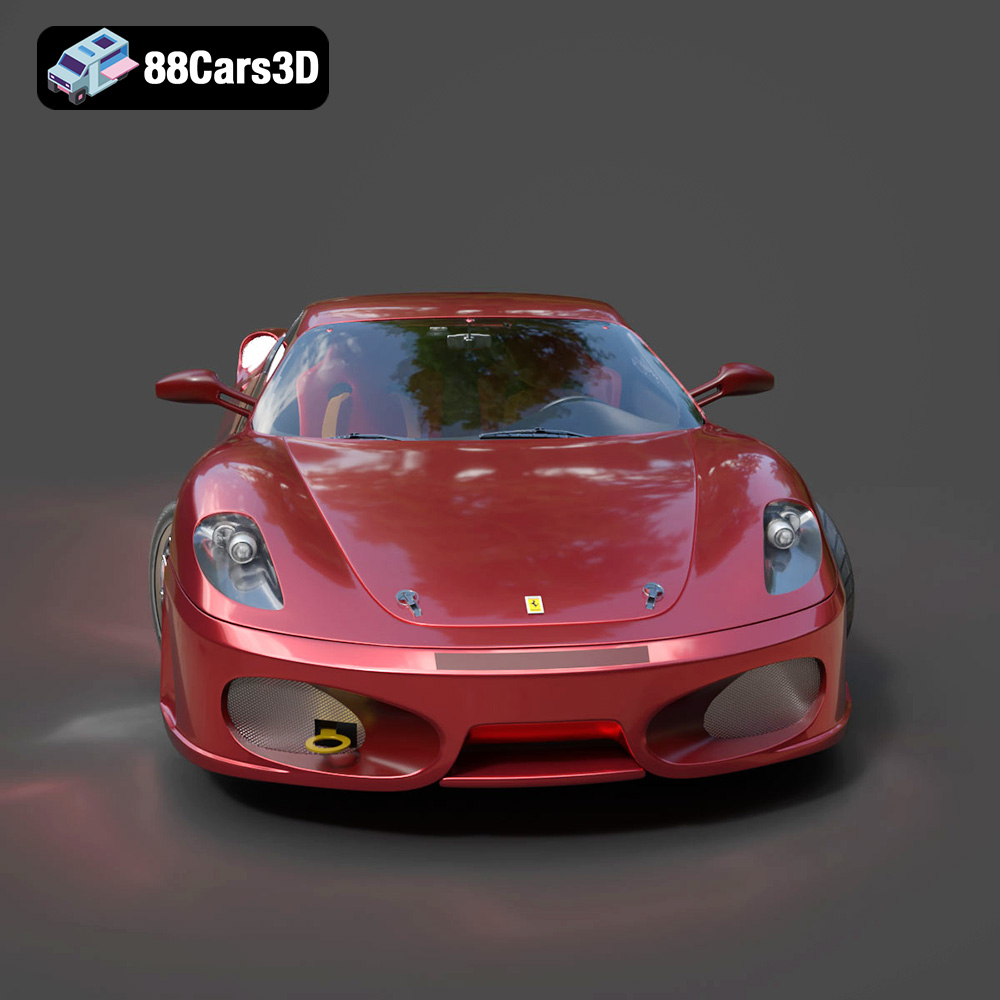
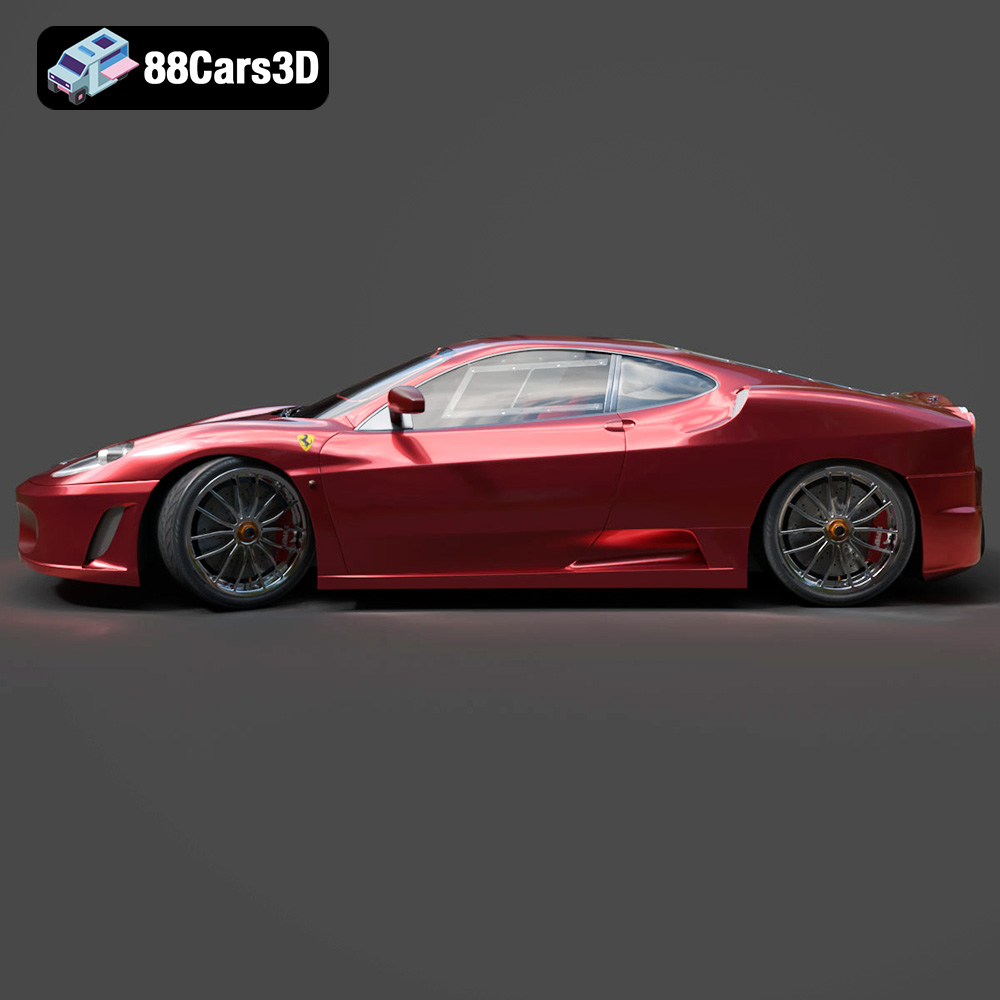
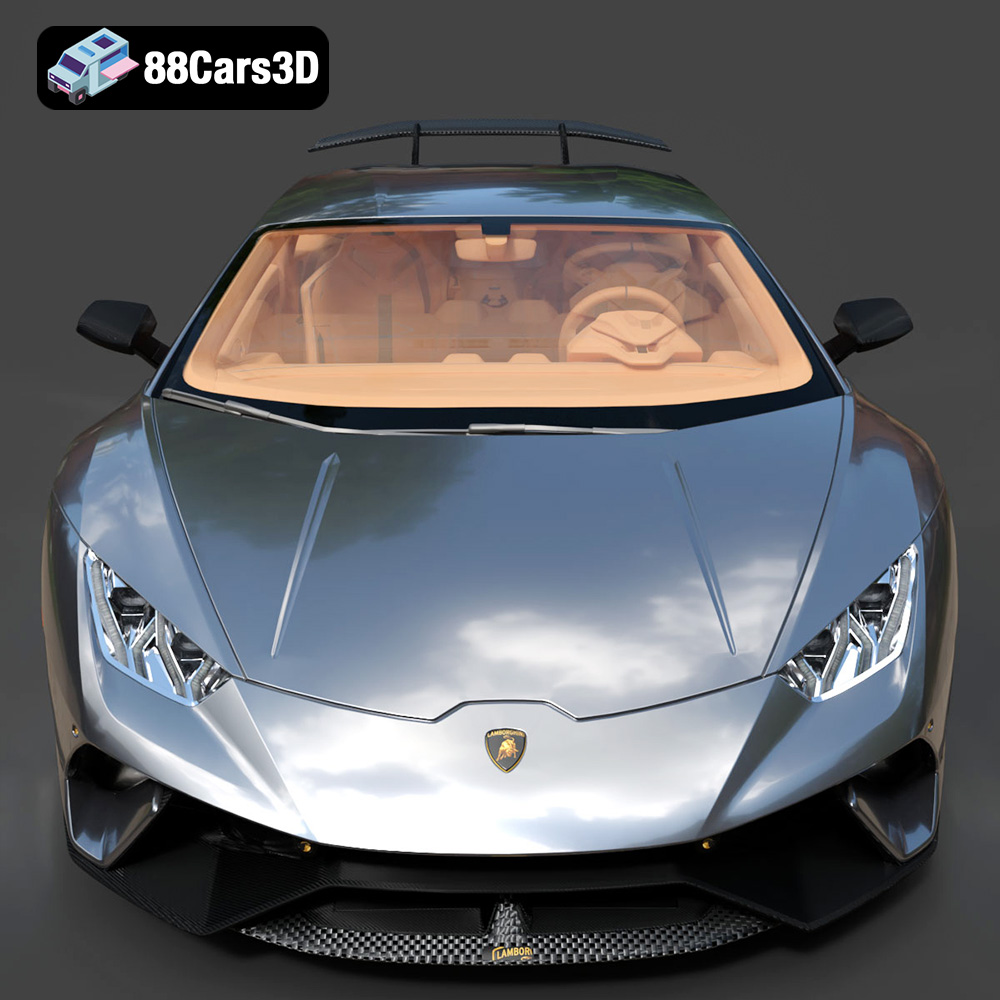
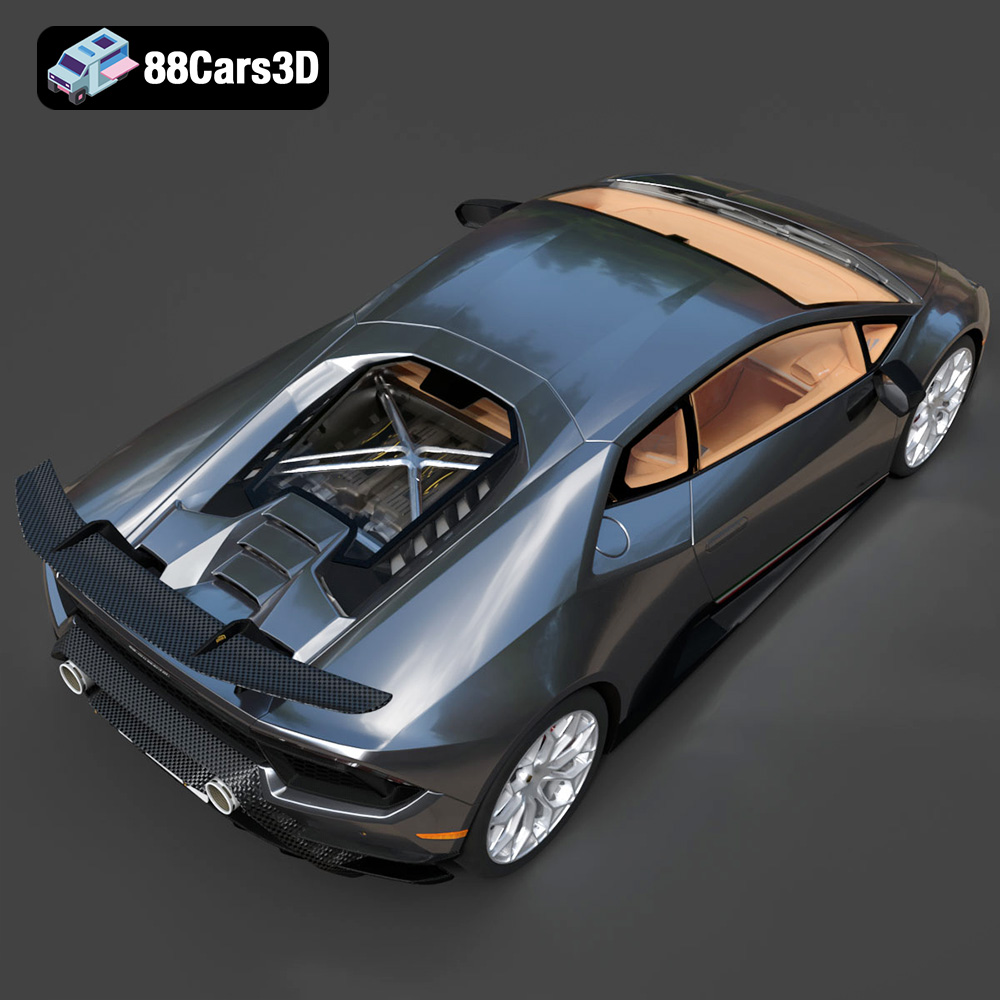
The bundle curates a diverse range of Italian automotive soul. We begin with the raw, untamed spirit of the Lamborghini Diablo SV (1995), a poster-car legend that embodies the analog ferocity of 90s supercars. Fast forward to the modern era with the Lamborghini Huracán Performante LP 640-4 (2017), a track-king defined by its innovative ALA active aerodynamics and aggressive, sculpted form. The Ferrari 458 Italia (2013) stands as a modern classic, revered as Maranello’s last naturally aspirated V8 masterpiece, celebrated for its clean, wind-tunnel-sculpted lines. For those seeking versatility, the Lamborghini Urus redefines the SUV segment, fusing supercar performance with everyday functionality. Finally, the Maserati GranTurismo (GT) offers a dose of sophisticated elegance, a grand tourer that balances luxurious comfort with a passionate racing heart. This selection truly represents the pinnacle of Italian automotive design, from brutal speed to refined luxury, ensuring there’s an iconic vehicle for every project and taste.
The breadth of vehicles in this bundle naturally lends itself to an incredibly diverse set of applications. For high-stakes cinematic renders, the aggressive styling of the Huracán Performante or the timeless beauty of the Ferrari 458 Italia can serve as stunning “Hero Cars” in dramatic chase sequences or elegant beauty shots. In architectural visualization, effortlessly elevate high-end villa driveways or luxury garage renders with the presence of a Maserati GT, or place the commanding Urus in a sprawling estate. Beyond commercial applications, these 3D car models are perfect for creating digital automotive museums, allowing virtual visitors to explore the intricate details and historical significance of each legend. The “3D Print Ready” STL files also open up avenues for creating collectible scale models, from a 1:24 Diablo SV to a 1:18 Urus. This comprehensive collection ensures that creators are equipped with assets that are not only visually spectacular but also functionally versatile for any creative vision.
In the dynamic landscape of 3D content creation, the availability of meticulously crafted, technically sound, and versatile assets is a game-changer. The Italian Legends Bundle 5 Ultimate Supercar 3D Models STL Optimized represents the pinnacle of digital automotive artistry, offering a curated collection that satisfies the rigorous demands of professionals across rendering, game development, and 3D printing.
From the unparalleled precision required for photorealistic automotive rendering to the optimized mesh flow crucial for flawless 3D printing, each model in this bundle is a testament to quality. The broad spectrum of included file formats ensures seamless integration into your preferred software, be it 3ds Max, Blender, Unreal Engine, or Unity. Whether you’re animating a cinematic masterpiece, populating a cutting-edge racing game, designing an opulent ArchViz scene, or crafting a physical collectible, these 3D car models provide the foundation for excellence.
Don’t settle for less when it comes to bringing the soul of Italian supercars to life. Invest in assets that truly reflect the engineering and design prowess of these legends. Explore the Italian Legends Bundle and many other premium 3D car models today at 88cars3d.com, and take your projects to the next level of realism and impact.
The Italian Thoroughbreds Bundle is an elite, curated collection representing the pinnacle of Italian automotive soul, speed, and sculptural design. This bundle brings together the aggressive track-focused aerodynamics of Lamborghini and Ferrari with the grand-touring elegance of Maserati. Designed for creators, collectors, and 3D printing enthusiasts, this collection offers a diverse range of vehicles—from 90s icons to modern-day engineering marvels.Each model in this bundle has been meticulously crafted to capture the essence of “Bella Macchina.” Whether you are looking for the raw, naturally aspirated roar of a V10 Huracán or the timeless executive sportiness of the Maserati GT, this collection provides high-fidelity assets that refuse to compromise on quality. These models are optimized for professional-grade renders and have been specifically prepared for seamless integration into high-end automotive visualizations and precision 3D printing projects.Perfect for: High-stakes cinematic renders, luxury 3D print collections, RC car body shell prototyping, architectural visualization, and digital automotive museums.Included Vehicles in this Bundle:
Technical Specifications & Advantages:
Applications:
Included File Formats: .STL (Print Ready), .blend, .fbx, .obj, .max (Compatible with Unreal Engine, Unity, and all major 3D suites).
$199.99
Ferrari & Maserati STL Collection
Italian Supercar 3D Models Bundle – Lamborghini