⚡ FLASH SALE: Get 60% OFF All Premium 3D & STL Models! ⚡

In the fast-paced worlds of automotive design, game development, cinematic visualization, and even product prototyping, the quality of a 3D asset can make or break a project. Digital vehicles are no longer merely decorative elements; they are intricate tools, central to conveying realism, driving engagement, and facilitating complex simulations. From concept exploration to final marketing renders, a meticulously crafted 3D car model serves as the backbone for countless creative and technical endeavors.
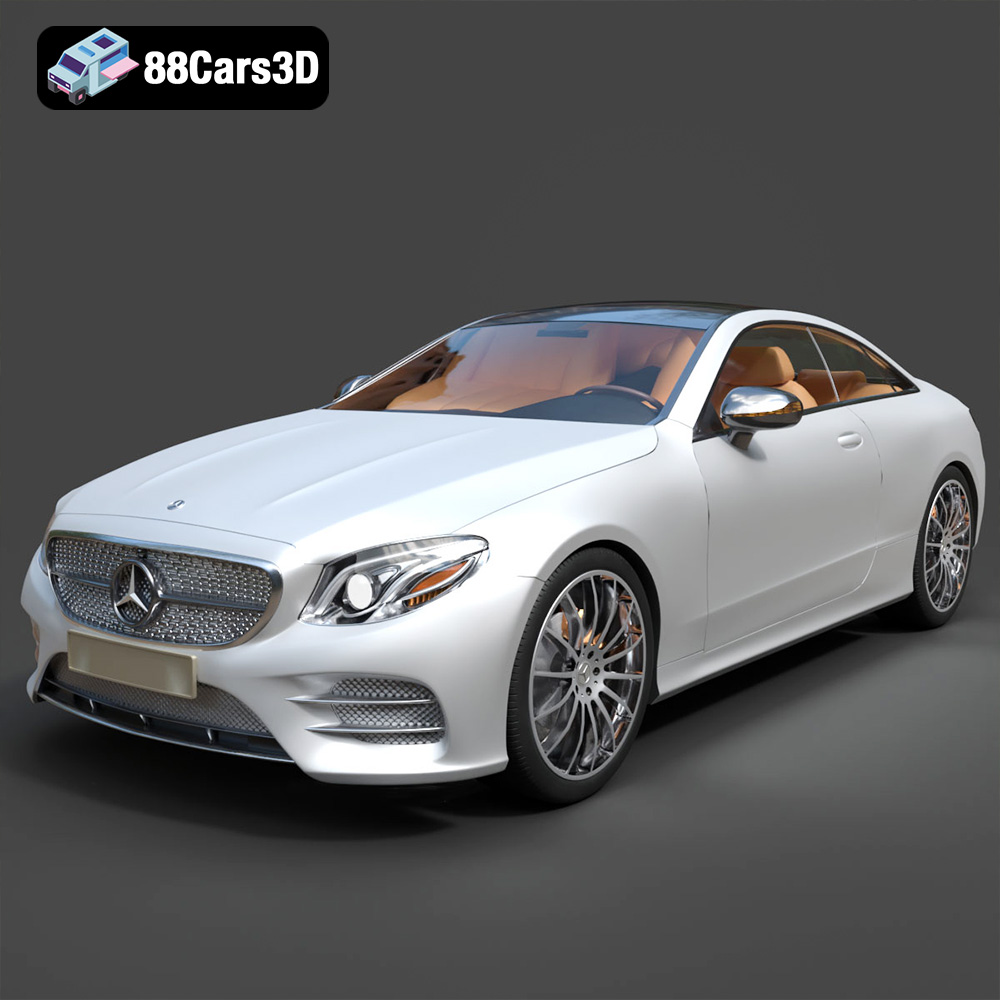
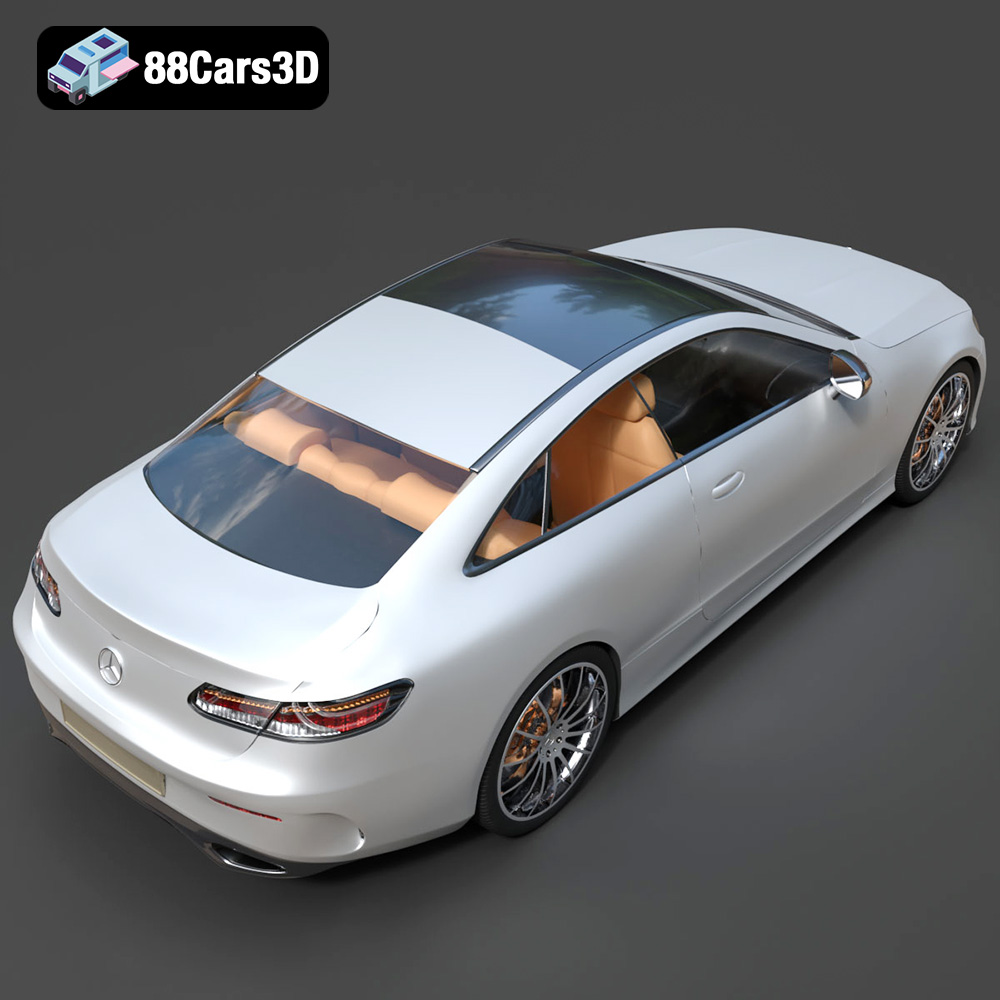
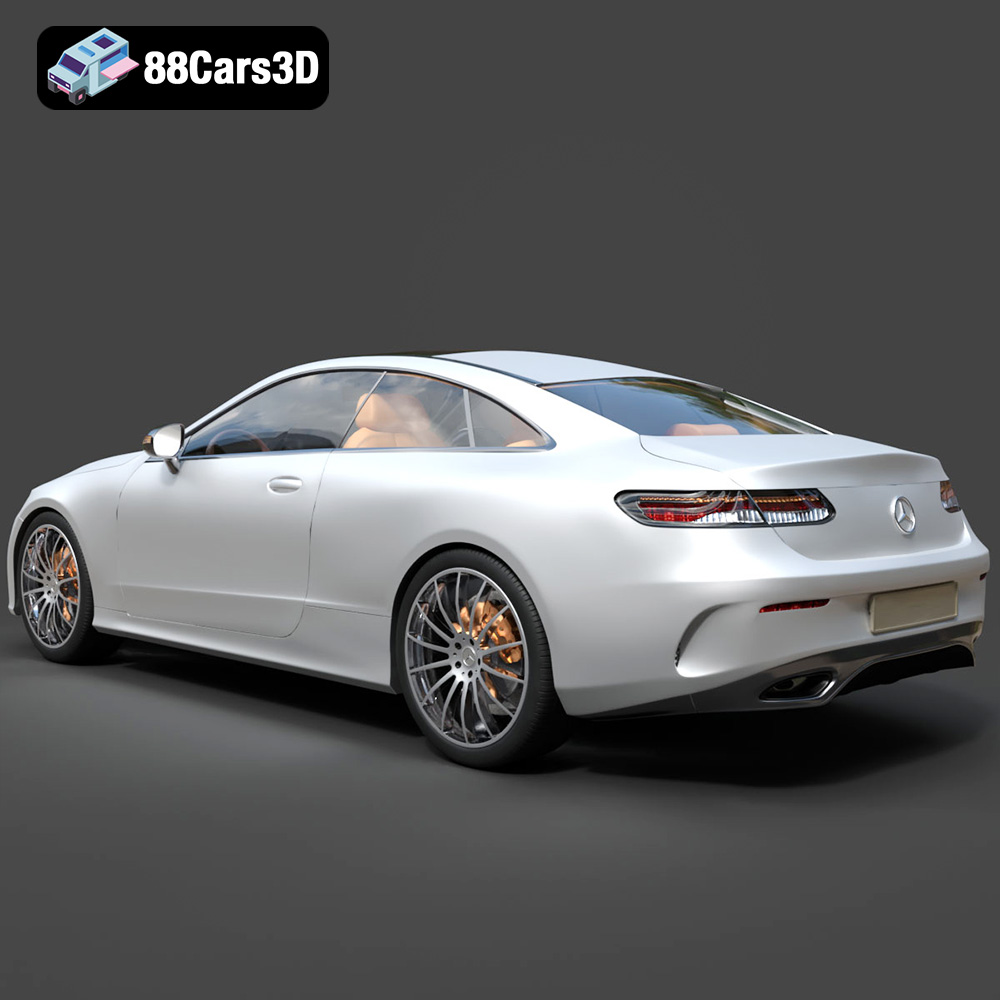
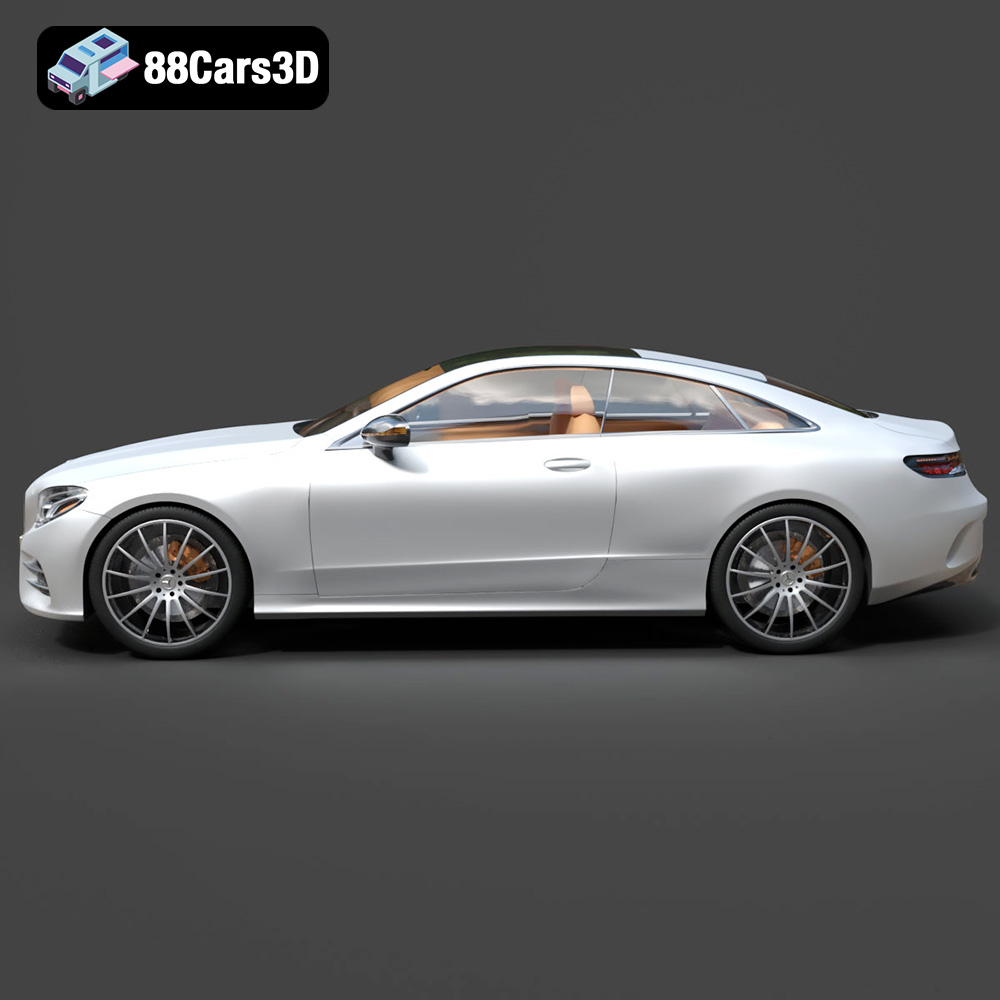
Today, we delve into the critical aspects that define a superior 3D vehicle asset, exploring its impact across various professional applications. We’ll examine the technical intricacies, workflow considerations, and the sheer versatility that high-fidelity models bring to the table. As a prime example of exceptional digital craftsmanship, we’ll frequently reference the Mercedes-Benz E-Class C238 3D Model, a striking digital recreation available on 88cars3d.com that perfectly encapsulates the blend of luxury, performance, and modern design. This model is not just a visual treat; it’s a robust foundation for anyone serious about elevating their automotive visualization or interactive experiences.
Creating a truly convincing 3D car model is a delicate balance between artistic vision and technical precision. It requires an understanding of real-world physics, design language, and the intricate details that make a vehicle recognizable and compelling. The goal is to produce a digital twin that can withstand scrutiny from every angle and in various lighting conditions, whether it’s a static hero shot or a dynamic animation.
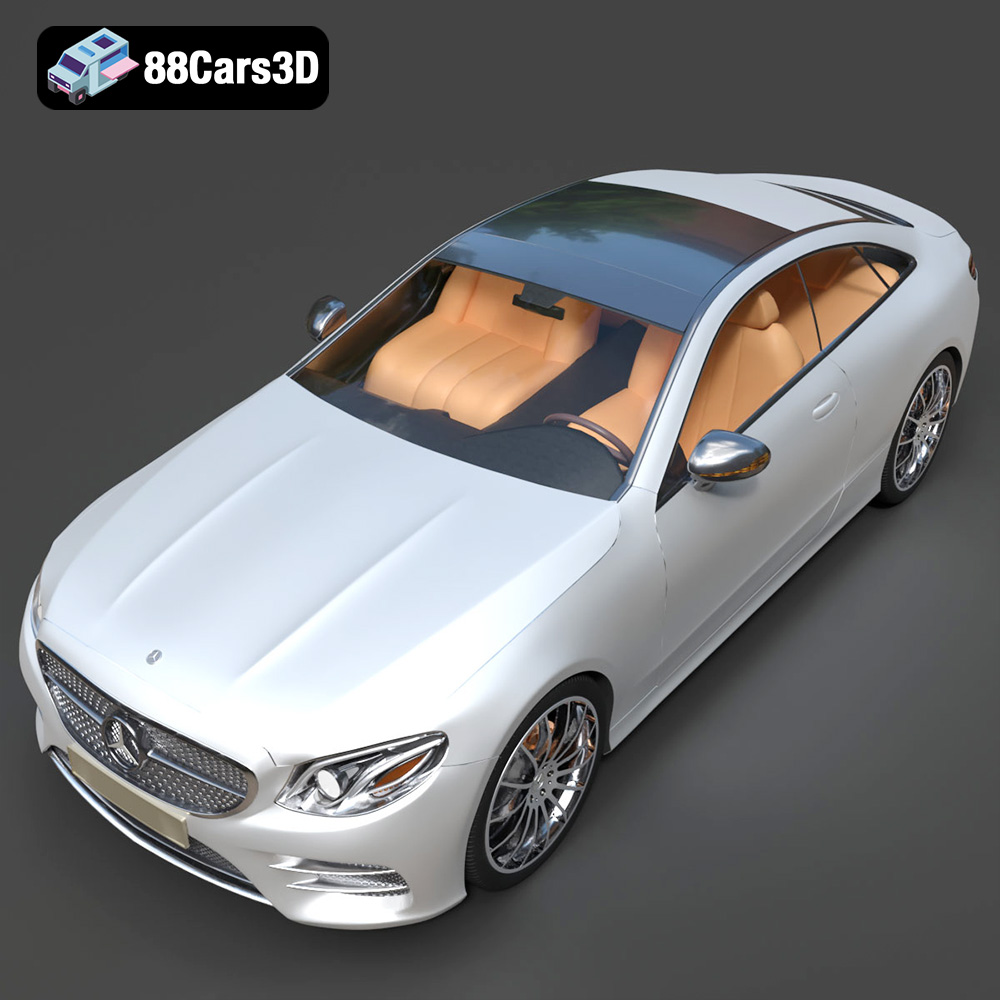
The foundation of any high-quality 3D car model lies in its accuracy. This isn’t just about getting the proportions right; it’s about capturing the nuanced curves, sharp creases, and subtle reflections that define a vehicle’s character. For a model like the Mercedes-Benz E-Class C238, this means meticulously replicating its elegant two-door coupe proportions, the signature front grille, the aerodynamic front bumper, and the distinctive LED lighting patterns. Even the interior details, such as the dual-screen dashboard layout, sport steering wheel, and premium seat stitching, must be faithfully recreated. Such precision ensures that the model is suitable for luxury showroom scenes, urban environments, and promotional renders where authenticity is paramount. The “real-world scale accuracy” mentioned for the C238 model is a testament to this commitment, ensuring seamless integration into diverse scene contexts without needing tedious adjustments.
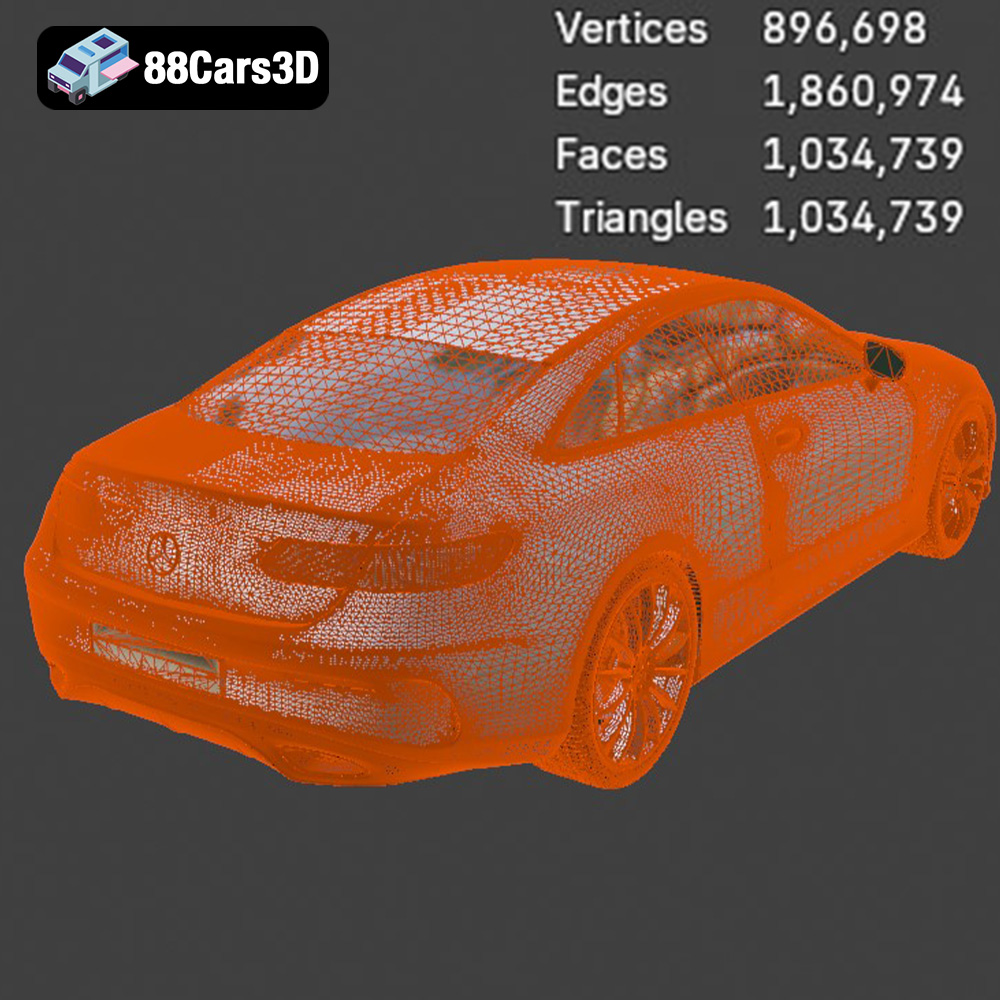
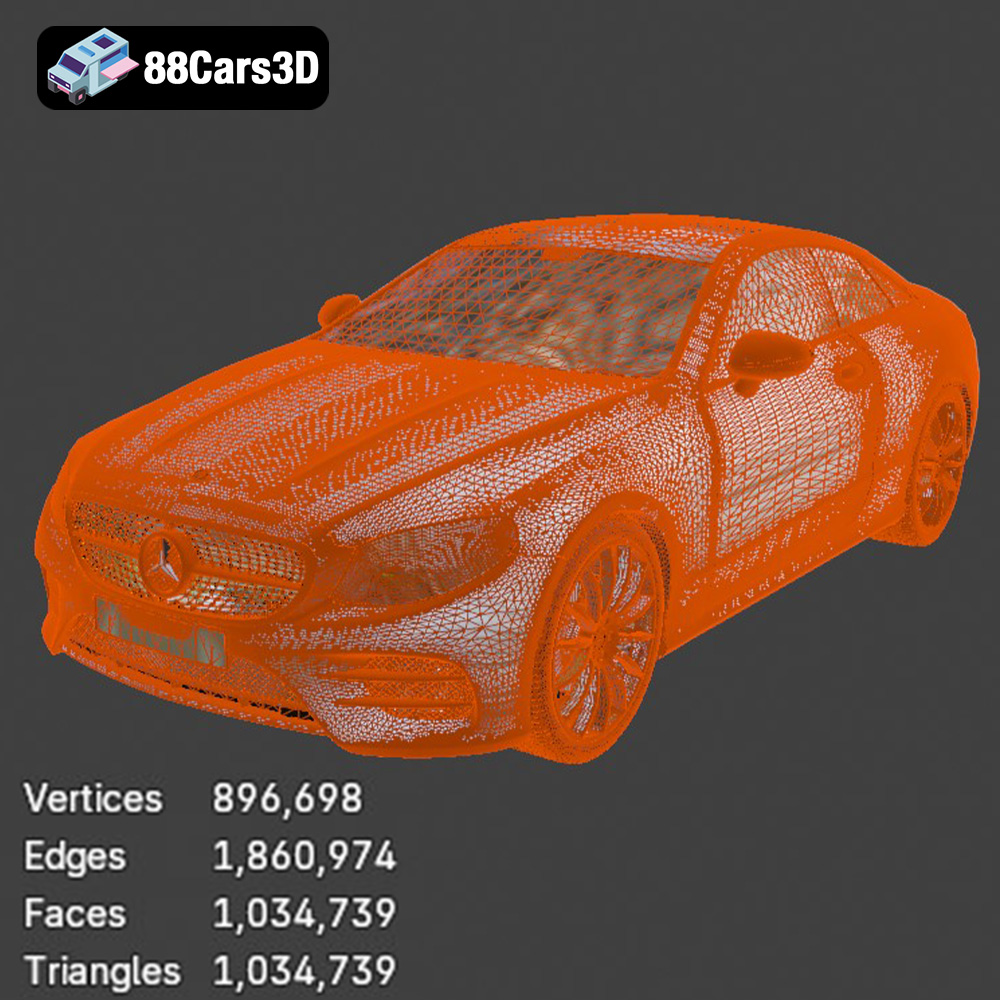
While accuracy is crucial, a production-ready 3D model also needs to be optimized for its intended use. This involves managing polygon counts – the number of faces that make up the mesh – and ensuring clean, efficient topology. A model destined for high-resolution cinematic rendering might have a higher poly count to capture every minute detail, while a game asset needs to be significantly optimized to run smoothly in real-time engines without sacrificing visual quality. The Mercedes-Benz E-Class C238 3D Model, with its “optimized geometry for real-time engines and high-quality renders,” demonstrates this thoughtful balance. This optimization often includes well-managed UV layouts for texture mapping, a clean mesh structure that’s easy to subdivide for higher detail, and proper pivot setups for animated components like wheels and steering. This flexibility makes it an invaluable asset for professionals across the spectrum of 3D applications.
The versatility of a 3D model is often defined by the file formats it supports. Each format is designed for specific purposes, offering different advantages in terms of data preservation, compatibility, and performance. Understanding these distinctions is crucial for selecting the right model for your project and integrating it efficiently into your workflow. The Mercedes-Benz E-Class C238 3D Model from 88cars3d.com comes with an extensive array of formats, ensuring maximum utility for various professional pipelines.
Here’s a breakdown of the key file formats:
The provision of this comprehensive suite of formats for the Mercedes-Benz E-Class C238 3D Model showcases 88cars3d.com’s commitment to supporting diverse professional workflows, from high-end visualization to interactive real-time applications and even physical fabrication.
The true value of a premium 3D car model is its seamless integration into various professional pipelines. Whether the goal is photorealistic marketing imagery or an interactive driving experience, the underlying asset must be robust and adaptable. The Mercedes-Benz E-Class C238 3D Model from 88cars3d.com is engineered precisely for this flexibility.
For cinematic and marketing content, photorealistic rendering is paramount. In environments like 3ds Max, often paired with powerful renderers such as V-Ray or Corona, or in Blender with its Cycles or Eevee engines, the clean topology and well-organized mesh structure of a model like the C238 are invaluable. Artists can effortlessly apply advanced PBR (Physically Based Rendering) materials, ensuring realistic reflections, refractions, and surface textures. The model’s “transparent glass materials and mirror detailing” are crucial here, allowing for convincing reflections and depth. Lighting setups, including sophisticated HDRI (High Dynamic Range Image) environments, can be quickly configured to showcase the car’s sculpted body lines in various moods – from sleek studio shots to dramatic sunset scenes. Furthermore, with “separate wheels and steering components for animation,” the model is primed for dynamic sequences, making it ideal for luxury automotive marketing, commercial presentations, and cinematic visualization where the vehicle needs to be shown in motion. The proper pivot setup for steering and wheel rotation further streamlines the animation process, saving countless hours for 3D animators.
The demands of real-time applications, such as game development and AR/VR, are different but equally rigorous. Here, performance is king. The C238’s “optimized geometry” and “optimized polygon flow” become critical for maintaining smooth frame rates. Developers can import the .fbx or .unreal formats into engines like Unreal Engine or Unity, where they can set up PBR materials tailored for real-time performance. This involves creating materials with base color, metallic, roughness, and normal maps that respond accurately to the engine’s lighting system. For open-world city games or advanced driving simulators, further optimization steps like creating LODs (Levels of Detail) – lower-polygon versions of the model that swap in when the car is further from the camera – and accurate collision meshes are essential for a seamless user experience. For AR/VR showrooms, the model’s precise detailing and optimized structure facilitate interactive configurators, allowing users to explore the E-Class C238 in an immersive, real-time environment, changing colors, wheels, and interior features on the fly. This versatility underscores why high-quality 3D car models are essential game assets.
The utility of high-quality 3D car models extends beyond digital screens, venturing into the tangible world of physical objects through 3D printing. This application offers unique opportunities for collectors, designers, and engineers to bring their digital creations to life. The Mercedes-Benz E-Class C238 3D Model is not only designed for rendering but also explicitly ready for 3D printing, marking it as a truly versatile asset.
Converting a digital 3D model into a physical object via 3D printing requires specific technical considerations. The .stl format, one of the included options for the C238, is the de facto standard for this process. It represents the object’s surface as a series of connected triangles, necessitating a “watertight” or “manifold” mesh – meaning no holes or gaps – for successful printing. The product description for the C238 offers detailed 3D print settings, which are crucial for achieving optimal results. Recommended scales like 1:32, 1:24, 1:18, or 1:14 allow users to create collectible scale coupe models or larger display pieces. The specified layer height (0.10–0.16 mm) directly influences the surface smoothness, while wall thickness (1.5–2.5 mm) ensures structural integrity. Infill (15–25%) provides internal strength without excessive material use. Furthermore, the instructions for supports (required for mirrors, spoiler edges, and the front splitter) and print orientation (body printed angled for surface detail; wheels printed separately) are invaluable for preventing print failures and maximizing aesthetic quality. After printing, post-processing steps like sanding, priming, and applying a gloss automotive paint finish, along with optional chrome detailing, transform the raw print into a stunning miniature.
The ability to 3D print the Mercedes-Benz E-Class C238 model opens up a world of customization. Users can experiment with different body colors and trim finishes, which can be applied after the printing process. More advanced users can even modify the digital model to “add AMG-style body kit elements,” “modify wheel designs and brake caliper colors,” or “adjust suspension height” before printing, allowing for truly unique physical prototypes or personalized collectibles. This capability bridges the gap between digital design and tangible output, providing a powerful tool for automotive enthusiasts, industrial designers, and even small-batch manufacturers. It allows for quick iteration on design concepts, physical testing of aesthetics, or simply owning a bespoke, physical representation of a desired vehicle configuration. This blend of digital and physical possibilities makes the C238 an exceptional asset for both virtual and real-world applications.
The Mercedes-Benz E-Class C238 3D Model exemplifies what a truly professional-grade automotive asset should be. It’s a meticulously engineered digital twin that pays homage to its real-world counterpart while offering unparalleled flexibility for digital artists and developers.
The C238 generation of the E-Class is renowned for its elegant two-door coupe proportions, frameless doors, and sophisticated design language. This 3D model accurately represents these characteristics, with “sculpted body lines,” a “signature front grille,” and “realistic LED headlights and taillights” that mirror the luxury and performance ethos of the actual vehicle. Inside, the “modeled dashboard with dual-screen layout,” “sport steering wheel with multifunction controls,” and “premium seat geometry with stitching detail” ensure that the interior is just as convincing as the exterior. Capturing such a high level of detail, both inside and out, presents significant challenges for 3D modelers, requiring countless hours of dedicated work and an eye for the finest nuances. The clean topology and real-world scale accuracy of this model ensure that every detail, from the multi-spoke alloy wheels to the dual exhaust system, is rendered with precision, making it an ideal choice for high-stakes visualization projects.
As we’ve explored, the Mercedes-Benz E-Class C238 3D Model is designed for an incredibly broad range of applications. It excels in traditional automotive rendering and visualization for marketing campaigns, where photorealism is paramount. It seamlessly integrates as a high-quality game asset for driving simulators and open-world environments, contributing to immersive digital experiences. Its optimized geometry and comprehensive file formats make it perfect for cutting-edge AR/VR showroom applications and interactive configurators, allowing users to explore the car in a dynamic, immersive way. Beyond entertainment, it serves in simulation and training environments, and crucially, it is designed to be 3D printable, allowing for the creation of tangible scale models. This multi-faceted utility means that whether you’re a seasoned professional in need of a robust asset or an enthusiast looking to bring a digital dream to life, this model from 88cars3d.com stands as a testament to versatile, professional-grade 3D car models.
The impact of high-quality 3D car models on modern creative and technical industries cannot be overstated. From the nuanced curves of a luxury vehicle in an automotive rendering to the intricate mechanics in a game engine, these digital assets are the foundational elements that drive innovation and enable breathtaking visualizations. The detailed Mercedes-Benz E-Class C238 3D Model, with its impeccable craftsmanship, robust technical advantages, and comprehensive file format support, serves as an exemplary case study in this domain.
Whether you are a professional animator crafting cinematic sequences, a game developer building immersive worlds, an AR/VR specialist designing interactive experiences, or a hobbyist bringing digital designs to life through 3D printing, the demand for versatile, accurate, and optimized 3D car models is constant. Assets like the Mercedes-Benz E-Class C238 provide the precision and flexibility needed to meet these diverse demands, streamlining workflows and enhancing the final output. For those seeking premium 3D car models that deliver on both aesthetic fidelity and technical integrity, we encourage you to explore the extensive collection available on 88cars3d.com. Investing in such high-quality assets is investing in the success and realism of your projects.
The Mercedes-Benz E-Class C238 3D Model is a high-detail digital recreation of the elegant two-door coupe variant of the E-Class lineup. Combining luxury, performance, and modern design language, the C238 generation features sleek coupe proportions, frameless doors, refined LED lighting, and premium interior craftsmanship. This 3D model accurately represents the sculpted body lines, signature front grille, aerodynamic front bumper, multi-spoke alloy wheels, LED headlamps and taillights, dual exhaust system, and detailed cabin layout. Designed with clean topology and real-world scale accuracy, it is ideal for rendering, animation, automotive visualization, game development, and AR/VR showroom applications. Perfect for luxury showroom scenes, urban environments, promotional renders, cinematic projects, and driving simulation platforms. Convertible to .stl format for collectible scale coupe models and display miniatures.
$39.99
.arvr
.automotive
.blend
.c238
.car3dmodel
.eclass
.fbx
.gameasset
.glb
.luxurycoupe
.max
.mercedesbenz
.obj
.ply
.premiumcar
.rendering
.simulation
.stl
.unreal