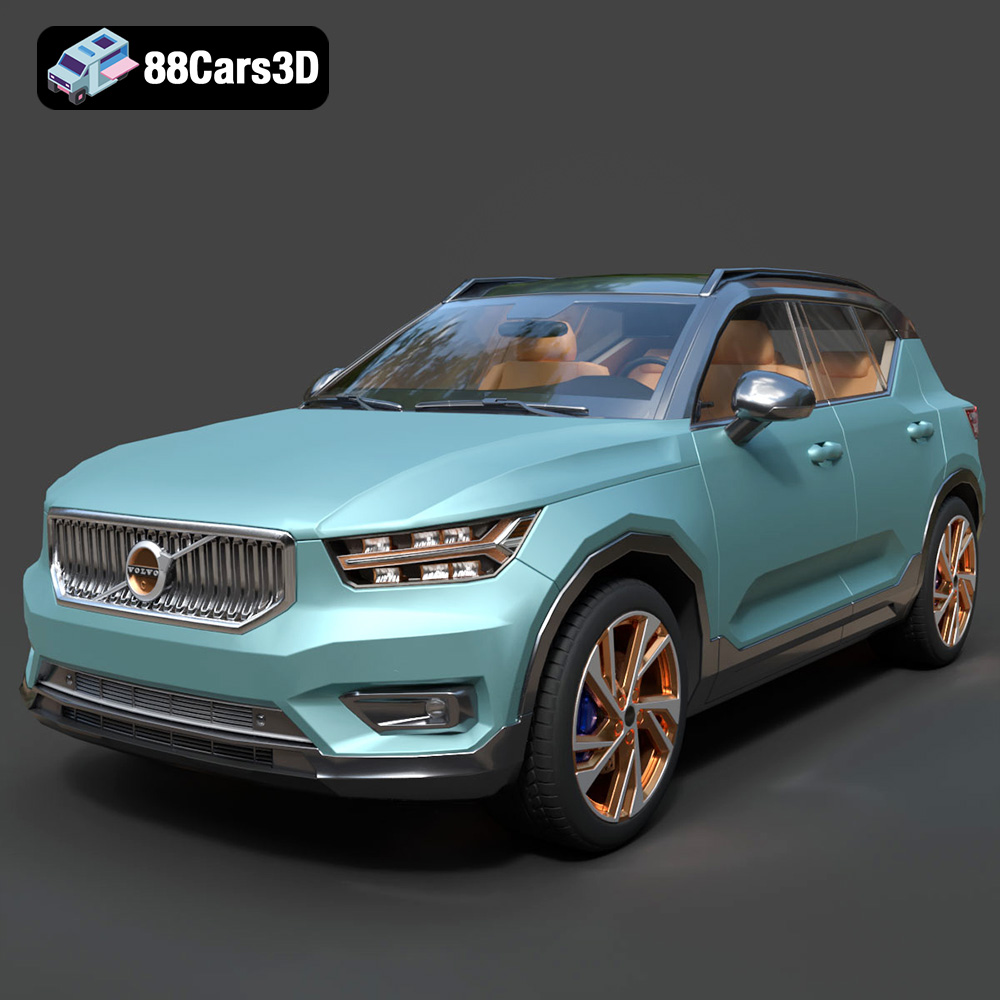
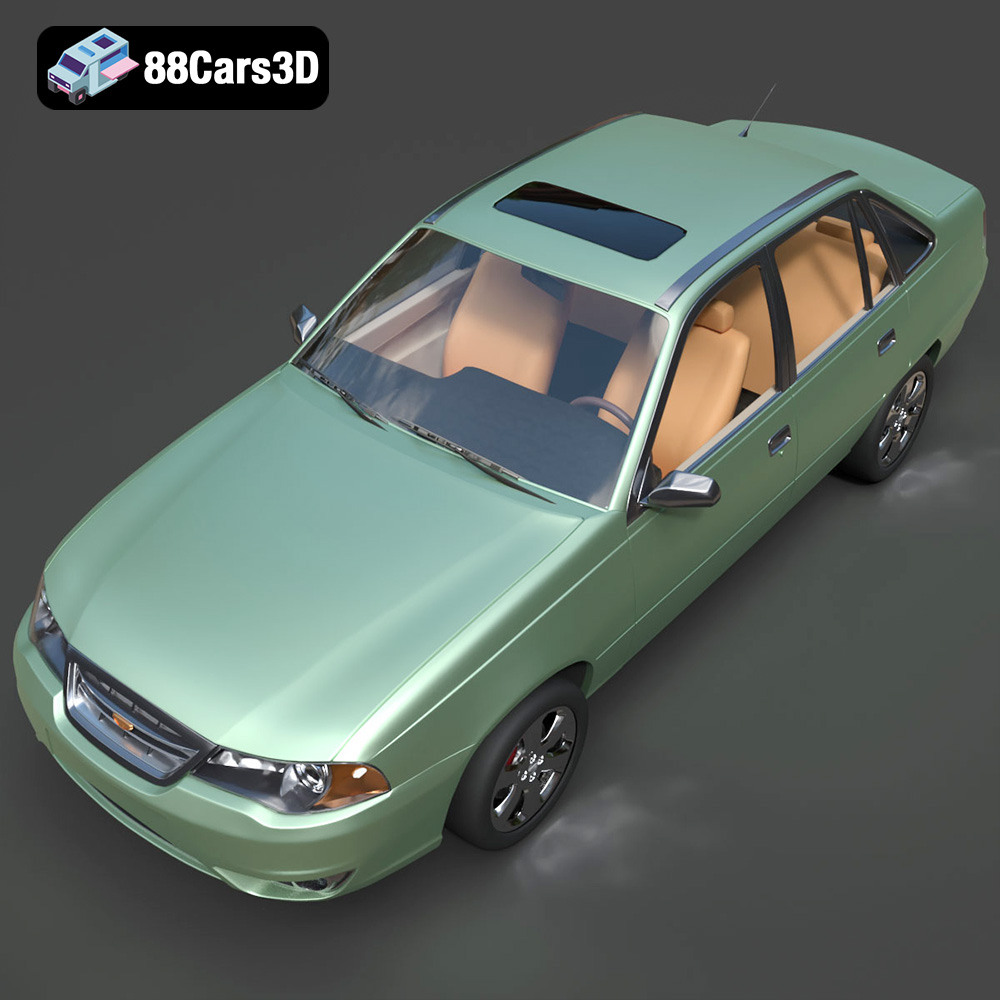
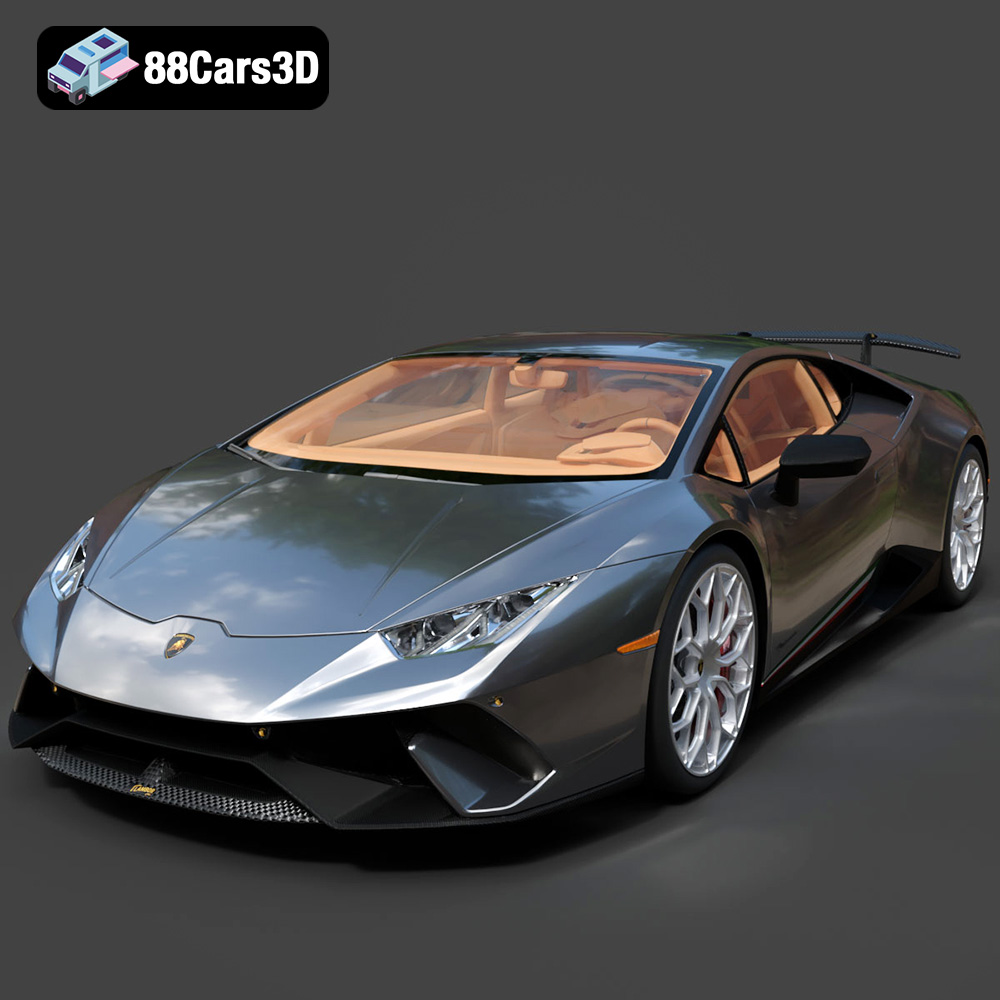
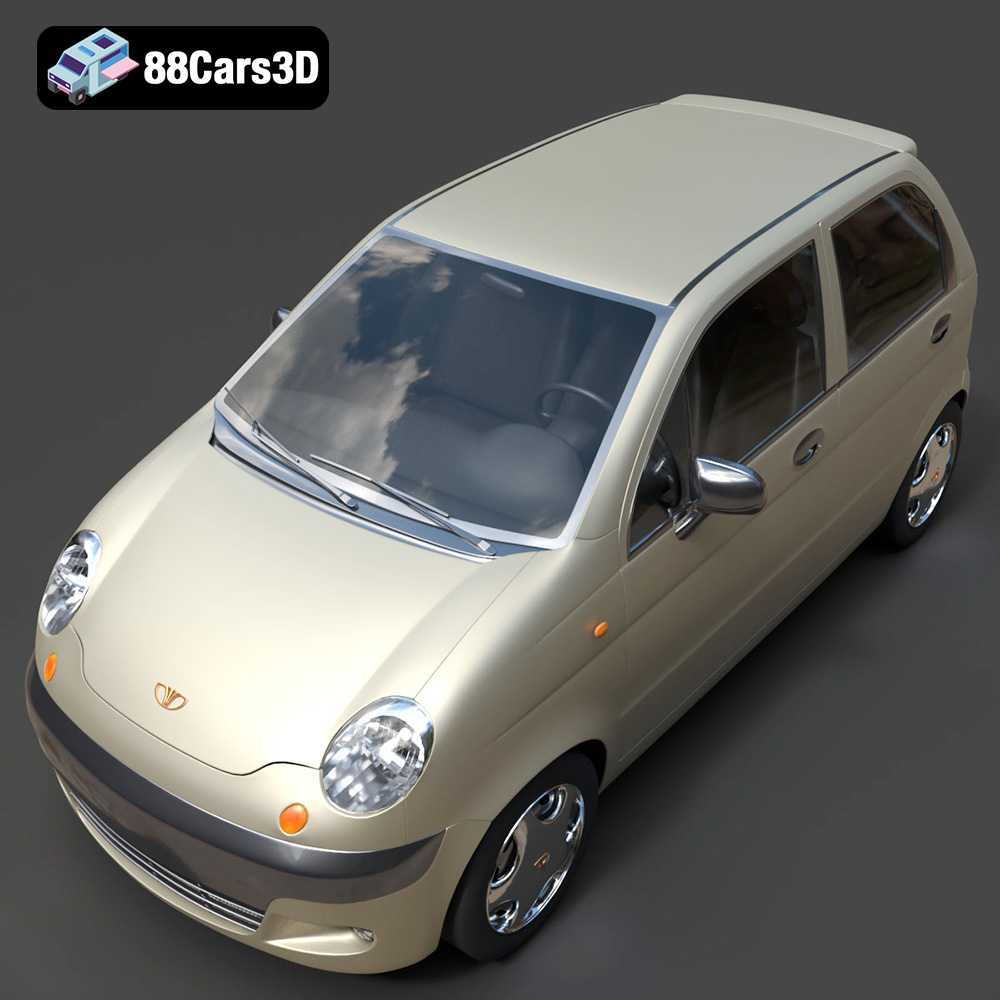
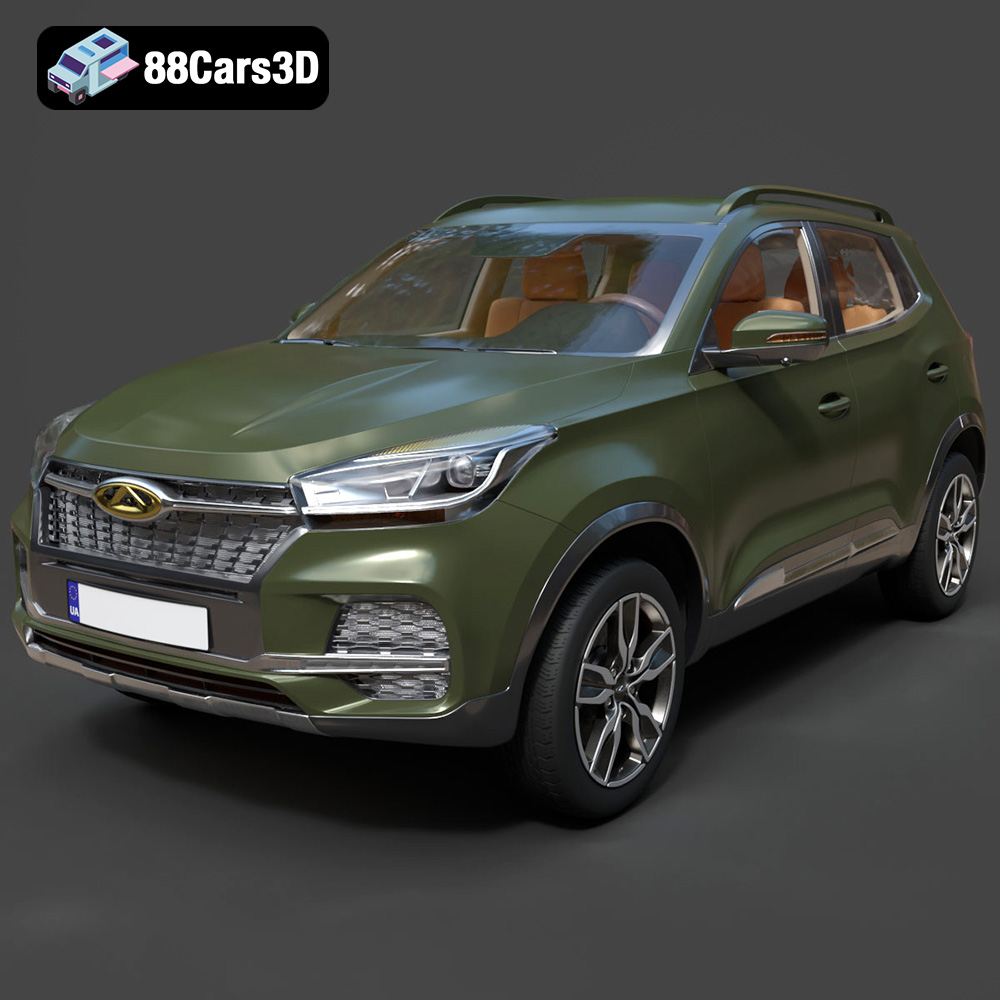
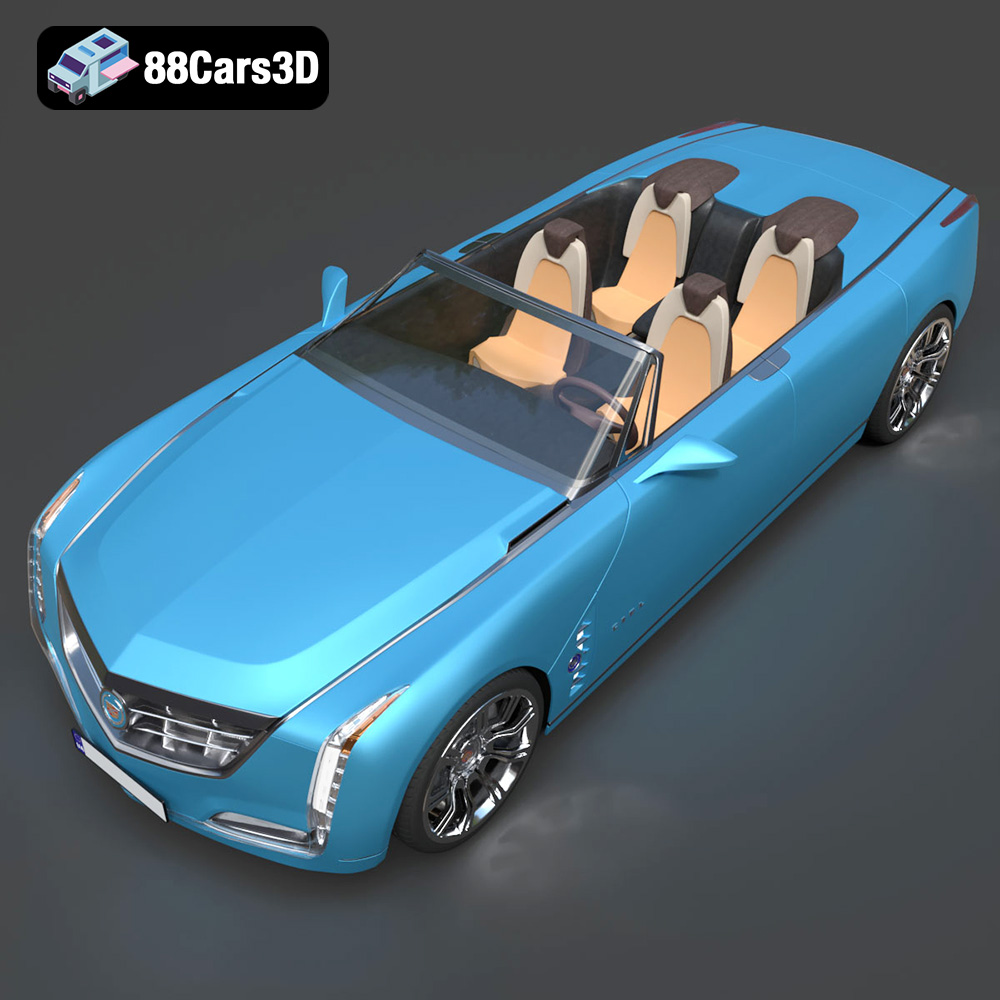
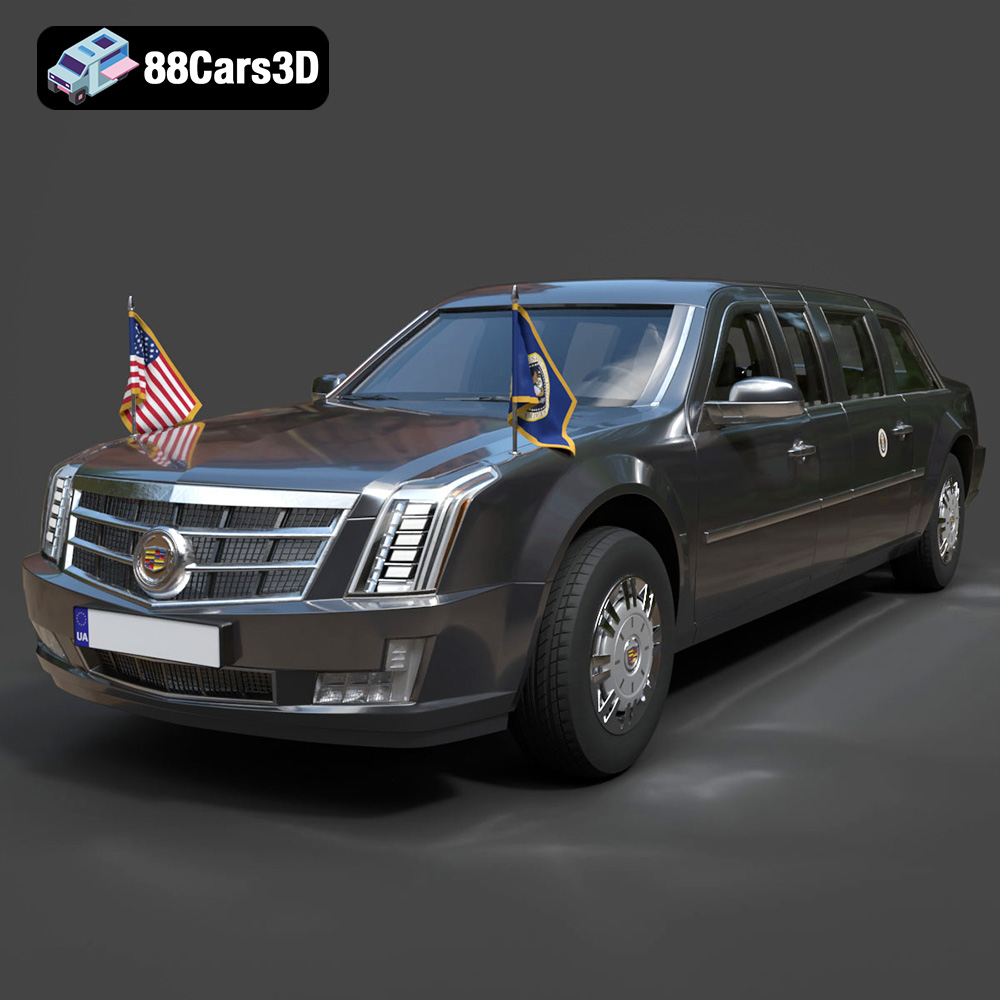
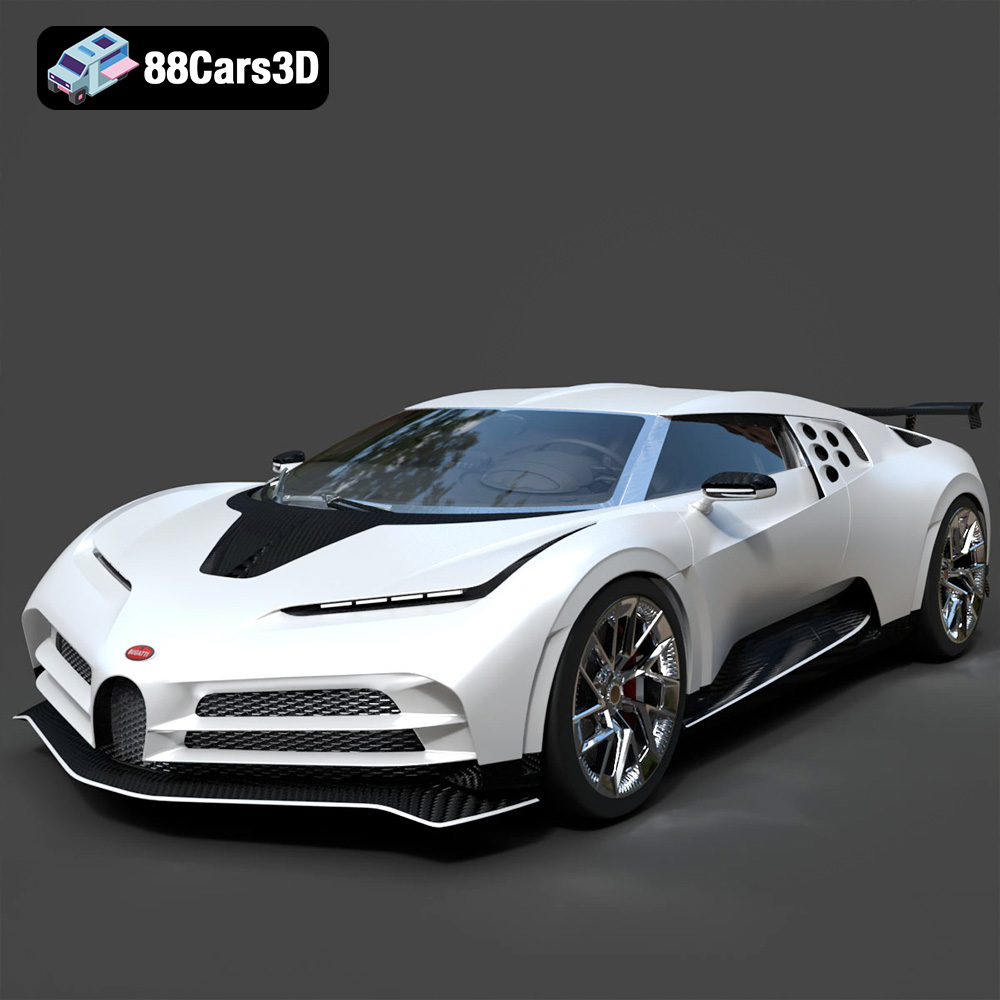
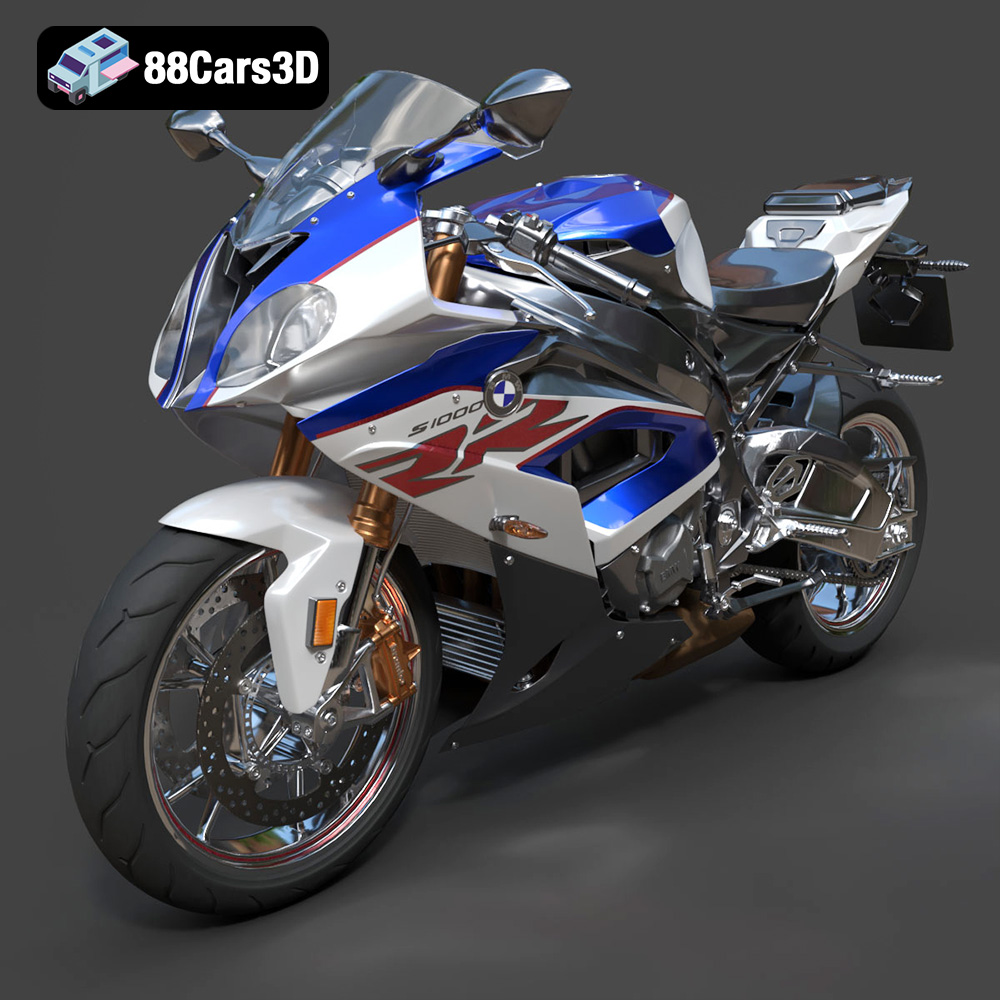
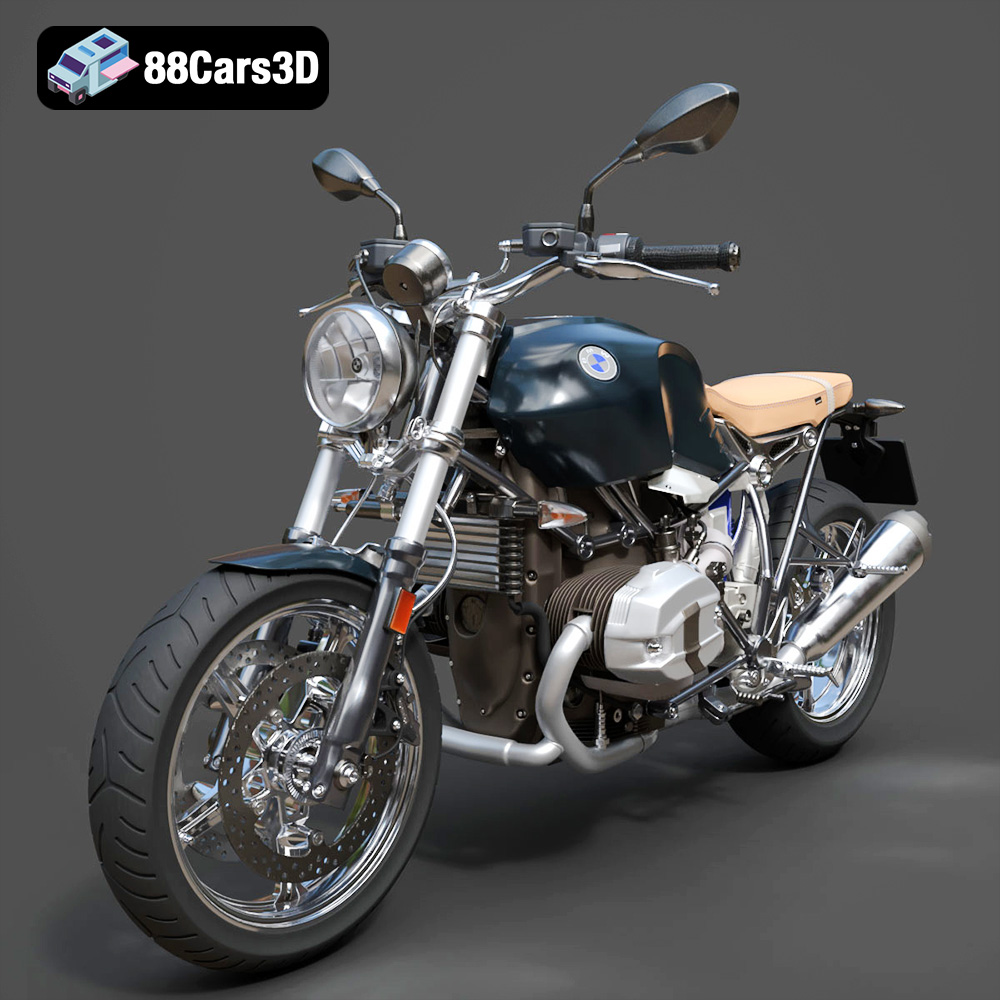
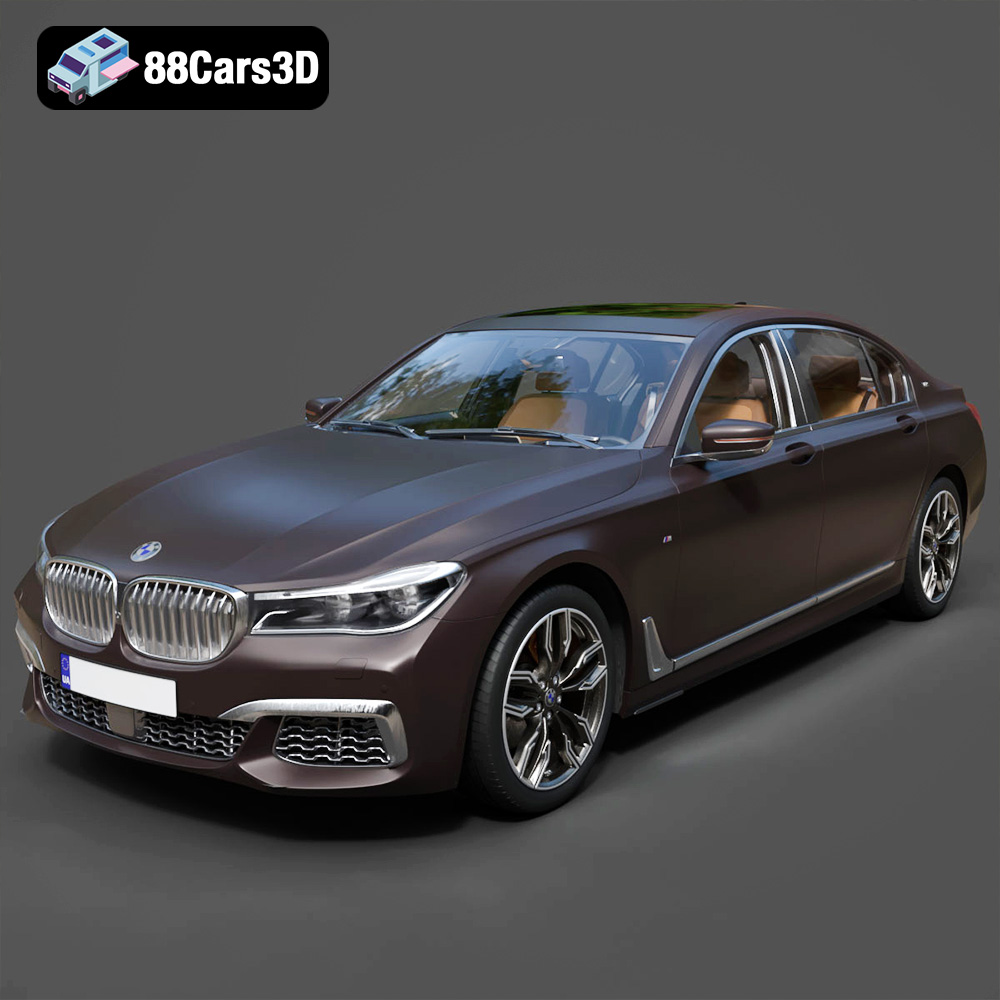
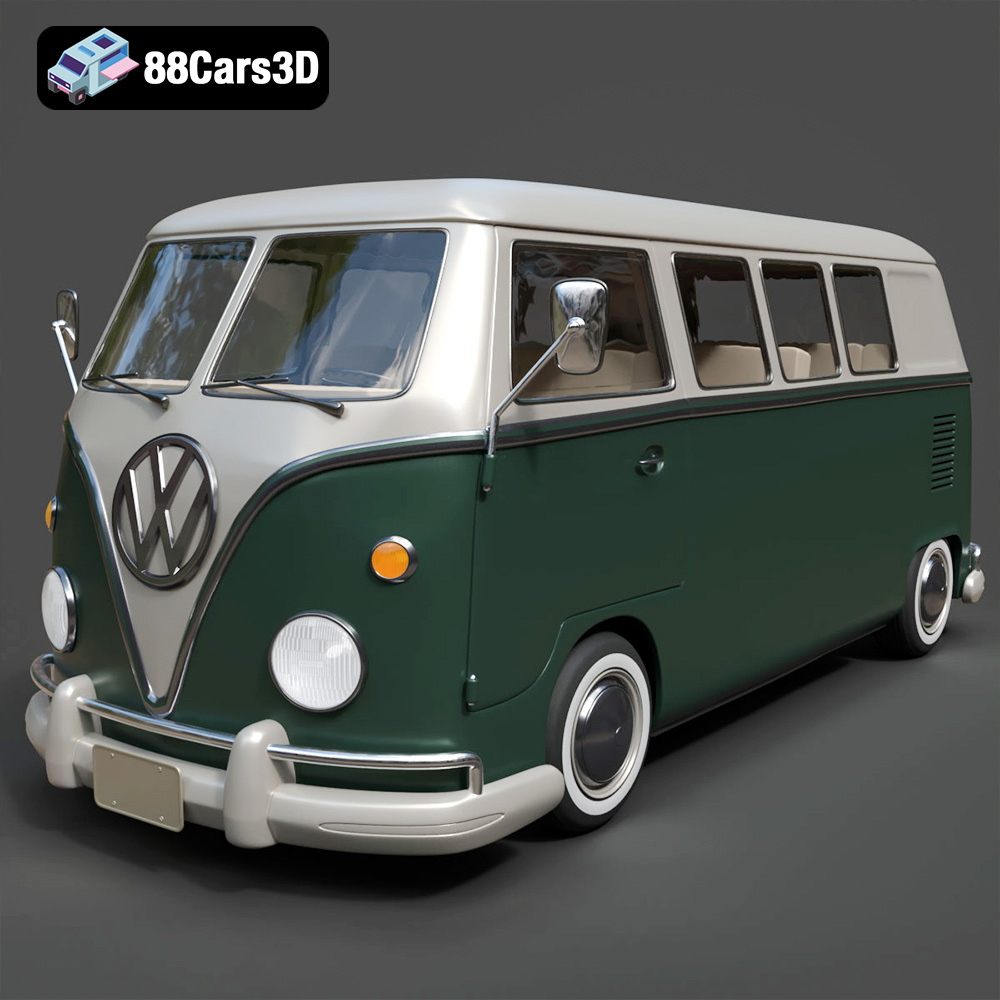
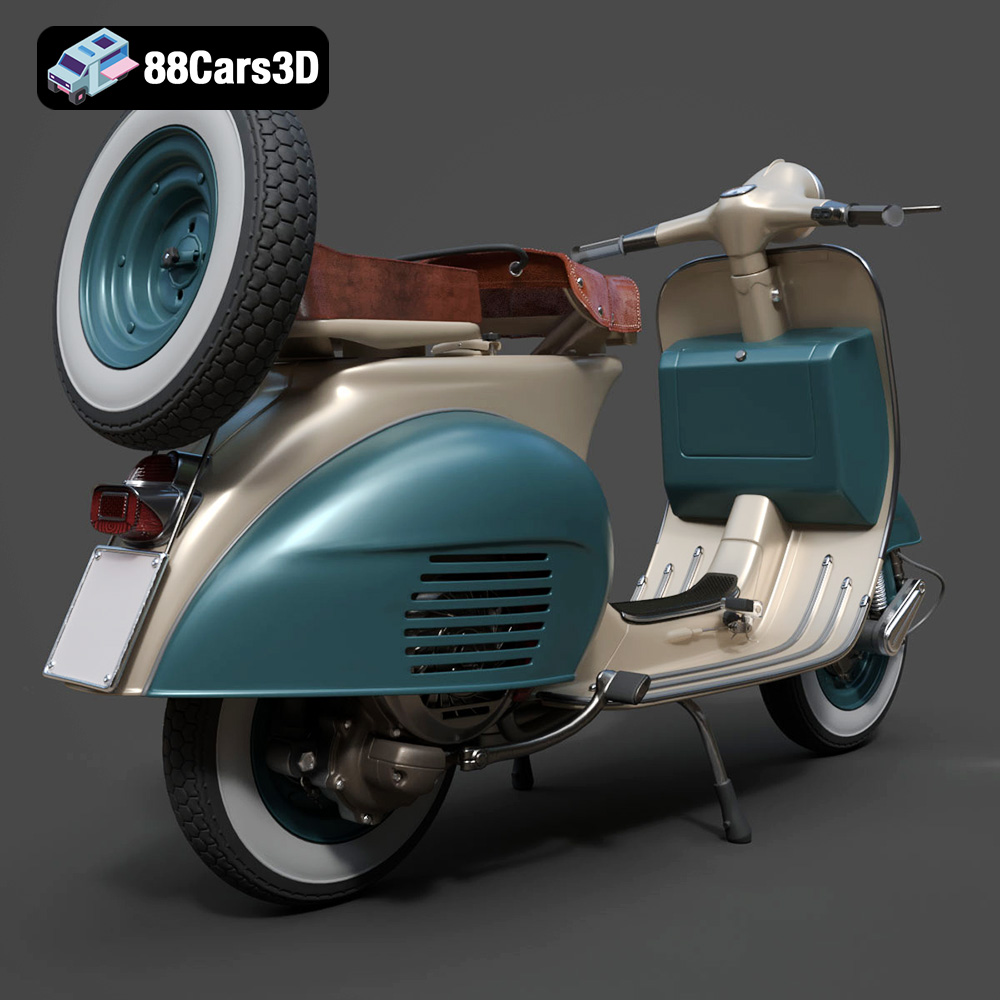
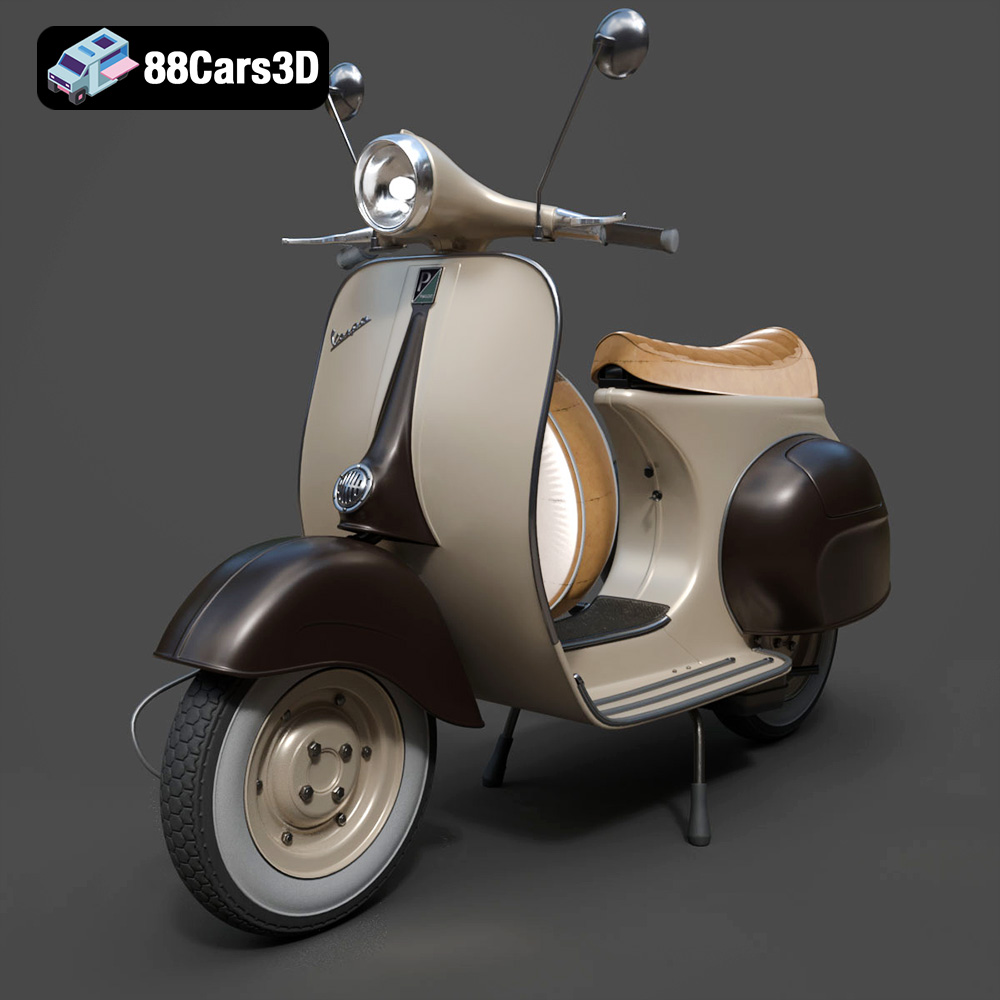
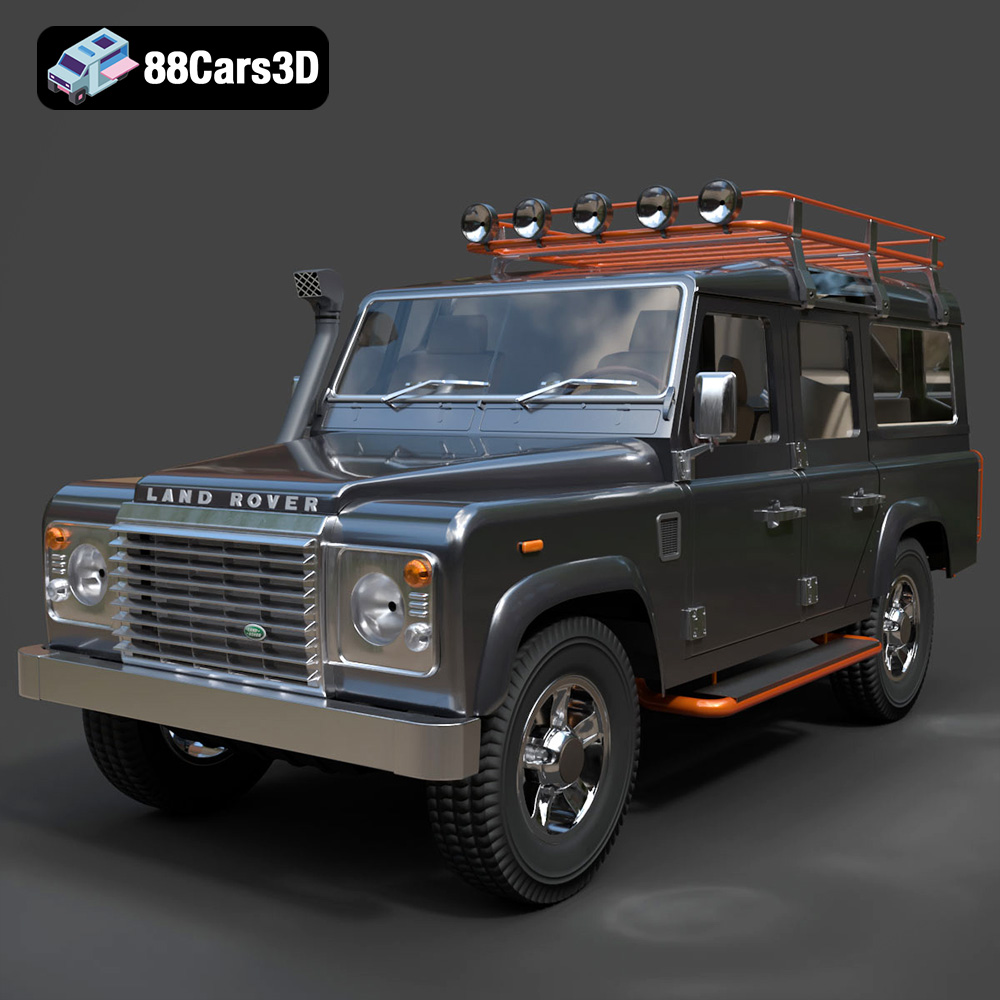
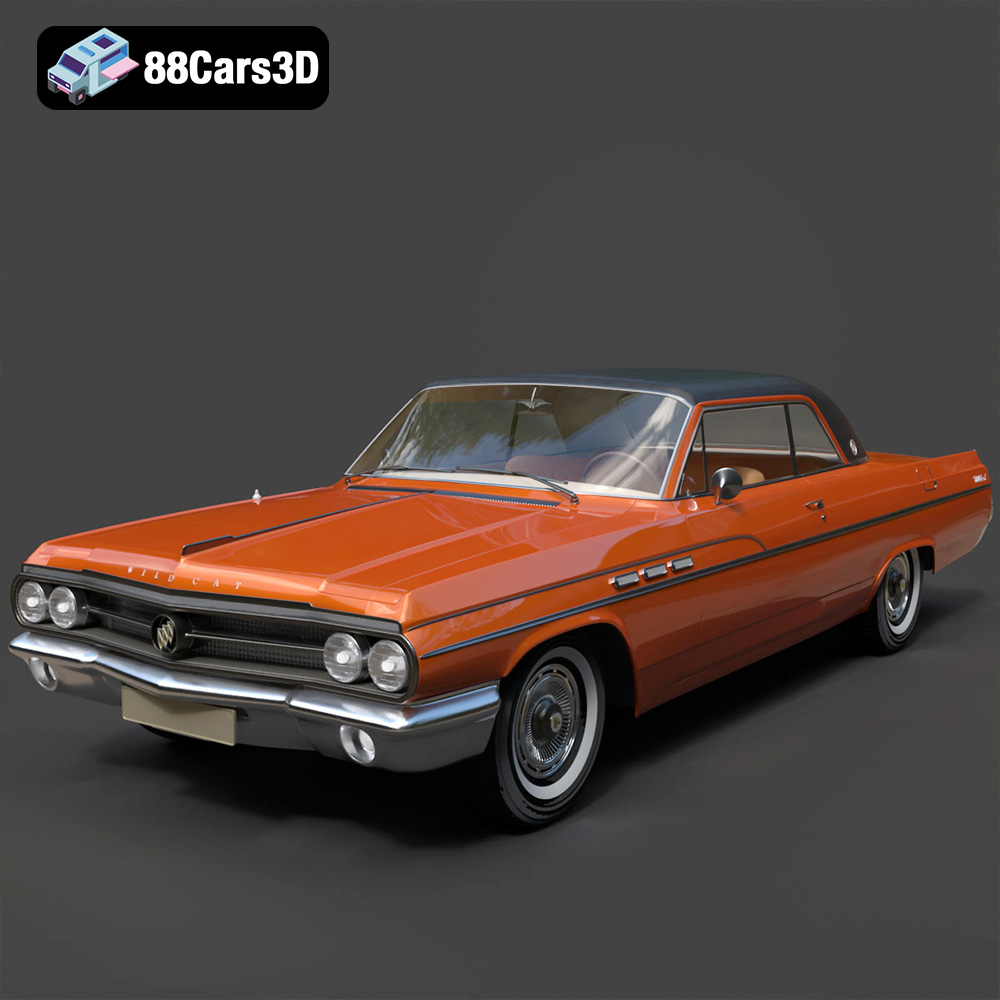
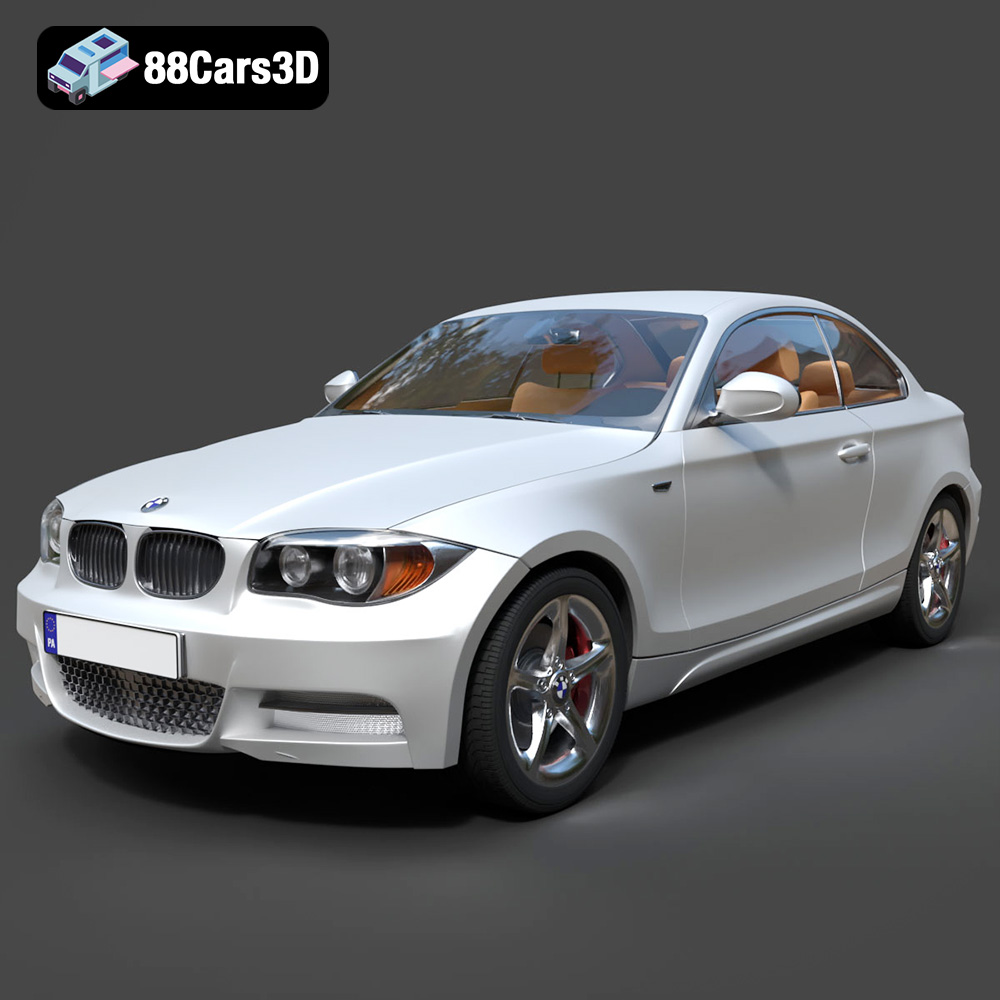
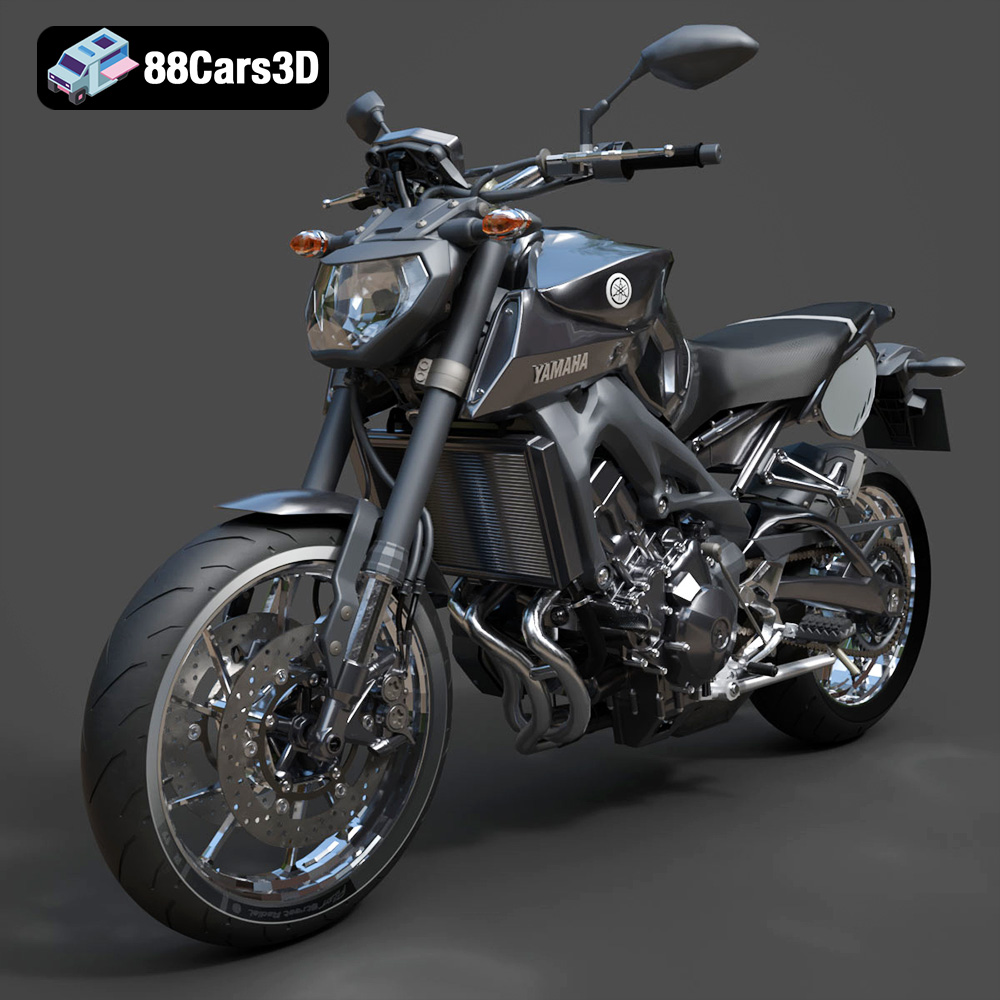
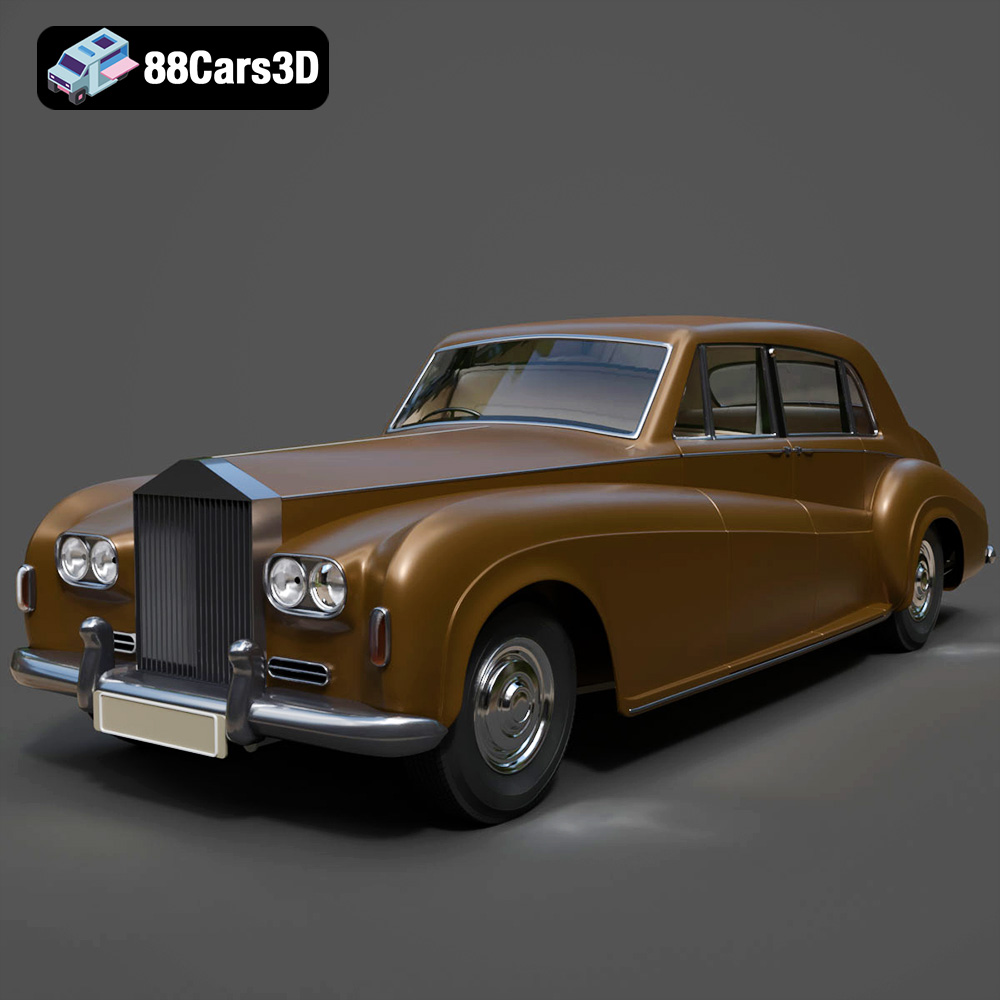
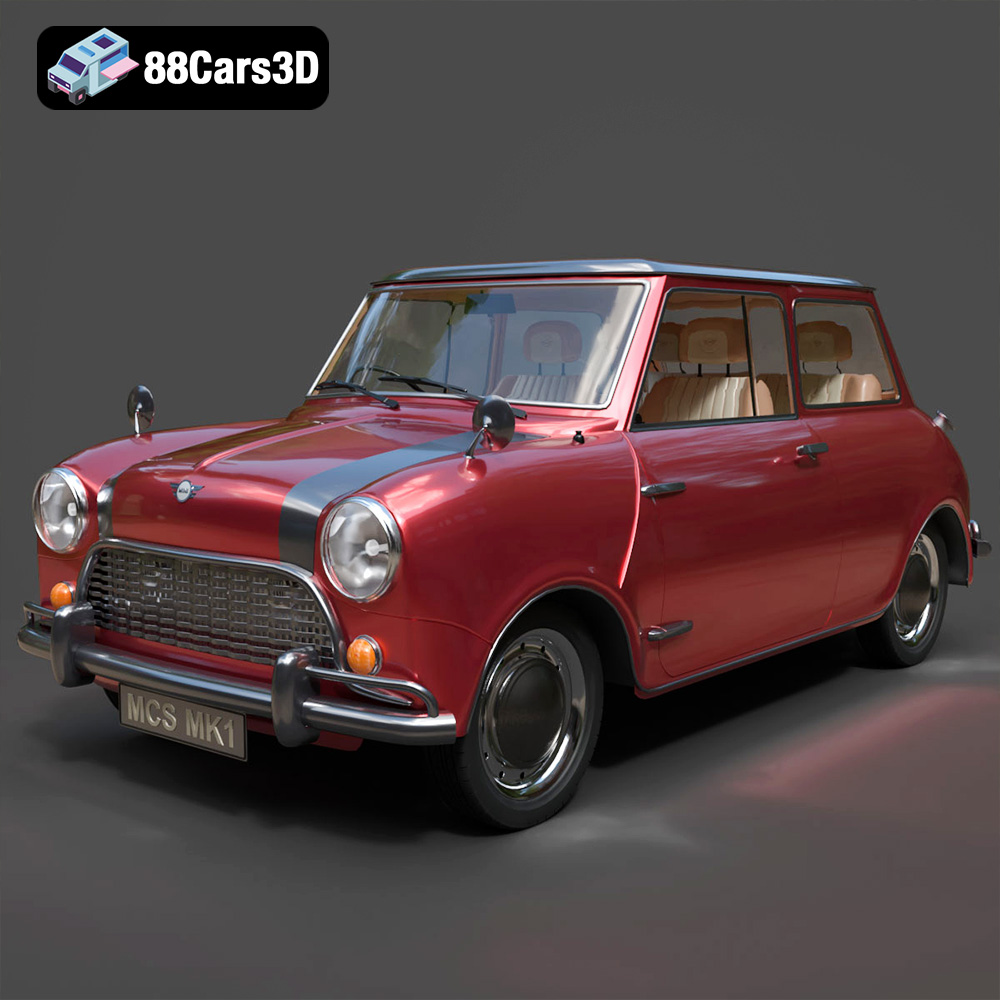
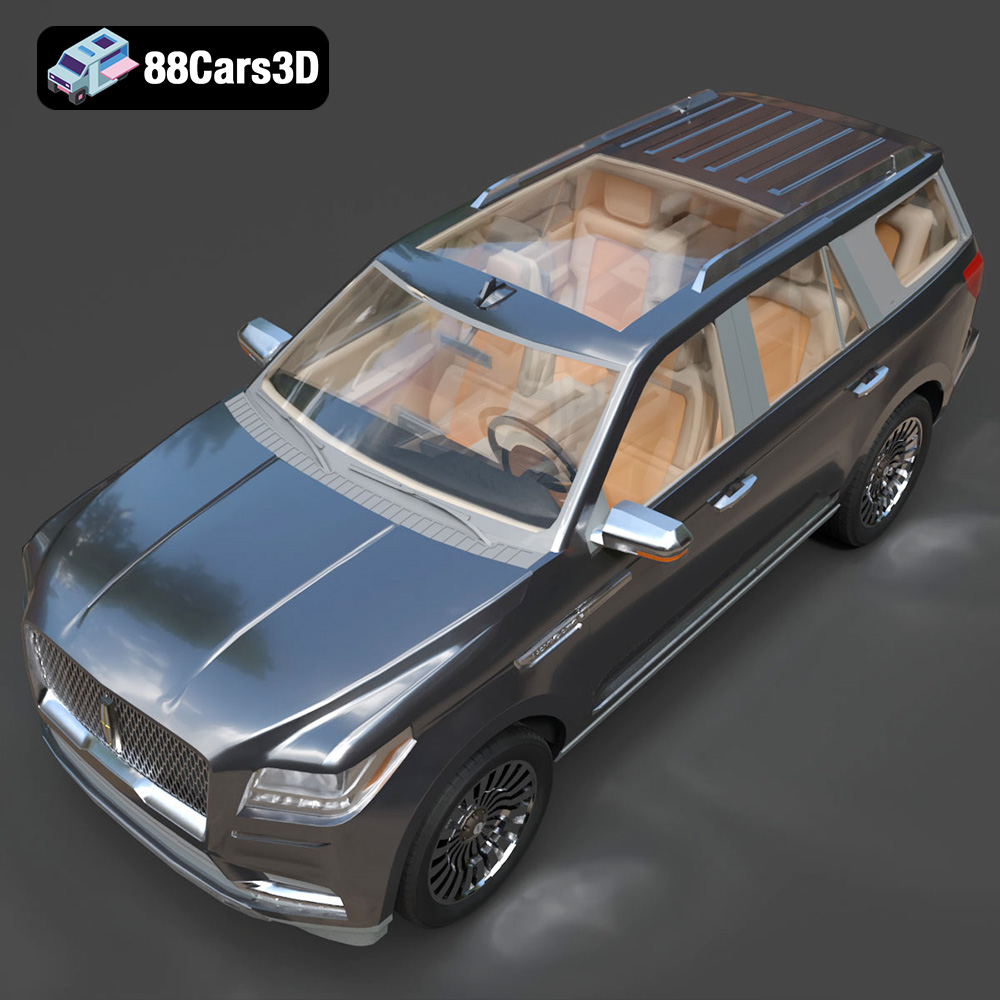
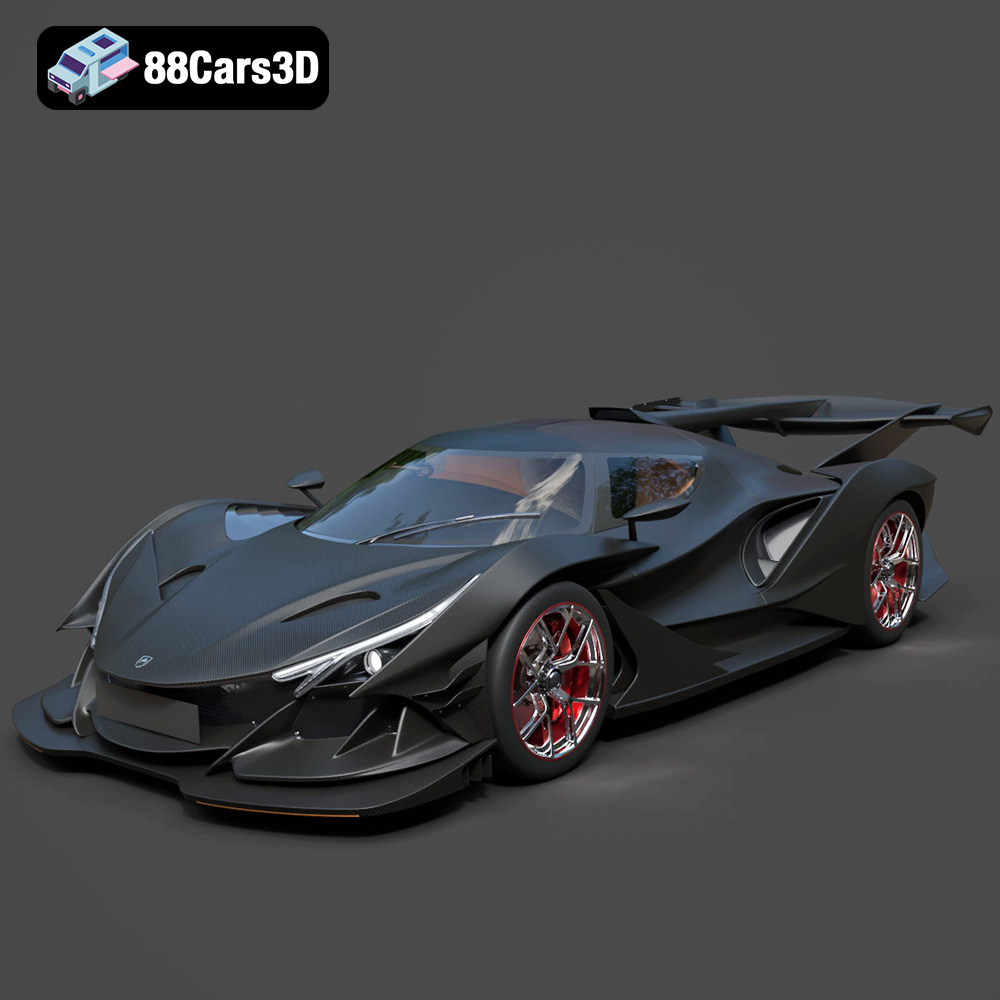
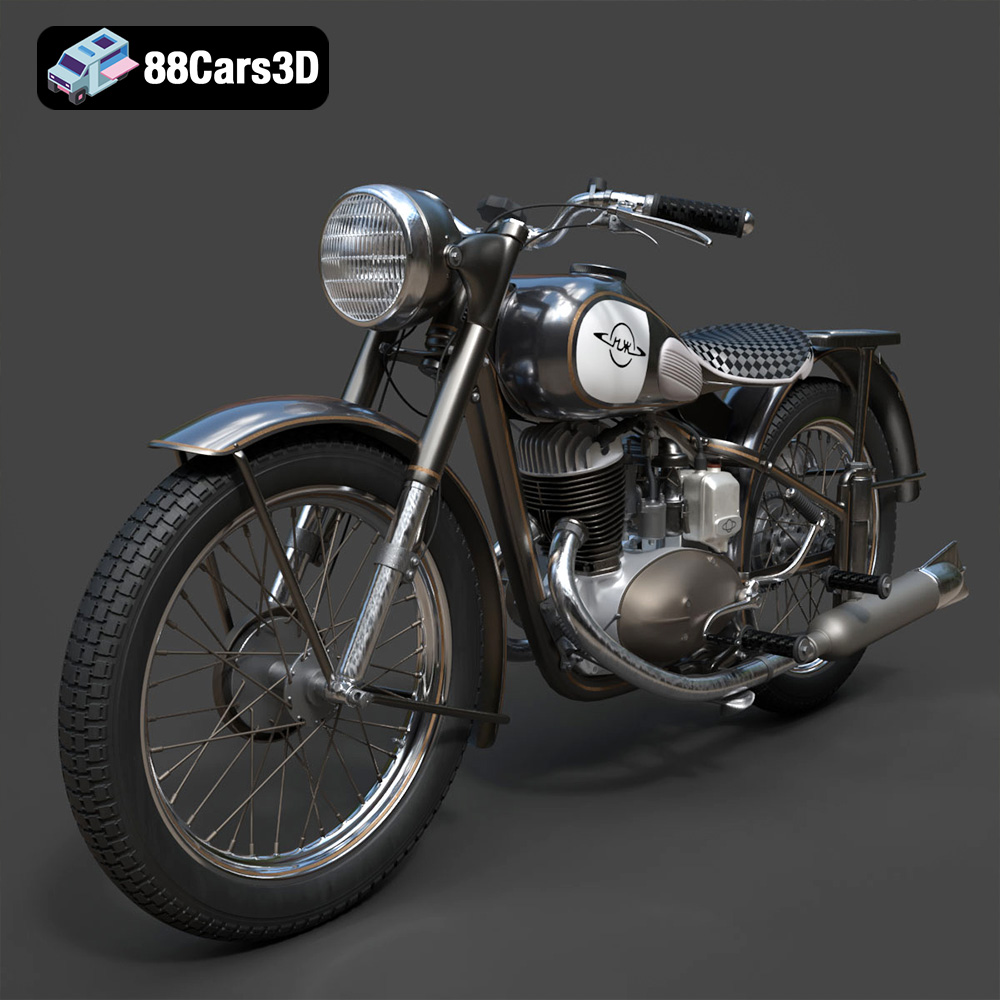
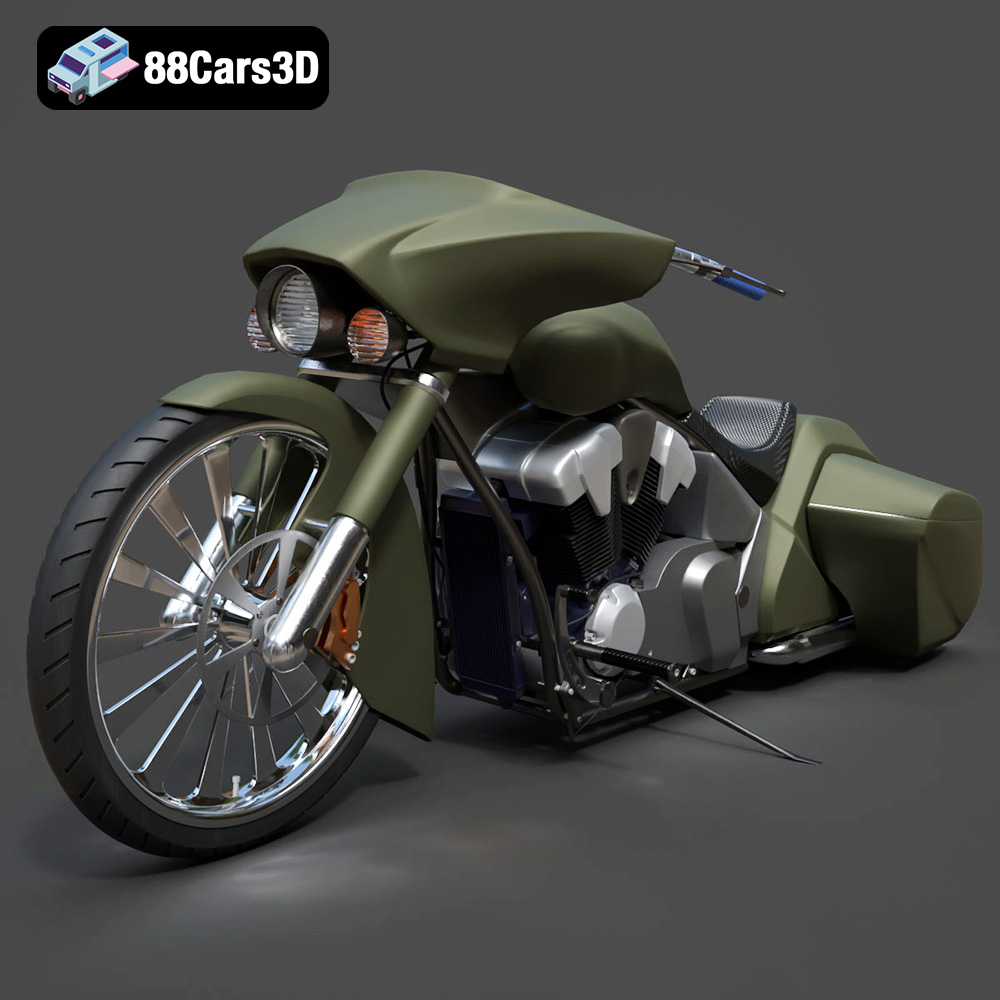
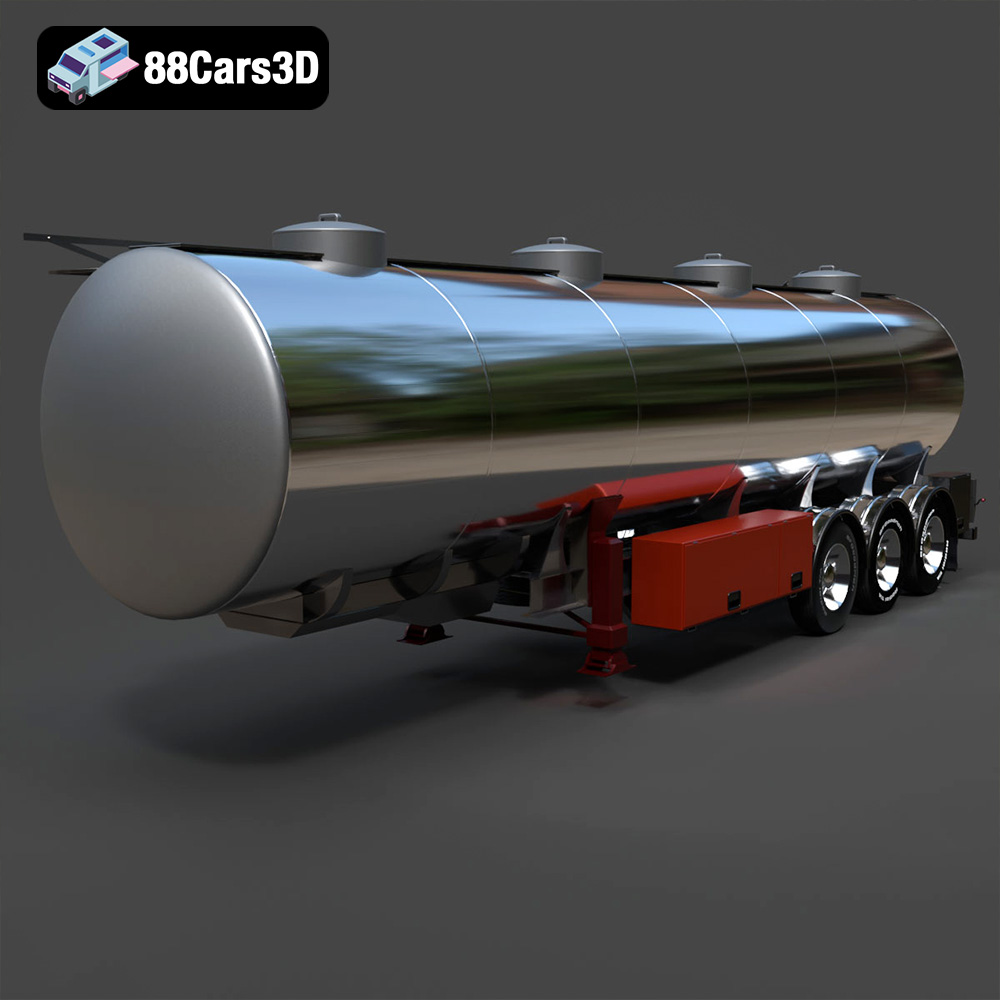
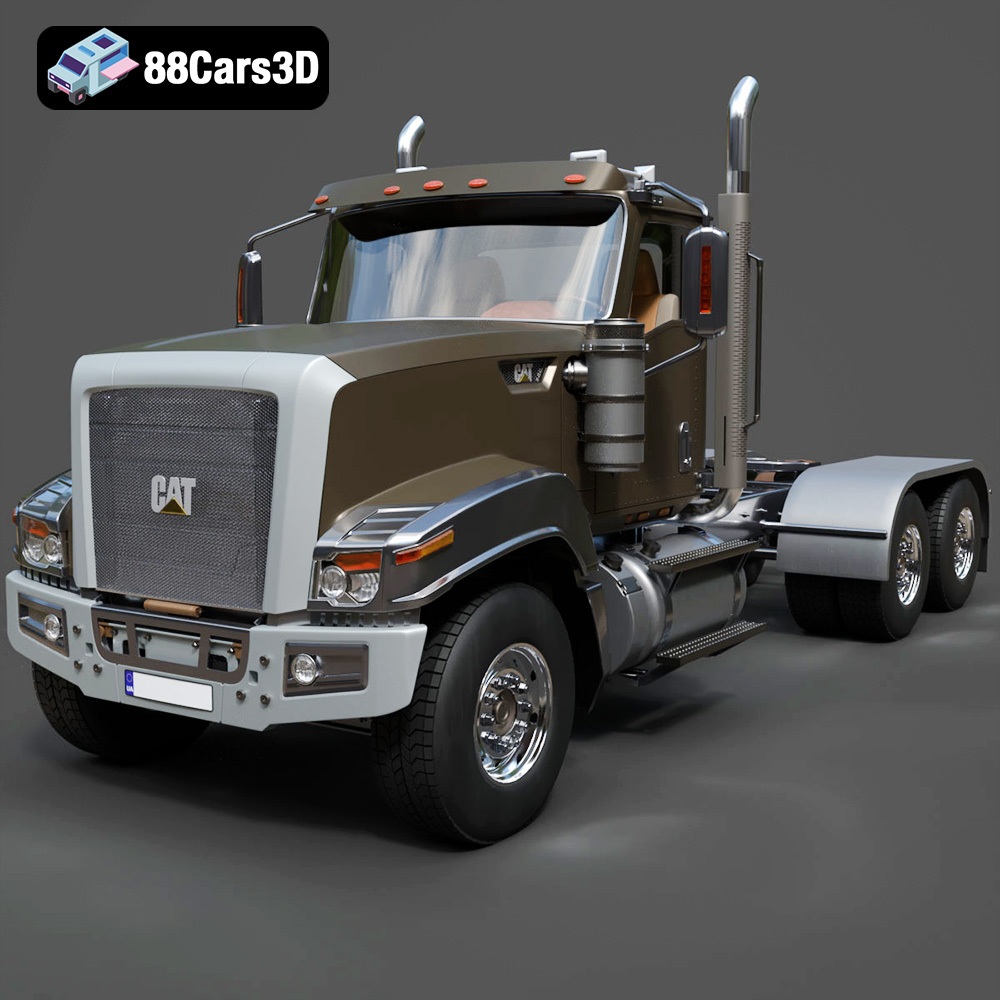
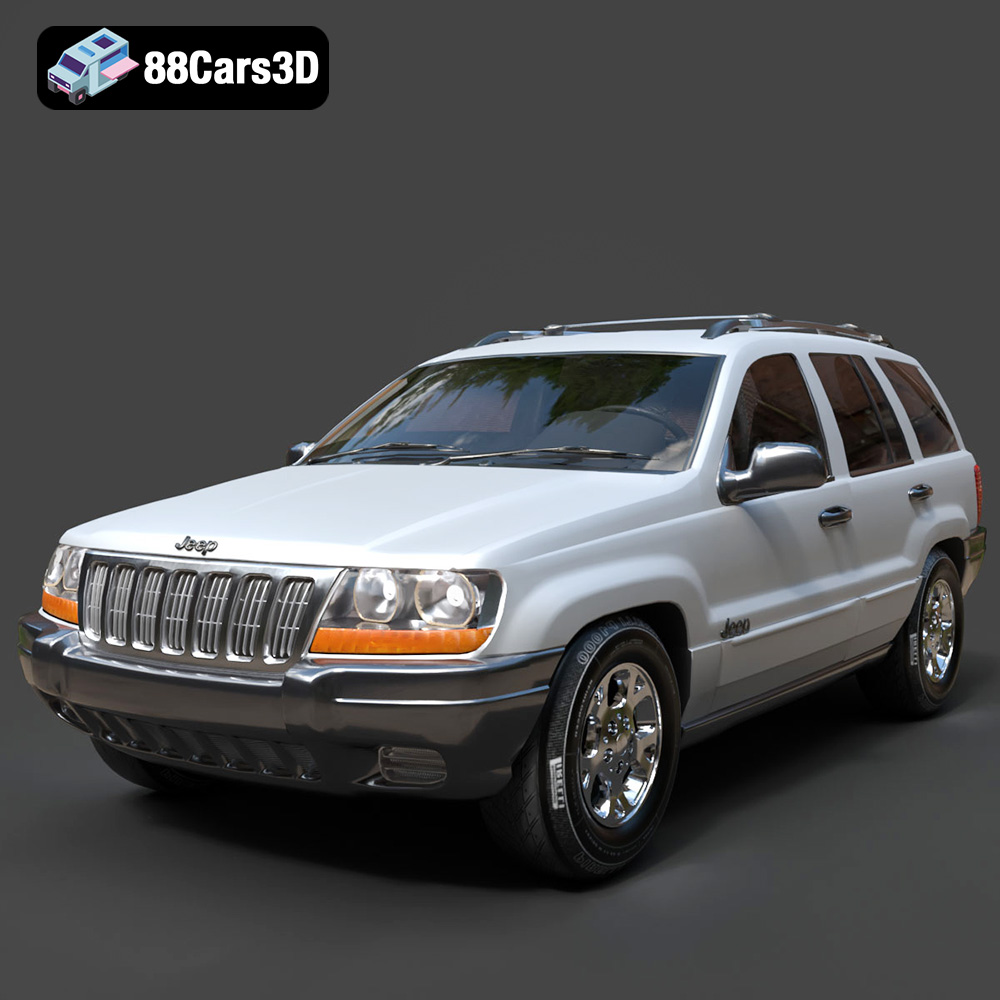
The Engine of Imagination: Harnessing High-Quality 3D Car Models for Next-Generation Visuals
In today’s visually-driven world, the demand for stunning, photorealistic automotive content is higher than ever. From blockbuster game titles and cinematic advertisements to immersive AR/VR experiences and precise engineering visualizations, high-quality 3D car models are the fundamental building blocks. These sophisticated digital assets serve as the canvas upon which artists and developers paint compelling narratives and create groundbreaking interactive environments. Understanding the intricate technical details, diverse applications, and best practices for integrating these models is crucial for anyone looking to push the boundaries of digital content creation. This comprehensive guide will delve deep into the technical landscape of 3D car models, exploring their formats, applications in automotive rendering and game development, and the essential considerations for achieving professional-grade results.
Understanding 3D Model File Formats
The choice of file format for a 3D car model is far more than a mere technicality; it dictates compatibility, feature retention, and ultimately, the efficiency of your workflow. Each format is designed with specific strengths, catering to different stages of a production pipeline, from initial modeling to final deployment. Selecting the correct format ensures that your high-fidelity assets are preserved and perform optimally in their intended environments.
The Versatility of .blend and .max for Native Workflows
For artists working within specific Digital Content Creation (DCC) software, native formats offer the most comprehensive and editable solutions.
- .blend: This is Blender’s native file format, serving as a complete scene package. A .blend file can contain not just the mesh data of a 3D car model, but also its full material setup, textures, lighting, camera configurations, animations, rigging, simulations, and even custom scripts. Its primary advantage lies in its absolute fidelity to the original project, allowing for intricate adjustments and continued development without loss of data or integrity. When sourcing a .blend file for a 3D car model, you are essentially acquiring the full editable studio environment, making it ideal for deep customization or complex animation projects within Blender.
- .max: The native format for Autodesk 3ds Max, .max files serve a similar purpose for users of this industry-standard software. Like .blend, a .max file encapsulates the entire scene, including geometry, materials, textures, lights, cameras, animation keyframes, and character rigs. It’s the go-to format for professionals heavily invested in the Autodesk ecosystem, providing full control over all aspects of the model and its scene. For complex automotive rendering projects requiring sophisticated animation or detailed scene staging in 3ds Max, a .max file offers unparalleled flexibility.
Interchange Formats: .fbx, .obj, and .ply for Broad Compatibility
When transferring models between different software applications or preparing them for diverse engines, interchange formats become indispensable.
- .fbx: Developed by Autodesk, FBX (Filmbox) is arguably the most widely adopted 3D exchange format, especially prominent in the game development and animation industries. Its strength lies in its ability to store a comprehensive range of data beyond just geometry, including meshes, materials (with PBR map assignments), textures, animations, skinning information, and camera data. This makes .fbx the ideal choice for transferring complex 3D car models from a DCC application (like 3ds Max or Blender) into game engines like Unreal Engine or Unity, ensuring that animations and material properties are largely preserved. It’s a binary format, making it relatively efficient.
- .obj: Wavefront OBJ is a universal 3D geometry definition file format that has been around for decades. It’s an ASCII-based format that primarily stores vertex positions, UV coordinates, vertex normals, and polygonal faces. While robust for geometry transfer, .obj has limitations: it doesn’t natively support animations, rigging, or advanced material properties beyond basic color and texture map references (typically via an accompanying .mtl file). Despite these limitations, its universal compatibility makes it a reliable choice for simple mesh transfers between virtually any 3D software. For static 3D car models, .obj offers a clean, widely understood format.
- .ply: The Polygon File Format (PLY) is primarily used for storing 3D data from 3D scanners, CAD applications, or scientific data. It’s capable of storing a wider range of properties per vertex and face than .obj, including color, transparency, surface normals, texture coordinates, and even confidence values. PLY files can be either ASCII or binary. While less common for general 3D model distribution than .fbx or .obj, it’s a precision mesh format particularly valuable in engineering, reverse engineering, and applications requiring highly detailed and accurate surface data often derived from real-world scans.
Specialized Formats: .glb, .stl, and .unreal for Specific Applications
Some formats are tailored for highly specific use cases, offering optimized performance or unique features for niche applications.
- .glb: The binary version of glTF (GL Transmission Format), .glb is an increasingly popular format optimized for web-based applications, AR (Augmented Reality), and VR (Virtual Reality). It packages all necessary assets – geometry, materials, textures, animations – into a single, self-contained binary file, making it incredibly efficient for streaming and display in browser environments or on mobile devices. Its PBR (Physically Based Rendering) material support ensures consistent visual quality across different viewers. For interactive 3D car model experiences on websites or in mobile AR apps, .glb is the format of choice due to its optimization and ease of integration.
- .stl: Stereolithography (STL) is the de-facto standard file format for 3D printing. Unlike other formats that prioritize visual fidelity or animation, .stl focuses purely on defining the surface geometry of a 3D object as a collection of triangulated facets. It does not store color, texture, or material information. The critical aspect for an .stl file is its “watertightness” – ensuring there are no holes or gaps in the mesh to guarantee a successful physical print. When a 3D car model is destined for additive manufacturing, converting it to a clean, manifold .stl is essential.
- .unreal: While not a standalone file format in the same vein as .fbx or .obj, “.unreal” typically refers to an asset that has been fully integrated and optimized within the Unreal Engine ecosystem. Assets are often imported into Unreal Engine via formats like .fbx, which are then processed and packaged by the engine. An “.unreal” asset implies an engine-ready model, meaning it has been correctly imported, had its materials set up with PBR textures, LODs (Levels of Detail) generated, collision meshes created, and potentially animations integrated. When you see a reference to an “Unreal” asset, it signifies a model ready for real-time environments, fully compliant with the engine’s specifications and optimized for performance.
Each of these formats plays a vital role in the lifecycle of a 3D car model. Understanding their nuances allows artists, developers, and engineers to choose the most effective format for their specific project needs, ensuring maximum compatibility and efficiency from acquisition to final deployment.
The Art and Science of Automotive Rendering
Automotive rendering is a specialized discipline that blends artistic vision with technical prowess to create images so realistic they are often indistinguishable from photographs. Achieving photorealism for 3D car models involves meticulous attention to materials, lighting, and advanced rendering techniques.
Crafting Photorealism: Materials, Textures, and Lighting
The foundation of a convincing automotive render lies in the realism of its surface properties.
- Materials and Textures: Modern rendering pipelines heavily rely on Physically Based Rendering (PBR). This means creating materials that accurately simulate how light interacts with surfaces in the real world. For a car, this includes complex car paint shaders (multi-layered clear coats, metallic flakes, subsurface scattering for specific colors), reflective chrome, transparent glass with accurate refraction and tint, rubber for tires, and various interior fabrics or plastics. Each material requires a suite of texture maps (albedo/base color, roughness, metallic, normal, ambient occlusion) to define its properties precisely. High-resolution textures are critical for close-up shots, ensuring fine details like orange peel on paint or the subtle texture of leather seats are visible.
- Lighting for Impact: Lighting is paramount. Studio lighting setups, often inspired by professional photography studios, involve multiple light sources to highlight contours, create appealing reflections, and define the vehicle’s form. This usually includes large softbox-style area lights for even illumination, rim lights to define edges, and fill lights to lift shadows. High Dynamic Range Imagery (HDRI) is frequently used to provide realistic environment lighting, reflecting complex surroundings onto the car’s reflective surfaces and injecting natural color and light temperatures into the scene.
Advanced Rendering Techniques: HDRI, Ray Tracing, and GI
To truly elevate a render, advanced techniques are employed that go beyond basic illumination.
- High Dynamic Range Imagery (HDRI): As mentioned, HDRIs are 360-degree panoramic images that capture a full range of light intensities from a real-world location. Using an HDRI as a lighting source provides incredibly realistic and nuanced illumination and reflections, making the 3D car model appear perfectly integrated into its environment. The nuances of natural light and reflections from a parking lot, a bustling city street, or a serene landscape are all captured.
- Ray Tracing and Global Illumination (GI): Modern renderers (like V-Ray, Corona Renderer, Arnold) employ sophisticated algorithms such as ray tracing and path tracing to simulate how light bounces and interacts within a scene. Ray tracing accurately calculates reflections and refractions, crucial for metallic paint and glass. Global Illumination (GI) simulates indirect lighting – light that has bounced off multiple surfaces before reaching the camera. This creates soft, natural lighting, color bleeding between objects, and realistic ambient light, all of which are essential for making a car model feel grounded and integrated into its virtual surroundings. Real-time ray tracing is also becoming a significant factor in game engines.
- Caustics and Depth of Field: Caustics, the light patterns formed by light passing through refractive materials (like headlight lenses or raindrops on a windshield), add another layer of realism. Depth of Field (DoF) simulates the optical properties of a real camera lens, blurring distant or foreground elements to draw attention to the main subject – the car.
Post-Production for Impact: Color Grading and Compositing
The rendering process doesn’t end when the image is calculated. Post-production is where the final polish is applied.
- Color Grading and Adjustments: Tools like Adobe Photoshop or Affinity Photo are used for color grading, adjusting contrast, brightness, and color balance to achieve a desired mood or aesthetic. This can involve subtle tweaks to enhance vibrance or more dramatic changes to evoke a specific atmosphere.
- Compositing Render Passes: Advanced renders often output multiple “render passes” (e.g., diffuse, reflection, refraction, shadow, ambient occlusion, Z-depth). These passes can be composited in post-production software to gain granular control over each element of the image. For instance, reflections can be adjusted independently without re-rendering the entire scene, or specific areas can be selectively brightened or darkened. This non-destructive workflow offers immense flexibility for finessing the final output.
Integrating 3D Car Models into Game Development
Game development presents unique challenges for 3D car models, demanding a delicate balance between visual fidelity and real-time performance. Unlike static renders, game assets must be highly optimized to run smoothly on various hardware configurations, maintaining a consistent frame rate while still looking visually appealing.
Optimizing for Real-time Performance: Poly Counts and LODs
Performance optimization is paramount in game development.
- Polygon Budgets: Every game engine has a polygon budget for assets, particularly for complex models like vehicles. A high-fidelity 3D car model for a cinematic render might have millions of polygons, which is unsuitable for real-time interaction. Game-ready models must be meticulously optimized, often ranging from 50,000 to 200,000 polygons for high-end vehicle models in a modern AAA game, with significantly less for mobile platforms. This involves careful retopology – rebuilding the mesh with an efficient polygon count while preserving the silhouette and details.
- Level of Detail (LODs): A critical optimization technique is the implementation of Levels of Detail (LODs). This involves creating multiple versions of the same 3D car model, each with a progressively lower polygon count. When the car is close to the camera, the high-poly LOD is displayed. As it moves further away, the engine automatically switches to a lower-poly LOD. This significantly reduces the computational load on the GPU without a noticeable drop in visual quality to the player, maintaining performance across diverse scenes and distances.
- Baking High-Poly Detail: To retain the visual richness of a high-resolution model on a low-polygon mesh, techniques like normal map baking are employed. Details from a highly detailed, high-poly source model (e.g., intricate panel gaps, vents, small surface imperfections) are “baked” onto a texture map (a normal map) that is then applied to the optimized low-poly mesh. This allows the low-poly model to appear as detailed as its high-poly counterpart without the performance cost.
UV Mapping and Texture Atlases for Efficiency
Efficient texturing is another cornerstone of game asset optimization.
- Clean UV Mapping: Every vertex of the 3D car model must have a corresponding coordinate on a 2D texture map – this is called UV mapping. For game assets, UVs must be non-overlapping, efficiently packed into the 0-1 UV space, and minimize stretching. Clean UVs are essential for textures to display correctly and consistently across the model, and for baking details accurately.
- Texture Atlases: To further optimize performance, especially in terms of draw calls, texture atlases are frequently used. Instead of having dozens of individual texture files for different parts of a car (e.g., body, wheels, interior), multiple smaller textures are combined into one larger texture map. The UVs for the different parts of the car are then mapped to their respective areas on this single atlas. This reduces the number of times the game engine needs to swap textures, leading to better rendering performance.
Physics-Based Rendering (PBR) Workflows in Game Engines
The adoption of PBR has revolutionized game graphics, bringing cinematic quality to real-time environments.
- Consistent Material Pipelines: PBR materials, comprising maps like albedo (base color), roughness, metallic, normal, and ambient occlusion, ensure that assets respond to light in a physically plausible way, regardless of the lighting conditions in the game. This consistency is vital for maintaining visual integrity across different levels and times of day within a game.
- Engine Integration: Game engines like Unreal Engine and Unity have robust PBR material systems. Importing 3D car models with correctly prepared PBR textures (often via .fbx) allows for direct integration into these systems. Artists then fine-tune material parameters within the engine to achieve the desired look, benefiting from the engine’s real-time lighting and reflection systems. Understanding the nuances of each engine’s material graph is key to maximizing the visual impact of your game assets.
Beyond Rendering and Gaming: AR/VR and Visualization
The utility of high-quality 3D car models extends far beyond traditional rendering and game development, powering the next generation of interactive and informative experiences in augmented reality (AR), virtual reality (VR), and advanced visualization.
Leveraging .glb for Web-Based AR and VR Experiences
AR and VR are transforming how we interact with digital content, offering immersive ways to experience products, including cars.
- Interactive Product Showcases: 3D car models are central to interactive AR/VR showcases. Imagine using your smartphone to place a virtual car in your driveway, walking around it, opening doors, and changing colors – all in real-time. This capability is largely thanks to optimized formats like .glb, which can be easily embedded on websites and loaded quickly on mobile devices. Companies use this to offer potential buyers a virtual test drive or customization experience, significantly enhancing engagement.
- Optimized for Performance: For AR/VR, particularly on mobile platforms, extreme optimization is required. Models must have incredibly efficient polygon counts, well-packed UVs, and streamlined PBR texture sets to ensure smooth frame rates and minimal latency, which are critical for preventing motion sickness and providing a comfortable user experience.
Precision in Architectural and Product Visualization
3D car models play a crucial supporting role in disciplines focused on environment and product design.
- Contextualizing Environments: In architectural visualization, placing realistic 3D car models around a building or in a street scene provides a sense of scale, human activity, and real-world context. A modern sports car parked in front of a contemporary home instantly elevates the scene’s realism and appeal, making the architectural design feel lived-in and dynamic.
- Product Placement and Marketing: For other product visualizations, a well-rendered car can serve as a premium background element, associating a new product with luxury, speed, or innovation. It’s about crafting an aspirational image that resonates with the target audience.
The Role of 3D Car Models in Training and Simulation
Beyond aesthetics, 3D car models are invaluable tools for practical, skill-based applications.
- Driver Training Simulators: High-fidelity 3D car models are the heart of advanced driving simulators. These simulators are used to train professional drivers, test new vehicle designs, or even for general driver education. The models need to be geometrically accurate, capable of complex deformation (e.g., suspension articulation, crash physics), and have realistic interior details for an immersive and effective training environment.
- Engineering and Ergonomic Analysis: Engineers use highly detailed 3D car models, often derived from CAD data, for aerodynamic simulations, crash testing analysis, and ergonomic studies. These models allow for virtual prototyping, identifying potential design flaws or areas for improvement long before physical prototypes are built, saving significant time and resources. Precision is paramount here, often requiring formats like .ply for scanned data or original CAD formats for maximum accuracy.
Essential Technical Considerations for 3D Car Models
The visual quality and functional performance of a 3D car model are inextricably linked to the quality of its underlying technical structure. Overlooking these fundamental aspects can lead to animation glitches, texture distortions, and significant pipeline inefficiencies.
Topology and Mesh Flow for Deformation and Animation
The arrangement of polygons (topology) is foundational to a high-quality 3D model.
- Clean, Quad-Based Topology: Professional 3D car models almost universally utilize quad-based (four-sided polygon) topology. Quads deform much more smoothly during animation than triangles (which are often an output of conversion, not ideal for modeling) and are easier for artists to manipulate. Clean edge loops – continuous rings of polygons that follow the natural contours of the car – are essential. These loops are particularly important around areas that will deform, such as wheel arches, door seams, or suspension components, ensuring smooth movement without pinching or tearing the mesh.
- Animation Readiness: For animated sequences (e.g., opening doors, rotating wheels, suspension compression), the topology must be explicitly designed to support these movements. Proper edge flow around pivot points and joint areas prevents undesirable stretching or compression of the mesh. This careful construction ensures that even under dynamic conditions, the car maintains its realistic appearance.
Mastering UV Unwrapping for Flawless Textures
UV mapping is the bridge between a 3D model’s geometry and its 2D textures. Poor UVs can ruin even the most stunning model.
- Non-Overlapping and Efficient Layouts: UVs must be unwrapped so that no polygon faces overlap on the 2D texture map. Overlapping UVs lead to texture errors where different parts of the model display the same texture area, making unique texturing impossible. The UV islands (separated parts of the unwrapped mesh) should also be efficiently packed into the 0-1 UV space to maximize texture resolution and minimize wasted space.
- Consistent Texel Density: Texel density refers to the number of texture pixels per unit of 3D space. Maintaining a consistent texel density across the entire 3D car model ensures that all parts of the car have a similar level of texture detail, preventing some areas from looking blurry while others are sharp. This is particularly important for large, prominent surfaces like the body panels.
- Minimizing Seams: While seams are often unavoidable in UV unwrapping, skilled artists strategically place them in less visible areas (e.g., along natural panel gaps or hidden edges) to prevent distracting visual breaks in the textures.
The Importance of Clean Hierarchies and Pivot Points
Beyond the mesh and textures, how a model is structured internally is vital for usability and animation.
- Logical Object Hierarchy: A professional 3D car model will have a well-organized hierarchy of objects. This means that components are parented correctly. For instance, wheels should be parented to the suspension, which is parented to the chassis. Doors would be parented to the body. This hierarchical structure allows for intuitive manipulation and animation. Moving the main chassis will move the entire car, while rotating a wheel will only affect that specific wheel.
- Accurate Pivot Points: Each movable component of the car (wheels, doors, steering wheel, hood, trunk) must have its pivot point precisely located at its natural axis of rotation. An incorrect pivot point will cause objects to rotate awkwardly, sliding off-axis rather than swinging open or spinning correctly. These details are often overlooked but are critical for seamless integration into animation and game development pipelines.
Sourcing and Utilizing High-Quality 3D Car Models from 88cars3d.com
The complexity and technical requirements of creating professional-grade 3D car models from scratch are immense. This is why sourcing assets from reputable marketplaces specializing in high-quality content is often the most efficient and effective strategy for artists, studios, and developers.
What to Look for in Premium Automotive Assets
When selecting 3D car models, quality and usability are paramount.
- Clean, Optimized Topology: As discussed, look for models with clean quad-based topology, well-defined edge loops, and appropriate polygon counts for your intended use (e.g., higher for rendering, lower with LODs for games).
- Properly Unwrapped UVs: Ensure the model has clean, non-overlapping UVs with consistent texel density for flawless texturing.
- PBR Material Ready: Assets should come with PBR-compatible material setups and high-resolution texture maps (albedo, normal, roughness, metallic, ambient occlusion) for immediate integration into modern rendering and game engines.
- Organized Scene Files: High-quality assets will have a logical hierarchy, correctly named objects, and accurately placed pivot points, making them easy to manipulate and animate.
- Multiple File Formats: The availability of various formats (.blend, .max, .fbx, .obj, .glb, etc.) signifies a versatile asset, ready for diverse workflows.
- Attention to Detail: Examine details like interior modeling, undercarriage components, and panel gaps. Professional models maintain consistency in detail throughout.
Seamless Integration into Your Production Pipeline
Platforms like 88cars3d.com specialize in providing assets that are designed for seamless integration.
- Pre-Optimized Assets: The 3D car models available on 88cars3d.com are typically pre-optimized for various applications. This means the heavy lifting of retopology, UV unwrapping, and PBR material setup has already been done by experienced artists, saving countless hours of production time.
- Ready for Rendering and Gaming: Whether you’re aiming for a photorealistic architectural visualization or a high-performance vehicle in a racing simulator, the diverse range of models and formats on 88cars3d.com ensures you can find assets tailored to your specific needs. Importing an .fbx file into Unreal Engine or a .max file into 3ds Max, complete with PBR materials, simplifies the setup process, allowing artists to focus on creative direction rather than technical preparation.
- Time and Cost Efficiency: Acquiring ready-made, high-quality 3D car models from a trusted source like 88cars3d.com is often far more cost-effective and time-efficient than building them from scratch, especially for projects with tight deadlines or limited resources.
Case Studies: Impact of Professional Assets on Projects
Consider the tangible benefits a high-quality asset can bring:
- Accelerated Marketing Campaigns: A marketing agency tasked with creating a photorealistic advertisement for a new electric vehicle needs speed and fidelity. Sourcing a meticulously detailed, PBR-ready 3D car model from 88cars3d.com allows them to immediately focus on camera angles, lighting, and animation, dramatically reducing production time and delivering stunning visuals that capture audience attention.
- Enhanced Game Development: An indie game studio developing a driving simulation might not have the resources to model dozens of unique, high-quality vehicles. By leveraging optimized game assets from 88cars3d.com, they can populate their virtual world with a diverse fleet of cars, each with correct LODs and collision meshes, significantly enriching the player experience without compromising performance or budget.
- Immersive AR/VR Experiences: An automotive manufacturer wants to launch an AR app allowing customers to customize a car in real-time on their tablet. Utilizing a .glb optimized 3D car model from 88cars3d.com ensures the app loads quickly, runs smoothly, and provides a visually appealing, interactive experience, turning a static image into a dynamic, engaging sales tool.
Conclusion
The world of 3D car models is a vibrant intersection of art and engineering, constantly evolving to meet the demands of cutting-edge visualization and interactive experiences. From the granular details of topology and UV mapping to the complex interplay of advanced rendering techniques and game engine optimization, mastering these elements is key to producing truly outstanding digital content. Understanding the specific advantages of each file format – from native project files like .blend and .max to versatile interchange options like .fbx and specialized formats such as .glb and .stl – empowers creators to navigate diverse production pipelines with confidence.
Whether your goal is to craft a breathtaking automotive rendering, integrate realistic vehicles into a dynamic game world, or develop an immersive AR/VR application, the foundation of your project’s success lies in the quality of your 3D assets. By focusing on technical excellence and strategically leveraging premium resources, such as the meticulously crafted 3D car models found on 88cars3d.com, artists and developers can unlock unparalleled creative potential, bringing their automotive visions to life with stunning realism and efficiency. The journey from concept to captivating visual experience begins with the right tools and the right understanding.
Featured 3D Car Models