⚡ FLASH SALE: Get 60% OFF All Premium 3D & STL Models! ⚡

In the dynamic world of 3D visualization, automotive design, and interactive experiences, the demand for high-fidelity 3D car models has never been greater. Whether you’re a seasoned professional crafting breathtaking advertising renders, an independent game developer populating a sprawling open world, or an architect envisioning a new urban landscape, the quality of your assets dictates the ultimate impact of your project. Precision, accuracy, and versatility are paramount, transforming a simple mesh into a powerful storytelling tool.
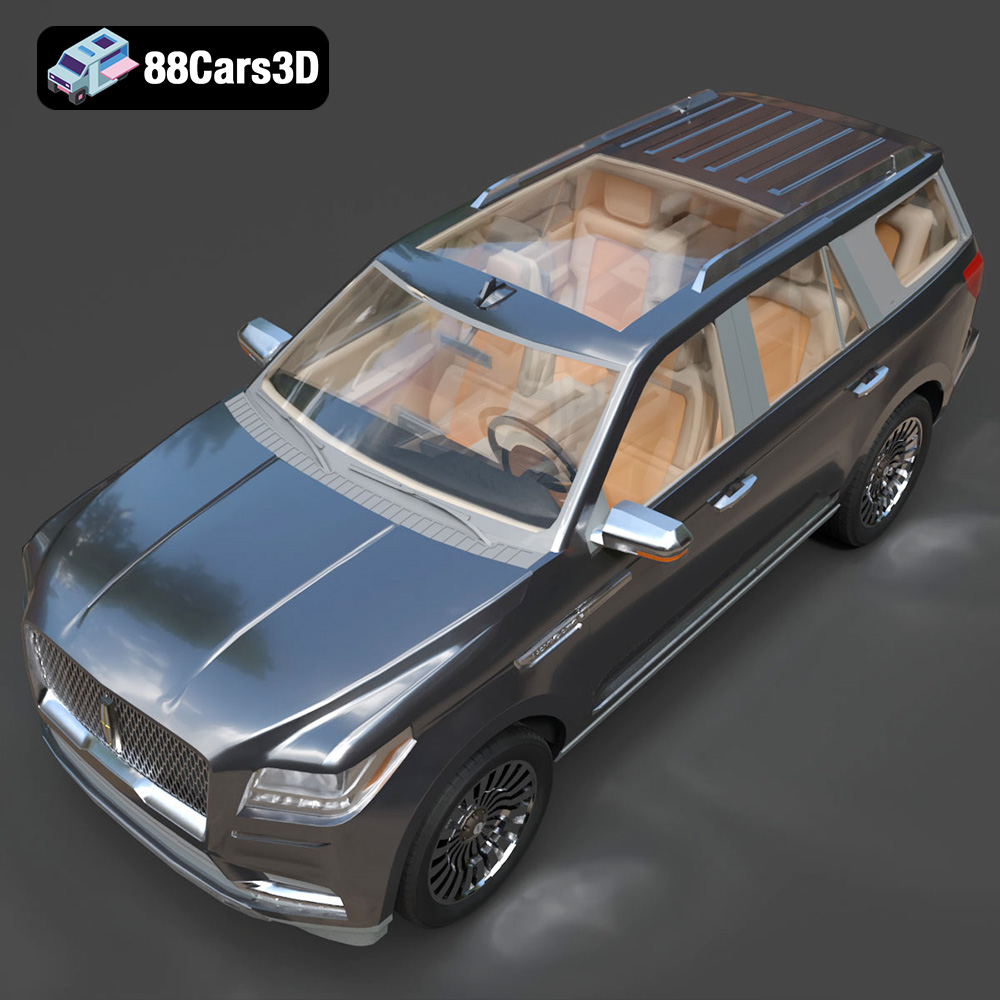
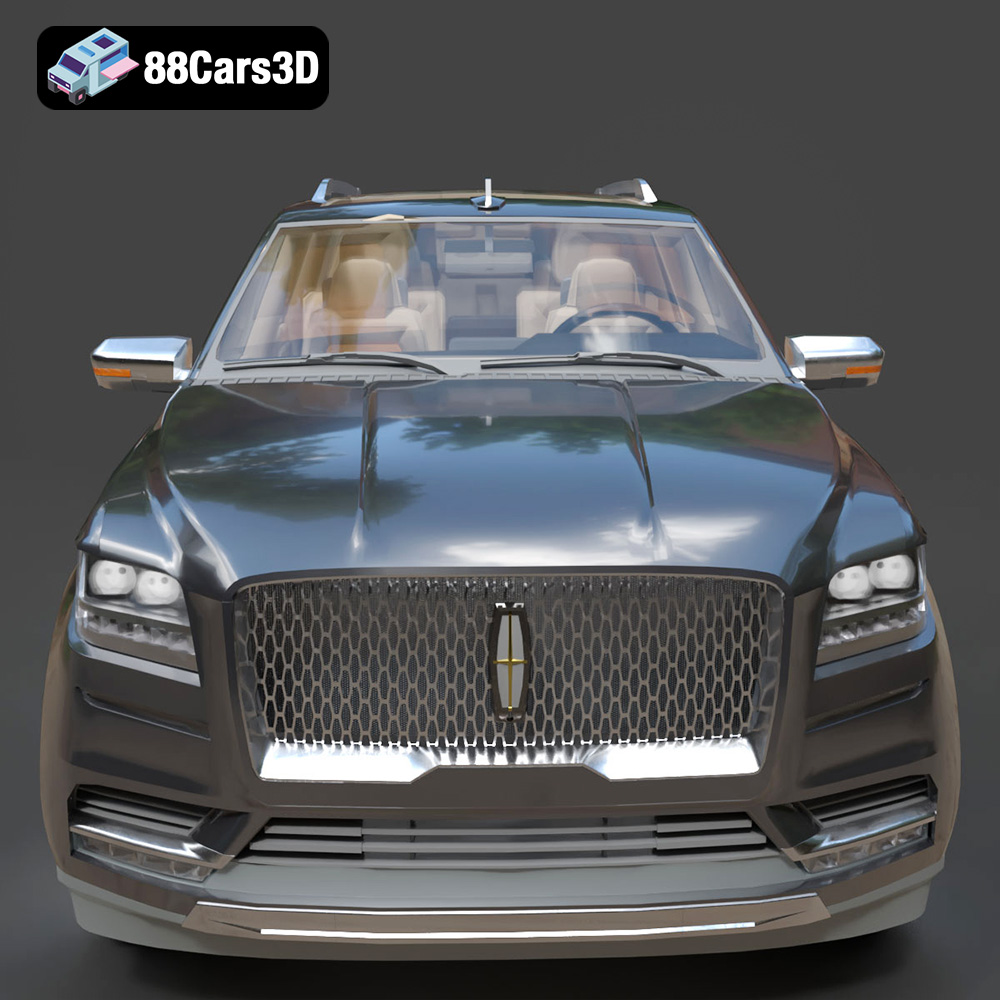
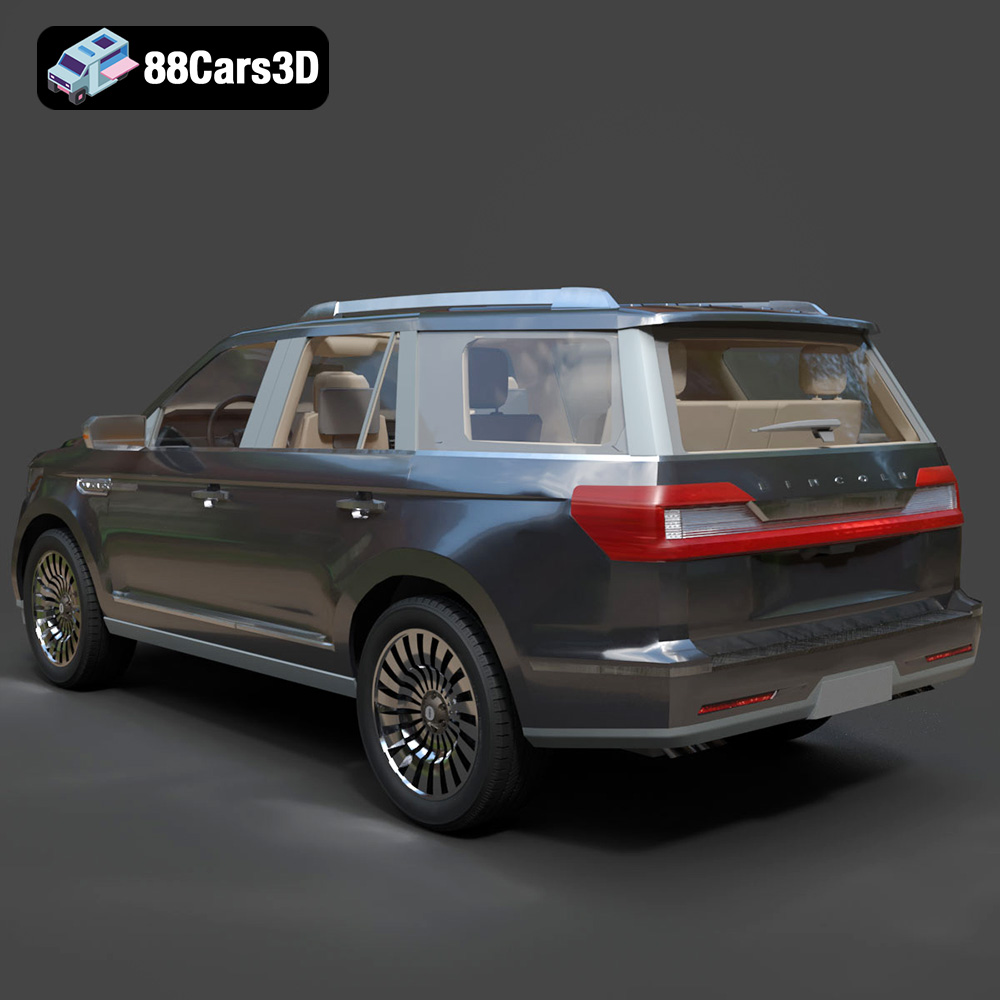
Today, we delve into the intricate world of professional 3D car modeling, exploring the technical nuances, diverse applications, and profound impact these assets have across various industries. At the heart of our discussion is an exemplary asset: the Lincoln Navigator 2018 3D Model, a meticulously crafted digital recreation of a modern American luxury SUV, available on 88cars3d.com. This model serves as a perfect case study for understanding the multi-faceted requirements and endless possibilities offered by top-tier 3D car models.
One of the most critical aspects of working with 3D models, especially complex automotive assets like the Lincoln Navigator 2018, is understanding the various file formats available. Each format is designed with specific use cases, compatibility, and technical advantages in mind. Choosing the right format for your project can significantly streamline your workflow and ensure optimal performance and fidelity.
The .blend format is Blender’s native file type. It encapsulates an entire Blender scene, including mesh data, materials, textures, lighting, camera setups, animations, and even physics simulations. This makes it an incredibly powerful format for artists working primarily within Blender. For the Lincoln Navigator 2018 3D Model, having a .blend file means you get a fully editable scene with all materials pre-configured, ready for immediate rendering in Cycles or Eevee. It offers maximum flexibility for customization, rigging, or further scene integration within Blender’s comprehensive environment.
.fbx (Filmbox) is an Autodesk-developed proprietary file format widely used for exchanging 3D content between different software applications. It excels in transferring animated characters, architectural scenes, and particularly, vehicle models. FBX supports geometry, materials, textures, bones, skinning, cameras, and lights. It is highly favored in game development (Unreal Engine, Unity) and film/VFX pipelines due to its robust support for animation and scene hierarchy. When working with the Lincoln Navigator 2018, an .fbx file ensures seamless integration into most professional 3D software and real-time engines, preserving crucial data like separate wheels and steering components for animation.
The .obj (Wavefront OBJ) format is one of the oldest and most universally supported 3D file formats. It’s a simple, text-based format that primarily stores geometry (vertices, normals, texture coordinates, and faces). While it doesn’t typically store animations, cameras, or lighting, it’s excellent for basic mesh exchange and is compatible with virtually every 3D application. For the Lincoln Navigator model, the .obj file serves as a reliable fallback, ensuring that even if you’re using niche software, you’ll still be able to import the core mesh data for texturing and rendering.
.glb (GL Transmission Format Binary) is the binary version of glTF, a royalty-free specification for the efficient transmission and loading of 3D scenes and models by applications. GLB files package textures, animations, and other data directly into a single file, making them highly optimized for web-based 3D, augmented reality (AR), virtual reality (VR), and mobile applications. Its compact size and single-file nature are ideal for quickly deploying interactive 3D content. The Lincoln Navigator 2018 3D Model in .glb format is perfect for virtual showrooms, interactive product configurators on websites, or AR applications where real-time performance and quick loading are essential.
.stl (Stereolithography) is the standard file format for 3D printing. It represents a 3D model as a series of connected triangles, describing only the surface geometry of a 3D object without color, texture, or other CAD attributes. For physical output, an .stl file is indispensable. The Lincoln Navigator 2018 3D Model is offered in .stl, highlighting its readiness for manufacturing physical scale models or prototypes. Proper manifold geometry (a solid, watertight mesh) is crucial for successful STL exports, which a professional asset like this ensures.
.ply (Polygon File Format, also Stanford Triangle Format) is another format for storing 3D data, particularly useful for scanned data. It supports properties such as color, transparency, surface normals, texture coordinates, and data confidence values, in addition to geometry. While less common for automotive design than FBX or OBJ, PLY can be valuable for precision mesh analysis, CAD applications, or when a model needs to integrate with advanced scientific visualization tools. For the Lincoln Navigator, its inclusion offers an alternative for specific engineering or analysis workflows.
The .unreal format signifies an asset specifically optimized and configured for direct import into Unreal Engine. While Unreal Engine primarily uses FBX for importing raw assets, a .unreal file often implies a pre-packaged asset with materials, textures, and perhaps even basic Blueprints or LODs already set up within an Unreal project. This significantly accelerates workflow for game developers or virtual production artists. The Lincoln Navigator 2018 3D Model’s .unreal file means less time spent on setup and more on integration and iteration within Unreal’s powerful real-time environment.
Similar to .blend for Blender, the .max format is the native file type for Autodesk 3ds Max. It contains all scene data, including geometry, materials, textures, lighting, cameras, animation, and modifiers specific to 3ds Max. This format provides maximum editability and fidelity for users of 3ds Max, a leading software in architectural visualization, automotive rendering, and animation. For those using 3ds Max, the .max file for the Lincoln Navigator 2018 3D Model offers the most comprehensive access to the original project setup, allowing for advanced rendering with V-Ray or Corona and intricate animation workflows.
The availability of such a diverse range of formats for the Lincoln Navigator 2018 3D Model underscores its versatility and professional-grade development. This commitment to multi-platform compatibility is a hallmark of quality assets found on platforms like 88cars3d.com.
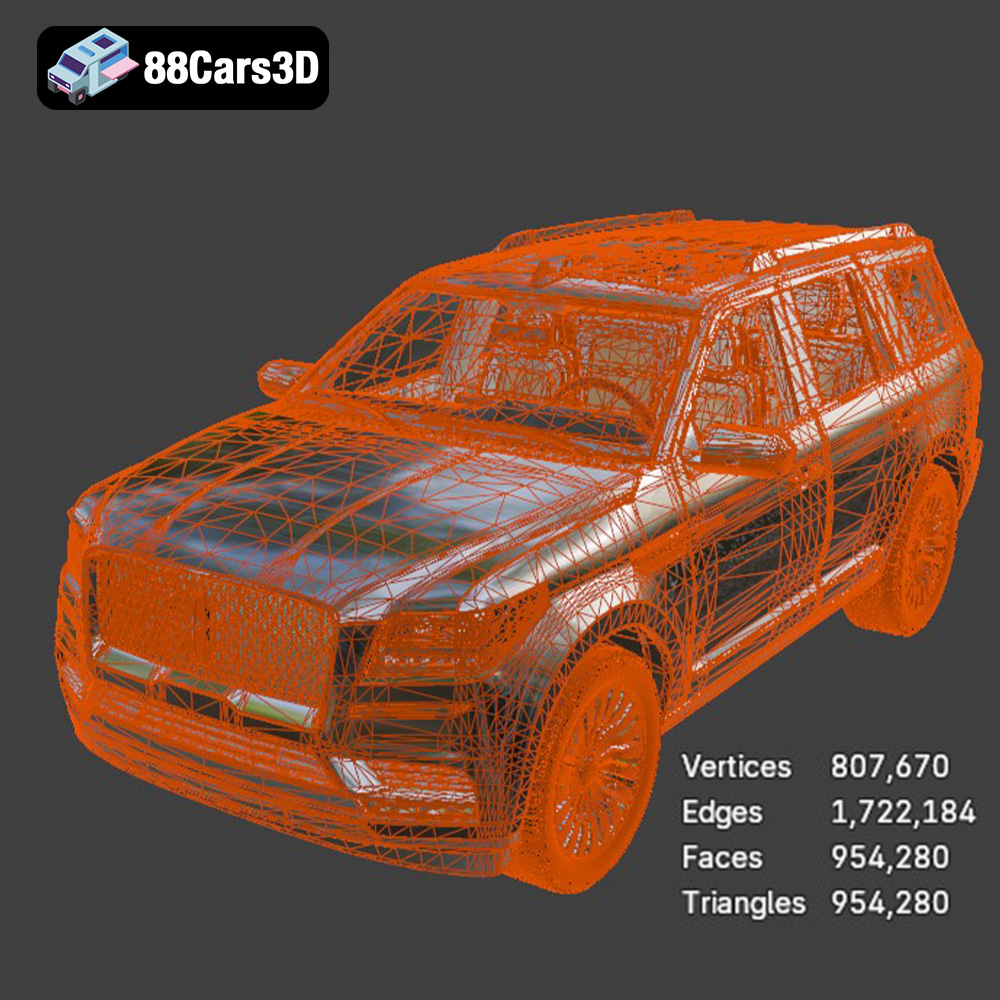
Automotive rendering is an art form, blending technical precision with creative vision to produce images so realistic they often defy distinction from photography. The Lincoln Navigator 2018 3D Model provides an exceptional foundation for achieving photorealistic results, thanks to its high-detail geometry, clean topology, and accurate real-world scale.
For many professionals, 3ds Max, paired with rendering engines like V-Ray or Corona Renderer, is the go-to solution for automotive visualization. The .max file provided with the Lincoln Navigator 2018 3D Model offers a head start, likely containing optimized meshes and potentially basic material setups. The workflow involves:
Blender has emerged as a powerhouse for 3D artists, offering both the physically accurate Cycles render engine and the real-time Eevee engine. The .blend file of the Lincoln Navigator 2018 3D Model allows artists to dive directly into these powerful tools. Cycles is perfect for achieving photorealistic renders with complex lighting and advanced material setups, leveraging its node-based shader editor to create bespoke car paint, tire rubber, and leather. Eevee, on the other hand, provides instant feedback, making it ideal for rapid prototyping, animation previews, and even final renders when speed is critical, showcasing the Navigator’s details in a dynamic, responsive environment. The optimized geometry and separate components like wheels ensure smooth performance in both engines.
A stunning car render is not just about the vehicle; it’s also about its environment. Whether it’s a sleek virtual showroom, a bustling urban street, or a serene natural landscape, the context amplifies the model’s impact. The Lincoln Navigator 2018, with its “modern American luxury” aesthetic, is perfectly suited for sophisticated urban environments or exclusive dealership presentations. Integrating the model involves:
The gaming industry thrives on immersive experiences, and high-quality 3D car models are central to delivering realistic driving simulations, open-world adventures, and interactive narratives. The Lincoln Navigator 2018 3D Model, with its optimized geometry and diverse file formats, is an invaluable asset for game developers.
Game development requires a careful balance between visual fidelity and performance. Assets like the Lincoln Navigator 2018 3D Model are designed with this in mind. When integrating into engines like Unreal or Unity, developers typically focus on:
The inclusion of .fbx and .unreal formats for the Lincoln Navigator 2018 3D Model directly caters to these requirements, providing developers with engine-ready assets.
Beyond static representation, game assets need to be dynamic. The Lincoln Navigator 2018 3D Model is particularly suited for interactive gameplay due to:
Mobile games, AR, and VR applications present unique performance challenges due to hardware limitations. The .glb format of the Lincoln Navigator 2018 3D Model is specifically optimized for these scenarios, offering a balance of detail and efficiency. Developers must also consider:
The versatility of professional 3D car models extends far beyond digital screens. With the advent of accessible 3D printing, models like the Lincoln Navigator 2018 can be transformed into tangible, physical objects, opening up new avenues for collectibles, prototypes, and educational tools.
The journey from a digital 3D model to a physical 3D print involves several critical steps, especially when dealing with complex geometry like an SUV. The .stl format, provided with the Lincoln Navigator 2018 3D Model, is the universal standard for this process. Key considerations include:
The product description for the Lincoln Navigator 2018 3D Model offers valuable insights into optimal 3D print settings, ensuring the best possible physical reproduction:
3D printed car models serve multiple purposes. They can be exquisite display miniatures for collectors, educational tools for teaching automotive design principles, or even rapid prototypes for designers to physically evaluate concepts before committing to expensive manufacturing. The ability to hold and inspect a physical representation of the Lincoln Navigator 2018 adds another layer of appreciation for its design and proportions.
The availability of professional-grade 3D car models fundamentally changes how various industries operate. 88cars3d.com provides a platform where designers, developers, and artists can access these high-quality assets, significantly impacting their workflows.
Advertising agencies and visualization studios frequently leverage 3D car models for promotional content. Instead of costly photoshoots with physical vehicles, they can utilize a model like the Lincoln Navigator 2018 3D Model to:
Acquiring a ready-made, high-detail asset from 88cars3d.com saves immense time and budget compared to modeling a vehicle from scratch, allowing studios to focus on creative direction and final polish.
For game development, particularly for titles featuring realistic vehicles, 3D car models from marketplaces like 88cars3d.com are indispensable. Game studios can:
The accessibility of professional-grade 3D car models also empowers independent artists and hobbyists. They can:
The world of 3D modeling for automotive design, rendering, and game development is driven by a blend of technical excellence and artistic flair. High-quality 3D car models are the fundamental building blocks that enable professionals and enthusiasts alike to create breathtaking visualizations and immersive experiences. From the intricate details required for photorealistic rendering to the precise optimizations needed for real-time engines and the robust geometry essential for 3D printing, a superior 3D asset forms the backbone of success.
The Lincoln Navigator 2018 3D Model exemplifies this standard of excellence. With its accurate representation, comprehensive feature set, and availability in a wide array of industry-standard file formats – from .blend and .max for comprehensive editing, to .fbx and .unreal for game development, and .stl for physical fabrication – it stands as a testament to versatility and technical prowess. Whether your project demands a stunning render, a dynamic game asset, or a tangible scale model, this Navigator model provides a reliable and high-performing solution.
Investing in such meticulously crafted assets from reputable sources like 88cars3d.com not only streamlines production workflows but also elevates the final output, ensuring that every digital creation stands out with unparalleled realism and impact. Explore the possibilities and drive your projects forward with premium 3D car models.
The Lincoln Navigator 2018 3D Model is a high-detail digital recreation of the full-size luxury SUV known for its bold presence, refined design, and premium comfort. Combining powerful performance with upscale craftsmanship, the 2018 Navigator represents modern American luxury in the SUV segment. This 3D model accurately captures the commanding front grille, signature LED lighting, sculpted body lines, chrome trim accents, large alloy wheels, and spacious cabin layout. Designed with clean topology and real-world scale accuracy, it is ideal for rendering, animation, automotive visualization, game development, and AR/VR experiences. Perfect for urban environments, luxury vehicle showcases, commercial presentations, cinematic projects, and driving simulations. Convertible to .stl format for collectible SUV scale models and display miniatures.
$29.99
.2018suv
.americanSUV
.arvr
.automotive
.blend
.car3dmodel
.fbx
.gameasset
.glb
.lincoln
.luxurysuv
.max
.navigator
.obj
.ply
.rendering
.simulation
.stl
.unreal