⚡ FLASH SALE: Get 60% OFF All Premium 3D & STL Models! ⚡

In the vibrant world of 3D visualization, automotive design, and game development, the demand for highly detailed and accurate 3D car models is ever-present. From the sleek lines of a luxury sedan destined for a cinematic commercial to the robust chassis of a vehicle engineered for a high-fidelity driving simulator, the quality of the digital asset dictates the success of the final output. Professionals across various industries consistently seek models that not only capture the aesthetic essence of a vehicle but also adhere to rigorous technical standards for seamless integration into complex pipelines.
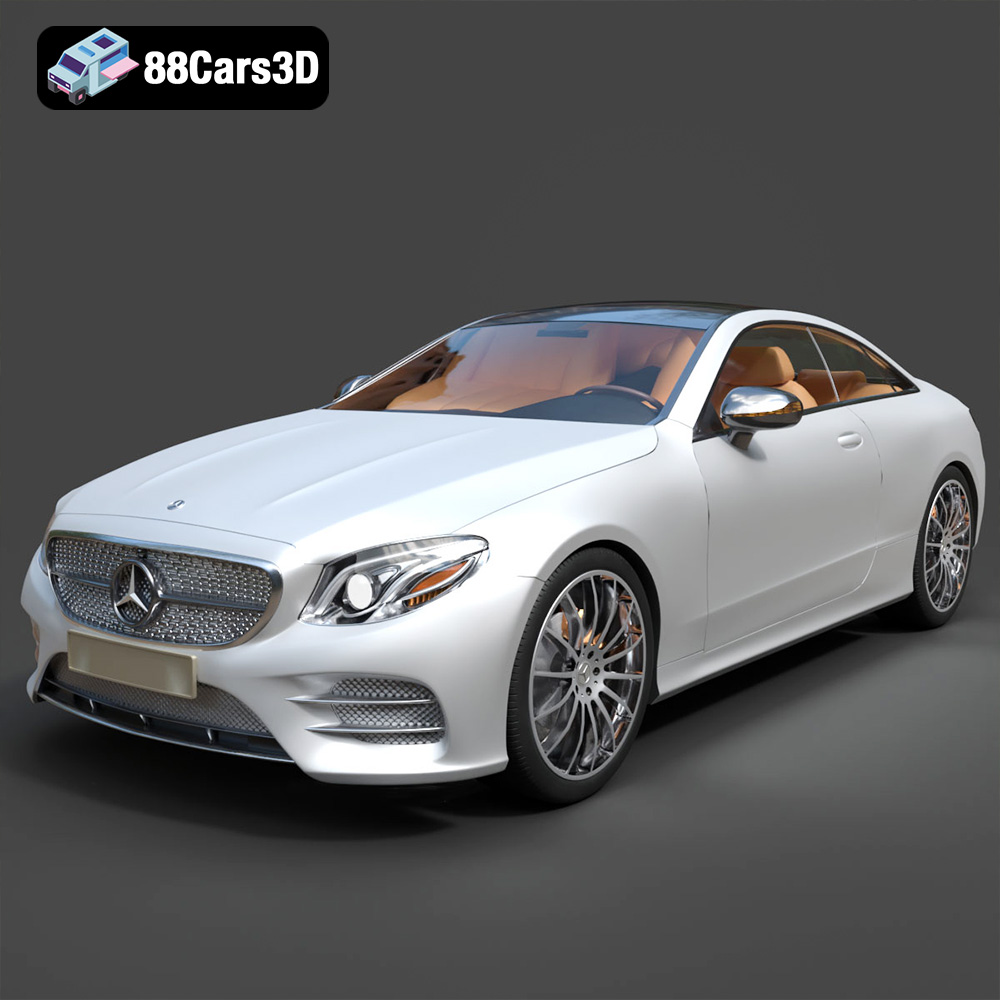
This pursuit of digital perfection is where specialized marketplaces like 88cars3d.com truly shine, offering a curated selection of premium 3D assets. Among their distinguished offerings, the Mercedes-Benz E-Class C238 3D Model stands out as a prime example of meticulous craftsmanship. This highly detailed digital recreation of the elegant two-door coupe variant is a versatile asset, meticulously designed to meet the exacting requirements of rendering, animation, automotive visualization, game development, and even AR/VR showroom applications. Whether you’re a seasoned 3D artist, an indie game developer, or an architect integrating vehicle assets into a new project, understanding the technical nuances behind such models is crucial for unlocking their full potential.
The versatility and compatibility of a 3D model are largely defined by the file formats it supports. Each format is designed with specific use cases in mind, offering unique advantages for different stages of a project, from initial modeling and texturing to final rendering and real-time engine deployment. A comprehensive 3D car model, such as the Mercedes-Benz E-Class C238, often comes bundled with a variety of these formats to ensure maximum utility across diverse professional workflows.
The .blend format is the native file type for Blender, a powerful open-source 3D creation suite. When a model is provided in .blend, it typically means a fully editable Blender scene is included. This isn’t just the raw mesh; it encompasses the complete setup: materials, textures, lighting, camera positions, rigging (if applicable), and even animation data. For artists deeply integrated into the Blender ecosystem, this offers unparalleled flexibility for customization, material tweaks using Cycles or Eevee render engines, and direct modifications to the model’s geometry or scene composition without loss of information.
.fbx (Filmbox) is arguably the most widely adopted proprietary file format for 3D content interchange, developed by Autodesk. Its strength lies in its ability to store not just geometry, but also materials, textures, animations, and skeletal data, making it ideal for transferring assets between different 3D software applications and, critically, into real-time game engines like Unreal Engine and Unity. For game developers and real-time visualization specialists, .fbx is often the go-to format for bringing high-quality 3D car models into their interactive environments, ensuring consistent asset integrity across platforms.
The .obj (Wavefront OBJ) format is a simple, open standard that has been around for decades. It’s renowned for its universal compatibility, meaning almost every 3D software application can import and export it. .obj primarily focuses on storing geometry (vertices, normals, UV coordinates, and faces) and can reference external .mtl (material) files for basic material properties. While it doesn’t support advanced features like rigging or animation, its simplicity and widespread support make it an excellent choice for straightforward mesh transfer and archival purposes, ensuring cross-software interoperability for models like the E-Class C238.
.glb (GL Transmission Format Binary) is a modern, compact, and efficient file format designed specifically for the transmission of 3D scenes and models for web, AR, and VR applications. It’s the binary version of glTF, embedding all necessary data (geometry, materials, textures, animations) into a single file, making it incredibly easy to load and display in browser-based viewers, augmented reality apps, and virtual reality experiences. For immersive car configurators or interactive online showrooms showcasing the Mercedes-Benz E-Class C238, .glb offers an optimized, streamlined solution.
The .stl (Stereolithography) format is the de facto standard for 3D printing. It represents a 3D model as a series of connected triangles, describing only the surface geometry of an object without color, texture, or other CAD attributes. While it lacks visual fidelity, its simplicity is perfect for manufacturing. When you want to transform a digital model like the E-Class C238 into a physical collectible or prototype, converting it to .stl is the essential first step, ensuring the printer understands the object’s form for fabrication.
.ply (Polygon File Format, or Stanford Triangle Format) is another format for storing 3D data, particularly point clouds and polygon meshes. It’s often used in scientific and engineering applications, such as 3D scanning, CAD, and finite element analysis, where precise geometric information and attribute data (like color, transparency, or confidence values per vertex) are critical. While less common for general visualization, its precision makes it valuable for specialized automotive engineering or forensic analysis tasks.
The .unreal format, or more accurately, assets packaged directly for Unreal Engine, signifies a model specifically prepared and optimized for this powerful real-time platform. This typically means the asset comes with pre-configured materials, collision meshes, LODs (Levels of Detail), and potentially Blueprints for interactive functionalities. For game developers working within Unreal Engine, an “.unreal” package for the Mercedes-Benz E-Class C238 offers a plug-and-play solution, significantly reducing setup time and ensuring optimal performance and visual quality within the engine.
Finally, the .max format is the native file type for Autodesk 3ds Max, a leading software for 3D modeling, animation, rendering, and visualization. Similar to .blend, a .max file includes the entire scene setup: geometry, materials, lighting, cameras, animation keyframes, and modifiers. For artists who use 3ds Max as their primary tool, this format provides complete control over every aspect of the Mercedes-Benz E-Class C238 model, allowing for advanced rendering with V-Ray or Corona, complex animation sequences, or detailed environmental integration.
At the heart of any successful automotive visualization or game project lies a foundation of high-quality assets. The Mercedes-Benz E-Class C238 3D Model exemplifies this principle, offering a highly detailed and technically sound representation of a contemporary luxury coupe. This model isn’t just a collection of polygons; it’s a meticulously crafted digital twin, built to industry standards.
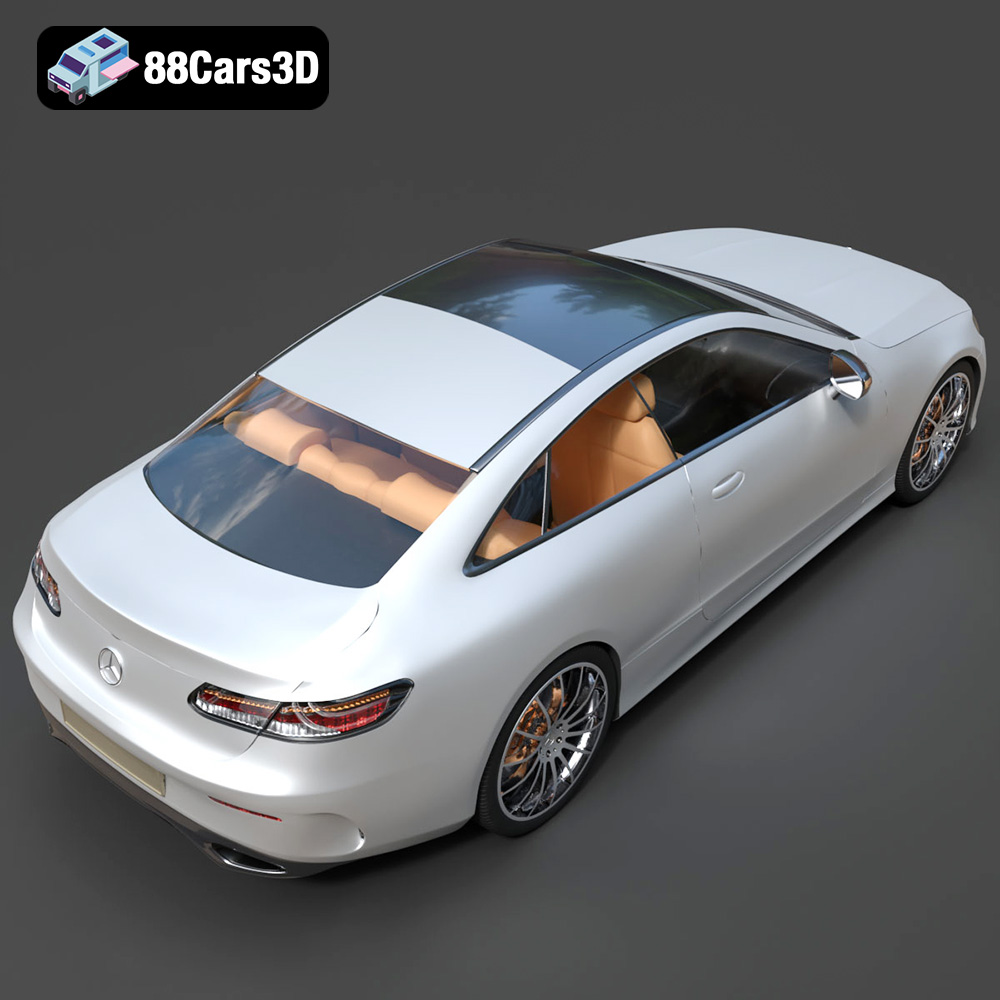
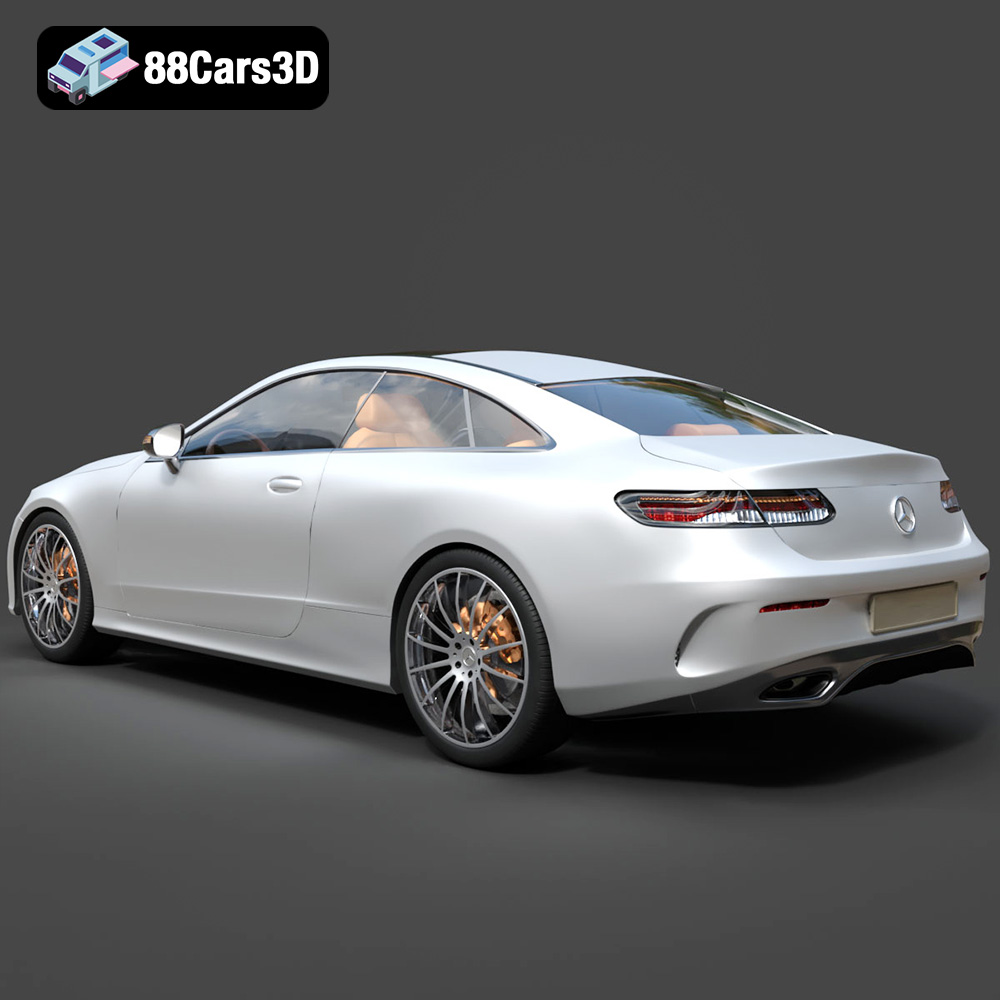
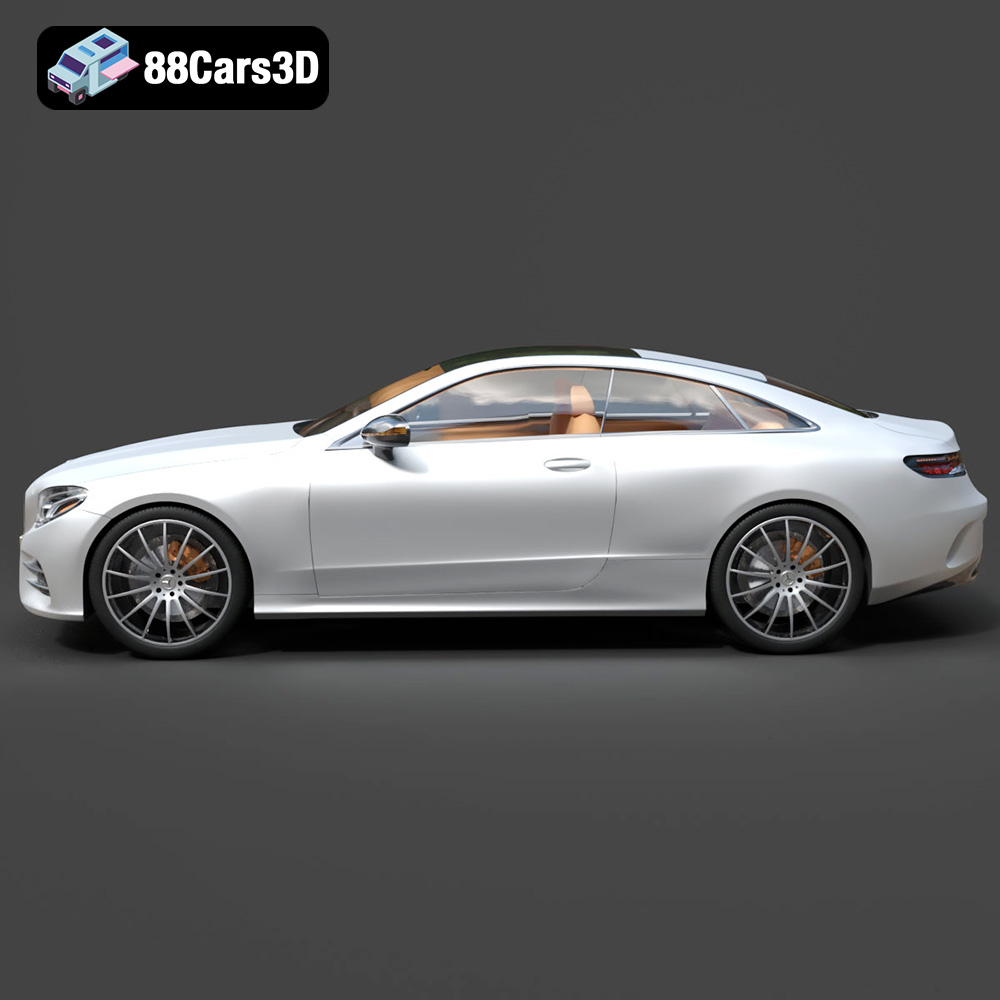
The C238 generation of the E-Class coupe is celebrated for its elegant proportions, frameless doors, and sophisticated design language. This 3D model faithfully reproduces these characteristics. From the accurate coupe body proportions to the signature front grille and emblem styling, every curve and contour is carefully sculpted. The realistic LED headlights and taillights are not merely static textures but often feature proper geometry for light refraction and emission effects in advanced rendering setups. The sculpted side panels, detailed alloy wheels with brake discs and calipers, and the dual exhaust system are all rendered with precision, providing the necessary visual fidelity for close-up shots and high-resolution renders.
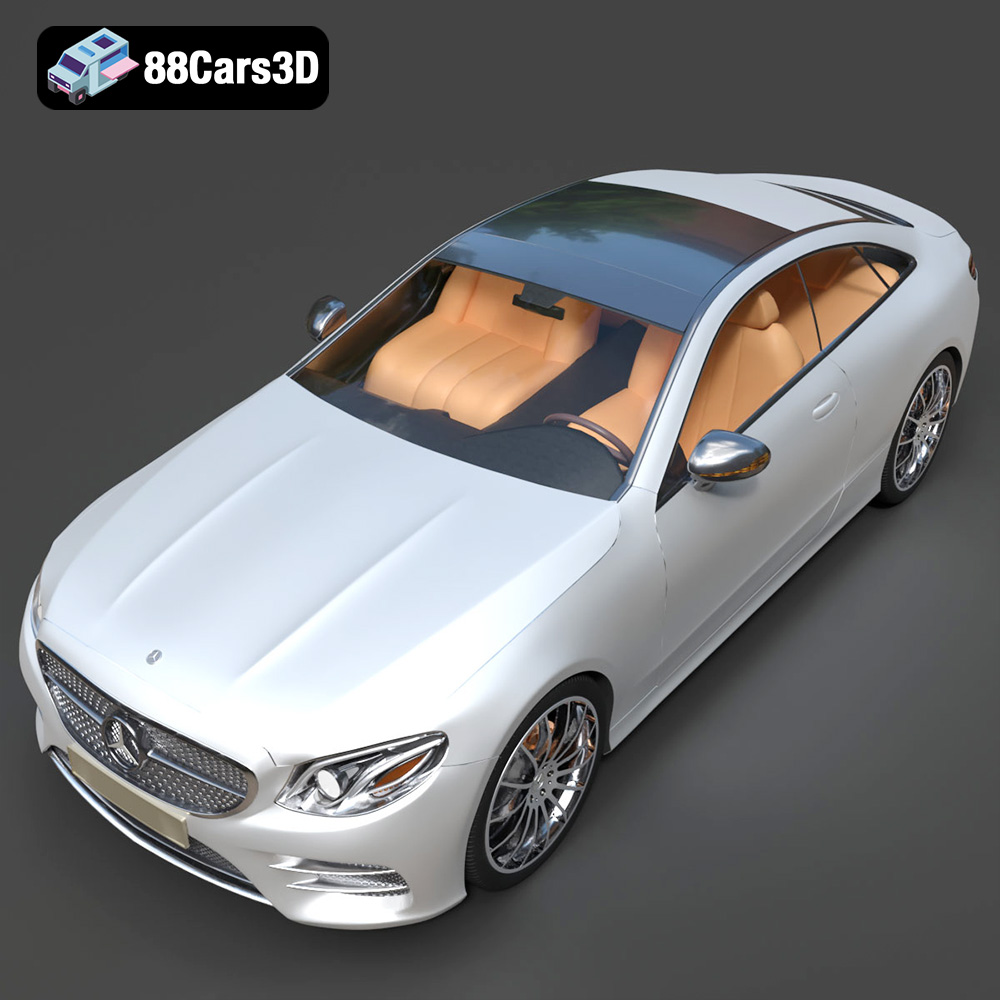
A truly professional 3D car model doesn’t stop at the exterior; the interior is equally critical, especially for interactive experiences, virtual showrooms, or dynamic camera movements. The Mercedes-Benz E-Class C238 model delivers here as well, featuring a modeled dashboard with the iconic dual-screen layout, a sport steering wheel complete with multifunction controls, and premium seat geometry that includes stitching details. Elements like the center console, infotainment system, and door panels are all represented, ensuring that the interior maintains the high standard of detail expected from a luxury vehicle, even in a digital format. This level of interior fidelity is paramount for immersive experiences where the user might explore the cabin virtually.
The true value of a versatile 3D asset lies in its ability to be seamlessly integrated into diverse professional pipelines. The Mercedes-Benz E-Class C238 3D Model, with its clean topology, real-world scale, and optimized geometry, is engineered for exactly this purpose.
For automotive marketing agencies, design studios, and architectural visualization artists, stunning renders are a primary deliverable. Using software like 3ds Max with V-Ray or Corona Renderer, or Blender with Cycles, artists can leverage the E-Class C238 model’s detailed geometry and clean UVs to create photorealistic images. The model’s separate wheels and steering components are invaluable for animating dynamic shots, allowing for accurate wheel spin, steering input, and suspension compression. Coupled with advanced material setups for paint, glass, chrome, and leather, the model becomes the centerpiece of captivating promotional renders, cinematic sequences, or luxury showroom scenes.
Game developers and AR/VR content creators demand assets that are not only visually appealing but also highly optimized for real-time performance. The E-Class C238 3D Model is described with optimized geometry, crucial for maintaining high frame rates in interactive environments. Its proper pivot setup for steering and wheel rotation ensures that it behaves realistically within physics engines, essential for driving simulators or open-world games.
One of the most exciting applications for high-quality 3D car models is their transformation from digital data into tangible objects through 3D printing. The Mercedes-Benz E-Class C238 3D Model is specifically designed with this in mind, offering an .stl format option and clear recommendations for achieving exceptional physical replicas.
3D printing allows designers, hobbyists, and collectors to create physical versions of their favorite vehicles. For a model like the E-Class C238, the .stl format is critical. This format ensures that the geometric data is manifold (watertight) and suitable for slicing by 3D printing software. The product description highlights the potential for creating collectible scale coupe models and display miniatures, opening up a world of physical customization.
Achieving a high-quality 3D print requires attention to detail in the printing process. The recommended scales (1:32, 1:24, 1:18, 1:14) suggest versatility for various display needs. Layer height recommendations (0.10–0.16 mm) indicate the need for fine detail, especially for FDM printers, while resin printing might be preferred for smaller scales or intricate elements. Wall thickness (1.5–2.5 mm) ensures structural integrity, and infill (15–25%) balances strength with material usage. Crucially, specific support requirements are outlined for delicate areas like mirrors, spoiler edges, and the front splitter, preventing common printing failures. The suggested print orientation (body angled, wheels separately) is a testament to experienced modelers understanding optimal print strategies.
Post-processing is where the model truly comes to life. Sanding, priming, applying gloss automotive paint, and adding optional chrome detailing are essential steps to mimic the luxurious finish of the real Mercedes-Benz E-Class C238. This entire process transforms a digital file into a museum-quality collectible, demonstrating the full lifecycle of a premium 3D asset from 88cars3d.com.
The technical underpinnings of a 3D model are what separate a mere visual representation from a truly professional asset. The Mercedes-Benz E-Class C238 3D Model boasts several technical advantages that ensure both visual fidelity and practical usability.
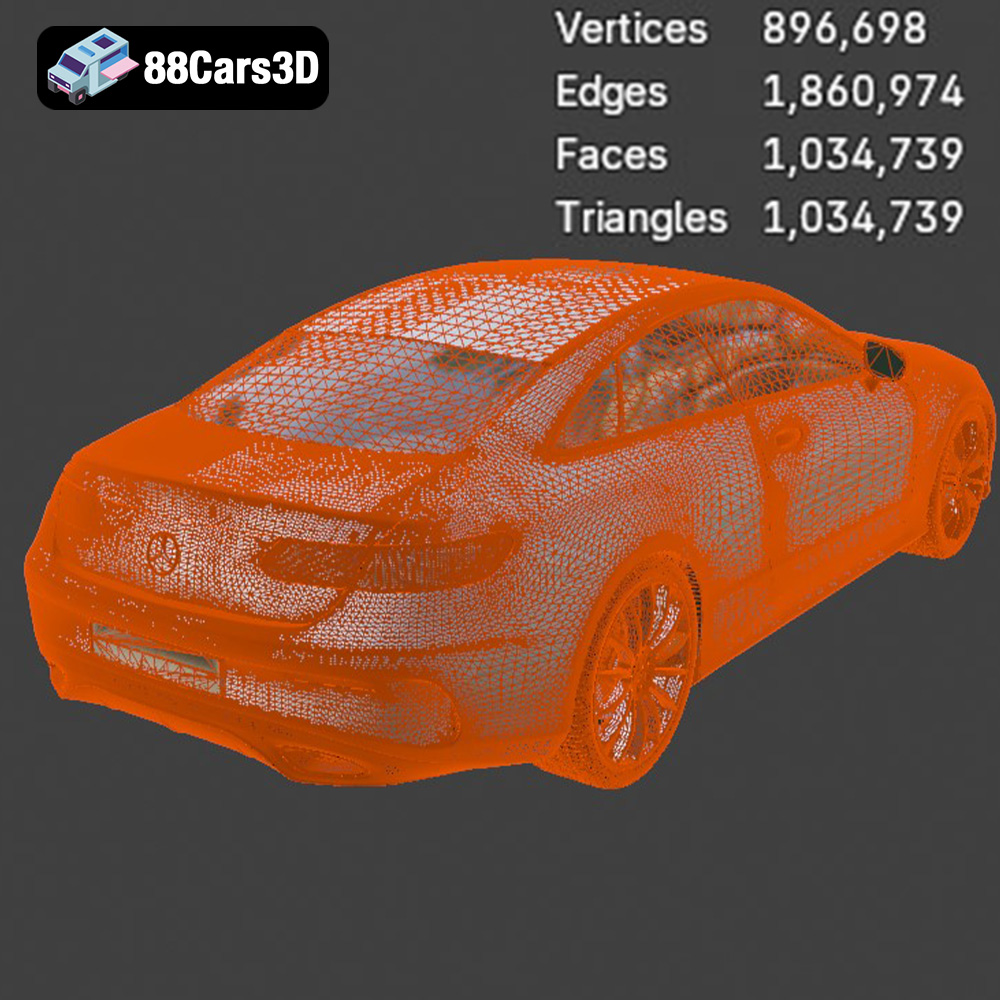
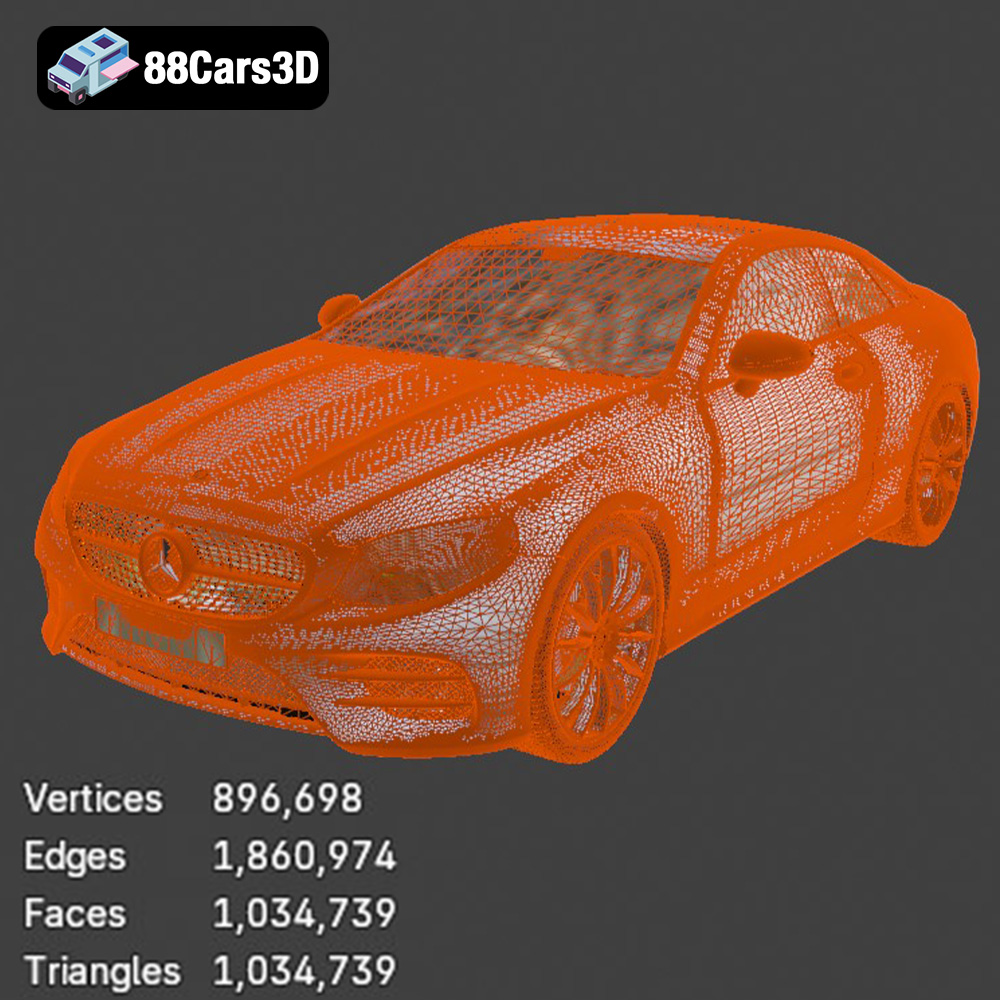
A “clean and well-organized mesh structure” is paramount. This means the model’s polygons are primarily quads (four-sided faces), ensuring smooth deformation if rigged for animation and predictable subdivision behavior. Clean topology minimizes rendering artifacts and makes the model easier to edit. Furthermore, “real-world scale accuracy” is critical for seamless integration into scenes, ensuring that the vehicle looks proportionally correct next to other objects, characters, or architectural elements, which is vital for any realistic simulation or visualization project.
While specific polygon counts aren’t provided, the mention of “optimized polygon flow for performance and realism” implies a balanced approach – enough detail to look good, but not excessive to burden real-time engines. For rendering, this means smooth curves and surfaces without visible facets. Accurately unwrapped UV coordinates are essential for applying high-resolution textures without distortion, enabling the use of Physically Based Rendering (PBR) workflows. PBR materials accurately simulate how light interacts with surfaces (diffuse, specular, metallic, roughness, normal maps), resulting in photorealistic paint finishes, reflective glass, and realistic tire rubber, further enhancing the model’s visual quality in any engine or renderer.
A high-quality 3D model is a canvas for creativity. The Mercedes-Benz E-Class C238 provides ample opportunities for customization, allowing artists and developers to tailor the asset to their specific project needs.
The ability to “change body colors and trim finishes” is fundamental for any automotive visualization, allowing clients to preview different configurations or for artists to match a vehicle to a specific brand aesthetic. Adding “AMG-style body kit elements” or modifying wheel designs and brake caliper colors can instantly transform the vehicle’s character, pushing it from elegant luxury to sporty aggression. Adjusting suspension height can simulate different driving dynamics or simply create a desired stance for a still render. Beyond the vehicle itself, the option to “configure lighting for studio, sunset, or night urban scenes” emphasizes the model’s readiness for various environmental contexts, enabling artists to evoke specific moods and atmospheres in their final output.
The breadth of applications for this model is extensive:
In the dynamic landscape of 3D content creation, the value of a meticulously crafted, technically robust 3D model cannot be overstated. The Mercedes-Benz E-Class C238 3D Model from 88cars3d.com stands as a testament to this principle, offering a comprehensive solution for professionals across rendering, game development, AR/VR, and even 3D printing. Its high detail, clean topology, real-world scale, and broad file format support (including .blend, .fbx, .obj, .glb, .stl, .ply, .unreal, and .max) ensure maximum compatibility and flexibility for virtually any project.
Whether your goal is to produce stunning photorealistic renders, integrate a high-performance vehicle into a real-time game, create an immersive virtual showroom, or even bring a physical miniature to life through 3D printing, this model provides the essential foundation. It eliminates countless hours of modeling work, allowing artists and developers to focus on creativity, optimization, and delivering exceptional final products. Investing in such a high-caliber 3D car model is not just acquiring an asset; it’s acquiring a powerful tool that propels your projects forward with unparalleled realism and efficiency.
Mercedes-Benz E-Class C238 3D Model
The Mercedes-Benz E-Class C238 3D Model is a high-detail digital recreation of the elegant two-door coupe variant of the E-Class lineup. Combining luxury, performance, and modern design language, the C238 generation features sleek coupe proportions, frameless doors, refined LED lighting, and premium interior craftsmanship.
This 3D model accurately represents the sculpted body lines, signature front grille, aerodynamic front bumper, multi-spoke alloy wheels, LED headlamps and taillights, dual exhaust system, and detailed cabin layout. Designed with clean topology and real-world scale accuracy, it is ideal for rendering, animation, automotive visualization, game development, and AR/VR showroom applications.
Perfect for luxury showroom scenes, urban environments, promotional renders, cinematic projects, and driving simulation platforms.
Accurate C238 coupe body proportions
Detailed front grille and emblem styling
Realistic LED headlights and taillights
Sculpted side panels and frameless windows
Detailed alloy wheels with brake discs and calipers
Dual exhaust system
Transparent glass materials and mirror detailing
Separate wheels and steering components for animation
Modeled dashboard with dual-screen layout
Sport steering wheel with multifunction controls
Premium seat geometry with stitching detail
Center console and infotainment system
Door panels and interior trim elements
Optimized geometry for real-time engines and high-quality renders
Clean and well-organized mesh structure
Real-world scale accuracy
Proper pivot setup for steering and wheel rotation
Optimized polygon flow for performance and realism
Compatible with major 3D software platforms and engines
Ideal for luxury automotive marketing, commercial presentations, and cinematic visualization.
Suitable for driving simulators, open-world city games, and premium vehicle systems.
Perfect for virtual showrooms, interactive configurators, and immersive car presentations.
Useful for automotive visualization projects and engineering demonstrations.
Convertible to .stl format for collectible scale coupe models and display miniatures.
Recommended scale: 1:32 / 1:24 / 1:18 / 1:14
Layer height: 0.10–0.16 mm
Wall thickness: 1.5–2.5 mm
Infill: 15–25%
Supports: Required for mirrors, spoiler edges, and front splitter
Print orientation: Body printed angled for surface detail; wheels printed separately
Post-processing: sanding, primer, gloss automotive paint finish, optional chrome detailing
Change body colors and trim finishes
Add AMG-style body kit elements
Modify wheel designs and brake caliper colors
Adjust suspension height
Configure lighting for studio, sunset, or night urban scenes
.blend
.fbx
.obj
.glb
.stl
.ply
.unreal
.max
Mercedes-Benz E-Class C238 3D Model
Texture: Yes
Material: Yes
Download the Mercedes-Benz E-Class C238 3D Model featuring detailed coupe exterior styling and realistic luxury interior. Includes .blend, .fbx, .obj, .glb, .stl, .ply, .unreal, and .max formats for rendering, simulation, AR/VR, game development, and 3D printing.
.mercedesbenz, .eclass, .c238, .luxurycoupe, .premiumcar, .car3dmodel, .automotive, .simulation, .gameasset, .rendering, .arvr, .blend, .fbx, .obj, .glb, .stl, .ply, .unreal, .max
3D Print Setting: • Recommended scale: 1:24 / 1:32 / 1:43 • Layer height: 0.04–0.12 mm (Resin printing recommended for the smaller scale details like the Thor’s Hammer headlights) • Wall thickness: 1.2–2.0 mm • Infill: 15–25% • Supports: Required for side mirrors, wheel arches, and the subtle rear roof spoiler • Print orientation: Body printed angled for a smooth surface finish; wheels printed separately • Post-processing: Sanding, primer, and modern Volvo factory colors (like Sage Green, Glacier Silver, or Crystal White) paired with a gloss black roof.3D Printing, STL, 3D Printable, Miniature Car, Scale Model, FDM Ready, Resin Print, SLA, Digital Manufacture, Car Prototype, Automotive Collectible, 3D Print Model, Physical Asset, Tabletop Display, Manifold Geometry.
$39.99
.arvr
.automotive
.blend
.c238
.car3dmodel
.eclass
.fbx
.gameasset
.glb
.luxurycoupe
.max
.mercedesbenz
.obj
.ply
.premiumcar
.rendering
.simulation
.stl
.unreal