⚡ FLASH SALE: Get 60% OFF All Premium 3D & STL Models! ⚡

In the pursuit of digital photorealism, artists, game developers, and visualization specialists often fixate on the most glamorous elements – the sleek architecture, the intricate character models, or the breathtaking landscapes. Yet, the true magic of a believable scene often lies in its understated details. What fills the streets in front of that stunning skyscraper? What vehicles populate the parking lots of that sprawling open-world game? The answer, for professionals, isn’t always a fleet of exotic supercars. More often, it’s the familiar, the mundane, the *everyday* vehicles that ground a scene in reality.
This is where the “Everyday City Traffic Essentials pack 5in1 Hyundai Kia Volkswagen Toyota Ford 3D Printable STL” from 88cars3d.com truly shines. It’s not about flashy, attention-grabbing assets; it’s about providing the essential building blocks for environments that feel lived-in, authentic, and utterly convincing. This comprehensive bundle offers a crucial toolkit for anyone serious about creating immersive digital experiences, whether for high-fidelity architectural visualization (ArchViz), dynamic game environments, or even physical dioramas. Let’s delve into how these seemingly ordinary 3D car models become extraordinary tools in the hands of a skilled digital artist.
The versatility of a 3D asset is often determined by the file formats it supports. Professional pipelines are diverse, requiring models that can seamlessly transition between different software packages and applications. The Everyday City Traffic Essentials pack exemplifies this adaptability by offering a range of widely accepted formats, ensuring maximum compatibility for artists and studios. Understanding what each format brings to the table is crucial for optimizing your workflow and achieving your desired output.
The .blend format is Blender’s native file type. When you download an asset in this format, you’re getting a complete Blender scene, often including materials, lighting setups, and even camera positions as configured by the artist. For Blender users, this is the most convenient format as it requires no import/export translation, preserving all data exactly as intended. This means you can immediately dive in, inspect the topology, modify materials, or even re-rig the model if needed, making it ideal for those who prefer to work within the Blender ecosystem for their 3D car models.
The Filmbox (.fbx) format, owned by Autodesk, has become the de facto standard for exchanging 3D data, especially for game development and animation. Its strength lies in its ability to store not just mesh data, but also animation, skeletal information, materials, and sometimes textures. This makes .fbx ideal for importing 3D car models into game engines like Unreal Engine and Unity, where animation data for wheels or suspension is critical. For the Everyday City Traffic pack, the .fbx files with their proper pivot points are perfectly set up for immediate integration into vehicle controllers and traffic simulation systems.
The Wavefront OBJ (.obj) format is one of the oldest and most widely supported formats for 3D geometry. It’s a universal exchange format because nearly every 3D software can import and export it. While .obj is excellent for transferring mesh data, UV coordinates, and sometimes basic material definitions (via an accompanying .mtl file), it typically does not support animation, rigging, or advanced material properties. It’s a solid choice when you need a clean, cross-software compatible mesh for static renders or for re-texturing in a different application.
GLB (GL Transmission Format Binary) is the binary version of glTF, a royalty-free specification for the efficient transmission and loading of 3D scenes and models by applications. .glb files bundle all assets (geometry, textures, animations) into a single file, making them highly efficient for web-based 3D viewers, augmented reality (AR), and virtual reality (VR) applications. For models like those in the Everyday City Traffic bundle, .glb makes it easy to showcase your scenes interactively on websites or integrate them into mobile AR experiences, providing a lightweight yet powerful format for modern applications.
Stereolithography (.stl) is the primary file format used for 3D printing. It represents a 3D model as a series of connected triangles (a triangulated mesh) without any color, texture, or material information. While simpler, its widespread adoption by 3D printers and slicing software makes it indispensable for physical output. The inclusion of .stl in the Everyday City Traffic pack means these digital assets aren’t confined to screens; they can be brought into the physical world as miniature car models for dioramas, scale models, or architectural mock-ups, catering to a unique and growing segment of the creative market.
The Polygon File Format (.ply) is another mesh-based format, often used for storing 3D data from 3D scanners, CAD applications, or for scientific analysis. It can store a wider range of properties than .obj, including color, transparency, surface normals, and even data reliability. While perhaps less common for artistic exchange than .fbx or .obj, its presence in a professional toolkit signifies a model’s robustness and suitability for more technical applications, allowing for precise geometric inspection or integration into engineering workflows.
While not a standalone file *format* in the traditional sense, .unreal often refers to a packaged asset specifically prepared for Unreal Engine. This could be an .fbx file imported and set up within the Unreal project structure, complete with materials, collision meshes, LODs (Levels of Detail), and potentially Blueprints for interactive elements. When an asset is described as “Unreal-ready,” it means significant optimization and setup work has already been done, dramatically reducing the integration time for game developers. The Everyday City Traffic models, with their optimized geometry and pivot points, are built with this seamless Unreal Engine integration in mind, whether through a raw .fbx or a pre-packaged asset.
Similar to .blend for Blender, the .max format is the native file type for Autodesk 3ds Max. It stores the entire 3ds Max scene, including all geometry, modifiers, materials (especially V-Ray, Corona, Arnold setups), lighting, cameras, and animation data. For 3ds Max users, this provides complete control and editability, allowing for deep customization and fine-tuning. For high-end ArchViz and VFX studios that often rely on 3ds Max, having the original .max file for the Everyday City Traffic models means they can leverage their existing rendering pipelines and material libraries directly.
The sheer variety of formats supported by the Everyday City Traffic Essentials pack underscores its value. Whether you’re a Blender enthusiast, a 3ds Max veteran, a game developer using Unreal, or a diorama builder, this bundle from 88cars3d.com ensures you have the right tools, in the right format, for your specific creative endeavor.
When crafting a digital environment, the temptation to fill it with sleek, exotic supercars is strong. After all, they are designed to capture attention. However, true photorealism in urban scenes is achieved not by a parade of luxury, but by the subtle, authentic presence of vehicles that genuinely belong. The Everyday City Traffic Essentials pack understands this fundamental principle.
Imagine a bustling city street. What do you see? A mix of sedans, SUVs, hatchbacks, and delivery vans – the workhorses of urban life. If your meticulously rendered architectural masterpiece is surrounded by nothing but Lamborghinis and Ferraris, it immediately feels artificial, like a car show rather than a real city. Contextual realism dictates that the background elements should support the primary focus without overshadowing it, yet still contribute to the overall believability. Everyday 3D car models provide this crucial context, making your scenes feel lived-in and natural.
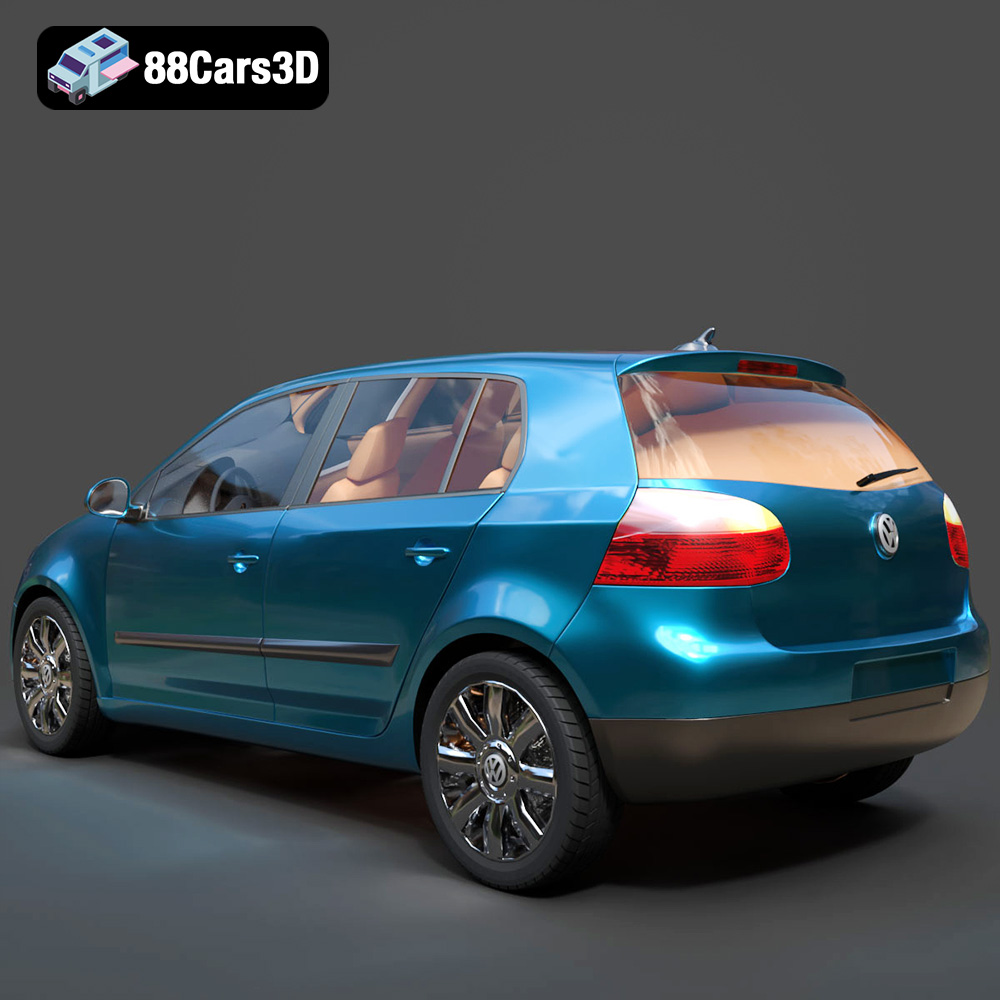
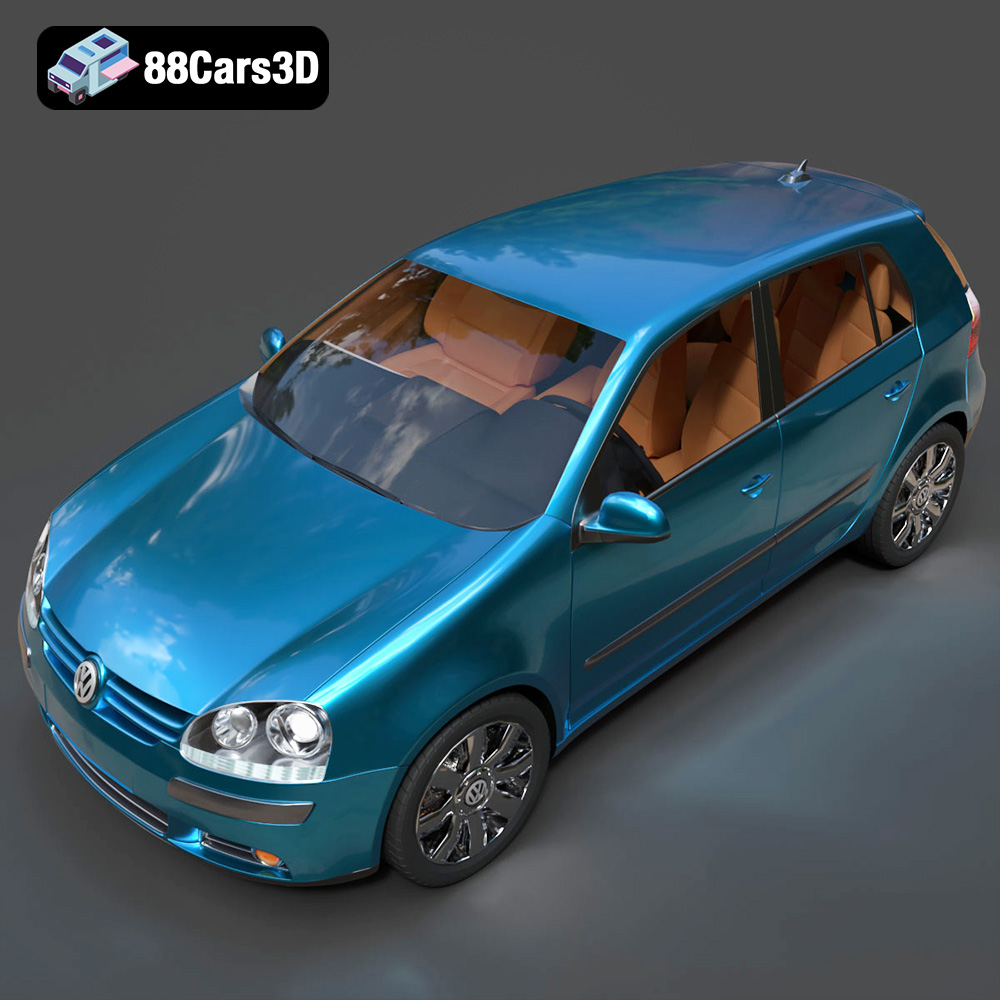
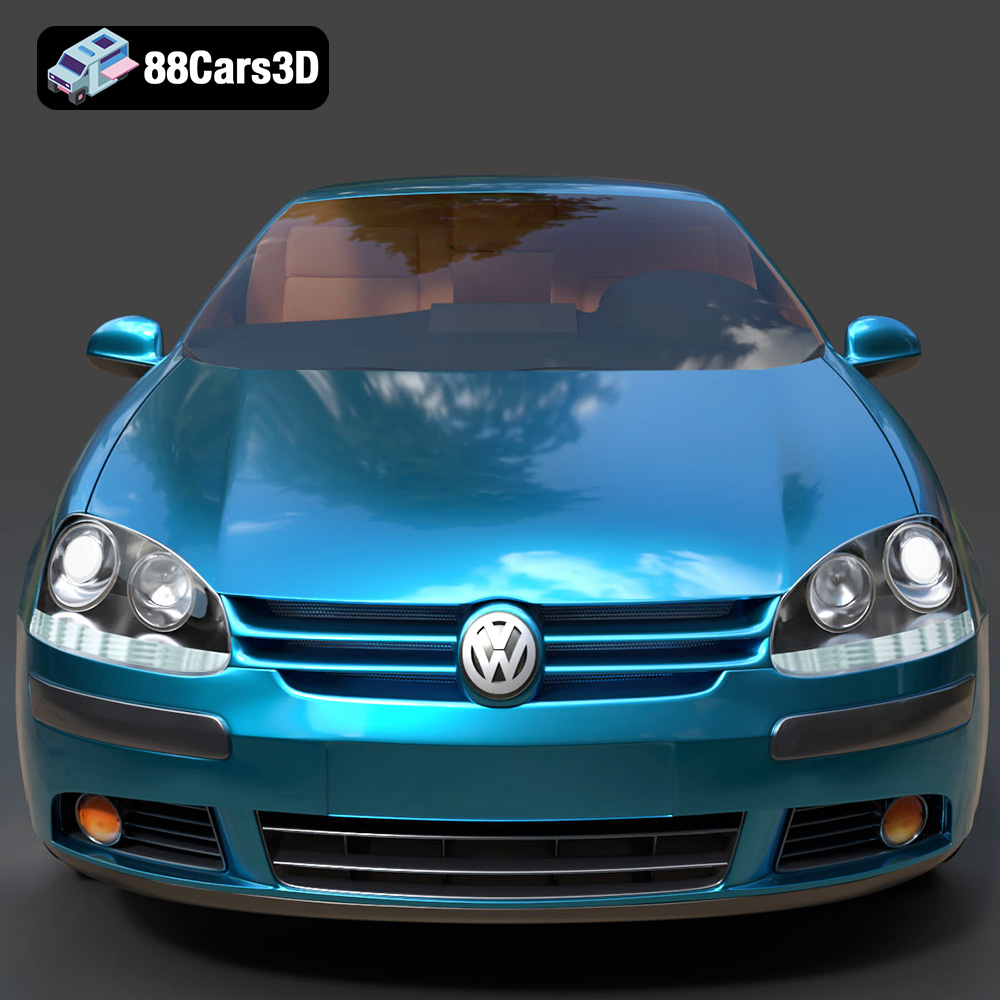
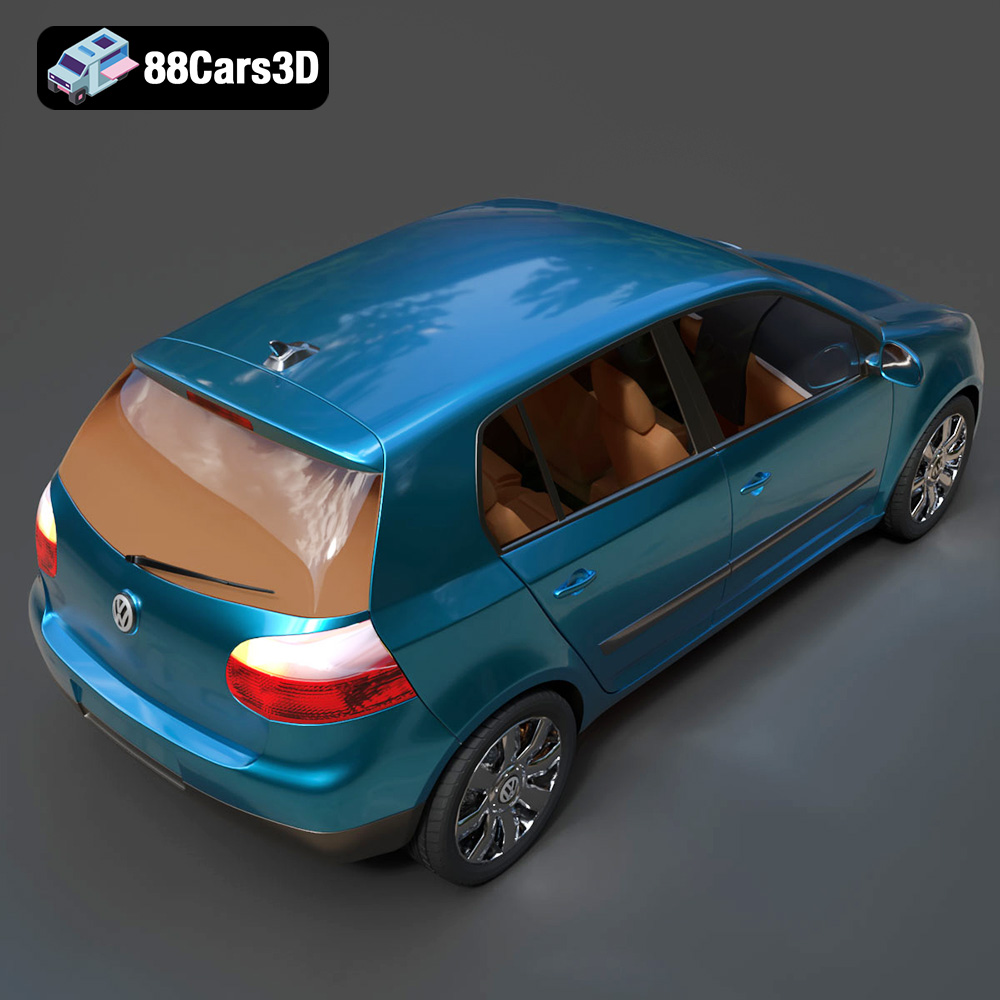
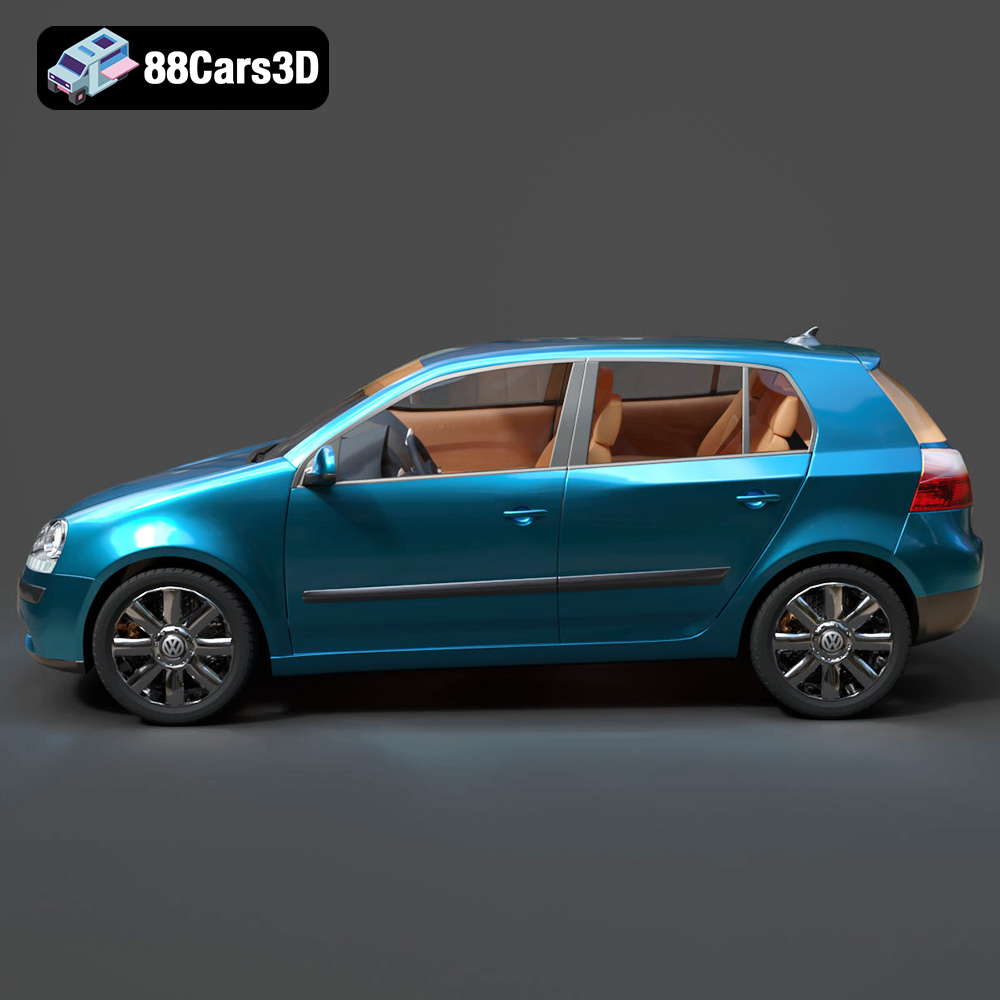
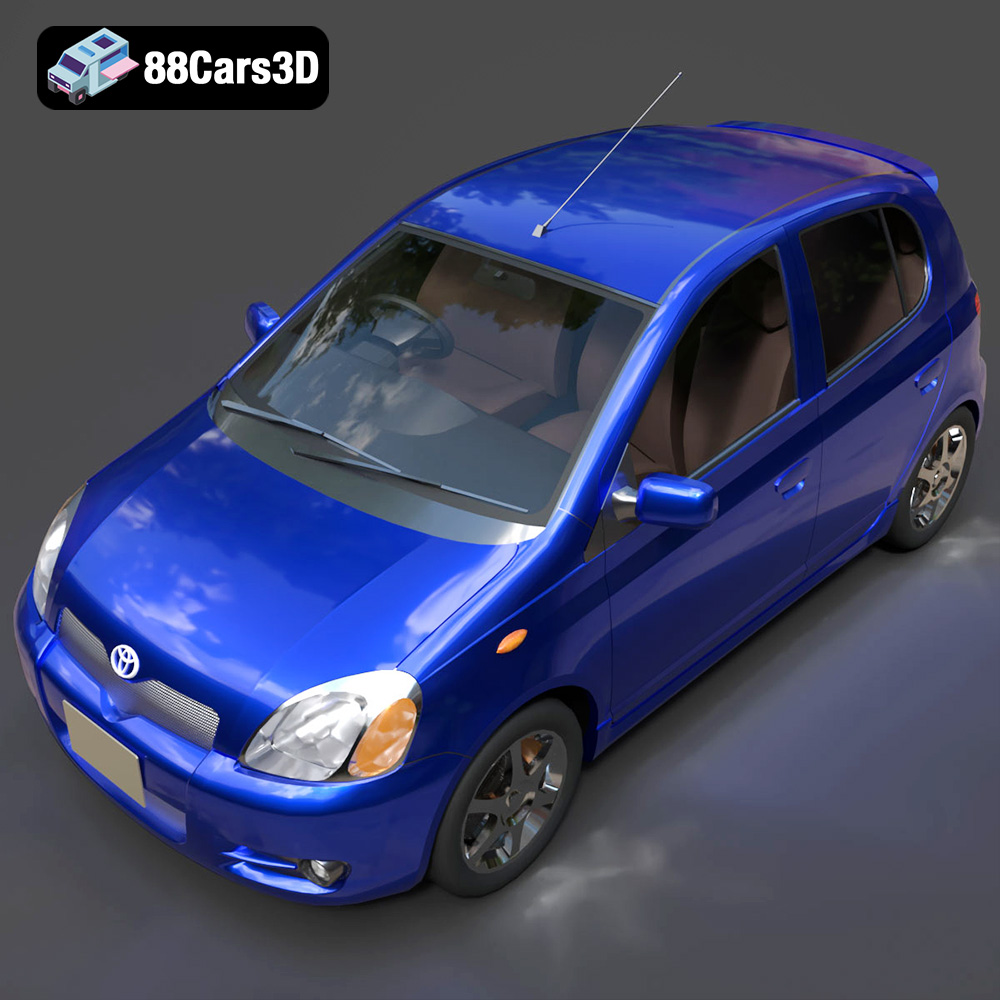
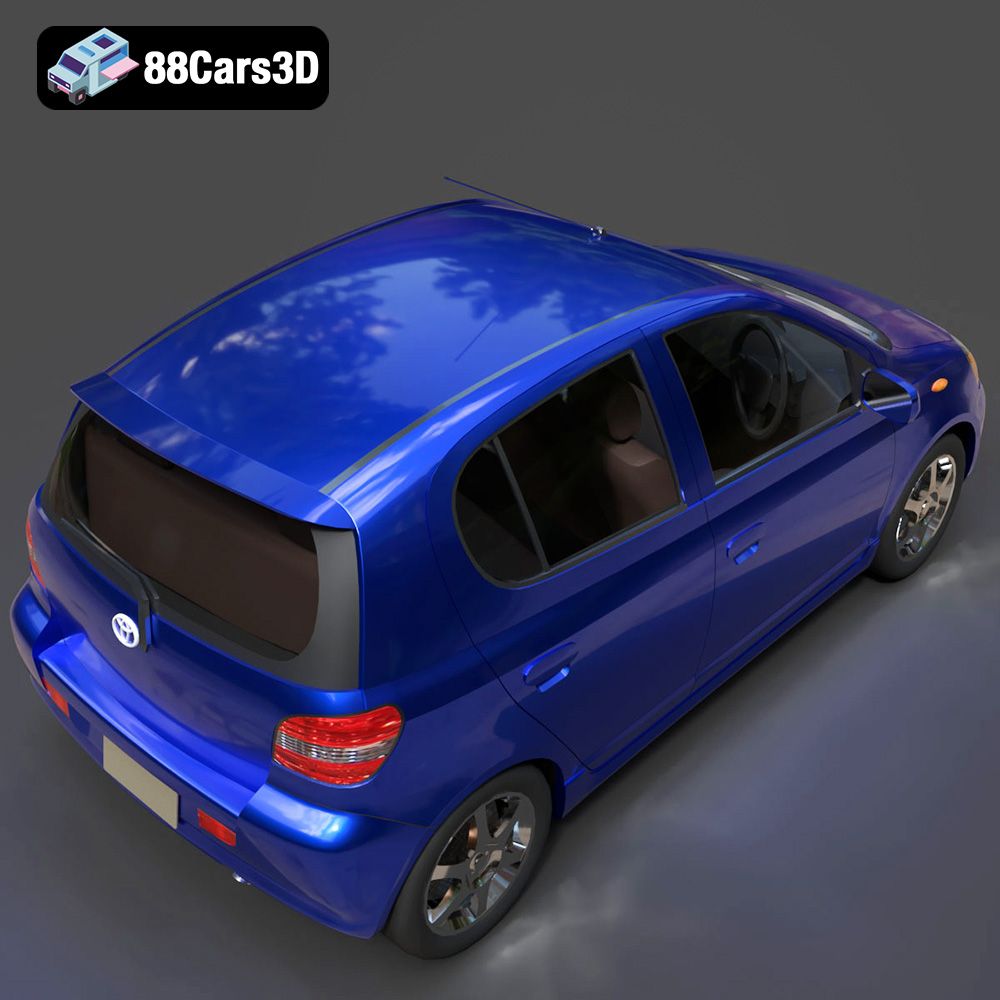
For ArchViz artists, these models are indispensable. They add a layer of authenticity to exterior renders, making a proposed building blend seamlessly into its envisioned environment. For game developers, they populate parking lots and highways with believable traffic, enhancing immersion without demanding excessive performance. The psychological impact of seeing a familiar Toyota Yaris or a VW Golf can be far more powerful for immersion than a hyper-realistic, yet out-of-place, Bugatti.
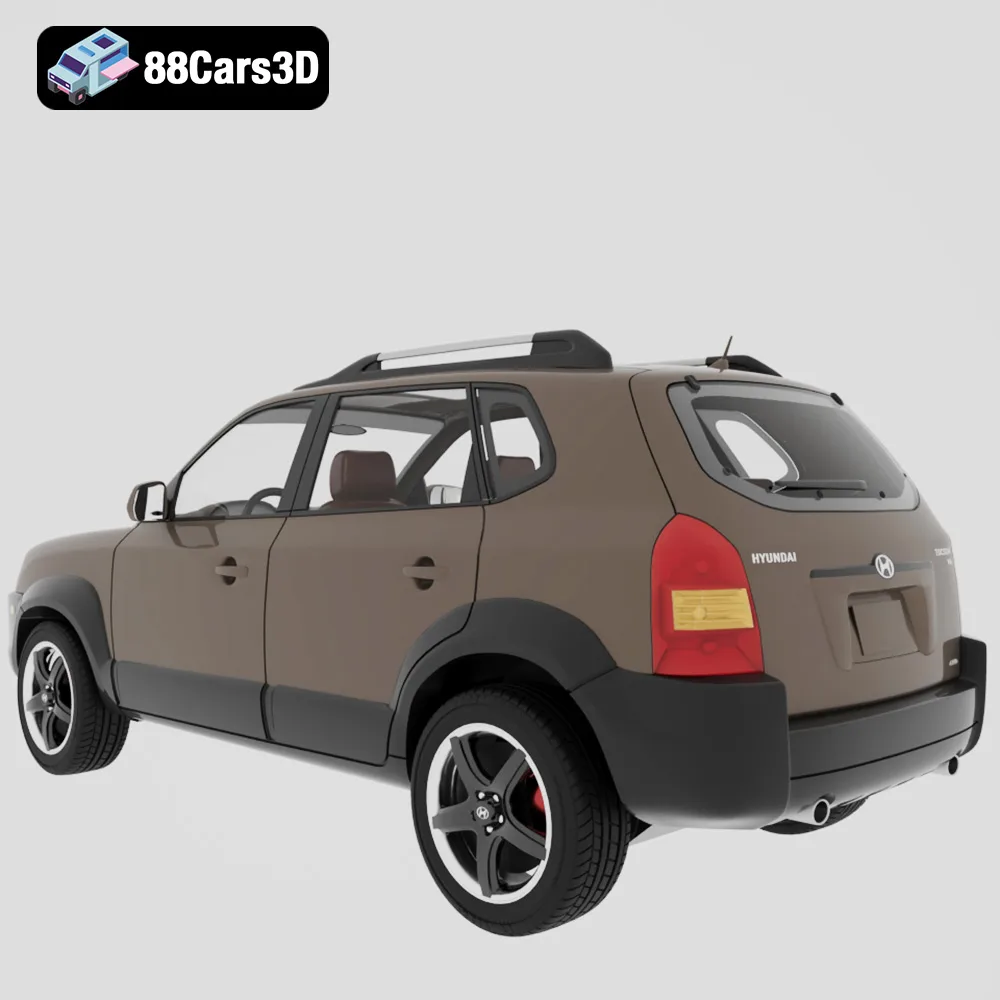
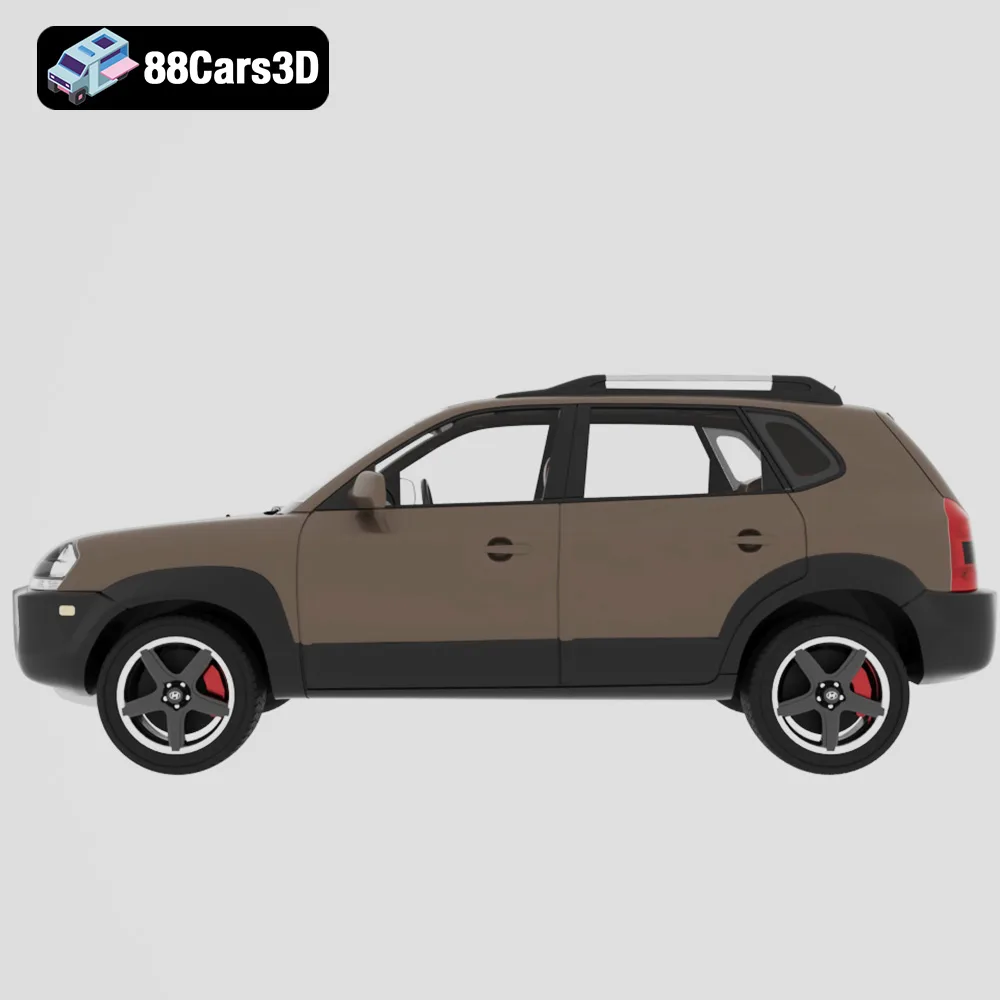
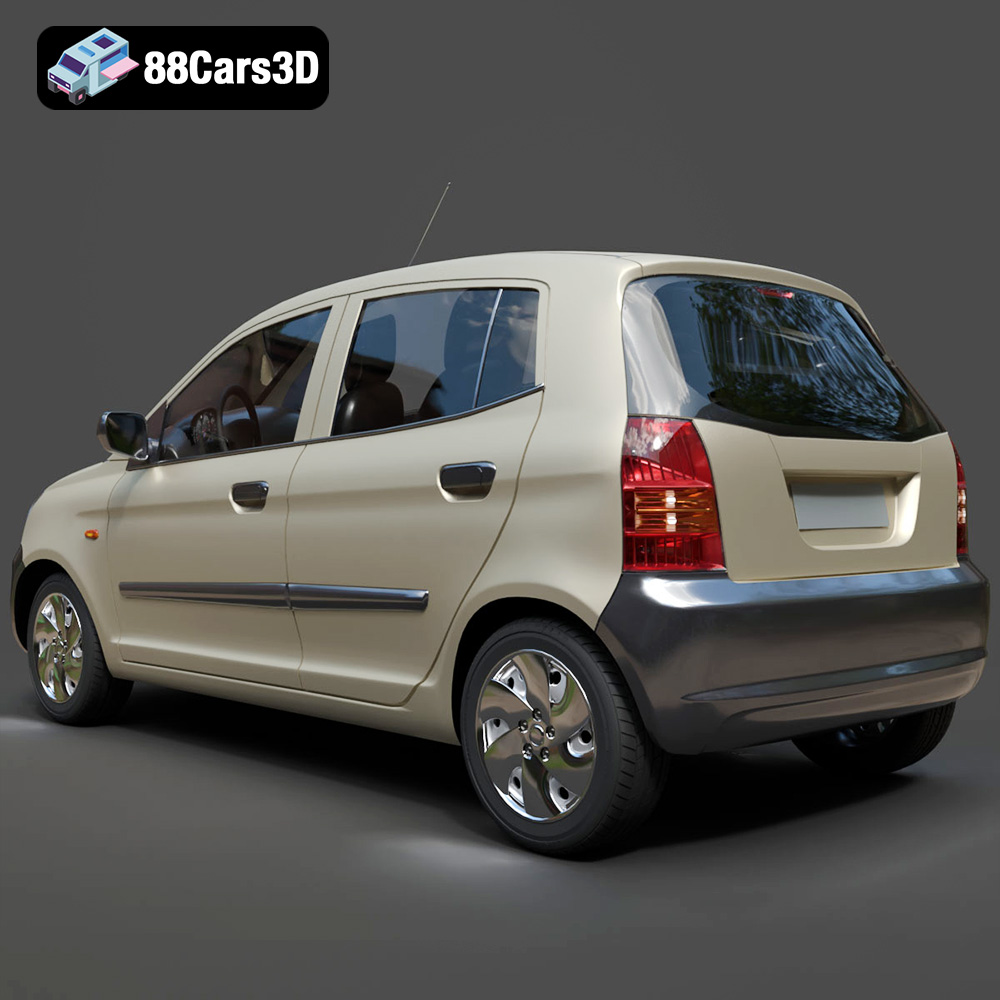
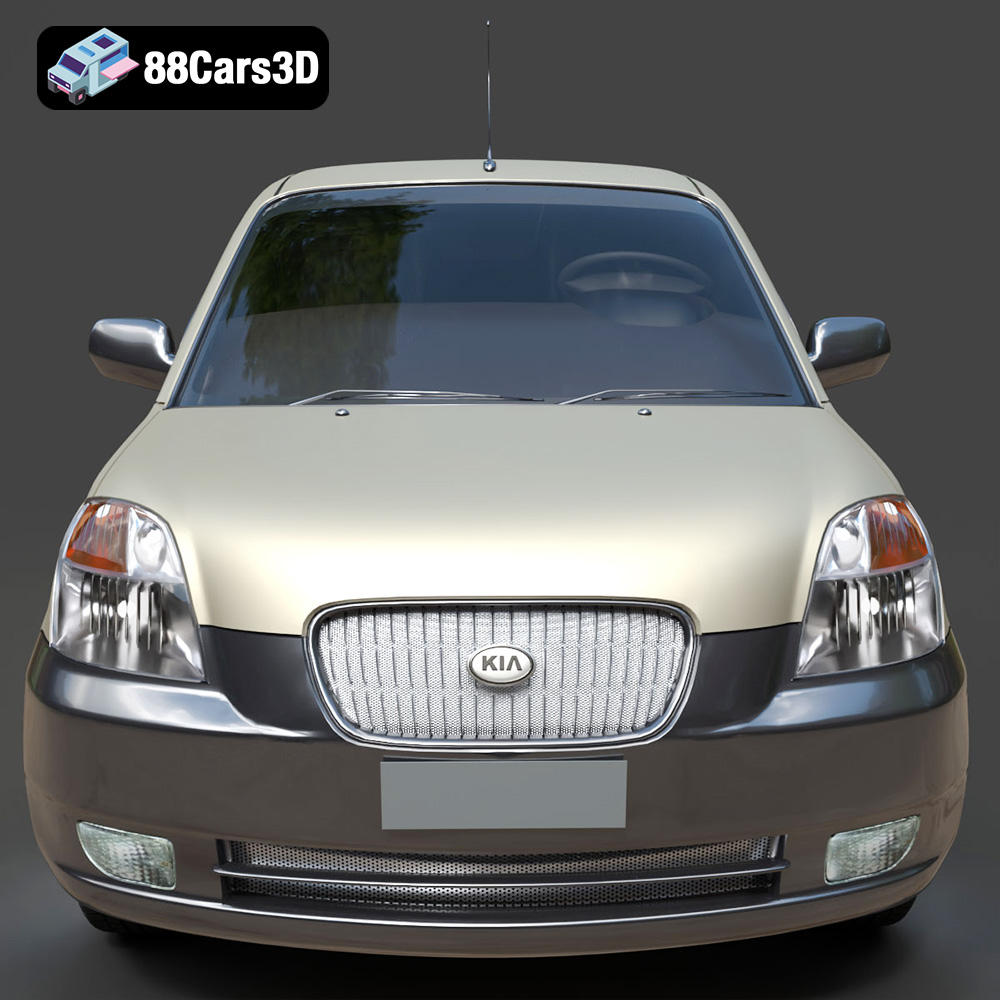
The Everyday City Traffic pack is curated to offer a perfect blend of eras and vehicle types, ensuring your digital streets never look monotonous. The bundle includes:
This diversity ensures that your background traffic is never uniform, reflecting the true variety found on real-world streets. Each model, available through 88cars3d.com, contributes to a rich, believable urban tapestry.
The applications for such a well-rounded bundle are vast:
High-quality 3D car models are not just about visual accuracy; they are also about technical excellence that ensures smooth integration into any professional workflow. The Everyday City Traffic Essentials pack stands out due to its adherence to industry best practices in modeling, topology, and preparation.
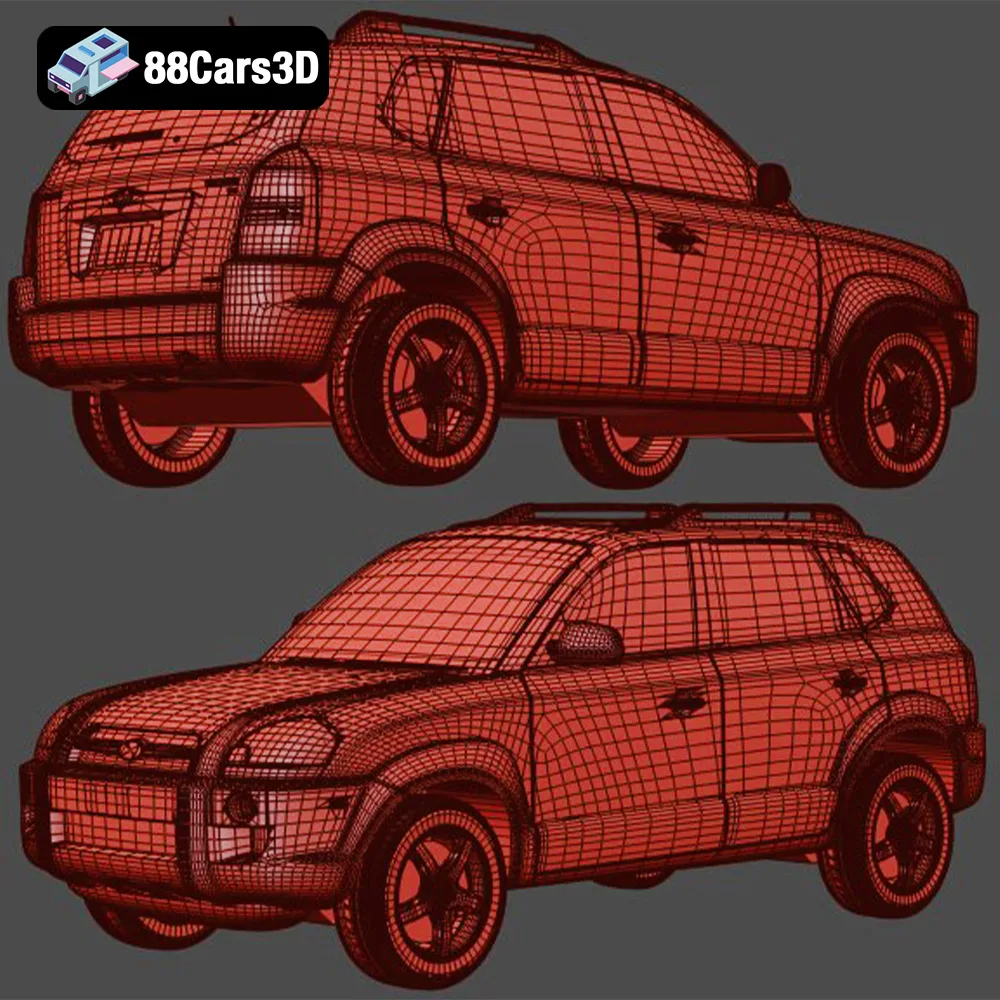
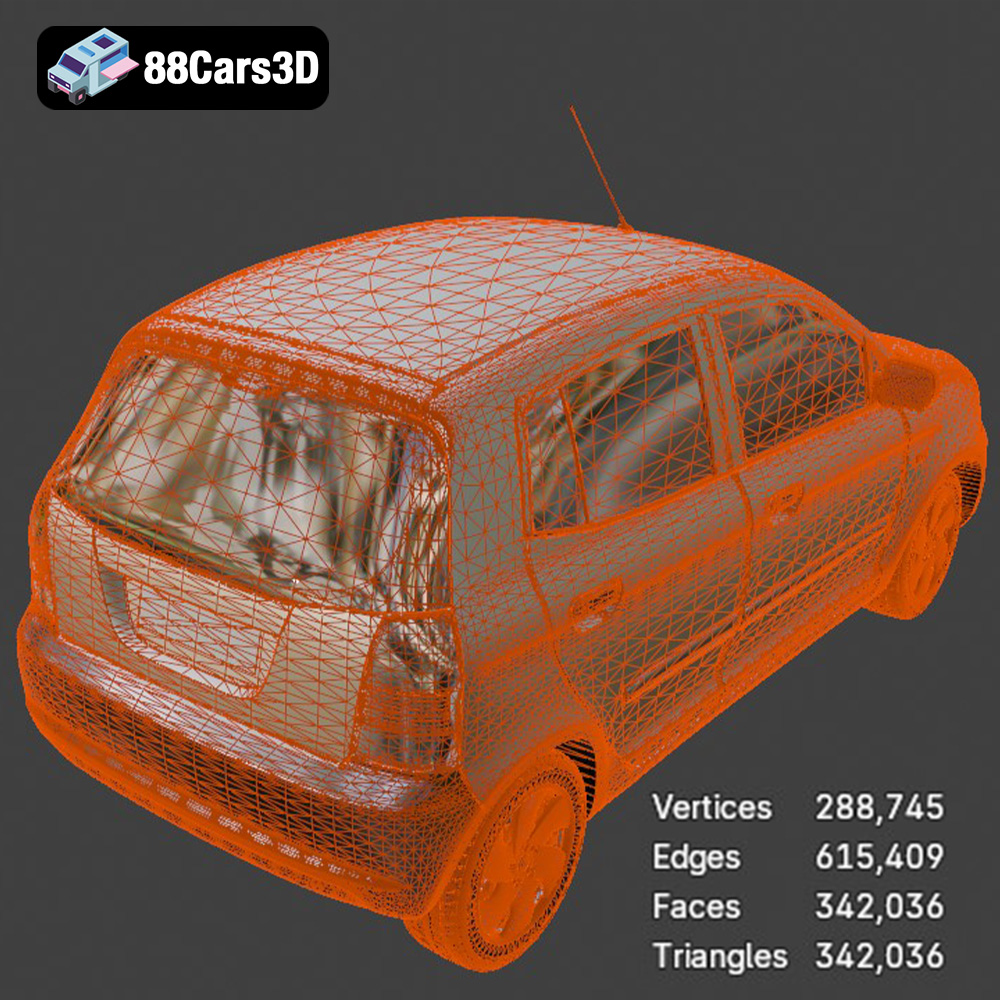
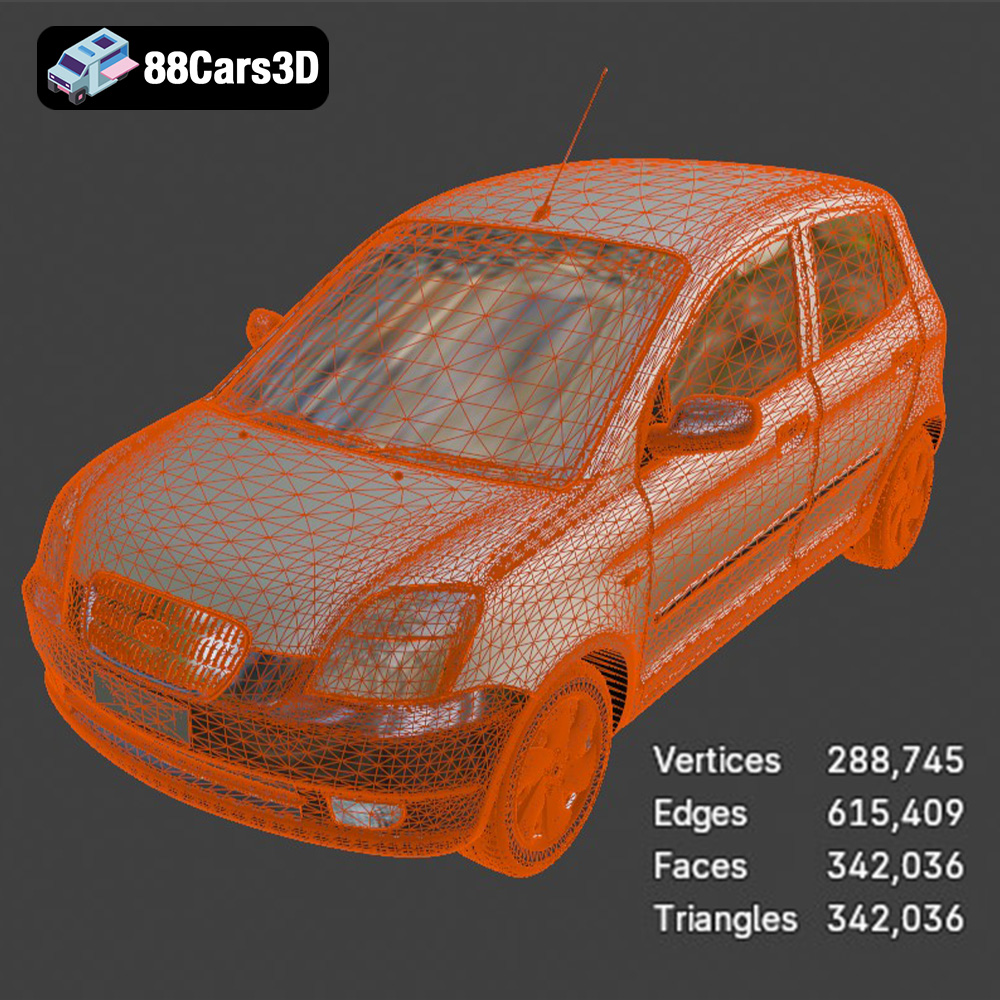
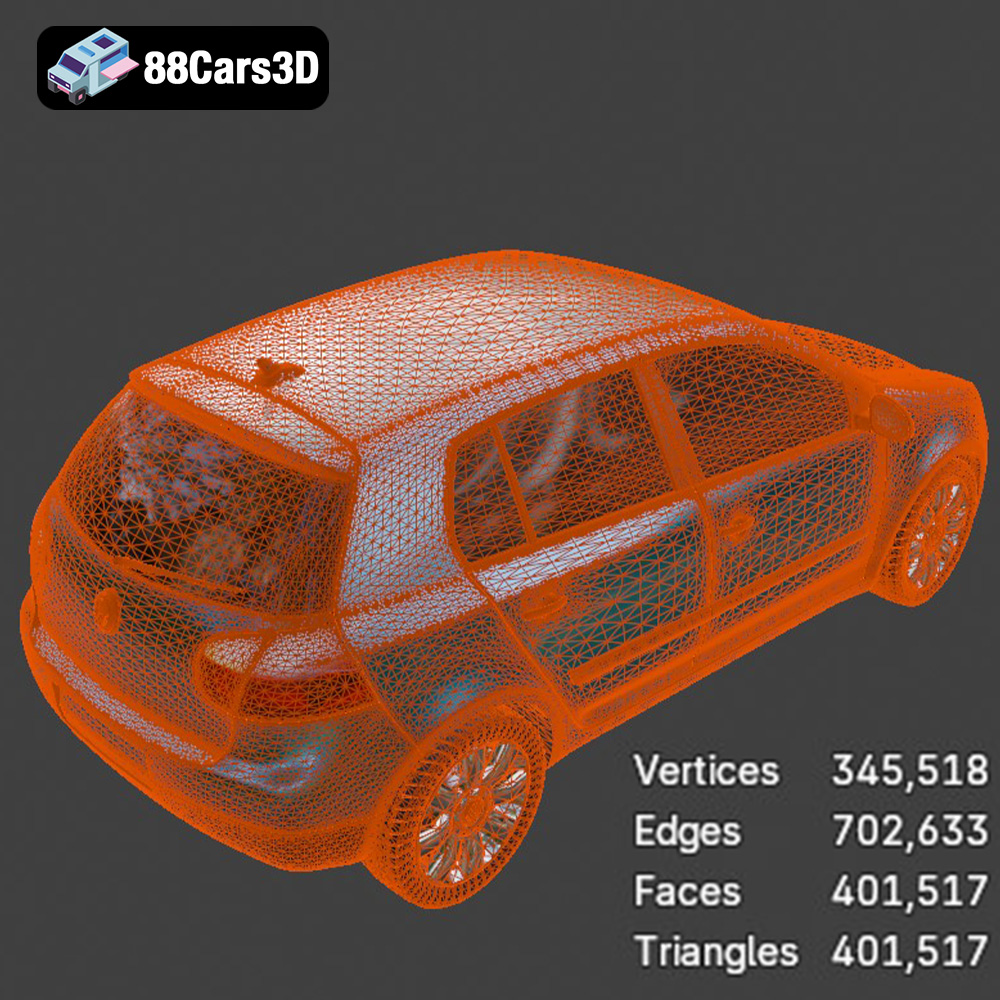
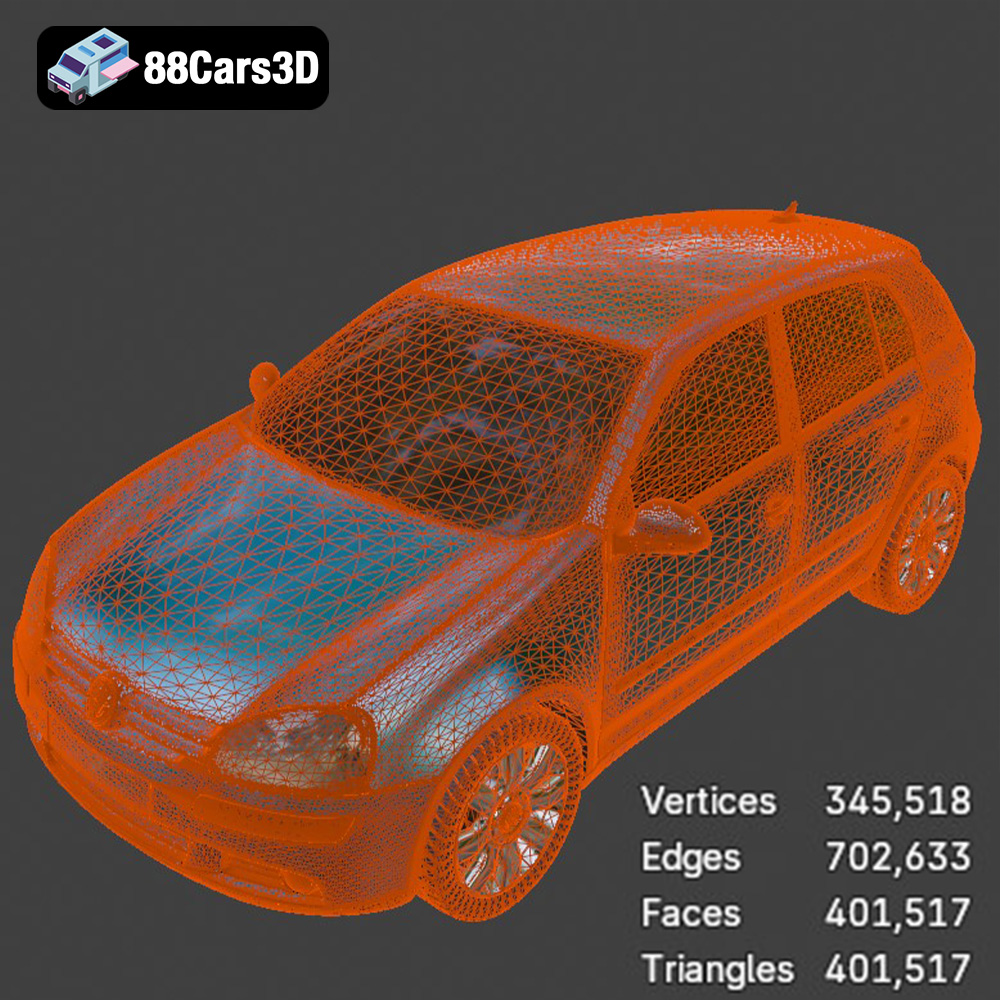
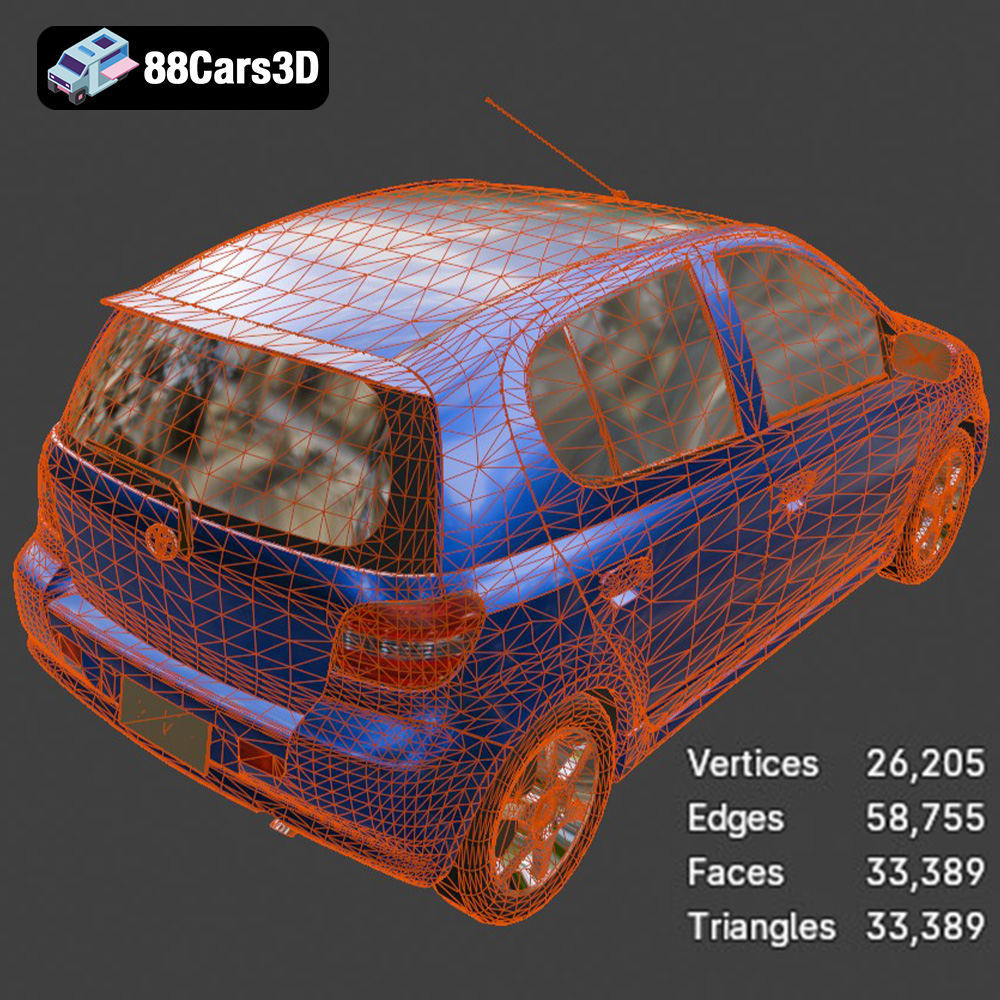
The foundation of a good 3D model is its geometry. The models in this bundle feature clean, quad-based topology. This is critical for several reasons:
This attention to detail ensures that the 3D car models are not only visually accurate but also robust and performant assets for demanding production environments.
Static models have their place, but dynamic environments demand more. The Everyday City Traffic bundle addresses this with several key features:
These features transform the models from static props into dynamic elements, capable of bringing movement and life to your scenes. For anyone creating animated sequences or interactive game experiences, this pre-setup functionality is a massive time-saver.
While the product description focuses on geometry and compatibility, the mention of full compatibility with V-Ray, Corona, Arnold, and real-time engines implies well-structured materials. This typically means:
The emphasis on compatibility means these models are designed to integrate smoothly into existing rendering and texturing pipelines, minimizing setup time and maximizing output quality.
The true measure of a 3D asset’s utility lies in how easily and effectively it integrates into professional production pipelines. The Everyday City Traffic Essentials pack is engineered for this very purpose, providing versatile solutions across various industries.
For ArchViz and high-end cinematic rendering, software like 3ds Max and Blender are paramount. The inclusion of native .max and .blend files in the bundle streamlines the workflow considerably.
Game development demands a different set of optimizations, focusing on real-time performance and interactivity. The .fbx format and optimized design of the Everyday City Traffic models are perfect for this.
.fbx files into Unreal Engine or Unity is a straightforward process. The separated parts and proper pivot points for wheels mean the models are immediately ready for vehicle blueprints or custom scripts. While textures might need to be linked or PBR materials applied within the engine, the underlying mesh and UVs are clean and ready.Beyond digital screens, the Everyday City Traffic Essentials pack caters to the growing community of 3D printing enthusiasts and diorama builders, thanks to the inclusion of the .stl format.
.stl files transform these digital cars into tangible objects. Architects can print scale models to complement physical architectural models, urban planners can create miniature cityscapes for presentations, and hobbyists can build incredibly detailed dioramas.These guidelines are invaluable for ensuring successful and high-quality physical prints, bridging the gap between digital asset and physical manifestation.
This multi-faceted compatibility truly underscores the value of the Everyday City Traffic Essentials pack, making it a versatile asset for a wide range of creative and professional pursuits.
The practical impact of detailed, everyday 3D car models extends across various creative industries, proving their worth in enhancing realism and streamlining production.
Consider an architectural firm presenting a new high-rise residential complex in a vibrant urban center. The exquisite renders showcase the building’s facade, interior design, and surrounding landscaping. However, if the street in front is empty or populated by identical, uninspired vehicles, the realism is immediately broken. This is where the Everyday City Traffic bundle becomes a secret weapon.
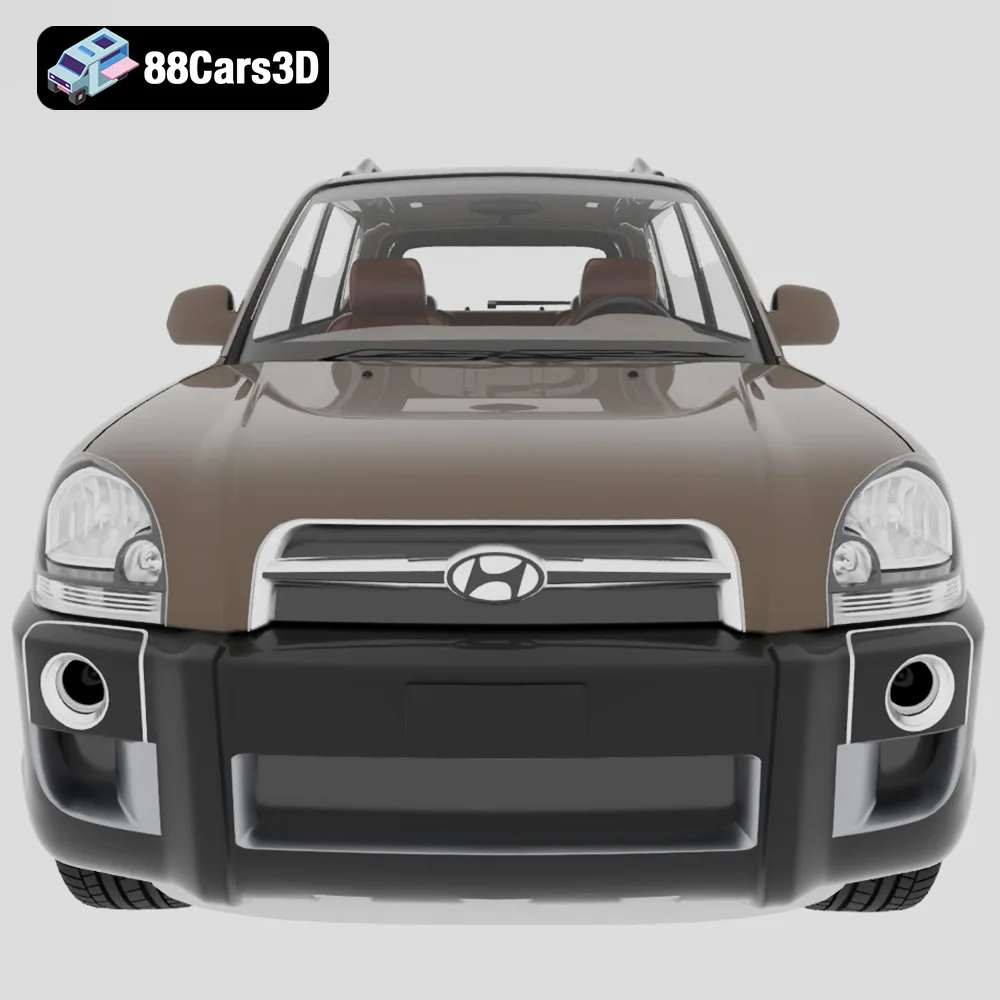
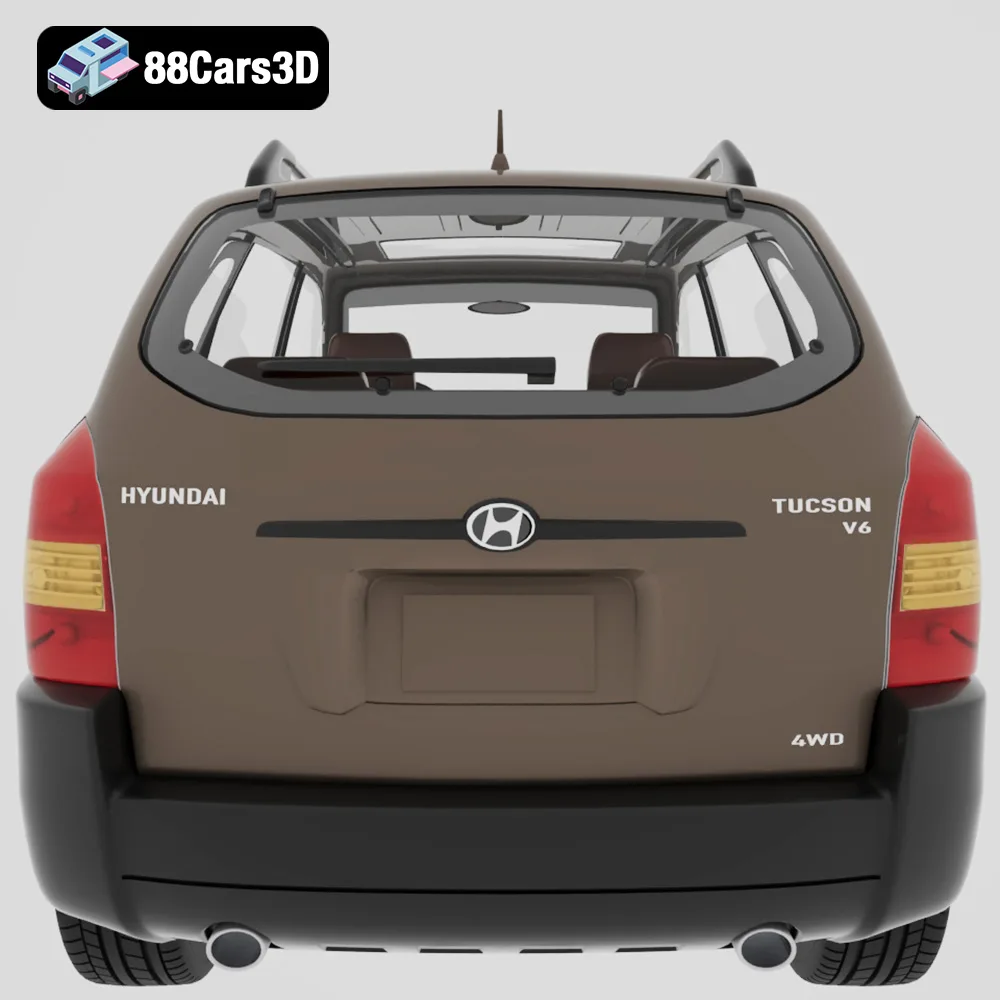
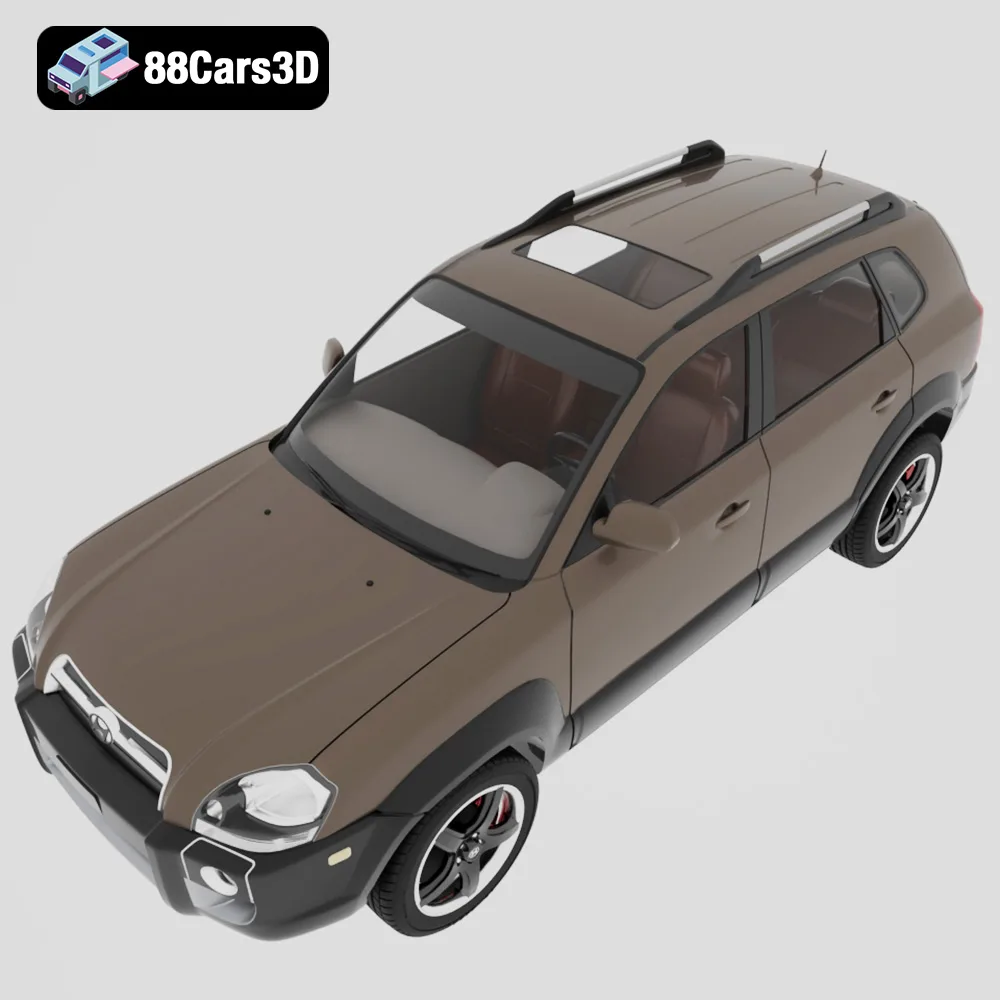
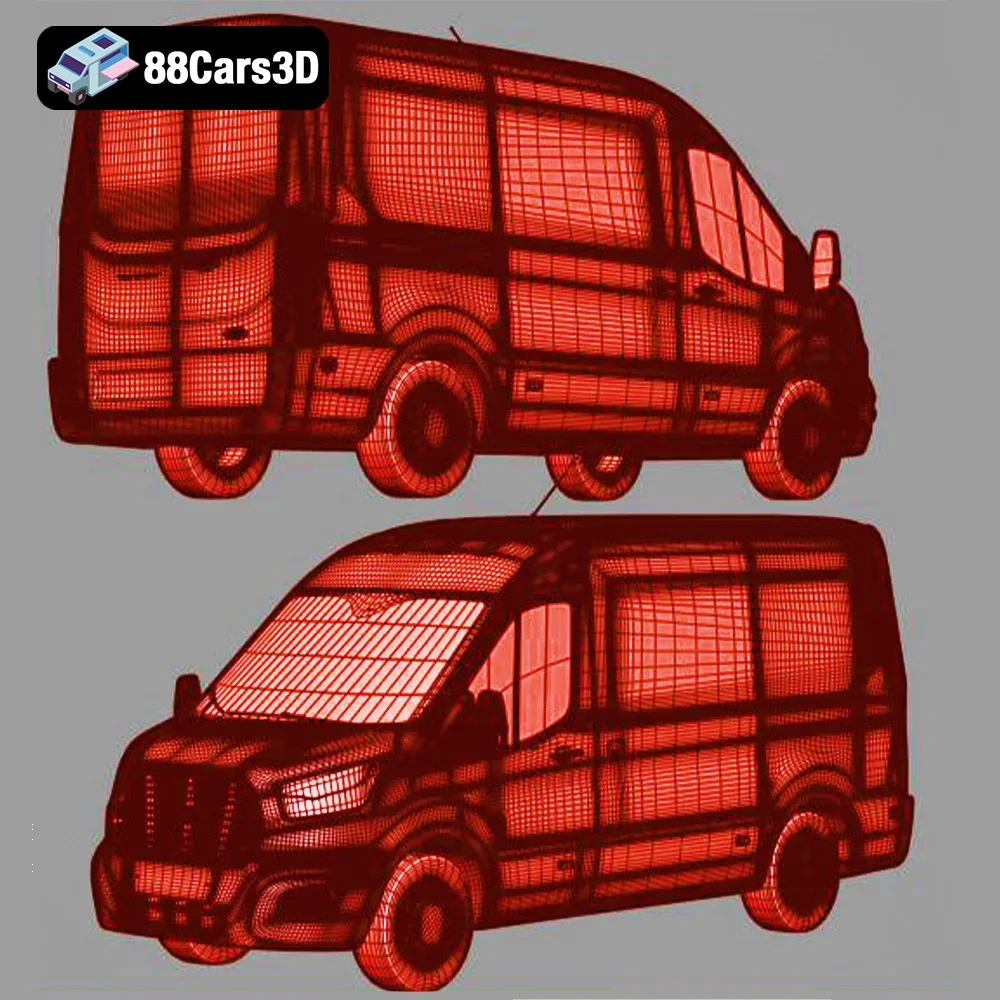
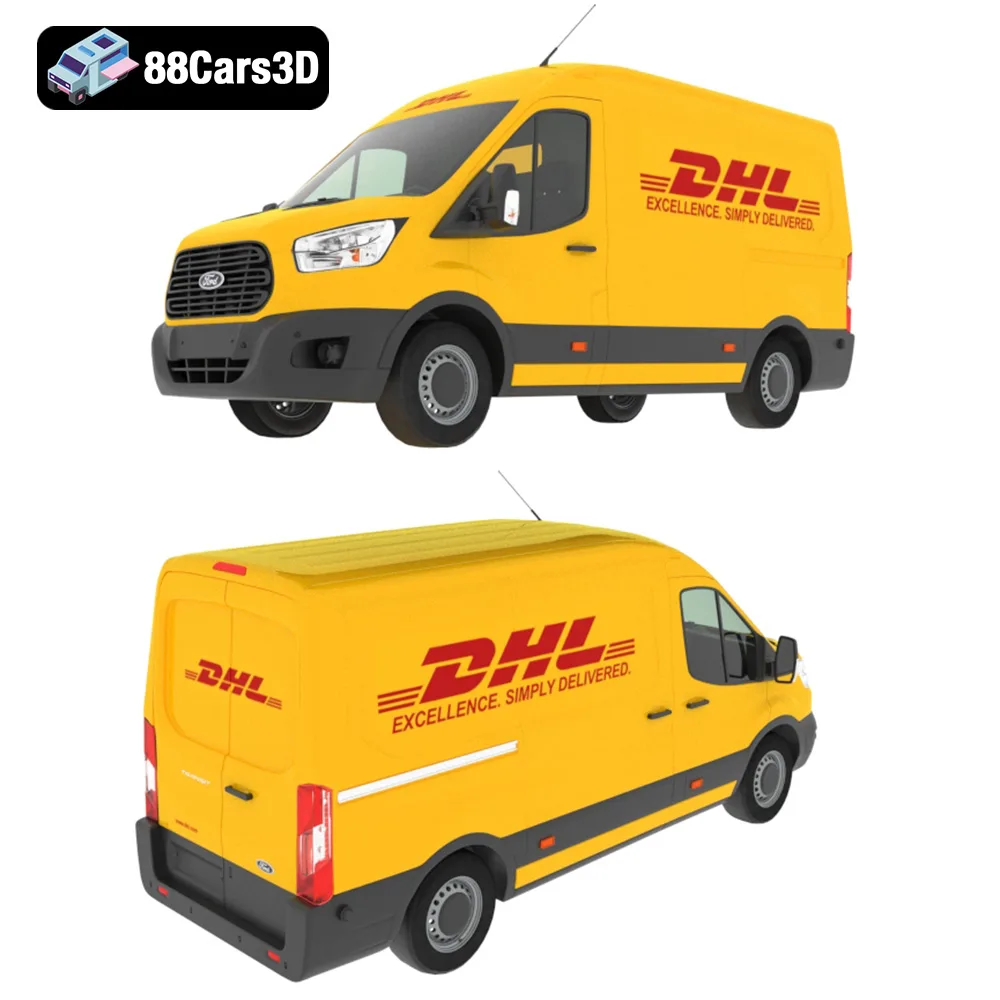
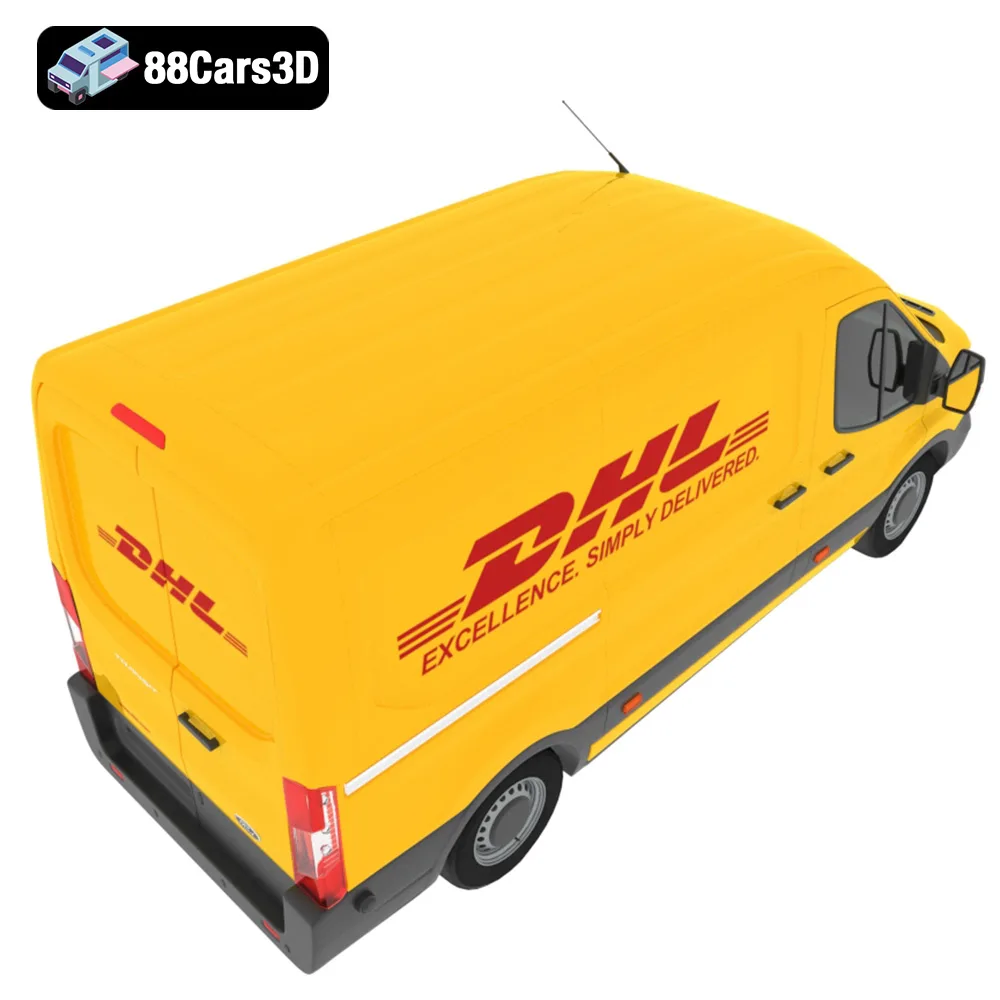
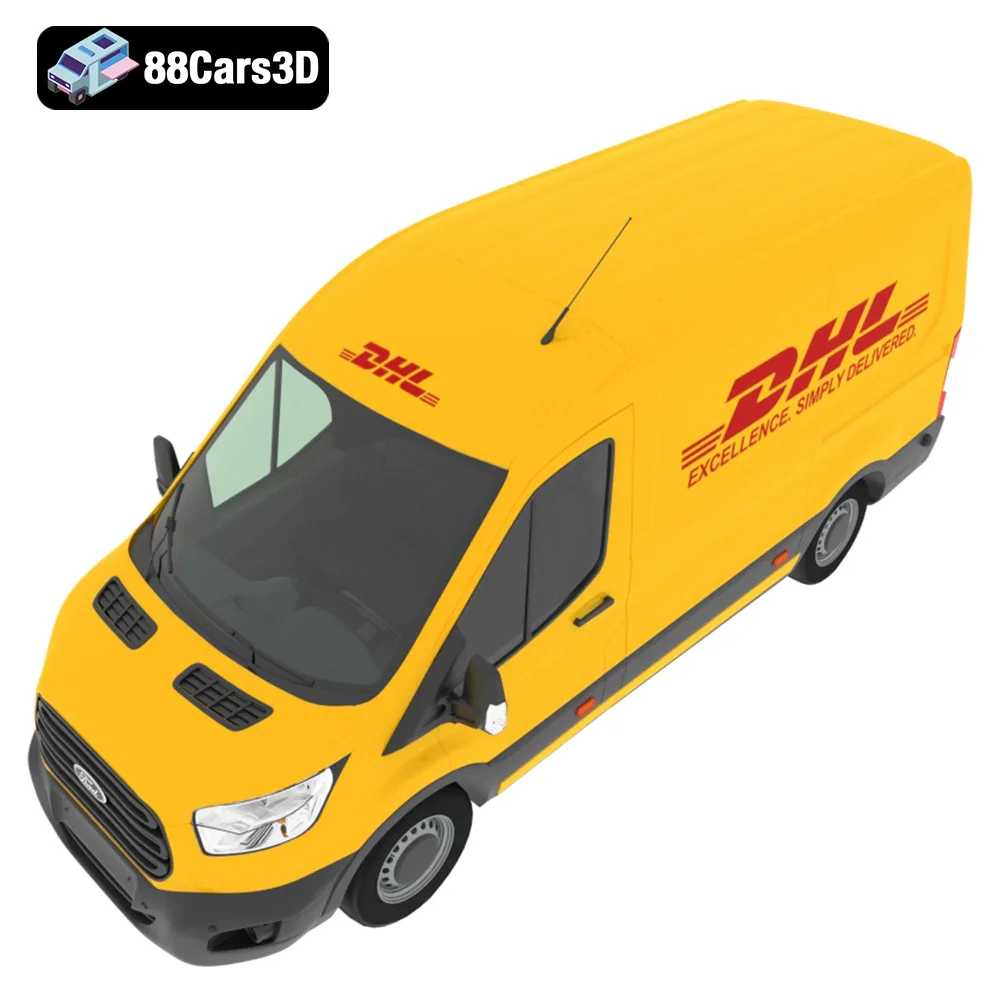
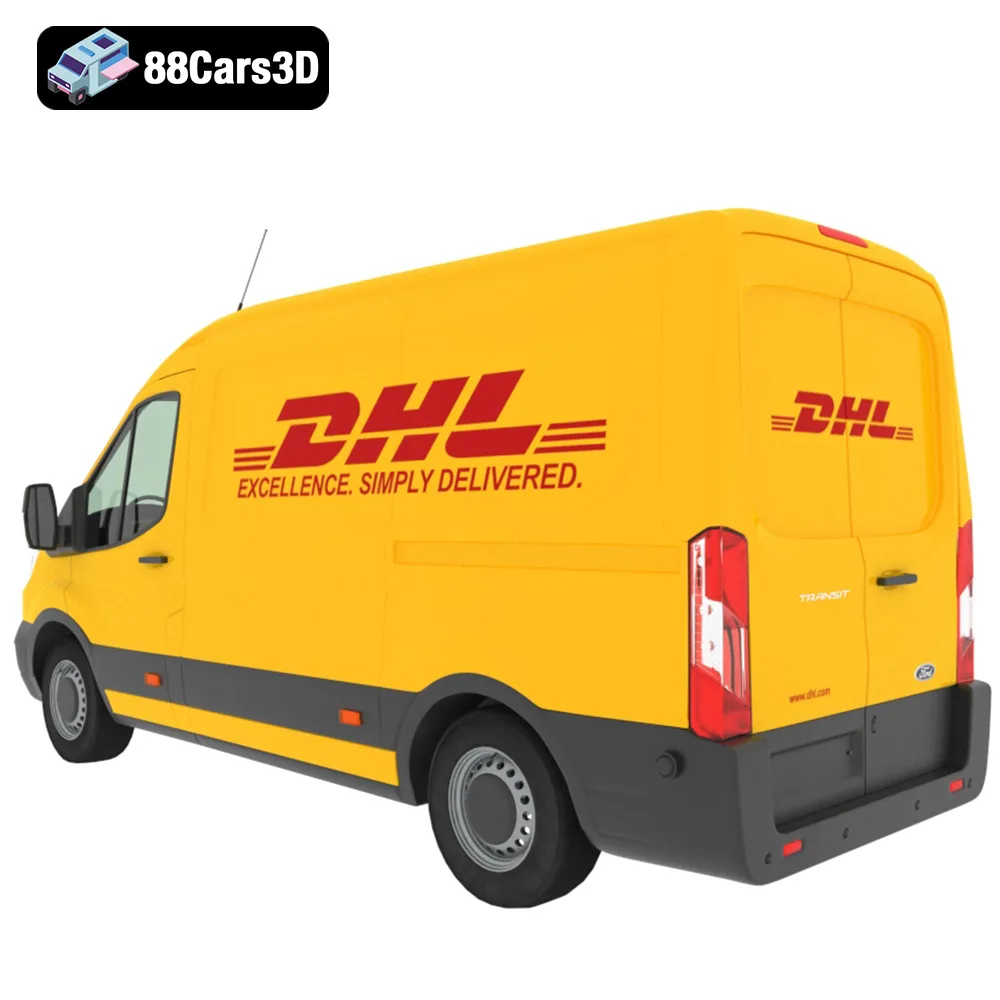
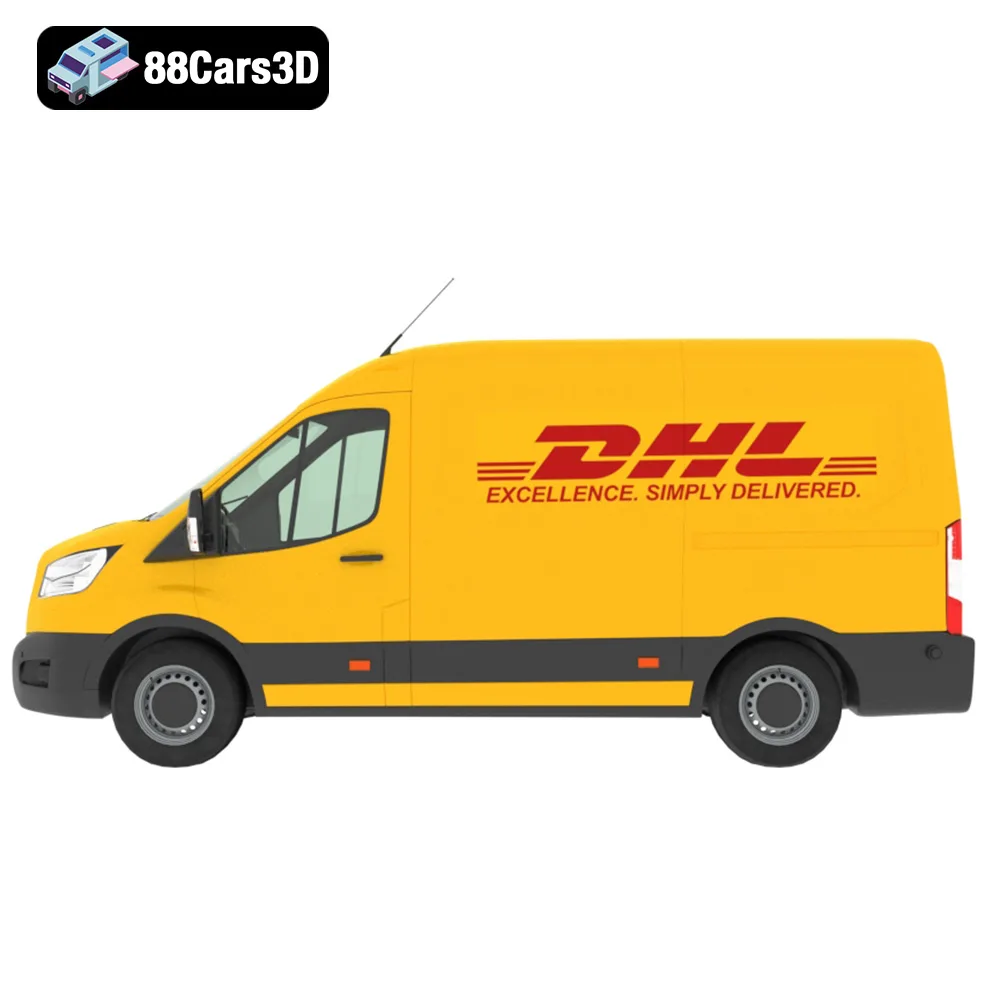
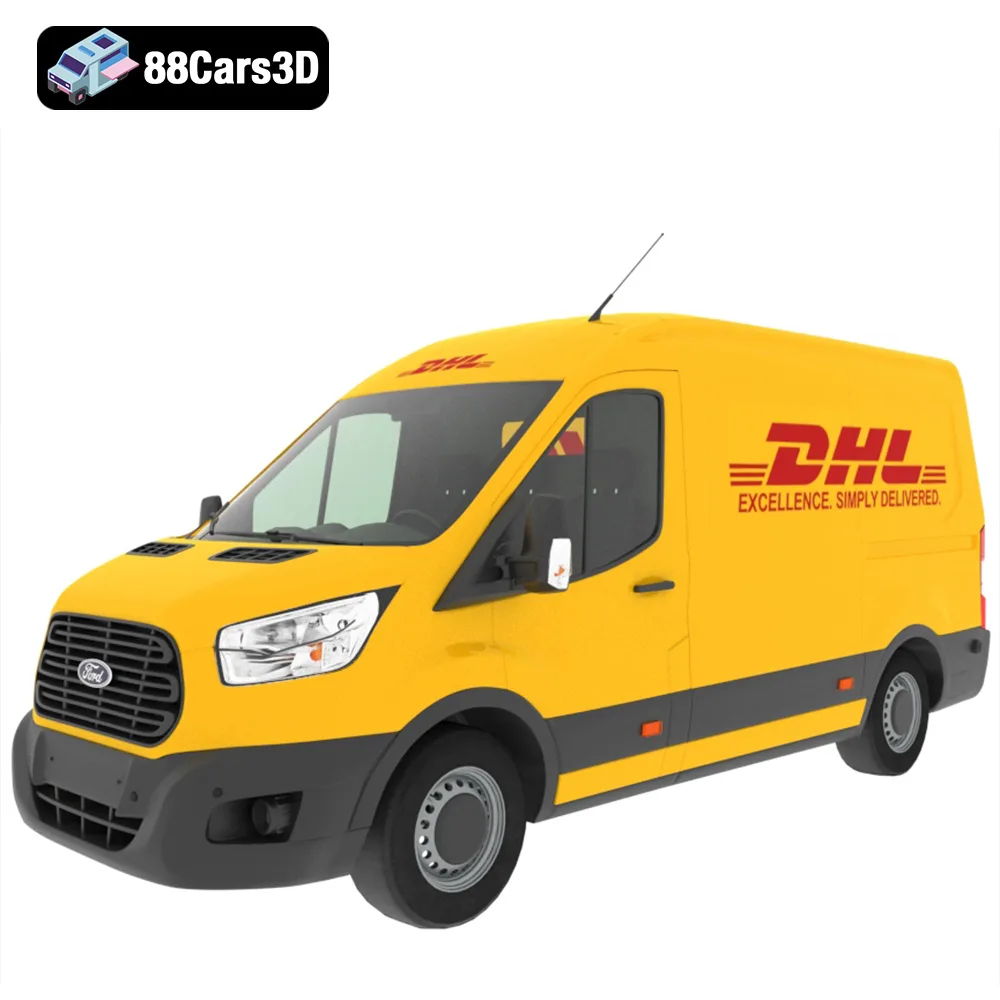
Case Study Example: An ArchViz studio used the Hyundai Tucson, VW Golf, and Toyota Yaris models from the pack to populate the street view of a new apartment building render. By scattering these varied models – some parked, some subtly moving – they instantly imbued the scene with life and a sense of activity. The addition of the Ford Transit DHL van added a touch of everyday commerce, making the environment feel authentic and believable. Clients weren’t just seeing a building; they were seeing a potential lifestyle, enhanced by the realistic urban backdrop. The subtle inclusion of these common 3D car models elevated the entire presentation.
Modern open-world games demand highly detailed and immersive environments. Populating a vast city map with background traffic that looks dynamic and natural is a significant challenge for game developers, balancing visual quality with performance. The Everyday City Traffic Essentials pack offers a robust solution.
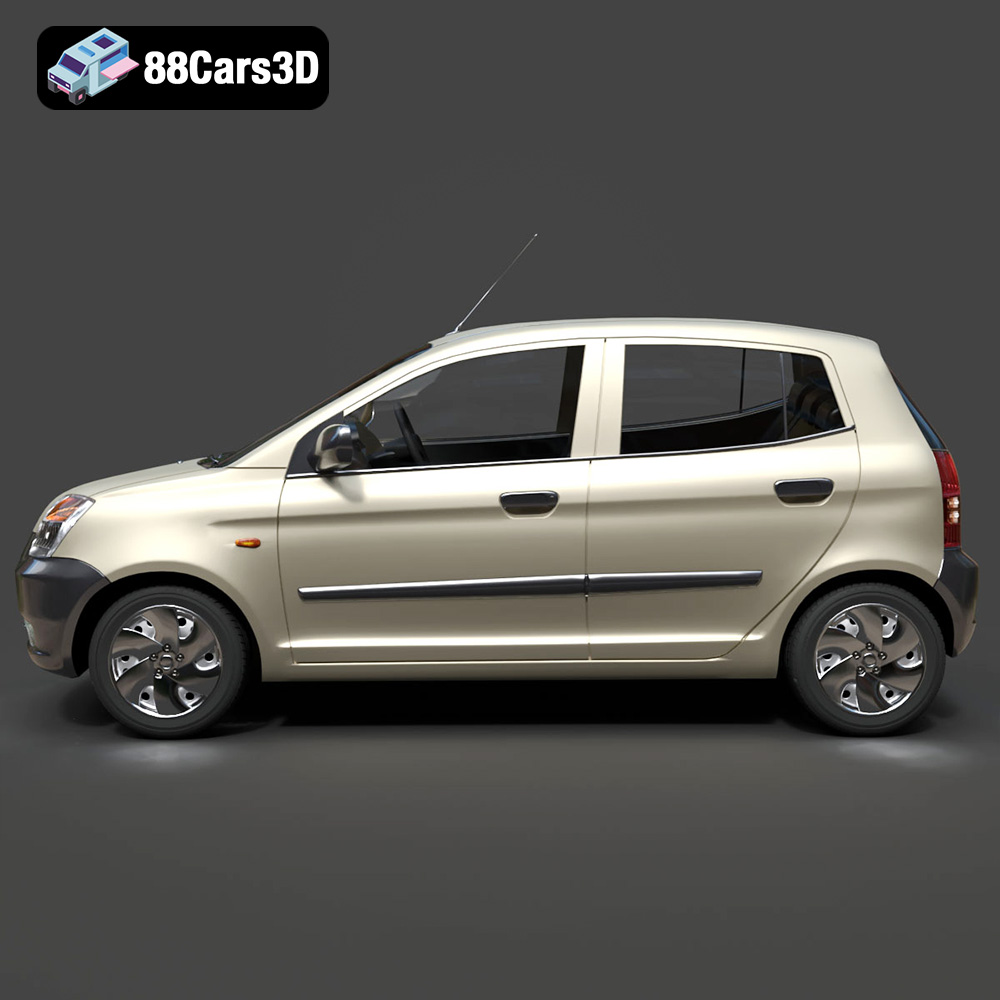
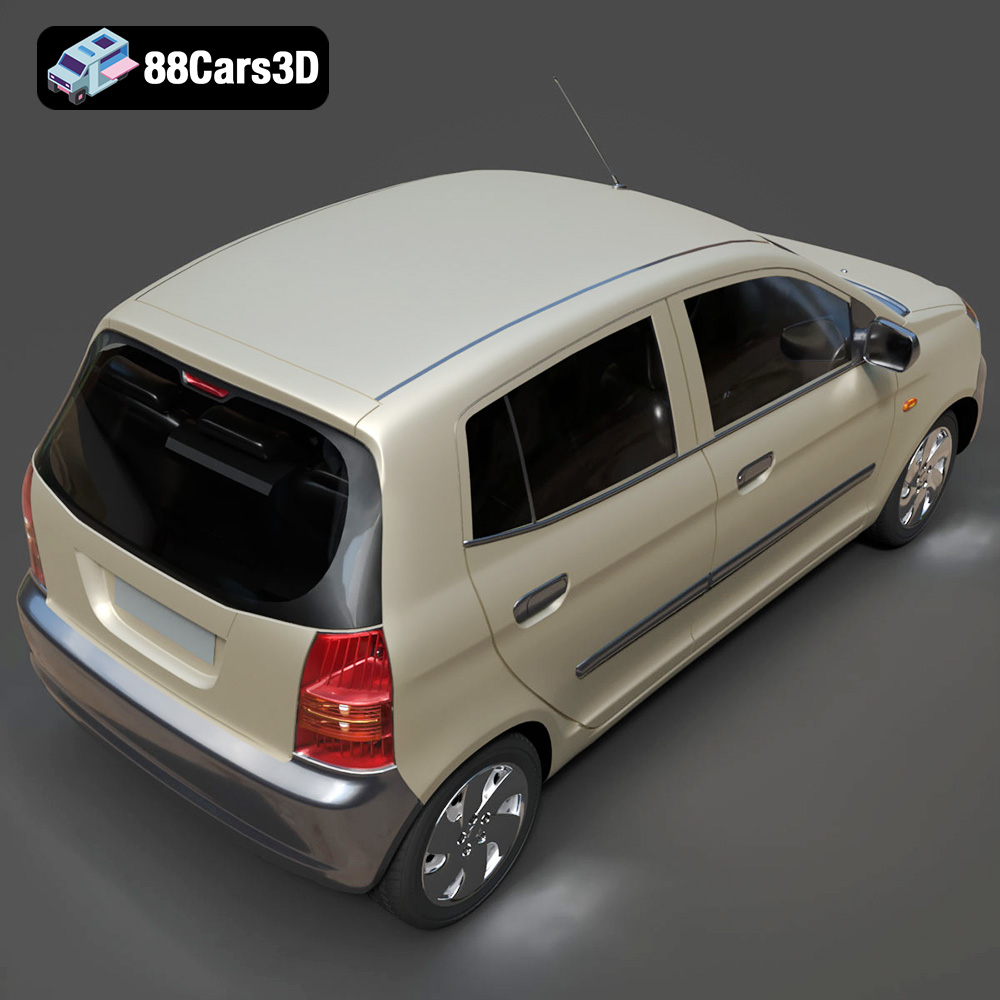
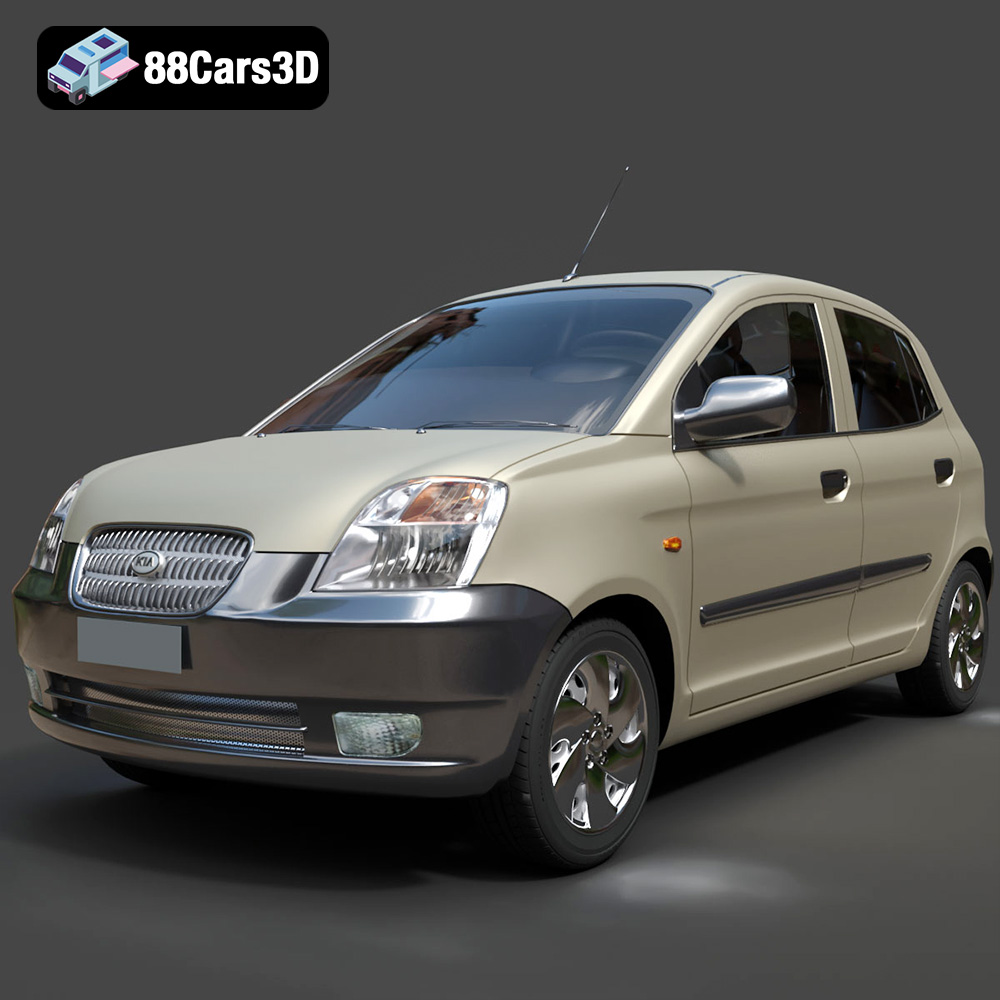
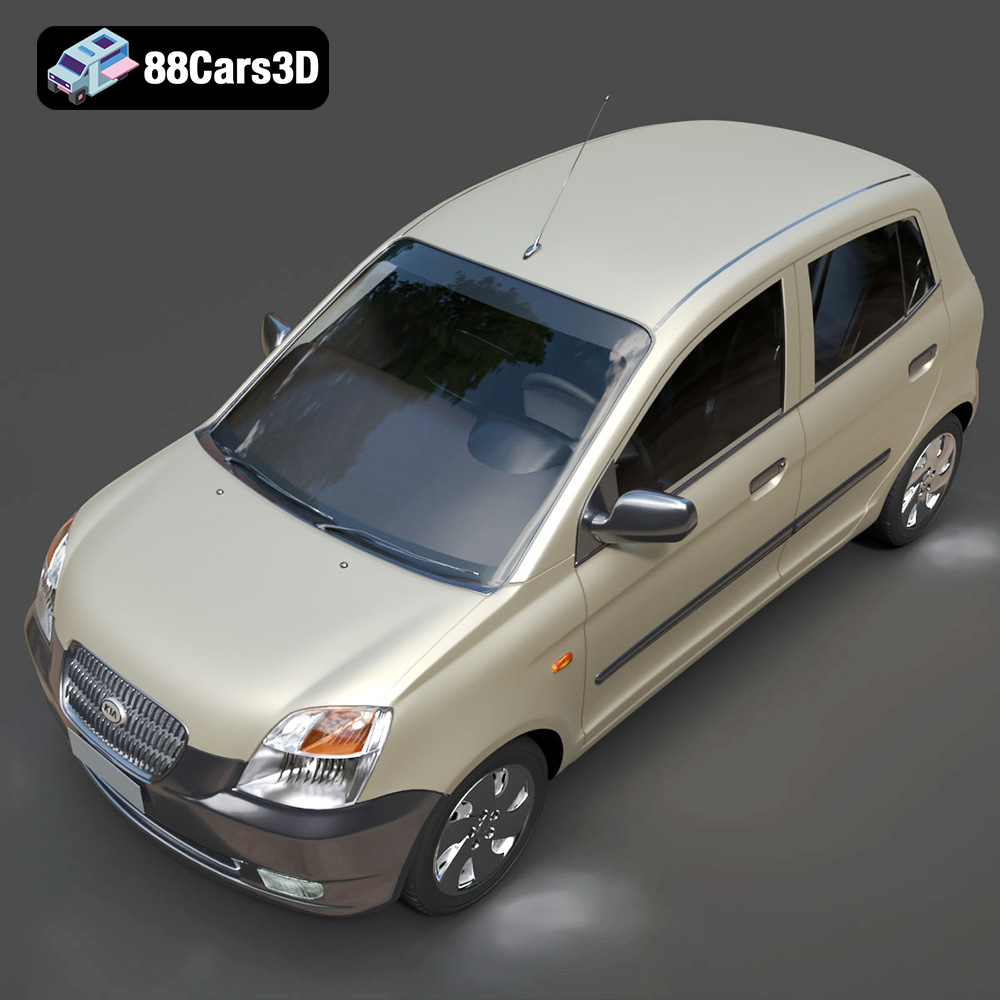
Case Study Example: A game development team working on an urban crime-drama needed diverse background vehicles for their bustling city. Instead of individually modeling dozens of cars, they licensed the Everyday City Traffic bundle from 88cars3d.com. The variety of models (hatchbacks, SUVs, vans spanning different eras) allowed them to create a heterogeneous traffic flow. Crucially, the models’ clean topology and pre-set pivot points meant they could be easily integrated into the game’s AI traffic system and replicated hundreds of times without causing significant performance bottlenecks. The presence of common vehicles like the Kia Picanto and VW Golf made the in-game city feel more relatable and realistic to players, deepening their immersion.
Beyond traditional rendering and gaming, 3D car models play a vital role in urban planning simulations and immersive virtual reality experiences, helping professionals visualize complex data and designs.
Case Study Example: A municipal planning department was developing a smart-city proposal, needing to visualize new traffic flow patterns and pedestrian zones. They utilized the Everyday City Traffic models to populate their digital urban twin. By integrating these realistic 3D car models into their simulation software, they could demonstrate proposed changes in traffic density, vehicle types, and their impact on pedestrian experience in a highly intuitive and visually engaging manner. Furthermore, these models were then used in a VR walkthrough, allowing stakeholders to “experience” the proposed urban changes from a street-level perspective, enhancing understanding and facilitating decision-making. The authenticity provided by these common vehicles made the future city feel more tangible and relatable.
In the world of 3D visualization, where every detail counts, the subtle authenticity of everyday elements often makes the biggest difference. The “Everyday City Traffic Essentials pack 5in1 Hyundai Kia Volkswagen Toyota Ford 3D Printable STL” is far more than just a collection of 3D car models; it’s a vital realism toolkit designed for professionals who understand that true immersion is built on believable context.
From the nostalgic charm of a Toyota Yaris to the modern utility of a Kia Picanto, and the ubiquitous presence of a VW Golf or a DHL Ford Transit, this bundle from 88cars3d.com provides a diverse, technically sound, and highly versatile set of assets. Its meticulous attention to clean topology, separate parts for animation, and multi-format compatibility (including .blend, .fbx, .obj, .glb, .stl, and .max) ensures seamless integration into virtually any professional workflow, be it high-fidelity automotive rendering, dynamic game development, precise 3D printing for dioramas, or advanced urban simulations.
By investing in quality, everyday 3D car models, you’re not just filling empty spaces; you’re breathing life into your digital worlds, grounding them in a reality that resonates with your audience. For those ready to elevate their scenes from impressive to truly believable, the Everyday City Traffic Essentials pack is an indispensable addition to your asset library. Visit 88cars3d.com today to acquire this essential bundle and transform your urban environments.
The Everyday City Traffic 3D Models Bundle is the ultimate “realism toolkit” for architectural visualization (ArchViz) artists, game developers, and VFX studios. While supercars grab attention, nothing breaks the realism of a virtual city faster than a street filled only with luxury vehicles. To make an urban scene look truly photorealistic and believable, you need authentic, everyday traffic. This highly versatile 5-in-1 package provides the perfect mix of civilian cars spanning different decades, alongside a realistic commercial delivery van. Instead of buying these essential background and mid-ground assets individually (Total Value: €233.95), this bundle equips your library with everything you need at a massive discount.
$99.99
archviz-traffic
background-vehicles
city-traffic-bundle
everyday-cars-3d
ford-transit-dhl
game-ready
hyundai-tucson
kia-picanto
npc-cars
toyota-yaris
urban-environment
vw-golf