⚡ FLASH SALE: Get 60% OFF All Premium 3D & STL Models! ⚡

In the dynamic world of 3D visualization, automotive rendering, and game development, the pursuit of photorealism and detailed authenticity is relentless. From high-octane cinematic sequences to immersive virtual experiences, the demand for truly exceptional 3D car models continues to grow. Artists and developers are constantly seeking assets that not only look stunning but are also technically robust, optimized for diverse pipelines, and ready for immediate deployment. It’s a balance of aesthetic prowess and engineering precision that defines a truly valuable digital asset.
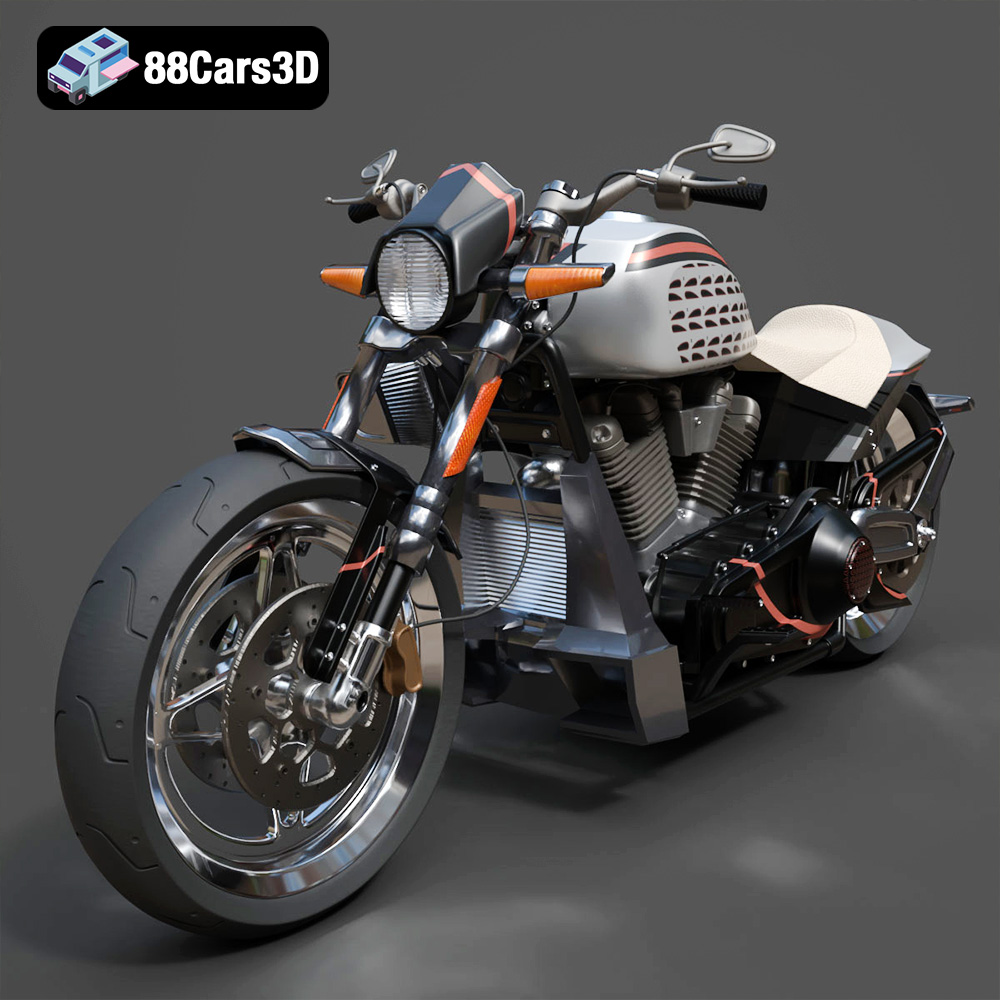
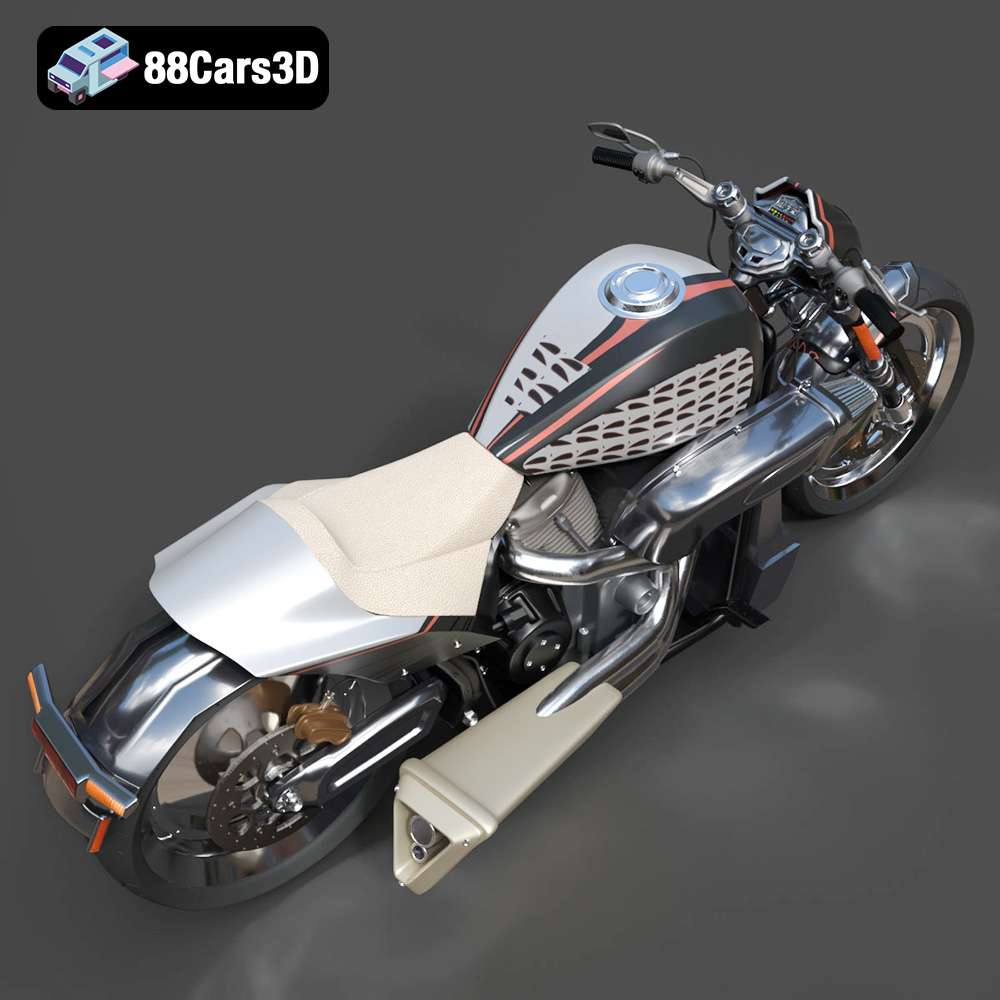
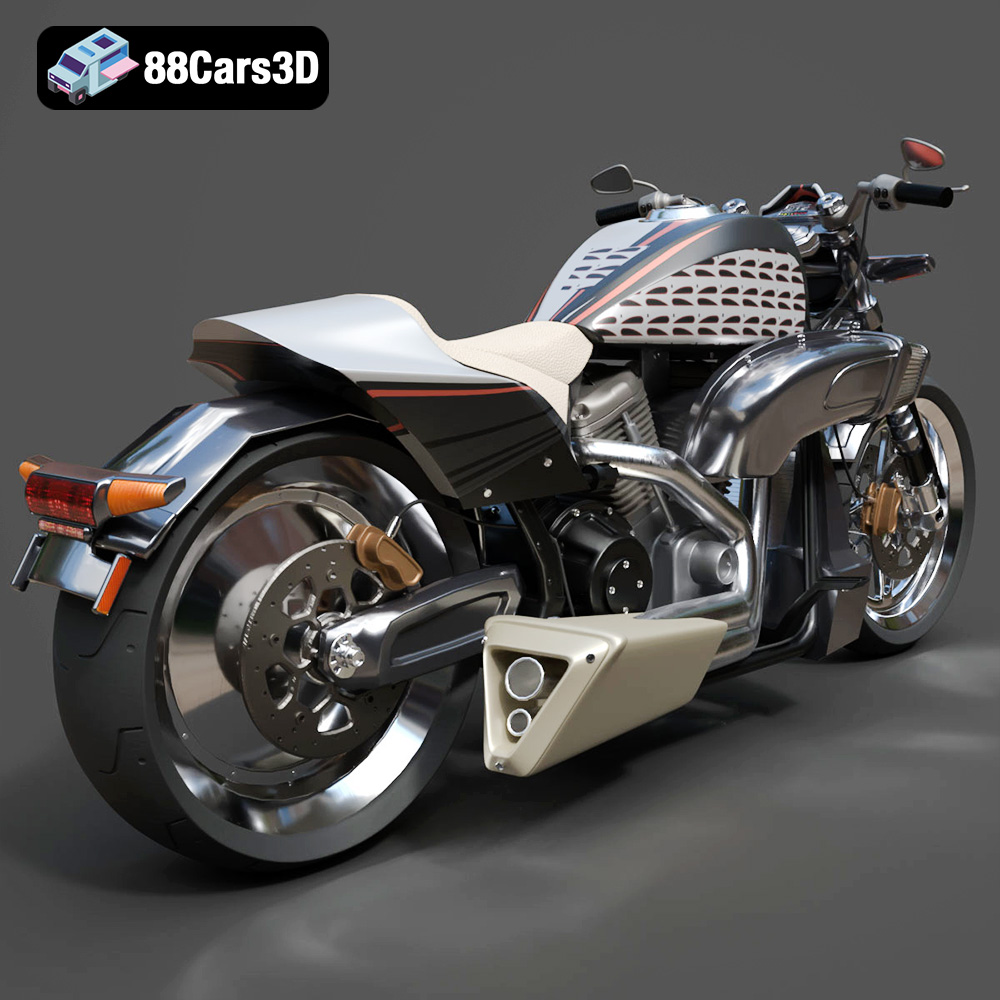
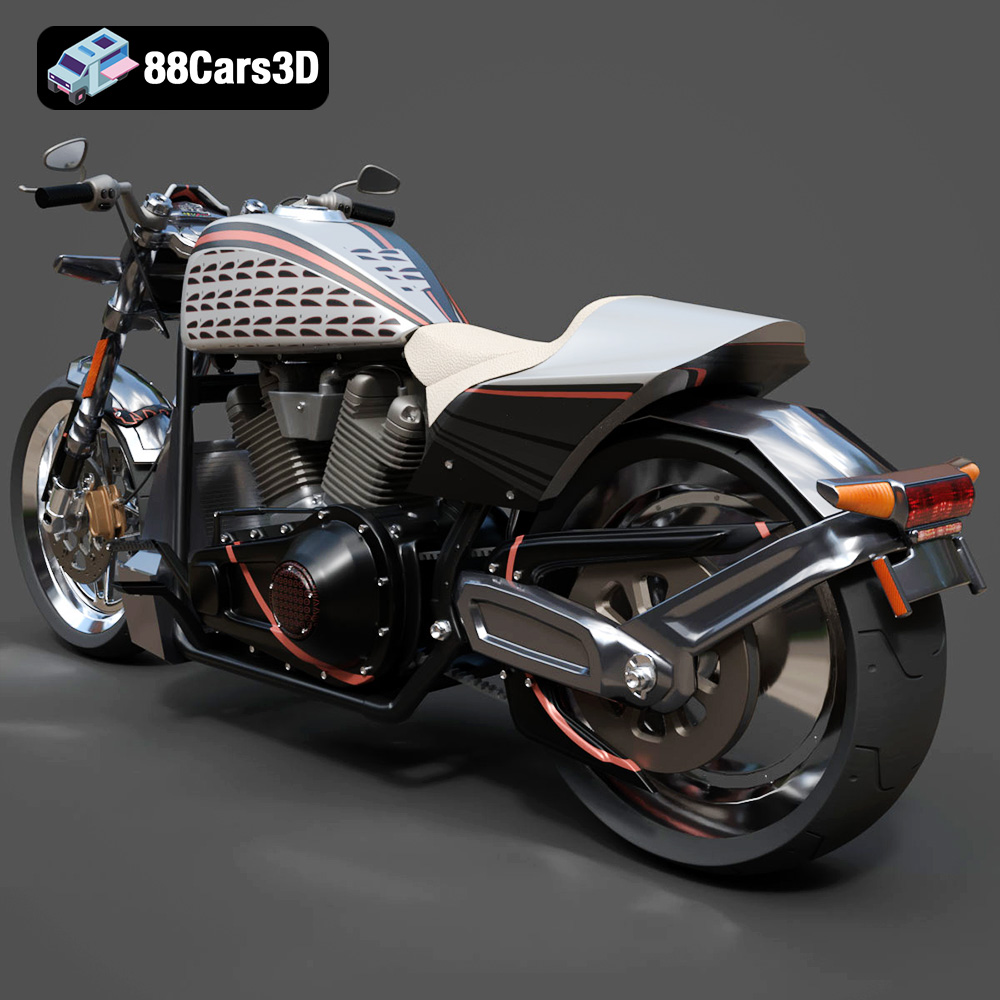
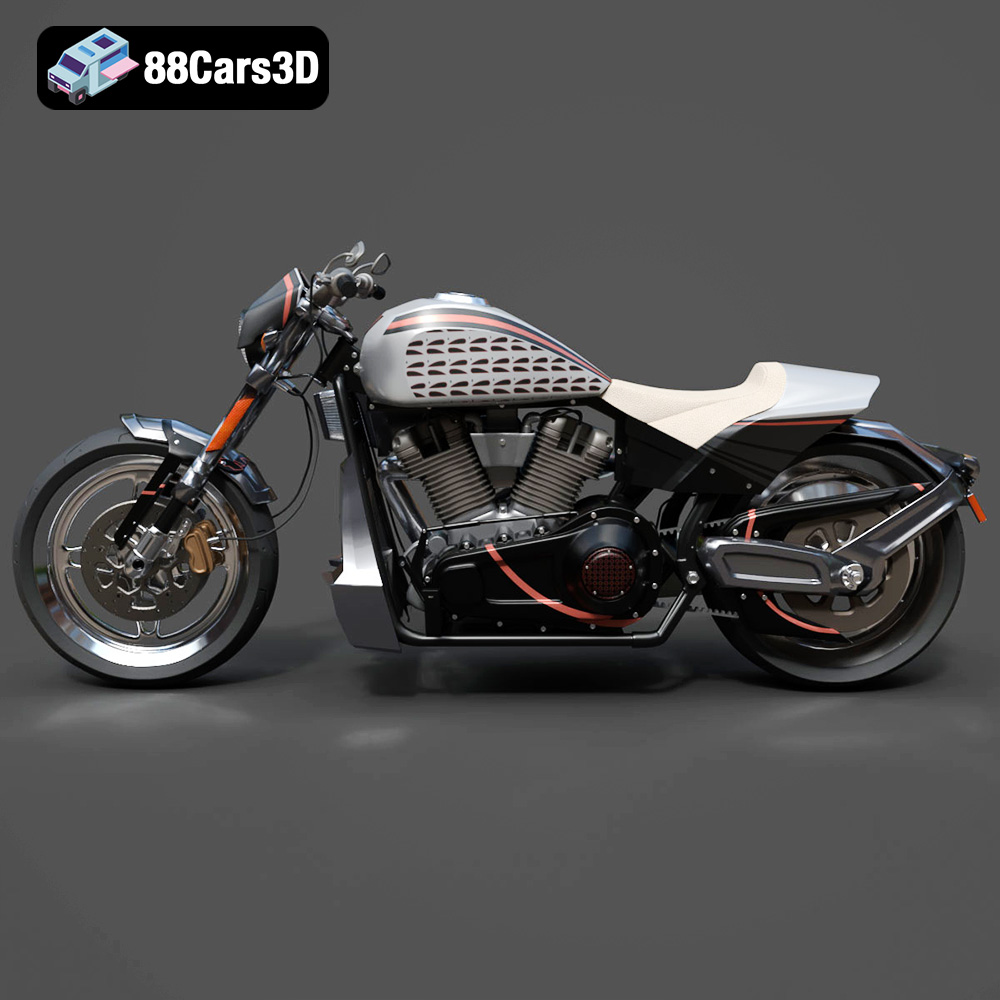
This challenge is particularly evident when recreating iconic vehicles, where every curve, every component, and every material must resonate with the original’s spirit. Enter the Harley-Davidson FXDR 114 3D Model – a prime example of how meticulous craftsmanship in 3D can capture the raw, unapologetic muscle of a legendary machine. This isn’t just a model; it’s a meticulously engineered digital twin of a drag-inspired power cruiser, designed to elevate your projects across rendering, game development, AR/VR, and even physical 3D printing. Join us as we explore the technical intricacies and creative possibilities that a high-quality asset like the FXDR 114 brings to the professional workflow.
Navigating the landscape of 3D modeling often begins with understanding the various file formats available. Each format serves a specific purpose, offering unique advantages for different stages of the production pipeline, from initial design to final deployment. The Harley-Davidson FXDR 114 3D Model provides a comprehensive suite of these formats, ensuring maximum compatibility and flexibility for professionals. Let’s break down the most common and how they apply to your projects:
The .blend file format is native to Blender, a powerful and increasingly popular open-source 3D creation suite. When you receive a .blend file, you’re getting a complete Blender scene, including the model, materials, textures, lighting, cameras, and even animation data. This format is ideal for users working primarily within Blender, offering full editability and seamless integration with Blender’s extensive toolset. For the FXDR 114, this means artists can dive straight into modifying shaders, adjusting geometry, or setting up complex rendering scenes without any import hurdles.
.fbx (Filmbox) is a proprietary file format owned by Autodesk, widely regarded as the most robust and versatile interchange format for 3D data. It excels at transferring geometry, materials, textures, animations, and rigs between different 3D software applications and game engines like Unreal Engine and Unity. Its strength lies in its ability to preserve complex scene information, making it an essential format for collaborative pipelines. When working with the FXDR 114, the .fbx variant ensures that all animated components, like wheels and steering, transfer smoothly for real-time applications or cinematic sequences.
The .obj (Wavefront OBJ) format is one of the oldest and most universally supported 3D file formats. It’s an open standard that primarily stores geometric data (vertices, normals, texture coordinates) and references external material files (.mtl). While it doesn’t support animation or rigging, its simplicity and widespread compatibility make it excellent for transferring static mesh data between virtually any 3D software. The FXDR 114’s .obj version is perfect for projects where you need a clean, unrigged mesh for initial sculpting, UV mapping, or simple rendering tasks across diverse platforms.
.glb (GLB, a binary form of glTF) is a relatively newer format rapidly gaining traction, especially for web-based 3D, augmented reality (AR), and virtual reality (VR) applications. It’s designed to be compact, efficient, and easy to load, encapsulating all necessary data (geometry, materials, textures) into a single file. This “asset delivery format” is perfect for showcasing the Harley-Davidson FXDR 114 in an interactive online viewer or integrating it into an AR app where performance and quick loading are paramount.
.stl (Stereolithography) is the standard file format for 3D printing. It represents a 3D model as a series of connected triangles, defining only the surface geometry without color or texture information. For hobbyists or professionals looking to bring the FXDR 114 into the physical world, the .stl version is crucial. It directly feeds into slicer software for preparing the model for FDM or resin printers, allowing for the creation of display-scale custom motorcycle models as detailed as 1:8 scale.
The .ply (Polygon File Format) is another widely used format for storing 3D data, particularly popular for applications involving 3D scanning, scientific visualization, and CAD/CAM. It can store various properties beyond just geometry, such as color, transparency, and even specific data per vertex or face. While not as common for general asset exchange as .fbx or .obj, the .ply format for the FXDR 114 offers a robust, precise mesh representation suitable for advanced analysis or integration into specialized engineering pipelines.
The inclusion of a dedicated .unreal file implies an asset specifically prepared or packaged for direct import and optimal performance within Unreal Engine. This often means pre-configured materials, collision meshes, LODs (Levels of Detail), and proper pivot points, significantly streamlining the integration process for game developers. The Harley-Davidson FXDR 114’s .unreal format highlights its readiness as a “hero” drivable vehicle asset, minimizing setup time for realistic game environments or cinematic sequences within the engine.
Finally, the .max file format is the native project file for Autodesk 3ds Max, a leading software for 3D modeling, animation, rendering, and visual effects. Similar to .blend, a .max file contains the complete scene data, allowing 3ds Max users to access all model components, modifiers, materials, lighting, and animation setups as they were created. For those leveraging 3ds Max for high-end automotive rendering or detailed scene construction, the FXDR 114’s .max file offers the ultimate flexibility for customization and advanced visualization.
This diverse range of formats available for the Harley-Davidson FXDR 114 3D Model from 88cars3d.com underscores its adaptability, ensuring that regardless of your software preference or project requirements, you have the right tool for the job.
Creating a truly convincing 3D automotive model is a blend of artistic talent and technical mastery. It’s about capturing not just the visual likeness but the very essence of a vehicle. The Harley-Davidson FXDR 114 3D Model stands as a testament to this philosophy, meticulously designed to convey the aggressive, drag-inspired character of the original machine.
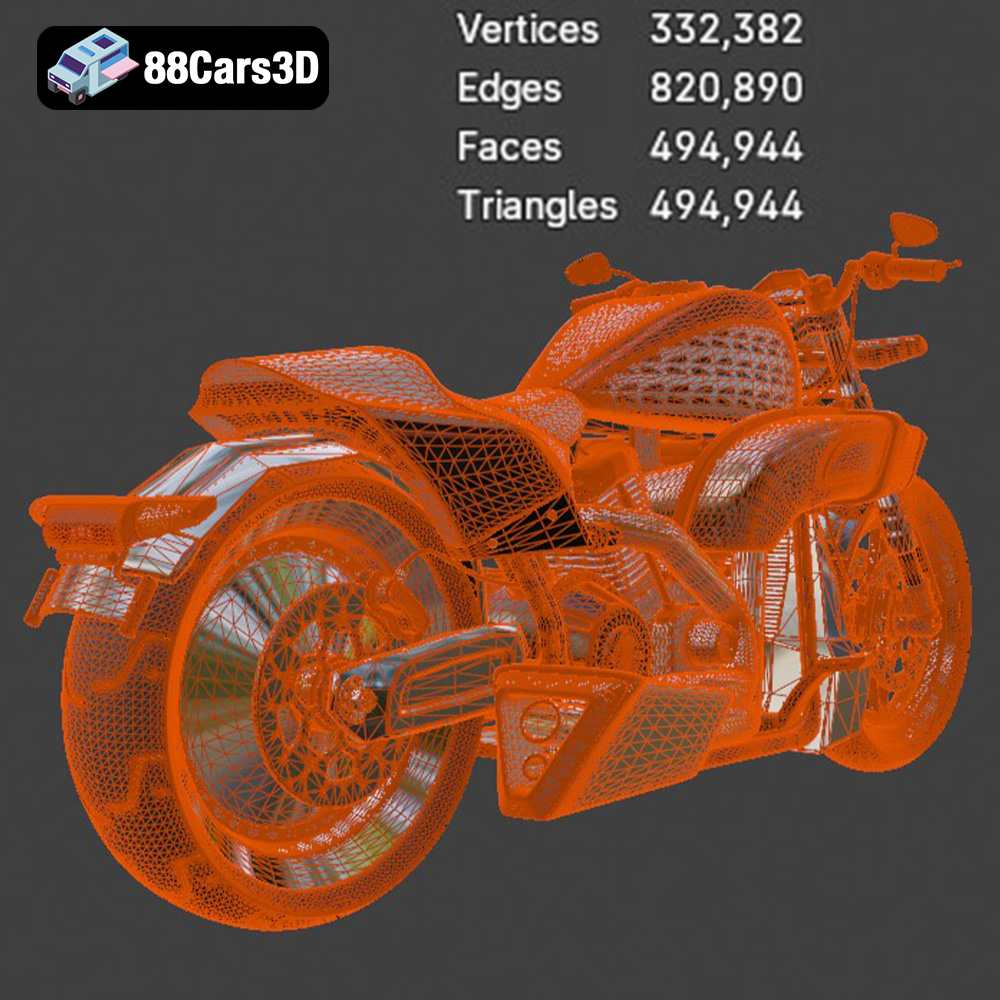
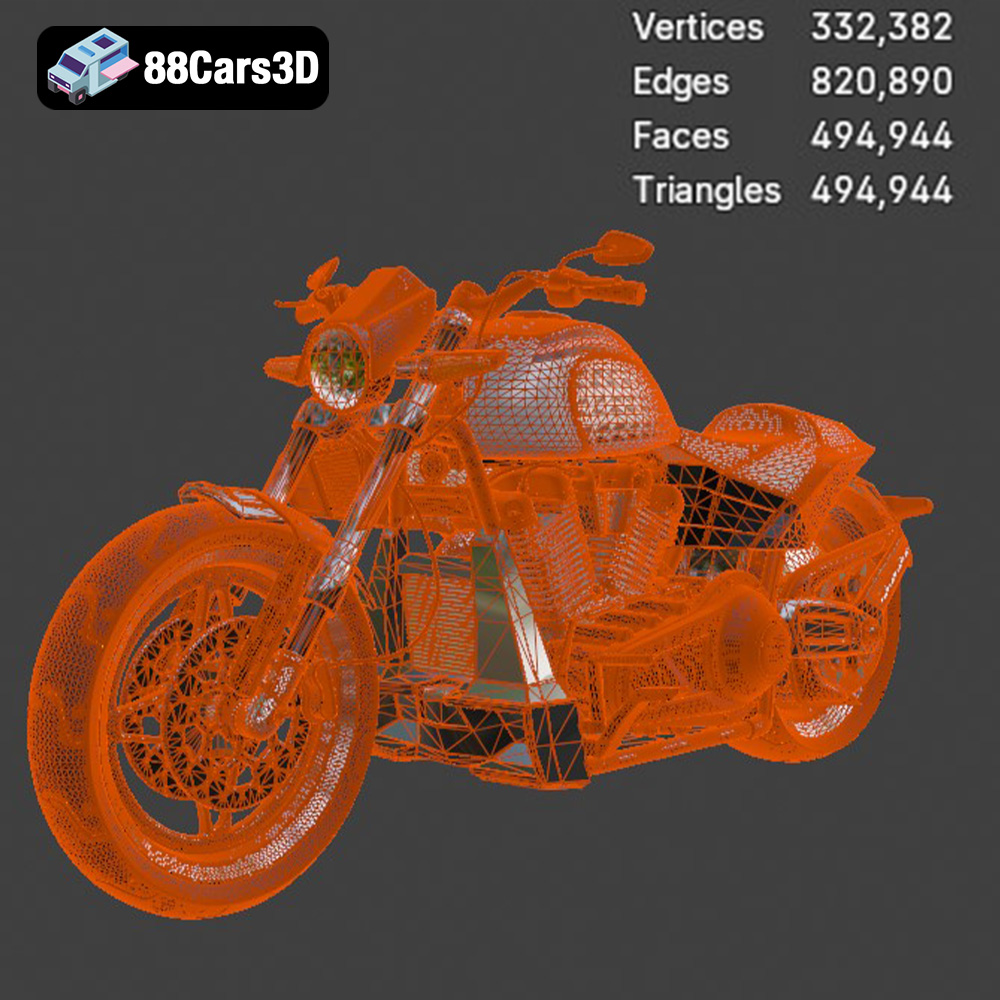
One of the core challenges in 3D modeling is striking the perfect balance between visual detail and performance. A model that looks great but bogs down a game engine or renders slowly is impractical. The FXDR 114 model addresses this head-on with an optimized mid-to-high polygon topology, boasting just under 500k triangles (494,944 to be exact). This “perfectly balanced topology” ensures premium visual fidelity for extreme close-up rendering, allowing every curve of the Milwaukee-Eight 114 V-Twin engine or the subtle textures of the solo saddle to shine. Yet, it remains lean enough for modern current-gen game engines, making it an ideal hero asset where high detail is crucial without the crushing engine load of multi-million polygon models.
Beyond raw polygon count, the realism of a 3D model heavily relies on its materials and textures. For the FXDR 114, this means accurately representing the varied surfaces: the gleam of chrome, the matte finish of the engine block, the texture of the seat leather, and the unique properties of rubber tires. High-quality materials, often leveraging Physically Based Rendering (PBR) workflows, are essential for interaction with diverse lighting conditions, from the harsh glare of a street light to the subtle bounce of ambient occlusion in a studio setup. The product’s description confirms “Texture: Yes | Material: Yes,” indicating it’s ready for advanced rendering engines, ensuring the model appears as authentic as possible under any lighting scenario.
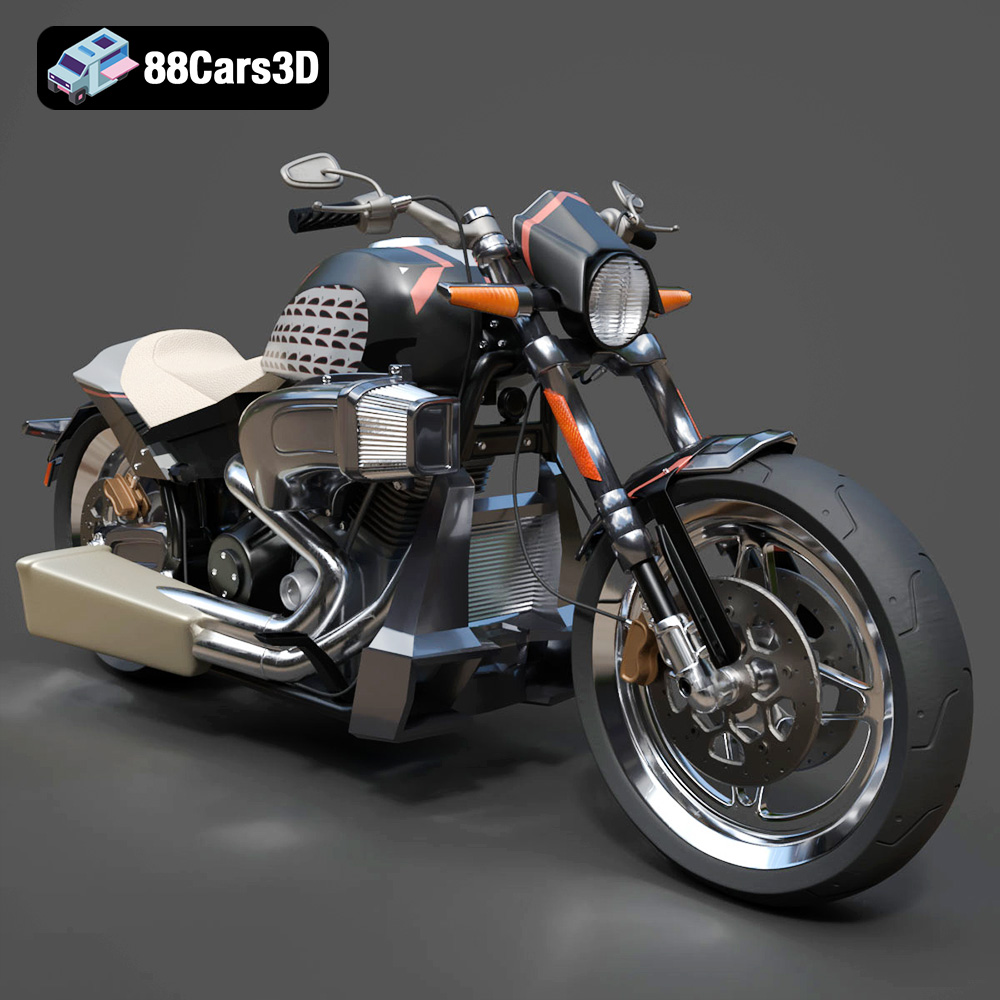
For enthusiasts, accuracy is paramount. The FXDR 114 3D Model excels here, capturing the drag-strip attitude with remarkable precision. Every feature, from the signature forward-reaching air intake and the performance 2-into-1 exhaust system to the massive 240mm rear tire and the distinctive LED Daymaker headlight, is faithfully recreated. The separate components for wheels, steering, and suspension are not just for visual accuracy but also for functional animation, enabling realistic vehicle dynamics in game engines or cinematic presentations. The real-world scale accuracy based on the FXDR Softail chassis further reinforces its authenticity, making it a reliable asset for serious projects.
A high-quality 3D asset’s true value is measured by its seamless integration into various professional pipelines. The Harley-Davidson FXDR 114 3D Model, with its diverse file formats and optimized topology, is engineered for versatility across the most demanding creative industries. Whether you’re a veteran game developer, a commercial renderer, or an AR/VR innovator, this model is designed to accelerate your project.
For artists focused on photorealistic automotive rendering, the FXDR 114 offers an exceptional foundation. In software like Autodesk 3ds Max (using the .max file) or Blender (with the .blend file), the model comes complete with a well-organized mesh and potentially pre-configured materials, ready for sophisticated lighting setups. The separate components for animation – wheels, steering, suspension – allow for dynamic studio shots, showcasing the bike in motion or articulated poses. Artists can leverage powerful renderers like V-Ray, Corona, Octane, or Cycles to achieve stunning, lifelike imagery for advertising, product visualization, or editorial content. The “Perfectly Balanced Topology” ensures that even extreme close-ups of the Milwaukee-Eight 114 engine or the intricate braking system will hold up under scrutiny, making it ideal for high-impact lifestyle campaigns.
The gaming industry demands efficiency without sacrificing visual quality, a balance the FXDR 114 model strikes perfectly. Designed as an excellent “hero” drivable vehicle for current-gen console and PC games, its mid-to-high polygon count is manageable for real-time rendering. With support for .fbx and dedicated .unreal formats, integration into Unreal Engine 5 or Unity’s High Definition Render Pipeline (HDRP) is streamlined. Proper pivot setups for steering and wheel rotation are crucial for realistic vehicle physics and animation, ensuring a compelling in-game experience. The optimized geometry also supports various LODs (Levels of Detail) for efficient rendering across different distances, maintaining performance without compromising visual fidelity up close.
As augmented and virtual reality continue to mature, the need for performant yet highly detailed 3D assets becomes more critical. The FXDR 114 3D Model, especially in its .glb format, is perfectly suited for high-end virtual motorcycle showrooms or interactive part configurators. Users can explore the bike in 360 degrees, customize colors (like Vivid Black or Rawhide Denim), or examine intricate details of the engine and exhaust system up close. Its balanced polygon count prevents performance bottlenecks common in AR/VR, providing a smooth, immersive experience whether on a powerful headset or a mobile device. Imagine a prospective buyer virtually walking around the FXDR 114, seeing it in their driveway via AR, or even swapping out virtual aftermarket pipes.
Beyond its default stunning appearance, the Harley-Davidson FXDR 114 3D Model serves as a versatile canvas for boundless creative expression. Its robust structure and meticulous detailing provide the perfect springboard for personalization, catering to both digital and physical manifestations of this iconic power cruiser.
The beauty of a high-quality 3D asset lies in its adaptability. While the FXDR 114 model is a faithful recreation of the original, it also invites extensive customization. Artists can easily change the fuel tank and tail cowl colors, experimenting with classic Harley shades like Vivid Black or more aggressive options like Rawhide Denim or Black Denim. The ability to swap out the massive 2-into-1 exhaust for custom aftermarket pipes opens up a world of modding possibilities, allowing for unique visual statements. Furthermore, incorporating custom baked normal maps can simulate even higher-poly engine casing details, pushing the envelope of visual realism without burdening polygon count. This level of flexibility ensures the model can be tailored to any project’s specific aesthetic or narrative, from gritty urban street-racing scenes to stylized cyberpunk landscapes.
High-quality 3D models like the FXDR 114 are indispensable tools across various entertainment and commercial sectors. In advertising, they allow agencies to create stunning product visuals without the expense of physical photoshoots, perfect for lifestyle brand campaigns or digital brochures. For film and animation, this model can be a hero vehicle in a CGI sequence, seamlessly integrated into live-action footage or fully animated scenes. Its detail level is sufficient for cinematic close-ups, making it suitable for music videos, television commercials, or even animated features. Game developers can utilize it not only as a drivable asset but also as a central narrative element or a focal point in environmental storytelling, adding depth and authenticity to their virtual worlds.
Perhaps one of the most exciting applications of the Harley-Davidson FXDR 114 3D Model is its suitability for 3D printing. The inclusion of the .stl format means that digital creativity can be brought into the physical world. Hobbyists and collectors can print their own display-scale custom motorcycle models. The product even provides detailed 3D print settings, recommending scales like 1:12, 1:10, or 1:8, and emphasizing resin printing for preserving fine details like the engine cooling fins and wheel spokes. This turns the digital asset into a tangible collectible, offering a new dimension of interaction. Post-processing suggestions, such as sanding, primer, and specific paint finishes, further guide creators in achieving a professional, museum-quality physical replica.
In a competitive digital landscape, the choice of 3D assets can significantly impact a project’s success. Investing in high-quality 3D car models, such as the Harley-Davidson FXDR 114 available on 88cars3d.com, is not merely a purchase but a strategic decision that brings multiple advantages to creative professionals and studios alike.
Creating complex 3D models from scratch, especially detailed automotive designs, is an incredibly time-consuming and resource-intensive process. It requires specialized skills in modeling, UV mapping, texturing, and rigging. By utilizing a professionally pre-made asset like the FXDR 114, artists and developers can save hundreds, if not thousands, of hours. This allows teams to allocate their valuable time and expertise to other critical aspects of a project, such as scene composition, animation, programming, or storytelling, dramatically accelerating production timelines and reducing overall costs.
Purchasing assets from reputable sources like 88cars3d.com ensures a level of quality and consistency that is often difficult to achieve in-house, especially for smaller studios or individual artists. The Harley-Davidson FXDR 114 3D Model is built with specific technical specifications – optimized polygon counts, real-world scale, proper pivot setups, and compatibility with major software and engines. This guarantees that the asset will perform reliably, look good across various platforms, and integrate smoothly without unforeseen technical hurdles. This consistency is vital for maintaining high standards in client work, game development, or visual effects production.
Access to a diverse library of high-quality 3D assets empowers artists to explore creative avenues that might otherwise be out of reach due to time or budget constraints. The Harley-Davidson FXDR 114, with its aggressive styling and powerful presence, can inspire new project ideas or enhance existing ones, allowing creators to bring specific visions to life without compromise. Whether it’s a specific vehicle for a game level, a prop for an architectural visualization, or a centerpiece for a product launch, having such assets readily available broadens the scope of what’s possible, fostering innovation and pushing creative boundaries.
In the intricate landscape of 3D content creation, the difference between a good project and an exceptional one often lies in the quality of its foundational assets. The Harley-Davidson FXDR 114 3D Model stands as a powerful testament to this principle, offering an unparalleled blend of intricate detail, technical optimization, and broad compatibility. From its meticulously recreated Milwaukee-Eight 114 V-Twin engine to its perfectly balanced 494k triangle topology, every aspect of this model has been crafted to meet the rigorous demands of modern professional workflows.
Whether you are rendering a high-impact advertising campaign, developing a next-generation open-world game, designing an immersive AR/VR experience, or bringing a physical scale model to life through 3D printing, the FXDR 114 provides the robust foundation you need. Its support for a wide array of formats, including .blend, .fbx, .obj, .glb, .stl, .ply, .unreal, and .max, ensures seamless integration into any pipeline, while its customization potential allows for endless creative adaptation.
By choosing premium 3D car models like the Harley-Davidson FXDR 114 from 88cars3d.com, you’re not just acquiring a digital asset; you’re investing in efficiency, quality, and the limitless potential to accelerate your creative vision. Embrace the power, precision, and performance of this exceptional 3D model, and transform your projects with an asset that truly embodies the spirit of an icon.
The Harley-Davidson FXDR 114 3D Model is a high-detail digital recreation of the aggressive, drag-inspired power cruiser. Built to represent raw, unapologetic muscle, the FXDR 114 combines the massive torque of the Milwaukee-Eight 114 V-Twin engine with weight-saving aluminum components, a clipped tail, and a massive 240mm rear tire. This 3D model accurately captures the drag-strip attitude of the original bike, featuring the signature forward-reaching air intake, 2-into-1 tuned exhaust, lightweight cast aluminum swingarm, and the sleek LED Daymaker headlamp surround. Built with an optimized mid-to-high polygon topology (just under 500k triangles), it strikes a fantastic balance between premium visual fidelity for close-up rendering and manageable performance for modern current-gen game engines as a hero asset. Perfectly balanced for rendering, modern game development, and 3D printing. Includes .blend, .fbx, .obj, .glb, .stl, .ply, .unreal, and .max formats.
$44.99
.blend
.fbx
.obj
.rendering
.stl
car-3d-model
drag-bike
fxdr
fxdr-114
game asset
harley-davidson
mid-poly
milwaukee-eight
motorcycle-3d-model
power-cruiser
softail
VR/AR