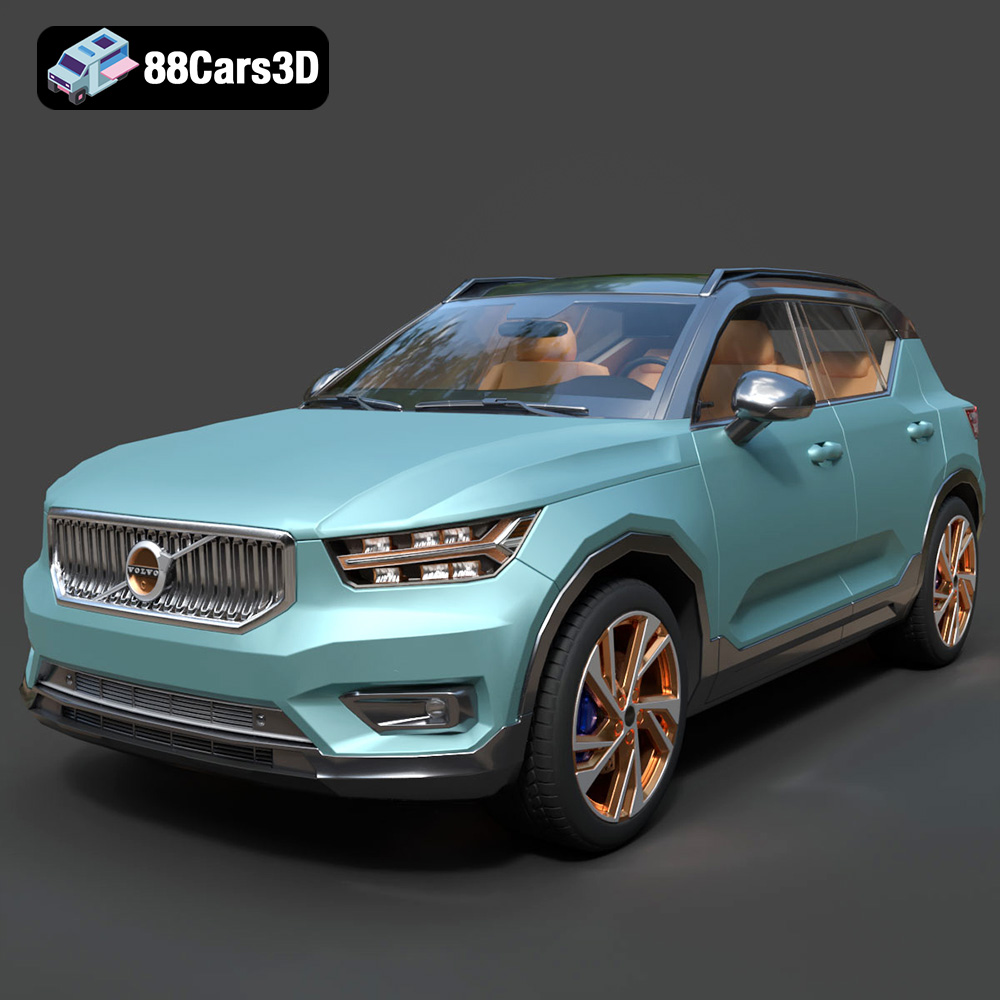
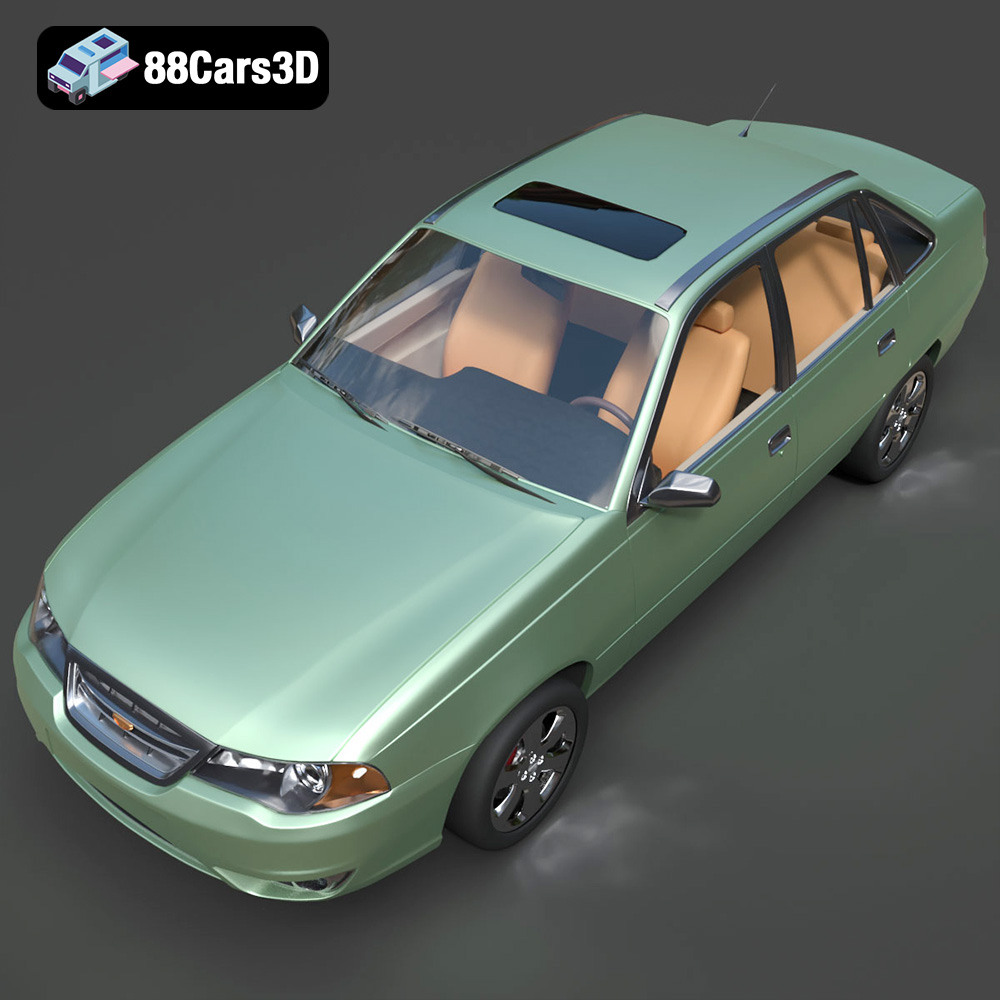
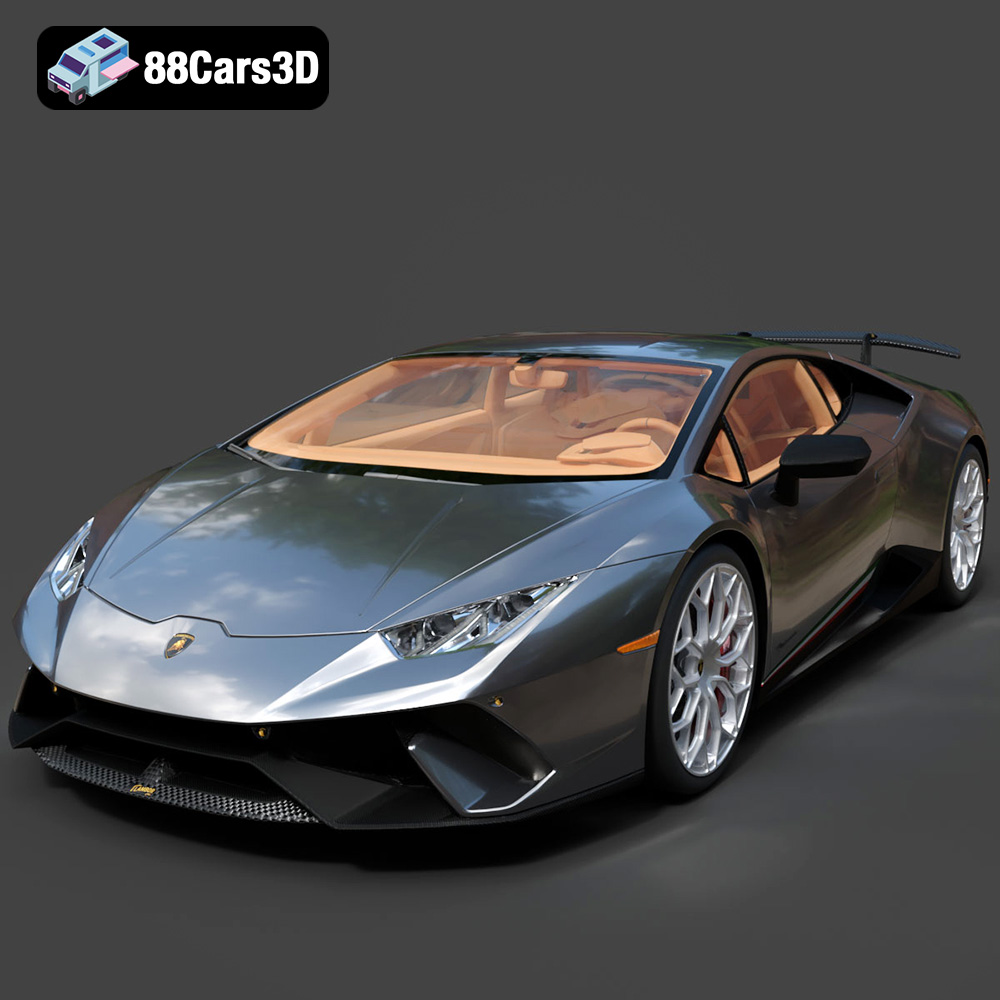
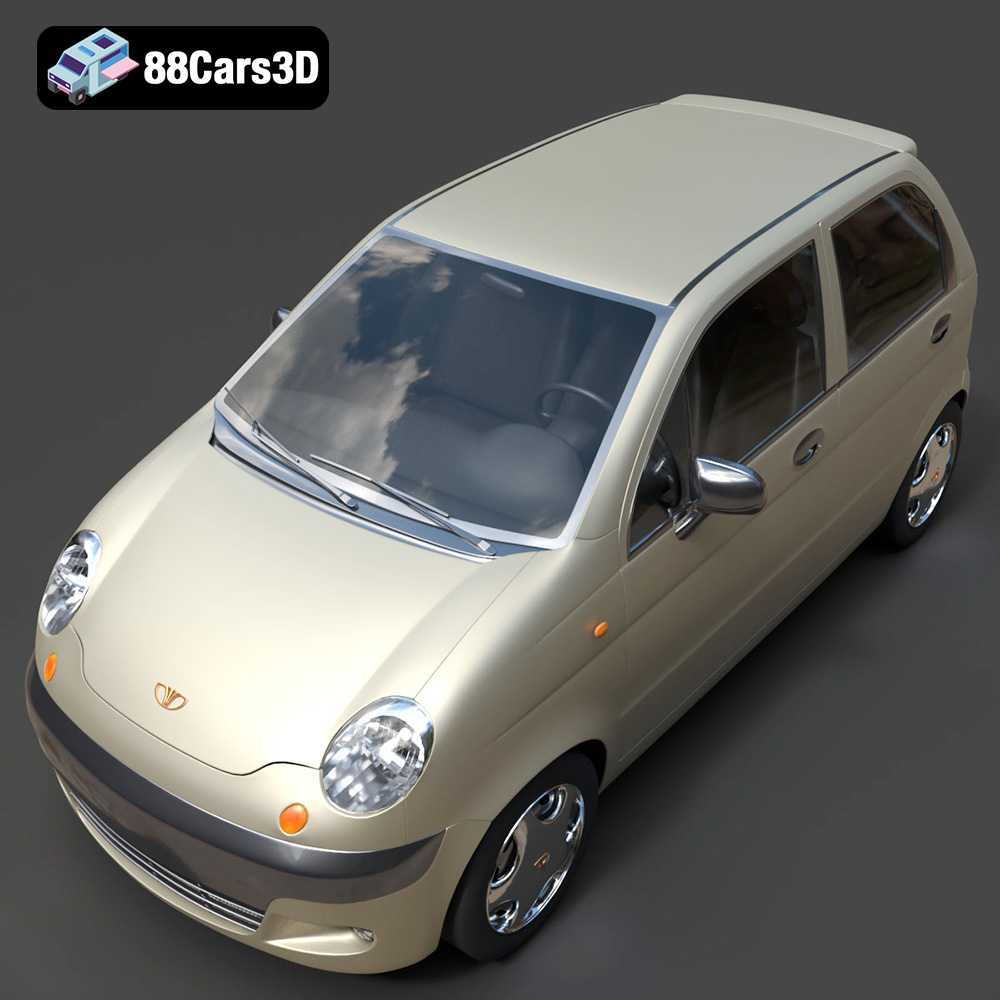
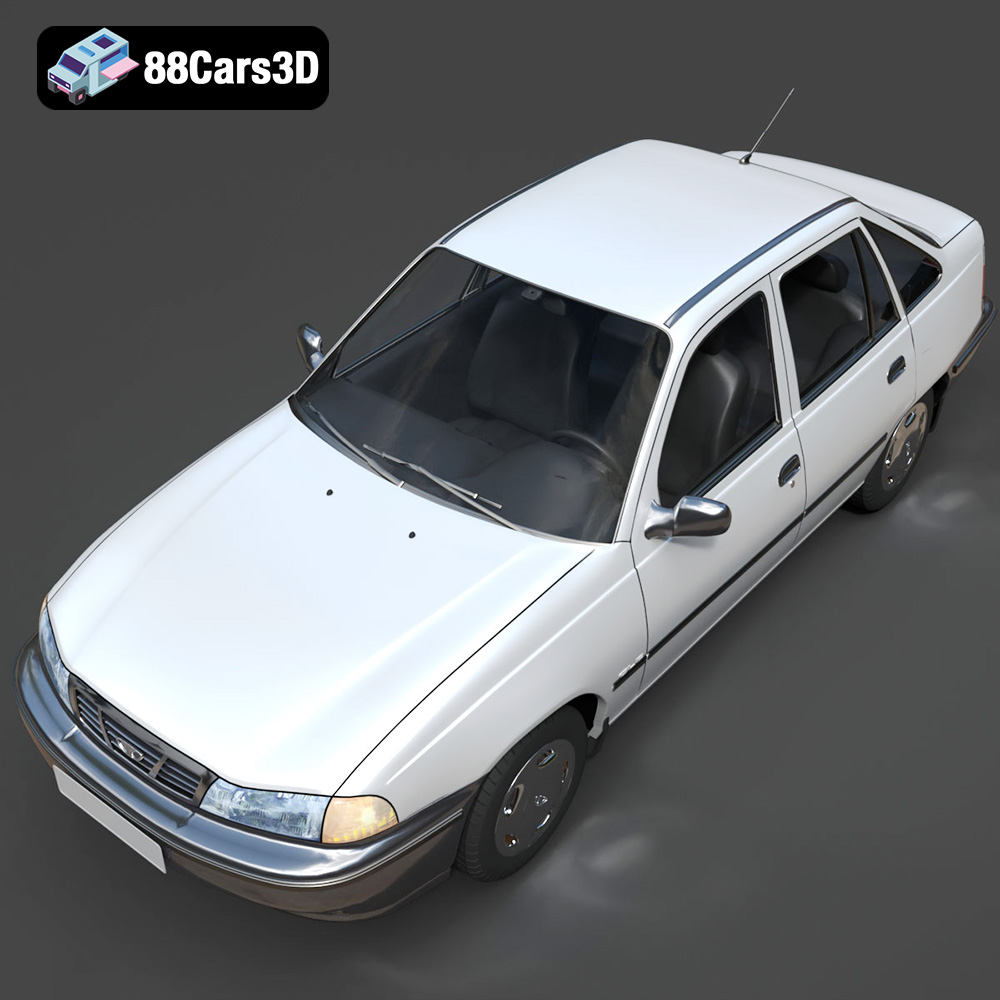
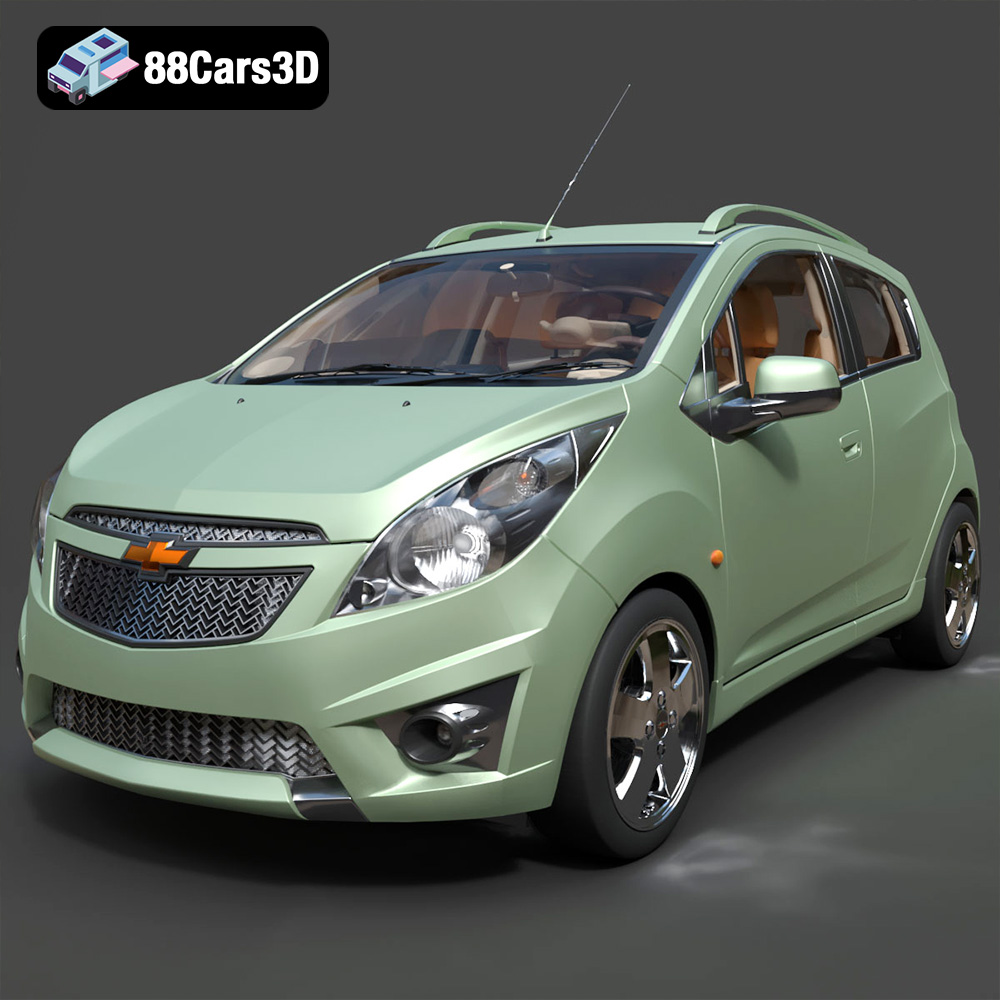
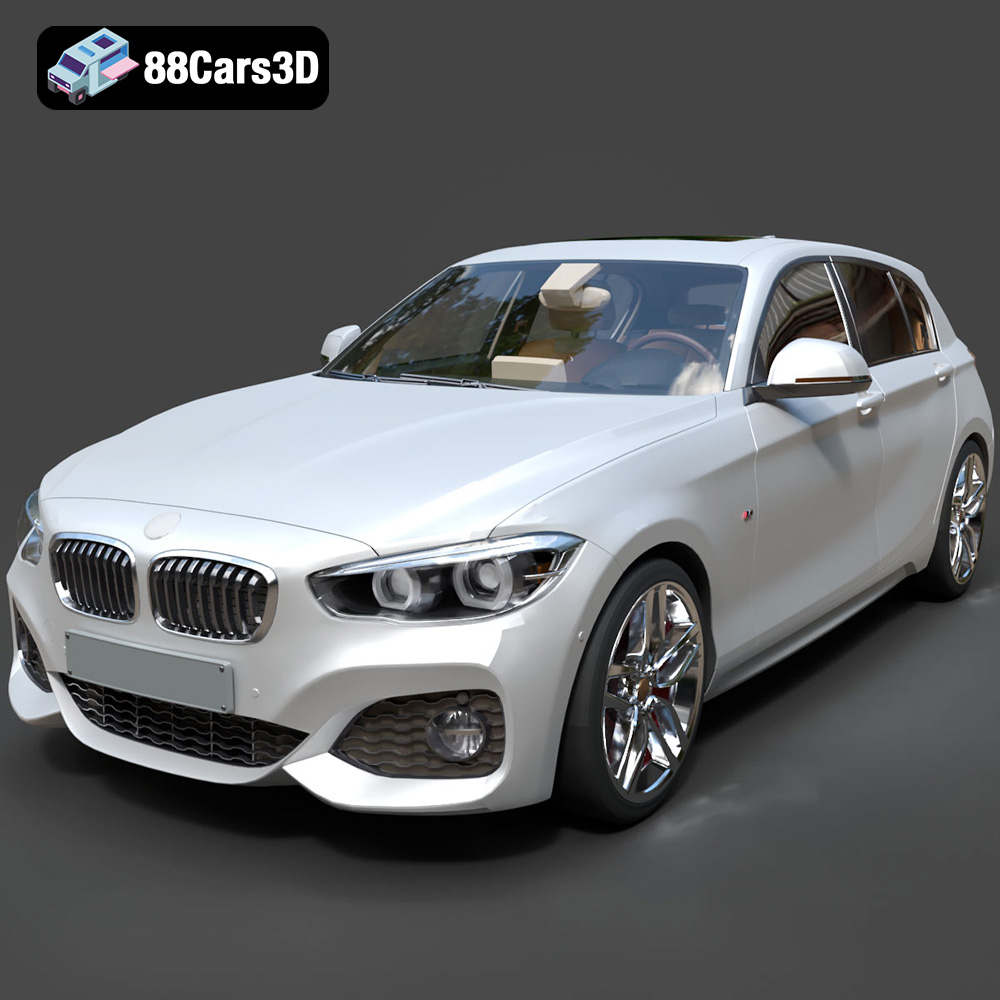
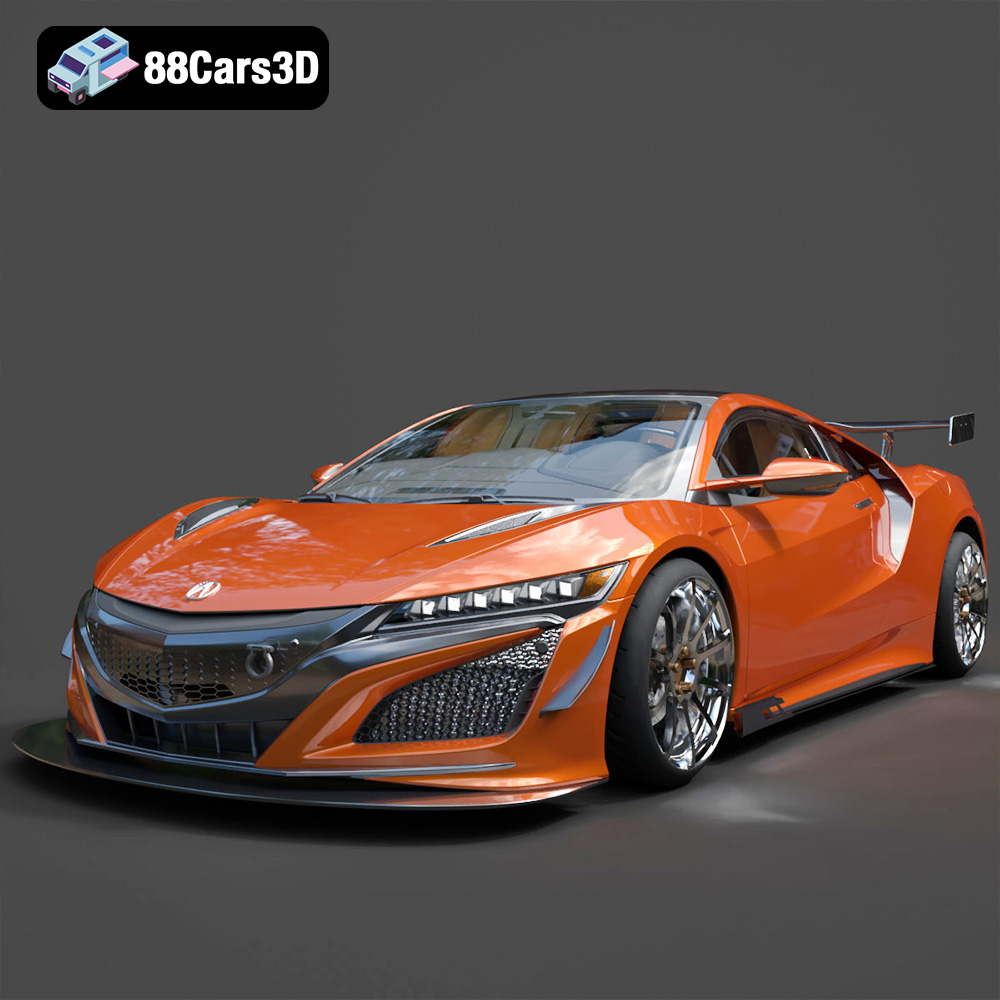
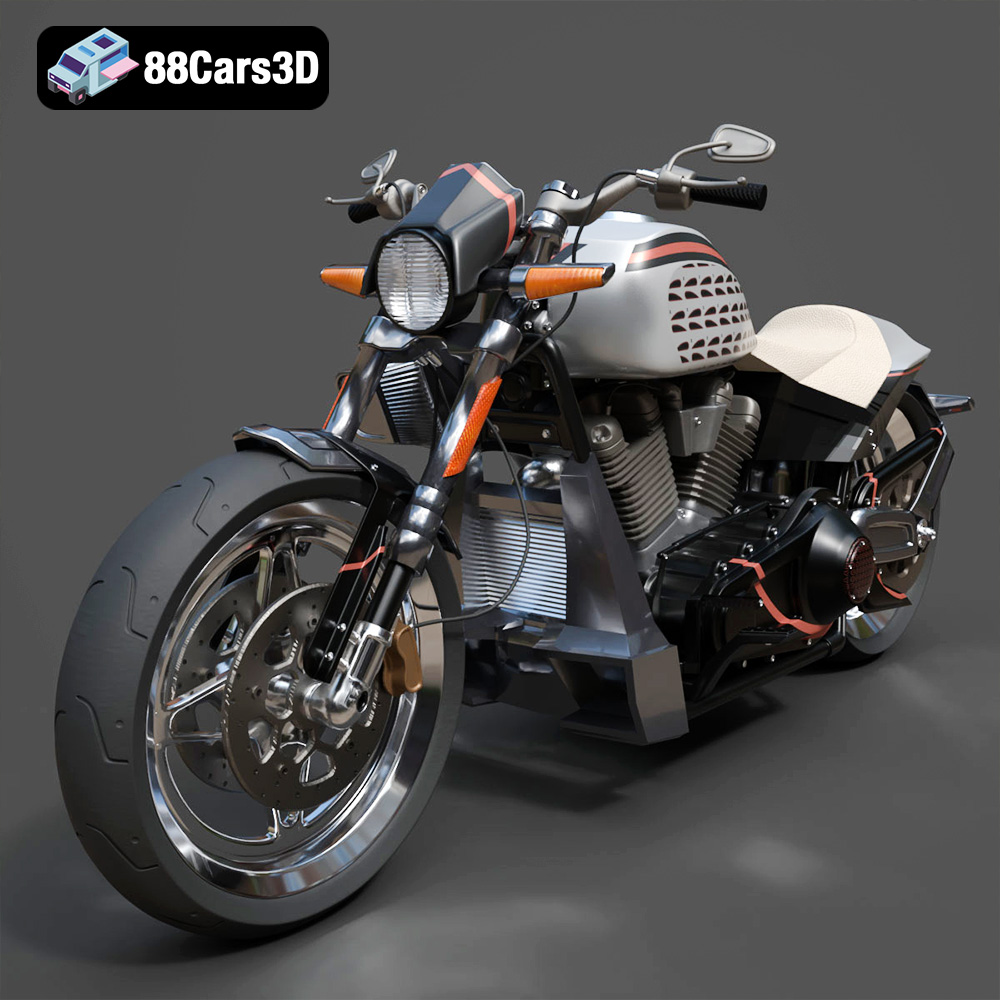
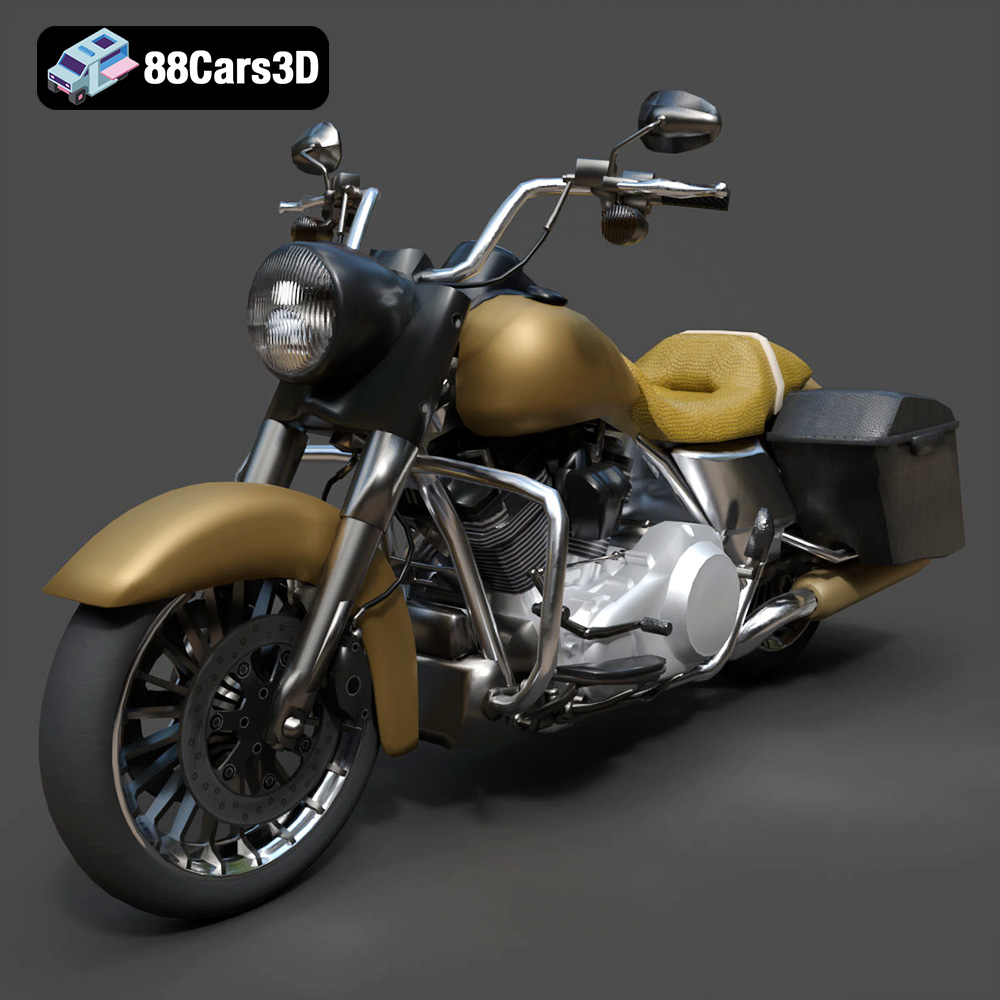
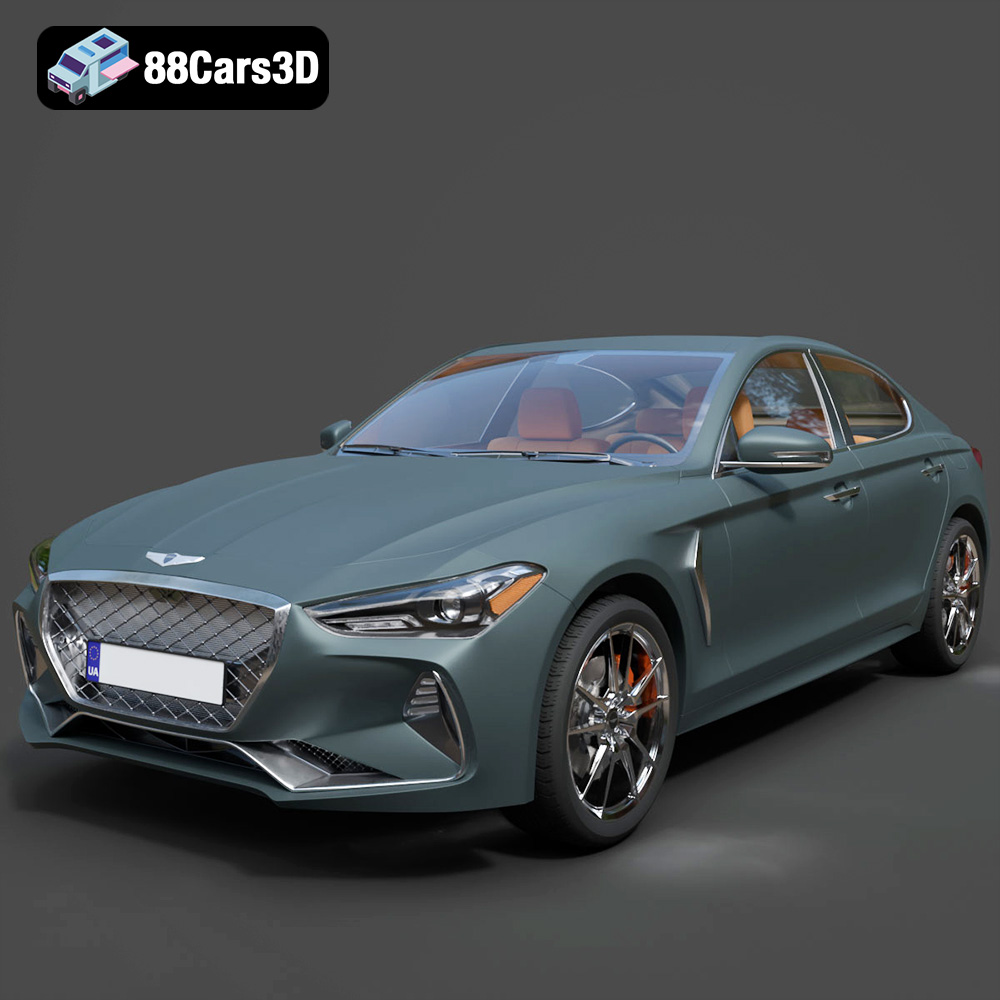
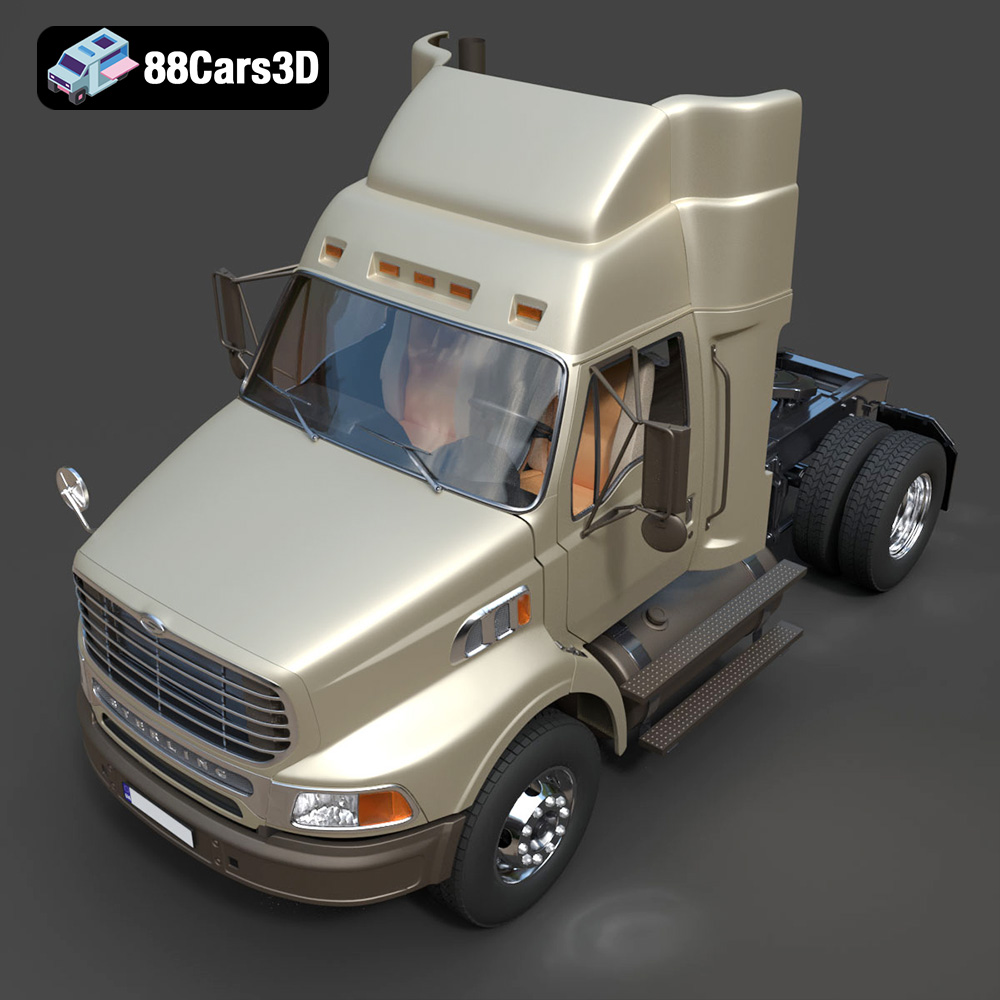
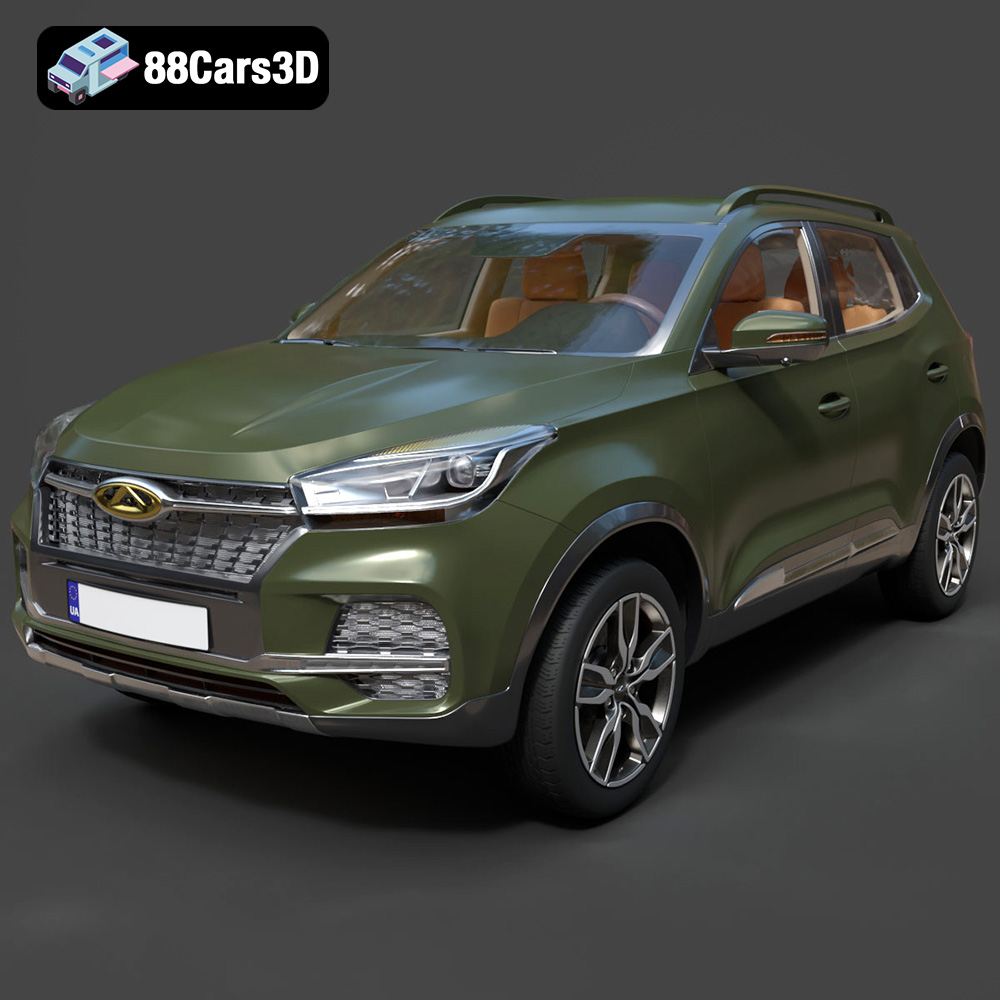
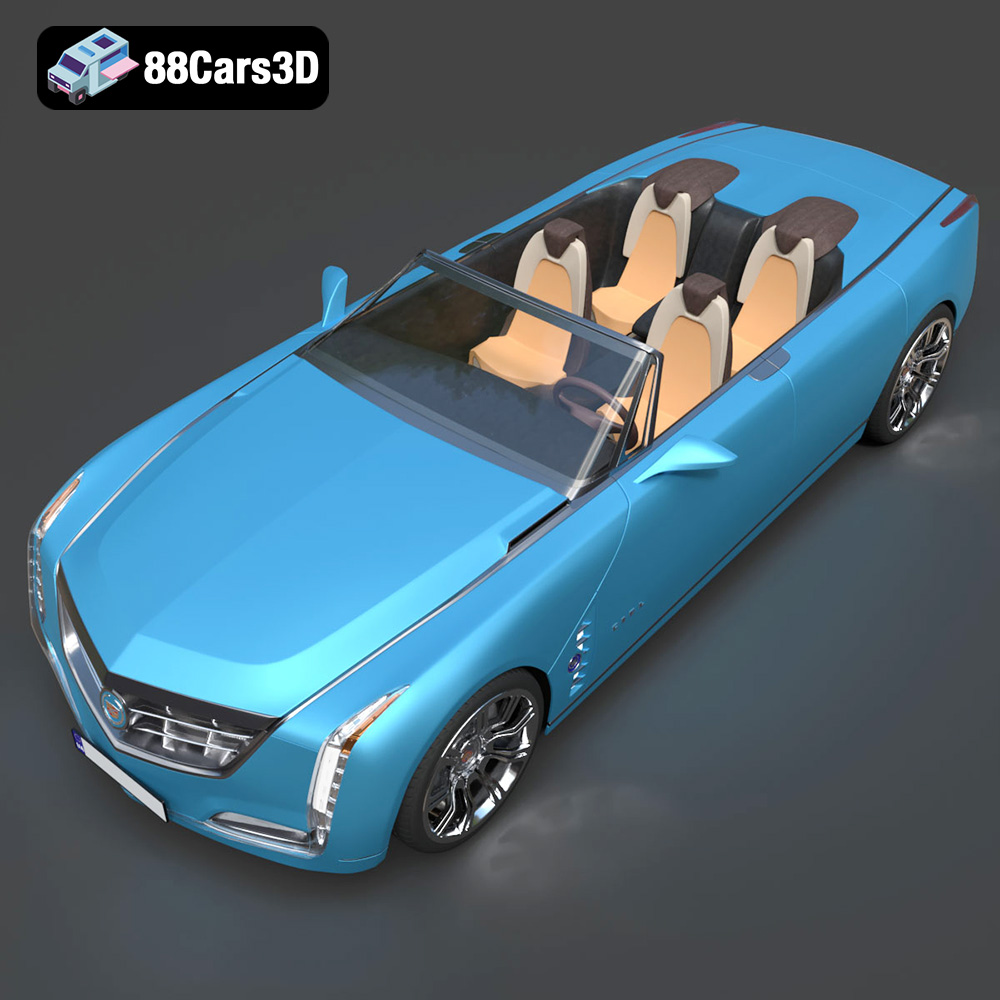
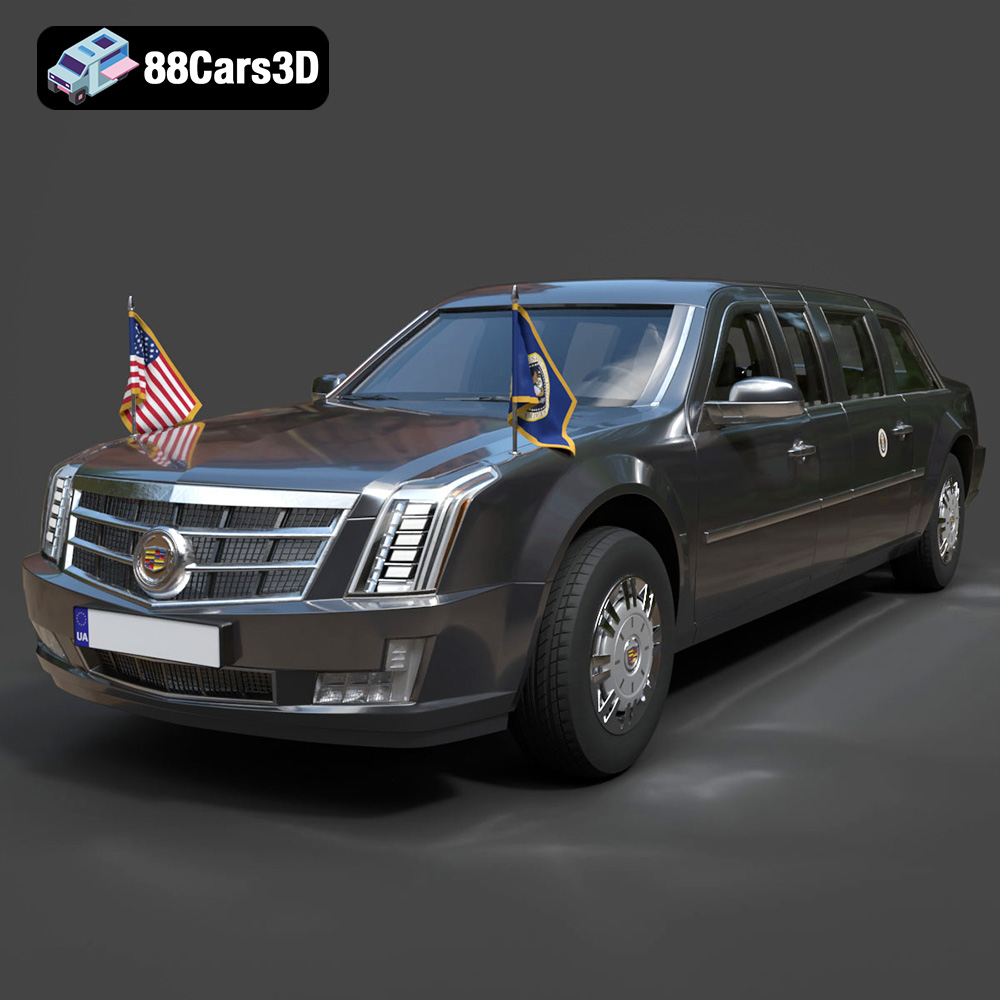
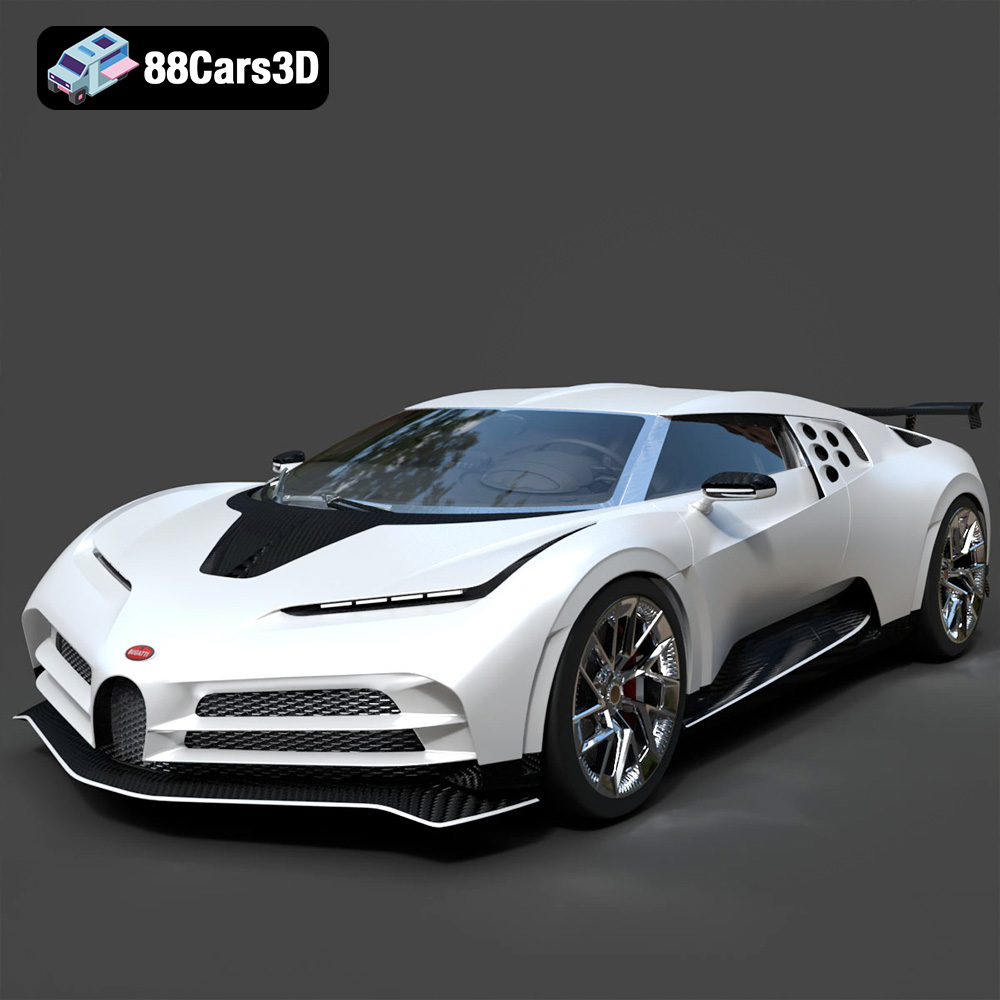
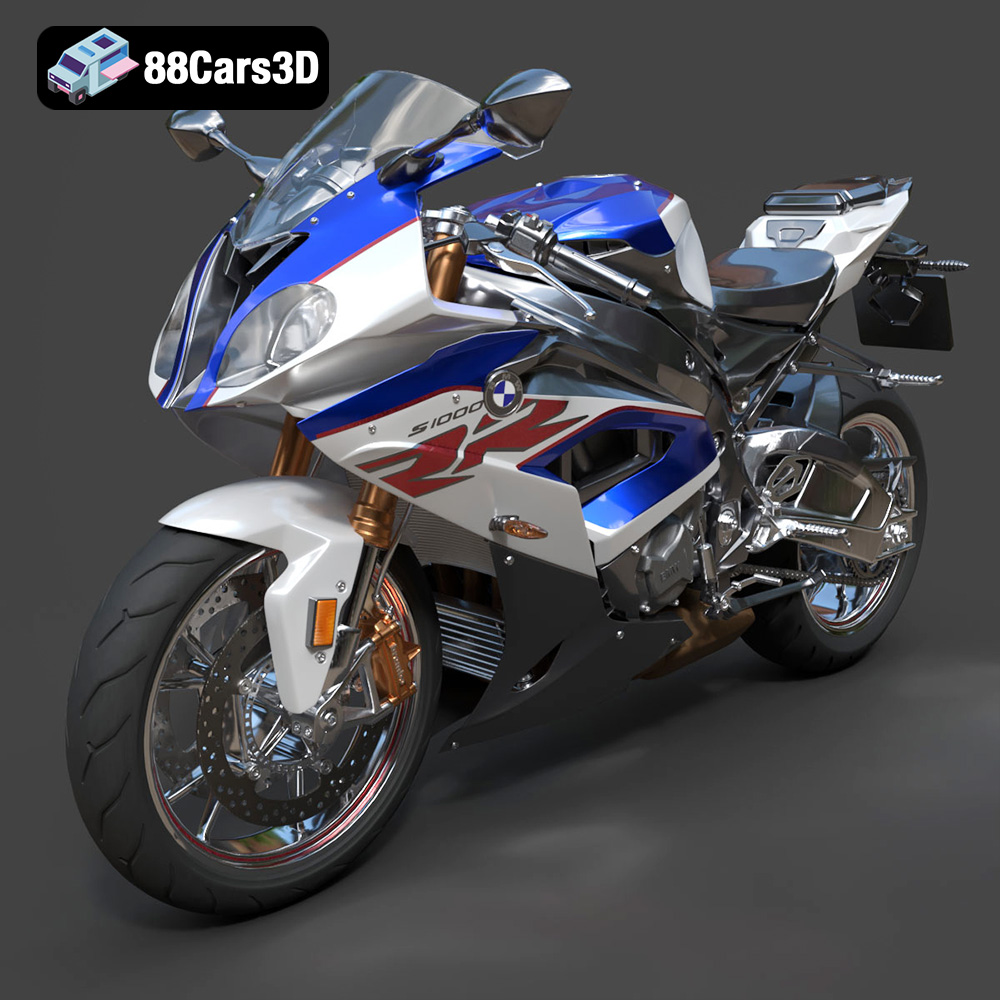
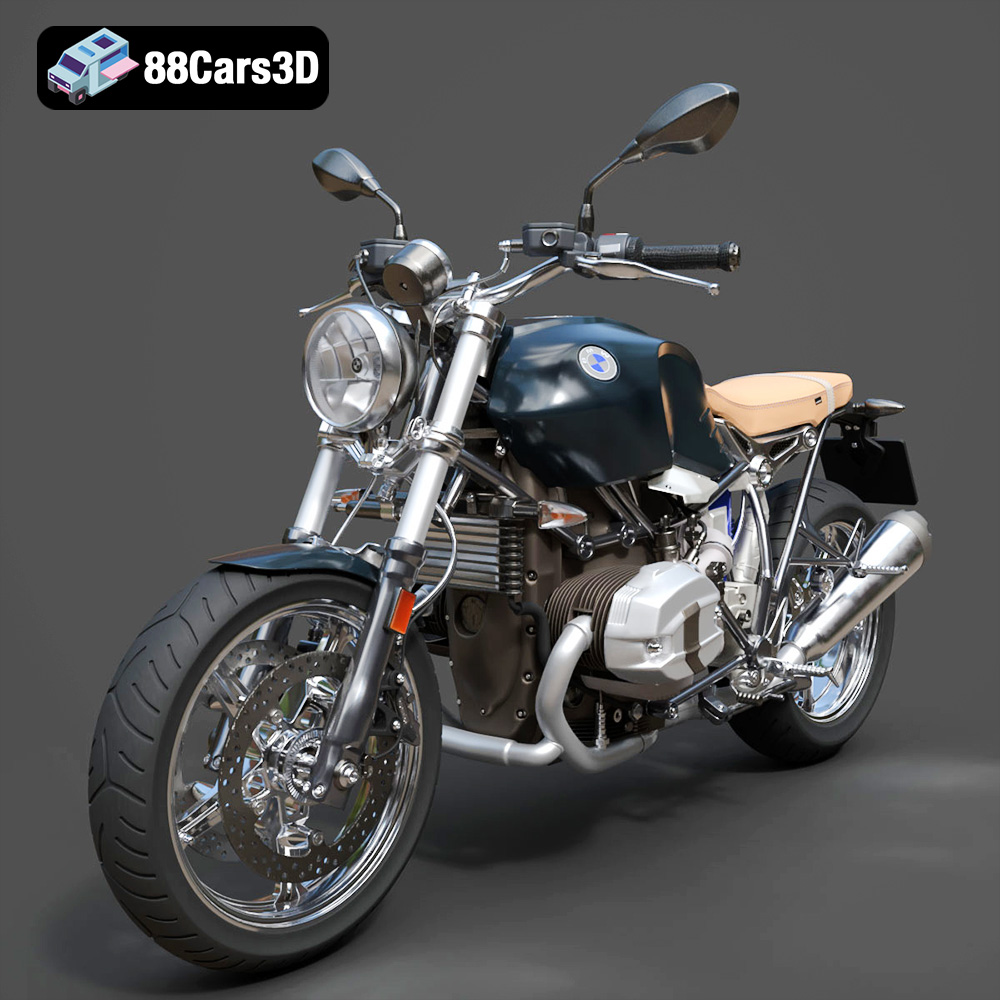
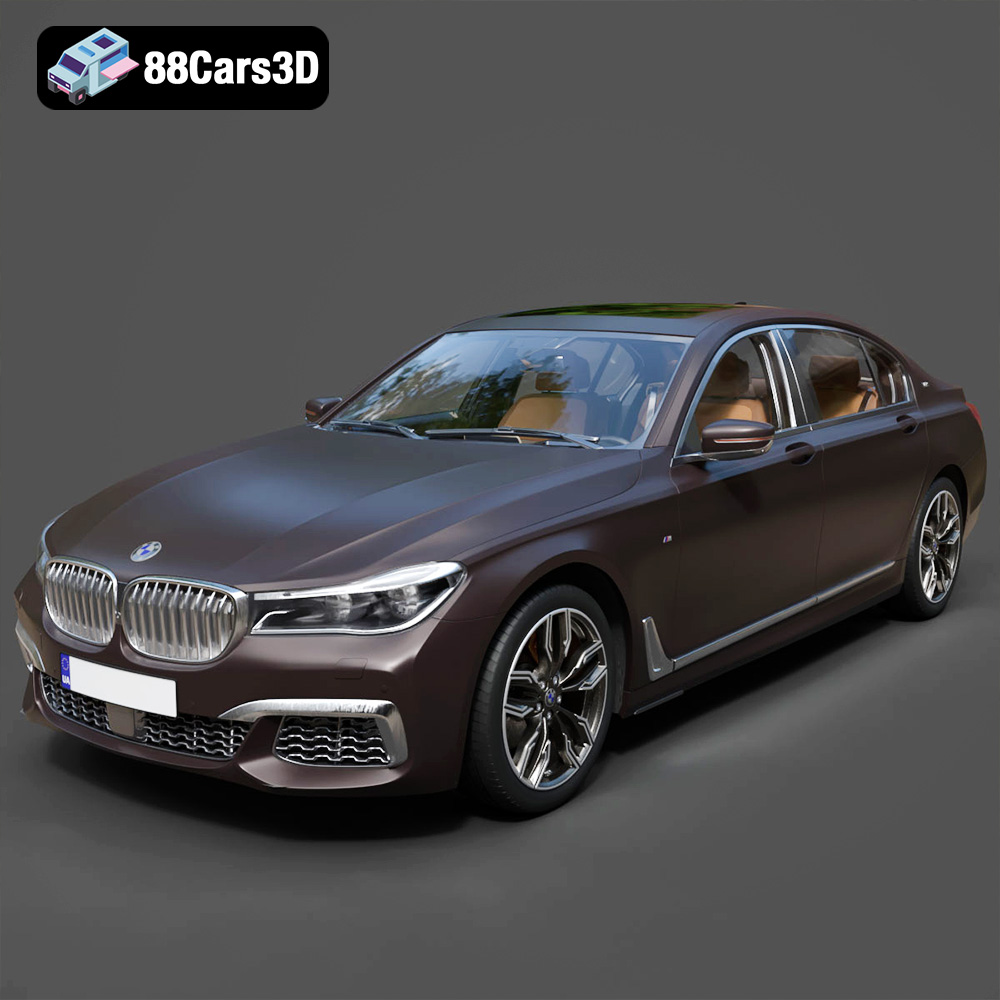
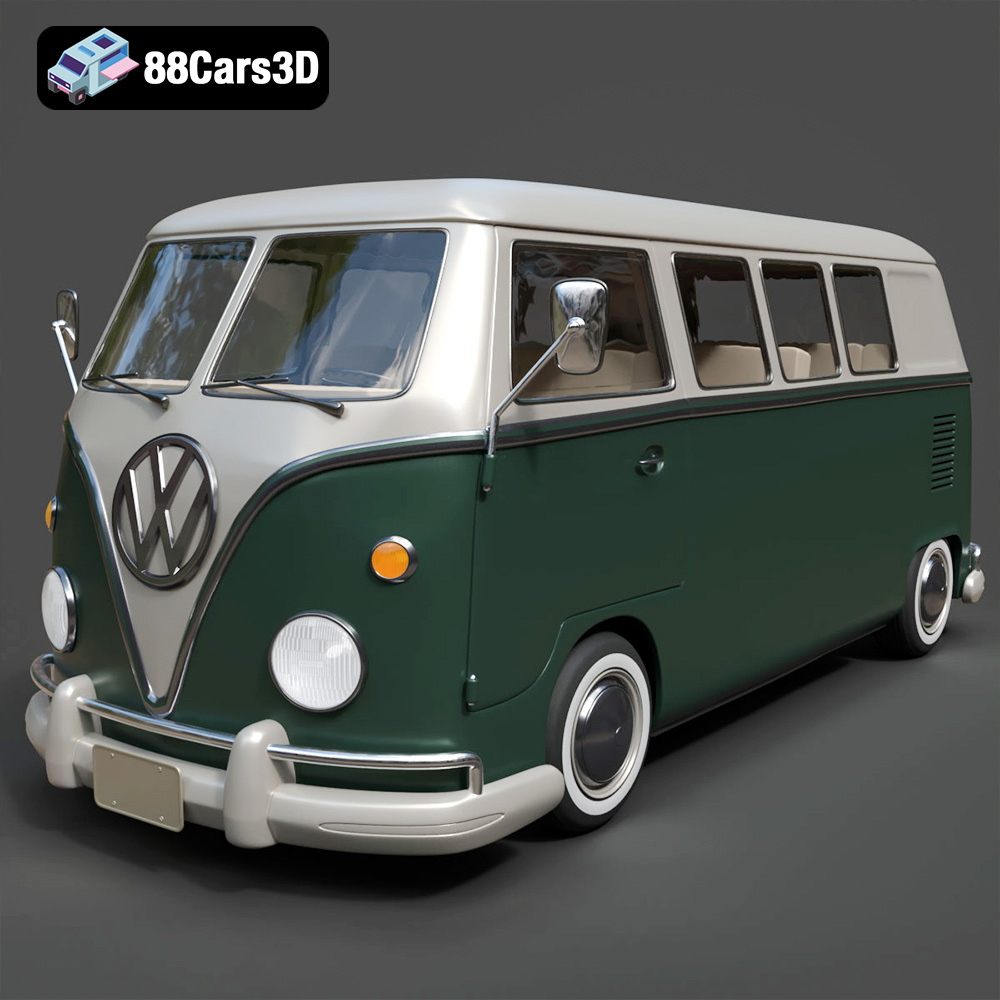
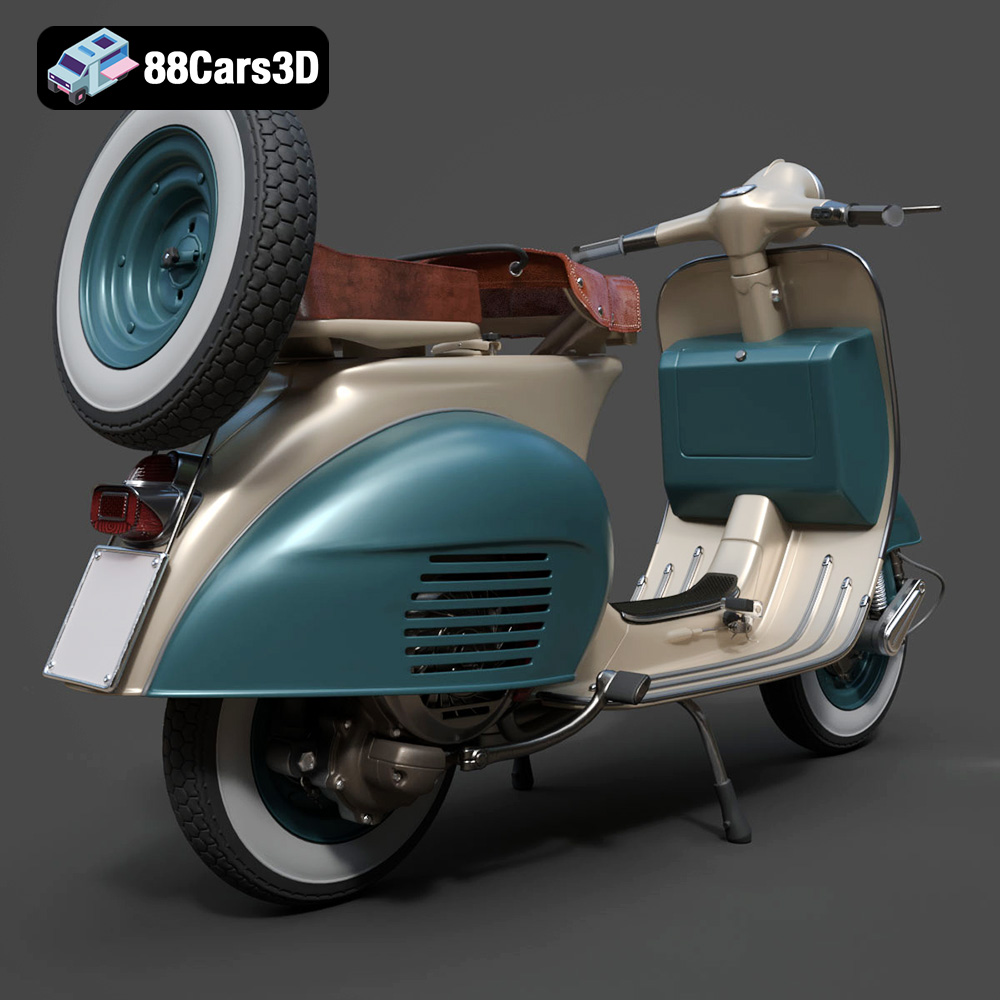
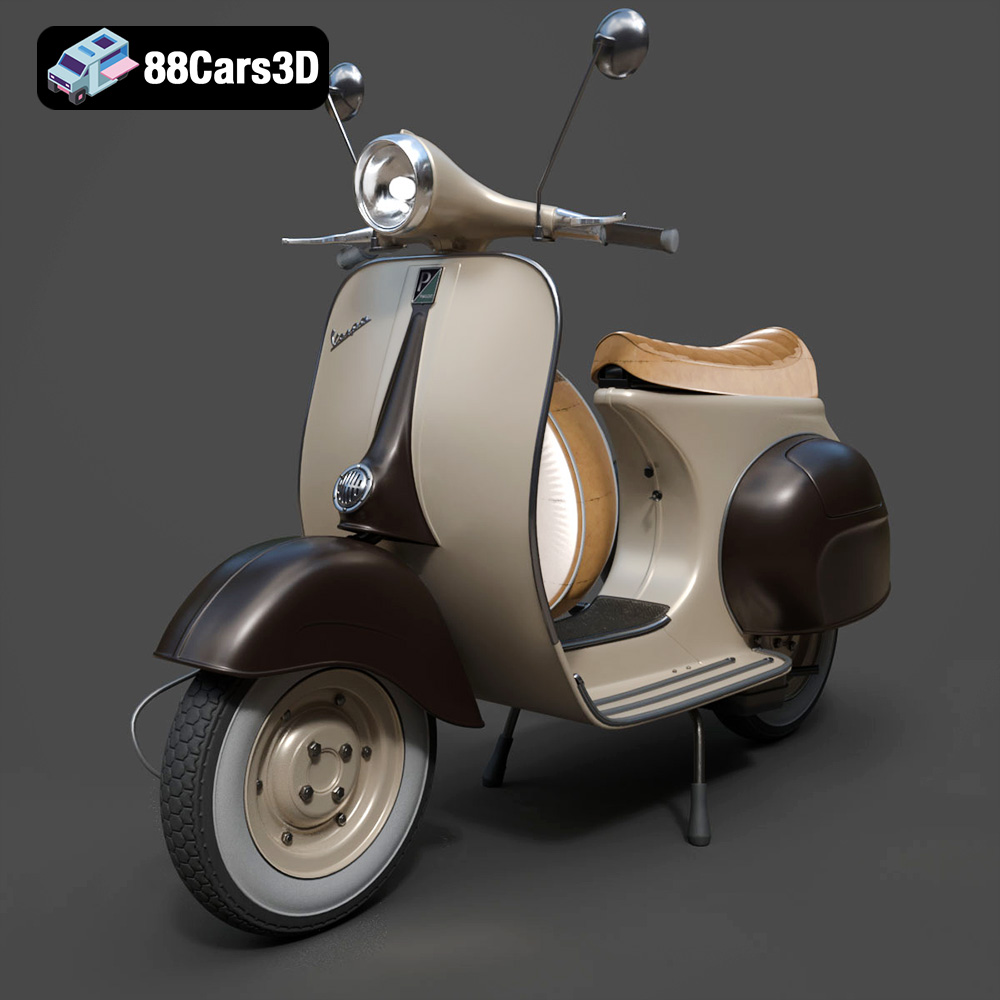
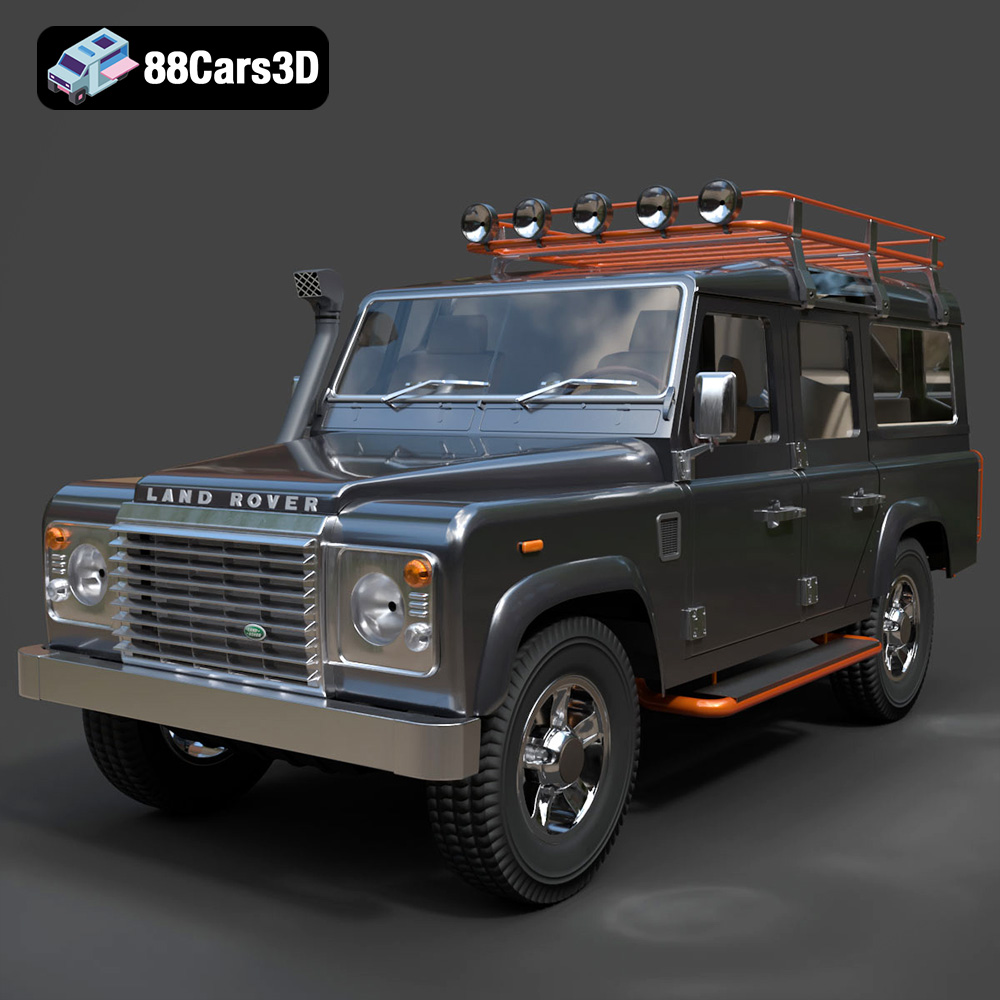
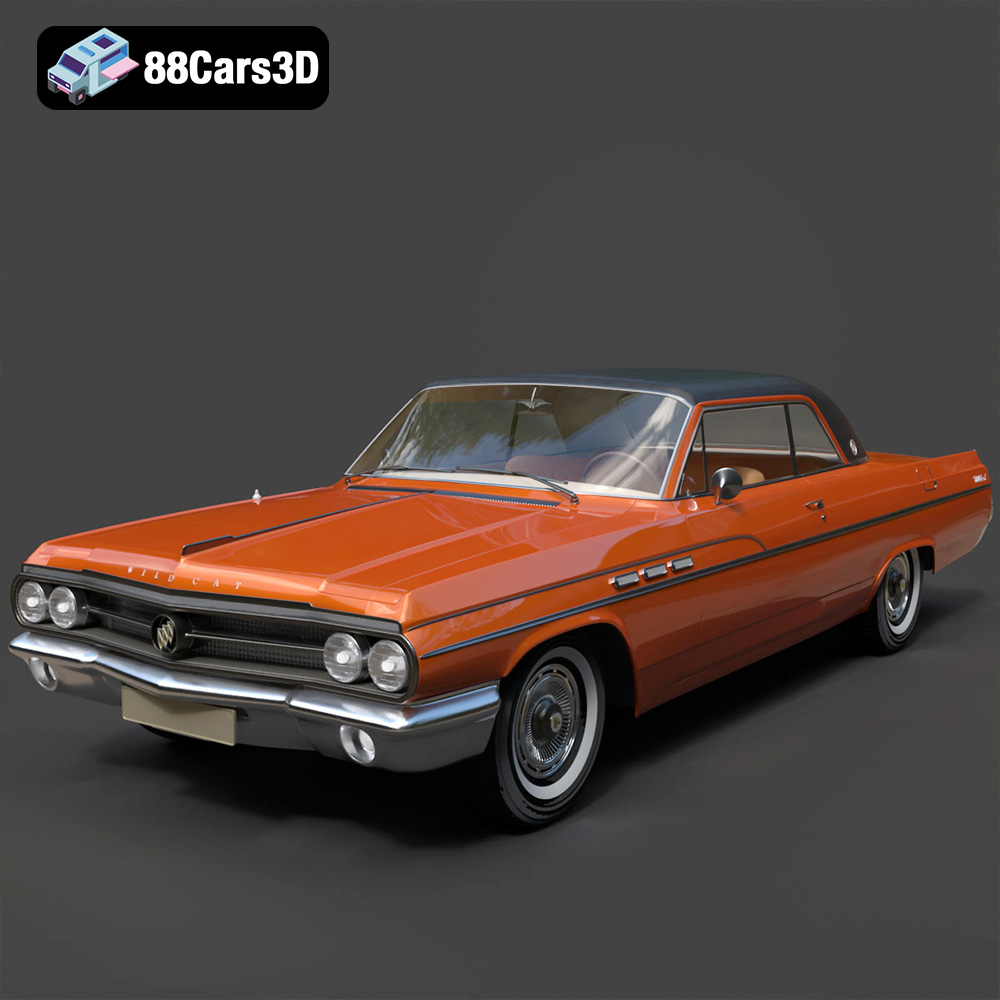
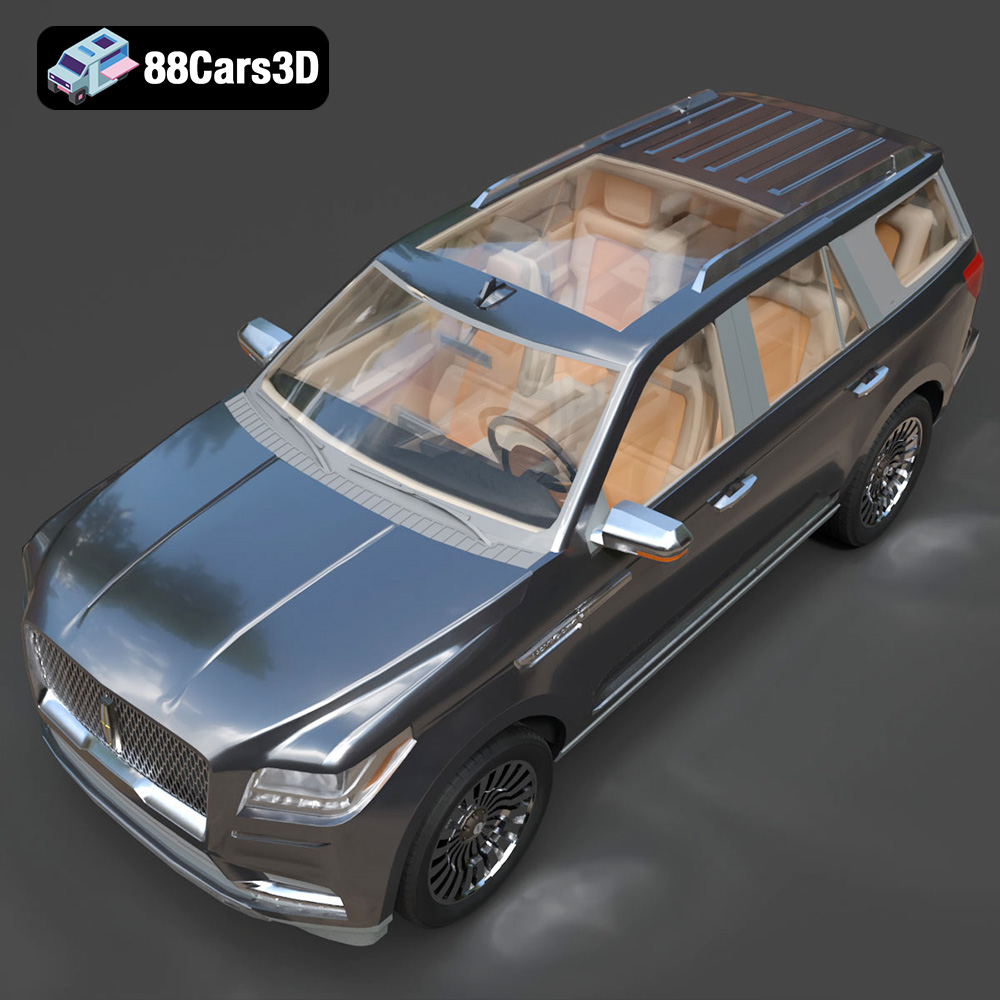
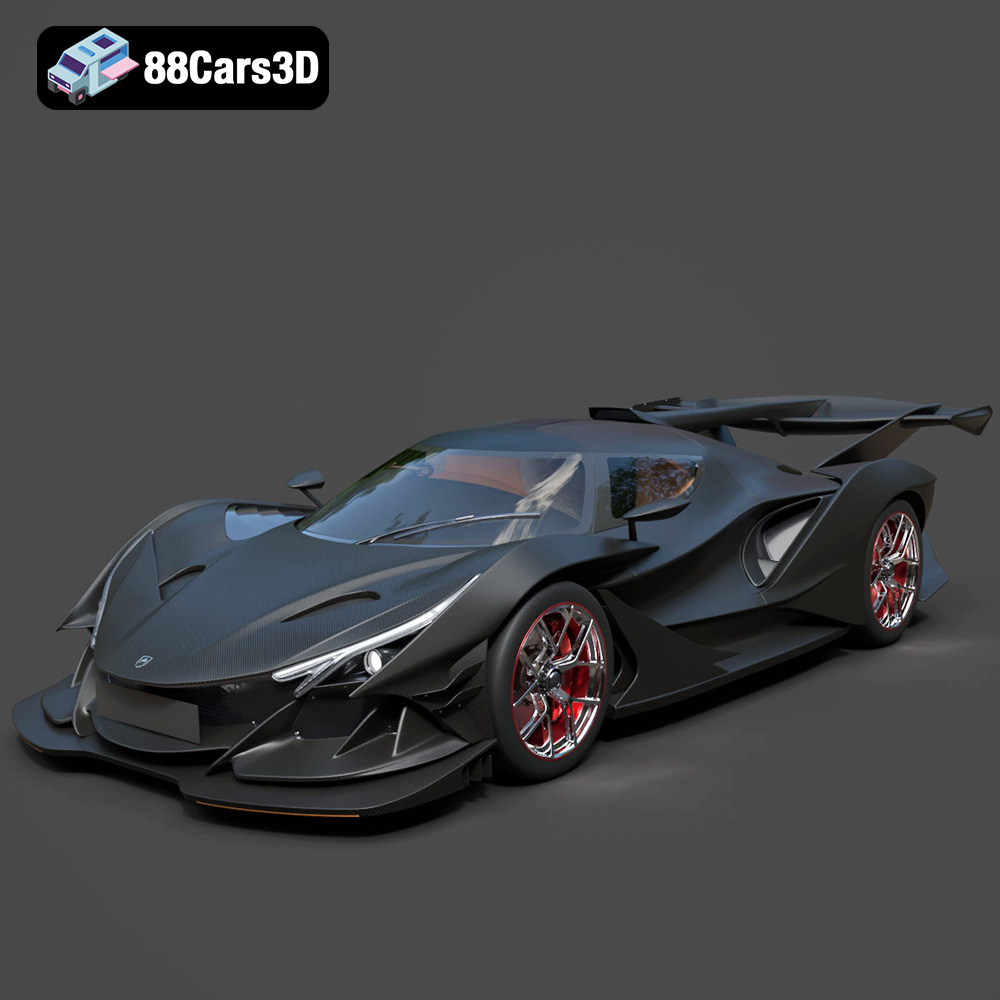
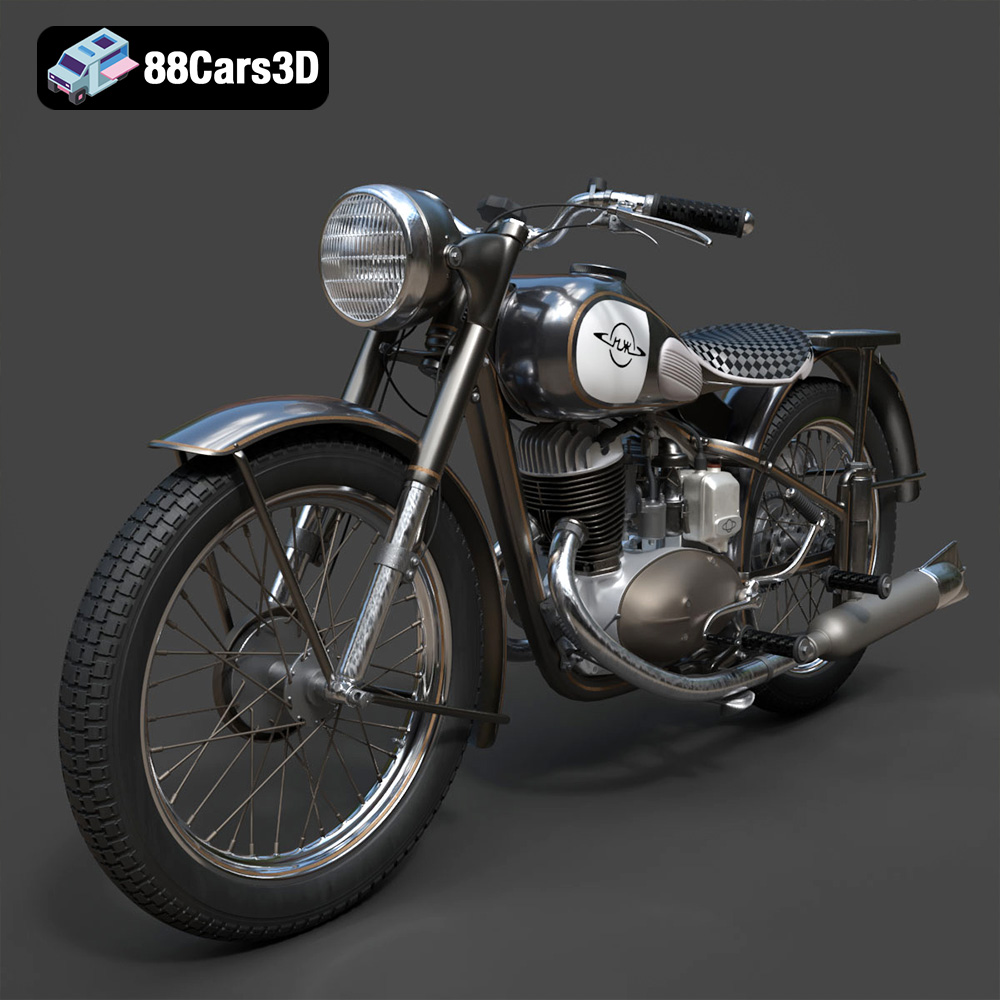
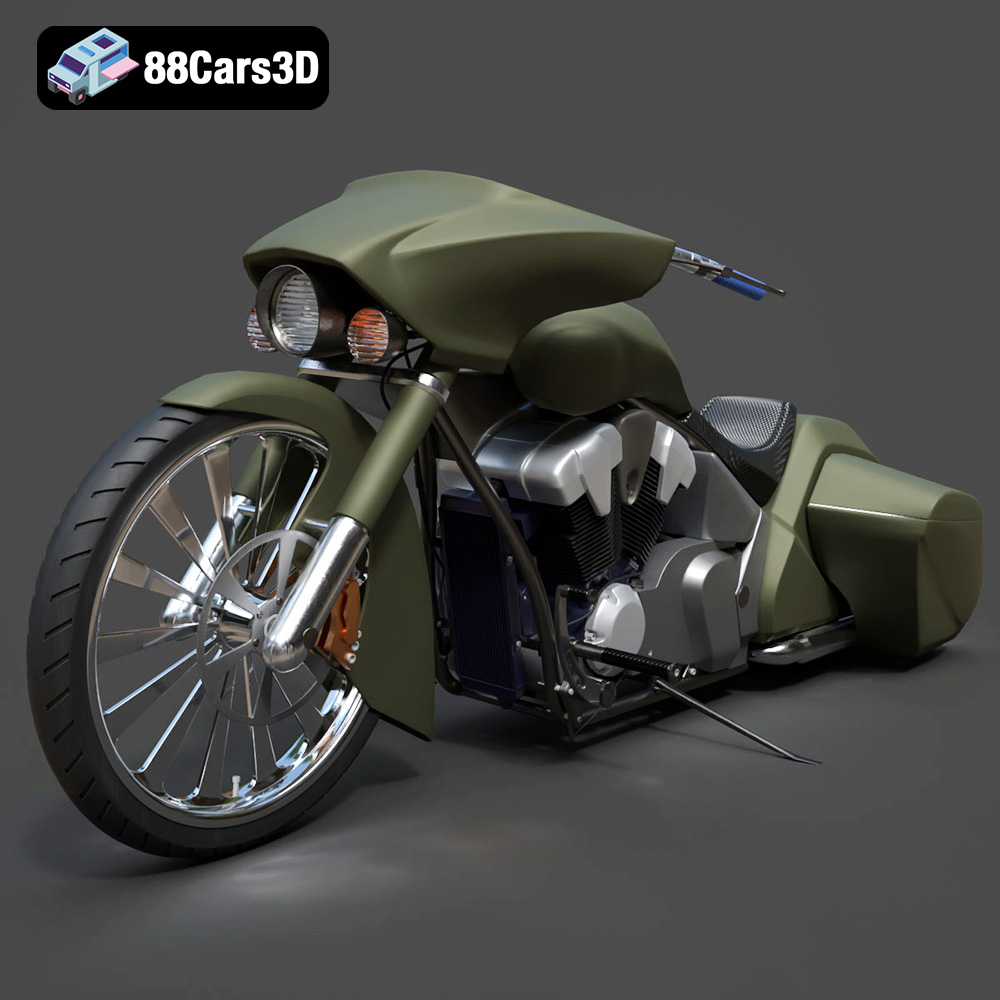
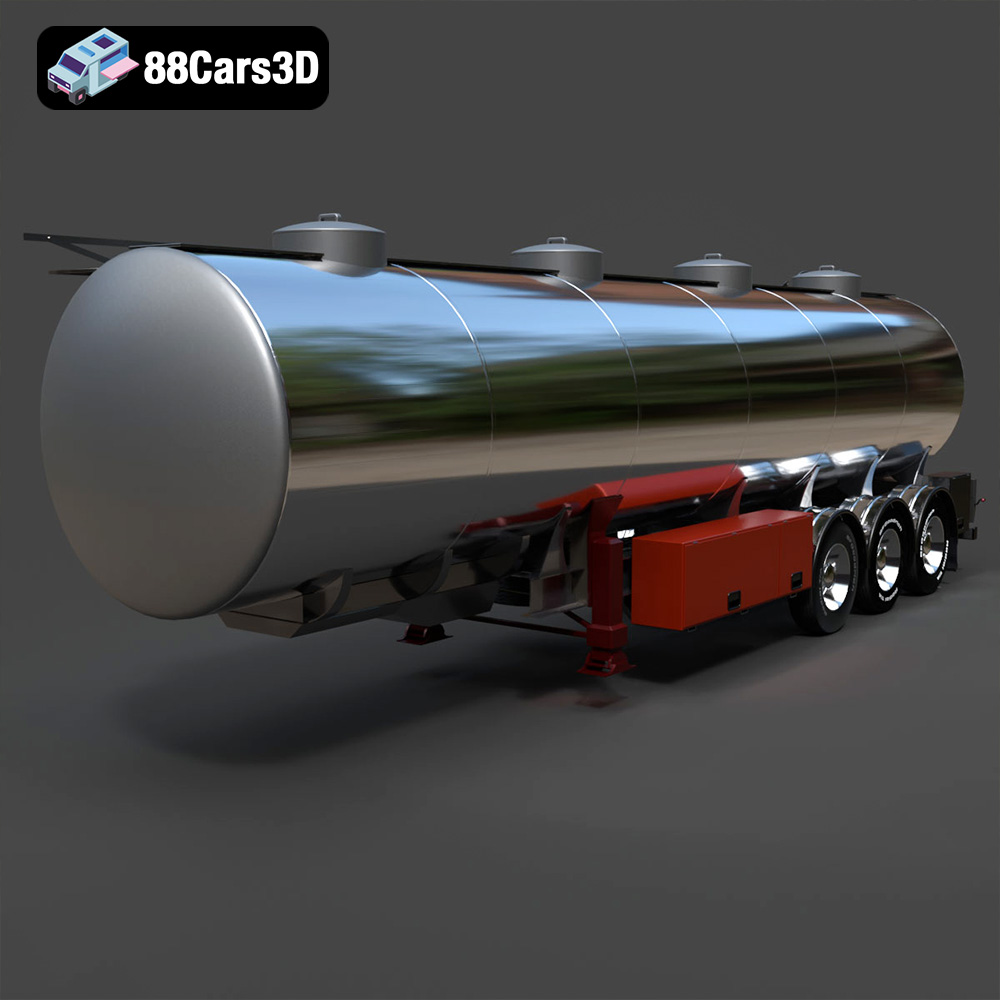
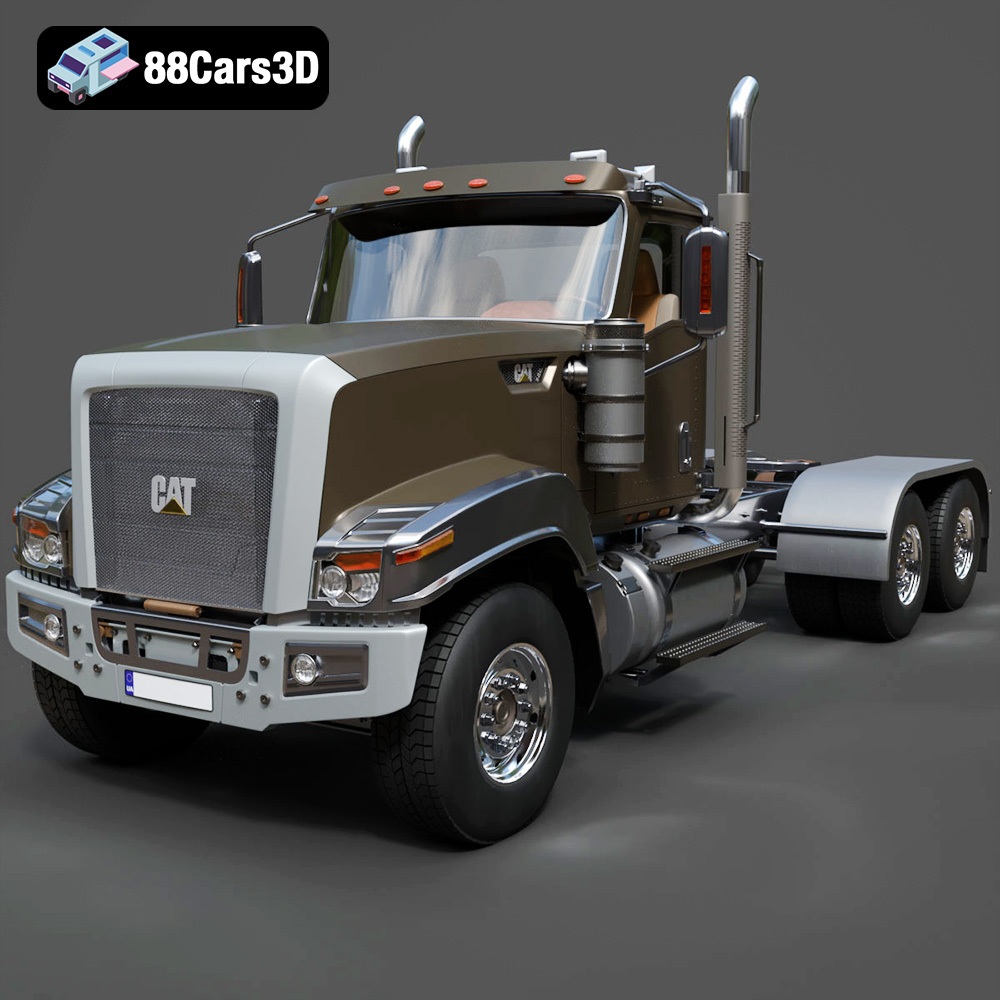
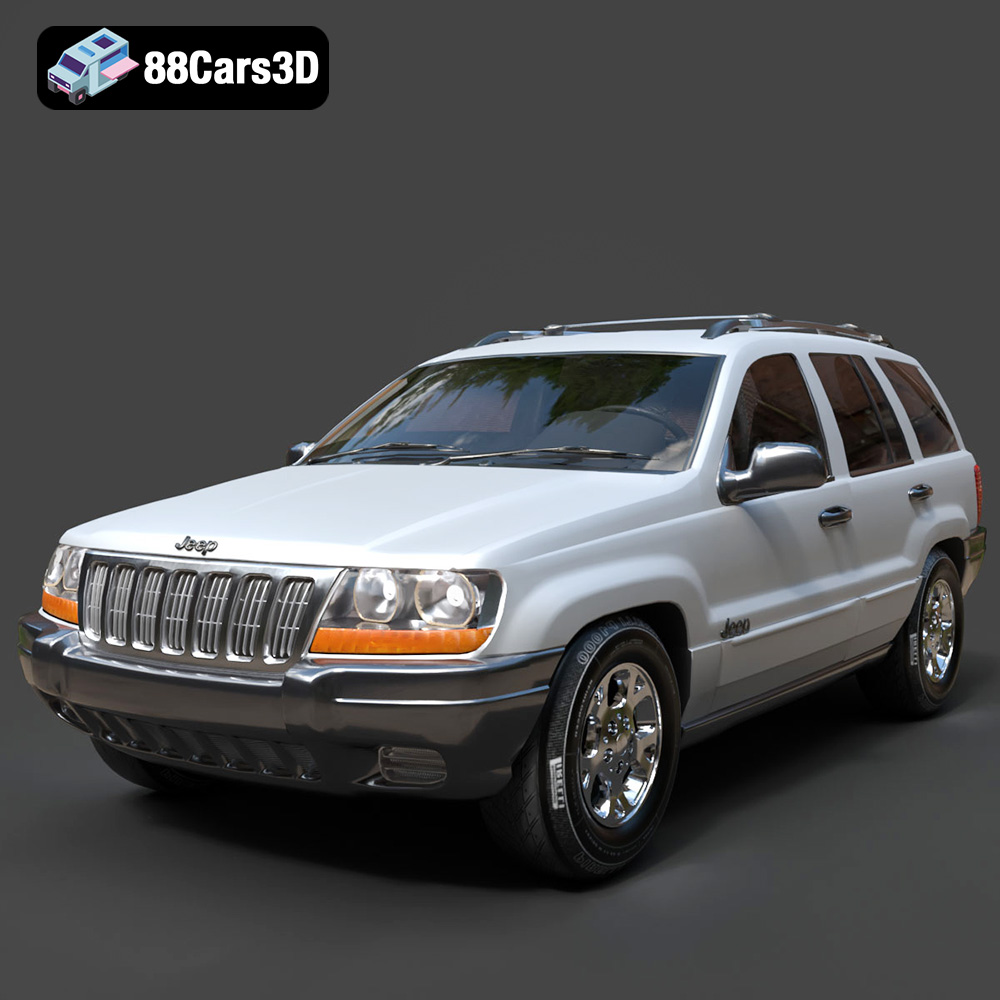
The Engine of Imagination: Unlocking Limitless Possibilities with High-Quality 3D Car Models
In the dynamic world of digital content creation, the demand for realistic, high-fidelity 3D car models has never been greater. From breathtaking automotive renders that blur the line between virtual and reality, to immersive game environments that transport players, and innovative AR/VR experiences that redefine interaction, a meticulously crafted 3D vehicle is often the centerpiece. For artists, designers, game developers, and visualization specialists, the quality of their 3D car assets can significantly impact project success, efficiency, and overall visual impact. This comprehensive guide delves into the intricate world of 3D car models, exploring their applications, technical considerations, and best practices to help you drive your digital projects to new heights.
The Foundation of Digital Automotive Excellence: High-Quality 3D Car Models
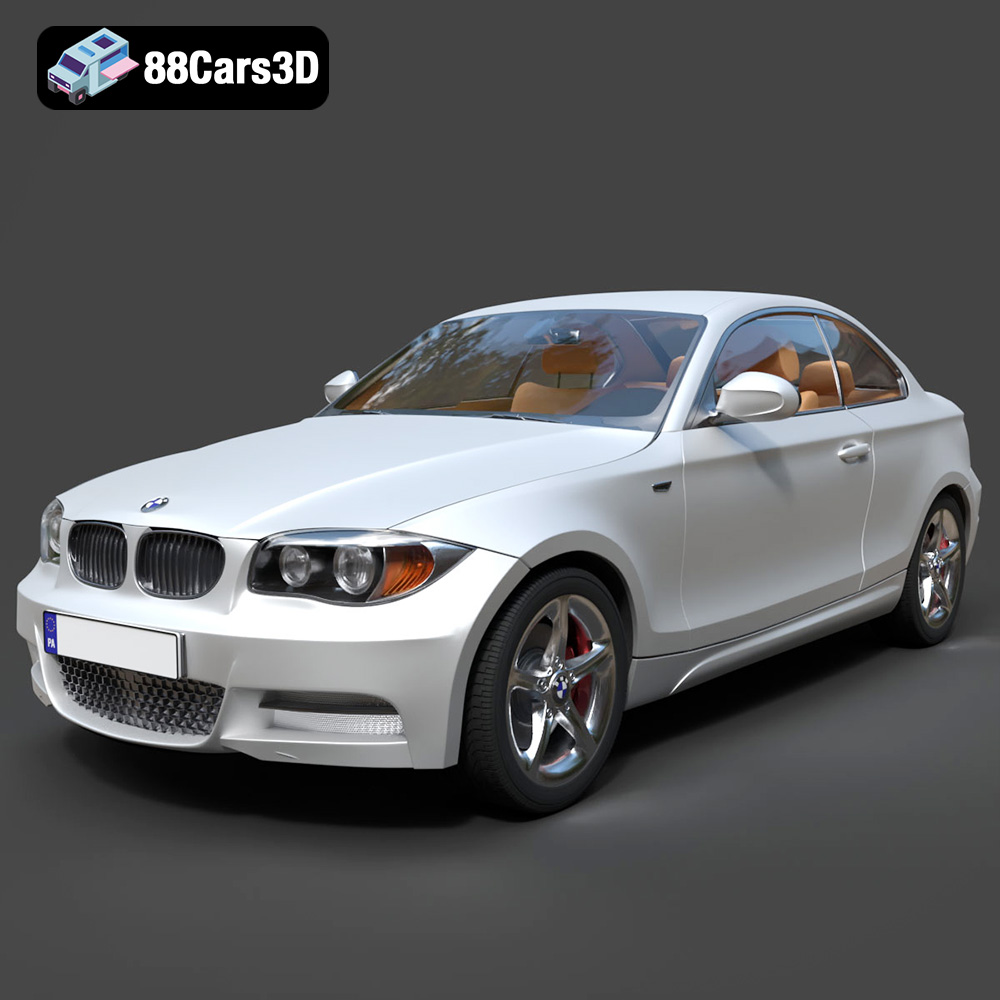
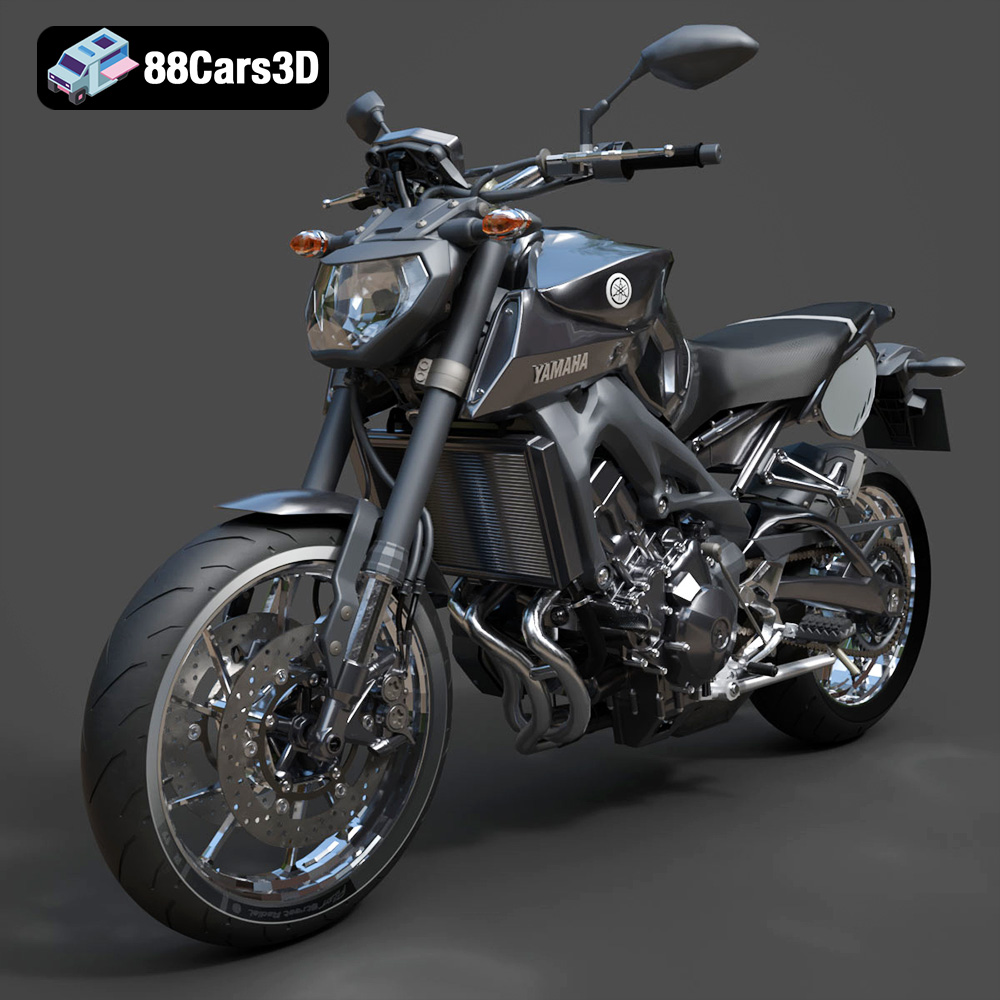
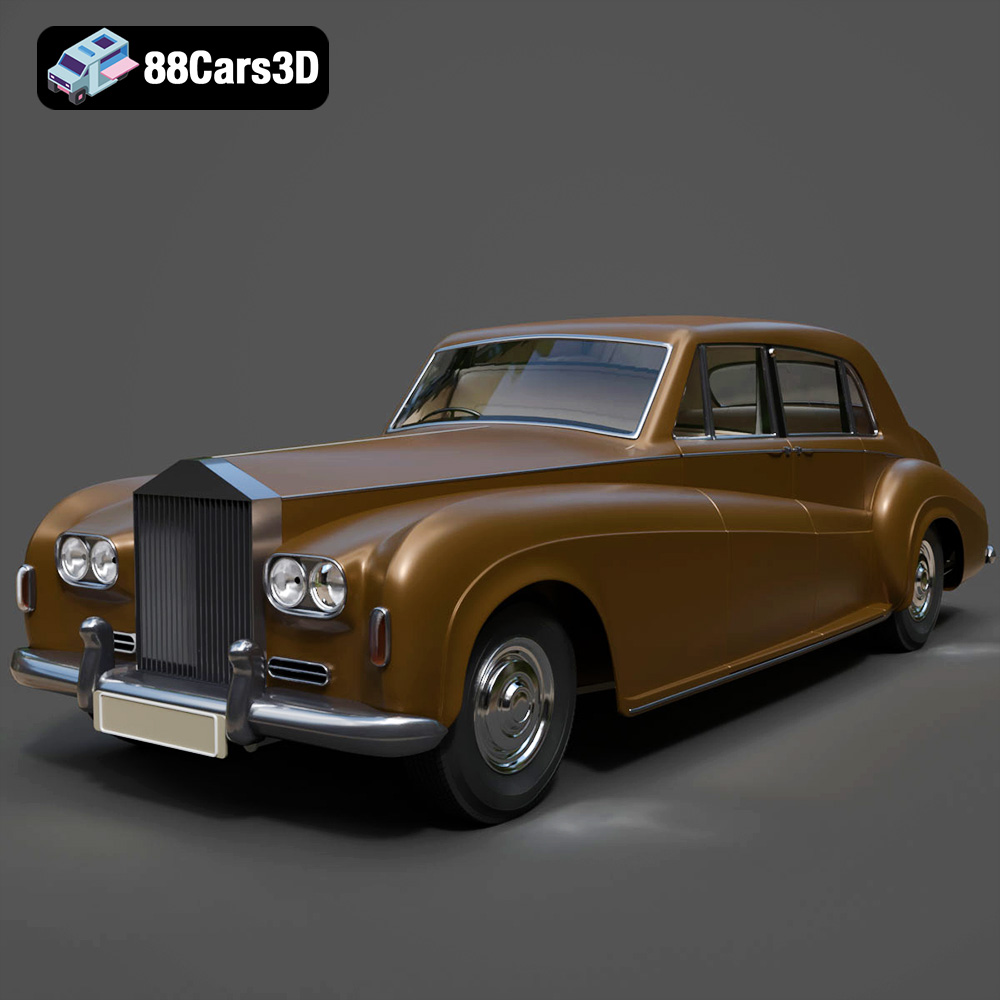
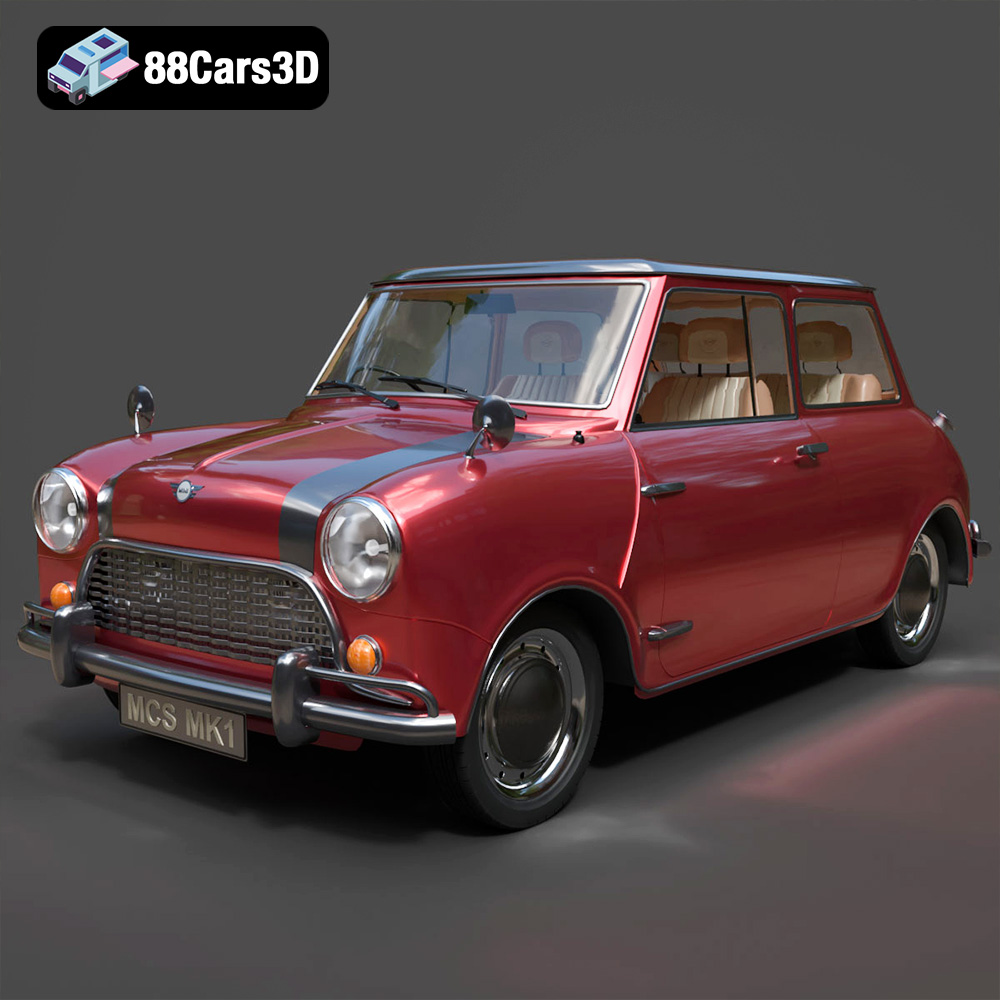
At the heart of every stunning automotive visualization or compelling virtual driving experience lies a foundational element: the 3D car model itself. Its inherent quality dictates the potential for realism, performance, and versatility across various digital mediums.
What Defines a “High-Quality” 3D Car Model?
A truly high-quality 3D car model is more than just a recognizable shape. It’s a complex digital sculpture meticulously engineered for specific purposes. Key attributes include:
- Optimized Topology: Clean, quad-based geometry is paramount. This ensures smooth deformations during animation, facilitates easy unwrapping for texturing, and allows for efficient subdivision without artifacts. Avoid n-gons and excessive triangulation unless specifically optimized for game engines.
- Accurate Proportions and Detailing: The model must faithfully replicate the real-world vehicle, down to the smallest panel gaps, badging, and interior components. This requires extensive reference gathering and precise modeling techniques.
- Clean UV Mapping: Proper UV layouts are crucial for applying textures without stretching or distortion. Overlapping UVs should be minimized unless specifically for mirrored parts to save texture space. Well-organized UVs are a hallmark of a professional asset.
- PBR-Ready Materials and Textures: The model should come with, or be prepared for, Physically Based Rendering (PBR) textures (Albedo/Base Color, Metallic, Roughness, Normal, Ambient Occlusion). These textures ensure consistent and realistic material response under various lighting conditions across different rendering engines.
- Scalability: High-quality models often include multiple Levels of Detail (LODs) or are constructed in a way that allows for easy poly-reduction for different applications, from high-resolution renders to mobile games.
The Critical Role of Accurate Vehicle Data
Creating a truly authentic 3D car model begins long before any vertices are placed. It hinges on the acquisition and careful study of accurate vehicle data. This often involves:
- Technical Blueprints and Schematics: Precise engineering drawings provide the foundational dimensions and profiles necessary for accurate scaling and proportion.
- Photographic References: High-resolution photographs from all angles, including detailed shots of interiors, undercarriages, and specific components, are indispensable for capturing every nuance.
- Real-world Measurements: When possible, physical measurements of a real car ensure absolute fidelity to the original design.
- Manufacturer Data: Access to CAD data or design files from the automotive manufacturer offers the highest level of accuracy, though this is often proprietary.
This meticulous approach ensures that the digital model is not just a visual representation, but a faithful digital twin of its real-world counterpart.
Benefits of Sourcing Professional Assets
For many projects, building a high-quality 3D car model from scratch is a time-consuming and resource-intensive endeavor. This is where professional marketplaces like 88cars3d.com provide immense value. Sourcing pre-made, professionally crafted 3D car models offers several advantages:
- Time Efficiency: Instantly access ready-to-use models, dramatically reducing production timelines.
- Guaranteed Quality: Reputable vendors ensure assets meet industry standards for topology, UVs, and PBR readiness.
- Cost-Effectiveness: The cost of purchasing a high-quality model is often significantly less than the labor required to create one internally.
- Diverse Selection: Access a vast library of vehicles, from classic cars to modern supercars, catering to any project’s specific needs.
- Consistent Standards: Professional models often adhere to consistent naming conventions and file structures, making integration into existing pipelines smoother.
Understanding 3D Model File Formats
The choice of file format is a critical technical decision that impacts compatibility, feature retention, and workflow efficiency when working with 3D car models. Each format serves specific purposes and excels in different pipelines.
.blend – Fully Editable Blender Scene with Materials
The .blend format is the native file format for Blender, the powerful open-source 3D creation suite. When you acquire a .blend file, you gain access to the complete Blender scene, including:
- Full Editability: All geometry, modifiers, textures, materials, lighting, cameras, and animation data are intact and fully editable within Blender.
- Node-Based Materials: Blender’s Cycles and Eevee renderers utilize node-based material systems, providing extensive control over surface properties. These materials are typically pre-set for realism.
- Scene Setup: The file often contains the original scene setup, including studio lighting, camera angles, and rendering settings, which can be a valuable learning resource or starting point.
- Ideal Use: Best for artists primarily working within the Blender ecosystem, or those who need to extensively modify the model, re-rig it, or use it as a base for further development.
- Compatibility: Primarily for Blender users. While Blender can export to many other formats, some advanced Blender-specific features or complex node setups might not translate perfectly.
.fbx – Ideal for Unreal, Unity, and Real-time Pipelines
The .fbx (Filmbox) format is an industry-standard proprietary file format developed by Autodesk, known for its robustness in transferring 3D data between different software applications. It is particularly prevalent in game development.
- Rich Data Transfer: FBX can store comprehensive data including geometry, materials (with some limitations on specific renderer features), textures, bone animations, skinning information, and camera data.
- Game Engine Optimization: It’s the go-to format for importing assets into game engines like Unreal Engine and Unity. It handles skeletal meshes and animations efficiently, crucial for game-ready characters and vehicles.
- Interoperability: Widely supported by most major 3D software packages (3ds Max, Maya, Blender, Cinema 4D, etc.), making it excellent for collaborative workflows across different software.
- Technical Nuances: Be mindful of version compatibility (newer FBX versions might not be supported by older software) and export/import settings (e.g., unit scales, up-axis conversions) to ensure proper data interpretation.
- Ideal Use: Essential for game asset development, cinematic sequences in real-time engines, and transferring complex animated models between various 3D applications.
.obj – Universal Format for Cross-Software Compatibility
The .obj (Wavefront OBJ) format is one of the oldest and most universally supported 3D file formats. It’s a simple, text-based format that focuses primarily on geometry.
- Universal Compatibility: Virtually every 3D software application can import and export OBJ files, making it an excellent choice for basic geometric exchange.
- Geometry Focus: Primarily stores vertex positions, UV coordinates, normals, and polygon faces.
- Material Limitations: While it can reference a separate .mtl (material library) file for basic material properties (diffuse color, specular, ambient), it does not support advanced PBR materials, procedural textures, or animation.
- File Size: Can be larger than other formats for complex meshes due to its text-based nature.
- Ideal Use: Best for static models where only geometric data needs to be transferred, or as a fallback option when other formats fail. It’s great for archival or simple model sharing.
.glb – Optimized for AR, VR, and Browser-Based Display
The .glb (GL Transmission Format Binary) is the binary version of the glTF format. It’s designed for efficient transmission and loading of 3D scenes and models by engines and applications.
- Web and Real-time Optimized: Highly efficient for web-based 3D viewers, AR/VR applications, and mobile platforms due to its compact binary size and streamlined structure.
- PBR Support: Fully supports Physically Based Rendering (PBR) materials, allowing for realistic appearance across different viewers.
- Single File: Stores all assets (geometry, textures, animations, materials) in a single, self-contained binary file, simplifying distribution.
- JSON Structure: Internally uses a JSON structure to define the scene, making it easily parsed by applications.
- Ideal Use: Perfect for displaying 3D car models in web browsers, integrating into AR/VR experiences, and for applications requiring lightweight, PBR-ready assets.
.stl – Suitable for 3D Printing Output
The .stl (Stereolithography) format is almost exclusively used for 3D printing. It represents a 3D model as a series of connected triangles.
- 3D Printing Standard: The de facto standard for additive manufacturing.
- No Color or Texture: Does not store any color, texture, material, or animation information. It only defines the surface geometry.
- Manifold Meshes: Requires a “watertight” or “manifold” mesh (no holes, no self-intersections) for successful printing.
- Ideal Use: Solely for preparing 3D car models for physical output via 3D printers. Not suitable for rendering, games, or visualization without conversion.
.ply – Precision Mesh Format for CAD or Analysis
The .ply (Polygon File Format) is primarily used for storing 3D data from 3D scanners, CAD software, and other applications that require precise geometric representation.
- Rich Data: Can store not only geometry but also color, transparency, normals, texture coordinates, and other properties per vertex or per face.
- Scanner Data: Often used for storing point clouds or meshes generated from laser scans, making it excellent for detailed real-world capture.
- Precision: Valued in scientific and engineering fields for its ability to represent highly accurate and dense meshes.
- Ideal Use: For high-precision models, data analysis, or when working with scan data that needs to retain rich vertex information. Less common for general rendering or game development.
.unreal – Engine-Ready Asset for Real-time Environments
While not a universal file format in the same vein as FBX or OBJ, the .unreal designation often refers to assets specifically configured and optimized for direct import or use within Unreal Engine. This implies a specific pipeline and asset structure.
- Unreal Engine Optimization: Assets are typically already pre-processed, have correct material assignments, collision meshes, LODs, and possibly even Blueprint scripting for interactivity.
- Native Integration: Seamlessly drops into an Unreal project, often requiring minimal additional setup.
- Performance Considerations: These models are usually designed with real-time performance in mind, adhering to polycount budgets and efficient texture usage.
- Ideal Use: For projects built exclusively within Unreal Engine, offering a plug-and-play solution that saves significant setup time.
.max – Editable 3ds Max Project for Animation and Rendering
The .max format is the native scene file format for Autodesk 3ds Max, a leading software for 3D modeling, animation, and rendering.
- Full 3ds Max Scene: Similar to .blend for Blender, a .max file contains the complete 3ds Max scene, including all geometry, modifiers, materials, textures, lighting, cameras, and animation keyframes.
- Advanced Material Systems: 3ds Max supports various renderers like V-Ray, Corona, and Arnold, each with their own advanced material systems. The .max file will retain these specific material definitions.
- Complex Project Data: Ideal for artists who work extensively in 3ds Max and require full control over every aspect of the model and scene for high-end rendering or complex animation sequences.
- Compatibility: Primarily for 3ds Max users. While 3ds Max can export to other formats like FBX, the .max file retains the most comprehensive data within its native environment.
- Ideal Use: For high-fidelity architectural visualization, product rendering, or automotive marketing where 3ds Max is the primary production tool.
Choosing the correct format from resources like 88cars3d.com for your 3D car model is crucial for a smooth workflow and successful project outcome, ensuring compatibility and optimal performance for your specific needs.
Mastering Automotive Rendering: Bringing 3D Cars to Life
Rendering a 3D car model is where technical precision meets artistic vision. The goal is often photorealism, creating an image so convincing it’s indistinguishable from a photograph. This involves a sophisticated interplay of materials, lighting, and post-production.
The Art of Realistic Shading and Materials
Realistic materials are the cornerstone of a believable render. For cars, this means mastering:
- Car Paint: A complex material with multiple layers—base coat, metallic flakes (clear coat), and a glossy, reflective top coat. PBR workflows are essential, utilizing Metallic and Roughness maps to simulate the subtle variations across the surface. Parameters like flake size, density, and color shift are critical.
- Glass: Requires accurate refractive and reflective properties. Tint, absorption, and subtle imperfections (smudges, dust) can add to the realism. Volumetric effects within the glass can also enhance depth.
- Rubber: Tires, seals, and trim demand a distinct, often matte, slightly rough appearance. Textures for tire tread patterns, sidewall lettering, and subtle weathering are vital.
- Chrome and Metal: Highly reflective surfaces require precise Metallic values and varying Roughness to simulate polished, brushed, or anodized finishes.
- Interior Fabrics and Leather: Complex materials that benefit from detailed texture maps (normal, height, albedo, roughness) to convey weave, stitching, and natural wear.
Lighting Techniques for Photorealism
Lighting is the ultimate sculptor of realism. Proper illumination can make or break an automotive render:
- HDRI (High Dynamic Range Imaging): A staple for realistic lighting. HDRIs provide both illumination and reflections from real-world environments, creating convincing global illumination and environmental reflections on the car’s surface.
- Studio Lighting Setups: For product shots or stylized renders, a controlled studio environment with precisely placed area lights, softboxes, and reflectors is often used. This allows for highlighting specific contours and creating dramatic reflections.
- Key, Fill, and Rim Lights: Standard photographic principles apply. A strong key light defines the primary form, fill lights soften shadows, and rim lights accentuate edges for separation from the background.
- Ambient Occlusion (AO): Although often a rendering pass, AO is critical for adding subtle contact shadows and defining crevices, enhancing the perception of depth and realism.
Post-Production and Compositing for Impact
The rendering process doesn’t end when the image is calculated. Post-production in tools like Adobe Photoshop or Affinity Photo is crucial for refining the final output:
- Color Grading: Adjusting hue, saturation, and contrast to achieve the desired mood and visual style.
- Depth of Field (DoF): Adding realistic camera blur to foreground or background elements, guiding the viewer’s eye to the car.
- Motion Blur: Essential for conveying speed and dynamism in animation or still renders of moving vehicles.
- Lens Effects: Flares, chromatic aberration, and vignetting can mimic real camera optics, enhancing photographic realism.
- Integrating Backgrounds: Seamlessly compositing the rendered car onto a real-world backplate or a 3D environment, matching lighting and perspective.
Choosing the Right Renderer
The renderer choice significantly impacts quality, speed, and workflow:
- V-Ray & Corona Renderer (3ds Max, Cinema 4D): Widely used in architectural and automotive visualization for their photorealistic output, advanced material systems, and robust performance.
- Octane Render & Redshift (GPU-based): Known for their speed and interactive rendering capabilities, leveraging the power of modern GPUs. Excellent for quick iterations and high-quality results.
- Blender Cycles (Blender): Blender’s powerful path-tracer, capable of stunning photorealism, integrated seamlessly into the Blender ecosystem.
- Unreal Engine Path Tracer: With the advent of hardware-accelerated ray tracing, Unreal Engine can now produce incredibly photorealistic renders in real-time or near real-time, making it ideal for interactive showcases and virtual production.
Optimizing 3D Car Models for Game Development
In game development, the challenge is to strike a delicate balance between visual fidelity and real-time performance. High-quality 3D car models purchased from stores like 88cars3d.com often provide an excellent base, but require specific optimizations to perform efficiently within a game engine.
Balancing Visual Fidelity with Performance
Game assets operate under strict polygon budgets and rendering constraints. Optimizing a 3D car model involves:
- Levels of Detail (LODs): Creating multiple versions of the model with progressively lower polygon counts. The engine switches between LODs based on the car’s distance from the camera, saving rendering resources for distant objects. Typically 3-5 LODs are sufficient for cars.
- Polygon Reduction: Techniques like decimation or manual retopology to reduce the mesh density while retaining essential contours. Focus on areas not directly visible or those that contribute little to the silhouette.
- Occlusion Culling: Designing the model and scene to allow the engine to avoid rendering objects or parts of objects that are completely hidden behind others.
- Instancing: For multiple identical cars, using instancing can dramatically reduce draw calls and memory usage.
Efficient UV Mapping and Texture Atlasing
Texture memory and draw calls are critical performance considerations in games:
- Optimized UV Layouts: UVs must be clean, non-overlapping (for most game engine workflows), and efficiently packed into the 0-1 UV space. Minimize wasted space.
- Texture Atlasing: Combining multiple smaller textures (e.g., for different car parts like wheels, interior, body) into a single larger texture atlas. This reduces the number of draw calls by allowing the engine to render more geometry with a single material.
- PBR Workflow for Games: Utilizing Albedo, Metallic, Roughness, Normal, and Ambient Occlusion maps. These maps should be optimized for game engines (e.g., compressed texture formats like BC7/DXT5, appropriate resolutions).
- Trimsheets: Creating a texture sheet containing various small details (bolts, vents, panel lines) that can be mapped onto different parts of the mesh, saving unique texture space.
Collision Meshes and Physics Assets
For interactive gameplay, the car needs to interact realistically with its environment:
- Collision Meshes: Simplified, low-polygon meshes that define the physical boundaries of the car. These are used by the physics engine for collision detection, replacing the high-resolution render mesh. Often, multiple collision meshes are used for different parts (body, wheels, windows).
- Physics Assets: In Unreal Engine, this involves creating a skeletal structure with collision bodies attached to simulate realistic vehicle dynamics, suspension, and destruction.
- Wheel Colliders: Specific components that simulate wheel interaction with surfaces, enabling realistic turning, suspension compression, and friction.
Integration into Game Engines
Bringing a 3D car model into a game engine like Unreal Engine or Unity requires specific steps:
- Import Settings: Correctly setting scale, up-axis, and normal import options during FBX import.
- Material Setup: Recreating PBR materials within the engine using its native material editor. This involves plugging texture maps into the correct shader slots.
- Vehicle Blueprints/Prefabs: Setting up the car as an interactive vehicle asset. In Unreal Engine, this involves creating a Vehicle Blueprint with a Skeletal Mesh component, wheel handlers, engine parameters, and input controls. In Unity, it involves creating a Prefab with Rigidbody, Wheel Colliders, and custom scripts.
- Damage Systems: Implementing visual and physical damage, either through blend shapes, mesh swapping, or modular destruction.
Beyond Static Images: Animation, AR/VR, and Real-time Visualization
The utility of a high-quality 3D car model extends far beyond traditional still renders. With modern technology, these assets are becoming interactive, dynamic, and integrated into immersive experiences.
Animating Vehicle Components
Bringing a static car model to life through animation adds a layer of engagement and realism:
- Wheel Rotation: Simple but effective animation, often linked to speed.
- Suspension Compression: Simulating the bounce and compression of the suspension system as the car moves or hits bumps.
- Door and Hood Opening: Essential for interactive showcases or cinematic sequences. This requires proper pivot points and careful rigging.
- Steering Wheel and Interior Controls: Animating the steering wheel, gear shifter, and dashboard dials for driver point-of-view shots.
- Cinematic Cameras: Creating dynamic camera paths that follow, circle, or lead the car, enhancing the visual storytelling.
Leveraging 3D Cars in Augmented and Virtual Reality
AR/VR applications demand ultra-optimized assets and specific considerations:
- Extreme Optimization: AR/VR often has even stricter performance budgets than traditional games. Aggressive LODs, texture atlasing, and careful material usage are paramount.
- Scale and Perspective: Ensuring the car model is correctly scaled within the AR/VR environment for believable presence.
- Interactivity: Implementing interactions like opening doors, changing paint colors, or viewing the interior through intuitive user interfaces within the AR/VR space.
- WebXR and glTF/GLB: For browser-based AR/VR, formats like GLB are crucial for efficient delivery and rendering.
Real-time Configurators and Product Showcases
Interactive configurators are transforming how consumers engage with automotive brands:
- Instant Customization: Allowing users to change paint colors, wheel designs, interior trims, and accessories in real-time.
- Dynamic Environments: Placing the car in various virtual environments, from a showroom to an open road.
- High-Fidelity Real-time Rendering: Utilizing game engines like Unreal Engine to deliver near-photorealistic visuals at interactive frame rates, providing an immersive product showcase experience.
- AR Integration: Allowing users to place the configured car in their real-world environment via AR on their smartphones or tablets.
Case Studies and Practical Workflows
Understanding the theoretical aspects is crucial, but seeing how these principles are applied in practical workflows demonstrates their real-world impact.
Studio Workflow: From CAD Data to High-End Marketing Renders
For automotive advertising and marketing, the pursuit of photorealism is paramount.
Scenario: An automotive manufacturer needs a series of high-resolution images for an upcoming sedan launch, showcasing its design and luxury features.
Workflow:
- CAD Data Conversion: The initial high-precision CAD data of the car is imported into 3ds Max. This raw data is often dense and needs careful retopology to create clean, render-ready mesh geometry, or a specialized CAD import plugin is used to optimize the mesh directly.
- UV Unwrapping & Texture Creation: Once the base mesh is clean, detailed UV unwrapping is performed. PBR textures for car paint, chrome, glass, tires, and interior materials are either hand-painted, procedurally generated, or sourced from high-quality libraries. Specific focus on a multi-layer car paint shader is developed using advanced material nodes in V-Ray or Corona.
- Lighting Setup: A combination of HDRI maps (for natural global illumination and reflections) and targeted area lights (acting as studio softboxes) are meticulously placed within 3ds Max to highlight the car’s contours and create dramatic reflections.
- Scene Composition: The car is positioned within a minimalist studio environment or a carefully selected 3D backplate. Cameras are set up with real-world lens parameters (focal length, aperture) to simulate professional photography.
- Rendering & Post-Production: High-resolution images are rendered using V-Ray or Corona. Multiple render passes (beauty, reflections, refractions, Z-depth, object IDs) are exported. These passes are then composited and enhanced in Adobe Photoshop, adding final color grading, depth of field, motion blur (if applicable), and subtle lens effects to achieve the final marketing-grade render.
Game Development Pipeline: Optimizing a Performance Vehicle for Unreal Engine
Performance and visual appeal are equally critical in game development.
Scenario: A game studio needs a high-performance sports car for their next-gen racing title, requiring both stunning visuals and smooth gameplay.
Workflow:
- Base Model Acquisition: The team acquires a high-quality, high-polygon 3D car model from a reputable source like 88cars3d.com, preferably in .fbx or .blend format.
- Retopology & LOD Creation (Blender): In Blender, the base mesh is carefully retopologized to create game-ready low-polygon versions. Multiple LODs are generated, each with progressively fewer polygons, ensuring performance at different distances. Crucially, the UV maps are maintained across LODs for consistent texturing.
- PBR Texture Baking & Atlasing: High-resolution details (normals, ambient occlusion) are baked from the high-poly model onto the low-poly LODs. Textures for different parts (body, wheels, interior) are combined into a few texture atlases to minimize draw calls.
- Rigging & Collision Setup: The car is rigged with a skeletal mesh, attaching wheels and other movable parts for animation. Simplified collision meshes are created for the body and wheels, exported as part of the FBX.
- Unreal Engine Integration: The optimized FBX is imported into Unreal Engine. PBR materials are recreated using Unreal’s material editor, plugging in the baked texture maps. A Vehicle Blueprint is set up, linking the skeletal mesh, physics assets, wheel colliders, and engine parameters to create a fully drivable vehicle. Optimizations like texture streaming and material instances are applied.
- Testing & Iteration: The car is extensively tested in-game for performance, physics realism, and visual fidelity, with iterations made to LODs, textures, and physics settings as needed.
Architectural Visualization: Integrating a Car into a Scene
Cars often provide scale, context, and a touch of realism to architectural renders.
Scenario: An architect requires a modern luxury car to be placed in the foreground of a rendering for a new residential building project.
Workflow:
- Model Selection & Format (OBJ/FBX): A suitable 3D car model is selected, focusing on aesthetic compatibility with the building’s design. An .obj or .fbx format is often preferred for easy import into various architectural visualization software (e.g., 3ds Max, SketchUp, Lumion, Enscape).
- Scene Integration & Scaling: The car model is imported into the architectural scene. Precise scaling and positioning are critical to ensure it looks natural within the environment and provides an accurate sense of scale for the building.
- Material Adaptation: The car’s materials are adjusted to match the scene’s lighting conditions and renderer. If the car came with PBR textures, these are connected to the scene’s renderer (e.g., V-Ray, Corona, Enscape’s native materials). Car paint is tuned for reflections that pick up the architectural surroundings.
- Lighting & Shadows: The car is illuminated by the scene’s existing lighting (often HDRI or a sun/sky system). Crucially, the car casts realistic shadows onto the ground and receives appropriate bounced light from its surroundings, seamlessly integrating it into the environment.
- Final Render & Compositing: The combined scene is rendered. A subtle amount of atmospheric haze or depth of field can be added in post-production to further blend the car into the architectural photograph.
Conclusion
The journey through the world of 3D car models reveals a multifaceted landscape where technical prowess meets artistic expression. From the initial meticulous modeling and intelligent selection of file formats to the nuanced art of rendering and the rigorous optimization for real-time applications, every step plays a crucial role in bringing digital vehicles to life. Whether you’re aiming for photorealistic marketing imagery, immersive game experiences, or interactive AR/VR showcases, the foundation of your success lies in the quality and suitability of your 3D assets.
By understanding the intricacies of topology, materials, lighting, and workflow optimizations, artists and developers can navigate these complexities with confidence. Leveraging reliable resources for high-quality 3D car models, such as those found on 88cars3d.com, provides a significant advantage, allowing creators to focus their energy on innovation and execution. Embrace these techniques, and you’ll not only produce stunning visuals but also push the boundaries of what’s possible in the ever-evolving digital automotive realm.
Featured 3D Car Models