Get 20% OFF All Premium 3D & STL Models!

The automotive industry is in a perpetual state of innovation, and at its heart lies the powerful synergy between high-quality 3D car models and advanced 3D printing technologies. What once required extensive tooling, costly molds, and weeks or months of fabrication can now be conceptualized, designed, and physically realized in a fraction of the time and cost. This revolution is democratizing automotive design, allowing everyone from independent enthusiasts and customizers to major manufacturers to rapidly prototype, test, and even produce functional custom car parts.
This comprehensive guide will explore the intricate journey from a meticulously crafted digital 3D car model to a tangible, physical object. We’ll delve into the critical technical aspects of preparing your 3D models for print, selecting the right additive manufacturing technology and materials, optimizing for various automotive applications, and achieving professional-grade finishes. Whether you’re aiming to create detailed scale models for visualization, rapidly prototype aerodynamic components, or produce bespoke interior elements for a custom build, understanding these workflows is paramount. Platforms like 88cars3d.com provide the essential high-fidelity 3D car models that serve as the perfect starting point for these transformative projects, offering clean topology, realistic materials, and diverse file formats ready for your creative endeavors. Prepare to unlock the full potential of your automotive 3D designs.
The success of any 3D print project hinges entirely on the quality and integrity of the source 3D model. For automotive applications, where precision and aesthetic fidelity are often paramount, this foundation is even more critical. A beautiful render-ready model isn’t always print-ready, and understanding the differences is key. High-quality 3D car models are typically built with clean topology and detailed textures for rendering, but 3D printing requires a focus on mesh integrity and physical dimensions.
When working with complex automotive geometries, it’s essential to ensure the model is “watertight” – meaning it has no holes, gaps, or overlapping internal surfaces. Think of it like a solid object that could hold water; any leak would cause printing issues. This distinction is crucial because rendering engines can often “fake” solids, but a 3D printer requires a definitive, enclosed volume to build from. Sourcing models from reputable marketplaces like 88cars3d.com ensures you begin with assets designed with professional standards in mind, often making the preparation process smoother.
For 3D printing, the primary concern for mesh integrity is whether the model forms a **manifold** surface. A manifold mesh defines a clear inside and outside, crucial for the slicer software to generate toolpaths. Non-manifold geometry, such as edges shared by more than two faces, inverted normals (faces pointing inwards), or disconnected vertices, will almost certainly lead to printing errors or failed prints. While clean quad topology is highly desirable for animation, subdivision modeling, and future editing, it’s not strictly necessary for 3D printing. The slicer software typically triangulates all meshes before processing, so a well-defined triangulated mesh can print just as effectively as a quad mesh, provided it’s manifold and watertight.
**Polygon count** also plays a significant role. For highly detailed prints, sufficient polygons are needed to capture intricate curves and sharp edges of a car’s bodywork or interior components. However, excessive polygon counts can lead to unnecessarily large file sizes, slow down processing in slicer software, and offer diminishing returns if the printer resolution cannot resolve the fine details. For example, a high-poly sculpt of a car emblem might require millions of polygons to capture every nuance, but if printed on a standard FDM printer with a 0.4mm nozzle, much of that detail will be lost, and a significantly lower poly version would suffice. Conversely, for a highly detailed resin print (SLA/DLP), a higher polygon count is beneficial for capturing intricate grilles or interior dashboard details. Always strive for a balance between detail preservation and file manageability.
One of the most critical aspects of preparing an automotive 3D model for printing, especially for functional parts or precise scale models, is ensuring **correct scale and dimensional accuracy**. In your 3D modeling software (e.g., 3ds Max, Blender, Maya), it’s imperative to work with real-world units (millimeters, centimeters, or inches). Before exporting, verify that your model’s dimensions correspond exactly to the physical dimensions you intend to print. For example, if you’re printing a replacement headlight bracket, it must match the original part’s dimensions precisely.
Many 3D modeling applications allow you to set the scene units. Consistently using these from the outset avoids scaling headaches later. When exporting to common 3D print formats like STL or OBJ, always confirm the export scale factor. A model designed in meters but exported as centimeters without adjustment will print 100 times smaller than intended. After importing into your slicer software (e.g., Ultimaker Cura, PrusaSlicer, Chitubox), always double-check the reported dimensions and make any final scale adjustments there before generating the G-code. This step is a common pitfall that can waste valuable printing time and material.
Once you have a high-quality 3D car model, the next crucial phase is preparing it specifically for the additive manufacturing process. This often involves a series of technical checks, repairs, and optimizations to ensure a smooth transition from screen to print bed. Even models optimized for rendering or game engines may require adjustments, as their priorities (visual fidelity, polygon efficiency) differ from those for physical fabrication. Understanding these specific steps can save hours of troubleshooting and material waste.
The journey to a perfect print often begins with **mesh repair**. Tools like **Meshmixer** (free from Autodesk), **Blender’s 3D Print Toolbox add-on**, or **Netfabb** are invaluable for this stage. Common issues include:
**Mesh optimization** can involve simplifying complex curves to a manageable polygon count for a given printer resolution, or reducing overall polygon density without losing critical detail, using decimation tools in software like ZBrush or Meshmixer. For instance, if you’re printing a large car body at 1:10 scale, extremely fine details might be lost anyway, allowing for significant polygon reduction.
For many 3D printing applications, especially larger parts, it’s beneficial to print hollow models rather than solid ones. This process, known as **shelling**, significantly reduces material consumption, print time, and often the overall weight of the part. However, it introduces a critical parameter: **wall thickness**. The chosen wall thickness must be sufficient to support the structure, withstand post-processing, and prevent breakage.
Minimum wall thickness depends heavily on the 3D printing technology and material:
Most 3D modeling software offers a “Shell” or “Offset Surface” modifier to create uniform wall thickness. Always preview the shelled model for potential self-intersections or thin areas that could fail.
Many automotive models, especially full-scale car bodies or large interior components, will exceed the build volume of most desktop 3D printers. In these scenarios, **strategically splitting the model into smaller, manageable parts** is essential. This requires careful planning to ensure the parts can be accurately reassembled after printing.
Effective splitting strategies include:
Software like Blender or 3ds Max allows you to use Boolean operations to create these cuts and joints. Ensure that any split surfaces are made watertight after cutting. For example, if you split a car’s bumper, each new cut surface needs to be capped off to create a solid volume for printing. Consider hiding seams along natural panel lines or stylistic breaks in the design for a cleaner final assembly.
The choice of 3D printing technology and material is just as critical as the model itself, directly impacting the final part’s mechanical properties, surface finish, accuracy, and cost. For automotive applications, which range from visual prototypes to functional end-use components, understanding these differences is paramount. Each technology offers unique advantages and limitations, making careful consideration essential for success.
**FDM** is the most accessible and widely used 3D printing technology, known for its cost-effectiveness and versatility. It works by extruding a thermoplastic filament layer by layer.
* **Materials:**
* **PLA (Polylactic Acid):** Easy to print, biodegradable, good for quick prototypes, jigs, and aesthetic models where high strength or heat resistance isn’t crucial. Not ideal for parts exposed to high temperatures or direct sunlight in a car.
* **ABS (Acrylonitrile Butadiene Styrene):** Stronger and more heat-resistant than PLA, often used for functional prototypes and custom car parts. Requires an enclosed printer to prevent warping. Can be vapor smoothed with acetone for a glossy finish.
* **PETG (Polyethylene Terephthalate Glycol):** Offers a good balance of strength, flexibility, chemical resistance, and ease of printing. Excellent for parts requiring durability and moderate heat resistance, such as custom mounts or console inserts.
* **Nylon (Polyamide):** Highly durable, flexible, and impact-resistant. Ideal for functional components like gears, brackets, or clips. Can be tricky to print due to warping and moisture absorption.
* **Carbon Fiber Composites (e.g., Carbon Fiber PETG/Nylon):** Polymers reinforced with short carbon fibers, significantly increasing stiffness, strength, and heat resistance. Perfect for lightweight, high-performance parts like custom intake manifolds, aerodynamic elements, or sturdy brackets. Often requires a hardened steel nozzle.
* **Applications:** Concept models, jigs and fixtures for assembly, low-stress functional prototypes, custom interior components (e.g., cup holders, phone mounts), and even some exterior cosmetic parts.
**SLA** and **DLP** printers use liquid resin cured by a UV light source, offering significantly higher resolution and smoother surface finishes compared to FDM.
* **Materials:**
* **Standard Resins:** Great for highly detailed aesthetic models, master patterns for molding, and intricate car emblems or scale model parts. Relatively brittle.
* **Tough/Durable Resins:** Formulated to offer increased impact resistance and flexibility, making them suitable for functional prototypes that need to withstand some stress, like snap-fit connectors or housing components.
* **Flexible Resins:** Mimic rubber-like properties, useful for gaskets, seals, or flexible interior buttons/covers.
* **Clear Resins:** Can be polished and clear-coated to achieve transparency, ideal for prototyping headlight lenses or taillight covers.
* **Applications:** Highly detailed scale models (e.g., 1:18, 1:24), intricate grilles, dashboard elements, realistic interior components, custom light covers, and high-fidelity aesthetic prototypes where surface quality is paramount. These technologies are excellent for creating visually stunning representations of automotive designs for client presentations or portfolio pieces.
For the ultimate in strength, durability, and functionality, **SLS** and **Metal 3D Printing** (e.g., DMLS, SLM) offer industrial-grade solutions capable of producing end-use parts.
* **SLS (Selective Laser Sintering):** Uses a laser to fuse powdered polymer (most commonly Nylon PA12) layer by layer.
* **Materials:** Nylon PA12 is strong, flexible, and offers excellent chemical resistance. It produces isotropic parts (strength is uniform in all directions) with good surface finish and no need for support structures, making it ideal for complex geometries.
* **Applications:** Functional custom car parts like lightweight brackets, complex intake manifold designs, ducting, personalized interior trim, or durable jigs and fixtures. It’s often used for small batch production of specialized components.
* **Metal 3D Printing (DMLS/SLM):** Uses lasers to fuse metal powders (e.g., aluminum alloys, stainless steel, titanium).
* **Materials:** Offers properties comparable to traditionally manufactured metal parts, including high strength, heat resistance, and corrosion resistance.
* **Applications:** Manufacturing highly optimized, lightweight, and complex functional components for performance vehicles, motorsports, or specialty applications where traditional manufacturing is too complex or costly. Examples include custom exhaust manifolds, bespoke engine components, or specialized mounts designed for extreme conditions. This technology is at the forefront of producing actual end-use parts for high-performance automotive sectors.
The true power of 3D printing in the automotive sector extends far beyond simple prototyping. It’s a transformative technology that is fundamentally changing how cars are designed, developed, customized, and even manufactured. By leveraging precise 3D car models, designers and engineers can unlock unprecedented levels of innovation, speed, and personalization, impacting everything from the earliest concept stages to the final production line.
**Rapid prototyping** is perhaps the most well-known and impactful application of 3D printing in automotive design. Traditional prototyping methods, involving CNC machining or hand-crafting, are time-consuming and expensive. 3D printing drastically accelerates the design cycle, allowing engineers and designers to quickly create physical iterations of components, test their fit, form, and even function, and make rapid adjustments.
Consider the development of a new vehicle interior. A design team can create a 3D model of a dashboard, print it overnight, and immediately evaluate its ergonomics, aesthetics, and user experience the next morning. If adjustments are needed for button placement, screen angle, or air vent design, the 3D car model can be modified digitally, and a new physical prototype can be printed within hours. This **iterative design** process saves hundreds of thousands of dollars in tooling costs and reduces development timelines by months. For example, major automotive OEMs routinely use 3D printing to validate designs for air ducts, intricate headlight assemblies, engine components, and entire scaled concept car models before committing to expensive production tooling. The ability to physically hold and interact with a design at an early stage allows for critical feedback and improvements that are difficult to achieve solely with on-screen visualizations.
The rise of 3D printing has ushered in an era of unprecedented **customization and personalization** in the automotive world. Enthusiasts, modders, and even luxury car manufacturers are now able to create unique, bespoke car parts that would be impossible or prohibitively expensive to produce using traditional methods.
* **Bespoke Interior Elements:** From custom-fit phone holders and unique shift knobs to personalized air vent covers and dashboard trim, 3D printing allows owners to tailor their car’s interior to their exact specifications and aesthetic preferences. Imagine a custom emblem for your steering wheel or a unique storage solution perfectly integrated into your center console.
* **Exterior Enhancements:** While functional aerodynamic components require advanced materials and engineering, many aesthetic exterior elements can be 3D printed. This includes custom grilles, unique fender vents, personalized badging, or even sections of a widebody kit designed to exact specifications. The ability to generate complex geometries with 3D printing means intricate mesh patterns for grilles or unique textures for trim pieces are readily achievable.
* **Rare Replacement Parts:** For owners of classic or vintage cars, finding original replacement parts can be a nightmare. If a 3D scan or existing 3D car model of a broken component can be obtained or recreated, 3D printing offers a lifeline to reproduce functional or cosmetic parts that are otherwise unobtainable, extending the life and originality of cherished vehicles. This is particularly valuable for unique bracketry, interior knobs, or small trim pieces that are no longer manufactured.
* **Augmenting Performance:** In motorsports and high-performance tuning, 3D printing allows for the creation of lightweight, geometrically optimized components such as intake manifolds, ducting, and aerodynamic spoilers. These parts can be custom-designed for a specific vehicle and application, leading to performance gains that are unattainable with mass-produced components.
Beyond direct car parts, 3D printing significantly impacts automotive manufacturing by enabling the rapid production of **tooling, jigs, and fixtures**. These custom tools improve efficiency, accuracy, and ergonomics on the assembly line or in a mechanic’s workshop.
* **Assembly Jigs:** Custom-designed jigs can precisely hold components in place during assembly, ensuring consistent alignment and reducing errors. For example, a 3D printed jig could ensure that multiple sensors are installed at the exact correct angle on an engine block.
* **Quality Control Fixtures:** Fixtures can be created to quickly check the dimensions or fit of a newly manufactured part, improving quality assurance processes. This might involve a custom gauge for measuring panel gaps or a fixture to test the alignment of a complex sub-assembly.
* **Ergonomic Aids:** Custom handles, guides, or supports can be printed to improve worker ergonomics, reducing strain and increasing productivity for repetitive tasks.
* **Low-Volume Manufacturing Tools:** For small batch production or specialized repairs, 3D printed molds for casting, or composite lay-up tools, can significantly reduce costs and lead times compared to traditional machining. For instance, a bespoke carbon fiber component might use a 3D printed mold that’s then used for vacuum bagging.
The speed and affordability of 3D printing these tools mean that unique solutions can be developed and deployed rapidly, adapting to changing production needs or addressing specific manufacturing challenges on the fly.
Successfully 3D printing an automotive part is only half the battle. To transform a raw 3D print into a professional-grade component that matches the quality and finish of a car, **post-processing and finishing** are essential. This stage can be as intricate and detail-oriented as the initial 3D modeling, requiring patience and the right techniques to achieve a flawless result, especially for aesthetic or functional parts that need to integrate seamlessly with existing vehicle components.
Nearly all 3D prints, especially those with overhangs or complex geometries typical of car parts, require **support structures** during printing. These temporary structures prevent parts from collapsing during fabrication.
* **FDM Support Removal:** For FDM prints, supports are typically removed mechanically, by hand or with pliers. Care must be taken to avoid damaging the model. Some advanced FDM printers use water-soluble supports (PVA), which can be dissolved, leaving a cleaner surface finish. The areas where supports attach will often have slight blemishes or rough textures that need further sanding.
* **SLA/DLP Support Removal and Curing:** Resin prints require more delicate support removal, often using flush cutters to snip them off close to the model. The print then needs a thorough wash in isopropyl alcohol (IPA) to remove uncured resin from the surface, followed by **UV curing**. This final curing step fully hardens the resin, giving the part its final mechanical properties. Inadequate curing can leave sticky surfaces or compromise durability. Professional UV curing stations provide uniform exposure, but sunlight or DIY UV lamps can also be used. Always wear gloves and eye protection when handling uncured resin.
Achieving an automotive-grade finish on a 3D printed part involves a range of techniques to smooth out layer lines, fill imperfections, and prepare the surface for painting or coating.
* **Sanding:** This is the most fundamental step. Start with a coarse grit sandpaper (e.g., 120-220 grit) to remove major layer lines and support marks, gradually moving to finer grits (e.g., 400, 800, 1200, 2000 grit) for a smoother surface. Wet sanding can help achieve a very fine finish and reduce dust.
* **Priming:** After sanding, apply a high-build filler primer. Automotive-grade primers are excellent as they fill microscopic imperfections and provide an even base for paint. Multiple thin coats are better than one thick coat, with light sanding between coats.
* **Painting:** For color and protection, automotive spray paints or professional automotive paint systems can be used. Again, apply multiple thin coats, allowing adequate drying time between each. Consider clear coats for added gloss, UV protection, and durability, especially for exterior parts. For intricate details, airbrushing might be preferred.
* **Vapor Smoothing (for ABS):** For ABS prints, exposure to acetone vapor can melt the outer layer, creating a perfectly smooth, glossy finish that hides all layer lines. This requires careful control in a sealed environment due to flammability and toxicity.
* **Polishing:** For clear resin parts, fine sanding followed by clear coat and polishing compounds can achieve a glass-like transparency for headlight lenses or transparent covers.
Many 3D printed automotive components are part of a larger assembly or need to integrate with existing car parts. Effective assembly requires planning.
* **Joining Multiple Printed Parts:** When a large model is split and printed in sections, strong adhesives are crucial for assembly. **Cyanoacrylate (super glue)** is fast-acting and works well for many plastics. **Epoxy adhesives** offer stronger, more durable bonds, especially for structural components, but require longer curing times. For ABS, solvent welding (using acetone) can create extremely strong, chemical bonds by melting and fusing the plastic.
* **Integrating with Existing Components:** Ensure that mounting points, screw holes, and clips on your 3D printed part precisely match the dimensions of the existing car components. **Test fitting** before final finishing and painting is highly recommended. If designing screw holes, print them slightly undersized and tap them for a secure fit, or use heat-set inserts for stronger threaded connections.
* **Fasteners:** Depending on the application, you might use self-tapping screws, machine screws with nuts, or specialized automotive fasteners. Always design adequate material thickness around fastener locations to prevent cracking.
* **Sealing:** For exterior parts or those exposed to moisture, consider using automotive-grade sealants or gaskets to prevent water ingress.
By meticulously executing these post-processing, finishing, and integration steps, a 3D printed automotive part can achieve a professional appearance and functionality, indistinguishable from a factory-produced component.
The fusion of high-quality 3D car models with the transformative power of 3D printing has irrevocably changed the landscape of automotive design, customization, and even manufacturing. We’ve journeyed from the intricate demands of mesh integrity and dimensional accuracy in a digital environment to the tactile reality of physical prototypes and functional custom car parts. This paradigm shift offers unprecedented speed, flexibility, and cost-efficiency, empowering everyone from individual enthusiasts to leading automotive giants to innovate at an accelerated pace.
The ability to rapidly iterate designs, create bespoke components, restore classic vehicles with impossible-to-find parts, and streamline production processes through custom tooling highlights the immense value of this technology. By understanding the nuances of print preparation, selecting appropriate materials and printing technologies, and mastering post-processing techniques, you can unlock a world of possibilities for your automotive projects. The future of automotive creation is hands-on, digital, and infinitely customizable.
Ready to bring your automotive visions to life? The journey begins with exceptional 3D models. Explore the vast collection of meticulously crafted 3D car models available at 88cars3d.com. Our models, designed with clean topology and adherence to industry standards, provide the perfect foundation for your next 3D printing endeavor, whether it’s for detailed visualization, rapid prototyping, or creating unique custom car parts. Start your engines and unleash your creativity today!
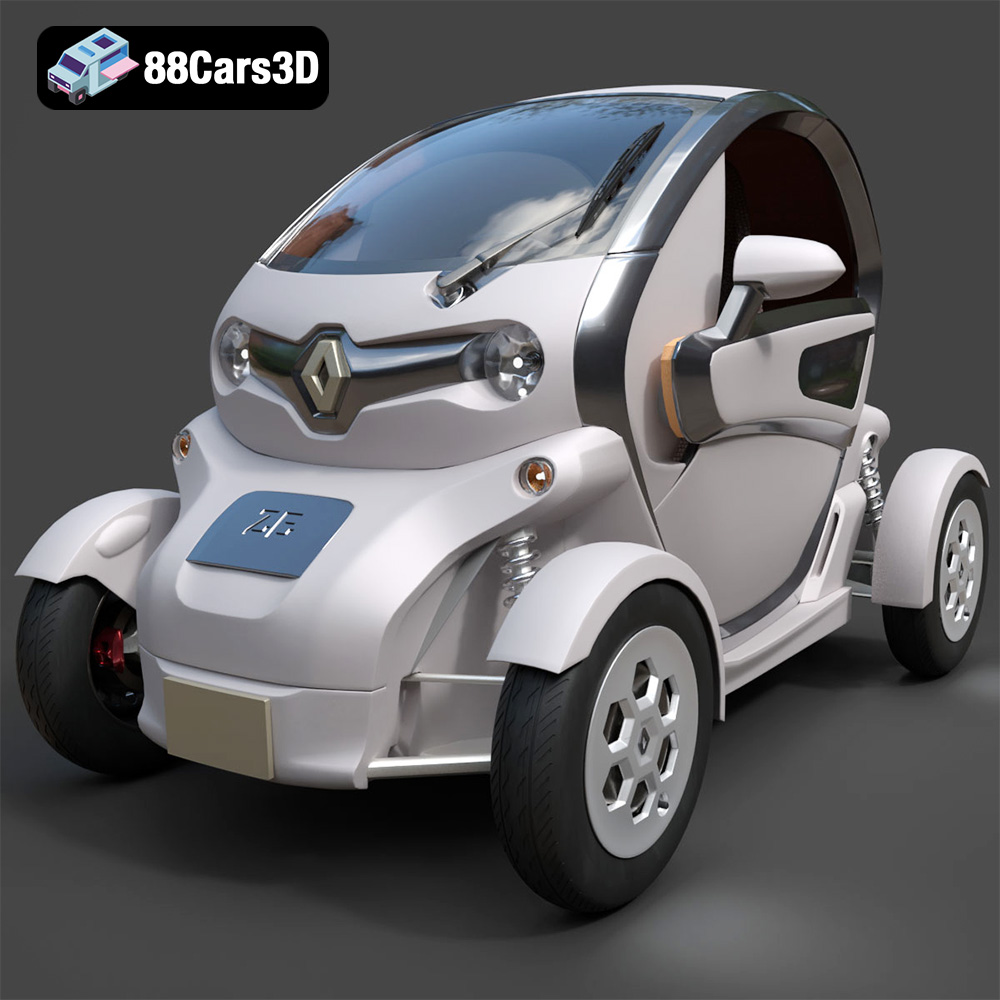
Texture: Yes
Material: Yes
Download the Renault Twizy ZE 3D Model featuring clean geometry, realistic detailing, and a fully modeled interior. Includes .blend, .fbx, .obj, .glb, .stl, .ply, .unreal, and .max formats for rendering, simulation, and game development.
Price: $4.99
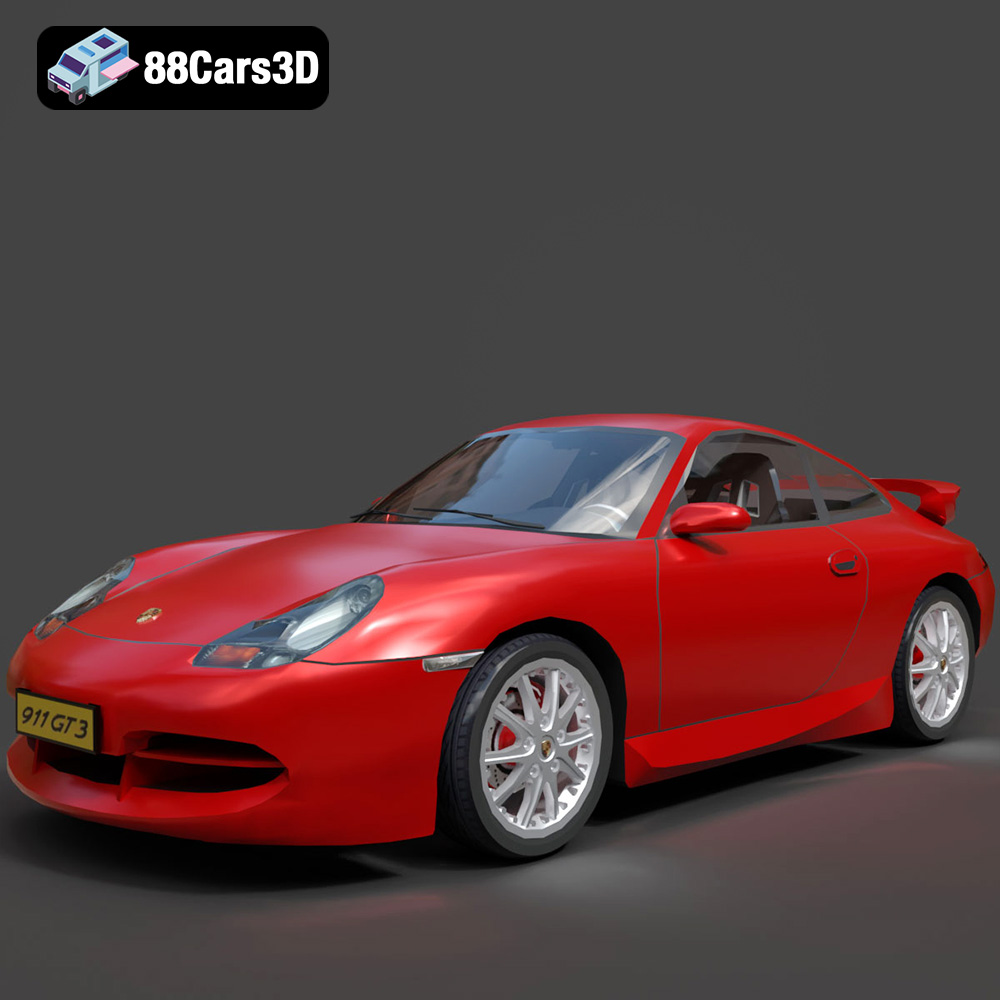
Texture: Yes
Material: Yes
Download the Porsche 911 GT3 3D Model featuring clean geometry, realistic detailing, and a fully modeled interior. Includes .blend, .fbx, .obj, .glb, .stl, .ply, .unreal, and .max formats for rendering, simulation, and game development.
Price: $4.99
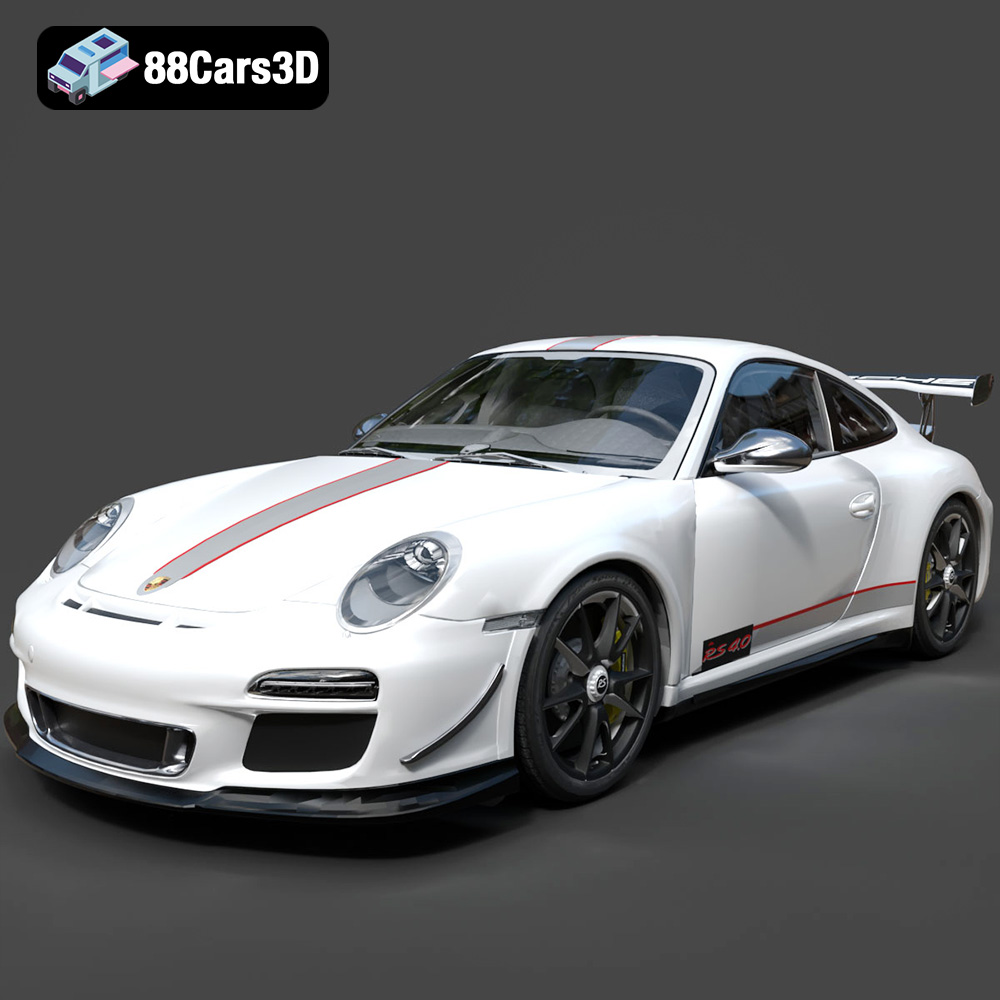
Texture: Yes
Material: Yes
Download the Porsche 911 997 GT3 RS 4.0 2011 3D Model featuring clean geometry, realistic detailing, and a fully modeled interior. Includes .blend, .fbx, .obj, .glb, .stl, .ply, .unreal, and .max formats for rendering, simulation, and game development.
Price: $4.99
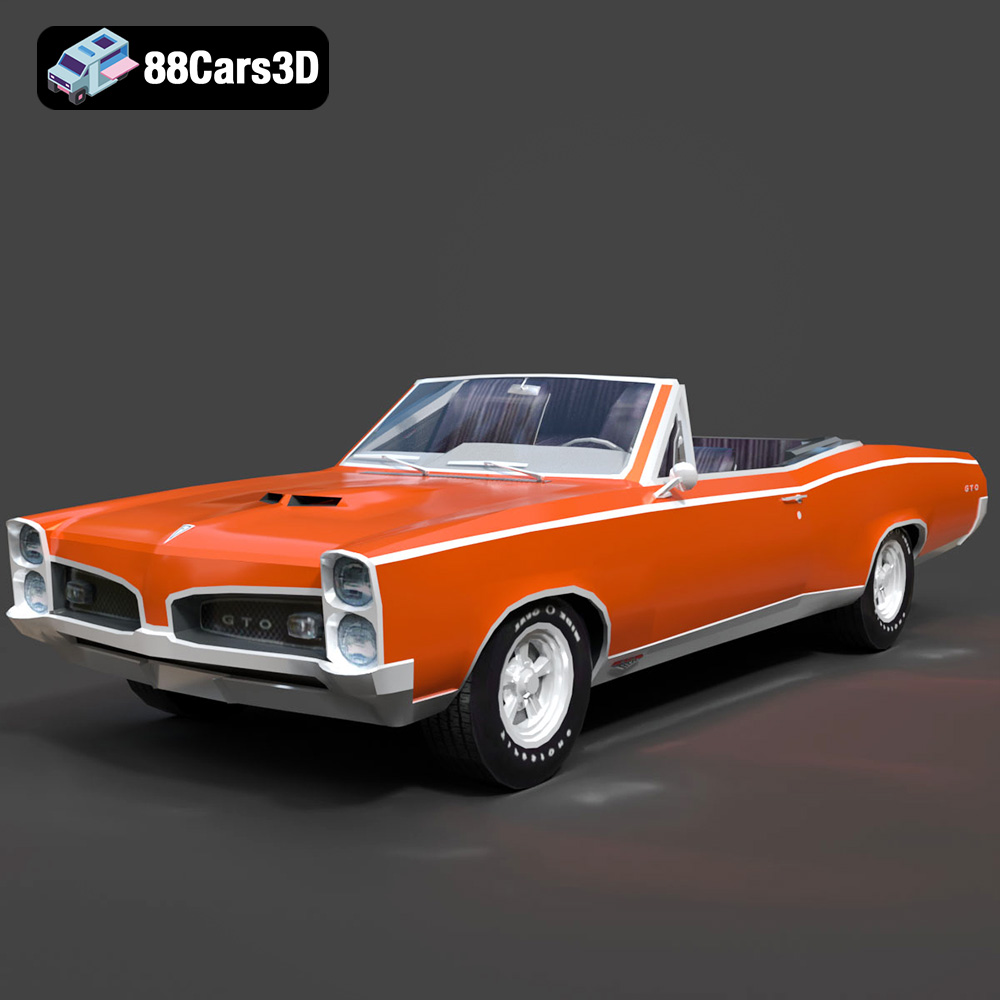
Texture: Yes
Material: Yes
Download the Pontiac GTO Cabrio 1967 3D Model featuring clean geometry, realistic detailing, and a fully modeled interior. Includes .blend, .fbx, .obj, .glb, .stl, .ply, .unreal, and .max formats for rendering, simulation, and game development.
Price: $4.99
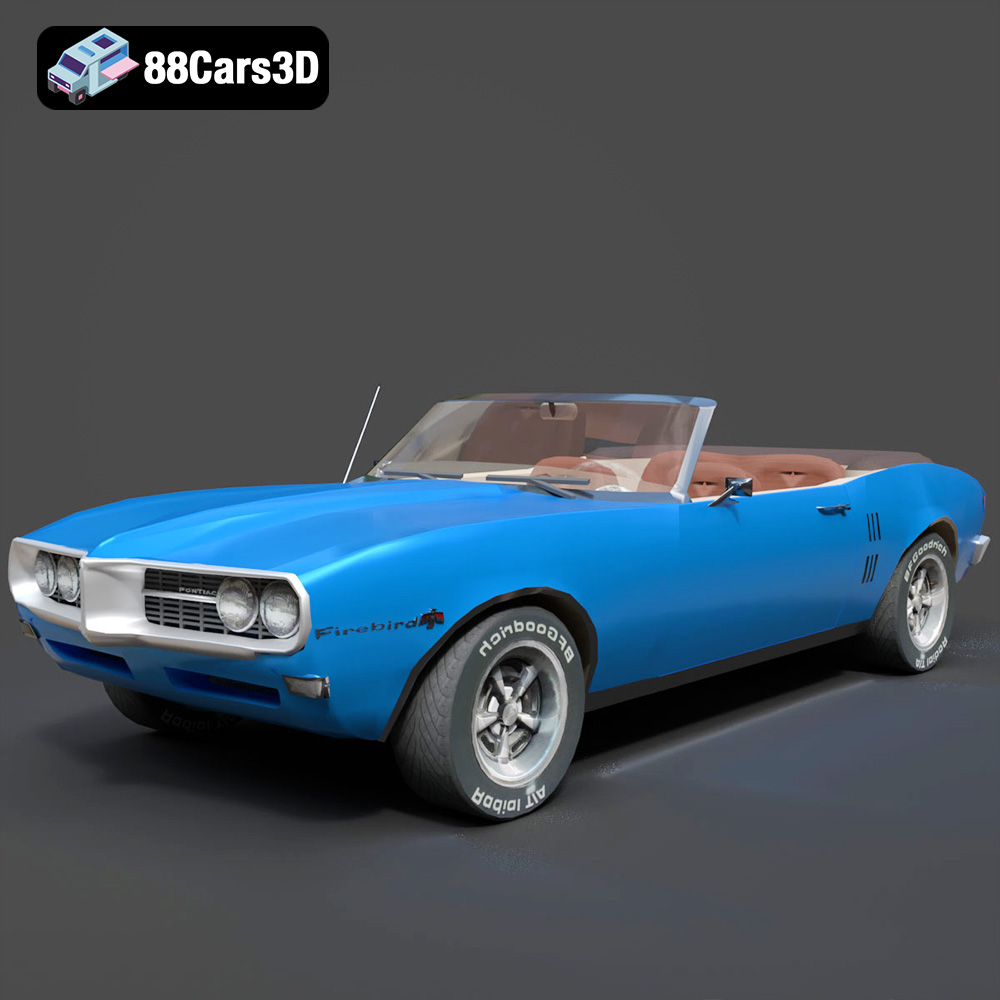
Texture: Yes
Material: Yes
Download the Pontiac Firebird Convertible 1968 3D Model featuring clean geometry, realistic detailing, and a fully modeled interior. Includes .blend, .fbx, .obj, .glb, .stl, .ply, .unreal, and .max formats for rendering, simulation, and game development.
Price: $4.99

Texture: Yes
Material: Yes
Download the Peugeot 508 2011 3D Model featuring clean geometry, realistic detailing, and a fully modeled interior. Includes .blend, .fbx, .obj, .glb, .stl, .ply, .unreal, and .max formats for rendering, simulation, and game development.
Price: $4.99
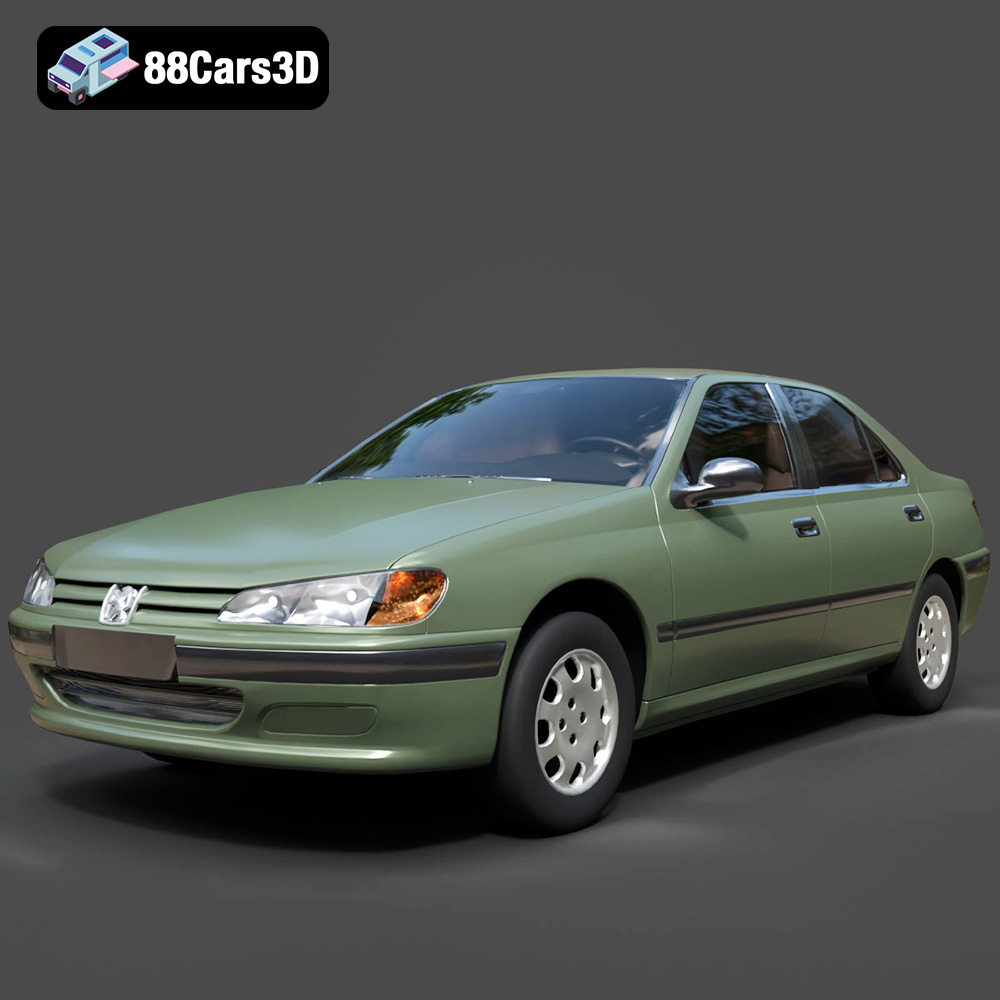
Texture: Yes
Material: Yes
Download the Peugeot 406 1996 3D Model featuring clean geometry, realistic detailing, and a fully modeled interior. Includes .blend, .fbx, .obj, .glb, .stl, .ply, .unreal, and .max formats for rendering, simulation, and game development.
Price: $10
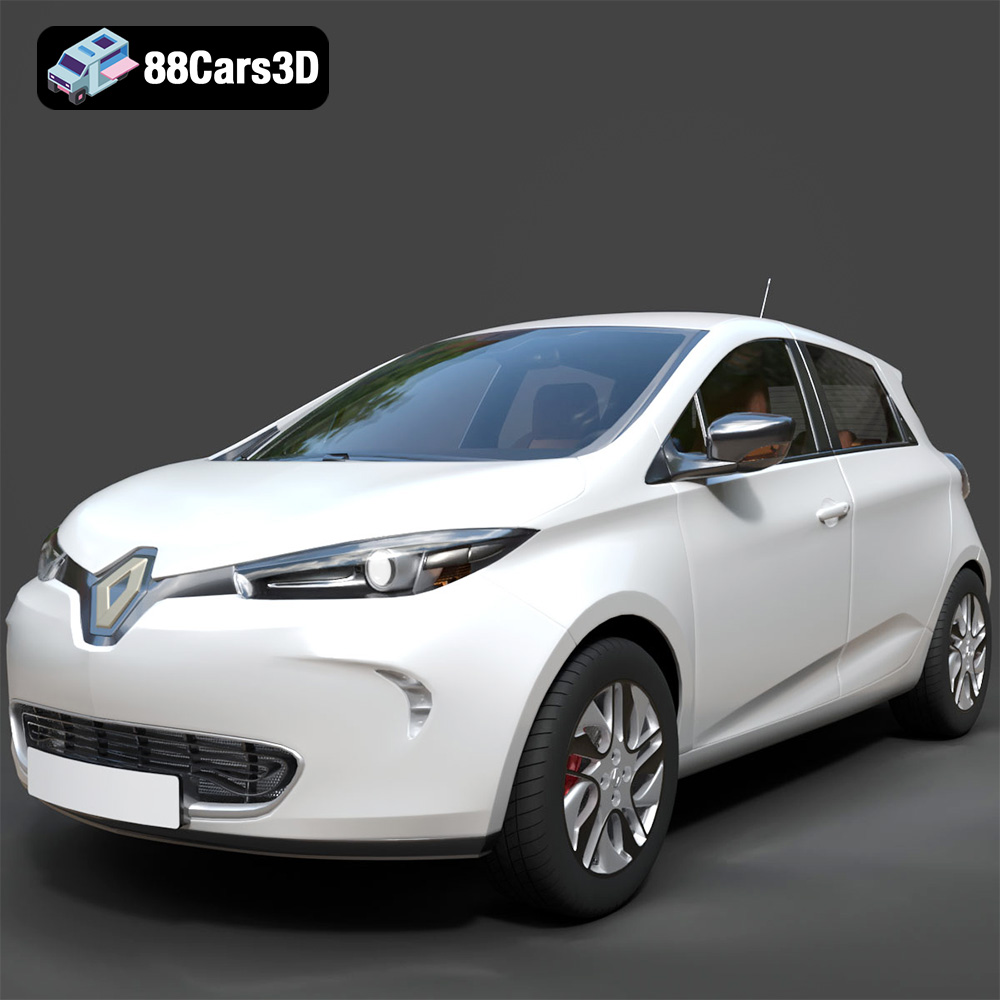
Texture: Yes
Material: Yes
Download the Renault Zoe 3D Model featuring clean geometry, realistic detailing, and a fully modeled interior. Includes .blend, .fbx, .obj, .glb, .stl, .ply, .unreal, and .max formats for rendering, simulation, and game development.
Price: $4.99
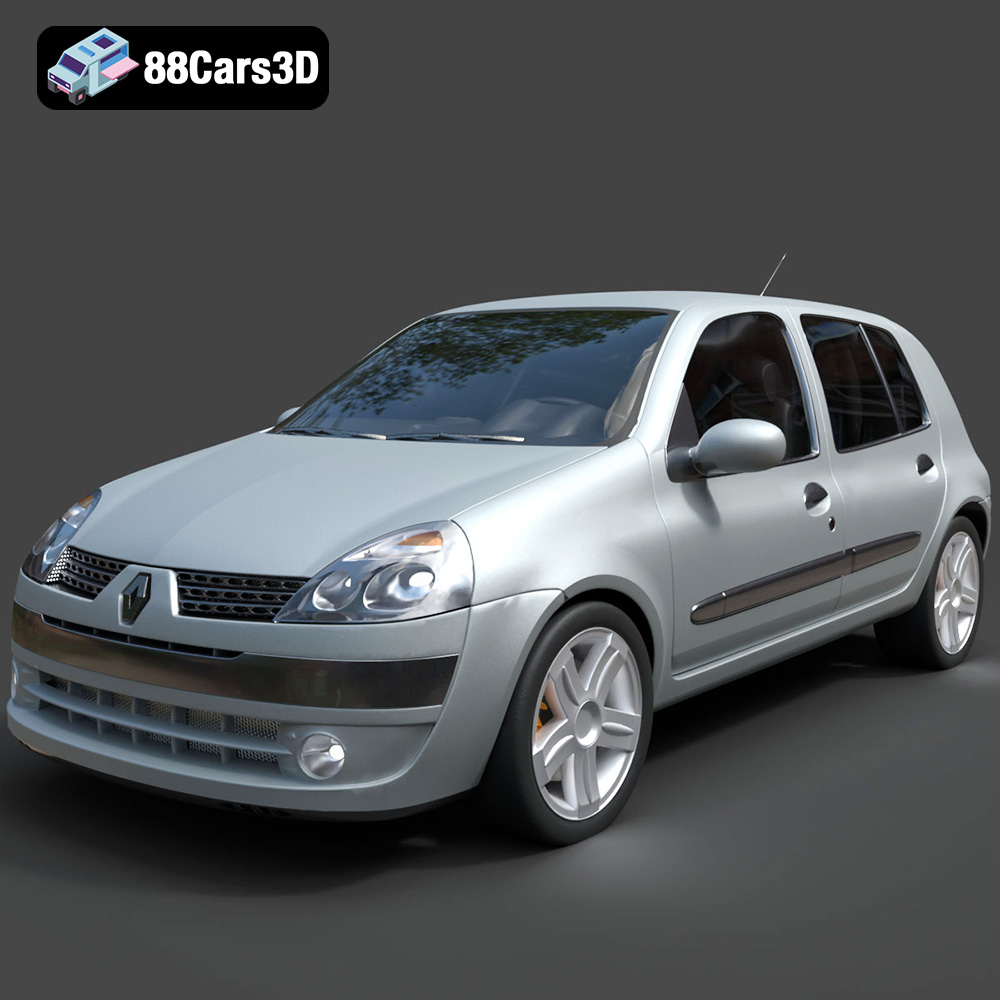
Texture: Yes
Material: Yes
Download the Renault Clio 2025 3D Model featuring clean geometry, realistic detailing, and a fully modeled interior. Includes .blend, .fbx, .obj, .glb, .stl, .ply, .unreal, and .max formats for rendering, simulation, and game development.
Price: $4.99
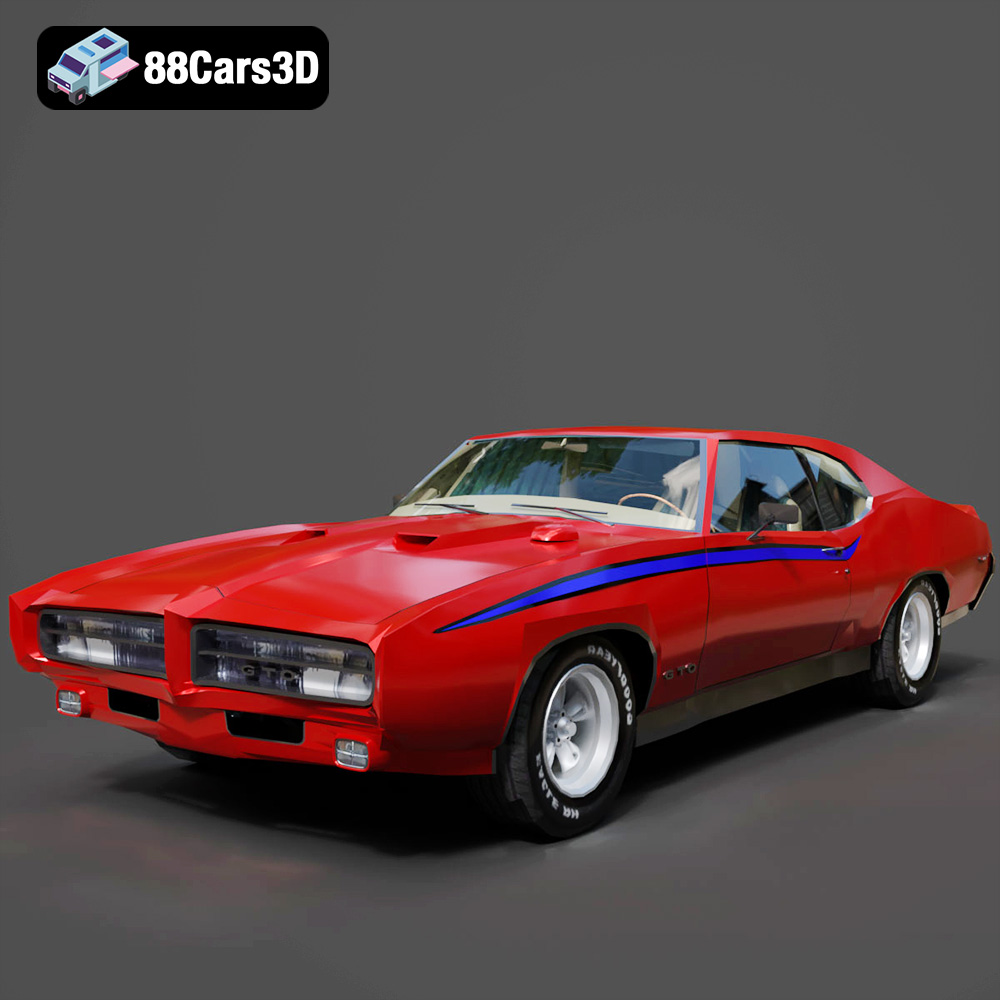
Texture: Yes
Material: Yes
Download the Pontiac GTO The Judge 1969 3D Model featuring clean geometry, realistic detailing, and a fully modeled interior. Includes .blend, .fbx, .obj, .glb, .stl, .ply, .unreal, and .max formats for rendering, simulation, and game development.
Price: $4.99

