Get 20% OFF All Premium 3D & STL Models!

The automotive industry has always been at the forefront of technological innovation, and in the digital realm, this translates to breathtaking 3D car models that power everything from blockbuster games to stunning architectural visualizations and cutting-edge AR/VR experiences. Far more than just visual representations, these digital assets are complex masterpieces of engineering and artistry, demanding precision, performance, and photorealism. For 3D artists, game developers, automotive designers, and visualization professionals, understanding the intricate workflows behind creating, optimizing, and deploying these models is paramount.
This comprehensive guide delves deep into the technical nuances of 3D car models, providing a roadmap from initial modeling to final rendering and beyond. We’ll explore the critical role of clean topology, the art of UV mapping, the science of PBR materials, and the strategies for optimizing models across various platforms. Whether you’re aiming for cinematic renders, real-time game assets, or models for 3D printing, mastering these techniques will elevate your projects and expand your capabilities. By the end of this article, you’ll have a profound understanding of what makes a high-quality 3D car model truly exceptional and how to leverage its full potential in your creative endeavors. Let’s buckle up and dive into the world of digital automotive excellence.
Creating a truly convincing 3D car model begins with impeccable topology. Topology refers to the arrangement of polygons and vertices that form the mesh of your model. For automotive designs, where smooth, flowing curves and sharp, defined edges are critical, clean and efficient topology is non-negotiable. It dictates how the model deforms, how light interacts with its surfaces, and how easily it can be textured and animated. Poor topology can lead to artifacts, pinching, and a myriad of headaches down the line.
The industry standard for organic and hard-surface models, including cars, is predominantly quad-based topology. Quads (four-sided polygons) are ideal because they subdivide predictably, allowing for smooth, controllable surfaces when using subdivision surface modifiers (e.g., TurboSmooth in 3ds Max, Subdivision Surface in Blender). While triangles (tris) are permissible in optimized game assets or flat, non-deforming areas, an excessive amount of them in high-poly models can create visual inconsistencies and make UV mapping and rigging more challenging. N-gons (polygons with more than four sides) should generally be avoided, especially on curved surfaces, as they don’t subdivide predictably and can cause shading errors.
Edge flow is the arrangement of edges that follow the contours and curvature of your model. For cars, this means carefully tracing the lines of the body panels, wheel arches, vents, and other intricate details. Good edge flow ensures that when the model is subdivided, the surfaces remain smooth and unbroken, mimicking the real-world manufacturing precision of a vehicle. This is particularly important around areas of high curvature or where different panels meet. Using reference images, blueprints, and even CAD data as overlays in your modeling software (like Blender, Maya, or 3ds Max) is crucial for accurate proportions and panel gaps.
A common technique involves creating a low-polygon base mesh that captures the overall form, then adding supporting edge loops to define sharper creases before applying subdivision. This non-destructive workflow allows for adjustments and fine-tuning without committing to dense geometry too early. Pay close attention to areas like door seams, hood lines, and window frames, ensuring that your edge loops articulate these features precisely. For complex mechanical parts, a mix of boolean operations followed by meticulous cleanup and retopology can yield excellent results, providing the crisp edges required without compromising overall mesh quality.
The “ideal” polygon count for a 3D car model varies significantly depending on its intended use. For high-fidelity cinematic rendering or automotive design visualization, models can easily reach several million polygons, allowing for incredible detail in intricate components like engines, interiors, and undercarriage parts. These models prioritize visual accuracy above all else.
However, for real-time applications like video games or AR/VR experiences, optimization is key. A single game-ready car model might range from 50,000 to 300,000 polygons, with aggressive LODs (Levels of Detail) to further reduce the count for distant views. This requires careful consideration during the modeling phase, often involving baking normal maps from high-poly versions to retain detail on lower-poly meshes. When sourcing high-quality 3D car models from platforms like 88cars3d.com, it’s essential to check the stated polygon count and topology to ensure it aligns with your project’s specific performance requirements.
Once your 3D car model’s topology is solid, the next crucial step is UV mapping – the process of unwrapping the 3D mesh into a 2D space so that textures can be applied accurately. Imagine taking a complex object like a car and flattening its surfaces onto a canvas; this canvas is your UV layout. Proper UV mapping is essential for realistic texturing, preventing stretching, distortion, and achieving uniform texture density across the model.
For complex automotive surfaces, a strategic approach to UV unwrapping is vital. It’s rarely a one-click solution. Instead, it involves intelligent seam placement, ensuring that cuts are made in inconspicuous areas (e.g., along panel lines, under the chassis, inside door jams). This minimizes visible texture seams on the final rendered model. Techniques like planar, cylindrical, and spherical mapping are used for different parts of the car – planar for flat panels, cylindrical for wheels and tires, and a combination for the main body. Many artists leverage automatic unwrapping tools as a starting point, then manually refine and relax the UVs to achieve optimal results.
An efficient UV layout maximizes the use of the 0-1 UV space, preventing wasted texture resolution. This means arranging UV islands (the unwrapped pieces of your mesh) tightly together, without overlapping, and scaling them proportionally to the surface area they represent on the 3D model. For instance, a large hood panel should occupy more UV space than a small emblem, ensuring consistent texture detail. Texel density, which refers to the number of texture pixels per unit of surface area, should be consistent across the model to avoid blurriness or pixelation in certain areas.
For incredibly detailed car models, especially those with intricate interiors, engine bays, or multiple material types, using multiple UV sets or UDIMs (U-Dimension) becomes indispensable. UDIMs allow artists to use multiple texture maps, effectively extending the UV space beyond the standard 0-1 range. This technique is widely used in high-end VFX and animation for very high-resolution textures (e.g., 4K, 8K per UDIM), providing granular detail without sacrificing resolution on any single part. For real-time applications, however, texture atlasing (combining multiple smaller textures into one larger texture map) is often preferred to reduce draw calls and improve performance.
Detail UVs are crucial for specific elements like tire treads, grille patterns, or dashboard details. These elements might require their own dedicated UV space or be carefully nested within a larger atlas. For repetitive elements like bolts or small vents, overlapping UVs can be a clever optimization, allowing a single texture area to be applied to multiple instances of the same object. However, this should be done cautiously, as it limits unique texturing options.
When generating normal maps from high-poly models, clean UVs are absolutely critical to prevent baking artifacts. Any stretching or overlapping in your UVs will directly translate to errors in your normal map, leading to incorrect lighting and shading on the low-poly model. Tools like RizomUV, UVLayout, and the native UV editors in 3ds Max, Blender, and Maya offer powerful features for precise unwrapping, relaxation, and packing, ensuring that your 3D car models are perfectly prepared for the next stage of texturing.
Bringing a 3D car model to life demands more than just accurate geometry; it requires photorealistic materials that react correctly to light. Physically Based Rendering (PBR) has become the industry standard for achieving this realism, simulating how light interacts with surfaces based on real-world physical properties. Instead of faking reflections or diffuse colors, PBR materials define attributes like metallicness, roughness, and reflectivity, allowing rendering engines to calculate accurate lighting responses in any environment.
A typical PBR material for a car will consist of several key texture maps:
Achieving complex automotive finishes, like metallic car paint, requires more than just simple PBR maps. Car paint shaders often involve multiple layers: a base diffuse/metallic layer, a clear coat layer for reflections, and potentially flake layers for metallic or pearlescent effects. In renderers like V-Ray, Corona, Cycles, or Arnold, these are constructed using sophisticated shader networks. For instance, a car paint shader might involve:
For interior materials, detailed fabric and leather textures, combined with accurate roughness and normal maps, are essential. Glass and transparent materials require precise IOR (Index of Refraction) values and proper thin-wall or thick-wall settings to simulate realistic light bending and reflections.
The resolution of your PBR textures directly impacts the visual fidelity of your 3D car models. For high-end rendering, 4K (4096×4096) or even 8K (8192×8192) textures are common for large surface areas like the car body, with smaller components using 2K or 1K maps. It’s crucial to balance resolution with file size and memory usage. Tools like Substance Painter and Mari are industry standards for creating, baking, and painting PBR textures, allowing artists to work non-destructively and export maps optimized for various rendering engines.
When sourcing models from marketplaces such as 88cars3d.com, always check the texture resolutions and the inclusion of PBR maps. High-quality models typically come with a full set of PBR textures, often packed into efficient formats like PNG or TGA, ensuring they are ready for immediate integration into your rendering or game development pipeline.
Once your 3D car model is meticulously modeled and textured with PBR materials, the next step is to bring it to life through high-fidelity rendering. This process involves setting up lights, cameras, environments, and finally, using a rendering engine to produce photorealistic images or animations. Each rendering engine—be it V-Ray, Corona Renderer, Arnold, Cycles, or others—has its unique strengths and workflow, but the core principles of lighting and camera work remain universal.
The foundation of any great render is the lighting setup. For automotive visualization, High Dynamic Range Images (HDRIs) are incredibly powerful. An HDRI captures real-world lighting information from a specific location, providing realistic reflections and ambient light that instantly ground your car model in a plausible environment. Combining HDRIs with targeted physical lights (like area lights or spot lights) allows for precise control over highlights, shadows, and mood. For example, a large, soft area light can mimic studio lighting for a clean product shot, while a series of spot lights can accentuate specific design features. Experimenting with different light temperatures and intensities is key to achieving the desired aesthetic, from warm sunset glows to crisp, cool industrial looks.
Just like a real photographer, a 3D artist must master camera settings and composition. Understanding principles like the rule of thirds, leading lines, and negative space can dramatically enhance your renders. Key camera parameters include:
Modern renderers often integrate physical camera settings, allowing for a more intuitive and realistic approach to virtual photography. Experimenting with camera angles – low angles for power, eye-level for realism, or high angles for showcasing scale – is vital for impactful automotive renders.
Beyond basic lighting and camera, advanced rendering techniques elevate the final output. Render passes (also known as AOVs – Arbitrary Output Variables) allow artists to output separate layers of information like diffuse, reflections, refractions, shadows, and ambient occlusion. These passes are then composited in software like Adobe Photoshop or Nuke, providing immense flexibility for non-destructive color correction, adding effects like bloom or lens flares, and fine-tuning specific elements of the render. Denoisers, integrated into most modern renderers (e.g., NVIDIA OptiX for Cycles/Arnold, Intel Open Image Denoise for Blender), significantly reduce render times by intelligently cleaning up noise from path-traced images.
Furthermore, setting up realistic environments, whether it’s a bustling city street, a serene landscape, or a pristine studio, is crucial. This involves modeling or importing high-quality assets for surroundings, ensuring material consistency, and integrating the car seamlessly into the scene through accurate lighting and reflections. Post-processing is the final polish, enhancing contrast, color grading, and adding subtle effects to achieve that final, magazine-quality look. Mastering these elements ensures that your 3D car models resonate with authenticity and visual grandeur.
While cinematic renders prioritize absolute visual fidelity, real-time applications like video games, AR/VR experiences, and interactive configurators demand a careful balance between quality and performance. Optimizing 3D car models for these platforms is a critical skill, focusing on reducing polygon counts, draw calls, and texture memory while maintaining visual integrity. The goal is to achieve smooth frame rates without sacrificing too much detail.
The primary optimization strategy for geometry is the use of Levels of Detail (LODs). LODs are progressively lower-polygon versions of your model that are swapped in and out based on the camera’s distance from the object. A car model might have 3-5 LOD levels: LOD0 (high-poly, for close-ups), LOD1 (medium-poly), LOD2 (low-poly), and so on, down to a very simplified mesh or even a billboard for extreme distances. This significantly reduces the processing load on the GPU. Tools within game engines like Unity and Unreal Engine, as well as dedicated DCC tools, facilitate the automatic or manual generation of LODs.
Draw calls are instructions from the CPU to the GPU to draw an object. Each unique material on a model typically incurs a draw call. A single car model with many separate material assignments (e.g., separate materials for each bolt, trim piece, and interior component) can quickly escalate draw calls, leading to performance bottlenecks. To mitigate this:
Transparent materials, especially for glass, can also be performance intensive due to overdraw (multiple transparent layers being rendered on top of each other). Optimized shaders and careful planning are needed here.
AR/VR environments present unique challenges due to stringent performance requirements and often mobile hardware constraints. For AR/VR 3D car models:
Platforms like Unity and Unreal Engine provide robust tools for these optimizations, including profiling tools to identify bottlenecks. When acquiring models for AR/VR from 88cars3d.com, prioritize models explicitly marked as “game-ready” or “optimized for real-time” to ensure a smoother development process.
In the diverse world of 3D, file formats act as the language spoken between different software applications and platforms. Understanding these formats, their strengths, weaknesses, and how to effectively convert between them is crucial for any 3D artist or developer working with automotive models. The choice of file format can impact everything from mesh integrity and material fidelity to animation data and overall file size.
The most commonly encountered formats for 3D car models are:
Many high-fidelity automotive models originate from CAD (Computer-Aided Design) software (e.g., CATIA, SolidWorks, Rhino). These models are typically NURBS (Non-Uniform Rational B-Splines) or solids, representing mathematically perfect curves and surfaces rather than polygons. Common CAD formats include STP (STEP), IGES, and JT.
Converting CAD data to polygonal meshes for rendering or real-time applications presents unique challenges. NURBS surfaces must be tessellated (converted into polygons), and the quality of this tessellation is critical. A poor conversion can result in overly dense meshes, jagged edges, or incorrect surface normals. Specialized plugins and software (like Datasmith for Unreal Engine, or dedicated CAD importers in Maya/3ds Max) are often used to control the tessellation parameters, ensuring a clean, optimized polygonal output suitable for 3D artists to further refine and texture. This process is crucial for maintaining design intent from engineering to visualization.
When converting between formats, especially from CAD to polygonal or between different DCC tools, always verify the integrity of your data. Key points to check include:
Reputable marketplaces like 88cars3d.com typically provide models in multiple common formats, pre-checked for compatibility and quality, significantly streamlining the asset integration process for artists and developers.
The utility of high-quality 3D car models extends far beyond digital screens. With the advent of advanced manufacturing technologies, particularly 3D printing, these models can now be transformed into physical prototypes, scale models, or custom parts. However, preparing a 3D model for 3D printing requires a different set of considerations compared to rendering or game development, focusing on physical integrity and printability.
The most critical requirement for 3D printing is a “watertight” mesh. This means the model must be a completely enclosed volume without any holes, disconnected edges, or inverted normals. Imagine filling the model with water – if it leaks, it’s not watertight. Many digital modeling techniques (like open-ended surfaces for rendering) can create non-watertight meshes, which will cause errors in slicing software (the program that prepares the model for the 3D printer). Tools like Blender’s 3D Print Toolbox, MeshLab, or built-in mesh analysis tools in your DCC software can identify and help repair these issues, automatically filling holes, merging disconnected vertices, and fixing flipped normals.
Beyond being watertight, a 3D printable car model must have sufficient wall thickness to withstand the printing process and maintain structural integrity. Thin walls can be brittle, break easily, or not even be able to be printed by certain technologies. The minimum wall thickness varies depending on the printing technology (e.g., FDM, SLA, SLS) and the material used, but typically ranges from 1mm to 2mm or more for functional parts. For scale models, even non-functional decorative elements need to meet these minimums. Intricate details like grilles, mirrors, or small spoilers might need to be beefed up or slightly redesigned to be printable.
Internal geometry also needs consideration. If the model is completely solid, it can be unnecessarily heavy, expensive (due to material usage), and prone to warping during printing. Hollowing out the model, while maintaining sufficient wall thickness and adding drain holes, is a common technique to save material and improve print quality. For complex assemblies, splitting the car model into multiple interlocking parts (e.g., body, chassis, wheels, interior) can simplify printing, reduce support structure requirements, and allow for multi-material or multi-color prints.
The preferred file formats for 3D printing are typically STL (STereoLithography) and OBJ. STL is the industry standard, known for its simplicity (it only stores surface geometry as a collection of triangles) and wide compatibility with slicing software. OBJ offers similar geometry support but can also include color information, which is useful for full-color 3D printing. Newer formats like 3MF (3D Manufacturing Format) are emerging, offering more robust support for materials, colors, and complex model information, bridging the gap between design and manufacturing more effectively.
Beyond simple printing, high-fidelity 3D car models play an integral role in advanced automotive design workflows. They are used for:
The quality and accuracy of the 3D car models, whether sourced from a platform like 88cars3d.com or meticulously crafted, directly influence the reliability and effectiveness of these advanced engineering and design applications. Ensuring your models meet these rigorous technical requirements unlocks a vast potential beyond mere visualization.
From the foundational principles of clean topology and efficient UV mapping to the advanced artistry of PBR materials and high-fidelity rendering, the journey of creating and deploying compelling 3D car models is a testament to both technical skill and creative vision. We’ve explored the intricate workflows, software-specific techniques, and optimization strategies that elevate a simple mesh into a versatile digital asset capable of powering everything from cinematic automotive renders to immersive game worlds and tangible 3D prints.
Whether your goal is to captivate audiences with stunning visualizations, immerse players in dynamic virtual environments, or innovate in product design and manufacturing, understanding the technical underpinnings of 3D car models is absolutely essential. The choice of file formats, the precision of your model’s geometry, the realism of its materials, and its optimization for specific platforms are all critical factors that determine the success and impact of your projects.
As the digital landscape continues to evolve, the demand for high-quality, technically sound 3D car models will only grow. By embracing industry best practices and continuously refining your skills, you empower yourself to push the boundaries of digital automotive excellence. Platforms like 88cars3d.com provide a solid foundation by offering professionally crafted models, enabling artists and developers to jumpstart their projects with confidence. Invest in understanding these complex workflows, and you’ll be well-equipped to drive innovation and create truly unforgettable automotive experiences.
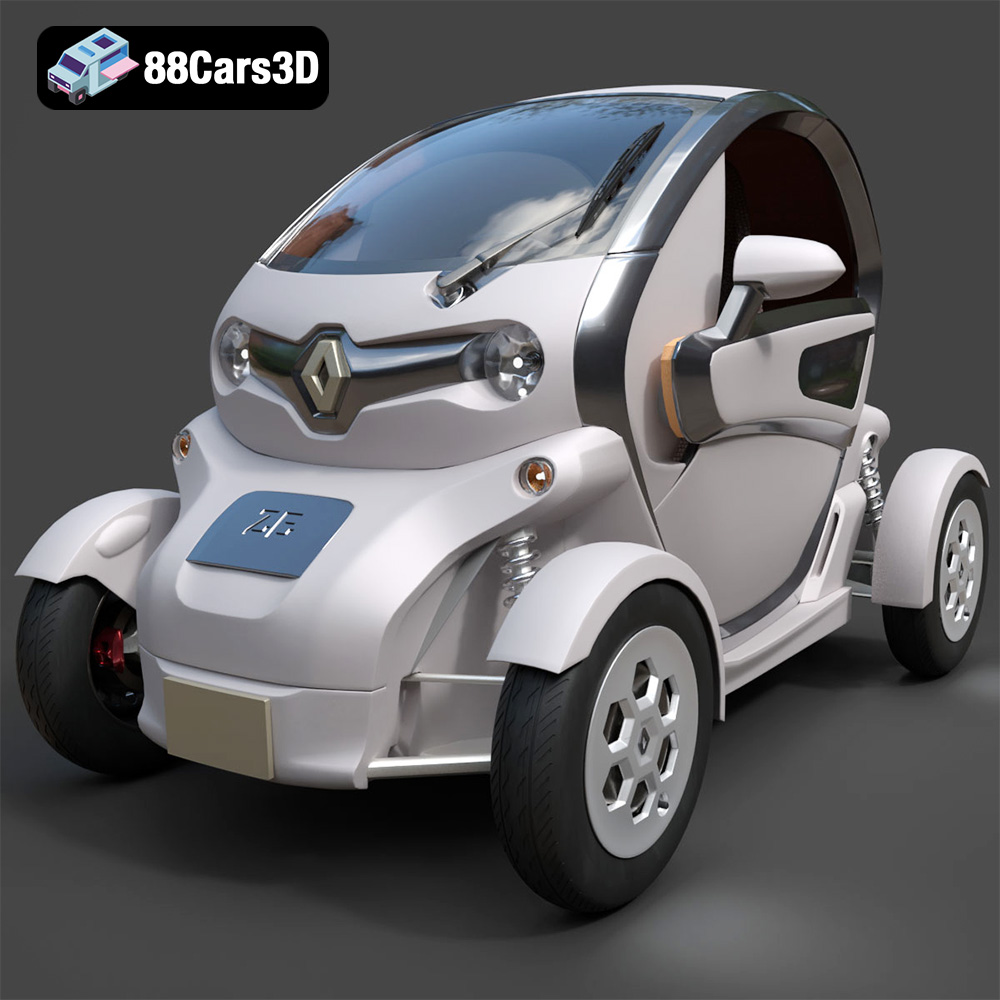
Texture: Yes
Material: Yes
Download the Renault Twizy ZE 3D Model featuring clean geometry, realistic detailing, and a fully modeled interior. Includes .blend, .fbx, .obj, .glb, .stl, .ply, .unreal, and .max formats for rendering, simulation, and game development.
Price: $4.99
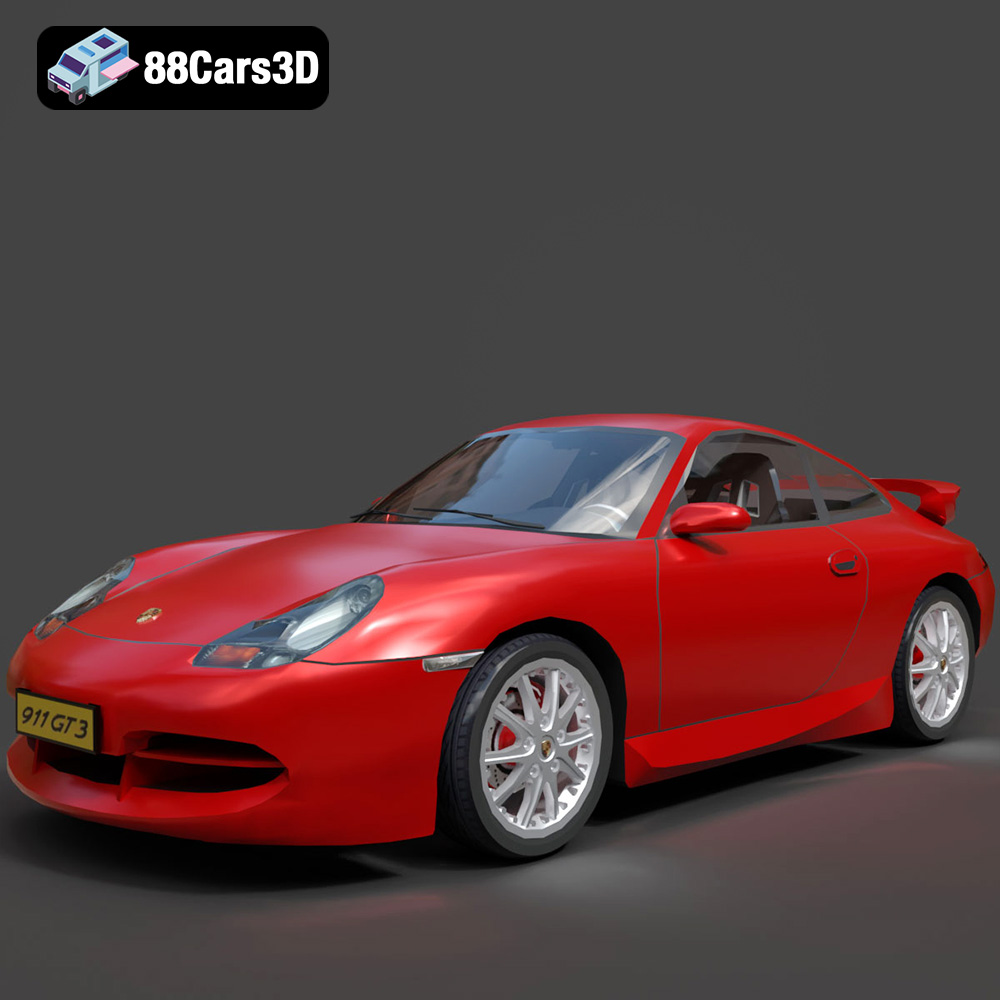
Texture: Yes
Material: Yes
Download the Porsche 911 GT3 3D Model featuring clean geometry, realistic detailing, and a fully modeled interior. Includes .blend, .fbx, .obj, .glb, .stl, .ply, .unreal, and .max formats for rendering, simulation, and game development.
Price: $4.99
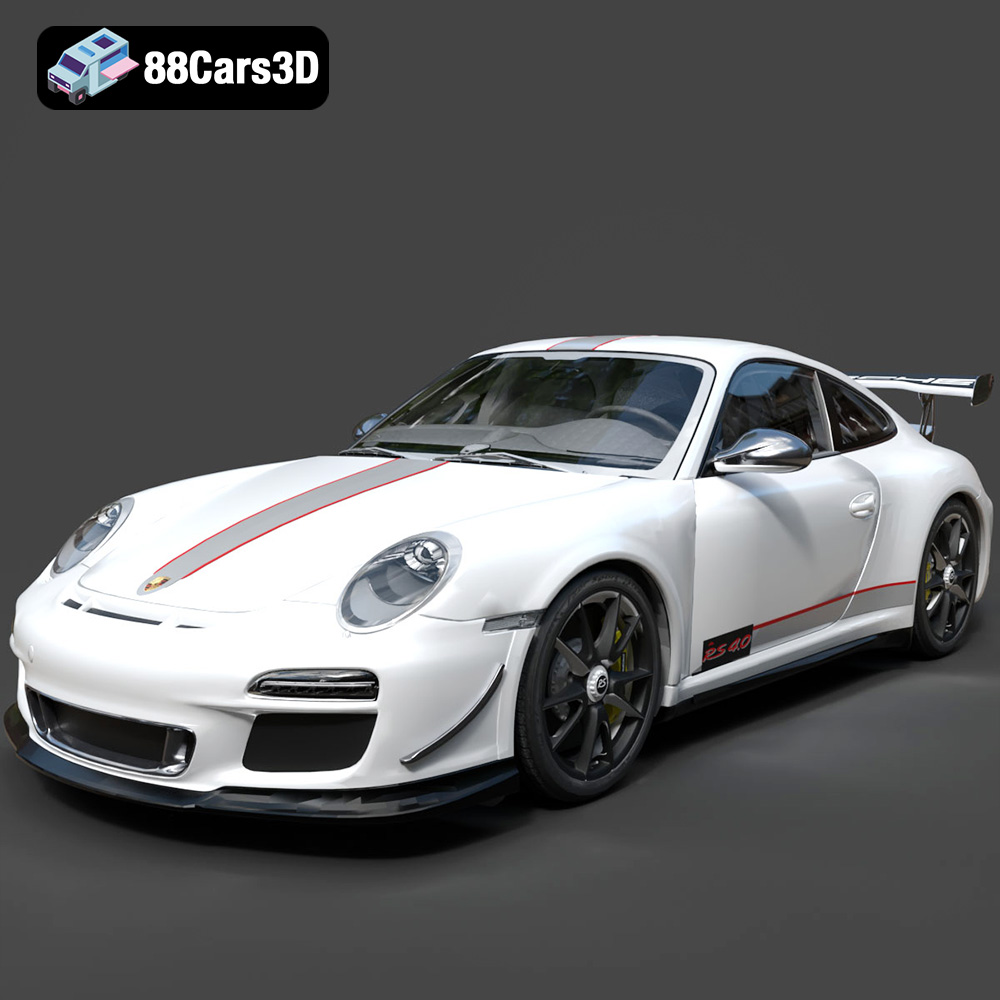
Texture: Yes
Material: Yes
Download the Porsche 911 997 GT3 RS 4.0 2011 3D Model featuring clean geometry, realistic detailing, and a fully modeled interior. Includes .blend, .fbx, .obj, .glb, .stl, .ply, .unreal, and .max formats for rendering, simulation, and game development.
Price: $4.99
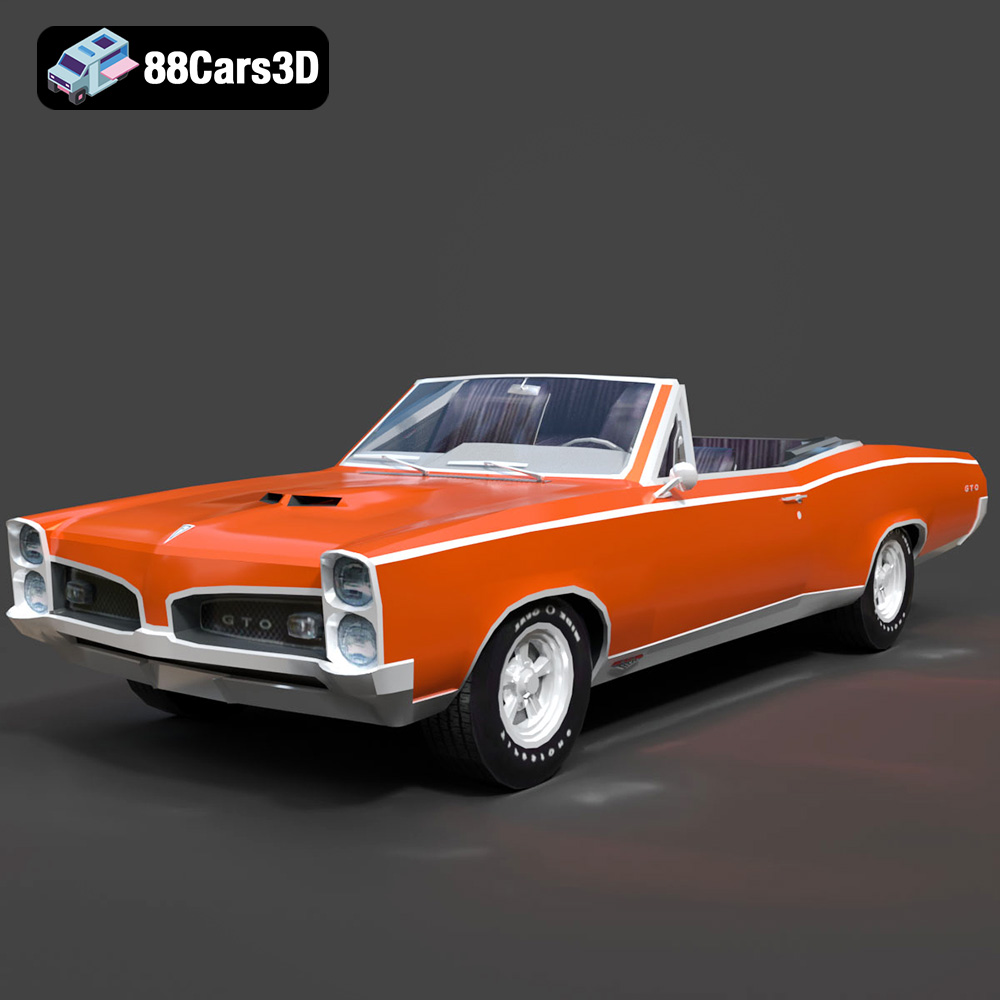
Texture: Yes
Material: Yes
Download the Pontiac GTO Cabrio 1967 3D Model featuring clean geometry, realistic detailing, and a fully modeled interior. Includes .blend, .fbx, .obj, .glb, .stl, .ply, .unreal, and .max formats for rendering, simulation, and game development.
Price: $4.99
Texture: Yes
Material: Yes
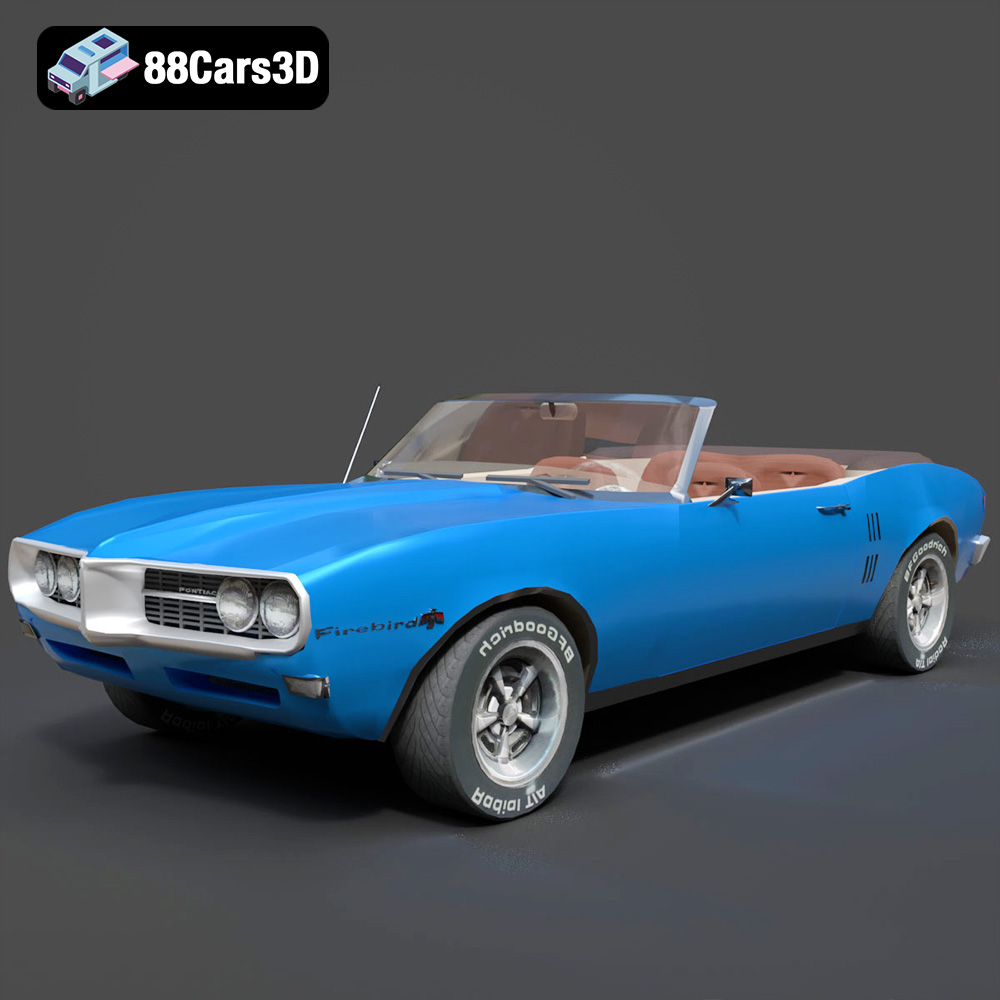
Download the Pontiac Firebird Convertible 1968 3D Model featuring clean geometry, realistic detailing, and a fully modeled interior. Includes .blend, .fbx, .obj, .glb, .stl, .ply, .unreal, and .max formats for rendering, simulation, and game development.
Price: $4.99

Texture: Yes
Material: Yes
Download the Peugeot 508 2011 3D Model featuring clean geometry, realistic detailing, and a fully modeled interior. Includes .blend, .fbx, .obj, .glb, .stl, .ply, .unreal, and .max formats for rendering, simulation, and game development.
Price: $4.99
Texture: Yes
Material: Yes
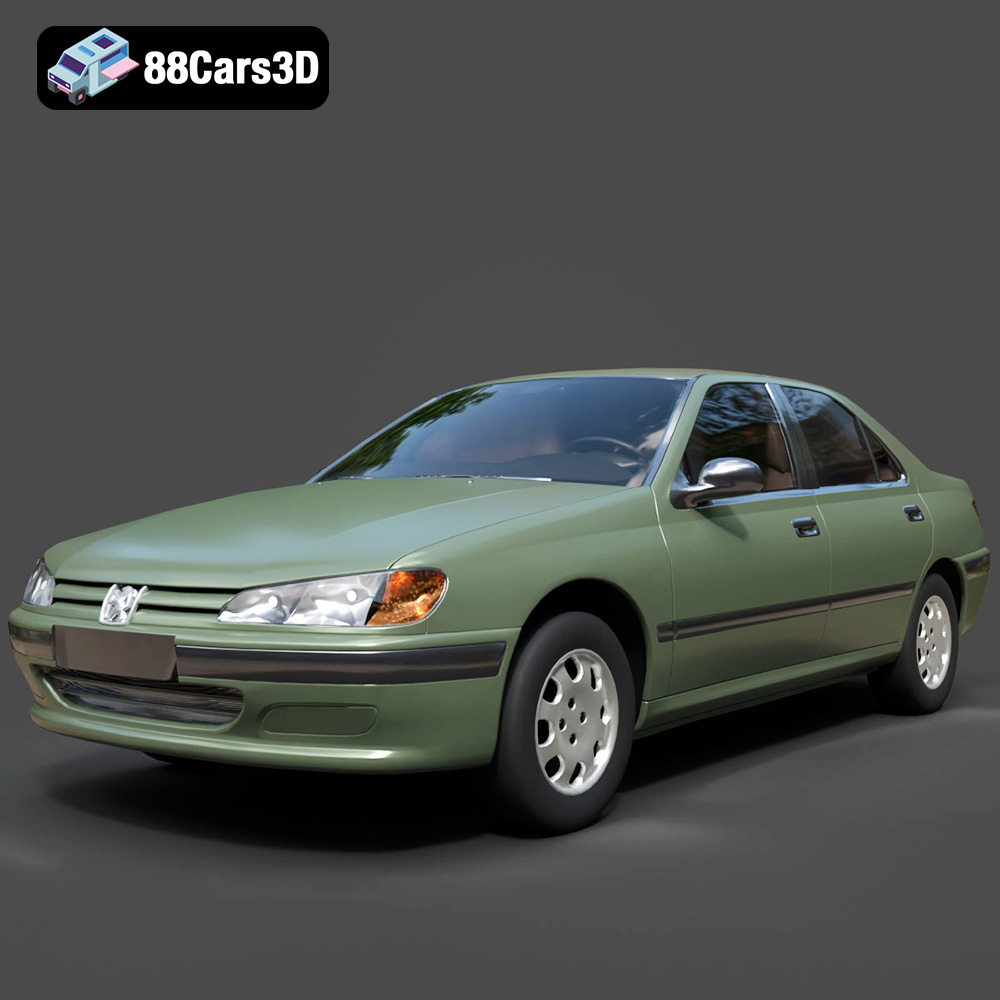
Download the Peugeot 406 1996 3D Model featuring clean geometry, realistic detailing, and a fully modeled interior. Includes .blend, .fbx, .obj, .glb, .stl, .ply, .unreal, and .max formats for rendering, simulation, and game development.
Price: $10
Texture: Yes
Material: Yes
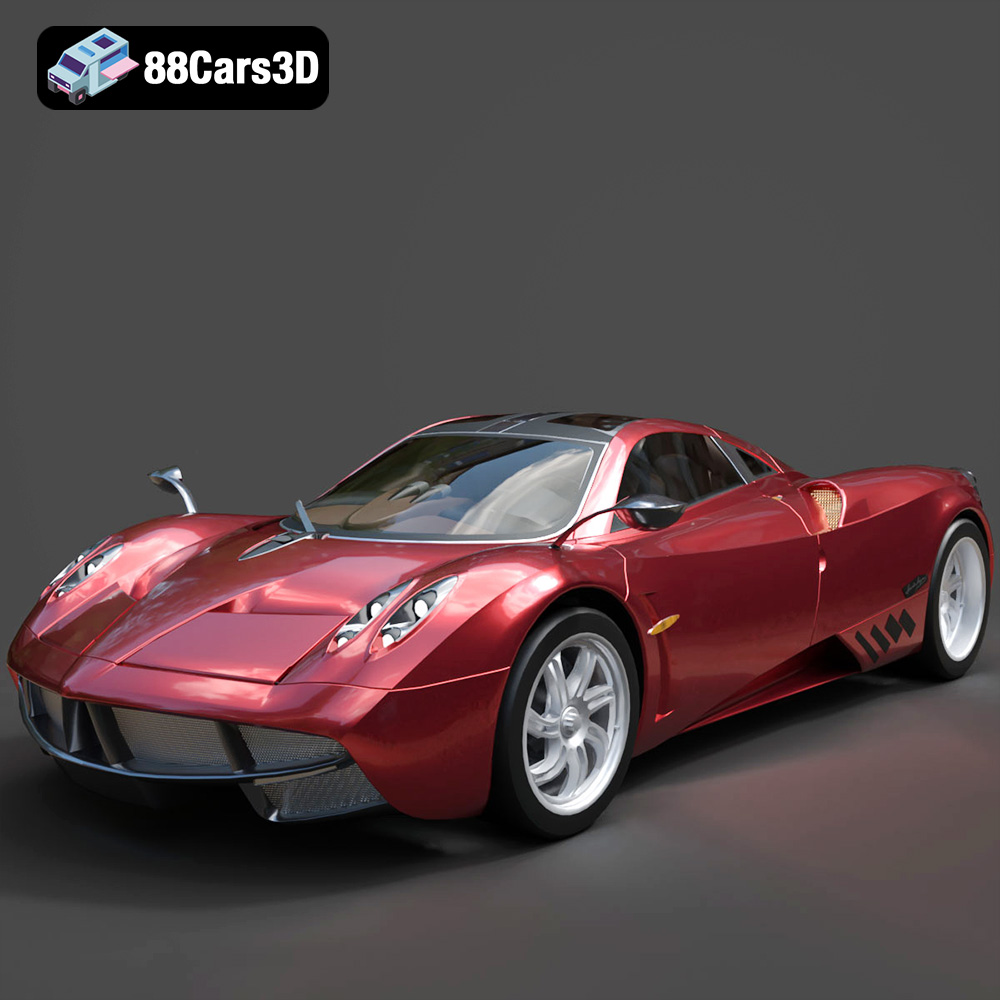
Download the Pagani Huayra 2012 3D Model featuring clean geometry, realistic detailing, and a fully modeled interior. Includes .blend, .fbx, .obj, .glb, .stl, .ply, .unreal, and .max formats for rendering, simulation, and game development.
Price: $10
Texture: Yes
Material: Yes
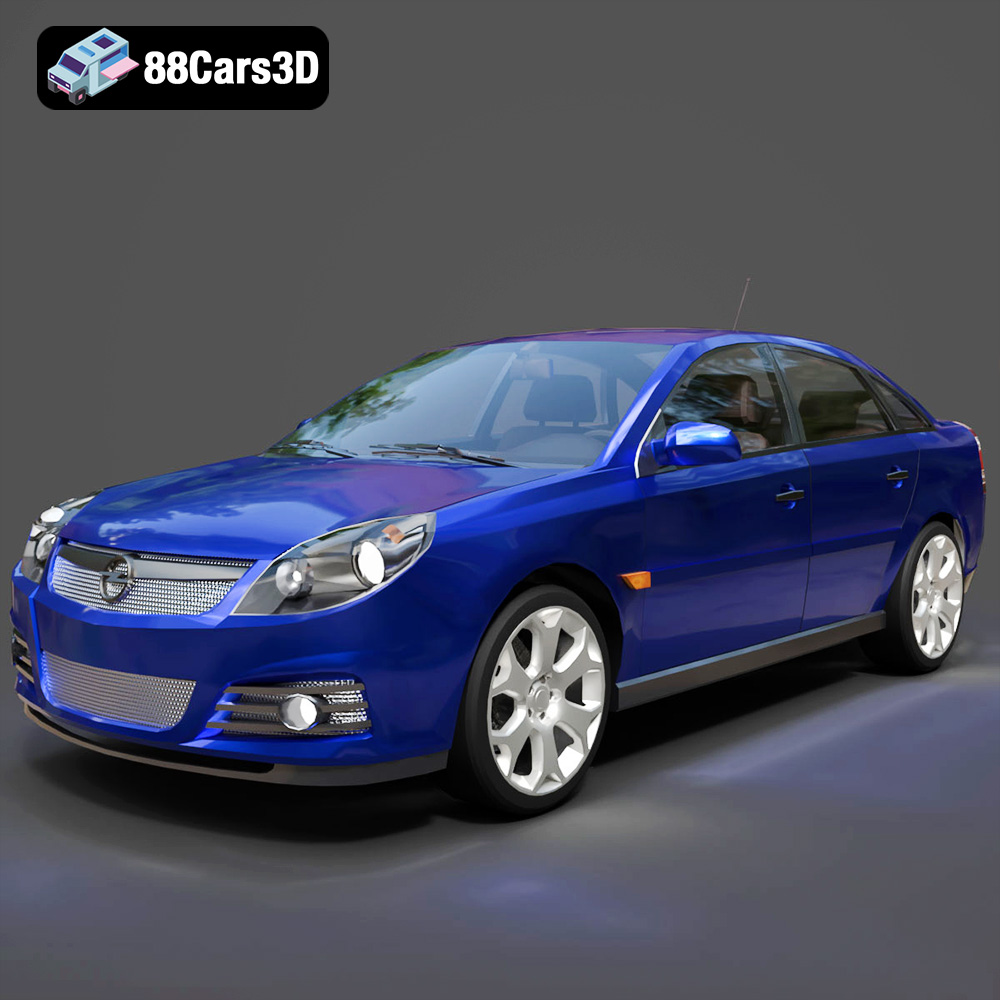
Download the Opel Vectra C 2005 3D Model featuring clean geometry, realistic detailing, and a fully modeled interior. Includes .blend, .fbx, .obj, .glb, .stl, .ply, .unreal, and .max formats for rendering, simulation, and game development.
Price: $10

Texture: Yes
Material: Yes
Download the Opel Insignia OPC 3D Model featuring clean geometry, realistic detailing, and a fully modeled interior. Includes .blend, .fbx, .obj, .glb, .stl, .ply, .unreal, and .max formats for rendering, simulation, and game development.
Price: $10

