Get 20% OFF All Premium 3D & STL Models!

In the dynamic world of 3D visualization, automotive design, and interactive media, high-quality 3D car models are more than just digital assets—they are the heart of compelling visuals and immersive experiences. From hyper-realistic marketing renders to performance-optimized game vehicles and interactive AR/VR applications, the demand for meticulously crafted 3D automobiles continues to accelerate. But what truly defines a “high-quality” 3D car model, and what intricate processes go into bringing these complex machines to life in the digital realm?
This comprehensive guide dives deep into the technical intricacies of creating, optimizing, and deploying 3D car models across various industries. We’ll explore the foundational principles of clean topology, demystify advanced UV mapping and PBR material workflows, and dissect the rendering techniques that transform raw polygons into breathtaking visuals. Furthermore, we’ll equip you with the knowledge to optimize these assets for demanding real-time environments like game engines and emerging AR/VR platforms, and even prepare them for physical manifestation through 3D printing. Whether you’re a seasoned 3D artist, an aspiring game developer, or an automotive designer pushing the boundaries of visualization, understanding these processes is crucial for achieving professional-grade results.
The journey of any exceptional 3D car model begins with its topology—the underlying structure of polygons that define its shape. For automotive models, which are characterized by sleek curves, sharp edges, and highly reflective surfaces, impeccable topology is non-negotiable. It dictates how light interacts with the surface, how deformations occur, and ultimately, how realistic the final render or real-time display will appear. Poor topology can lead to artifacts, pinching, and an overall amateurish look, no matter how good the textures or lighting.
Professional automotive modeling prioritizes a clean, quad-based mesh where every face is a four-sided polygon. N-gons (polygons with more than four sides) and triangles are generally avoided in the base mesh for subdivision surface modeling, as they can cause unpredictable shading and deformation issues. The edge flow, or how edges flow across the model’s surface, is equally critical. It must follow the natural contours and design lines of the car, guiding the eye and facilitating smooth, controlled subdivision. This meticulous approach ensures that when the model is smoothed or subdivided (e.g., using a Turbosmooth modifier in 3ds Max or Subdivision Surface modifier in Blender), the car’s body panels retain their integrity, subtle reflections glide smoothly across the surface, and sharp creases remain crisp without pinching. Achieving this often involves careful reference image analysis, blueprint alignment, and iterative refinement using tools like edge loops, cuts, and slide operations.
Each 3D software offers robust tools for automotive modeling. In 3ds Max, polygonal modeling with modifiers like Edit Poly, Turbosmooth, and various selection tools are standard. Artists frequently use features like “SwiftLoop” or “Connect Edges” to add precise edge loops, and “Extrude” or “Bevel” for panel details. Blender’s powerful modeling tools include an intuitive edit mode, the “Subdivision Surface” modifier, and comprehensive snapping options, making it a favorite for organic and hard-surface modeling alike. Tools like the “Knife” tool, “Loop Cut and Slide,” and “Crease” functionality in the N-panel are indispensable for maintaining control over complex forms. Maya users often leverage its robust modeling toolkit, including Quad Draw for retopology, extensive selection methods, and the “Crease Set Editor” for managing subdivision surface sharpness.
Once the geometric foundation is solid, the next critical step is applying the “skin”—the textures and materials that give the car its visual identity. This process involves two main stages: UV mapping and PBR (Physically Based Rendering) material creation. UV mapping is the art of flattening the 3D model’s surface into a 2D space, allowing 2D textures to be accurately projected onto the 3D object. Without proper UVs, textures will appear stretched, distorted, or misaligned, ruining the realism.
For complex automotive models, UV mapping is particularly challenging due to the intricate curves, sharp angles, and numerous distinct parts (body, windows, wheels, interior). A well-executed UV layout maximizes texture resolution, minimizes seams, and ensures consistency across different material zones. After the UVs are prepared, PBR materials are created using a modern workflow that simulates how light interacts with real-world surfaces. This involves generating or acquiring a suite of texture maps that define characteristics like color, metallic properties, roughness, and surface normal details, ensuring consistent and realistic rendering across various lighting conditions and renderers.
PBR materials are at the core of photorealistic rendering. They rely on physically accurate principles to simulate light interaction. The two primary workflows are Metallic/Roughness and Specular/Glossiness, with Metallic/Roughness being more prevalent in modern pipelines. Key texture maps include:
For car paint, a complex shader network often involves multiple layers: a base color layer, a clear coat layer (for reflections and gloss), and sometimes a flake layer to simulate metallic paint particles. Software like Substance Painter is invaluable for creating these intricate PBR textures, allowing artists to paint directly onto the 3D model and generate all necessary maps simultaneously. When sourcing high-quality 3D car models from platforms like 88cars3d.com, you can expect these PBR texture sets to be included, pre-optimized and ready for integration into your preferred rendering or game engine.
With a perfectly modeled and textured car, the next step is to make it shine through rendering. High-fidelity rendering transforms the digital model into a photorealistic image or animation, capturing the interplay of light, material properties, and environment. This stage is where the car’s aesthetic appeal truly comes to the forefront, demanding careful attention to lighting, camera angles, and render settings to evoke the desired mood and showcase design details.
Automotive rendering often focuses on achieving a clean, studio-like aesthetic that highlights reflections and surface quality, or a dynamic, on-location shot that integrates the car seamlessly into a real-world environment. Understanding the principles of photography, color theory, and advanced rendering techniques is paramount. Modern renderers leverage sophisticated algorithms like global illumination (GI), physically based camera models, and advanced material shaders to achieve stunning realism, but mastering their settings requires both technical knowledge and an artistic eye.
Different rendering engines offer unique strengths and workflows:
Regardless of the engine, efficient rendering often involves understanding the interplay between various settings. High-quality output for a single automotive render might take anywhere from a few minutes to several hours, depending on resolution, scene complexity, and hardware. Utilizing render passes (diffuse, reflection, lighting, Z-depth, etc.) allows for greater flexibility in post-processing and compositing.
While cinematic rendering demands the highest fidelity regardless of polygon count, game development requires a delicate balance between visual quality and real-time performance. Game engines like Unity and Unreal Engine need assets that are highly optimized to run smoothly on diverse hardware, from high-end PCs to mobile devices. An unoptimized 3D car model can severely impact frame rates, leading to a frustrating user experience. The optimization process for game-ready 3D car models involves strategic polygon reduction, smart texture management, and implementing techniques like Levels of Detail (LODs) and efficient material setup.
The goal is to achieve compelling visuals while keeping draw calls, memory usage, and computational overhead to a minimum. This often means creating multiple versions of the same car model, each tailored to different performance requirements. For example, a car visible up close might use a higher polygon count model with detailed textures, while the same car seen in the distance uses a much simpler version with basic textures to save resources. When acquiring models from marketplaces like 88cars3d.com, game developers often seek models that are already supplied with game-ready optimizations or multiple LODs.
The reduction process can involve manual retopology, decimation modifiers, or automated tools. Crucially, normal maps baked from the highest detail model are often applied to lower LODs to retain high-frequency detail without the polygon cost.
Once optimized, 3D car models are imported into game engines. Unity and Unreal Engine are the industry leaders, each with robust pipelines for asset integration:
For both engines, efficient use of instancing (rendering multiple identical objects with a single draw call), occlusion culling (not rendering objects outside the camera’s view frustum or blocked by other objects), and proper lightmap generation (for static lighting) are further optimization techniques. Real-time shaders are carefully crafted to be computationally inexpensive while still looking good. This often involves reducing the complexity of shader graphs, simplifying calculations, and prioritizing the most impactful visual features.
The utility of high-quality 3D car models extends far beyond static renders and traditional games. They are integral to emerging technologies like Augmented Reality (AR) and Virtual Reality (VR), providing immersive product experiences and interactive showcases. Furthermore, these digital assets can cross the divide into the physical world through 3D printing, enabling rapid prototyping, creating scale models, or even fabricating custom parts. Each of these applications, however, presents its own unique set of technical requirements and optimization challenges.
For AR/VR, the focus is on extreme optimization to maintain high frame rates (typically 90 FPS or higher to prevent motion sickness) on often less powerful mobile or standalone VR hardware. For 3D printing, the concerns shift from visual fidelity to mesh integrity and physical manufacturability, demanding watertight models and specific geometric properties.
AR/VR experiences demand unprecedented levels of optimization. Even a slight dip in frame rate can lead to motion sickness or a jarring user experience. For 3D car models in AR/VR:
Transforming a digital 3D car model into a tangible object requires a different set of technical considerations. 3D printing requires models to be “manifold” or “watertight”—meaning they have a completely enclosed volume with no gaps, internal faces, or inverted normals. Challenges often arise from typical modeling practices that are fine for rendering but problematic for physical fabrication.
The journey of a 3D car model doesn’t end with a raw render or an integrated game asset. For cinematic visuals, post-processing is the crucial final step that elevates an image from good to spectacular. It’s where the artistic vision fully comes to life, enhancing mood, correcting imperfections, and adding effects that would be too costly or difficult to achieve purely in 3D. Beyond individual renders, understanding the full spectrum of industry applications highlights the immense value and versatility of professional-grade 3D car models.
From advertising and automotive configurators to virtual showrooms and film special effects, high-quality 3D vehicles are indispensable tools that streamline workflows, save costs, and open up new creative possibilities. Choosing the right 3D car model for your specific needs—whether it’s an ultra-detailed asset for a commercial or a performance-optimized model for an interactive experience—is paramount to a successful project. Platforms like 88cars3d.com specialize in providing these meticulously crafted assets, saving artists and developers countless hours of modeling and optimization.
Post-processing is typically performed in dedicated software like Adobe Photoshop (for still images), Adobe After Effects, Nuke, or DaVinci Resolve (for animations). The process involves combining various render passes and applying a range of enhancements:
This stage is where a technically perfect render truly becomes a work of art, with attention to subtle details that elevate the overall visual impact.
The applications for high-quality 3D car models are incredibly diverse:
When sourcing 3D car models, consider the end application. For high-fidelity rendering, look for models with immaculate topology, detailed PBR textures, and accurate scale. For game development or AR/VR, prioritize models with optimized polygon counts, multiple LODs, and efficient texture atlases. Platforms like 88cars3d.com are curated to offer high-quality assets that meet these professional standards, providing detailed specifications on topology, materials, and file formats to ensure you select the perfect model for your project.
The creation and deployment of high-quality 3D car models represent a fascinating intersection of technical precision and artistic vision. From the foundational principles of clean topology and meticulous UV mapping to the advanced intricacies of PBR material creation, photorealistic rendering, and stringent game engine optimization, every stage demands expertise and attention to detail. Understanding these processes not only empowers artists and developers to create breathtaking visuals but also enables them to overcome technical challenges and deliver assets that perform flawlessly across diverse platforms and applications.
Whether you’re aiming for a cinematic masterpiece, a fluid real-time game, an immersive AR/VR experience, or a tangible 3D print, the quality of your base 3D car model is paramount. By adhering to industry best practices in modeling, texturing, rendering, and optimization, you lay the groundwork for success. As the digital landscape continues to evolve, the demand for exceptionally crafted 3D vehicles will only grow. Equip yourself with the knowledge and the right assets, and you’ll be well-prepared to drive your projects forward. Explore the vast possibilities and discover professional-grade 3D car models that exemplify these standards, ready to integrate into your next ambitious project, by visiting 88cars3d.com today.
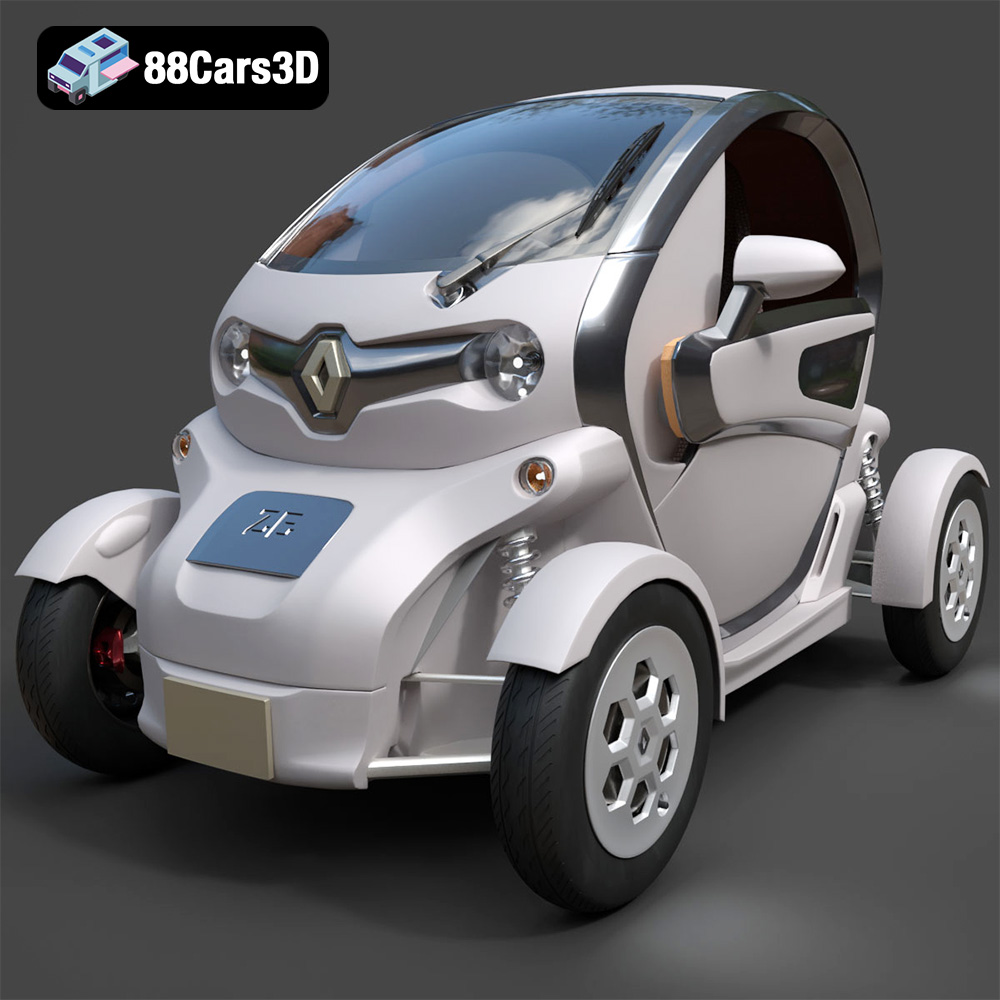
Texture: Yes
Material: Yes
Download the Renault Twizy ZE 3D Model featuring clean geometry, realistic detailing, and a fully modeled interior. Includes .blend, .fbx, .obj, .glb, .stl, .ply, .unreal, and .max formats for rendering, simulation, and game development.
Price: $4.99
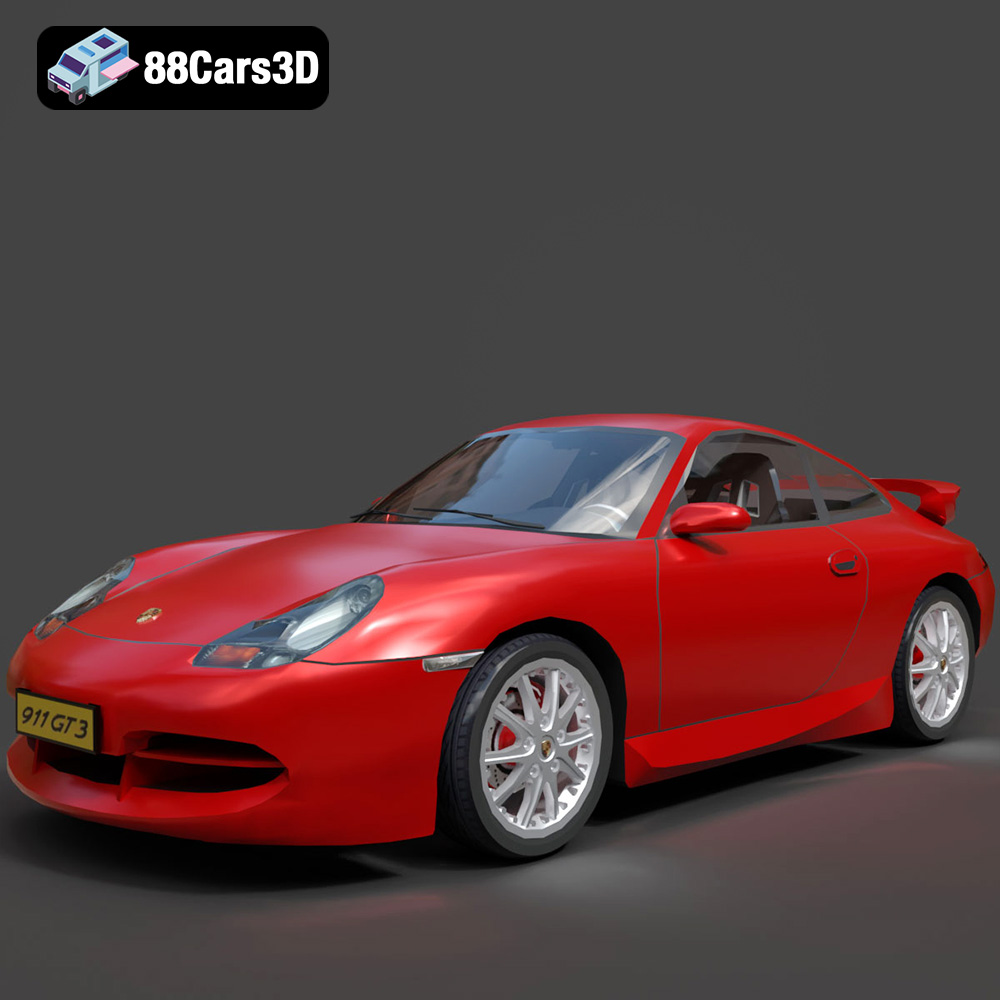
Texture: Yes
Material: Yes
Download the Porsche 911 GT3 3D Model featuring clean geometry, realistic detailing, and a fully modeled interior. Includes .blend, .fbx, .obj, .glb, .stl, .ply, .unreal, and .max formats for rendering, simulation, and game development.
Price: $4.99
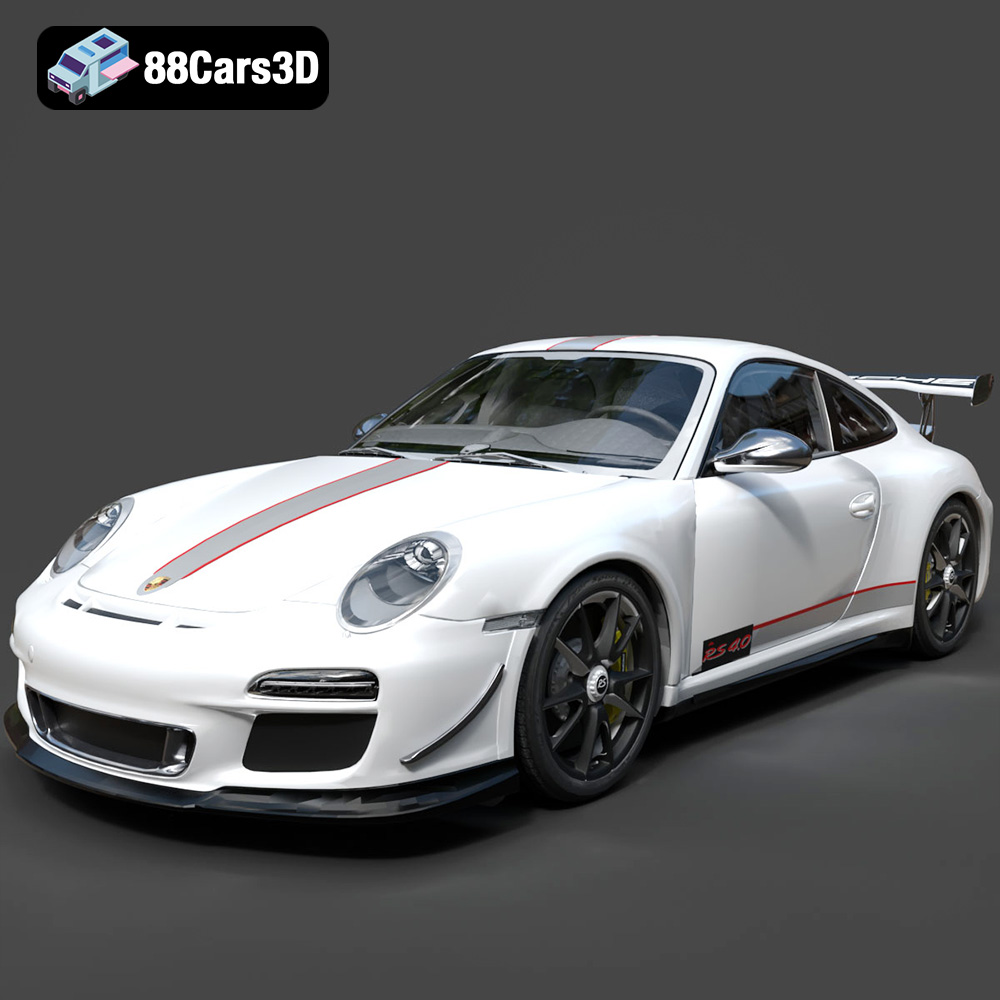
Texture: Yes
Material: Yes
Download the Porsche 911 997 GT3 RS 4.0 2011 3D Model featuring clean geometry, realistic detailing, and a fully modeled interior. Includes .blend, .fbx, .obj, .glb, .stl, .ply, .unreal, and .max formats for rendering, simulation, and game development.
Price: $4.99
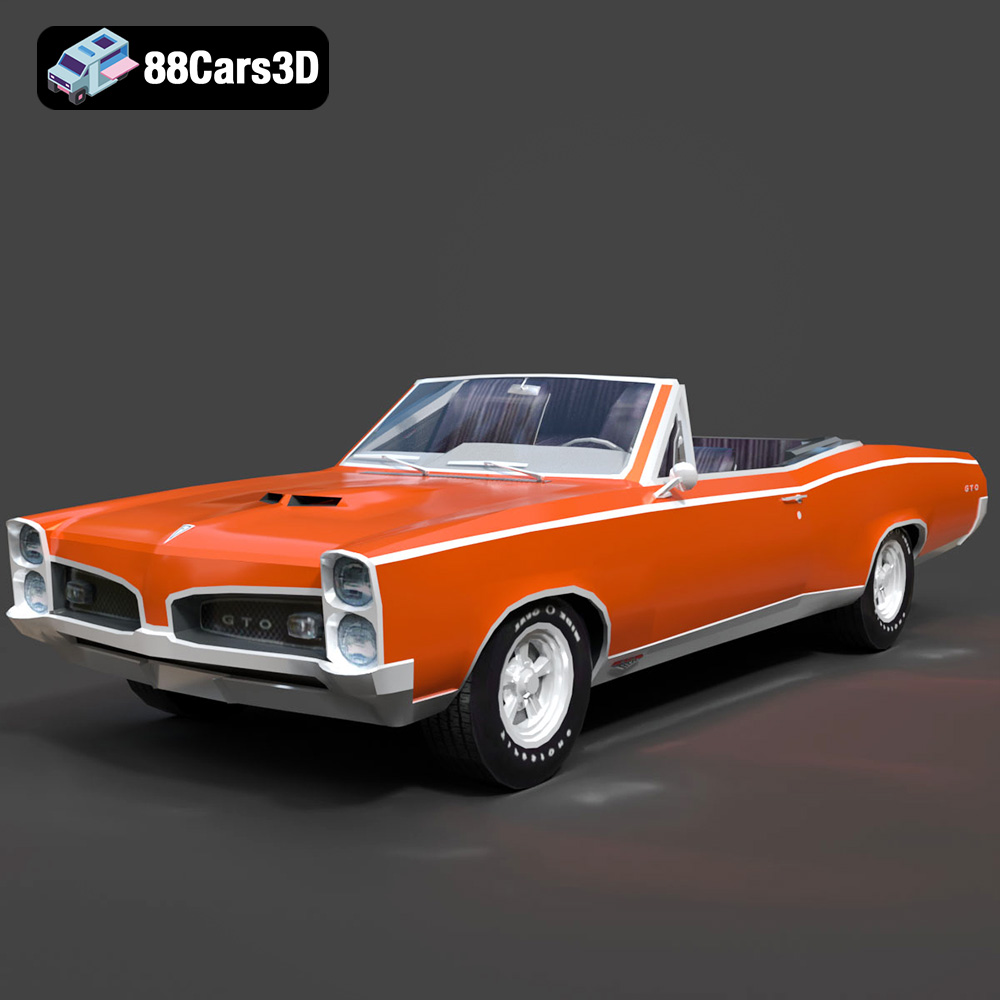
Texture: Yes
Material: Yes
Download the Pontiac GTO Cabrio 1967 3D Model featuring clean geometry, realistic detailing, and a fully modeled interior. Includes .blend, .fbx, .obj, .glb, .stl, .ply, .unreal, and .max formats for rendering, simulation, and game development.
Price: $4.99
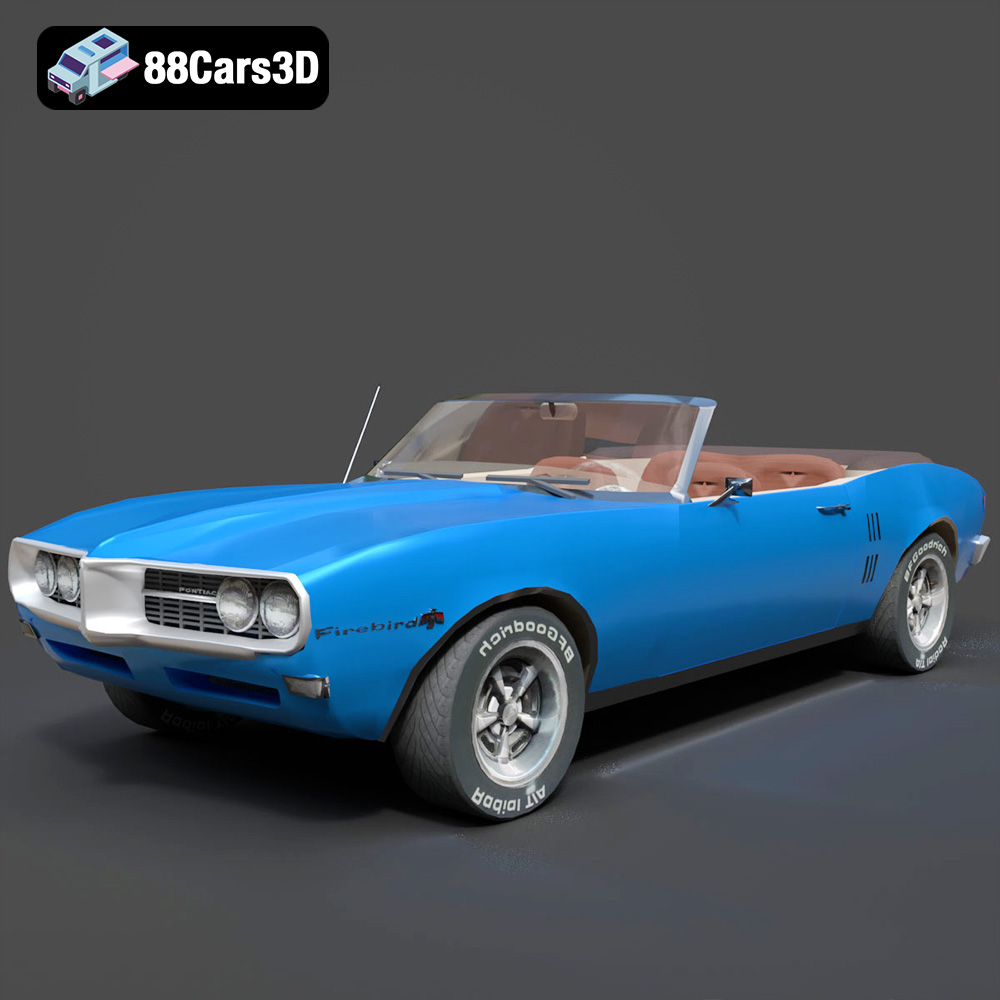
Texture: Yes
Material: Yes
Download the Pontiac Firebird Convertible 1968 3D Model featuring clean geometry, realistic detailing, and a fully modeled interior. Includes .blend, .fbx, .obj, .glb, .stl, .ply, .unreal, and .max formats for rendering, simulation, and game development.
Price: $4.99

Texture: Yes
Material: Yes
Download the Peugeot 508 2011 3D Model featuring clean geometry, realistic detailing, and a fully modeled interior. Includes .blend, .fbx, .obj, .glb, .stl, .ply, .unreal, and .max formats for rendering, simulation, and game development.
Price: $4.99
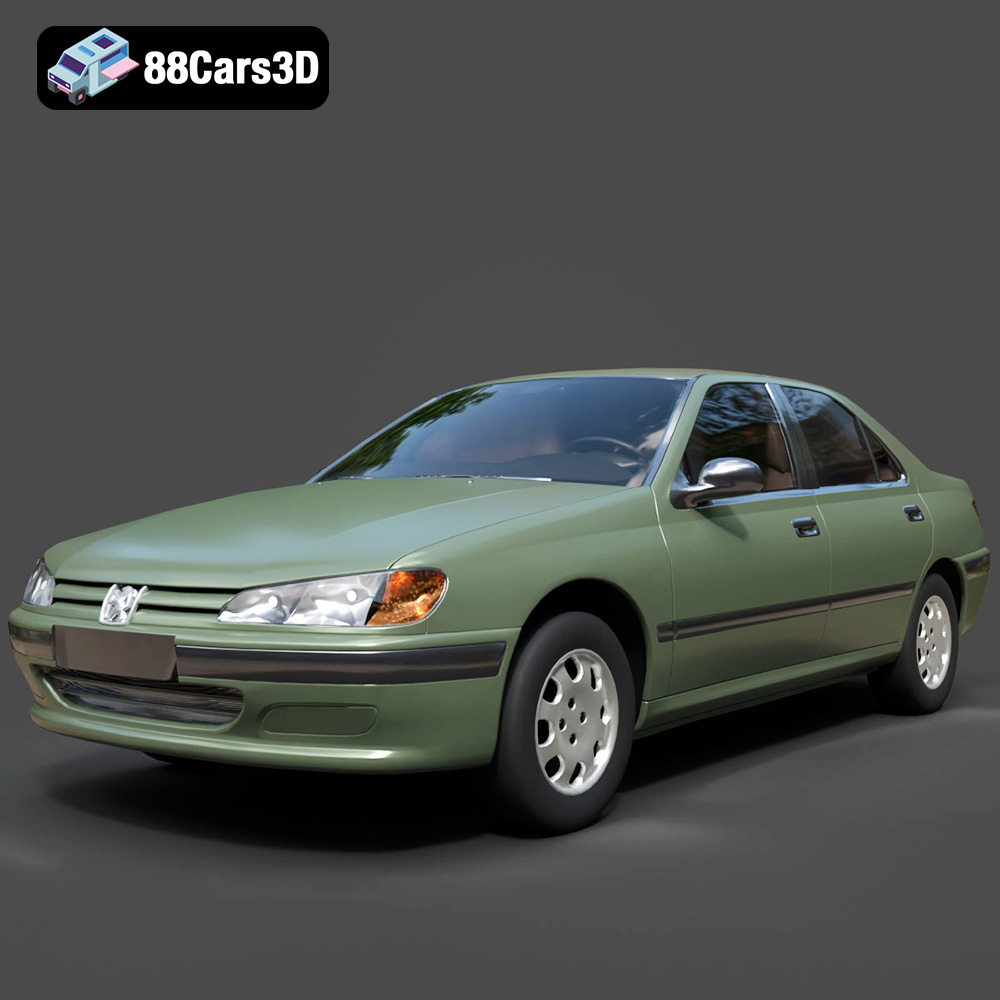
Texture: Yes
Material: Yes
Download the Peugeot 406 1996 3D Model featuring clean geometry, realistic detailing, and a fully modeled interior. Includes .blend, .fbx, .obj, .glb, .stl, .ply, .unreal, and .max formats for rendering, simulation, and game development.
Price: $10
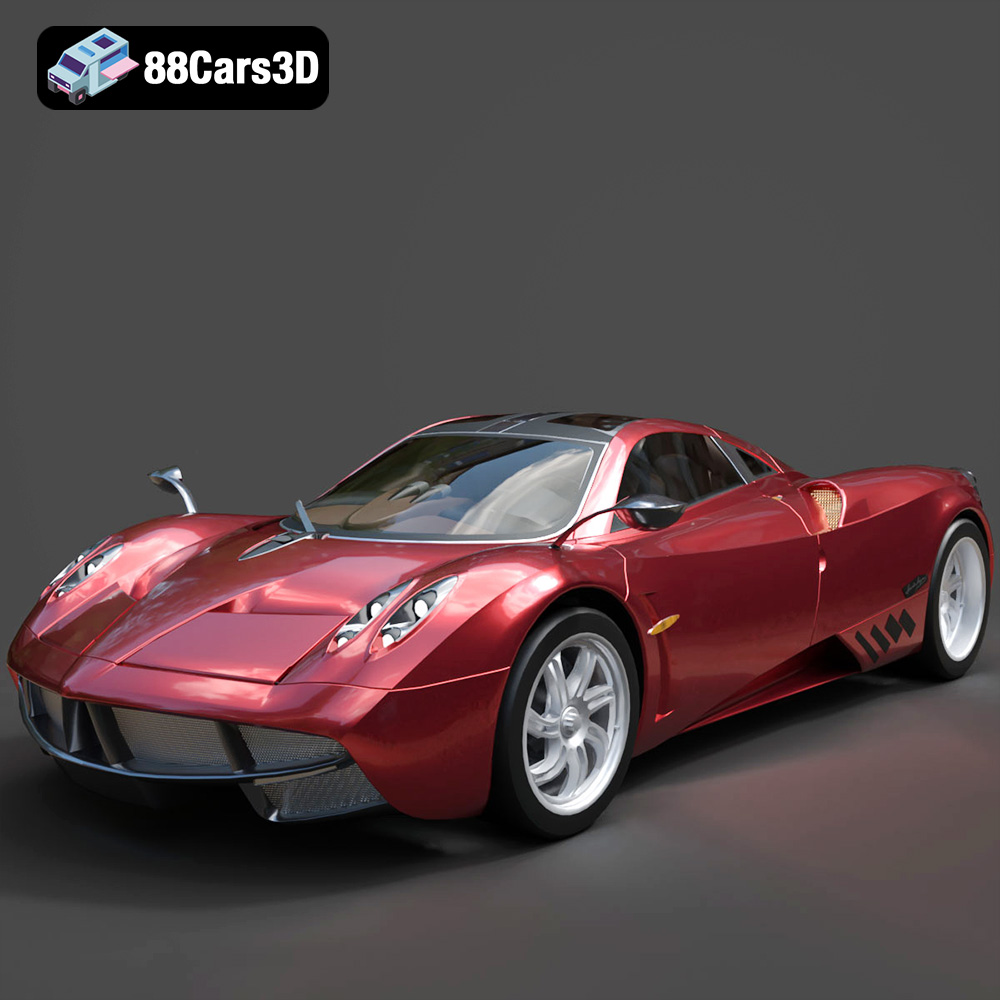
Texture: Yes
Material: Yes
Download the Pagani Huayra 2012 3D Model featuring clean geometry, realistic detailing, and a fully modeled interior. Includes .blend, .fbx, .obj, .glb, .stl, .ply, .unreal, and .max formats for rendering, simulation, and game development.
Price: $10
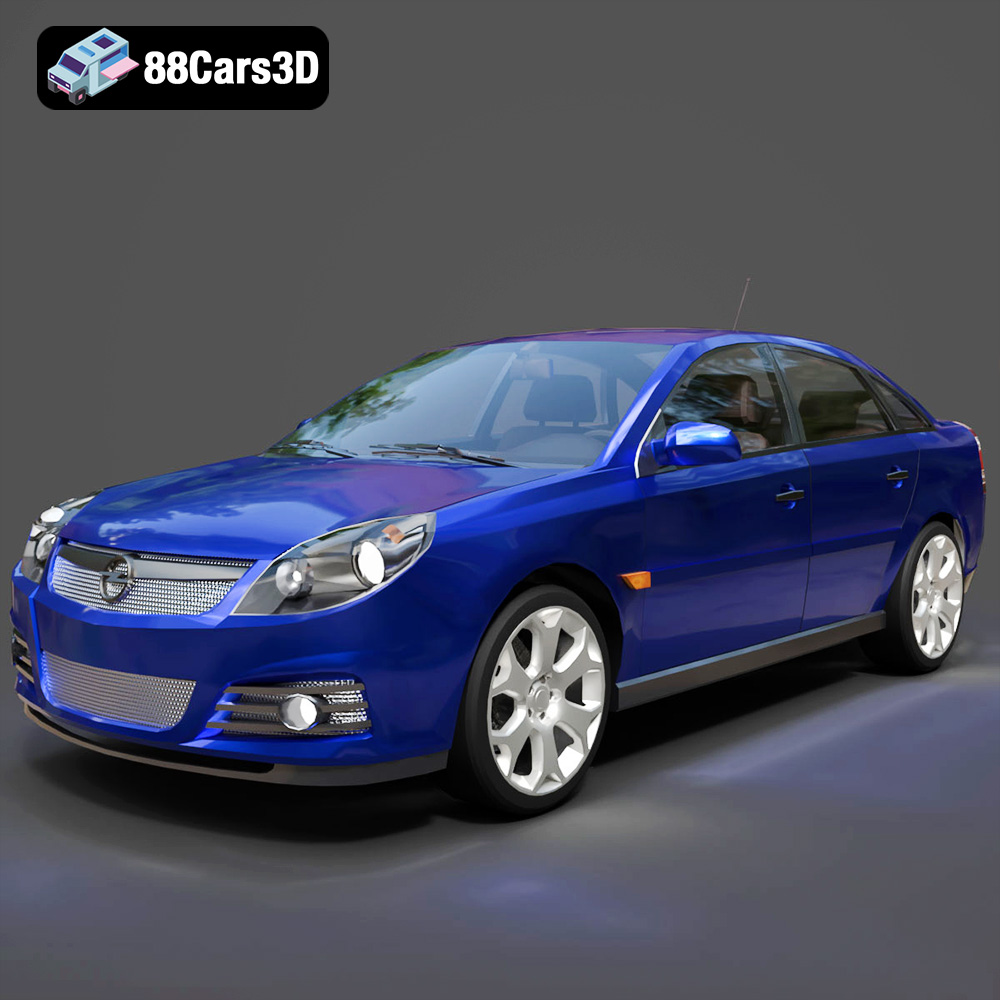
Texture: Yes
Material: Yes
Download the Opel Vectra C 2005 3D Model featuring clean geometry, realistic detailing, and a fully modeled interior. Includes .blend, .fbx, .obj, .glb, .stl, .ply, .unreal, and .max formats for rendering, simulation, and game development.
Price: $10

Texture: Yes
Material: Yes
Download the Opel Insignia OPC 3D Model featuring clean geometry, realistic detailing, and a fully modeled interior. Includes .blend, .fbx, .obj, .glb, .stl, .ply, .unreal, and .max formats for rendering, simulation, and game development.
Price: $10

