The Art & Science of High-Fidelity 3D Car Models: From Concept to Reality
In the rapidly evolving world of digital visualization, 3D car models stand as pillars of intricate design and technical prowess. From captivating cinematic sequences and immersive video games to precise automotive engineering visualization and interactive AR/VR experiences, the demand for exceptionally detailed and optimized vehicle assets has never been higher. Crafting these digital masterpieces requires a blend of artistic vision and rigorous technical understanding, touching upon disciplines like advanced 3D modeling topology, sophisticated PBR materials, efficient UV mapping, and intelligent game engine optimization.
This comprehensive guide delves deep into the multifaceted journey of creating and utilizing high-quality 3D car models. Whether you’re a seasoned 3D artist seeking to refine your workflow, a game developer aiming for peak performance, an automotive designer visualizing future concepts, or a student embarking on your digital journey, you’ll uncover essential techniques, industry best practices, and actionable insights. We’ll explore everything from the foundational principles of clean mesh construction to the intricacies of photorealistic rendering and the critical steps for preparing models for diverse platforms, including 3D printing and real-time environments. Get ready to elevate your automotive visualization projects by mastering the art and science behind every curve and contour.
Mastering Automotive 3D Modeling: Topology and Precision
The foundation of any high-quality 3D car model lies in its mesh topology. Automotive surfaces, characterized by their smooth curves, sharp creases, and reflective properties, demand meticulous attention to edge flow. Poor topology can lead to visible artifacts, shading errors, and difficulties in deformation or subdivision, ultimately compromising the realism of your final product. Professional models, like those found on platforms such as 88cars3d.com, are built with this principle at their core, ensuring versatility and visual fidelity across various applications.
Clean Topology and Edge Flow for Smooth Surfaces
Clean topology refers to a mesh structure predominantly composed of quads (four-sided polygons) with logical edge loops that follow the natural contours and design lines of the car. For automotive models, this is paramount. When dealing with complex surfaces like car bodies, maintaining consistent quad flow ensures that subdivision surfaces (e.g., TurboSmooth in 3ds Max, Subdivision Surface modifier in Blender, or Maya’s smooth mesh preview) generate perfectly smooth, artifact-free results. A good edge flow will also accurately define creases and sharp edges without pinching or undesirable deformation. For instance, around wheel arches, door lines, and window frames, edge loops should flow precisely along these features, providing control points for subtle adjustments and allowing for clean UV unwrapping later on. Avoiding triangles (tris) and N-gons (polygons with more than four sides) is crucial, as they can cause unpredictable shading, especially after subdivision or when exporting to game engines. Aim for a balance between detail and polygon count; a high-poly render-ready model might range from 150,000 to 500,000 polygons, while a game-ready model often targets 20,000 to 80,000 polygons, achieved through careful decimation or dedicated low-poly creation.
Essential Modeling Techniques for Hard-Surface Automotive Design
Automotive modeling predominantly employs hard-surface techniques. Polygons are the backbone, with box modeling, edge modeling, and spline modeling being common approaches. For accurate reproduction, often based on blueprints or reference images, a combination of spline-cage modeling (creating a wireframe with splines and then generating surfaces) and polygon modeling (extruding, cutting, and refining existing geometry) is effective. Precision modeling tools, such as snapping to vertices, edges, or grids, are indispensable for maintaining accurate dimensions and alignment. Boolean operations, while tempting for speed, should be used sparingly and always cleaned up meticulously, as they often introduce messy topology (triangles, N-gons) that needs to be manually retopologized. Key areas of focus include:
- Surface Curvature: Ensuring consistent curvature across large panels, often checked using zebra stripes or reflection maps in the viewport.
- Panel Gaps: Accurately modeling the subtle gaps between body panels, which contribute significantly to realism. These are typically created by duplicating edges, extruding them inwards, and applying a small bevel.
- Crease Edges: Using supporting edge loops (chamfers or bevels with tight edges) to define sharp, controlled creases without affecting the overall surface smoothness after subdivision.
- Interior Details: Don’t forget the underlying structure – wheel wells, engine bay components, and chassis elements, even if not fully visible, contribute to a complete and convincing model.
These techniques, when applied diligently, ensure that your automotive models are not only visually stunning but also robust and adaptable for various downstream applications.
The Unseen Foundation: UV Mapping for Flawless Textures
Once your 3D car model‘s geometry is perfected, the next critical step is UV mapping. UVs are the 2D coordinates that tell your 3D software how to project 2D textures onto your 3D mesh. Without proper UVs, even the most exquisite PBR materials will appear stretched, distorted, or misaligned, ruining the realism. For complex objects like cars, meticulous UV unwrapping is essential to maximize texture quality and optimize memory usage.
Strategic UV Layouts for Complex Car Geometries
Automotive surfaces are a blend of large, continuous panels and intricate details. A strategic UV layout typically involves segmenting the car into logical pieces for unwrapping. For example, the main body shell might be unwrapped using a planar or cylindrical projection, followed by careful cutting along natural seams (like panel gaps or hidden edges) to flatten it out. Smaller, distinct parts such as wheels, tires, headlights, tail lights, and interior components should each have their own dedicated UV islands. The goal is to create islands that are as un-distorted as possible, easy to understand, and efficiently packed into the UV space. For a car’s body, it’s often beneficial to have a single, large UV island to allow for seamless paint application and decals without visible seams. However, for real-time models, multiple smaller islands might be preferred for better packing density and reduced texture memory footprint if different materials are used. Consider using multiple UV sets: one for unique, baked textures (like ambient occlusion or normal maps) and another for tiled textures (like tire treads or generic plastics). Tools like 3ds Max’s Unwrap UVW, Blender’s UV Editor, or Maya’s UV Toolkit offer sophisticated functions for cutting, sewing, relaxing, and packing UV islands.
Avoiding Distortions and Optimizing UV Space
Distortion is the enemy of good UV mapping. It occurs when the ratio of UV space to 3D surface area is inconsistent, making textures appear stretched or squashed. Tools that display UV distortion (often color-coded) are invaluable for identifying and correcting these issues. To avoid distortion:
- Minimize Seams: While seams are necessary to flatten 3D geometry, place them strategically in less visible areas (e.g., underside of the car, along sharp creases, or where materials naturally change).
- Relax UVs: After cutting, “relaxing” or “unfolding” UV islands helps spread the UVs evenly, minimizing stretching and compression.
- Maintain Texel Density: This refers to the number of texture pixels per unit of 3D surface area. It’s crucial for consistency. Large, prominent parts like the car body should have a higher texel density (e.g., 10.24 pixels/cm) than smaller, less visible parts. Tools exist to unify texel density across all UV islands.
- Efficient Packing: Once islands are distortion-free, pack them tightly into the 0-1 UV space to maximize texture resolution and minimize wasted space. Automatic packing algorithms can be a good starting point, but manual adjustments often yield better results. Consider dedicating specific texture resolutions; for instance, main body panels might use a 4K or 8K texture map for high-fidelity renders, while smaller components could use 2K or even 1K maps to optimize memory. A carefully planned UV layout can significantly reduce the overall file size and loading times, which is critical for game assets and interactive applications.
Bringing Realism to Life: PBR Materials and Shader Networks
With precise geometry and optimized UVs, the next crucial step in creating believable 3D car models is crafting realistic materials using Physically Based Rendering (PBR) workflows. PBR materials accurately simulate how light interacts with surfaces in the real world, leading to more consistent and photorealistic results across different lighting conditions and renderers. This is where your model truly comes alive, capturing the nuanced reflections, metallic sheen, and subtle wear of an actual vehicle.
Understanding PBR Workflows: Metallic/Roughness vs. Specular/Glossiness
There are two primary PBR workflows: Metallic/Roughness and Specular/Glossiness. Both aim for the same realistic outcome but achieve it through different sets of texture maps:
- Metallic/Roughness Workflow: This is the more prevalent workflow in modern game engines and renderers (e.g., Unity, Unreal Engine, Substance Painter, Blender’s Principled BSDF, V-Ray, Corona Renderer). It uses:
- Albedo (Base Color): Defines the diffuse color of the surface, excluding reflections. For metals, this map is typically dark.
- Metallic: A grayscale map (0 to 1) indicating how “metallic” a surface is. 0 is dielectric (non-metal), 1 is metallic.
- Roughness: A grayscale map (0 to 1) describing the microscopic surface imperfections that scatter light. 0 is perfectly smooth (mirror-like), 1 is completely rough (matte).
- Normal Map: Adds high-resolution surface detail (bumps, scratches) without adding geometry.
- Ambient Occlusion (AO): Simulates contact shadows, enhancing depth.
- Specular/Glossiness Workflow: Less common in real-time but still used in some offline renderers. It uses:
- Diffuse: Similar to Albedo for non-metals. For metals, it is typically black.
- Specular: An RGB map defining the color and intensity of specular reflections. Metals have colored specular reflections.
- Glossiness: The inverse of Roughness (0 is rough, 1 is smooth).
- Normal Map & AO: Same as above.
Choosing the correct workflow depends on your target platform and renderer, but understanding the underlying physical principles is key to creating convincing surfaces.
Crafting Realistic Car Paint, Glass, and Tire Shaders
Creating believable car materials involves layering multiple effects and intricate shader networks:
- Car Paint: This is often the most complex shader. A typical car paint shader simulates multiple layers:
- Base Coat: The primary color (Albedo).
- Metallic Flakes: Often achieved with a texture map or procedural noise controlling specularity/roughness at a micro level, giving the paint its characteristic sparkle.
- Clear Coat: A transparent, reflective layer on top, adding depth and gloss. This involves simulating a second specular lobe with its own roughness/glossiness value and Fresnel effect. Some renderers offer dedicated “car paint” materials that simplify this.
- Orange Peel Effect: Subtle bump/normal maps can simulate the slightly uneven surface of painted clear coats.
For a high-end render, textures for car paint might include a base color (2K-4K), metallic (2K), roughness (2K), and a clear coat normal map (1K).
- Glass: Car glass needs to be transparent, reflective, and refractive.
- Transparency: Controlled by the opacity or transmission map.
- Reflectivity: Crucial for realism, often with a subtle roughness. Use a Fresnel curve to control reflection intensity based on viewing angle.
- Refraction: The bending of light as it passes through the glass. The Index of Refraction (IOR) for glass is typically around 1.5-1.6.
- Tint: Subtle color can be added for window tinting.
- Dirt/Smudges: Imperfection maps (roughness, normal) are essential for breaking up perfect reflections and adding realism.
- Tires: Tires require a robust, dark material with distinct tread patterns.
- Albedo: Dark gray or black.
- Roughness: Typically low to medium, with variations for worn areas.
- Normal Map: Essential for the tire tread pattern and sidewall details (e.g., brand lettering). This is often baked from a high-poly sculpt or generated from a height map. A 2K or 4K normal map is common.
- Ambient Occlusion: Baked to capture contact shadows within the tread.
- Micro-surface detail: Procedural noise or small-scale normal maps can simulate the rubber texture.
Mastering these PBR material workflows and shader constructions is paramount for achieving professional-grade automotive rendering and visualization.
Photorealistic Rendering: Illuminating Your Automotive Masterpiece
After meticulously modeling and texturing your 3D car model, the final step in bringing it to life for still images or animations is photorealistic rendering. This process involves setting up lights, cameras, and environments, and then leveraging powerful render engines to calculate how light interacts with your materials, ultimately creating a stunning image. A well-executed render can transform a great model into an awe-inspiring visual experience.
Setting Up Studio-Quality Lighting and Environments
Effective lighting is perhaps the most critical component of a compelling render. For automotive renders, two common scenarios are studio lighting and environment-based lighting:
- Studio Lighting: Mimics a controlled photography studio. This often involves:
- Key Light: The primary light source, typically placed to highlight key features and create strong shadows.
- Fill Light: Softer, lower-intensity light to reduce harsh shadows and even out lighting.
- Rim/Back Light: Placed behind and to the side of the car to create a bright outline, separating it from the background and enhancing form.
- Softboxes/Light Panels: Using large, rectangular or circular area lights with soft falloffs to create realistic reflections on the car’s reflective surfaces. The shape and intensity of these reflections are crucial for defining the car’s form.
- Background: Often a seamless white or gray backdrop, or a gradient, to focus attention purely on the vehicle.
- Environment-Based Lighting (HDRI): Utilizes a High Dynamic Range Image (HDRI) to provide both lighting and reflections from a real-world environment (e.g., a sunny street, an overcast parking lot).
- HDRI Selection: Choose an HDRI that matches the desired mood and reflectivity. A good HDRI provides realistic ambient light, color, and sharp reflections on glossy surfaces.
- Ground Plane: Essential for casting shadows and providing realistic bounce light. It should match the material properties of the HDRI’s ground.
- Supplemental Lights: Even with HDRIs, you might need to add subtle additional lights (e.g., a small area light to brighten a dark spot, or a targeted light for a specific reflection) to enhance details or correct lighting imbalances.
- Camera Setup: Employ real-world camera settings:
- Focal Length: Typically 85mm-135mm for car beauty shots to minimize distortion and create a pleasing perspective.
- Depth of Field (DOF): Use sparingly and subtly to guide the viewer’s eye, focusing on specific details. A shallow DOF can soften backgrounds.
- Exposure & White Balance: Calibrate these to achieve natural-looking brightness and color tones.
Advanced Rendering Techniques in V-Ray, Corona, Cycles, and Arnold
Modern render engines offer powerful tools for achieving unparalleled realism:
- V-Ray & Corona Renderer (3ds Max, Cinema 4D, Maya, Blender): These are renowned for their physically accurate ray-tracing capabilities.
- Global Illumination (GI): Crucial for realistic indirect lighting. V-Ray uses Irradiance Map + Light Cache, while Corona uses Path Tracing + UHD Cache or a simpler Path Tracing approach.
- Adaptive Sampling: Focuses render samples on noisy areas, optimizing render times.
- Denoising: Built-in or post-processing denoisers (like NVIDIA OptiX, Intel Open Image Denoise) significantly reduce noise, allowing for faster renders at lower sample counts.
- Render Elements/Passes: Output separate layers (e.g., reflection, refraction, diffuse, Z-depth, AO) for greater control during post-processing in software like Photoshop or After Effects.
- Cycles (Blender): Blender’s powerful, physically based path tracer.
- GPU Rendering: Leveraging NVIDIA (CUDA/OptiX) or AMD (HIP) GPUs for significantly faster renders.
- Adaptive Sampling & Denoising: Similar features to V-Ray/Corona for efficiency.
- Node-Based Shading: Highly flexible for creating complex material networks.
- Arnold (Maya, 3ds Max, Houdini): A robust, unbiased Monte Carlo ray tracer, favored in film VFX.
- Subsurface Scattering (SSS): Important for materials like rubber or certain plastics, allowing light to penetrate and scatter beneath the surface.
- Volumetrics: For atmospheric effects like fog or haze, adding depth to the scene.
Regardless of the engine, understanding its settings for samples, bounces, and optimizations (e.g., instancing geometry, optimizing scene complexity) is key to balancing render quality and time. Post-processing, involving color correction, contrast adjustments, and subtle effects like chromatic aberration or glare, can further enhance the final image, turning a good render into a truly exceptional one.
Game Engine Optimization & Real-Time Applications
Moving from offline rendering to real-time environments like game engines or AR/VR platforms introduces a new set of challenges and considerations. High-fidelity 3D car models designed for cinematic renders are often too heavy for real-time applications, requiring significant optimization to maintain smooth performance and frame rates. Efficient asset management is paramount when developing game assets.
LODs, Draw Calls, and Texture Atlasing for Performance
Optimizing 3D car models for real-time performance involves several key strategies:
- Levels of Detail (LODs): This is a crucial technique where multiple versions of the same model are created, each with varying levels of polygon count and detail.
- LOD0 (High-Poly): Used when the car is close to the camera, showcasing all intricate details (e.g., 50,000-100,000 polygons).
- LOD1 (Medium-Poly): Used at mid-distances, with reduced polygon count and possibly simpler materials (e.g., 15,000-30,000 polygons).
- LOD2+ (Low-Poly): Used for distant views or in mobile applications, drastically reducing polygons and detail (e.g., 2,000-10,000 polygons).
- Billboard/Impostor: For extremely distant objects, a simple 2D image can be used.
Game engines (Unity, Unreal Engine) have built-in LOD systems that automatically switch between these versions based on camera distance, dynamically balancing visual quality and performance.
- Draw Calls: Every time the CPU tells the GPU to render an object, it’s a draw call. Each material and mesh in a scene generates at least one draw call. Too many draw calls can bottleneck performance. Strategies to reduce them include:
- Mesh Instancing: Reusing the same mesh data for multiple identical objects.
- Batching: Combining multiple small meshes into a single larger mesh.
- Material Reduction: Aiming for fewer materials per car model. If a single car has 50 different materials, it will generate 50 draw calls just for its materials.
- Texture Atlasing: Instead of having multiple small texture maps for different parts of the car, combine them into one larger “atlas” texture. This reduces the number of material calls and significantly improves performance, as the GPU only needs to bind one texture instead of many. For example, a car’s interior, engine, and underside details could all share one 4K texture atlas for their albedo, normal, and roughness maps.
- Collision Meshes: Creating simplified, low-polygon collision meshes specifically for physics calculations, separate from the visual mesh. This prevents the physics engine from doing complex calculations on high-poly visual geometry.
Preparing 3D Car Models for Unity, Unreal Engine, and AR/VR
Specific preparation steps are crucial for seamless integration into real-time engines:
- Asset Export: Standard file formats like FBX and GLB are universally supported. FBX is excellent for transferring geometry, materials, and animations, while GLB (a binary version of glTF) is optimized for web and AR/VR applications due to its single-file nature and efficient data structure. When sourcing models from marketplaces such as 88cars3d.com, ensure they provide formats suitable for your target engine.
- Unity & Unreal Engine:
- Scale: Ensure the model is exported at the correct real-world scale (e.g., 1 unit = 1 meter) to avoid scaling issues in the engine.
- PBR Material Setup: Import PBR texture maps (Albedo, Normal, Metallic, Roughness, AO) and assign them to the engine’s standard or custom PBR shaders. Remember to set normal maps to “Normal map” type in Unity and ensure proper sRGB settings for albedo.
- Occlusion Culling: Implement occlusion culling to prevent rendering of objects hidden by other geometry.
- Lightmapping: For static elements, bake static lighting information into lightmaps to reduce real-time lighting calculations.
- AR/VR Optimization: These platforms demand even stricter performance budgets.
- Polygon Count: Aim for extremely low polygon counts, often under 50,000 tris for an entire car, or even 10,000-20,000 for mobile AR.
- Draw Call Budget: Keep draw calls to an absolute minimum (e.g., less than 50-100 for the entire scene on mobile VR). This often necessitates aggressive texture atlasing and material consolidation.
- Batching: Ensure proper static and dynamic batching is enabled and effective.
- Shader Complexity: Use simple, optimized shaders. Avoid complex transparent materials with multiple refractive layers if possible, as they are very expensive.
- Shadows: Use simplified shadow casting or pre-baked shadows (shadow masks) to reduce real-time shadow rendering cost.
- File Formats: USDZ (for Apple AR Quick Look) and GLB (for Android/Web AR) are the preferred formats due to their efficiency and support for PBR materials.
By following these optimization strategies, your high-quality 3D car models can deliver stunning visuals even in performance-sensitive real-time applications.
Beyond Rendering: Versatile Applications of 3D Car Models
The utility of a well-crafted 3D car model extends far beyond static renders or game environments. These versatile assets serve numerous industries, from product visualization and virtual prototyping to cultural preservation and interactive experiences. Understanding how to prepare and adapt your models for diverse applications, including crucial file format conversions and considerations for 3D printing, unlocks their full potential.
File Format Conversions and Cross-Software Compatibility
The digital ecosystem of 3D software is vast, and ensuring your models are compatible across different platforms is critical for collaborative workflows and broad application. No single file format is universally perfect for all scenarios, but several stand out for their widespread adoption and capabilities:
- FBX (Filmbox): Developed by Autodesk, FBX is arguably the industry standard for interoperability. It can store not just geometry, but also materials, textures, rigging, animation, and cameras. It’s an excellent choice for transferring assets between major 3D packages (3ds Max, Maya, Blender) and game engines (Unity, Unreal Engine). However, material definitions can vary, so PBR textures often need to be re-linked in the destination software.
- OBJ (Wavefront Object): A simpler, widely supported format, primarily for geometry and basic UVs. It doesn’t typically store advanced material properties or animation. It’s highly stable and a good fallback for pure mesh transfer, but requires separate texture files and manual material setup.
- GLB/glTF (Graphics Language Transmission Format): An open standard from Khronos Group, rapidly gaining traction, especially for web-based 3D, AR/VR, and real-time applications. glTF is a JSON-based format, while GLB is its binary equivalent, packing everything (geometry, textures, PBR materials, animations) into a single, highly optimized file. This makes it ideal for efficient delivery over networks and its adoption in AR/VR viewers like Google’s Scene Viewer is growing.
- USDZ (Universal Scene Description Zip): Apple’s proprietary format built on Pixar’s USD, designed for AR experiences on iOS devices. Like GLB, it bundles assets into a single file and supports PBR materials. If your target is iOS AR Quick Look, converting to USDZ is essential.
- STEP/IGES: For precise engineering and CAD applications, these formats are crucial. They describe geometry using mathematical curves and surfaces (NURBS) rather than polygons, ensuring perfect accuracy for manufacturing and design visualization, though they are not typically used for rendering or game development without prior conversion to polygons.
When converting, always check for scale accuracy, material re-linking, and ensure all necessary texture maps are embedded or included in a separate folder. Utilizing batch conversion tools or dedicated export scripts in your primary 3D software can streamline this process significantly. High-quality 3D car models available on marketplaces like 88cars3d.com often come with multiple file formats to cater to these diverse needs.
3D Printing Preparation, Mesh Repair, and Scale Considerations
Transforming a digital 3D car model into a physical object via 3D printing requires a distinct set of preparation steps:
- Manifold Mesh: The most critical requirement for 3D printing is a “manifold” mesh. This means the model must be completely watertight, with no open edges, intersecting faces, or duplicate vertices. Every edge must connect to exactly two faces. Non-manifold geometry will confuse the slicer software, leading to printing errors. Tools like Blender’s 3D Print Toolbox, MeshLab, or specialized mesh repair software (e.g., Netfabb) can identify and fix these issues.
- Wall Thickness: Ensure all parts of the model have a sufficient wall thickness to be physically viable. Thin walls (e.g., under 1-2mm depending on the print technology and material) can break during printing or post-processing. Interior details or very fine features might need to be thickened.
- Scale and Units: Export your model at the correct real-world scale (e.g., in millimeters) and ensure consistency between your 3D software, the slicer, and the printer settings. A car model might be scaled down to 1:24 or 1:64 for common model car sizes.
- Polygon Count and Detail: While too many polygons can cause file size issues, for FDM or SLA printing, a reasonably high polygon count is beneficial to capture smooth curves and fine details. However, ensure the details are large enough to be resolved by the printer’s nozzle or laser.
- Shelling: For larger prints, “shelling” or hollowing out the interior of the model can save material and reduce print time, but requires adding drainage holes.
- Export Format: STL (Stereolithography) is the most common file format for 3D printing. Other formats like OBJ and 3MF are also supported by many slicers.
Careful preparation of your automotive models for 3D printing opens up exciting avenues for physical prototyping, collectible creation, and educational tools, bridging the gap between the digital and physical realms.
Drive Your Projects Forward with Expert 3D Car Models
The journey from a conceptual idea to a high-fidelity 3D car model is a complex yet incredibly rewarding endeavor. We’ve explored the intricate layers of this process, from the fundamental importance of clean topology and precise edge flow to the technical artistry of UV mapping and the scientific accuracy of PBR materials. We’ve delved into the methodologies for crafting stunning automotive rendering using advanced techniques in industry-standard engines, and critically examined the strategies for game engine optimization, including LODs and texture atlasing, essential for real-time performance and seamless integration into AR/VR experiences. Finally, we touched upon the versatility of these assets, highlighting crucial file format conversions and the specialized preparation needed for successful 3D printing.
Mastering these disciplines not only elevates the visual fidelity of your projects but also ensures their efficiency, adaptability, and longevity across various platforms. The automotive visualization landscape demands both artistic flair and rigorous technical execution. By understanding and implementing the best practices outlined in this guide, you equip yourself with the knowledge to create truly exceptional 3D car models that meet the highest professional standards.
Whether you’re developing the next blockbuster game, visualizing groundbreaking automotive designs, or producing photorealistic marketing content, the quality of your 3D assets is paramount. To jumpstart your projects with professionally crafted, high-quality models, explore the vast collection of meticulously engineered 3D car models available at 88cars3d.com. Each model is built with clean topology, realistic materials, and optimized UVs, ready to integrate into your preferred workflow and drive your creative vision forward.
Featured 3D Car Models
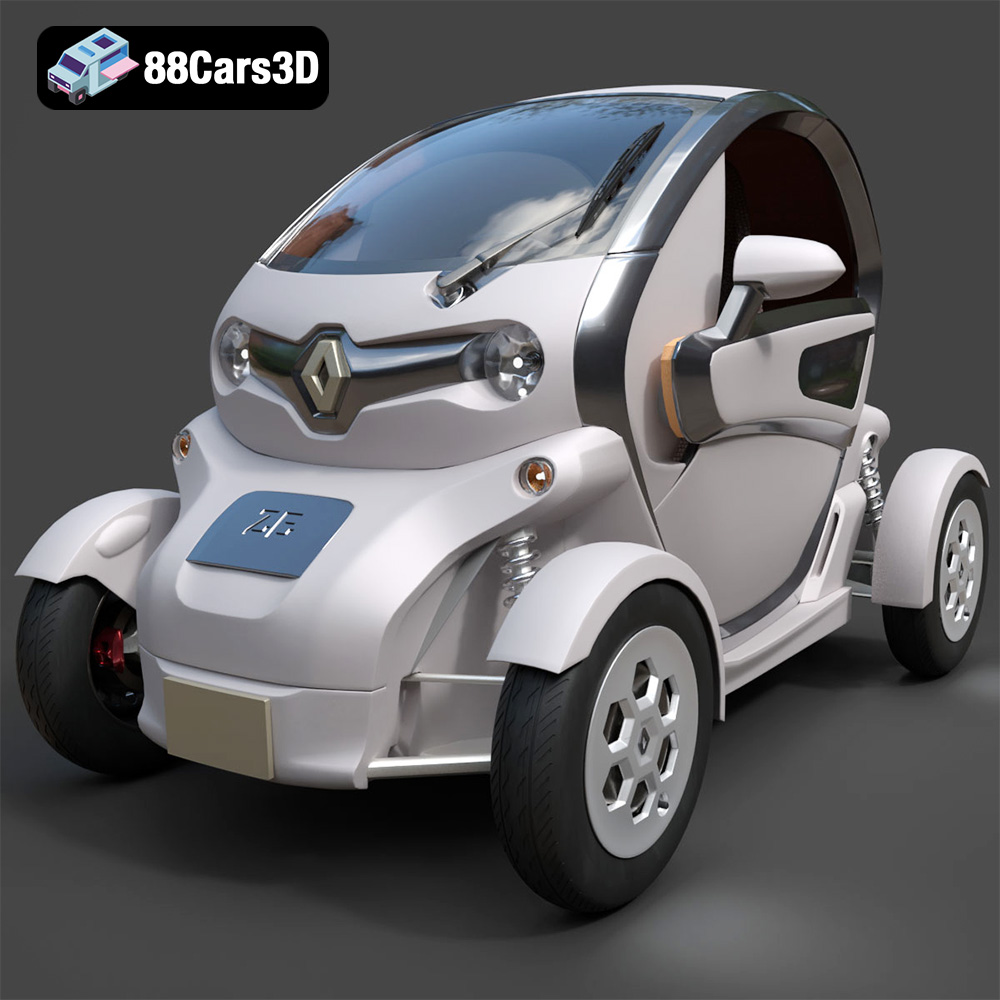
Renault Twizy ZE 3D Model
Texture: Yes
Material: Yes
Download the Renault Twizy ZE 3D Model featuring clean geometry, realistic detailing, and a fully modeled interior. Includes .blend, .fbx, .obj, .glb, .stl, .ply, .unreal, and .max formats for rendering, simulation, and game development.
Price: $4.99
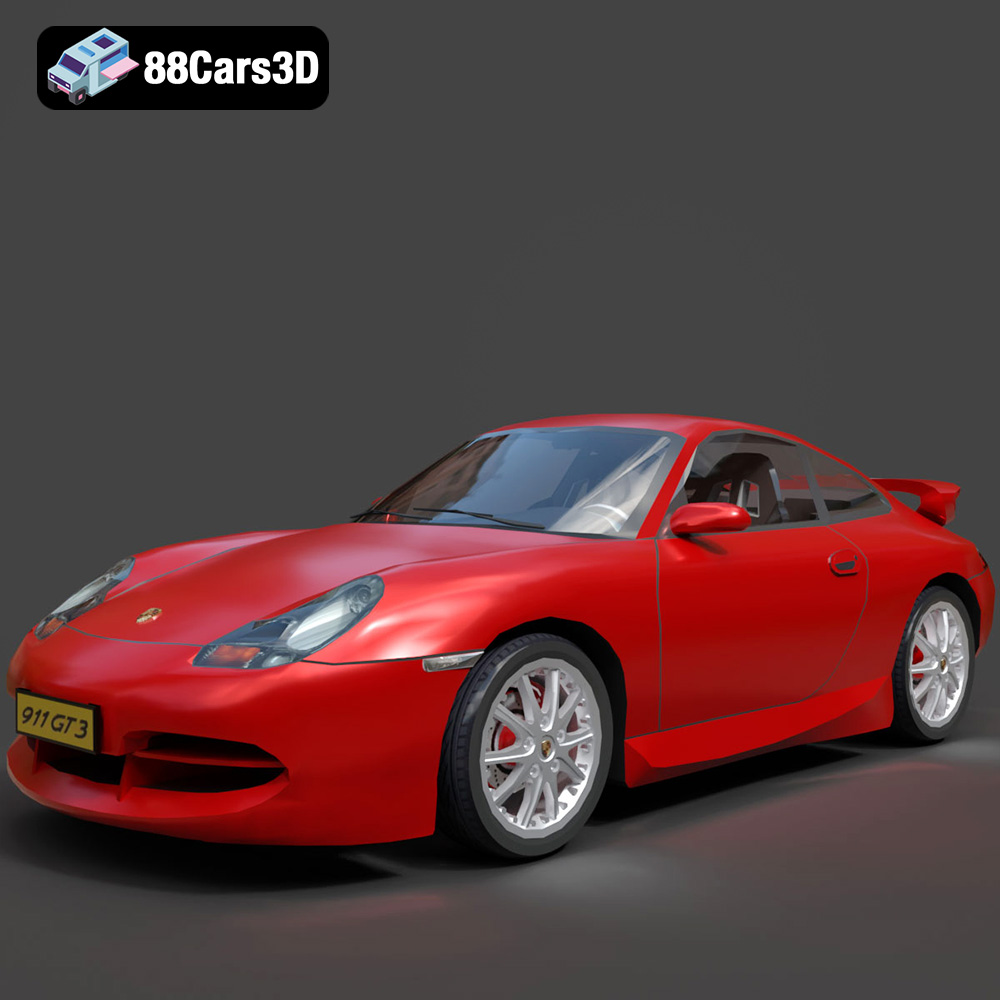
Porsche 911 GT3 3D Model
Texture: Yes
Material: Yes
Download the Porsche 911 GT3 3D Model featuring clean geometry, realistic detailing, and a fully modeled interior. Includes .blend, .fbx, .obj, .glb, .stl, .ply, .unreal, and .max formats for rendering, simulation, and game development.
Price: $4.99
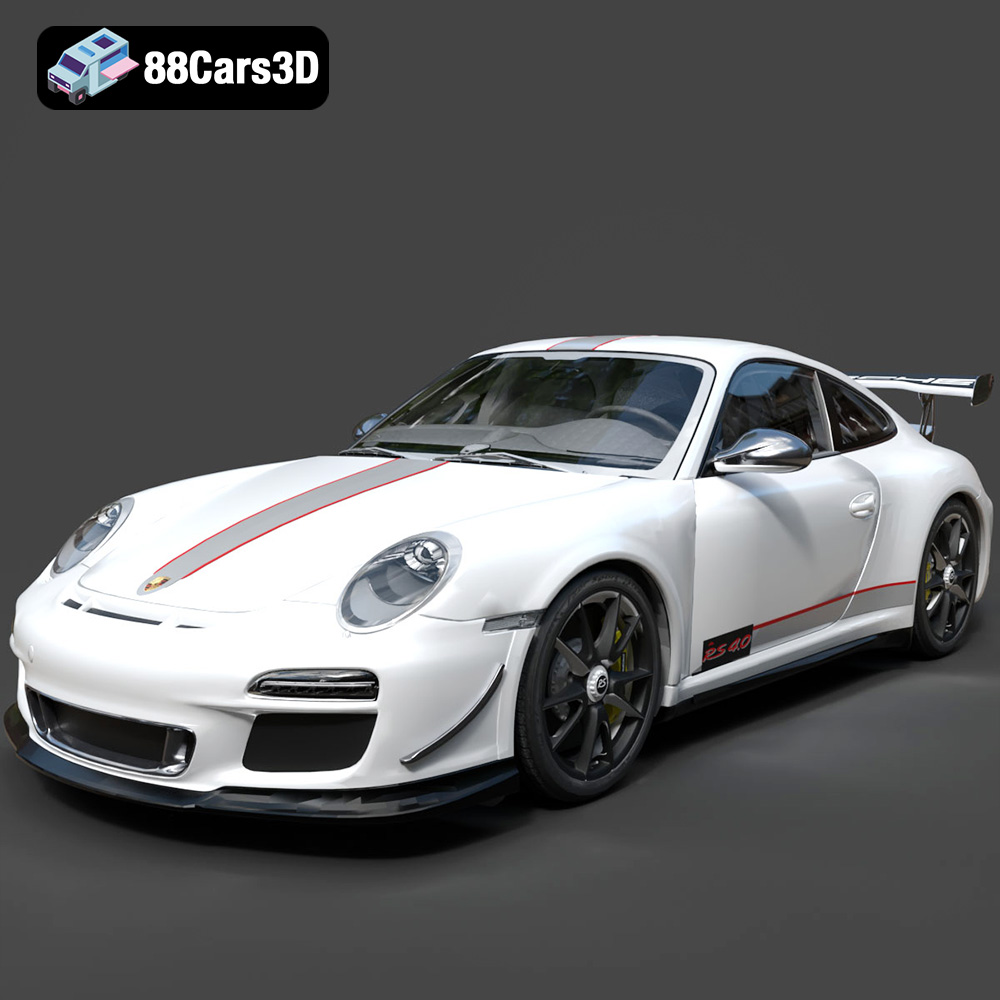
Porsche 911 997 GT3 RS 4.0 2011 3D Model
Texture: Yes
Material: Yes
Download the Porsche 911 997 GT3 RS 4.0 2011 3D Model featuring clean geometry, realistic detailing, and a fully modeled interior. Includes .blend, .fbx, .obj, .glb, .stl, .ply, .unreal, and .max formats for rendering, simulation, and game development.
Price: $4.99
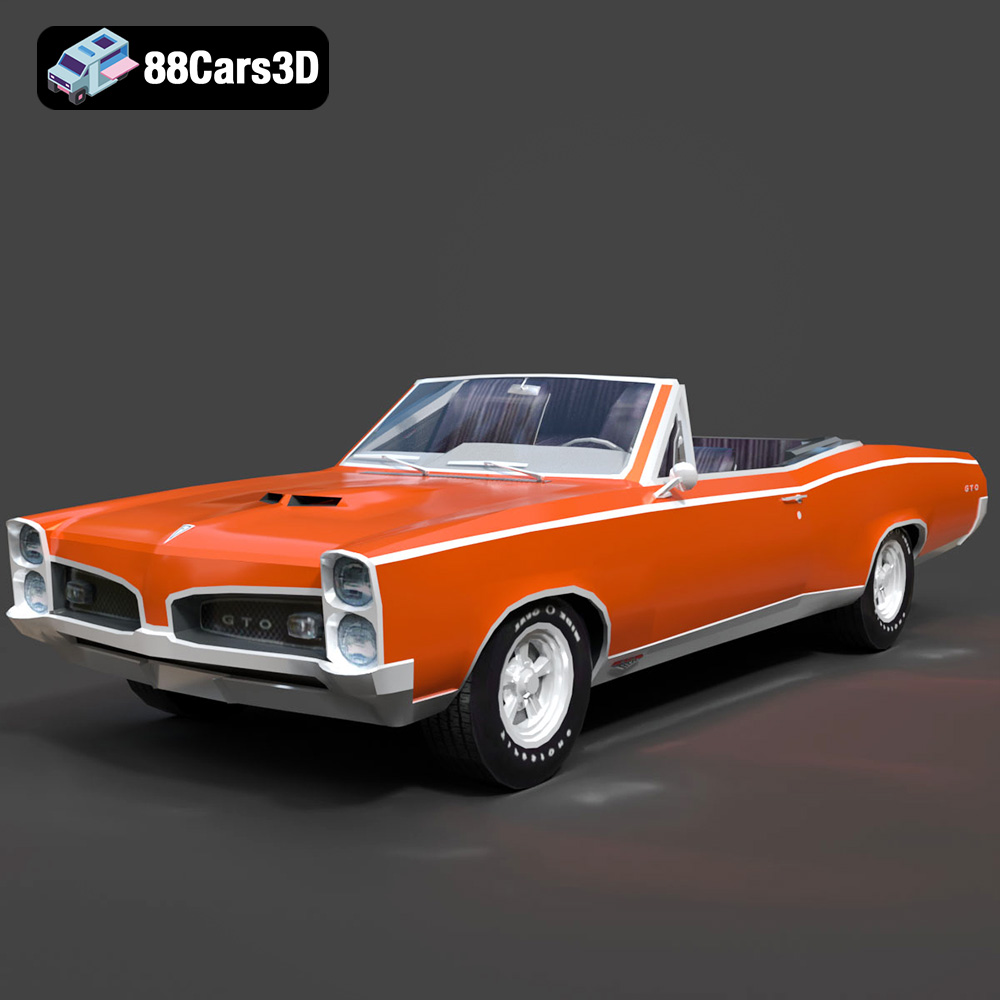
Pontiac GTO Cabrio 1967 3D Model
Texture: Yes
Material: Yes
Download the Pontiac GTO Cabrio 1967 3D Model featuring clean geometry, realistic detailing, and a fully modeled interior. Includes .blend, .fbx, .obj, .glb, .stl, .ply, .unreal, and .max formats for rendering, simulation, and game development.
Price: $4.99
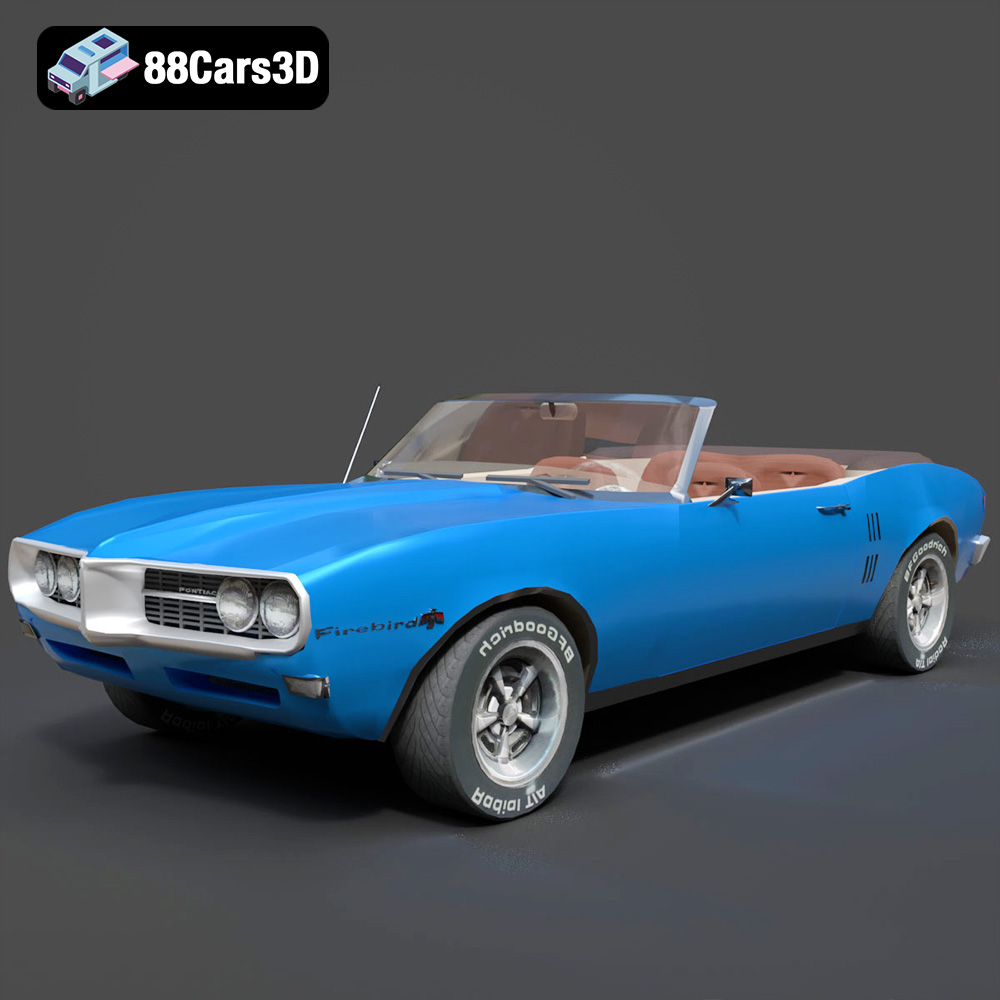
Pontiac Firebird Convertible 1968 3D Model
Texture: Yes
Material: Yes
Download the Pontiac Firebird Convertible 1968 3D Model featuring clean geometry, realistic detailing, and a fully modeled interior. Includes .blend, .fbx, .obj, .glb, .stl, .ply, .unreal, and .max formats for rendering, simulation, and game development.
Price: $4.99
Peugeot 508 2011 3D Model
Texture: Yes
Material: Yes
Download the Peugeot 508 2011 3D Model featuring clean geometry, realistic detailing, and a fully modeled interior. Includes .blend, .fbx, .obj, .glb, .stl, .ply, .unreal, and .max formats for rendering, simulation, and game development.
Price: $4.99
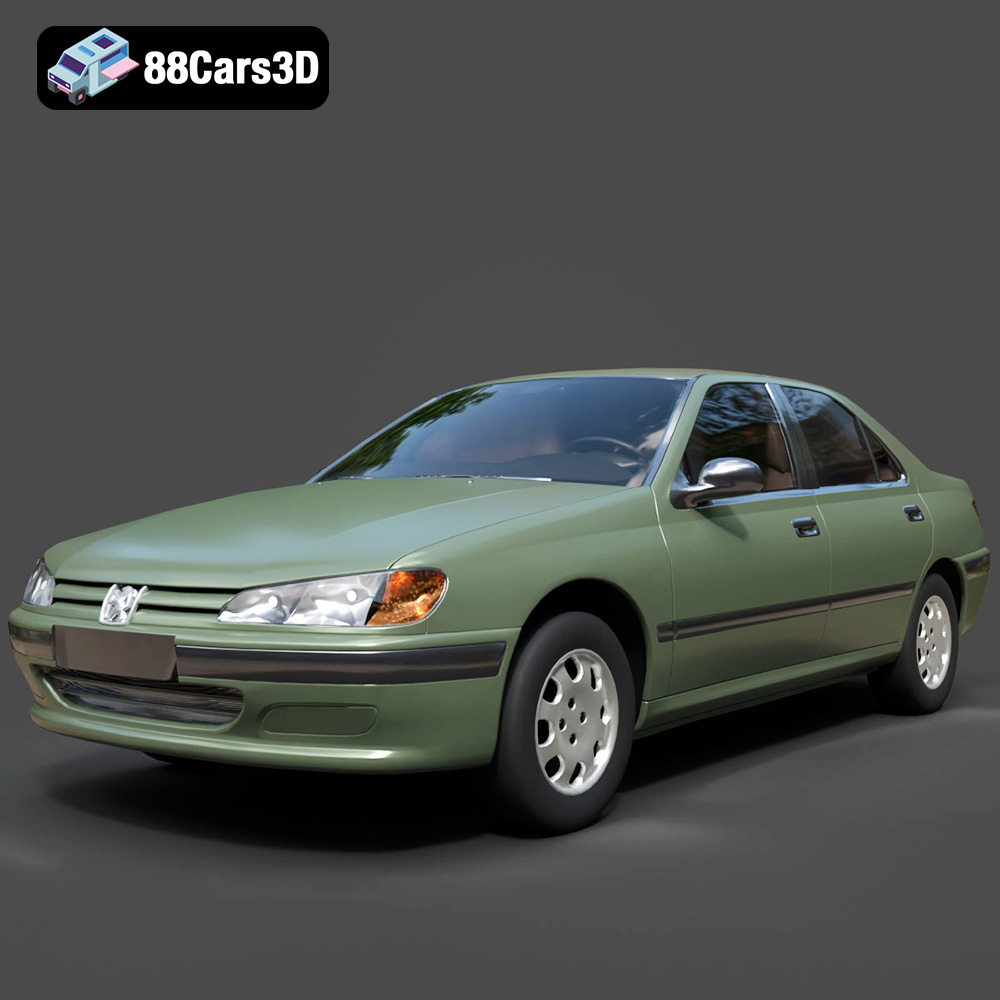
Peugeot 406 1996 3D Model
Texture: Yes
Material: Yes
Download the Peugeot 406 1996 3D Model featuring clean geometry, realistic detailing, and a fully modeled interior. Includes .blend, .fbx, .obj, .glb, .stl, .ply, .unreal, and .max formats for rendering, simulation, and game development.
Price: $10
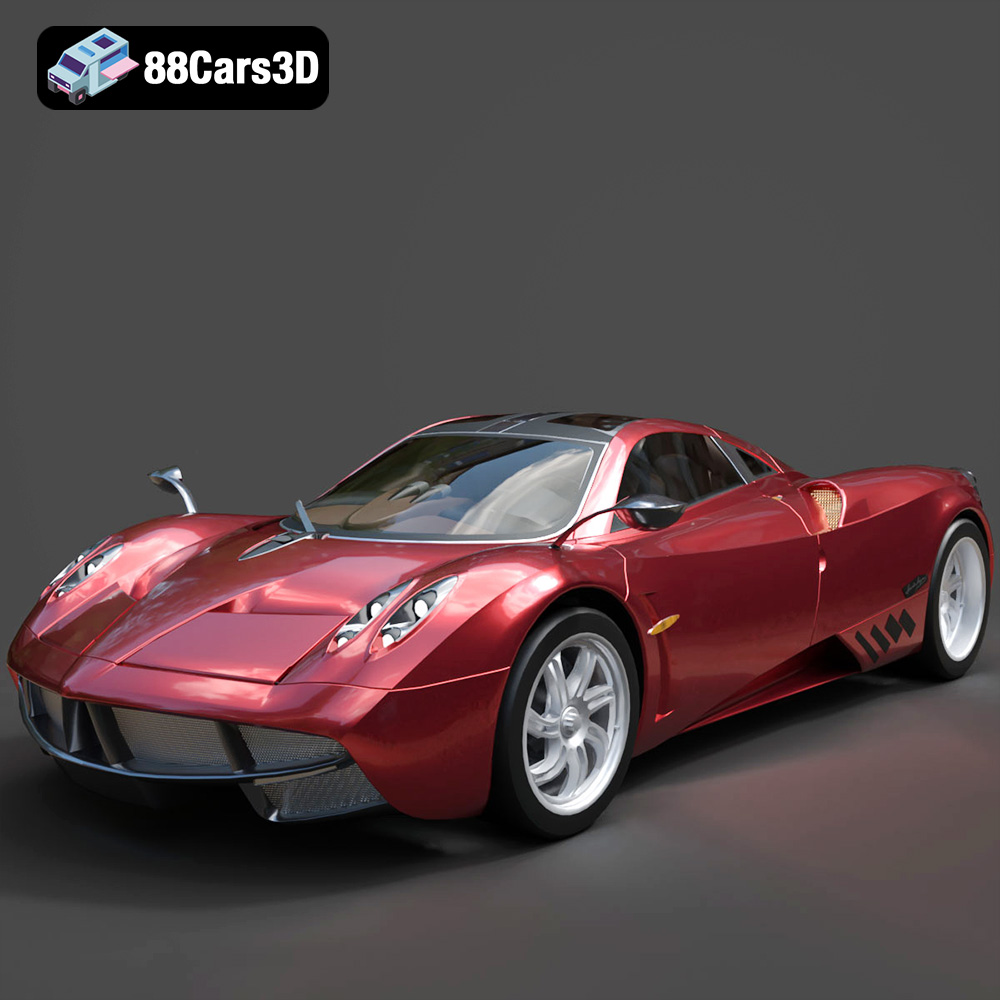
Pagani Huayra 2012 3D Model
Texture: Yes
Material: Yes
Download the Pagani Huayra 2012 3D Model featuring clean geometry, realistic detailing, and a fully modeled interior. Includes .blend, .fbx, .obj, .glb, .stl, .ply, .unreal, and .max formats for rendering, simulation, and game development.
Price: $10
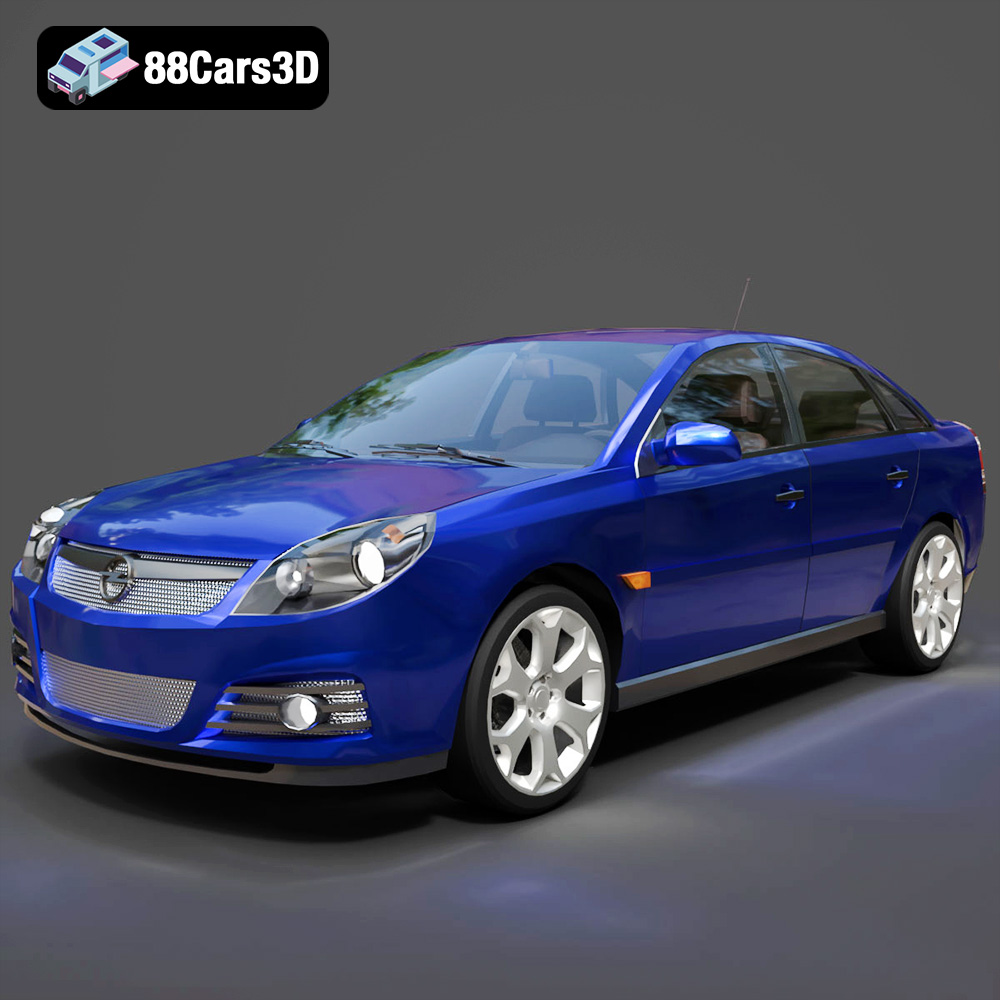
Opel Vectra C 2005 3D Model
Texture: Yes
Material: Yes
Download the Opel Vectra C 2005 3D Model featuring clean geometry, realistic detailing, and a fully modeled interior. Includes .blend, .fbx, .obj, .glb, .stl, .ply, .unreal, and .max formats for rendering, simulation, and game development.
Price: $10
Opel Insignia OPC 3D Model
Texture: Yes
Material: Yes
Download the Opel Insignia OPC 3D Model featuring clean geometry, realistic detailing, and a fully modeled interior. Includes .blend, .fbx, .obj, .glb, .stl, .ply, .unreal, and .max formats for rendering, simulation, and game development.
Price: $10
