Get 20% OFF All Premium 3D & STL Models!

The intricate world of 3D automotive design stands at the intersection of engineering precision and artistic vision. Whether you’re a seasoned 3D artist, a game developer, an automotive designer, or a student embarking on your digital journey, the pursuit of photorealism and performance optimization in 3D car models is a constant challenge and a rewarding endeavor. From capturing the nuanced curves of a luxury vehicle to preparing it for a high-octane racing game, every stage demands a meticulous understanding of technical workflows and artistic principles.
This comprehensive guide delves deep into the full lifecycle of 3D car models, dissecting foundational modeling principles, advanced rendering techniques, critical game optimization strategies, and diverse industry applications. We will explore the intricacies of topology, UV mapping, PBR materials, lighting, and rendering, alongside practical considerations for real-time engines, AR/VR, and even 3D printing. By the end of this post, you’ll gain actionable insights and professional tips to elevate your 3D automotive projects, ensuring your creations are not only visually stunning but also technically robust and versatile across various platforms.
At the heart of every exceptional 3D car model lies impeccable topology and intelligent edge flow. These foundational elements dictate how your model will deform, subdivide, and ultimately appear in renders and real-time environments. Clean topology, primarily composed of quads, is crucial for achieving smooth, controllable surfaces, especially critical for the complex, reflective surfaces of an automotive body. Poor topology, often riddled with triangles or N-gons, leads to pinching, undesirable faceting, and difficulty in UV mapping and texturing. For automotive models, maintaining graceful curves and sharp, defined creases (like those around door panels or headlight recesses) relies heavily on strategically placed edge loops. These loops guide the flow of polygons, ensuring that when subdivision modifiers (e.g., 3ds Max’s TurboSmooth, Blender’s Subdivision Surface) are applied, the surface remains uniform and free of artifacts.
The target polygon count is also a significant consideration, varying drastically based on the intended application. For high-resolution cinematic renders or professional visualization, a dense mesh (potentially millions of polygons after subdivision) is acceptable, allowing for minute details and crisp reflections. Conversely, for game assets or AR/VR experiences, a low-poly base mesh, often ranging from 20,000 to 100,000 polygons for a hero vehicle, is essential for performance. Mastering the balance between detail and poly count is a hallmark of professional 3D artists.
The golden rule for automotive modeling is to maintain an all-quad topology wherever possible. Quads (four-sided polygons) subdivide predictably and provide a cleaner base for sculpting and texturing. While it’s nearly impossible to avoid “poles” (vertices where more or less than four edges meet) entirely, professional artists strategically place 3-edge and 5-edge poles in areas of low deformation or flat surfaces, such as the center of a hood or a roof panel. Avoid placing poles on curvature transitions or highly reflective areas, as they can cause visible surface anomalies.
Edge loops are your primary tool for defining the contours and creases of a car. A series of parallel edge loops running along a car’s fender will create a smooth, continuous curve when subdivided. Similarly, tightly spaced edge loops around sharp edges, like the seam of a door or the edge of a grille, will maintain that crispness after subdivision without adding unnecessary geometry to flat surfaces. For instance, creating a realistic door panel gap involves creating two parallel edge loops on either side of the intended gap, then extruding inward or beveling to create the necessary depth and sharpness. Understanding how to use these loops to control curvature and hard edges is fundamental for creating aesthetically pleasing and technically sound automotive meshes.
When preparing your 3D car model for subdivision, it’s critical to anticipate how the mesh will react. Each subdivision level effectively multiplies your polygon count, so your base mesh (SubD level 0) should be as clean and efficient as possible. Ensure that your edge loops are evenly distributed and that there are no excessively long or thin quads, which can lead to uneven subdivision. For example, the sleek body panels of a car benefit from a uniform distribution of quads to prevent stretching or pinching during subdivision.
If your car model is intended for animation or rigging – perhaps doors opening, wheels turning, or suspension reacting – your edge flow must support these deformations. Areas that will bend or articulate, such as around hinges or suspension components, require denser and more parallel edge loops to provide enough geometry for smooth transitions. Similarly, interior components like seats or steering wheels need appropriate topology for potential deformation or interaction. A well-organized mesh with a clear hierarchy of objects and properly named components (e.g., “Car_Body,” “Wheel_FL,” “Door_L”) makes the rigging and animation process far more manageable.
Once your 3D car model’s topology is perfected, the next crucial step is to breathe life into its surfaces through expert UV mapping and the creation of Physically Based Rendering (PBR) materials. These elements are paramount for achieving the hyper-realistic look demanded by modern rendering engines and for ensuring consistent material behavior across different lighting conditions. Efficient UV mapping is particularly challenging for complex automotive surfaces, which feature intricate curves, sharp angles, and numerous distinct components. It involves unfolding the 3D surface into a 2D space, akin to cutting open a cardboard box, so that 2D textures can be painted onto it without stretching or distortion. Poor UVs lead to pixelated textures, visible seams, and an unprofessional appearance, directly undermining all the effort put into modeling.
PBR materials represent a paradigm shift in texturing, simulating how light interacts with real-world surfaces based on physical properties rather than subjective artistic interpretation. This workflow, using maps like Albedo/Base Color, Metallic, Roughness, Normal, and Ambient Occlusion, ensures that your car models look consistently realistic whether rendered in 3ds Max, Blender, Unity, or Unreal Engine.
For hard-surface models like cars, strategic UV unwrapping techniques are key. Tools within software like 3ds Max, Blender, or Maya offer various unwrapping methods. “Projection mapping” can be useful for initial, rough unwraps or for simpler, planar surfaces, but for the complex curves of a car body, a more controlled approach is needed. “Seam placement” is critical; ideally, seams should be hidden in less visible areas, such as along sharp edges, under trim pieces, or in crevices where they are less noticeable. For example, a car door might have a seam running along its bottom edge and inside the door frame. The goal is to minimize visible seams while maintaining an even “texel density” – meaning that pixels of the texture map are spread evenly across the 3D surface, preventing some areas from looking blurry and others overly sharp.
Many professional workflows involve multiple UV sets. A primary UV set might be dedicated to the main body paint, chrome, and glass, ensuring uniform texel density for critical elements. A second UV set could be used for decals, logos, or grunge maps that need to be layered independently without affecting the base textures. Tools like RizomUV or software-specific unwrappers offer advanced features for packing UV islands efficiently, maximizing the use of texture space, and reducing texture memory footprint.
Creating compelling PBR materials for an automotive model involves more than just plugging in texture maps; it requires understanding the physical properties of various materials. For example, car paint is typically a complex layered material: a base color (Albedo), a metallic flake layer, and a clear coat layer that provides the glossy, reflective finish and often has slight absorption properties. In 3ds Max with Corona Renderer or V-Ray, or Blender with Cycles, you would build a shader network that stacks these layers using blend materials or dedicated car paint shaders. The “Metallic” map defines which parts of the surface are metallic (e.g., chrome trim, wheel rims) and which are dielectric (e.g., plastic, rubber). The “Roughness” map is paramount, controlling the micro-surface detail that scatters light; a low roughness value creates a mirror-like reflection (like polished chrome), while a high value leads to a matte, diffused look (like tire rubber).
Beyond the main body, every component requires careful material definition. Glass needs accurate refraction and absorption settings, often with a subtle green tint. Tire rubber demands high roughness, a dark base color, and often a subtle normal map for tread detail. Headlights and taillights involve intricate combinations of clear glass, reflective chrome, and emissive elements. Using high-resolution texture maps (e.g., 4K or 8K for the main body) ensures maximum detail, especially for close-up renders. Tools like Substance Painter or Quixel Mixer are invaluable for procedurally generating these texture maps and painting them directly onto your 3D model, ensuring seamless integration and consistency.
Achieving hyper-realistic automotive renders is an art form that blends technical proficiency with a keen eye for photographic composition and lighting. Even with the most meticulously modeled and textured 3D car models, a poor rendering setup can diminish their impact. Modern rendering engines are incredibly powerful, each with its unique strengths and workflows. Corona Renderer and V-Ray (for 3ds Max and Maya) are industry staples for architectural visualization and product rendering, known for their unbiased or semi-unbiased path tracing and physically accurate lighting. Blender’s Cycles and Octane Render offer similar capabilities, while Arnold (integrated into Maya and 3ds Max) is a favorite for animation and VFX studios. Regardless of your chosen engine, the core principles of lighting, environment setup, and camera work remain universal.
A successful automotive render often mimics professional automotive photography, emphasizing reflections, intricate details, and the overall form of the vehicle. This requires a deep understanding of how light interacts with the car’s surfaces and how to manipulate that interaction to highlight key design elements.
The environment is the single most critical factor in automotive rendering, as a car’s glossy surfaces are essentially mirrors reflecting their surroundings. Two primary approaches dominate: studio lighting setups and High Dynamic Range Images (HDRIs).
Studio Lighting: This involves placing virtual area lights, spotlights, and softboxes around the car, much like a real-world photo studio. A common setup might include a large, soft area light overhead or slightly to the front to define the primary reflections, often complemented by vertical “strip lights” on the sides to create elegant highlights along the car’s profile. Backlights can be used to separate the car from the background and create a rim lighting effect, emphasizing its silhouette. In Corona Renderer or V-Ray, these lights can be precisely controlled for intensity, color temperature, and shape, allowing for infinite creative possibilities to sculpt the light and reflections across the car’s body.
HDRIs: For ultimate realism and natural reflections, HDRIs are indispensable. These panoramic images capture the full range of light information from real-world locations (e.g., a sunny afternoon, an overcast garage, a city street). When used as an environment map, an HDRI not only illuminates your scene but also provides highly realistic reflections in the car’s paint, glass, and chrome, integrating the car seamlessly into a virtual backdrop. Tools like HDRI Haven or Poly Haven offer a vast library of high-quality HDRIs. For optimal results, you can combine an HDRI for ambient light and reflections with a few targeted area lights to enhance specific features or add cinematic drama, much like how a photographer might use a reflector in an outdoor shoot. Using backplates (photographs taken from the same angle as the HDRI) further enhances realism by providing a cohesive background.
Beyond basic lighting, advanced rendering techniques allow for greater control and fidelity. Modern render engines offer sophisticated sampling settings to reduce noise (denoising) and optimize render times. Understanding render passes (or AOVs – Arbitrary Output Variables) is crucial for professional workflows. Instead of rendering a single final image, you can output separate layers for diffuse color, raw reflections, raw refractions, specular highlights, Z-depth (for depth of field), ambient occlusion, and more.
These passes are then brought into a compositing software like Adobe Photoshop, Affinity Photo, or Blackmagic Fusion/The Foundry Nuke. Here, you have non-destructive control over every aspect of the final image. You can independently adjust the intensity of reflections, refine shadows, correct colors, and add lens effects like bloom or glare. For instance, using the Z-depth pass, you can add realistic depth of field in post-production, selectively blurring the background or foreground to draw attention to the car. Color grading and vignetting are also typically applied in post-processing to achieve the desired mood and photographic aesthetic. Many professionals also utilize dedicated image editing plugins or action sets to further enhance automotive renders with subtle glows, enhanced sharpness, and color saturation, bringing the image to a polished, magazine-quality finish.
The transition from a high-fidelity rendering pipeline to a real-time game engine like Unity or Unreal Engine presents a unique set of challenges and demands specific optimization strategies. While offline rendering prioritizes visual quality above all else, real-time rendering is a delicate balance between visual fidelity and performance. A beautifully detailed 3D car model with millions of polygons and dozens of 4K textures will cripple a game’s framerate, especially on less powerful hardware. Therefore, game-ready optimization focuses on reducing computational load while preserving as much visual quality as possible. This involves smart polygon reduction, efficient texture management, and careful consideration of draw calls – the number of times the CPU has to tell the GPU to draw something. Every unique material, mesh, or shadow-casting object contributes to draw calls, which can quickly become a bottleneck in scenes with many complex assets.
One of the most critical optimization techniques for game assets is the implementation of Level of Detail (LODs). This involves creating multiple versions of the same 3D car model, each with a progressively lower polygon count. When the player or camera is close to the car, the highest detail LOD0 (e.g., 50,000-100,000 polygons) is displayed. As the car moves further away, the engine automatically switches to LOD1 (e.g., 20,000-40,000 polygons), then LOD2 (e.g., 5,000-10,000 polygons), and so on, down to a simple billboard or completely culled object for very distant views. This ensures that the engine only renders the necessary detail, saving immense processing power.
Polygon reduction can be achieved manually by carefully dissolving edges and merging vertices in non-critical areas, or using automatic decimation tools found in Blender, 3ds Max (ProOptimizer), or Maya (Reduce). When using automatic tools, it’s crucial to protect sharp edges and areas of high curvature to maintain the car’s silhouette and important details. Often, normal maps are used to “bake” the high-detail geometry of a high-poly model onto a lower-poly mesh, creating the illusion of detail without adding actual polygons. This allows game models to appear far more complex than their actual geometry suggests, a fundamental technique for stunning visuals with efficient performance.
Texture optimization is equally vital. High-resolution textures consume significant video memory, especially when multiple 4K maps are used for various parts of a car. A common strategy is “texture atlasing,” where multiple smaller textures (e.g., for individual car components like brake calipers, emblems, or interior buttons) are combined into a single, larger texture map. This reduces draw calls by allowing the engine to render multiple surfaces with a single material. Furthermore, “packed texture maps” are widely used: for instance, combining a Metallic map, Roughness map, and Ambient Occlusion map into the RGB channels of a single texture, further reducing texture count and memory usage.
When integrating 3D car models into Unity or Unreal Engine, meticulous preparation in your 3D software is key. Exporting via FBX is the industry standard, ensuring that geometry, UVs, materials (or at least their basic properties), and hierarchical structures are preserved. It’s crucial to set proper scale (e.g., 1 unit = 1 meter) and pivot points (e.g., at the center of the car’s base) before export. Collision meshes – simplified, invisible meshes that define the car’s physical boundaries for physics simulations – are also essential for game environments. Additionally, specific material setup (e.g., converting PBR textures to the engine’s standard Metallic/Roughness workflow) and lightmap UV generation for static lighting are important steps to ensure your 3D car model performs and looks its best within the real-time engine. When sourcing models, platforms like 88cars3d.com often provide game-ready assets with optimized poly counts and texture sets, saving valuable development time.
The utility of high-quality 3D car models extends far beyond traditional rendering and gaming, permeating innovative fields like Augmented Reality (AR), Virtual Reality (VR), and advanced 3D printing, as well as high-end visualization and interactive configurators. Each of these applications imposes its own unique set of technical requirements and optimization challenges, demanding a flexible and robust asset pipeline. Leveraging professional-grade 3D car models allows designers and developers to explore new frontiers in product presentation, immersive experiences, and rapid prototyping.
AR and VR environments are some of the most demanding for 3D assets due to strict performance budgets and the need for seamless, low-latency rendering. Unlike traditional games, AR/VR often runs on mobile devices or specialized headsets with limited computational power. This means even more aggressive polygon reduction than for standard games, frequently aiming for a total polygon count per car in the range of 10,000-50,000 triangles, depending on the platform and visual target. Texture resolutions also need to be carefully managed, typically staying within 1K or 2K for primary maps.
For web-based AR experiences (e.g., viewing a car in your driveway via a smartphone), specific file formats like GLB (GL Transmission Format Binary) and USDZ (Universal Scene Description Zip) are essential. These formats are highly optimized, contain all necessary geometry, materials, and animations in a single file, and are natively supported by modern web browsers and iOS devices, respectively. When preparing for AR/VR, ensuring consistent scale (e.g., 1 unit = 1 meter) and correct pivot points is crucial for accurate placement and interaction in the real world or virtual space. Real-time shadows and reflections, even simplified ones, significantly enhance immersion, so understanding engine-specific settings for these features is vital.
3D printing a car model brings a completely different set of technical criteria, shifting the focus from visual fidelity to physical manufacturability. The primary requirement for 3D printing is a “watertight” or “manifold” mesh – meaning the model must represent a completely closed volume without any holes, inverted normals, or self-intersecting geometry. Any breach in the mesh will prevent the slicer software from generating a printable object.
Wall thickness is another critical consideration. Depending on the printing technology and material, parts of the model (e.g., thin antenna, small mirrors) might be too fragile or too thin to print reliably. These areas may need to be thickened or reinforced. Mesh repair tools within software like Meshmixer, Blender (with 3D-Print Toolbox add-on), or Netfabb are invaluable for automatically detecting and repairing common printing issues. File formats like STL (Standard Tessellation Language) and OBJ are the most common for 3D printing, with STL being the de facto standard. When sourcing models, if 3D printing is your goal, always look for models with clean, manifold geometry, or be prepared to perform mesh repair yourself.
High-fidelity 3D car models are central to professional visualization, particularly in automotive marketing and design iteration. From captivating renders for advertising campaigns to interactive 3D configurators that allow potential customers to customize a vehicle in real-time, the demand for quality is paramount. Engines like Unreal Engine 5, with its Lumen global illumination and Nanite virtualized geometry, are revolutionizing this space, enabling real-time ray tracing and cinematic-quality visuals that were once only possible with offline renderers.
Automotive designers extensively use 3D models for pre-visualization, design reviews, and iterating on concepts long before physical prototypes are built. These models allow for rapid changes to body lines, materials, and colors, providing immediate visual feedback. Interactive configurators, often seen on car manufacturers’ websites, utilize optimized real-time 3D models to provide an engaging and personalized shopping experience, allowing users to explore different paint options, wheel designs, and interior trims instantly. For all these visualization needs, having access to professionally built, high-quality 3D car models, such as those available on marketplaces like 88cars3d.com, significantly streamlines the workflow and ensures a superior end product.
Navigating the multitude of 3D file formats is a common challenge in any professional 3D pipeline, and automotive design is no exception. Each format has its strengths, limitations, and preferred use cases, impacting compatibility, data integrity, and overall workflow efficiency. Understanding these nuances is crucial for seamless collaboration, accurate data exchange, and successful deployment across various platforms and applications. Beyond file formats, adopting professional workflow practices—such as meticulous scene organization, consistent naming conventions, and proper version control—is paramount for managing complex 3D car projects, especially when working in teams.
* FBX (Filmbox): Developed by Autodesk, FBX is arguably the most widely adopted interchange format in the 3D industry. It supports not only geometry but also materials, textures, animations, rigging, cameras, and lights. This makes it an excellent choice for transferring 3D car models between different software packages (e.g., 3ds Max to Maya, Blender to Unity/Unreal Engine). Its versatility makes it the go-to for game development and animation pipelines.
* OBJ (Wavefront Object): A venerable and universally supported format, OBJ primarily stores geometry (vertices, normals, UVs) and material definitions (via an accompanying MTL file). While highly compatible, it lacks support for animations, rigging, or advanced scene data. It’s often used for simple static mesh exchange.
* GLB / USDZ: These are emerging standards specifically designed for web-based 3D, AR, and VR. GLB (GL Transmission Format Binary) is a compact, self-contained file that embeds all assets (geometry, textures, animations) into a single binary file, making it ideal for efficient streaming and quick loading on web pages. USDZ (Universal Scene Description Zip) is Apple’s format for AR applications on iOS, also designed for efficiency and ease of use in augmented reality experiences.
* MAX, BLEND, C4D, MB, MA: These are the native file formats for 3ds Max, Blender, Cinema 4D, and Maya, respectively. They store all scene data specific to that software, including modifiers, scene settings, and complex material setups. While great for working within a single application, they are not easily transferable directly between different software.
* STL (Standard Tessellation Language): This format defines only the surface geometry of a 3D object using a collection of triangular facets. It’s the dominant format for 3D printing and rapid prototyping due to its simplicity and robust support by slicing software.
Converting 3D car models between different file formats or software packages requires attention to detail to prevent data loss or corruption. When exporting from your primary 3D software (e.g., 3ds Max) to an interchange format like FBX for use in a game engine (e.g., Unity), it’s crucial to check several parameters:
Always perform a visual inspection and functional test after conversion and import into the target environment to ensure everything looks and behaves as intended.
In professional automotive design and game development studios, collaboration is key. This necessitates robust workflow practices:
By adhering to these professional workflows, artists and developers can ensure their 3D car models are not only technically excellent but also easily manageable, shareable, and adaptable across diverse projects. This is precisely the kind of meticulous preparation found in the high-quality 3D car models available on platforms like 88cars3d.com, which are designed to integrate smoothly into various professional pipelines.
The journey through the creation and application of 3D car models is a testament to the blend of artistic skill and technical mastery required in the digital age. From the foundational principles of clean topology and intelligent edge flow that define a car’s form, through the intricate processes of UV mapping and PBR material creation that breathe realism into its surfaces, to the advanced rendering techniques that deliver stunning visuals, every step is critical. Furthermore, adapting these high-fidelity assets for real-time game engines, immersive AR/VR experiences, or physical 3D prints demands a deep understanding of optimization, performance, and format compatibility.
Ultimately, mastering 3D car models means not just knowing how to use the tools, but understanding the underlying principles that govern visual quality and technical efficiency across a multitude of platforms. Embrace continuous learning, experiment with different workflows, and never shy away from the technical challenges that transform a good model into an exceptional one. Whether you are crafting bespoke designs or integrating pre-made, professionally optimized assets into your projects, platforms like 88cars3d.com offer an invaluable resource for accelerating your creative process with high-quality 3D car models that meet industry standards. Dive in, keep learning, and drive your 3D automotive projects to new levels of excellence.
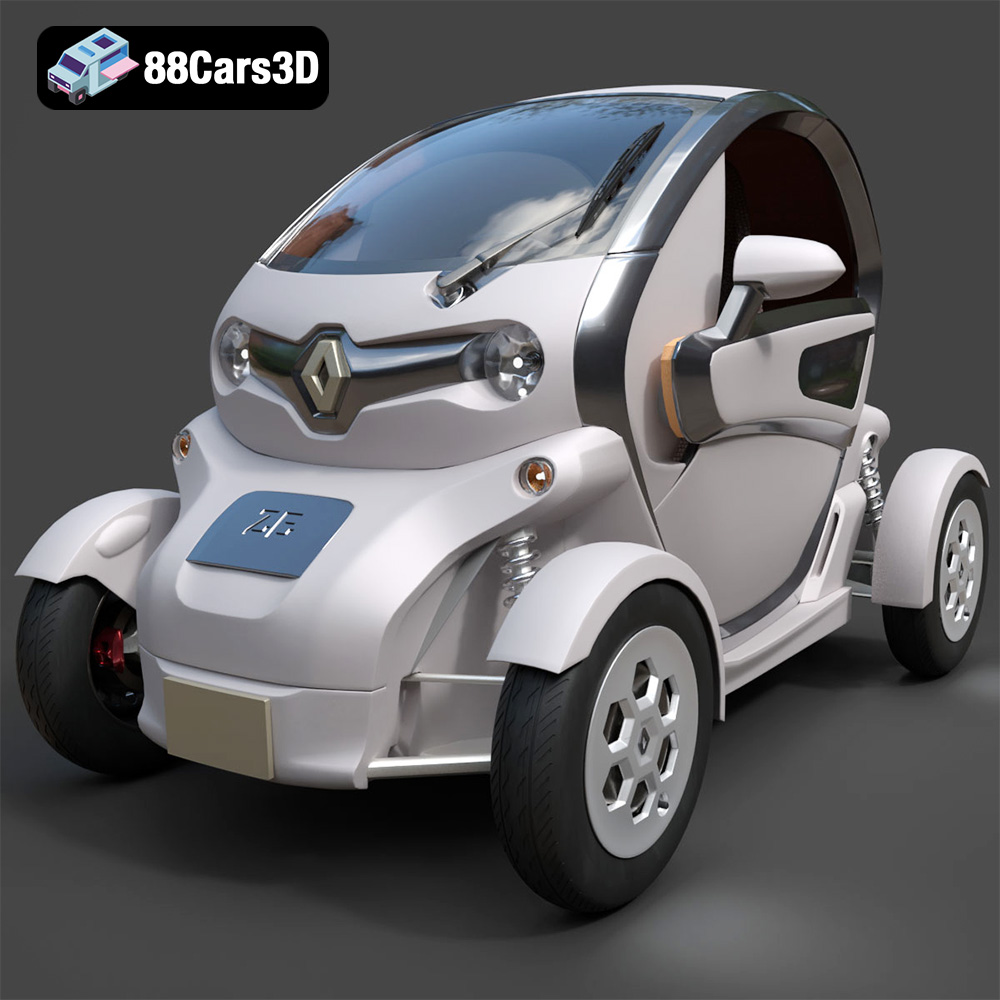
Texture: Yes
Material: Yes
Download the Renault Twizy ZE 3D Model featuring clean geometry, realistic detailing, and a fully modeled interior. Includes .blend, .fbx, .obj, .glb, .stl, .ply, .unreal, and .max formats for rendering, simulation, and game development.
Price: $4.99
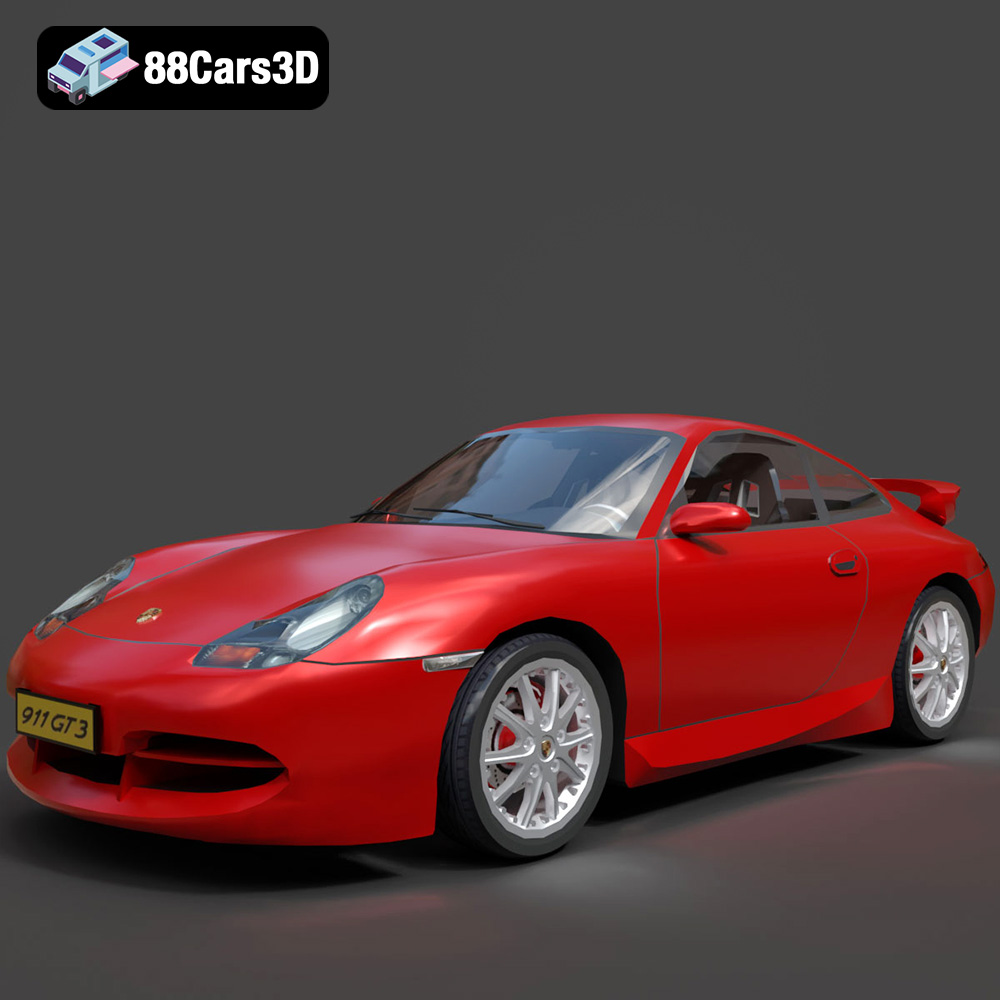
Texture: Yes
Material: Yes
Download the Porsche 911 GT3 3D Model featuring clean geometry, realistic detailing, and a fully modeled interior. Includes .blend, .fbx, .obj, .glb, .stl, .ply, .unreal, and .max formats for rendering, simulation, and game development.
Price: $4.99
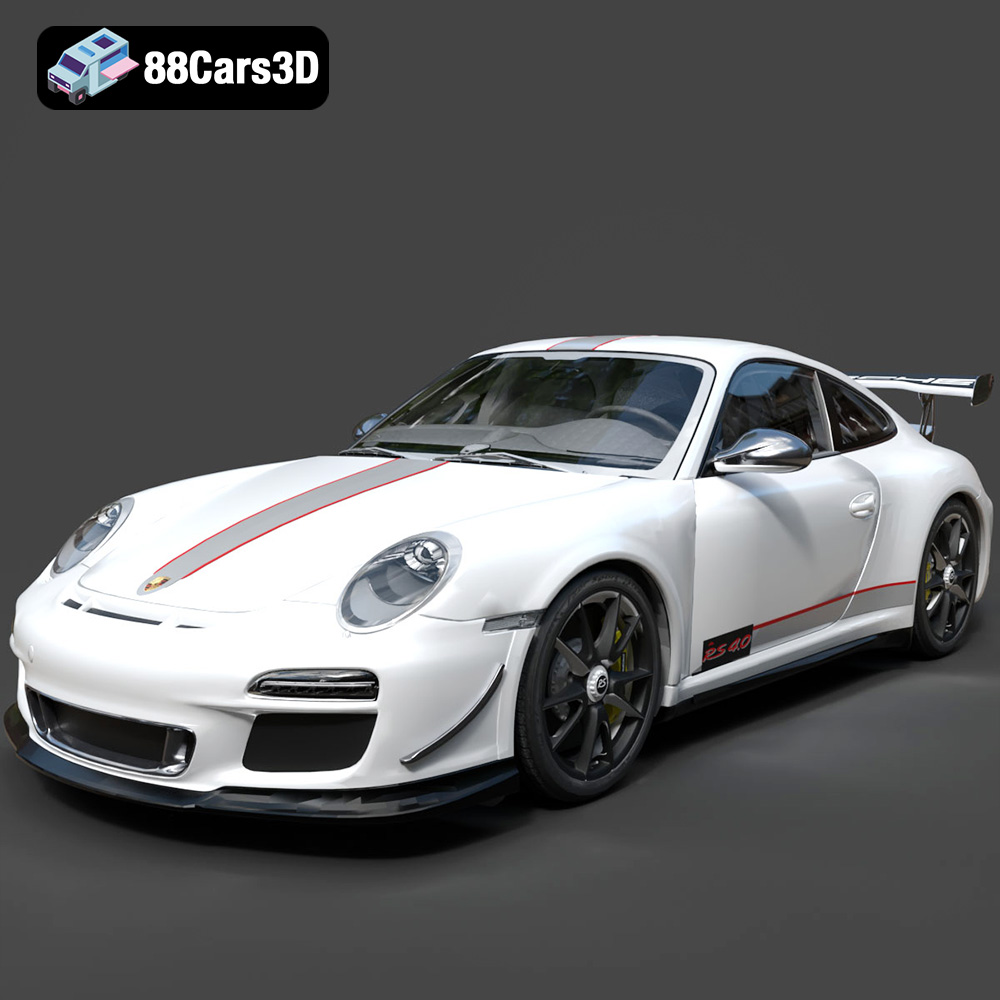
Texture: Yes
Material: Yes
Download the Porsche 911 997 GT3 RS 4.0 2011 3D Model featuring clean geometry, realistic detailing, and a fully modeled interior. Includes .blend, .fbx, .obj, .glb, .stl, .ply, .unreal, and .max formats for rendering, simulation, and game development.
Price: $4.99
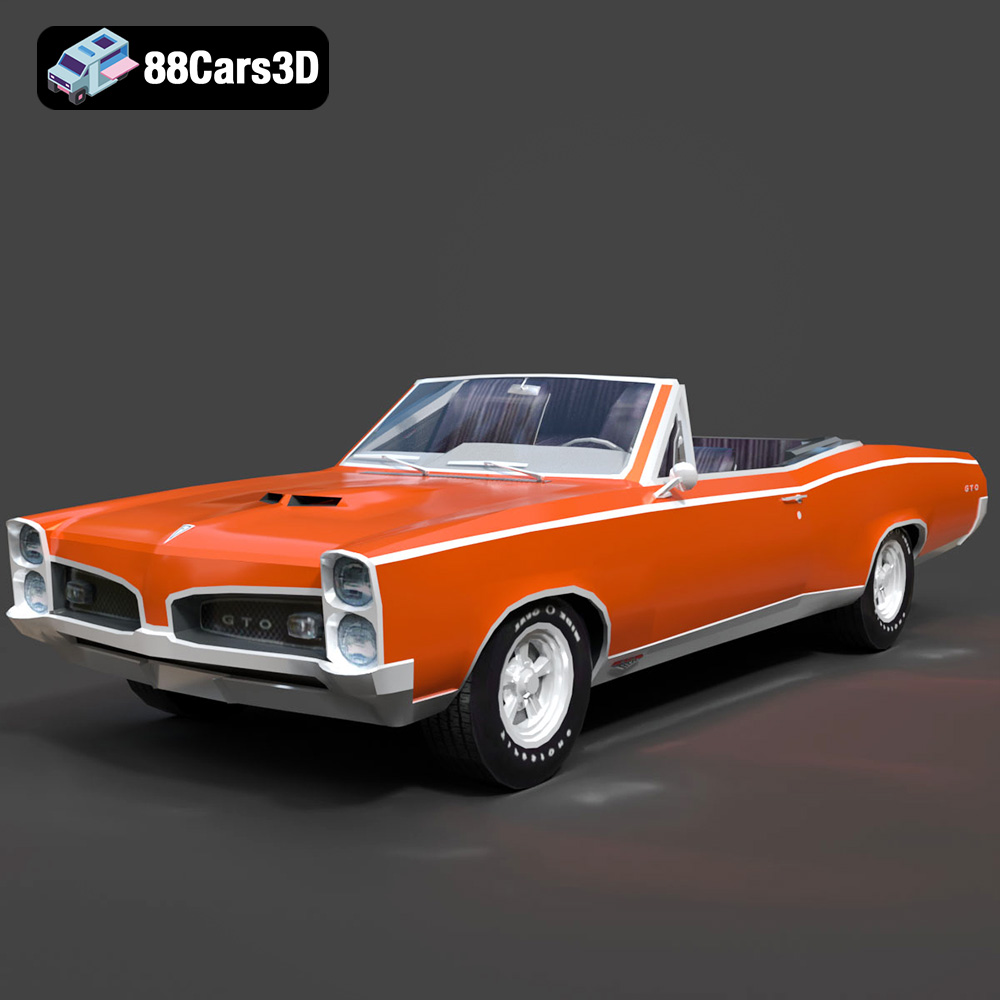
Texture: Yes
Material: Yes
Download the Pontiac GTO Cabrio 1967 3D Model featuring clean geometry, realistic detailing, and a fully modeled interior. Includes .blend, .fbx, .obj, .glb, .stl, .ply, .unreal, and .max formats for rendering, simulation, and game development.
Price: $4.99
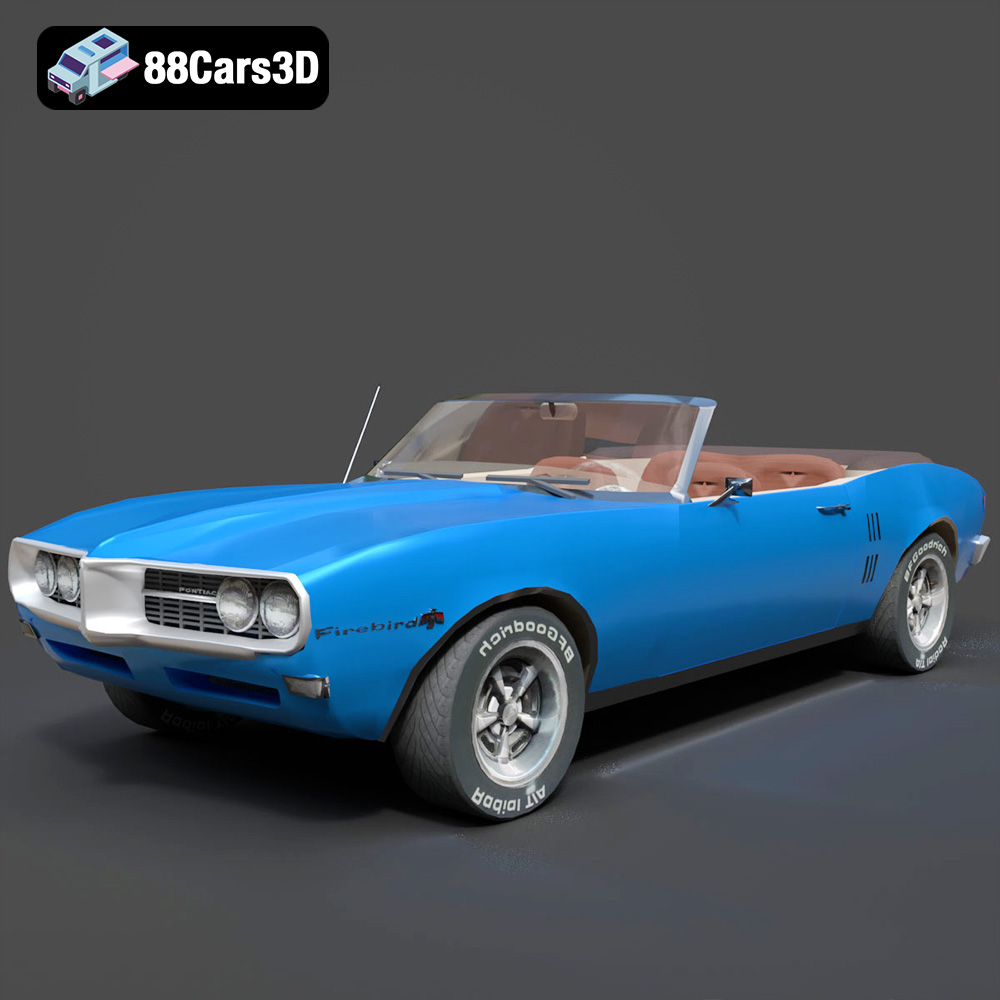
Texture: Yes
Material: Yes
Download the Pontiac Firebird Convertible 1968 3D Model featuring clean geometry, realistic detailing, and a fully modeled interior. Includes .blend, .fbx, .obj, .glb, .stl, .ply, .unreal, and .max formats for rendering, simulation, and game development.
Price: $4.99

Texture: Yes
Material: Yes
Download the Peugeot 508 2011 3D Model featuring clean geometry, realistic detailing, and a fully modeled interior. Includes .blend, .fbx, .obj, .glb, .stl, .ply, .unreal, and .max formats for rendering, simulation, and game development.
Price: $4.99
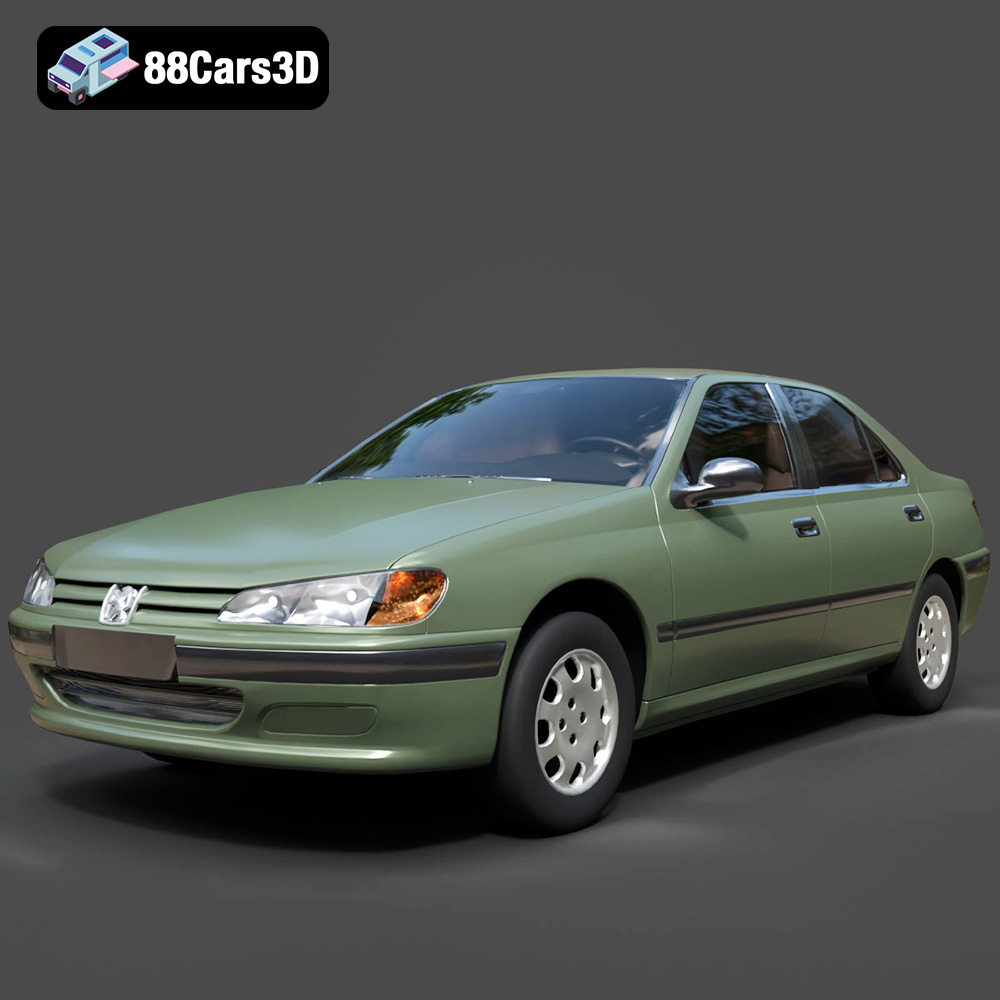
Texture: Yes
Material: Yes
Download the Peugeot 406 1996 3D Model featuring clean geometry, realistic detailing, and a fully modeled interior. Includes .blend, .fbx, .obj, .glb, .stl, .ply, .unreal, and .max formats for rendering, simulation, and game development.
Price: $10
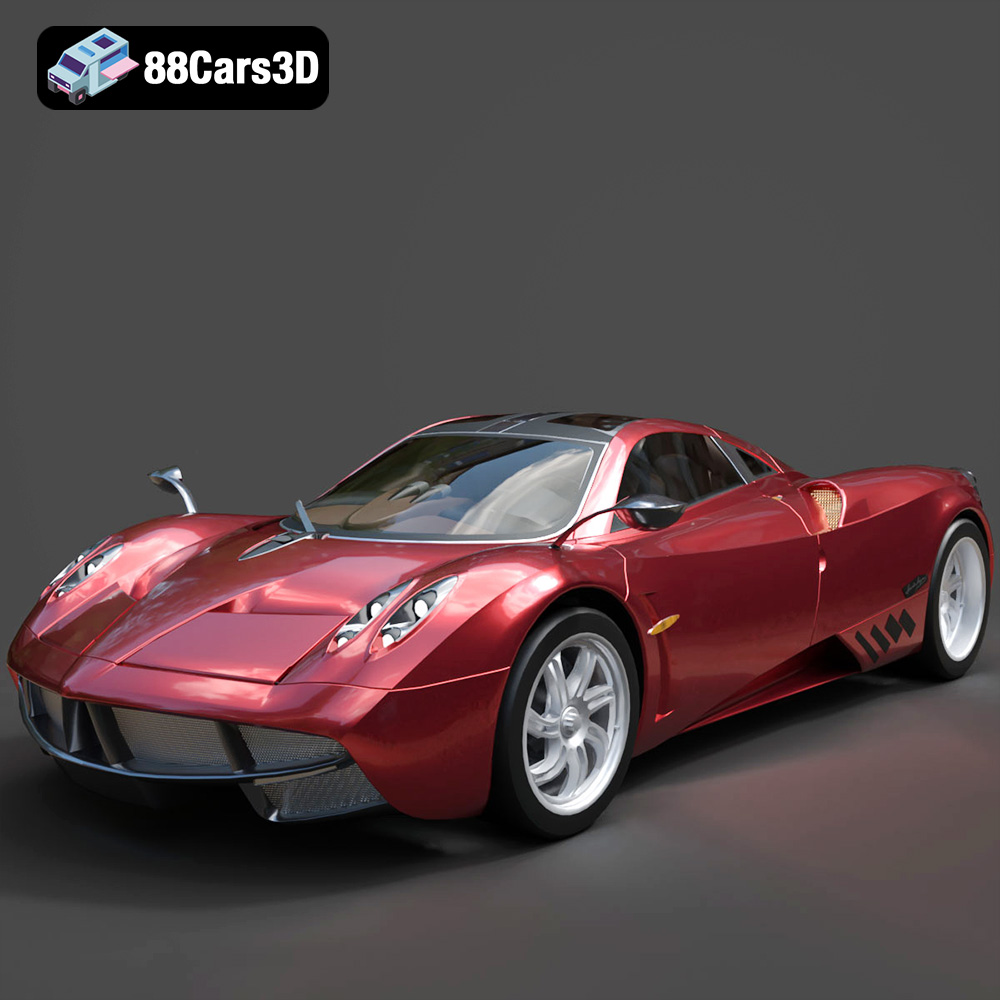
Texture: Yes
Material: Yes
Download the Pagani Huayra 2012 3D Model featuring clean geometry, realistic detailing, and a fully modeled interior. Includes .blend, .fbx, .obj, .glb, .stl, .ply, .unreal, and .max formats for rendering, simulation, and game development.
Price: $10
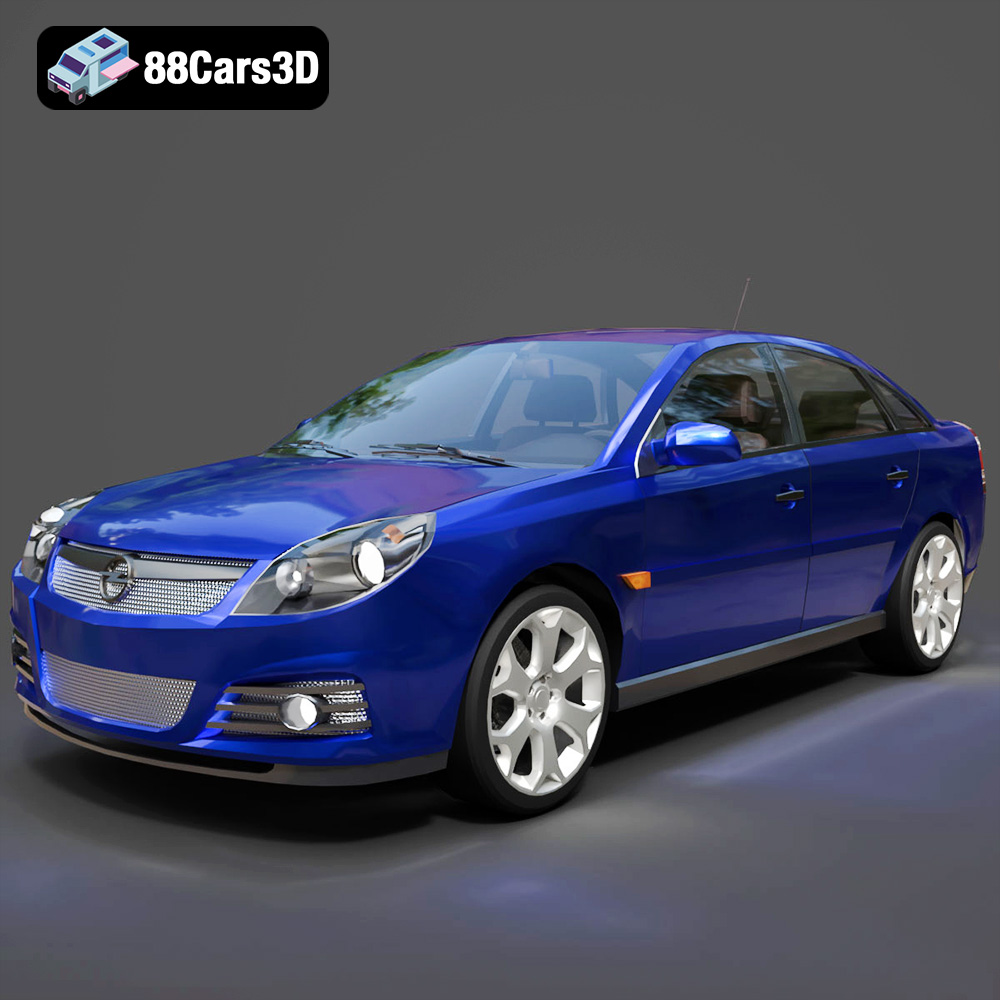
Texture: Yes
Material: Yes
Download the Opel Vectra C 2005 3D Model featuring clean geometry, realistic detailing, and a fully modeled interior. Includes .blend, .fbx, .obj, .glb, .stl, .ply, .unreal, and .max formats for rendering, simulation, and game development.
Price: $10

Texture: Yes
Material: Yes
Download the Opel Insignia OPC 3D Model featuring clean geometry, realistic detailing, and a fully modeled interior. Includes .blend, .fbx, .obj, .glb, .stl, .ply, .unreal, and .max formats for rendering, simulation, and game development.
Price: $10

