Get 20% OFF All Premium 3D & STL Models!

In the dynamic world of 3D visualization, automotive design, and interactive media, the demand for exceptionally high-quality 3D car models is more pronounced than ever. From captivating cinematic renders to immersive virtual reality experiences and hyper-realistic game environments, the fidelity of a 3D vehicle can make or break a project’s impact. This comprehensive guide embarks on an in-depth journey into the technical intricacies that define a truly professional 3D car model. We’ll explore the foundational principles of clean topology, the art of UV mapping, the science behind PBR materials, and advanced rendering techniques that elevate mere polygons into breathtaking photorealism. Whether you’re a seasoned 3D artist, an aspiring game developer, or an automotive designer pushing the boundaries of visualization, understanding these core concepts is paramount. Join us as we dissect the workflows, optimization strategies, and industry best practices that transform digital assets into compelling visual narratives, equipping you with the knowledge to create, integrate, and deploy stunning 3D car models across a multitude of cutting-edge applications.
The journey to a photorealistic 3D car model begins long before textures or lights are even considered: it starts with impeccable topology and edge flow. For automotive models, which are characterized by smooth, reflective surfaces and complex curvatures, clean geometry is not just a preference, but a strict necessity. Good topology ensures that the model deforms correctly during animation, holds up under various subdivision levels, and most importantly, provides a smooth, artifact-free surface for shading and reflections. Poor topology, on the other hand, leads to unsightly pinching, unnatural reflections, and a nightmare for UV mapping and texturing.
The goal is to maintain an all-quad mesh (polygons with four sides), as these deform and subdivide predictably. Triangles should be avoided in areas that require deformation or smoothing, and n-gons (polygons with more than four sides) are an absolute no-go, as they lead to unpredictable shading and introduce significant issues during subdivision. Automotive panels, in particular, demand a meticulously crafted edge flow that follows the natural contours and creases of the vehicle. Edges should flow along the major design lines, such as door seams, fender flares, and window frames. This structured approach allows for precise control over the model’s form and ensures that sharp edges remain crisp while curved surfaces transition smoothly. Maintaining a consistent mesh density across different parts of the car also contributes to better shading and facilitates easier manipulation. For a typical high-quality, game-ready car model, polygon counts can range from 50,000 to 150,000 triangles, while cinematic-quality models might easily exceed several million polygons, demanding even stricter topology standards to prevent rendering artifacts.
Creating perfectly smooth and continuous automotive surfaces often involves a combination of modeling techniques. NURBS (Non-uniform Rational B-splines) modeling is traditionally favored in industrial design and CAD software (like Alias or SolidWorks) due to its mathematical precision and ability to define perfectly smooth curves and surfaces. However, for real-time applications and polygon-based rendering, these NURBS models are often converted to polygons, which requires careful tessellation to maintain quality.
Polygon modeling, using tools in software like 3ds Max, Blender, or Maya, typically involves starting with a low-poly base mesh and iteratively refining it. Techniques like box modeling, where you start from a simple primitive and extrude/subdivide, or spline-based modeling, where you create curves and generate surfaces between them, are common. The key is to constantly check for surface continuity and reflection quality. Using modifiers like “Turbosmooth” or “Subdivision Surface” allows artists to work with a lower polycage while achieving high-fidelity smooth surfaces for rendering. During this process, paying close attention to “holding loops” – extra edge loops placed near sharp creases – is crucial. These loops control the tightness of the subdivision, ensuring that details like panel gaps or body lines remain crisp even after smoothing. For example, a crisp panel line on a car door might require two or three closely spaced edge loops to define its sharp boundary when subdivided.
The choice between modeling fidelity and performance optimization is a critical balancing act, especially when preparing 3D car models for different applications. For cinematic renders or high-end visualization, polygon count is less of a concern than achieving absolute visual perfection. Models can run into millions of polygons, featuring every tiny detail and intricate curve. However, for real-time applications like video games or AR/VR experiences, performance is paramount.
Here, techniques like **Level of Detail (LODs)** become indispensable. An LOD system involves creating multiple versions of the same model, each with a progressively lower polygon count. The highest detail LOD0 might have 150,000 triangles for close-up views, while LOD1 could have 50,000, LOD2 15,000, and LOD3 a mere 5,000 triangles for distant views. Game engines dynamically switch between these models based on the camera’s distance, saving computational resources. Another optimization technique is the use of **normal maps**, which allow low-polygon models to display high-polygon detail. By baking the surface normal data from a high-poly model onto a low-poly version, artists can simulate intricate details like rivets, vents, or complex panel bevels without adding actual geometry. This dramatically reduces polygon count while retaining visual richness. When sourcing models from marketplaces such as 88cars3d.com, it’s essential to check if they come with optimized LODs and baked normal maps to ensure they are game-ready.
Once the geometry is solidified, the next critical step is preparing the model for its visual coating: UV mapping and texturing. UV mapping is the process of unfolding the 3D mesh into a 2D space, creating a “map” that tells the rendering engine how to apply textures onto the surfaces. For complex, curved objects like cars, meticulous UV mapping is crucial to avoid stretching, seams, and visual distortions. A well-executed UV layout is the bedrock for creating convincing, high-resolution textures that bring the automotive model to life.
The goal is to create UV islands that are as undistorted and proportionally accurate as possible, minimizing wasted space on the UV sheet. For automotive models, separating UVs for distinct parts like the body, windows, tires, interior, and lights is standard practice. Each of these parts often requires different texture sets and resolutions. For example, the car body, being the largest and most prominent surface, might utilize an 8K or 4K texture map, while smaller details like emblems or interior buttons might use 2K or even 1K maps. Overlapping UVs are generally avoided unless explicitly used for specific techniques like texture atlasing or mirroring identical parts to save texture space. When optimizing for game engines, maximizing the texture space efficiently is key. This often means carefully scaling UV islands relative to their screen real estate and packing them tightly into a 0-1 UV space. Platforms like 88cars3d.com typically provide models with professional, non-overlapping UV layouts, ready for high-fidelity texturing.
Effective UV mapping for automotive surfaces requires a strategic approach. Large, contiguous surfaces like the car body, hood, and roof need to be unwrapped with minimal seams and distortion. Tools in 3ds Max, Blender, or Maya offer various unwrapping methods, such as planar mapping, cylindrical mapping, and most commonly, advanced pelt mapping or automatic unwrapping algorithms that let artists manually cut seams.
For the main body panels, it’s common to place seams along natural edges or hidden areas where they will be less noticeable, such as underneath the vehicle, along panel gaps, or at sharp creases. This helps maintain texture continuity across visible surfaces. Hard-surface details like grilles, badges, and intricate wheel designs often require individual unwrapping to give them dedicated texture space and detail. Windows might be unwrapped using a simple planar projection. The tires, with their distinct treads and sidewall details, are typically unwrapped cylindrically. After initial unwrapping, artists spend considerable time “packing” the UV islands. This involves arranging them efficiently within the 0-1 UV space, minimizing gaps to maximize texture resolution and prevent aliasing artifacts. Specialized UV packing algorithms or manual adjustments are used to achieve the optimal layout, ensuring that critical parts receive more texture resolution.
Texturing is where the aesthetic magic happens. With the advent of Physically Based Rendering (PBR), texture creation has become more standardized and realistic. PBR materials rely on a set of maps that describe how light interacts with a surface based on real-world physics, resulting in incredibly believable reflections, refractions, and diffuse properties.
Key PBR texture maps for an automotive model include:
* **Albedo/Base Color Map:** Defines the diffuse color of the surface. For car paint, this would be the base color without any lighting information.
* **Metallic Map:** A grayscale map indicating which parts of the surface are metallic (white) and which are dielectric (black). Car bodies are typically metallic, while plastic trims are dielectric.
* **Roughness Map (or Glossiness Map):** A grayscale map controlling the microscopic surface irregularities. Rougher surfaces scatter light more diffusely (appearing duller), while smoother surfaces reflect light more sharply (appearing shinier). Car paint often has varying levels of roughness.
* **Normal Map:** As mentioned, this fakes high-detail geometry on a low-poly mesh, adding depth to panel lines, bolts, or textures without extra polygons.
* **Ambient Occlusion (AO) Map:** Simulates subtle shadows in crevices and corners, enhancing depth and realism.
* **Opacity Map:** For transparent parts like windows or headlights.
* **Height/Displacement Map:** Used for actual geometric displacement, though less common for subtle car details and more for larger features or terrain.
These maps are typically created using software like Substance Painter, Mari, or Photoshop, often starting with baked data from a high-poly model. Car paint, in particular, is complex, requiring layers of clear coat, metallic flakes, and subtle wear and tear, all described through PBR maps.
Beyond the raw texture maps, the true artistry of PBR materials lies in their implementation within a shading network. A shading network is a system of nodes that connect texture maps, procedural generators, and mathematical operations to create the final material properties. For automotive models, which feature a wide array of surfaces—from metallic paint and polished chrome to glass, rubber, and various plastics—sophisticated shading networks are essential to capture the nuances of each material.
PBR shaders inherently simulate how light interacts with surfaces in a physically accurate manner, leading to more consistent and realistic results across different lighting conditions compared to older, artistic-driven shading models. The metallic-roughness workflow is most common, requiring Base Color, Metallic, and Roughness maps, alongside Normal and AO. However, advanced car materials often require more than these basic inputs. For instance, car paint might involve a layered shader structure: a base metallic layer with metallic flakes, topped by a clear coat layer that handles reflections and subtle imperfections. Glass and chrome demand highly accurate reflection and refraction properties, often requiring specific IOR (Index of Refraction) values. Understanding how to build these networks in rendering software like V-Ray, Corona Renderer, Cycles, or Arnold is key to achieving true photorealism. These nodes allow artists to blend textures, add procedural noise, control transparency, and simulate complex subsurface scattering for materials like leather, ensuring every surface reacts authentically to light.
Car paint is arguably the most challenging and visually critical material on any automotive model. It’s not just a flat color; it’s a multi-layered system that contributes significantly to the perceived quality of the model. A typical high-fidelity car paint shader mimics real-world automotive finishes, comprising several layers:
1. **Base Coat (Metallic Flakes):** This is the underlying color layer, often containing metallic flakes or pearl pigments that catch the light at different angles, creating a shimmering effect. In a shader network, this often involves a metallic PBR material with a detailed normal map for the flakes and controlled roughness.
2. **Clear Coat:** A transparent, highly reflective top layer that provides depth, gloss, and protection. This is usually implemented as a separate reflective layer in the shader, with its own roughness/glossiness and potentially a slight tint. Imperfections like subtle scratches, dust, or smudges on the clear coat (driven by texture maps for roughness and normal) add immense realism.
3. **Primer/Undercoat:** While not always explicitly rendered as a separate layer, understanding its influence on the base coat’s color and metallic effect is important for accurate material calibration.
Advanced techniques might also involve using a “falloff” or “fresnel” node to control reflections based on the camera’s angle, making surfaces more reflective at glancing angles – a characteristic property of clear coats. Experimenting with metallic flake density, size, and anisotropic reflections can produce stunning, bespoke paint finishes.
Leveraging material libraries and procedural shading techniques can significantly accelerate the material creation process while maintaining high quality. Many rendering engines and 3D software come with extensive PBR material libraries that serve as excellent starting points. For example, Corona Renderer and V-Ray have vast material libraries with pre-configured settings for common materials like car paint, glass, plastic, and metal.
Procedural shading involves generating material properties using mathematical functions rather than bitmap textures. This offers incredible flexibility and allows for infinite variations without needing to paint pixel-based maps. For instance, subtle surface imperfections like fingerprints, dust, or micro-scratches can be procedurally generated and layered onto the roughness or normal maps. Software like Substance Designer excels at creating complex, tileable, and infinitely varied procedural textures and materials that can be exported for any PBR workflow. For automotive models, procedural textures are invaluable for generating realistic tire treads, fabric patterns for interiors, subtle noise on plastic surfaces, or even complex grilles without relying on excessive geometry. Combining high-resolution bitmap textures for unique details (like logos or license plates) with procedural textures for general surface attributes provides a powerful and efficient workflow.
Rendering is the magical process that transforms 3D data into a 2D image, and for automotive models, achieving photorealism is the ultimate goal. This involves not just accurate materials and lighting, but a cohesive workflow that leverages the strengths of modern rendering engines and post-processing techniques. High-fidelity automotive rendering demands attention to detail across every stage, from scene setup to final output.
The choice of rendering engine significantly impacts the workflow and visual outcome. Industry-standard offline renderers like Corona Renderer, V-Ray, Arnold, and Cycles (Blender) are built on physically based light transport algorithms, capable of producing stunningly realistic images with global illumination, accurate reflections, and complex light bounces. These engines excel at simulating real-world physics, making them ideal for automotive visualization where precise reflections and lighting are paramount. A typical workflow involves setting up the car model in a virtual studio environment, carefully positioning lights (often using HDRIs for realistic environment lighting), configuring camera settings (like depth of field and motion blur), and then rendering the image. Understanding render settings, such as sampling rates, denoisers, and output formats (e.g., EXR for multi-pass compositing), is crucial for efficient and high-quality results. The goal is to produce an image that is indistinguishable from a photograph, capturing every nuance of the car’s design, material, and interaction with its environment.
Lighting is the single most important factor in achieving photorealism in automotive rendering. A well-lit scene can make even a moderately detailed model look incredible, while poor lighting can make a high-fidelity model look flat and artificial.
* **HDRI (High Dynamic Range Image) Environments:** These are photographic spherical images that capture a full range of light information from a real-world location. Using HDRIs as environment maps provides realistic ambient lighting, reflections, and even subtle shadow casting, immersing the car in a convincing virtual world. Many automotive renders begin with an HDRI to establish a foundational lighting and reflection setup.
* **Studio Lighting:** For showcasing specific design elements or product shots, traditional 3-point studio lighting (key light, fill light, back light) is often employed, supplemented by softboxes and reflectors. These are virtual versions of real-world studio lights, carefully positioned to highlight contours and accentuate features.
* **Area Lights and Mesh Lights:** Large, soft area lights or geometric mesh lights are excellent for simulating realistic reflections on car surfaces, providing smooth gradients and eliminating harsh specular highlights. For instance, a long, narrow area light along the side of a car can create a beautiful, elongated reflection that emphasizes its body lines.
* **Physical Sun and Sky Systems:** For exterior renders, physically accurate sun and sky systems can simulate natural daylight conditions, complete with atmospheric scattering and realistic shadows. Combining this with a suitable HDRI for distant environment detail creates a cohesive outdoor scene.
Experimenting with light placement, intensity, color temperature, and shadow softness is essential to sculpt the form of the vehicle and evoke the desired mood.
Optimizing render settings is a delicate balance between quality and render time. For production-quality images, higher sample rates are necessary to eliminate noise, but this increases computation. Modern renderers offer **denoisers** (like NVIDIA OptiX or Intel Open Image Denoise) that can significantly reduce render times by intelligently cleaning up noisy images.
Rendering in multiple **render passes** (or AOV – Arbitrary Output Variables) is a professional workflow that provides maximum flexibility in post-production. Common passes include:
* **Beauty Pass:** The final rendered image.
* **Alpha/Mask Pass:** For isolating objects in the scene.
* **Diffuse Pass:** Only the base color information.
* **Reflection Pass:** Only the reflections.
* **Refraction Pass:** Only the refractions (for glass).
* **Specularity Pass:** Only the specular highlights.
* **Global Illumination Pass:** Indirect lighting.
* **Z-Depth Pass:** Depth information, useful for depth of field effects in post.
* **Normal Pass:** Surface normal information.
These passes are then brought into a compositing software like Adobe Photoshop, Affinity Photo, or Blackmagic Fusion. **Post-processing** involves:
* **Color Correction & Grading:** Adjusting hues, saturation, contrast to enhance visual appeal.
* **Exposure & White Balance:** Fine-tuning the overall brightness and color temperature.
* **Vignetting & Chromatic Aberration:** Adding subtle photographic imperfections.
* **Lens Flares & Glare:** Enhancing highlights.
* **Depth of Field:** Adding a realistic blur to foreground/background elements.
* **Sharpening & Noise Reduction:** Final image refinement.
This layered approach allows artists to non-destructively tweak various aspects of the image, achieving a level of control impossible with a single beauty render, ultimately pushing the image closer to photographic realism.
While offline rendering prioritizes ultimate fidelity, real-time applications like video games, interactive configurators, and AR/VR experiences demand extreme performance efficiency. A beautifully detailed 3D car model is useless if it causes frame rate drops or long loading times. Optimizing 3D car models for real-time environments is a specialized skill that balances visual quality with technical constraints, ensuring smooth and immersive user experiences.
The core principle of real-time optimization is to minimize the computational burden on the GPU and CPU. This involves reducing polygon counts where possible, consolidating materials and textures, and streamlining the rendering pipeline. For game development, engines like Unity and Unreal Engine provide a robust set of tools and workflows to manage complex assets. When acquiring 3D car models from platforms like 88cars3d.com for real-time use, it’s crucial to verify their optimization level, looking for features like multiple LODs, atlased textures, and clean, game-ready topology. The goal is to deliver impressive visuals that run seamlessly on a wide range of hardware, from high-end gaming PCs to mobile AR devices. This often requires a deeper understanding of engine-specific features and shader optimizations.
As discussed earlier, **Level of Detail (LOD)** systems are paramount for real-time performance. By creating several versions of the same car model—each with decreasing polygon counts—developers can ensure that models rendered far from the camera use significantly fewer resources without a noticeable drop in visual quality. A common setup might include 3-5 LOD levels. For instance, LOD0 might be 100,000 tris, LOD1 50,000 tris, LOD2 20,000 tris, and LOD3 a mere 5,000 tris, with a simple billboard or impostor for extreme distances. Transitions between LODs should be imperceptible to the user.
Beyond LODs, **culling strategies** are critical.
* **Frustum Culling:** The engine automatically disables rendering of objects outside the camera’s view frustum (the visible cone of vision).
* **Occlusion Culling:** More advanced than frustum culling, this technique prevents rendering objects that are hidden behind other objects, even if they are within the view frustum. For example, if a car is behind a building, it won’t be rendered. This requires pre-baking occlusion data in the engine or using dynamic solutions.
* **Distance Culling:** Similar to LODs but simpler, this just disables rendering of objects beyond a certain distance, regardless of their visibility.
Implementing these culling techniques intelligently ensures that only truly visible geometry is processed by the GPU, drastically reducing draw calls and improving frame rates.
Efficient texture management and draw call reduction are vital for real-time performance. **Texture atlasing** involves combining multiple smaller textures into one larger texture atlas. Instead of each car part (e.g., wheel, door handle, headlight) having its own material and texture, they can all reference different regions of a single, larger atlas. This significantly reduces the number of material slots and, more importantly, **draw calls**.
A draw call is an instruction from the CPU to the GPU to draw objects on the screen. Each unique material and texture set typically generates a separate draw call. Reducing draw calls is one of the most effective ways to optimize performance, as CPU overhead for dispatching draw calls can be a major bottleneck. By atlasing textures and using a single PBR material for as many parts of the car as possible, developers can drastically cut down on draw calls.
For **AR/VR optimization**, additional considerations come into play:
* **Higher Frame Rates:** VR often requires 90 FPS or higher to prevent motion sickness, meaning even stricter performance budgets.
* **Stereoscopic Rendering:** Rendering two slightly different images (one for each eye) doubles the render cost, making efficiency paramount.
* **Reduced Post-Processing:** Heavy post-processing effects, common in cinematic renders, are often too expensive for VR.
* **Mobile AR Limitations:** Mobile devices have limited processing power and memory, requiring even more aggressive optimization (lower poly counts, smaller texture resolutions like 1K or 2K, simplified shaders).
* **Occlusion & Interaction:** AR experiences often involve virtual objects interacting with real-world environments, necessitating accurate real-time occlusion and shadows. This requires efficient shadow maps and potentially planar reflections for convincing integration.
* **GLB/USDZ Formats:** For web-based and mobile AR, file formats like GLB (glTF Binary) and USDZ are highly optimized, compact, and natively supported, crucial for quick loading and deployment.
The utility of high-quality 3D car models extends far beyond traditional rendering and game engines. From rapid prototyping through 3D printing to interactive product configurators and immersive architectural visualizations, a versatile 3D asset pipeline is crucial. Understanding the specific requirements for different applications and mastering file format conversions ensures that your 3D car models can be deployed across a diverse technological landscape. The ability to prepare a model for these varied uses signifies a truly professional asset.
Platforms like 88cars3d.com provide models in multiple common file formats precisely for this reason, catering to a wide array of user needs. Whether it’s for manufacturing, marketing, or education, the same underlying high-quality 3D data can be adapted with the right technical knowledge and tools. This section explores how to prepare 3D car models for these specialized applications, highlighting common challenges and best practices. From ensuring manifold geometry for physical production to selecting the most efficient digital formats for interactive web experiences, versatility is key in the modern 3D ecosystem.
Preparing a 3D car model for **3D printing** introduces an entirely new set of technical requirements. Unlike rendering, which can tolerate non-manifold geometry or open edges to some extent, 3D printing demands a “watertight” or “manifold” mesh. This means the model must be a completely enclosed volume, without any holes, inverted normals, or self-intersecting geometry. If the mesh is not manifold, the 3D printer’s slicer software will be unable to generate proper toolpaths, leading to errors or failed prints.
Key steps for 3D printing preparation:
* **Check for Non-Manifold Edges:** Tools in Blender, 3ds Max, Maya, or dedicated software like Meshmixer or Netfabb can identify and often repair these issues.
* **Seal All Holes:** Any open edges or gaps in the mesh must be meticulously closed to create a continuous surface.
* **Check for Inverted Normals:** Ensure all polygon normals point outwards consistently. Inverted normals can cause printing errors or inconsistencies.
* **Remove Internal Geometry:** Any geometry completely enclosed within another part of the model should be removed, as it adds unnecessary data and can cause issues.
* **Simplify Mesh (if needed):** For FDM or entry-level resin printers, excessively high polygon counts might be reduced to keep file sizes manageable without losing critical detail.
* **Wall Thickness:** Verify that all parts of the model meet the minimum wall thickness requirements of the chosen 3D printer and material. Thin parts might break during printing or post-processing.
* **Boolean Operations:** When combining separate parts (e.g., wheels to the body), perform proper Boolean unions to create a single, continuous mesh rather than overlapping geometry.
* **Scale and Orientation:** Ensure the model is scaled correctly to real-world units and oriented appropriately for printing, often with the largest flat surface on the print bed.
The choice of file format is critical for compatibility and functionality across different software and applications. While OBJ and FBX are widely used, newer formats offer specific advantages.
* **OBJ (.obj):** A universal, geometry-only format. It’s excellent for mesh data and UVs but does not store animations, rigs, or advanced material properties beyond basic diffuse color. Highly compatible, but requires manual material setup in target applications.
* **FBX (.fbx):** Autodesk’s proprietary format, now industry-standard. It supports geometry, UVs, PBR materials, textures, animations, rigs, cameras, and lights. It’s the go-to for interoperability between major 3D software (Maya, 3ds Max, Blender) and game engines (Unity, Unreal Engine).
* **GLB (.glb) / glTF (.gltf):** The “JPEG for 3D.” These open-standard formats are highly efficient, compact, and designed for web-based 3D, AR, and VR. GLB is a binary version that bundles geometry, materials, textures, and animations into a single file. Excellent for real-time web viewers and mobile AR/VR due to its small size and efficient parsing.
* **USDZ (.usdz):** Apple’s proprietary format built on Pixar’s Universal Scene Description (USD). It’s optimized for AR on iOS devices and combines geometry, textures, and PBR materials into a single, compact archive. Like GLB, it’s ideal for quick loading and interaction in AR environments.
* **CAD Formats (STEP, IGES):** Native formats from engineering software (e.g., SolidWorks, Catia). These are precise NURBS-based models but require conversion and tessellation into polygonal meshes for rendering and real-time applications.
When converting between formats, it’s crucial to check for data loss, especially with complex PBR materials or animations. Baking textures and flattening material networks can help maintain visual consistency across different platforms. For automotive designers, converting high-precision CAD data into render-ready or game-ready meshes is a common workflow, requiring careful attention to tessellation quality and polygon optimization.
Even with the most meticulously modeled and textured 3D car, the presentation can fall flat without expert lighting, a compelling environment, and a professional touch in post-production. These elements are the final layers that transform a technically proficient asset into an emotionally resonant image or interactive experience. This stage is where the artist truly takes control of the narrative, guiding the viewer’s eye and conveying the mood and essence of the vehicle.
Lighting, as previously noted, is paramount, but it’s not just about illumination; it’s about sculpting the form, highlighting key design features, and creating a sense of atmosphere. The environment—whether a photorealistic studio, a bustling city street, or a serene landscape—provides context and depth, anchoring the car in a believable world. Finally, post-production in software like Photoshop or After Effects adds the subtle nuances and photographic qualities that elevate the rendered image from merely “good” to “stunning.” This comprehensive approach ensures that the 3D car model achieves its full potential, captivating audiences and fulfilling its purpose in high-stakes visualization projects.
Moving beyond basic HDRI and 3-point lighting, advanced lighting techniques allow for even greater control and artistic expression.
* **Gobo Lights:** Using textures or patterns in front of lights to project intricate shadows or light effects, mimicking dappled sunlight through trees or architectural features.
* **Volumetric Lighting:** Creating atmospheric effects like fog, haze, or shafts of light (god rays) to add depth and mood, especially effective in night scenes or interiors.
* **Light Linking/Exclusion:** Controlling which lights affect specific objects. For example, ensuring a headlight beam only illuminates the road and not the car’s body.
* **Caustics:** Simulating the focused light patterns produced by refractive objects like car headlights or water, adding another layer of realism.
The **environment** is equally vital.
* **Backplates and HDRIs:** Combining a high-resolution photographic backplate (a static background image) with a matching HDRI for reflections and ambient lighting is a common and highly effective technique for integrating cars into real-world settings. The perspective and lighting of the backplate must perfectly match the 3D scene’s camera and lighting.
* **3D Environments:** For fully digital scenes, building a detailed 3D environment (roads, buildings, landscapes) allows for dynamic camera movements and interactions. This requires optimized geometry and PBR textures for all environmental elements.
* **Virtual Studios:** A clean, minimal studio setup with carefully placed softboxes and reflectors is timeless for product shots, emphasizing the car’s form without distraction.
Choosing the right environment contextualizes the car, telling a story about its purpose and aesthetic. A sports car might be rendered on a winding mountain road, while a luxury sedan sits elegantly in front of a modern skyscraper.
The final stage of production often involves **compositing**, where all the rendered passes are combined and refined, and **cinematic effects** are added to achieve a polished, professional look. This process takes the raw render data and enhances it, much like a photographer processes a RAW image.
Common compositing and cinematic effects include:
* **Color Grading:** Adjusting the overall color palette, contrast, and saturation to set the mood. This can range from subtle adjustments to dramatic stylistic changes.
* **Chromatic Aberration:** A subtle lens distortion effect where colors separate at high-contrast edges, mimicking real-world camera lenses. Used sparingly, it adds realism.
* **Vignetting:** Darkening the edges of the frame to draw attention to the center, a classic photographic technique.
* **Lens Distortion:** Applying subtle barrel or pincushion distortion to match real-world camera lenses or add a cinematic feel.
* **Motion Blur:** Adding realistic blur to moving objects or the camera to simulate camera exposure time. Crucial for dynamic animations.
* **Depth of Field:** Blurring elements in the foreground or background to simulate camera focus, directing the viewer’s eye.
* **Grain/Noise:** Adding subtle film grain or digital noise to break up perfectly clean renders and give them a more organic, photographic texture.
* **Glows and Glare:** Enhancing bright areas, headlights, or reflective surfaces with subtle glows, lens flares, or starburst effects.
* **Lookup Tables (LUTs):** Applying predefined color transformations to achieve specific aesthetic styles, like film looks or common cinematic grades.
These post-processing techniques, when applied judiciously, can transform a good render into an exceptional one, adding depth, atmosphere, and a convincing photographic quality that makes the 3D car model truly shine.
The journey through the intricate world of high-quality 3D car models reveals a multifaceted discipline where technical precision meets artistic vision. From the foundational integrity of clean topology and edge flow to the strategic unfolding of UVs, the scientific accuracy of PBR materials, and the meticulous art of lighting and rendering, every step is crucial in crafting assets that truly stand out. We’ve explored how these models are optimized for diverse applications, from the performance-driven environments of game engines and AR/VR to the critical demands of 3D printing and sophisticated visualization.
Mastering these workflows and embracing industry best practices not only streamlines production but also unlocks unparalleled creative potential. Whether your goal is to captivate audiences with photorealistic renders, immerse players in a detailed game world, or bring designs to life through rapid prototyping, the quality of your 3D car model is paramount. By understanding the nuances of polygon counts, texture resolutions, shader networks, and file format compatibility, artists and developers can confidently navigate the complexities of modern 3D production.
For those seeking to jumpstart their projects with assets built on these very principles, platforms like 88cars3d.com offer a curated selection of professional-grade 3D car models, meticulously crafted with clean topology, realistic PBR materials, and optimized for a wide range of uses. Investing in high-quality assets or refining your skills in these areas is an investment in the future of your projects. Continue to explore, experiment, and push the boundaries of what’s possible, because in the world of 3D, the road to innovation is always open.
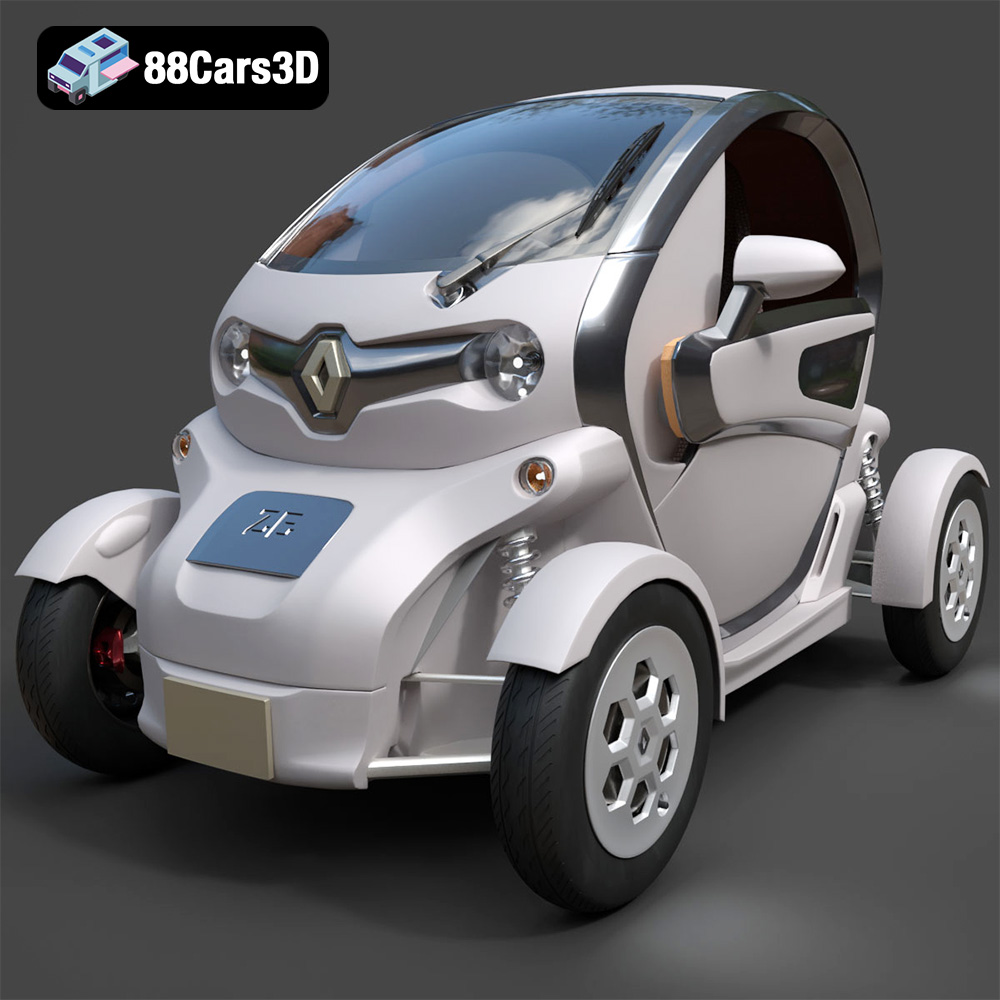
Texture: Yes
Material: Yes
Download the Renault Twizy ZE 3D Model featuring clean geometry, realistic detailing, and a fully modeled interior. Includes .blend, .fbx, .obj, .glb, .stl, .ply, .unreal, and .max formats for rendering, simulation, and game development.
Price: $4.99
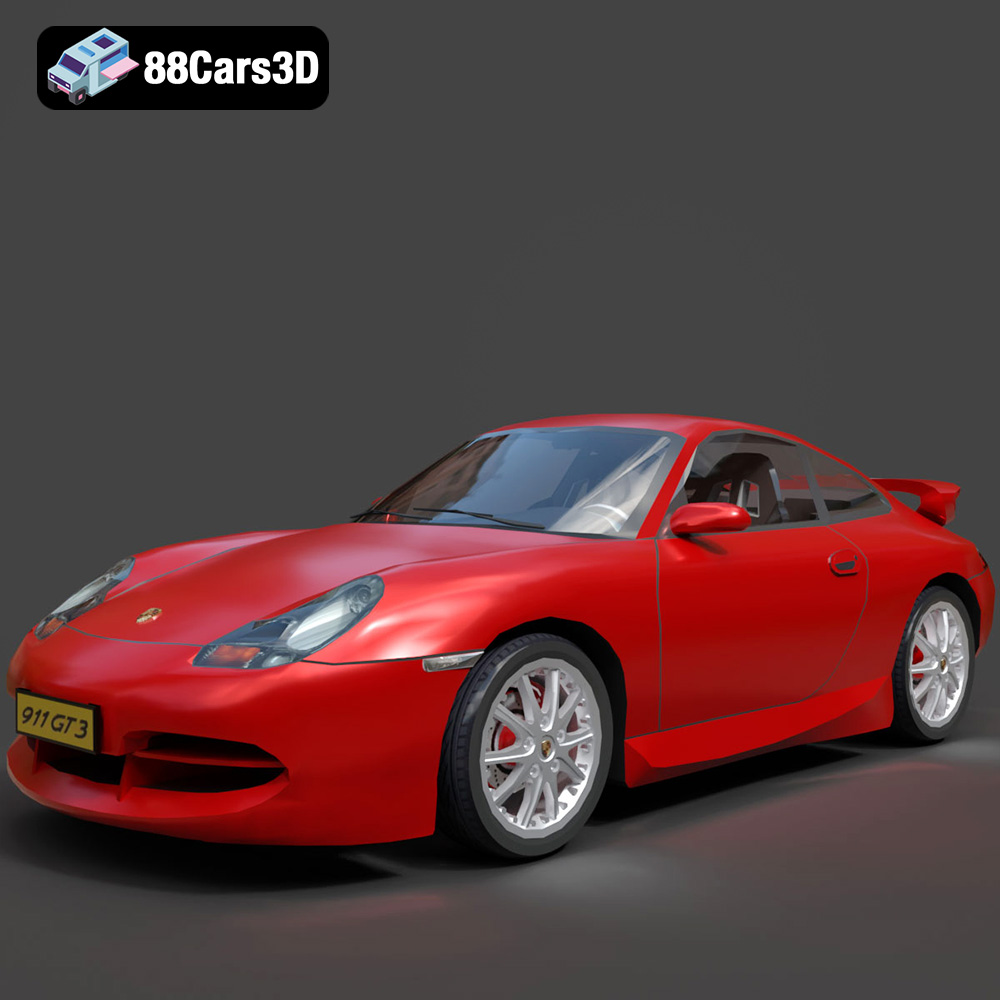
Texture: Yes
Material: Yes
Download the Porsche 911 GT3 3D Model featuring clean geometry, realistic detailing, and a fully modeled interior. Includes .blend, .fbx, .obj, .glb, .stl, .ply, .unreal, and .max formats for rendering, simulation, and game development.
Price: $4.99
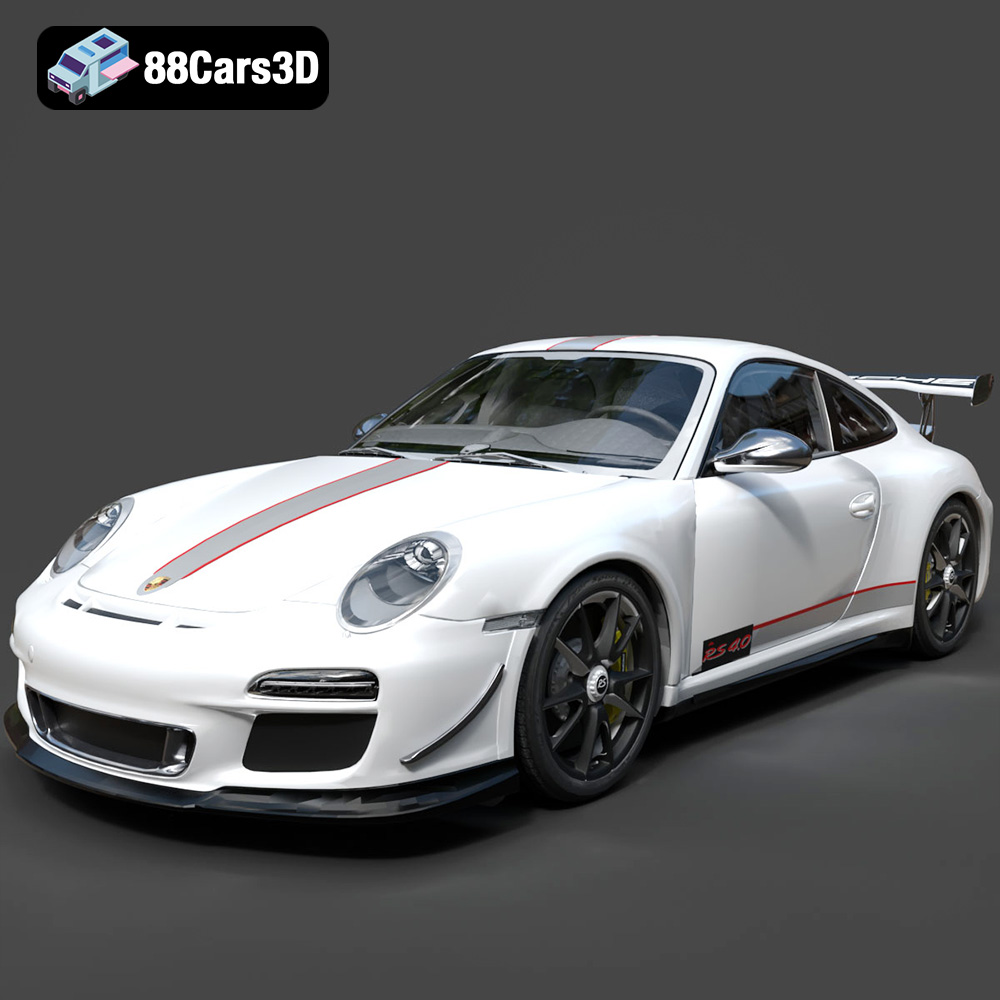
Texture: Yes
Material: Yes
Download the Porsche 911 997 GT3 RS 4.0 2011 3D Model featuring clean geometry, realistic detailing, and a fully modeled interior. Includes .blend, .fbx, .obj, .glb, .stl, .ply, .unreal, and .max formats for rendering, simulation, and game development.
Price: $4.99
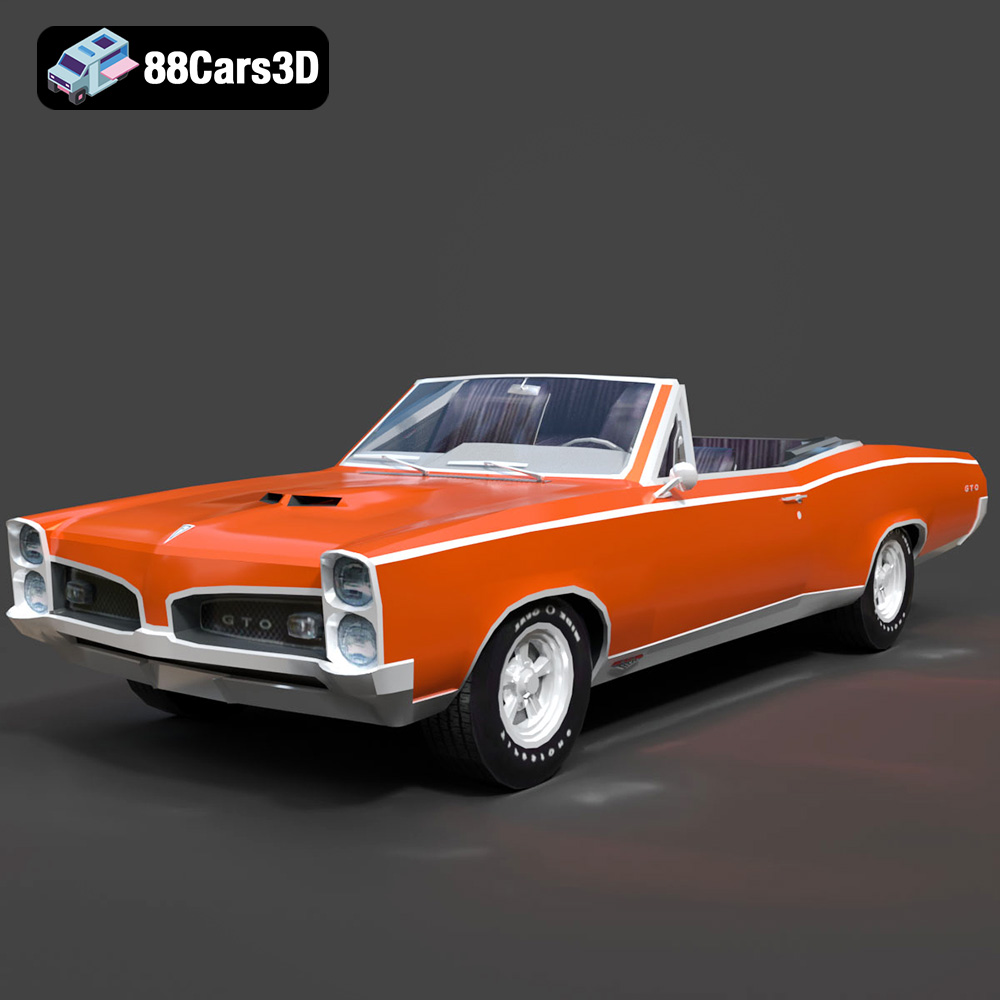
Texture: Yes
Material: Yes
Download the Pontiac GTO Cabrio 1967 3D Model featuring clean geometry, realistic detailing, and a fully modeled interior. Includes .blend, .fbx, .obj, .glb, .stl, .ply, .unreal, and .max formats for rendering, simulation, and game development.
Price: $4.99
Texture: Yes
Material: Yes
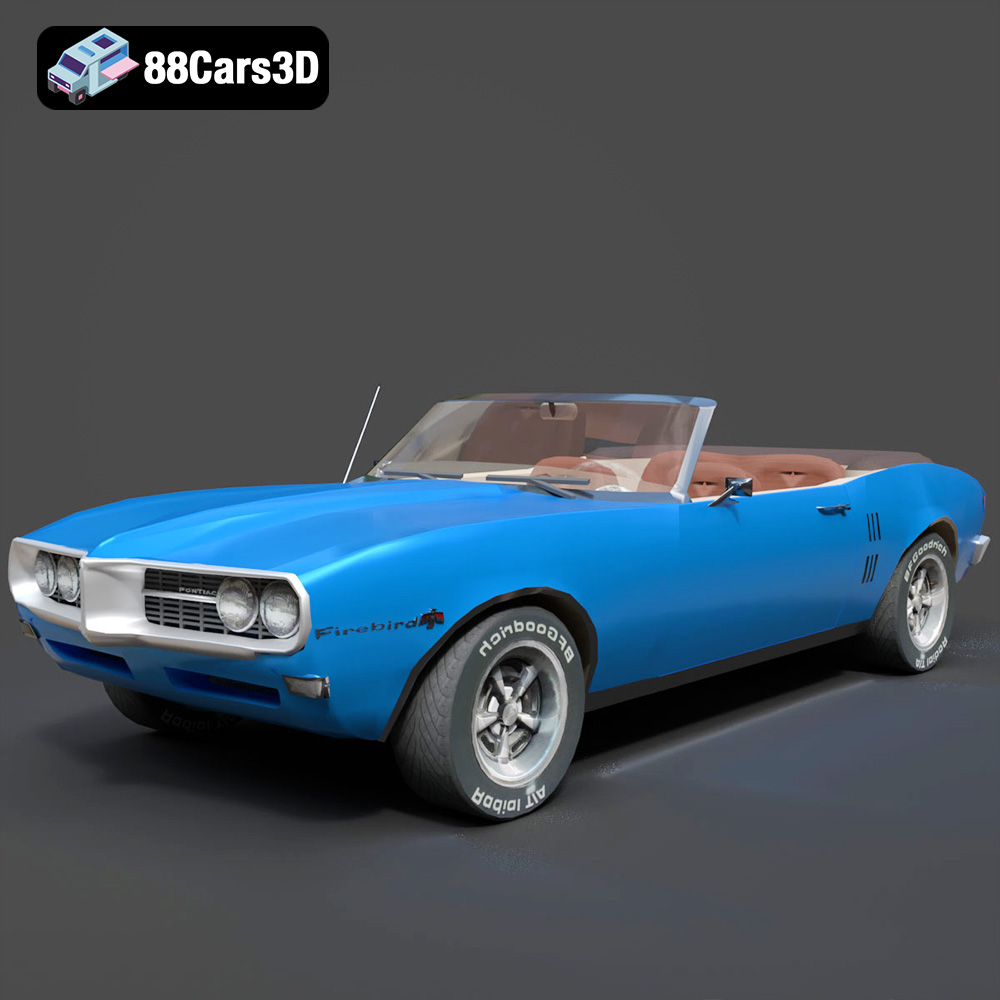
Download the Pontiac Firebird Convertible 1968 3D Model featuring clean geometry, realistic detailing, and a fully modeled interior. Includes .blend, .fbx, .obj, .glb, .stl, .ply, .unreal, and .max formats for rendering, simulation, and game development.
Price: $4.99

Texture: Yes
Material: Yes
Download the Peugeot 508 2011 3D Model featuring clean geometry, realistic detailing, and a fully modeled interior. Includes .blend, .fbx, .obj, .glb, .stl, .ply, .unreal, and .max formats for rendering, simulation, and game development.
Price: $4.99
Texture: Yes
Material: Yes
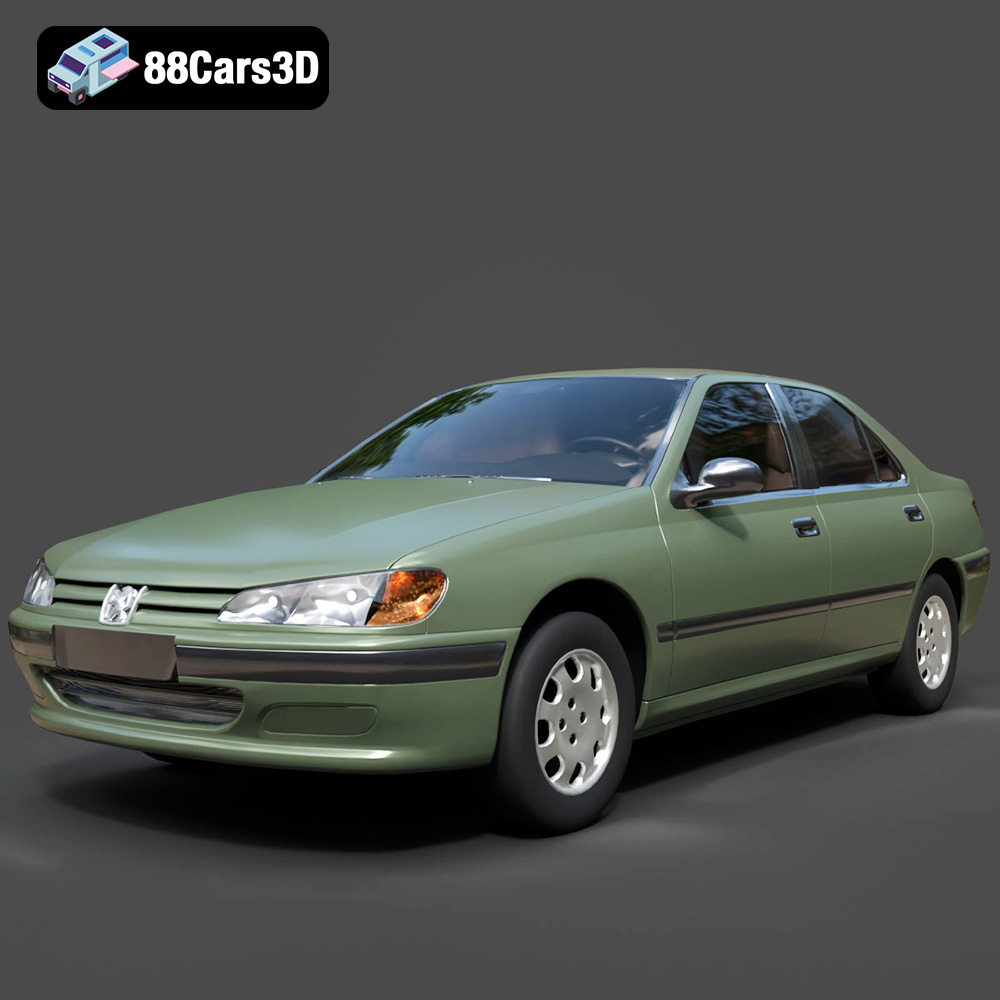
Download the Peugeot 406 1996 3D Model featuring clean geometry, realistic detailing, and a fully modeled interior. Includes .blend, .fbx, .obj, .glb, .stl, .ply, .unreal, and .max formats for rendering, simulation, and game development.
Price: $10
Texture: Yes
Material: Yes
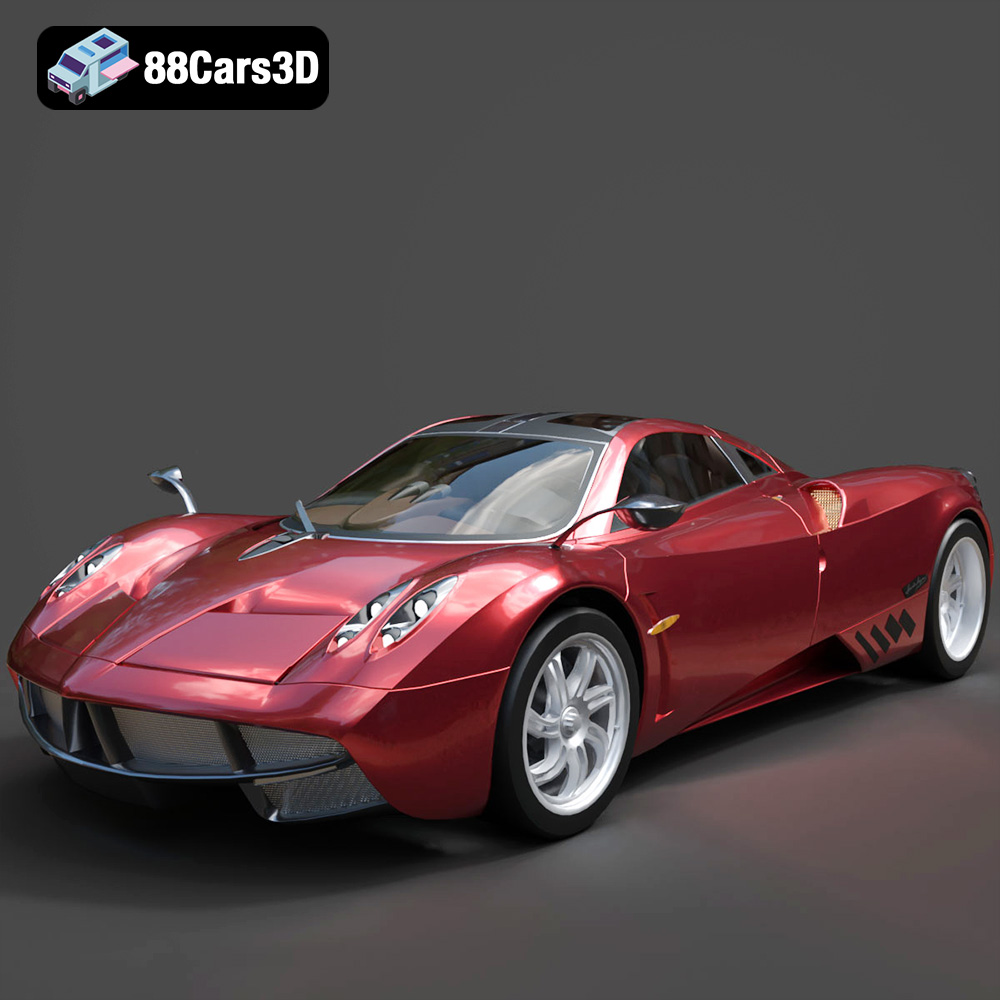
Download the Pagani Huayra 2012 3D Model featuring clean geometry, realistic detailing, and a fully modeled interior. Includes .blend, .fbx, .obj, .glb, .stl, .ply, .unreal, and .max formats for rendering, simulation, and game development.
Price: $10
Texture: Yes
Material: Yes
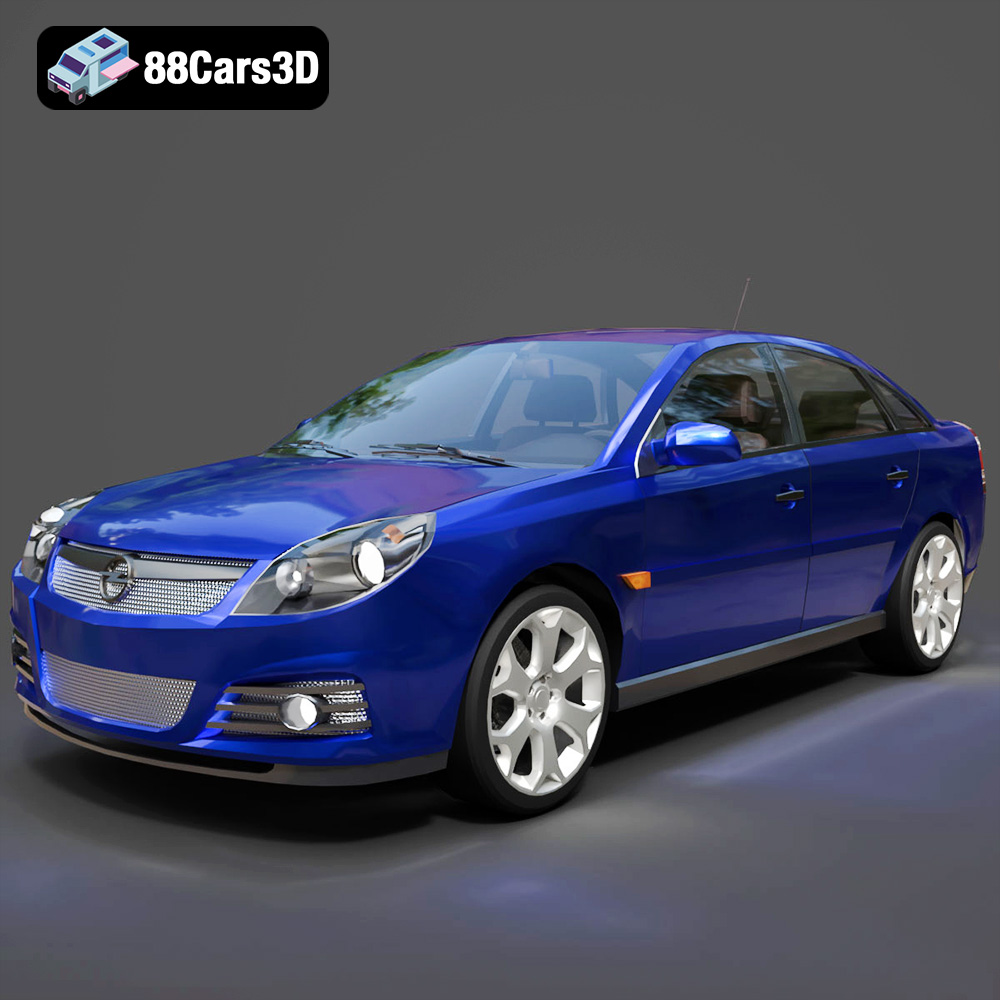
Download the Opel Vectra C 2005 3D Model featuring clean geometry, realistic detailing, and a fully modeled interior. Includes .blend, .fbx, .obj, .glb, .stl, .ply, .unreal, and .max formats for rendering, simulation, and game development.
Price: $10

Texture: Yes
Material: Yes
Download the Opel Insignia OPC 3D Model featuring clean geometry, realistic detailing, and a fully modeled interior. Includes .blend, .fbx, .obj, .glb, .stl, .ply, .unreal, and .max formats for rendering, simulation, and game development.
Price: $10

