Get 20% OFF All Premium 3D & STL Models!

The sleek lines, intricate details, and powerful presence of an automobile have captivated artists and engineers for generations. In the digital realm, transforming these mechanical marvels into compelling 3D assets requires a deep understanding of complex technical workflows. Whether you’re a seasoned 3D artist, an aspiring game developer, an automotive designer, or a visualization professional, mastering the nuances of 3D car model creation and utilization is paramount. From sculpting pristine topology to crafting photorealistic materials and optimizing for diverse platforms like game engines, AR/VR, and even 3D printing, each step demands precision and expertise.
This comprehensive guide will take you on an in-depth journey through the essential techniques and best practices for working with high-quality 3D car models. We’ll explore the foundational principles of topology and UV mapping, dive into the art of PBR material creation and advanced rendering, unravel the complexities of game and AR/VR optimization, and discuss the critical aspects of file formats and 3D printing preparation. By the end, you’ll possess a robust understanding of how to leverage 3D car models to their full potential, ensuring your projects stand out with unparalleled visual fidelity and performance.
The underlying structure of your 3D car model, its topology, is arguably the most critical factor influencing its quality, performance, and versatility. Clean topology is not just about aesthetics; it directly impacts how your model shades, deforms, and subdivides. For automotive models, where smooth, reflective surfaces are paramount, good topology ensures consistent reflections and prevents unsightly shading artifacts. It also provides the necessary edge loops for precise detailing and efficient modification. Without a well-thought-out mesh, even the most exquisite textures and lighting can fall flat, leading to pinch points, stretched polygons, and difficulties in animation or further refinement.
When starting a new car model, careful planning is essential. Gathering high-resolution blueprints, reference images from various angles, and understanding the car’s real-world construction will guide your modeling decisions. Software like 3ds Max, Blender, and Maya offer powerful poly-modeling tools that allow artists to build precise, quad-based meshes, which are the industry standard for organic and hard-surface modeling alike. Focusing on an even distribution of polygons, particularly in high-curvature areas, is key to achieving a smooth, production-ready asset.
Good topology for car surfaces is fundamentally about maintaining an all-quad mesh structure, as triangles can cause unpredictable subdivision behavior and introduce shading errors on curved surfaces. The goal is to distribute these quads as evenly as possible, ensuring that their aspect ratio remains consistent. Avoid overly stretched or compressed polygons, especially on the main body panels, as these areas are highly visible and prone to reflection artifacts. Poles (vertices where more or less than four edges meet) should be strategically placed in areas of low curvature or hidden from direct view, such as along internal seams or under trim pieces. A five-pole (where five edges meet) can be useful for branching edge loops, while a three-pole can terminate one. Minimizing the overall number of poles contributes to cleaner topology.
For sharp creases and panel gaps that define a car’s design, supporting edges are crucial. These are extra edge loops placed close to the main defining edge, which, when combined with subdivision surface modifiers (like TurboSmooth in 3ds Max or Subdivision Surface in Blender), will help maintain a crisp, hard edge without requiring an excessively dense base mesh. This technique allows for lower polygon counts in the base mesh while still achieving high-detail results after subdivision. Typically, a high-poly render-ready car model might have a base mesh of 100,000 to 300,000 polygons, which, after 2-3 levels of subdivision, can easily reach several million polygons, providing the necessary smoothness for photorealistic close-ups.
Edge flow refers to the logical progression of edge loops across your model’s surface. For automotive models, optimal edge flow means that edge loops should follow the natural contours and design lines of the car. This is particularly important around features like wheel arches, door lines, panel gaps, and body kit elements. When these edge loops accurately trace the real-world geometry, they not only contribute to clean shading but also provide natural breaking points for potential animation (e.g., opening doors, hood, trunk) and facilitate deformation if the model is ever required to bend or crush. For example, edge loops should precisely define the circumference of a wheel well to ensure a perfect circular appearance.
Maintaining proper edge flow simplifies the modeling process in the long run, making it easier to select specific areas for detailing, texture application, or even creating UV seams. In workflows involving subdivision surfaces, correct edge flow ensures that the smoothed mesh retains the intended shapes and volumes without unwanted pinching or bulging. When modeling a car, one common workflow involves starting with simple box-modeling to establish the overall silhouette and proportions, then gradually adding detail by cutting in new edge loops, extruding, and using tools like “Connect Edges” or “Loop Cut” to refine the mesh while maintaining quad topology and consistent edge flow. This methodical approach ensures that the model is robust, efficient, and ready for any downstream task, from rendering to real-time applications.
Once your 3D car model’s geometry is perfected, the next crucial step is to prepare it for texturing and material application. This involves two core processes: UV mapping and the creation of Physically Based Rendering (PBR) materials. UV mapping is essentially the process of “unfolding” your 3D mesh into a 2D space, allowing textures to be painted onto these flat maps and then accurately wrapped back onto the 3D surface. A well-executed UV layout is critical for preventing texture distortion, maximizing texture resolution, and ensuring efficient texture painting workflows. PBR materials, on the other hand, represent a modern approach to shading that simulates how light interacts with surfaces in the real world, resulting in incredibly realistic renders when set up correctly. Together, they are indispensable for achieving the visual fidelity expected of professional 3D automotive models.
The quality of your UV maps directly influences the effectiveness of your PBR textures. Poor UVs can lead to blurry details, visible seams, or inefficient use of texture space. Similarly, PBR materials, while powerful, require precise parameters to mimic real-world surfaces like paint, glass, chrome, and rubber. Understanding the interplay between these two elements is fundamental for any artist aiming to create photorealistic 3D car models. Platforms like 88cars3d.com meticulously prepare their models with clean UVs and pre-configured PBR materials, saving artists valuable time and ensuring high-quality results straight out of the box.
Strategic UV unwrapping for complex car geometries focuses on several key principles. First, minimizing visible seams is paramount, especially on large, continuous surfaces like body panels. While seams are unavoidable, they should be hidden in discreet locations, such as along panel gaps, under trim, or in areas less visible to the camera. Second, maintaining a uniform texel density across all parts of the model ensures that textures appear consistent in resolution. This means that a texture applied to the door should have the same perceived detail level as a texture on the hood, regardless of their physical size in the UV layout. Tools like the “Unwrap UVW” modifier in 3ds Max, Blender’s UV Editor, or Maya’s UV Toolkit provide robust features for projecting, relaxing, and packing UVs.
For efficient texturing, it’s often beneficial to use multiple UV channels. For instance, a primary UV channel (UV Channel 1) might be dedicated to diffuse/albedo, roughness, and metallic maps, while a secondary channel (UV Channel 2) could be used for lightmaps in game engines or for applying tileable detail textures without affecting the primary PBR maps. Overlapping UVs are another optimization technique for repeating elements like bolts, tires, or internal engine parts, where identical texture information can be shared, reducing texture memory footprint. However, care must be taken to avoid overlapping UVs for unique, bakeable textures like ambient occlusion or normal maps from high-poly details. Proper planning and systematic unwrapping are key to avoiding distortions and maximizing the valuable 0-1 UV space, which often involves multiple texture sets for a complex car model, each focusing on specific material types (e.g., body, interior, wheels, glass).
Crafting realistic PBR materials involves defining a set of maps that accurately describe how light interacts with a surface. The core PBR maps typically include: Albedo/Base Color (the pure color of the surface, excluding lighting), Metallic (defines if a surface is metallic or dielectric), Roughness (controls the micro-surface detail and how diffuse or glossy reflections appear), Normal Map (adds fine surface detail without increasing polygon count), and Ambient Occlusion (AO) (simulates subtle shading in crevices). Tools like Substance Painter, Mari, and Quixel Mixer are industry standards for creating these texture sets, allowing artists to paint directly onto the 3D model and generate all PBR maps simultaneously.
For automotive models, specific material setups are crucial. Car paint, for instance, often requires a complex shader network to simulate its multi-layered nature: a base color layer, a metallic flake layer, and a clear coat layer with its own reflectivity and fresnel effect. Glass materials demand accurate refraction, absorption, and reflection properties, often with separate textures for dirt, smudges, or scratches. Chrome and other metallic surfaces rely heavily on the Metallic and Roughness maps, where a low roughness value combined with a metallic value of 1.0 yields highly reflective chrome. Rubber materials for tires and seals need a specific roughness and subtle normal map details to convey their texture. Understanding these material properties and how to implement them in render engines like Corona, V-Ray, Cycles, or Arnold, often through their respective PBR shader nodes, is essential for achieving true photorealism. Typical texture resolutions range from 2K (2048×2048) to 4K (4096×4096) for main components, with even 8K textures for hero shots or large body panels.
The final stage in bringing a 3D car model to life is rendering – the process of generating a photorealistic image from your 3D scene. This step transforms your meticulously modeled and textured asset into a visually stunning masterpiece. Advanced automotive rendering workflows go beyond basic lighting; they involve a careful balance of environmental setup, sophisticated camera techniques, and precise render settings to achieve magazine-quality results. Whether you’re aiming for a dramatic studio shot, a realistic outdoor scene, or an abstract artistic visualization, understanding how to control light, reflections, and camera optics is paramount. High-quality rendering is what truly sells the realism and craftsmanship of your 3D car model, making it indistinguishable from a real photograph.
Industry-standard render engines such as Corona Renderer, V-Ray, Cycles, and Arnold offer an array of tools and features designed to handle complex lighting scenarios and physically accurate materials. Each engine has its unique strengths and workflows, but the underlying principles of lighting, camera, and material interaction remain consistent. Mastering these principles allows artists to consistently produce stunning visuals, showcasing the intricate details of vehicles obtained from reputable sources like 88cars3d.com. Beyond the initial render, post-processing techniques are often employed to refine colors, enhance details, and add the final polish that elevates an image from good to extraordinary.
Effective lighting is the soul of any automotive render. For studio scenes, artists often rely on a combination of HDRI (High Dynamic Range Image) lighting and carefully placed artificial lights. An HDRI provides realistic global illumination, reflections, and ambient light, mimicking the environment of a real studio. This is often supplemented with large area lights positioned strategically to create soft, flattering reflections on the car’s body panels and emphasize its contours. A classic three-point lighting setup (key light, fill light, back light) can be adapted, or artists might opt for product visualization techniques using large softboxes and strip lights to highlight specific design elements. Understanding the inverse square law of light decay and how light interacts with reflective surfaces is crucial here. For example, a strip light placed horizontally above a car will create a long, elegant reflection along its side panel, enhancing its perceived length and sleekness.
For outdoor scenes, HDRIs become even more critical, providing both the primary light source (sun) and the full environmental backdrop. Modern render engines accurately interpret the light information encoded in HDRIs, generating realistic shadows, sky reflections, and ambient illumination. Additional subtle lights might be used to enhance specific areas or simulate bounced light from surrounding objects. Camera settings are equally important: understanding real-world photographic concepts like ISO, Shutter Speed, and Aperture (f-stop) allows artists to control depth of field, motion blur, and overall exposure. A low f-stop (e.g., f/2.8) creates a shallow depth of field, blurring the background and focusing attention on the car, while a faster shutter speed freezes motion, perfect for a static hero shot. The integration of 3D backplates or spherical backgrounds with the car model, ensuring correct perspective and lighting matching, further enhances realism.
Optimizing render settings involves striking a balance between image quality and render time. Key parameters include render resolution (e.g., 1920×1080 for web, 4K for print), sampling rates or ray bounces (which control the accuracy of global illumination and reflections), and noise thresholds (determining how much noise is acceptable before the render stops). Modern render engines have sophisticated adaptive sampling and denoising algorithms (like NVIDIA OptiX or Intel Open Image Denoise) that can significantly reduce noise and accelerate render times without compromising quality. However, for critical areas, manual adjustment of sampling might still be necessary.
For professional results, rendering out render elements or passes is indispensable for post-processing and compositing in software like Adobe Photoshop, Affinity Photo, or Blackmagic Fusion/Nuke. These passes isolate specific components of the render, offering unparalleled control in post-production. Common passes include: Diffuse, Reflection, Refraction, Specular, Global Illumination, Ambient Occlusion, Z-Depth (for depth-based effects and selective focus), World Position (for re-lighting or adding volumetric effects), and various ID masks (e.g., Material ID, Object ID) for isolating specific parts of the car. By compositing these passes, artists can non-destructively adjust colors, enhance reflections, add glow effects, refine shadows, and even introduce atmospheric effects. This modular approach allows for greater artistic freedom and flexibility to achieve the desired look without re-rendering the entire scene from scratch, which can save hours or even days on complex projects.
The demands of real-time applications like video games and augmented/virtual reality (AR/VR) experiences present a unique set of challenges for 3D car models. Unlike static renders where computational budget is less constrained, interactive environments require assets that are not only visually appealing but also highly optimized for performance. Every polygon, texture, and material setup contributes to the overall processing load, directly impacting frame rates and the fluidity of the user experience. Therefore, preparing 3D car models for these platforms involves a distinct workflow focused on efficiency without sacrificing critical visual fidelity. The goal is to deliver immersive experiences, whether racing through a virtual city or viewing a car in AR on your driveway, with smooth performance on a range of hardware, from high-end PCs to mobile devices. High-quality 3D car models from marketplaces like 88cars3d.com often come pre-optimized or with variations suitable for these demanding environments.
Optimizing 3D car assets for game engines like Unity and Unreal Engine involves a multi-faceted approach. One of the primary strategies is implementing Level of Detail (LOD). LODs are simplified versions of the same model that swap in based on the camera’s distance. A hero car might have an LOD0 with 80,000-150,000 polygons, an LOD1 with 30,000-50,000, an LOD2 with 10,000-20,000, and an LOD3 (for very distant objects) with just 2,000-5,000 polygons. This ensures that only the necessary detail is rendered, significantly reducing the GPU load. Tools within 3ds Max, Blender, or dedicated software like simplygon can automate LOD generation, but manual cleanup often yields better results.
Another crucial optimization is draw call reduction. Each material on a mesh typically constitutes a draw call, so consolidating materials by creating texture atlases (packing multiple textures into one large texture sheet) can drastically improve performance. For instance, combining separate textures for wheels, calipers, and hubcaps into a single atlas allows the game engine to render them with a single material. Normal maps are indispensable here; they bake high-poly surface details onto a low-poly mesh, giving the illusion of complexity without adding polygons. Finally, creating simplified collision meshes (often convex hulls or simplified box colliders) rather than using the render mesh for physics calculations further optimizes performance. When importing into Unity or Unreal, ensure correct scale, pivot points, and apply proper material setup using their respective PBR shaders (Standard or HDRP in Unity, Opaque/Lit in Unreal).
AR/VR environments impose even stricter performance budgets than traditional games, especially for mobile-based AR/VR applications. The key objective is to maintain a high, consistent frame rate (e.g., 60-90 FPS per eye) to prevent motion sickness and ensure a comfortable, immersive experience. Polygon counts for AR/VR car models are often on the lower end, typically ranging from 20,000 to 80,000 triangles for a hero car. This requires very aggressive LODs and careful consideration of what details are absolutely essential.
Efficient PBR textures are critical. Texture resolutions might be limited to 1K or 2K for primary components, and heavy use of texture atlasing is encouraged. File formats like GLB (for web-based AR/VR and Android) and USDZ (for Apple’s ARKit) are highly optimized for these platforms, encapsulating geometry, materials, and textures into a single, compact file. These formats prioritize efficient loading and rendering on mobile chipsets. Real-time reflections and shadows need to be carefully managed; often, cube maps or screen-space reflections are used instead of ray tracing. For interactive AR/VR, minimizing post-processing effects, using optimized shaders, and baking as much lighting as possible (e.g., ambient occlusion, static shadows) can significantly improve performance. Testing on target hardware early and frequently is crucial to identify and address performance bottlenecks, ensuring that your 3D car models deliver a seamless, high-fidelity experience in these cutting-edge mediums.
The utility of a 3D car model extends far beyond static renders or even real-time interactive experiences. The ability to seamlessly transfer models between different software applications, utilize them for advanced manufacturing like 3D printing, or integrate them into emerging web-based visualization tools necessitates a thorough understanding of various file formats and their specific requirements. Compatibility and data integrity during conversion are paramount, ensuring that your carefully crafted asset retains all its visual and structural information regardless of its final destination. This section will delve into the intricacies of common 3D file formats, discussing their strengths and ideal use cases, and then transition into the specialized requirements for preparing 3D automotive models for the tangible world of 3D printing.
Navigating the landscape of 3D file formats can sometimes feel like learning multiple languages. Each format has its own conventions regarding how it stores geometry, materials, animations, and other scene data. Choosing the right format for the job ensures smooth interoperability and prevents lost data or corrupted assets. Similarly, 3D printing, while exciting, demands a very specific kind of 3D model: one that is entirely watertight and structurally sound. Missteps in either of these areas can lead to frustration, wasted time, and subpar results, underscoring the importance of meticulous preparation and understanding these technical nuances.
The world of 3D modeling relies on several key file formats, each with its own advantages. The FBX (.fbx) format is an industry standard developed by Autodesk, renowned for its ability to store not just geometry, but also materials, textures, animations, and camera data. It is widely supported across major 3D software (3ds Max, Maya, Blender) and game engines (Unity, Unreal), making it ideal for comprehensive scene exchange. When exporting FBX, ensure correct settings for embedding media, units, and axis orientation. The OBJ (.obj) format, while older, remains a universal static mesh format. It’s excellent for geometry and basic UVs but typically stores material data separately via an accompanying MTL file. OBJ is highly compatible and often used for models without complex animations or PBR materials.
For web-based visualization and AR/VR, GLB (.glb) and USDZ (.usdz) have emerged as critical formats. GLB is the binary version of glTF (Graphics Language Transmission Format), packing geometry, materials, textures, and even animations into a single, efficient file optimized for web browsers and real-time engines. USDZ, developed by Apple, is similar for the Apple ecosystem, especially ARKit. These formats are designed for compact size and rapid loading. Native formats like .blend (Blender) and .max (3ds Max) retain full scene information and are best for archiving original project files. When converting between formats, always double-check scaling, pivot points, and material assignments. Using standardized units (e.g., centimeters for automotive models) throughout your workflow minimizes scaling issues during export and import, ensuring compatibility across different software packages and platforms.
Transforming a digital 3D car model into a physical object via 3D printing requires a distinct set of considerations focused on mesh integrity and physical properties. The most critical requirement is a watertight mesh or manifold geometry. This means the model must be a completely enclosed volume, with no holes, gaps, or inverted faces. Imagine filling the model with water – if it holds water, it’s watertight. Tools like Meshmixer, Netfabb, and even built-in mesh analysis tools in Blender or 3ds Max are indispensable for identifying and repairing non-manifold edges, open boundaries, or intersecting geometry.
Another crucial factor is wall thickness. Thin walls or details that are too delicate will break during printing or post-processing. A minimum wall thickness of 1-2mm is often recommended, depending on the printing technology and material. Consider the scale of your intended print: a model perfect for a large render might have details too small for a desktop 3D printer. Boolean operations, while convenient for creating complex cutouts, often introduce messy topology that needs significant cleanup before printing. For optimal print quality, orient the model to minimize the need for support structures and consider splitting the car into multiple smaller, easier-to-print parts that can be assembled later. Finally, export your prepared model in common 3D print formats like STL (.stl) or 3MF (.3mf), which are specifically designed to represent surface geometry for additive manufacturing. Always run a final check in a dedicated slicer software to ensure the model is ready for fabrication, ensuring that your digital design can flawlessly transition into a tangible object.
The journey from a conceptual idea to a fully realized, high-quality 3D car model is a testament to the blend of artistic vision and technical mastery. We’ve explored the foundational principles of clean topology and efficient UV mapping, crucial for realistic shading and texture application. We’ve delved into the advanced workflows of PBR material creation and automotive rendering, emphasizing the critical role of lighting, camera settings, and post-processing in achieving photorealistic results. Furthermore, we’ve navigated the complex landscape of optimization for real-time environments like game engines and AR/VR, where performance is as vital as visual fidelity. Finally, we examined the importance of understanding various file formats for seamless interoperability and the specialized preparation required for transforming digital assets into physical objects through 3D printing.
Mastering these diverse techniques empowers you to create and utilize 3D car models with unparalleled precision and effectiveness, regardless of your project’s demands. The automotive industry, game development, architectural visualization, and interactive experiences all rely on high-quality 3D assets to push the boundaries of visual communication. As the 3D landscape continues to evolve, continuous learning and adaptation to new technologies and best practices will remain key to your success. To jumpstart your projects with professional-grade assets, consider exploring the extensive collection of meticulously crafted 3D car models available on 88cars3d.com, where you can find models optimized for various applications and ready to integrate into your workflow. Embrace these insights, apply them diligently, and watch your automotive visions come to life in stunning detail.
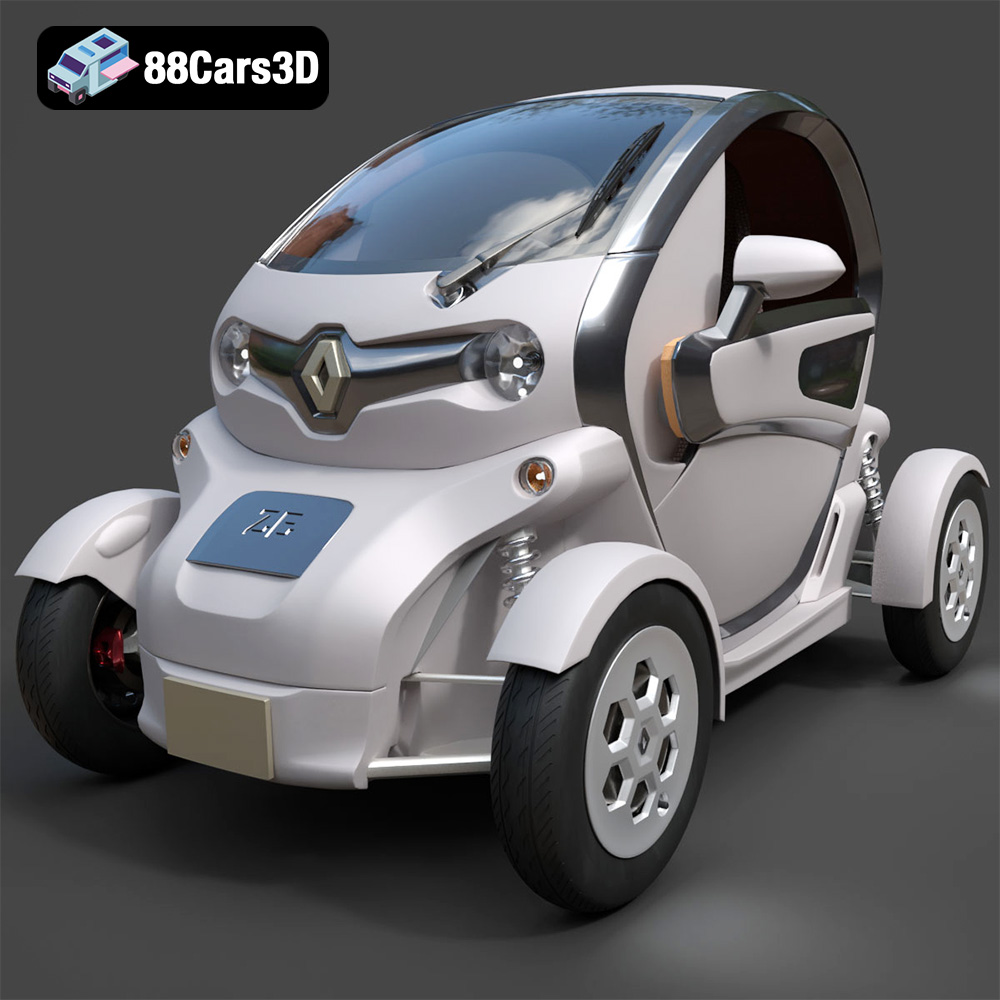
Texture: Yes
Material: Yes
Download the Renault Twizy ZE 3D Model featuring clean geometry, realistic detailing, and a fully modeled interior. Includes .blend, .fbx, .obj, .glb, .stl, .ply, .unreal, and .max formats for rendering, simulation, and game development.
Price: $4.99
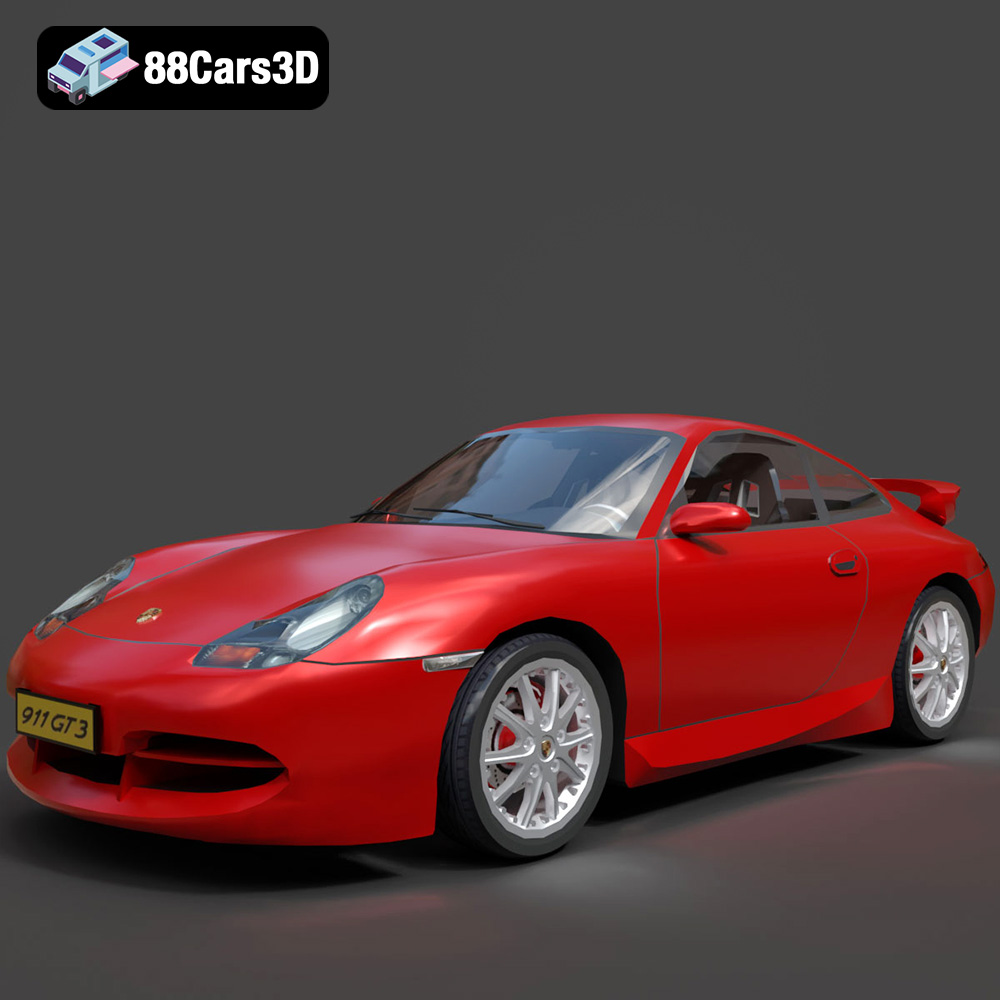
Texture: Yes
Material: Yes
Download the Porsche 911 GT3 3D Model featuring clean geometry, realistic detailing, and a fully modeled interior. Includes .blend, .fbx, .obj, .glb, .stl, .ply, .unreal, and .max formats for rendering, simulation, and game development.
Price: $4.99
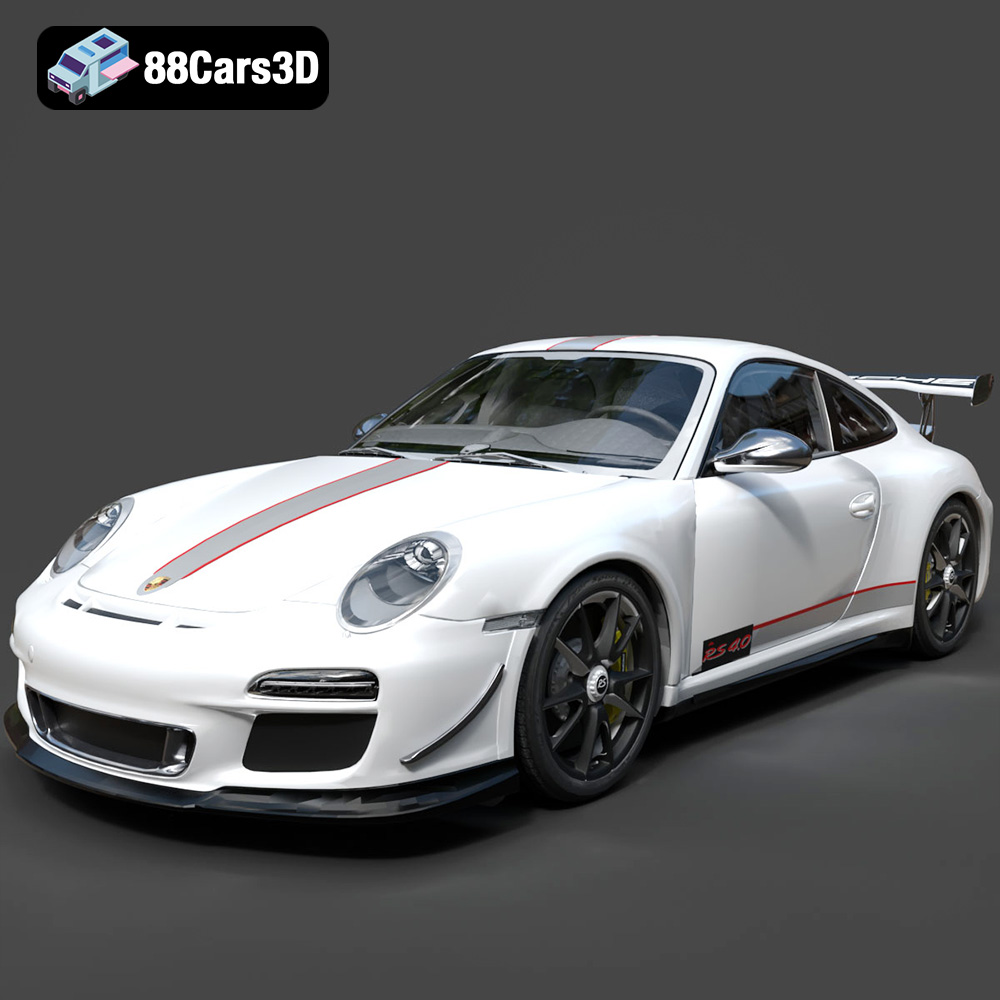
Texture: Yes
Material: Yes
Download the Porsche 911 997 GT3 RS 4.0 2011 3D Model featuring clean geometry, realistic detailing, and a fully modeled interior. Includes .blend, .fbx, .obj, .glb, .stl, .ply, .unreal, and .max formats for rendering, simulation, and game development.
Price: $4.99
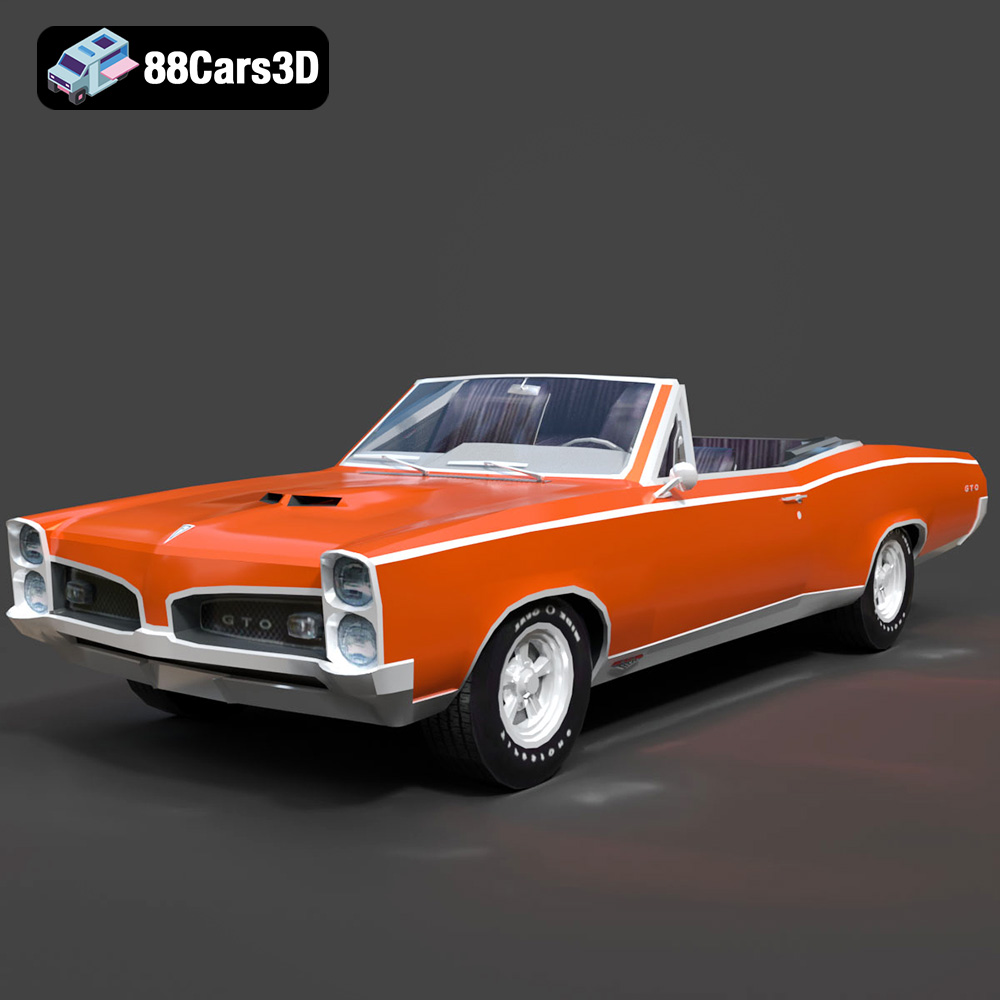
Texture: Yes
Material: Yes
Download the Pontiac GTO Cabrio 1967 3D Model featuring clean geometry, realistic detailing, and a fully modeled interior. Includes .blend, .fbx, .obj, .glb, .stl, .ply, .unreal, and .max formats for rendering, simulation, and game development.
Price: $4.99
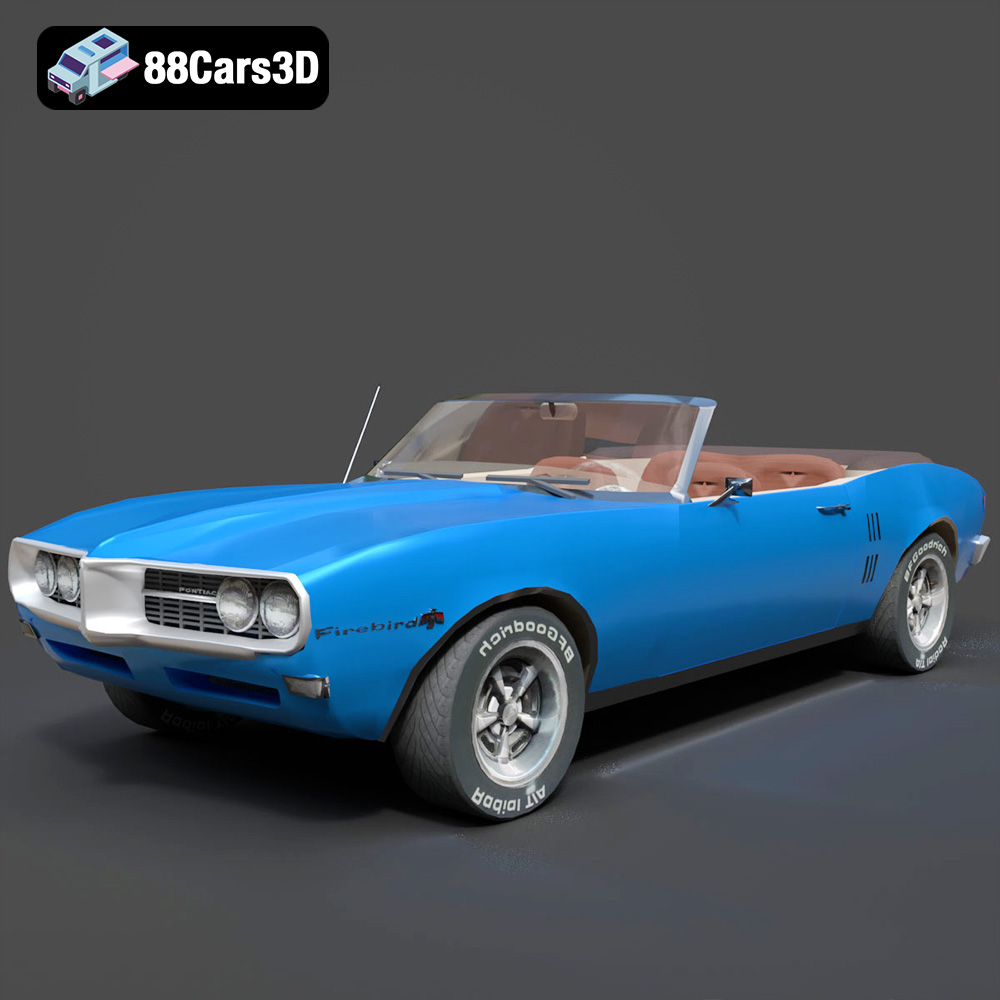
Texture: Yes
Material: Yes
Download the Pontiac Firebird Convertible 1968 3D Model featuring clean geometry, realistic detailing, and a fully modeled interior. Includes .blend, .fbx, .obj, .glb, .stl, .ply, .unreal, and .max formats for rendering, simulation, and game development.
Price: $4.99

Texture: Yes
Material: Yes
Download the Peugeot 508 2011 3D Model featuring clean geometry, realistic detailing, and a fully modeled interior. Includes .blend, .fbx, .obj, .glb, .stl, .ply, .unreal, and .max formats for rendering, simulation, and game development.
Price: $4.99
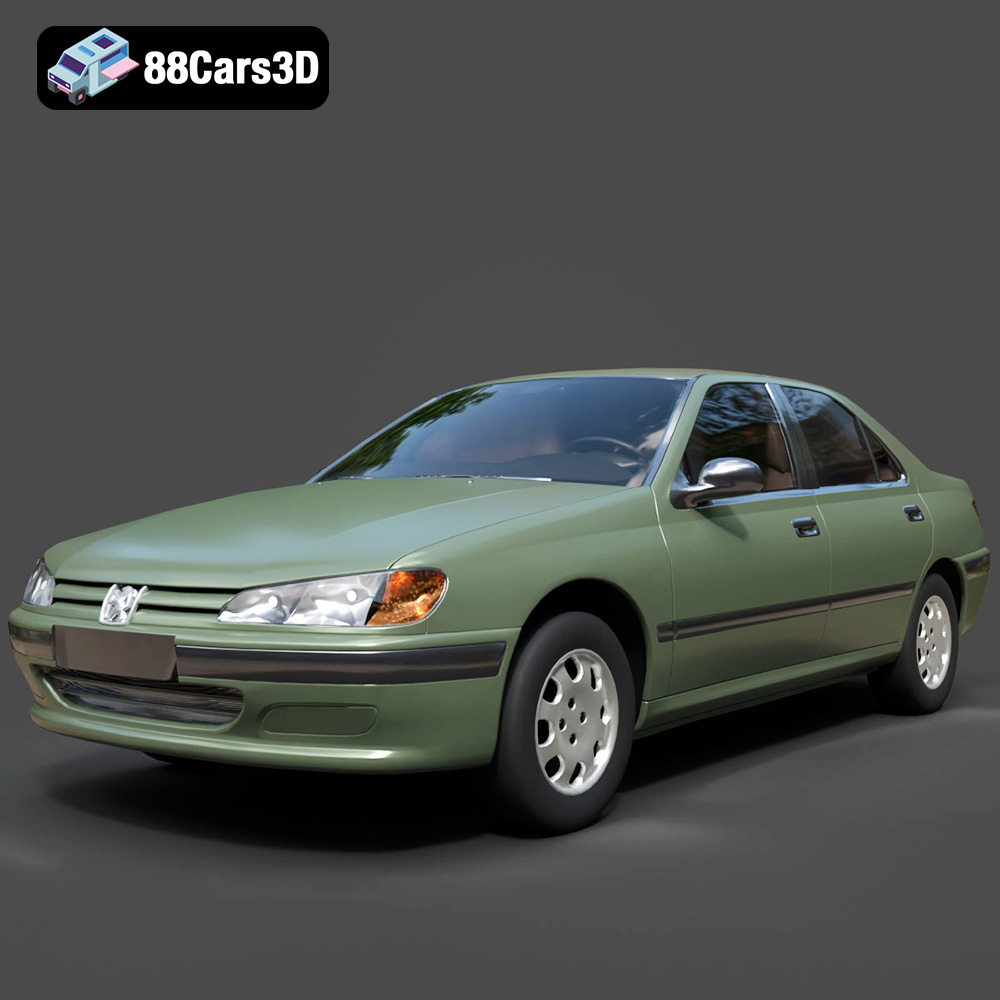
Texture: Yes
Material: Yes
Download the Peugeot 406 1996 3D Model featuring clean geometry, realistic detailing, and a fully modeled interior. Includes .blend, .fbx, .obj, .glb, .stl, .ply, .unreal, and .max formats for rendering, simulation, and game development.
Price: $10
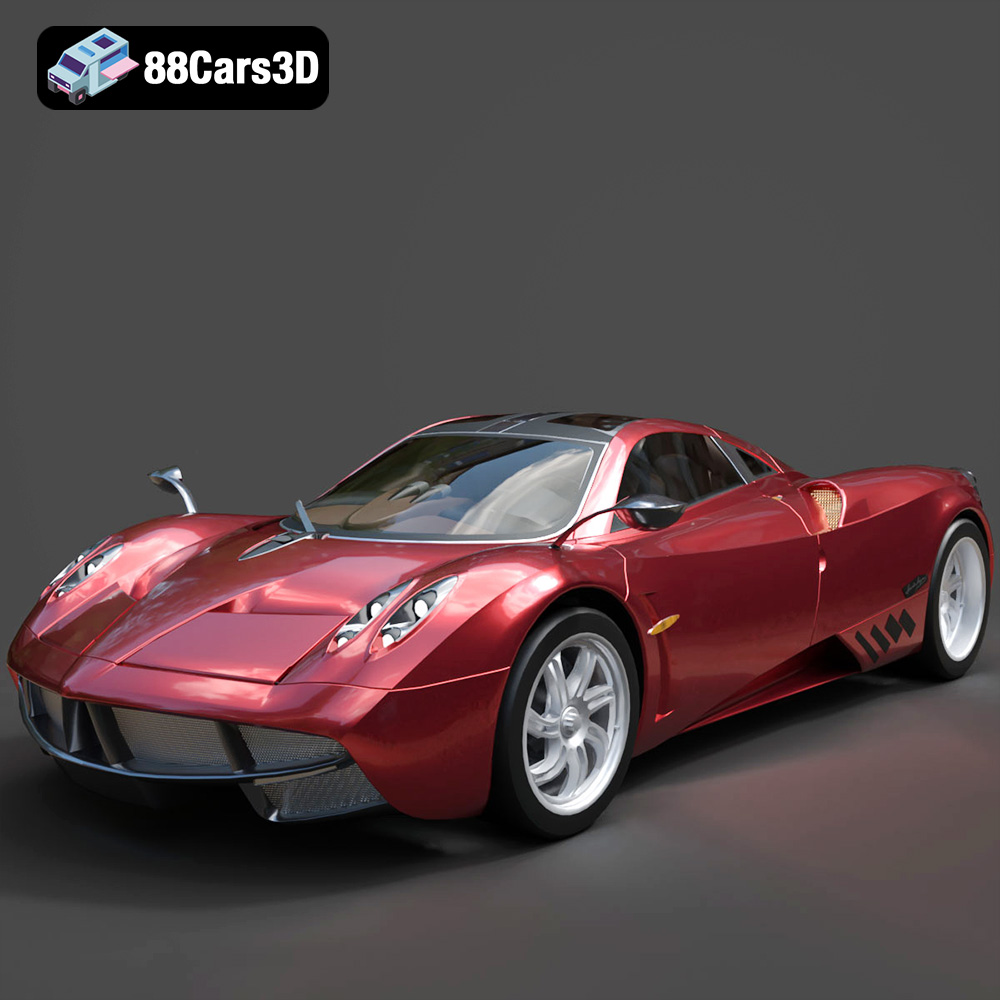
Texture: Yes
Material: Yes
Download the Pagani Huayra 2012 3D Model featuring clean geometry, realistic detailing, and a fully modeled interior. Includes .blend, .fbx, .obj, .glb, .stl, .ply, .unreal, and .max formats for rendering, simulation, and game development.
Price: $10
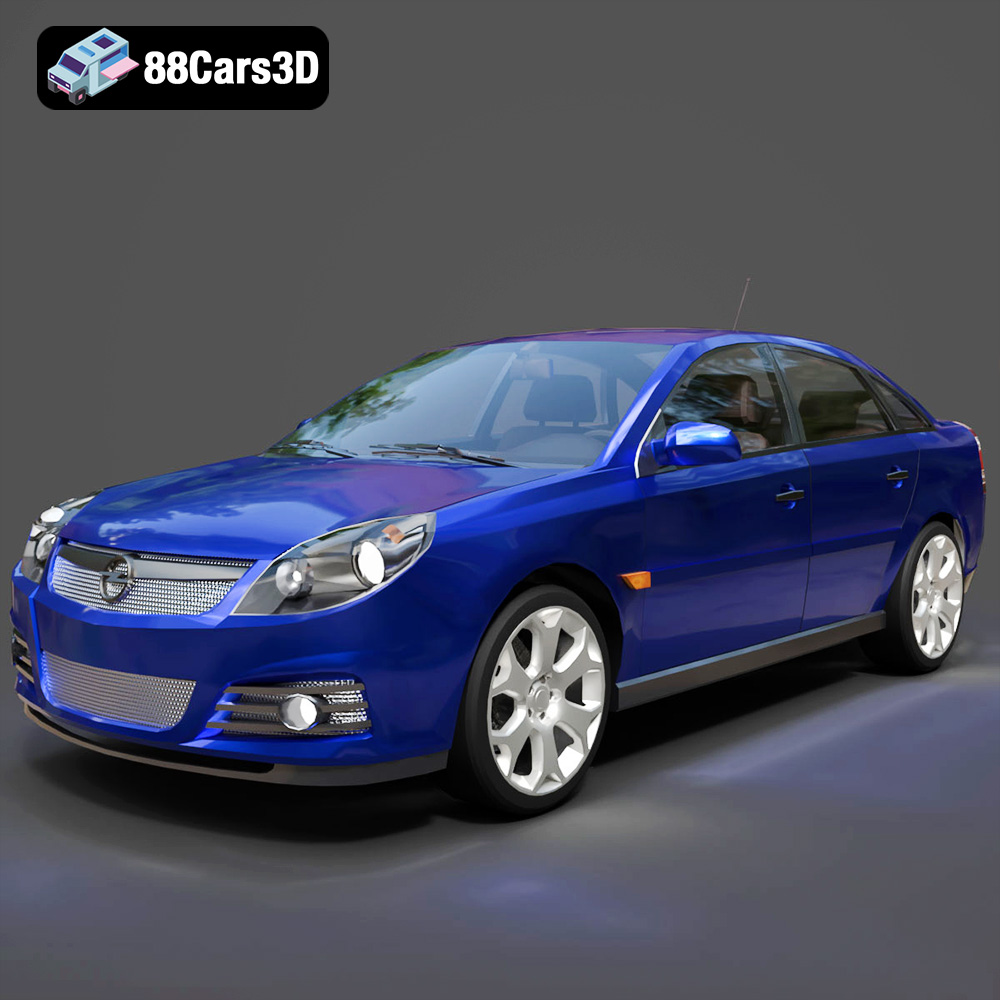
Texture: Yes
Material: Yes
Download the Opel Vectra C 2005 3D Model featuring clean geometry, realistic detailing, and a fully modeled interior. Includes .blend, .fbx, .obj, .glb, .stl, .ply, .unreal, and .max formats for rendering, simulation, and game development.
Price: $10

Texture: Yes
Material: Yes
Download the Opel Insignia OPC 3D Model featuring clean geometry, realistic detailing, and a fully modeled interior. Includes .blend, .fbx, .obj, .glb, .stl, .ply, .unreal, and .max formats for rendering, simulation, and game development.
Price: $10

