Get 20% OFF All Premium 3D & STL Models!

In the rapidly evolving world of 3D visualization, the demand for exceptionally high-quality 3D car models has never been greater. From captivating cinematic renders and immersive game environments to cutting-edge AR/VR experiences and precise automotive design iterations, the fidelity of your 3D assets dictates the success of your project. Creating a truly photorealistic and performant 3D car model is an intricate art form, demanding expertise in a myriad of disciplines, including meticulous modeling, sophisticated UV mapping, realistic PBR material creation, and intelligent optimization strategies.
This comprehensive guide delves into the technical intricacies behind crafting and utilizing superior 3D car models. We’ll explore the foundational principles of clean topology, advanced texturing techniques, rendering workflows across various software, and critical optimization steps for real-time engines. Whether you’re a seasoned 3D artist aiming for perfection, a game developer seeking performant assets, or an automotive designer pushing the boundaries of virtual prototyping, understanding these elements is paramount. Join us as we uncover the secrets to transforming raw polygons into breathtaking digital automotive masterpieces, ensuring your projects stand out in a competitive landscape.
The visual integrity of any 3D car model begins with its topology—the underlying structure of its polygonal mesh. For automotive models, where smooth, reflective surfaces are paramount, clean and purposeful topology is not just a best practice; it’s a necessity. Good topology ensures proper deformation, facilitates UV mapping, and allows for flawless subdivision, which is crucial for achieving the smooth, curvature-perfect surfaces expected of modern car designs. Without it, you’ll encounter pinching, unsightly artifacts, and difficulties in texture application.
A high-quality 3D car model will feature a mesh optimized for its intended use, typically ranging from low-poly versions (5,000-50,000 polygons) for mobile games and AR/VR, to mid-poly (50,000-300,000 polygons) for desktop games and real-time visualization, and finally, high-poly models (300,000+ polygons, often millions with subdivision) for cinematic rendering and detailed design reviews. The key isn’t always the absolute polygon count, but how those polygons are distributed and connected to form quad-based faces, maintaining consistent edge loops that follow the natural contours and creases of the vehicle body.
Achieving truly smooth surfaces, especially on the complex curves of a car body, relies heavily on maintaining a quad-dominant mesh with efficient edge flow. Quads (four-sided polygons) are preferred over tris (three-sided polygons) because they subdivide predictably and smoothly, whereas tris can lead to undesirable pinching and uneven distribution of detail. Crucially, edge loops should flow along the major and minor panel lines, around cutouts for doors, windows, and wheel wells, and define the highlights and shadow breaks of the car’s design. This ensures that when the model is subdivided (using techniques like Catmull-Clark subdivision surfaces in 3ds Max, Blender, or Maya), the surfaces remain perfectly smooth without any wobbles or artifacts. For instance, creating a hard edge requires adding at least two or three additional “control” edge loops very close to the intended hard edge to pinch the surface and prevent it from rounding off too much during subdivision.
Many professional 3D car models are built using a subdivision surface (Sub-D) modeling workflow. This involves creating a relatively low-resolution base mesh (cage) and then applying a subdivision modifier (like TurboSmooth in 3ds Max, Subdivision Surface in Blender, or Smooth Mesh in Maya) to generate a high-resolution, smooth surface. The artistry lies in strategically placing control edges to define sharp details like panel gaps, body lines, and vents, while allowing other areas to remain smoothly curved. For example, a crisp panel gap on a car door might be achieved by having two edge loops running parallel and very close to each other on either side of the gap. This approach provides immense flexibility, allowing artists to easily adjust the level of detail and maintain optimal performance by toggling subdivision levels for different applications. Platforms like 88cars3d.com often provide models with clean topology, making them ideal for both high-resolution renders and game engine optimization due to their adaptability.
Once the geometric foundation is solid, the next critical step for photorealism is the application of textures and materials. UV mapping is the process of flattening the 3D surface of an object into a 2D space, allowing a 2D image (texture) to be wrapped onto it. For complex objects like cars with their myriad components and diverse surface properties, effective UV mapping is paramount. Combined with Physically Based Rendering (PBR) materials, which accurately simulate how light interacts with surfaces, these two elements transform a mere mesh into a visually compelling digital asset.
Proper UV mapping prevents stretching and distortion of textures, maximizes texture resolution, and allows for efficient texture reuse. PBR materials, on the other hand, provide a standardized and realistic approach to defining surface properties like color (Albedo/Base Color), shininess (Roughness/Glossiness), reflectivity (Metallic), and surface detail (Normal/Bump maps), ensuring consistent results across various rendering environments and game engines.
UV mapping a car model demands precision and planning. The goal is to minimize seams where possible, keep distortion low, and provide enough resolution (texel density) for intricate details. Typically, a car model will have multiple UV sets or channels: one for the body, one for interior elements, one for tires, and perhaps separate ones for lights and small details. For the main body, careful unwrapping into large, contiguous islands is ideal. For example, the hood, roof, and trunk might each be their own UV island, laid out efficiently to utilize UV space. Overlapping UVs can be used for mirrored parts like wheels or identical interior buttons, saving texture memory, but care must be taken to avoid light baking issues if the model is destined for a game engine. A common professional practice is to aim for a consistent texel density across the entire model, ensuring that details like a painted logo on the door don’t appear blurry while a chrome emblem on the grille is crisp. This might involve using a checkerboard texture to visually inspect for stretching and density variations during the unwrapping process in software like Blender, Maya, or 3ds Max.
PBR materials are the backbone of modern automotive rendering. A standard PBR metallic/roughness workflow typically involves several texture maps:
For car paint, a complex shader network often simulates multiple layers: a metallic base coat, a clear coat for gloss and reflections, and flakes for a pearlescent effect. In rendering engines like Corona, V-Ray, Cycles, or Arnold, this translates to specific nodes for clear coat layers, complex Fresnel falloffs, and potentially procedural noise textures to simulate micro-scratches on the clear coat. Window glass requires a separate PBR setup with high transmission, minimal roughness, and accurate refraction indices (IOR). Tires demand detailed normal maps for tread patterns and a specific roughness map for rubber, often combined with subtle dirt or wear textures. The goal is to mimic real-world physical properties accurately, ensuring that light interacts with the digital surface precisely as it would in reality.
Once your 3D car model is meticulously crafted and textured with PBR materials, the next stage is to breathe life into it through rendering. Automotive rendering is an art form in itself, focusing on showcasing the design, curves, and reflective surfaces of the vehicle in the most appealing and realistic way possible. This involves strategic lighting, careful camera placement, and precise render settings to achieve photorealistic results that can often be indistinguishable from real-world photography. Whether you’re using a CPU-based renderer like V-Ray or Corona, or a GPU-accelerated one like Cycles or Arnold, understanding the underlying principles remains crucial.
Modern renderers leverage sophisticated algorithms like path tracing or ray tracing to simulate light transport, allowing for incredibly accurate reflections, refractions, and global illumination. The choice of renderer often depends on the project’s specific needs, budget, and desired level of realism and speed. For high-end marketing and design visualization, renderers known for their unbiased or physically accurate output are preferred, while for rapid iterations, hybrid or GPU-accelerated options gain favor.
Lighting is arguably the most critical component of automotive rendering. A well-lit scene accentuates the car’s design features, highlights its curves, and reveals the quality of its materials.
For maximum impact, experiment with lighting angles to emphasize specific body lines. For instance, a long, sweeping highlight along a fender can dramatically enhance its perceived curvature. Subtle touches like volumetric lights or caustics through glass elements can add further depth and realism.
Achieving a beautiful render isn’t just about lighting; it’s also about balancing render quality with efficiency.
These post-production steps are critical for achieving the polished, cinematic look seen in professional automotive photography and visualizations.
While cinematic renders prioritize absolute visual fidelity, real-time applications like games, AR/VR, and interactive configurators demand a careful balance between quality and performance. A beautifully detailed high-poly model designed for rendering might cripple a game engine if not properly optimized. The goal is to maintain visual appeal while ensuring smooth frame rates and efficient resource utilization. This involves strategic polygon reduction, smart texture management, and leveraging engine-specific features to minimize draw calls and memory footprint.
Game developers, simulation engineers, and AR/VR content creators often require models that adhere to strict poly budgets, ranging from a few thousand polygons for mobile VR to hundreds of thousands for high-end PC titles. Efficient asset pipelines, often starting with high-quality base models available from marketplaces such as 88cars3d.com, are crucial for this optimization process.
AR/VR environments impose even stricter performance constraints than traditional games due to the need for very high, stable frame rates (typically 72-90 FPS per eye) to prevent motion sickness. This means even lower polygon budgets and highly optimized assets.
Successfully optimizing for AR/VR requires a deep understanding of the target platform’s limitations and a disciplined approach to asset creation and management. Every polygon, every texture, and every shader instruction must be justified for its visual contribution versus its performance cost.
The utility of high-quality 3D car models extends far beyond digital screens. They are increasingly used in physical applications like 3D printing for rapid prototyping, scale models, and even functional parts. This transition from digital to physical introduces a new set of technical requirements centered on mesh integrity and physical properties. Furthermore, the ability to seamlessly transfer these models between different software and platforms hinges on understanding and utilizing various file formats effectively.
A truly versatile 3D car model, such as those found on professional marketplaces, should be adaptable for multiple outputs, whether it’s a high-resolution render, a game asset, or a print-ready STL file. This adaptability speaks to the underlying quality and technical preparation of the model.
3D printing imposes specific geometric constraints that are often overlooked in purely visual 3D modeling:
When preparing a 3D car model for 3D printing, it’s often best to work from a high-resolution version, ensure it is a single, closed mesh, and then export it to a common 3D printing format like STL or OBJ.
The ecosystem of 3D file formats can be daunting, but understanding the strengths and weaknesses of each is vital for seamless workflow and compatibility:
When acquiring or sharing 3D car models, always consider the final destination and choose the most appropriate format. For broad compatibility, an FBX or OBJ is usually a safe bet, but for modern AR/VR or web experiences, GLB or USDZ are superior. High-quality platforms ensure their models are available in multiple, well-prepared formats to cater to diverse professional needs.
From the foundational principles of topology and edge flow to the nuanced art of PBR material creation, advanced rendering techniques, and strategic optimization for real-time applications, the journey of crafting and utilizing high-quality 3D car models is a multifaceted endeavor. We’ve explored how meticulous modeling ensures perfectly smooth surfaces, how strategic UV mapping and PBR materials unlock photorealistic textures, and how intelligent optimization makes these assets performant across diverse platforms like games, AR/VR, and even 3D printing.
The demand for such technically robust and visually stunning automotive assets will only continue to grow across industries. Understanding these technical elements not only empowers artists and developers to create breathtaking visuals but also to build efficient, adaptable, and future-proof projects. Whether your goal is to render a cinematic masterpiece, create an immersive virtual experience, or prototype a physical design, the quality of your 3D car models is paramount. By prioritizing clean data, optimized meshes, and physically accurate materials, you lay the groundwork for unparalleled success. Remember, investing in premium 3D assets, such as the meticulously crafted models available on 88cars3d.com, provides a solid foundation, saving valuable production time and ensuring your projects consistently deliver stunning, professional-grade results.

Texture: Yes
Material: Yes
Download the Nissan Fuga 2003 3D Model featuring clean geometry, realistic detailing, and a fully modeled interior. Includes .blend, .fbx, .obj, .glb, .stl, .ply, .unreal, and .max formats for rendering, simulation, and game development.
Price: $4.99
Texture: Yes
Material: Yes
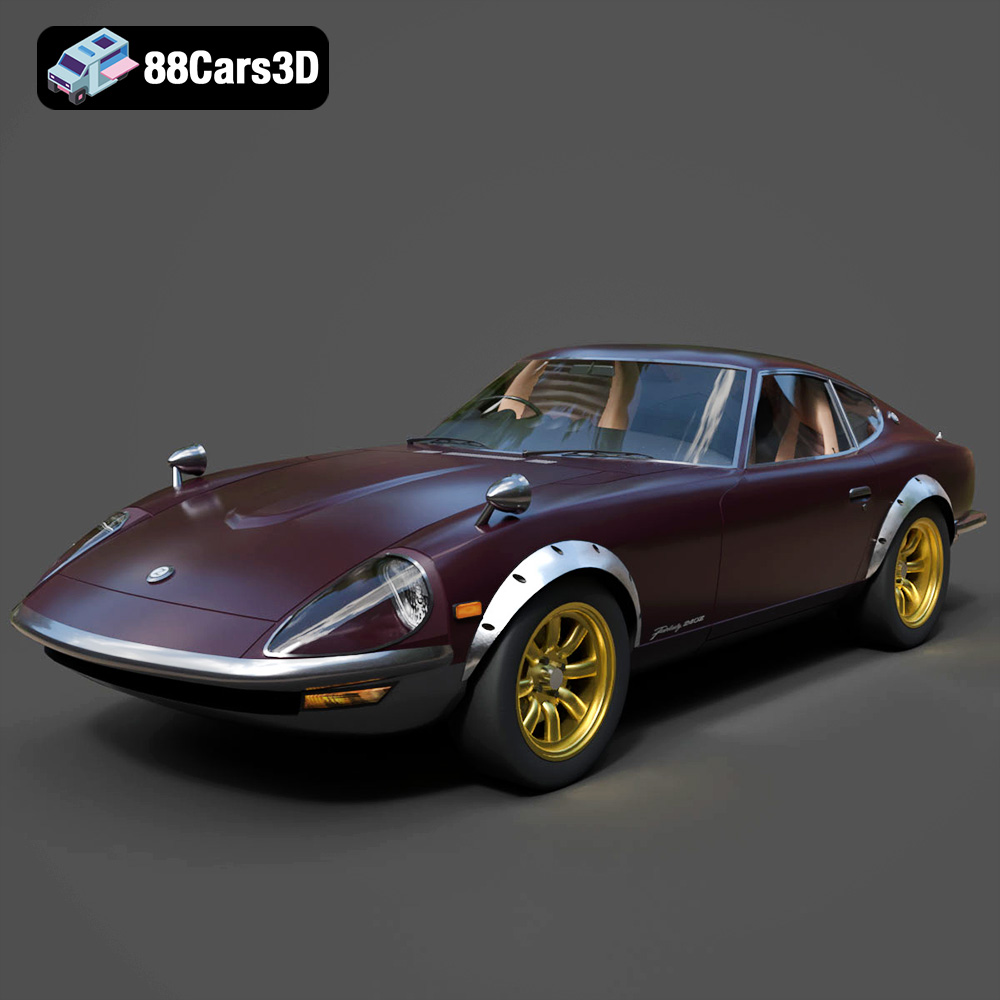
Download the Nissan FairLady 240ZG 3D Model featuring clean geometry, realistic detailing, and a fully modeled interior. Includes .blend, .fbx, .obj, .glb, .stl, .ply, .unreal, and .max formats for rendering, simulation, and game development.
Price: $4.99
Texture: Yes
Material: Yes
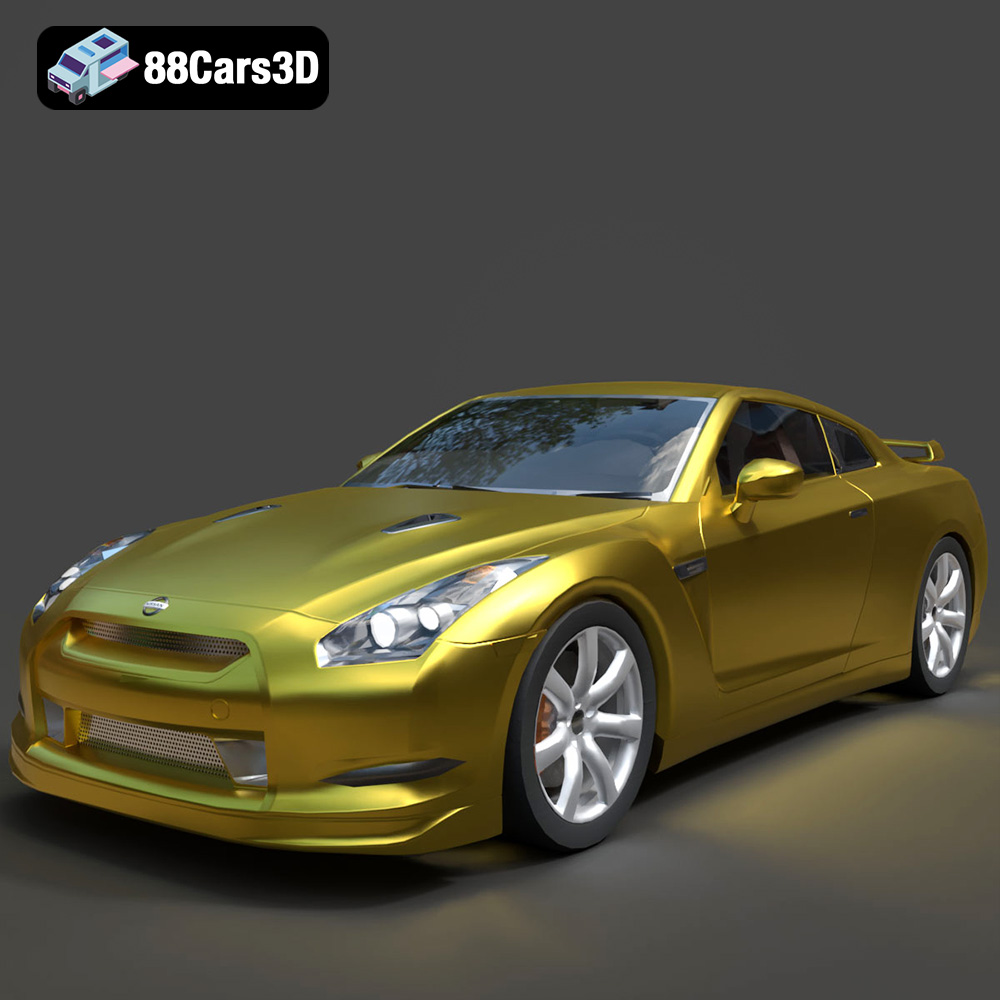
Download the Nissan GT-R 2008 3D Model featuring clean geometry, realistic detailing, and a fully modeled interior. Includes .blend, .fbx, .obj, .glb, .stl, .ply, .unreal, and .max formats for rendering, simulation, and game development.
Price: $4.99

Texture: Yes
Material: Yes
Download the Nissan Cube 3D Model featuring clean geometry, realistic detailing, and a fully modeled interior. Includes .blend, .fbx, .obj, .glb, .stl, .ply, .unreal, and .max formats for rendering, simulation, and game development.
Price: $4.99

Texture: Yes
Material: Yes
Download the Nissan Cedric Y32 3D Model featuring clean geometry, realistic detailing, and a fully modeled interior. Includes .blend, .fbx, .obj, .glb, .stl, .ply, .unreal, and .max formats for rendering, simulation, and game development.
Price: $4.99

Texture: Yes
Material: Yes
Download the Nissan Cima Infiniti Q45 2007 3D Model featuring clean geometry, realistic detailing, and a fully modeled interior. Includes .blend, .fbx, .obj, .glb, .stl, .ply, .unreal, and .max formats for rendering, simulation, and game development.
Price: $4.99

Texture: Yes
Material: Yes
Download the Nissan Juke 2025 3D Model featuring clean geometry, realistic detailing, and a fully modeled interior. Includes .blend, .fbx, .obj, .glb, .stl, .ply, .unreal, and .max formats for rendering, simulation, and game development.
Price: $4.99
Texture: Yes
Material: Yes
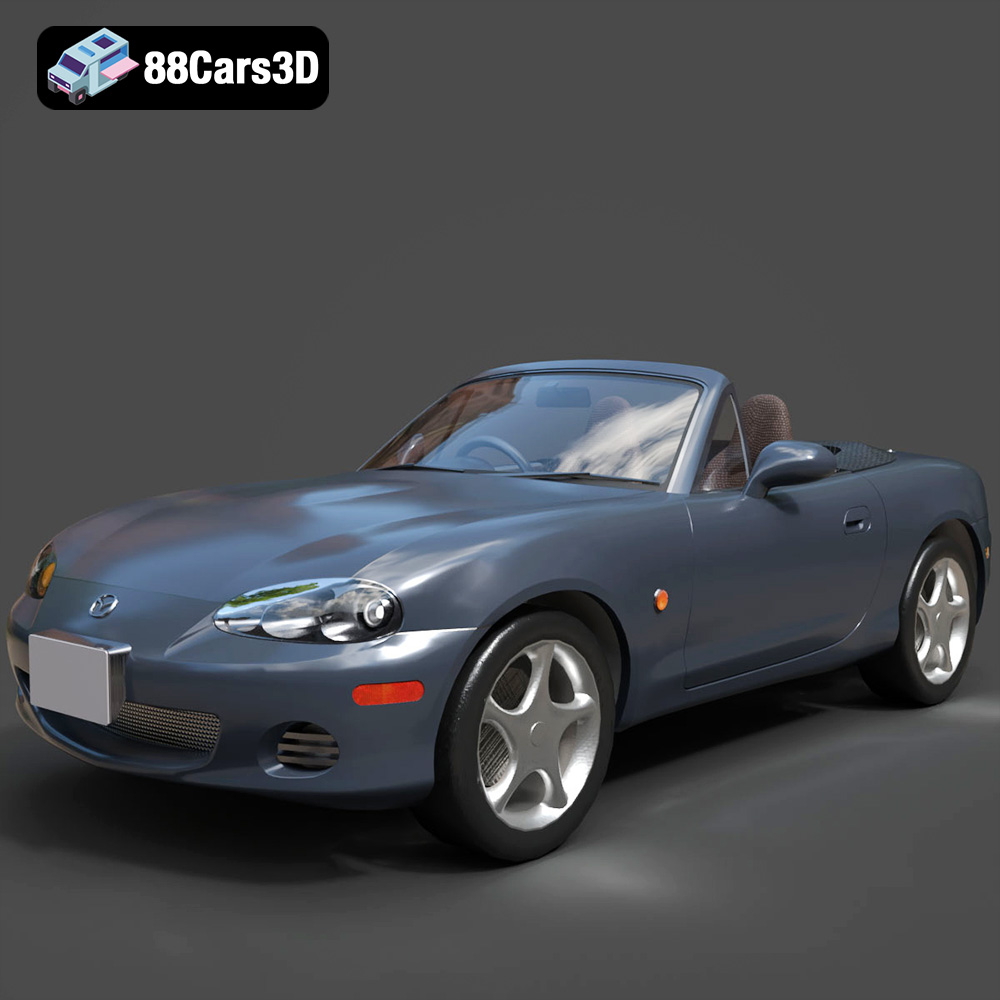
Download the Mazda MX-5 2025 3D Model featuring clean geometry, realistic detailing, and a fully modeled interior. Includes .blend, .fbx, .obj, .glb, .stl, .ply, .unreal, and .max formats for rendering, simulation, and game development.
Price: $4.99

Texture: Yes
Material: Yes
Download the Nissan Maxima 2009 3D Model featuring clean geometry, realistic detailing, and a fully modeled interior. Includes .blend, .fbx, .obj, .glb, .stl, .ply, .unreal, and .max formats for rendering, simulation, and game development.
Price: $4.99
Texture: Yes
Material: Yes
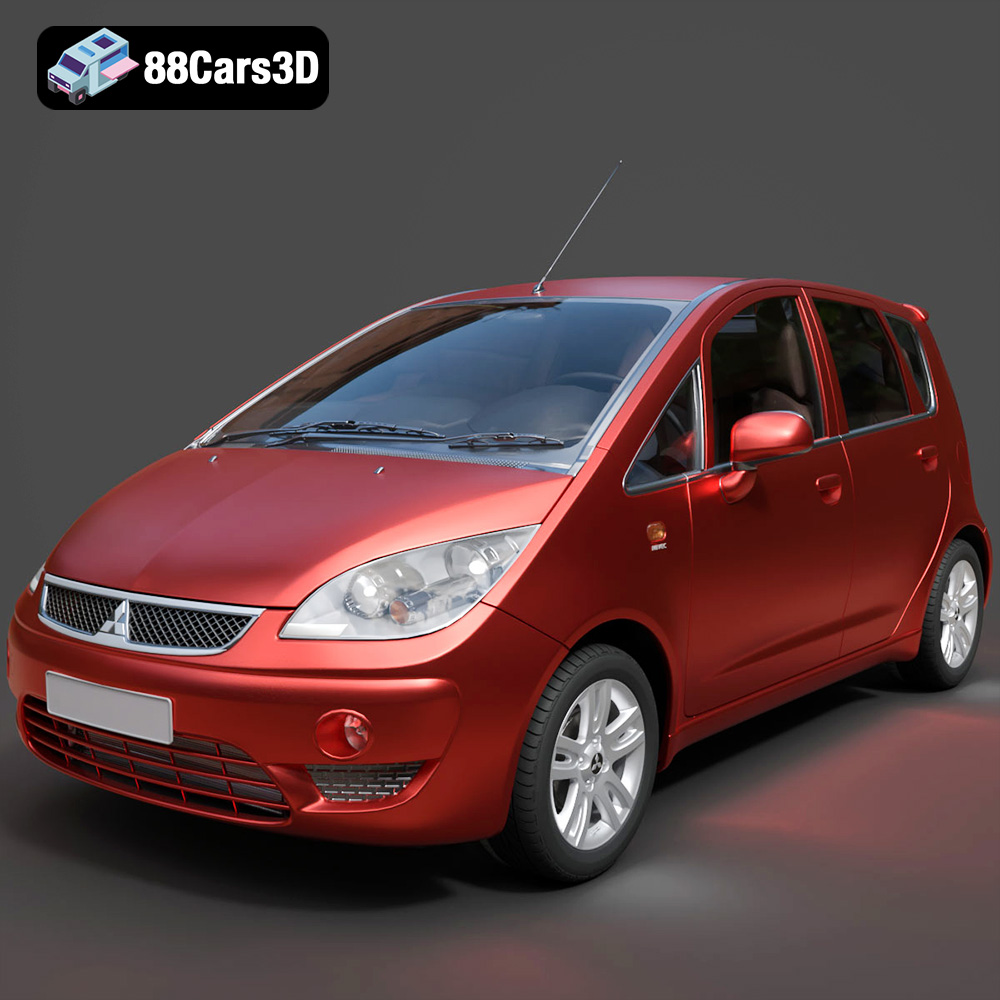
Download the Mitsubishi Colt 2025 3D Model featuring clean geometry, realistic detailing, and a fully modeled interior. Includes .blend, .fbx, .obj, .glb, .stl, .ply, .unreal, and .max formats for rendering, simulation, and game development.
Price: $4.99

