Get 20% OFF All Premium 3D & STL Models!

The sleek lines, the reflective surfaces, the intricate details of an engine bay – a photorealistic 3D car model is more than just an asset; it’s a testament to precision engineering and artistic mastery. In the diverse landscape of 3D visualization, automotive models stand out as one of the most challenging yet rewarding subjects. From high-fidelity cinematic renders to performance-optimized game assets, and even physical 3D prints, the demand for exceptionally crafted 3D cars is ever-present across industries.
For 3D artists, game developers, automotive designers, and visualization professionals, understanding the complete lifecycle of a 3D car model – from its foundational mesh to its final rendered glory – is crucial. It’s a journey that marries rigorous technical specifications with creative flair, demanding expertise in topology, UV mapping, PBR materials, rendering techniques, and optimization strategies. A deep dive into these areas not only enhances your skillset but also empowers you to create stunning, versatile assets that meet the highest industry standards.
This comprehensive guide will unravel the complexities behind creating, optimizing, and deploying professional 3D car models. We’ll explore the nuances of clean topology, delve into the intricacies of PBR material creation, dissect advanced rendering workflows, and uncover the secrets to game-ready optimization and AR/VR integration. Whether you’re aiming for breathtaking automotive renders or efficient interactive experiences, prepare to elevate your understanding and master the art of the 3D car model.
The quality of a 3D car model begins and ends with its underlying mesh. Flawless topology isn’t just about aesthetics; it’s fundamental for clean deformations, smooth shading, efficient UV mapping, and robust performance in any application. Automotive surfaces, characterized by their complex curves, sharp edges, and subtle fillets, demand particular attention to mesh structure. Poor topology can lead to artifacts like pinching, unwanted bumps, or shading errors, compromising realism and making subsequent stages of the workflow significantly harder.
Understanding polygon count is also paramount. A high-fidelity model for a hero render might boast millions of polygons, capturing every minute detail of a car’s interior and exterior. In contrast, a game-ready asset for a mobile platform might need to adhere to strict budgets, often under 50,000 polygons, including interior. The key is intelligent poly distribution, focusing detail where it’s most needed and simplifying elsewhere, ensuring visual integrity across various detail levels.
The cornerstone of excellent automotive topology is the diligent use of quadrilateral-dominant meshes. Quads (four-sided polygons) are preferred because they subdivide predictably, allowing for smooth, controllable curves when using subdivision surface modifiers (e.g., TurboSmooth in 3ds Max, Subdivision Surface in Blender). Triangles should be used sparingly, primarily in flat, non-deforming areas, as they can cause shading issues and unpredictable behavior during subdivision.
Key to defining the sleekness of a car is proper edge flow. Edges should follow the natural contours and creases of the vehicle, defining panel gaps, the sharp lines around headlights, and the subtle curvature of fenders. Supporting edge loops are critical for maintaining sharp edges without introducing an excessive amount of geometry across the entire surface. These loops run parallel to the sharp feature, effectively “tightening” the surface when subdivided. For instance, around a door cutline, two or three tight edge loops flanking the cut will ensure it remains crisp, even after subdivision. Avoid N-gons (polygons with more than four sides) completely, as they invariably lead to unpredictable shading and errors in downstream applications or operations like booleans.
Pole placement (vertices where more or less than four edges meet) requires careful consideration. E-poles (vertices with five or more edges) and N-poles (vertices with three edges) can be used strategically to change the direction of edge flow or reduce/increase polygon count, but if placed poorly on highly visible or curved surfaces, they can introduce pinching or unnatural deformations. Ideally, poles should be hidden in flatter areas or away from prominent reflections. Maintaining consistent surface curvature with evenly spaced quads ensures that reflections remain smooth and undistorted, a hallmark of high-quality automotive rendering.
Different applications have vastly different requirements for polygon density. A close-up cinematic shot might demand a car model with 1 million+ polygons to capture every rivet and seam with photorealistic precision. For real-time applications like games or interactive configurators, such high poly counts are unfeasible. This is where Levels of Detail (LODs) become indispensable.
LODs are simplified versions of a model that are automatically swapped in by the game engine or renderer as the object moves further away from the camera. A typical setup might include:
Creating LODs can be done manually through retopology, which offers the most control, or semi-automatically using decimation tools found in software like ZBrush or Maya’s Reduce tool. When sourcing models from marketplaces such as 88cars3d.com, it’s beneficial to look for models that already include multiple LODs, as this significantly streamlines the asset integration process for various uses. Implementing LODs correctly not only reduces the polygon count but also drastically lowers draw calls, leading to smoother frame rates and improved overall performance, especially in scenes with multiple vehicles.
Once the geometric foundation is solid, the next critical step is to apply realistic textures and materials. This involves two core processes: UV mapping, which dictates how textures are laid out on the 3D surface, and Physically Based Rendering (PBR) material creation, which defines how light interacts with those surfaces. Together, they transform a grey mesh into a vibrant, believable automotive masterpiece.
UV mapping is essentially the process of flattening out the 3D surface of your model into a 2D space (the UV map) so that a 2D texture can be applied accurately. For complex objects like cars, meticulous UV unwrapping is crucial to avoid stretching, distortion, or visible seams in your textures. A common pitfall for beginners is uneven texel density, where one part of the model has crisp textures while another appears blurry due to incorrect UV scaling. Texel density should be as consistent as possible across all major surfaces, especially the car’s body panels, to ensure uniform detail.
Strategic seam placement is key. Seams should be hidden in natural breaks or inconspicuous areas, such as along panel gaps, under trim pieces, or on the underside of the car. For large, continuous surfaces like the hood or roof, using planar mapping or projection methods, followed by careful relaxation, can minimize distortion. For cylindrical parts like tires or exhaust pipes, cylindrical mapping is ideal. Many professional workflows for automotive models utilize the UDIM workflow, particularly for high-resolution body textures. UDIMs allow you to spread the UVs of a single mesh across multiple UV tiles, enabling incredibly high-resolution texture sets (e.g., 8K or 16K per body panel) without creating a single gargantuan texture map. This is especially useful for maintaining crisp reflections and minute paint details. Tools like 3ds Max’s Unwrap UVW modifier, Blender’s UV Editor, or dedicated software like RizomUV offer powerful features for precise unwrapping, pinning, and relaxation of UV shells.
Physically Based Rendering (PBR) has revolutionized material creation by establishing a set of rules that accurately simulate how light behaves in the real world. The core principle of PBR is energy conservation – light that hits a surface is either reflected or absorbed, but never generated. This leads to far more consistent and realistic results under varying lighting conditions compared to older, more artist-driven methods. PBR shaders typically rely on a set of texture maps to define various surface properties:
For automotive materials, layering is essential. Car paint, for example, is often a complex shader network involving a base coat (color, metallic flakes), a clear coat (high roughness, glossy reflections), and potentially a separate normal map for subtle orange peel texture. Chrome, glass, rubber, leather, and plastic components each require unique PBR setups. In software like 3ds Max (with Corona or V-Ray materials), Blender (with Cycles or Eevee nodes), or Maya (with Arnold shaders), these maps are plugged into specific slots within a PBR shader. Advanced techniques include using procedural noise for subtle imperfections, layering grunge and dust maps, and incorporating specific anisotropy for brushed metals or directional car paint flakes, which causes reflections to stretch in a particular direction based on the viewing angle, adding incredible realism.
Even the most perfectly modeled and textured car will look flat and unconvincing without proper lighting and a sophisticated rendering workflow. Lighting is arguably the single most important factor in achieving photorealism, defining mood, shape, and surface qualities. A well-executed render combines technical prowess with an artistic eye to showcase the vehicle in its best light.
For automotive rendering, the goal is often to emulate real-world photography studios or natural outdoor environments. High Dynamic Range Images (HDRIs) are an indispensable tool for achieving realistic environment lighting. An HDRI captures the full range of light information from a real-world location, which, when used as an environment map in your renderer, provides natural reflections, diffuse lighting, and convincing shadows. For studio shots, a combination of HDRIs (often seamless studio environments) and traditional area lights or softboxes is typically employed. A classic three-point lighting setup (key light, fill light, back/rim light) serves as a great starting point, but automotive rendering often expands on this with numerous additional lights to highlight specific curves, add specular kicks to chrome, or emphasize panel gaps.
The interaction of light with the car’s reflective surfaces is paramount. To showcase the car’s form, you’ll need crisp, clean reflections on the bodywork and glass. This often means using large, soft area lights or light panels placed strategically to create desirable highlights. Anisotropic reflections are particularly important for car paint and brushed metals, where the reflections stretch or appear directional due to the microscopic orientation of flakes or grooves on the surface. Understanding how to control specular highlights, reflections, and refractions through glass (which includes accurate caustics if the scene demands it) will dramatically elevate the realism of your automotive renders. Simulating real-world weather conditions – from the sharp shadows of a sunny day to the soft, diffused light of an overcast sky, or the dramatic contrast of a night scene – requires careful calibration of HDRI intensity, light temperatures, and shadow softness.
Modern render engines like Corona Renderer, V-Ray (for 3ds Max), Cycles (for Blender), and Arnold (for Maya) offer a wealth of settings that allow artists to balance render quality with speed. Key optimization parameters include global illumination (GI) settings, sampling rates, and denoising algorithms. Aggressive GI settings and high sample counts will produce cleaner, more accurate results but at the cost of longer render times. Leveraging denoising, either built into the renderer or via external tools, can significantly reduce render times by intelligently cleaning up noise from lower sample counts.
Professional rendering workflows rarely stop at the raw output from the 3D software. Render passes (also known as AOV – Arbitrary Output Variables or Render Elements) are crucial for compositing and post-processing. Instead of a single “beauty” render, artists render out separate layers for reflections, refractions, direct and indirect lighting, ambient occlusion, Z-depth (for depth of field), and object IDs. These passes are then brought into a compositing software like Adobe Photoshop, Affinity Photo, or Blackmagic Fusion/Adobe After Effects. Post-processing allows for non-destructive adjustments to:
This layered approach provides immense control over the final image, allowing for artistic tweaks and corrections that would be difficult or impossible to achieve with a single render. The seamless integration of raw renders with post-processing techniques is what truly elevates a good render to a professional-grade visualization.
The interactive nature of game engines and real-time applications presents a unique set of challenges and opportunities for 3D car models. While visual fidelity is still paramount, performance becomes an equally critical factor. Models must be optimized to run smoothly on diverse hardware, maintaining high frame rates without sacrificing too much detail. This section dives into the specifics of preparing your car models for environments like Unity, Unreal Engine, and specialized AR/VR platforms.
For game engines, the ultimate goal is efficiency. Every polygon, every texture call, and every material pass contributes to the overall computational load. Here’s how to optimize 3D car models for real-time performance:
For game developers, models from 88cars3d.com are often already optimized for real-time engines, providing a significant head start. They frequently come with pre-configured LODs, clean UVs for atlasing, and PBR texture sets, reducing the need for extensive re-work.
AR (Augmented Reality) and VR (Virtual Reality) environments demand even stricter optimization due to their inherent need for high, stable frame rates (typically 60-90 FPS per eye to prevent motion sickness) and often operate on less powerful mobile hardware. The optimization principles for games apply here, but often to a more extreme degree:
Preparing 3D car models for AR/VR involves not just technical optimization but also a deep understanding of the platform’s limitations and the user’s interactive needs. The aim is to deliver a smooth, visually appealing experience even on resource-constrained devices.
While digital rendering and real-time applications are primary uses for 3D car models, their utility extends into the physical realm through 3D printing. Furthermore, the interoperability of models across different software and platforms hinges on a robust understanding of various 3D file formats. Mastering these aspects ensures your 3D car models are versatile and ready for any project, digital or physical.
3D printing a car model requires a distinct set of considerations compared to digital rendering. The virtual model needs to be converted into a physical object, and this transition demands specific mesh integrity and structural properties. The most critical aspect is ensuring the model is “manifold” – essentially, a watertight mesh with no holes, inverted normals, or non-manifold edges (edges shared by more than two faces). Printing software relies on this integrity to correctly calculate the internal volume and external surfaces.
3D printing offers incredible opportunities for rapid prototyping, creating scale models for presentations, or even producing custom parts. However, a successful print always begins with a well-prepared 3D model.
The world of 3D software and applications uses a multitude of file formats, each with its strengths and specific use cases. Understanding which format to use for different scenarios is key to seamless workflow integration and compatibility.
When exporting, always consider embedding media (textures) if the format supports it, and pay attention to scale, coordinate systems (e.g., Z-up vs. Y-up), and axis conventions to ensure seamless import into the target application. Understanding these formats empowers you to confidently share and deploy your high-quality 3D car models across the entire digital and physical production pipeline.
The journey of creating, optimizing, and deploying a professional 3D car model is a multifaceted discipline, demanding a blend of artistic vision and rigorous technical understanding. From meticulously crafting clean, efficient topology to defining photorealistic PBR materials, and from orchestrating cinematic renders to preparing assets for real-time engines or physical 3D prints, each stage is crucial for achieving exceptional results.
We’ve traversed the intricate world of edge flow and polygon budgets, understood the strategic placement of UV seams, and delved into the science behind PBR shaders. We’ve explored how lighting breathes life into a scene and how post-processing elevates a render to art. Furthermore, we’ve dissected the critical optimization techniques required for seamless integration into game engines and the unique demands of AR/VR, alongside the practicalities of 3D printing and file format compatibility.
The demand for high-quality 3D car models will only continue to grow across industries, from cutting-edge automotive design studios to immersive gaming experiences and interactive marketing campaigns. By mastering these principles and continually refining your skills, you position yourself at the forefront of this exciting field. Remember, the highest quality models are those built on a solid technical foundation, allowing artistic expression to truly shine. Explore the possibilities, elevate your projects, and bring your automotive visions to life with unparalleled realism and performance.

Texture: Yes
Material: Yes
Download the Nissan Fuga 2003 3D Model featuring clean geometry, realistic detailing, and a fully modeled interior. Includes .blend, .fbx, .obj, .glb, .stl, .ply, .unreal, and .max formats for rendering, simulation, and game development.
Price: $4.99
Texture: Yes
Material: Yes
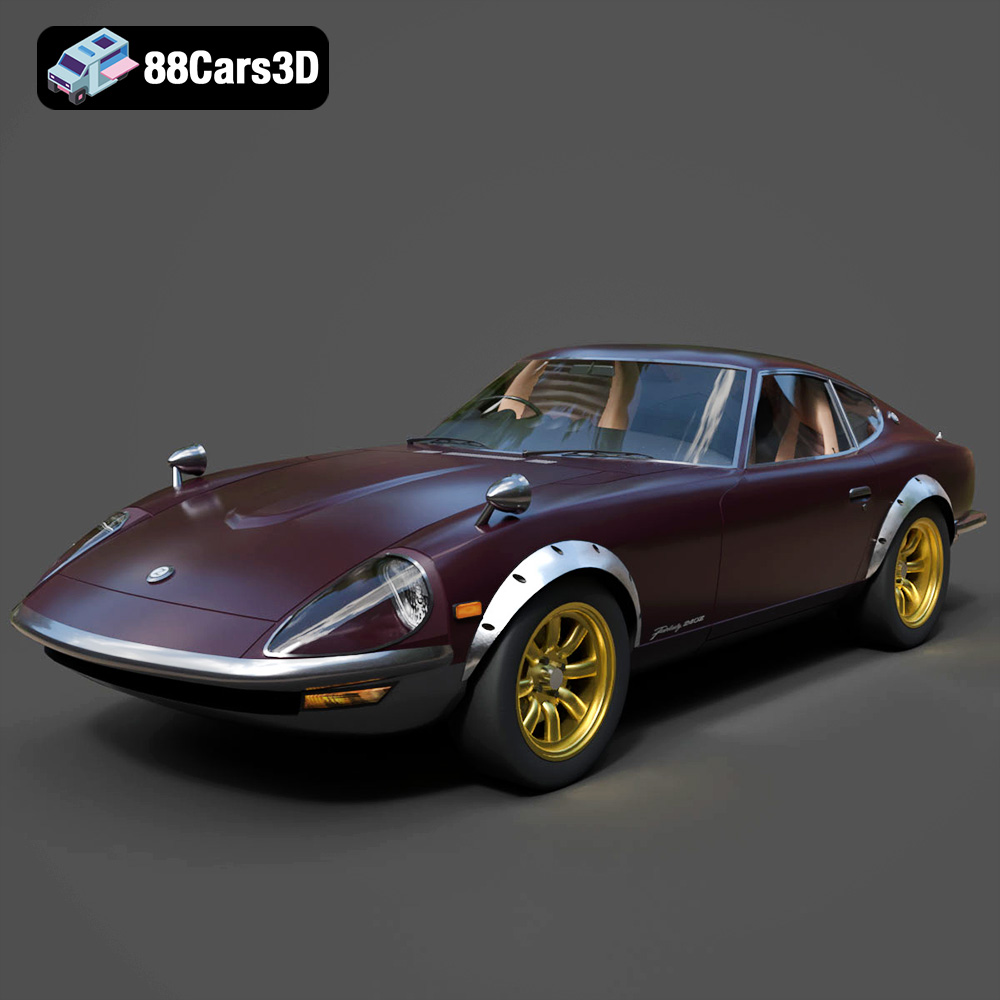
Download the Nissan FairLady 240ZG 3D Model featuring clean geometry, realistic detailing, and a fully modeled interior. Includes .blend, .fbx, .obj, .glb, .stl, .ply, .unreal, and .max formats for rendering, simulation, and game development.
Price: $4.99
Texture: Yes
Material: Yes
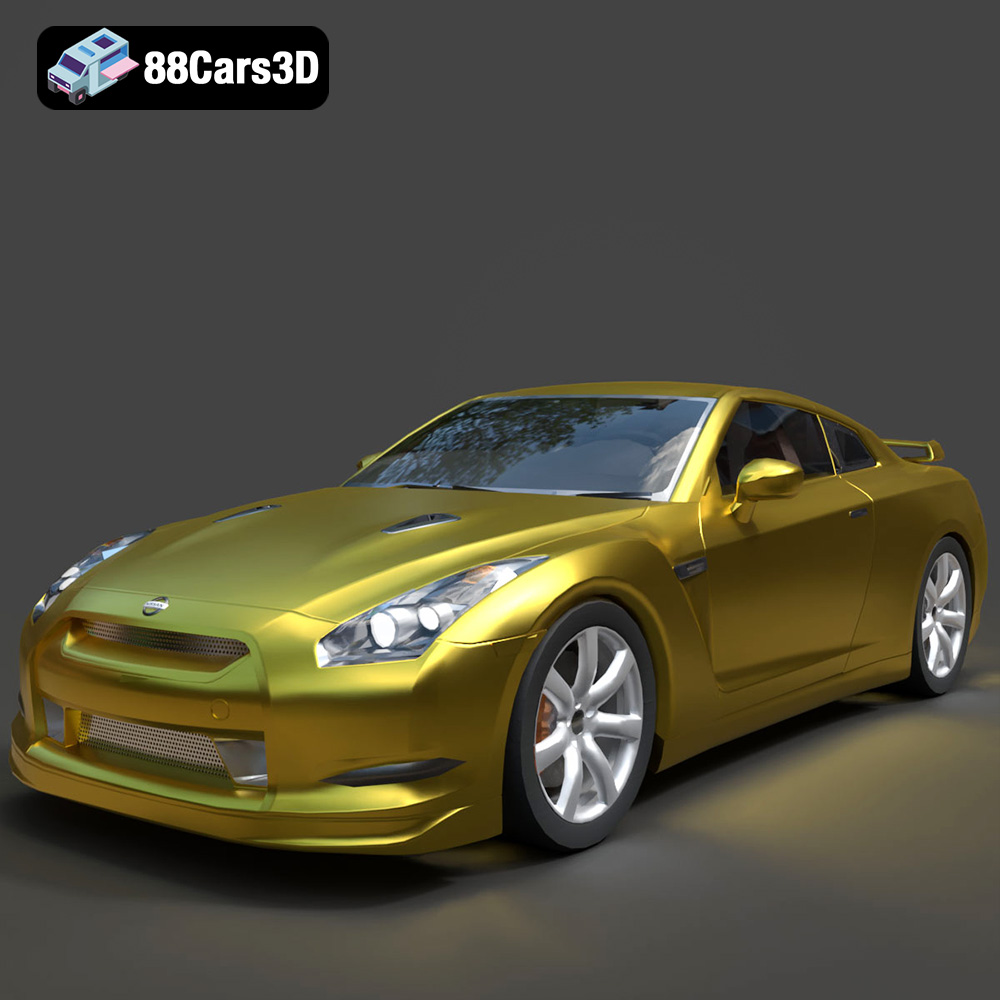
Download the Nissan GT-R 2008 3D Model featuring clean geometry, realistic detailing, and a fully modeled interior. Includes .blend, .fbx, .obj, .glb, .stl, .ply, .unreal, and .max formats for rendering, simulation, and game development.
Price: $4.99

Texture: Yes
Material: Yes
Download the Nissan Cube 3D Model featuring clean geometry, realistic detailing, and a fully modeled interior. Includes .blend, .fbx, .obj, .glb, .stl, .ply, .unreal, and .max formats for rendering, simulation, and game development.
Price: $4.99

Texture: Yes
Material: Yes
Download the Nissan Cedric Y32 3D Model featuring clean geometry, realistic detailing, and a fully modeled interior. Includes .blend, .fbx, .obj, .glb, .stl, .ply, .unreal, and .max formats for rendering, simulation, and game development.
Price: $4.99

Texture: Yes
Material: Yes
Download the Nissan Cima Infiniti Q45 2007 3D Model featuring clean geometry, realistic detailing, and a fully modeled interior. Includes .blend, .fbx, .obj, .glb, .stl, .ply, .unreal, and .max formats for rendering, simulation, and game development.
Price: $4.99

Texture: Yes
Material: Yes
Download the Nissan Juke 2025 3D Model featuring clean geometry, realistic detailing, and a fully modeled interior. Includes .blend, .fbx, .obj, .glb, .stl, .ply, .unreal, and .max formats for rendering, simulation, and game development.
Price: $4.99
Texture: Yes
Material: Yes
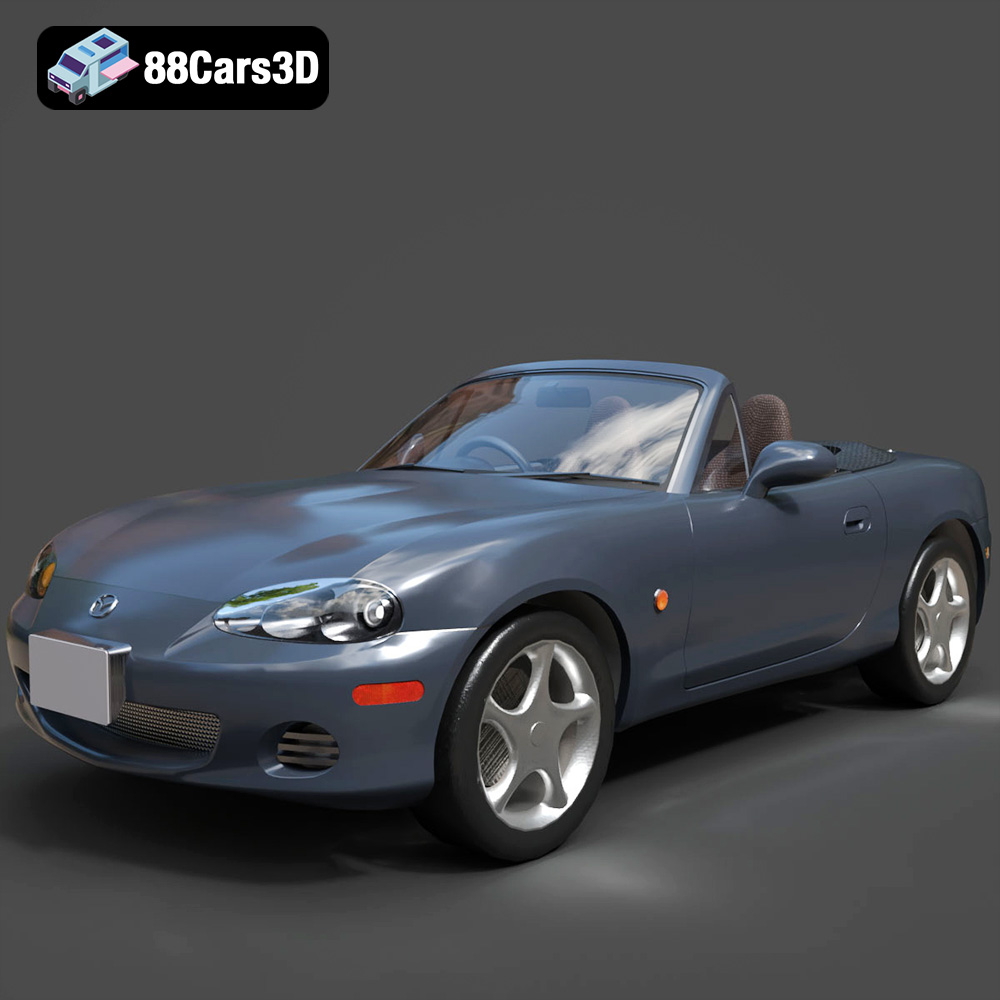
Download the Mazda MX-5 2025 3D Model featuring clean geometry, realistic detailing, and a fully modeled interior. Includes .blend, .fbx, .obj, .glb, .stl, .ply, .unreal, and .max formats for rendering, simulation, and game development.
Price: $4.99

Texture: Yes
Material: Yes
Download the Nissan Maxima 2009 3D Model featuring clean geometry, realistic detailing, and a fully modeled interior. Includes .blend, .fbx, .obj, .glb, .stl, .ply, .unreal, and .max formats for rendering, simulation, and game development.
Price: $4.99
Texture: Yes
Material: Yes
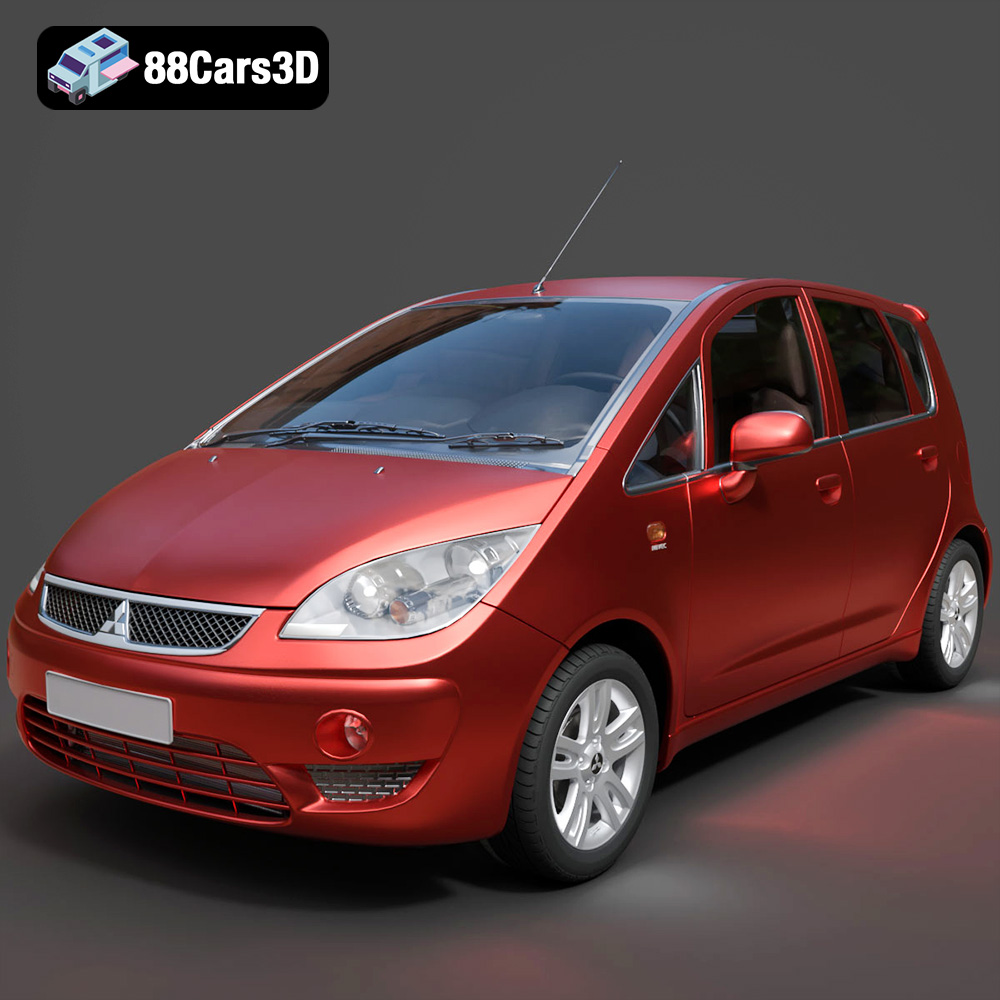
Download the Mitsubishi Colt 2025 3D Model featuring clean geometry, realistic detailing, and a fully modeled interior. Includes .blend, .fbx, .obj, .glb, .stl, .ply, .unreal, and .max formats for rendering, simulation, and game development.
Price: $4.99

