Get 20% OFF All Premium 3D & STL Models!

The digital automotive landscape is more vibrant and demanding than ever before. From breathtaking cinematic visualizations to immersive open-world games and cutting-edge AR/VR experiences, high-quality 3D car models are the unsung heroes powering these digital realms. The pursuit of photorealism and optimal performance has driven a revolution in 3D artistry, where precision, technical understanding, and creative vision converge. Mastering the art of creating, optimizing, and deploying 3D car models is a highly sought-after skill, pivotal for 3D artists, game developers, automotive designers, and visualization professionals alike.
This comprehensive guide delves deep into the intricate world of 3D car modeling, offering a roadmap from foundational concepts to advanced application-specific techniques. We’ll explore the critical aspects of clean topology, the science behind physically based rendering (PBR) materials, the artistry of lighting and rendering, and the strategic optimizations required for real-time engines and diverse platforms. Whether your goal is to render a stunning showroom piece, integrate a vehicle into a sprawling game environment, or prepare it for 3D printing, understanding these principles is paramount. By the end of this journey, you’ll possess a robust understanding of the workflows and best practices that elevate a 3D car model from a mere mesh to a highly versatile and professional asset.
The quality of a 3D car model begins long before textures and lights are applied; it starts with its underlying mesh structure – its topology and edge flow. For complex organic surfaces like car bodies, impeccable topology is non-negotiable. It dictates how light reflects, how the model deforms, and how efficiently it can be optimized for various applications. A poorly constructed mesh can lead to artifacts, shading errors, and significant headaches down the line, making this foundational stage crucial for any high-quality automotive asset.
In automotive modeling,
the cardinal rule is to maintain an all-quad topology wherever possible. Quads (four-sided polygons) deform predictably, subdivide cleanly, and provide the ideal base for smooth, continuous surfaces. Triangles (three-sided polygons) and N-gons (polygons with more than four sides) should generally be avoided on curvature or areas that require smooth shading, as they can cause pinching, rippling, and undesirable shading artifacts, especially when using subdivision surfaces like TurboSmooth in 3ds Max or Subdivision Surface in Blender. A common practice is to allow triangles only on perfectly flat, non-deforming surfaces or very dense meshes where their impact on shading is negligible. Understanding the placement of “poles” (vertices where 5 or more edges meet) is also critical. While necessary to transition edge flow, excessive or poorly placed poles can disrupt the smooth flow of light across a car’s glossy paintwork. Good topology involves carefully routing edge loops to define the contours and details of the vehicle, ensuring that curvature is adequately supported without unnecessary density.
Edge flow refers to the direction and continuity of edge loops across the model’s surface. For automotive models, strategic edge flow is essential for several reasons. Firstly, it ensures that subdivision surfaces, which are frequently used to achieve high-resolution, smooth car bodies, work effectively. Edge loops act as guides, defining the sharpness of creases, panel gaps, and intricate details. “Holding loops” (multiple parallel edge loops close together) are often employed around hard edges like window frames, wheel arches, and panel seams to maintain sharpness after subdivision without introducing unwanted artifacts. Secondly, proper edge flow is vital if the model is ever intended for animation, damage simulation, or sculpting. A mesh with well-defined loops along areas of potential deformation (e.g., doors, suspension components) will articulate and deform much more naturally. When sourcing models from marketplaces such as 88cars3d.com, pay attention to the wireframe renders to assess the quality of the topology and ensure it meets your project’s demands for realism and flexibility.
Accuracy is paramount in automotive modeling. Even with perfect topology, an incorrectly proportioned or scaled model will immediately break immersion. The workflow typically begins with meticulous reference gathering, including blueprints, photographic references from multiple angles, and sometimes even CAD data if available. Software like 3ds Max, Blender, or Maya allow you to set up background images or planes to trace contours and verify dimensions. Maintaining real-world scale is also crucial, not just for visual accuracy but for proper interaction with physical rendering engines (which rely on realistic light falloff) and game engines (where physics simulations depend on accurate object dimensions). Always model to scale and ensure the pivot point of the model is appropriately placed, typically at the center of the vehicle’s base or the global origin for easier placement and manipulation.
Once the foundational mesh is robust, the next step is to prepare it for texturing and give it a believable surface appearance. This involves strategic UV mapping and the creation of physically based rendering (PBR) materials, which are essential for achieving photorealism and ensuring consistent material behavior across different lighting conditions and rendering environments.
UV mapping is the process of flattening the 3D surface of a model into 2D space, allowing a 2D texture image to be wrapped around it. For complex automotive surfaces with their sweeping curves and intricate details, efficient UV unwrapping is crucial. The primary goals are to minimize distortion, prevent overlaps, and maintain consistent texel density across the entire model. Different strategies are employed for various car components: the main body panels might use projection mapping or pelt mapping to ensure seamless, flowing textures, while flatter elements like the undercarriage or interior panels can use simple planar mapping. Interior components with distinct parts (e.g., dashboard, seats, steering wheel) are often unwrapped as individual islands. Special attention should be paid to areas like headlights, taillights, and logos to ensure they have enough UV space for sharp detail. For high-quality 3D car models, like those found on 88cars3d.com, you’ll often find multiple UV sets: one for the main body paint, another for interior details, and perhaps a third for specific decals or wear masks. This multi-UV set approach offers immense flexibility in texturing and material layering.
Physically Based Rendering (PBR) has become the industry standard for creating realistic materials. PBR materials simulate how light interacts with surfaces in a way that is consistent with real-world physics, making them look correct under any lighting condition. Key PBR maps include:
These maps work in concert to define how light is absorbed, reflected, and scattered, giving materials their distinct appearance, from glossy car paint and chrome accents to textured leather and transparent glass.
Creating PBR materials often involves a combination of dedicated texture authoring tools and in-DCC (Digital Content Creation) software shader networks. Substance Painter is a powerful industry-standard tool for painting PBR textures directly onto 3D models, allowing artists to layer materials, add wear and tear, and generate all necessary PBR maps from a single source. Its non-destructive workflow is invaluable for automotive detailing. Within 3ds Max, Blender, Maya, and other DCCs, node-based material editors (like Blender’s Shader Editor, 3ds Max’s Slate Material Editor, or Maya’s Hypershade) allow artists to construct complex shader networks. For example, a car paint shader might involve layering a base metallic PBR material with clear coat reflections, subtle orange peel normal maps, and perhaps procedural dirt or dust masks. Render engines like Corona Renderer, V-Ray, Cycles, and Arnold all have their specific PBR material setups, but the underlying principles of Albedo, Metallic, and Roughness remain consistent, ensuring cross-compatibility and predictable results.
The final step in presenting a 3D car model in its best light is the rendering process. This is where all the meticulously crafted geometry, UVs, and PBR materials converge under carefully controlled lighting and camera settings to produce a photorealistic image or animation. Achieving a truly stunning render requires a deep understanding of lighting, camera principles, and the capabilities of modern render engines.
Lighting is the single most critical factor in achieving photorealism for automotive renders. It defines the mood, highlights the car’s sculpted forms, and reveals material properties.
The goal is always to showcase the car’s surfaces beautifully, paying close attention to how reflections travel across the body panels and how shadows define depth. For realistic glass, ensure your lighting accounts for accurate refractions and reflections, often using volumetric light effects for headlights or interior illumination.
The virtual camera is your eye to the scene, and its settings profoundly influence the final image.
When it comes to render engines,
Corona Renderer and V-Ray (for 3ds Max/Maya) are industry stalwarts known for their ease of use and production-quality photorealism, offering robust material systems and efficient GI solutions. Blender’s Cycles and Arnold (across various DCCs) are also incredibly powerful, each with specific strengths in handling complex shaders, volumetrics, and massive scenes. Understanding their unique ray tracing or path tracing algorithms, noise reduction techniques (denoisers), and sampling parameters is key to balancing render quality and time.
Rendering is rarely the final stop. Post-processing and compositing in software like Adobe Photoshop, After Effects, or Blackmagic Fusion are vital for refining the raw render and pushing it to perfection.
A smart compositing workflow can save hours of re-rendering and allow for creative freedom post-production, turning a great render into an exceptional one.
For interactive applications like video games, virtual reality, and real-time configurators, raw photorealism must be balanced with performance. A highly detailed 3D car model designed for offline rendering can bring a real-time engine to its knees. Optimization is a strategic process of reducing computational load while preserving as much visual fidelity as possible, ensuring smooth frame rates and responsive experiences.
Level of Detail (LOD) is a crucial optimization technique for game assets. It involves creating multiple versions of a single 3D model, each with a progressively lower polygon count. The highest detail (LOD0) is used when the car is close to the camera, while progressively lower detail versions (LOD1, LOD2, etc.) are swapped in as the car moves further away. This dramatically reduces the number of polygons the GPU needs to process at any given moment. Typically, a car might have 3-5 LODs, with LOD0 potentially reaching hundreds of thousands of polygons (for cinematic close-ups) down to LOD3 or LOD4 with just a few thousand or even hundreds for distant views. LODs can be generated manually by artists, using decimation tools (e.g., ProOptimizer in 3ds Max, Blender’s Decimate modifier), or automatically by game engines like Unity and Unreal Engine, which offer built-in LOD Group components. The key is to manage the transitions between LODs smoothly to avoid noticeable popping or visual glitches, ensuring a seamless experience for the player.
Beyond polygon count,
draw calls are a significant performance bottleneck in real-time engines. A draw call occurs every time the GPU is instructed to draw something, and each unique material typically constitutes a separate draw call. A complex car model with dozens of materials for paint, chrome, glass, interior fabrics, and various components can generate a very high number of draw calls, impacting performance. Texture atlasing is a technique to combat this: by combining multiple smaller textures (e.g., all the interior textures like leather, plastic, dashboard details) into a single, larger texture atlas, you can then assign a single material to multiple parts of the model, drastically reducing draw calls. Similarly, optimizing shader complexity by consolidating material properties and using efficient PBR workflows helps. Modern game engines also leverage instancing and batching techniques, automatically grouping identical meshes or materials to reduce draw calls, but artists must still provide optimized base assets.
The choice of file format and the export/import workflow are critical for seamless integration into game engines.
Once imported into Unity or Unreal Engine, the workflow involves setting up materials (reconnecting PBR maps to their respective shader slots), configuring physics colliders (often simplified versions of the mesh to save performance), and sometimes adding vehicle-specific components for wheels, suspension, and engine sounds. Assets acquired from reputable sources like 88cars3d.com are typically provided in optimized formats like FBX or GLB, often pre-configured with LODs and clean UVs, significantly streamlining the integration process for game developers.
The utility of high-quality 3D car models extends far beyond static renders and traditional games. They are integral to emerging technologies like Augmented Reality (AR) and Virtual Reality (VR), as well as physical production methods like 3D printing. Each application presents its unique set of challenges and optimization requirements, pushing the boundaries of what’s possible with digital assets.
AR/VR environments impose the most stringent performance demands. Achieving comfortable frame rates (typically 90+ FPS for VR) for immersive experiences requires extreme optimization.
When developing for AR/VR, every polygon, every texture, and every instruction in a shader must be carefully considered for its impact on performance and user comfort.
Transforming a digital car model into a physical object via 3D printing requires a different kind of precision. The mesh must be “watertight” and “manifold.”
Tools like Blender’s 3D Print Toolbox, Meshmixer, or Netfabb are invaluable for analyzing, repairing, and preparing meshes for 3D printing, automatically identifying and fixing common issues. High-quality 3D car models often feature a clean base mesh, making them easier to prepare for this process.
The digital ecosystem is diverse, and compatibility across different software and platforms is crucial. Understanding the strengths and weaknesses of various file formats is key:
When you’re looking for versatile assets, platforms like 88cars3d.com often provide models in multiple formats, ensuring broad compatibility and ease of integration into your specific workflow, whether for rendering, game development, or AR/VR.
The journey from a blank canvas to a high-fidelity 3D car model is a testament to the blend of technical skill, artistic vision, and meticulous attention to detail. We’ve explored the fundamental importance of clean topology and efficient edge flow for realistic surfaces, delved into the science of PBR material creation for believable textures, and navigated the artistic principles of advanced rendering for photorealistic visualization. Furthermore, we’ve dissected the critical optimization strategies required for seamless integration into demanding real-time environments like game engines and immersive AR/VR experiences, and understood the unique requirements for physical production through 3D printing.
Mastering these workflows not only elevates the visual quality of your projects but also future-proofs your assets for diverse applications across an ever-evolving digital landscape. The demand for highly detailed, optimized, and versatile 3D car models continues to grow exponentially. By understanding and applying these industry best practices, you equip yourself with the knowledge to create truly professional-grade assets. Whether you’re an aspiring artist, a seasoned developer, or a visualization professional, continuous learning and hands-on practice are your greatest tools. To accelerate your projects with ready-to-use, high-quality assets built on these very principles, be sure to explore the extensive collection of professional 3D car models available at 88cars3d.com, offering a robust foundation for your next masterpiece.
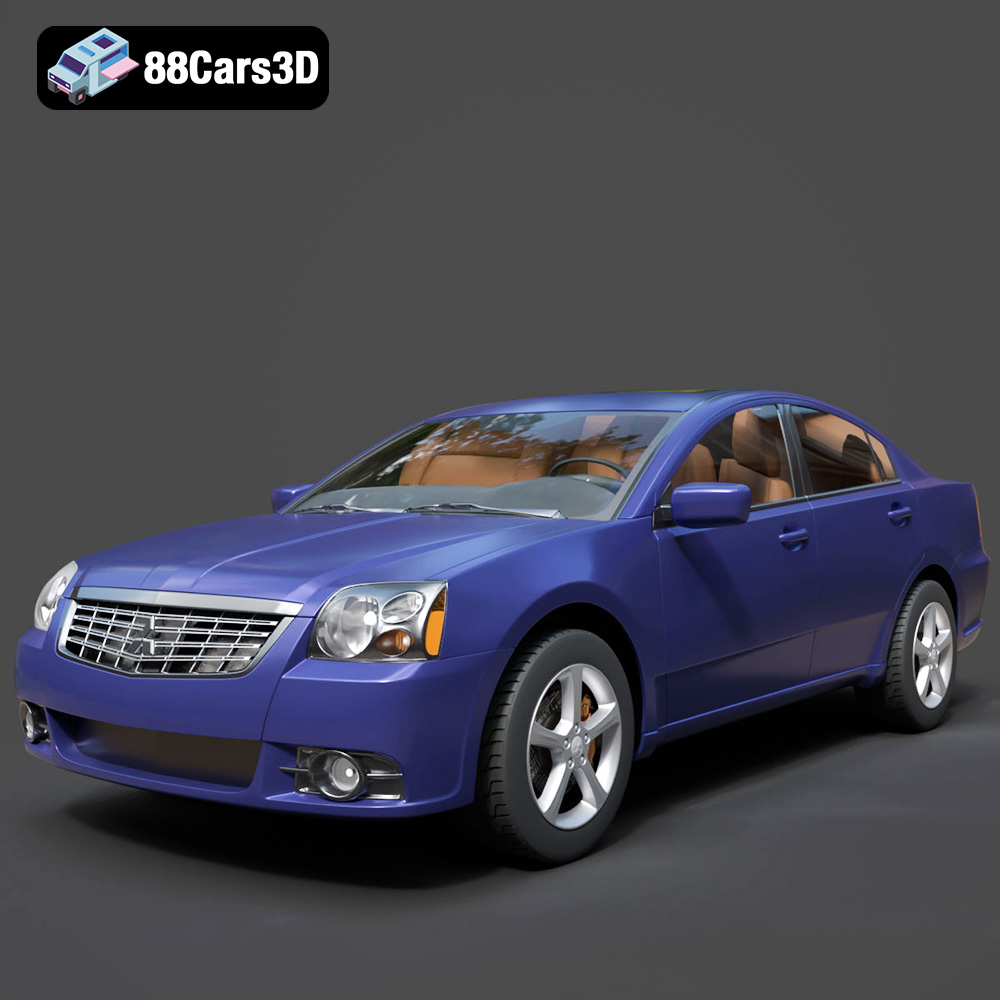
Texture: Yes
Material: Yes
Download the Mitsubishi Galant 2009 3D Model featuring clean geometry, realistic detailing, and a fully modeled interior. Includes .blend, .fbx, .obj, .glb, .stl, .ply, .unreal, and .max formats for rendering, simulation, and game development.
Price: $4.99
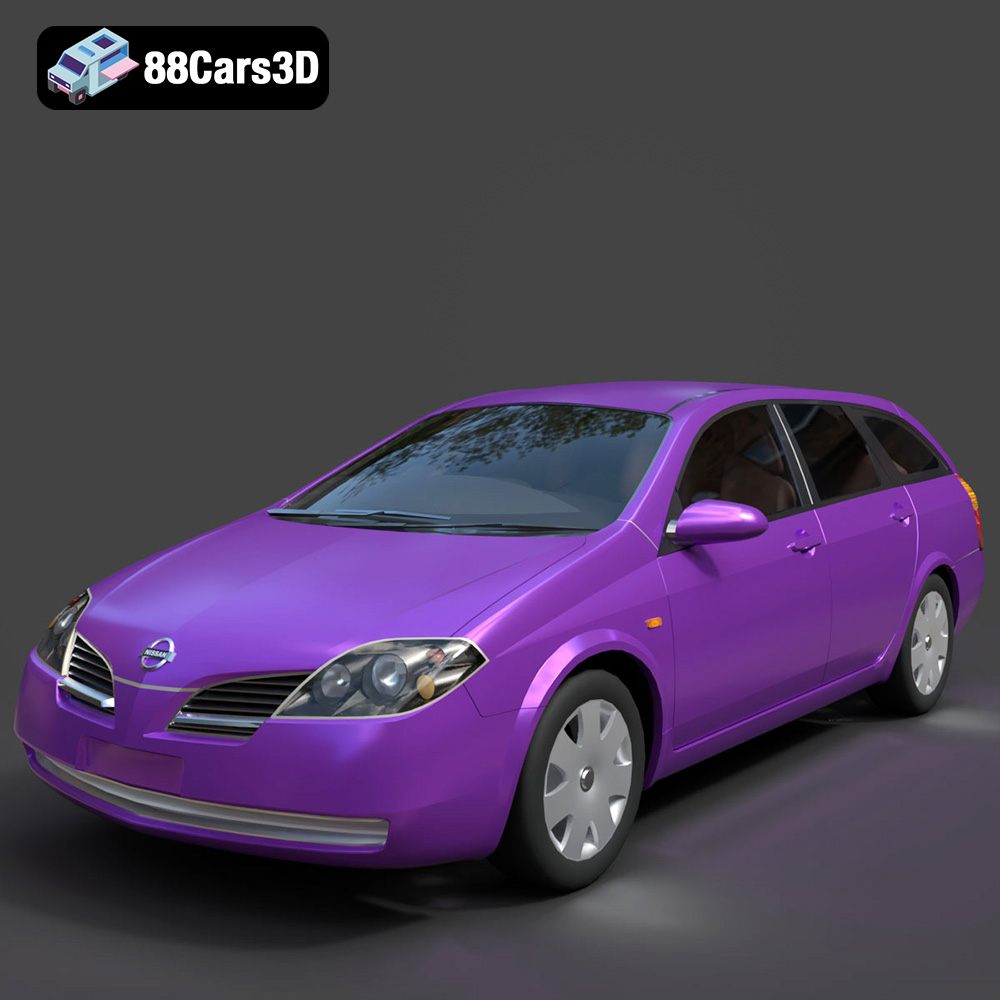
Texture: Yes
Material: Yes
Download the Nissan Primera Wagon 3D Model featuring clean geometry, realistic detailing, and a fully modeled interior. Includes .blend, .fbx, .obj, .glb, .stl, .ply, .unreal, and .max formats for rendering, simulation, and game development.
Price: $4.99
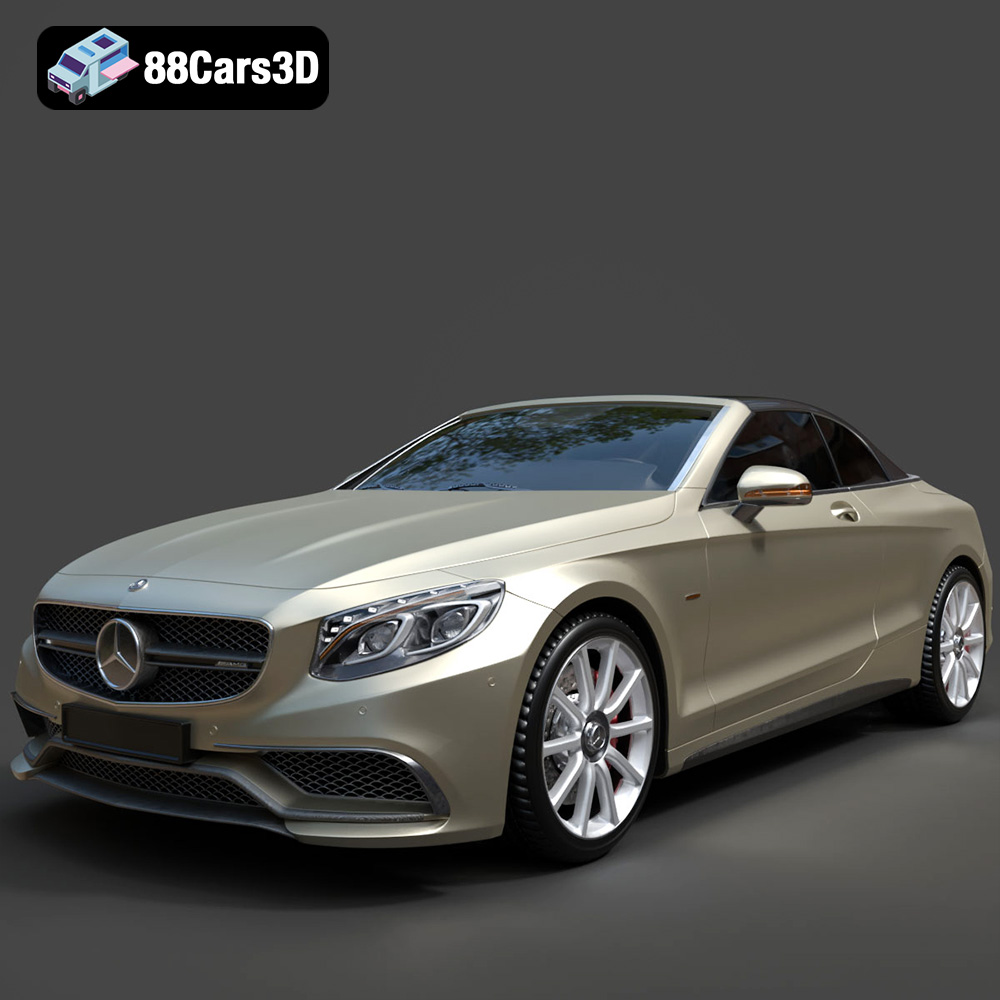
Texture: Yes
Material: Yes
Download the Mercedes-Benz S63 AMG Cabriolet 2017 3D Model featuring clean geometry, realistic detailing, and a fully modeled interior. Includes .blend, .fbx, .obj, .glb, .stl, .ply, .unreal, and .max formats for rendering, simulation, and game development.
Price: $20.99
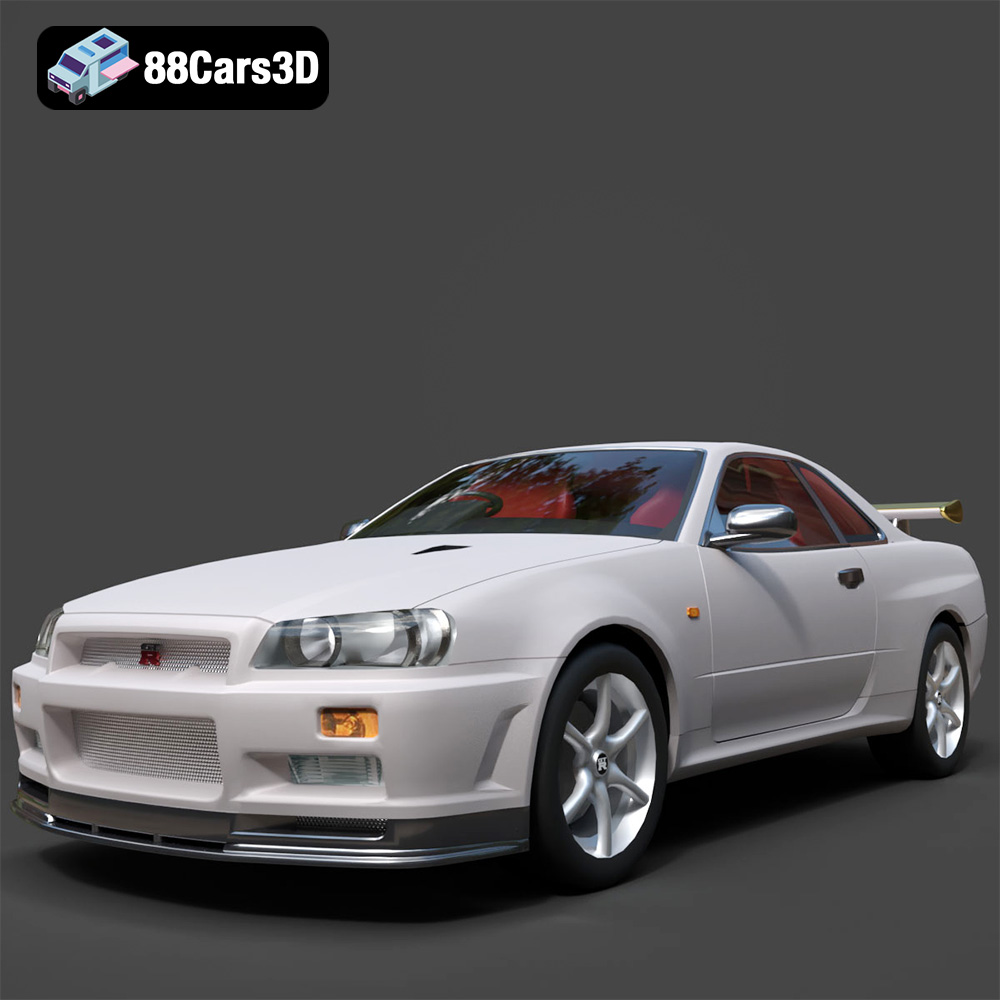
Texture: Yes
Material: Yes
Download the Nissan Skyline R34 2002 3D Model featuring clean geometry, realistic detailing, and a fully modeled interior. Includes .blend, .fbx, .obj, .glb, .stl, .ply, .unreal, and .max formats for rendering, simulation, and game development.
Price: $4.99
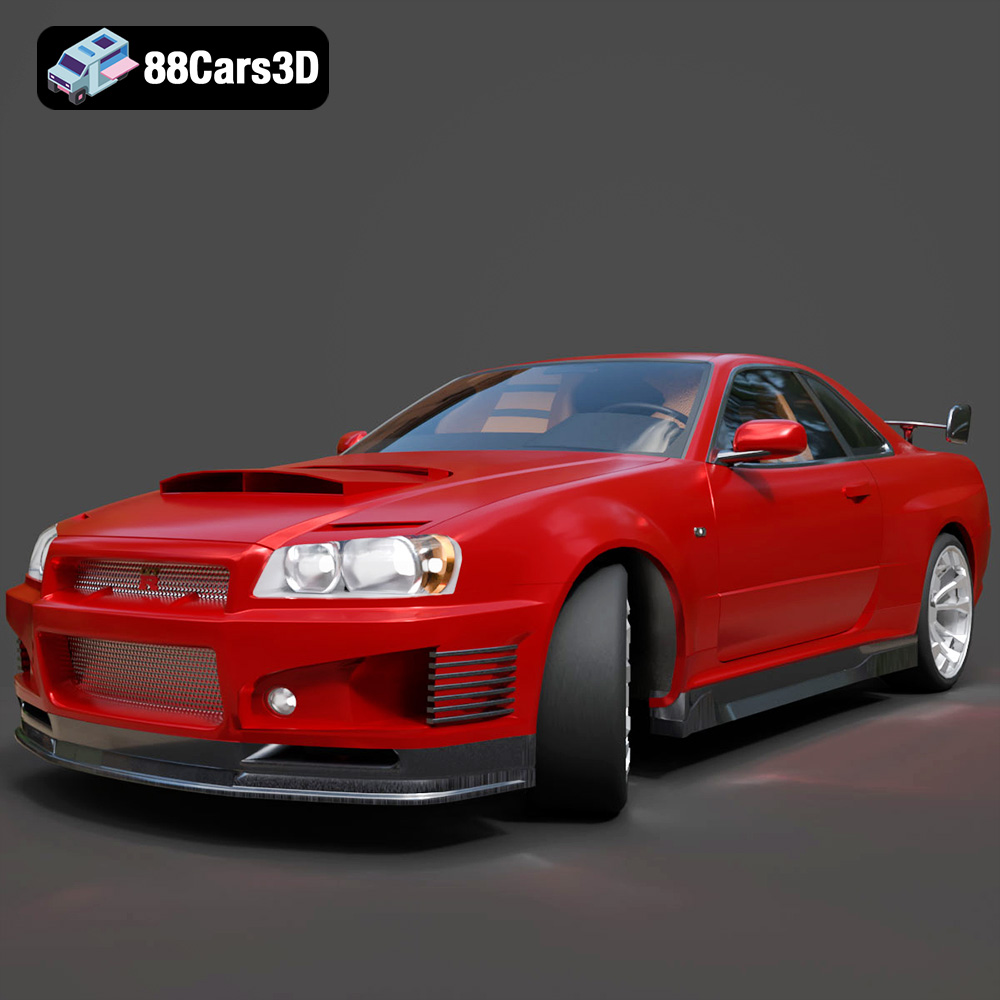
Texture: Yes
Material: Yes
Download the Nissan Skyline 3D Model featuring clean geometry, realistic detailing, and a fully modeled interior. Includes .blend, .fbx, .obj, .glb, .stl, .ply, .unreal, and .max formats for rendering, simulation, and game development.
Price: $9.99
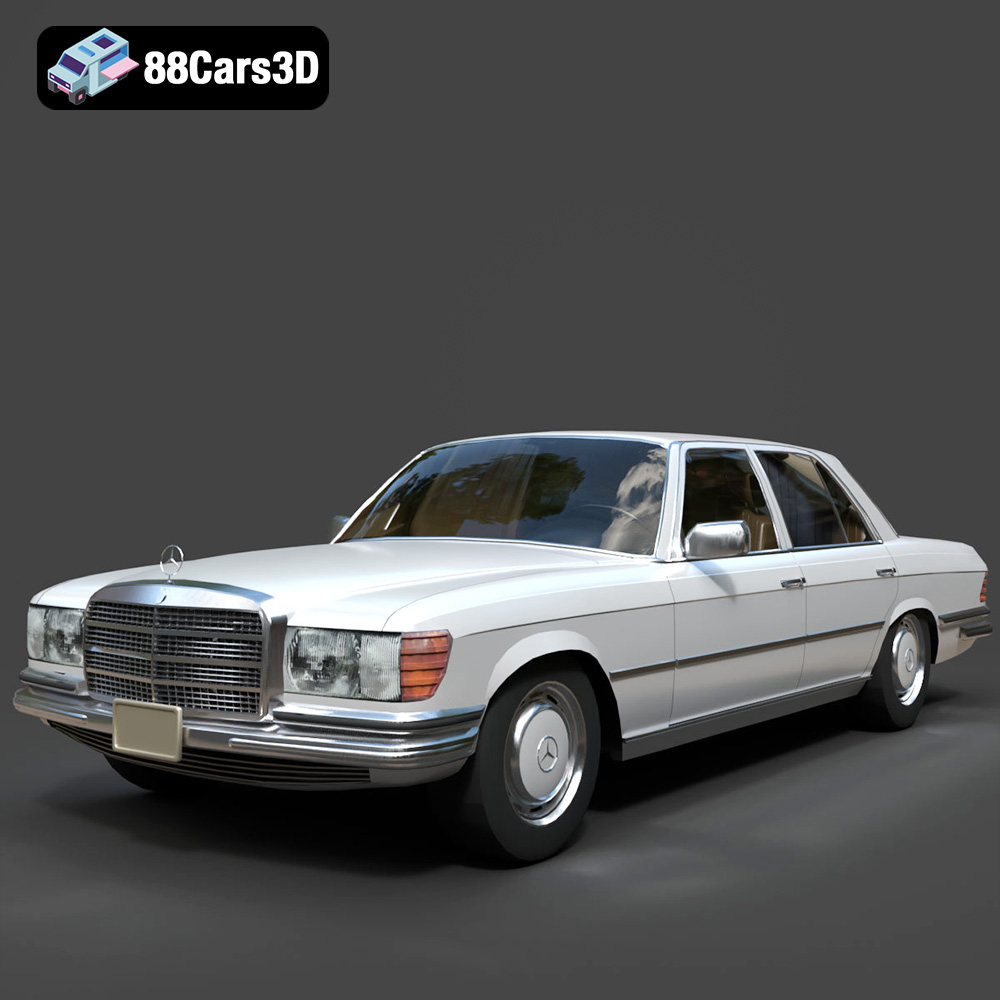
Texture: Yes
Material: Yes
Download the Mercedes-Benz S-Klasse W116 3D Model featuring clean geometry, realistic detailing, and a fully modeled interior. Includes .blend, .fbx, .obj, .glb, .stl, .ply, .unreal, and .max formats for rendering, simulation, and game development.
Price: $4.99
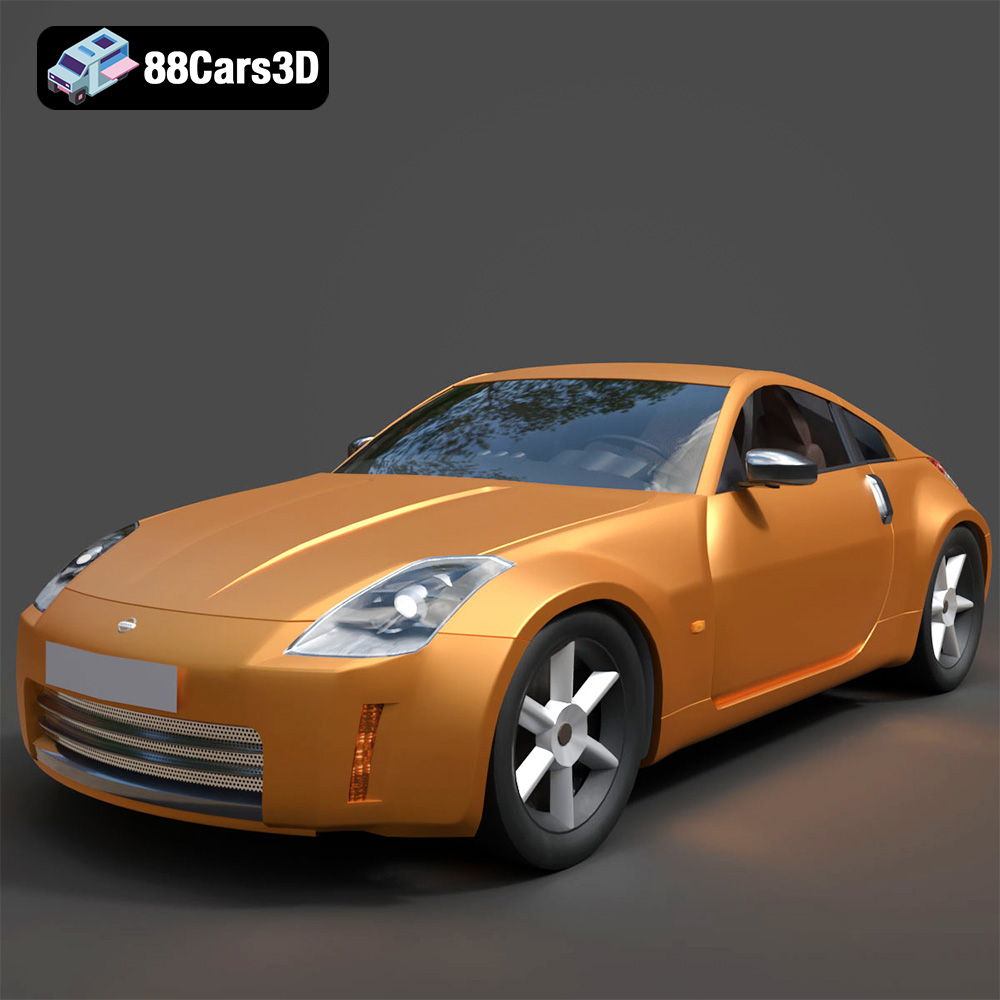
Texture: Yes
Material: Yes
Download the Nissan 350Z 3D Model featuring clean geometry, realistic detailing, and a fully modeled interior. Includes .blend, .fbx, .obj, .glb, .stl, .ply, .unreal, and .max formats for rendering, simulation, and game development.
Price: $4.99

Texture: Yes
Material: Yes
Download the Nissan Skyline V35 2001 3D Model featuring clean geometry, realistic detailing, and a fully modeled interior. Includes .blend, .fbx, .obj, .glb, .stl, .ply, .unreal, and .max formats for rendering, simulation, and game development.
Price: $4.99

Texture: Yes
Material: Yes
Download the Mercedes-Benz S-Klasse 221-007 3D Model featuring clean geometry, realistic detailing, and a fully modeled interior. Includes .blend, .fbx, .obj, .glb, .stl, .ply, .unreal, and .max formats for rendering, simulation, and game development.
Price: $4.99
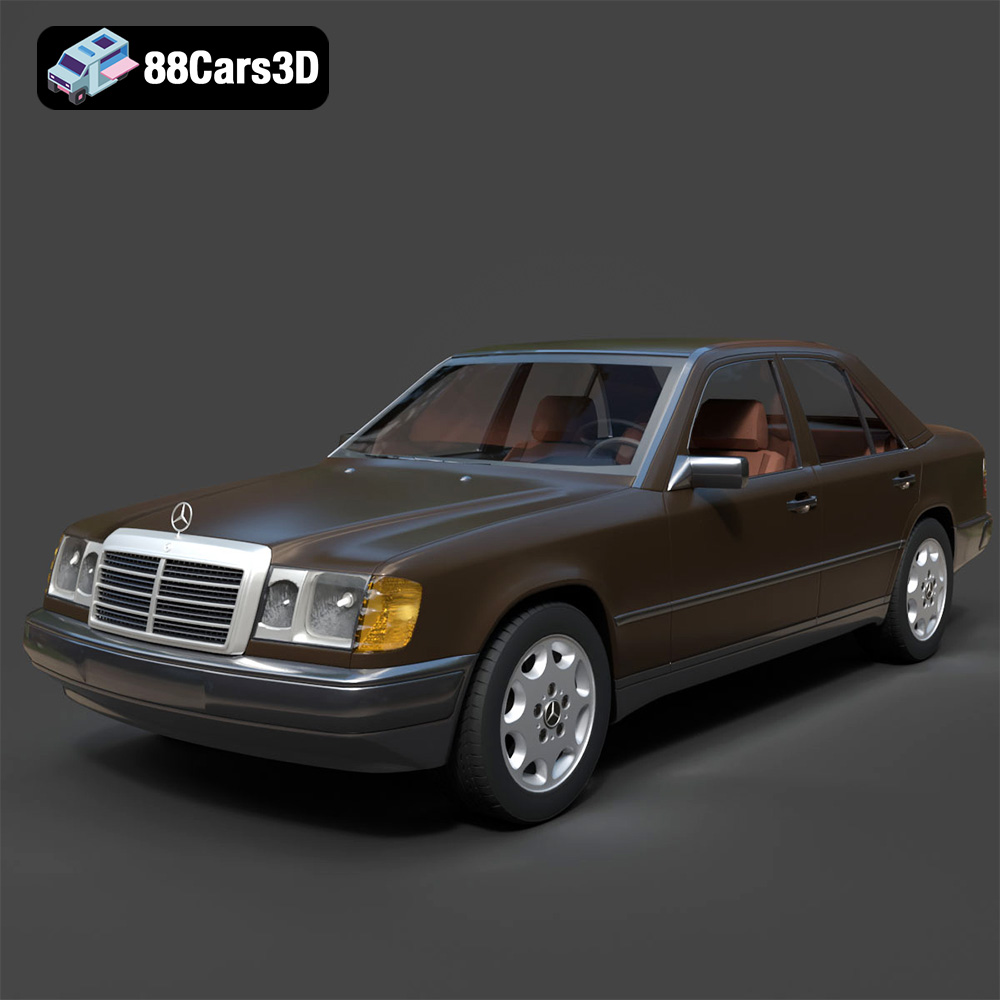
Texture: Yes
Material: Yes
Download the Mercedes W124 Sedan 3D Model featuring clean geometry, realistic detailing, and a fully modeled interior. Includes .blend, .fbx, .obj, .glb, .stl, .ply, .unreal, and .max formats for rendering, simulation, and game development.
Price: $4.99

