Get 20% OFF All Premium 3D & STL Models!

The world of 3D visualization is a dynamic and ever-evolving landscape, and at its heart lies the creation of compelling, high-fidelity assets. For industries ranging from automotive design and advertising to game development and architectural visualization, 3D car models are not just props; they are often the stars of the show. Crafting these models to meet the stringent demands of modern rendering engines, real-time applications, and even physical production requires a deep understanding of intricate technical workflows and artistic vision.
This comprehensive guide delves into the multifaceted process of mastering 3D car models. We’ll explore the foundational principles of flawless topology, the nuances of UV mapping for complex surfaces, the magic of Physically Based Rendering (PBR) materials, and the art of illuminating your creations for breathtaking renders. Furthermore, we’ll tackle the critical aspects of optimizing models for interactive experiences in game engines and augmented/virtual reality, along with preparing them for tangible outputs like 3D printing. Whether you’re a seasoned 3D artist, an aspiring game developer, or an automotive designer pushing the boundaries of virtual prototyping, understanding these techniques is paramount to transforming digital dreams into stunning realities.
At the core of any high-quality 3D car model lies impeccable topology – the structured arrangement of polygons that define its surface. For automotive models, which are characterized by smooth, reflective curves and precise panel gaps, clean topology is not merely a preference; it’s a necessity. Good topology ensures proper deformation, facilitates smooth subdivision, and is crucial for creating realistic reflections and lighting responses. A poorly constructed mesh can lead to artifacts, pinching, and an overall unrealistic appearance, no matter how advanced your rendering setup.
Edge flow dictates how the edges of your mesh follow the natural contours and design lines of the car. For instance, edges should ideally follow the creases of a body panel, the rim of a wheel arch, or the outline of a headlight housing. This allows for clean subdivision, where adding more polygons maintains the original shape’s integrity, resulting in smooth, continuous surfaces. Pole placement, where multiple edges converge, must be handled with care. While 3-edge and 5-edge poles are often unavoidable, strategically placing them in flatter areas or away from prominent curvature can prevent pinching and undesirable surface distortions. The general rule of thumb is to maintain an all-quad (four-sided polygon) mesh as much as possible, as quads subdivide predictably and smoothly, unlike triangles (tris) or N-gons (polygons with more than four sides), which can introduce unpredictable artifacts when subdivided or deformed.
Precision begins with accurate references. Automotive modeling heavily relies on technical blueprints, orthographic images (front, back, side, top views), and often CAD data from manufacturers. Software like 3ds Max, Blender, or Maya allows artists to set up image planes that serve as a guiding framework. It’s crucial to align these references meticulously to ensure the model’s proportions are faithful to the real vehicle. Regularly checking measurements and cross-referencing different views prevents discrepancies. Modeling from a single blueprint view can lead to distorted proportions when viewed from another angle. Employing a methodical approach, starting with blocking out major forms using simple primitives and gradually adding detail, ensures the overall shape is accurate before diving into the intricacies of body lines and panel gaps. This foundational step dictates the realism and recognition factor of your final 3D car model.
Subdivision surface modeling (often called ‘SubD’ or ‘Catmull-Clark subdivision’) is the industry standard for creating smooth, high-resolution surfaces from relatively low-polygon base meshes. The technique involves adding detail by mathematically smoothing and dividing the polygons of your base mesh. This allows artists to work with a manageable polygon count for editing, while the renderer or game engine handles the smooth display. To control the sharpness of edges and creases (e.g., around a window frame or a door panel), artists use techniques like adding control loops (extra edge loops close to the feature) or applying creasing weights. Understanding how to balance these techniques is vital for achieving both smooth, flowing surfaces and crisp, defined edges characteristic of modern automotive design, without unnecessarily inflating the polygon count of the base mesh. For high-fidelity renders, a model might have a base mesh of 50,000-100,000 polygons, which can easily subdivide to several million for the final render.
Once your 3D car model’s geometry is perfected, the next critical step is to prepare it for texturing through UV mapping. UV mapping is the process of flattening the 3D surface of your model into a 2D space, creating a set of coordinates (UVs) that tell your software how to project 2D textures onto the 3D mesh. For complex objects like cars with their varied materials and intricate surfaces, effective UV mapping is essential for seamless, high-resolution textures without distortion or stretching. It dictates how precisely paint, dirt, decals, or wear and tear will appear on the model’s surface.
Automotive surfaces are a challenging array of subtle curves, sharp edges, and intricate details. Unwrapping these effectively requires a strategic approach. For large, continuous panels like the hood, roof, or side doors, planar or cylindrical mapping might be a good starting point, followed by careful cutting and relaxing of UV seams. The goal is to minimize visible seams and ensure an even distribution of texture pixels across the surface. Components like wheels, headlights, and interior parts often require dedicated unwrapping strategies – cylindrical for tires, spherical for hubcaps, and more complex manual unwrapping for detailed dashboards. Tools in 3ds Max, Blender, Maya, and other software offer various projection methods and tools to cut, stitch, and relax UV shells. Experienced artists plan their seams to be in less visible areas, such as along panel gaps or under components, to maintain visual continuity when the texture is applied.
Efficient use of UV space is crucial for both visual quality and performance. Texel density refers to the number of texture pixels per unit of 3D space. Maintaining a consistent texel density across the entire model ensures that all parts appear equally detailed, preventing some areas from looking blurry while others are crisp. To achieve this, larger or more visually important parts of the car (like the main body panels) should occupy a proportionally larger area in the UV layout, while smaller or less prominent parts (like bolts or undercarriage components) can be scaled down. Maximizing the use of the 0-1 UV space (the primary texture square) by arranging UV shells tightly, like pieces of a puzzle, helps reduce wasted texture resolution and optimizes memory usage, especially important for game assets. Automated packing tools can assist, but manual adjustments are often necessary for optimal results.
For incredibly detailed, high-resolution automotive models used in film, advertising, or high-end visualization, a single 0-1 UV space often isn’t enough to hold all the necessary texture information. This is where Multi-Tile UVs, commonly known as UDIMs, come into play. UDIMs allow artists to use multiple texture maps (tiles) for different parts of a single object, each tile having its own 0-1 UV space. For instance, the car body might have several UDIM tiles for different sections, while the wheels, interior, and undercarriage each get their own set of tiles. This provides immense flexibility for incredibly high-resolution textures (e.g., 8K or 16K per tile) and is managed seamlessly by modern rendering engines and texturing software like Substance Painter. In contrast, a single atlas combines all UV shells into one 0-1 texture map, which is efficient for game assets with polygon budgets where draw calls need to be minimized. The choice between UDIMs and a single atlas depends heavily on the project’s specific resolution, performance, and workflow requirements.
Once the geometry is solid and the UVs are laid out, the real magic of bringing a 3D car model to life happens through materials and shading. Physically Based Rendering (PBR) has become the industry standard for achieving photorealistic results, accurately simulating how light interacts with surfaces in the real world. PBR materials ensure consistency across different lighting conditions and rendering engines, making your car models look realistic whether they’re in a studio setup or an outdoor environment.
PBR relies on a set of standardized maps that describe a material’s properties rather than just its color. The two main PBR workflows are Metallic/Roughness and Specular/Glossiness. The Metallic/Roughness workflow (common in game engines like Unity, Unreal Engine, and renderers like Cycles, Arnold) uses a Metallic map (binary, indicating if a surface is metallic or dielectric) and a Roughness map (describing the microscopic surface irregularities that scatter light, from smooth/reflective to rough/diffuse). The Specular/Glossiness workflow (often seen in V-Ray, Corona Renderer) uses a Specular map (defining the color and intensity of reflections) and a Glossiness map (the inverse of roughness, where higher values mean smoother surfaces). Both workflows utilize an Albedo (or Base Color) map for diffuse color, a Normal map for surface detail, and an Ambient Occlusion (AO) map for localized shading. Understanding these maps and their interactions is fundamental to creating convincing surfaces.
Automotive paint is one of the most challenging materials to replicate due to its complex layered structure. A realistic car paint shader typically involves several layers: a base color (often with metallic flakes), a clear coat, and sometimes a pearlescent effect. The base color usually combines an albedo map with a subtle normal map for orange peel texture and a metallic map to simulate metal flakes. The clear coat is a highly reflective, glossy layer on top, often with its own roughness and normal map. Sophisticated shaders can simulate the micro-scratches and swirl marks found on real car paint, which become visible under specific lighting. PBR principles are crucial here, ensuring the paint reacts correctly to direct and indirect light, producing accurate reflections and highlights. Software like Substance Painter is invaluable for creating these complex layered textures, allowing artists to procedurally generate imperfections, wear, and unique finishes directly onto the UV-mapped model, which platforms like 88cars3d.com can then offer as part of their high-quality asset packages.
Beyond the main body paint, a car model features a myriad of other materials, each requiring specific PBR treatment.
Once your 3D car model is meticulously crafted and textured with PBR materials, the final step in achieving breathtaking visuals is the art of illumination and rendering. Lighting is not just about making the car visible; it’s about shaping its form, highlighting its design features, and evoking a specific mood or atmosphere. A well-lit scene can elevate even a good model to an exceptional one, revealing the subtleties of its surfaces and materials.
For product visualization, studio lighting setups are paramount. These setups typically involve a combination of primary light sources (key lights), fill lights to soften shadows, and rim lights to define the model’s silhouette and highlight its contours. High Dynamic Range Images (HDRIs) are a popular and effective tool, providing realistic environmental lighting and reflections from a single source. They can be used as the sole light source or combined with additional area lights to emphasize specific aspects of the car’s design, such as a sharp body line or the gleam of a chrome emblem. When using area lights, careful placement and size consideration are crucial for generating appealing reflections on the car’s paintwork, mimicking large softboxes used in real-world automotive photography. Experimenting with different HDRI environments—from clean studio backdrops to dramatic outdoor scenes—can drastically alter the perceived mood and realism of the rendered vehicle.
Modern rendering engines like Corona Renderer, V-Ray, Cycles (Blender), and Arnold (Maya, 3ds Max) are engineered to produce stunningly photorealistic results by accurately simulating the physics of light. Each engine has its strengths and preferred workflows.
Regardless of the engine, understanding concepts like sampling, noise thresholds, and render passes (e.g., reflections, refractions, direct illumination) is vital for achieving clean, high-fidelity images efficiently. High-quality 3D car models from platforms like 88cars3d.com truly shine when rendered with these advanced engines, as their clean topology and PBR materials perfectly leverage the realistic lighting simulations.
Just as in photography, thoughtful camera work is paramount in 3D rendering. Choosing the right camera angle can emphasize specific design elements, convey speed, or highlight the car’s elegance. A low angle can make a car appear powerful and dominant, while a slightly elevated three-quarter view is excellent for showcasing overall form. Compositional rules, such as the rule of thirds or leading lines, can guide the viewer’s eye and create more dynamic and engaging images. The focal length of your virtual camera also plays a significant role; a wider lens (e.g., 20-35mm) can create a sense of grandeur and environmental context, while a longer lens (e.g., 85-135mm) compresses perspective, making the car appear more isolated and powerful, akin to a portrait. Depth of field (DoF), which blurs parts of the image that are out of focus, is a powerful cinematic tool. A shallow DoF can draw attention directly to specific details of the car, separating it from the background and adding a professional, photographic quality to the render. Mastering these camera techniques adds significant artistic value to your final rendered output.
While high-fidelity renders aim for ultimate visual realism, interactive applications like video games, virtual reality (VR), and augmented reality (AR) prioritize real-time performance. This means 3D car models must be meticulously optimized to run smoothly on various hardware without sacrificing too much visual quality. The transition from a render-ready model, potentially millions of polygons, to a game-ready asset requires strategic adjustments to geometry, textures, and materials.
Level of Detail (LOD) is a crucial optimization technique for real-time applications. It involves creating multiple versions of the same 3D car model, each with a progressively lower polygon count. When the car is close to the camera, the high-poly version (LOD0) is displayed. As it moves further away, the engine automatically switches to a lower-poly version (LOD1, LOD2, etc.). This ensures that distant objects, which contribute less to visual fidelity, don’t consume unnecessary processing power. For a hero car in a game, LOD0 might be 50,000-80,000 polygons, while LOD1 could be 20,000-30,000, and the furthest LOD2 could be as low as 5,000-10,000 polygons. The trick is to ensure a smooth visual transition between LODs, which can be achieved by carefully simplifying the mesh while preserving the main silhouette and baking normal maps from the high-poly version onto the lower-poly ones to retain surface detail.
In real-time rendering, a “draw call” is a command sent from the CPU to the GPU to render a set of objects. Too many draw calls can severely impact performance. To reduce draw calls, artists aim to consolidate meshes and materials.
These techniques significantly improve rendering efficiency, especially on less powerful hardware like mobile devices or older game consoles.
For interactive vehicles, more than just visual models are needed.
The utility of high-quality 3D car models extends far beyond traditional renders and video games. They are increasingly becoming indispensable tools for emerging technologies like Augmented Reality (AR) and Virtual Reality (VR), as well as physical fabrication through 3D printing and complex interactive visualization systems. Each of these applications presents unique technical requirements and optimization challenges, emphasizing the versatility and foundational quality of the original 3D asset.
Augmented Reality (AR) and Virtual Reality (VR) environments demand extremely high performance to maintain smooth frame rates and prevent motion sickness. For 3D car models in AR/VR:
Whether for a high-poly render or a streamlined AR experience, sourcing models from marketplaces such as 88cars3d.com ensures that you’re starting with a foundation that is capable of being adapted for these diverse and demanding applications.
Transforming a digital 3D car model into a physical object via 3D printing introduces an entirely new set of requirements focused on mesh integrity.
3D car models play a crucial role in architectural visualization, adding realism and context to rendered buildings and environments. They ground a scene, provide scale, and introduce a sense of human presence. For this, high-fidelity, render-ready models are preferred, integrated seamlessly into the scene’s lighting and atmosphere. Beyond static renders, 3D car models are central to interactive product configurators, particularly in the automotive industry. These configurators allow customers to customize vehicle options (colors, wheels, interiors) in real-time, visualizing their choices. This requires highly modular 3D car models with swappable parts and dynamic material assignments, integrated into powerful real-time rendering frameworks like Unity, Unreal Engine, or custom WebGL solutions. The models need to be optimized for interactive viewing while maintaining a high level of visual quality, making the initial investment in clean geometry and PBR materials pay dividends across a wide spectrum of applications.
The journey from a conceptual idea to a fully realized, versatile 3D car model is an intricate blend of technical prowess and artistic sensibility. We’ve explored the critical importance of foundational elements like impeccable topology and strategic UV mapping, which lay the groundwork for any successful project. We then delved into the transformative power of PBR materials and advanced shading, showcasing how these elements breathe lifelike realism into digital surfaces. The art of illumination, through studio setups and photorealistic rendering engines, revealed how lighting can elevate a model from mere geometry to a captivating visual narrative.
Furthermore, we addressed the essential strategies for optimizing 3D car models for the demanding environments of real-time game engines and immersive AR/VR experiences, ensuring smooth performance without compromising visual integrity. Finally, we touched upon diverse applications, from preparing models for physical fabrication through 3D printing to their integration into architectural visualizations and dynamic product configurators. Mastering these diverse aspects of 3D car modeling not only enhances the visual fidelity of your projects but also expands their utility across an ever-growing array of industries and platforms. Embracing these techniques empowers you to create truly exceptional digital vehicles that stand out in any context.
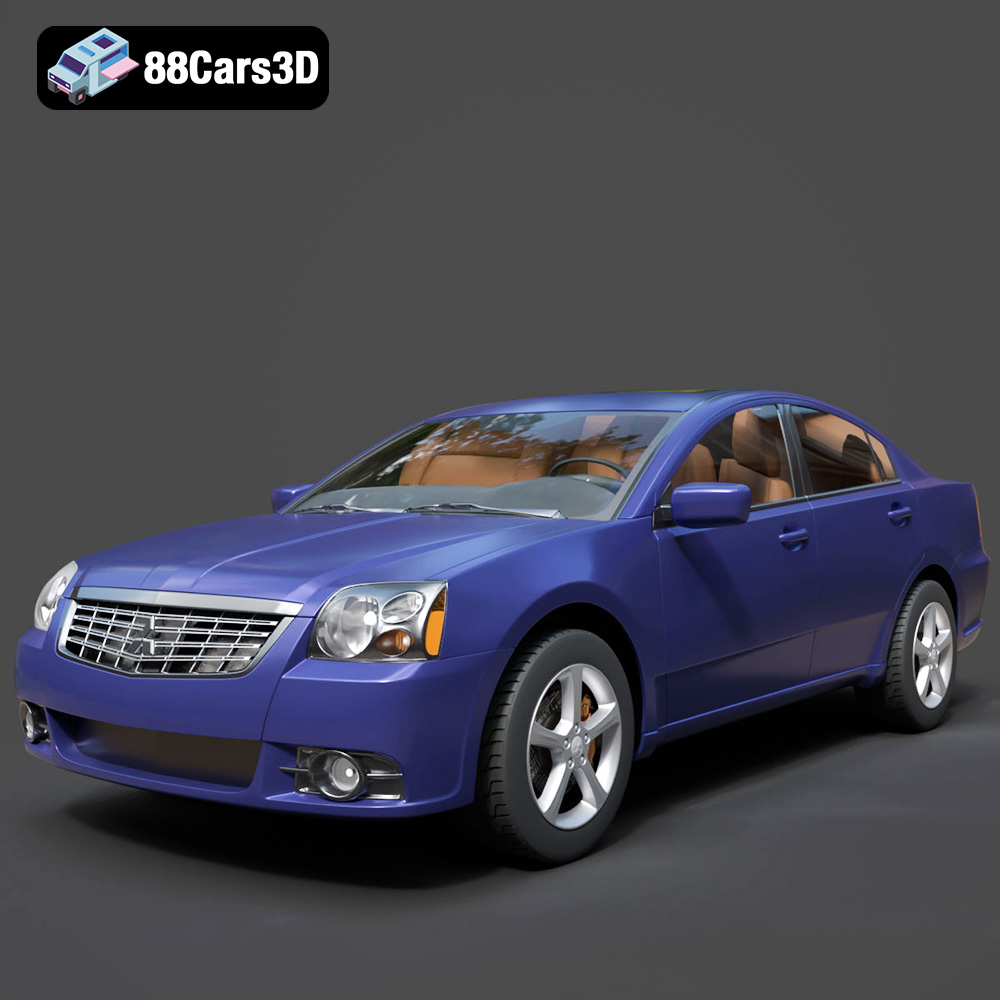
Texture: Yes
Material: Yes
Download the Mitsubishi Galant 2009 3D Model featuring clean geometry, realistic detailing, and a fully modeled interior. Includes .blend, .fbx, .obj, .glb, .stl, .ply, .unreal, and .max formats for rendering, simulation, and game development.
Price: $4.99
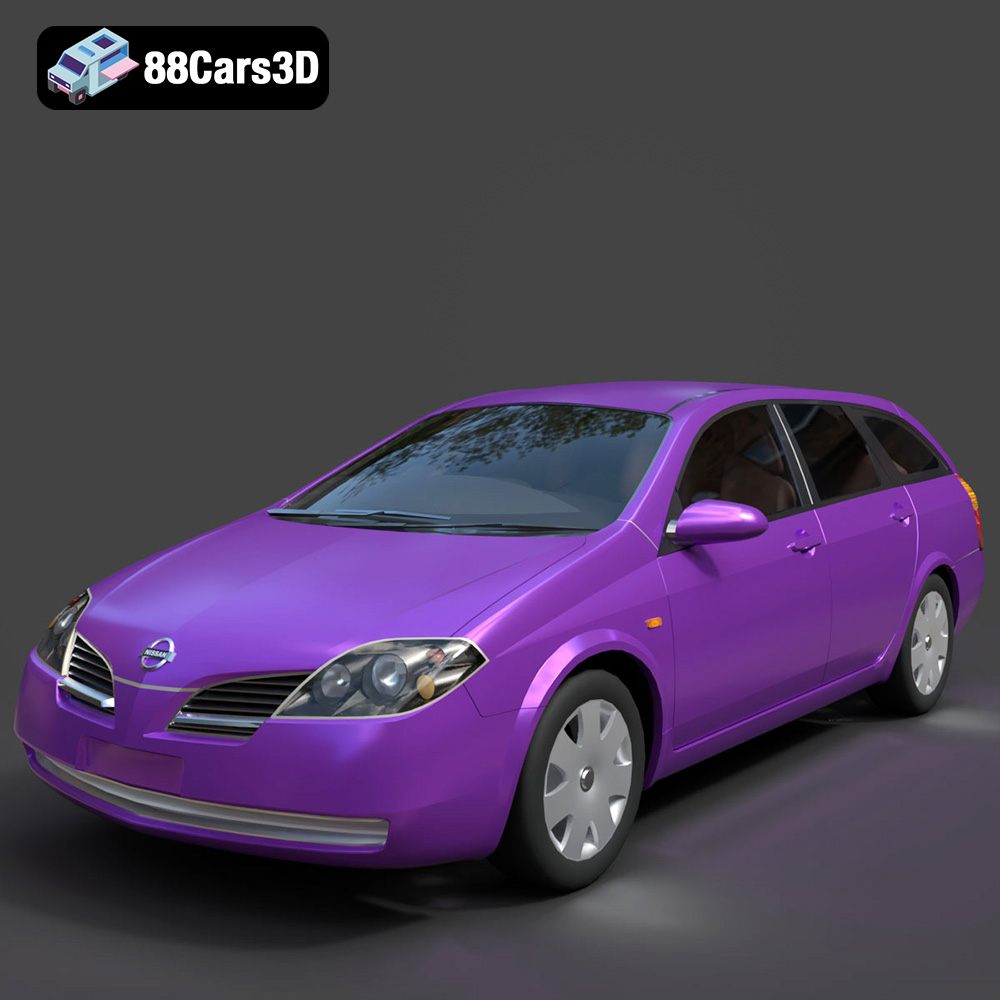
Texture: Yes
Material: Yes
Download the Nissan Primera Wagon 3D Model featuring clean geometry, realistic detailing, and a fully modeled interior. Includes .blend, .fbx, .obj, .glb, .stl, .ply, .unreal, and .max formats for rendering, simulation, and game development.
Price: $4.99
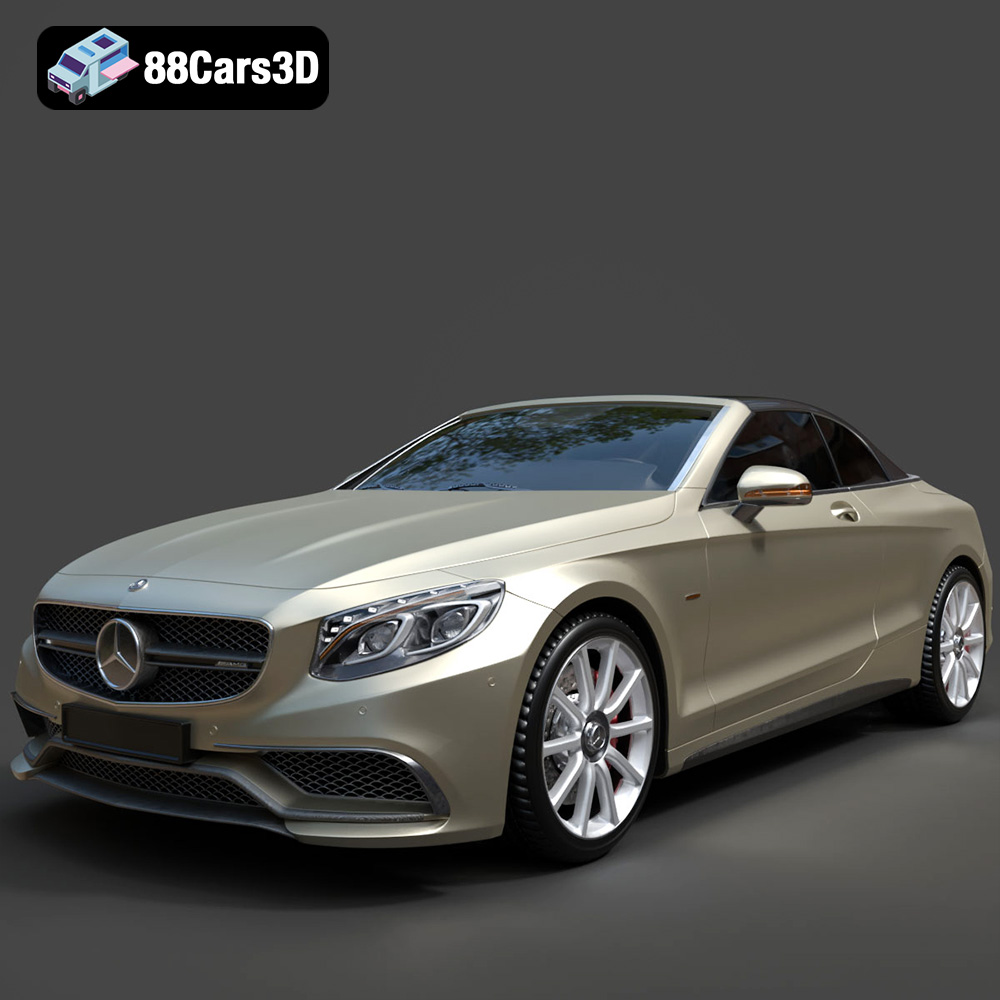
Texture: Yes
Material: Yes
Download the Mercedes-Benz S63 AMG Cabriolet 2017 3D Model featuring clean geometry, realistic detailing, and a fully modeled interior. Includes .blend, .fbx, .obj, .glb, .stl, .ply, .unreal, and .max formats for rendering, simulation, and game development.
Price: $20.99
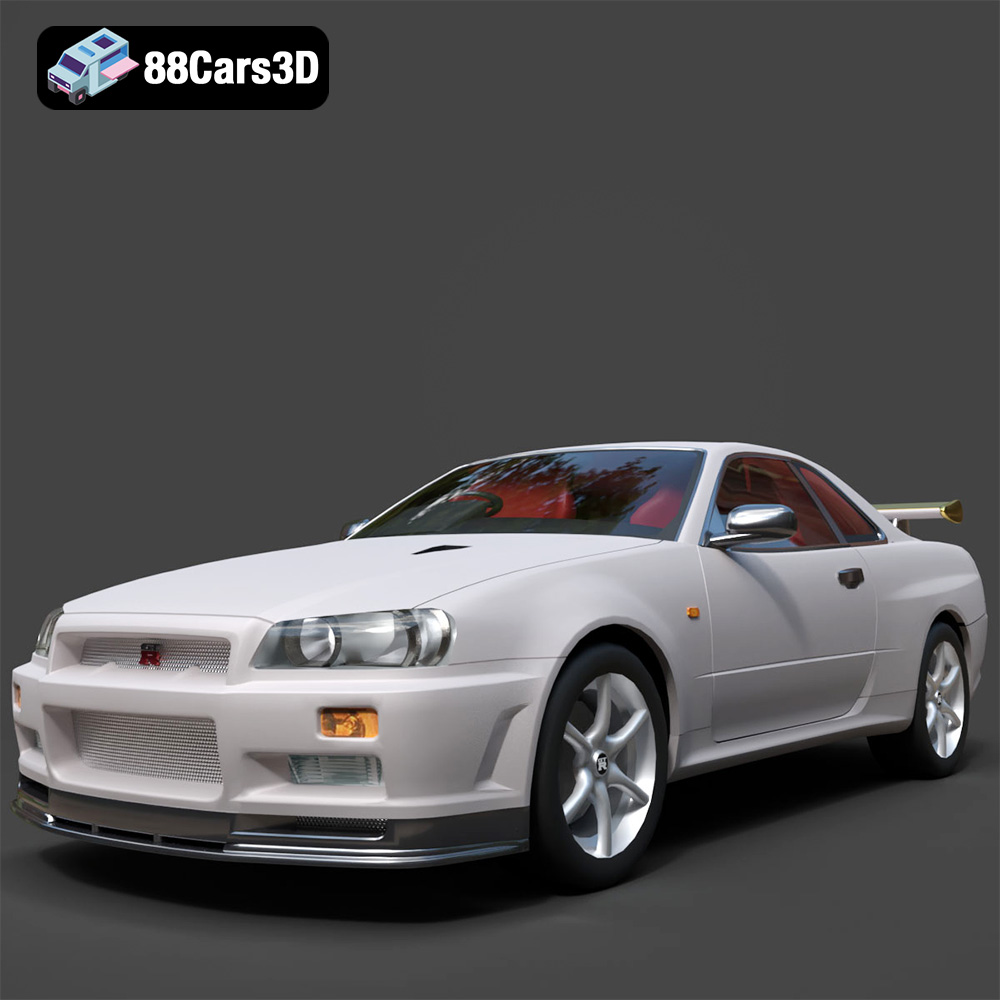
Texture: Yes
Material: Yes
Download the Nissan Skyline R34 2002 3D Model featuring clean geometry, realistic detailing, and a fully modeled interior. Includes .blend, .fbx, .obj, .glb, .stl, .ply, .unreal, and .max formats for rendering, simulation, and game development.
Price: $4.99
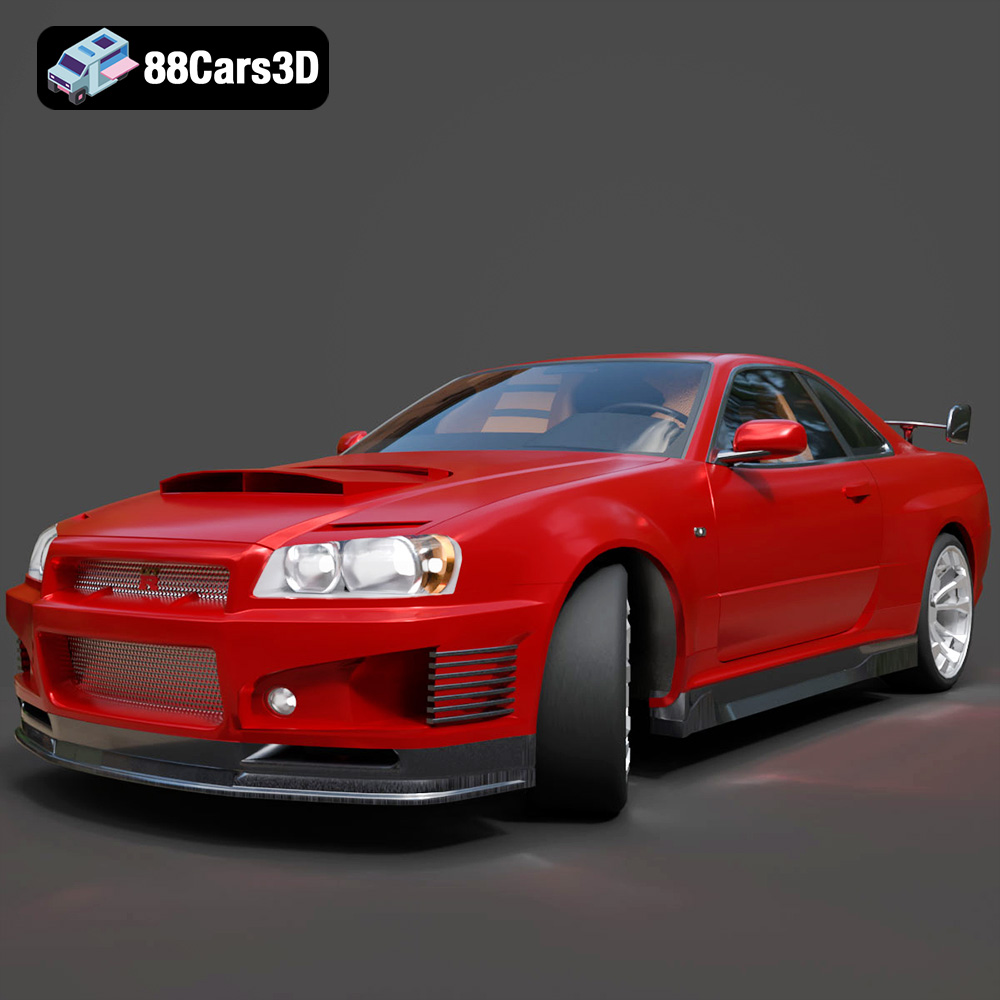
Texture: Yes
Material: Yes
Download the Nissan Skyline 3D Model featuring clean geometry, realistic detailing, and a fully modeled interior. Includes .blend, .fbx, .obj, .glb, .stl, .ply, .unreal, and .max formats for rendering, simulation, and game development.
Price: $9.99
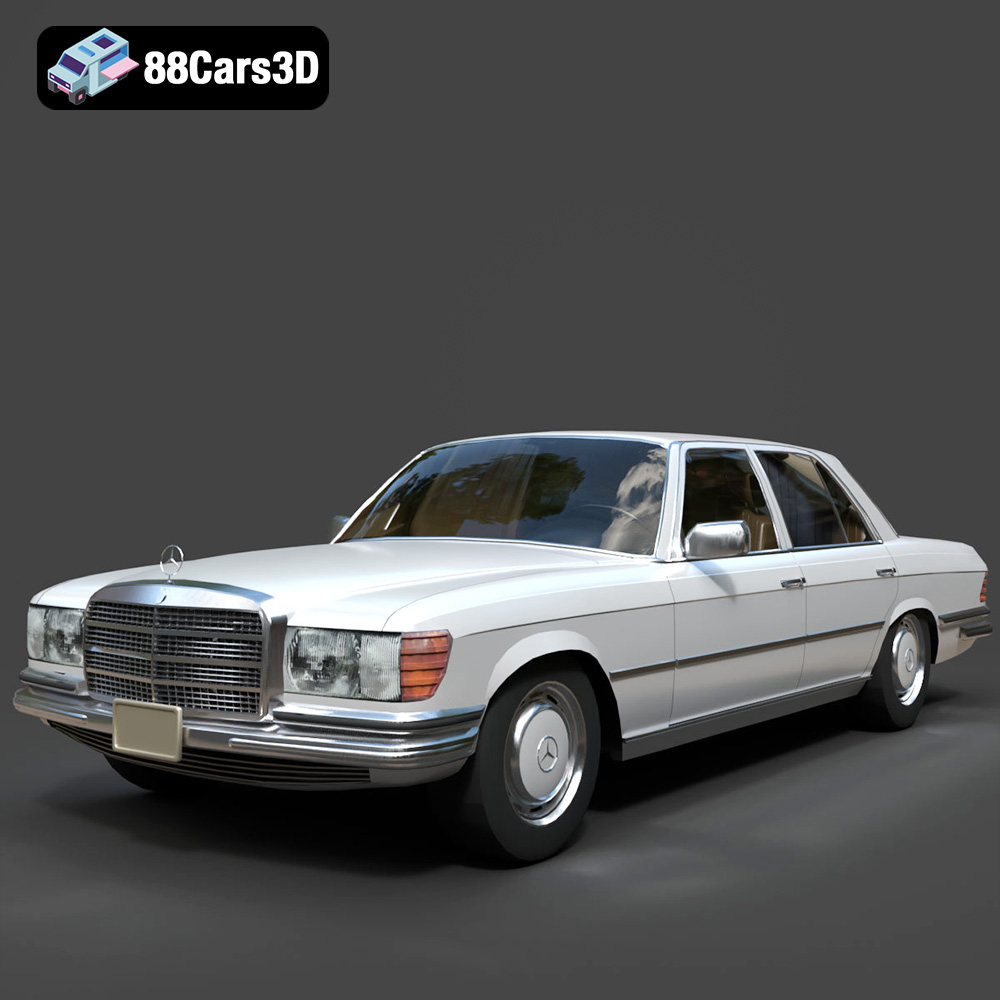
Texture: Yes
Material: Yes
Download the Mercedes-Benz S-Klasse W116 3D Model featuring clean geometry, realistic detailing, and a fully modeled interior. Includes .blend, .fbx, .obj, .glb, .stl, .ply, .unreal, and .max formats for rendering, simulation, and game development.
Price: $4.99
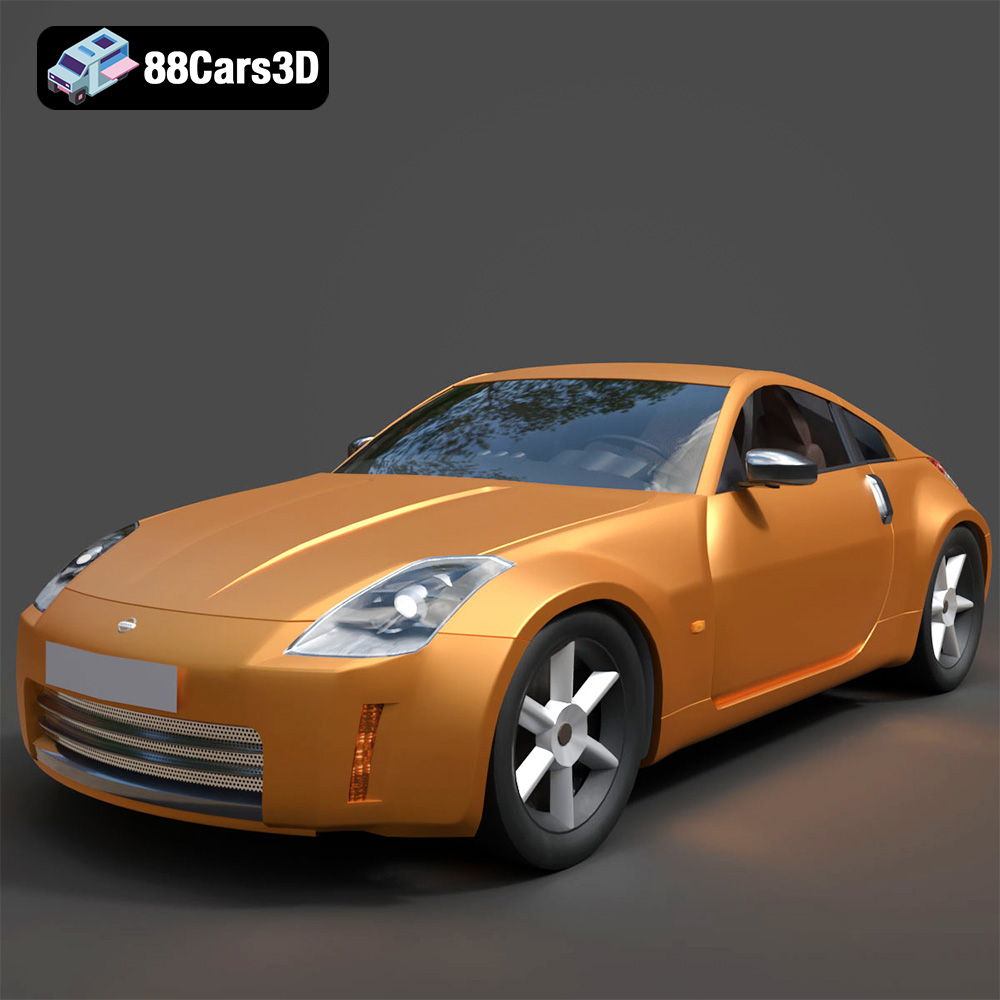
Texture: Yes
Material: Yes
Download the Nissan 350Z 3D Model featuring clean geometry, realistic detailing, and a fully modeled interior. Includes .blend, .fbx, .obj, .glb, .stl, .ply, .unreal, and .max formats for rendering, simulation, and game development.
Price: $4.99

Texture: Yes
Material: Yes
Download the Nissan Skyline V35 2001 3D Model featuring clean geometry, realistic detailing, and a fully modeled interior. Includes .blend, .fbx, .obj, .glb, .stl, .ply, .unreal, and .max formats for rendering, simulation, and game development.
Price: $4.99

Texture: Yes
Material: Yes
Download the Mercedes-Benz S-Klasse 221-007 3D Model featuring clean geometry, realistic detailing, and a fully modeled interior. Includes .blend, .fbx, .obj, .glb, .stl, .ply, .unreal, and .max formats for rendering, simulation, and game development.
Price: $4.99
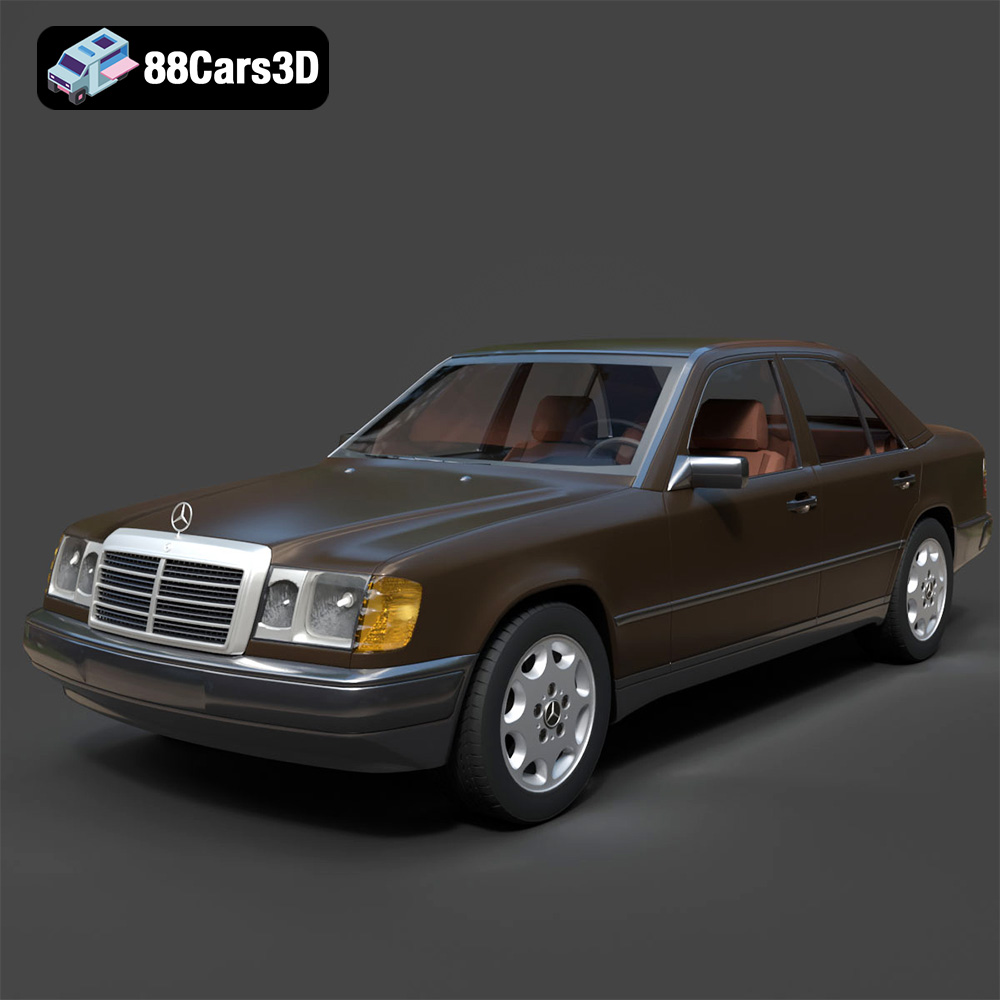
Texture: Yes
Material: Yes
Download the Mercedes W124 Sedan 3D Model featuring clean geometry, realistic detailing, and a fully modeled interior. Includes .blend, .fbx, .obj, .glb, .stl, .ply, .unreal, and .max formats for rendering, simulation, and game development.
Price: $4.99

