Get 20% OFF All Premium 3D & STL Models!

The sleek lines of a concept car, the gritty realism of a racing simulator, or the immersive experience of an augmented reality showroom – behind every stunning automotive visualization lies a meticulously crafted 3D car model. Creating these digital masterpieces is a blend of artistic vision and profound technical expertise. It’s a journey from raw polygons to photo-realistic renders, optimized game assets, and even physically tangible 3D prints. For aspiring and seasoned 3D artists, game developers, automotive designers, and visualization professionals, understanding the intricate lifecycle of a high-quality 3D car model is paramount.
This comprehensive guide dives deep into the technical nuances that elevate a simple mesh into a professional-grade automotive asset. We’ll explore the critical aspects of 3D modeling topology, the art of UV mapping, the science of PBR materials, advanced automotive rendering techniques, and crucial optimization strategies for interactive platforms like game engines and AR/VR experiences. We’ll also touch upon niche applications like 3D printing, ensuring your digital vehicles are ready for any challenge. By the end of this post, you’ll possess a robust understanding of the best practices and workflows that define excellence in the world of 3D car models, empowering you to create, modify, and utilize these complex assets effectively in your projects.
At the heart of every great 3D car model lies impeccable topology. This isn’t just about aesthetics; it dictates how the model will deform, how subdivision surfaces will smooth, and ultimately, how easy it is to work with. For automotive models, which are characterized by complex curves, sharp creases, and precise panel gaps, clean and purposeful edge flow is non-negotiable. Bad topology can lead to pinching, unsightly artifacts during smoothing, and headaches down the line when it comes to UV mapping or animation. The goal is to build a mesh that is both efficient and robust, capable of holding intricate details while maintaining a manageable polygon count.
Professional modelers meticulously plan their geometry, ensuring that every edge and vertex serves a purpose. This involves careful study of reference images, understanding the underlying structure of a vehicle, and anticipating how different surfaces will meet and interact. The initial blocking out phase, often done with simple primitives, is crucial for establishing scale and primary forms. As detail is added, the focus shifts to maintaining clean quads (four-sided polygons) and avoiding triangles and N-gons (polygons with more than four sides) wherever possible, as these can introduce rendering issues and unpredictable deformation. This rigorous approach is what separates a truly high-quality 3D car model from an amateur one.
The smooth, reflective surfaces of a car demand precise control over mesh density and edge flow. Every curve, highlight, and shadow is directly influenced by the underlying geometry. The golden rule is to use quads almost exclusively, as they subdivide predictably and smoothly. When creating complex curves, such as fender flares or door contours, edge loops should follow the natural direction of these curves, guiding the flow of reflections and ensuring a flawless finish. Avoiding poles (vertices with more or less than 5 edges connected) on flat or gently curving surfaces is vital, as they can cause pinching and distortion, especially with subdivision surface modifiers like TurboSmooth in 3ds Max or Subdivision Surface in Blender.
For hard creases, such as those found around windows, panel lines, or wheel arches, specific edge flow techniques are employed. Often, multiple parallel edge loops are used to define a sharp edge without creating an excessive number of polygons across the entire surface. These “holding edges” or “support loops” allow for crisp details even after subdivision, ensuring that the model retains its intended form. Understanding where and how to terminate edge loops without disrupting the overall flow, often by converging them into areas of lower detail or along natural seams, is a skill honed through practice and keen observation.
Subdivision surface modeling is the industry standard for creating smooth, organic, and highly detailed 3D car models. Software like 3ds Max, Blender, Maya, and Cinema 4D all offer robust subdivision tools. The workflow typically involves modeling a low-polygon “cage” mesh with clean topology, and then applying a subdivision modifier (e.g., TurboSmooth, OpenSubdiv) to generate a high-resolution, smooth surface. This approach provides flexibility: artists can easily revert to the low-poly base for edits and control the final polygon count by adjusting the subdivision levels for different applications.
Managing poly-count is critical, especially when targeting real-time applications like games or AR/VR. A high-detail render model might have millions of polygons, while a game-ready asset needs to be significantly optimized. For high-fidelity cinematic renders, models can safely exceed 500,000 to several million polygons. However, for real-time game assets, a typical target for a hero vehicle might range from 50,000 to 150,000 triangles, including interiors. The strategy involves using lower subdivision levels for distant objects and higher levels for close-up shots or hero assets, often combined with baking normal maps from high-poly details onto a low-poly mesh to simulate complex geometry without the actual poly-count increase. This balance between visual fidelity and performance is a constant challenge in 3D car model development.
Once the geometry is perfect, the next step is to give it a surface. This involves two critical processes: UV mapping and PBR material creation. UV mapping is the art of flattening the 3D surface of a model into a 2D space, allowing textures to be painted or applied without distortion. PBR (Physically Based Rendering) materials, on the other hand, define how light interacts with that surface, simulating real-world physics to achieve unparalleled realism. Together, they transform a grey mesh into a visually convincing digital representation, reflecting light and shadow just like its real-world counterpart.
The complexity of automotive surfaces, with their intricate curves, panel gaps, and a multitude of distinct parts (body, windows, tires, lights, interior), makes UV mapping and PBR material assignment a detailed and time-consuming process. Each component needs careful consideration to ensure texture fidelity, efficient use of texture space, and consistent material properties. Mastering these stages is essential for creating 3D car models that truly stand out in any rendering or interactive environment.
Effective UV unwrapping is crucial for applying textures accurately and efficiently. For complex automotive geometry, automatic unwrappers often fall short, leading to stretched textures or wasted UV space. Professional artists employ manual or semi-manual techniques to create clean, organized UV layouts. The process typically involves marking seams along natural breaks in the geometry (e.g., panel lines, hidden edges) to minimize visual distortion. Tools like 3ds Max’s Unwrap UVW modifier, Blender’s UV Editor, or Maya’s UV Toolkit provide robust controls for this.
Key strategies include maintaining uniform texel density across all parts of the model, ensuring that textures appear consistent in resolution regardless of the object’s size or position. This often requires scaling different UV islands appropriately. Overlapping UVs can be used for mirrored parts (like car sides) to save texture space, but care must be taken to avoid overlapping areas that need unique details (e.g., specific decals or damage). For crucial components like the car body, large, contiguous UV islands are preferred to minimize seams and facilitate high-resolution texture application. Organizing UV islands neatly within the 0-1 UV space, often in a square or rectangular layout, also improves texture artist workflow and optimizes packing efficiency.
PBR materials are the cornerstone of modern photo-realistic rendering. They accurately simulate how light reflects and scatters off surfaces, resulting in consistent and believable visuals across different lighting conditions. A typical PBR workflow involves several key texture maps:
Creating these maps can involve a combination of procedural textures, hand-painting in software like Substance Painter or Mari, and photographic references. Shader networks in render engines (like Corona’s Material Editor, V-Ray’s V-RayMtl, Blender’s Shader Editor, or Arnold’s Standard Surface) connect these maps to define complex material properties. For instance, car paint might involve multiple layers: a base metallic coat, a clear coat with specific roughness and IOR (Index of Refraction), and perhaps a flake layer for pearlescent effects. Understanding the physical properties of real-world materials and translating them into PBR parameters is an art in itself.
The resolution of your textures directly impacts visual fidelity and file size. For high-end automotive rendering, common texture resolutions include 4K (4096×4096 pixels) or even 8K (8192×8192 pixels) for critical components like the car body or detailed interiors. However, high resolutions consume significant memory, especially in real-time applications. For game assets or AR/VR, careful optimization is essential.
Texture atlasing is a common optimization technique where multiple smaller textures (e.g., for different car parts like wheels, grilles, badges) are packed into a single, larger texture atlas. This reduces the number of draw calls in game engines (which are expensive performance-wise) and can improve caching. When creating texture atlases, it’s crucial to leave adequate padding between UV islands to prevent bleeding and mipmap artifacts. Another technique is to use UDIMs (Universal Dimensions), particularly in VFX pipelines, which allow a single mesh to use multiple UV tiles, each with its own high-resolution texture set, without requiring a single giant texture atlas. This offers flexibility but can be more complex to manage. Platforms like 88cars3d.com often provide models with carefully optimized texture sets, balancing detail with performance.
With a perfectly modeled and textured 3D car model, the final step for visualization is rendering. This is where all the hard work comes together to produce stunning, photo-realistic images or animations. Automotive rendering is a highly specialized field, requiring a deep understanding of lighting, camera physics, and specific renderer settings to achieve believable results. Whether it’s showcasing a new vehicle design, creating marketing materials, or generating cinematic sequences, the rendering stage is critical for conveying realism and emotion.
Modern render engines offer incredible power and flexibility, but harnessing them effectively requires knowledge of their individual strengths and workflow paradigms. From setting up studio environments to crafting intricate light scenarios and applying post-processing effects, every decision influences the final image. The goal is not just to make the car look real, but to make it look appealing, highlighting its form, materials, and design intent.
Lighting is arguably the most important element in achieving photo-realism. For automotive rendering, two primary lighting approaches are common:
In addition to lights, setting up a proper environment (e.g., a simple studio backdrop, a detailed road scene) is essential for ground reflections, ambient occlusion, and overall visual context. Shadow catchers or infinite planes are often used to ground the car realistically without adding complex geometry.
Each major render engine has its unique strengths and workflows, though the core principles of PBR and global illumination remain consistent.
Regardless of the engine, understanding concepts like samples, noise thresholds, ray depth, and global illumination settings is key to optimizing render times without sacrificing quality.
Rendering is often just the beginning. Post-processing and compositing in software like Adobe Photoshop, After Effects, or Blackmagic Fusion are crucial steps to elevate raw renders into professional-grade imagery.
Effective post-processing can dramatically enhance the impact of an automotive render, making it pop and feel more integrated into its environment. It’s the final polish that turns a good render into an exceptional one, ready for marketing, presentations, or digital showcases.
While render-ready 3D car models boast immense detail, their high polygon counts and complex materials make them unsuitable for real-time applications like video games, augmented reality (AR), or virtual reality (VR) experiences without significant optimization. These interactive platforms demand efficiency: models must render smoothly at high frame rates on a variety of hardware, from powerful gaming PCs to mobile devices. The process of optimizing a high-fidelity asset into a game-ready or AR/VR-ready model involves a series of technical considerations aimed at reducing computational load without compromising visual quality too severely.
This optimization phase requires a deep understanding of how game engines process geometry, textures, and materials. It’s a delicate balancing act between visual fidelity and performance, where every polygon, texture call, and material property is scrutinized. Acquiring pre-optimized assets from platforms such as 88cars3d.com can significantly streamline this process, as they often provide models tailored for various real-time applications.
For game development, performance is king. A single 3D car model often requires multiple versions to ensure it runs efficiently at different distances from the camera.
These strategies ensure that even a scene with many cars can run smoothly.
AR/VR environments impose even stricter performance requirements than traditional games due to the need for high frame rates (e.g., 90 FPS per eye for comfortable VR) and often limited mobile hardware.
The focus in AR/VR is on creating a smooth, immersive experience, which often means sacrificing some visual fidelity for consistent performance and responsiveness.
The digital ecosystem for 3D assets is diverse, with various file formats serving different purposes. Understanding these formats and their compatibility is crucial for efficient workflows.
Choosing the right format depends on the destination platform and specific requirements. Many professional 3D car models, especially those from reputable marketplaces like 88cars3d.com, are provided in multiple formats to ensure maximum compatibility and ease of integration into diverse projects.
While stunning renders and interactive experiences are primary uses for 3D car models, their utility extends far beyond digital screens. The ability to translate these intricate digital assets into physical objects through 3D printing opens up a world of possibilities for prototyping, scale models, collectibles, and even functional parts. This transition, however, requires specific technical preparations to ensure the model is “watertight” and structurally sound for physical fabrication. Furthermore, high-quality 3D car models are central to various advanced industry applications, from virtual product development to training simulations, underscoring their immense value as versatile digital assets.
Converting a visualization-ready 3D car model into a 3D-printable one involves several critical steps to address the fundamental differences between digital display and physical fabrication.
Many 3D modeling software packages (Blender, 3ds Max, Maya) have tools to help identify and fix non-manifold geometry, but dedicated mesh repair software is often needed for complex models.
Even with careful modeling, preparing a complex automotive model for 3D printing often requires specialized mesh repair tools.
The iterative process of preparing, checking, and repairing a model ensures a successful and high-quality 3D print, transforming a digital concept into a tangible reality.
The applications of high-quality 3D car models are vast and constantly expanding across various industries:
These examples highlight the integral role that expertly crafted 3D car models play in innovation and communication across diverse sectors. They are not merely digital art but powerful tools driving the future of design, entertainment, and technology.
The journey of a 3D car model from concept to its myriad applications is a testament to the blend of artistic skill and technical mastery required in the field of 3D visualization. We’ve explored the foundational importance of clean topology and precise edge flow for automotive surfaces, ensuring models are not just visually appealing but also robust and versatile. We then delved into the crucial stages of UV mapping and crafting realistic PBR materials, understanding how these elements breathe life into sterile geometry and define how light interacts with the digital surface.
From the intricacies of automotive rendering with industry-leading engines like Corona, V-Ray, Cycles, and Arnold, to the vital optimization strategies for real-time interactive experiences in game engines and AR/VR, every step demands meticulous attention. Finally, we touched upon the often-overlooked yet increasingly important realm of preparing 3D car models for 3D printing, bridging the gap between the digital and physical worlds. Mastering these technical workflows allows creators to produce truly exceptional assets, ready for any challenge.
Whether you’re an independent artist, a game studio, or an automotive design firm, the demand for high-quality, technically sound 3D car models is constant. Investing in well-crafted assets ensures your projects achieve the visual fidelity and performance they deserve. For those seeking premium, production-ready 3D car models with clean topology, realistic materials, and multiple file formats, platforms like 88cars3d.com offer a curated selection built to meet the rigorous demands of professional workflows. Continue to hone your skills, experiment with new techniques, and let your digital automotive creations inspire and impress in every dimension.
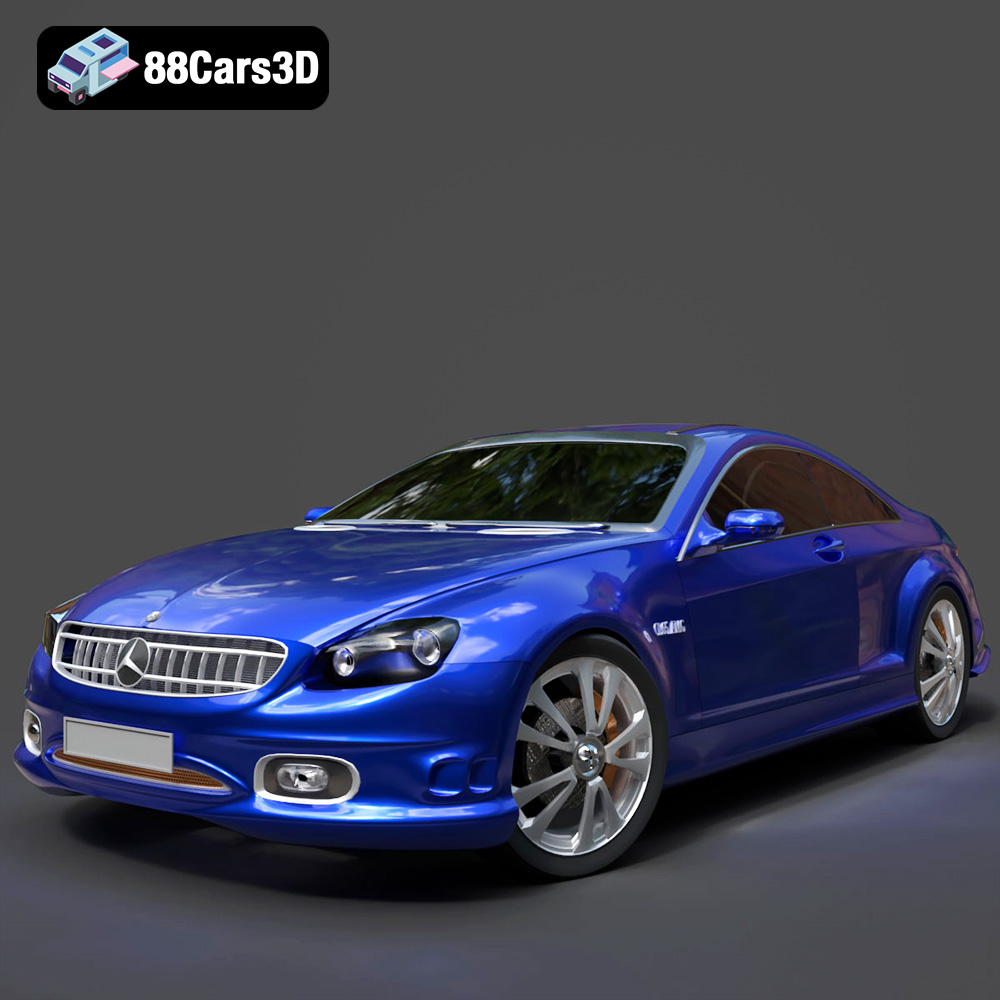
Texture: Yes
Material: Yes
Download the Mercedes-Benz CL6540-005 3D Model featuring clean geometry, realistic detailing, and a fully modeled interior. Includes .blend, .fbx, .obj, .glb, .stl, .ply, .unreal, and .max formats for rendering, simulation, and game development.
Price: $4.99
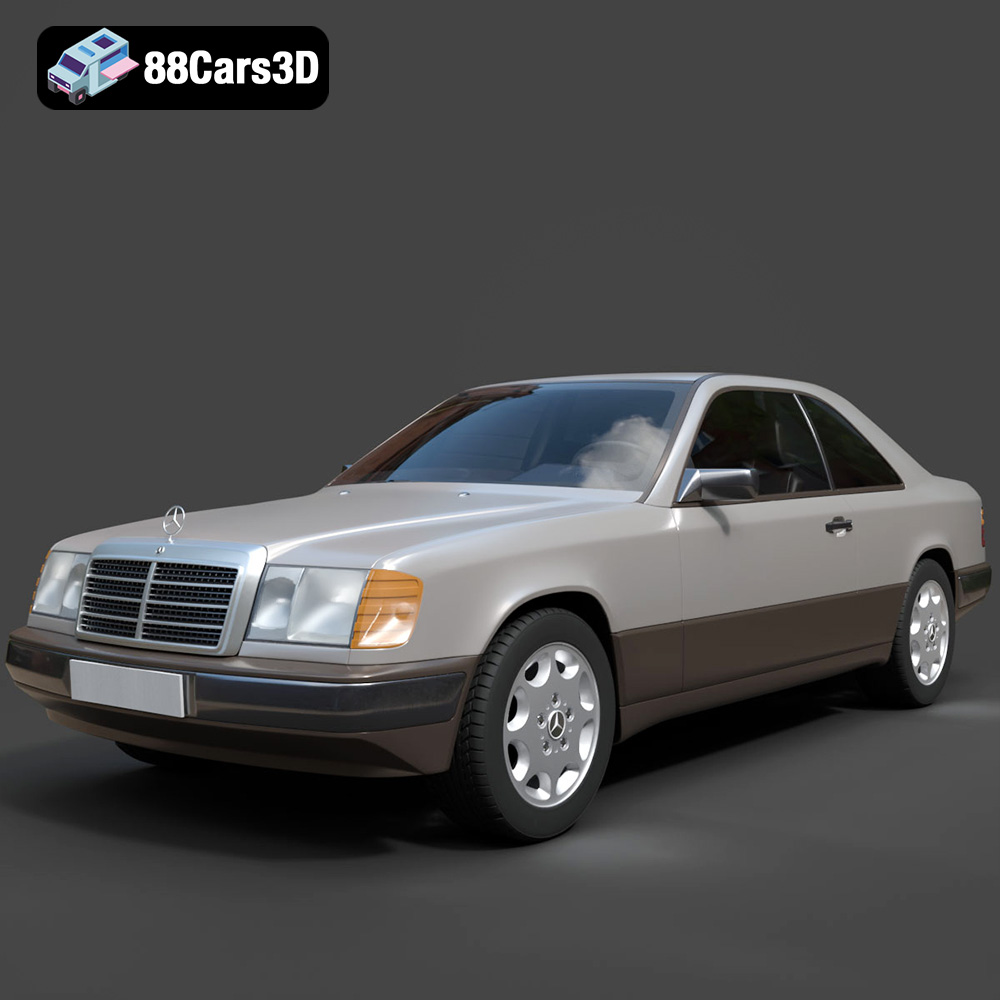
Texture: Yes
Material: Yes
Download the Mercedes E-Class w124 Coupe 3D Model featuring clean geometry, realistic detailing, and a fully modeled interior. Includes .blend, .fbx, .obj, .glb, .stl, .ply, .unreal, and .max formats for rendering, simulation, and game development.
Price: $4.99
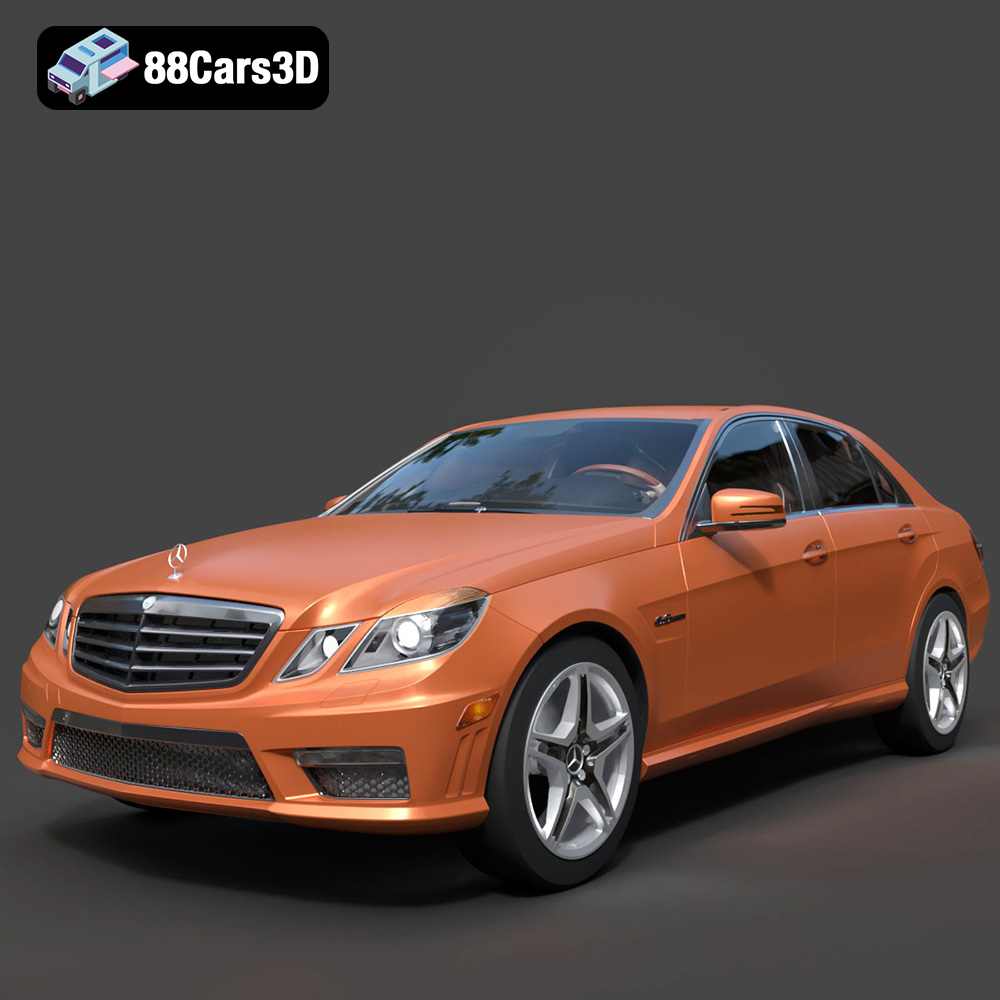
Texture: Yes
Material: Yes
Download the Mercedes-Benz E-Klasse 63 AMG 3D Model featuring clean geometry, realistic detailing, and a fully modeled interior. Includes .blend, .fbx, .obj, .glb, .stl, .ply, .unreal, and .max formats for rendering, simulation, and game development.
Price: $4.99
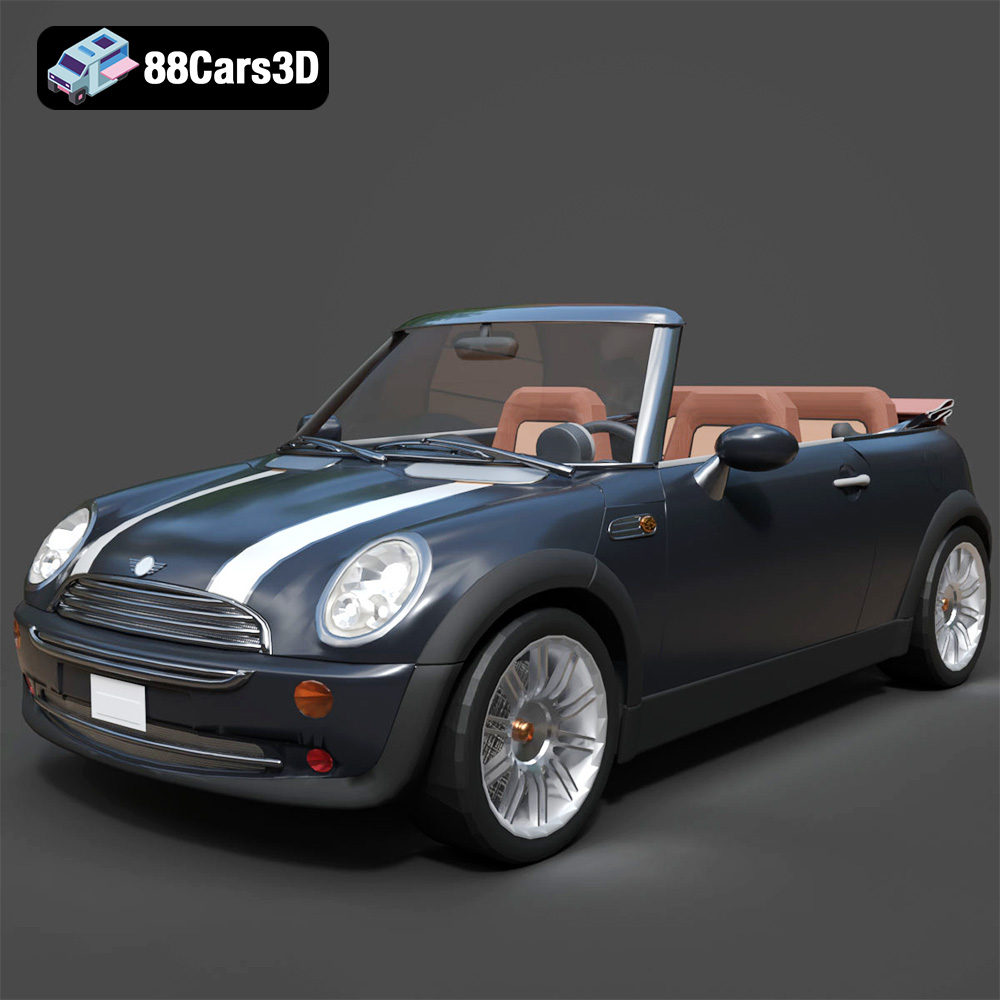
Texture: Yes
Material: Yes
Download the Mini Cabrio 2025 3D Model featuring clean geometry, realistic detailing, and a fully modeled interior. Includes .blend, .fbx, .obj, .glb, .stl, .ply, .unreal, and .max formats for rendering, simulation, and game development.
Price: $4.99
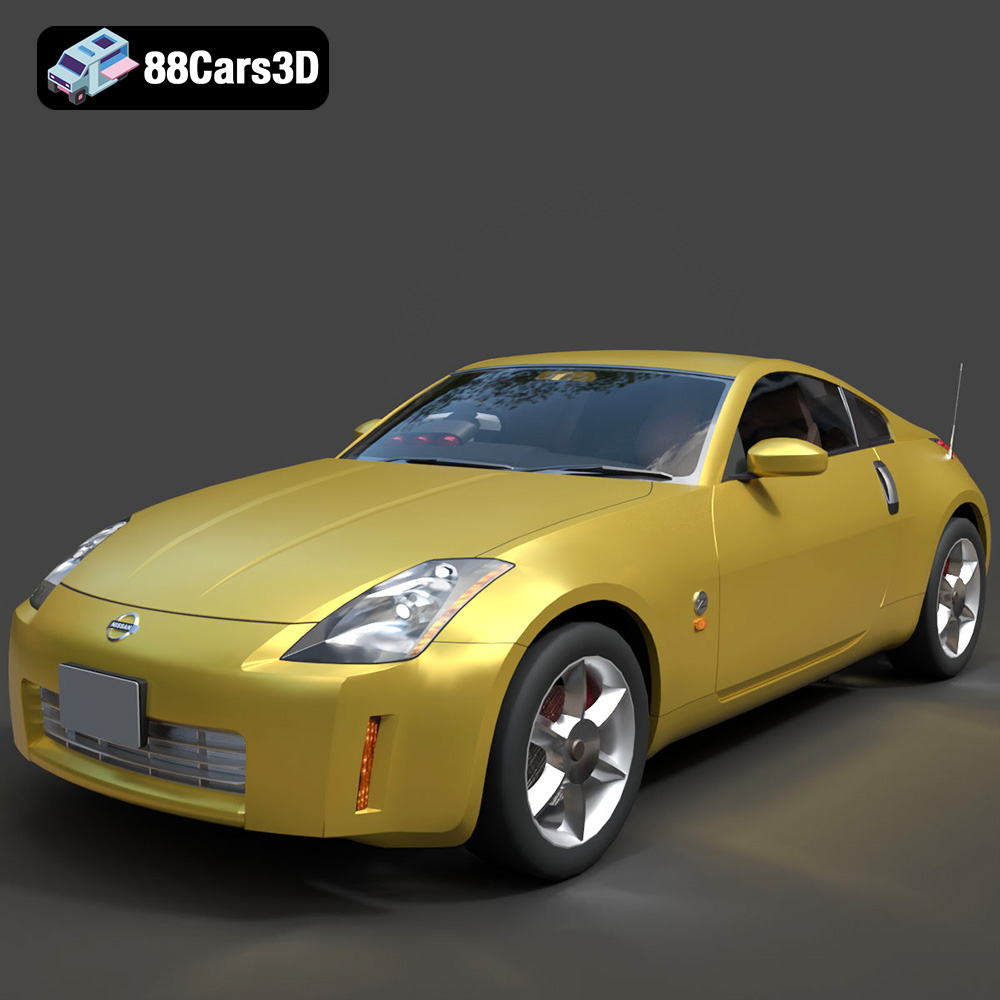
Texture: Yes
Material: Yes
Download the Nissan 350Z 3D Model featuring clean geometry, realistic detailing, and a fully modeled interior. Includes .blend, .fbx, .obj, .glb, .stl, .ply, .unreal, and .max formats for rendering, simulation, and game development.
Price: $4.99
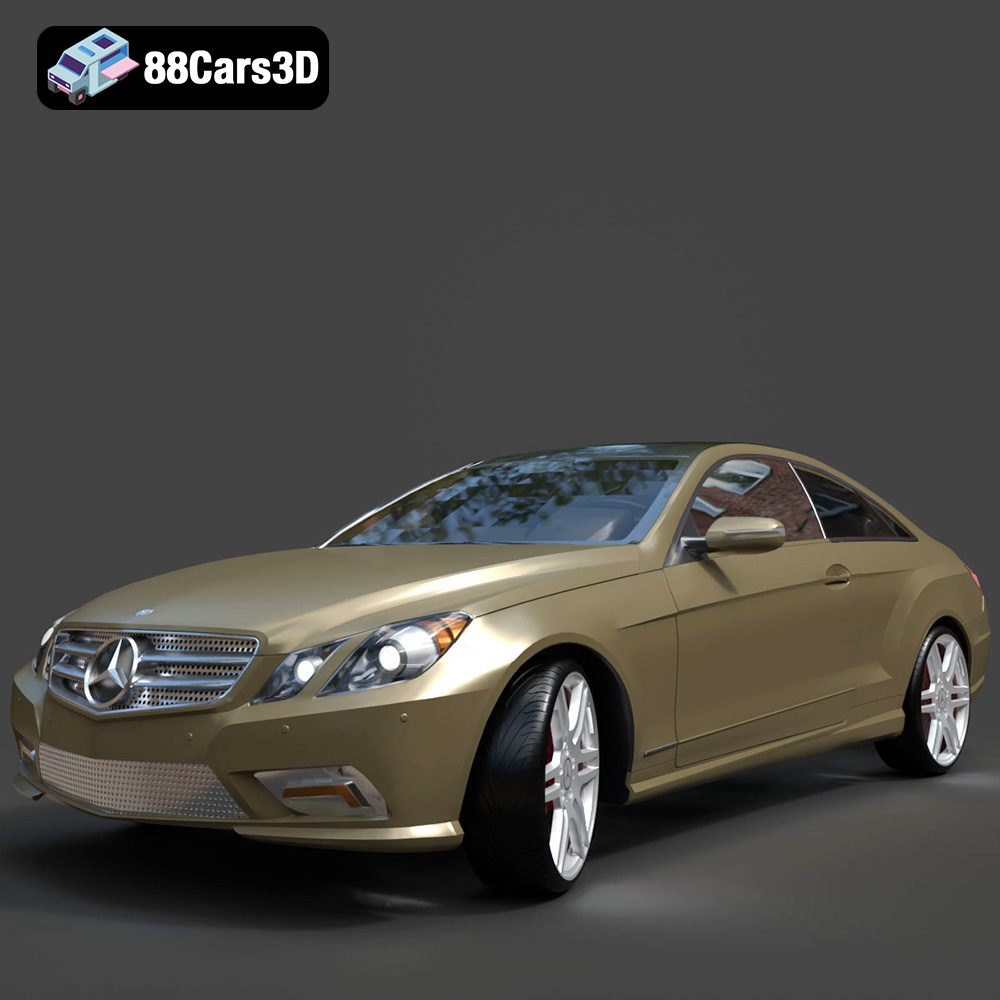
Texture: Yes
Material: Yes
Download the Mercedes-Benz E-Klasse Coupe 3D Model featuring clean geometry, realistic detailing, and a fully modeled interior. Includes .blend, .fbx, .obj, .glb, .stl, .ply, .unreal, and .max formats for rendering, simulation, and game development.
Price: $4.99
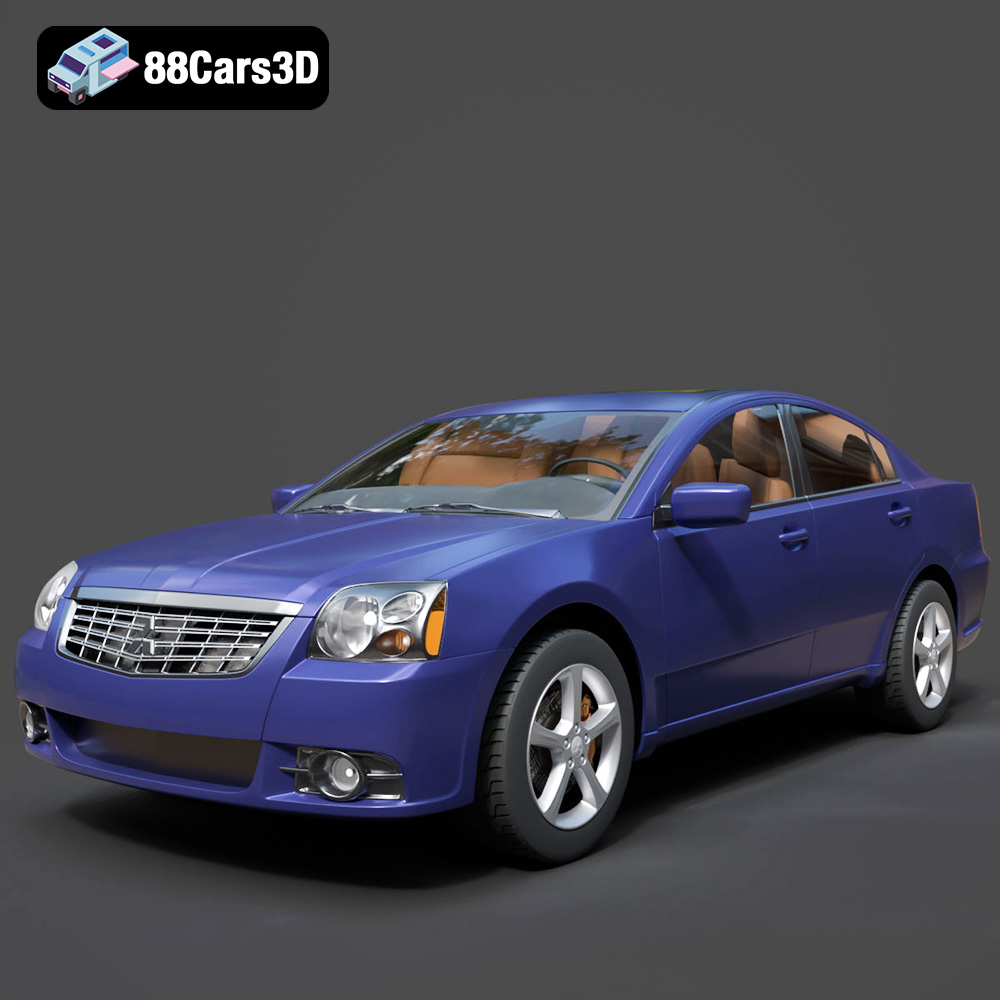
Texture: Yes
Material: Yes
Download the Mitsubishi Galant 2009 3D Model featuring clean geometry, realistic detailing, and a fully modeled interior. Includes .blend, .fbx, .obj, .glb, .stl, .ply, .unreal, and .max formats for rendering, simulation, and game development.
Price: $4.99
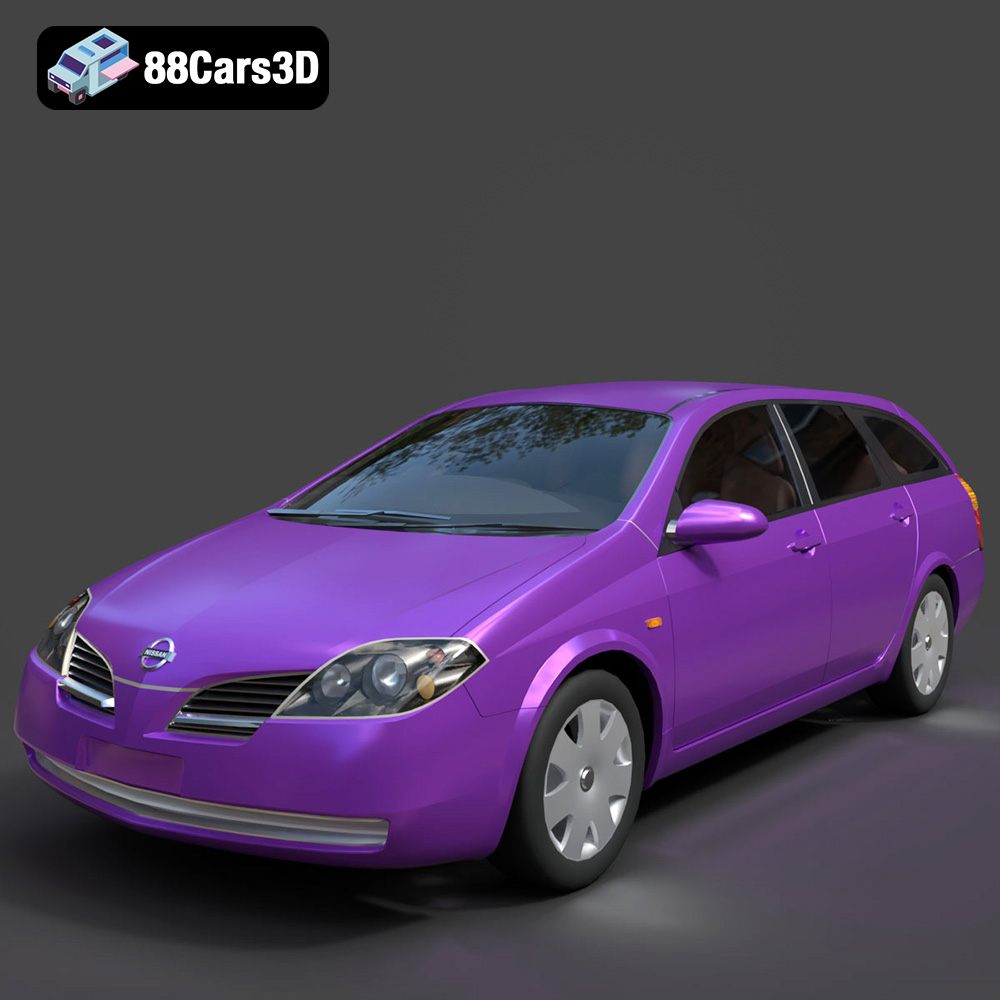
Texture: Yes
Material: Yes
Download the Nissan Primera Wagon 3D Model featuring clean geometry, realistic detailing, and a fully modeled interior. Includes .blend, .fbx, .obj, .glb, .stl, .ply, .unreal, and .max formats for rendering, simulation, and game development.
Price: $4.99
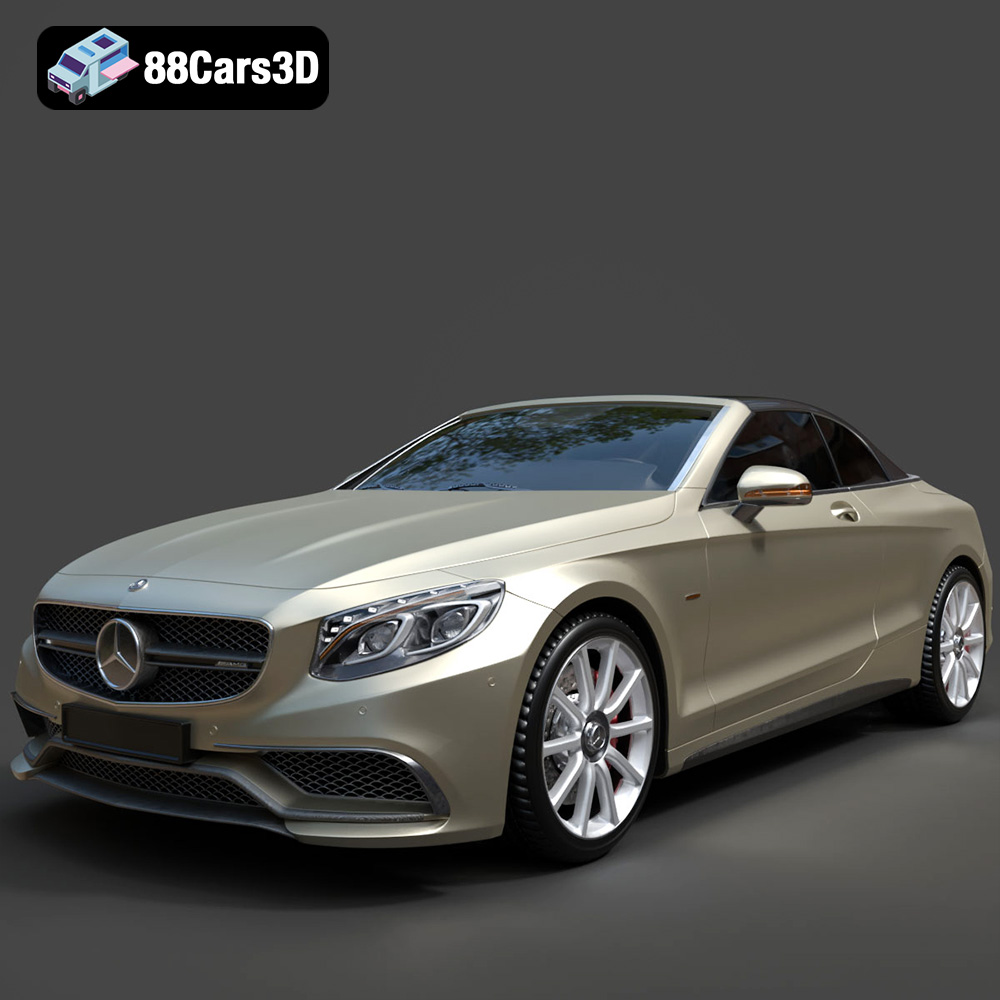
Texture: Yes
Material: Yes
Download the Mercedes-Benz S63 AMG Cabriolet 2017 3D Model featuring clean geometry, realistic detailing, and a fully modeled interior. Includes .blend, .fbx, .obj, .glb, .stl, .ply, .unreal, and .max formats for rendering, simulation, and game development.
Price: $20.99
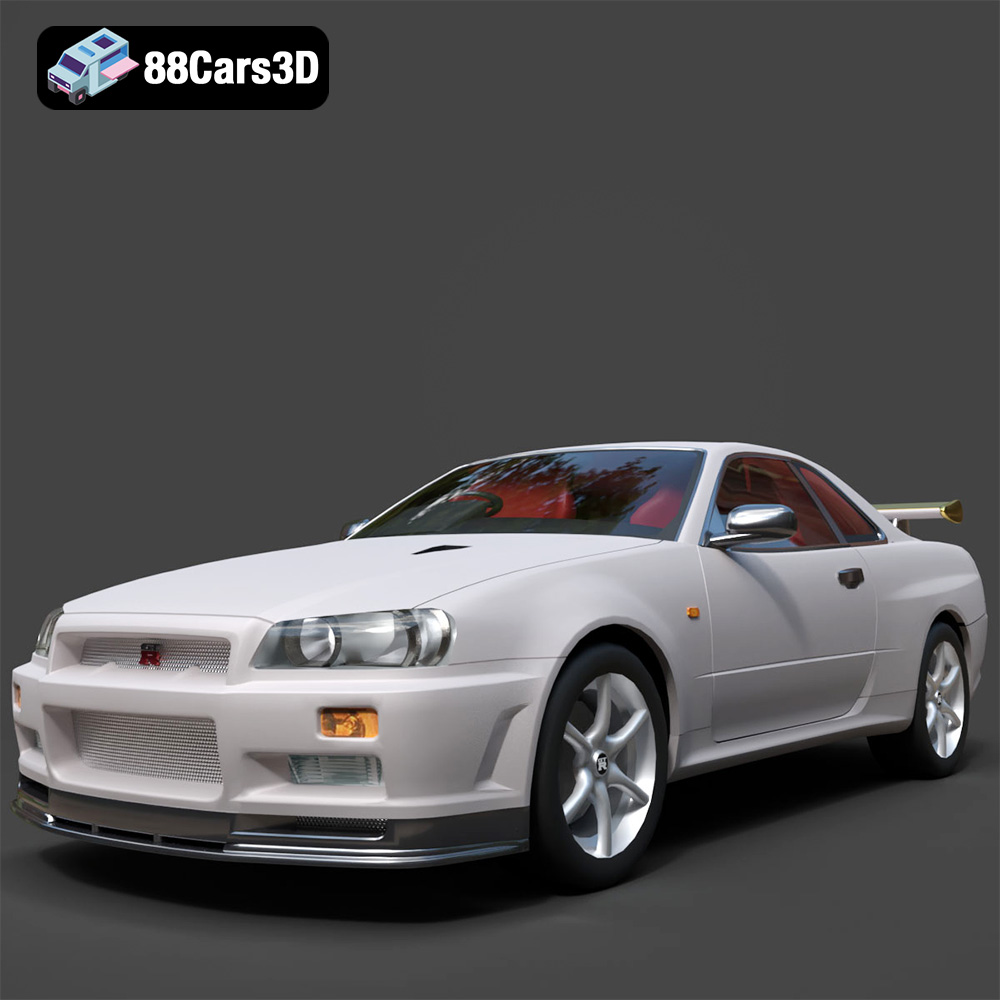
Texture: Yes
Material: Yes
Download the Nissan Skyline R34 2002 3D Model featuring clean geometry, realistic detailing, and a fully modeled interior. Includes .blend, .fbx, .obj, .glb, .stl, .ply, .unreal, and .max formats for rendering, simulation, and game development.
Price: $4.99

