The world of 3D automotive design is a fascinating intersection of artistry and engineering, where digital models transcend mere aesthetics to become powerful tools for visualization, simulation, and interactive experiences. From hyper-realistic renders that grace advertising campaigns to meticulously optimized game assets driving the latest virtual worlds, the demand for high-quality 3D car models has never been greater. Mastering this domain requires a deep understanding of various technical disciplines, each playing a crucial role in transforming a concept into a production-ready digital asset.
This comprehensive guide delves into the intricate processes behind creating, optimizing, and deploying exceptional 3D car models. We’ll explore the foundational principles of clean topology, sophisticated UV mapping, and physically accurate material creation. Beyond the model itself, we’ll journey through advanced automotive rendering techniques, essential game assets optimization strategies, and the unique considerations for emerging technologies like AR/VR and 3D printing. Whether you’re an aspiring 3D artist, a game developer, or an automotive designer, prepare to unlock the secrets to crafting breathtaking digital vehicles that meet the highest industry standards.
The Foundation: Flawless Automotive Topology and Modeling
At the heart of every outstanding 3D car model lies impeccable topology. This isn’t merely about creating a shape; it’s about structuring the mesh in a way that supports smooth deformations, clean surfacing, and efficient rendering. For complex hard-surface objects like cars, poor topology can lead to pinching, artifacts during subdivision, and headaches down the pipeline. Understanding and implementing correct edge flow is paramount for achieving the sleek, reflective surfaces characteristic of modern vehicles.
A typical high-fidelity 3D car model for rendering or cinematic use might range from 200,000 to over 2 million polygons, depending on the level of interior detail, engine components, and small exterior intricacies. For game engines, these figures are significantly lower, often targeting 50,000 to 150,000 polygons for a hero vehicle, managed with Levels of Detail (LODs) to further reduce complexity at a distance. The choice of modeling software, be it 3ds Max, Blender, or Maya, ultimately influences workflow, but the core principles of topology remain universal.
Achieving Production-Ready Mesh Topology
Production-ready automotive topology demands a rigorous approach focused on quads (four-sided polygons) and logical edge loops. Quads are crucial because they subdivide predictably, allowing artists to add detail smoothly without introducing undesirable triangulation artifacts. Edge loops, sequences of connected edges that run along the model’s surface, define critical areas such as creases, panel gaps, and curvature transitions. For instance, creating tight edge loops along the edges of a car door ensures a sharp, clean seam that holds its shape even when subdivided.
Key principles for automotive topology:
- All Quads: Strive for 99% quads. Tris (three-sided polygons) should be used sparingly and only in flat, non-deforming areas where they won’t cause issues during subdivision. Ngons (polygons with more than four sides) are generally forbidden as they lead to unpredictable shading and poor deformation.
- Controlled Density: Distribute polygons evenly across the surface. Areas of high curvature or intricate detail (e.g., vents, grilles, emblem recesses) will naturally require higher polygon density, while flatter panels can have sparser geometry.
- Edge Flow for Form: Ensure edge loops follow the natural contours and design lines of the car. This helps maintain the integrity of the surface and prevents pinching when smoothing. For sharp creases, add at least two or three parallel edge loops close together.
- Clean Panel Gaps: Model panel gaps (e.g., between doors, hood, trunk) as separate geometry where possible, with proper thickness. This adds realism and avoids the “paper-thin” look. If not modeled explicitly, ensure tight edge loops define the intended gap.
- Avoid Poles: Poles are vertices where more than five (or less than three) edges meet. While not always avoidable, minimize their presence, especially on large, reflective surfaces, as they can cause shading issues.
Essential Modeling Techniques for Hard Surfaces
Modeling automotive shapes often involves a combination of techniques, starting from basic primitives and evolving through precise manipulation. Box modeling is a common approach where artists begin with a simple cube or plane and progressively extrude, cut, and bevel to define the car’s major forms. This method is excellent for maintaining control over topology from the outset. Another powerful technique is spline modeling, particularly effective in 3ds Max or Maya, where artists create precise curves (splines) that define the vehicle’s profile and then generate surfaces from them (e.g., using Surface, Loft, or Bezier Patch modifiers). This method excels at achieving perfectly smooth, organic curves typical of car bodies.
Subdivision surface modeling (often called “SubD” or “MeshSmooth”) is indispensable for achieving the smooth, continuous surfaces of a car. By modeling a low-polygon “cage” with excellent topology, artists can then apply a subdivision modifier to automatically generate a high-resolution, smooth mesh. This iterative process allows for quick adjustments to the base mesh while previewing the final smooth form. For intricate details like grilles, headlights, or badges, boolean operations can be used carefully, followed by extensive clean-up to convert any resulting tris or ngons back to quads. CAD data, often provided in formats like STEP or IGES, can be an invaluable starting point, though it typically requires significant mesh clean-up and retopology to create animation-friendly, quad-based models suitable for rendering or games.
Crafting Realistic Surfaces: UV Mapping and PBR Materials
Once the 3D car model’s geometry is perfected, the next critical step is to give it realistic surfaces. This involves two core processes: UV mapping, which flattens the 3D surface into 2D space for texturing, and PBR materials (Physically Based Rendering), which simulate how light interacts with surfaces based on real-world physics. Both are essential for achieving the photorealistic appearance expected from modern automotive rendering.
A well-executed UV layout ensures that textures appear clean, without stretching or distortion, and allows for efficient texture packing. PBR materials, on the other hand, provide the visual fidelity, accurately representing everything from the metallic sheen of the paint to the subtle roughness of tire rubber. Using high-resolution texture maps, typically 4K (4096×4096) or even 8K (8192×8192) for critical surfaces like the car body, ensures sufficient detail for close-up renders.
Strategic UV Layout for Automotive Models
Effective UV mapping for automotive models requires careful planning of seams and consistent texel density. Seams should be placed in less visible areas (e.g., along natural panel breaks, underneath the car, or in hidden crevices) to minimize their visual impact. The goal is to create UV islands (unwrapped pieces of the mesh) that are as large and contiguous as possible to reduce texture bleeding and simplify painting.
Key UV mapping strategies:
- Minimize Seams: While seams are necessary, try to make them follow natural breaks in the geometry.
- Consistent Texel Density: Ensure that all parts of the model have a similar texel density (pixels per unit of surface area). This prevents some parts from looking blurry while others are crisp. Tools like “Texel Density Checker” scripts or built-in functions in software like RizomUV or Blender can help.
- No Overlapping UVs: For unique textures, ensure UV islands do not overlap. This is crucial for baking ambient occlusion, normal maps, and other procedural textures accurately. For tiling textures (e.g., tire tread, carbon fiber patterns), overlapping UVs can be intentional.
- UDIM Workflow: For extremely detailed models, consider using a UDIM workflow. This allows multiple UV tiles (separate texture maps) for a single mesh, ideal for managing large texture sets (e.g., body, interior, wheels, engine each on their own UDIM set) without sacrificing resolution. Software like Mari, Substance Painter, and most major 3D packages support UDIMs.
- Optimize UV Space: Pack UV islands efficiently into the 0-1 UV space to maximize texture resolution and minimize wasted pixels. Automatic packing tools can be helpful but often require manual refinement.
Building PBR Material Networks for Realism
PBR materials are the backbone of modern automotive rendering. They operate on the principle of energy conservation and utilize specific texture maps to define how light interacts with a surface. The most common PBR workflow for metals and non-metals is the Metallic-Roughness workflow, requiring at least Base Color (Albedo), Metallic, Roughness, and Normal maps. Additional maps like Ambient Occlusion (AO), Height, or Opacity can further enhance realism.
Essential PBR texture maps and their functions:
- Base Color (Albedo): Defines the intrinsic color of the surface without any lighting information. For metals, this map is typically darker and less saturated as the color comes from the Metallic map.
- Metallic: A grayscale map (0 to 1) indicating whether a surface is metallic (white/1) or non-metallic (black/0). Grayscale values in between can represent hybrid materials or dirty metals.
- Roughness: A grayscale map defining the microscopic surface irregularities. Darker values (closer to 0) represent very smooth, shiny surfaces, while brighter values (closer to 1) indicate rough, diffuse surfaces.
- Normal Map: Stores surface normal information in RGB channels, simulating fine details (bumps, scratches, grooves) without adding actual geometry. This is crucial for optimizing game assets by baking high-poly detail onto low-poly meshes.
- Ambient Occlusion (AO): A grayscale map simulating contact shadows where surfaces are close together, adding depth and realism.
Car paint, being a complex layered material, often requires a custom PBR setup. A common approach involves layering a clear coat shader on top of a base metallic paint shader. The base layer has its own Metallic, Roughness, and Base Color (with flake/sparkle effects if desired), while the clear coat typically has low roughness and high transparency, mimicking the protective top layer of real car paint. Tools like Substance Painter and Quixel Mixer are invaluable for creating these complex layered materials and generating all necessary PBR texture maps efficiently.
Bringing Cars to Life: Advanced Rendering Workflows
With a perfectly modeled and textured 3D car model, the final step for stunning visuals is rendering. This process simulates light behavior and camera optics to generate a 2D image from the 3D scene. Advanced automotive rendering involves meticulous lighting setup, environment design, and expert use of render engine settings, culminating in refined post-processing to achieve a truly photorealistic result. The chosen render engine—be it Corona Renderer, V-Ray, Cycles, or Arnold—will dictate specific workflows and parameters, but the underlying principles of good lighting and composition remain constant.
Lighting and Environment Setup for Studio Shots
Effective lighting is the single most important factor in achieving realistic renders. For studio-style automotive rendering, High Dynamic Range Images (HDRIs) are often the foundation. An HDRI provides both background imagery and realistic global illumination (GI) by emitting light from its pixels. Using a studio-style HDRI with softboxes and diffusers baked into it can create beautiful, even lighting that accentuates the car’s curves and reflections. Supplementing the HDRI with targeted area lights, mesh lights, or spotlights allows for precise control over highlights, shadows, and mood.
Key lighting considerations:
- Three-Point Lighting: A classic setup involving a Key light (main source), Fill light (softens shadows), and Back light (separates subject from background). Adapt this for automotive needs by using large, soft light sources.
- Reflections are Key: Car surfaces are highly reflective. What’s in the environment directly impacts the appearance of the paint, chrome, and glass. Ensure your environment (even if unseen by the camera) contains interesting shapes and colors to reflect.
- Physical Camera Settings: Mimic real-world photography by using physical camera settings:
- F-Stop (Aperture): Controls depth of field (DoF). A lower f-stop creates more background blur.
- Shutter Speed: Affects motion blur for animated shots.
- ISO: Adjusts sensitivity, impacting brightness without changing light intensity.
- White Balance: Ensures accurate color temperature.
- Ground Plane and Backdrops: Use a seamless studio backdrop or a reflective ground plane to anchor the car in the scene and provide realistic reflections.
Mastering Render Engines: Corona, V-Ray, Cycles, Arnold
Each major render engine has its strengths and nuances. Understanding them is key to efficient and high-quality output.
- Corona Renderer (3ds Max, Cinema 4D): Known for its ease of use, physically accurate light simulation, and unbiased rendering approach. It features intuitive controls, a powerful interactive render mode, and an excellent denoiser (Intel Open Image Denoise or NVIDIA OptiX). Corona is favored for its simplicity in achieving photorealism quickly. Its material system is straightforward, making complex PBR car paint setups manageable.
- V-Ray (3ds Max, Maya, SketchUp, Rhino, Cinema 4D, Blender): A robust, industry-standard renderer offering both biased and unbiased rendering options. V-Ray provides extensive control over every aspect of lighting, materials, and sampling, making it highly versatile for complex productions. Its wide array of features, including various global illumination methods, powerful volumetrics, and extensive material editor, make it a powerhouse for detailed visualization. Its adaptive samplers are highly efficient.
- Cycles (Blender): Blender’s integrated, physically based, path-tracing renderer. Cycles is highly capable, supporting GPU rendering (CUDA, OptiX, Metal) and offering nodes-based materials for immense flexibility. Its strength lies in its tight integration with Blender’s workflow and its open-source nature. Its newer ‘Light Tree’ sampling feature greatly improves complex lighting scenarios.
- Arnold (Maya, 3ds Max, Houdini, Cinema 4D): Autodesk’s advanced Monte Carlo path tracing renderer, renowned for its ability to handle complex scenes and produce high-quality, production-ready renders. Arnold is particularly strong in character and VFX work but equally powerful for automotive rendering due to its robust physically based lighting and materials. Its standard surface shader is highly versatile for creating car paint, glass, and plastics.
Regardless of the engine, optimizing render settings involves balancing quality with render time. Common techniques include adjusting ray depth limits (especially for reflections and refractions), fine-tuning sampling rates, and utilizing denoisers for cleaner images with fewer samples. Rendering in passes (diffuse, reflection, refraction, specularity, normal, Z-depth) provides maximum flexibility for post-processing.
Post-Processing and Compositing for Impact
Rendering is rarely the final step. Post-processing, often done in software like Photoshop, Affinity Photo, or Nuke, is where the image truly comes alive. This stage involves adjustments that enhance realism, fix minor imperfections, and add stylistic flair.
Essential post-processing techniques:
- Color Grading: Adjusting hue, saturation, and luminance to establish the mood and visual style.
- Contrast Enhancement: Boosting whites and deepening blacks to make the image “pop.”
- Lens Effects: Adding subtle bloom (light bleed from bright areas), lens flares, or chromatic aberration to mimic real camera optics.
- Vignetting: Darkening the edges of the image to draw attention to the center.
- Sharpening: Enhancing edge detail, but use sparingly to avoid artifacts.
- Depth of Field (DoF): While often rendered in 3D, DoF can be refined or added in post-production using Z-depth passes for greater control.
- Atmospheric Effects: Adding subtle fog or haze for mood or to integrate the car into a background plate.
- Compositing Render Passes: Combining individual render passes (reflection, diffuse, specular, shadows) allows for precise control over each element without re-rendering the entire scene.
Optimizing 3D Cars for Interactive Experiences
The transition from a high-poly render model to a real-time game asset requires significant optimization. Game engines like Unity and Unreal Engine demand highly efficient 3D car models to maintain smooth frame rates across various hardware. This involves aggressive polygon reduction, smart texture management, and leveraging engine-specific features to minimize computational load. Similarly, AR/VR applications have even stricter performance budgets, requiring meticulous attention to detail at every optimization step.
Game Engine Performance: LODs, Draw Calls, and Atlasing
Optimizing game assets for real-time engines centers around reducing computational demands on the GPU and CPU. For 3D car models, this means achieving a balance between visual fidelity and performance.
- Levels of Detail (LODs): This is perhaps the most critical optimization technique. LODs are multiple versions of the same model, each with decreasing polygon counts. The game engine automatically swaps between these versions based on the camera’s distance from the object. A typical car might have 3-5 LODs:
- LOD0 (Hero): Full detail (50,000-150,000 tris). Used when the car is very close to the camera.
- LOD1: Moderate detail (20,000-50,000 tris). Used at mid-range distances.
- LOD2: Low detail (5,000-20,000 tris). Used when the car is further away.
- LOD3: Very low detail (1,000-5,000 tris). Used at long distances.
- LOD4 (Cull): Just a few hundred tris or even a billboard sprite. Used for cars far in the distance or for culling.
LODs are often generated by duplicating the high-poly model and using decimation tools (e.g., in Blender, Maya, or ZBrush) or engine-specific LOD generation tools (e.g., in Unreal Engine). Normal maps baked from the high-poly model are essential to retain surface detail on lower LODs.
- Minimizing Draw Calls: A draw call occurs every time the CPU instructs the GPU to render a batch of triangles. Each material and each separate mesh object typically constitutes a new draw call. To optimize:
- Combine Meshes: Merge parts of the car that share the same material into a single mesh where logical (e.g., all body panels, all interior parts).
- Texture Atlasing: Combine multiple smaller textures into one larger texture atlas. This means fewer materials and fewer texture swaps, significantly reducing draw calls. For example, all interior textures could be on one atlas, all exterior trim on another.
- Texture Optimization: Use appropriate texture resolutions (e.g., 2K for primary vehicle, 1K for secondary, 512 for small details). Employ texture compression (DXT, ETC, ASTC) and careful mipmap generation.
- Collision Meshes: Create simplified collision meshes (often convex hulls or simple box colliders) rather than using the render mesh for physics calculations, as complex collision geometry is computationally expensive.
AR/VR Readiness: Balancing Detail and Performance
AR/VR experiences place even greater demands on performance due to the need for high frame rates (e.g., 90 FPS for comfortable VR) and often limited mobile hardware. Optimizing 3D car models for AR/VR requires a more aggressive approach than traditional game development.
- Ultra-Low Polygon Budgets: Target even lower polygon counts. For mobile AR, a full car might need to be below 50,000 triangles, or even 15,000-20,000 for multiple vehicles in a scene. VR on high-end PCs allows for more, but optimization is still key.
- Baked Lighting: Wherever possible, use baked lighting (lightmaps or vertex colors) instead of real-time dynamic lights. Dynamic lights are expensive, especially with multiple light sources and complex shadow calculations.
- Simplified Shaders: Use very simple PBR shaders with minimal instructions. Avoid complex shader networks, parallax occlusion mapping, or excessive transparency/refraction. Look for single-pass shaders.
- Reduced Draw Calls: Even more critical than in games. Aim for the entire car to be rendered with as few draw calls as possible, ideally under 10-15. This often means extensive texture atlasing and mesh combining.
- Specific File Formats: AR/VR often leverages formats like GLB (gLTF Binary) for its efficiency and single-file nature for web AR/VR, and USDZ for Apple’s ARKit on iOS. These formats are optimized for real-time rendering.
- Occlusion Culling: Implement occlusion culling to prevent rendering objects that are hidden behind others.
Beyond Visualization: 3D Printing and File Format Versatility
The utility of 3D car models extends far beyond screen-based visualization and games. They serve as valuable assets for physical production through 3D printing and require careful preparation for compatibility across diverse software and platforms. Understanding the nuances of file formats and the specific requirements for physical manufacturing opens up a wealth of possibilities for automotive designers, engineers, and hobbyists alike.
When sourcing models for these varied applications, platforms like 88cars3d.com provide a curated selection of high-quality assets already prepared for multiple uses, saving significant time and effort in conversion and optimization.
Preparing Automotive Models for 3D Printing
3D printing has unique demands that differ significantly from rendering. A model that looks perfect on screen might be unprintable if it violates specific geometric rules. The goal for 3D printing is a “watertight” and “manifold” mesh, meaning it has no holes, self-intersecting geometry, or flipped normals, and defines a clear inside and outside volume.
Key steps for 3D printing preparation:
- Make it Watertight: Ensure there are no open edges or gaps in the mesh. Every edge must be connected to exactly two faces. This is crucial for the slicer software to correctly generate print paths.
- Manifold Geometry: No self-intersecting faces, duplicate vertices, or inverted normals. These can confuse the slicer. Tools like Blender’s “3D Print Toolbox” add-on, Meshmixer, or Netfabb are excellent for identifying and repairing these issues.
- Wall Thickness: Ensure all parts of the model have a minimum wall thickness suitable for the chosen 3D printing technology and material. Too thin, and parts will be fragile or fail to print; too thick, and it wastes material and time. Typical minimums range from 0.8mm to 2mm.
- Scale and Units: Print software works in real-world units. Ensure your 3D model is correctly scaled (e.g., 1 unit = 1mm or 1 unit = 1cm) to achieve the desired physical dimensions.
- Detail Consideration: Very fine details (like thin antenna or small mirrors) might be too fragile or too small for certain printers. Simplify or thicken these elements, or consider printing them separately and attaching them.
- Boolean Operations & Merging: Use boolean operations carefully to combine parts that need to be fused. Ensure the resulting mesh is clean. For multi-part prints, ensure tolerances for assembly are considered.
- Export Format: The most common file formats for 3D printing are STL (stereolithography) and OBJ. STL is a triangulated mesh format widely supported, while OBJ can also store color information (though less common for FDM/SLA). Newer formats like 3MF are gaining traction for their ability to store more data.
Navigating File Formats: FBX, OBJ, GLB, USDZ, and More
The diverse landscape of 3D car models applications means a variety of file formats, each suited for different purposes. Understanding their strengths and limitations is key to smooth workflows.
- FBX (Filmbox): An Autodesk proprietary format, but widely adopted across the industry. It’s excellent for exchanging complex scene data, including geometry, UVs, PBR materials, cameras, lights, and animation. FBX is a go-to for interoperability between 3ds Max, Maya, Blender, Unity, and Unreal Engine.
- OBJ (Wavefront Object): A universal and widely supported format, primarily for static geometry and UV coordinates. It’s a simple, human-readable text file. While it supports basic material definitions (MTL files), it doesn’t handle advanced PBR materials, animation, or scene hierarchy as robustly as FBX. Great for pure mesh exchange.
- GLB/glTF (GL Transmission Format): An open standard designed for efficient transmission and loading of 3D scenes and models by engines and applications. It’s often called the “JPEG of 3D” due to its efficiency. GLB is a binary version that bundles all assets (geometry, PBR textures, animations) into a single file, making it ideal for web-based 3D, AR/VR, and quick previews.
- USDZ (Universal Scene Description Zip): Developed by Pixar and Apple, USDZ is a proprietary format optimized for AR/VR experiences on Apple platforms (ARKit). It’s a single-file, zipped USD package, supporting PBR materials, animations, and highly efficient loading. Essential for Apple-centric AR/VR visualization.
- CAD Formats (STEP, IGES, SolidWorks, CATIA): These are engineering-focused formats that define geometry parametrically, often using NURBS surfaces rather than polygonal meshes. While precise, they require conversion and often retopology to create animation-friendly, game-ready polygon models. Tools like Datasmith (Unreal Engine) or various CAD importers can help.
When acquiring 3D car models, always consider the target application and the necessary file formats. High-quality marketplaces like 88cars3d.com often provide models in multiple formats, ensuring broad compatibility for various projects.
Real-World Applications and Future Trends
The journey of a 3D car model doesn’t end with its creation or even its rendering. These digital assets are incredibly versatile, serving a multitude of purposes across various industries. From design validation to immersive marketing, the applications of high-fidelity 3D car models continue to expand, pushing the boundaries of what’s possible in the digital realm. As technology evolves, so too do the methods and opportunities for leveraging these sophisticated assets.
Case Studies: From Design Validation to Marketing
3D car models are integral throughout the automotive lifecycle, offering tangible benefits at every stage:
- Automotive Design and Engineering: Before a single physical prototype is built, 3D car models are used for rapid iteration and design validation. Engineers and designers can explore different aesthetics, test aerodynamics in virtual wind tunnels, and analyze component fitment, saving immense costs and time. Virtual clay modeling, surface analysis, and material simulations are all performed using digital models.
- Product Visualization and Configuration: Online car configurators, often powered by real-time game engine assets, allow prospective buyers to customize vehicles with different colors, rims, and interior options in 3D. This immersive experience significantly enhances engagement and aids purchasing decisions. High-resolution automotive rendering is standard for brochures, websites, and advertising campaigns, showcasing vehicles in their best light before physical production.
- Virtual Showrooms and AR/VR Experiences: Dealerships are increasingly adopting AR/VR. Augmented Reality apps allow users to “place” a virtual car in their driveway via their phone, viewing it at scale and exploring features. Virtual Reality showrooms transport users into a fully interactive environment where they can walk around, sit inside, and even “test drive” future models, offering an unparalleled pre-purchase experience.
- Film, Television, and Games: From blockbuster movies requiring realistic car chases to racing simulations and open-world games, 3D car models are indispensable. They need to be accurate, well-optimized, and often capable of dynamic destruction or customization. The demand for cinematic-quality game assets continues to rise with advancements in real-time rendering.
- Training and Simulation: 3D car models are used in advanced driver training simulators, autonomous vehicle development, and even crash test simulations, providing a safe and cost-effective environment to analyze vehicle behavior and safety features.
The Evolving Landscape of Automotive Visualization
The field of automotive visualization is in constant flux, driven by technological advancements. Key trends shaping its future include:
- Real-time Ray Tracing: Once exclusive to offline renderers, real-time ray tracing is now becoming a reality in game engines (e.g., Unreal Engine 5, Unity’s High Definition Render Pipeline). This allows for incredibly accurate reflections, refractions, and global illumination at interactive frame rates, blurring the line between real-time and offline rendering.
- Cloud Rendering: The ability to offload complex renders to powerful cloud-based server farms democratizes access to high-end rendering power, allowing artists to achieve photorealistic results faster and more affordably.
- Procedural Content Generation (PCG): While artistic control remains paramount, PCG tools are increasingly used for generating elements like tire tread patterns, variations in road surfaces, or environmental details around vehicles, speeding up production.
- Photogrammetry and Lidar Scanning: For capturing existing vehicles, advanced scanning techniques are providing incredibly detailed base meshes and texture data, which can then be optimized and refined into perfect 3D car models.
- Metaverse Integration: As the concept of the metaverse gains traction, digital vehicles are poised to become crucial components of virtual economies and social interactions. This will drive demand for even more diverse, customizable, and optimized game assets.
The future of 3D car models is bright and dynamic, continually offering new challenges and creative opportunities for artists and developers.
Conclusion
Creating and deploying exceptional 3D car models is a multi-faceted discipline, demanding a blend of artistic vision and rigorous technical execution. From the foundational principles of clean topology and efficient UV mapping to the intricacies of PBR materials and advanced automotive rendering, every stage plays a pivotal role in achieving photorealistic results and optimal performance across diverse platforms.
We’ve explored how meticulous modeling workflows ensure production-ready meshes, how strategic UV layouts and physically accurate shader networks bring surfaces to life, and how careful optimization transforms high-fidelity assets into efficient game assets and AR/VR experiences. Understanding the specific requirements for 3D printing and navigating the various file formats further underscores the versatility and technical depth required in this exciting field.
As the demand for immersive digital experiences continues to grow, mastering these techniques will empower you to craft stunning vehicles that not only look incredible but also perform flawlessly. To jumpstart your projects with professional-grade assets, explore the curated collection of high-quality 3D car models available at 88cars3d.com, designed with clean topology, realistic materials, and multiple file formats to meet the demands of any production.
Featured 3D Car Models
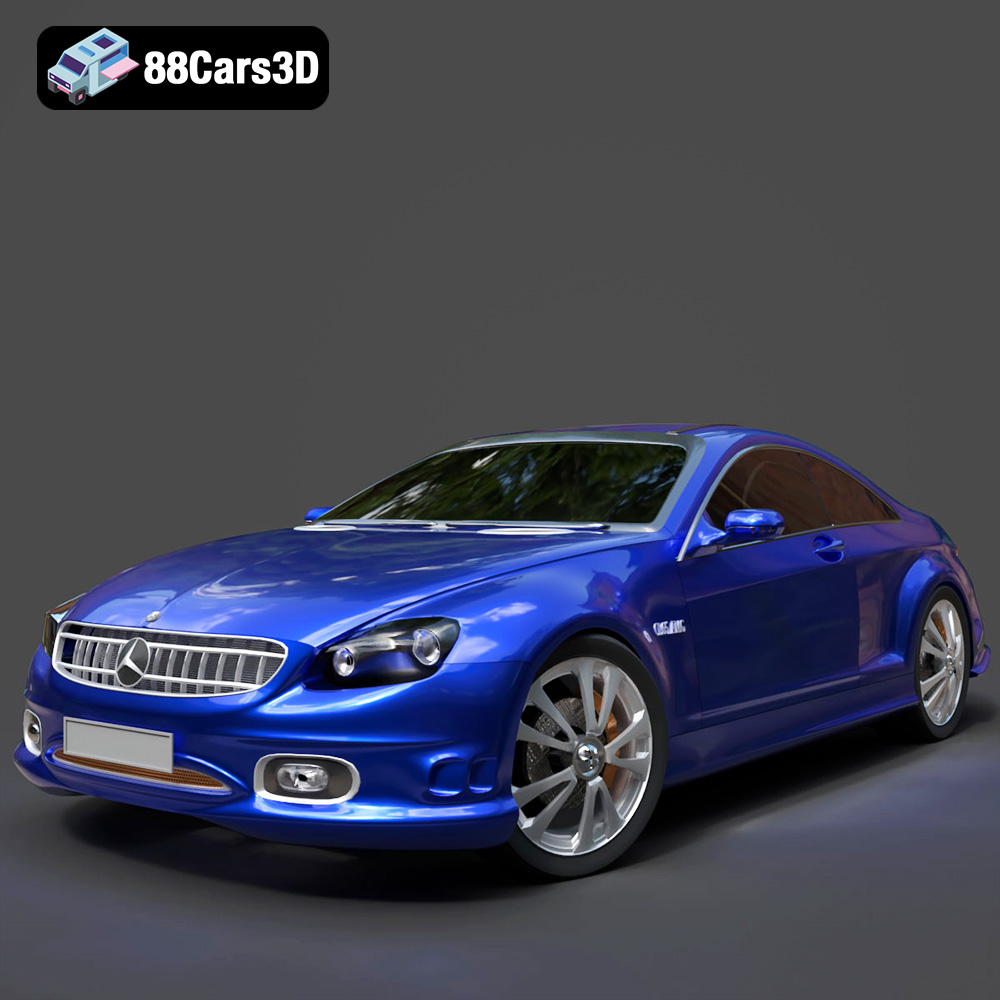
Texture: Yes
Material: Yes
Download the Mercedes-Benz CL6540-005 3D Model featuring clean geometry, realistic detailing, and a fully modeled interior. Includes .blend, .fbx, .obj, .glb, .stl, .ply, .unreal, and .max formats for rendering, simulation, and game development.
Price: $4.99
View Product
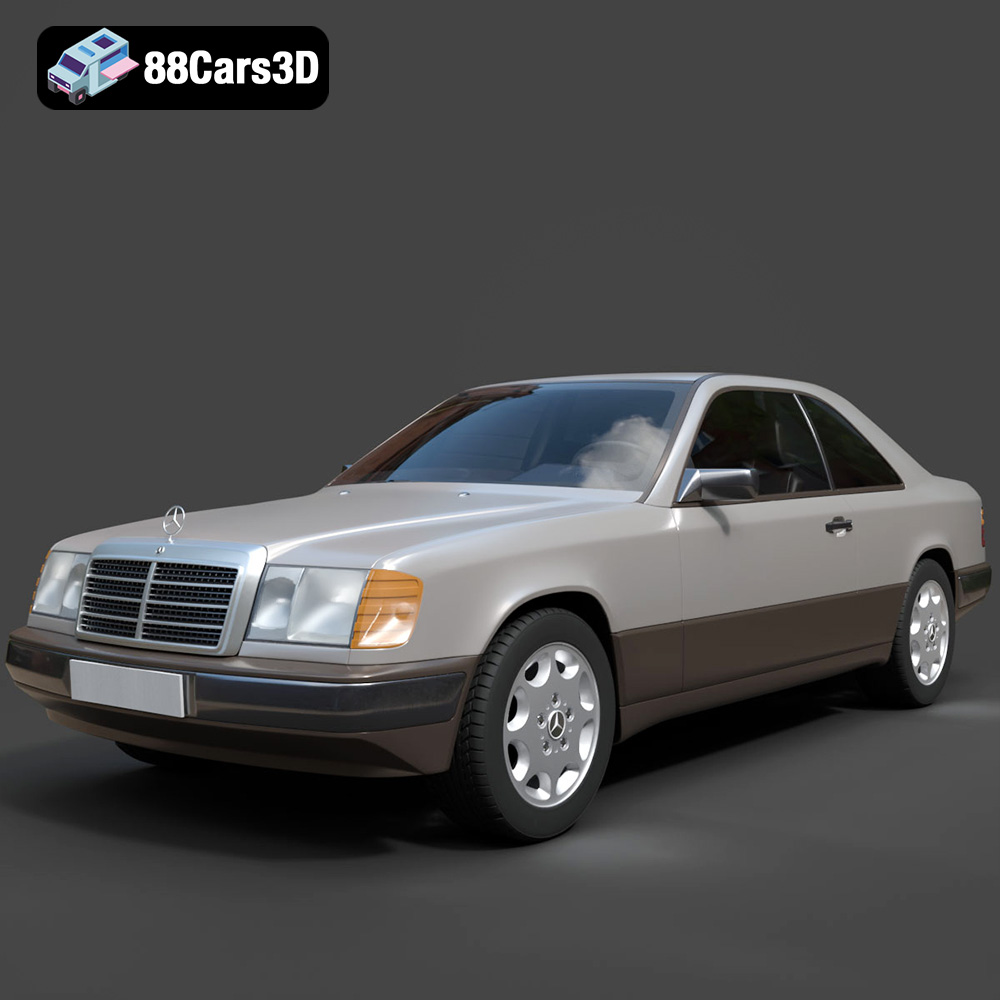
Texture: Yes
Material: Yes
Download the Mercedes E-Class w124 Coupe 3D Model featuring clean geometry, realistic detailing, and a fully modeled interior. Includes .blend, .fbx, .obj, .glb, .stl, .ply, .unreal, and .max formats for rendering, simulation, and game development.
Price: $4.99
View Product
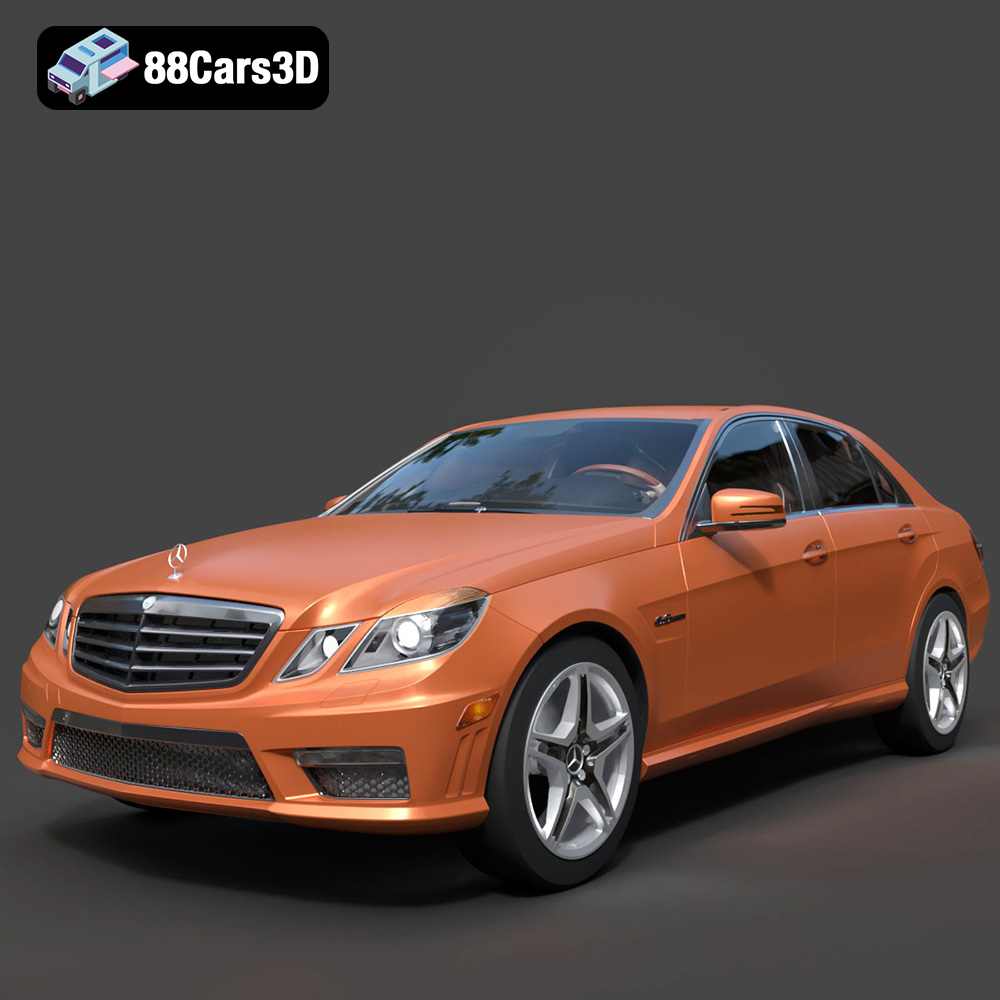
Texture: Yes
Material: Yes
Download the Mercedes-Benz E-Klasse 63 AMG 3D Model featuring clean geometry, realistic detailing, and a fully modeled interior. Includes .blend, .fbx, .obj, .glb, .stl, .ply, .unreal, and .max formats for rendering, simulation, and game development.
Price: $4.99
View Product
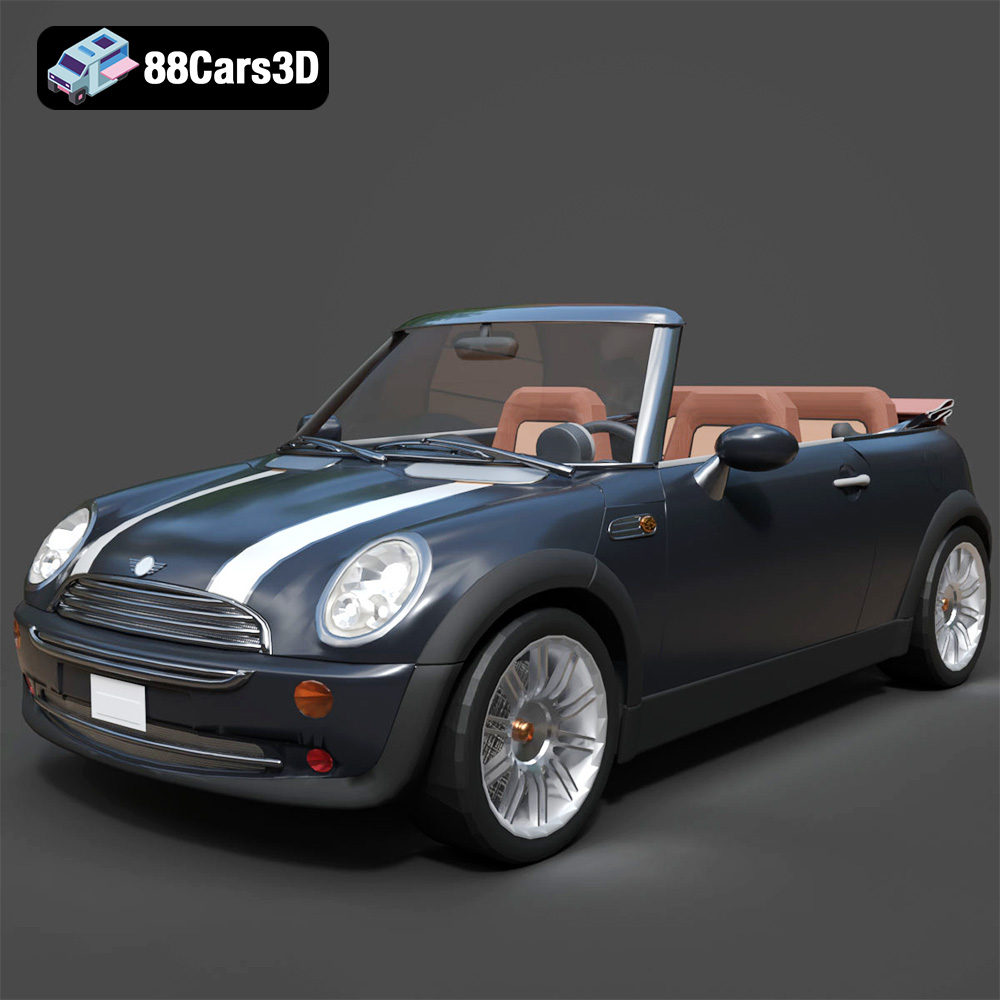
Texture: Yes
Material: Yes
Download the Mini Cabrio 2025 3D Model featuring clean geometry, realistic detailing, and a fully modeled interior. Includes .blend, .fbx, .obj, .glb, .stl, .ply, .unreal, and .max formats for rendering, simulation, and game development.
Price: $4.99
View Product
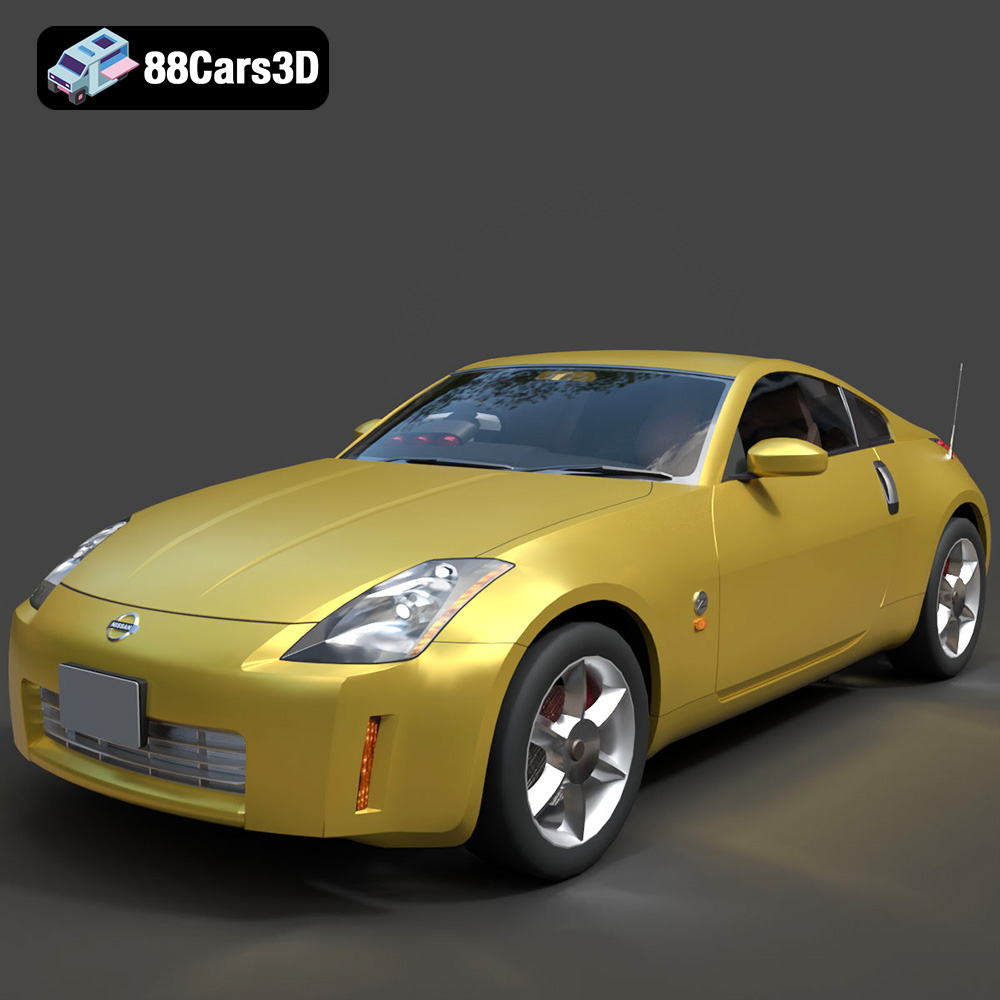
Texture: Yes
Material: Yes
Download the Nissan 350Z 3D Model featuring clean geometry, realistic detailing, and a fully modeled interior. Includes .blend, .fbx, .obj, .glb, .stl, .ply, .unreal, and .max formats for rendering, simulation, and game development.
Price: $4.99
View Product
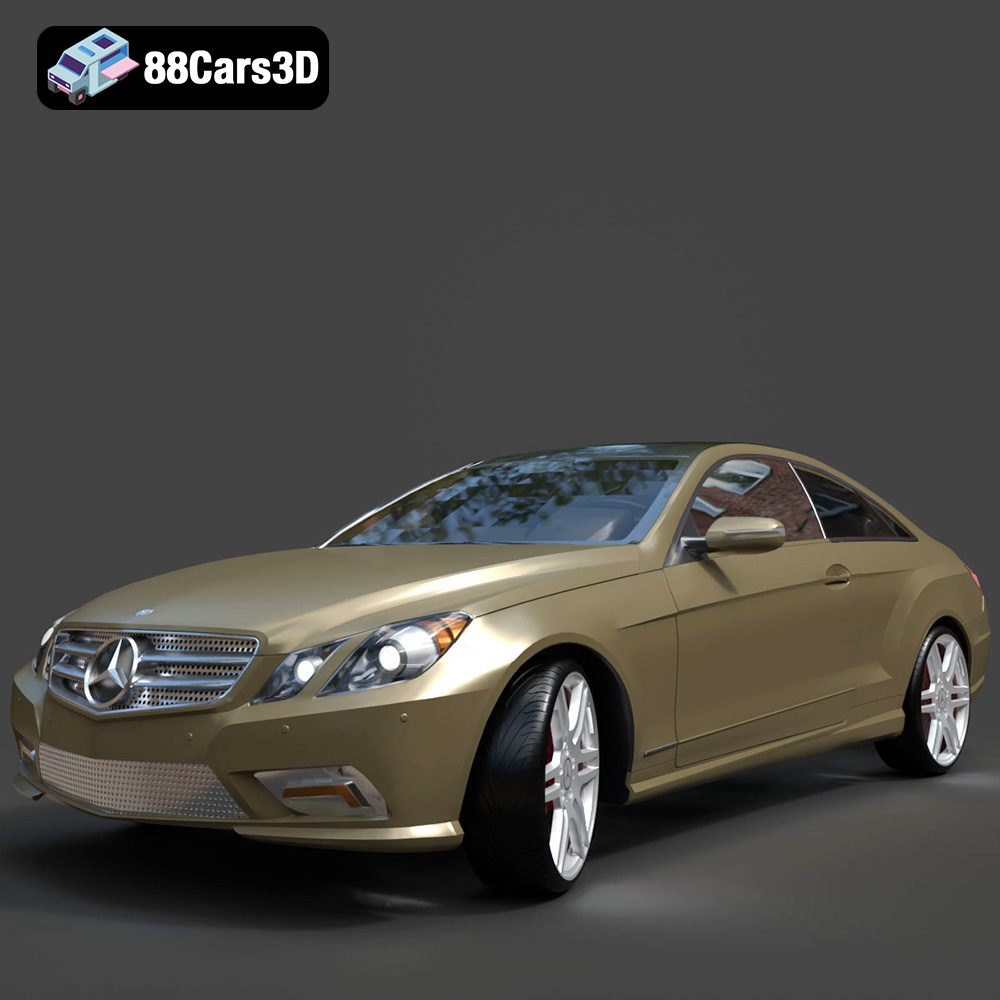
Texture: Yes
Material: Yes
Download the Mercedes-Benz E-Klasse Coupe 3D Model featuring clean geometry, realistic detailing, and a fully modeled interior. Includes .blend, .fbx, .obj, .glb, .stl, .ply, .unreal, and .max formats for rendering, simulation, and game development.
Price: $4.99
View Product
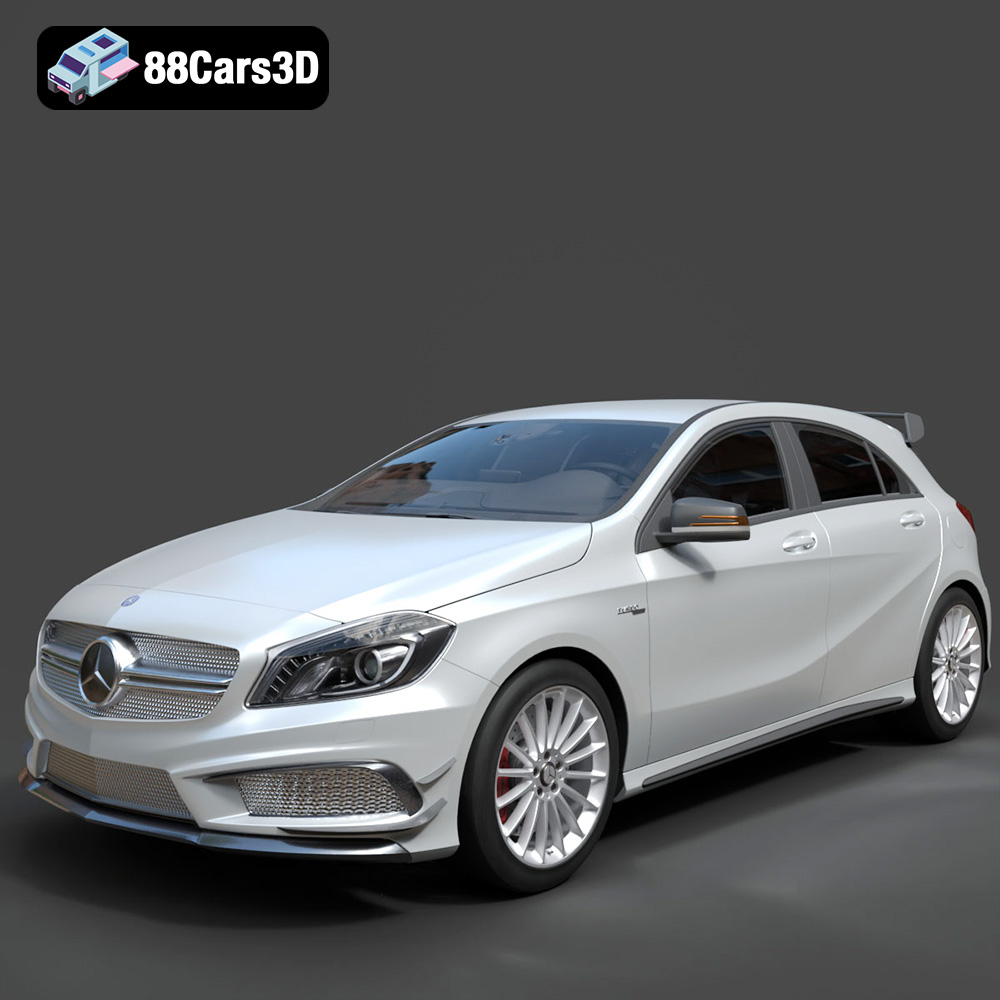
Texture: Yes
Material: Yes
Download the Benza MERS-007 3D Model featuring clean geometry, realistic detailing, and a fully modeled interior. Includes .blend, .fbx, .obj, .glb, .stl, .ply, .unreal, and .max formats for rendering, simulation, and game development.
Price: $4.99
View Product
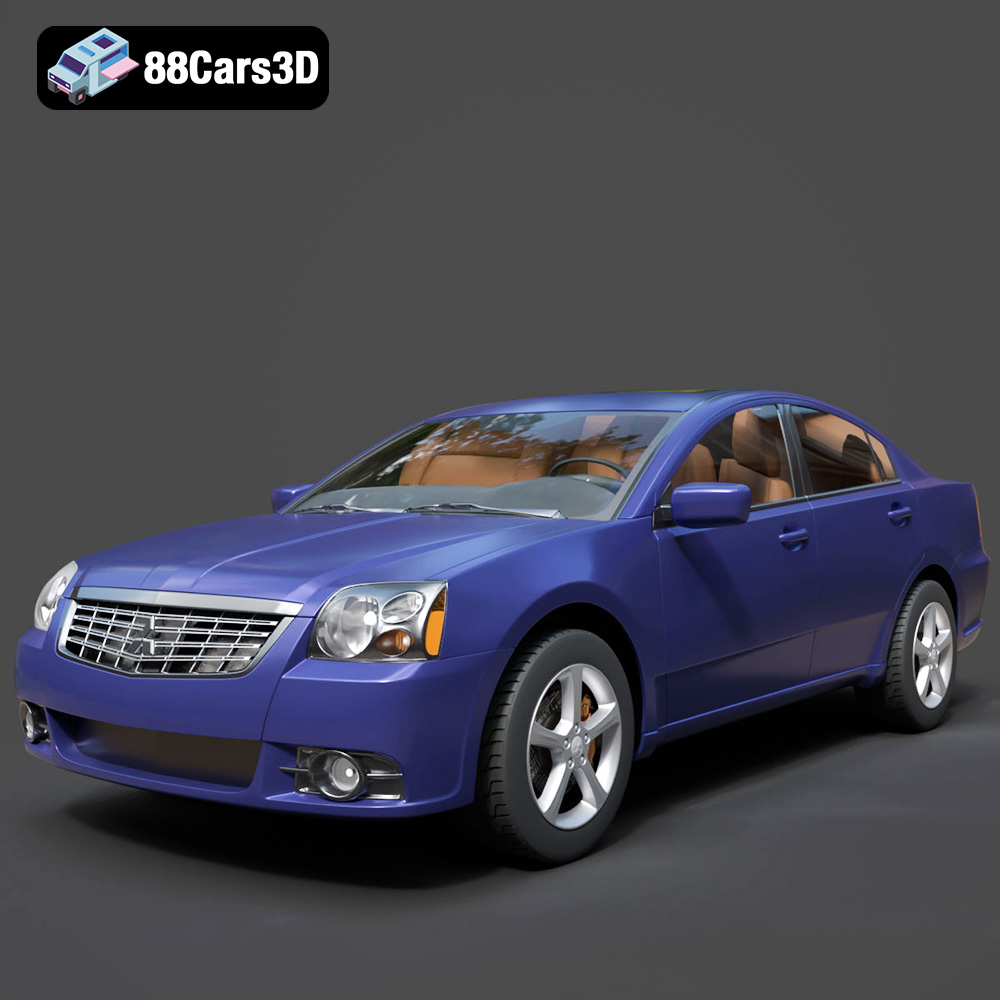
Texture: Yes
Material: Yes
Download the Mitsubishi Galant 2009 3D Model featuring clean geometry, realistic detailing, and a fully modeled interior. Includes .blend, .fbx, .obj, .glb, .stl, .ply, .unreal, and .max formats for rendering, simulation, and game development.
Price: $4.99
View Product
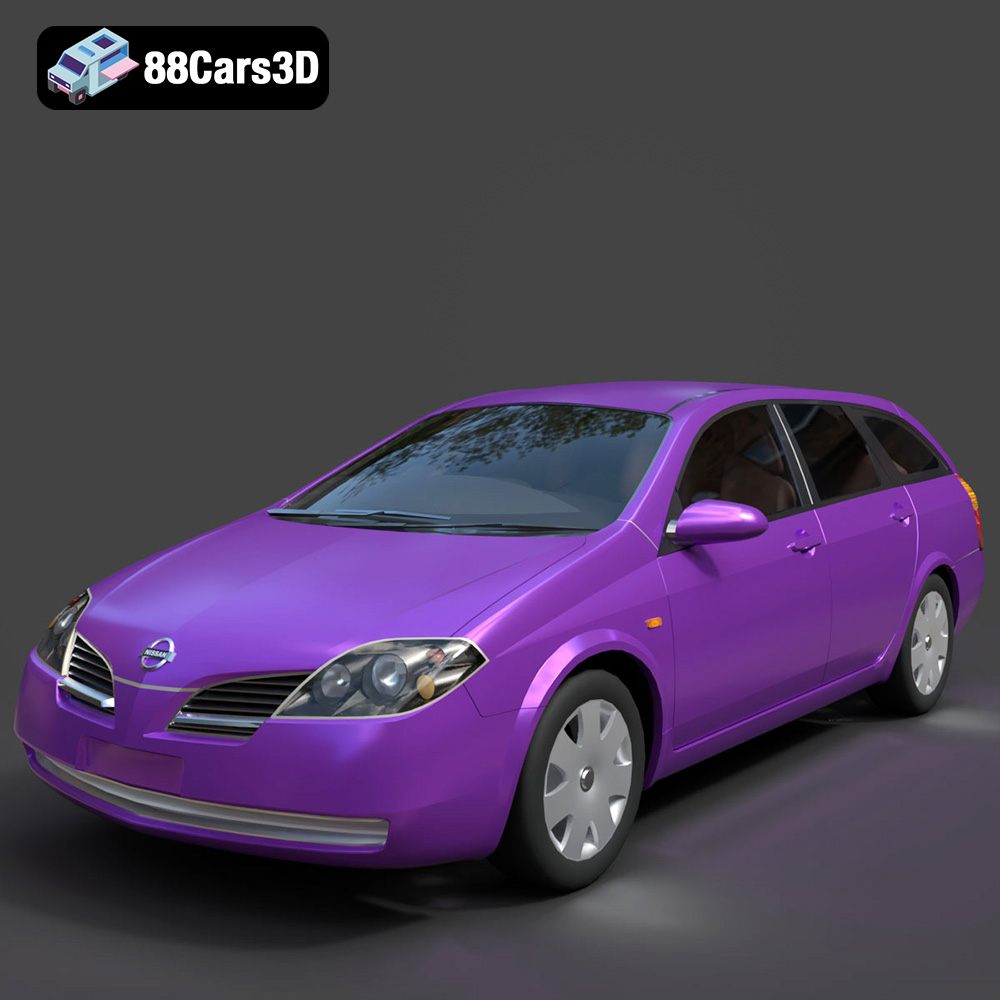
Texture: Yes
Material: Yes
Download the Nissan Primera Wagon 3D Model featuring clean geometry, realistic detailing, and a fully modeled interior. Includes .blend, .fbx, .obj, .glb, .stl, .ply, .unreal, and .max formats for rendering, simulation, and game development.
Price: $4.99
View Product
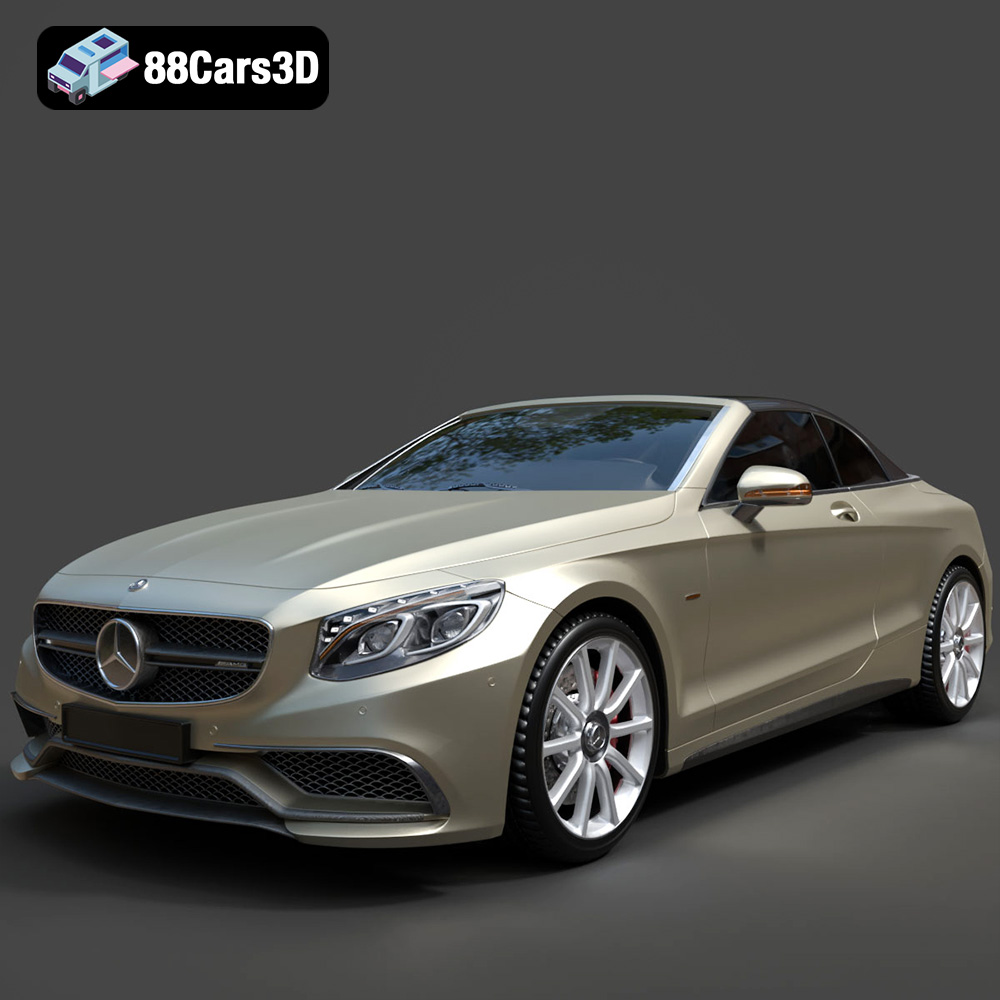
Texture: Yes
Material: Yes
Download the Mercedes-Benz S63 AMG Cabriolet 2017 3D Model featuring clean geometry, realistic detailing, and a fully modeled interior. Includes .blend, .fbx, .obj, .glb, .stl, .ply, .unreal, and .max formats for rendering, simulation, and game development.
Price: $20.99
View Product


