Get 20% OFF All Premium 3D & STL Models!

The world of 3D modeling is a vast and dynamic landscape, continually evolving with technological advancements and creative demands. Among its most intricate and captivating subjects are 3D car models. These digital renditions of vehicles are far more than mere aesthetically pleasing objects; they are complex assemblies of geometry, textures, and data, serving as crucial assets across a myriad of industries. From blockbuster game titles and photorealistic architectural visualizations to cutting-edge automotive design and immersive AR/VR experiences, high-quality 3D car models are the backbone of modern digital content.
Developing or acquiring truly exceptional automotive 3D models requires a deep understanding of specialized techniques, optimization strategies, and industry best practices. This comprehensive guide will take you on an in-depth journey through the lifecycle of 3D car models, exploring everything from the foundational principles of topology and UV mapping to advanced rendering workflows, game engine optimization, and preparation for diverse applications like 3D printing and augmented reality. Whether you’re a seasoned 3D artist, a game developer, an automotive designer, or simply passionate about digital cars, you’ll gain invaluable insights into crafting and utilizing these sophisticated assets to their fullest potential. We’ll delve into the technical nuances that elevate a simple model into a professional-grade asset, ensuring your projects stand out with unparalleled realism and performance.
The foundation of any high-quality 3D car model lies in its topology – the arrangement of vertices, edges, and faces that define its surface. For complex, curvature-heavy objects like vehicles, impeccable topology is not just about aesthetics; it’s critical for smooth deformations, clean shading, and efficient UV mapping. A car’s sleek lines and reflective surfaces demand a mesh that can accurately capture subtle contours without visual artifacts. Poor topology can lead to pinching, unsightly bumps, and an overall unrealistic appearance, regardless of how good your textures or lighting might be. Mastering edge flow and polygon distribution is paramount for any artist aiming for professional-grade automotive rendering.
When modeling a car, the goal is often to achieve a balance between detail and efficiency. While high-polygon counts allow for incredible detail, they can bog down real-time applications and increase rendering times. Conversely, overly low-polygon models sacrifice visual fidelity. The secret lies in strategic polygon placement, ensuring denser geometry in areas of high curvature or critical detail (like around headlights, grilles, or wheel arches) and sparser geometry in flatter, less complex areas. This approach, often referred to as adaptive tessellation, ensures that resources are allocated where they matter most, providing optimal visual quality without unnecessary overhead. Furthermore, ensuring a clean mesh simplifies rigging and animation if the model is intended for dynamic scenes, such as opening doors or rotating wheels.
The golden rule in 3D modeling, especially for subdivision surfaces and smooth shading, is the use of quadrilateral polygons (quads). Triangles, while sometimes unavoidable, can cause pinching and unpredictable subdivision behavior, leading to visible seams and shading errors on curved surfaces. An ideal car model will consist almost entirely of quads, flowing smoothly along the contours of the vehicle. Edge flow refers to the direction and continuity of these edges across the model’s surface. Good edge flow follows the natural lines and creases of the car, such as the sharp lines of a fender or the subtle curves of a door panel. This not only makes the model visually appealing but also ensures that when subdivision modifiers (like Turbosmooth in 3ds Max or Subdivision Surface in Blender) are applied, the surface remains perfectly smooth without artifacts.
For example, edges should loop around areas like wheel wells, window frames, and door seams, defining these features crisply while allowing the surrounding panels to remain smooth. Proper edge loops also make it easier to add or remove detail selectively without affecting the entire mesh, and they are crucial for setting up clean UV seams. A common technique involves using “control loops” – extra edge loops placed close to sharp edges to help hold their shape when subdivided, giving the illusion of a crisp edge without needing an excessive number of polygons across the entire surface. This precision in topology is what differentiates a high-quality asset from a mediocre one, laying the groundwork for superior automotive rendering.
The choice between a high-polygon and low-polygon mesh depends entirely on the model’s intended use. For static, photorealistic renders or close-up marketing shots, a high-poly 3D car model (often exceeding 500,000 to several million polygons for a fully detailed vehicle) is desirable. These models can accurately capture every subtle curve, panel gap, and interior detail. They often incorporate multiple subdivision levels or utilize CAD data for maximum precision. However, such high-density meshes are unsuitable for real-time applications like game assets or AR/VR experiences, where performance is paramount.
For interactive environments, a low-poly 3D car model (ranging from 10,000 to 100,000 polygons, depending on the platform and desired detail) is required. This often involves creating a simplified mesh and then “baking” details like normal maps, ambient occlusion maps, and curvature maps from the high-poly version onto the low-poly mesh. This process allows the low-poly model to retain the visual fidelity of its high-poly counterpart without the computational cost. Many professional 3D car models available on platforms like 88cars3d.com come with multiple levels of detail (LODs) to cater to these varied needs, ensuring versatility across different projects and rendering pipelines.
Once a 3D car model‘s geometry is perfected, the next critical step is bringing its surfaces to life with realistic materials and textures. This process involves meticulous UV mapping to correctly project 2D textures onto the 3D surface and then crafting sophisticated PBR materials that accurately simulate how light interacts with different car components. Achieving photorealism in automotive rendering heavily relies on these two interconnected disciplines. Incorrect UVs or poorly calibrated PBR shaders can instantly break the illusion of realism, making even the most perfectly modeled car appear flat or artificial.
The complexity of car surfaces, with their numerous separate panels, intricate details, and varied material types (paint, chrome, glass, rubber, plastic, carbon fiber), presents a unique challenge for UV mapping and material creation. Each component requires a specific approach to ensure texture clarity and accurate light response. This is where a deep understanding of PBR workflows and strategic UV unwrapping becomes indispensable. The goal is not just to make the car look good, but to ensure that its materials react correctly to various lighting conditions, just as they would in the real world.
UV mapping is the process of unwrapping a 3D mesh into a 2D plane, much like unfolding a cardboard box. This 2D layout, known as a UV map, dictates how textures are applied to the model’s surface. For a 3D car model, clean and efficient UVs are paramount. Poor UVs can lead to stretched textures, visible seams, and wasted texture space. The general strategy involves creating logical “seams” along natural breaks in the geometry (e.g., panel lines, hidden edges) to minimize distortion and make texturing easier. Each major component – body, doors, hood, trunk, wheels, interior elements – typically gets its own UV island.
For high-resolution renders, maximizing texture resolution and minimizing overlap is key. Artists often create multiple UV sets: one for general color and detail, another for specific decals, and potentially a third for unique normal map details. For game assets or AR/VR, texture atlasing is frequently used, where multiple smaller textures (e.g., for badges, lights, and small trim pieces) are packed into a single, larger UV map. This reduces draw calls and improves real-time performance. Tools like 3ds Max’s Unwrap UVW modifier, Blender’s UV Editor, or Maya’s UV Toolkit provide powerful features for unwrapping, packing, and organizing UV islands, often with automated tools for optimization but requiring manual refinement for best results.
Physically Based Rendering (PBR) materials are the industry standard for achieving photorealistic results. PBR shaders simulate how light interacts with surfaces based on real-world physical properties, making them more predictable and consistent across different lighting conditions. Key maps in a PBR workflow include:
Creating these textures involves a combination of procedural generation, hand painting in software like Substance Painter or Mari, and image manipulation in Photoshop. For car paint, complex layered shaders are often used, combining a base metallic layer with clear coat layers, flake maps, and subtle orange peel effects to mimic real-world automotive finishes. Understanding how each PBR map contributes to the final look is crucial for developing compelling automotive rendering materials.
Bringing a 3D car model to life culminates in the rendering phase, where all the meticulously crafted geometry, materials, and textures converge with dynamic lighting to produce stunning images or animations. High-fidelity automotive rendering is about more than just hitting the render button; it’s a precise art that combines technical expertise with an aesthetic eye. The choice of renderer, the strategic setup of lights and environments, and the final polish of post-processing all play critical roles in achieving photorealistic results that captivate viewers and accurately represent the vehicle’s design.
Whether for marketing collateral, design reviews, or promotional content, the quality of your render directly impacts perception. A well-rendered car can convey luxury, speed, or ruggedness, evoking emotions and highlighting design features that might be lost in a less polished presentation. This section explores the tools and techniques professional artists use to push their automotive visualizations to the highest possible standard, transforming raw 3D car models into compelling visual narratives. Every detail, from the reflections on the paint to the shadows cast by the wheels, is carefully considered to create a believable and engaging scene.
The render engine is the heart of your visualization pipeline. Each offers unique strengths:
The choice often comes down to your primary DCC (Digital Content Creation) software, project requirements, and personal preference. All these renderers are capable of producing stunning automotive rendering, but their workflows and specific feature sets differ. Platforms like 88cars3d.com often provide models compatible with various renderers, making integration smoother.
Effective lighting is paramount for showcasing 3D car models. Two primary approaches dominate:
Accurate reflections on the car’s paintwork, glass, and chrome surfaces are crucial for realism. The environment reflections, whether from a studio backdrop or an outdoor HDRI, define the character and context of the render. Pay close attention to reflections that interact with the car’s curves – they reveal the underlying form and craftsmanship.
The raw render output is rarely the final image. Post-processing and compositing in software like Adobe Photoshop, After Effects, or Blackmagic Fusion are essential steps to elevate the render to a cinematic quality. Key techniques include:
These post-production steps can transform a good render into an exceptional one, adding that final layer of polish that defines professional automotive rendering. It’s where the artist imparts their final creative vision, often making subtle adjustments that have a profound impact on the overall feel and realism.
While photorealistic static renders are impressive, the demands of real-time applications like video games, AR/VR experiences, and interactive configurators introduce a whole new set of challenges. Here, performance is paramount, and every polygon, texture, and shader instruction contributes to the overall frame rate. Successfully deploying 3D car models in these environments requires a deep understanding of optimization techniques that maintain visual fidelity while adhering to strict performance budgets. The goal is to create immersive experiences that run smoothly on a variety of hardware, from high-end gaming PCs to mobile devices.
Game developers and AR/VR artists must meticulously manage asset complexity to prevent performance bottlenecks. This often means working with multiple versions of the same car model, each tailored to a specific distance or platform. Understanding concepts like draw calls, texture atlasing, and material instancing is crucial for building efficient real-time scenes. Without proper optimization, even a single highly detailed car can bring an interactive scene to a crawl, diminishing the user experience. This section dives into the practical strategies for preparing your game assets for the demands of interactive realism.
Level of Detail (LOD) is a fundamental optimization technique for real-time applications. Instead of rendering a single high-resolution model regardless of its distance from the camera, LODs provide multiple versions of the same 3D car model, each with a progressively lower polygon count and simpler materials. When the car is close to the camera, the highest LOD (LOD0) is displayed. As it moves further away, the engine automatically switches to a lower LOD (LOD1, LOD2, etc.), significantly reducing the computational load without a noticeable drop in visual quality to the end user. A typical car might have 3-5 LODs, ranging from several tens of thousands of polygons down to a few thousand or even hundreds for distant objects.
Establishing clear performance budgets is vital. For mobile AR/VR, a single car might be budgeted for 30,000-80,000 polygons, while a desktop game could allow for 100,000-200,000 polygons per car. These budgets extend beyond polygon count to include texture memory, material complexity (number of shader instructions), and draw calls. Tools like Blender’s Decimate modifier, Maya’s Reduce tool, or dedicated polygon reduction software (e.g., InstaLOD, Simplygon) are used to create these lower LODs while preserving crucial details through normal map baking. When sourcing game assets, always check if they include pre-generated LODs.
Texture atlasing is a technique where multiple smaller textures are combined into a single, larger texture map (an “atlas”). For 3D car models, this means packing textures for different parts like headlights, badges, emblems, and interior details into one or a few atlases. This reduces the number of texture lookups and, more importantly, the number of draw calls – instructions sent to the GPU to render geometry. Each new material or texture generally constitutes a new draw call, and excessive draw calls can quickly cripple performance. By using atlases and consolidating materials, you can significantly optimize rendering efficiency, especially for scenes with multiple cars.
Engine-specific considerations are also crucial. Unity and Unreal Engine, for example, have different material pipelines and optimization tools. In Unreal, careful use of Material Instances can create variations of a base material without increasing draw calls, perfect for different car paint colors. Unity’s SRP Batcher and GPU Instancing are powerful for rendering many identical objects efficiently. Understanding how each engine processes geometry and materials allows artists to tailor their assets for maximum performance. This often involves exporting models as FBX files with embedded textures or separate texture folders, preparing them for direct import into the game engine.
AR/VR optimization techniques take the demands of game assets even further. VR applications require extremely high and stable frame rates (typically 90 FPS or higher) to prevent motion sickness, making polycount and draw call budgets even stricter. AR experiences, often running on mobile devices, face additional constraints from limited CPU/GPU power and battery life. For these platforms, 3D car models need to be exceptionally streamlined.
Delivering a smooth and immersive AR/VR experience with detailed 3D car models requires a holistic optimization strategy, addressing geometry, textures, materials, and interactivity. Marketplaces providing GLB or USDZ files are increasingly catering to these needs, as these formats are optimized for quick loading and efficient rendering in web-based and mobile AR/VR applications.
The versatility of high-quality 3D car models extends far beyond traditional rendering and real-time interactive experiences. They serve as foundational assets for a wide array of specialized applications, each with its unique technical requirements and preparation workflows. From the precise engineering demands of 3D printing to the cross-platform compatibility needed for web-based viewers and digital twins, understanding how to adapt your models for these diverse uses is a valuable skill for any 3D professional. This adaptability maximizes the return on investment for creating detailed assets and opens up new avenues for collaboration and innovation.
Whether you’re preparing a prototype for additive manufacturing, integrating a car into a CAD workflow, or creating an interactive configurator for a manufacturer, the underlying 3D car model needs to be robust, clean, and properly formatted. This section explores the critical considerations for preparing your digital vehicles for these specialized applications, emphasizing the importance of file formats, mesh integrity, and specific industry requirements. Quality sources like 88cars3d.com often provide models pre-optimized for many of these uses, saving significant time and effort.
Choosing the correct file format is essential for ensuring compatibility and data integrity across different software and platforms. Each format has its strengths and typical use cases:
Understanding these formats helps artists prepare models for specific pipelines, ensuring seamless integration and optimal performance. Often, a professional 3D car model will be available in multiple formats to cater to diverse user needs.
Preparing a 3D car model for 3D printing introduces a unique set of challenges focused on mesh integrity and physical accuracy. Unlike rendering, where minor mesh errors can often be overlooked, a 3D printer requires a perfectly watertight mesh – one with no holes, inverted normals, or self-intersecting geometry. Any imperfections can lead to printing failures, ranging from incomplete parts to structural weaknesses.
For complex models like cars, it’s often necessary to simplify intricate details or hollow out parts to save material and reduce print time. The level of detail from a rendering model often needs significant adaptation for additive manufacturing.
High-quality 3D car models are indispensable tools across numerous professional domains:
Each application leverages the inherent versatility of 3D data, transforming a static model into a dynamic tool for analysis, communication, and immersion. The precision and detail offered by professional models empower these industries to innovate and deliver cutting-edge experiences.
The journey from a blank canvas to a fully realized, high-performance 3D car model is a testament to the intricate blend of artistic vision and technical mastery required in the digital age. We’ve explored the foundational importance of clean topology and efficient UV mapping, delved into the science of PBR materials and the art of automotive rendering, and uncovered the critical strategies for optimizing assets for demanding interactive environments like games and AR/VR. Furthermore, we’ve touched upon the diverse applications that extend beyond mere visualization, from the precision of 3D printing to the necessities of cross-platform file formats.
The key takeaway is clear: the quality and versatility of your 3D car models directly impact the success of your projects. Investing in assets with clean geometry, optimized textures, and robust material setups saves time, enhances performance, and elevates the realism of your visualizations and interactive experiences. Whether you’re a seasoned professional or just starting your journey, continuously refining your understanding of these technical details is crucial. For those seeking professional-grade, ready-to-use assets that meet these rigorous standards, platforms like 88cars3d.com offer a curated selection of 3D car models designed for a spectrum of uses, from high-fidelity renders to optimized game assets and AR/VR content. Embrace these principles, and drive your digital creations to unprecedented levels of realism and functionality.
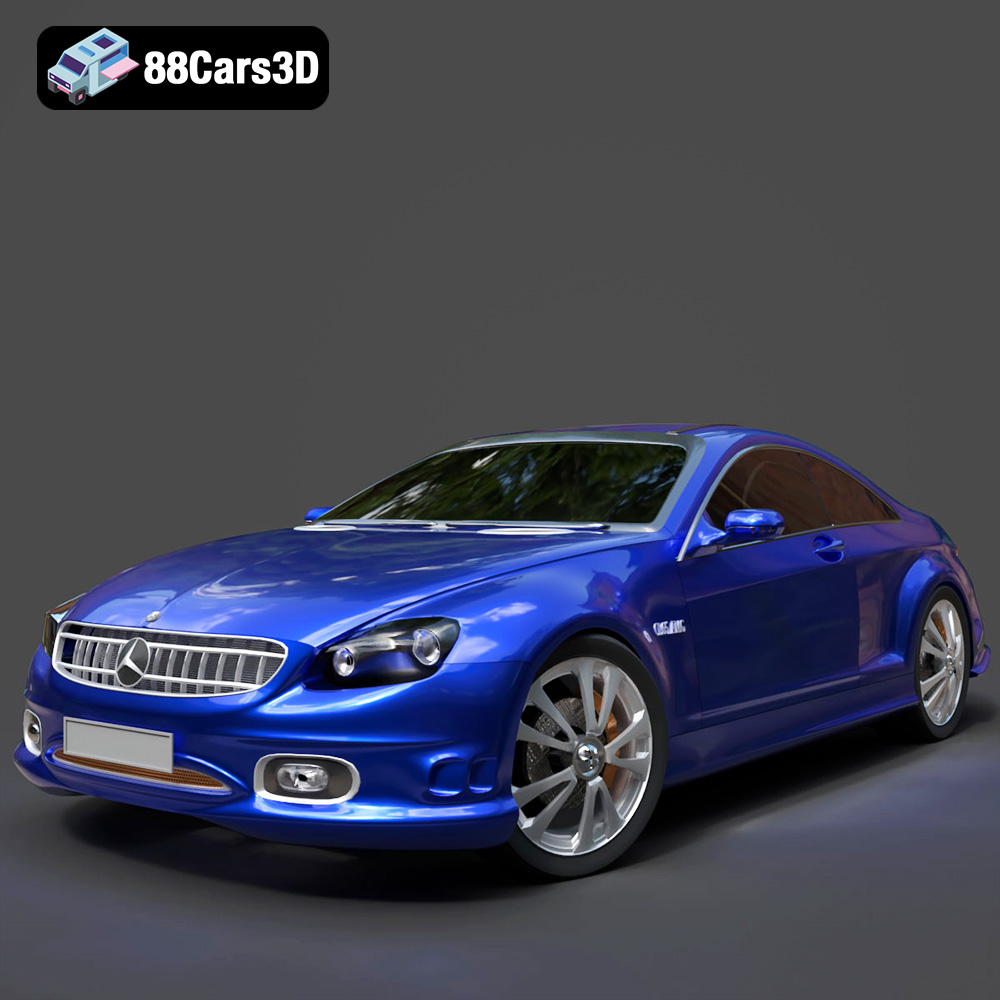
Texture: Yes
Material: Yes
Download the Mercedes-Benz CL6540-005 3D Model featuring clean geometry, realistic detailing, and a fully modeled interior. Includes .blend, .fbx, .obj, .glb, .stl, .ply, .unreal, and .max formats for rendering, simulation, and game development.
Price: $4.99
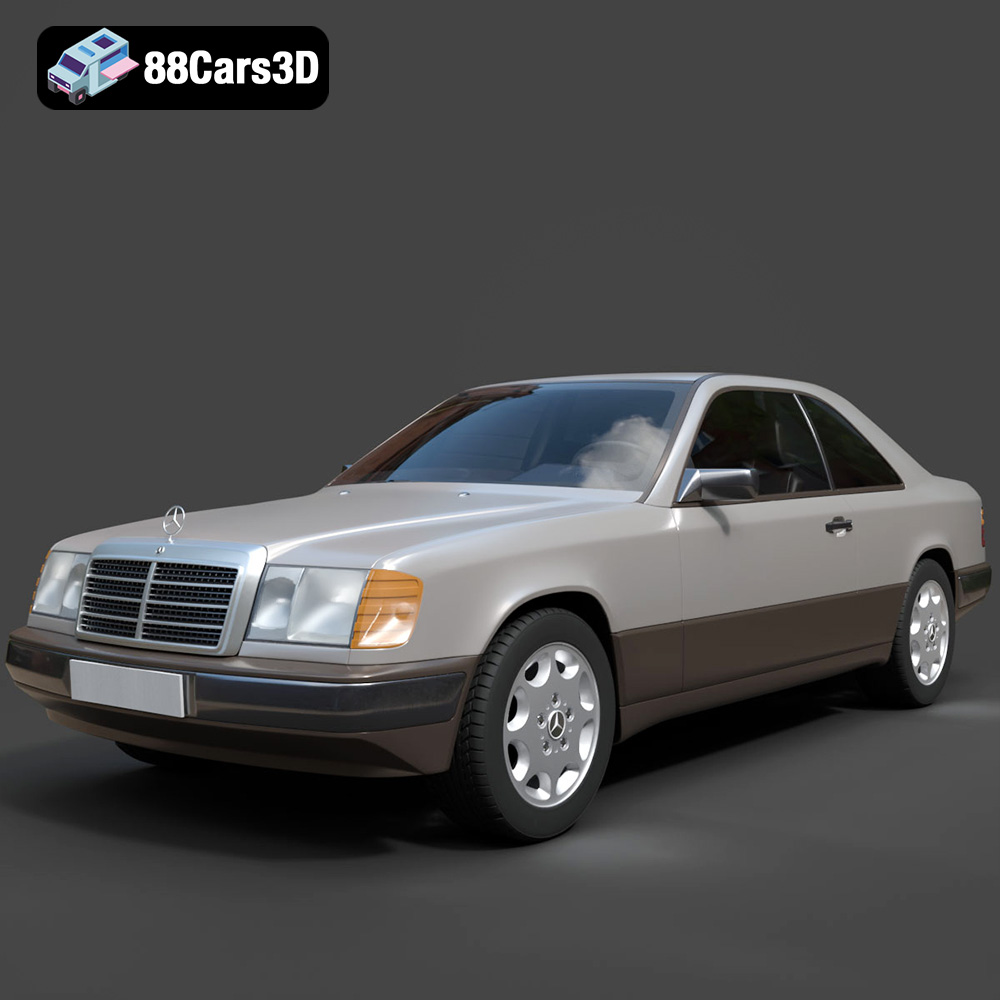
Texture: Yes
Material: Yes
Download the Mercedes E-Class w124 Coupe 3D Model featuring clean geometry, realistic detailing, and a fully modeled interior. Includes .blend, .fbx, .obj, .glb, .stl, .ply, .unreal, and .max formats for rendering, simulation, and game development.
Price: $4.99
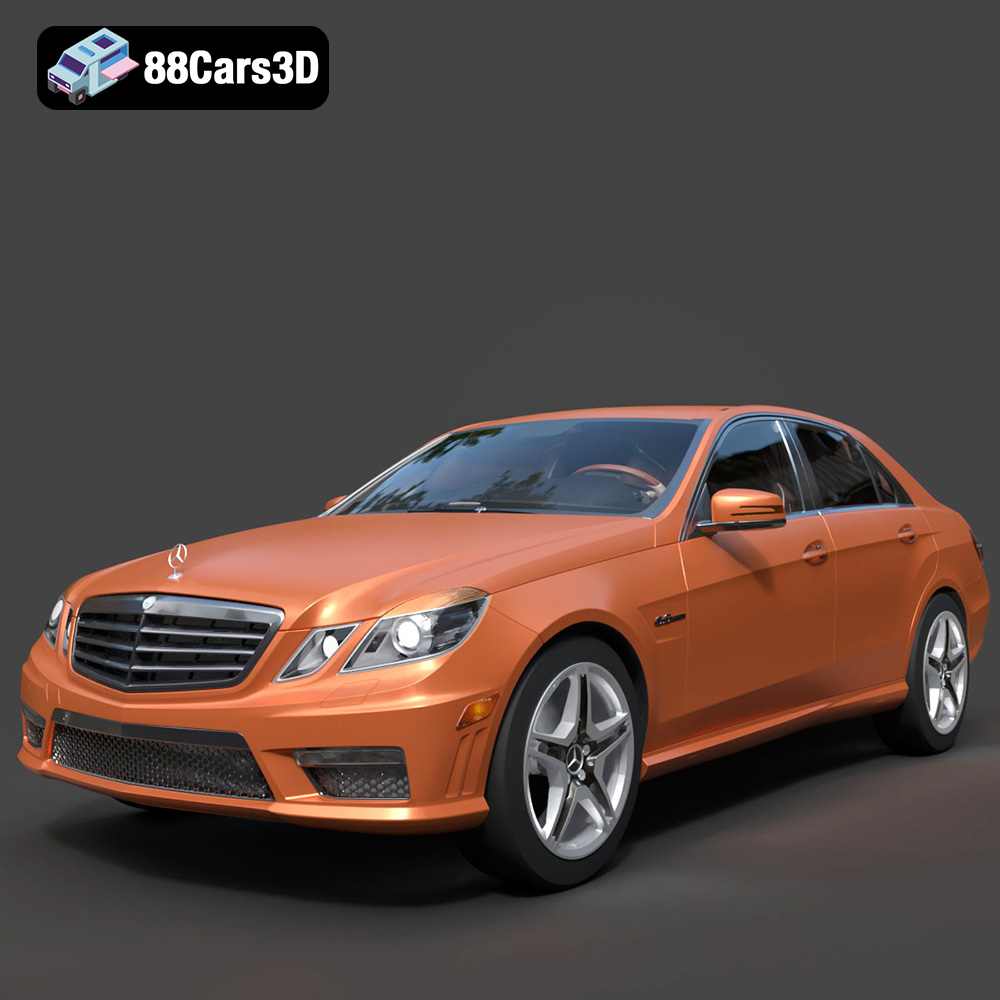
Texture: Yes
Material: Yes
Download the Mercedes-Benz E-Klasse 63 AMG 3D Model featuring clean geometry, realistic detailing, and a fully modeled interior. Includes .blend, .fbx, .obj, .glb, .stl, .ply, .unreal, and .max formats for rendering, simulation, and game development.
Price: $4.99
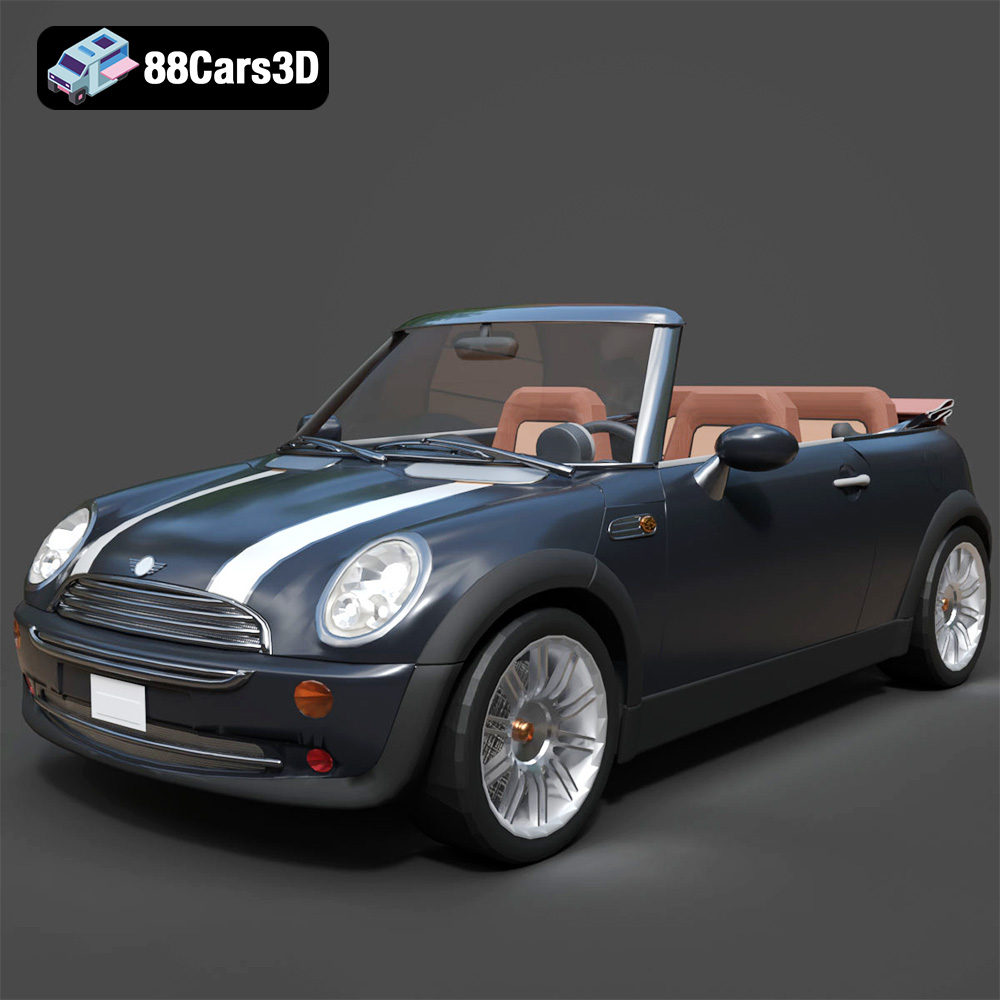
Texture: Yes
Material: Yes
Download the Mini Cabrio 2025 3D Model featuring clean geometry, realistic detailing, and a fully modeled interior. Includes .blend, .fbx, .obj, .glb, .stl, .ply, .unreal, and .max formats for rendering, simulation, and game development.
Price: $4.99
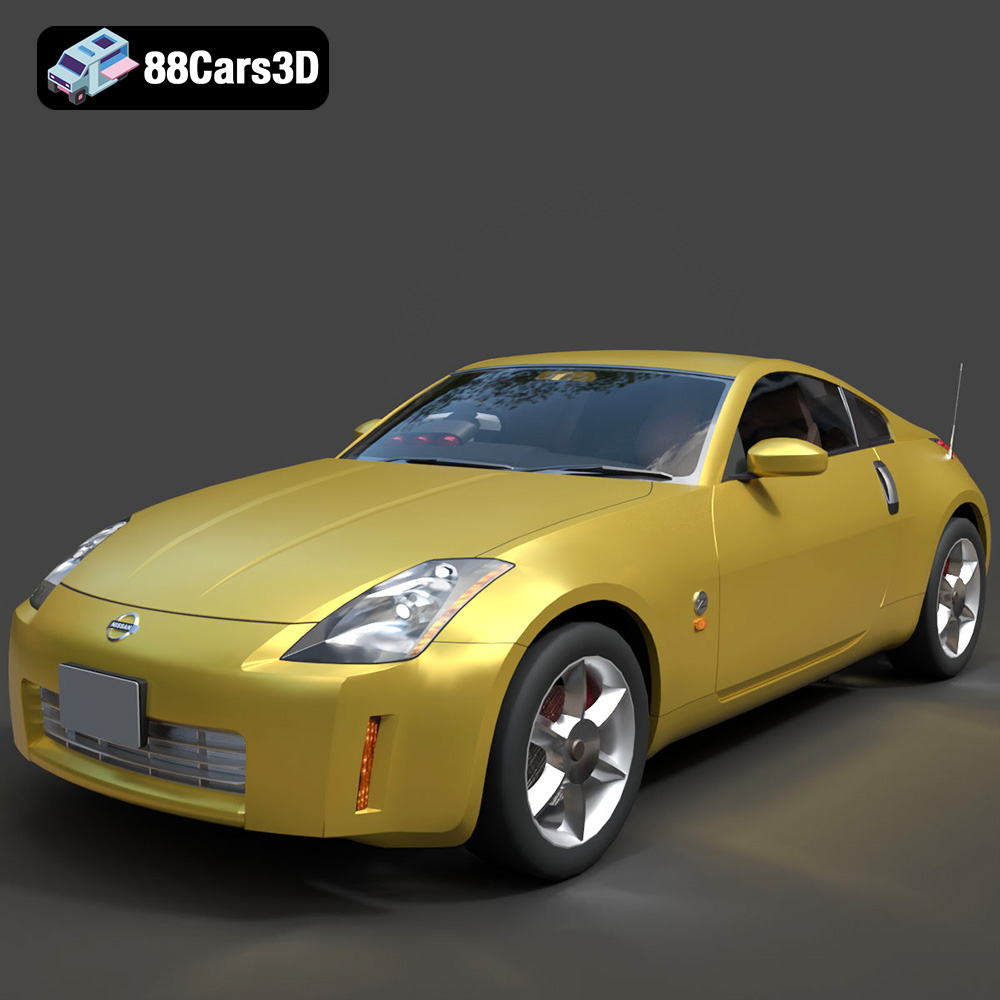
Texture: Yes
Material: Yes
Download the Nissan 350Z 3D Model featuring clean geometry, realistic detailing, and a fully modeled interior. Includes .blend, .fbx, .obj, .glb, .stl, .ply, .unreal, and .max formats for rendering, simulation, and game development.
Price: $4.99
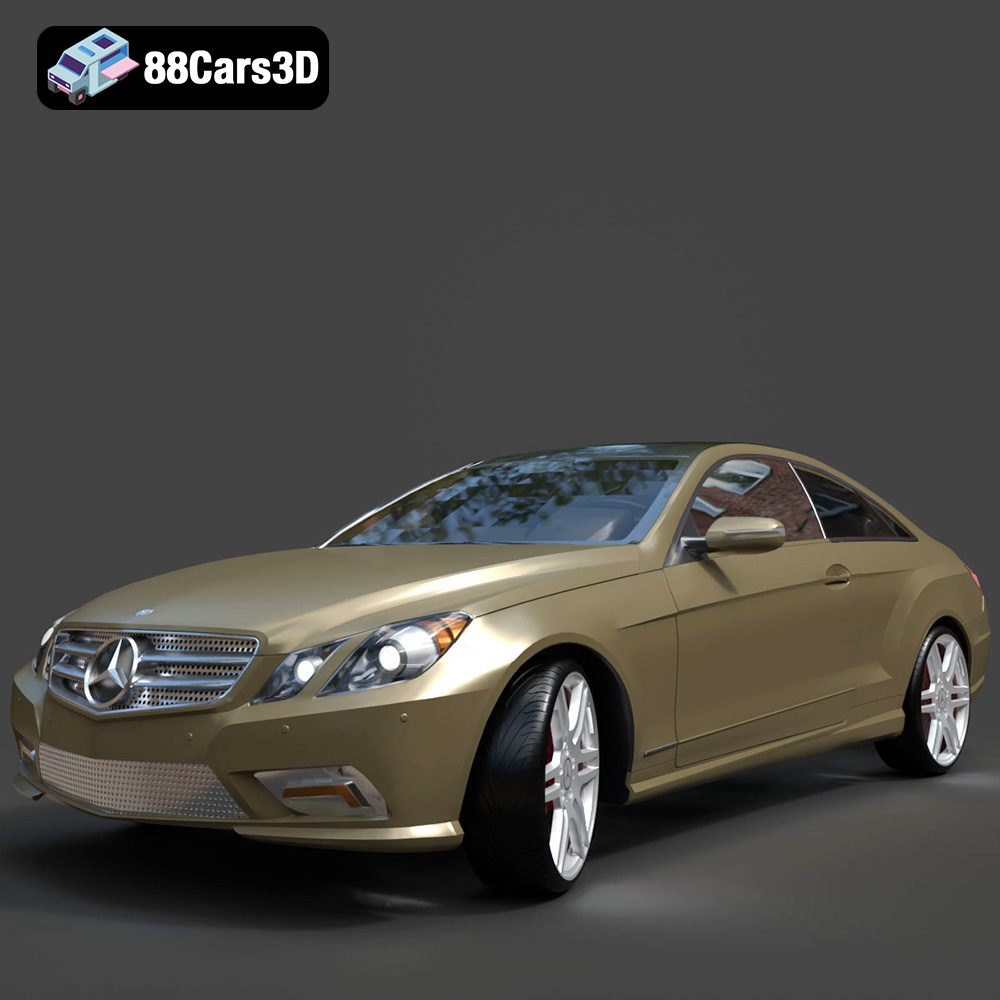
Texture: Yes
Material: Yes
Download the Mercedes-Benz E-Klasse Coupe 3D Model featuring clean geometry, realistic detailing, and a fully modeled interior. Includes .blend, .fbx, .obj, .glb, .stl, .ply, .unreal, and .max formats for rendering, simulation, and game development.
Price: $4.99
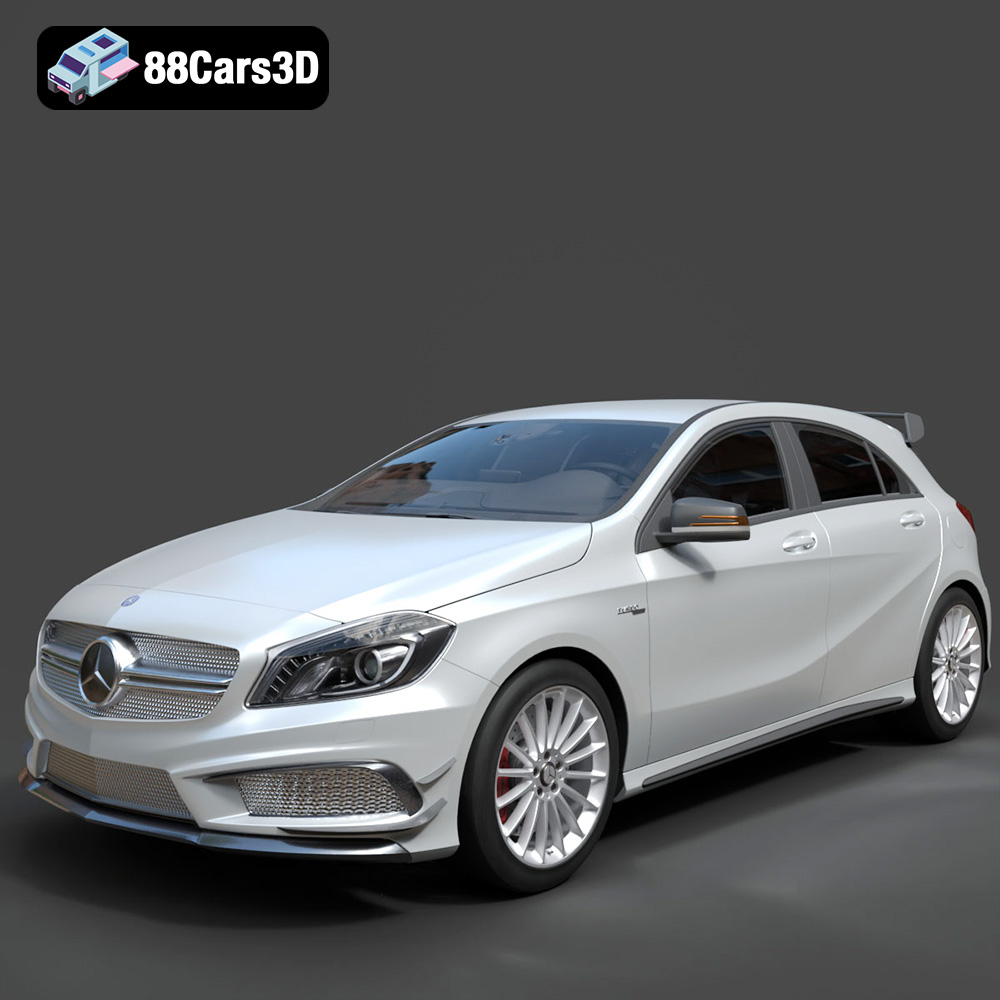
Texture: Yes
Material: Yes
Download the Benza MERS-007 3D Model featuring clean geometry, realistic detailing, and a fully modeled interior. Includes .blend, .fbx, .obj, .glb, .stl, .ply, .unreal, and .max formats for rendering, simulation, and game development.
Price: $4.99
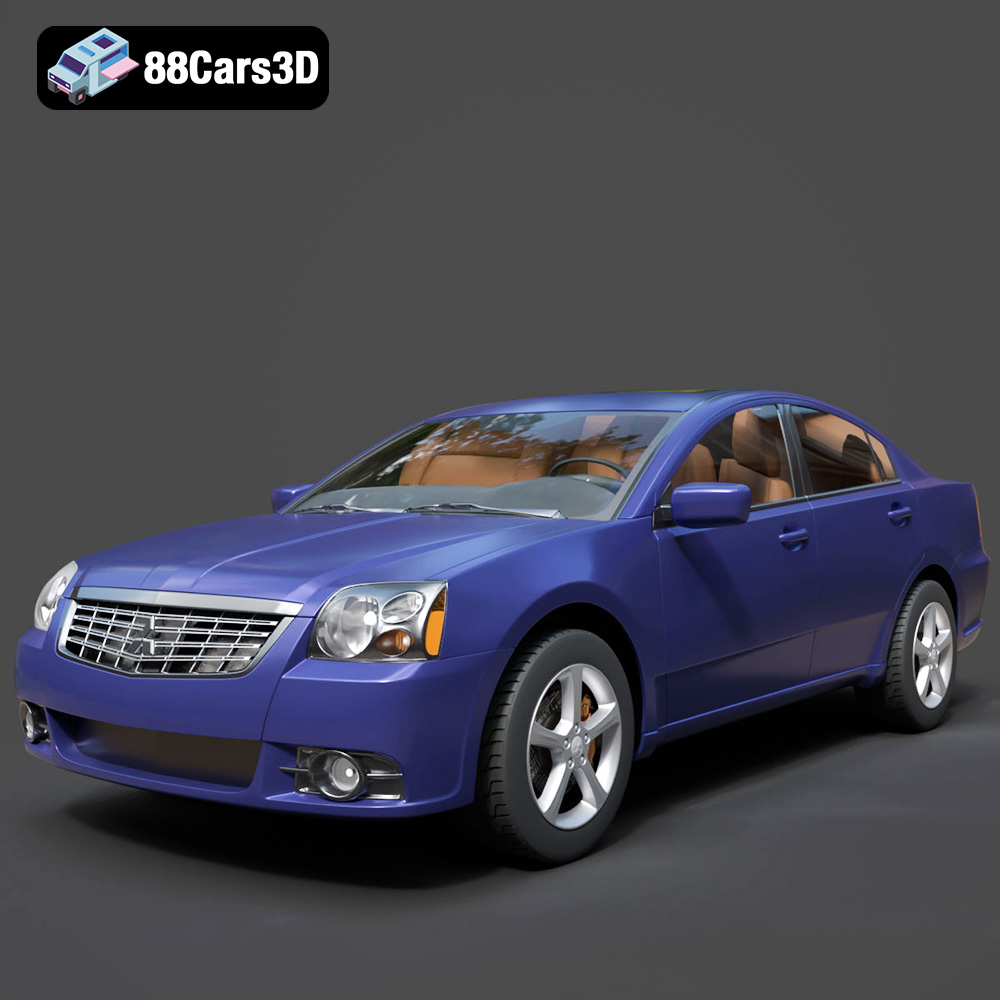
Texture: Yes
Material: Yes
Download the Mitsubishi Galant 2009 3D Model featuring clean geometry, realistic detailing, and a fully modeled interior. Includes .blend, .fbx, .obj, .glb, .stl, .ply, .unreal, and .max formats for rendering, simulation, and game development.
Price: $4.99
Texture: Yes
Material: Yes
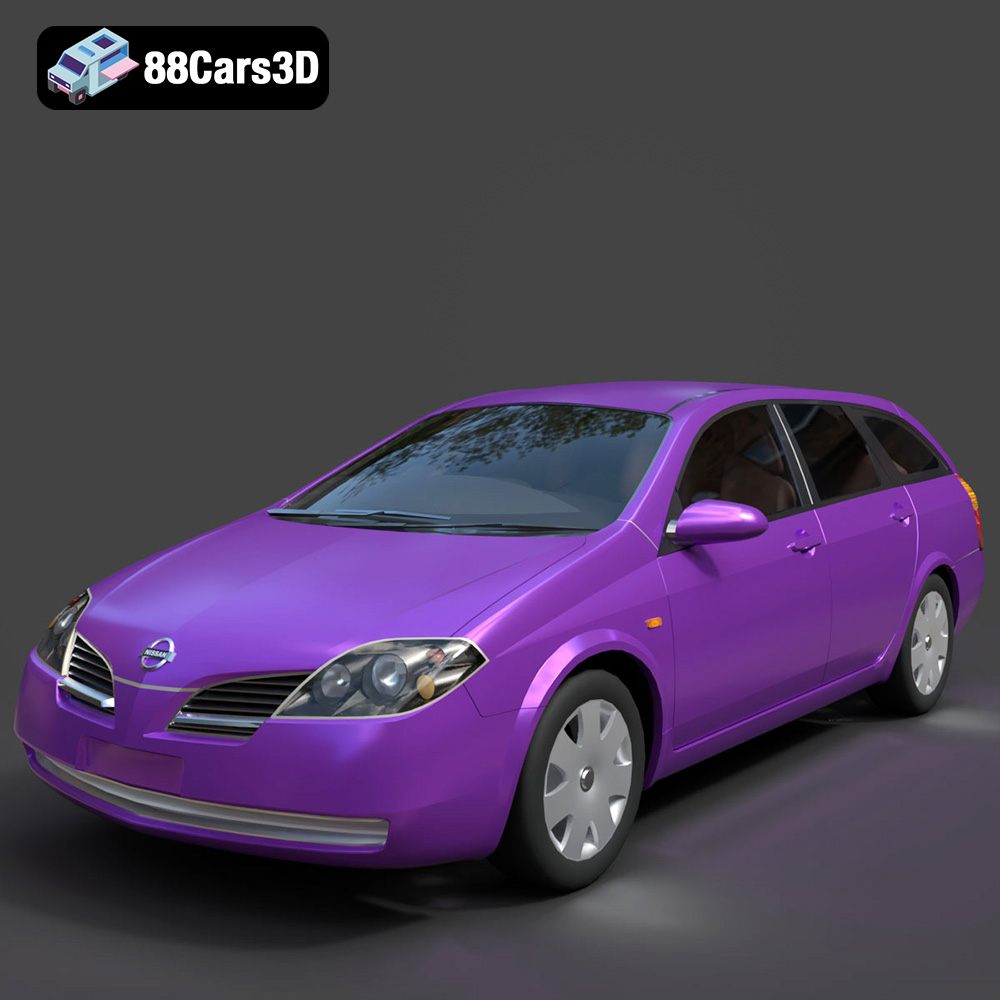
Download the Nissan Primera Wagon 3D Model featuring clean geometry, realistic detailing, and a fully modeled interior. Includes .blend, .fbx, .obj, .glb, .stl, .ply, .unreal, and .max formats for rendering, simulation, and game development.
Price: $4.99
Texture: Yes
Material: Yes
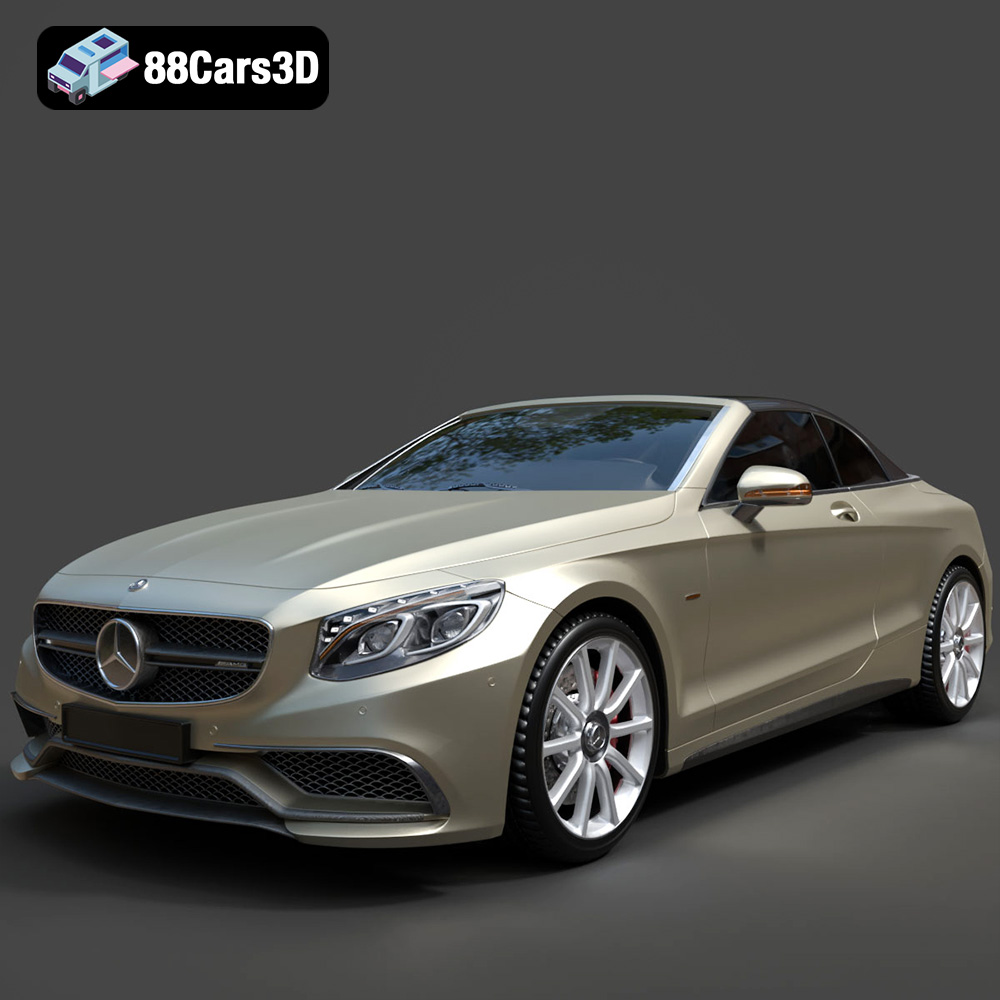
Download the Mercedes-Benz S63 AMG Cabriolet 2017 3D Model featuring clean geometry, realistic detailing, and a fully modeled interior. Includes .blend, .fbx, .obj, .glb, .stl, .ply, .unreal, and .max formats for rendering, simulation, and game development.
Price: $20.99

