Get 20% OFF All Premium 3D & STL Models!

The roar of an engine, the gleam of polished chrome, the sleek lines of a perfectly sculpted chassis – capturing the essence of a high-performance vehicle in a 3D environment is a pinnacle for any artist. It demands a meticulous blend of artistic vision and technical mastery. From the foundational polygons that define its shape to the intricate shaders that simulate its paintwork, every detail contributes to the final, breathtaking realism. Whether you’re envisioning a stunning cinematic render, developing cutting-edge game assets, creating immersive AR/VR experiences, or preparing for high-fidelity 3D printing, the journey of creating exceptional 3D car models is complex yet incredibly rewarding.
This comprehensive guide delves deep into the advanced technical workflows and best practices essential for mastering automotive 3D modeling. We’ll explore critical aspects like immaculate topology, precise UV mapping, sophisticated PBR material creation, and the nuances of various rendering engines. Furthermore, we’ll equip you with strategies for optimizing your models for real-time applications like games and AR/VR, and understand the crucial considerations for 3D printing. By the end of this journey, you’ll possess a robust understanding of how to craft, render, and deploy world-class automotive rendering assets, elevating your projects to professional standards. Let’s shift gears and accelerate into the intricate world of digital automotive artistry.
The quality of a 3D car model begins and ends with its topology. Clean, efficient, and purposeful topology is not just an aesthetic choice; it’s a fundamental technical requirement that dictates how your model will deform, reflect light, and perform in various applications. For automotive models, where smooth, continuous surfaces and sharp, defined panel gaps are paramount, establishing impeccable edge flow is a critical first step. Every edge loop should serve a purpose, either defining a major contour, reinforcing a sharp crease, or guiding the flow of reflections across the bodywork.
In 3D modeling software like 3ds Max, Blender, or Maya, artists primarily rely on quad-based polygon modeling. This means constructing surfaces predominantly from four-sided polygons. While triangles can be useful in specific, flat areas or for optimizing game assets, they generally lead to undesirable pinching, creasing, and unpredictable deformation when subdivision surfaces (like TurboSmooth in 3ds Max or OpenSubdiv in Blender/Maya) are applied. N-gons (polygons with more than four sides) are almost universally avoided, as they introduce complex, non-planar faces that break subdivision calculations and lead to messy, unpredictable results. The goal is to create a mesh that can be smoothly subdivided multiple times without introducing artifacts, preserving the subtle curvatures and sharp lines of a real car.
When modeling automotive surfaces, the concept of edge flow is paramount. Imagine the light reflecting off a car’s glossy paint – those reflections should glide smoothly and predictably across its contours. Poor edge flow results in jarring, broken reflections, betraying the realism of the model. To achieve this, edge loops must follow the natural curves and forms of the vehicle. For instance, around a wheel arch, edge loops should encircle the opening, providing the necessary polygons to define its smooth curve. Along a door panel, edge loops should run parallel to the panel gap, providing the geometry needed for the sharp, tight crease when subdivided.
A common technique is to use “support loops” or “holding edges” around sharp corners or panel lines. These are additional edge loops placed very close to a primary edge, effectively “pinching” the surface when subdivision modifiers are applied. This allows you to maintain sharp details while still benefiting from the smoothing capabilities of subdivision surfaces, ensuring that areas like door seams, fender edges, or window frames appear crisp and defined rather than overly soft. Consistent polygon density across the model is also crucial; sudden changes in density can lead to uneven deformation and shading issues, particularly on large, relatively flat surfaces like a car’s roof or hood. By meticulously planning your edge flow, you ensure that every part of your 3D car model responds predictably to smoothing, lighting, and animation.
The “polygon budget” refers to the total number of polygons an asset should contain, and it varies drastically depending on the intended application. For high-end cinematic renders or detailed visualization projects, a 3D car model might comfortably sit at 500,000 to over a million polygons, allowing for incredibly intricate details like engine components, detailed interiors, and fine panel gaps. In contrast, a game asset for a current-generation console might target a budget of 50,000 to 150,000 polygons for a hero vehicle, while mobile AR/VR applications might demand models under 30,000 polygons for optimal performance.
This wide range necessitates the creation of Level of Detail (LOD) models. LODs are simplified versions of your primary high-resolution model, each with a progressively lower polygon count. When a car is far away in a game or simulation, a lower LOD model is displayed to reduce the computational load on the GPU. As the car moves closer, higher LODs are swapped in. Creating effective LODs involves smart decimation (polygon reduction) while preserving crucial silhouettes and details. This can be done manually, meticulously removing edge loops and merging vertices, or through software-assisted tools that intelligently simplify the mesh. For instance, a high-quality 3D car model might include LOD0 (main model, ~100k polygons), LOD1 (~50k polygons), LOD2 (~20k polygons), and LOD3 (simplified shell, ~5k polygons), ensuring optimal performance without sacrificing visual fidelity at close range. Sourcing high-quality 3D car models from marketplaces like 88cars3d.com often provides assets pre-built with multiple LODs, saving significant development time.
Once the geometric form of your 3D car model is perfected, the next crucial step is to define how textures will be applied to its surfaces. This process, known as UV mapping, is essentially flattening the 3D surface of your model into a 2D space, much like unfolding a cardboard box. Accurate and efficient UV mapping is vital for applying realistic textures, decals, and paint schemes without distortion or stretching. For complex automotive surfaces with intricate curvatures and distinct paneling, the challenge lies in creating clean, organized UV layouts that maximize texture resolution and minimize visible seams. A poor UV layout can undermine even the most meticulously modeled mesh, leading to blurry textures or noticeable seam lines.
Beyond the UVs, the materials themselves must be crafted with an understanding of Physically Based Rendering (PBR) principles. PBR materials accurately simulate how light interacts with real-world surfaces, accounting for properties like reflectivity, roughness, and metallicity. This approach ensures that your 3D car models look consistent and realistic under various lighting conditions, whether in a high-fidelity render or a real-time game engine. Using specialized texturing software and constructing robust shader networks in your rendering package allows for unparalleled control over the appearance of paint, metal, glass, rubber, and other crucial automotive finishes.
The goal of efficient UV mapping is to create a layout that is both easy to texture and optimizes texture memory. This means minimizing UV stretching, placing seams in inconspicuous locations, and maximizing the use of the 0-1 UV space. For a car body, common strategies involve separating major panels (hood, doors, fenders, roof, trunk) and unwrapping them individually using projection methods (planar, cylindrical) or more advanced pelt mapping techniques. Crucially, seams should be strategically placed along natural breaks in the geometry, such as panel gaps or edges that are less visible from typical viewing angles. This helps to hide any potential texture discontinuities that might occur at the UV seams.
Texel density is another critical consideration. This refers to the number of pixels per unit of surface area on your model. Ideally, texel density should be consistent across all major parts of the car to ensure uniform texture detail. You wouldn’t want the hood to have blurry textures while the fender is crisp. Tools in 3ds Max, Blender, and Maya allow you to visualize and adjust texel density. Furthermore, techniques like overlapping UVs can save significant texture memory. For symmetrical parts like wheels, brake calipers, or interior elements, you can map both sides to the same UV space, allowing them to share the same texture data. This is particularly valuable for game assets where memory budgets are tight. A well-organized UV layout, often spread across multiple UV maps or “tiles” (UDIMs) for extremely high-resolution assets, ensures that your car can be textured with stunning clarity and detail.
PBR materials are the cornerstone of modern automotive rendering. Instead of approximating how light behaves, PBR shaders rely on physical properties of materials to accurately calculate light interactions, resulting in highly realistic and consistent visuals. The core maps in a PBR workflow typically include:
Specialized software like Substance Painter or Quixel Mixer are industry standards for creating these complex texture sets, allowing artists to layer materials, add wear and tear, and paint directly onto the 3D model. For realistic car paint, the shader network becomes more intricate. A car paint shader often consists of multiple layers: a base metallic or non-metallic color, a clear coat layer (acting as a separate glossy surface with its own roughness and refractive index), and often a metallic flake layer to simulate the tiny reflective particles embedded in automotive paint. These layers are combined using blend nodes and falloff maps within the shader editors of 3ds Max (Material Editor), Blender (Node Editor), or Maya (Hypershade). Understanding how to construct these shader networks is crucial for achieving that authentic, showroom-quality finish on your 3D car models.
Once your 3D car model is meticulously crafted and textured with PBR materials, the next stage is to bring it to life through rendering. This process involves simulating light interactions within your 3D scene to generate a 2D image. High-quality automotive rendering is an art form in itself, requiring a deep understanding of lighting, camera settings, and the intricacies of various render engines. The goal is to produce images that are indistinguishable from photographs, effectively showcasing the design, materials, and overall aesthetic of the vehicle. Whether for advertising, product showcases, or portfolio pieces, the render is often the final presentation of countless hours of work.
The choice of render engine significantly impacts workflow and final output. Industry standards like Corona Renderer, V-Ray, Cycles (Blender), and Arnold (Maya/3ds Max) each offer unique strengths, features, and rendering philosophies. Mastering their settings, from global illumination bounces to noise thresholds and progressive rendering limits, is essential for achieving photorealistic results efficiently. Beyond the core rendering process, effective lighting, realistic environments, and meticulous camera work are equally important. Finally, no render is truly complete without the refining touch of post-processing and compositing, which can elevate a good image to an exceptional one.
The lighting in an automotive render is perhaps the single most critical factor determining its realism and mood. For professional studio shots, the environment setup is carefully controlled. A classic approach involves using a three-point lighting system (key, fill, back) with additional area lights to create soft, flattering reflections across the car’s bodywork. An “infinite white studio” setup, characterized by a seamless backdrop that extends from the floor up a curved wall, is a popular choice for showcasing vehicles cleanly without distractions. The large, soft reflections produced by such a setup beautifully highlight the car’s curves and form.
However, for truly immersive and realistic reflections, High Dynamic Range Image (HDRI) environments are indispensable. An HDRI captures the full range of light and color from a real-world location (e.g., a studio, a street, a forest) and projects it onto a spherical dome around your model. This not only provides realistic ambient illumination and global illumination but also generates incredibly accurate reflections on the car’s glossy surfaces. For example, using a studio HDRI will show subtle reflections of softboxes and ceiling lights on the car paint, adding depth and credibility. When integrating the car into a real-world photo, using a matching backplate and an HDRI captured at the same location is crucial for seamless blending. The shape, size, and intensity of your light sources directly impact the reflections, so carefully positioning large area lights or configuring your HDRI environment is key to achieving that coveted showroom gleam.
Each leading render engine offers distinct advantages for automotive rendering:
While a raw render from your chosen engine might look good, the true magic often happens in post-production. Post-processing and compositing in software like Adobe Photoshop, Affinity Photo, or professional compositing tools like Nuke can elevate your automotive rendering to a photorealistic masterpiece. This stage involves non-destructive adjustments and enhancements that add polish, mood, and visual impact.
Key post-processing techniques include:
Professional workflows leverage “render passes” (also known as AOV’s – Arbitrary Output Variables). These are separate image layers output by the renderer, such as beauty, alpha, reflection, refraction, diffuse, specular, Z-depth, normal, and object ID passes. Compositing these passes allows for precise, isolated adjustments. For example, you can brighten only the reflections without affecting the base color, or adjust the depth of field using the Z-depth pass. This level of control is indispensable for fine-tuning the final look and correcting any minor imperfections, ensuring your 3D car models are presented in their best light.
Creating beautiful static renders is one challenge; preparing 3D car models for interactive, real-time environments like video games, simulators, or augmented/virtual reality experiences is another entirely. Real-time rendering engines like Unity and Unreal Engine operate under strict performance constraints, demanding highly optimized assets that maintain visual fidelity without sacrificing frame rates. Every polygon, texture, and material call contributes to the computational load. Therefore, optimization is not an afterthought but an integral part of the workflow for game assets and real-time visualization.
The core philosophy revolves around reducing draw calls, polygon counts, and texture memory footprint while cleverly faking details where possible. This requires a systematic approach to asset preparation, including the creation of multiple Levels of Detail (LODs), strategic use of texture atlases, and efficient material setups. Understanding these optimization techniques is crucial for game developers, AR/VR creators, and anyone looking to deploy interactive 3D car models that run smoothly and look stunning across various hardware platforms.
The concept of Levels of Detail (LODs), which we touched upon earlier, becomes absolutely essential for real-time performance. In a game, a car might be visible from a great distance as a tiny spec, or up close as a highly detailed hero asset. Rendering the full-detail model at all distances would quickly cripple performance. A typical LOD setup for a game-ready car might involve 4-5 LODs:
Another critical optimization is reducing draw calls. A draw call is an instruction from the CPU to the GPU to draw a specific set of geometry with a particular material. Each unique material on a model generates a separate draw call. If a car has 20 different materials (paint, chrome, glass, tires, headlights, interior parts), that’s 20 draw calls for just one car. In a scene with many cars, this quickly becomes a bottleneck. One powerful solution is texture atlasing and material merging. This involves combining multiple smaller textures (e.g., textures for headlights, taillights, emblems) into one larger texture atlas, and then mapping different parts of the car to different areas of this single atlas. This allows many parts of the car to use a single material, drastically reducing draw calls and improving rendering efficiency. For example, a car might go from 20 materials to 3-5 materials (e.g., Body, Interior, Wheels) through intelligent atlasing.
Successfully integrating 3D car models into game engines like Unity and Unreal Engine requires adherence to specific best practices. The preferred file format for interchange is often FBX, as it supports geometry, UVs, skeletal animation (if any), materials, and often even embedded textures. When importing, ensuring correct scale, pivot points, and coordinate systems is crucial to avoid issues in the engine.
For materials, both engines have robust PBR rendering pipelines. In Unity, artists typically use the Standard Shader (for Universal Render Pipeline – URP, or High Definition Render Pipeline – HDRP, specific shaders are used), while Unreal Engine utilizes its powerful Material Editor. Setting up PBR materials involves assigning the appropriate Albedo, Metallic, Roughness, Normal, and AO maps to their respective slots in the shader. For car paint, Unity’s HDRP and Unreal’s Material Editor allow for complex custom shaders to simulate clear coat and metallic flake effects, mirroring the advanced shaders used in offline renderers. It’s also vital to create simplified collision meshes for your car. These are basic, low-polygon versions of the car’s body used solely for physics calculations, preventing the engine from needing to calculate complex collisions with the highly detailed visual mesh. Furthermore, consider real-time lighting strategies: baked lighting (pre-calculated lightmaps) offers superior performance for static scenes, while dynamic lighting (real-time calculations) provides more flexibility but is more demanding on hardware. When sourcing game-ready 3D car models from platforms like 88cars3d.com, ensure they come optimized with these considerations in mind.
The versatility of 3D car models extends far beyond traditional static images or even game development. With the rise of immersive technologies, AR/VR applications for product visualization, virtual showrooms, and interactive experiences are becoming increasingly prevalent. Concurrently, the advancements in additive manufacturing have opened up avenues for transforming digital models into tangible, physical objects through 3D printing. Each of these applications imposes its own unique set of technical requirements and preparation workflows. Understanding these specific demands is crucial for artists and designers looking to maximize the utility and reach of their 3D car models. Furthermore, navigating the diverse landscape of file formats – from industry staples like FBX and OBJ to modern, web-friendly formats like GLB and AR-optimized USDZ – is essential for ensuring compatibility and efficient asset deployment across different platforms and pipelines.
Preparing models for these varied uses often means revisiting the core assets and applying specific optimizations or structural modifications. While a high-poly render-ready model might be beautiful, it’s almost certainly unsuitable for mobile AR without significant polygon reduction and texture optimization. Similarly, a game-ready model, while optimized for real-time rendering, might lack the watertight integrity required for successful 3D printing. This section will guide you through the specialized preparation techniques for these exciting applications.
Augmented Reality (AR) and Virtual Reality (VR) environments demand extreme optimization for 3D car models. The primary bottlenecks are polygon count, draw calls, and texture memory, especially for mobile AR experiences running on smartphones.
These optimizations ensure a smooth, high-frame-rate experience, critical for immersion and user comfort in AR/VR applications. When looking for 3D car models suitable for AR/VR, prioritize assets that explicitly state their optimization levels and include appropriate file formats like GLB or USDZ.
Transforming a digital 3D car model into a physical object via 3D printing introduces an entirely different set of technical requirements centered around mesh integrity and physical properties. Unlike rendering, which can tolerate some mesh imperfections, 3D printers require a “watertight” or “manifold” mesh.
Preparing 3D car models for printing is a meticulous process, but the reward is a tangible representation of your digital design.
The choice of file format is critical for compatibility and functionality across different software, engines, and platforms. Here are the most prevalent for 3D car models:
When you acquire 3D car models, such as those available on marketplaces like 88cars3d.com, you’ll often find them offered in multiple formats to ensure maximum flexibility for your projects. Understanding the strengths and limitations of each format allows you to choose the best option for your specific workflow and deployment.
The journey through the creation, rendering, and deployment of high-quality 3D car models is a testament to the intricate blend of art and engineering in the digital realm. We’ve explored the fundamental importance of clean topology and optimal edge flow, ensuring that every curve and crease of your automotive design is flawlessly represented. From there, we delved into the precision required for UV mapping and the scientific accuracy of PBR materials, which together bring surfaces to life with unparalleled realism.
Our exploration of automotive rendering workflows highlighted the power of modern render engines and the critical role of lighting, environments, and post-processing in crafting breathtaking visualizations. We then shifted gears to tackle the essential techniques for optimizing game assets, ensuring that your models perform flawlessly in real-time environments like Unity and Unreal Engine. Finally, we covered the specialized preparations needed for cutting-edge applications such as AR/VR experiences and physical 3D printing, alongside a guide to navigating the crucial landscape of file formats.
Mastering these technical workflows is an ongoing process of learning and refinement. The world of 3D artistry is constantly evolving, but the core principles of clean asset creation and intelligent optimization remain timeless. By applying the detailed insights and best practices discussed in this guide, you are well-equipped to produce truly exceptional 3D car models that meet the highest industry standards. For your next project, whether you’re building a virtual showroom, developing a new game, or creating stunning visuals, remember that quality assets are the foundation of success. Explore platforms like 88cars3d.com for a vast selection of expertly crafted, production-ready 3D car models to accelerate your creative vision.
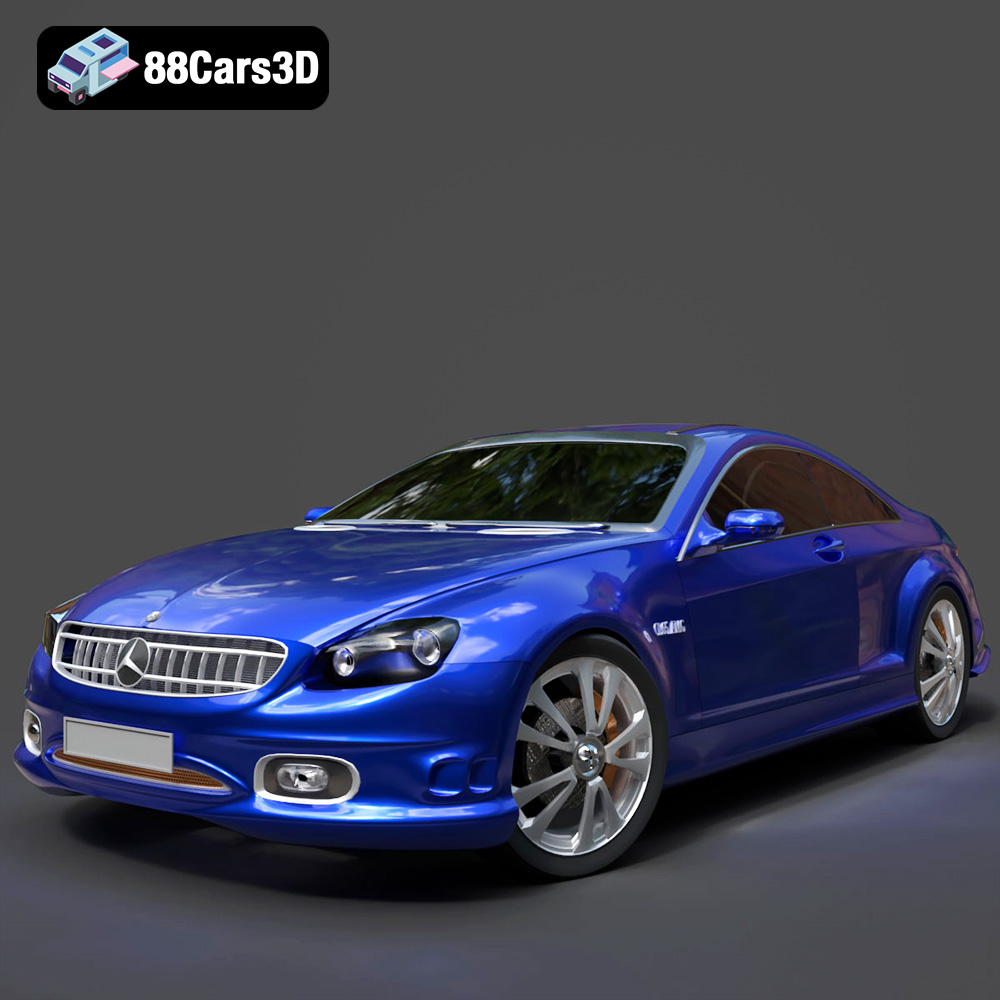
Texture: Yes
Material: Yes
Download the Mercedes-Benz CL6540-005 3D Model featuring clean geometry, realistic detailing, and a fully modeled interior. Includes .blend, .fbx, .obj, .glb, .stl, .ply, .unreal, and .max formats for rendering, simulation, and game development.
Price: $4.99
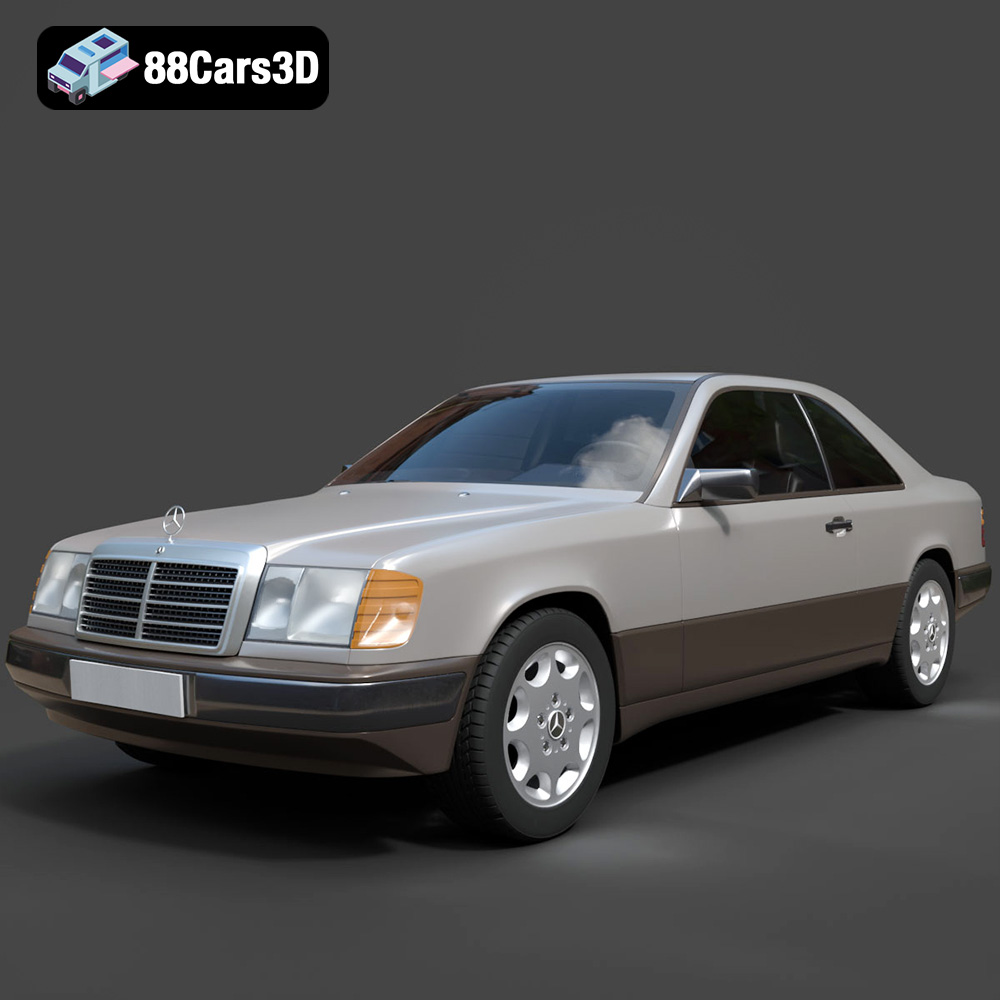
Texture: Yes
Material: Yes
Download the Mercedes E-Class w124 Coupe 3D Model featuring clean geometry, realistic detailing, and a fully modeled interior. Includes .blend, .fbx, .obj, .glb, .stl, .ply, .unreal, and .max formats for rendering, simulation, and game development.
Price: $4.99
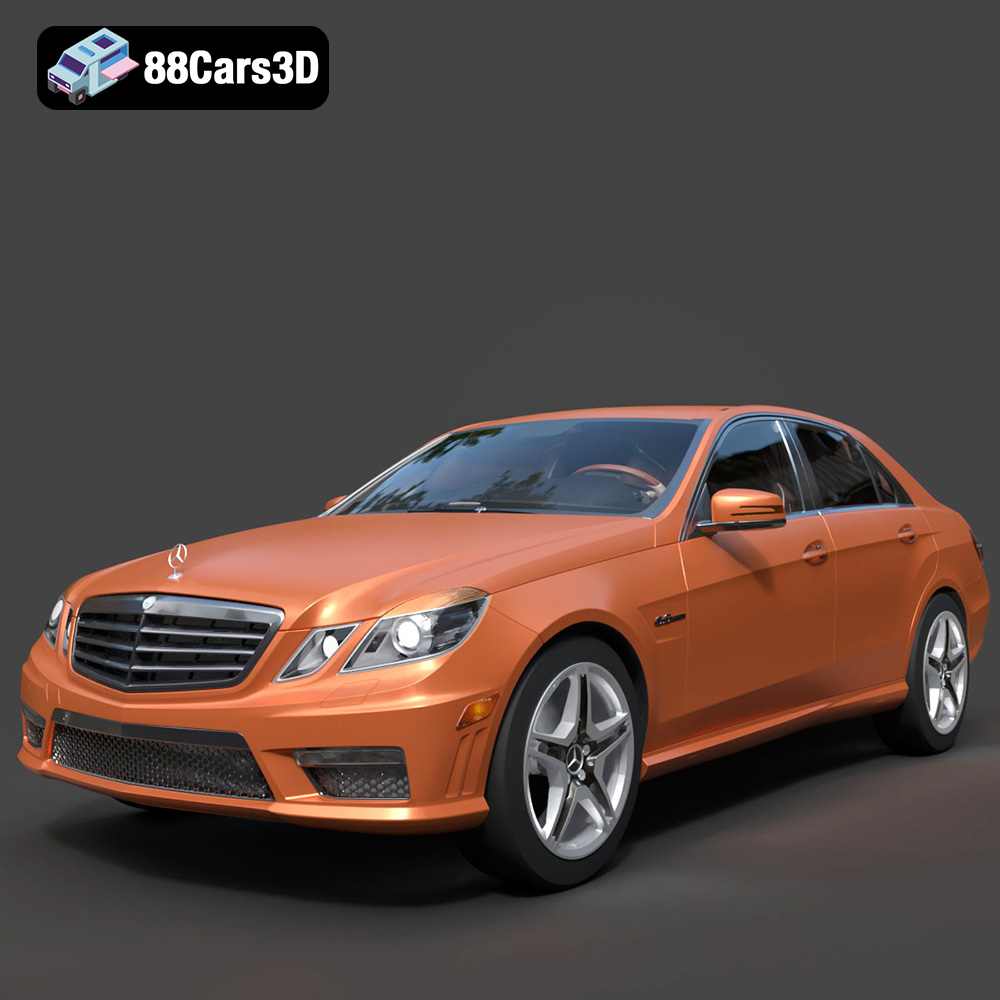
Texture: Yes
Material: Yes
Download the Mercedes-Benz E-Klasse 63 AMG 3D Model featuring clean geometry, realistic detailing, and a fully modeled interior. Includes .blend, .fbx, .obj, .glb, .stl, .ply, .unreal, and .max formats for rendering, simulation, and game development.
Price: $4.99
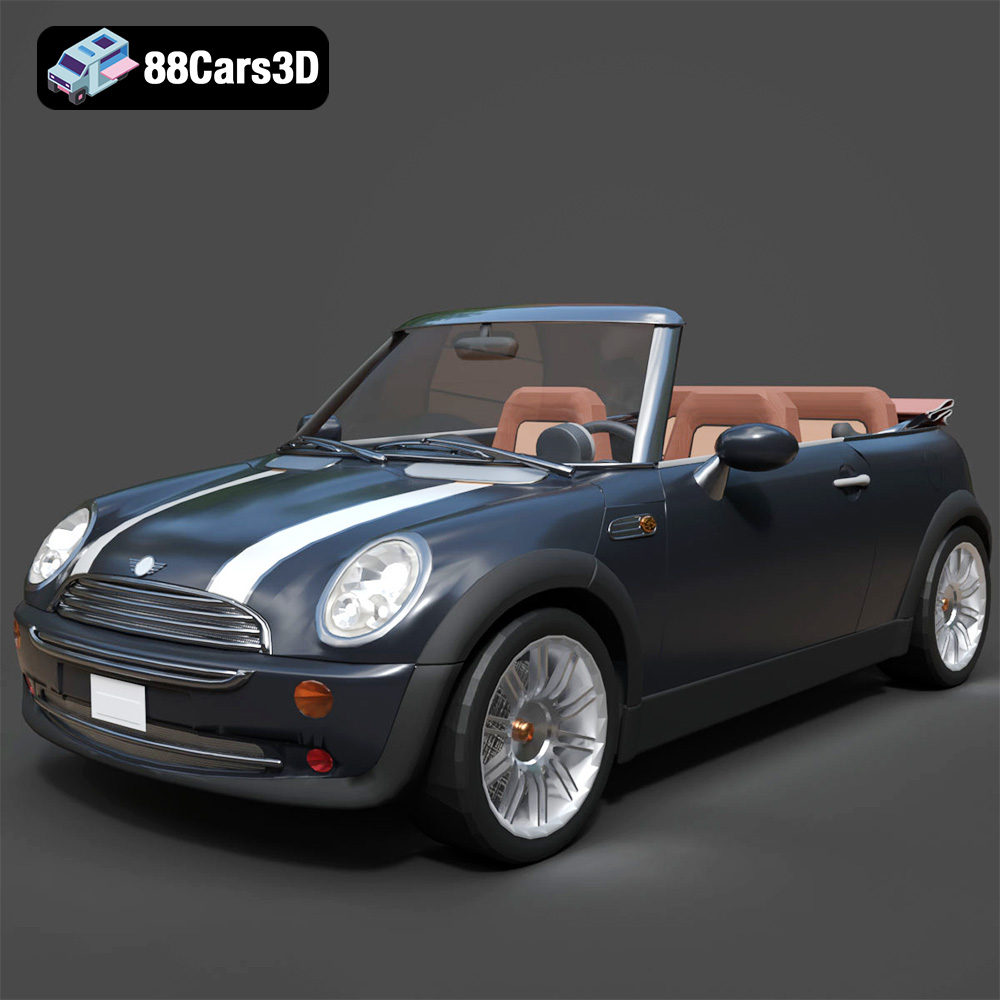
Texture: Yes
Material: Yes
Download the Mini Cabrio 2025 3D Model featuring clean geometry, realistic detailing, and a fully modeled interior. Includes .blend, .fbx, .obj, .glb, .stl, .ply, .unreal, and .max formats for rendering, simulation, and game development.
Price: $4.99
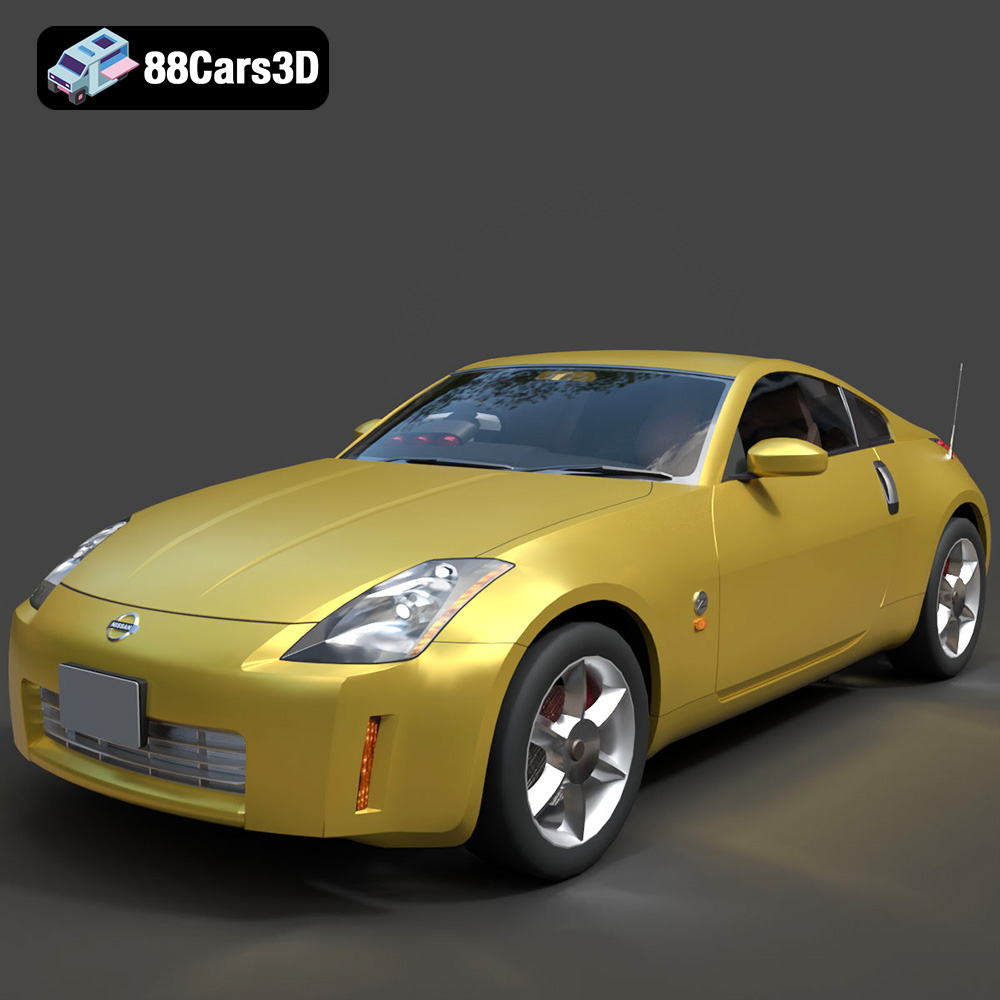
Texture: Yes
Material: Yes
Download the Nissan 350Z 3D Model featuring clean geometry, realistic detailing, and a fully modeled interior. Includes .blend, .fbx, .obj, .glb, .stl, .ply, .unreal, and .max formats for rendering, simulation, and game development.
Price: $4.99
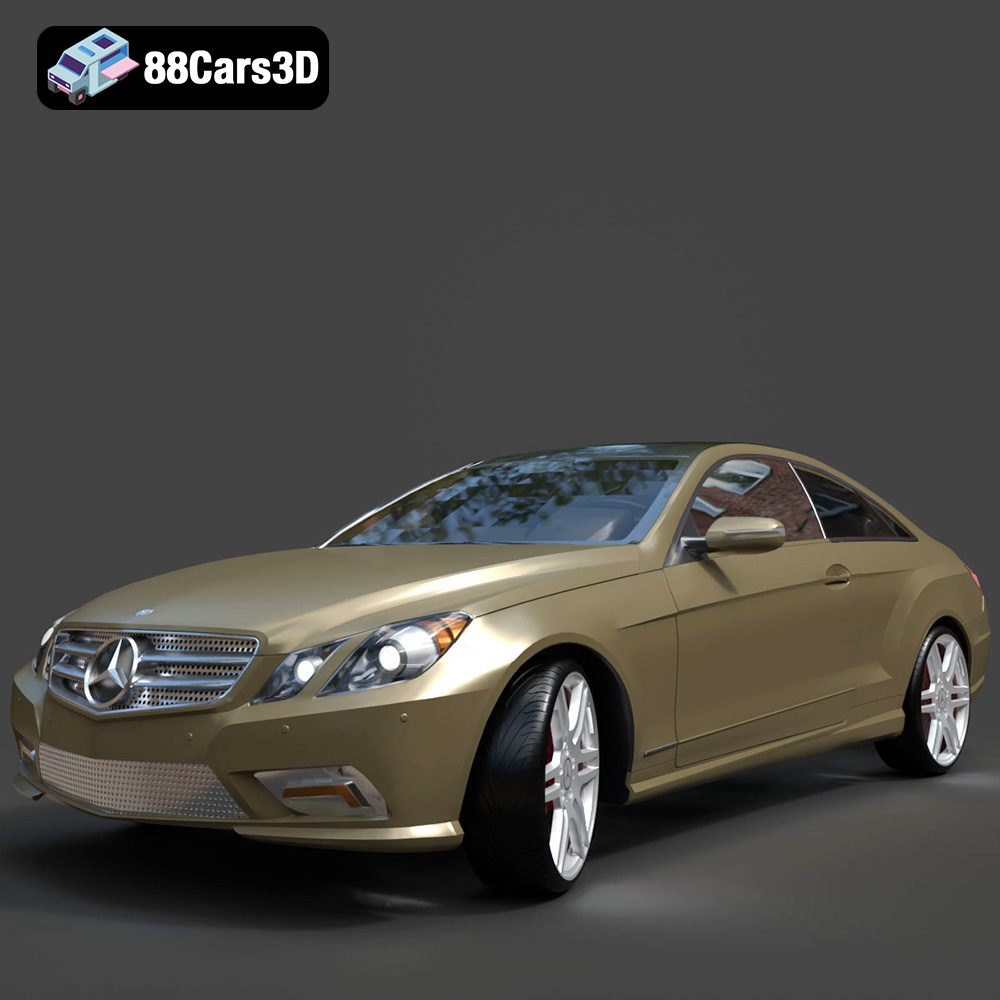
Texture: Yes
Material: Yes
Download the Mercedes-Benz E-Klasse Coupe 3D Model featuring clean geometry, realistic detailing, and a fully modeled interior. Includes .blend, .fbx, .obj, .glb, .stl, .ply, .unreal, and .max formats for rendering, simulation, and game development.
Price: $4.99
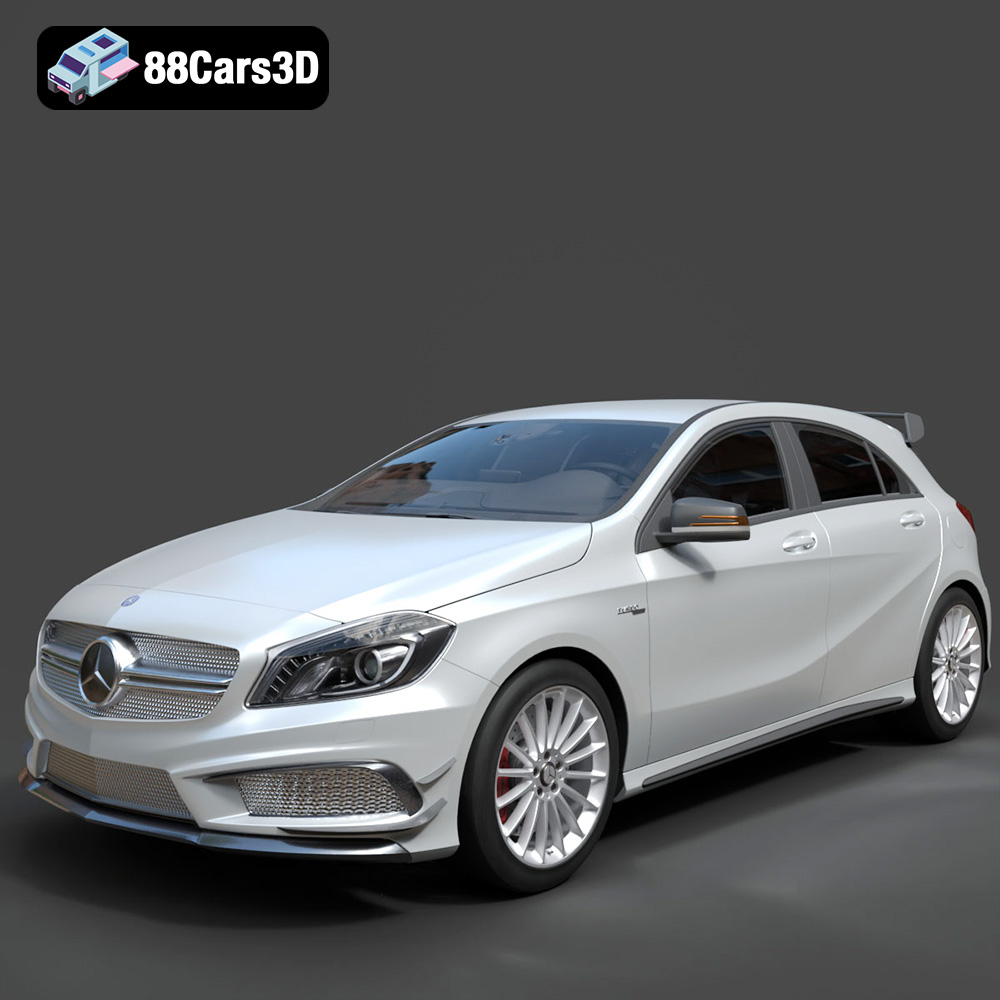
Texture: Yes
Material: Yes
Download the Benza MERS-007 3D Model featuring clean geometry, realistic detailing, and a fully modeled interior. Includes .blend, .fbx, .obj, .glb, .stl, .ply, .unreal, and .max formats for rendering, simulation, and game development.
Price: $4.99
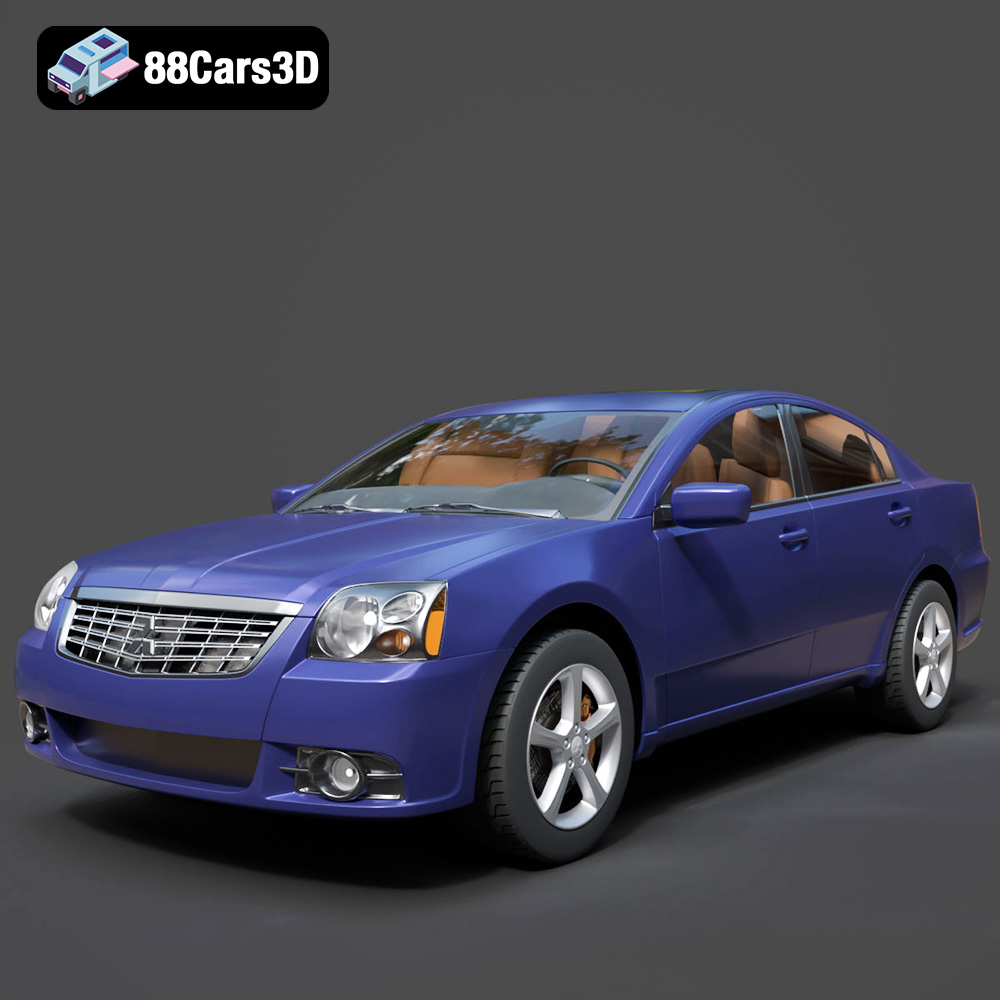
Texture: Yes
Material: Yes
Download the Mitsubishi Galant 2009 3D Model featuring clean geometry, realistic detailing, and a fully modeled interior. Includes .blend, .fbx, .obj, .glb, .stl, .ply, .unreal, and .max formats for rendering, simulation, and game development.
Price: $4.99
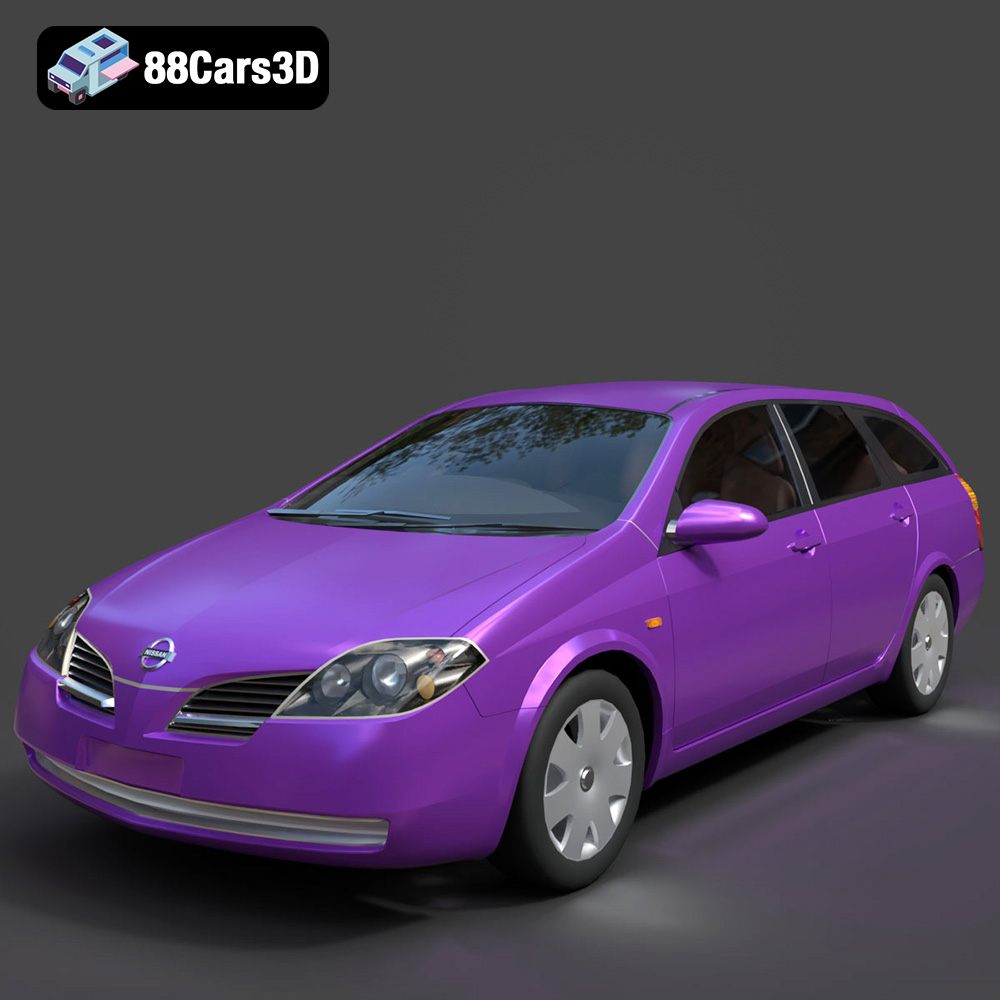
Texture: Yes
Material: Yes
Download the Nissan Primera Wagon 3D Model featuring clean geometry, realistic detailing, and a fully modeled interior. Includes .blend, .fbx, .obj, .glb, .stl, .ply, .unreal, and .max formats for rendering, simulation, and game development.
Price: $4.99
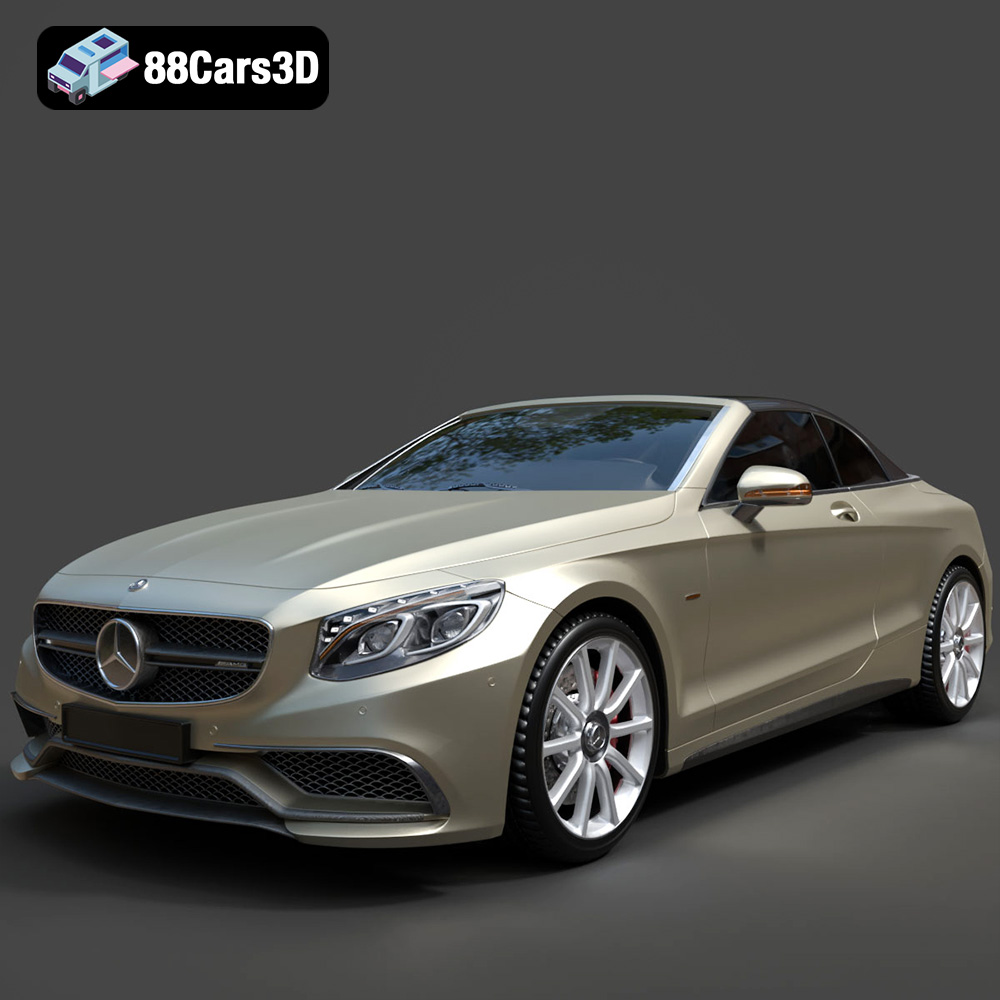
Texture: Yes
Material: Yes
Download the Mercedes-Benz S63 AMG Cabriolet 2017 3D Model featuring clean geometry, realistic detailing, and a fully modeled interior. Includes .blend, .fbx, .obj, .glb, .stl, .ply, .unreal, and .max formats for rendering, simulation, and game development.
Price: $20.99

