Get 20% OFF All Premium 3D & STL Models!

The sleek lines, the reflective surfaces, the intricate details – 3D car models represent a pinnacle of digital artistry and technical precision. From captivating cinematic sequences to immersive game worlds and cutting-edge automotive configurators, these virtual vehicles are indispensable assets across a multitude of industries. But what goes into crafting these digital masterpieces? It’s far more than just pushing polygons; it’s a deep dive into topology, PBR materials, rendering science, and performance optimization.
This comprehensive guide will take you on an in-depth journey through the technical intricacies of developing, optimizing, and deploying high-quality 3D car models. Whether you’re a seasoned 3D artist, an aspiring game developer, an automotive designer, or a visualization professional, understanding these core concepts is crucial for achieving photorealistic results and efficient workflows. We’ll explore everything from the foundational principles of clean modeling to advanced rendering techniques, game engine integration, and specialized applications like AR/VR and 3D printing. Get ready to elevate your skills and unlock the full potential of 3D automotive design.
At the heart of any exceptional 3D car model lies impeccable topology. This isn’t just about aesthetics; it’s about the underlying structure of the mesh that dictates how the model deforms, subdivides, and receives textures. For automotive models, which are characterized by smooth, reflective surfaces and sharp, defined creases, clean topology is paramount. It ensures that reflections flow naturally across surfaces without unsightly distortions and that the model can be easily modified or animated without collapsing.
Maintaining excellent edge flow is critical for automotive models. Edge loops should follow the natural contours and design lines of the car, outlining panels, vents, and features. Ideally, the mesh should primarily consist of quadrilaterals (quads), as they subdivide predictably and handle deformation gracefully. Triangles (tris) can cause pinching or undesirable shading artifacts, especially on curved surfaces when subdivided. While unavoidable in some complex areas, their usage should be minimized and carefully placed.
When modeling a car, consider the flow of light and reflections. Edges should be spaced evenly on smooth surfaces to prevent ‘faceting’ – where the individual polygons become visible. For sharp creases, such as those found on body panel gaps or character lines, tight supporting edge loops are essential. These loops, typically two or three closely spaced edges, help define the hard surface without requiring an excessively dense mesh everywhere else. This practice allows for controlled sharpness even with subdivision surface modifiers applied. For instance, a fender’s smooth curve requires a gentle, evenly distributed flow of quads, while the distinct edge where the fender meets the hood demands precise, parallel edge loops to maintain its crispness.
One of the most significant challenges in 3D modeling is striking the right balance between detail and performance. A model that looks incredible in a static render might bring a real-time application to its knees. For automotive models, polygon counts can range dramatically depending on the intended use. A high-fidelity model for cinematic rendering or an architectural visualization might comfortably sit above 500,000 polygons, or even several million with interior details and engine components. These models benefit from intricate details and often utilize subdivision surfaces to achieve ultra-smooth aesthetics.
Conversely, a game asset for a mobile platform might need to be below 50,000 polygons, while a desktop game could accommodate 150,000-300,000 polygons. The workflow typically involves starting with a high-detail model and then creating optimized, lower-polygon versions through manual retopology, decimation, or specialized tools. The goal is to retain as much visual fidelity as possible while drastically reducing the mesh density. For example, a high-resolution wheel model might feature individually modeled bolts and brake calipers, whereas a low-poly version might use normal maps to bake in those details, drastically saving polygon count. When sourcing high-quality, pre-optimized models with clean topology for various applications, platforms like 88cars3d.com offer an excellent starting point, ensuring your assets are ready for action.
Once your 3D car model’s topology is solid, the next crucial step is UV mapping and texture creation. UV mapping is the process of flattening the 3D surface of your model into a 2D space, allowing you to paint or apply textures to it. For complex, highly reflective surfaces like car bodies, strategic UV unwrapping is essential to prevent distortion and maximize texture resolution. Paired with this is the creation of Physically Based Rendering (PBR) materials, which ensure your digital car reacts to light in a realistic, physically accurate manner.
Effective UV unwrapping for a car model requires careful planning. The primary goal is to minimize stretching and distortion while providing ample texel density for intricate details. Think of the car body as a series of panels – the hood, roof, doors, fenders – each of which can be unwrapped as a relatively flat island. Seams should be placed in areas that are naturally hidden or less visible, such as along panel lines, under trim, or in creases where light doesn’t directly hit. For instance, separating the side of a car into distinct UV islands for the door, front fender, and rear quarter panel allows for clean, rectangular unwraps with minimal distortion, facilitating easier texture painting.
For repetitive elements like tires, brake calipers, or grilles, overlapping UV islands can be a powerful optimization technique. If multiple instances of an object use the exact same texture, their UVs can occupy the same space in the UV map, effectively reducing the overall texture memory footprint. However, this only works if the instances are truly identical in appearance. Tools within software like Blender (Smart UV Project, Follow Active Quads) and 3ds Max (Unwrap UVW modifier with various projection types like planar, cylindrical, and pelting) offer robust capabilities for precise unwrapping. A typical car model might utilize several UV maps: one for the main body, one for interior elements, one for tires/wheels, and possibly another for engine details, each carefully laid out to maximize resolution and minimize wasted space.
Physically Based Rendering (PBR) has revolutionized how digital assets look, ensuring consistent and realistic material properties across different lighting conditions and rendering engines. For a 3D car model, creating compelling PBR materials is where the model truly comes to life. Key PBR maps include:
Car paint is a particularly complex material, often requiring layered shaders. A typical car paint shader network might include a metallic base layer (with metallic flakes simulated via a noise texture or procedural shader), topped with a clear coat layer that provides glossy reflections and a slight absorption effect. Glass materials require careful control over transmission, roughness, and index of refraction (IOR) to accurately simulate transparency and reflections. Rubber tires need specific roughness and normal maps to convey their texture and wear. Chrome and other metallic trims are created using high metallic values and very low roughness. Leveraging node-based shader editors in renderers like Cycles, Arnold, or Corona allows for intricate control over these parameters, enabling artists to build sophisticated material definitions that accurately mimic real-world properties, resulting in stunning automotive renders.
Once your 3D car model is meticulously crafted and textured, the ultimate goal is to bring it to life through high-fidelity rendering. This process involves sophisticated lighting setups, camera positioning, and advanced rendering engine techniques to achieve photorealism. A successful render isn’t just about a powerful engine; it’s about understanding the interplay of light, materials, and environment to evoke emotion and realism.
Lighting is the single most critical factor in achieving photorealistic automotive renders. A perfectly modeled car can look flat and unconvincing under poor lighting. High Dynamic Range Images (HDRIs) are indispensable for this purpose. An HDRI acts as both a light source and an environment map, providing incredibly realistic reflections and ambient lighting that mimic real-world conditions – be it a studio, a sunny outdoor scene, or an urban environment. Using a high-resolution HDRI (e.g., 8k or 16k) ensures sharp, detailed reflections on the car’s paintwork.
Beyond HDRIs, supplementary lighting is often used to emphasize specific features or add artistic flair. A classic three-point lighting setup (key light, fill light, back light) can highlight the car’s form and separation from the background. Area lights are excellent for creating soft, even illumination that mimics studio softboxes, producing elegant reflections on the car’s body. Mesh lights, where 3D geometry is emitted as light, can be used to simulate practical lights within a scene, such as street lamps or interior car lights. Pay close attention to light temperature, intensity, and shadow softness. For automotive beauty shots, often a subtle rim light from the back can enhance the silhouette and give the vehicle a more dynamic presence. Experimentation with various lighting scenarios is key to discovering the optimal setup that truly makes your 3D car model shine.
The choice of rendering engine significantly impacts workflow, capabilities, and final output. Each major renderer offers unique strengths for automotive visualization:
Regardless of the renderer, optimizing render settings involves balancing quality and render time. Understanding samples per pixel, ray depth, global illumination methods (e.g., brute force vs. irradiance map), and denoiser settings is crucial for efficient production. Post-processing in tools like Photoshop or Affinity Photo for color grading, adding lens effects (bloom, glare), and subtle atmospheric enhancements is the final touch that elevates a good render to an exceptional one.
Bringing a high-quality 3D car model into a real-time game engine like Unity or Unreal Engine requires a different set of considerations than static rendering. Performance is paramount, and every polygon, every texture, and every draw call must be meticulously optimized to ensure smooth frame rates and an immersive user experience. Game-ready assets prioritize efficiency without sacrificing visual fidelity, often employing clever techniques to achieve impressive results under strict performance budgets.
One of the most critical optimization techniques for complex assets like 3D car models in game engines is the implementation of Level of Detail (LODs). LODs are different versions of the same model, each with varying polygon counts. As the car moves further away from the camera, the engine automatically switches to a lower-polygon LOD version. This significantly reduces the computational load on the GPU. A typical setup might include LOD0 (highest detail, for close-ups, e.g., 150,000 polys), LOD1 (medium detail, for mid-range, e.g., 50,000 polys), LOD2 (low detail, for distant views, e.g., 15,000 polys), and sometimes a simplified billboard or impostor for extreme distances. Creating effective LODs often involves manual retopology for the lower versions to maintain crucial silhouette details, or using automatic decimation tools with careful supervision to ensure mesh integrity. The goal is to make the LOD transitions imperceptible to the player.
Draw calls are another major performance bottleneck. Every time the CPU tells the GPU to draw something, it incurs a draw call. Reducing draw calls is crucial for frame rate stability. This can be achieved through:
These strategies are essential for ensuring that even a scene with multiple vehicles maintains high performance, especially in racing games or open-world environments. For game developers seeking assets that are already built with these optimizations in mind, platforms like 88cars3d.com are invaluable resources for game-ready 3D car models.
Texture optimization is just as vital as mesh optimization. Textures consume significant GPU memory, and unoptimized textures can quickly hog resources. Best practices include:
In game engines, materials are typically set up using a PBR workflow (Metallic/Roughness or Specular/Glossiness). It’s crucial to match the engine’s expected input for each map. Additionally, simplified collision meshes (often convex hulls or simplified box colliders) should be used for physics calculations instead of the high-detail visual mesh. This prevents complex physics computations and improves simulation stability. Setting up simplified physics assets for wheel suspension, body deformation, and interior elements (like opening doors or operating steering wheels) requires careful rigging and animation within the engine itself, linking visual elements to interactive components for a fully functional game asset.
The versatility of 3D car models extends far beyond traditional rendering and game development. They are increasingly utilized in cutting-edge applications like Augmented Reality (AR) and Virtual Reality (VR), as well as physical production through 3D printing. Each of these applications comes with its own unique set of technical requirements and best practices, further emphasizing the importance of adaptability and proper preparation of 3D assets.
AR and VR environments demand even more stringent performance optimization than traditional game engines due to the high frame rate requirements (often 90 FPS or higher) and the need for seamless immersion. For 3D car models in AR/VR:
File formats like GLB (binary glTF) and USDZ are particularly well-suited for AR/VR due to their compact size, PBR material support, and ability to embed animations and scene data. USDZ, developed by Apple and Pixar, is the standard for AR Quick Look on iOS devices, allowing users to instantly preview 3D models in AR directly from web links.
Converting a digital 3D car model into a physical object via 3D printing introduces a unique set of technical requirements centered around mesh integrity and physical properties:
Common export formats for 3D printing include STL (stereolithography), which is a mesh-only format, and OBJ, which can also carry color information. Careful preparation ensures a successful and high-quality physical print.
The 3D industry utilizes a diverse range of file formats, each with specific strengths and compatibility considerations. Understanding these is vital for smooth asset transfer and deployment:
When sourcing models from marketplaces such as 88cars3d.com, it’s crucial to check the available file formats to ensure compatibility with your specific software and project requirements. Always aim for clean exports from your 3D software to avoid issues during import into other applications.
The journey of a 3D car model, from its initial concept to its final deployment in a game, film, or interactive experience, is a testament to the blend of artistic vision and rigorous technical execution. We’ve traversed the landscape of clean topology, understood the nuances of PBR material creation, explored the art of photorealistic rendering, and delved into the critical world of game engine and AR/VR optimization. From the careful placement of every quad to the strategic unwrap of UVs and the intricate setup of shader networks, each step is vital for achieving excellence.
Mastering these technical workflows empowers you to create not just visually stunning 3D car models, but also highly functional and performant assets suitable for any demanding production. Whether your goal is cinematic realism, real-time interactivity, or a tangible 3D print, the foundational principles remain consistent: precision, optimization, and a deep understanding of your chosen tools and platforms. Keep experimenting with new techniques, staying updated with industry best practices, and leveraging the wealth of knowledge available. The world of 3D automotive design is constantly evolving, offering endless opportunities to push creative boundaries and deliver truly immersive experiences. Now, go forth and create stunning digital vehicles!
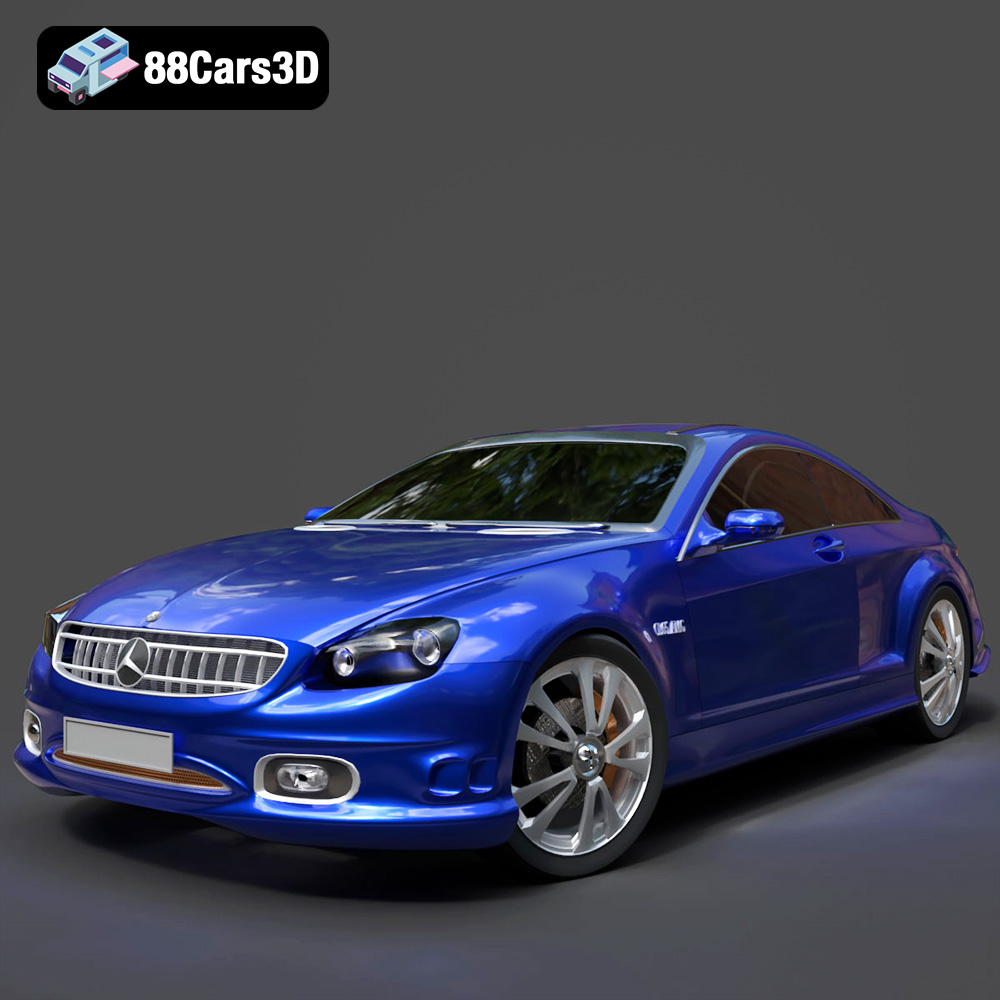
Texture: Yes
Material: Yes
Download the Mercedes-Benz CL6540-005 3D Model featuring clean geometry, realistic detailing, and a fully modeled interior. Includes .blend, .fbx, .obj, .glb, .stl, .ply, .unreal, and .max formats for rendering, simulation, and game development.
Price: $4.99
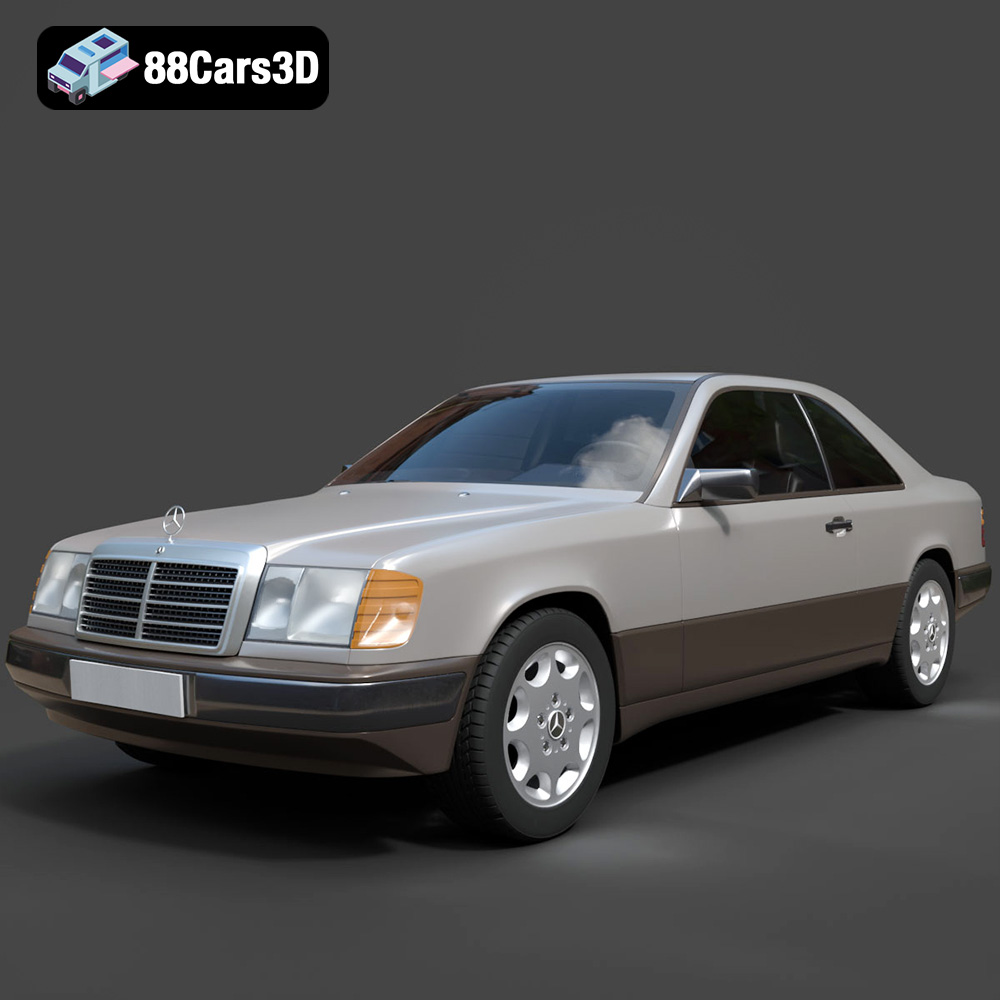
Texture: Yes
Material: Yes
Download the Mercedes E-Class w124 Coupe 3D Model featuring clean geometry, realistic detailing, and a fully modeled interior. Includes .blend, .fbx, .obj, .glb, .stl, .ply, .unreal, and .max formats for rendering, simulation, and game development.
Price: $4.99
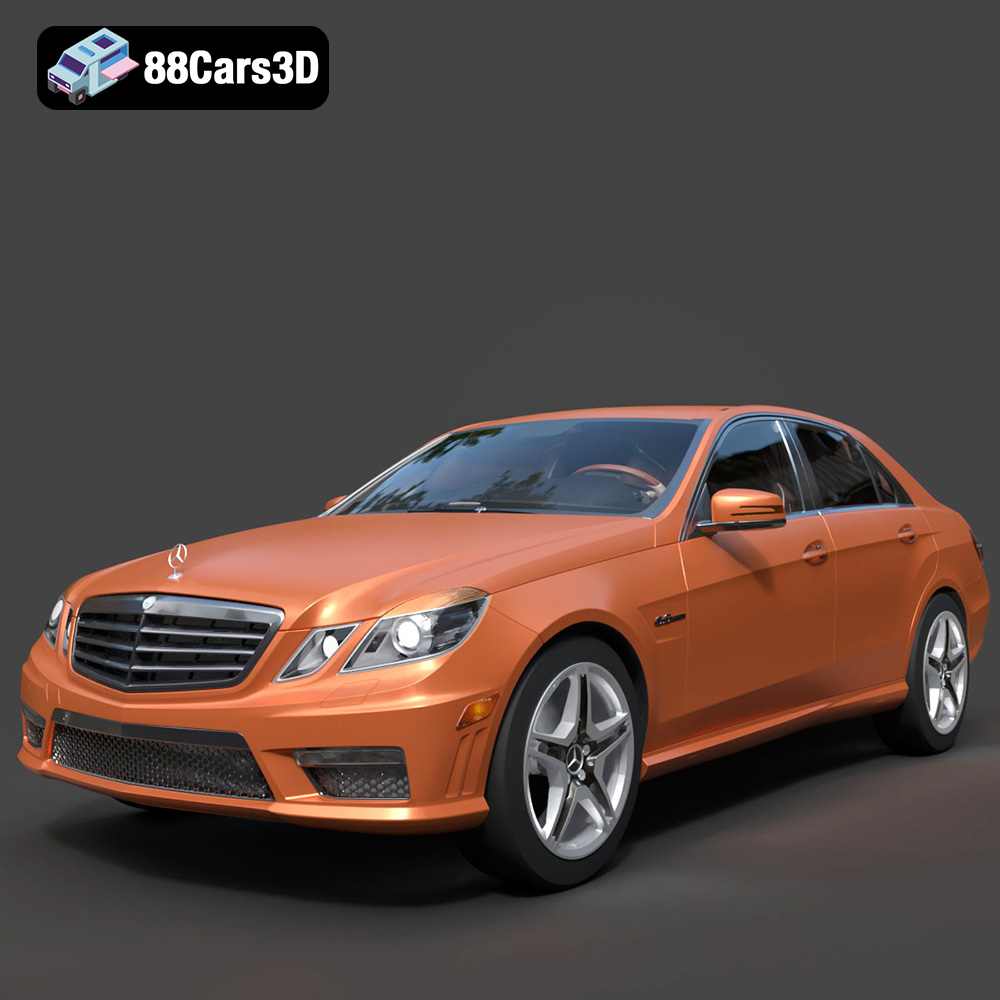
Texture: Yes
Material: Yes
Download the Mercedes-Benz E-Klasse 63 AMG 3D Model featuring clean geometry, realistic detailing, and a fully modeled interior. Includes .blend, .fbx, .obj, .glb, .stl, .ply, .unreal, and .max formats for rendering, simulation, and game development.
Price: $4.99
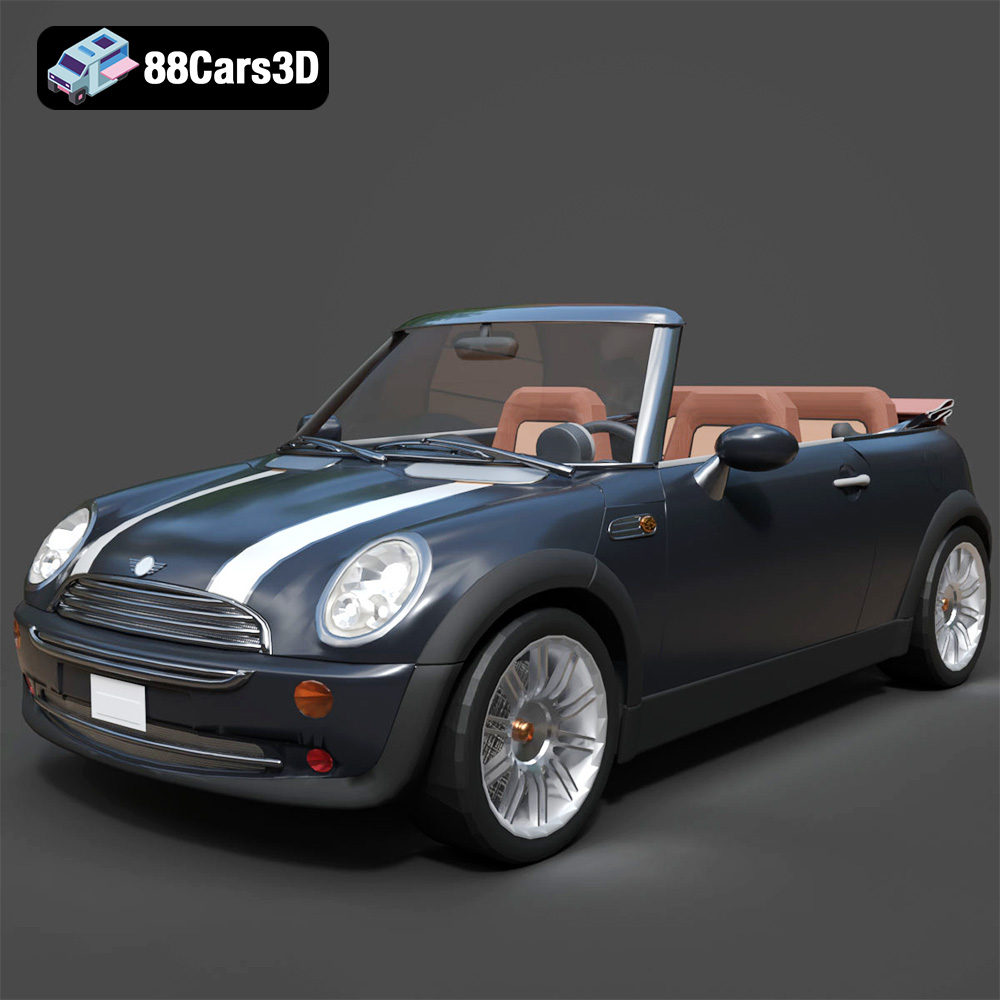
Texture: Yes
Material: Yes
Download the Mini Cabrio 2025 3D Model featuring clean geometry, realistic detailing, and a fully modeled interior. Includes .blend, .fbx, .obj, .glb, .stl, .ply, .unreal, and .max formats for rendering, simulation, and game development.
Price: $4.99
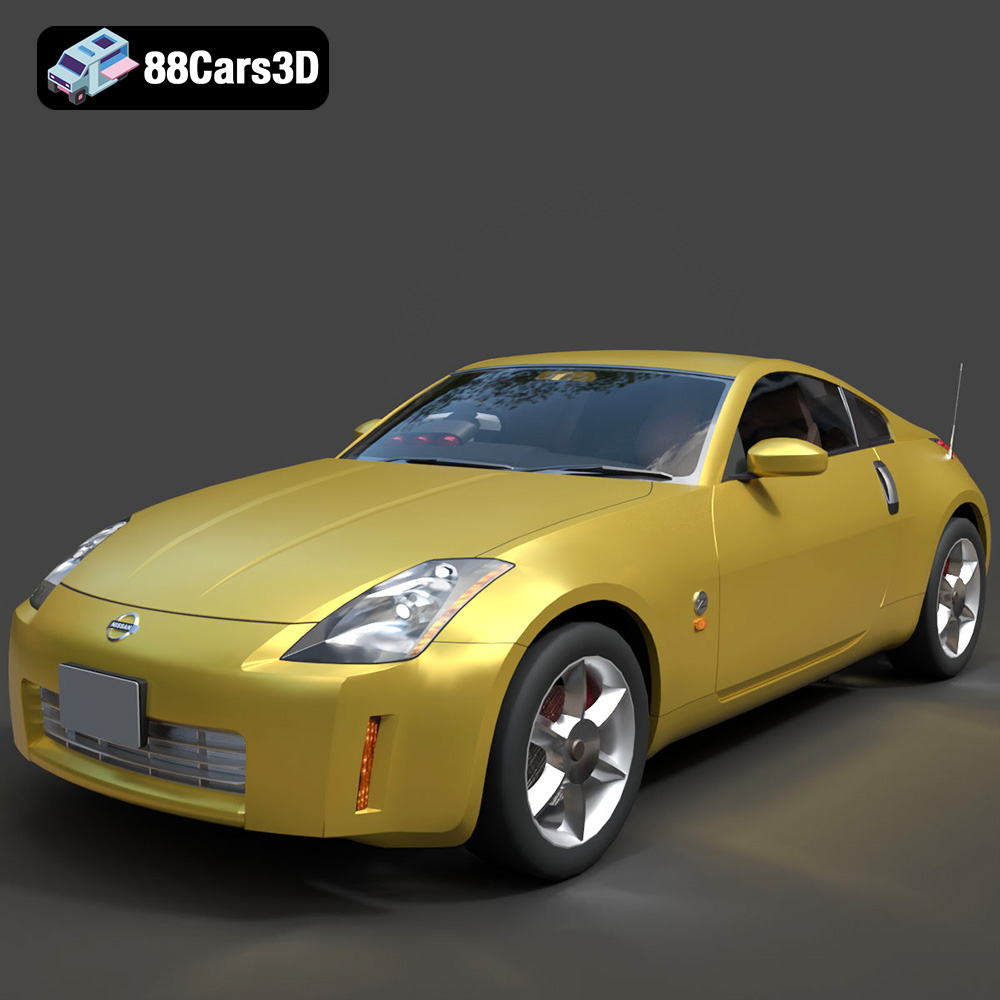
Texture: Yes
Material: Yes
Download the Nissan 350Z 3D Model featuring clean geometry, realistic detailing, and a fully modeled interior. Includes .blend, .fbx, .obj, .glb, .stl, .ply, .unreal, and .max formats for rendering, simulation, and game development.
Price: $4.99
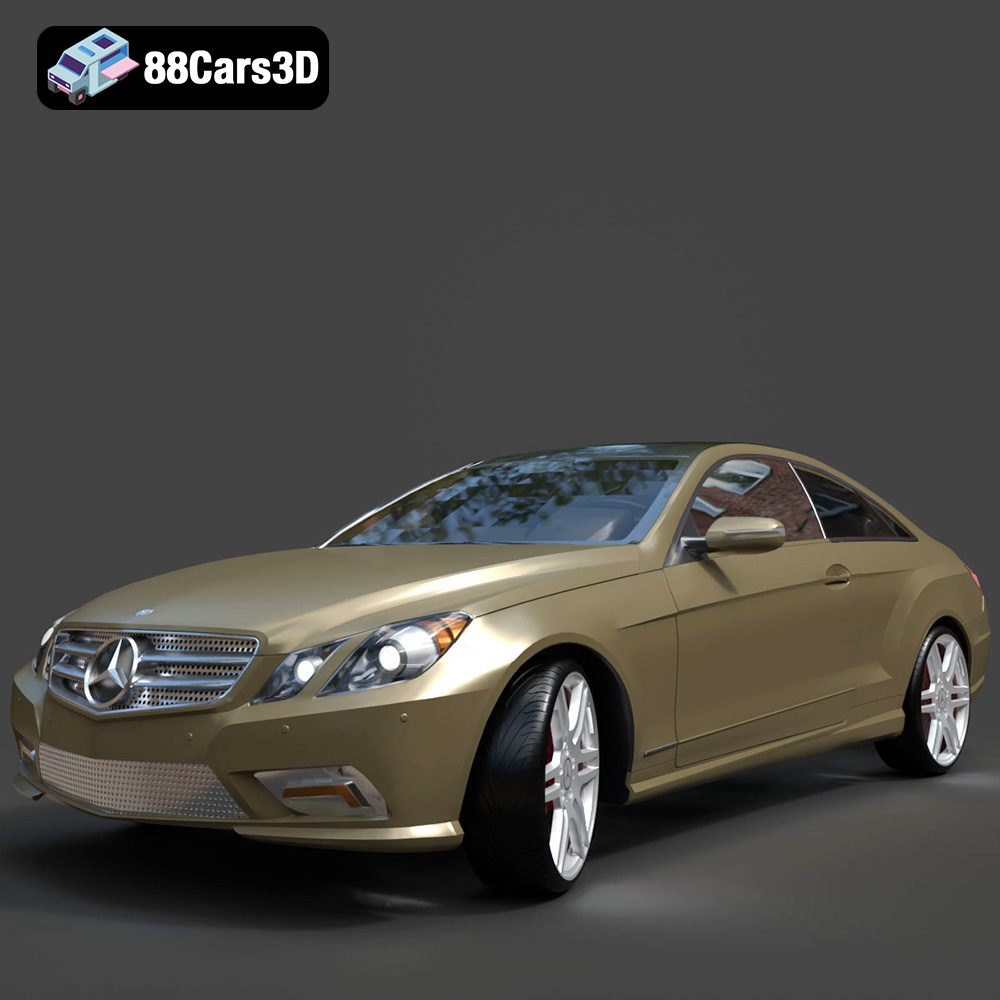
Texture: Yes
Material: Yes
Download the Mercedes-Benz E-Klasse Coupe 3D Model featuring clean geometry, realistic detailing, and a fully modeled interior. Includes .blend, .fbx, .obj, .glb, .stl, .ply, .unreal, and .max formats for rendering, simulation, and game development.
Price: $4.99
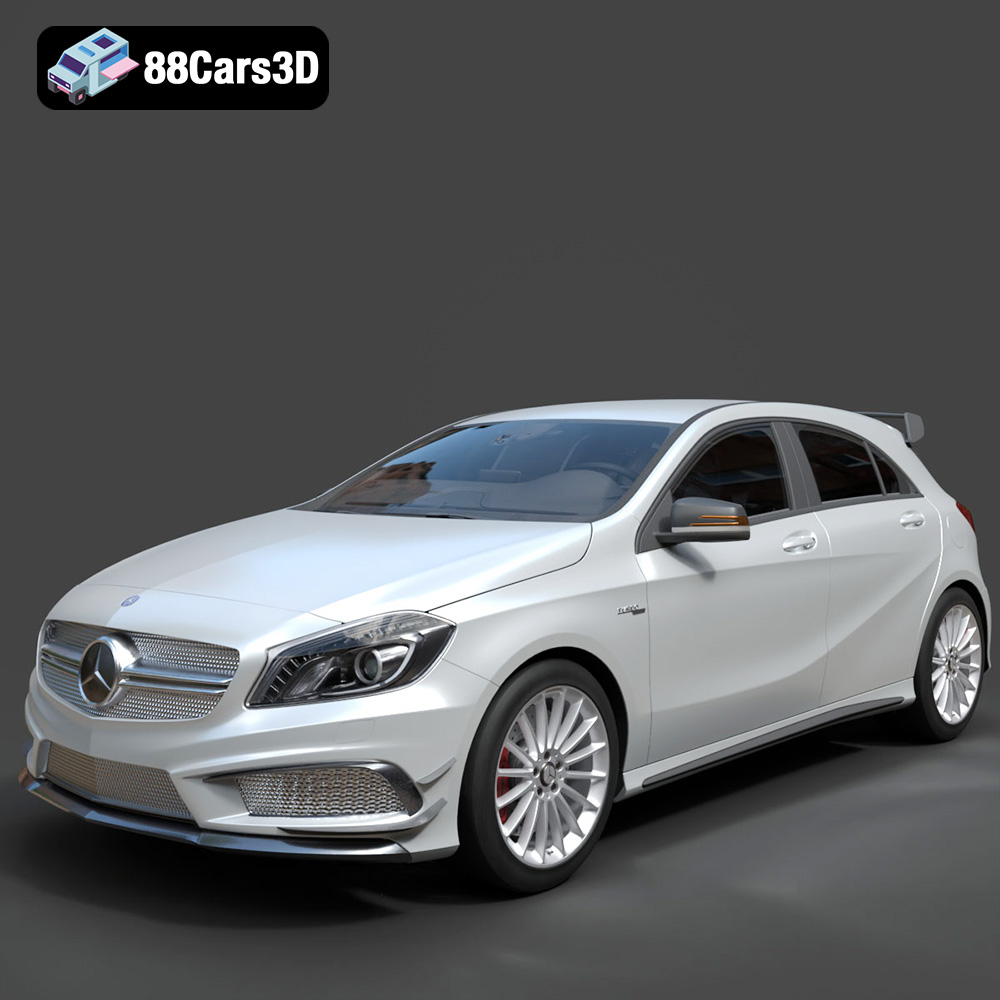
Texture: Yes
Material: Yes
Download the Benza MERS-007 3D Model featuring clean geometry, realistic detailing, and a fully modeled interior. Includes .blend, .fbx, .obj, .glb, .stl, .ply, .unreal, and .max formats for rendering, simulation, and game development.
Price: $4.99
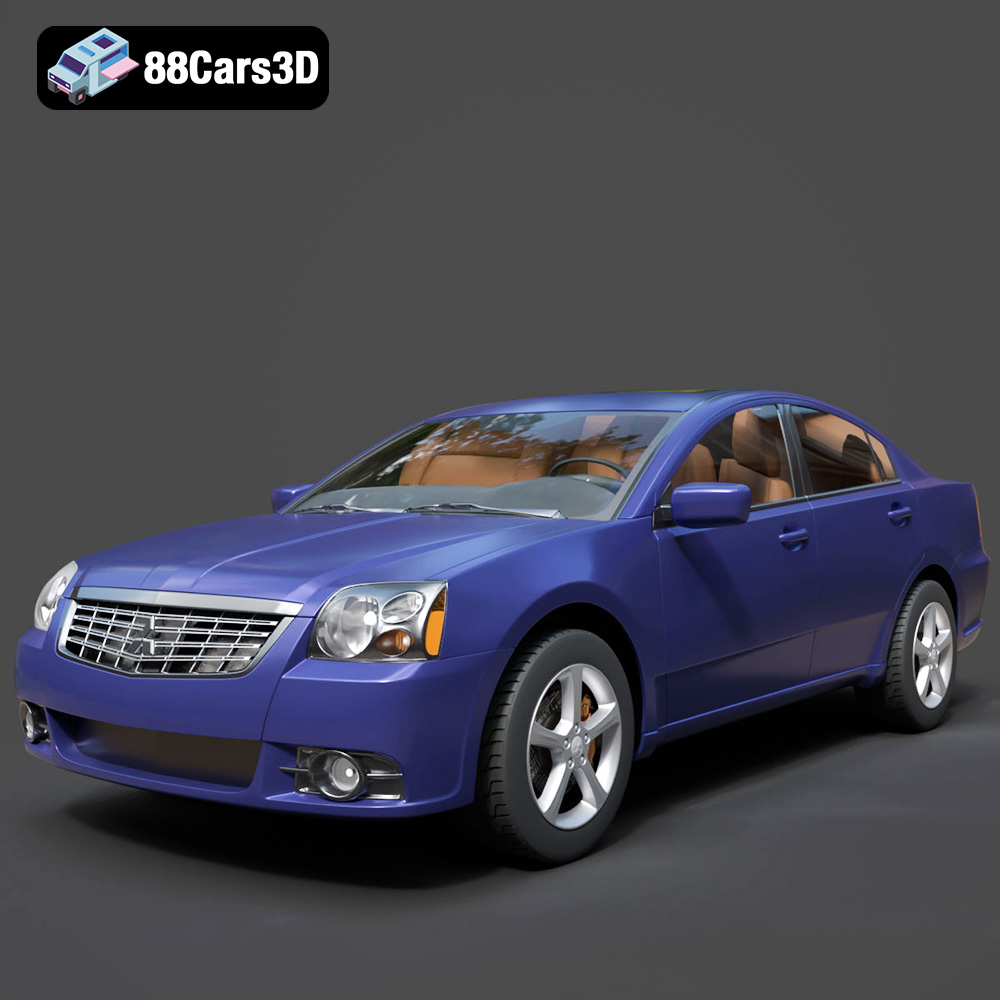
Texture: Yes
Material: Yes
Download the Mitsubishi Galant 2009 3D Model featuring clean geometry, realistic detailing, and a fully modeled interior. Includes .blend, .fbx, .obj, .glb, .stl, .ply, .unreal, and .max formats for rendering, simulation, and game development.
Price: $4.99
Texture: Yes
Material: Yes
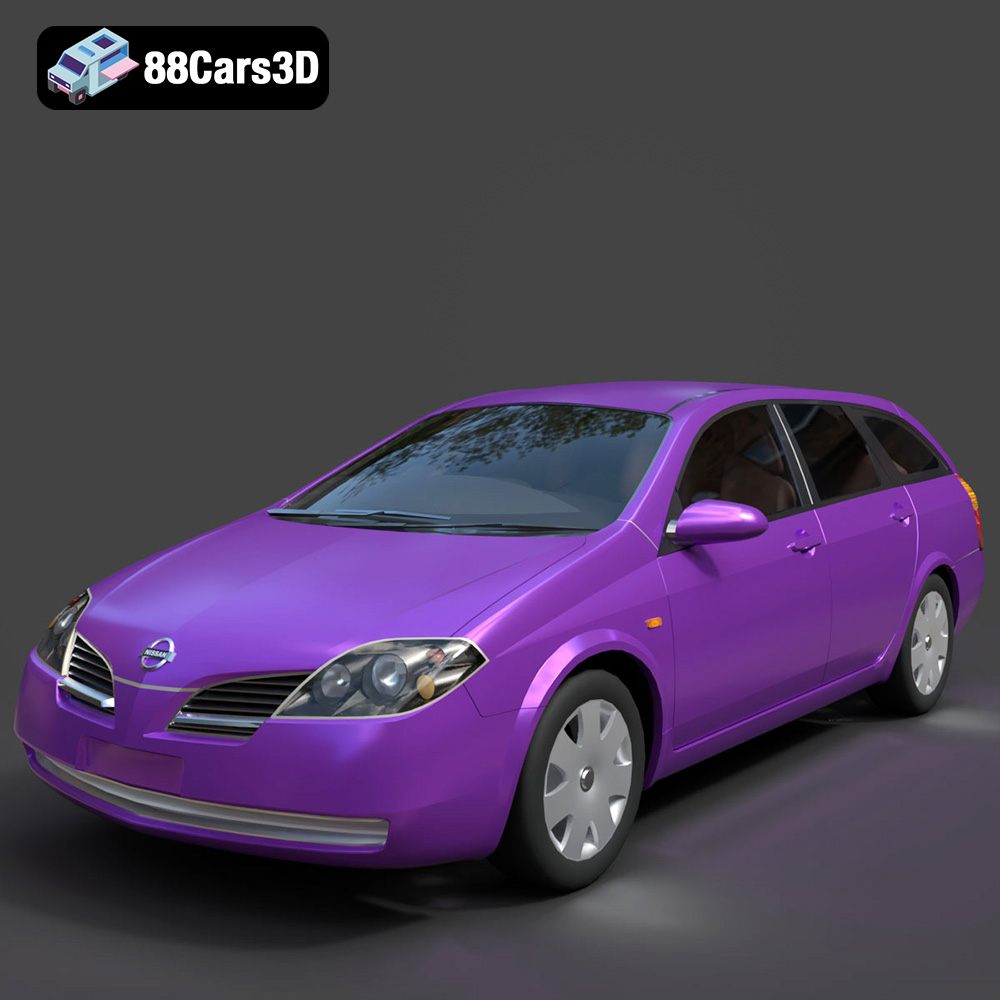
Download the Nissan Primera Wagon 3D Model featuring clean geometry, realistic detailing, and a fully modeled interior. Includes .blend, .fbx, .obj, .glb, .stl, .ply, .unreal, and .max formats for rendering, simulation, and game development.
Price: $4.99
Texture: Yes
Material: Yes
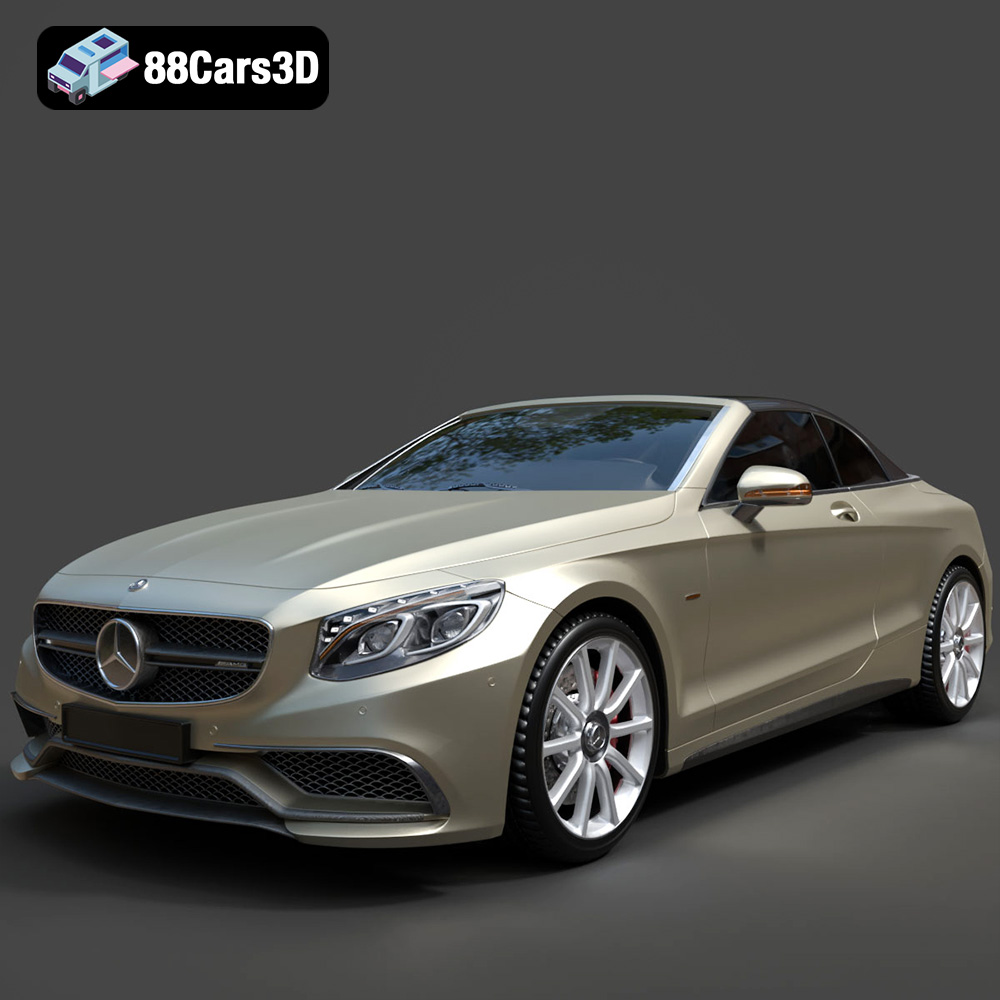
Download the Mercedes-Benz S63 AMG Cabriolet 2017 3D Model featuring clean geometry, realistic detailing, and a fully modeled interior. Includes .blend, .fbx, .obj, .glb, .stl, .ply, .unreal, and .max formats for rendering, simulation, and game development.
Price: $20.99

