Get 20% OFF All Premium 3D & STL Models!

In the fast-paced world of digital creation, a high-quality 3D car model is more than just a virtual object; it’s a meticulously crafted asset, a cornerstone for breathtaking visualizations, immersive game experiences, cutting-edge AR/VR applications, and even precise 3D prints. Whether you’re an automotive designer showcasing a new concept, a game developer building a realistic racing simulator, or an architect integrating vehicles into a scene, the fidelity and performance of your 3D car models dictate the impact of your final output.
This comprehensive guide delves deep into the technical intricacies of creating, optimizing, and utilizing premium 3D car models. We’ll navigate the critical stages of the 3D pipeline, from the foundational principles of clean topology and efficient UV mapping to the advanced techniques of PBR material creation, photorealistic rendering, and game engine optimization. Our journey will cover industry-standard software, best practices, and actionable tips, equipping you with the knowledge to elevate your projects and understand why sourcing models from platforms like 88cars3d.com, which prioritize these standards, is crucial for success. Prepare to unlock the full potential of automotive 3D assets and transform your digital visions into stunning realities.
The quality of a 3D car model begins beneath its surface, with its topology – the arrangement of polygons and vertices that form the mesh. For complex, curvature-rich objects like cars, pristine topology is paramount for smooth deformations, accurate reflections, and efficient rendering. Poor topology can lead to pinching, unsightly artifacts, and headaches down the line, especially during animation or subdivision. The goal is a quad-centric mesh with intelligent edge flow that respects the car’s design lines and allows for precise control over its surface. This meticulous approach ensures that even under close scrutiny, the model maintains its integrity and visual appeal.
A clean, quad-based mesh is essential because subdivision surface modifiers (like TurboSmooth or OpenSubdiv) operate best on quads, producing predictable, smooth results. Triangles and N-gons (polygons with more than four sides) can introduce unwanted creases, pinches, or unpredictable smoothing behavior. For high-polygon render models, maintaining an average poly count of 150,000-300,000 polygons for a base mesh before subdivision is a common practice, while real-time applications require much lower counts, often relying on baked normal maps for detail.
The golden rule in polygonal modeling is “all quads.” While triangles are unavoidable in some scenarios (especially when triangulating for game engines), they should be managed carefully. N-gons are generally to be avoided, as they can cause shading issues and are problematic for subdivision. Edge flow refers to the way edges logically follow the contours and details of the model. For a car, this means edges should trace along shut lines, body panel gaps, fender flares, and character lines. Good edge flow not only enhances visual quality but also simplifies UV mapping, texturing, and potential animation. When creating a mesh, consider how light will fall on the surfaces; smooth, continuous edge loops contribute to beautiful highlights and reflections, which are critical for realistic automotive rendering. Tools like “Edge Loop” and “Ring Selection” in software like 3ds Max, Blender, or Maya are invaluable for manipulating and refining these critical elements.
Automotive designs are replete with subtle curves, sharp creases, and compound surfaces that demand specific topological strategies. To define sharp creases, such as those found around headlights or along a car’s body line, “control loops” or “supporting edges” are used. These are extra edge loops placed very close to the intended crease line, effectively tightening the subdivision surface in that area. For smooth, flowing curves, ensuring an even distribution of edge loops helps prevent faceting or irregular smoothing. When modeling intricate details like grilles or emblems, it’s often beneficial to use a combination of traditional polygonal modeling and sometimes even boolean operations, followed by careful retopology, to maintain a clean quad mesh. Avoiding poles (vertices with more or less than 5 connected edges) in areas of high curvature or visibility is a professional tip, as they can lead to undesirable pinching or shading artifacts. Mastering these techniques requires patience and a keen eye for form, but the resulting mesh quality is undeniable.
Once the 3D car model’s topology is solid, the next crucial step is UV mapping – the process of flattening the 3D surface into a 2D space where textures can be applied. Think of it as carefully “unwrapping” a gift box so its design can be printed on flat paper before being folded back into shape. Effective UV mapping is fundamental for high-quality texturing, ensuring that details like paint chips, dirt, decals, and intricate patterns render without distortion or visible seams. For automotive models, where surfaces are often large and continuous, proper UV layout is especially challenging and rewarding. It directly impacts the visual realism, from the subtle nuances of metallic flake in paint to the fine grain of interior leather.
The resolution and arrangement of textures on the UV map are vital. For a full exterior, separate UV sets or UDIMs (covered below) might be used for different panels, allowing for 4K or even 8K textures on critical areas like the hood or doors, while less prominent parts might use 2K textures. This selective approach optimizes both visual fidelity and memory usage.
Placing UV seams intelligently is an art form. The goal is to hide them in less visible areas, such as along shut lines, underneath the car, or within sharp creases, mimicking how real-world panels are joined. In software like Blender’s UV Editor or 3ds Max’s Unwrap UVW modifier, tools like “Pelt Map” or “Relax” can help minimize stretching. A common technique to check for distortion is to apply a checkerboard texture to the model. Uniform squares across the surface indicate good UV mapping; elongated or compressed squares reveal stretching that needs to be corrected. Overlapping UVs should be avoided unless explicitly intended for mirroring textures, as they can cause issues with baked maps and advanced material workflows. Ensuring a consistent texel density (pixels per unit area) across all UV shells is also crucial, preventing some areas from looking blurry while others are sharp. This careful planning avoids unsightly texture artifacts and maintains a professional appearance.
For ultra-high-resolution models, especially those destined for cinematic rendering or high-end visualization, Multi-Tile UVs, commonly known as UDIMs (pioneered by Mari), are a game-changer. UDIMs allow you to use multiple UV textures for a single mesh, effectively breaking down a large surface (like an entire car body) into several texture maps, each residing in its own UV tile (e.g., 1001, 1002, 1003…). This avoids stretching and allows for incredibly detailed textures without hitting arbitrary resolution limits of a single texture map. For example, the hood might be 1001, the driver’s side door 1002, and the roof 1003, each with its own 4K or 8K texture set.
Conversely, for game engines and real-time applications where performance is critical, “Texture Atlasing” is often employed. This involves combining multiple smaller textures for different parts of the car (e.g., brake calipers, emblems, interior buttons) into a single, larger texture map (an atlas). This significantly reduces the number of “draw calls” (the number of times the GPU is told to render something) by allowing multiple objects to share the same material and texture, leading to much better performance. Platforms like 88cars3d.com often provide models with optimized UVs suitable for various applications, saving artists significant time.
Achieving photorealistic 3D car models hinges heavily on the creation of Physically Based Rendering (PBR) materials. PBR is a shading approach that simulates how light interacts with surfaces in the real world, based on physical properties rather than arbitrary artistic guesswork. This results in consistent and believable lighting under various conditions, making the assets look realistic whether placed in a bright outdoor scene or a dimly lit studio. Understanding the core PBR texture maps and how to construct sophisticated shader networks is critical for producing compelling automotive visualizations. The complexity of car surfaces—from highly reflective clear coats to diffuse matte plastics and intricate fabrics—demands a deep understanding of PBR principles.
PBR materials rely on a set of standardized maps to define a surface’s properties. These typically include Albedo (or Base Color), Normal, Roughness, Metallic, and Ambient Occlusion (AO). Each map plays a specific role in how light is scattered, absorbed, and reflected by the material, dictating its visual appearance. The beauty of PBR is that once set up correctly, the material will react appropriately to any lighting environment, ensuring a consistent level of realism across all scenes.
* **Albedo (Base Color):** This map defines the fundamental color of the surface without any lighting information. For metals, it represents the color of the reflection. For non-metals (dielectrics), it’s the pure diffused color. It should be free of shadows or highlights.
* **Normal Map:** This highly important map simulates surface detail (like scratches, panel lines, or subtle dents) by faking geometric changes using normal vectors, without actually adding more polygons. This is crucial for optimizing game assets, allowing a low-poly model to appear as detailed as a high-poly one.
* **Roughness Map:** This grayscale map dictates how rough or smooth a surface is, influencing the sharpness and spread of reflections. A pure black value (0.0) indicates a perfectly smooth, mirror-like surface, while white (1.0) represents a completely rough, diffuse surface. Car paint, for instance, often has varying degrees of roughness, with the clear coat being very smooth and interior plastics having more roughness.
* **Metallic Map:** Another grayscale map, this one defines whether a surface is metallic (white, 1.0) or non-metallic/dielectric (black, 0.0). Intermediate values are typically avoided, as materials are either one or the other in the real world.
* **Ambient Occlusion (AO) Map:** This map fakes global illumination by darkening crevices and areas where light struggles to reach, adding depth and contact shadows. It doesn’t receive direct light but helps ground the object in a scene.
Car paint is notoriously complex to render realistically due to its layered structure: a base coat (color), metallic flakes, and a transparent clear coat. A typical PBR car paint shader will involve a layered material setup. The base layer might be a metallic material (if using metallic flakes) with a specific albedo and roughness. On top of this, a clear coat shader layer is applied, which is a dielectric (non-metallic), highly transparent, and very smooth material with a specific Index of Refraction (IOR), typically around 1.4-1.5 for automotive clear coats. Advanced shaders might even incorporate procedural noise or a texture map for subtle “orange peel” imperfections common in real-world paint finishes.
For interior materials, the approach shifts. Leathers often require detailed normal maps for grain, combined with roughness maps that show wear and varying sheen. Plastics can range from highly reflective (e.g., piano black trim) to matte and textured, each requiring specific roughness and normal maps. Glass components need accurate transmission and reflection properties, often with a slight tint. Using reference images is vital here to accurately capture the subtle interplay of light and surface properties for each material. Software like Substance Painter is excellent for creating these PBR texture sets with high fidelity and efficiency, often working in conjunction with 3ds Max, Blender, or Maya for shader setup.
Rendering is the final frontier in bringing 3D car models to life, transforming raw geometry and materials into stunning, photorealistic images or animations. Achieving this level of realism requires a deep understanding of lighting, camera principles, and render engine settings. Modern render engines like Corona Renderer, V-Ray, Cycles (Blender), and Arnold (Maya) employ advanced algorithms to simulate light physics, offering powerful tools for artists. The goal in automotive rendering is to showcase the vehicle in its best light, highlighting its design, materials, and overall aesthetic. This often involves creating a controlled studio environment or integrating the vehicle seamlessly into a real-world backdrop using HDRI (High Dynamic Range Image) lighting.
A typical rendering workflow involves setting up the scene, applying lighting, configuring camera angles, fine-tuning render settings, and finally, post-processing. Each step is critical and contributes to the overall realism and artistic impact of the final image. Many professional studios allocate significant time to iterating on lighting and camera angles to achieve magazine-quality results.
Lighting is the single most critical factor in photorealistic rendering. For automotive visualization, two primary lighting strategies are prevalent:
1. **HDRI (High Dynamic Range Image) Lighting:** This is perhaps the most common and efficient method for achieving realistic environmental lighting. An HDRI acts as both a light source and a background, capturing real-world lighting information (color, intensity, direction) from a spherical panoramic image. Placing your 3D car model within an HDRI environment (e.g., a studio, a cityscape, or a natural landscape) will bathe it in realistic indirect light and reflections, automatically grounding it in the scene. Adjusting the HDRI’s rotation and intensity is key to finding the most flattering angles and reflections on the car’s body.
2. **Artificial Lights:** For a controlled studio look, or to enhance specific details, area lights, spot lights, and diffuse planes are used. A common studio setup might include:
* **Key Light:** The primary light source, typically a large softbox or area light, positioned to highlight the car’s form.
* **Fill Light:** Softer, less intense light to reduce harsh shadows and even out lighting.
* **Rim Lights:** Placed behind and to the sides of the car, these lights create a bright outline, separating the car from the background and enhancing its contours.
* **Bounce Cards:** Large, white or reflective planes used to bounce light back onto the car, filling in shadows gently and adding subtle reflections.
The interplay of these lights, combined with careful placement, defines the mood and quality of the render.
Modern render engines offer a plethora of settings that can drastically affect render time and quality. Key settings to optimize include:
* **Sampling:** This controls the quality of light and shadow calculations. Higher samples reduce noise but increase render time. Adaptive sampling features in engines like Corona or V-Ray intelligently focus samples where needed most.
* **Denoisers:** AI-powered denoisers (like NVIDIA OptiX or Intel Open Image Denoise) are now standard, significantly reducing render times by cleaning up noisy images with minimal quality loss.
* **GI (Global Illumination) Settings:** Configure bounce calculations and methods (e.g., Brute Force, Irradiance Map, Light Cache) to achieve realistic indirect lighting.
* **Camera Settings:** Use real-world camera parameters like F-stop, shutter speed, and ISO for accurate depth of field and motion blur, adding to the photorealism.
Utilizing **Render Passes (or Render Elements)** is a professional workflow for maximum control in post-processing. Instead of rendering a single final image, the render engine outputs separate layers (e.g., reflection pass, diffuse pass, shadow pass, Z-depth pass, ID masks, Ambient Occlusion). These passes can then be composited in software like Adobe Photoshop or Foundry Nuke, allowing artists to adjust specific aspects of the image (e.g., boosting reflections, darkening shadows, adding depth of field) non-destructively, without re-rendering the entire scene. This level of control is indispensable for fine-tuning the final look and correcting minor imperfections.
While high-polygon models are ideal for photorealistic renders, real-time applications like video games, AR (Augmented Reality), and VR (Virtual Reality) demand a completely different approach. Performance is paramount: models must render quickly and smoothly to maintain high frame rates, prevent motion sickness in VR, and ensure a responsive user experience. This means drastically reducing polygon counts, optimizing textures, and implementing clever rendering techniques without sacrificing visual fidelity. Balancing visual quality with performance is a core challenge for game and real-time asset artists.
The specific optimization strategies employed depend on the target platform and performance budget. A hero car in a racing game might have 50,000-100,000 polygons (or more for next-gen), while a background car could be as low as 5,000-10,000. Mobile AR applications will have even stricter limits, often requiring models below 20,000 polygons. Texture budgets also come into play, with smaller resolutions (e.g., 1K-2K) and texture atlases being common to minimize memory usage and draw calls.
* **Level of Detail (LODs):** This is a fundamental optimization technique where multiple versions of the same 3D model are created, each with progressively lower polygon counts. As the camera moves further away from the object, the game engine automatically switches to a lower-detail LOD, saving computational resources. For a complex car model, you might have 3-5 LODs:
* **LOD0 (High-Poly):** For close-up views, 50,000-100,000+ polygons.
* **LOD1 (Medium-Poly):** For mid-range views, 20,000-40,000 polygons.
* **LOD2 (Low-Poly):** For distant views, 5,000-15,000 polygons.
* **LOD3 (Very Low-Poly/Impostor):** For very distant views, a few hundred polygons or even a 2D billboard sprite.
Creating LODs involves careful decimation (polygon reduction) while preserving crucial silhouette and baked normal map detail.
* **Occlusion Culling:** This optimization technique prevents the rendering of objects that are completely hidden from the camera by other objects. If a car is behind a building, the game engine won’t waste resources trying to draw it. Unity and Unreal Engine provide robust occlusion culling systems that require baking occlusion data into the scene, significantly improving performance in complex environments.
* **Texture Atlasing:** As discussed earlier, combining multiple small textures into a single large texture map (atlas) reduces the number of texture lookups and material switches for the GPU, thus lowering draw calls. For game assets, consolidating all car exterior textures (paint, trim, glass, decals) into one or two atlases is a common and highly effective strategy.
* **Draw Call Reduction:** Each time the CPU tells the GPU to render a batch of triangles, it’s a “draw call.” Minimizing draw calls is crucial for performance. This involves several strategies:
* **Combining Meshes:** Merging individual car parts (e.g., doors, fenders, hood) into fewer mesh objects where possible.
* **Sharing Materials:** Ensuring that objects using the same material (e.g., all windows using the same glass material) can be rendered in a single draw call. Texture atlasing directly contributes to this.
* **Asset Instancing:** When multiple instances of the same object (e.g., a fleet of identical cars) appear in a scene, game engines can use instancing. Instead of sending the full data for each car to the GPU, it sends the data once and then tells the GPU to draw it multiple times at different positions and rotations. This drastically reduces the CPU overhead for rendering multiple identical objects.
For developers seeking optimized assets, marketplaces like 88cars3d.com are an invaluable resource, providing models specifically designed and pre-optimized for real-time engines, often with ready-to-use LODs and PBR material setups.
The utility of a high-quality 3D car model extends far beyond rendering and game engines. These versatile assets are increasingly critical for applications like 3D printing, interactive AR/VR experiences, product configurators, and even virtual training simulations. Each application brings its own set of technical requirements and considerations, from specific file formats to mesh integrity and polygon budgets. Understanding these diverse applications and how to prepare your 3D models for them unlocks their full potential.
The careful preparation of a 3D car model for different use cases highlights the importance of starting with a clean, well-structured base mesh. This foundational quality ensures that the model can be efficiently adapted, whether it needs to be heavily optimized for a mobile app or meticulously prepared for a physical print.
For Augmented Reality (AR) and Virtual Reality (VR), 3D car models must be extremely lightweight and efficient, often more so than for traditional games. The target device (e.g., mobile phone, standalone VR headset) dictates the polygon and texture budgets.
* **Polygon Budget:** For mobile AR, a car model might need to be under 20,000-50,000 triangles. VR applications on high-end PCs can handle more, but still typically require models to be below 100,000-200,000 triangles per asset to maintain target frame rates (e.g., 90 FPS for VR to prevent motion sickness).
* **Texture Streaming:** Textures should be optimized for streaming, often using smaller resolutions (e.g., 1K-2K) and texture compression formats (e.g., ETC2 for Android, PVRTC for iOS).
* **File Formats:** Key formats for AR/VR are:
* **GLB (glTF Binary):** An increasingly popular, open-standard file format optimized for web and real-time use. It’s compact, includes PBR materials, animations, and scene hierarchy, and is widely supported across AR/VR platforms.
* **USDZ (Universal Scene Description Zip):** Apple’s proprietary format for AR experiences on iOS devices. It’s a container for USD assets, optimized for mobile performance, and widely used for showcasing products in AR Quick Look.
* **FBX & OBJ:** Still widely used for importing into game engines (Unity, Unreal) before conversion to their native asset formats.
Optimizing for AR/VR also often means baking all possible details (normals, ambient occlusion, lightmaps) into textures to reduce real-time calculations.
3D printing a car model requires a different set of considerations, primarily focusing on mesh integrity and physical properties. Unlike digital rendering, where non-manifold geometry might pass unnoticed, 3D printers require a “watertight” mesh – a completely enclosed, solid volume without any holes, inverted normals, or self-intersecting geometry.
* **Watertight Mesh:** Every edge must be shared by exactly two faces. Any un-welded vertices or open edges will cause errors during slicing for printing. Software like Blender (3D Print Toolbox add-on), MeshMixer, or Autodesk Netfabb are invaluable for analyzing and repairing meshes.
* **Wall Thickness:** The model’s walls must have sufficient thickness to be printable. Thin, flimsy sections in the digital model might break during printing or even be too fine for the printer to reproduce. Recommended thicknesses vary by printer and material, but generally, aim for at least 1-2mm for structural parts.
* **Scale:** Ensure the model is scaled correctly in your 3D software before exporting, matching the desired real-world size.
* **File Formats:**
* **STL (Stereolithography):** The most common format for 3D printing. It’s a simple triangulation of the surface.
* **OBJ:** Can also be used, often preferred for its ability to retain material groups, though material information itself isn’t used by most consumer 3D printers.
* **3MF (3D Manufacturing Format):** A newer format that includes color, material, and structural information, providing more capabilities than STL.
Properly preparing a model for 3D printing can be time-consuming, but the ability to hold a physical representation of a digital design is an incredibly powerful application. It’s a testament to the versatility of high-quality 3D car models, showing their value from virtual visualization to tangible prototypes.
The journey through the creation, optimization, and application of high-quality 3D car models reveals a multifaceted discipline demanding both artistic vision and technical prowess. From the foundational principles of clean topology and precise UV mapping to the sophisticated science of PBR materials, the art of photorealistic rendering, and the strict demands of real-time optimization for games and AR/VR, every stage plays a critical role in the final output. The digital automotive landscape is dynamic, and mastering these technical aspects ensures your 3D assets are not just visually stunning but also functionally robust across an array of platforms and uses.
By understanding the intricacies of edge flow, optimizing UV seams, crafting layered PBR shaders, and meticulously fine-tuning render settings, you can elevate your automotive visualizations to a professional standard. Moreover, for performance-critical applications, implementing LODs, texture atlasing, and managing draw calls are indispensable skills that balance fidelity with fluidity. Whether your goal is a cinematic render, an immersive game experience, a cutting-edge AR presentation, or a tangible 3D print, the quality of your foundational 3D model is paramount. Sourcing meticulously crafted 3D car models from trusted platforms like 88cars3d.com ensures you begin with a solid foundation, saving countless hours and guaranteeing a professional starting point for any project.
Embrace these best practices, continually refine your skills, and leverage the powerful tools at your disposal. The world of 3D automotive design is boundless, and with a deep understanding of these technical insights, you are well-equipped to drive excellence in every endeavor.
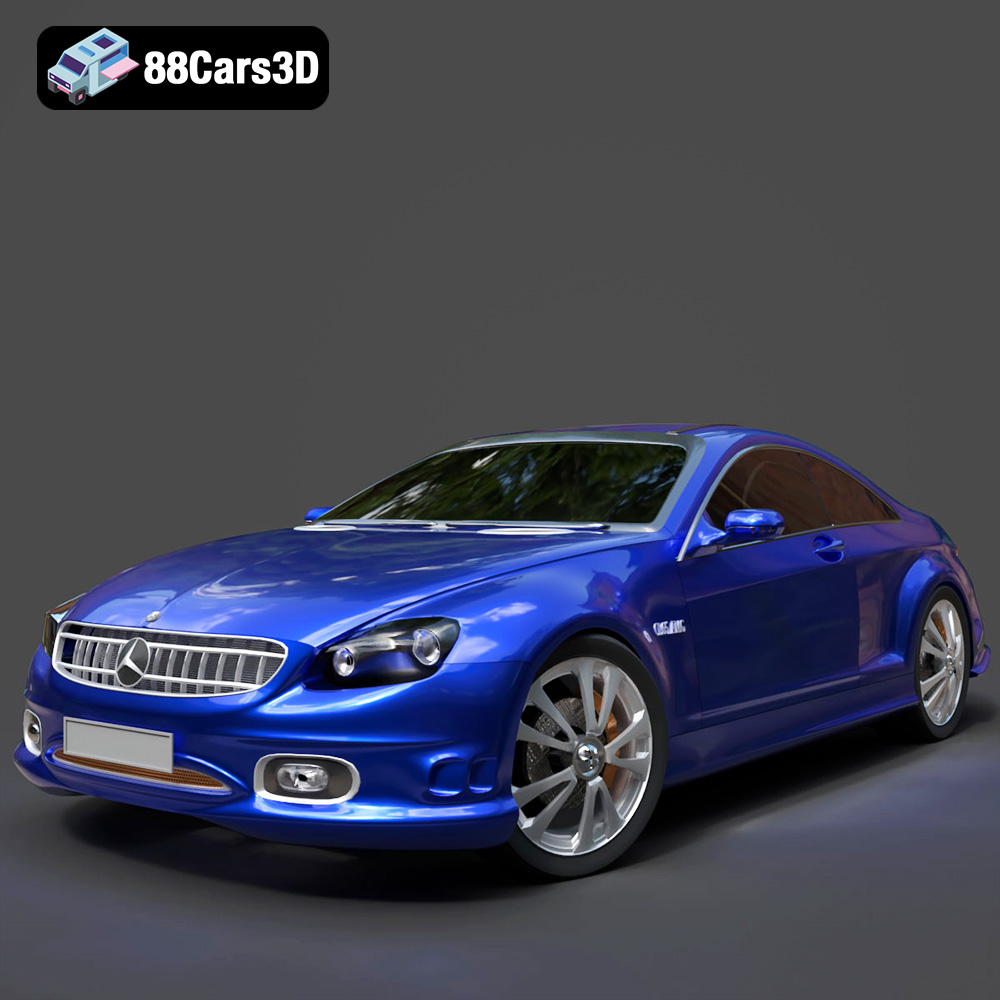
Texture: Yes
Material: Yes
Download the Mercedes-Benz CL6540-005 3D Model featuring clean geometry, realistic detailing, and a fully modeled interior. Includes .blend, .fbx, .obj, .glb, .stl, .ply, .unreal, and .max formats for rendering, simulation, and game development.
Price: $4.99
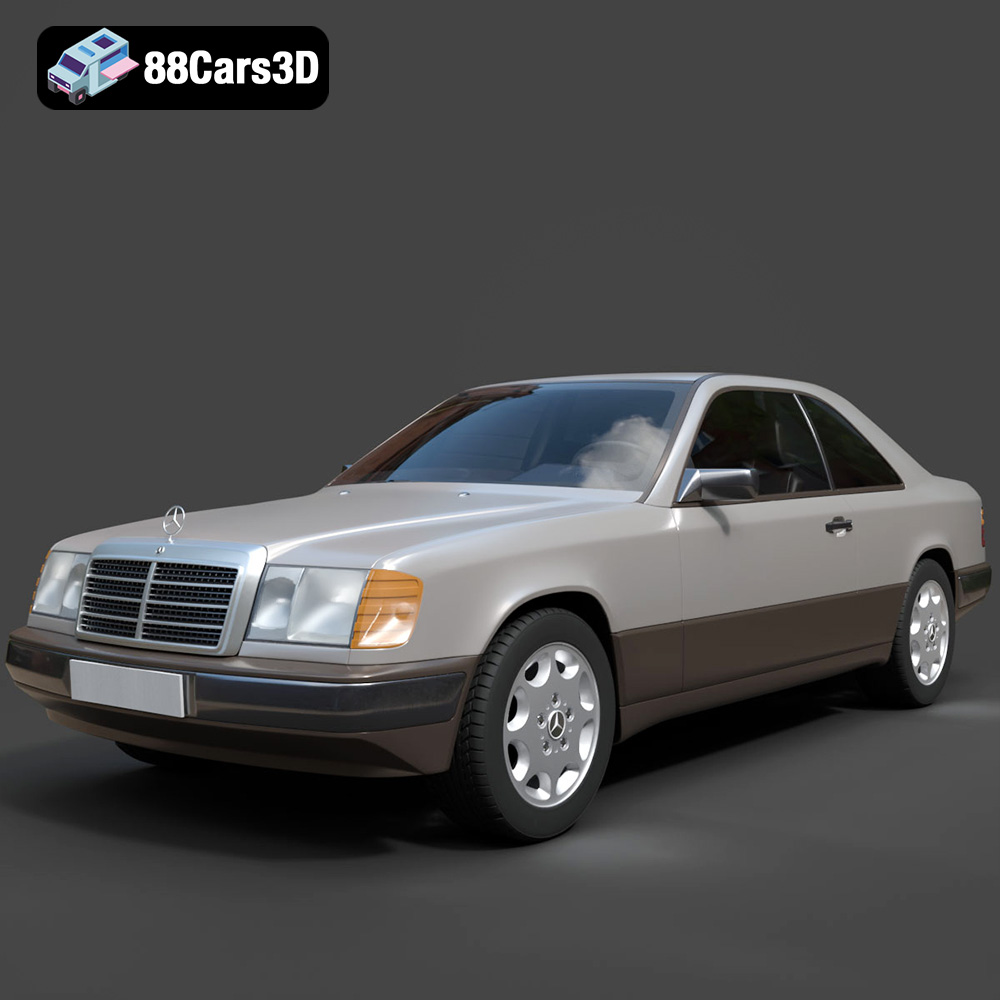
Texture: Yes
Material: Yes
Download the Mercedes E-Class w124 Coupe 3D Model featuring clean geometry, realistic detailing, and a fully modeled interior. Includes .blend, .fbx, .obj, .glb, .stl, .ply, .unreal, and .max formats for rendering, simulation, and game development.
Price: $4.99
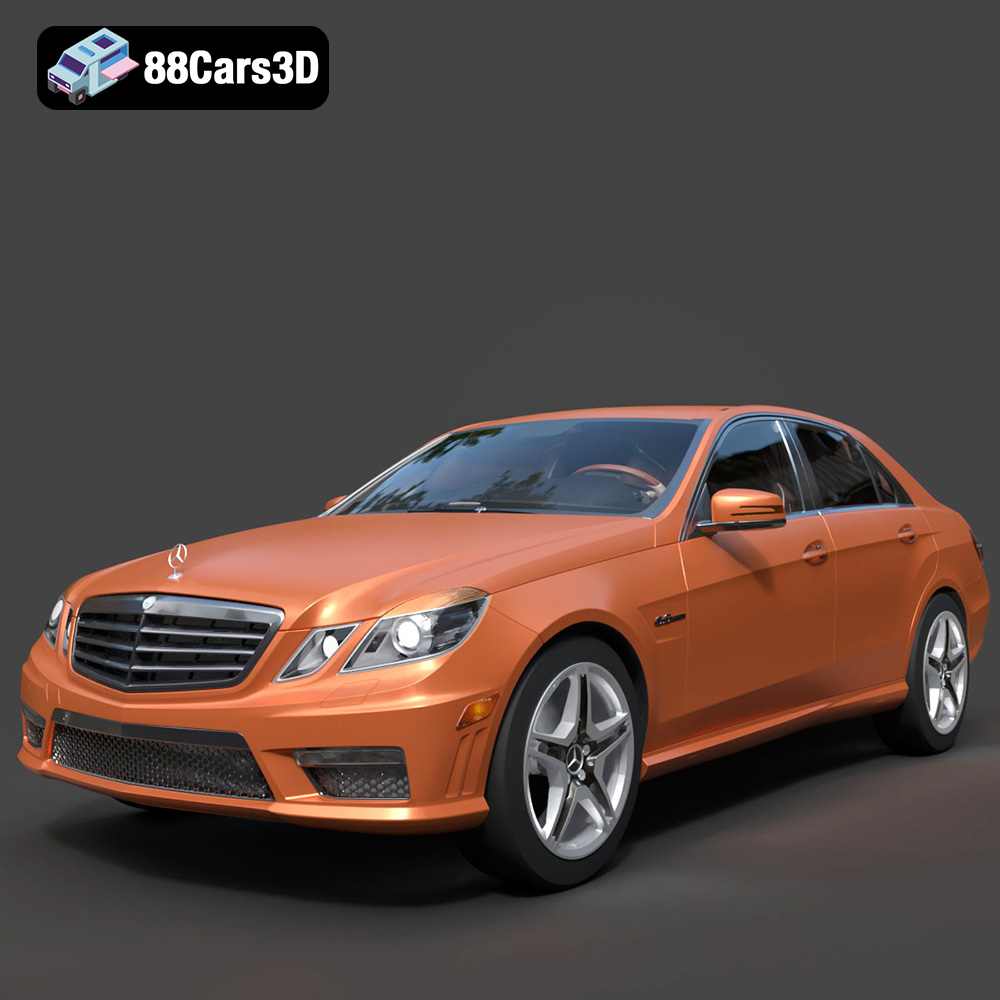
Texture: Yes
Material: Yes
Download the Mercedes-Benz E-Klasse 63 AMG 3D Model featuring clean geometry, realistic detailing, and a fully modeled interior. Includes .blend, .fbx, .obj, .glb, .stl, .ply, .unreal, and .max formats for rendering, simulation, and game development.
Price: $4.99
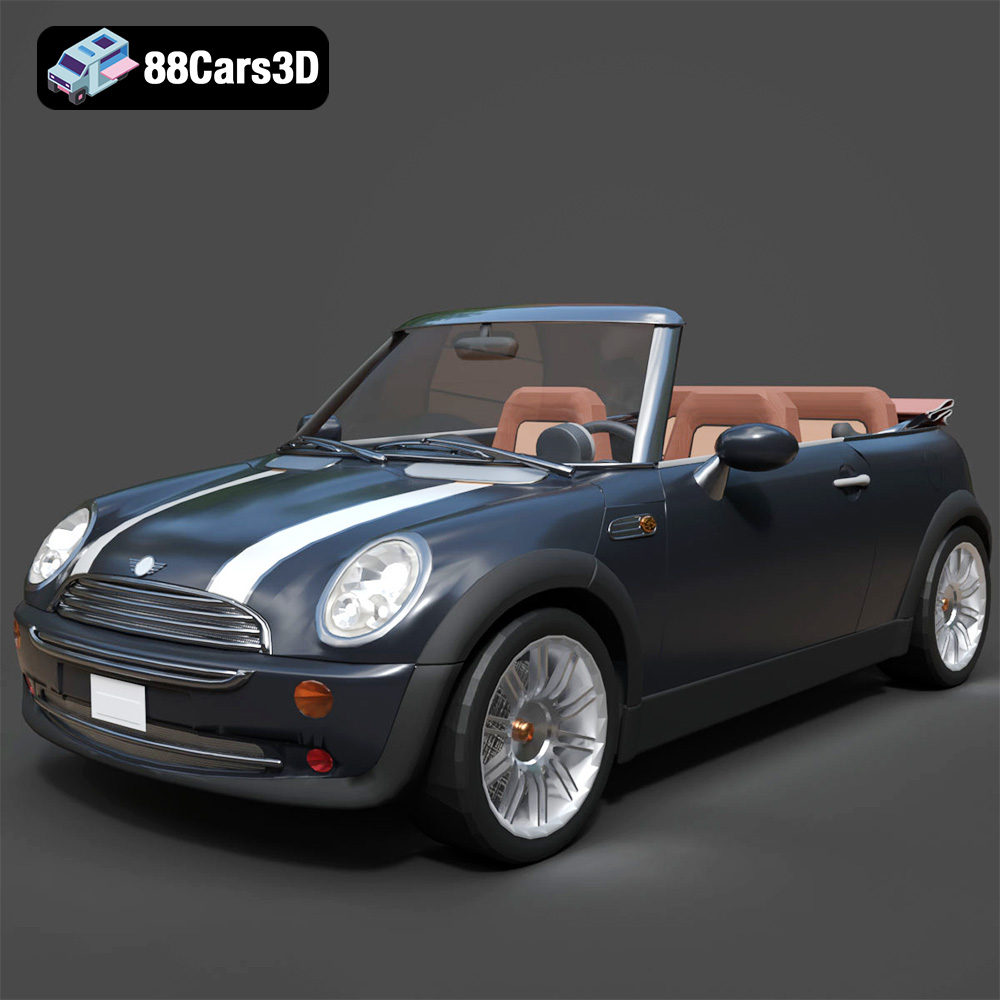
Texture: Yes
Material: Yes
Download the Mini Cabrio 2025 3D Model featuring clean geometry, realistic detailing, and a fully modeled interior. Includes .blend, .fbx, .obj, .glb, .stl, .ply, .unreal, and .max formats for rendering, simulation, and game development.
Price: $4.99
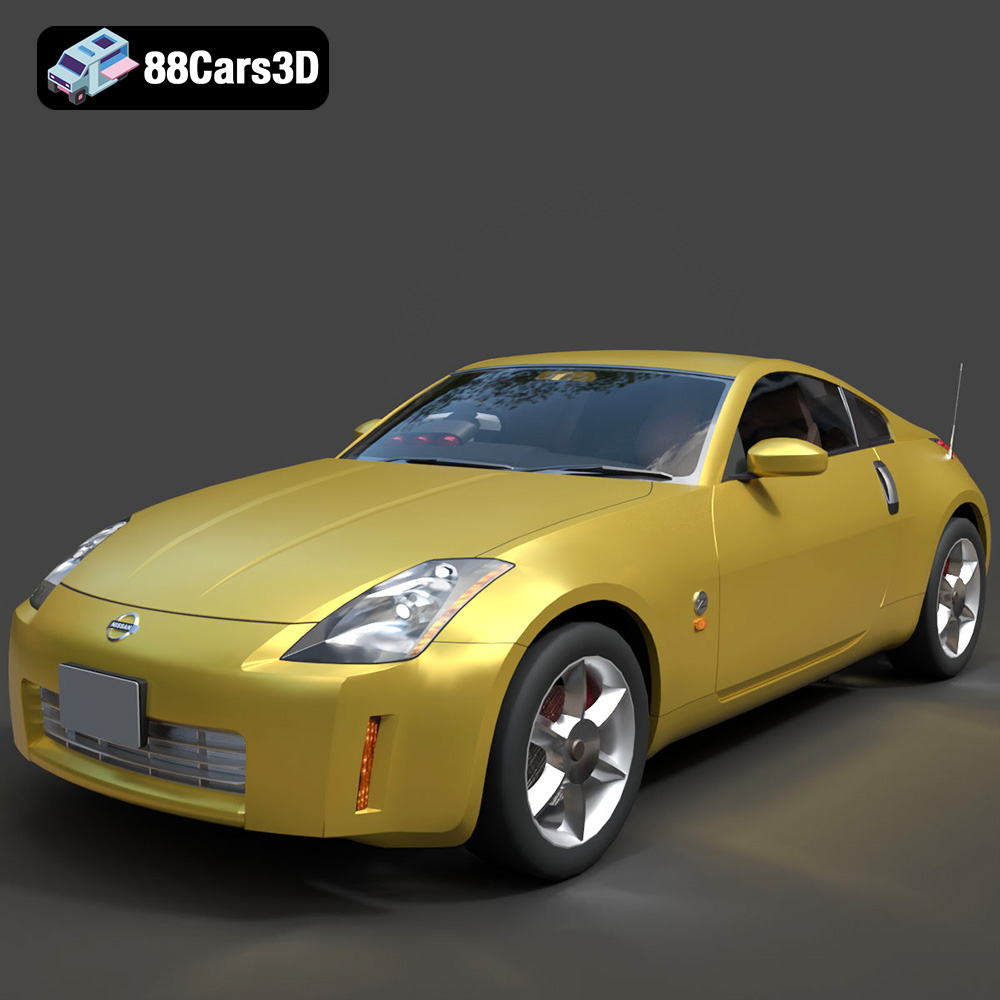
Texture: Yes
Material: Yes
Download the Nissan 350Z 3D Model featuring clean geometry, realistic detailing, and a fully modeled interior. Includes .blend, .fbx, .obj, .glb, .stl, .ply, .unreal, and .max formats for rendering, simulation, and game development.
Price: $4.99
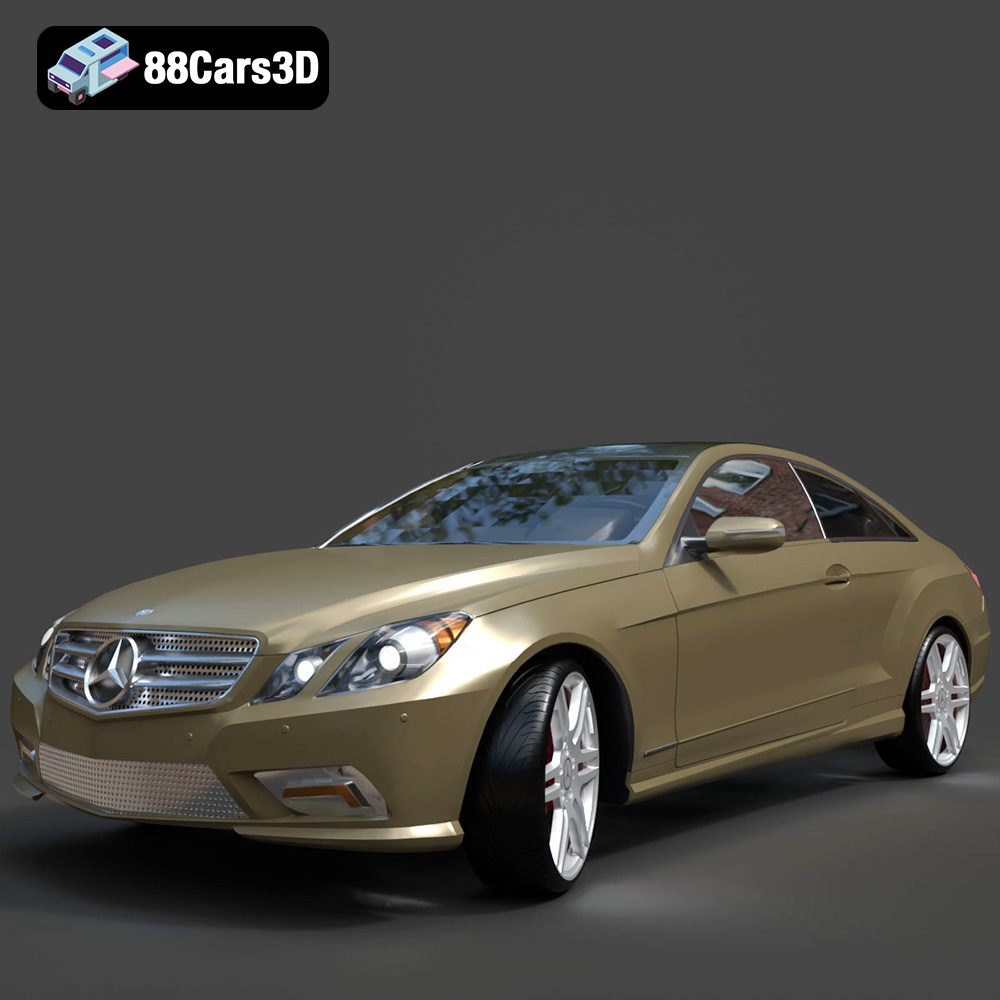
Texture: Yes
Material: Yes
Download the Mercedes-Benz E-Klasse Coupe 3D Model featuring clean geometry, realistic detailing, and a fully modeled interior. Includes .blend, .fbx, .obj, .glb, .stl, .ply, .unreal, and .max formats for rendering, simulation, and game development.
Price: $4.99
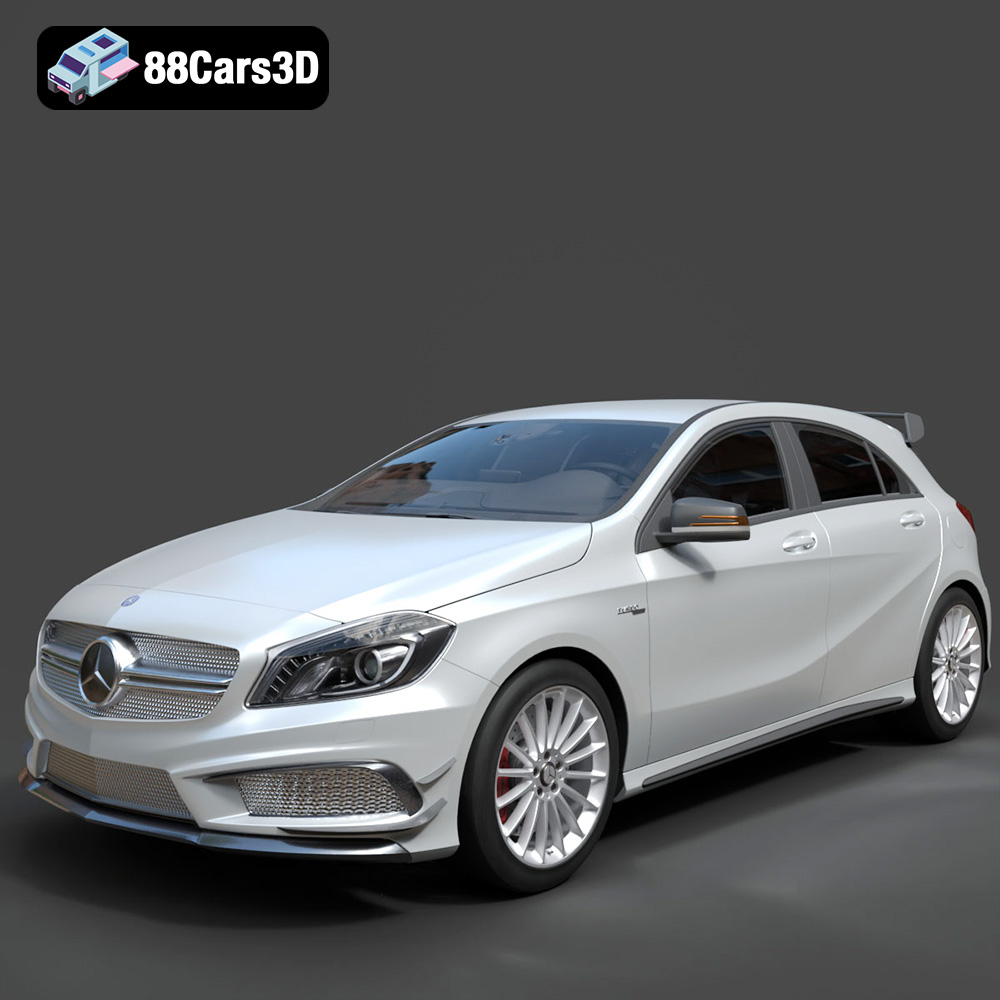
Texture: Yes
Material: Yes
Download the Benza MERS-007 3D Model featuring clean geometry, realistic detailing, and a fully modeled interior. Includes .blend, .fbx, .obj, .glb, .stl, .ply, .unreal, and .max formats for rendering, simulation, and game development.
Price: $4.99
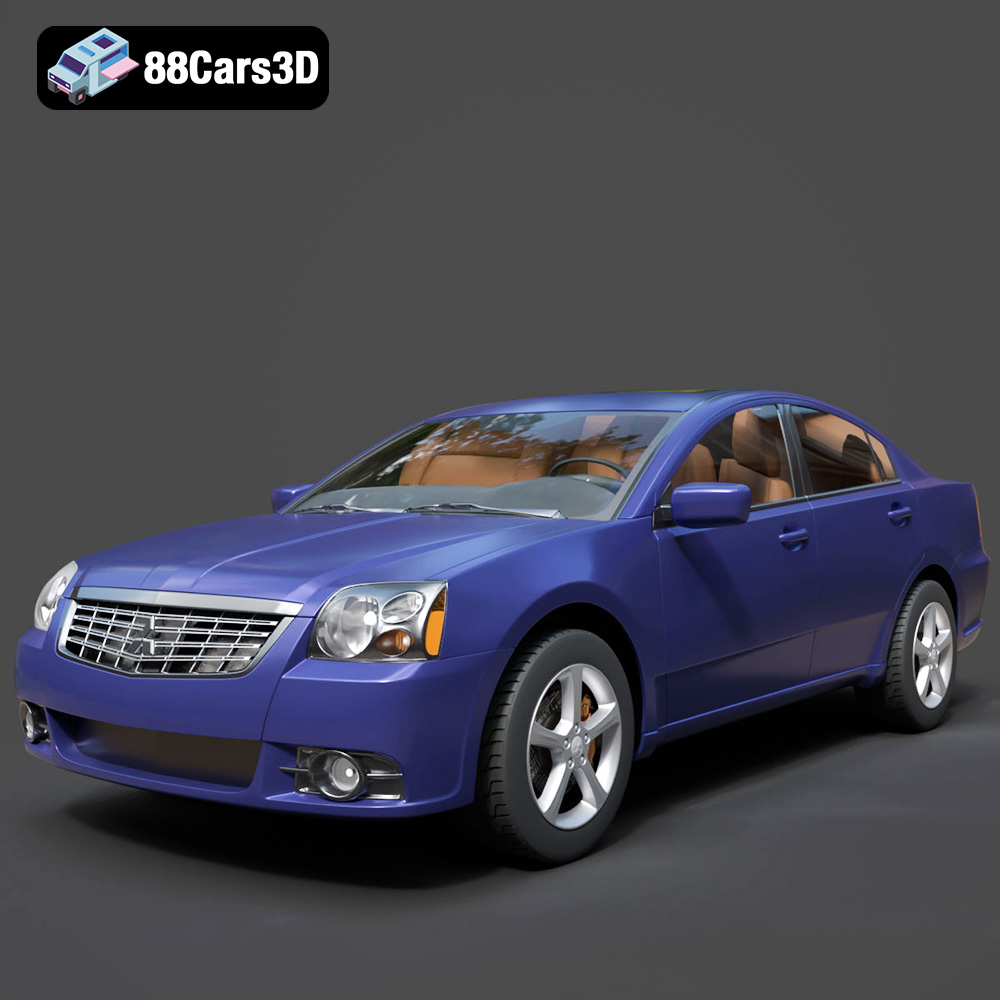
Texture: Yes
Material: Yes
Download the Mitsubishi Galant 2009 3D Model featuring clean geometry, realistic detailing, and a fully modeled interior. Includes .blend, .fbx, .obj, .glb, .stl, .ply, .unreal, and .max formats for rendering, simulation, and game development.
Price: $4.99
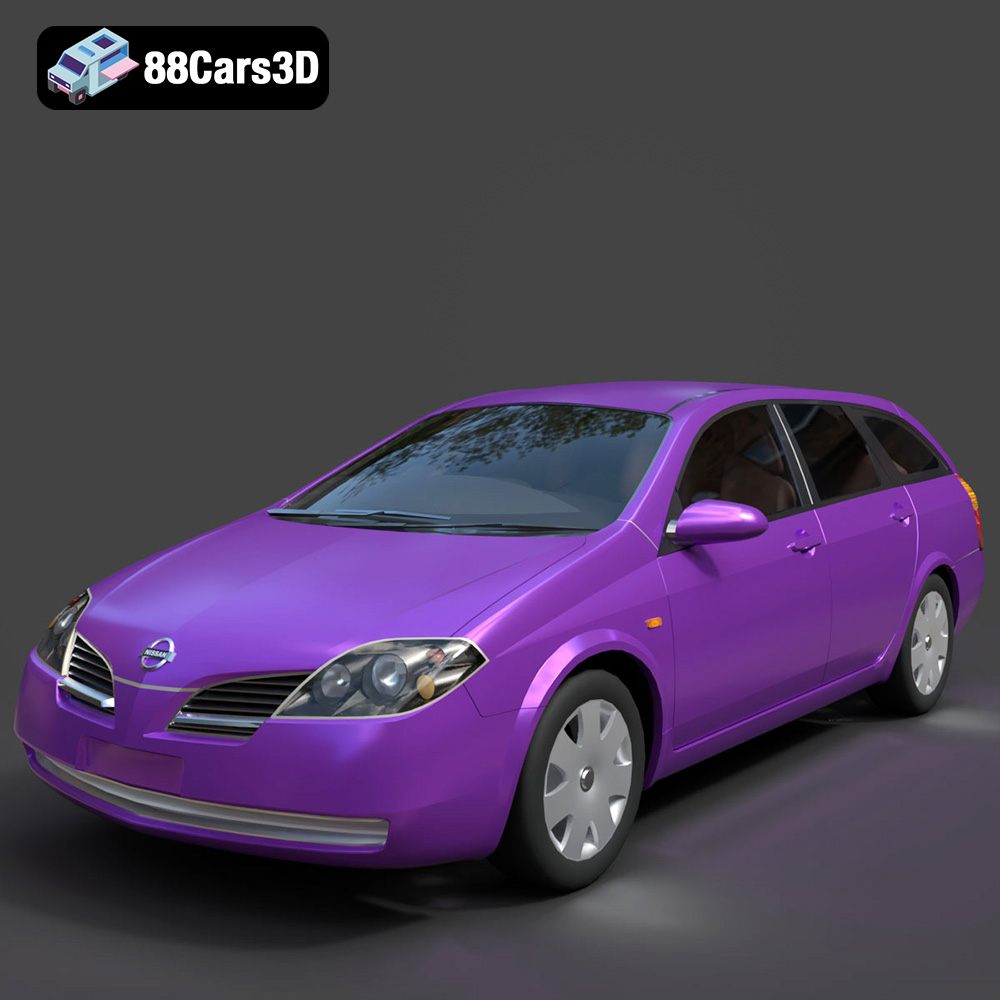
Texture: Yes
Material: Yes
Download the Nissan Primera Wagon 3D Model featuring clean geometry, realistic detailing, and a fully modeled interior. Includes .blend, .fbx, .obj, .glb, .stl, .ply, .unreal, and .max formats for rendering, simulation, and game development.
Price: $4.99
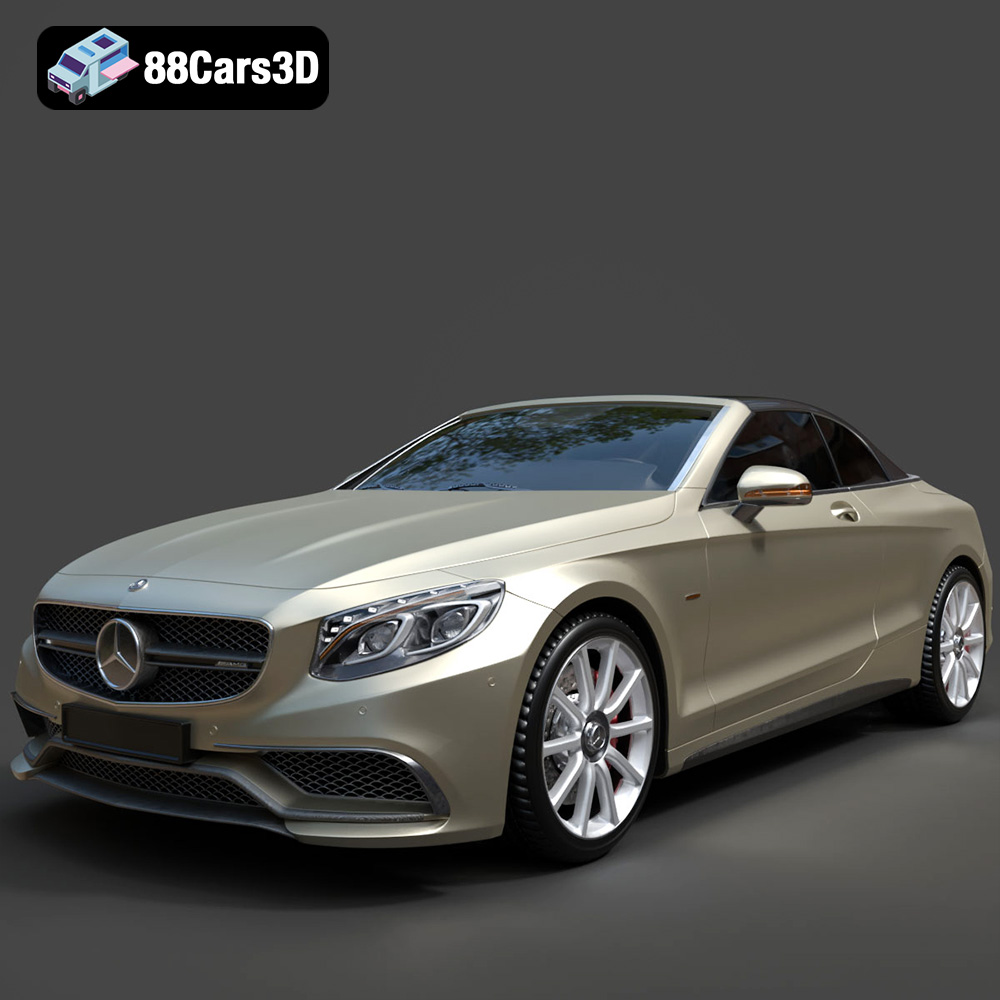
Texture: Yes
Material: Yes
Download the Mercedes-Benz S63 AMG Cabriolet 2017 3D Model featuring clean geometry, realistic detailing, and a fully modeled interior. Includes .blend, .fbx, .obj, .glb, .stl, .ply, .unreal, and .max formats for rendering, simulation, and game development.
Price: $20.99

