Get 20% OFF All Premium 3D & STL Models!

The allure of a beautifully rendered automobile, glinting under virtual lights, or seamlessly integrated into a thrilling game environment, is undeniable. But behind every pixel-perfect reflection and every dynamic curve lies a profound journey of technical expertise and artistic precision. Creating high-quality 3D car models is a multifaceted discipline, demanding a deep understanding of geometry, materials, lighting, and performance optimization across a myriad of platforms.
Whether you’re an automotive designer visualizing a new concept, a game developer crafting an immersive racing experience, an architect enriching a visualization, or a filmmaker producing stunning visual effects, the fidelity and usability of your 3D car assets are paramount. This comprehensive guide will take you on a deep dive into the technical intricacies of developing, optimizing, and deploying 3D car models. We’ll explore everything from the foundational principles of clean topology and strategic UV mapping to advanced PBR material creation, photorealistic rendering techniques, and critical optimization strategies for game engines and AR/VR applications. Prepare to unlock the secrets to creating automotive 3D models that not only look spectacular but also perform flawlessly in any digital landscape.
At the heart of any exceptional 3D car model is its topology – the underlying structure of vertices, edges, and faces that define its shape. For automotive models, clean and efficient topology is not just a best practice; it’s a necessity for achieving smooth, realistic surfaces, accurate reflections, and predictable deformations. Poor topology can lead to unsightly pinching, unnatural highlights, and difficulties in UV mapping and animation, undermining the overall quality of the asset.
Automotive design is characterized by its smooth, continuous curves and sharp, defined creases. Replicating this digitally requires meticulous attention to edge flow. Good edge flow ensures that polygon edges follow the natural contours and design lines of the vehicle, allowing for smooth subdivision and realistic light reflection. When modeling in software like 3ds Max, Blender, or Maya, artists often start with low-polygon base meshes and use subdivision surface modifiers (like TurboSmooth or Subdivision Surface) to achieve high-fidelity results. The key is to control the density and direction of edge loops.
Consider the delicate balance of poles (vertices where more or less than four edges meet). While 4-edge poles are generally ideal, 3-edge poles can be used in areas of compression, and 5-edge poles in areas of expansion, but both must be carefully placed to avoid disturbing the surface. N-gons (faces with more than four vertices) should be avoided in areas that will be subdivided, as they can lead to unpredictable surfacing. Instead, convert them to quads or triangles. When defining sharp creases, such as door seams or character lines along the body, introduce additional “support loops” or “holding edges” close to the creased edge. These extra loops tighten the subdivision surface around the crease, giving it definition without compromising the overall smoothness of the panels. A well-constructed mesh for a modern car might range from 50,000 to 150,000 polygons for a high-detail render-ready model before subdivision, with the final subdivided mesh reaching into the millions.
Beyond static beauty, many 3D car models are destined for animation – whether it’s opening doors, rotating wheels, or dynamic suspension. The topology must facilitate these movements without artifacts. For instance, around door hinges and wheel wells, the mesh needs adequate edge loops to allow for smooth rotation and deformation. If the geometry is too sparse, the mesh will stretch unnaturally or exhibit jagged edges during movement. For wheels, ensure perfect circular edge loops where the wheel meets the tire and around the brake calipers. The chassis and suspension components require robust topology to articulate realistically without intersecting or distorting. When modeling parts like dashboards or seats that might deform with character interaction, consider a slightly denser mesh in those areas. This foresight in topology planning significantly reduces cleanup and rigging headaches down the line and is a hallmark of professional-grade 3D car models, such as those found on platforms like 88cars3d.com.
Once the geometry is perfected, the next critical step is to give the car its visual identity through textures and materials. UV mapping and Physically Based Rendering (PBR) material creation are essential techniques for achieving photorealistic surfaces, from the glossy sheen of metallic paint to the subtle texture of rubber tires.
UV mapping is the process of flattening the 3D surface of an object into a 2D plane so that a 2D texture can be applied to it. For complex automotive geometry, strategic UV unwrapping is crucial to minimize distortion and maximize texture resolution. The placement of UV seams is paramount; they should be hidden where possible (e.g., along natural panel lines, under trim, or in occluded areas) to avoid visible breaks in textures. Common unwrapping techniques include pelting (often used for organic shapes), planar projection (useful for flat panels), and cylindrical/spherical projection (for wheels or mirrors). Texel density – the number of pixels per unit of 3D space – must be consistent across the entire model to prevent blurring or pixilation on different parts. For high-resolution models, especially for close-up renders, multi-tile UVs (UDIMs) are frequently employed. This system allows different parts of the car (e.g., body, interior, tires) to have their own high-resolution texture maps without being limited to a single 0-1 UV space, providing immense detail. Software like 3ds Max, Blender, and Maya offer advanced UV editing toolsets that allow for precise control over seam placement and unwrapping algorithms.
PBR materials are the industry standard for achieving photorealistic results in modern renderers and game engines. They simulate how light interacts with surfaces in a physically accurate way. The two primary PBR workflows are Metallic/Roughness and Specular/Glossiness. For automotive models, the Metallic/Roughness workflow is prevalent due to its intuitive nature for materials like car paint, chrome, and rubber.
A typical PBR material for a car involves several texture maps:
Car paint, in particular, is a complex PBR material, often requiring layered shaders to simulate the clear coat, metallic flakes, and base color. Renderers like Corona, V-Ray, Cycles, and Arnold offer robust shader networks to build these intricate materials, allowing artists to precisely dial in parameters like anisotropy for brushed metals, subsurface scattering for plastics, or the tint and dispersion for glass. Calibration against real-world material properties ensures the highest level of realism. This detailed approach to material creation is what elevates a 3D car model from good to truly exceptional.
Once a 3D car model is meticulously crafted and textured, the final stage for visualization professionals is rendering – the process of generating a photorealistic image or animation. This stage combines technical prowess with artistic vision to create stunning visuals that evoke emotion and communicate design intent.
Lighting is arguably the most critical element in automotive rendering, as it defines the mood, highlights the car’s design features, and accentuates its materials. High Dynamic Range Images (HDRIs) are a cornerstone of modern automotive lighting. An HDRI captures real-world lighting and reflections, providing a comprehensive and physically accurate environment. By mapping an HDRI onto a spherical dome surrounding the car, artists can achieve incredibly realistic reflections on the car’s body, glass, and chrome, along with natural global illumination. Software like 3ds Max with Corona or V-Ray, or Blender with Cycles, make HDRI integration straightforward.
Beyond HDRIs, studio lighting setups are frequently used to control specific highlights and shadows. A classic three-point lighting system (key, fill, and back light) serves as a foundation, but for cars, it often expands into more complex arrangements using large area lights or softboxes. These lights are strategically positioned to emphasize the car’s character lines, create dramatic reflections on the paintwork, and define its contours. For example, long, narrow softboxes placed above or to the side of the car can generate elegant streaks of light across the body panels, revealing their subtle curvatures. Camera angles and focal length choices are equally important, influencing composition and depth of field to draw the viewer’s eye to key design elements. A typical render setup will involve multiple light sources, a background (often a simple infinite plane or a backplate image), and a camera calibrated for realistic perspective, much like a professional automotive photoshoot.
Each renderer offers unique strengths and optimization strategies. For users of 3ds Max, renderers like Corona and V-Ray are popular choices for their ease of use, speed, and photorealistic output. Corona Renderer excels with its simplified controls, physically accurate light simulation, and outstanding interactive rendering capabilities, allowing artists to see changes in real-time. V-Ray offers extensive features, powerful unbiased/biased rendering options, and a long history of industry use, making it highly versatile. Both allow for adaptive sampling, which intelligently focuses rendering power on noisy areas, significantly reducing render times.
Blender users benefit from Cycles, its robust path-tracing engine, which is excellent for realistic lighting and complex materials. Cycles supports GPU rendering (CUDA/OptiX for NVIDIA, OpenCL for AMD), drastically speeding up calculations. Its denoiser options (OIDN, OptiX) are crucial for cleaning up renders with fewer samples. Arnold, often used with Maya and 3ds Max, is another industry-standard, unbiased renderer known for its exceptional quality and handling of complex scenes, particularly in film production. Regardless of the renderer, common optimization techniques include:
Post-processing in tools like Photoshop or Affinity Photo is the final polish, enhancing exposure, color grading, adding depth of field, motion blur, and lens effects to achieve that coveted magazine-quality finish.
While photorealistic renders aim for static perfection, game development demands dynamic performance. Integrating high-quality 3D car models into real-time environments like Unity or Unreal Engine requires a careful balance between visual fidelity and optimal performance. This often means making strategic compromises and employing specific optimization techniques to ensure smooth frame rates without sacrificing too much visual quality.
One of the most critical optimization techniques for 3D car models in games is the implementation of Level of Detail (LODs). LODs are multiple versions of the same asset, each with a progressively lower polygon count and simplified materials/textures. The game engine dynamically swaps between these versions based on the camera’s distance from the object. For a hero car in a racing game, you might have:
Creating LODs often involves mesh decimation tools available in 3D software or game engines, but manual optimization ensures that critical silhouette edges are preserved. Stripping away unnecessary geometry while maintaining the car’s recognizable shape is an art form. Efficient polygon management is not just about raw numbers; it’s also about having clean, well-optimized geometry where every polygon contributes meaningfully to the visual outcome. High-quality 3D car models prepared for game engines, such as those available on 88cars3d.com, typically come with pre-configured LODs.
In real-time rendering, performance is heavily influenced by “draw calls” – the commands sent from the CPU to the GPU to draw objects. Each time the engine needs to switch materials or textures, it incurs a new draw call, which can be expensive. A car model with many separate material IDs and textures will generate numerous draw calls, leading to performance bottlenecks. Texture atlasing is a powerful solution: it involves combining multiple smaller textures (e.g., textures for the car body, wheels, interior details) into a single, larger texture atlas. By doing so, different parts of the car can share a single material, drastically reducing the number of draw calls.
Further draw call reduction can be achieved by:
When importing models into Unity or Unreal Engine, understanding the asset import settings is key. Optimize texture compression, adjust material settings for performance (e.g., using simpler shaders where possible), and ensure proper collision meshes are set up. Collision meshes should be simplified versions of the render mesh, just detailed enough for physics calculations, not visual fidelity. This holistic approach ensures your 3D car assets perform smoothly even in complex, action-packed game environments.
The utility of a high-quality 3D car model extends far beyond traditional rendering and game development. With the rise of augmented and virtual reality, as well as 3D printing, these digital assets are finding new and innovative applications, each with its own set of technical considerations and requirements.
Augmented Reality (AR) and Virtual Reality (VR): For AR/VR experiences, especially on mobile devices or standalone headsets, performance optimization becomes even more critical than for traditional games. The goal is to achieve extremely high and stable frame rates (e.g., 60-90 FPS per eye) to prevent motion sickness and ensure a comfortable user experience. This often means further aggressive LODs, minimal draw calls, highly optimized textures (often smaller resolutions and more compression), and simplifying complex shader networks. Car models for AR/VR must also be accurately scaled to real-world dimensions. File formats like GLB (GL Transmission Format) and USDZ (Universal Scene Description for AR) are preferred for their efficiency and support for PBR materials, making them ideal for web-based AR and Apple’s ARKit respectively. Testing on target devices is crucial to ensure performance and visual quality.
3D Printing: Preparing a 3D car model for physical fabrication presents a unique set of challenges. Unlike digital renders, 3D printers require a “watertight” or “manifold” mesh – meaning there are no holes, inverted normals, or self-intersecting geometry. Every surface must have a definitive inside and outside. Wall thickness is another critical factor; thin areas of the model might be too fragile or simply not print correctly, requiring manual thickening or structural support. Scale must also be carefully considered for the target print size. Common file formats for 3D printing include STL (Stereolithography), OBJ, and AMF (Additive Manufacturing File Format). Software like Blender’s 3D Print Toolbox, Autodesk Meshmixer, or dedicated slicer software provide tools for mesh analysis, repair, and preparing models for printing, ensuring a successful physical output.
The world of 3D software utilizes a diverse array of file formats, each with its own strengths and limitations regarding what data it preserves. Understanding these formats is crucial for seamless workflow and asset interchange, especially when sourcing models from marketplaces such as 88cars3d.com, which offers models in multiple formats to cater to various user needs.
When converting between formats, it’s essential to check for data loss, especially regarding material properties, instance data, or animation. Always review the converted model to ensure all elements translate correctly. Platforms like 88cars3d.com prioritize offering models in diverse formats, often including FBX, OBJ, GLB, and native formats, to ensure maximum compatibility and ease of use for artists and developers across different pipelines.
The journey of creating a high-quality 3D car model is a testament to the blend of technical rigor and artistic flair that defines the world of 3D. From meticulously sculpting topology for flawless reflections to strategically UV mapping every surface, from crafting physically accurate PBR materials to optimizing assets for diverse real-time applications, each step is critical in delivering a truly impactful digital vehicle. We’ve traversed the complexities of edge flow and polycount management, delved into the nuances of photorealistic rendering with various engines, and explored the essential optimizations for interactive experiences in game engines and the burgeoning fields of AR/VR and 3D printing.
The demand for realistic, performance-optimized 3D car models continues to grow across industries, driving innovation in modeling, texturing, and rendering techniques. Mastering these technical aspects ensures that your automotive visions can translate seamlessly from concept to compelling visualization, immersive game asset, or even a tangible 3D print. As technology evolves, so too will the workflows and standards for 3D automotive content. Staying informed and continuously refining your skills in these areas will be key to producing cutting-edge work.
Ready to accelerate your projects with premium 3D car models that embody these standards of excellence? Explore the curated collection of high-quality assets available at 88cars3d.com. Our models are meticulously crafted with clean topology, realistic PBR materials, and are often pre-optimized for various applications, empowering you to bring your automotive visions to life with unparalleled realism and efficiency.
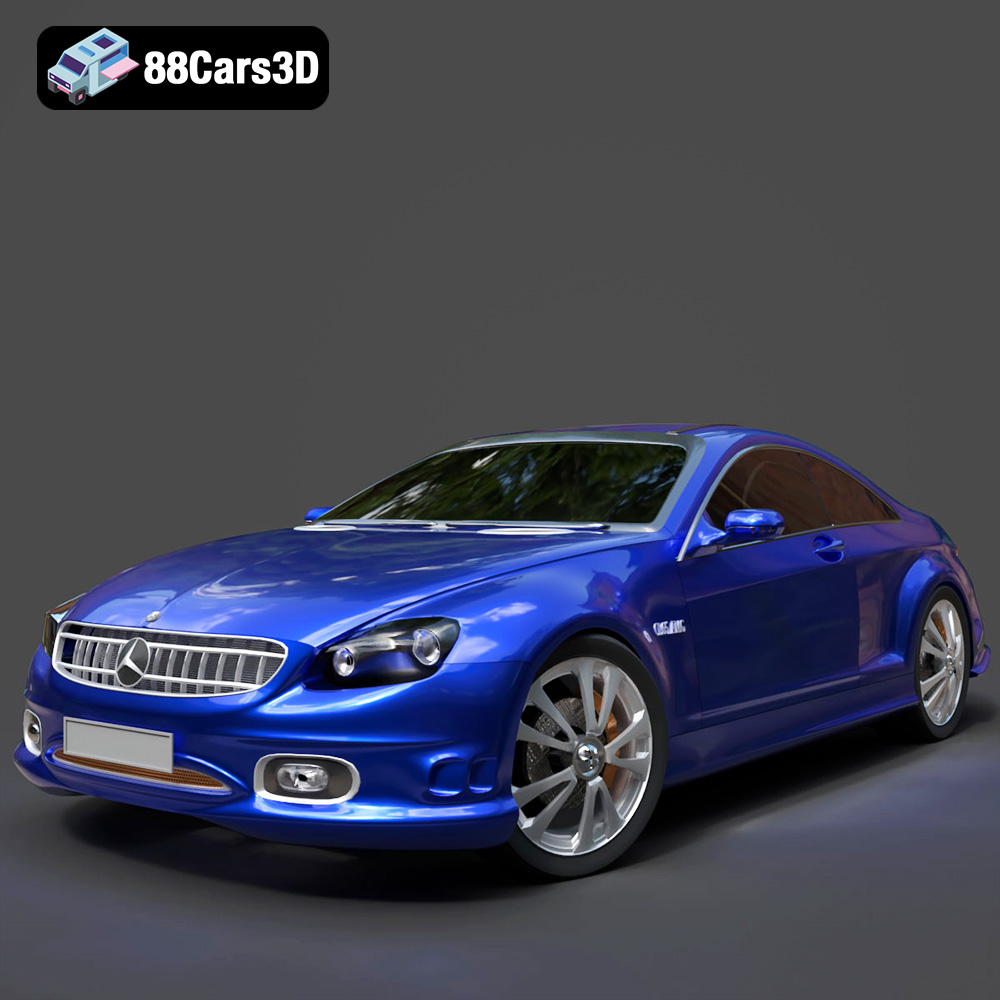
Texture: Yes
Material: Yes
Download the Mercedes-Benz CL6540-005 3D Model featuring clean geometry, realistic detailing, and a fully modeled interior. Includes .blend, .fbx, .obj, .glb, .stl, .ply, .unreal, and .max formats for rendering, simulation, and game development.
Price: $4.99
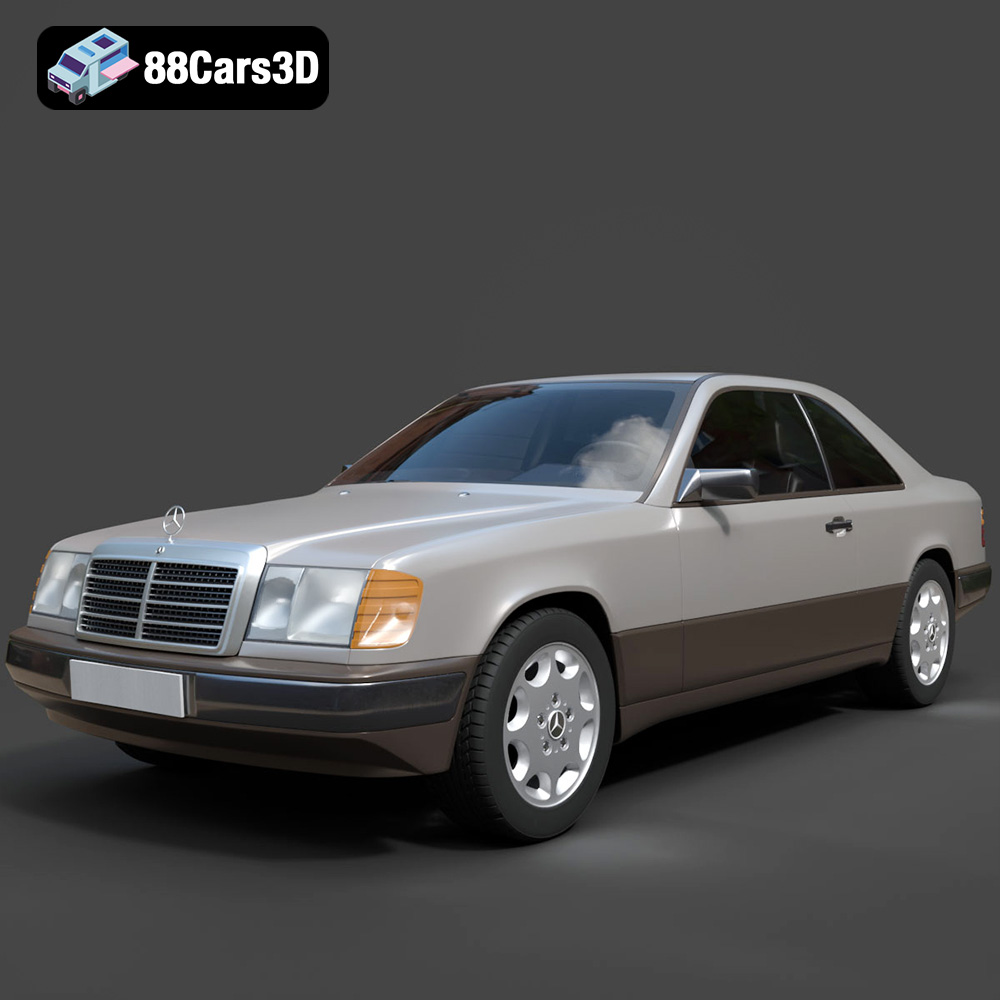
Texture: Yes
Material: Yes
Download the Mercedes E-Class w124 Coupe 3D Model featuring clean geometry, realistic detailing, and a fully modeled interior. Includes .blend, .fbx, .obj, .glb, .stl, .ply, .unreal, and .max formats for rendering, simulation, and game development.
Price: $4.99
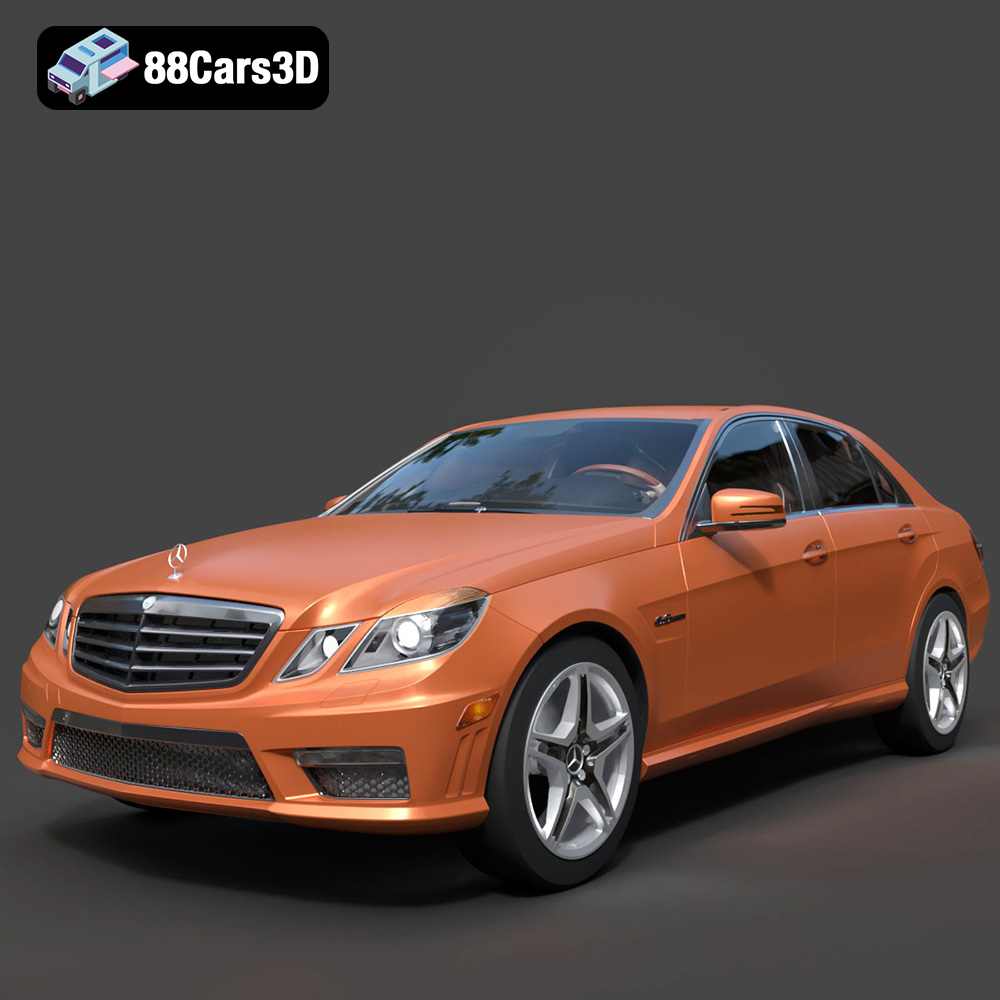
Texture: Yes
Material: Yes
Download the Mercedes-Benz E-Klasse 63 AMG 3D Model featuring clean geometry, realistic detailing, and a fully modeled interior. Includes .blend, .fbx, .obj, .glb, .stl, .ply, .unreal, and .max formats for rendering, simulation, and game development.
Price: $4.99
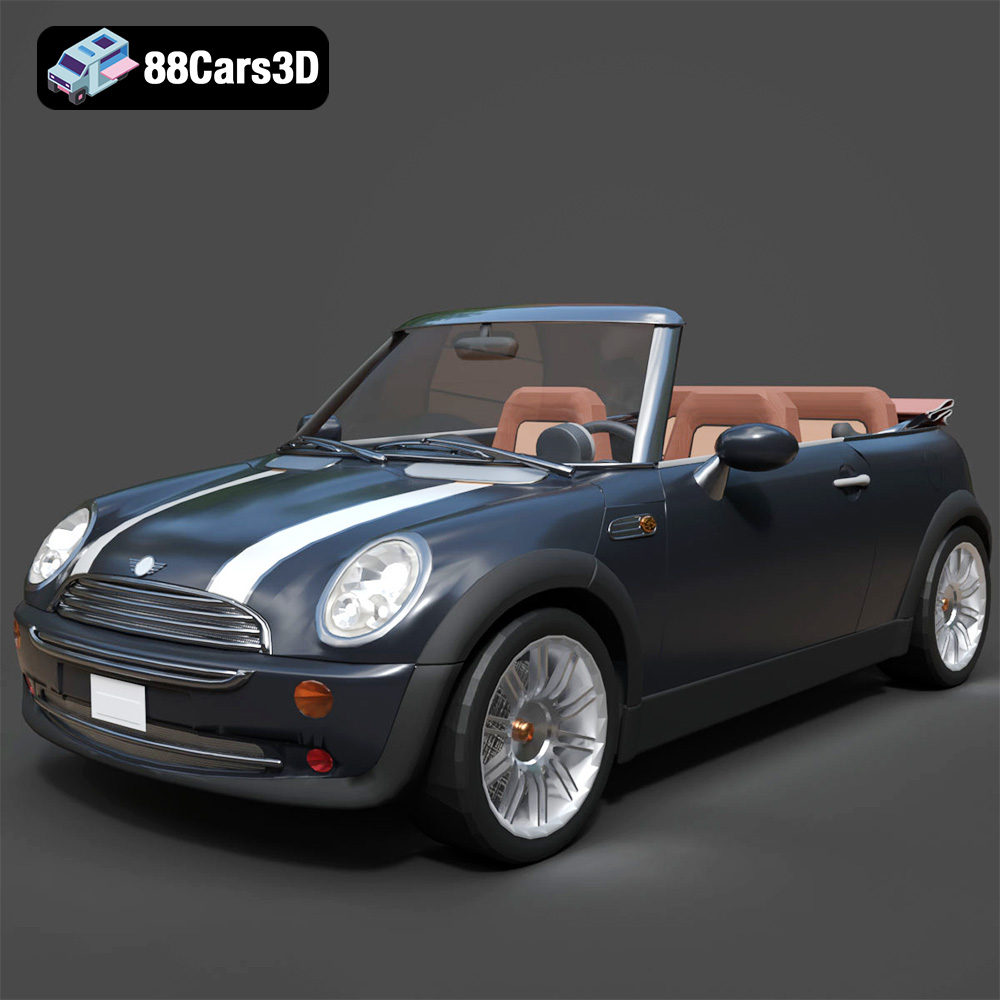
Texture: Yes
Material: Yes
Download the Mini Cabrio 2025 3D Model featuring clean geometry, realistic detailing, and a fully modeled interior. Includes .blend, .fbx, .obj, .glb, .stl, .ply, .unreal, and .max formats for rendering, simulation, and game development.
Price: $4.99
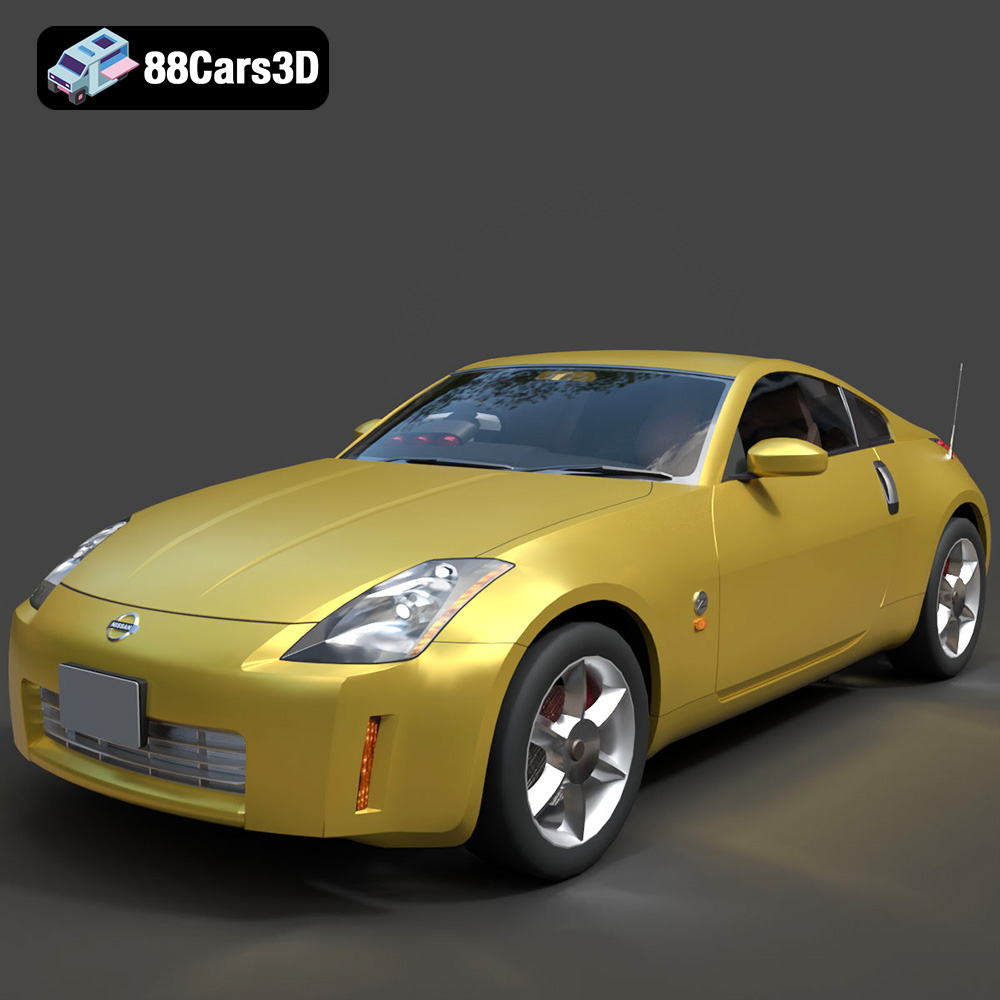
Texture: Yes
Material: Yes
Download the Nissan 350Z 3D Model featuring clean geometry, realistic detailing, and a fully modeled interior. Includes .blend, .fbx, .obj, .glb, .stl, .ply, .unreal, and .max formats for rendering, simulation, and game development.
Price: $4.99
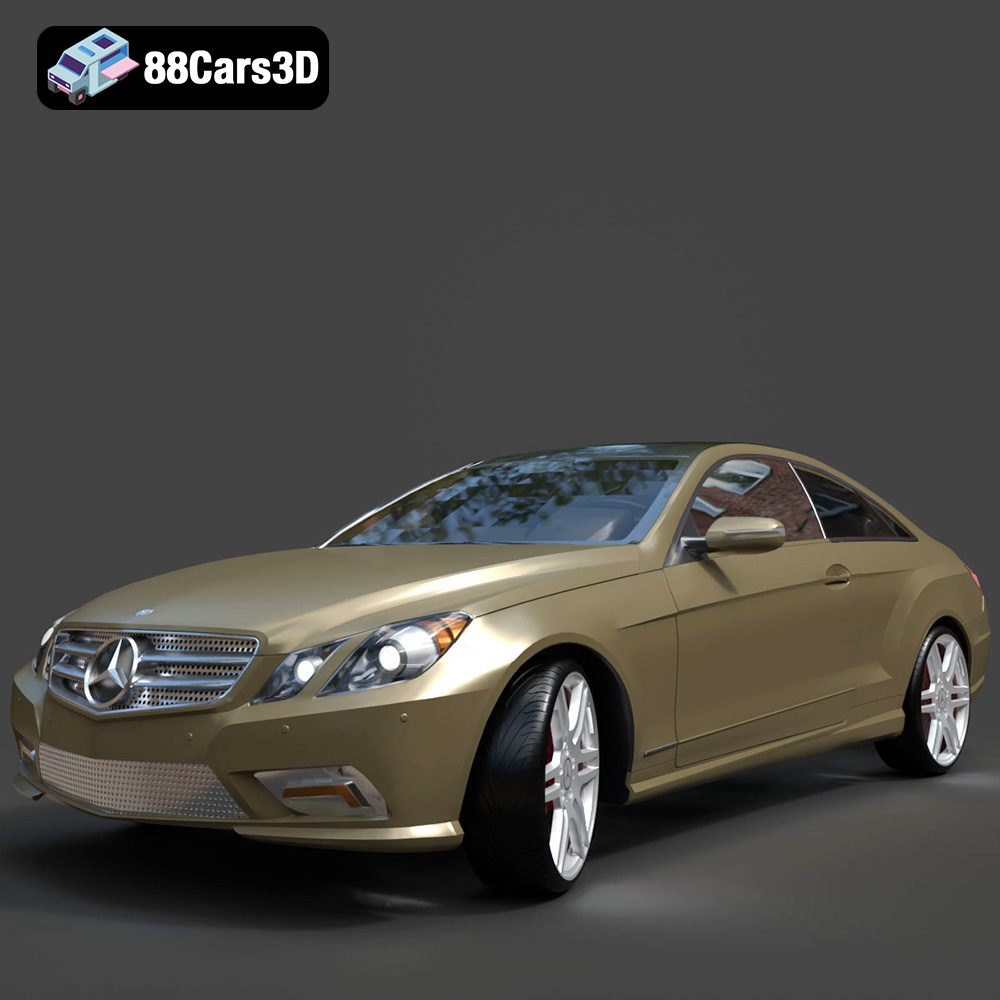
Texture: Yes
Material: Yes
Download the Mercedes-Benz E-Klasse Coupe 3D Model featuring clean geometry, realistic detailing, and a fully modeled interior. Includes .blend, .fbx, .obj, .glb, .stl, .ply, .unreal, and .max formats for rendering, simulation, and game development.
Price: $4.99
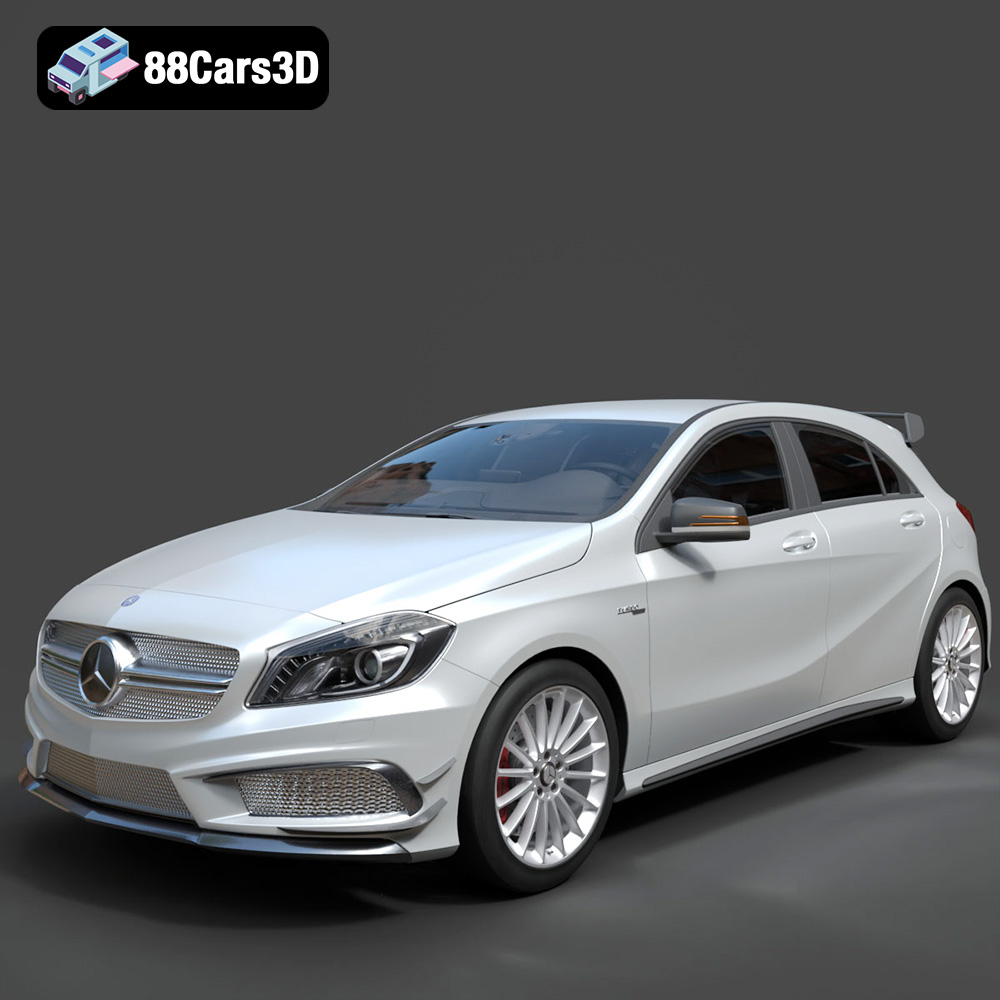
Texture: Yes
Material: Yes
Download the Benza MERS-007 3D Model featuring clean geometry, realistic detailing, and a fully modeled interior. Includes .blend, .fbx, .obj, .glb, .stl, .ply, .unreal, and .max formats for rendering, simulation, and game development.
Price: $4.99
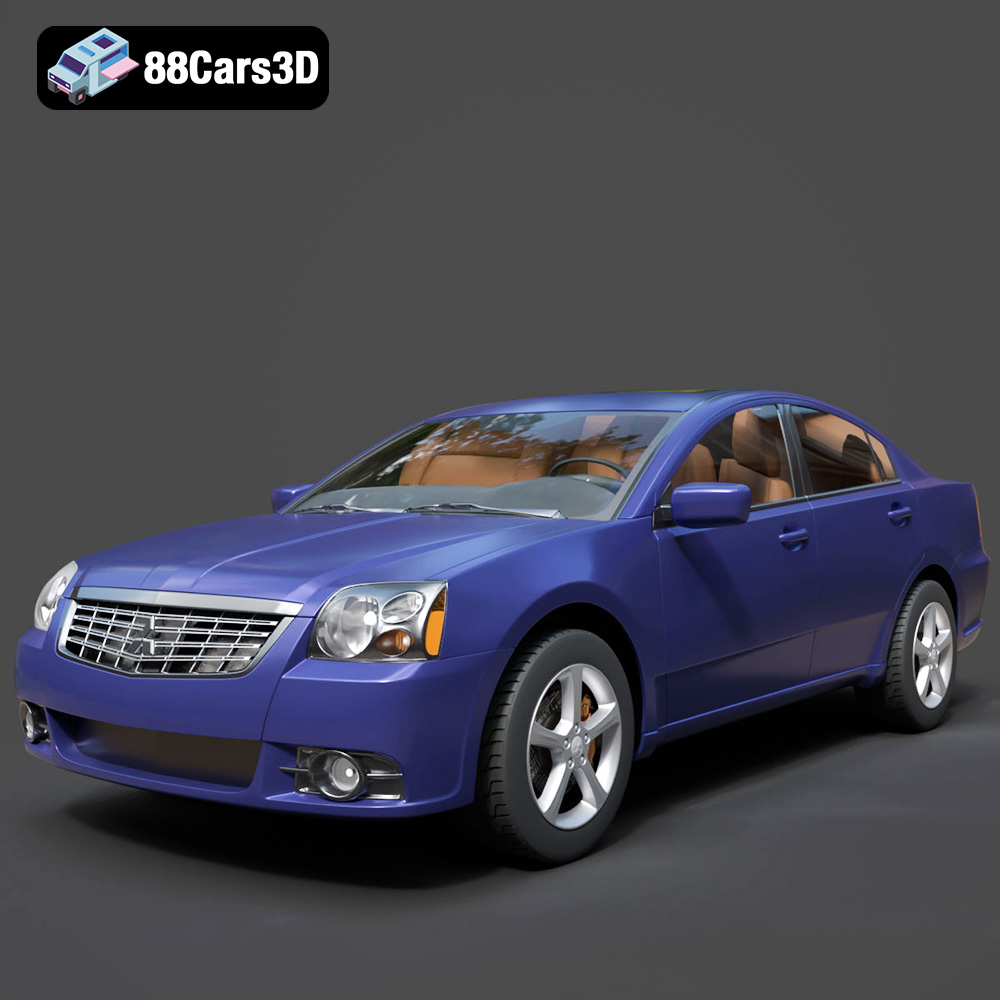
Texture: Yes
Material: Yes
Download the Mitsubishi Galant 2009 3D Model featuring clean geometry, realistic detailing, and a fully modeled interior. Includes .blend, .fbx, .obj, .glb, .stl, .ply, .unreal, and .max formats for rendering, simulation, and game development.
Price: $4.99
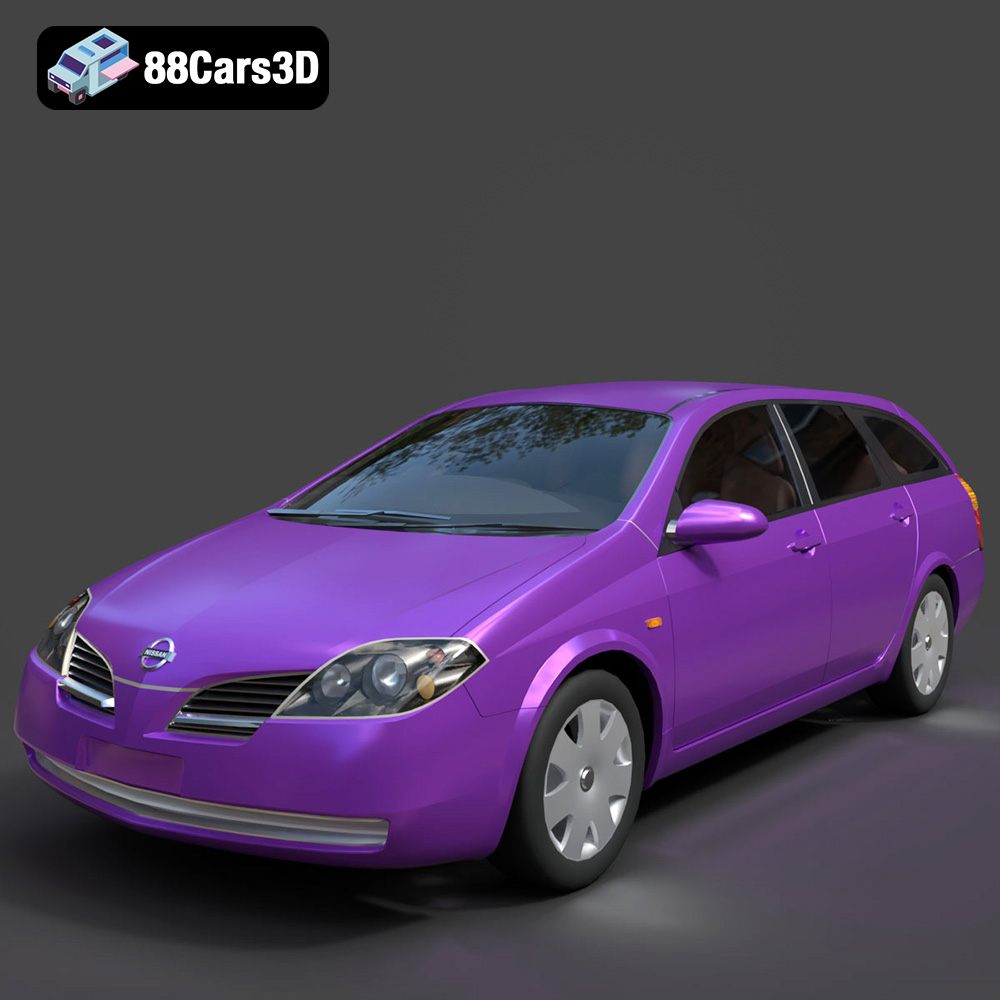
Texture: Yes
Material: Yes
Download the Nissan Primera Wagon 3D Model featuring clean geometry, realistic detailing, and a fully modeled interior. Includes .blend, .fbx, .obj, .glb, .stl, .ply, .unreal, and .max formats for rendering, simulation, and game development.
Price: $4.99
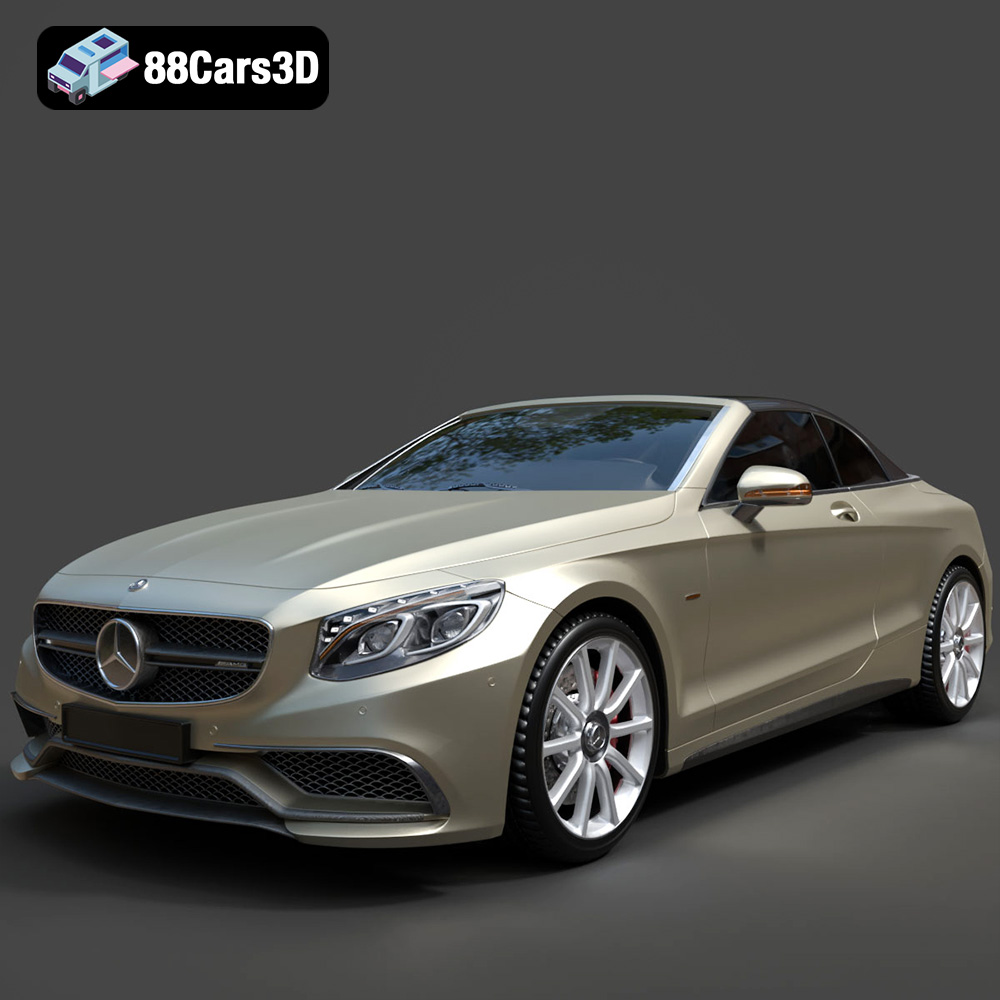
Texture: Yes
Material: Yes
Download the Mercedes-Benz S63 AMG Cabriolet 2017 3D Model featuring clean geometry, realistic detailing, and a fully modeled interior. Includes .blend, .fbx, .obj, .glb, .stl, .ply, .unreal, and .max formats for rendering, simulation, and game development.
Price: $20.99

