Get 20% OFF All Premium 3D & STL Models!

In the dynamic world of 3D, high-quality automotive models are more than just static objects; they are a cornerstone for immersive experiences, photorealistic visualizations, and engaging interactive media. From breathtaking marketing renders to real-time game environments and cutting-edge AR/VR applications, the demand for meticulously crafted 3D car models continues to accelerate. However, creating or even effectively utilizing these complex assets requires a deep understanding of various technical disciplines. It’s not just about aesthetics; it’s about underlying structure, optimized performance, and versatile application across diverse platforms.
This comprehensive guide delves into the intricate technical aspects of working with 3D car models. We’ll explore everything from the foundational principles of clean topology and efficient UV mapping to advanced PBR material creation, rendering workflows, and crucial optimization strategies for game engines and immersive technologies. Whether you’re a seasoned 3D artist aiming for rendering perfection, a game developer striving for performance, or an automotive designer pushing the boundaries of visualization, this article will equip you with the knowledge and actionable insights to elevate your automotive 3D projects. Get ready to put your creative and technical skills into high gear.
The underlying geometry of a 3D car model, known as its topology, is arguably the most critical factor determining its quality, flexibility, and performance. For automotive assets, which often feature complex curves, sharp creases, and large, smooth surfaces, impeccable topology is paramount. It dictates how well the model deforms, how cleanly subdivision surfaces can be applied, and how efficiently it can be optimized for different applications. A clean, quad-based mesh with intelligent edge flow ensures that lighting and reflections behave realistically, preventing unsightly pinching or artifacts. Professional models, like those found on platforms such as 88cars3d.com, exemplify these principles by offering assets with carefully constructed topology, designed for versatility.
The golden rule for automotive topology is to primarily use **quadrilateral polygons (quads)**. While triangles are unavoidable in some instances (especially for highly optimized game assets or terminating loops), a prevalence of quads allows for smooth subdivision without artifacts and provides predictable deformation. Good edge flow means that the edges follow the natural contours and creases of the car’s design, guiding the flow of light and shadow. Key areas like panel gaps, door edges, wheel arches, and character lines demand precise edge loops to maintain their sharpness and definition when subdivided. For high-fidelity rendering, models are typically built with a relatively low base poly count (e.g., 50,000 to 150,000 polygons for a full exterior, depending on detail) and then smoothed using **subdivision surface modifiers** (e.g., TurboSmooth in 3ds Max, Subdivision Surface in Blender, Smooth Mesh in Maya). This allows for a clean, editable base mesh while achieving incredibly smooth, high-resolution results at render time, often pushing the polygon count into the millions for extreme detail.
The balance between visual fidelity and performance is a constant challenge in 3D modeling. For photorealistic renders, the focus is heavily on fidelity, with polygon counts often exceeding several million when subdivided. However, for real-time applications like games or AR/VR, polygon budgets are much tighter. A hero vehicle in a modern game might have a poly count ranging from 50,000 to 150,000 quads for its highest LOD (Level of Detail), including interior and wheels. Achieving this requires careful retopology, often baking details from a high-poly sculpt onto a lower-poly mesh using **normal maps**. When optimizing, areas that are rarely seen or that don’t contribute significantly to the silhouette can have reduced polygon density. Maintaining clean topology throughout this process is crucial, as poor optimization can lead to visual glitches, shading errors, and difficult UV unwrapping. A common practice is to create multiple versions of a model – a high-poly version for cinematic renders and a low-poly, optimized version for real-time applications, with the high-poly serving as a baking source.
Once the geometry is solid, the next step is to give the car its visual identity through textures and materials. This involves two critical processes: UV mapping, which essentially unwraps the 3D mesh into a 2D space, and PBR (Physically Based Rendering) material creation, which defines how light interacts with the car’s surfaces. Together, these elements determine the realism, detail, and overall aesthetic quality of your 3D car model. Ignoring these steps leads to generic, flat-looking vehicles, no matter how good the underlying mesh.
Effective UV mapping is the foundation for applying detailed textures without distortion. For complex automotive surfaces, strategic seam placement is key. Seams should be placed in areas that are naturally hidden (e.g., along panel gaps, under trim, inside wheel wells) or where they are least noticeable, to avoid visible texture stretching or discontinuities. For large, continuous surfaces like the car body, it’s often beneficial to create large UV islands to maximize texture space and minimize seams, allowing for smoother gradients and details. **UDIMs** (UV Dimension) are an advanced technique, especially popular in film VFX, where a single model uses multiple UV tiles (each tile having its own 0-1 UV space). This allows for extremely high-resolution textures across different parts of the car without exceeding a single texture map’s resolution limit. For example, one UDIM tile might be for the car body paint, another for the wheels, and another for interior plastics. When working with game engines, single UV atlases (packing all UV islands into one 0-1 space) are often preferred for efficiency, reducing draw calls. Ensuring consistent **texture density** across all UV islands is crucial, meaning that details appear equally sharp everywhere on the model, preventing some areas from looking blurry while others are crisp.
PBR materials are the industry standard for achieving photorealistic results because they accurately simulate how light behaves in the real world. Instead of simply defining color, PBR shaders use a set of interconnected maps that describe the surface’s properties. Key PBR maps for automotive models include:
Creating these maps often involves tools like Substance Painter, which allows for procedural texturing and painting directly onto the 3D model, or traditional image editors like Photoshop. For car paint, understanding the complex multi-layered nature (base coat, metallic flakes, clear coat) is vital. Advanced shader networks in renderers like Corona, V-Ray, Cycles, or Arnold can precisely replicate these layers, often using mixes of glossy and clearcoat materials driven by roughness and normal maps to simulate metallic flakes and depth.
With a perfectly modeled and textured 3D car, the next challenge is to present it in the most compelling way possible through rendering. This process transforms the 3D data into a 2D image, simulating light interaction, camera optics, and atmospheric effects. Achieving photorealistic automotive renders is a specialized skill, demanding a keen eye for detail and a mastery of lighting, materials, and post-processing techniques. The goal is to make the virtual indistinguishable from the real.
Lighting is the soul of any render, especially for highly reflective objects like cars. The primary goal is to showcase the car’s form, surface quality, and design details through compelling reflections and shadows.
Camera settings also play a crucial role. Using a **physical camera** model that simulates real-world camera properties (focal length, f-stop, shutter speed) allows for realistic depth of field, motion blur, and exposure. A focal length between 85mm and 120mm is often favored for automotive photography to achieve a pleasing compression and avoid distortion.
Modern renderers like Corona, V-Ray, Cycles (Blender), Arnold (Maya/3ds Max), and Octane offer a wealth of settings to fine-tune the rendering process.
**Post-processing** is where the image truly comes alive. This stage involves:
This iterative process of rendering and post-processing allows artists to refine the visual narrative and achieve stunning, high-impact automotive imagery.
While rendering is about producing a single, perfect image, game development demands real-time performance. High-fidelity 3D car models must be extensively optimized to run smoothly within game engines like Unity and Unreal Engine, often on a wide range of hardware, from high-end PCs to mobile devices. This involves a strategic approach to polygon count, texturing, and asset structure to maintain visual quality while meeting strict performance budgets.
One of the most effective optimization techniques is implementing **Levels of Detail (LODs)**. Instead of rendering a high-polygon model at all distances, LODs involve creating several versions of the same asset, each with progressively fewer polygons and simpler materials.
Game engines automatically switch between these LODs based on the camera’s distance, dramatically saving GPU resources. The transition between LODs should be imperceptible to the player. Alongside LODs, **culling strategies** (e.g., frustum culling, occlusion culling) prevent rendering objects that are outside the camera’s view or hidden behind other geometry, further enhancing performance. Properly configured collision meshes are also vital, often simplified convex shapes or a series of primitive colliders, distinct from the visual mesh to optimize physics calculations.
Textures are another major performance factor. While high-resolution textures enhance realism, too many individual textures or materials can lead to excessive **draw calls**. A draw call is an instruction from the CPU to the GPU to draw a batch of polygons, and each unique material typically generates at least one draw call. Modern GPUs are optimized for fewer, larger draw calls rather than many small ones.
Further optimizations include baking details from high-poly models onto low-poly meshes using normal maps, reducing actual polygon count while retaining visual fidelity. Ensuring that the asset’s pivot point is correctly set to the center of the car (or the center of the wheel for individual wheel assets) is also important for accurate placement, animation, and physics calculations within the game engine.
The utility of high-quality 3D car models extends far beyond traditional rendering and game development. They are increasingly vital assets for immersive experiences in Augmented Reality (AR) and Virtual Reality (VR), as well as for physical prototyping and production through 3D printing. Each of these applications comes with its own unique set of technical requirements and optimization challenges.
AR/VR applications demand extremely high performance to maintain a fluid, nausea-free user experience. This means meeting very strict frame rate targets (typically 90 FPS or higher per eye for VR) and minimizing latency. 3D car models for AR/VR require aggressive optimization:
Translating a visually stunning 3D model into a physical object via 3D printing introduces a completely different set of technical considerations, moving from rendering fidelity to manufacturing constraints.
Preparing 3D car models for printing is an engineering task as much as an artistic one, requiring attention to structural integrity and manufacturing tolerances.
In a diverse ecosystem of 3D software and platforms, the ability to seamlessly transfer 3D car models between different applications is crucial. This is where file formats and conversion best practices come into play. Understanding the strengths and limitations of various formats can save countless hours of troubleshooting and ensure that your assets retain their integrity and quality across your workflow.
The 3D world is rich with various file formats, each with its own capabilities regarding geometry, materials, animations, and metadata.
When converting or exporting 3D car models, meticulous preparation is key to avoiding issues:
By adhering to these practices and understanding the nuances of each file format, you can ensure that your 3D car models, whether sourced from marketplaces like 88cars3d.com or created internally, maintain their quality and functionality across any platform or project.
The journey through the creation, optimization, and application of high-quality 3D car models reveals a multifaceted discipline, blending artistic vision with technical precision. We’ve explored the critical importance of clean topology and smart UV mapping as the bedrock for realistic visuals, delved into the intricacies of PBR material creation for believable surfaces, and dissected advanced rendering workflows to achieve photorealistic imagery. Furthermore, we’ve examined the indispensable optimization techniques for real-time environments like game engines and AR/VR, and the distinct requirements for preparing models for physical manifestation through 3D printing. Finally, we’ve navigated the essential landscape of file formats, ensuring seamless interoperability across diverse software ecosystems.
Mastering these technical aspects empowers artists, developers, and designers to push the boundaries of automotive visualization, simulation, and interactive experiences. The quality of your 3D car models directly impacts the credibility and immersion of your projects, making attention to detail in every stage invaluable. For those seeking a head start or the assurance of professional-grade assets, platforms like 88cars3d.com provide a curated selection of meticulously crafted 3D car models, ready to integrate into your most ambitious ventures. By applying the principles outlined in this guide, you’re not just creating objects; you’re crafting experiences that captivate and inspire. Keep learning, keep experimenting, and keep driving your 3D skills forward.
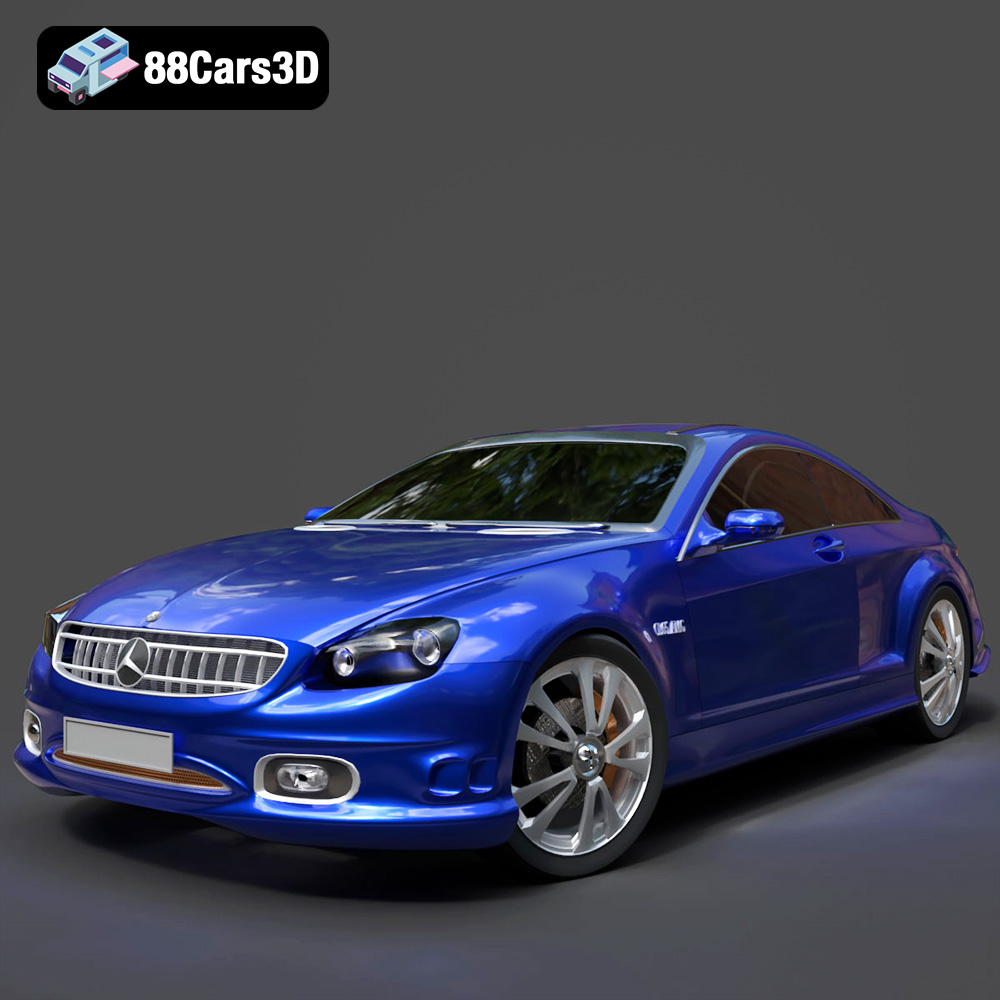
Texture: Yes
Material: Yes
Download the Mercedes-Benz CL6540-005 3D Model featuring clean geometry, realistic detailing, and a fully modeled interior. Includes .blend, .fbx, .obj, .glb, .stl, .ply, .unreal, and .max formats for rendering, simulation, and game development.
Price: $4.99
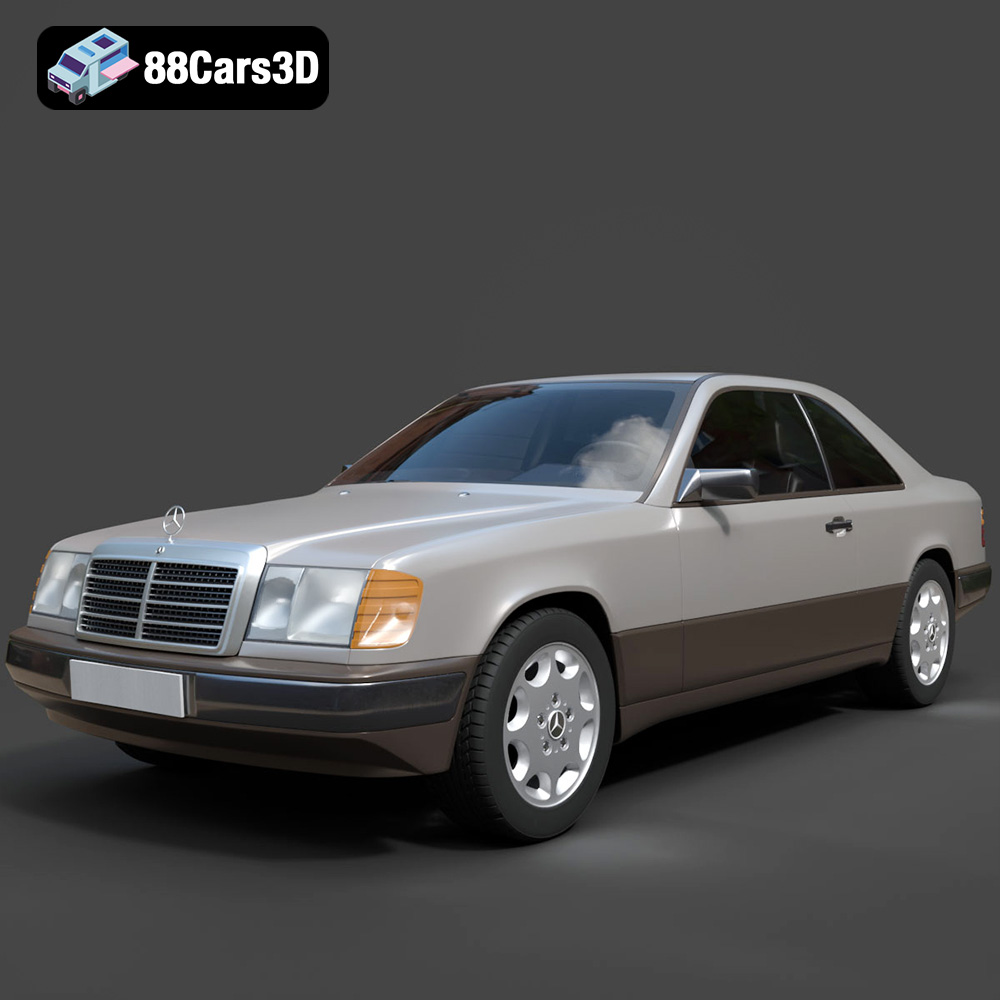
Texture: Yes
Material: Yes
Download the Mercedes E-Class w124 Coupe 3D Model featuring clean geometry, realistic detailing, and a fully modeled interior. Includes .blend, .fbx, .obj, .glb, .stl, .ply, .unreal, and .max formats for rendering, simulation, and game development.
Price: $4.99
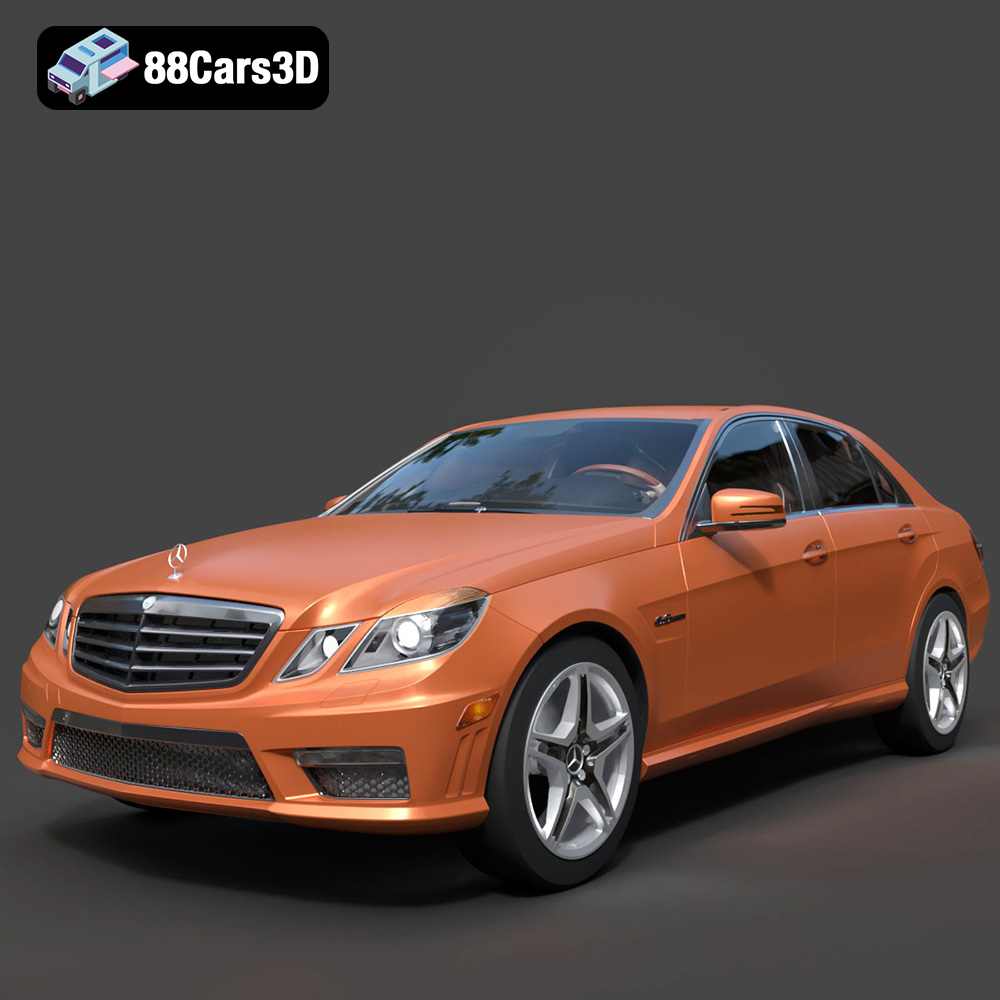
Texture: Yes
Material: Yes
Download the Mercedes-Benz E-Klasse 63 AMG 3D Model featuring clean geometry, realistic detailing, and a fully modeled interior. Includes .blend, .fbx, .obj, .glb, .stl, .ply, .unreal, and .max formats for rendering, simulation, and game development.
Price: $4.99
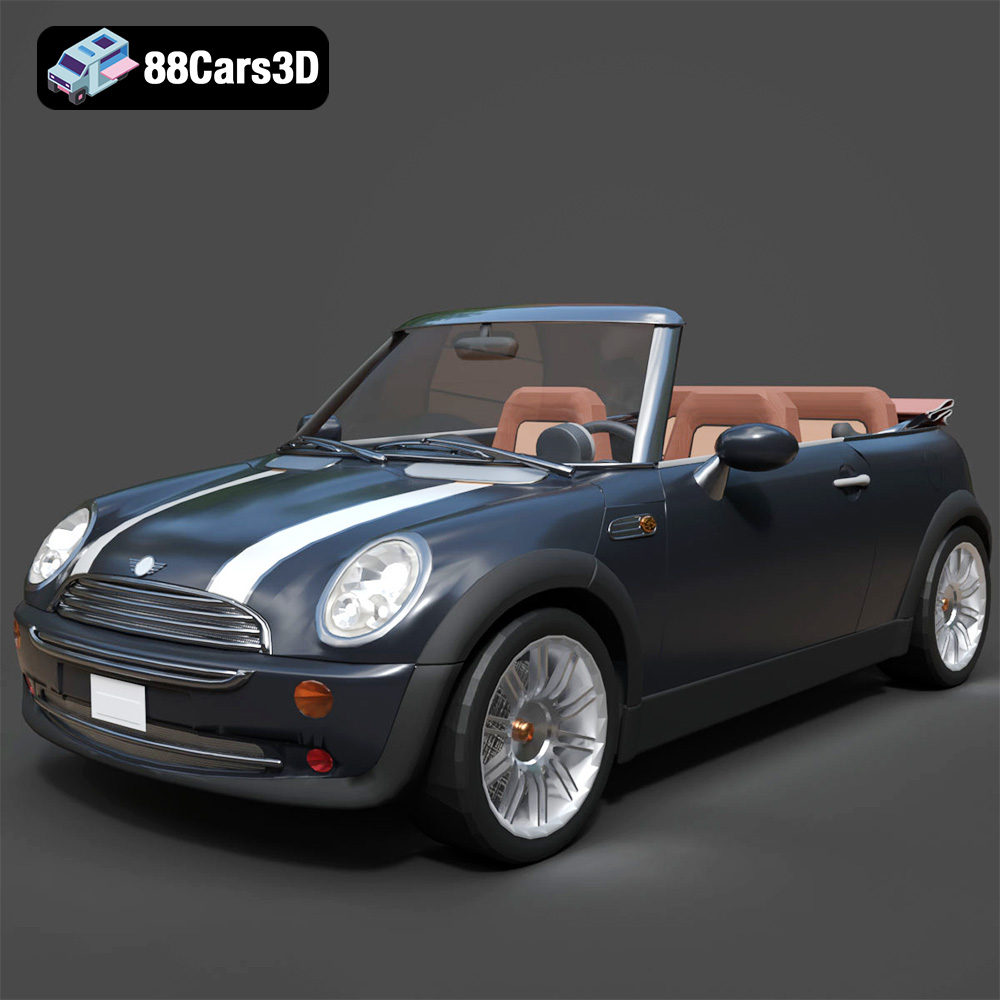
Texture: Yes
Material: Yes
Download the Mini Cabrio 2025 3D Model featuring clean geometry, realistic detailing, and a fully modeled interior. Includes .blend, .fbx, .obj, .glb, .stl, .ply, .unreal, and .max formats for rendering, simulation, and game development.
Price: $4.99
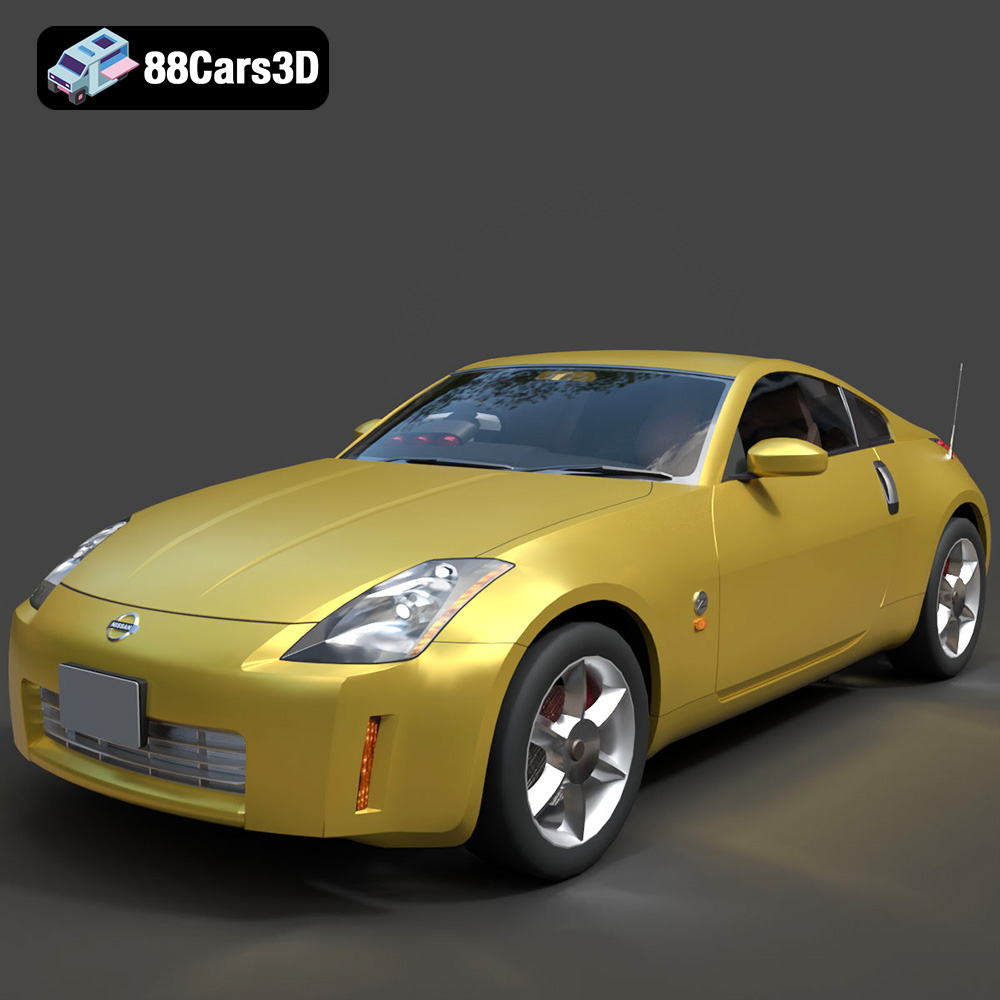
Texture: Yes
Material: Yes
Download the Nissan 350Z 3D Model featuring clean geometry, realistic detailing, and a fully modeled interior. Includes .blend, .fbx, .obj, .glb, .stl, .ply, .unreal, and .max formats for rendering, simulation, and game development.
Price: $4.99
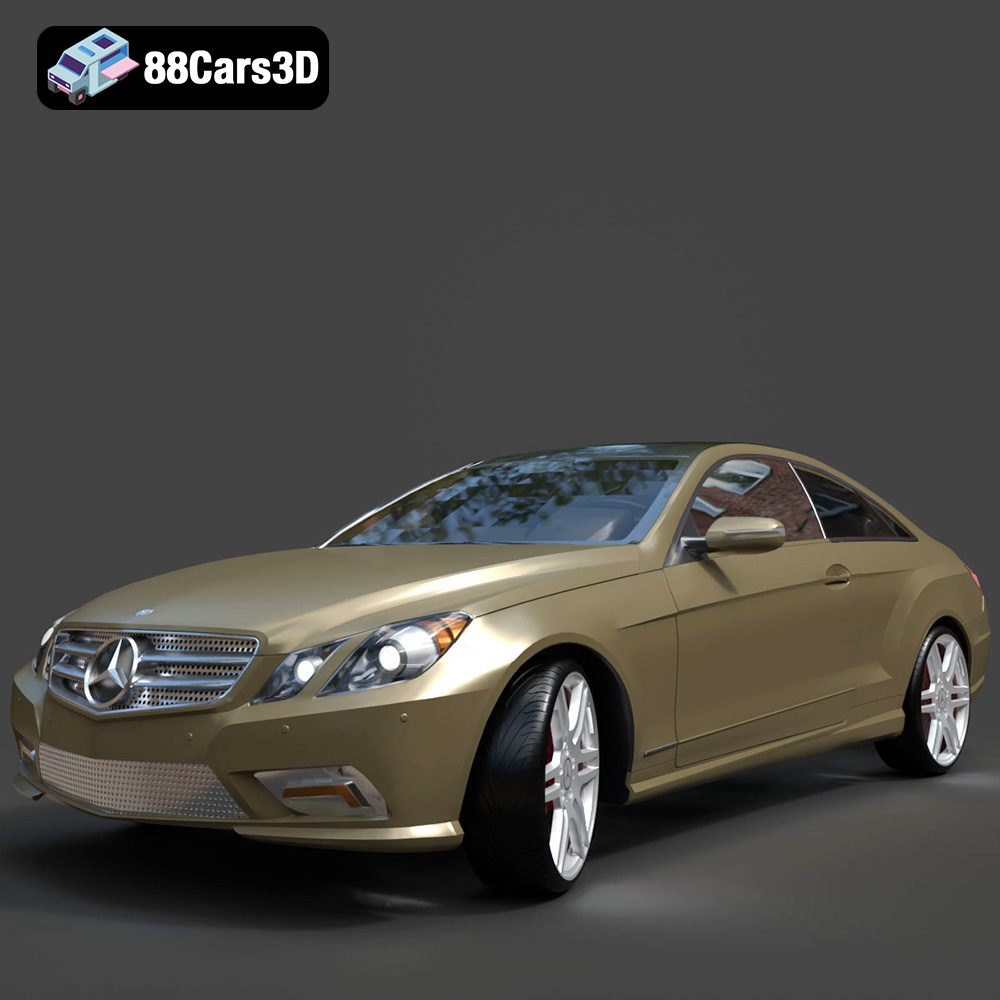
Texture: Yes
Material: Yes
Download the Mercedes-Benz E-Klasse Coupe 3D Model featuring clean geometry, realistic detailing, and a fully modeled interior. Includes .blend, .fbx, .obj, .glb, .stl, .ply, .unreal, and .max formats for rendering, simulation, and game development.
Price: $4.99
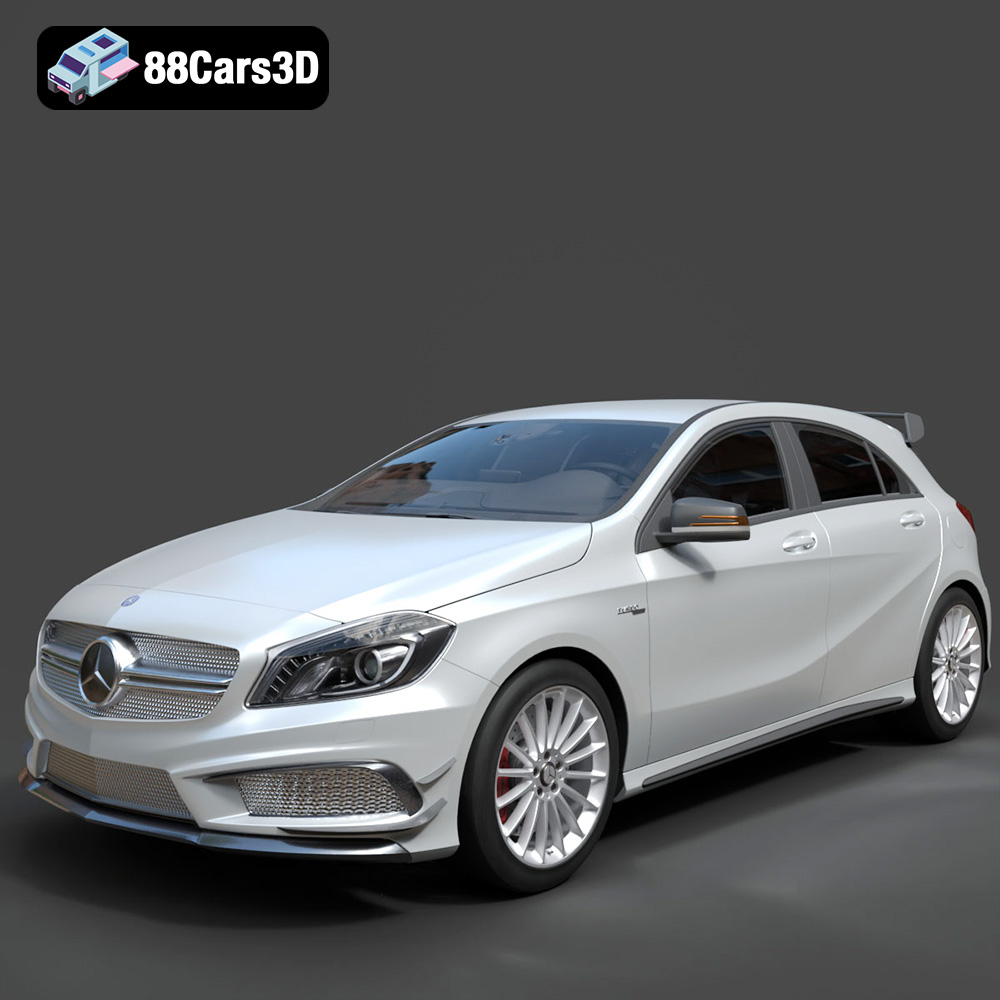
Texture: Yes
Material: Yes
Download the Benza MERS-007 3D Model featuring clean geometry, realistic detailing, and a fully modeled interior. Includes .blend, .fbx, .obj, .glb, .stl, .ply, .unreal, and .max formats for rendering, simulation, and game development.
Price: $4.99
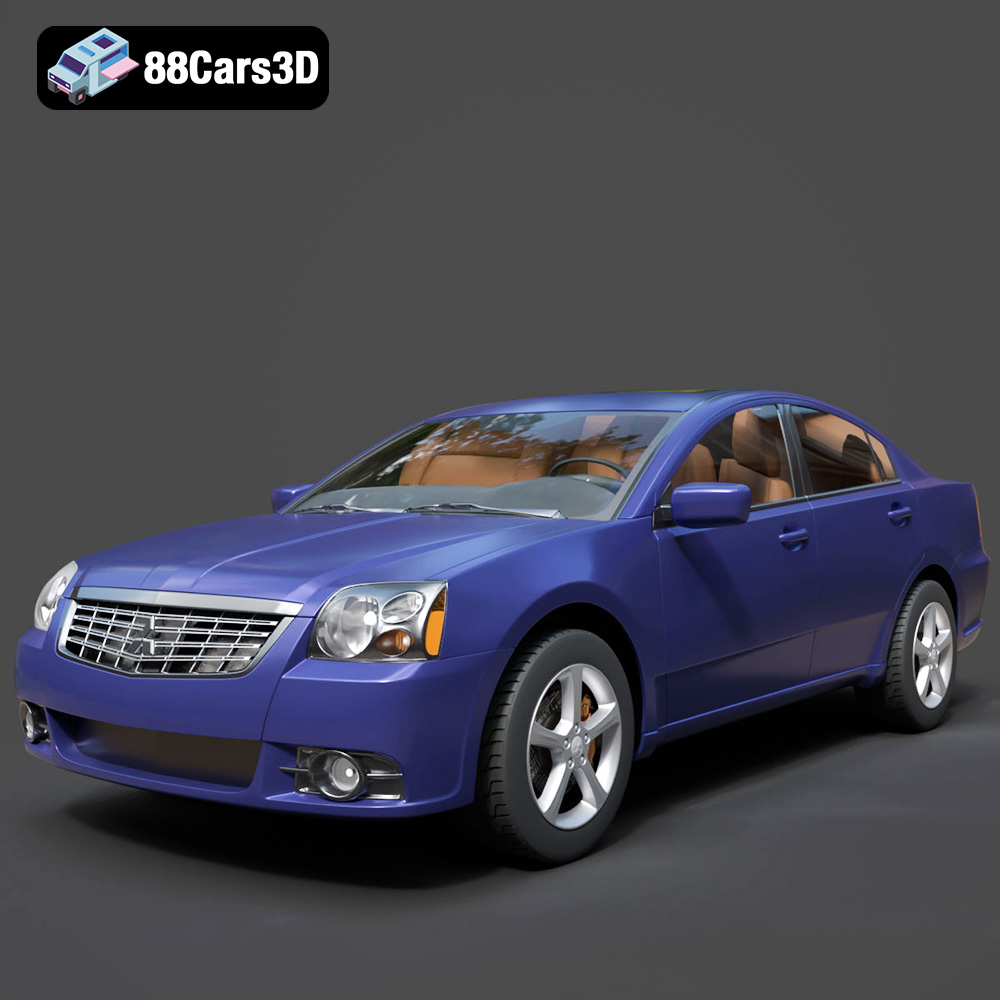
Texture: Yes
Material: Yes
Download the Mitsubishi Galant 2009 3D Model featuring clean geometry, realistic detailing, and a fully modeled interior. Includes .blend, .fbx, .obj, .glb, .stl, .ply, .unreal, and .max formats for rendering, simulation, and game development.
Price: $4.99
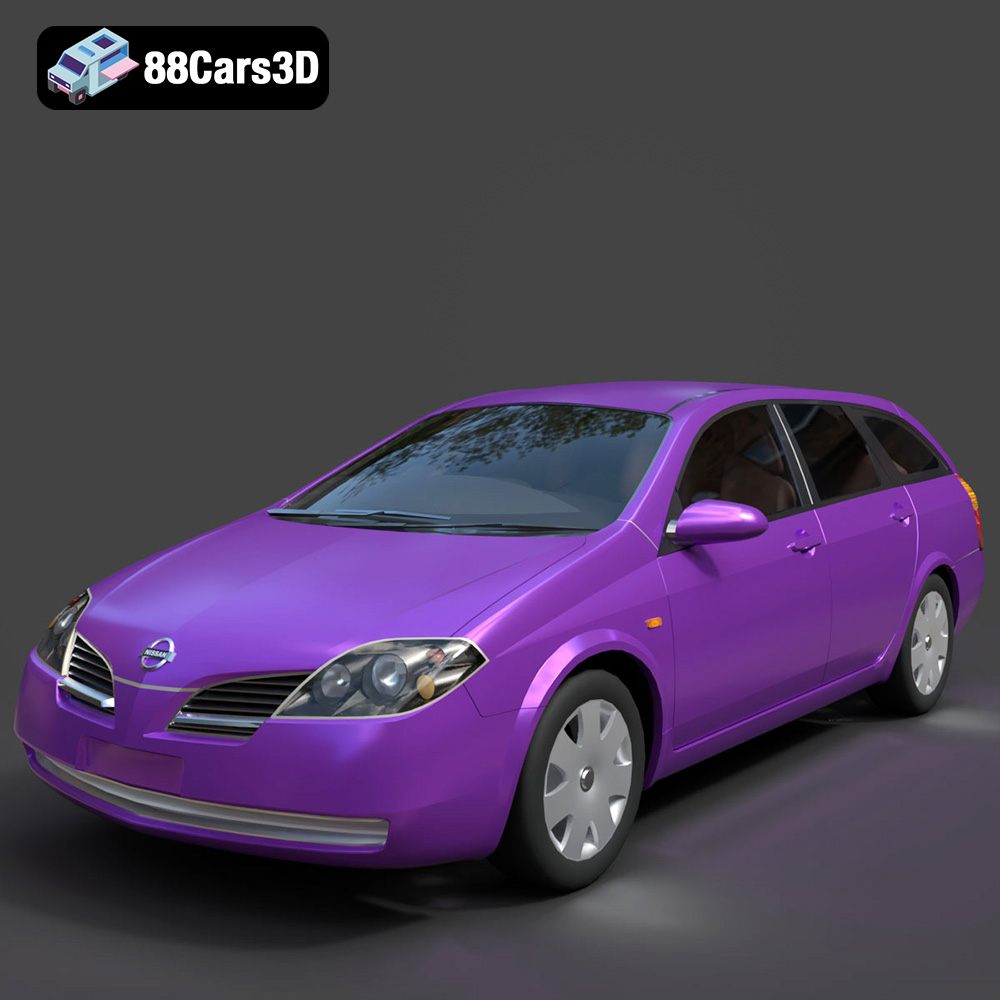
Texture: Yes
Material: Yes
Download the Nissan Primera Wagon 3D Model featuring clean geometry, realistic detailing, and a fully modeled interior. Includes .blend, .fbx, .obj, .glb, .stl, .ply, .unreal, and .max formats for rendering, simulation, and game development.
Price: $4.99
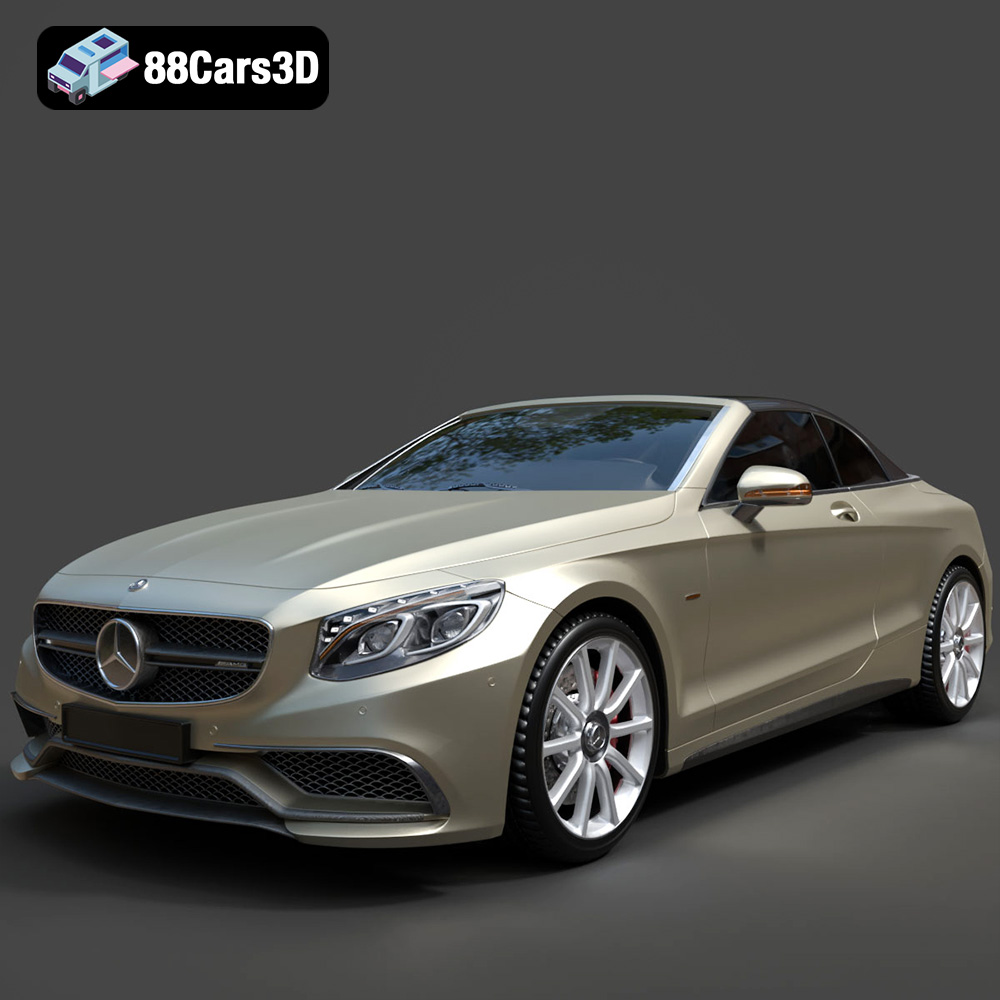
Texture: Yes
Material: Yes
Download the Mercedes-Benz S63 AMG Cabriolet 2017 3D Model featuring clean geometry, realistic detailing, and a fully modeled interior. Includes .blend, .fbx, .obj, .glb, .stl, .ply, .unreal, and .max formats for rendering, simulation, and game development.
Price: $20.99

