Get 20% OFF All Premium 3D & STL Models!

The sleek lines of a supercar, the rugged utility of an off-roader, or the nostalgic charm of a classic – capturing these vehicles in a digital environment demands precision, artistry, and deep technical understanding. In the ever-evolving landscape of 3D visualization, from cinematic rendering to immersive game experiences and interactive AR/VR applications, high-quality 3D car models are the bedrock of compelling projects. This comprehensive guide dives deep into the intricate world of creating, optimizing, and deploying automotive 3D models, exploring the advanced techniques and industry best practices that transform raw polygons into photorealistic masterpieces.
Whether you’re an aspiring 3D artist, a seasoned game developer, an automotive designer, or a visualization professional, mastering the nuances of automotive 3D asset creation is crucial. We’ll navigate everything from the foundational principles of topology and UV mapping to the complexities of physically based rendering (PBR) materials, sophisticated lighting setups, and performance optimization for real-time engines. By the end of this journey, you’ll possess a robust understanding of what it takes to produce and utilize high-quality 3D car models that stand out in any professional pipeline.
The true quality of a 3D car model begins with its underlying mesh. Clean topology and efficient edge flow are not just aesthetic preferences; they are fundamental requirements for achieving realistic deformations, seamless subdivision, and optimal performance across various applications. For automotive models, which are characterized by their complex curves, sharp creases, and reflective surfaces, this foundation is paramount. A well-constructed mesh ensures that reflections glide smoothly across the body panels, without pinching or artifacts, and that details like shut lines and vents are perfectly crisp.
The core principle is to use quads (four-sided polygons) predominantly. Triangles can cause unpredictable shading and deformation, especially when models are subdivided or animated. Ngons (polygons with more than four sides) are an absolute no-go for production-ready assets. The goal is to build a mesh that follows the natural contours and design lines of the vehicle, allowing for smooth curvature and precise control over surface tension. This typically involves starting with basic blocking shapes and incrementally adding detail through extrusion, loop cuts, and carefully placed edge loops that define creases and transitions.
Automotive surfaces are a symphony of complex curves and subtle transitions. To accurately represent these in 3D, strategic placement of edge loops is critical. Edge loops should flow along the major design lines of the car, such as the wheel arches, window frames, door cutlines, and character lines that sweep across the body. These loops act as guides for the surface, ensuring that when subdivision modifiers (like Turbosmooth in 3ds Max or Subdivision Surface in Blender) are applied, the model retains its intended shape without becoming overly rounded or losing definition. For sharp creases, like those around headlights or the edges of a bumper, multiple parallel edge loops placed very close together will create a hard edge effect when subdivided, preventing the area from softening too much.
A common mistake is to add too many unnecessary edge loops, leading to an overly dense mesh without proportional gain in detail. The art lies in finding the balance: enough geometry to define the shape smoothly, but not so much that it becomes unwieldy or creates performance bottlenecks. Artists often iterate by modeling the base mesh, applying a subdivision modifier, and then adjusting the base mesh’s edge flow to refine the surface until reflections appear perfect.
The “ideal” polycount for a 3D car model is entirely dependent on its intended use. A model destined for a photorealistic still render might comfortably sit at several million polygons (after subdivision), capturing every subtle curve and bolt. In contrast, a car model for a mobile game or a real-time AR experience might need to be optimized to under 50,000 polygons, or even less, to ensure smooth performance. High-quality platforms like 88cars3d.com often provide models with varying levels of detail (LODs) or offer resolutions suitable for different scenarios.
For high-fidelity rendering, models can range from 300,000 to 1 million base polygons before subdivision, resulting in millions of triangles. For games, a typical “mid-poly” vehicle might target 80,000-150,000 triangles for the highest LOD, with lower LODs progressively reducing this to 10,000-20,000, and even simpler proxy meshes for distant views. Techniques like retopology are often used to create a cleaner, optimized mesh from a dense CAD or sculptured model. This involves drawing new, optimized quad topology over the existing high-resolution mesh, projecting the surface details, and baking normal maps to retain the visual fidelity while drastically reducing polygon count.
Once a car model’s topology is meticulously crafted, the next critical step is UV mapping. UV mapping is the process of unfolding the 3D mesh into a 2D space, allowing textures and materials to be accurately projected onto its surface without stretching, distortion, or seams. For a complex object like a car, with its multitude of panels, intricate interiors, and unique components, meticulous UV mapping is essential for achieving a professional finish, especially when using physically based rendering (PBR) workflows.
Poor UVs can lead to blurry textures, noticeable seams where texture coordinates meet awkwardly, and inefficient use of texture space, ultimately compromising the visual quality of the asset. The goal is to create clean, non-overlapping UV islands that make efficient use of the 0-1 UV space, minimizing stretching and keeping seams in less visible areas.
Unwrapping a car model typically involves segmenting it into logical components: body panels (hood, doors, fenders), bumpers, wheels, tires, glass, interior elements (dashboard, seats), and smaller details (lights, badges). Each of these components can then be unwrapped individually using various projection methods.
For body panels, careful placement of seams is crucial. Ideally, seams should follow natural shut lines or hidden edges to make them less conspicuous. For instance, a door panel might have seams along its edges, allowing the main surface to be a single, large UV island. Wheels require careful unwrapping of the rim, spokes, and inner barrel, often with separate islands for different parts. Tires typically use cylindrical projection, with seams running along the inner circumference and possibly one radial seam. Consistency in texel density across all UV islands is key to ensuring textures appear uniform in resolution across the entire model.
Texel density refers to the number of texture pixels per unit of 3D space. Maintaining a consistent texel density across the entire car model ensures that all parts receive the same level of texture detail. For example, if the car body is unwrapped to have a high texel density, but the wheels have a low one, the wheels will appear blurry relative to the body. Tools in software like 3ds Max, Blender, or Maya can help calculate and normalize texel density across multiple UV islands.
For optimization, especially in game development, texture atlasing is a powerful technique. Instead of having separate texture maps for every single component (e.g., body, wheels, interior), related UV islands are packed together into a single, larger UV map (a texture atlas). This means a single material can use one set of textures, reducing draw calls in real-time engines and improving performance. For a car, you might have one atlas for the main body and exterior details, another for the interior, and a third for glass and transparent elements. This reduces the number of material slots and associated texture lookups, streamlining the rendering process. High-quality 3D models from marketplaces often come pre-atlased or with organized UVs for easy atlasing.
Achieving photorealistic results for 3D car models hinges on the quality and accuracy of their materials. Physically Based Rendering (PBR) has become the industry standard for this very reason. PBR materials simulate how light interacts with real-world surfaces, resulting in predictable and consistent rendering outcomes, regardless of the lighting environment. Understanding the principles of PBR and how to construct sophisticated shading networks is paramount for any automotive visualization professional.
PBR relies on physically accurate properties like albedo (base color), metallic, roughness, normal, and ambient occlusion maps. The two most common PBR workflows are Metallic/Roughness and Specular/Glossiness. Metallic/Roughness is generally preferred for its simplicity and intuitive controls, where surfaces are either metallic (e.g., chrome, painted metal) or dielectric (e.g., plastic, rubber, glass), and roughness dictates how diffuse or sharp reflections are.
Car paint is one of the most challenging materials to replicate accurately due to its complex layered structure. A typical modern car paint shader consists of several layers:
In renderers like V-Ray, Corona, Cycles, or Arnold, this usually involves setting up a layered material or using a dedicated car paint shader. For instance, in 3ds Max with Corona Renderer, you might use a CoronaLayeredMtl, combining a standard CoronaMtl for the base paint (with metallic properties and flakes driven by procedural noises or texture maps) and another CoronaMtl set to clear coat mode on top. Adjusting the clear coat’s IOR to around 1.5-1.6 and its roughness to a very low value (e.g., 0.05-0.1) creates a highly reflective, glossy finish. Experimentation with flake density, size, and metallic properties is key to achieving the desired depth and sparkle.
Beyond the primary PBR maps, additional texture maps are crucial for adding realism and breaking up perfect surfaces:
Creating these maps often involves sculpting details in software like ZBrush or Substance Painter, then baking them onto the lower-polygon game mesh or optimized render mesh. Platforms that provide professional 3D car models, such as 88cars3d.com, ensure that these maps are meticulously prepared and correctly assigned within the material setup, saving artists countless hours of work.
Once a 3D car model is meticulously crafted with impeccable topology and realistic PBR materials, the next step is to bring it to life through high-fidelity rendering. This process transforms raw 3D data into stunning, photorealistic images or animations, essential for automotive marketing, design reviews, and cinematic presentations. The choice of renderer, coupled with expert lighting and camera techniques, dictates the final output’s quality and aesthetic appeal.
Popular rendering engines like Chaos Group’s V-Ray and Corona Renderer, Autodesk’s Arnold, and Blender’s Cycles each offer unique strengths and workflows. V-Ray and Corona are workhorses in architectural and product visualization, known for their unbiased/biased hybrid approaches and excellent material handling. Arnold excels in cinematic quality and complex scenes, while Cycles, integrated within Blender, provides a powerful and flexible open-source solution.
A compelling render requires more than just a great model; it needs a convincing environment and expert lighting. For automotive renders, common setups include:
The key to realistic lighting is understanding how light interacts with the car’s reflective surfaces. HDRIs are indispensable as they provide both illumination and environmental reflections, crucial for shiny car paint. Physical lights, like area lights, are then used to sculpt the form, emphasizing body lines and adding specular highlights. Care must be taken to avoid overblown highlights or overly flat lighting, which can diminish the car’s visual impact.
Render settings are a delicate balance between visual quality and render time. Modern renderers utilize advanced algorithms (path tracing, photon mapping, irradiance caching) to simulate light bounces. Key settings to manage include:
For animations, consistent settings across frames are crucial to avoid flickering. Often, lower quality pre-passes for GI are calculated once and reused across all frames to save time. Render farms are frequently employed for animations to distribute the computational load and accelerate production timelines. Leveraging optimized 3D car models, such as those available on 88cars3d.com, with clean geometry and efficient materials, significantly aids in achieving faster render times without compromising quality.
While cinematic renders aim for absolute photorealism, game engines like Unity and Unreal Engine prioritize real-time performance. Integrating high-quality 3D car models into these environments requires a different set of optimization strategies, ensuring that assets look great while maintaining smooth frame rates. The challenge lies in balancing visual fidelity with strict performance budgets for polygon counts, draw calls, and texture memory.
A common mistake is simply importing a high-resolution render model directly into a game engine. This often leads to severe performance bottlenecks. Game-ready assets must be specifically engineered to be lean and efficient, using techniques that visually mimic complex details without taxing the GPU unnecessarily. Understanding the technical limitations and capabilities of target platforms (PC, console, mobile) is crucial for effective optimization.
Level of Detail (LODs) is a cornerstone of game asset optimization, especially for complex objects like cars. An LOD system allows the engine to automatically switch between different versions of a model based on its distance from the camera. When the car is close, a high-detail (LOD0) mesh is used. As it moves further away, progressively lower-detail meshes (LOD1, LOD2, etc.) are swapped in, drastically reducing the polygon count the GPU has to process. For instance, a detailed car might have:
Creating LODs involves careful mesh simplification (decimation) while preserving the silhouette and important features. Baking normal maps from the highest detail mesh onto the lower LODs helps retain visual fidelity. Both Unity and Unreal Engine provide robust LOD systems that allow artists to assign different meshes, materials, and even culling settings for each LOD level, ensuring a seamless visual transition and optimal performance across varying distances.
Textures are a significant contributor to memory usage and performance in game engines. Large, uncompressed textures can quickly consume VRAM and slow down loading times. Key optimization strategies include:
Furthermore, collision meshes are separate, simplified meshes used for physics calculations, much less detailed than the visual mesh. Lightmaps can bake static lighting information onto textures, saving real-time lighting calculations for static objects. Optimized 3D car models found on platforms like 88cars3d.com are typically provided in game-ready formats like FBX or GLB, often with pre-configured LODs and optimized texture sets, simplifying integration into game development pipelines.
The utility of high-quality 3D car models extends far beyond traditional rendering and gaming. Augmented Reality (AR), Virtual Reality (VR), and 3D printing represent exciting new frontiers, each with its own unique set of technical requirements and optimization considerations. Navigating these diverse applications also demands a solid understanding of various 3D file formats and their specific capabilities.
From interactive showrooms in VR to car configurators in AR, and even physical prototypes created via 3D printing, the versatility of a well-prepared 3D car model is immense. Each medium, however, presents distinct challenges that artists must address to ensure a seamless and high-quality experience or physical output.
AR and VR environments are incredibly demanding on computational resources, even more so than traditional desktop games, especially for mobile AR devices. Performance is paramount to prevent motion sickness and ensure a smooth, immersive experience. Therefore, 3D car models for AR/VR require aggressive optimization:
Formats like GLB (GLTF Binary) and USDZ are becoming increasingly popular for web-based AR and iOS ARKit respectively, due to their ability to encapsulate geometry, materials, animations, and PBR textures into a single, highly optimized file. This simplifies asset delivery and ensures consistent visual quality across platforms.
Transforming a digital 3D car model into a physical object via 3D printing requires a fundamental shift in perspective. The mesh must be “watertight” – meaning it has no holes, non-manifold geometry, or intersecting faces. Any gaps or errors in the mesh will prevent the slicing software from correctly interpreting the model and generating toolpaths for the printer.
Converting a typical render-ready car model for 3D printing often involves removing complex interior parts, merging separate panels into a solid shell, and meticulously checking for mesh integrity. Some platforms like 88cars3d.com may offer specific models optimized for 3D printing, saving artists considerable preparation time.
The 3D industry uses a multitude of file formats, each with its strengths and weaknesses:
Understanding these formats helps artists choose the right one for export/import and ensures compatibility across different stages of a project. When sourcing 3D car models, checking the available file formats is crucial to ensure they align with your workflow and intended applications.
The journey through the creation, optimization, and deployment of 3D car models reveals a fascinating blend of artistic vision and rigorous technical execution. From the foundational principles of clean topology and efficient UV mapping to the intricacies of PBR material authoring and the specialized demands of rendering, game engines, AR/VR, and 3D printing, every stage requires meticulous attention to detail and a deep understanding of industry best practices.
The digital automotive landscape is constantly evolving, pushing the boundaries of realism and interactivity. Whether you’re aiming for a stunning marketing visualization, an immersive gaming experience, or an innovative AR product configurator, the quality of your 3D assets will be the ultimate differentiator. By mastering the techniques discussed – from precise edge flow and consistent texel density to layered car paint shaders and performance-optimized LODs – you empower yourself to create compelling digital automotive experiences that captivate audiences.
Remember that the path to mastery is continuous learning and practice. Leveraging platforms that offer expertly crafted 3D car models, such as 88cars3d.com, can provide a significant head start, giving you access to assets meticulously prepared for a wide range of applications, complete with clean topology, realistic materials, and various file formats. Invest in your craft, refine your technical skills, and drive your digital projects to unparalleled levels of excellence.
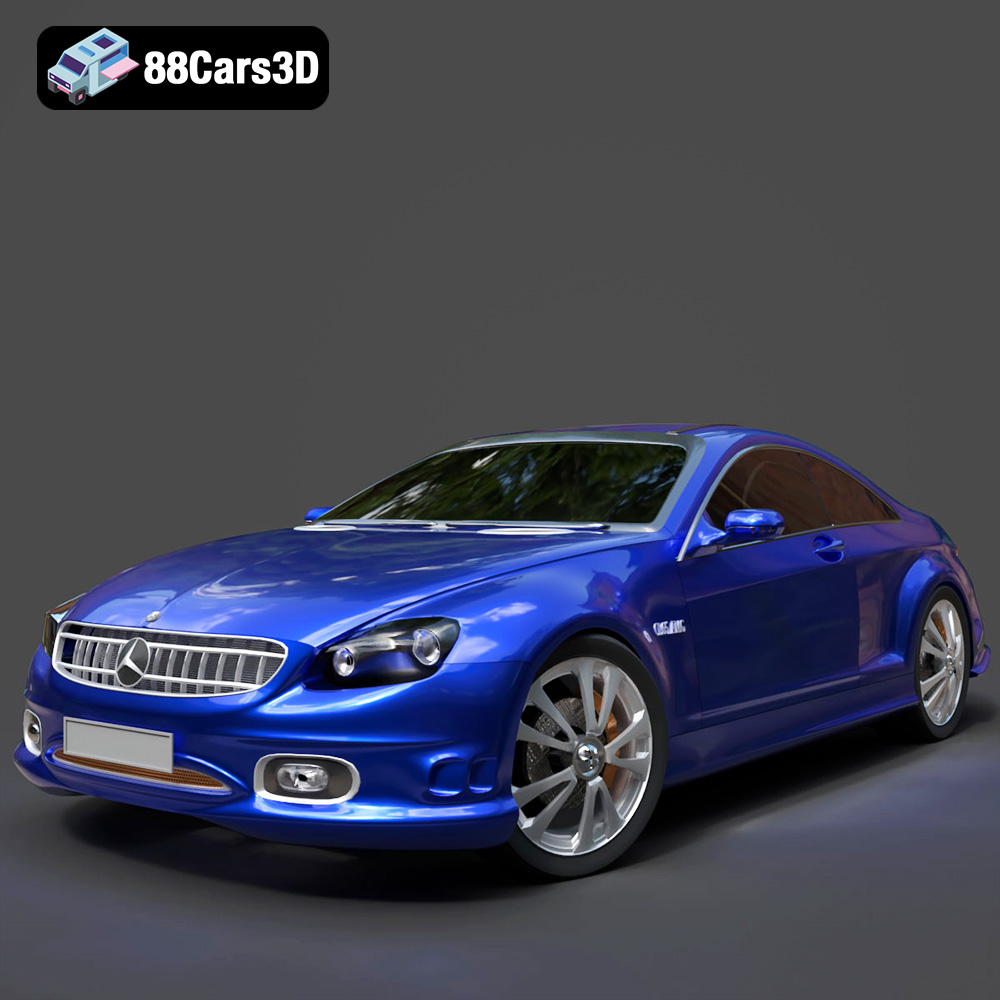
Texture: Yes
Material: Yes
Download the Mercedes-Benz CL6540-005 3D Model featuring clean geometry, realistic detailing, and a fully modeled interior. Includes .blend, .fbx, .obj, .glb, .stl, .ply, .unreal, and .max formats for rendering, simulation, and game development.
Price: $4.99
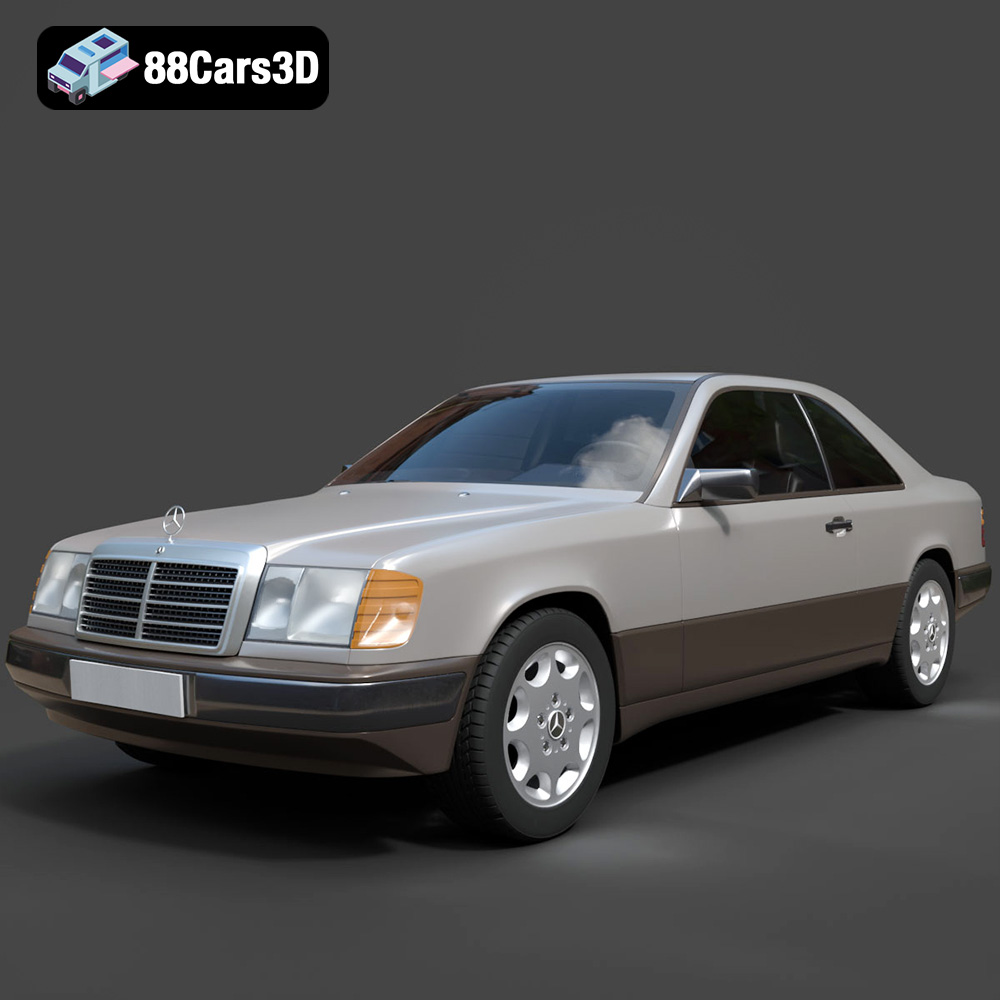
Texture: Yes
Material: Yes
Download the Mercedes E-Class w124 Coupe 3D Model featuring clean geometry, realistic detailing, and a fully modeled interior. Includes .blend, .fbx, .obj, .glb, .stl, .ply, .unreal, and .max formats for rendering, simulation, and game development.
Price: $4.99
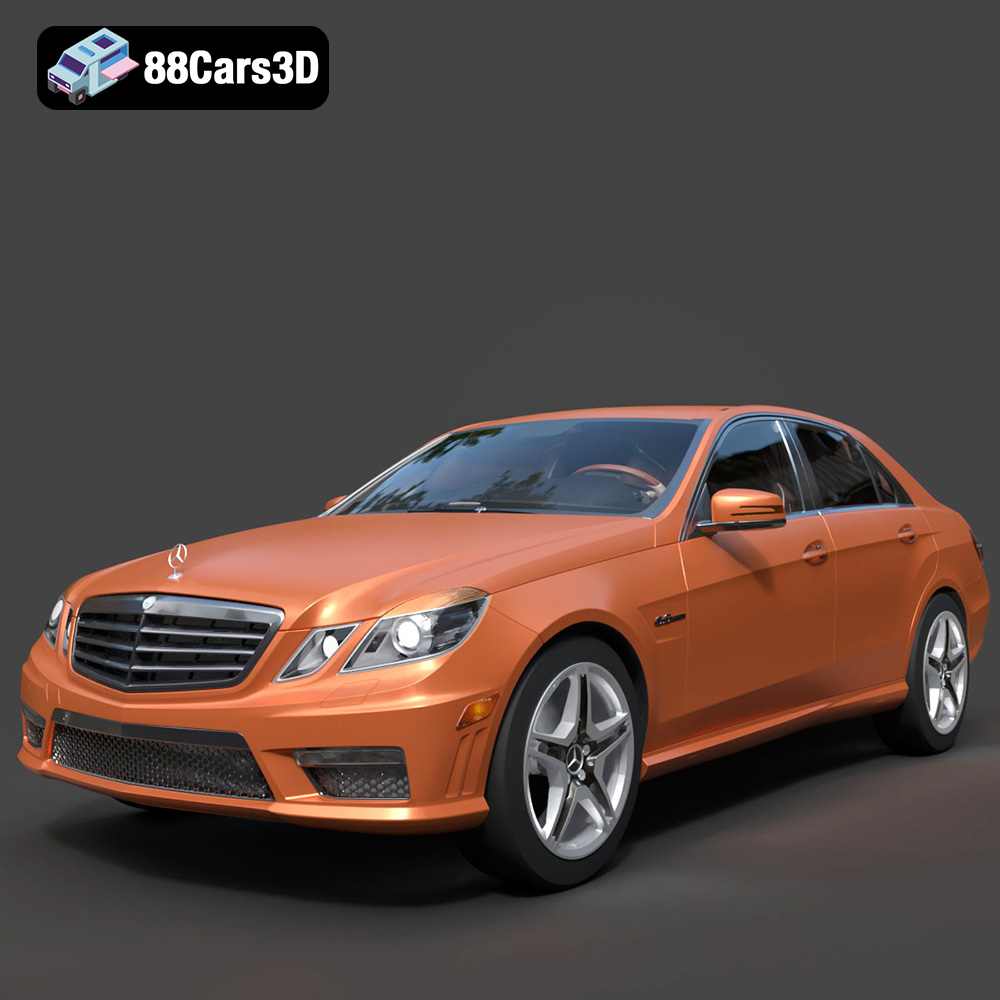
Texture: Yes
Material: Yes
Download the Mercedes-Benz E-Klasse 63 AMG 3D Model featuring clean geometry, realistic detailing, and a fully modeled interior. Includes .blend, .fbx, .obj, .glb, .stl, .ply, .unreal, and .max formats for rendering, simulation, and game development.
Price: $4.99
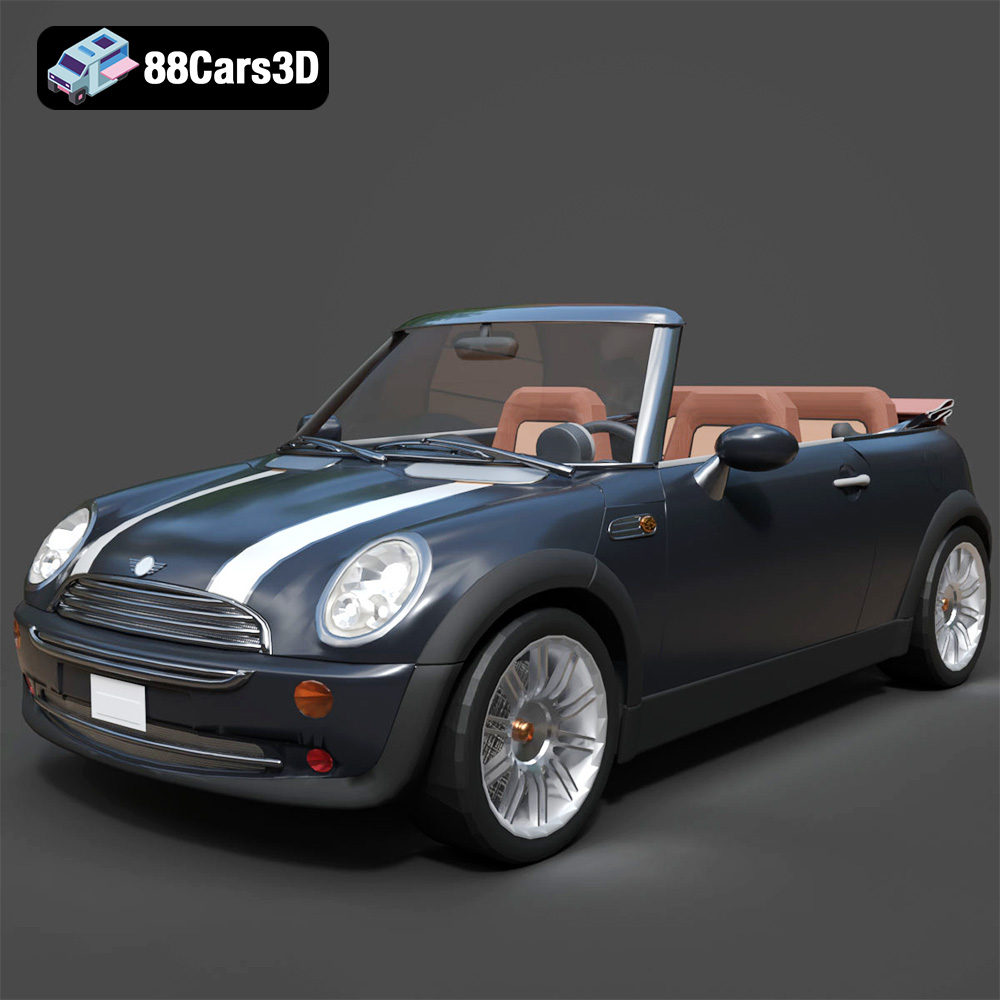
Texture: Yes
Material: Yes
Download the Mini Cabrio 2025 3D Model featuring clean geometry, realistic detailing, and a fully modeled interior. Includes .blend, .fbx, .obj, .glb, .stl, .ply, .unreal, and .max formats for rendering, simulation, and game development.
Price: $4.99
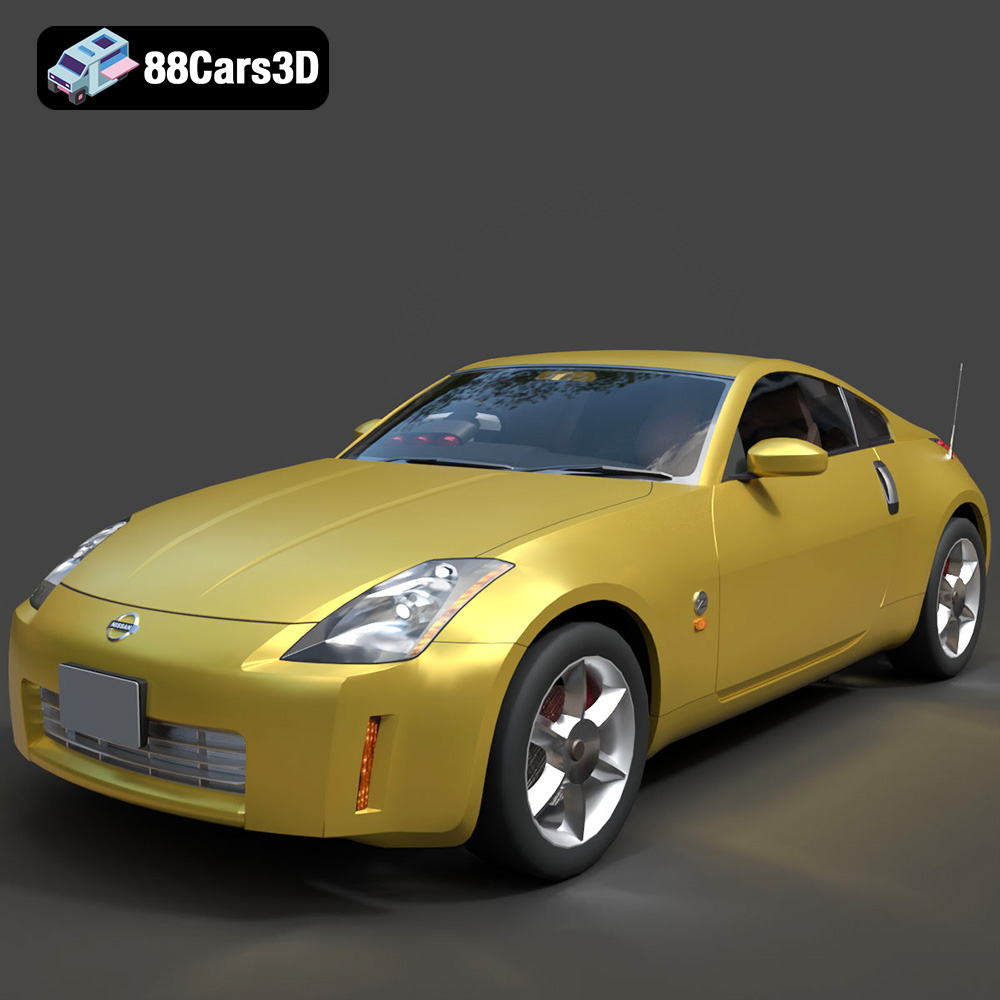
Texture: Yes
Material: Yes
Download the Nissan 350Z 3D Model featuring clean geometry, realistic detailing, and a fully modeled interior. Includes .blend, .fbx, .obj, .glb, .stl, .ply, .unreal, and .max formats for rendering, simulation, and game development.
Price: $4.99
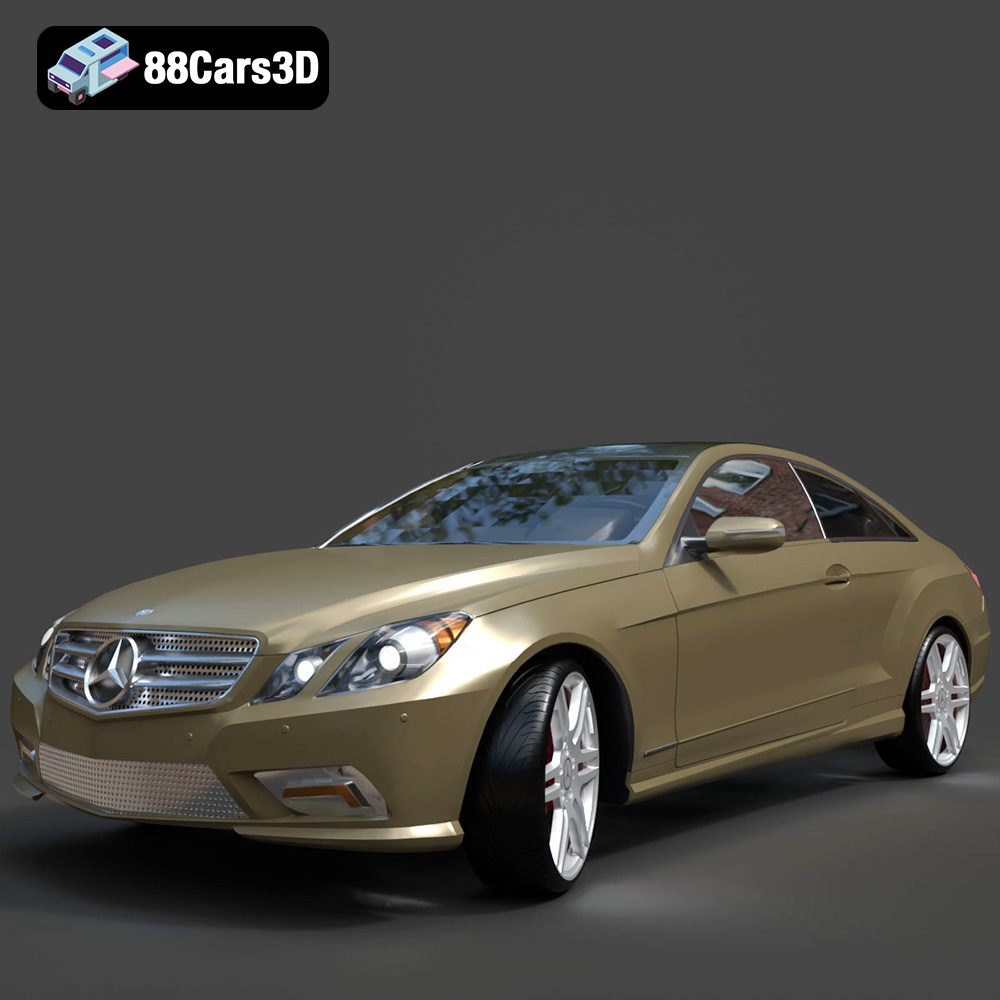
Texture: Yes
Material: Yes
Download the Mercedes-Benz E-Klasse Coupe 3D Model featuring clean geometry, realistic detailing, and a fully modeled interior. Includes .blend, .fbx, .obj, .glb, .stl, .ply, .unreal, and .max formats for rendering, simulation, and game development.
Price: $4.99
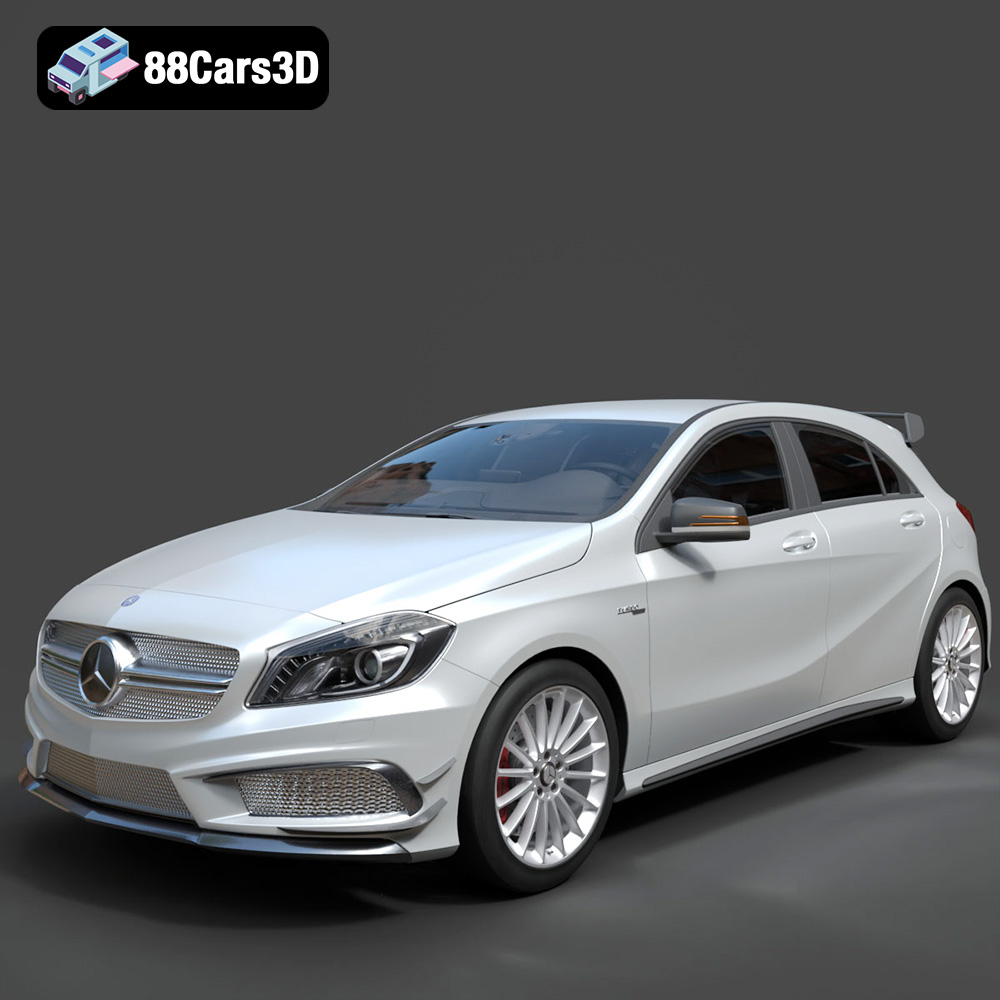
Texture: Yes
Material: Yes
Download the Benza MERS-007 3D Model featuring clean geometry, realistic detailing, and a fully modeled interior. Includes .blend, .fbx, .obj, .glb, .stl, .ply, .unreal, and .max formats for rendering, simulation, and game development.
Price: $4.99
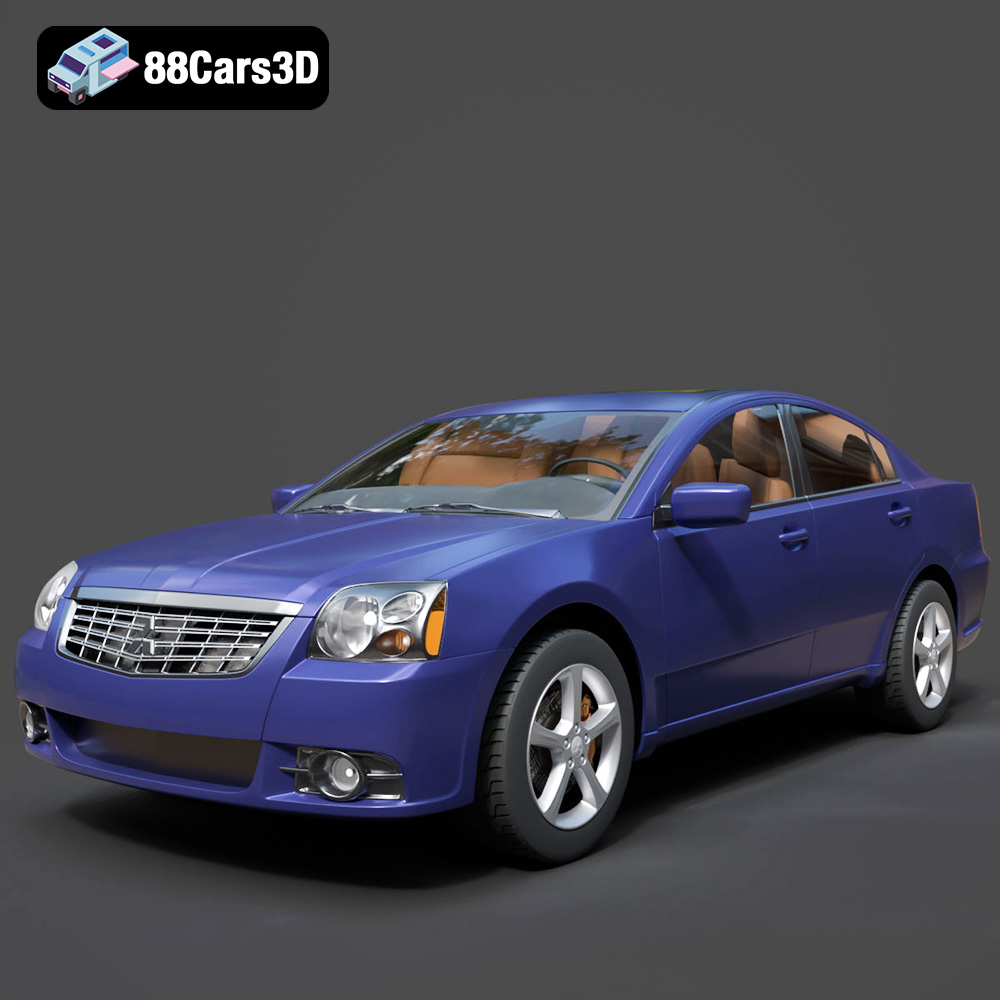
Texture: Yes
Material: Yes
Download the Mitsubishi Galant 2009 3D Model featuring clean geometry, realistic detailing, and a fully modeled interior. Includes .blend, .fbx, .obj, .glb, .stl, .ply, .unreal, and .max formats for rendering, simulation, and game development.
Price: $4.99
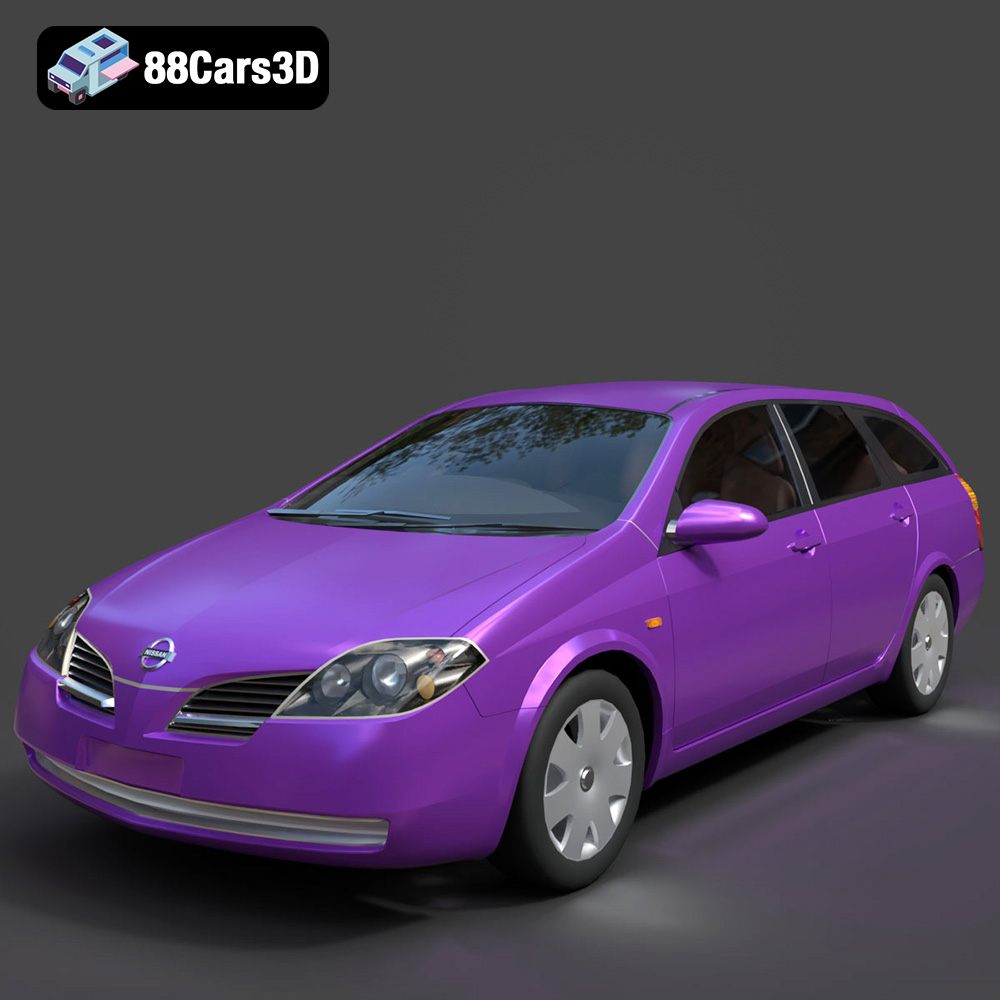
Texture: Yes
Material: Yes
Download the Nissan Primera Wagon 3D Model featuring clean geometry, realistic detailing, and a fully modeled interior. Includes .blend, .fbx, .obj, .glb, .stl, .ply, .unreal, and .max formats for rendering, simulation, and game development.
Price: $4.99
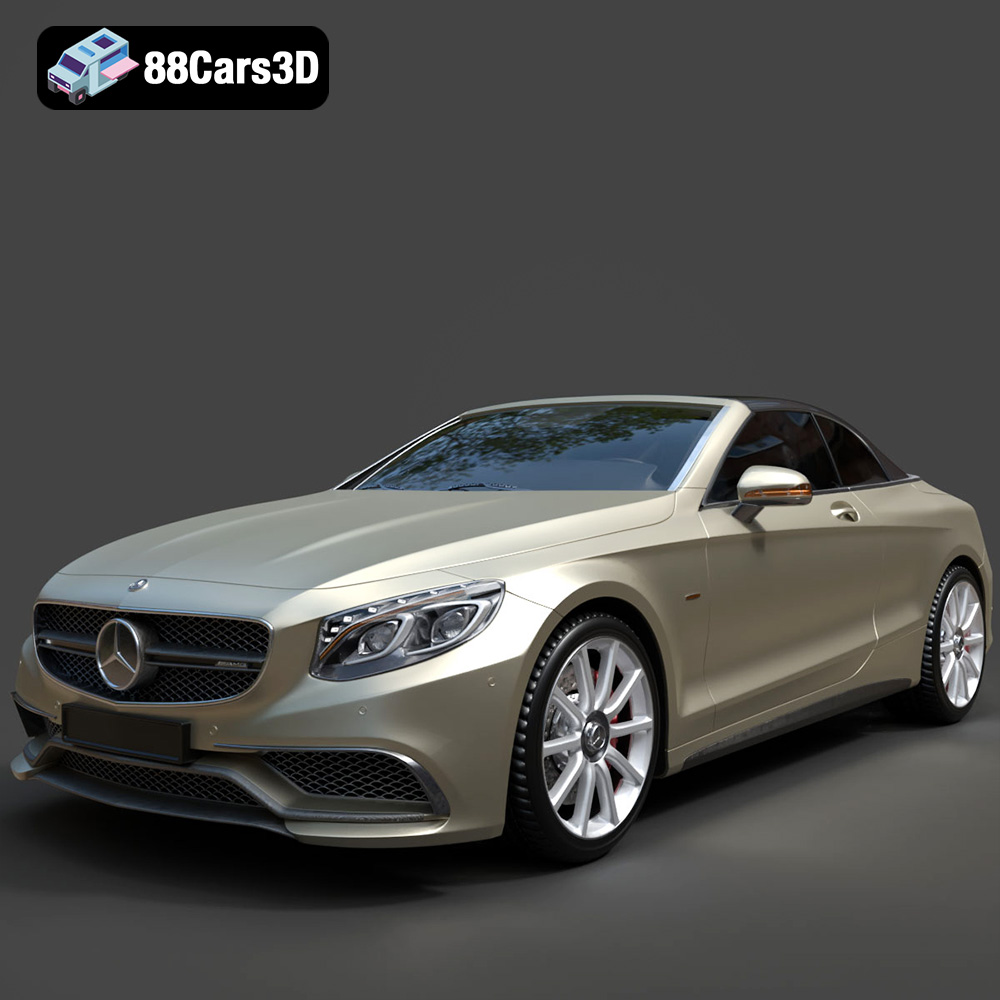
Texture: Yes
Material: Yes
Download the Mercedes-Benz S63 AMG Cabriolet 2017 3D Model featuring clean geometry, realistic detailing, and a fully modeled interior. Includes .blend, .fbx, .obj, .glb, .stl, .ply, .unreal, and .max formats for rendering, simulation, and game development.
Price: $20.99

