Get 20% OFF All Premium 3D & STL Models!

The sleek lines of a sports car, the rugged utility of an SUV, or the vintage charm of a classic automobile – bringing these vehicles to life in the digital realm is a meticulous craft. High-quality 3D car models are indispensable assets across a multitude of industries, from blockbuster video games and cinematic visualizations to cutting-edge automotive design and immersive AR/VR experiences. Yet, achieving true realism and performance requires a deep understanding of complex technical workflows.
This comprehensive guide delves into the intricate world of creating, optimizing, and deploying professional-grade 3D car models. We’ll navigate the critical stages, from establishing impeccable foundational topology and mastering intricate UV mapping to crafting photorealistic PBR materials and fine-tuning assets for real-time game engines or stunning offline renders. Whether you’re a seasoned 3D artist, a game developer, an automotive designer, or a student aspiring to elevate your skills, understanding these technical nuances is paramount. By the end of this post, you’ll gain a profound appreciation for the technical artistry involved and be equipped with actionable insights to enhance your projects and make informed decisions when sourcing assets from platforms like 88cars3d.com.
At the heart of any exceptional 3D car model lies its topology – the arrangement of vertices, edges, and faces that define the mesh. For automotive subjects, where smooth curves, crisp edges, and realistic deformations are critical, superior topology isn’t just a best practice; it’s a necessity. Clean, quad-based topology ensures predictable subdivision behavior, facilitates UV mapping, and allows for seamless integration into various pipelines.
Automotive surfaces are characterized by their flowing lines and precise transitions. Achieving these requires meticulous attention to edge flow, ensuring that edges follow the natural contours and design lines of the vehicle. This is particularly crucial around panel gaps, wheel arches, and character lines that define the car’s aesthetic. A common goal is to maintain an even distribution of polygons, avoiding overly dense or sparse areas, which can lead to pinching or faceted appearances. For high-resolution rendering, models might start with 50,000 to 150,000 polygons before subdivision, potentially reaching millions of polygons for final output, while game-ready assets typically target a much lower range, often between 30,000 to 100,000 triangles, depending on the platform and proximity to the camera.
The golden rule for modeling, especially for subdivision-ready meshes, is to use primarily **quadrilateral polygons (quads)**. Quads provide predictable deformation and smooth out gracefully when subdivided using modifiers like Turbosmooth (3ds Max), Subdivision Surface (Blender), or Smooth Mesh (Maya). **Edge loops** are series of connected edges that run continuously around a mesh, allowing for precise control over shape and detail. For car bodies, these loops are strategically placed to define panel lines, sharp creases, and areas that require creasing or bending. For example, edge loops should follow the circumference of a wheel arch or run along the length of a door panel gap. Without proper edge loops, subdivision can lead to unwanted softening of details or unnatural bumps.
To control the sharpness of an edge without adding excessive geometry, artists often employ **support loops** (also known as control loops or holding loops). These are additional edge loops placed very close to a primary edge. When the model is subdivided, these support loops “hold” the sharpness of the original edge, creating a crisp transition without requiring a completely new hard-surface workflow. This technique is invaluable for defining the hard edges of car body panels, grilles, and interior components while maintaining a clean, quad-based mesh suitable for deformation.
**Poles** are vertices where more or less than four edges meet. While not inherently bad, excessive or poorly placed poles (especially 5-edge poles or N-gons) can cause undesirable pinching or creasing upon subdivision. In automotive modeling, careful pole management is essential to maintain the car’s sleek, flowing surfaces. Artists often strategically place 5-edge poles in flatter, less visible areas or where changes in curvature naturally occur, avoiding critical deformation zones or highly reflective surfaces where imperfections would be glaringly obvious.
Maintaining accurate curvature is another significant challenge. Tools like curvature analysis maps or simple visual inspection with reflection shaders (e.g., using a MatCap) help artists identify bumps or dips in the surface that disrupt the smooth flow. Techniques like carefully adjusting vertex positions, using soft selections, or employing specialized surface-snapping tools (like ‘Retopology’ tools in Blender or ‘Conform’ in 3ds Max) are used to iron out imperfections. The goal is a mesh that, even without texture, reflects light accurately and presents a perfectly smooth, manufactured surface, ready for the high-end materials that bring it to life.
Once the topology is solid, the next crucial step is **UV mapping**. UVs are a 2D representation of your 3D model’s surface, essential for applying textures accurately. For complex objects like cars, meticulous UV unwrapping is paramount to avoid distortion, maintain uniform texel density, and optimize texture memory. A poorly UV-mapped car model will inevitably suffer from stretched or blurry textures, regardless of the resolution of the image maps.
The goal is to create UV islands that are as undistorted and uniformly scaled as possible, laying them out efficiently within the 0-1 UV space. This minimizes texture stretching and ensures that textures appear consistent across different parts of the vehicle. For a professional 3D car model, separate UV sets are often created for different material types – one for the main body paint, another for the interior, wheels, glass, and so on. This segregation allows for higher texture resolution where it’s needed most and provides greater flexibility in material assignment and look development.
Unwrapping a car body is akin to disassembling its panels and laying them flat. The strategy involves identifying natural seams on the vehicle where cuts can be made without being visually disruptive. Common seam placements include along panel gaps (doors, hood, trunk), underneath the car, along sharp edges that naturally break the surface, and inside areas that won’t be seen by the camera. For example, the roof panel might be unwrapped as one large piece, while the side panels might be separated along their character lines. Specialized UV unwrapping tools within software like 3ds Max (UVW Unwrap), Blender (UV Editor), or Maya (UV Editor) allow artists to project, cut, sew, and relax UV islands until optimal results are achieved.
One of the challenges is dealing with the complex curvature and varied surface details of a car. Planar, cylindrical, or spherical projections are often used as a starting point, followed by extensive manual adjustment and relaxation to minimize distortion. It’s common practice to break down the car into logical components – body, interior, wheels, lights, chassis – and unwrap each component separately. This modular approach makes the process more manageable and allows for targeted texture resolutions. For instance, the car body might receive a large, high-resolution UV map, while smaller components like door handles or emblems might share a texture atlas with other similar parts to optimize draw calls in real-time applications.
Texel density refers to the number of texture pixels per unit of 3D space. Maintaining a consistent texel density across the entire model is crucial for visual fidelity. If different parts of the car have vastly different texel densities, some areas will appear sharp while others are blurry. Tools exist to visualize texel density, helping artists ensure uniformity. For a high-quality model, a common target might be 10.24 pixels/cm (1024 pixels per 100cm) or higher, depending on the final output resolution.
For extremely detailed or large models, traditional 0-1 UV space can be restrictive. This is where **Multi-Tile UVs**, often referred to as **UDIMs**, come into play. UDIMs allow artists to spread UV islands across multiple UV tiles (e.g., 1001, 1002, 1003…), each tile representing a separate texture map. This enables an artist to use many high-resolution textures on a single model without being limited by a single 0-1 UV space. For a detailed car model, the body paint could be on one UDIM, interior leather on another, and tire rubber on a third, allowing for extreme texture detail on all parts. This workflow is widely adopted in film VFX and high-end automotive visualization but requires renderer and software compatibility, which most modern render engines and 3D applications support.
The visual realism of a 3D car model largely hinges on its materials and shaders. **Physically Based Rendering (PBR)** has become the industry standard for achieving photorealistic results, accurately simulating how light interacts with surfaces in the real world. PBR materials rely on a set of standardized texture maps that define surface properties like color, reflectivity, and roughness, ensuring consistent results across different lighting conditions and rendering environments.
For automotive models, creating compelling PBR materials is an art form itself. Car paint, in particular, is notoriously complex, requiring multiple layers to simulate the base color, metallic flake, clear coat, and even orange peel effect. Glass, chrome, rubber, and various interior fabrics each demand their own carefully constructed PBR shader network to truly sell the illusion of reality. Leveraging platforms like 88cars3d.com often means acquiring models pre-configured with high-quality PBR setups, significantly streamlining this complex process.
There are two primary PBR workflows: **Metalness/Roughness** and **Specular/Glossiness**. While both achieve similar results, they use different texture maps to define material properties:
Most modern game engines (Unity, Unreal Engine) and renderers (Corona, V-Ray, Cycles, Arnold) predominantly use the Metalness/Roughness workflow due to its intuitive nature and efficiency. Texture resolutions typically range from 2K (2048×2048) for smaller details to 8K (8192×8192) or even 16K for primary body panels in high-end renders, depending on the required level of detail and proximity to the camera.
Each material on a car requires a specialized approach:
Building these shader networks often involves connecting multiple texture maps, utility nodes (e.g., color correction, blending), and procedural textures within a node-based shader editor (like Blender’s Shader Editor, 3ds Max’s Slate Material Editor, or Maya’s Hypershade). Attention to subtle details, such as fingerprint smudges on interior panels or brake dust on wheels, dramatically enhances realism.
A perfectly modeled and textured car model will look flat and unconvincing without proper lighting and a compelling rendering workflow. **Automotive rendering** is a specialized discipline that combines technical expertise with an artistic eye to create stunning, photorealistic images and animations. It involves orchestrating light, camera angles, and render settings to highlight the car’s design, materials, and form. Common renderers like Corona Renderer, V-Ray, Cycles, and Arnold offer sophisticated tools for achieving breathtaking results.
The goal is to replicate real-world photography conditions or create stylized lighting setups that enhance the aesthetic appeal of the vehicle. This includes understanding the interplay of direct and indirect light, managing reflections, and setting up environments that provide convincing visual context. Whether it’s a studio shot, an outdoor scene, or a dramatic cinematic sequence, the lighting directly impacts the perception of the model’s quality.
Effective lighting is arguably the most critical factor in achieving realistic renders. For automotive scenes, a combination of **High Dynamic Range Images (HDRIs)** and artificial lights is often used:
A common studio lighting setup for cars might involve one large area light as a key light, a smaller area light as a rim light to define the car’s silhouette, and a soft fill light from the opposite side, all placed within an HDRI environment. Experimenting with light placement, intensity, and color temperature is key to finding the most flattering illumination for the vehicle.
Modern render engines offer a plethora of settings that significantly impact render time and quality. Understanding these is crucial for efficient workflows:
**Post-processing and compositing** are the final stages where the raw render output is refined. This typically involves:
While offline rendering prioritizes visual fidelity with fewer constraints, real-time applications like **game development**, **AR/VR**, and interactive configurators demand extreme optimization. A beautifully rendered car model that causes frame rate drops is unusable in a game engine. Optimizing 3D car models for platforms like Unity or Unreal Engine involves a series of strategic decisions to balance visual quality with performance targets. This typically means reducing polygon counts, streamlining texture usage, and minimizing draw calls without sacrificing the car’s aesthetic integrity.
When sourcing models from marketplaces such as 88cars3d.com, it’s important to look for “game-ready” or “optimized” specifications, which often include these techniques pre-applied. Understanding these optimization strategies is key to integrating high-quality automotive assets seamlessly into real-time environments.
**Levels of Detail (LODs)** are perhaps the most critical optimization technique for complex models like cars. An LOD system generates multiple versions of a single model, each with a progressively lower polygon count and simpler materials. The game engine then automatically switches between these versions based on the object’s distance from the camera:
Creating LODs involves careful manual reduction (decimation) or using automated tools. The goal is to maintain the silhouette and primary visual features as much as possible, even at lower polygon counts. This technique dramatically reduces the computational load on the GPU, allowing for more cars or other detailed objects to be rendered on screen simultaneously without a performance hit. Each LOD transition needs to be imperceptible to the player.
Beyond polygon count, texture usage and draw calls are significant performance bottlenecks:
By implementing these strategies, artists transform high-fidelity 3D car models into performant game assets, ready to drive thrilling experiences in any real-time environment.
The versatility of high-quality 3D car models extends far beyond traditional rendering and game development. They are increasingly vital for innovative applications in Augmented Reality (AR), Virtual Reality (VR), and even physical manufacturing through 3D printing. Each of these fields presents unique technical challenges and opportunities, demanding specific optimizations and preparation techniques to ensure the digital model translates perfectly into its intended context.
Whether it’s an interactive car configurator experienced in a VR headset, a vehicle overlaid onto the real world via AR, or a miniature prototype produced by a 3D printer, the underlying 3D asset must be robust, accurate, and appropriately prepared. Platforms like 88cars3d.com often provide models specifically prepared for these diverse applications, saving valuable development time.
AR/VR experiences demand incredibly high performance due to the need for stereoscopic rendering (rendering the scene twice, once for each eye) and very low latency to prevent motion sickness. This means even more stringent optimization than standard game development:
The goal is to provide a smooth, high-fidelity experience that truly immerses the user without any visual hitches or performance drops, which can quickly break the illusion of presence.
Unlike virtual environments, 3D printing deals with physical objects, and the requirements for the 3D model are fundamentally different. The primary concern is creating a **watertight mesh** – a completely enclosed volume with no gaps, holes, or inverted normals. A non-watertight mesh cannot be printed because the software cannot define its interior and exterior.
Whether creating a full-scale automotive prototype, a detailed collector’s model, or a custom component, meticulous preparation ensures a successful physical output from a digital 3D car model.
Creating and deploying professional-grade 3D car models is a complex, multi-faceted discipline that demands a masterful blend of artistic vision and technical expertise. From the foundational integrity of clean topology and precise UV mapping to the advanced realism of PBR materials and sophisticated rendering workflows, every stage plays a critical role in the final visual fidelity and performance of the asset. Whether you are aiming for breathtaking photorealistic renders, highly optimized game assets, immersive AR/VR experiences, or preparing for accurate 3D printing, understanding these technical intricacies is not just beneficial—it’s essential.
The journey from a concept sketch to a fully realized digital vehicle is a testament to meticulous craftsmanship. By adhering to industry best practices, leveraging powerful software tools, and continuously refining your understanding of shading, lighting, and optimization, you can elevate your 3D automotive projects to truly professional standards. Remember that sourcing high-quality, pre-optimized assets from trusted marketplaces like 88cars3d.com can provide a significant head start, allowing you to focus your expertise on customization, integration, and final presentation. Embrace these technical challenges, and you’ll unlock the full potential of 3D automotive visualization, bringing your digital vehicles to life with unparalleled realism and impact.
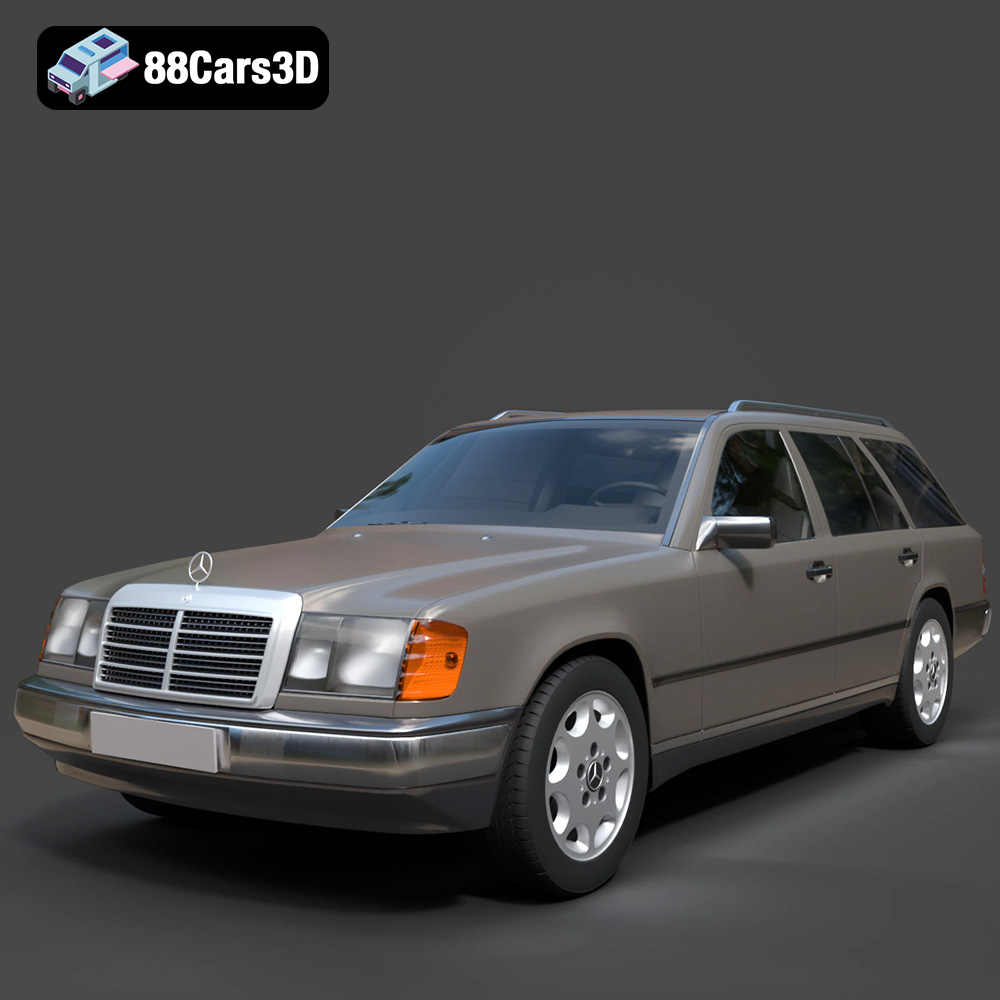
Texture: Yes
Material: Yes
Download the Mercedes E-Class w124 Kombi 3D Model featuring clean geometry, realistic detailing, and a fully modeled interior. Includes .blend, .fbx, .obj, .glb, .stl, .ply, .unreal, and .max formats for rendering, simulation, and game development.
Price: $4.99
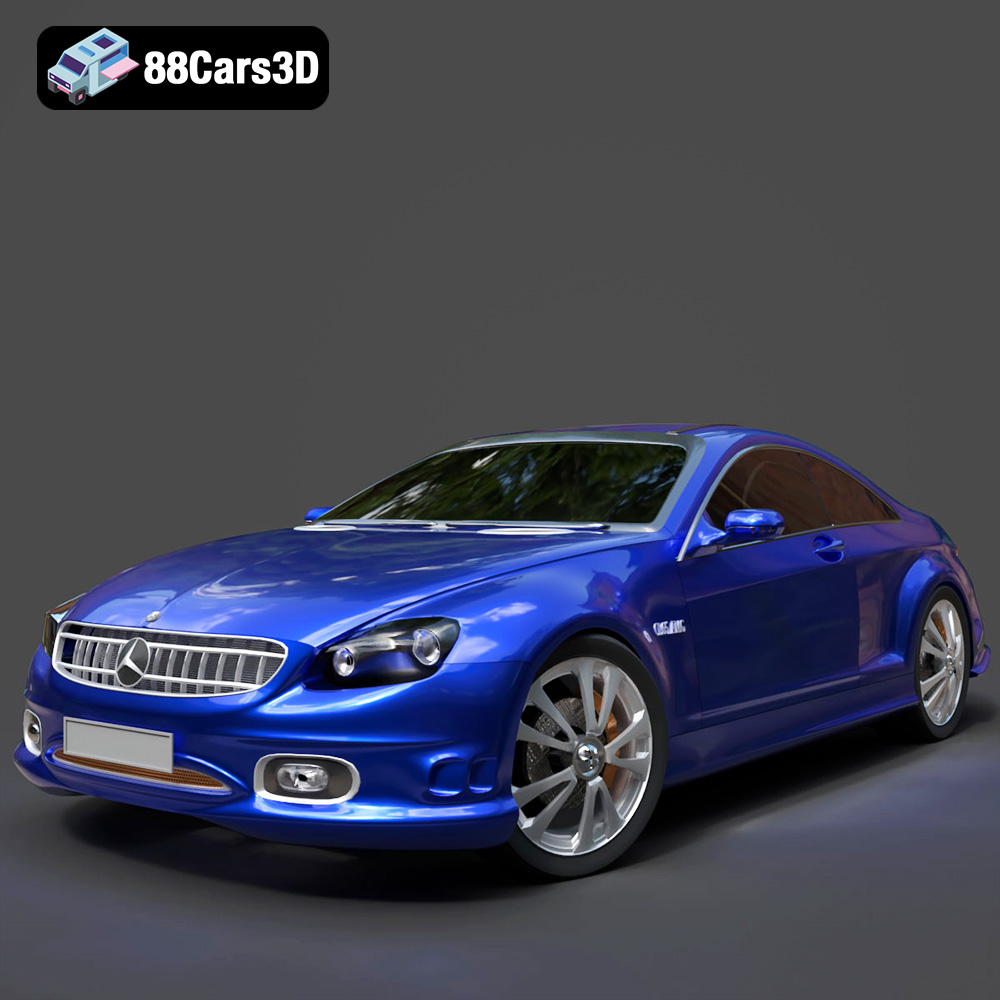
Texture: Yes
Material: Yes
Download the Mercedes-Benz CL6540-005 3D Model featuring clean geometry, realistic detailing, and a fully modeled interior. Includes .blend, .fbx, .obj, .glb, .stl, .ply, .unreal, and .max formats for rendering, simulation, and game development.
Price: $4.99
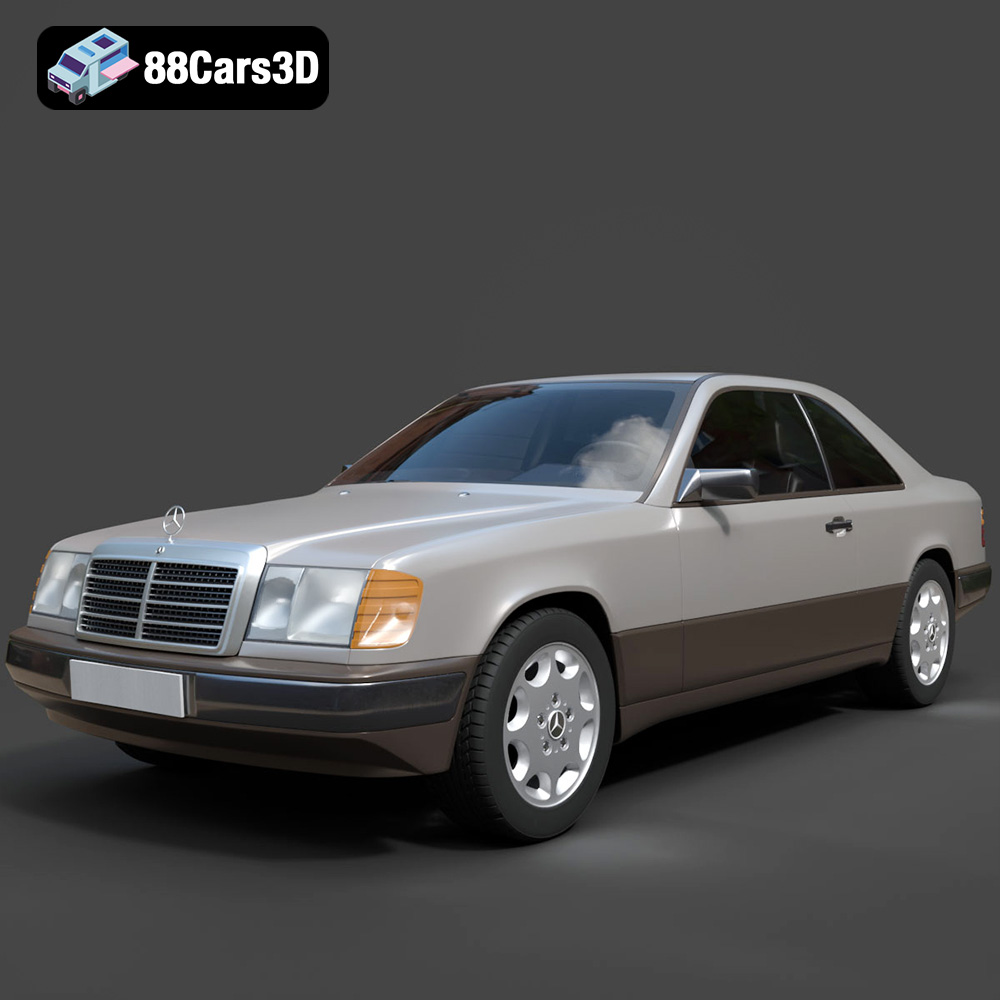
Texture: Yes
Material: Yes
Download the Mercedes E-Class w124 Coupe 3D Model featuring clean geometry, realistic detailing, and a fully modeled interior. Includes .blend, .fbx, .obj, .glb, .stl, .ply, .unreal, and .max formats for rendering, simulation, and game development.
Price: $4.99
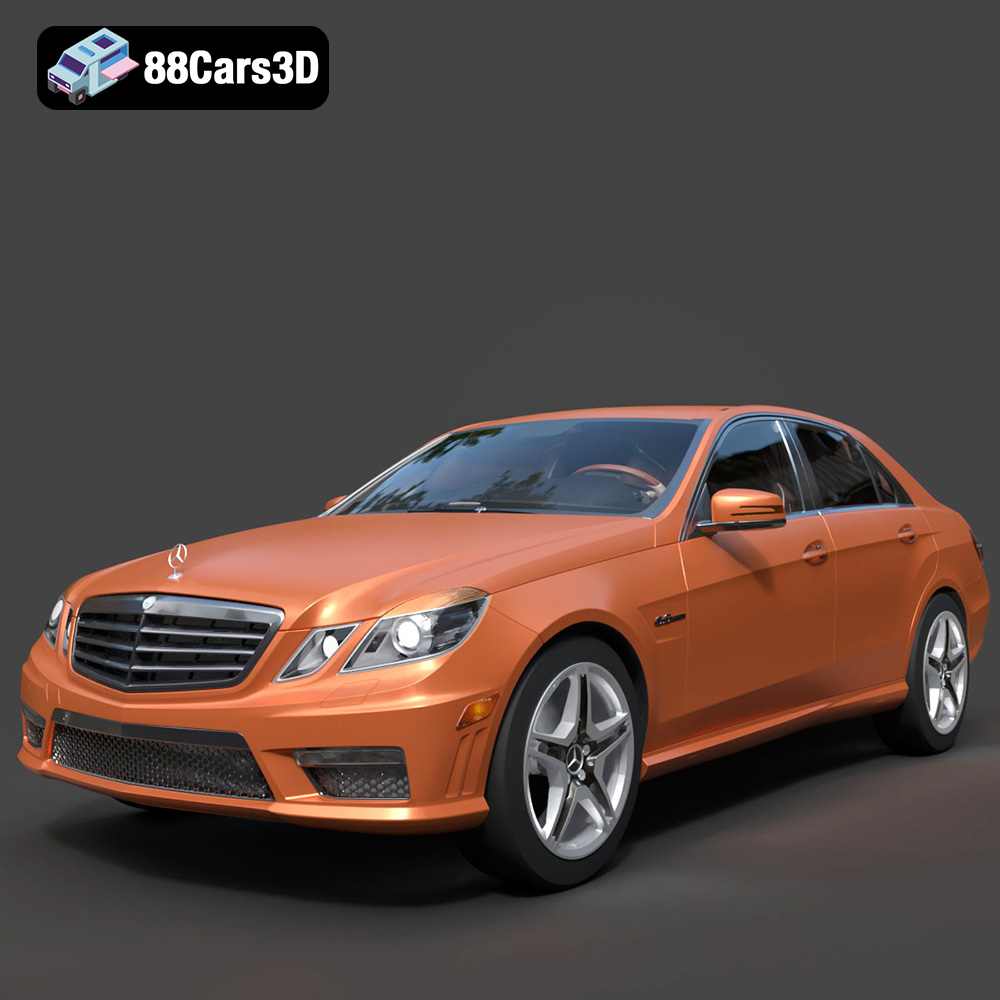
Texture: Yes
Material: Yes
Download the Mercedes-Benz E-Klasse 63 AMG 3D Model featuring clean geometry, realistic detailing, and a fully modeled interior. Includes .blend, .fbx, .obj, .glb, .stl, .ply, .unreal, and .max formats for rendering, simulation, and game development.
Price: $4.99
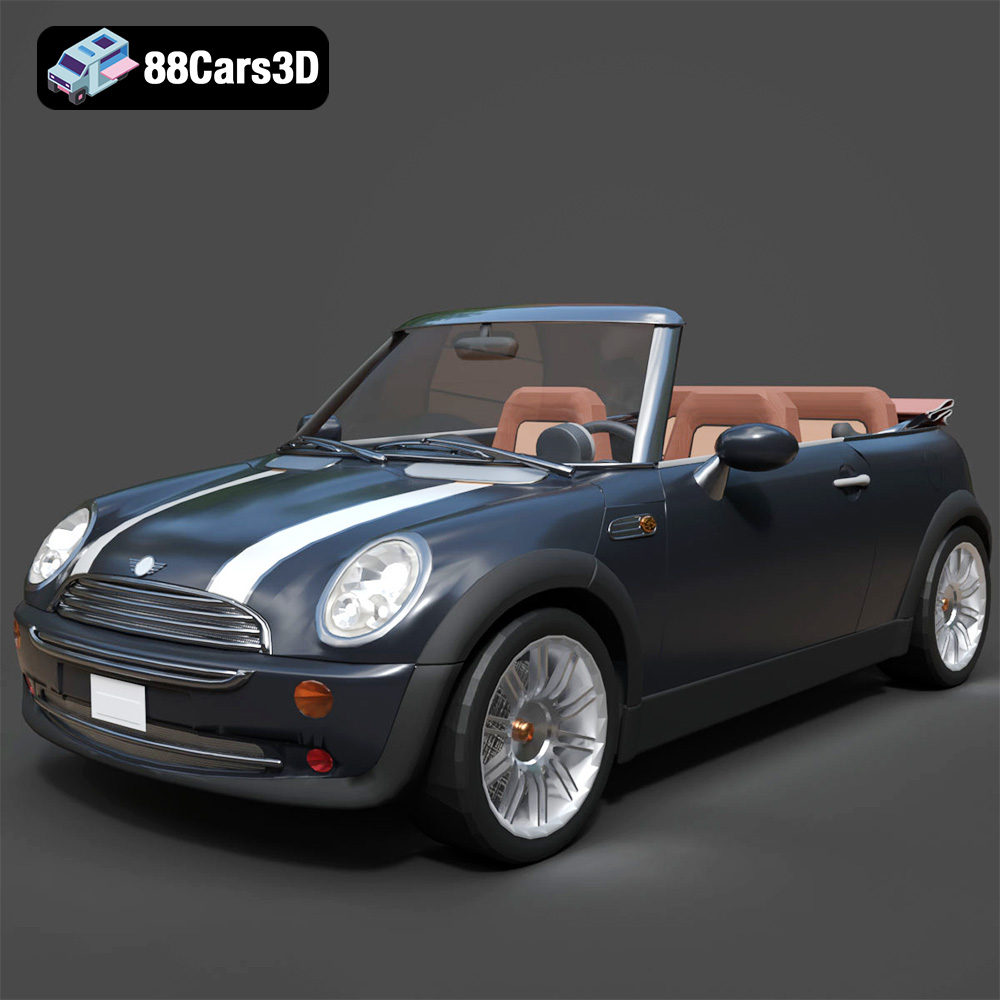
Texture: Yes
Material: Yes
Download the Mini Cabrio 2025 3D Model featuring clean geometry, realistic detailing, and a fully modeled interior. Includes .blend, .fbx, .obj, .glb, .stl, .ply, .unreal, and .max formats for rendering, simulation, and game development.
Price: $4.99
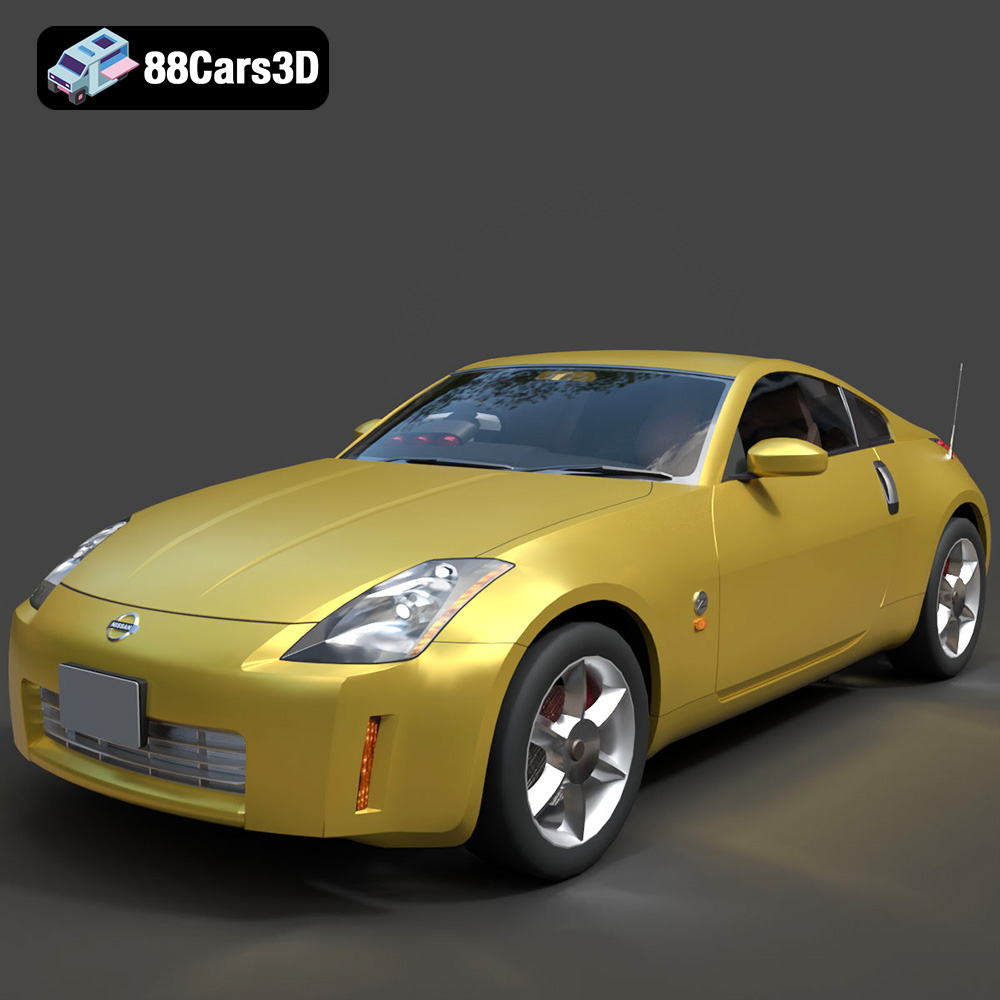
Texture: Yes
Material: Yes
Download the Nissan 350Z 3D Model featuring clean geometry, realistic detailing, and a fully modeled interior. Includes .blend, .fbx, .obj, .glb, .stl, .ply, .unreal, and .max formats for rendering, simulation, and game development.
Price: $4.99
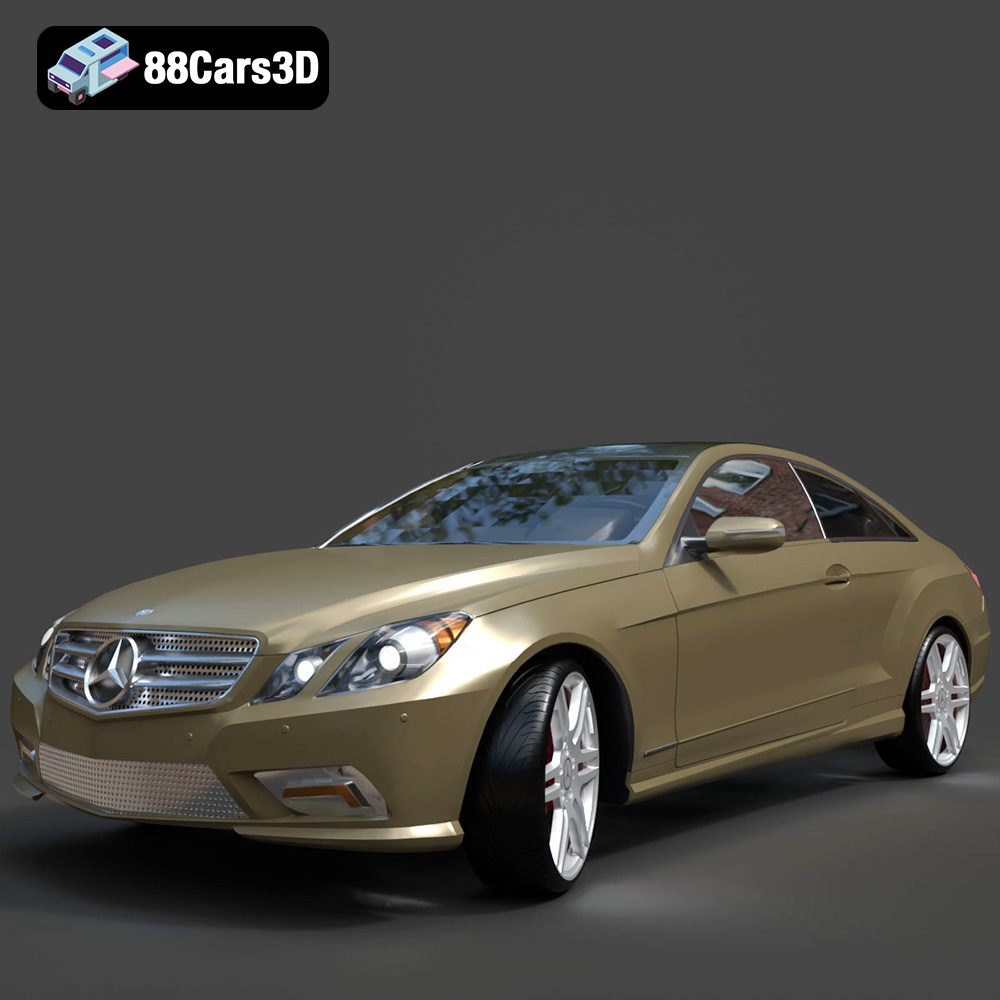
Texture: Yes
Material: Yes
Download the Mercedes-Benz E-Klasse Coupe 3D Model featuring clean geometry, realistic detailing, and a fully modeled interior. Includes .blend, .fbx, .obj, .glb, .stl, .ply, .unreal, and .max formats for rendering, simulation, and game development.
Price: $4.99
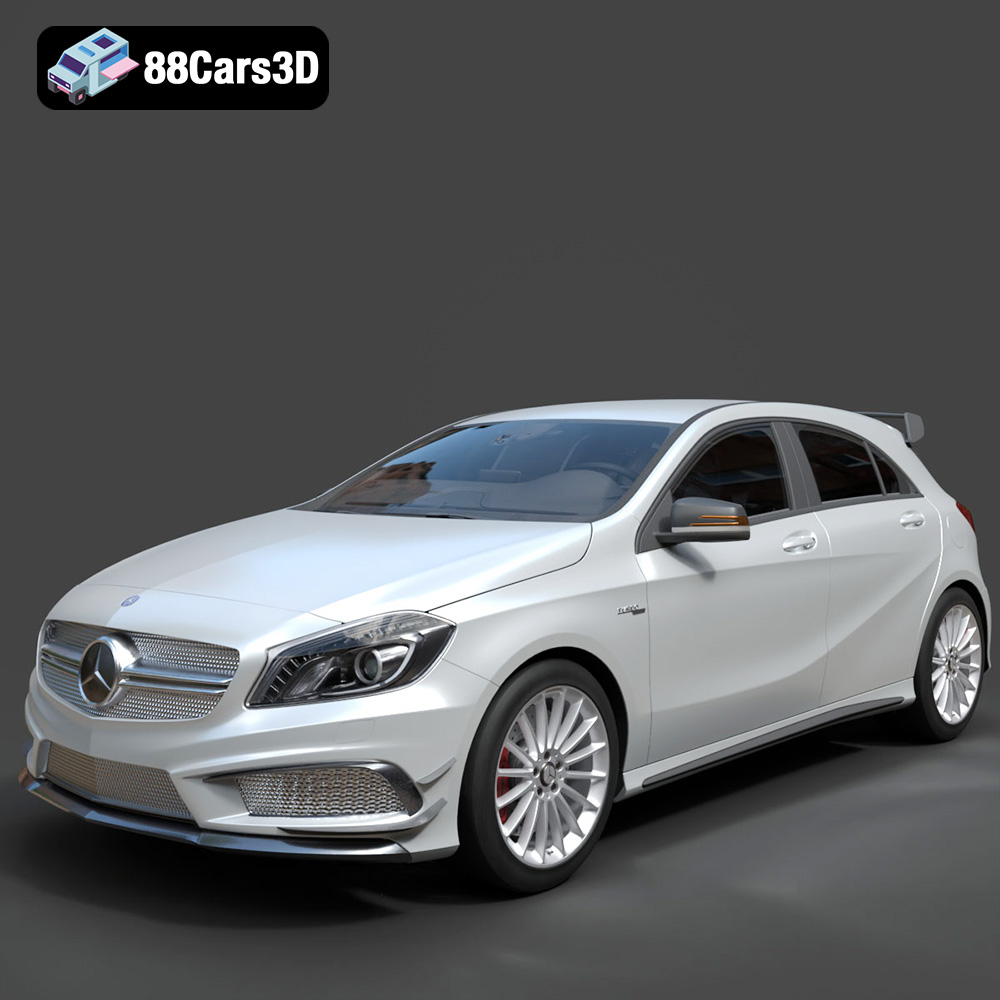
Texture: Yes
Material: Yes
Download the Benza MERS-007 3D Model featuring clean geometry, realistic detailing, and a fully modeled interior. Includes .blend, .fbx, .obj, .glb, .stl, .ply, .unreal, and .max formats for rendering, simulation, and game development.
Price: $4.99
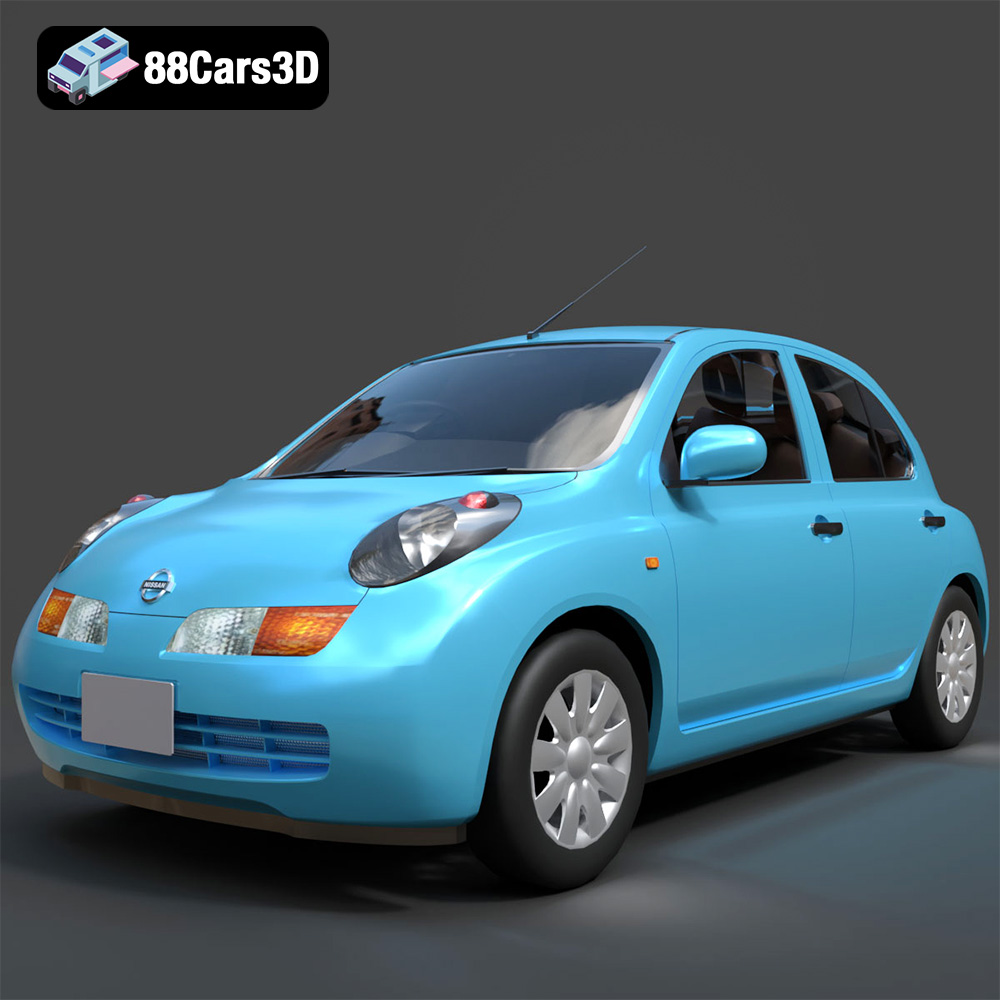
Texture: Yes
Material: Yes
Download the Nissan March 2025 3D Model featuring clean geometry, realistic detailing, and a fully modeled interior. Includes .blend, .fbx, .obj, .glb, .stl, .ply, .unreal, and .max formats for rendering, simulation, and game development.
Price: $4.99
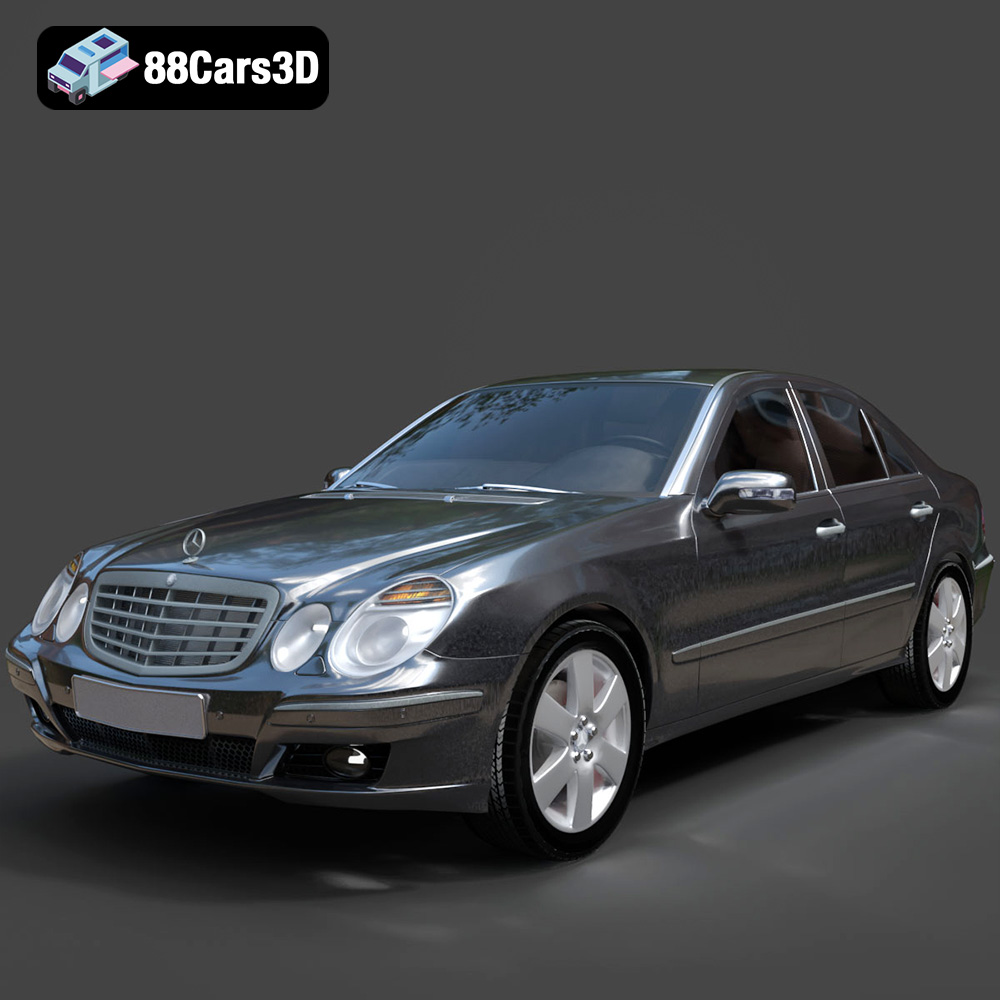
Texture: Yes
Material: Yes
Download the Mercedes E-Class 2007 3D Model featuring clean geometry, realistic detailing, and a fully modeled interior. Includes .blend, .fbx, .obj, .glb, .stl, .ply, .unreal, and .max formats for rendering, simulation, and game development.
Price: $4.99

