Get 20% OFF All Premium 3D & STL Models!

In the world of digital creation, few subjects are as captivating and technically demanding as the automobile. A high-quality 3D car model is a masterpiece of digital craftsmanship, a fusion of precise engineering and artistic flair. Whether you’re an architectural visualization artist aiming for photorealistic reflections in a skyscraper’s facade, a game developer building the next blockbuster racing title, or an automotive designer prototyping a future classic, your success hinges on the quality and versatility of your 3D vehicle assets. But what truly separates a stunning, production-ready model from a digital paperweight? The answer lies in a deep understanding of the entire pipeline—from the foundational mesh to the final rendered pixel.
This comprehensive guide will take you under the hood of professional 3D car models. We will dissect the critical elements that define quality, exploring the nuances of clean topology and strategic UV mapping. We’ll dive into the art of creating breathtakingly realistic PBR materials and mastering the lighting and render settings that produce jaw-dropping automotive renders. Furthermore, we’ll shift gears into the world of real-time applications, revealing the optimization secrets for game engines like Unity and Unreal. Finally, we’ll explore the expanding frontiers of AR, VR, and 3D printing. By the end, you’ll not only appreciate the complexity of a well-made 3D car but will also be equipped with the technical knowledge to leverage these assets to their fullest potential in any project.
Before any material is applied or a single render is fired off, the success of a 3D car model is determined by its underlying structure: its topology. Topology refers to the arrangement of vertices, edges, and polygons that form the model’s surface. For automotive models, which are defined by a mix of large, flowing surfaces and sharp, precise details, pristine topology is non-negotiable. It dictates how the model subdivides, how it catches light and reflections, and how easily it can be modified or optimized. When sourcing assets from marketplaces like 88cars3d.com, examining the wireframe is just as important as looking at the final render, as it reveals the true quality of the craftsmanship.
Edge flow is the directional logic of the polygon layout. On a car, this flow should follow the natural contours and style lines of the vehicle. A clean edge flow ensures that when the model is subdivided (using modifiers like 3ds Max’s TurboSmooth or Blender’s Subdivision Surface), the curves remain smooth and predictable without creating lumps, pinching, or artifacts. For example, the polygons around a wheel arch should radiate outwards in a perfect arc. The lines defining the hood’s character creases should be supported by parallel edge loops. This meticulous arrangement prevents shading errors and ensures that reflections glide seamlessly across the car’s body, which is paramount for achieving realism in automotive rendering.
In the world of professional 3D modeling, there’s a clear hierarchy of polygon types:
The required polygon count for a 3D car model varies drastically depending on its intended application. A “hero” car for a cinematic shot might have millions of polygons after subdivision to capture every minute detail. In contrast, a car for a mobile game needs to be far more optimized. A good starting point for a high-quality base mesh (pre-subdivision) is between 200,000 and 500,000 polygons. This provides enough detail for stunning close-up renders while still being manageable. For real-time applications, this high-poly model serves as the source for creating lower-poly Levels of Detail (LODs).
If topology is the skeleton of a 3D car, then texturing is its skin, paint, and personality. The process of applying 2D images (textures) onto a 3D surface is governed by UV mapping. A UV map is the flattened, 2D representation of the 3D model’s geometry, acting like a sewing pattern for a piece of clothing. For a complex object like a car, a logical and efficient UV map is crucial for achieving high-fidelity results without wasting precious texture memory.
Unwrapping a car is a game of strategy. The goal is to create UV “islands” for different parts of the car while minimizing distortion and hiding seams. Best practices include:
Physically Based Rendering (PBR) is a methodology for creating materials that accurately simulate how light interacts with real-world surfaces. This is the key to realistic car paint, glass, chrome, and rubber. A standard metallic/roughness PBR workflow uses several key texture maps:
The resolution of your textures directly impacts both visual quality and performance. A 4K (4096×4096) texture set is a good standard for high-quality renders. For game assets, this may be reduced to 2K or even 1K for less important parts to conserve VRAM (video memory). A single 4K PBR texture set (Albedo, Metallic, Roughness, Normal) using standard compression can easily consume 50-80MB of VRAM. Efficient UV mapping is critical here; by packing UV islands tightly, you ensure that every pixel of your expensive texture maps is being used effectively.
This is where all the meticulous preparation of modeling and texturing pays off. Creating a photorealistic automotive rendering is an art form that blends technical skill with a photographer’s eye. The goal is to perfectly simulate how a car would look and feel in a real-world environment, capturing the interplay of light, shadow, and reflection that makes a vehicle look tangible and stunning. The choice of render engine, lighting setup, and final post-processing are the three pillars of this process.
Modern render engines are incredibly powerful, but each has its strengths. For automotive work, path-traced renderers that excel at realistic light simulation are preferred.
A car model will only look as good as the light that illuminates it. High Dynamic Range Images (HDRI) are the cornerstone of realistic automotive lighting. An HDRI is a 360-degree panoramic image that contains a vast range of light intensity data. When used to light a 3D scene, it simulates the complex lighting and reflections of a real-world location with incredible accuracy. For studio shots, artists often supplement the HDRI with manually placed area lights to create specific highlights and “carve” the car’s shape out of the darkness, mimicking the techniques of a professional car photographer.
Achieving a clean, noise-free render requires balancing quality with time. Key settings include adjusting sample counts or noise thresholds and enabling a denoiser (like NVIDIA’s OptiX or Intel’s Open Image Denoise) to clean up residual noise. Professionals rarely use the raw render straight out of the engine. Instead, they export multiple render passes (e.g., Reflections, Ambient Occlusion, Z-Depth) and composite them in software like Adobe Photoshop or Foundry Nuke. This provides maximum control in post-production to adjust colors, contrast, add atmospheric effects like lens flare or depth of field, and integrate the car perfectly into a photographic backplate.
Creating a 3D car model for a real-time game engine like Unity or Unreal Engine is a completely different challenge than creating one for a pre-rendered cinematic. Here, performance is king. Every polygon, material, and texture must be ruthlessly optimized to ensure the game runs at a smooth framerate (typically 60 FPS or higher). The goal is to maintain the highest possible visual fidelity while staying within a strict performance budget.
A player doesn’t need to see a car with 300,000 polygons when it’s just a tiny speck in the distance. This is the principle behind Levels of Detail (LODs). An artist creates multiple versions of the car model, each with a progressively lower polygon count.
The game engine automatically switches between these LODs based on the car’s distance from the camera, drastically reducing the rendering load.
A “draw call” is a command from the CPU to the GPU to draw an object on the screen. Too many draw calls can create a CPU bottleneck and lower the framerate. One of the biggest sources of draw calls is having many different materials on a single object. To optimize this, artists use two main techniques:
For a car to be drivable in a game, it needs a “rig.” This is a digital skeleton with a hierarchy of controllers. A basic vehicle rig includes bones for the main chassis, each of the four wheels, and the steering wheel. The wheels are parented to the chassis so they move with the car, but they can also be programmed to rotate independently for acceleration and turn for steering. This simple setup is the foundation for the complex vehicle physics systems found in modern games.
The utility of a high-quality 3D car model now extends far beyond traditional renders and games. The rise of immersive technologies and additive manufacturing has opened up exciting new applications for these digital assets, each with its own unique set of technical requirements and optimization strategies.
Augmented Reality (AR) and Virtual Reality (VR) applications demand extreme performance, especially on mobile devices. The key is to deliver a visually compelling experience within a very tight polygon and file size budget. The industry has standardized on two main file formats for this purpose:
Converting a high-poly model to these formats requires significant optimization, often targeting a total polygon count of under 100,000 triangles and using compressed textures (like KTX2) to keep file sizes small.
In VR, performance is not just about a smooth framerate; it’s about preventing motion sickness. A dropped frame can be jarring and uncomfortable for the user. Therefore, VR developers are even more stringent with optimization. Draw calls are minimized, textures are heavily compressed, and shader complexity is kept in check. Polished, clean models sourced from reputable vendors like 88cars3d.com provide a fantastic starting point, as their clean geometry is easier to algorithmically optimize and decimate for these demanding platforms.
3D printing allows designers, hobbyists, and engineers to bring digital car models into the physical world. Preparing a model for printing is a process of ensuring it is “watertight” and has appropriate wall thickness.
Navigating the landscape of 3D file formats can be confusing, but understanding the key players is essential for a smooth workflow. The format you choose depends entirely on what information you need to preserve—from simple geometry to complex materials and animation. It determines compatibility between different software packages and platforms, making it a crucial decision in any production pipeline.
These two formats are the most widely used and supported in the 3D industry.
As discussed previously, GLB and USDZ are specifically designed for real-time and web-based delivery. Their key feature is that they are self-contained, binary packages. When you export a GLB file, it embeds all the necessary texture maps directly into the file itself. This simplifies distribution immensely—instead of sending a folder with a model file and multiple texture images, you send a single, compact file. This is why they have become the go-to formats for web viewers, e-commerce visualization, and AR applications.
It’s important to distinguish between the polygonal formats we’ve discussed (FBX, OBJ, GLB) and CAD formats (like STEP, IGES). CAD models, used in engineering and manufacturing, are based on precise mathematical curves and surfaces (NURBS). Polygonal models, used in media and entertainment, approximate surfaces using a mesh of flat polygons. While CAD data is incredibly accurate for manufacturing, it is not suitable for rendering or real-time applications until it is converted (or “tessellated”) into a polygonal mesh. This conversion process is a critical step in bridging the gap between automotive design and digital visualization.
The journey of a 3D car model from a wireframe mesh to a final, stunning visual is a complex and multifaceted process. We’ve seen that excellence is not defined by a single attribute but by the harmonious combination of many: the clean, purposeful flow of its topology; the efficient and logical layout of its UVs; the physical accuracy of its PBR materials; and the meticulous optimization for its final destination. Whether that destination is a 4K cinematic render, the screen of a gamer’s console, an immersive AR experience, or the build plate of a 3D printer, the foundational principles remain the same.
Mastering these concepts empowers you, the artist, developer, or designer, to make informed decisions at every stage of your project. It enables you to troubleshoot problems, optimize for performance, and push the boundaries of realism. The key takeaway is that starting with a high-quality, professionally crafted asset is a massive advantage. Models from dedicated marketplaces provide a robust foundation built on best practices, saving you countless hours and allowing you to focus on the creative aspects of your work—the lighting, the storytelling, and the final execution. Armed with this technical knowledge, you are now ready to take the driver’s seat and create breathtaking automotive visuals that captivate and inspire.
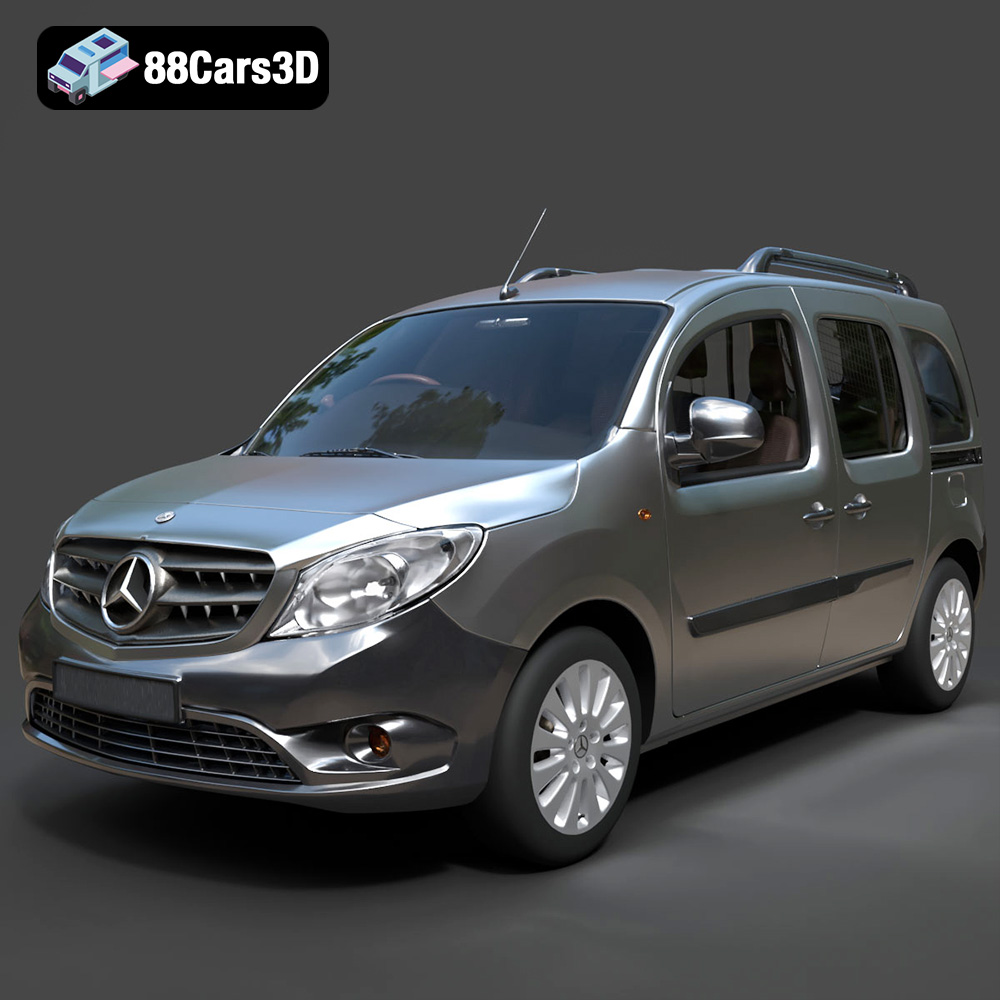
Texture: Yes
Material: Yes
Download the Mercedes-Benz Citan 2025 3D Model featuring clean geometry, realistic detailing, and a fully modeled interior. Includes .blend, .fbx, .obj, .glb, .stl, .ply, .unreal, and .max formats for rendering, simulation, and game development.
Price: $14.99
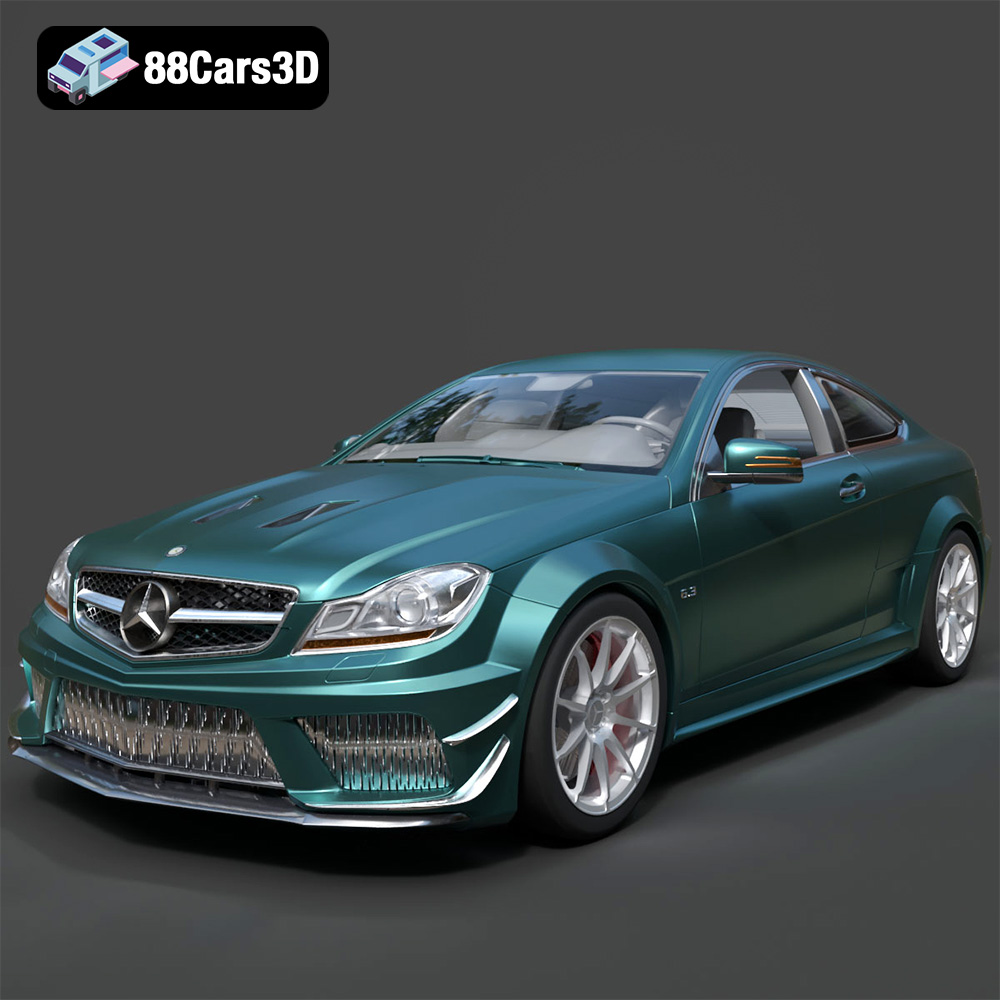
Texture: Yes
Material: Yes
Download the Mercedes-Benz C63 AMG 2012 3D Model featuring clean geometry, realistic detailing, and a fully modeled interior. Includes .blend, .fbx, .obj, .glb, .stl, .ply, .unreal, and .max formats for rendering, simulation, and game development.
Price: $14.99
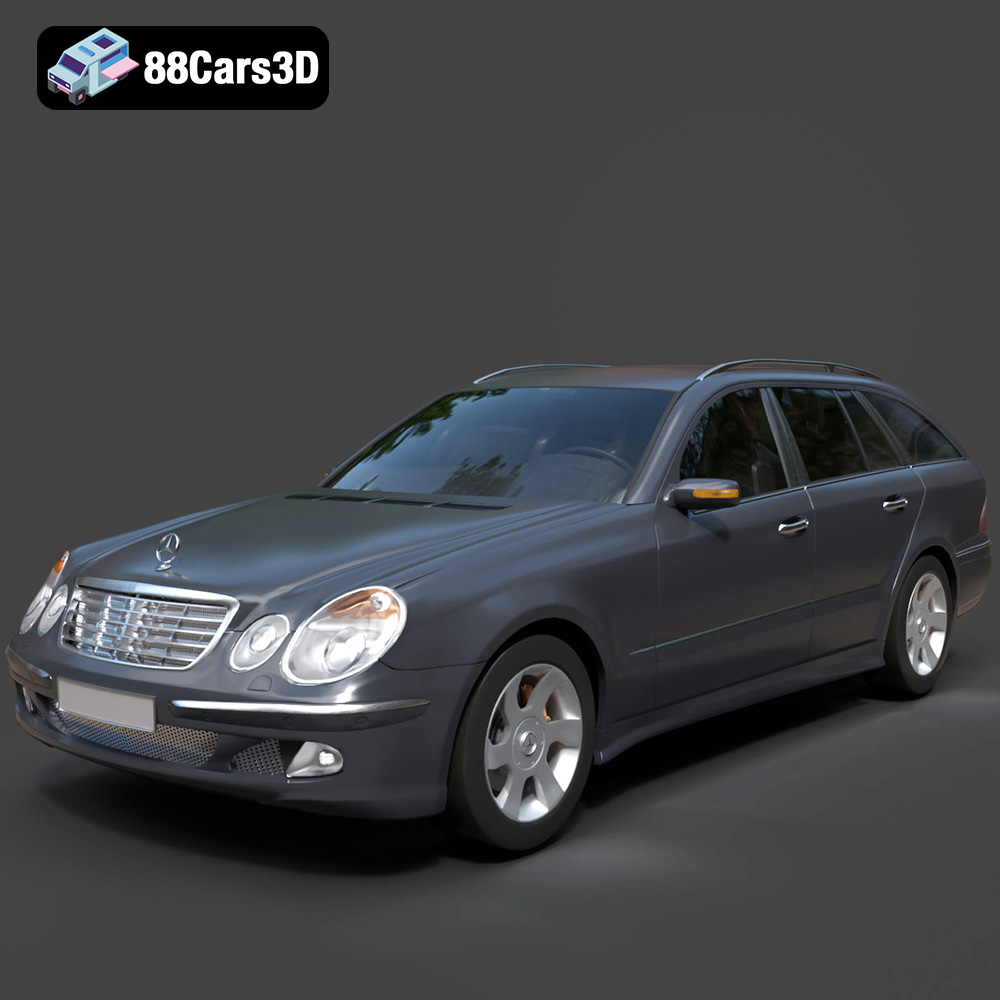
Texture: Yes
Material: Yes
Download the Mercedes-Benz E-Class S211 3D Model featuring clean geometry, realistic detailing, and a fully modeled interior. Includes .blend, .fbx, .obj, .glb, .stl, .ply, .unreal, and .max formats for rendering, simulation, and game development.
Price: $14.99
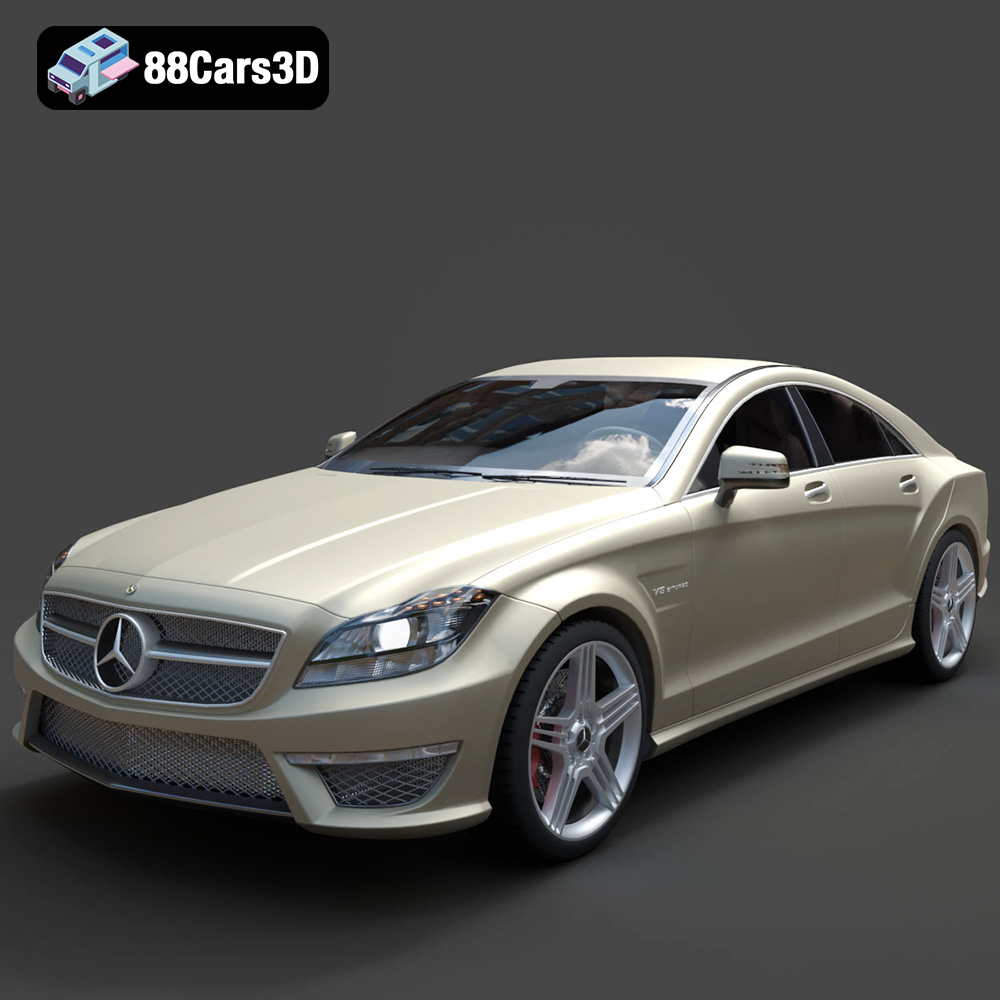
Texture: Yes
Material: Yes
Download the Mercedes-Benz CLS63 AMG (C218) 2014 3D Model featuring clean geometry, realistic detailing, and a fully modeled interior. Includes .blend, .fbx, .obj, .glb, .stl, .ply, .unreal, and .max formats for rendering, simulation, and game development.
Price: $14.99
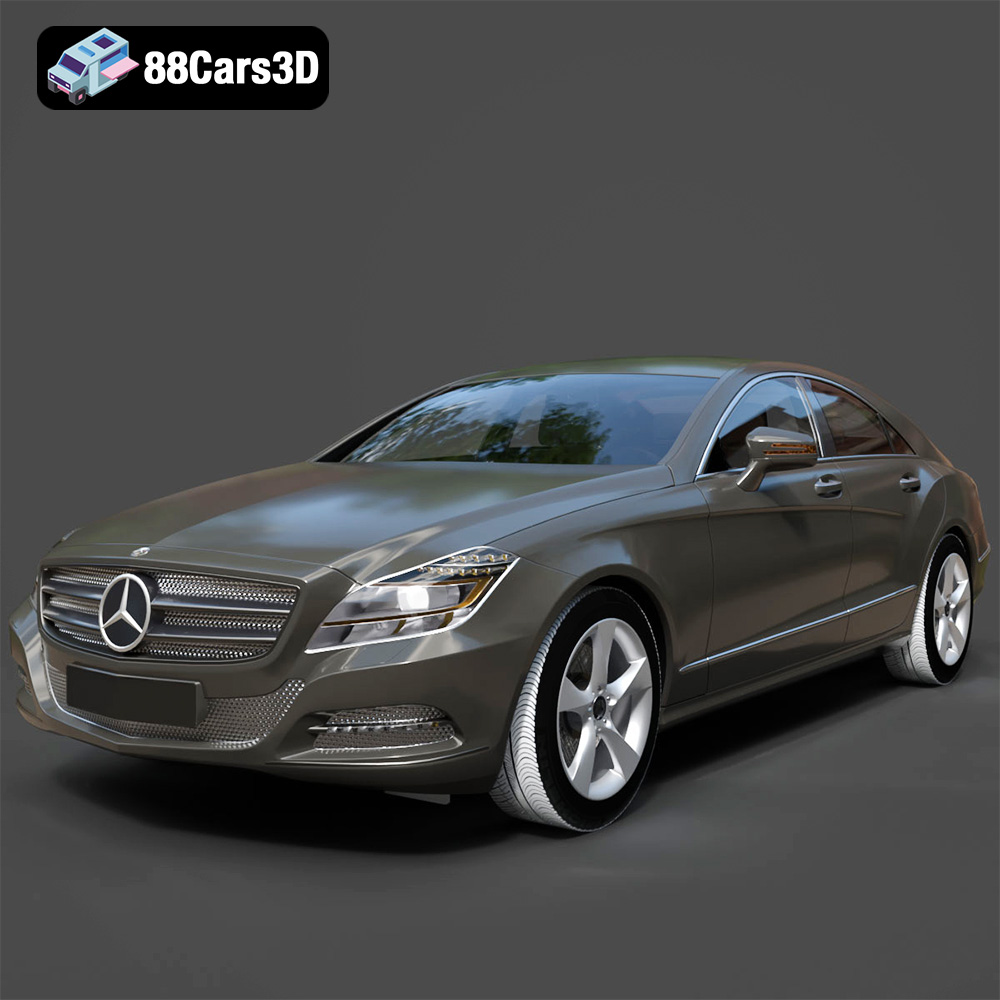
Texture: Yes
Material: Yes
Download the Mercedes-Benz CLS-Klasse 3D Model featuring clean geometry, realistic detailing, and a fully modeled interior. Includes .blend, .fbx, .obj, .glb, .stl, .ply, .unreal, and .max formats for rendering, simulation, and game development.
Price: $14.99
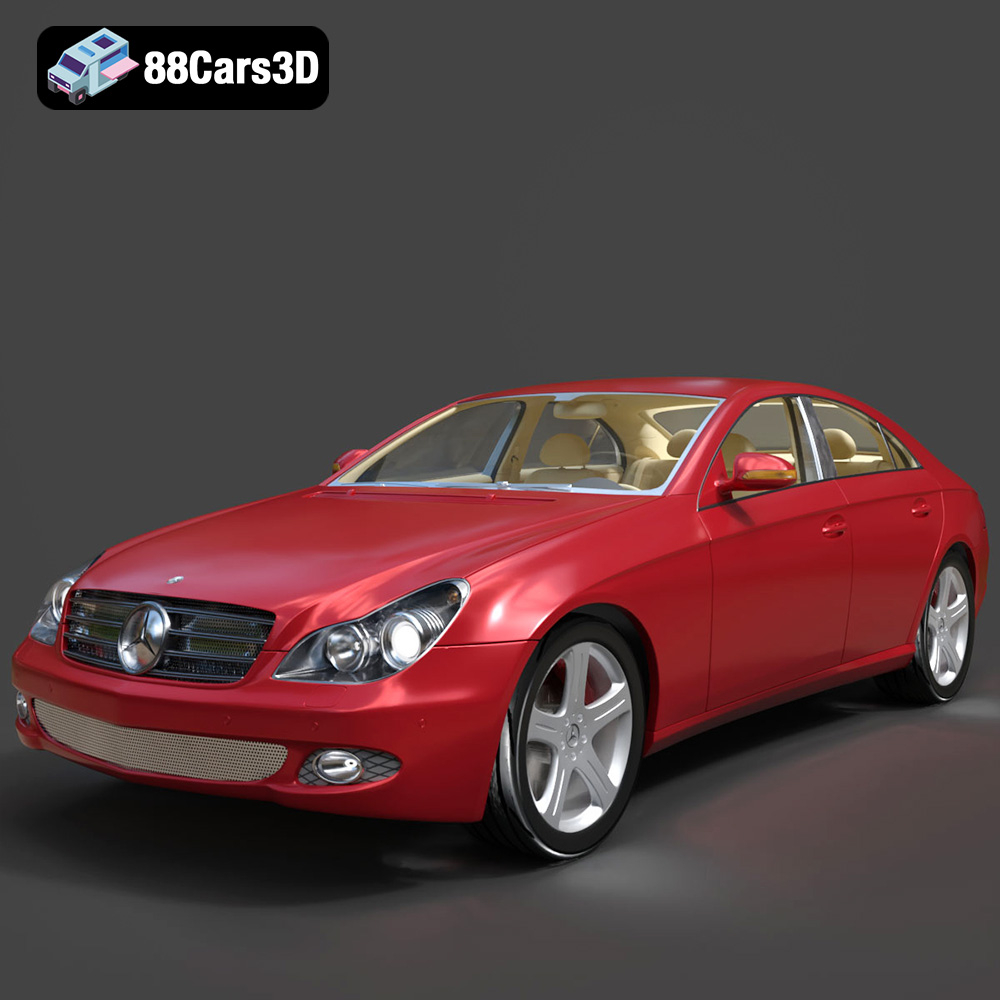
Texture: Yes
Material: Yes
Download the Mercedes-Benz CLS 500 3D Model featuring clean geometry, realistic detailing, and a fully modeled interior. Includes .blend, .fbx, .obj, .glb, .stl, .ply, .unreal, and .max formats for rendering, simulation, and game development.
Price: $14.99

Texture: Yes
Material: Yes
Download the Mercedes-Benz CL-Klasse 2001 3D Model featuring clean geometry, realistic detailing, and a fully modeled interior. Includes .blend, .fbx, .obj, .glb, .stl, .ply, .unreal, and .max formats for rendering, simulation, and game development.
Price: $14.99
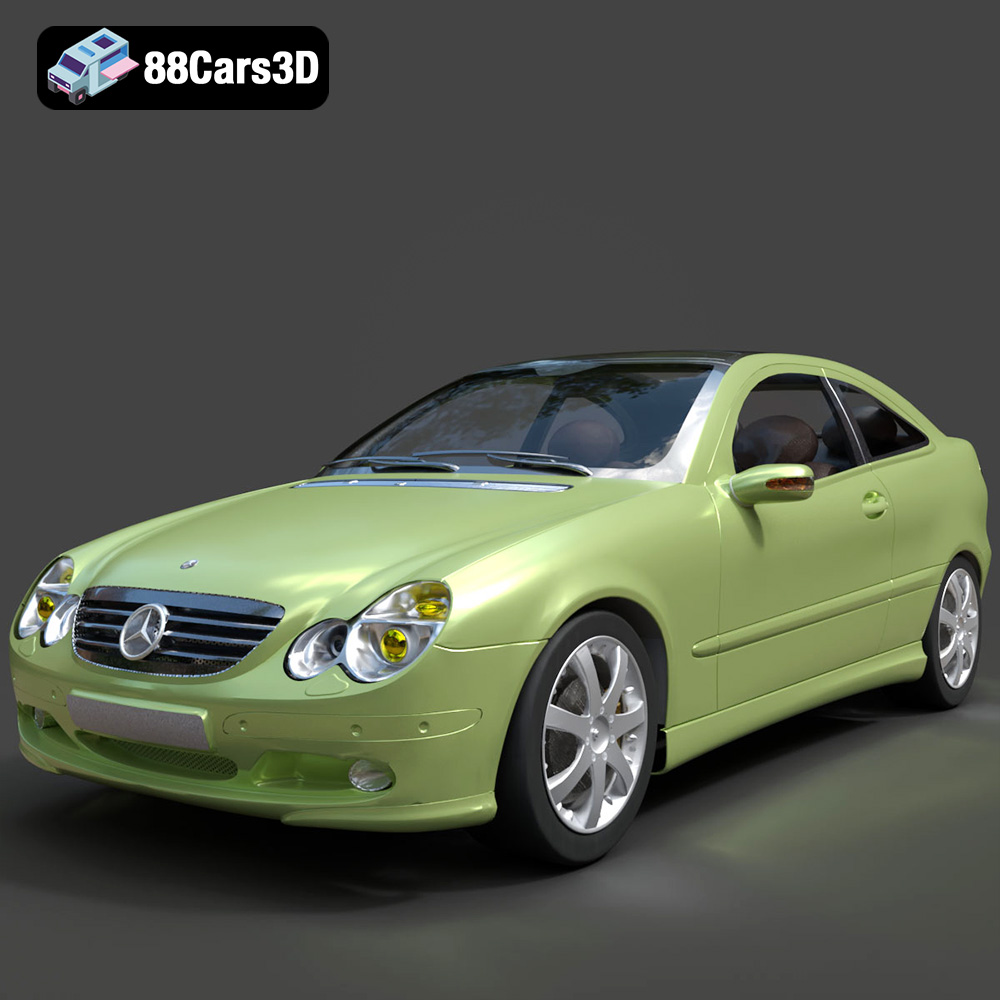
Texture: Yes
Material: Yes
Download the Mercedes-Benz C-Klasse Sportcoupe 2000 3D Model featuring clean geometry, realistic detailing, and a fully modeled interior. Includes .blend, .fbx, .obj, .glb, .stl, .ply, .unreal, and .max formats for rendering, simulation, and game development.
Price: $14.99
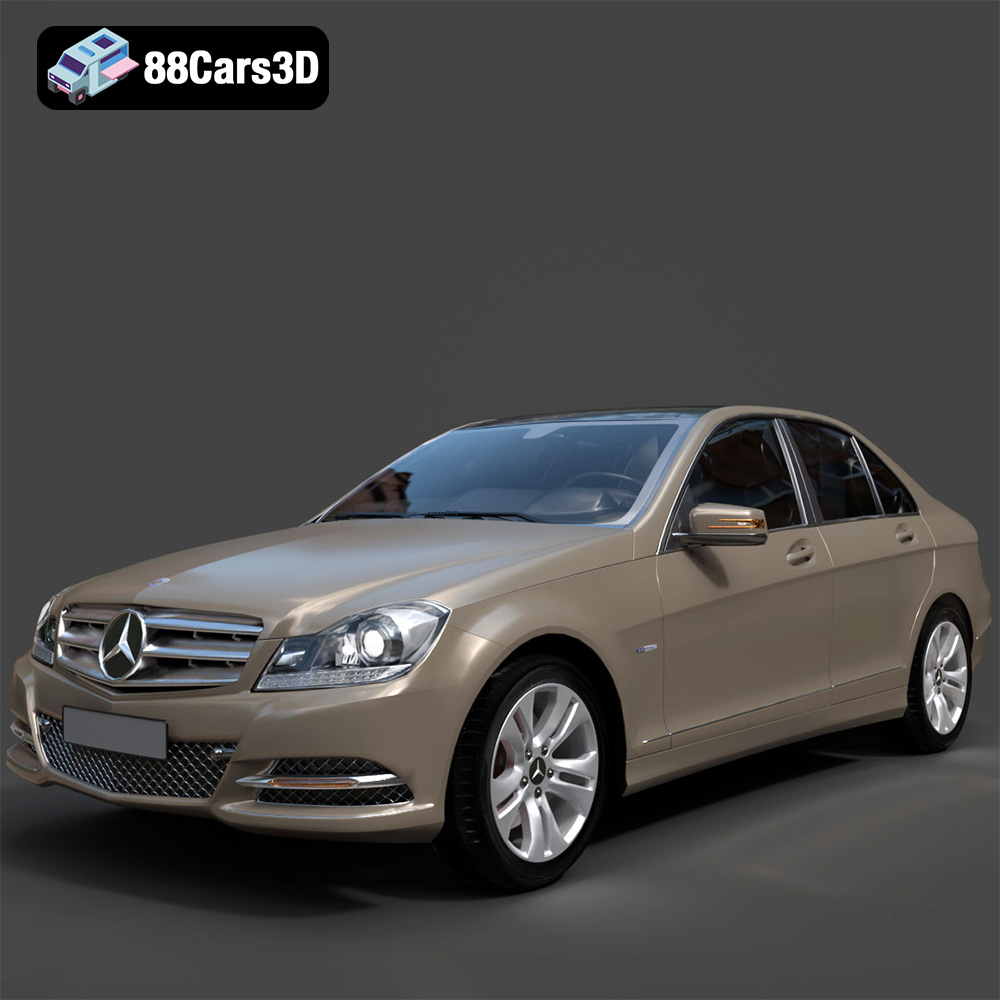
Texture: Yes
Material: Yes
Download the Mercedes-Benz C-Klasse 204 2011 3D Model featuring clean geometry, realistic detailing, and a fully modeled interior. Includes .blend, .fbx, .obj, .glb, .stl, .ply, .unreal, and .max formats for rendering, simulation, and game development.
Price: $14.99
Texture: Yes
Material: Yes
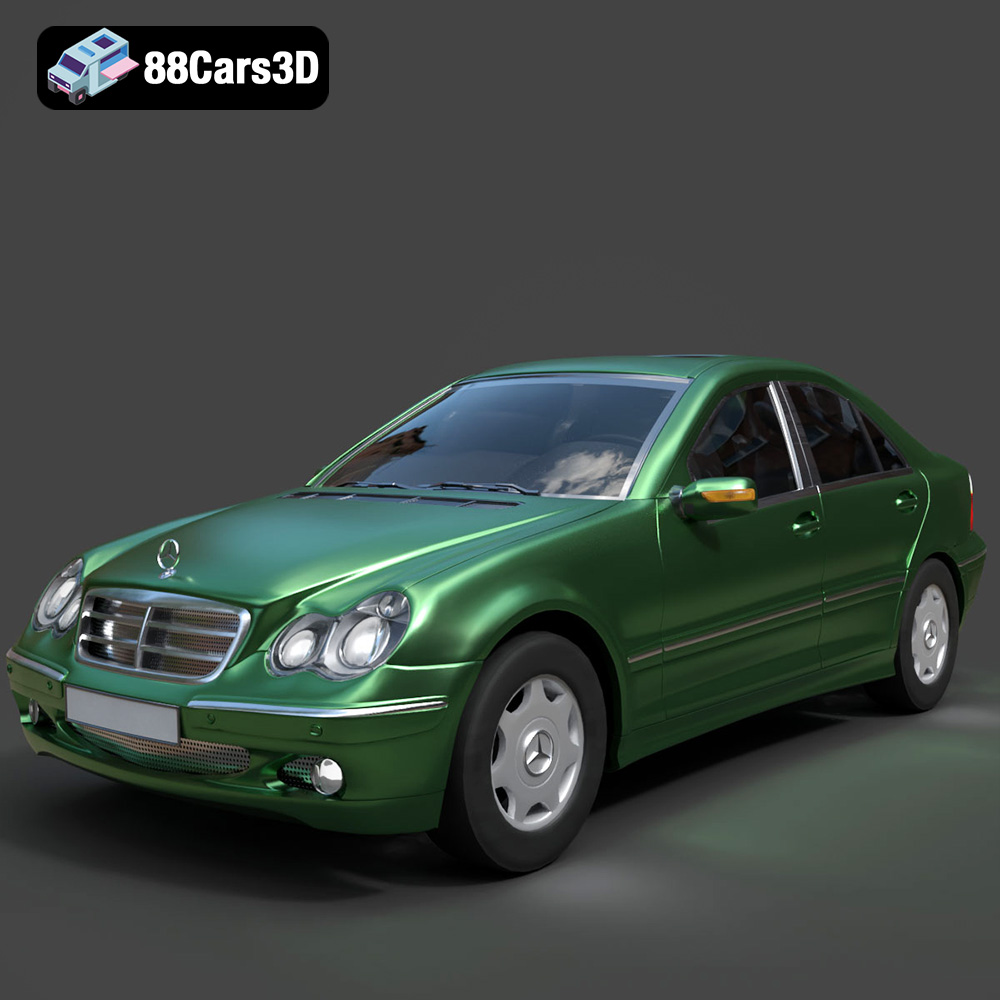
Download the Mercedes-Benz C-Class Sedan 3D Model featuring clean geometry, realistic detailing, and a fully modeled interior. Includes .blend, .fbx, .obj, .glb, .stl, .ply, .unreal, and .max formats for rendering, simulation, and game development.
Price: $14.99

