Get 20% OFF All Premium 3D & STL Models!

There’s a captivating magic to a perfectly rendered 3D car. Whether it’s the gleam of light tracing the complex curves of a supercar in a cinematic shot, the visceral thrill of driving a custom vehicle in a video game, or the immersive experience of exploring a car’s interior in virtual reality, these digital assets are at the heart of modern visualization. But behind every stunning image lies a complex and technical pipeline. Creating or effectively using a high-quality 3D car model is a discipline that blends artistic vision with rigorous technical execution. It’s far more than just getting the shape right; it’s about building a digital foundation that is clean, efficient, and versatile enough for any application.
This comprehensive guide will pull back the curtain on the entire lifecycle of a professional 3D car model. We will dissect the fundamental principles that separate amateur models from production-ready assets. You will learn the critical importance of clean topology and edge flow, master advanced UV mapping strategies for distortion-free textures, and dive deep into the creation of physically-based materials that mimic real-world surfaces with stunning accuracy. We’ll explore rendering workflows for achieving photorealism, optimization techniques for real-time game engines, and the specific requirements for emerging platforms like AR, VR, and 3D printing. Prepare to elevate your understanding and master the techniques used by industry professionals.
The quality of any 3D car model begins with its underlying geometry. A model with poor topology is like a building with a flawed foundation—it may look acceptable from a distance, but it will crumble under the stress of texturing, lighting, and animation. Professionals obsess over topology because it directly impacts every subsequent stage of the production pipeline, from smooth surface reflections to efficient performance in real-time applications.
Clean topology refers to a mesh constructed primarily of four-sided polygons (quads), arranged in a logical, flowing pattern that defines the form of the object. For automotive models, this is non-negotiable. Proper edge flow ensures that reflections and highlights travel across the car’s body panels smoothly and realistically, without pinching or visual artifacts. Key principles include:
The required polygon count is dictated entirely by the model’s intended use. There is no single “correct” number; instead, models fall into distinct categories:
A professional 3D car model is never a single, monolithic mesh. It is an assembly of logically separated components. The doors, hood, trunk, wheels, brake calipers, steering wheel, and seats should all be distinct objects. This approach offers several crucial advantages: it simplifies the UV mapping and texturing process, allows for easy animation or rigging (e.g., opening doors), and makes it possible to swap components or create different Levels of Detail (LODs) for game engines. Each part should be named logically (e.g., `wheel_FL`, `door_driver`, `steering_wheel`) for a clean and organized scene file.
If modeling is the skeleton of your 3D car, UV mapping is the canvas upon which its skin is painted. UV mapping is the process of flattening a 3D model’s surface into a 2D space so that textures can be applied correctly. For a complex object like a car, this is a highly technical task that requires precision and foresight. Poor UVs can lead to stretched textures, visible seams, and inconsistent detail, completely undermining an otherwise excellent model.
Creating a 2D representation of a 3D surface inevitably requires making cuts, known as “seams.” The art of UV mapping is knowing where to place these seams to minimize their visibility. For automotive models, best practice is to hide seams along natural panel gaps, sharp edges, or on surfaces that are rarely seen (like the underside of the chassis or the inside of a wheel well). After unwrapping, it’s crucial to check for distortion. This is typically done by applying a checkerboard pattern to the model. If the squares on the checker pattern appear stretched or compressed in any area, the UVs in that region need to be relaxed and adjusted until the squares are uniform in size and shape across the entire surface.
The method for laying out UVs depends on the desired level of detail:
Texel density is a critical concept that refers to the amount of texture resolution (pixels per meter) applied to a 3D surface. Maintaining a consistent texel density across your model is key to a believable result. If the door handle has a much higher resolution than the door panel it’s attached to, the difference will be jarring. Tools in 3ds Max, Maya, and Blender can help visualize and equalize texel density. Furthermore, efficient UV packing—arranging the UV shells within the 0-1 space to use as much area as possible—is vital. Wasted space in your UV map is wasted memory and performance, especially in game development.
Physically Based Rendering (PBR) has revolutionized 3D art by simulating how light interacts with real-world materials. A PBR workflow allows artists to create incredibly realistic surfaces, from the deep gloss of car paint to the rough texture of tire rubber, that look correct under any lighting condition. This consistency and realism are paramount for high-quality automotive visualization.
The most common PBR workflow is the Metal/Roughness model. It relies on a set of texture maps to define a material’s properties:
Modern car paint is a complex, multi-layered material, and replicating it requires a sophisticated shader network. Most render engines like V-Ray, Corona, and Cycles (in Blender) support a layered approach:
A perfectly clean car looks fake. Realism is achieved through subtle imperfections. Using tools like Substance Painter or by layering procedural maps, artists add details that tell a story. This can include a fine layer of dust on the dashboard, subtle fingerprints on the infotainment screen, brake dust on the wheels, slight scuffing on the plastic trim, and wear patterns on the leather seats. These microscopic details are what trick the human eye into believing the rendered image is a photograph.
With a meticulously modeled and textured car, the final step is to place it in a scene and create a compelling image. Rendering is both a technical process and an art form, akin to automotive photography. The right lighting, camera settings, and post-processing can transform a great model into a breathtaking portfolio piece or marketing asset.
The lighting environment dictates the entire mood and feel of the final image. Two primary approaches are used in automotive rendering:
Just like a real photographer, a 3D artist must choose their camera settings carefully. Focal length has a dramatic effect on the car’s perceived proportions. Wide-angle lenses (e.g., 24-35mm) can create dynamic, aggressive shots but can also distort the car’s shape. Longer lenses (e.g., 85-135mm) compress the perspective, often yielding more flattering, true-to-life proportions that are standard in automotive advertising. Depth of Field (DoF), the blurring of the foreground or background, is a powerful tool to direct the viewer’s focus. A shallow DoF can isolate a specific detail, like a headlight or badge, adding an artistic, professional touch to the render.
The raw render out of the 3D application is rarely the final image. Professional workflows rely on rendering out multiple “passes” or Render Elements (e.g., Reflection, Ambient Occlusion, Specular, Z-Depth). These passes are then layered and composited in software like Adobe Photoshop or Foundry Nuke. This gives the artist granular control to:
Using a 3D car model in a real-time environment like Unreal Engine or Unity presents a completely different set of challenges. Here, performance is king. A model that renders beautifully in two hours is useless if it can’t be drawn 60 times per second. Optimization is a process of intelligently reducing complexity while preserving visual fidelity.
The core of game asset creation is the high-poly to low-poly workflow. A highly detailed model (often millions of polygons) is created first. Then, a new, clean, low-poly mesh is built over the top of it—a process called retopology. This new mesh is optimized for real-time performance. The magic happens during the “baking” process, where the surface details from the high-poly model are transferred onto the low-poly model’s UVs as a series of texture maps. The most important of these is the Normal Map, which simulates the illusion of complex surface detail, allowing the low-poly model to look nearly identical to its high-poly counterpart.
It’s unnecessary to render a 100,000-polygon car when it’s just a tiny speck in the distance. This is where Levels of Detail (LODs) come in. LODs are a series of progressively lower-polygon versions of the same model. The game engine automatically switches to a simpler version as the object moves further from the camera.
Creating effective LODs is crucial for maintaining a stable frame rate in open-world games with lots of traffic.
A “draw call” is a command from the CPU to the GPU to draw an object on screen. Each material on an object typically requires a separate draw call. Having dozens of materials on a single car (one for glass, one for chrome, one for rubber, etc.) can quickly bog down performance. To combat this, game artists use two key techniques:
The utility of 3D car models extends far beyond traditional screens. Immersive technologies like Augmented Reality (AR) and Virtual Reality (VR), as well as additive manufacturing (3D printing), have opened up exciting new applications, each with its own unique technical requirements.
AR and VR applications have incredibly strict performance budgets. Because they must render a scene for each eye at a high frame rate (typically 90 FPS) to avoid motion sickness, every polygon and texture byte counts. Key considerations include:
Bringing a digital car into the physical world via 3D printing requires a different kind of preparation. The focus shifts from visual appearance to structural integrity. A model must be “watertight” or “manifold,” meaning it has no holes and forms a single, continuous, enclosed volume. Common steps include:
Choosing the right file format is crucial for workflow compatibility. While there are dozens, a few dominate the industry:
As we’ve explored, a high-quality 3D car model is the product of a deliberate and multi-faceted process. It’s a testament to the artist’s command over not just shape and form, but also the deep technical underpinnings of digital asset creation. From the foundational logic of quad-based topology and the strategic precision of UV mapping, to the physical accuracy of PBR materials and the demanding constraints of real-time optimization, each stage builds upon the last. Neglecting any one of these steps can compromise the integrity and usability of the final asset.
The principles outlined here serve as a blueprint for both creating your own models from scratch and for evaluating the quality of existing assets. Understanding what constitutes a professional-grade model allows you to make informed decisions, whether you’re modeling a vehicle for your portfolio, developing the next great racing game, or visualizing an automotive design concept. As your next step, challenge yourself to apply these techniques. Analyze the topology of a model you admire. Experiment with creating a multi-layered car paint shader. Or, to accelerate your projects and study production-ready examples, consider exploring the meticulously crafted vehicle collections available on marketplaces. By integrating these professional workflows, you will consistently produce 3D car models that are not only beautiful but also robust, efficient, and ready for any challenge.
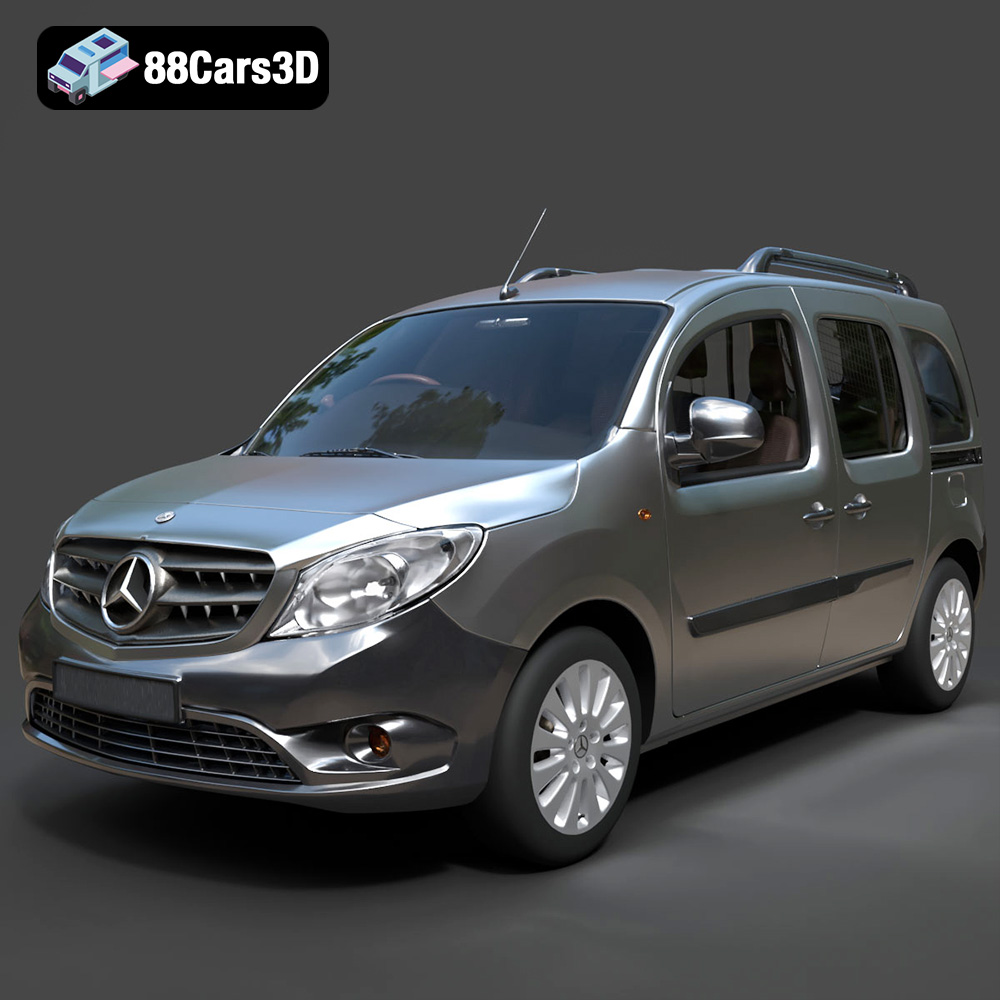
Texture: Yes
Material: Yes
Download the Mercedes-Benz Citan 2025 3D Model featuring clean geometry, realistic detailing, and a fully modeled interior. Includes .blend, .fbx, .obj, .glb, .stl, .ply, .unreal, and .max formats for rendering, simulation, and game development.
Price: $14.99
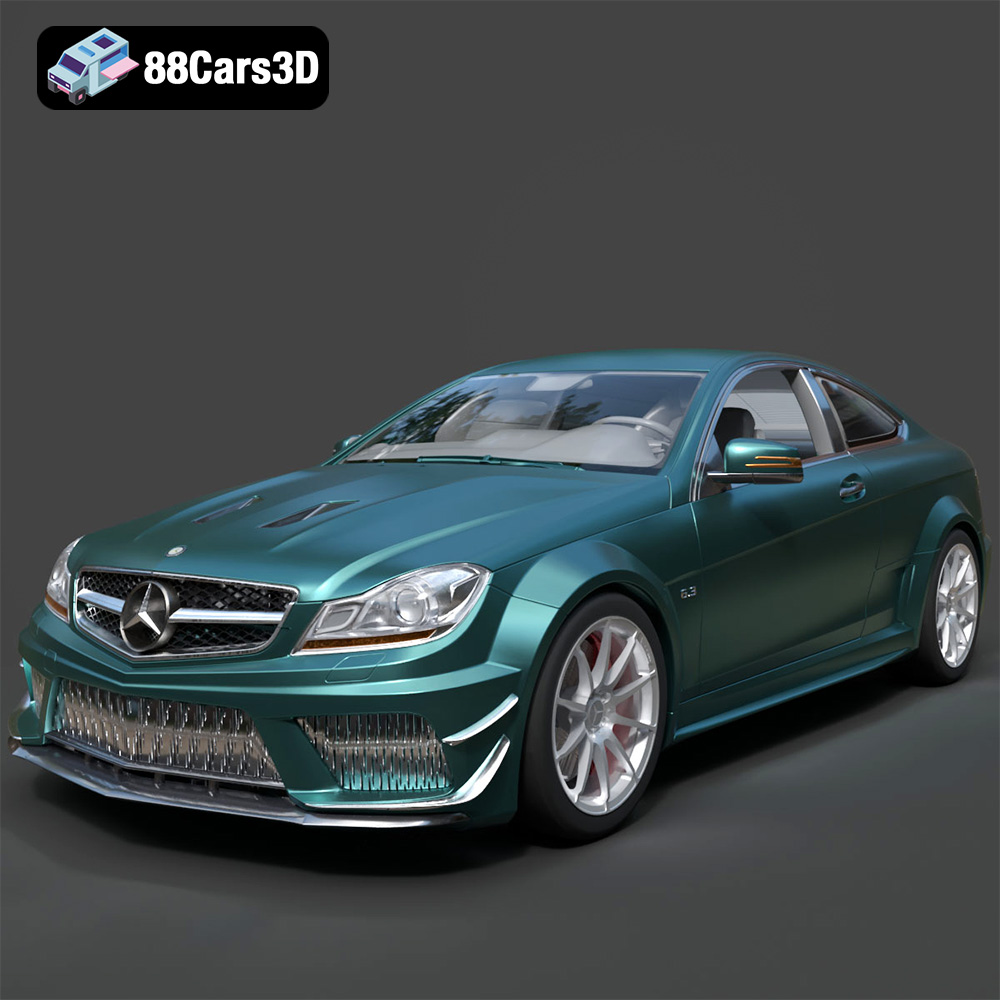
Texture: Yes
Material: Yes
Download the Mercedes-Benz C63 AMG 2012 3D Model featuring clean geometry, realistic detailing, and a fully modeled interior. Includes .blend, .fbx, .obj, .glb, .stl, .ply, .unreal, and .max formats for rendering, simulation, and game development.
Price: $14.99
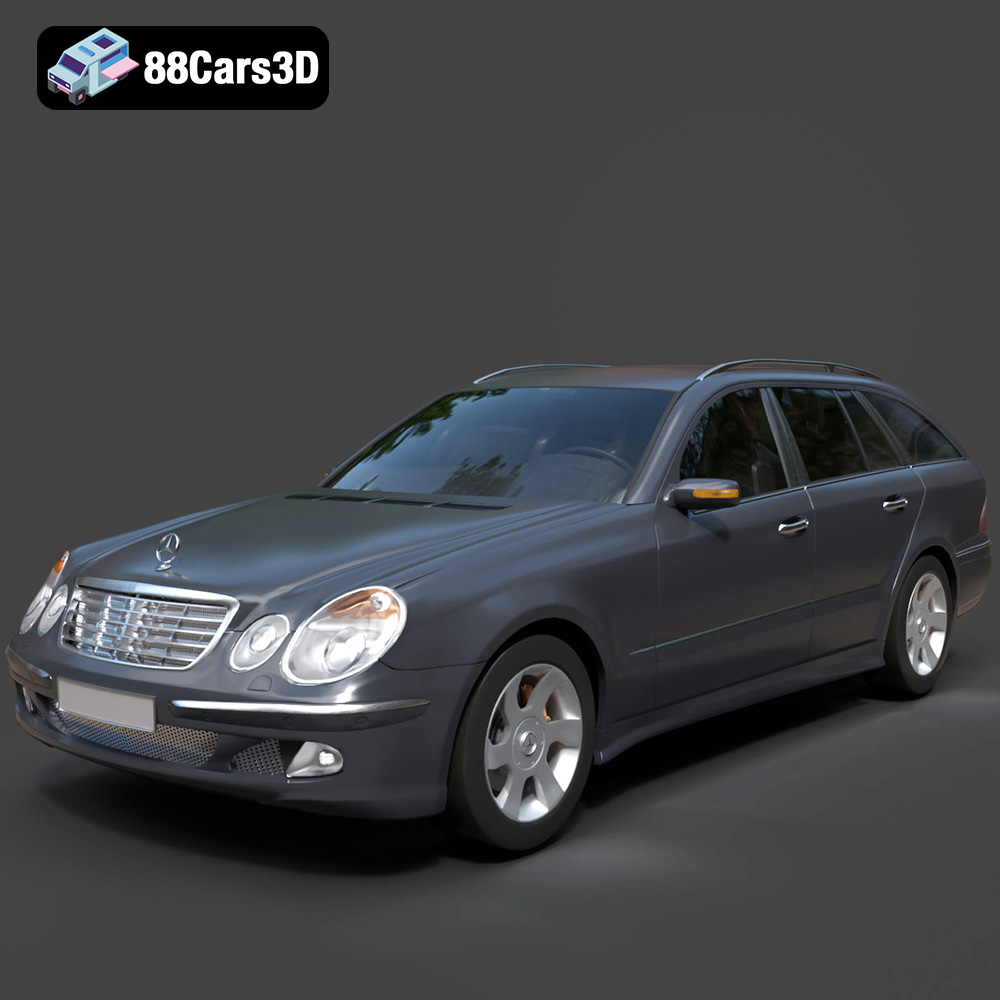
Texture: Yes
Material: Yes
Download the Mercedes-Benz E-Class S211 3D Model featuring clean geometry, realistic detailing, and a fully modeled interior. Includes .blend, .fbx, .obj, .glb, .stl, .ply, .unreal, and .max formats for rendering, simulation, and game development.
Price: $14.99
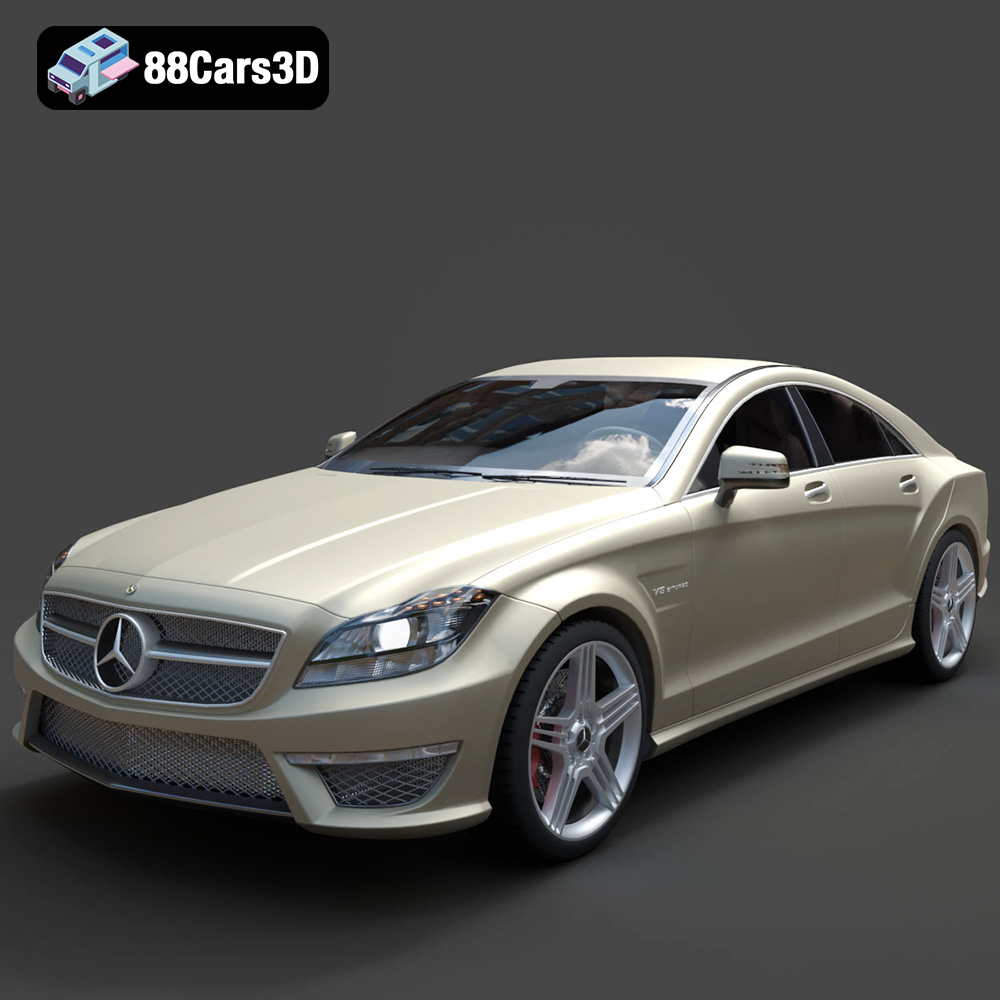
Texture: Yes
Material: Yes
Download the Mercedes-Benz CLS63 AMG (C218) 2014 3D Model featuring clean geometry, realistic detailing, and a fully modeled interior. Includes .blend, .fbx, .obj, .glb, .stl, .ply, .unreal, and .max formats for rendering, simulation, and game development.
Price: $14.99
Texture: Yes
Material: Yes
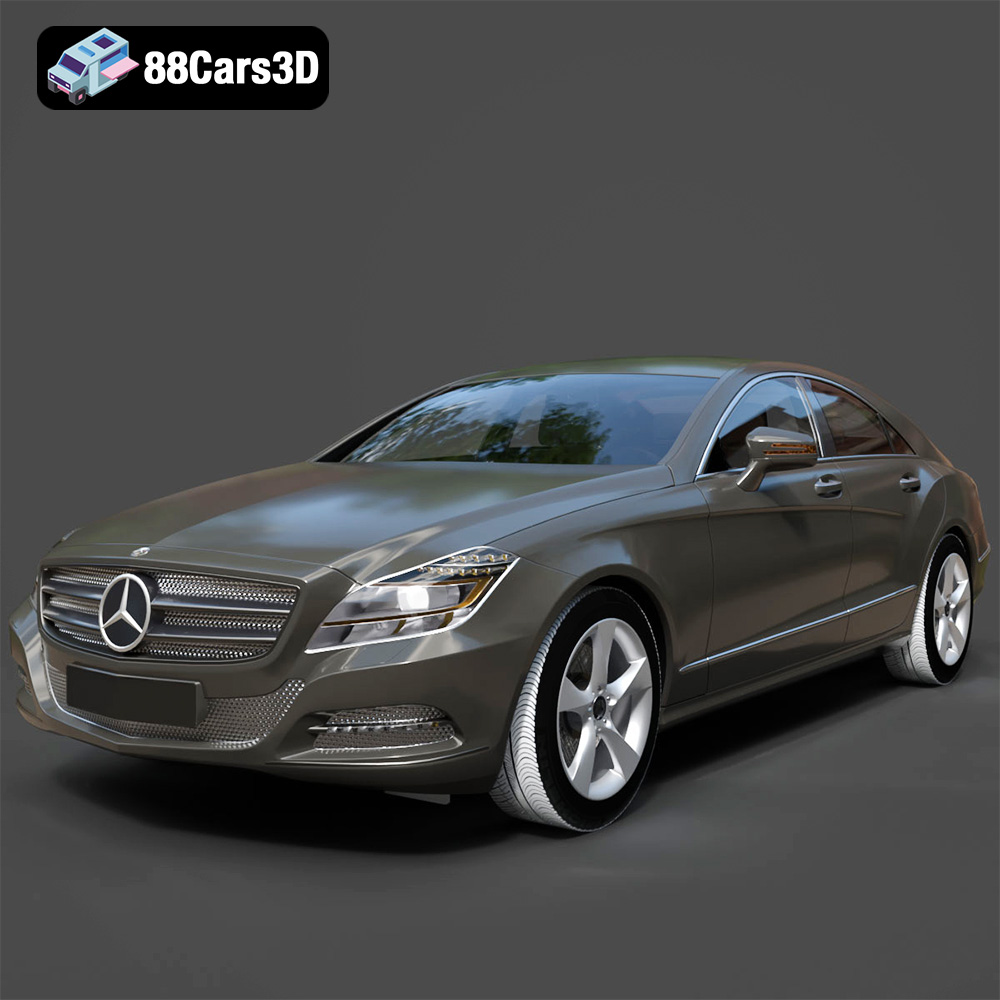
Download the Mercedes-Benz CLS-Klasse 3D Model featuring clean geometry, realistic detailing, and a fully modeled interior. Includes .blend, .fbx, .obj, .glb, .stl, .ply, .unreal, and .max formats for rendering, simulation, and game development.
Price: $14.99
Texture: Yes
Material: Yes
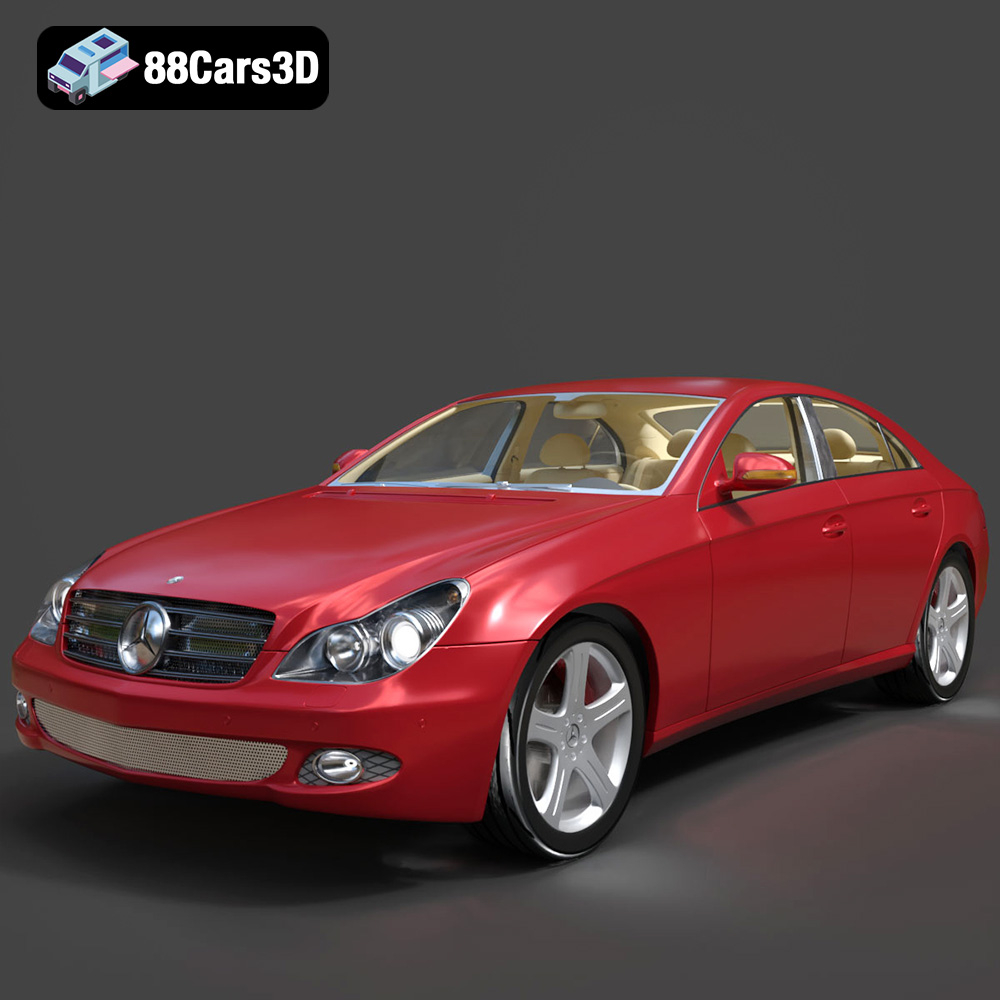
Download the Mercedes-Benz CLS 500 3D Model featuring clean geometry, realistic detailing, and a fully modeled interior. Includes .blend, .fbx, .obj, .glb, .stl, .ply, .unreal, and .max formats for rendering, simulation, and game development.
Price: $14.99

Texture: Yes
Material: Yes
Download the Mercedes-Benz CL-Klasse 2001 3D Model featuring clean geometry, realistic detailing, and a fully modeled interior. Includes .blend, .fbx, .obj, .glb, .stl, .ply, .unreal, and .max formats for rendering, simulation, and game development.
Price: $14.99
Texture: Yes
Material: Yes
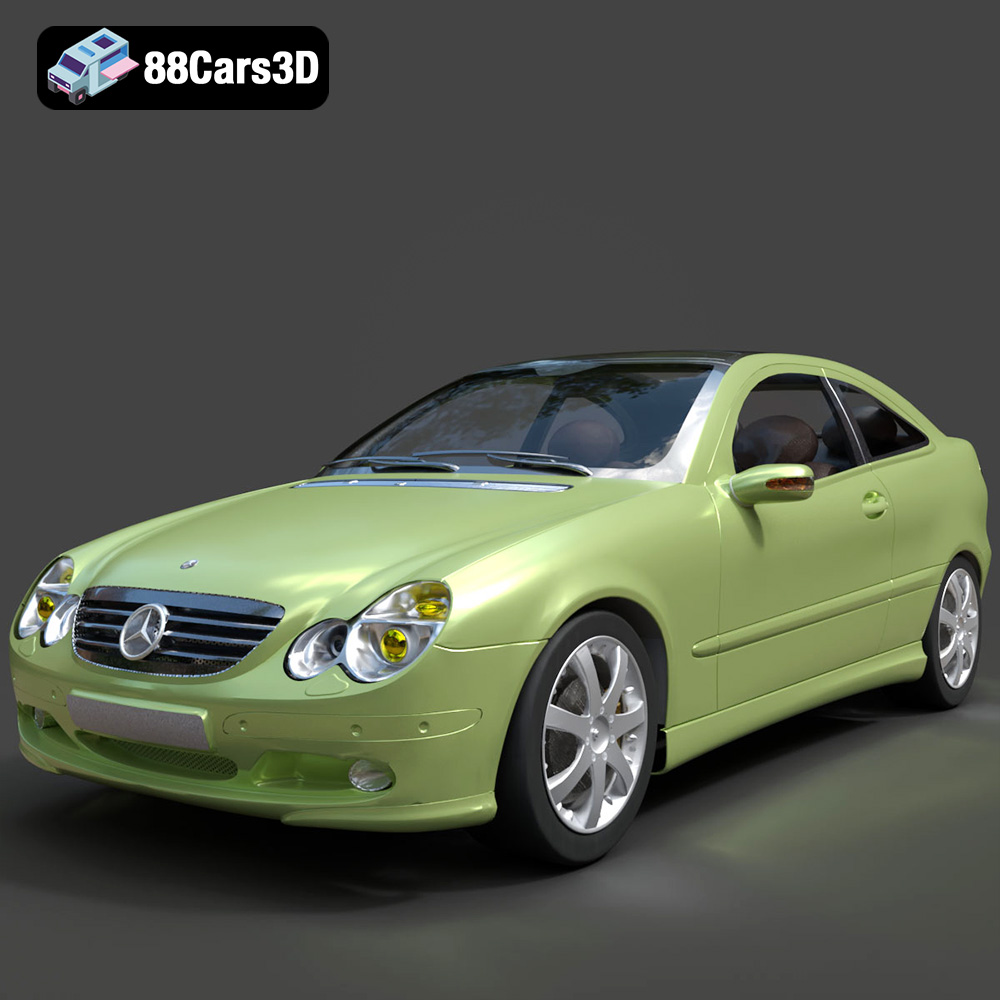
Download the Mercedes-Benz C-Klasse Sportcoupe 2000 3D Model featuring clean geometry, realistic detailing, and a fully modeled interior. Includes .blend, .fbx, .obj, .glb, .stl, .ply, .unreal, and .max formats for rendering, simulation, and game development.
Price: $14.99
Texture: Yes
Material: Yes
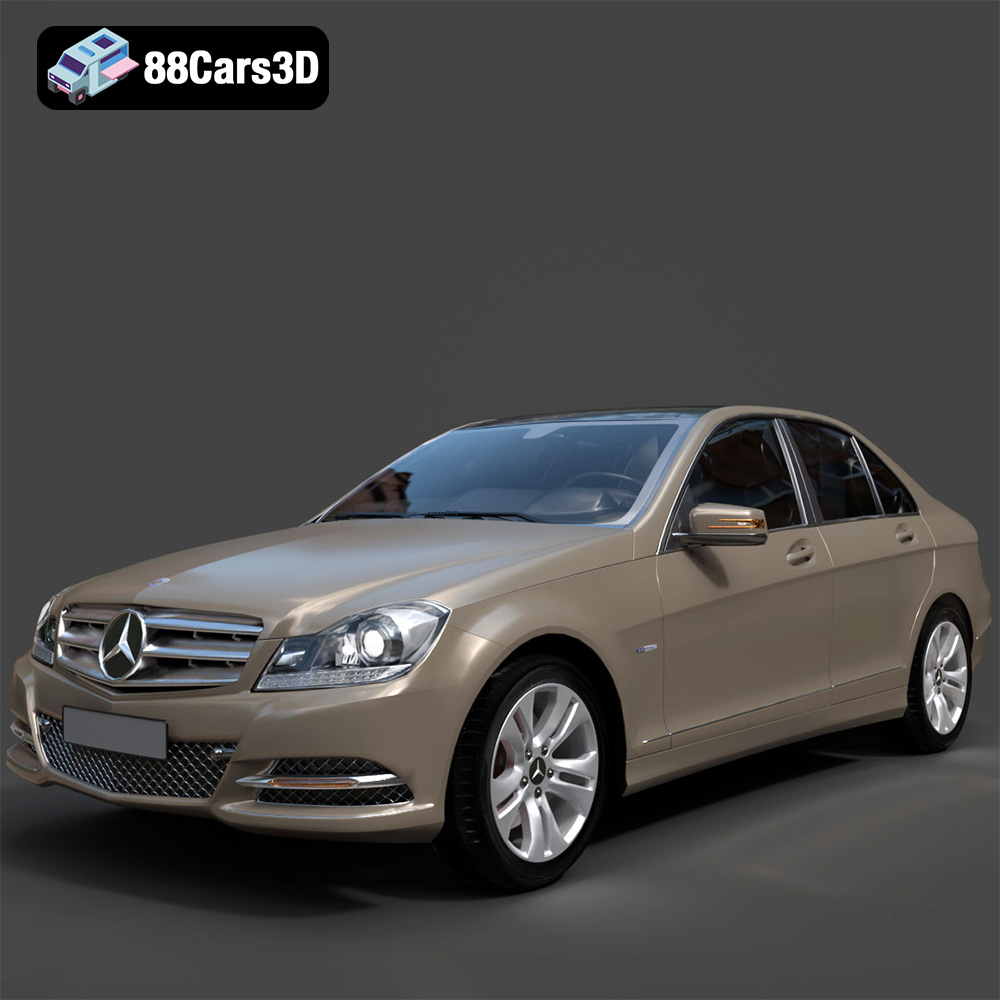
Download the Mercedes-Benz C-Klasse 204 2011 3D Model featuring clean geometry, realistic detailing, and a fully modeled interior. Includes .blend, .fbx, .obj, .glb, .stl, .ply, .unreal, and .max formats for rendering, simulation, and game development.
Price: $14.99
Texture: Yes
Material: Yes
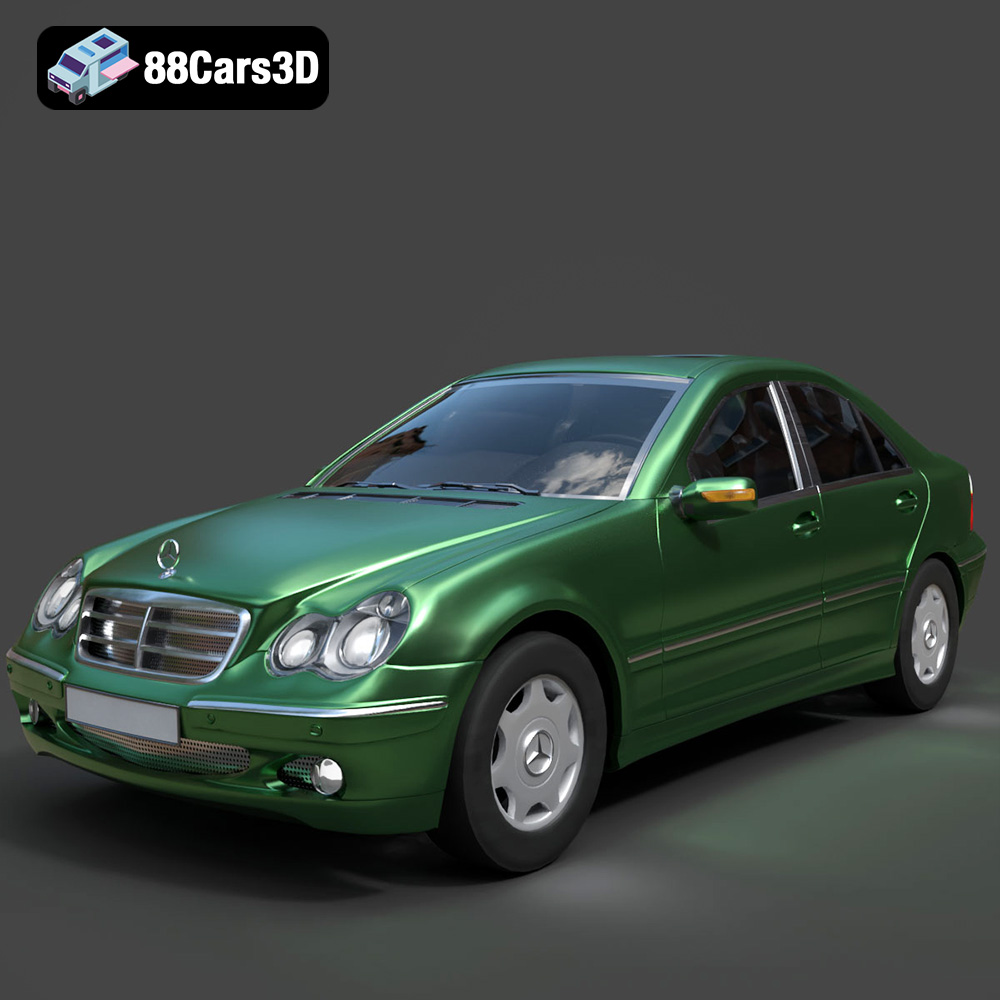
Download the Mercedes-Benz C-Class Sedan 3D Model featuring clean geometry, realistic detailing, and a fully modeled interior. Includes .blend, .fbx, .obj, .glb, .stl, .ply, .unreal, and .max formats for rendering, simulation, and game development.
Price: $14.99

