“`html
The Ultimate Technical Guide to Using High-Quality 3D Car Models
There’s an undeniable magic to a perfectly rendered automobile. The way light dances across the clear coat, the intricate detail in the brake calipers, the seamless reflection of the environment on a curved windshield—it’s a blend of art and engineering that captivates us. For 3D artists, game developers, and visualization specialists, a high-quality 3D car model is the essential starting point for creating these breathtaking visuals. However, acquiring a great model is only half the battle. The true artistry lies in knowing how to prepare, optimize, and integrate that asset into your specific pipeline, whether it’s for a cinematic automotive rendering, a high-octane video game, or an immersive AR experience. This guide is your technical roadmap to unlocking the full potential of professional 3D car models. We will move beyond the basics and dive deep into the professional workflows for topology preparation, PBR texturing, photorealistic rendering, real-time optimization, and preparing for next-generation platforms like VR and 3D printing. Prepare to elevate your automotive 3D projects from good to truly unforgettable.
Deconstructing the Perfect 3D Car Model: Topology and Preparation
Before you can even think about materials or lighting, the geometric foundation of your model—its topology—must be flawless. A model’s mesh structure dictates how it will deform, subdivide, and react to light. Starting with a clean, well-structured asset is non-negotiable for professional results, and it’s a key reason why sourcing models from curated marketplaces like 88cars3d.com can save you dozens of hours of cleanup and frustration. Understanding what to look for and how to prepare the mesh is the first and most critical step in any project.
The Critical Role of Clean, Quad-Based Topology
In the world of 3D modeling, especially for hard-surface objects with smooth curves like cars, quad-based topology is the gold standard. This means the model is constructed primarily from four-sided polygons (quads). Why is this so important?
- Subdivision and Smoothing: Quads subdivide predictably and cleanly when using algorithms like TurboSmooth (3ds Max) or Subdivision Surface (Blender). This allows you to easily increase the model’s resolution for close-up shots without introducing shading artifacts, pinching, or distortion that often result from triangles and n-gons (polygons with more than four sides).
- Edge Flow: Professional models feature an intentional edge flow, where the lines of the mesh follow the natural contours and body lines of the car. This ensures that reflections flow smoothly and realistically across surfaces like fenders, doors, and hoods. Poor edge flow results in wavy, distorted reflections that immediately break the illusion of realism.
- UV Unwrapping: A clean, quad-based grid is significantly easier to UV unwrap. The predictable flow allows you to create straight, logical UV shells with minimal distortion, which is essential for applying detailed textures and decals accurately.
Initial Model Inspection and Cleanup
Even the best models may require a quick inspection to ensure they are ready for your specific workflow. Upon opening a new car model, perform these essential checks:
- Check for Non-Manifold Geometry: This includes issues like interior faces, vertices welded to the middle of an edge, or edges shared by more than two faces. These can cause major problems in rendering and are absolute deal-breakers for 3D printing. Use tools like the “STL Check” modifier in 3ds Max or the “3D-Print Toolbox” in Blender to automatically identify these errors.
- Verify Normals: Face normals dictate which direction a polygon is facing. Flipped or inconsistent normals will cause surfaces to render black or appear inside-out. Most 3D software has a function to visualize normals and a tool to unify or flip them to face the correct direction.
- Look for Isolated Vertices: These are stray points not connected to any faces. They add no visual information but can interfere with certain modifiers and increase file size. A simple “Remove Isolated Vertices” command can clean them up instantly.
Understanding Polygon Counts for Different Applications
There is no one-size-fits-all polygon count. The ideal density of your mesh is entirely dependent on the final application.
- Cinematic Renders: For close-up beauty shots and marketing visualizations, you’ll want a very high-poly model, often 500,000 to 2 million+ polygons after subdivision. Here, detail is king, and performance is secondary to visual fidelity.
- Real-Time Visualization (PC/Console): For automotive configurators or PC/console games, a balance is required. The base model (LOD0) typically ranges from 100,000 to 300,000 polygons. This provides enough detail to look great up close without crippling the frame rate.
- Mobile and VR/AR: Performance is absolutely critical here. Models should be heavily optimized, often falling under 100,000 polygons, sometimes as low as 20k-50k for less significant vehicles. This is where LODs (Levels of Detail) become essential.
Mastering UV Unwrapping and PBR Texturing
Once your model’s topology is pristine, the next step is to create the surface that defines its appearance. This involves two key processes: UV mapping, which is like creating a flat blueprint of your 3D model, and PBR (Physically Based Rendering) texturing, which uses a set of texture maps to simulate how light interacts with real-world materials. For a complex object like a car, with its mix of metal, glass, plastic, and rubber, a meticulous approach to this stage is what separates an amateur render from a photorealistic masterpiece.
Strategic UV Mapping for Complex Automotive Surfaces
Effective UV mapping is an art form. The goal is to create UV islands (the flattened pieces of your mesh) with minimal stretching and to hide the seams in areas where they are least visible.
- Seam Placement: Place UV seams along the natural panel gaps of the car—where the door meets the fender, around the hood, etc. You can also hide them on the underside of the vehicle or on sharp edges where they are less noticeable. Avoid placing seams across large, smooth, highly reflective surfaces like the middle of a hood.
- Texel Density: This refers to the number of texture pixels per unit of 3D space. For a realistic result, you should aim for a consistent texel density across all parts of the car that will be viewed at a similar distance. This ensures that the texture detail level is uniform. For a main body panel, a density of 10.24 px/cm (using a 4K map) is a great target for high-end rendering. You can use a lower density for the chassis or interior parts that are less visible.
- UDIMs for Hero Assets: For ultra-high-resolution projects, a single UV map might not provide enough detail. The UDIM (U-Dimension) workflow allows you to spread your UVs across multiple texture sets, enabling you to use several 4K or 8K textures on a single object for unparalleled detail.
Creating Realistic PBR Materials and Shaders
The PBR workflow aims to simulate materials based on their physical properties. The core texture maps you’ll work with are:
- Albedo/Base Color: The pure color of the material, free of any lighting or shadow information. For car paint, this would be the color of the base coat.
- Metallic: A greyscale map that defines which parts are raw metal (white) and which are dielectrics/non-metals (black). A car’s body paint is a dielectric, but chrome trim would be fully metallic.
- Roughness: Perhaps the most important map for realism. This greyscale map controls how rough or smooth a surface is. A low roughness value (black) creates sharp, mirror-like reflections (like chrome), while a high value (white) creates diffuse, matte reflections (like a tire).
- Normal/Bump: This map adds fine surface detail without adding more polygons. It’s used for things like leather grain on seats, the texture on plastic trim, or the tread pattern on tires.
A convincing car paint material is often more complex, requiring a multi-layered shader that simulates a base coat, metallic flakes, and a final clear coat layer. Modern render engines like Corona and V-Ray have dedicated car paint shaders that simplify this process, allowing you to control each layer independently for maximum realism.
Photorealistic Automotive Rendering Workflows
With a perfectly prepared and textured model, you are ready for the final, rewarding stage: rendering. This is where you bring your 3D car to life with light, shadow, and atmosphere. Your choice of renderer and your approach to lighting and camera setup will determine the final mood and quality of your image. Whether you’re aiming for a slick studio shot or a dynamic environmental portrait, the principles of lighting and composition are universal.
Setting the Stage: Lighting with HDRI Environments
The single most effective way to achieve realistic lighting for automotive rendering is Image-Based Lighting (IBL) using a High Dynamic Range Image (HDRI). An HDRI is a 360-degree panoramic image that contains a vast range of light intensity data.
- Why HDRI works: It provides both the primary light source (the sun, studio lights) and the complex, subtle reflections from the entire environment. This is what creates those rich, believable reflections on the car’s body. A car rendered in a black void will never look real because it has nothing to reflect.
- Choosing an HDRI: The choice of HDRI sets the mood. A sunny “Road in the Woods” HDRI will produce sharp shadows and green/blue reflections. A “Studio Softbox” HDRI will create soft, controlled highlights perfect for showcasing the car’s form. Experiment with different HDRIs to find the one that best complements the car and the story you want to tell.
- Fine-Tuning: You can supplement your HDRI with additional 3D lights (area lights, spotlights) to act as key or rim lights, helping to sculpt the car’s shape and make it “pop” from the background.
Renderer-Specific Techniques (Corona, V-Ray, Cycles)
While the principles are similar, each major renderer has its own strengths and specific tools for automotive work.
- Corona Renderer: Known for its ease of use and physically accurate results. The Corona Physical Material is incredibly powerful and can create a layered car paint shader with ease. Its interactive light mixing feature is a game-changer, allowing you to adjust the intensity and color of your lights *after* the render has finished.
- V-Ray: A highly versatile and production-proven industry standard. It features a specialized VRayCarPaintMtl that gives you granular control over base, flake, and coat layers. V-Ray’s speed and extensive feature set make it a top choice for high-end commercial work.
- Blender Cycles: A powerful, free path-tracing engine. Creating a realistic car paint shader involves building a node network using the Principled BSDF shader as a base. You can layer multiple shaders using Mix Shader nodes to create a base coat and a glossy clear coat on top, adding procedural noise for metallic flakes.
Optimizing 3D Car Models for Real-Time Game Engines
Taking a high-poly 3D car model and making it perform flawlessly in a game engine like Unreal or Unity is a distinct and highly technical discipline. The goal is to preserve as much visual quality as possible while aggressively reducing the computational cost. Every polygon, material, and texture must be scrutinized to ensure a smooth, high-frame-rate experience for the player. This is where concepts like LODs and draw call management become paramount.
The Art of Creating Levels of Detail (LODs)
A Level of Detail (LOD) system is the cornerstone of real-time 3D performance. It’s a simple but brilliant concept: use a high-detail version of the model when the player is close and swap it out for progressively simpler versions as it moves further away.
- LOD0: This is the highest quality version, the “hero” model. For a player vehicle, this could be 150,000-250,000 triangles. It’s what the player sees up close.
- LOD1: The first step down. Polygons are reduced by about 50%. Small details like badges, bolts, and interior stitching might be removed. This model might be around 70,000 triangles and is shown at a medium distance.
- LOD2: A more aggressive reduction, perhaps down to 20,000 triangles. The entire interior might be replaced with a simple textured block, and wheel geometry becomes much simpler.
- LOD3/Billboard: At a great distance, the model might be just a few thousand triangles or even replaced by a 2D image (a billboard).
Creating these LODs can be done manually for the best quality, or with automated tools like InstaLOD or Simplygon, though manual cleanup is often still required.
Minimizing Draw Calls with Texture Atlasing
A “draw call” is a command from the CPU to the GPU to draw an object on screen. Each material on your model typically results in a separate draw call. Having hundreds of draw calls can quickly create a CPU bottleneck and lower your frame rate.
- Material Consolidation: Instead of having separate materials for every little piece of plastic, metal, and rubber, try to combine them. If multiple objects use the same type of black plastic, they should all share a single material.
- Texture Atlasing: This is the process of combining multiple smaller textures into one larger texture sheet (an atlas). For example, the textures for the dashboard gauges, center console buttons, and infotainment screen could all be baked onto a single texture map. This allows all those objects to share one material, reducing dozens of draw calls to just one. This is a critical optimization for all game assets.
Expanding Horizons: Models for AR, VR, and 3D Printing
The utility of a high-quality 3D car model extends far beyond traditional rendering and gaming. Emerging technologies like Augmented Reality (AR), Virtual Reality (VR), and 3D printing have opened up exciting new applications, each with its own unique set of technical requirements and optimization challenges. Preparing a model for these platforms requires a specific workflow focused on extreme efficiency and physical integrity.
Optimization for Augmented and Virtual Reality (AR/VR)
In AR and VR, maintaining a high and stable frame rate (typically 90 FPS for VR) is not just a goal; it’s a requirement to prevent motion sickness. This demands extreme optimization.
- Aggressive Poly Reduction: Total polygon counts for mobile AR experiences should ideally be under 50,000-70,000 triangles. This often means remodeling complex areas and relying heavily on normal maps to fake surface detail.
- File Formats are Key: The standard for web-based AR and modern real-time applications are GLB (the binary form of glTF) and USDZ (for Apple devices). These formats are designed to be compact and self-contained, packing mesh, materials, and textures into a single file for fast loading. When preparing models, exporting to these target file formats is a crucial final step.
- Baked Lighting: For maximum performance on mobile devices, you can pre-calculate, or “bake,” lighting and shadow information directly into the albedo texture map. This eliminates the need for real-time lighting calculations, saving immense processing power.
From Digital to Physical: Preparing for 3D Printing
Turning a digital model into a physical object via 3D printing requires a shift in focus from visual appearance to structural integrity.
- Watertight (Manifold) Geometry: This is the most important rule. The 3D mesh must be a single, continuous, sealed surface with no holes. Any gaps will cause the slicing software to fail. Use tools to check for and repair non-manifold edges.
- Wall Thickness: Unlike a digital model, a physical object needs thickness to be stable. Thin parts like mirrors, spoilers, or antennas must be thickened to meet the minimum wall thickness requirements of your chosen 3D printer and material (e.g., at least 1-2mm for most resin or FDM printers).
- Model Simplification: Extremely fine details that look great in a render may not be printable or will be too fragile. It’s often necessary to simplify or even remove tiny details and slightly exaggerate others to ensure they resolve correctly in the final physical print.
Starting with a high-quality base model, such as those available on 88cars3d.com, provides a solid foundation of clean geometry that makes the transition to 3D printing significantly easier.
Conclusion: The Model is Just the Beginning
As we’ve explored, a high-quality 3D car model is a remarkably versatile digital asset, but its true power is only unleashed through the skill and technical knowledge of the artist. The journey from a raw mesh to a stunning final product—be it a photorealistic render, a real-time game asset, or a physical scale model—is a multi-stage process demanding a deep understanding of topology, texturing, lighting, and optimization. By mastering these workflows, you transform from a user of 3D models into a true digital craftsman. Remember that the best projects are built on a solid foundation. Prioritize clean topology, create logical UVs, build physically accurate materials, and always optimize for your target platform. We encourage you to take these technical insights and apply them to your next project. Grab a model, open your software of choice, and start creating. The road to breathtaking automotive visuals is challenging, but with the right techniques, it’s a journey well worth taking.
“`
Featured 3D Car Models
Texture: Yes
Material: Yes
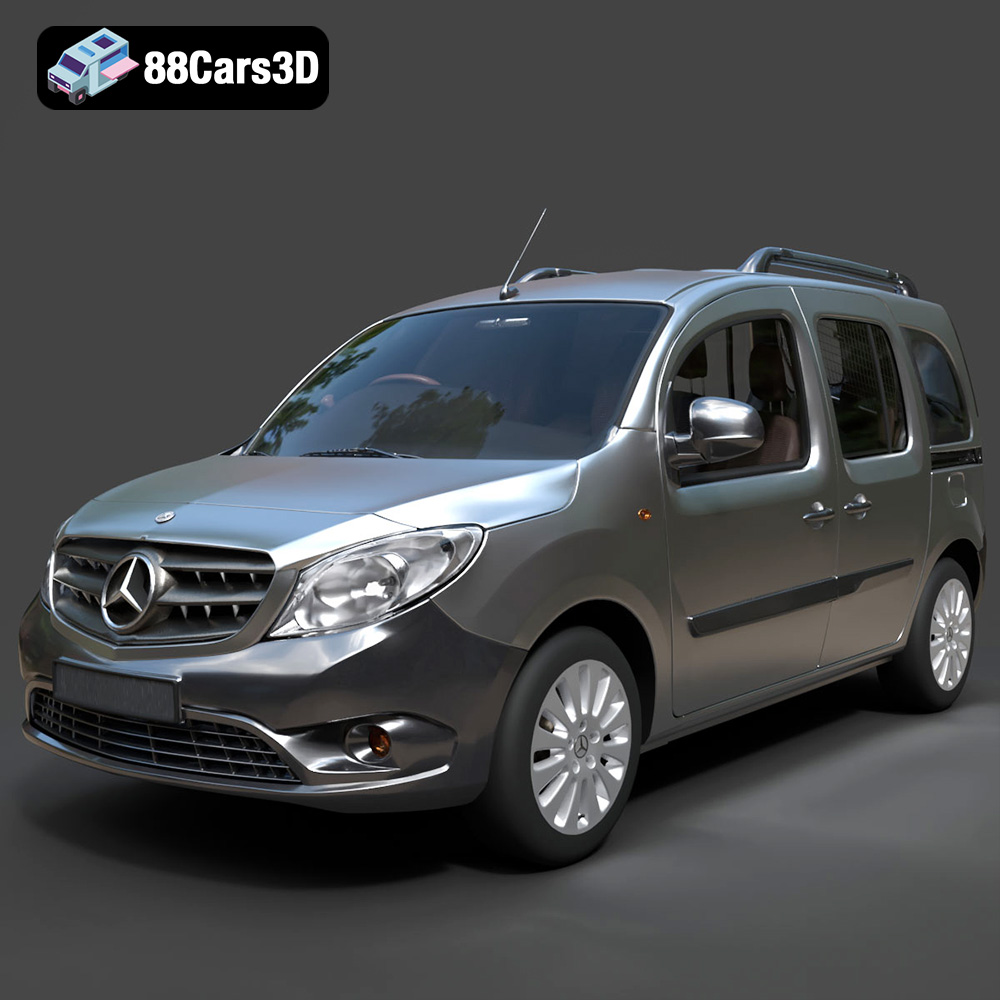
Download the Mercedes-Benz Citan 2025 3D Model featuring clean geometry, realistic detailing, and a fully modeled interior. Includes .blend, .fbx, .obj, .glb, .stl, .ply, .unreal, and .max formats for rendering, simulation, and game development.
Price: $14.99
View Product
Texture: Yes
Material: Yes
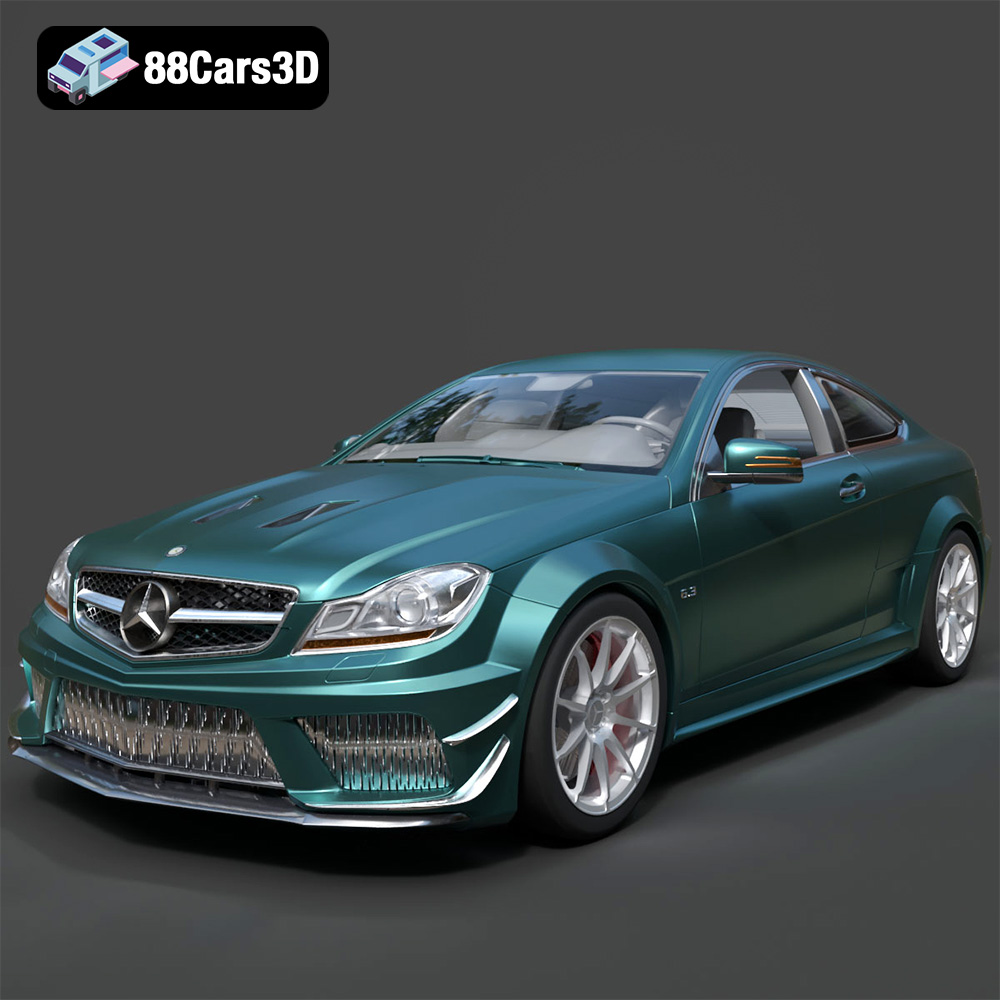
Download the Mercedes-Benz C63 AMG 2012 3D Model featuring clean geometry, realistic detailing, and a fully modeled interior. Includes .blend, .fbx, .obj, .glb, .stl, .ply, .unreal, and .max formats for rendering, simulation, and game development.
Price: $14.99
View Product
Texture: Yes
Material: Yes
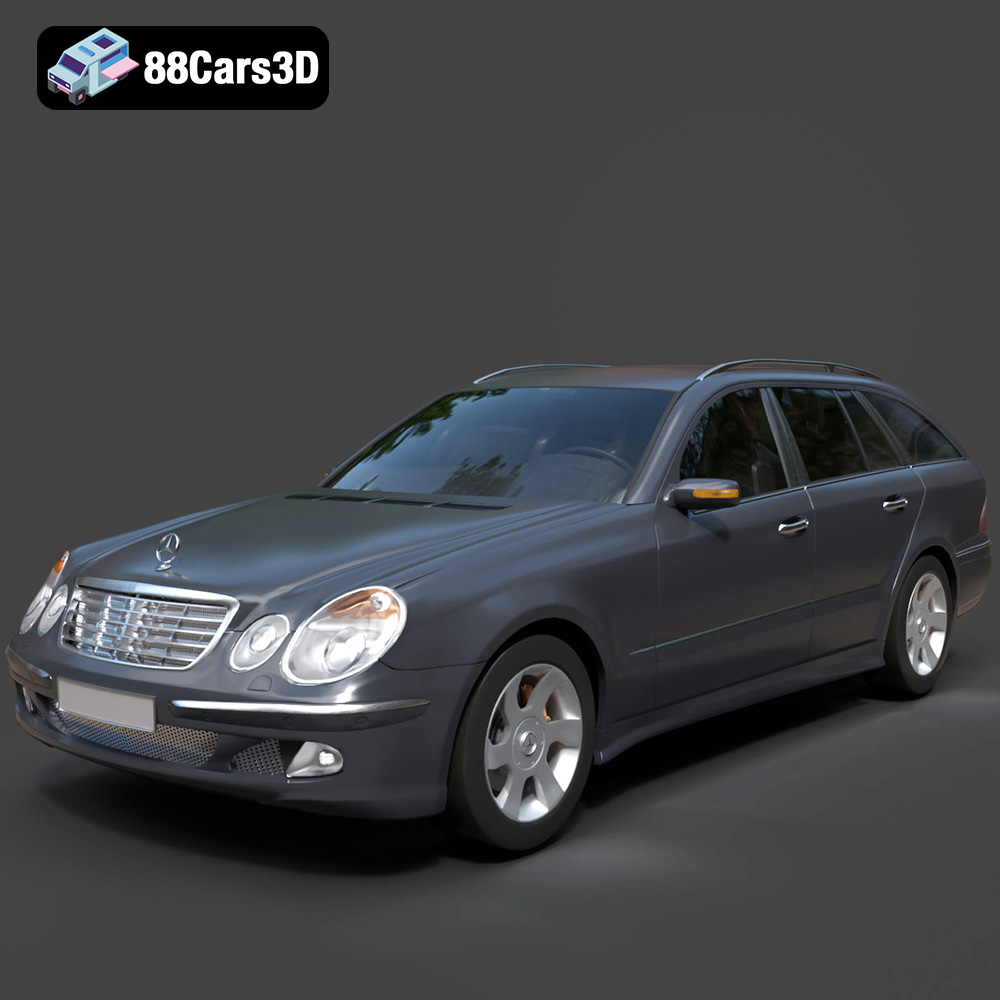
Download the Mercedes-Benz E-Class S211 3D Model featuring clean geometry, realistic detailing, and a fully modeled interior. Includes .blend, .fbx, .obj, .glb, .stl, .ply, .unreal, and .max formats for rendering, simulation, and game development.
Price: $14.99
View Product
Texture: Yes
Material: Yes
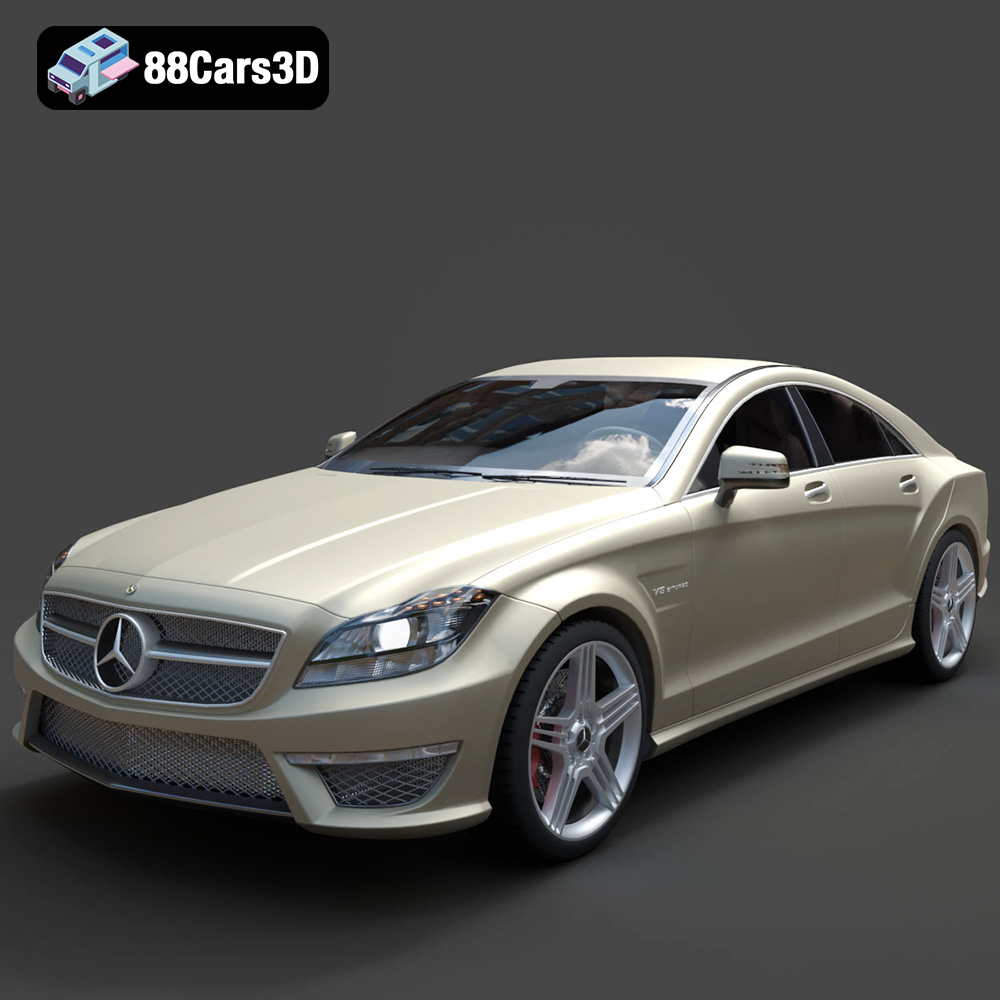
Download the Mercedes-Benz CLS63 AMG (C218) 2014 3D Model featuring clean geometry, realistic detailing, and a fully modeled interior. Includes .blend, .fbx, .obj, .glb, .stl, .ply, .unreal, and .max formats for rendering, simulation, and game development.
Price: $14.99
View Product
Texture: Yes
Material: Yes
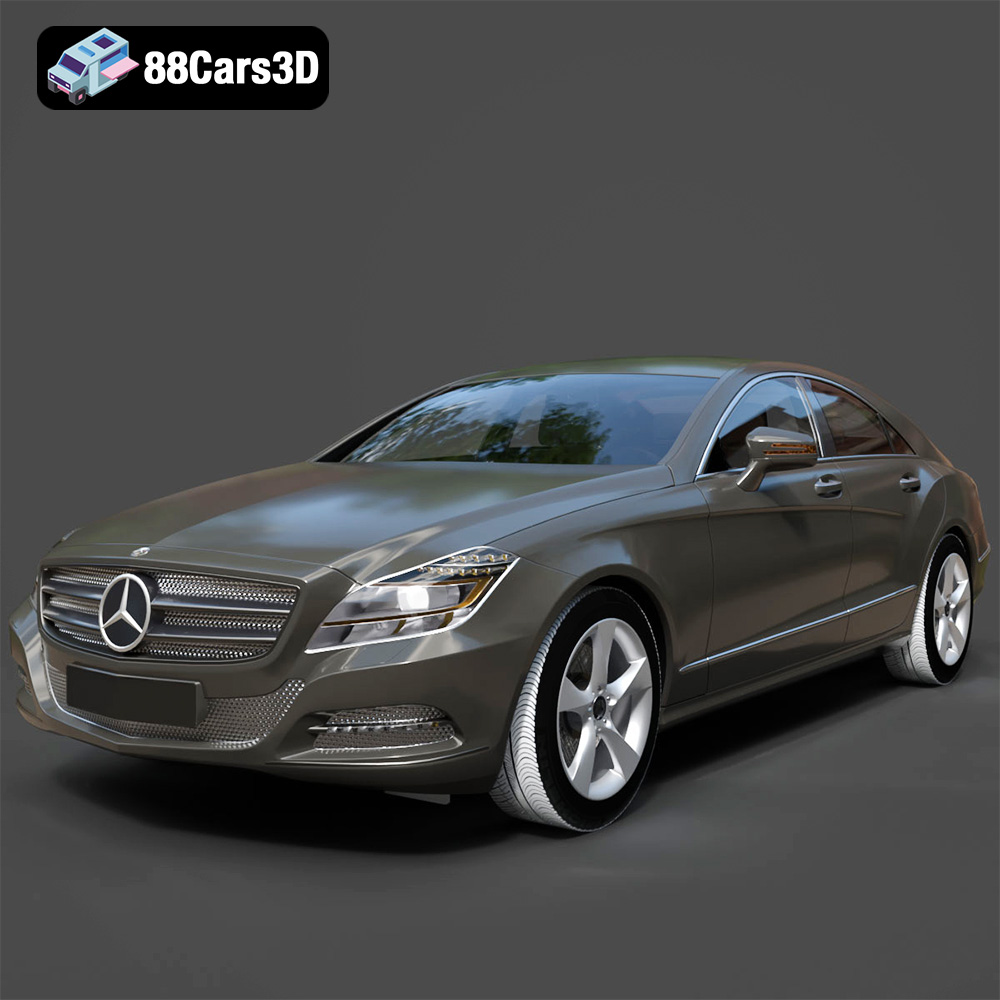
Download the Mercedes-Benz CLS-Klasse 3D Model featuring clean geometry, realistic detailing, and a fully modeled interior. Includes .blend, .fbx, .obj, .glb, .stl, .ply, .unreal, and .max formats for rendering, simulation, and game development.
Price: $14.99
View Product
Texture: Yes
Material: Yes
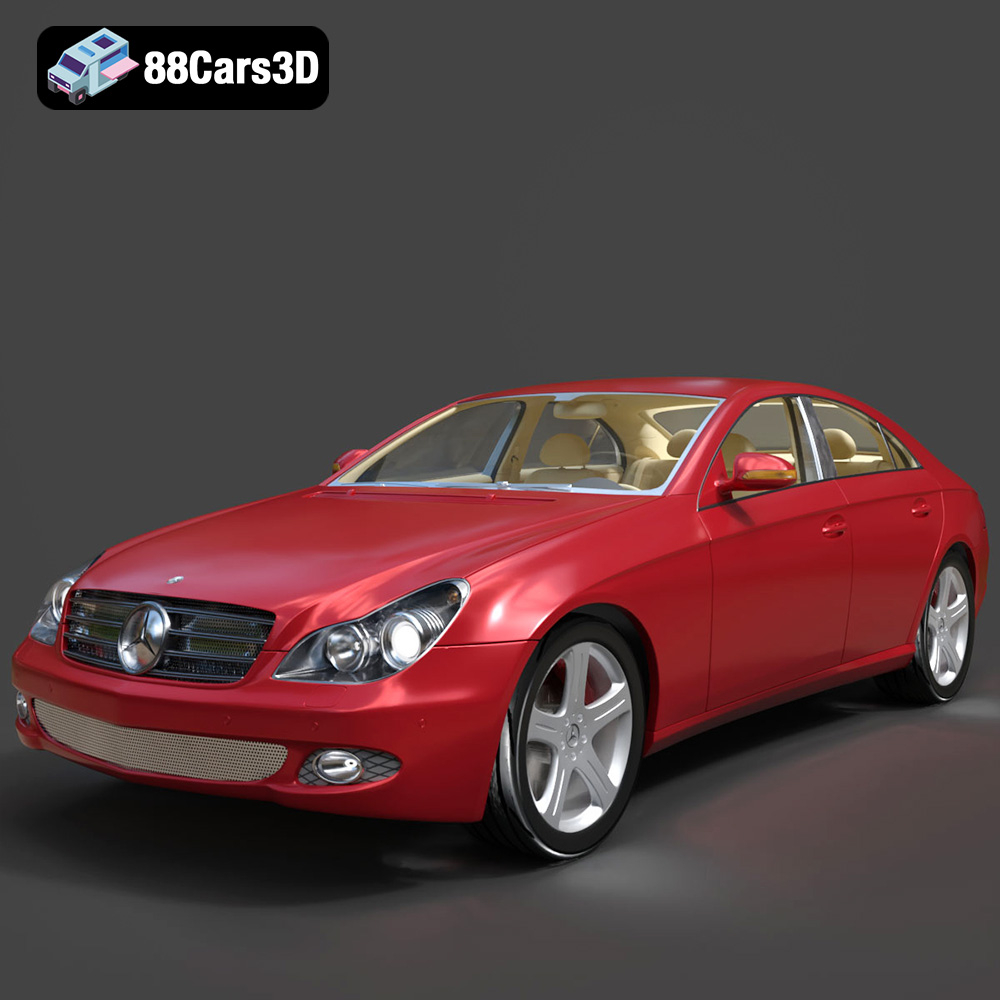
Download the Mercedes-Benz CLS 500 3D Model featuring clean geometry, realistic detailing, and a fully modeled interior. Includes .blend, .fbx, .obj, .glb, .stl, .ply, .unreal, and .max formats for rendering, simulation, and game development.
Price: $14.99
View Product

Texture: Yes
Material: Yes
Download the Mercedes-Benz CL-Klasse 2001 3D Model featuring clean geometry, realistic detailing, and a fully modeled interior. Includes .blend, .fbx, .obj, .glb, .stl, .ply, .unreal, and .max formats for rendering, simulation, and game development.
Price: $14.99
View Product
Texture: Yes
Material: Yes
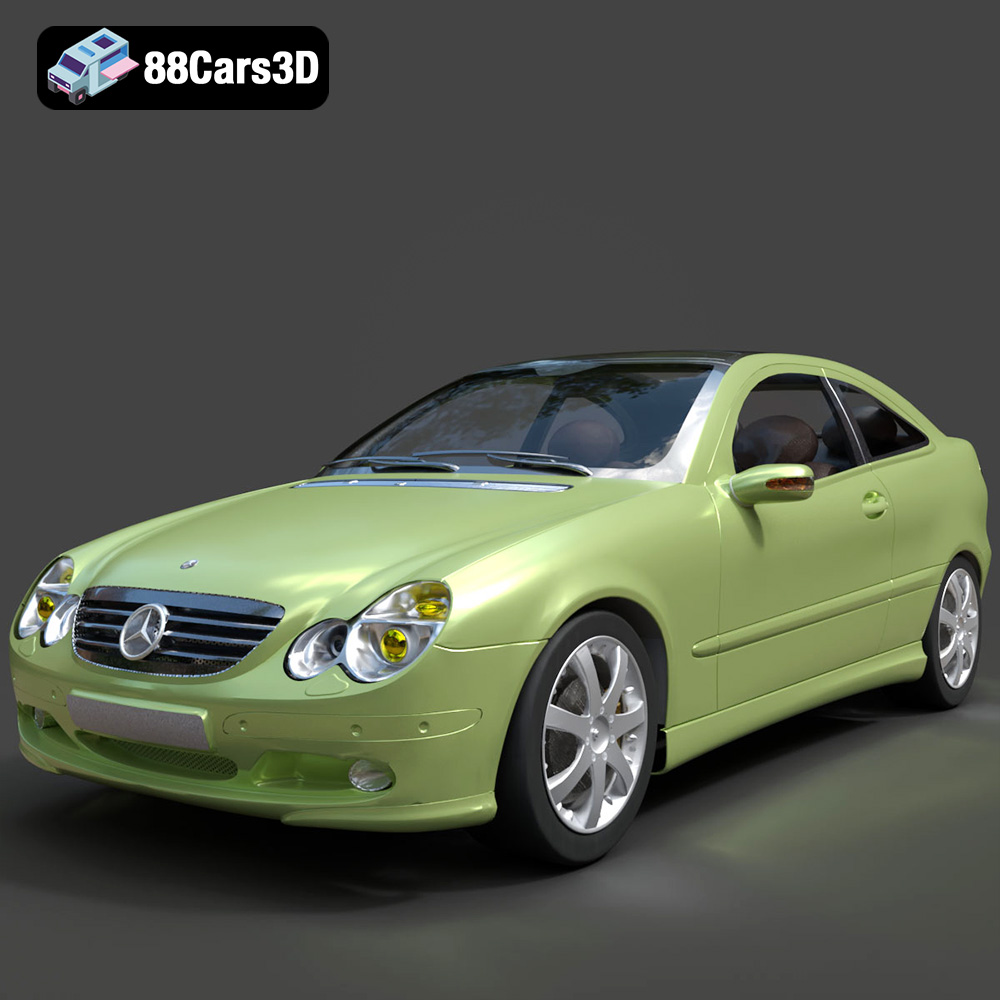
Download the Mercedes-Benz C-Klasse Sportcoupe 2000 3D Model featuring clean geometry, realistic detailing, and a fully modeled interior. Includes .blend, .fbx, .obj, .glb, .stl, .ply, .unreal, and .max formats for rendering, simulation, and game development.
Price: $14.99
View Product
Texture: Yes
Material: Yes
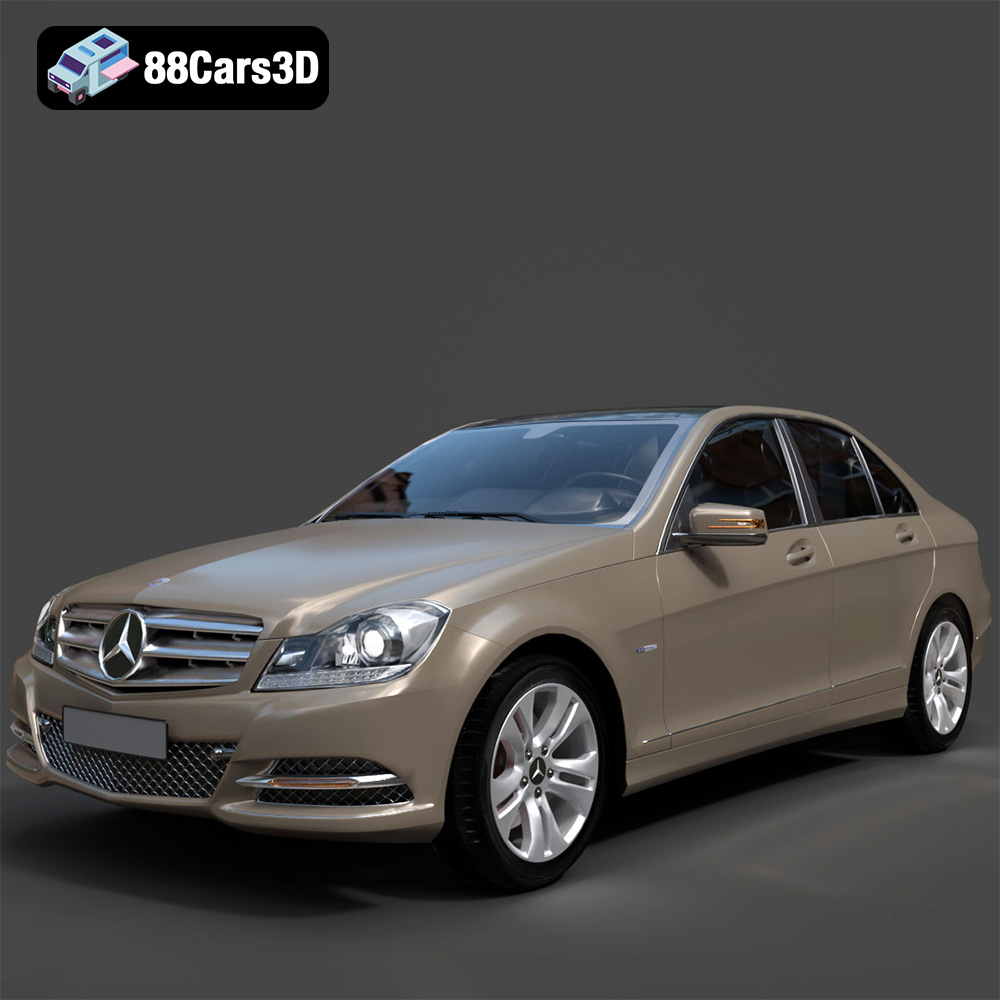
Download the Mercedes-Benz C-Klasse 204 2011 3D Model featuring clean geometry, realistic detailing, and a fully modeled interior. Includes .blend, .fbx, .obj, .glb, .stl, .ply, .unreal, and .max formats for rendering, simulation, and game development.
Price: $14.99
View Product
Texture: Yes
Material: Yes
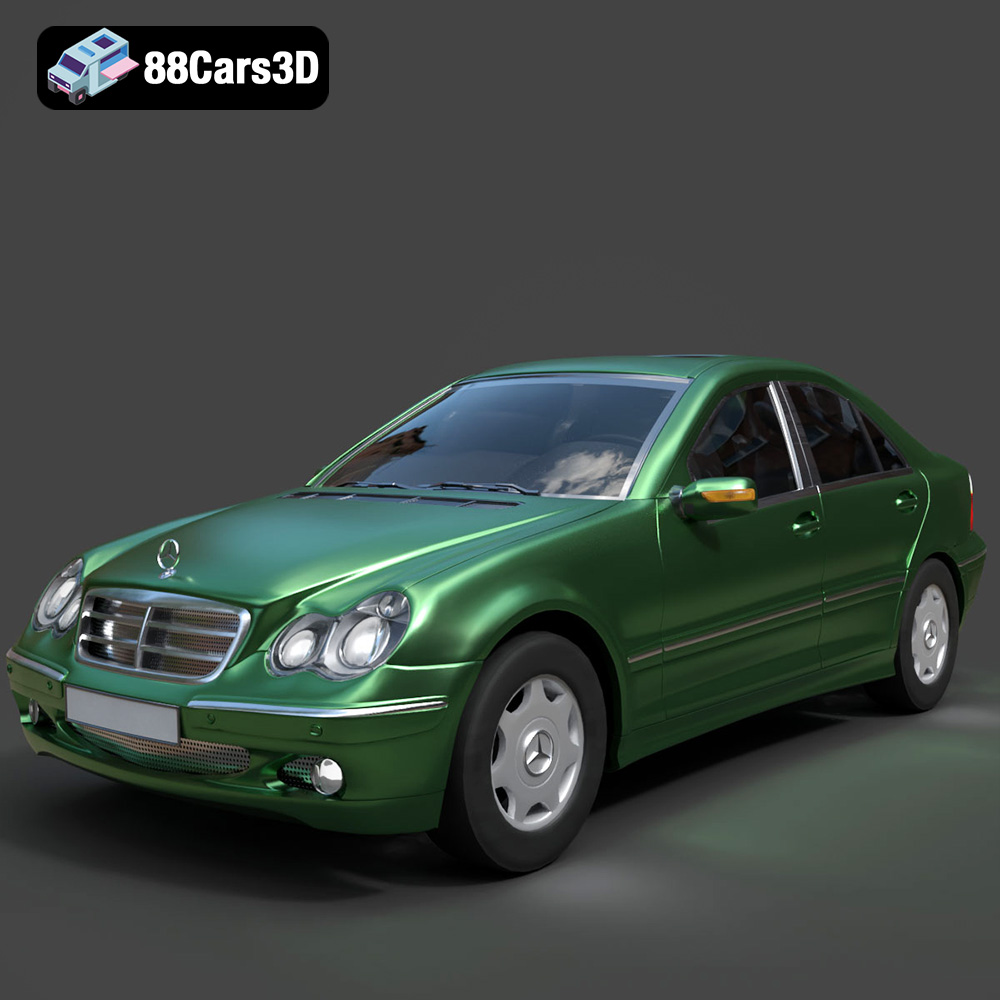
Download the Mercedes-Benz C-Class Sedan 3D Model featuring clean geometry, realistic detailing, and a fully modeled interior. Includes .blend, .fbx, .obj, .glb, .stl, .ply, .unreal, and .max formats for rendering, simulation, and game development.
Price: $14.99
View Product


