Get 20% OFF All Premium 3D & STL Models!

“`html
A meticulously crafted 3D car model is more than just a collection of vertices and polygons; it’s a versatile digital asset with the power to anchor a stunning automotive rendering, become the hero vehicle in a video game, or provide a compelling experience in augmented reality. Whether you’re an architectural visualization artist needing a photorealistic car for a driveway shot, a game developer building an immersive racing simulator, or a product designer exploring concepts, the journey from a raw model file to a polished final product requires a blend of technical skill and artistic vision. Many artists and studios turn to specialized marketplaces to source high-quality assets, but acquiring the model is just the first step on the road.
This comprehensive guide will navigate you through the entire professional workflow. We’ll dissect the anatomy of a superior 3D car model, dive deep into the technical arts of UV mapping and PBR material creation, and explore distinct pipelines for achieving both breathtakingly realistic renders and highly optimized real-time performance. You will learn the industry-standard techniques used to prepare, texture, light, and deploy these complex assets across a wide range of applications, ensuring your final result is nothing short of spectacular.
The foundation of any great automotive project is the quality of the 3D model itself. Before you even think about materials or lighting, a critical evaluation of the mesh geometry and file structure will save you countless hours of frustration down the line. Sourcing models from reputable platforms like 88cars3d.com often ensures a high standard, but understanding what to look for is a crucial skill for any 3D professional. A great model isn’t just about looking good from a distance; it’s about robust, flexible, and efficient construction.
Topology refers to the arrangement of polygons that form the model’s surface. For automotive models, clean, quad-based topology is the gold standard. This means the model is primarily built from four-sided polygons (quads). Why is this so critical? Quads subdivide cleanly and predictably, which is essential for creating smooth, high-resolution surfaces using modifiers like TurboSmooth (3ds Max) or Subdivision Surface (Blender). The flow of these quads, known as edge flow, should follow the natural contours and body lines of the car. Proper edge flow ensures that reflections glide realistically across curved surfaces like fenders and hoods, preventing visual artifacts like pinching or distortion. A high-poly model for rendering might range from 500,000 to over 2 million polygons, while a real-time game model (LOD0) might be optimized to between 80,000 and 150,000 polygons.
Professional 3D car models must be built to real-world scale. This is non-negotiable for achieving realism. If a model is not scaled correctly, physics simulations, lighting, and depth of field will all behave incorrectly and unpredictably. A standard practice is to work in a scene where 1 unit equals 1 centimeter or 1 meter. Beyond scale, a high-quality model will feature a logical hierarchy and separated components. Doors, wheels, hood, trunk, and steering wheel should all be separate, correctly pivoted objects. This separation is vital for animation, creating exploded views, or allowing for interactive elements in a game or VR experience. Always check that the model’s proportions match real-world vehicle blueprints.
When you purchase a professional 3D car model, you should receive more than a single file. A comprehensive package typically includes:
UV mapping is the critical process of “unfolding” a 3D model’s surface onto a 2D plane so that textures can be applied correctly. For a complex object like a car, with its mix of large, flowing panels and small, intricate details, a strategic UV layout is paramount. Poor UVs can lead to stretched textures, visible seams, and inconsistent resolution, immediately shattering the illusion of realism. While many pre-made models come with UVs, understanding the principles allows you to modify or create them for custom texturing work.
The first rule of UV unwrapping is to place your seams where they are least likely to be seen. Think like a car manufacturer. Seams should be placed along natural panel gaps, on the underside of the chassis, inside door jambs, or along hard edges where a change in material would occur anyway. For a large, smooth surface like a car hood, the goal is to unwrap it as a single large UV island if possible, placing a single seam on the underside edge. This minimizes distortion across the visible surface. Tools in Blender, 3ds Max, and specialized software like RizomUV give you precise control over cutting and stitching these UV seams.
Texel density is a measure of how many texture pixels (texels) are used per unit of 3D space. Maintaining a consistent texel density across the entire model is key to ensuring that every part of the car has a similar level of detail. You don’t want a crisp, high-resolution door next to a blurry, low-resolution fender. For a feature film or high-end automotive rendering, a target might be 20.48 pixels/cm. For extremely high-detail hero assets, a single UV map isn’t enough. This is where UDIMs (U-Dimension) come in. The UDIM workflow allows you to spread your model’s UVs across multiple UV tiles, with each tile using its own texture map. This enables you to assign massive texture resolutions (e.g., multiple 8K maps) to a single model, achieving unparalleled detail for close-up shots of badges, headlights, and brake calipers.
Once all your UV islands are created, they must be efficiently packed into the 0-to-1 UV space (or across multiple UDIM tiles). The goal is to maximize the use of the texture space while minimizing empty areas. Modern UV tools have powerful packing algorithms that can arrange islands tightly. Key considerations during packing include:
The realism of your final image or game asset hinges on the quality of its materials. Modern 3D graphics rely on the Physically Based Rendering (PBR) workflow, which simulates how light interacts with surfaces in the real world. For a car, this means creating a variety of complex shaders for everything from multi-layered car paint and brushed aluminum to worn tire rubber and textured plastic trim.
The PBR workflow primarily uses a set of texture maps to define a material’s properties. Understanding these is fundamental:
A simple PBR material isn’t enough for convincing car paint. Professional car paint shaders are multi-layered. Here’s a typical structure in render engines like Corona, V-Ray, or Cycles:
In the real world, nothing is perfectly clean. The final step to believable materials is adding subtle imperfections. This includes dust settling in crevices, mud splatters in the wheel wells, fingerprints on the windows, and fine scratches on the clear coat visible only in direct light. These details can be painted by hand in software like Substance Painter or added procedurally using curvature maps and ambient occlusion masks. These subtle flaws break up the perfect digital look and sell the reality of the asset.
With a perfectly modeled and textured car, the next step is to place it in a scene and create a stunning image. Automotive rendering is an art form focused on capturing the beauty of a vehicle’s design. This involves a careful balance of lighting, camera work, and post-processing to create emotion and highlight the car’s most compelling features.
There are two primary approaches to lighting a 3D car model for rendering:
Your virtual camera should mimic a real-world DSLR. Don’t just point and shoot. Pay attention to:
A professional workflow rarely ends with the “Render” button. Instead, artists render out multiple images called “render passes” or “Render Elements” (V-Ray) / “AOVs” (Arnold). Each pass isolates a specific component of the final image, such as reflections, shadows, ambient occlusion, Z-depth (for fog), and Cryptomatte (for easy object selection). These passes are then layered and composited in software like Adobe Photoshop, After Effects, or Blackmagic Fusion. This gives you immense power to fine-tune colors, adjust reflection intensity, enhance shadows, and add effects like lens flare without having to re-render the entire scene.
Preparing a 3D car model for a game engine is a completely different challenge than preparing it for a cinematic render. In real-time applications, performance is king. Every polygon and texture byte counts. The goal is to create a model that looks fantastic while maintaining a high and stable frame rate (e.g., 60 FPS).
A 2-million-polygon rendering model would bring any game engine to its knees. The first step is polygon reduction. This can be done with automatic decimation tools, but for the main player vehicle, a manual retopology process is often preferred to maintain the best edge flow and silhouette. The most important technique is creating Levels of Detail (LODs). This involves creating multiple versions of the car at decreasing levels of complexity:
The game engine automatically switches between these LODs based on the car’s distance from the camera, drastically improving performance.
In a game engine, a “draw call” is a command sent from the CPU to the GPU to draw an object. Each object with a unique material generates at least one draw call. Too many draw calls can create a CPU bottleneck and lower frame rates. A car model with separate materials for the body, wheels, glass, and trim could generate many draw calls. To combat this, we use texture atlasing. This involves combining the UVs of multiple parts onto a single, large UV layout and baking their unique textures into one set of PBR maps (one Base Color, one Normal, etc.). This allows the entire car, or large portions of it, to be rendered with a single material and a single draw call.
The visual mesh is not what the game’s physics engine interacts with. For that, we create a much simpler, invisible collision mesh. This is typically a set of convex hull shapes that roughly approximate the car’s form. This simplified mesh is far more efficient for the physics engine to calculate collisions with. In engines like Unity and Unreal Engine, you then set up components like Wheel Colliders, define the vehicle’s center of mass, and tune parameters for engine torque, suspension, and steering to create a playable, physics-driven vehicle.
The utility of a high-quality 3D car model extends beyond traditional renders and games. Emerging technologies like Augmented/Virtual Reality and 3D printing open up exciting new possibilities for these digital assets, each with its own unique set of technical requirements.
Performance is even more critical in AR/VR, especially for mobile devices. The goal is to deliver a smooth, high-frame-rate experience (often 72-90 FPS) to avoid motion sickness. This requires aggressive optimization:
When looking for models for this purpose, check if a provider, such as 88cars3d.com, offers pre-optimized versions or formats suitable for real-time and AR applications.
Taking a digital car model and turning it into a physical object requires a different kind of preparation. A rendering model is often just a collection of surfaces, but a 3D printable model must be a solid, “watertight” volume.
The journey from a digital file to a stunning final asset is a testament to the power and versatility of 3D car models. We’ve seen that the process is far more than just clicking “render.” It’s a structured pipeline that begins with selecting a model built on a foundation of clean topology and real-world scale. It progresses through the meticulous and technical stages of UV mapping, the artistic creation of multi-layered PBR materials, and the careful orchestration of light and composition. Whether your destination is a photorealistic automotive ad, a high-octane racing game, or an interactive AR car configurator, the core principles of quality and optimization remain the same.
Mastering these workflows unlocks the full potential of your 3D assets. By understanding both the high-fidelity rendering pipeline and the stringent demands of real-time optimization, you can adapt any model for any purpose. The key takeaway is that starting with a high-quality, professionally constructed model saves immense time and provides the best possible canvas for your work. Now, take these techniques, apply them to your next project, and start creating breathtaking automotive visuals that captivate and inspire.
“`

Texture: Yes
Material: Yes
Download the Mercedes-Benz SLK 350 2005 3D Model featuring clean geometry, realistic detailing, and a fully modeled interior. Includes .blend, .fbx, .obj, .glb, .stl, .ply, .unreal, and .max formats for rendering, simulation, and game development.
Price: $9.99

Texture: Yes
Material: Yes
Download the Mercedes-Benz SL 65 AMG 3D Model featuring clean geometry, realistic detailing, and a fully modeled interior. Includes .blend, .fbx, .obj, .glb, .stl, .ply, .unreal, and .max formats for rendering, simulation, and game development.
Price: $9.99
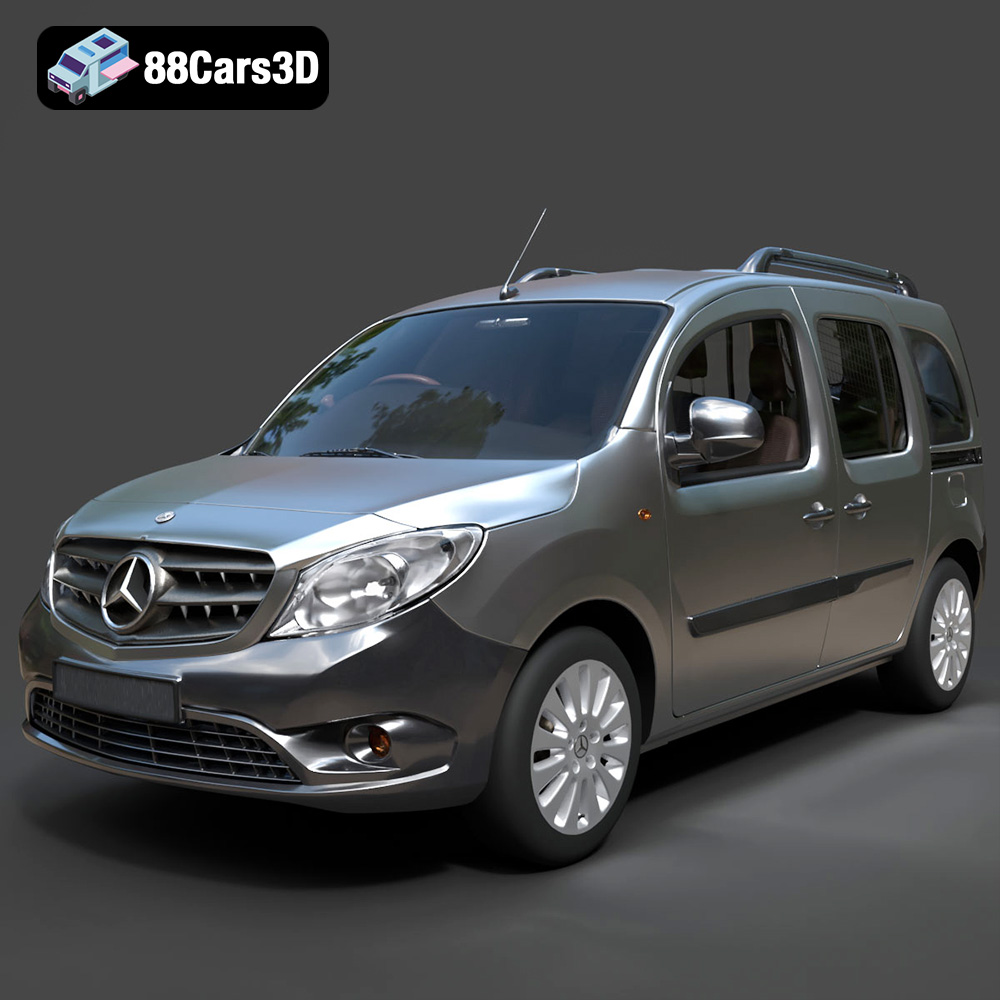
Texture: Yes
Material: Yes
Download the Mercedes-Benz Citan 2025 3D Model featuring clean geometry, realistic detailing, and a fully modeled interior. Includes .blend, .fbx, .obj, .glb, .stl, .ply, .unreal, and .max formats for rendering, simulation, and game development.
Price: $14.99
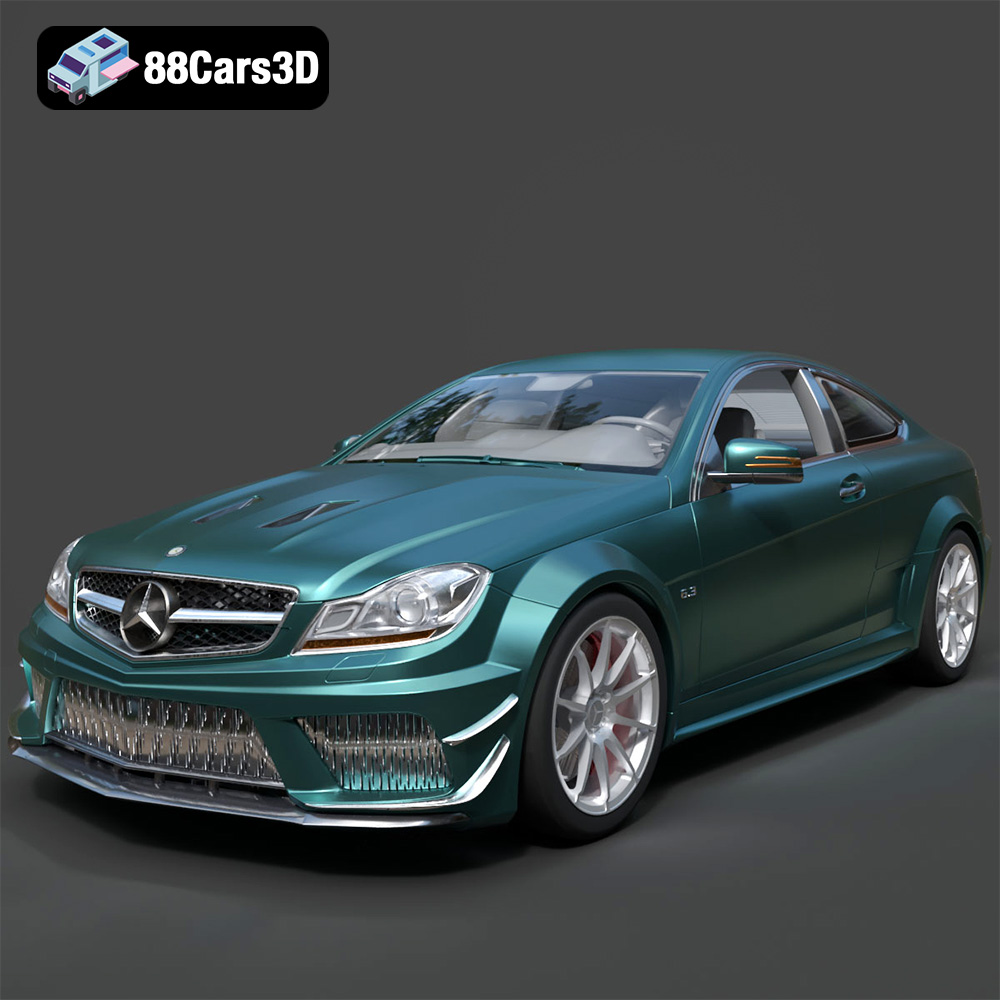
Texture: Yes
Material: Yes
Download the Mercedes-Benz C63 AMG 2012 3D Model featuring clean geometry, realistic detailing, and a fully modeled interior. Includes .blend, .fbx, .obj, .glb, .stl, .ply, .unreal, and .max formats for rendering, simulation, and game development.
Price: $14.99
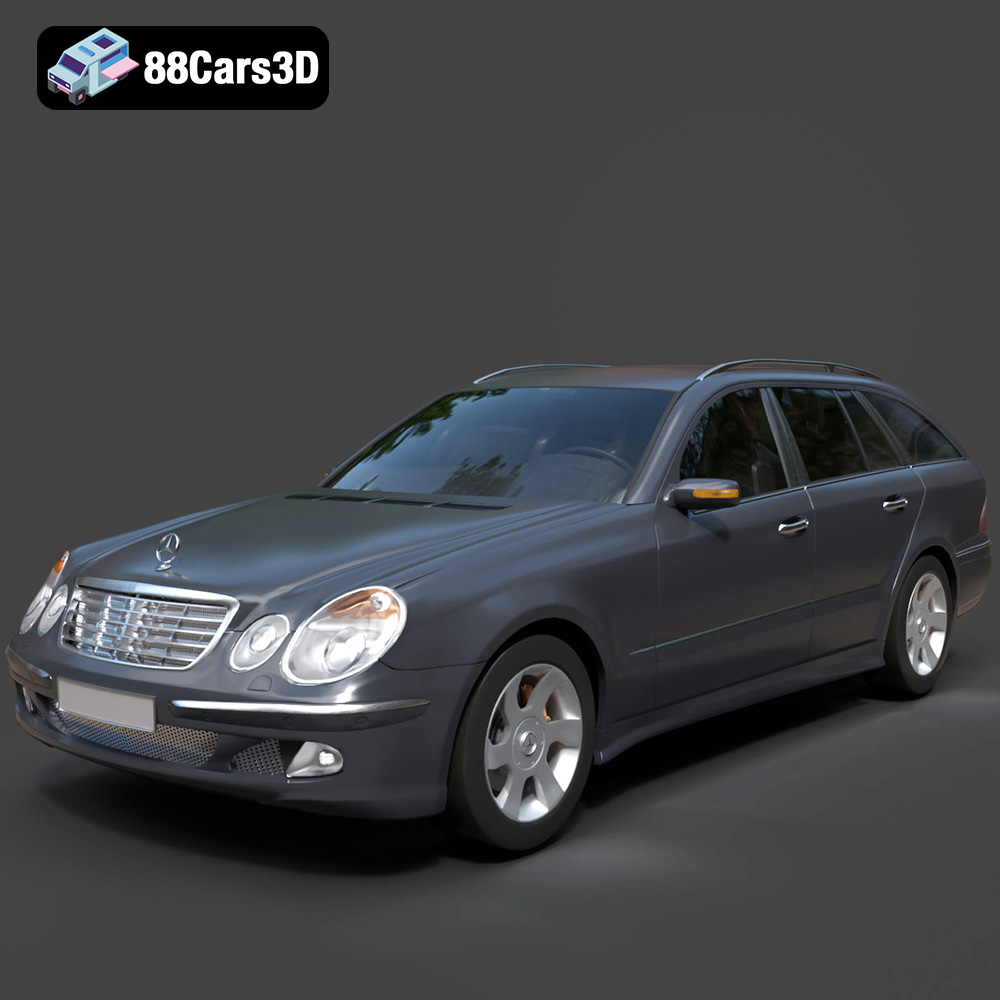
Texture: Yes
Material: Yes
Download the Mercedes-Benz E-Class S211 3D Model featuring clean geometry, realistic detailing, and a fully modeled interior. Includes .blend, .fbx, .obj, .glb, .stl, .ply, .unreal, and .max formats for rendering, simulation, and game development.
Price: $14.99
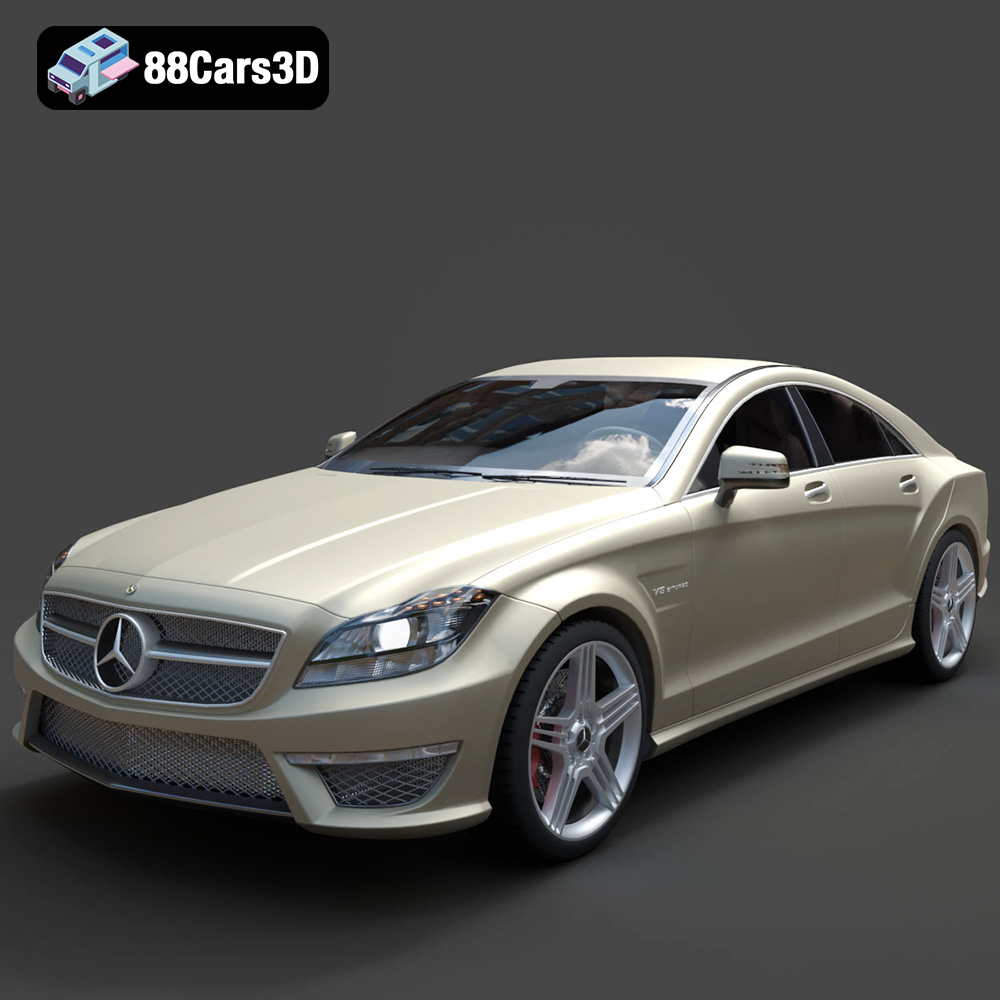
Texture: Yes
Material: Yes
Download the Mercedes-Benz CLS63 AMG (C218) 2014 3D Model featuring clean geometry, realistic detailing, and a fully modeled interior. Includes .blend, .fbx, .obj, .glb, .stl, .ply, .unreal, and .max formats for rendering, simulation, and game development.
Price: $14.99
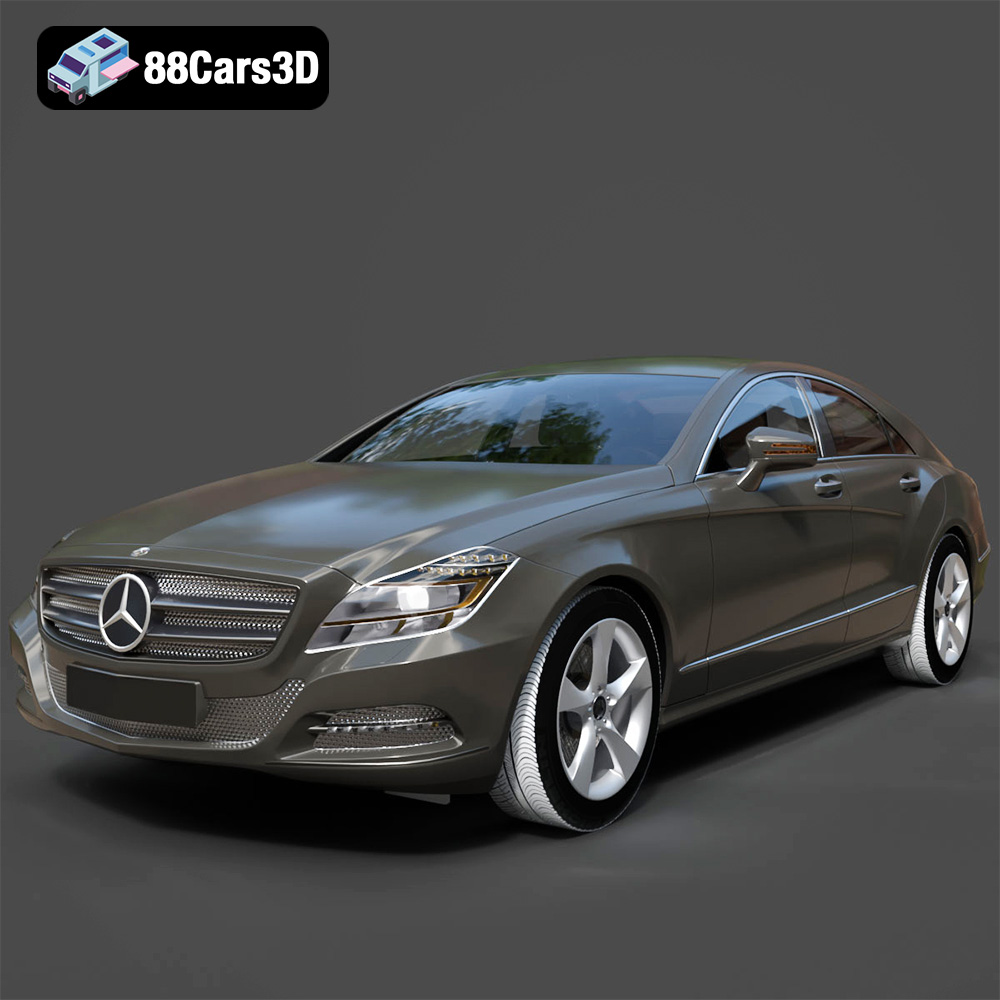
Texture: Yes
Material: Yes
Download the Mercedes-Benz CLS-Klasse 3D Model featuring clean geometry, realistic detailing, and a fully modeled interior. Includes .blend, .fbx, .obj, .glb, .stl, .ply, .unreal, and .max formats for rendering, simulation, and game development.
Price: $14.99
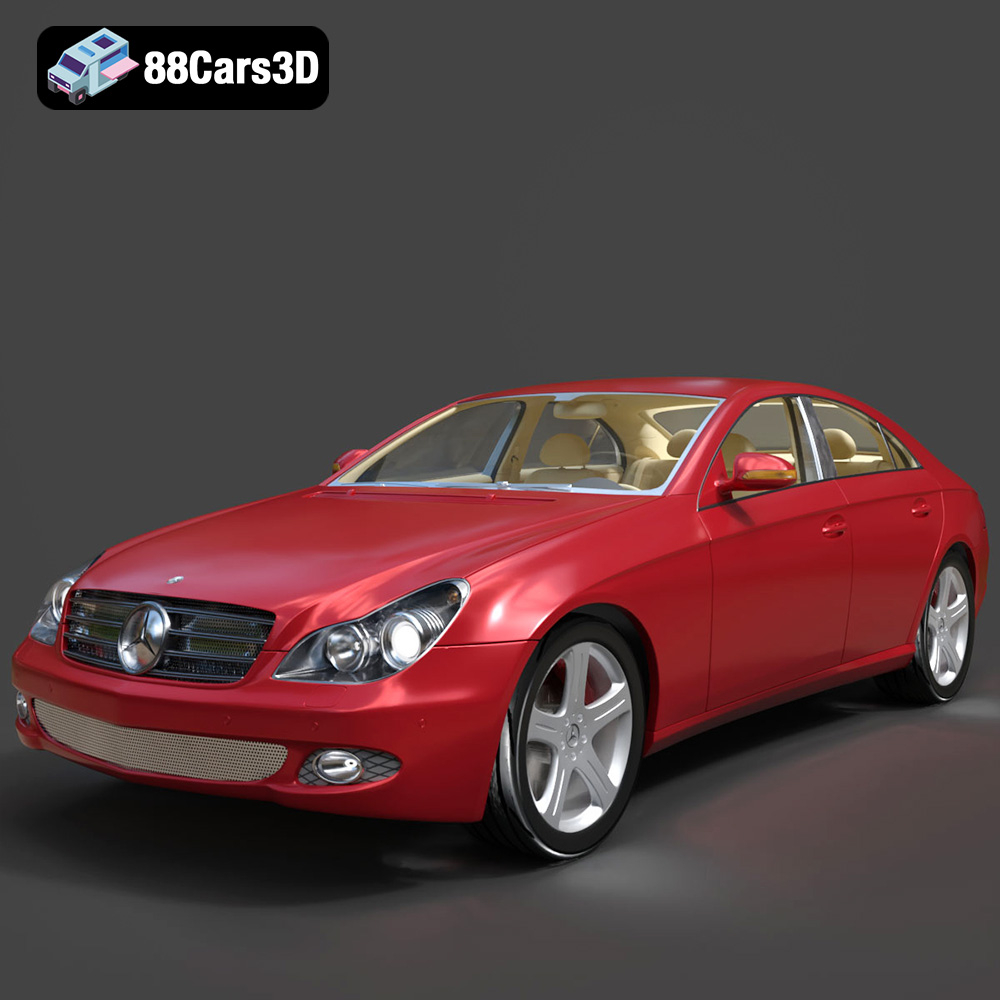
Texture: Yes
Material: Yes
Download the Mercedes-Benz CLS 500 3D Model featuring clean geometry, realistic detailing, and a fully modeled interior. Includes .blend, .fbx, .obj, .glb, .stl, .ply, .unreal, and .max formats for rendering, simulation, and game development.
Price: $14.99

Texture: Yes
Material: Yes
Download the Mercedes-Benz CL-Klasse 2001 3D Model featuring clean geometry, realistic detailing, and a fully modeled interior. Includes .blend, .fbx, .obj, .glb, .stl, .ply, .unreal, and .max formats for rendering, simulation, and game development.
Price: $14.99
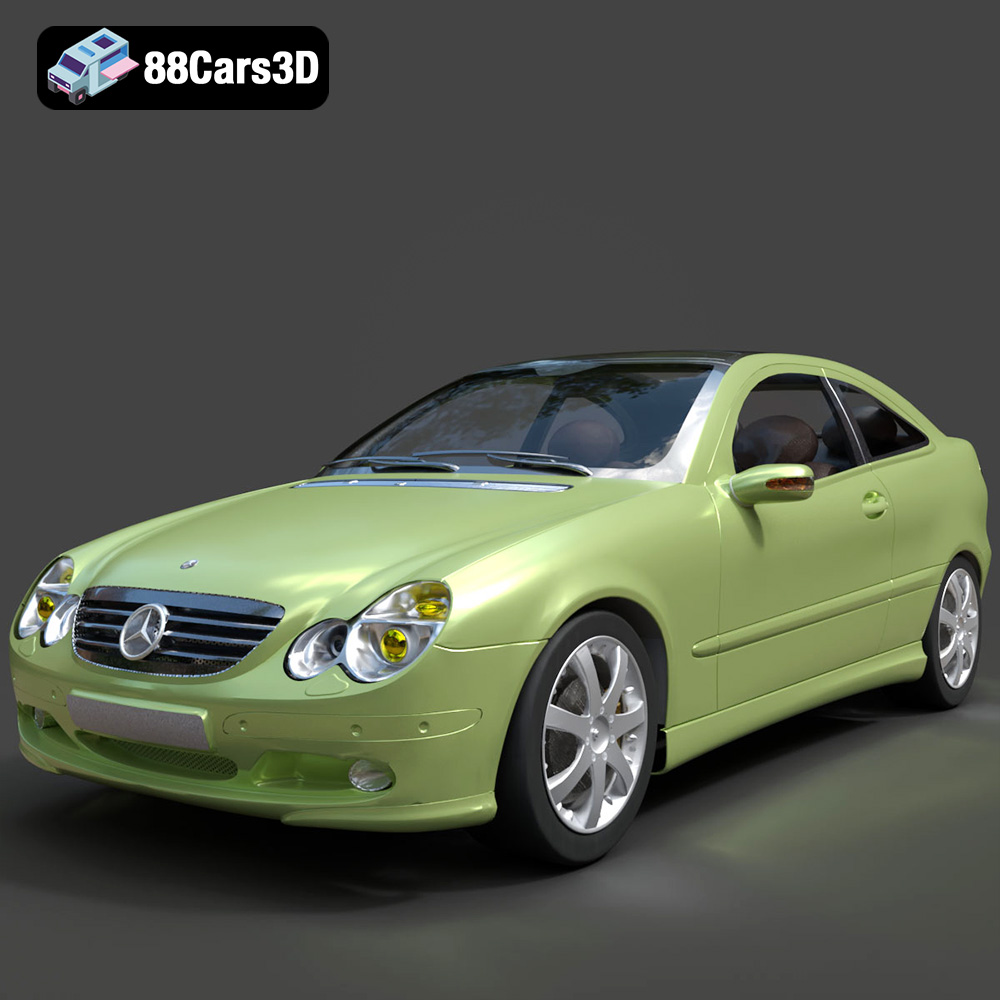
Texture: Yes
Material: Yes
Download the Mercedes-Benz C-Klasse Sportcoupe 2000 3D Model featuring clean geometry, realistic detailing, and a fully modeled interior. Includes .blend, .fbx, .obj, .glb, .stl, .ply, .unreal, and .max formats for rendering, simulation, and game development.
Price: $14.99

