Get 20% OFF All Premium 3D & STL Models!

“`html
From breathtaking automotive rendering in a marketing campaign to a high-octane racing game, 3D car models are some of the most versatile and demanding assets in the digital world. Their complex curves, reflective surfaces, and intricate mechanical details push the boundaries of modeling, texturing, and optimization. Whether you are a seasoned 3D artist, a game developer pushing for performance, or an automotive designer visualizing the next generation of vehicles, understanding how to properly prepare and utilize these assets is crucial for success. Simply acquiring a model is just the first step; unlocking its full potential requires a deep understanding of the entire pipeline, from foundational topology to final output.
This comprehensive guide will walk you through the entire lifecycle of a professional 3D car model. We will dissect the non-negotiable principles of clean geometry and UV mapping that form the bedrock of any great asset. We’ll explore advanced techniques for creating photorealistic PBR materials and setting up stunning renders in industry-standard software. Furthermore, we’ll dive deep into the critical optimization workflows required for real-time applications like game development, AR/VR, and finally, even touch upon the process of bringing your digital creation into the physical world through 3D printing. Prepare to elevate your automotive 3D projects from good to exceptional.
Before any texture is applied or a single render is cast, the success of a 3D car model lies in its underlying geometry—its topology. Topology refers to the arrangement of vertices, edges, and polygons that construct the mesh. For a subject as complex as a car, with its blend of large, smooth surfaces and sharp, defined character lines, clean topology isn’t just an aesthetic choice; it’s a technical necessity. It dictates how the model will react to light, how smoothly it will deform, and how easily it can be modified or optimized later. Poor topology leads to rendering artifacts, texturing nightmares, and performance bottlenecks, making it the single most important aspect to get right from the start. When evaluating models from marketplaces like 88cars3d.com, the quality of the wireframe is often the best indicator of a professional-grade asset.
The gold standard for hard-surface models like vehicles is an all-quad mesh. Quads (polygons with four sides) provide a clean, predictable flow that is ideal for subdivision smoothing workflows (like 3ds Max’s TurboSmooth or Blender’s Subdivision Surface modifier). A model built entirely of quads deforms predictably and subdivides cleanly, preventing the pinching, stretching, and rendering errors often caused by triangles (tris) and especially N-gons (polygons with more than four sides). While triangles are unavoidable in the final, triangulated mesh that a game engine processes, they should be avoided during the modeling phase. N-gons are particularly problematic as they can cause issues with UV unwrapping, texturing, and shading, often resulting in visible surface artifacts.
Edge flow is the directional logic of your topology. For a car, the edge loops should follow the natural contours and character lines of the vehicle’s body. This is absolutely critical for achieving realistic highlights and reflections. When light hits a surface, its reflection flows across the polygons. If the edge flow is messy or chaotic, the highlights will appear broken, wobbly, or unnatural. By ensuring your edge loops run parallel to key surface curves—like the arc of a wheel well or the sharp crease along a shoulder line—you are essentially guiding how light will interact with the model. This is achieved through careful placement of control loops, which are extra edge loops placed near a hard edge to tighten the surface during subdivision, creating crisp panel gaps and defined features without adding unnecessary geometry to flat areas.
The small details are what sell the realism of a car model. Panel gaps, the thin spaces between body panels like doors, hoods, and fenders, must be modeled with precision. A common professional technique is to model the car as a single, continuous surface first to establish perfect curvature, and then use tools to create the panel gaps. This can be done by detaching the panel polygons and slightly scaling them down or by creating inset geometry along the panel edges. For creases and character lines, strategically placed edge loops are used to control the tightness of the line. A wider spacing between control loops creates a softer, gentler curve, while placing them very close together results in a sharp, crisp crease. This level of control is only possible with clean, quad-based topology.
Once you have a model with impeccable topology, the next step is to give it a surface. This is a two-part process involving UV mapping and PBR (Physically Based Rendering) material creation. UV mapping is the art of “unwrapping” the 3D mesh into a 2D space, creating a map that tells the software how to apply a 2D texture image onto the 3D surface. A well-executed UV map is essential for distortion-free textures and efficient use of texture memory. PBR materials then take this a step further by simulating how light physically interacts with different surfaces, allowing for the creation of incredibly realistic metals, paints, plastics, and glass.
The key to good UV mapping is placing seams in logical, hidden locations. Think of it like creating a pattern for sewing clothes; you want the stitches to be on the inside. For a car, seams should be placed along hard edges or natural breaks in the surface, such as the inside edge of a door frame, the underside of the vehicle, or along existing panel gaps. This minimizes visible texture breaks. The resulting 2D pieces are called UV islands. These islands should be laid out in the 0-1 UV space with minimal wasted space, a process known as packing. For maximum detail, ensure that all islands have a consistent texel density—meaning that each part of the model receives a proportional amount of texture resolution. Tools in Blender, 3ds Max, and specialized software like RizomUV can help automate parts of this process, but a skilled artist’s eye is needed for a truly professional result.
PBR workflows have revolutionized 3D texturing. Instead of faking lighting with specular maps, PBR uses a set of texture maps to define a material’s physical properties. The primary maps are:
By combining these maps, you can create virtually any material, from multi-layered car paint with clear coats to weathered tire rubber and brushed aluminum trim.
For high-end automotive rendering, texture resolution is paramount. Textures are typically created in resolutions of 4K (4096×4096 pixels) or even 8K (8192×8192) to capture fine details like brake caliper logos, dashboard text, and tire sidewall lettering. For hero assets, a technique called UDIM (U-Dimension) is often used. UDIM allows a single model to use multiple UV grids, effectively multiplying the available texture resolution. For example, the main car body could be on one UDIM tile, the interior on a second, and the wheels on a third, with each tile having its own 4K texture set. This approach, common in VFX and high-end visualization, allows for breathtaking close-up shots without any visible pixelation.
Creating a stunning automotive render is an art form that blends technical skill with creative vision. The goal is to simulate reality so closely that the final image is indistinguishable from a photograph. This requires a powerful render engine, a meticulous approach to lighting, and a nuanced understanding of camera and post-processing effects. Modern path-tracing renderers like Corona, V-Ray, Arnold, and Blender’s Cycles excel at this, accurately simulating the physics of light to produce hyper-realistic results. The quality of the final image depends heavily on the interplay between the model’s materials, the lighting environment, and the final composition.
Lighting is everything in rendering. The most common and effective method for lighting vehicles is Image-Based Lighting (IBL) using a High Dynamic Range Image (HDRI). An HDRI is a 360-degree panoramic image that contains a massive range of light intensity data. When used as an environment map in your 3D scene, it projects realistic lighting and reflections onto your model from all directions. For automotive rendering, studio-style HDRIs with softboxes and controlled light sources are popular for creating clean, defined reflections that showcase the car’s form. Outdoor HDRIs of roads or scenic locations can be used to place the car in a natural context. Often, the HDRI is supplemented with additional 3D area lights to create specific highlights or fill in shadows, giving the artist complete creative control.
Creating a believable car paint material is a hallmark of a skilled rendering artist. In renderers like Corona and V-Ray, this is achieved through complex shader networks. A typical car paint material isn’t a single layer; it’s a multi-layered shader that simulates the real thing:
Similar layered approaches are used for other complex materials like tinted glass, carbon fiber, and brake rotors.
The raw render output is rarely the final image. Professional artists use post-processing and compositing to add the final 10% of realism and artistic flair. This is often done in software like Adobe Photoshop or Foundry Nuke. By rendering out different passes (Render Elements in V-Ray/3ds Max or AOVs in Arnold), artists can isolate elements like reflections, shadows, and lighting to adjust them independently. Common post-processing steps include:
While photorealistic renders prioritize visual fidelity above all else, 3D car models for game development operate under a completely different set of rules. Here, performance is king. Every polygon, every texture, and every material must be carefully optimized to run smoothly in real-time on a variety of hardware, from high-end PCs to mobile devices. A game engine like Unreal Engine or Unity has to render the scene 60 times per second or more, so the “budget” for geometric detail and texture memory is much stricter. This requires a different set of techniques focused on efficiency and smart compromises. High-quality assets from sources like 88cars3d.com often come with game-ready versions or are clean enough to be optimized efficiently.
Level of Detail (LOD) systems are the most important optimization technique for complex assets like cars. An LOD system uses multiple versions of the same model, each with a progressively lower polygon count.
The game engine automatically switches between these LODs based on the car’s distance from the camera, drastically reducing the total number of polygons that need to be rendered at any given time.
A “draw call” is a command sent from the CPU to the GPU to draw an object. Each object with a unique material generates at least one draw call. Too many draw calls can create a CPU bottleneck and hurt performance. To optimize this, artists try to combine multiple parts of the car into a single object using as few materials as possible. This is where texture atlasing comes in. A texture atlas is a single large texture sheet that contains the textures for multiple different parts of the model. For example, the textures for the dashboard, steering wheel, and seats could all be packed onto one atlas. This allows all those objects to share a single material, reducing them to a single draw call and significantly improving performance.
The ideal polygon count for a game-ready car depends entirely on the target platform and game type. A hero vehicle for a next-gen racing simulator on PC might have a LOD0 of 150,000+ polygons. In contrast, a background traffic car for a mobile game might top out at just 5,000 polygons. The key is to use polygons where they have the most impact—on the silhouette and major forms of the car. Flat surfaces can have very few polygons, while curved areas like fenders and wheel arches require more to look smooth. The normal map is used extensively to fake high-frequency details like vents, grilles, and emblems, allowing the underlying geometry to remain relatively simple and efficient.
Augmented Reality (AR) and Virtual Reality (VR) applications represent another exciting frontier for 3D car models, used in everything from virtual showrooms to interactive training simulations. Like game engines, these platforms are real-time, but they come with their own unique set of challenges, particularly on mobile devices. Performance is even more critical in VR, where a stable high frame rate (typically 90 FPS) is essential to prevent motion sickness. Optimization is aggressive, and file format compatibility becomes a primary concern for seamless deployment across different devices and platforms.
For AR/VR, two file formats have become the de facto standards:
Converting a standard FBX or OBJ model to these formats requires careful attention to material properties, as not all complex shader effects will translate. The PBR metallic/roughness workflow is the most compatible.
Mobile devices have significant thermal and processing constraints. For AR car models that will be viewed on a phone or tablet, optimization must be ruthless.
A major advantage of AR/VR is interactivity. Users expect to be able to open the doors, pop the hood, or even sit inside the car. This requires basic rigging. The model needs to be broken into logical, separate objects (e.g., door_L, door_R, hood, trunk, wheels). Each of these objects must have its pivot point set correctly. For a door, the pivot should be at the hinge point so it opens realistically. For wheels, the pivot must be at the center so they can spin. This simple hierarchical setup allows developers to easily script animations and interactions within the AR/VR application.
Bringing a digital 3D car model into the physical world through 3D printing is a rewarding process, perfect for creating scale models, prototypes, or custom parts. However, a model that looks perfect on screen is not automatically ready for printing. The process requires converting the visual mesh into a solid, manufacturable object, which involves a specific set of preparation steps to ensure a successful print without errors or failures.
The most important requirement for a 3D printable model is that it must be “watertight” or “manifold.” This means the mesh must be a completely enclosed volume with no holes. Imagine filling the 3D model with water; if there’s any hole, the water would leak out. A non-manifold edge is one that is shared by more than two polygons, which can confuse the slicing software. Most 3D modeling programs have tools to check for and repair these issues, such as welding stray vertices, closing borders, and removing internal faces. A car model intended for rendering often has single-plane parts like glass or grilles. For 3D printing, these must be given thickness to become solid objects.
Once you have a watertight mesh, it’s brought into a “slicer” software (like Cura or PrusaSlicer). The slicer cuts the model into hundreds or thousands of thin horizontal layers and generates the G-code that the printer follows. During this stage, you must consider support structures. 3D printers cannot print in mid-air. Any part of the model that has a steep overhang—like the side mirrors, spoiler, or the underside of the car—will need temporary support structures built up from the print bed to hold it up during printing. These supports are designed to be broken off after the print is complete. Optimizing the model’s orientation on the print bed can significantly reduce the amount of support material needed, saving time and material.
The choice of printing technology and material greatly affects the final result.
The print resolution, or layer height, determines the level of detail. A smaller layer height (e.g., 0.1mm) will result in a much smoother, more detailed print but will take significantly longer to complete than a print at a larger layer height (e.g., 0.2mm).
A high-quality 3D car model is far more than just a collection of polygons; it is a versatile digital asset with a spectrum of potential applications. As we’ve seen, the journey from a wireframe to a final product is a series of deliberate, technical decisions. It begins with a foundation of clean, purposeful topology that allows for flawless surfaces and realistic light interaction. This is built upon with meticulous UV unwrapping and the creation of physically-based materials that breathe life and realism into the model. From there, the path diverges, with each application demanding its own specialized optimization process—be it the uncompromising fidelity of a cinematic render, the lean efficiency of a game asset, the interactive potential of an AR/VR experience, or the solid manufacturability of a 3D print.
The key takeaway is that preparation is paramount. By understanding the specific requirements of your final output, you can intelligently prepare your model, saving countless hours of rework and achieving a superior result. Whether you are creating a model from scratch or sourcing one from a professional marketplace, always start with the end in mind. Analyze its topology, evaluate its materials, and plan your optimization strategy. By mastering these principles, you unlock the true power of your automotive assets, enabling you to create stunning visuals and immersive experiences across any platform.
“`

Texture: Yes
Material: Yes
Download the Mercedes-Benz SLK 350 2005 3D Model featuring clean geometry, realistic detailing, and a fully modeled interior. Includes .blend, .fbx, .obj, .glb, .stl, .ply, .unreal, and .max formats for rendering, simulation, and game development.
Price: $9.99
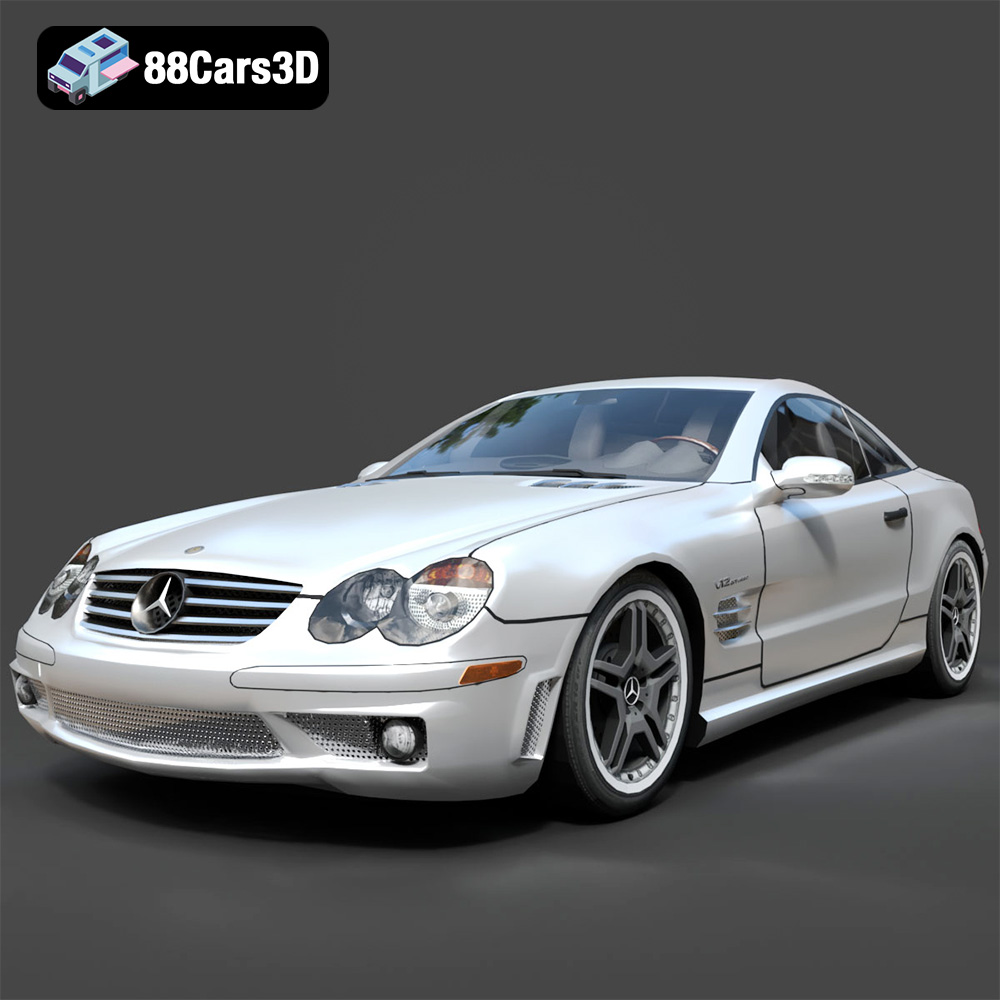
Texture: Yes
Material: Yes
Download the Mercedes-Benz SL 65 AMG 3D Model featuring clean geometry, realistic detailing, and a fully modeled interior. Includes .blend, .fbx, .obj, .glb, .stl, .ply, .unreal, and .max formats for rendering, simulation, and game development.
Price: $9.99
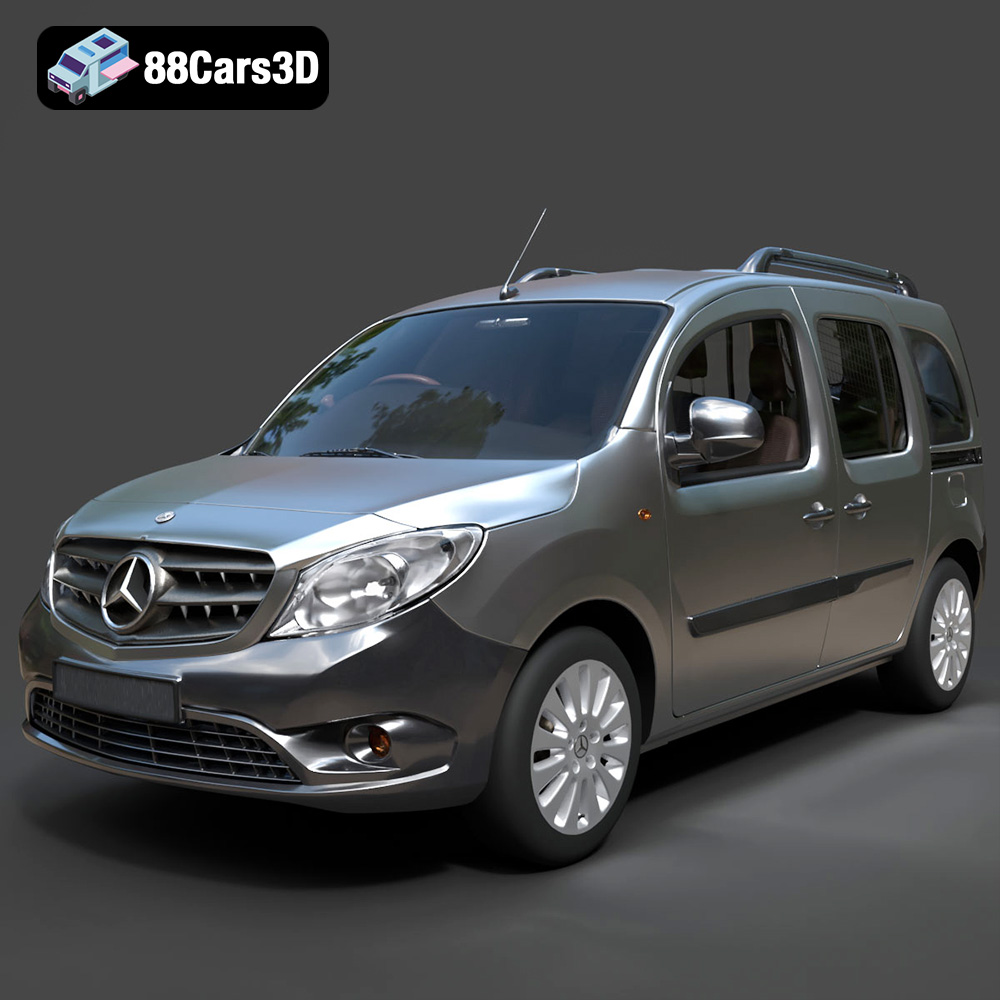
Texture: Yes
Material: Yes
Download the Mercedes-Benz Citan 2025 3D Model featuring clean geometry, realistic detailing, and a fully modeled interior. Includes .blend, .fbx, .obj, .glb, .stl, .ply, .unreal, and .max formats for rendering, simulation, and game development.
Price: $14.99
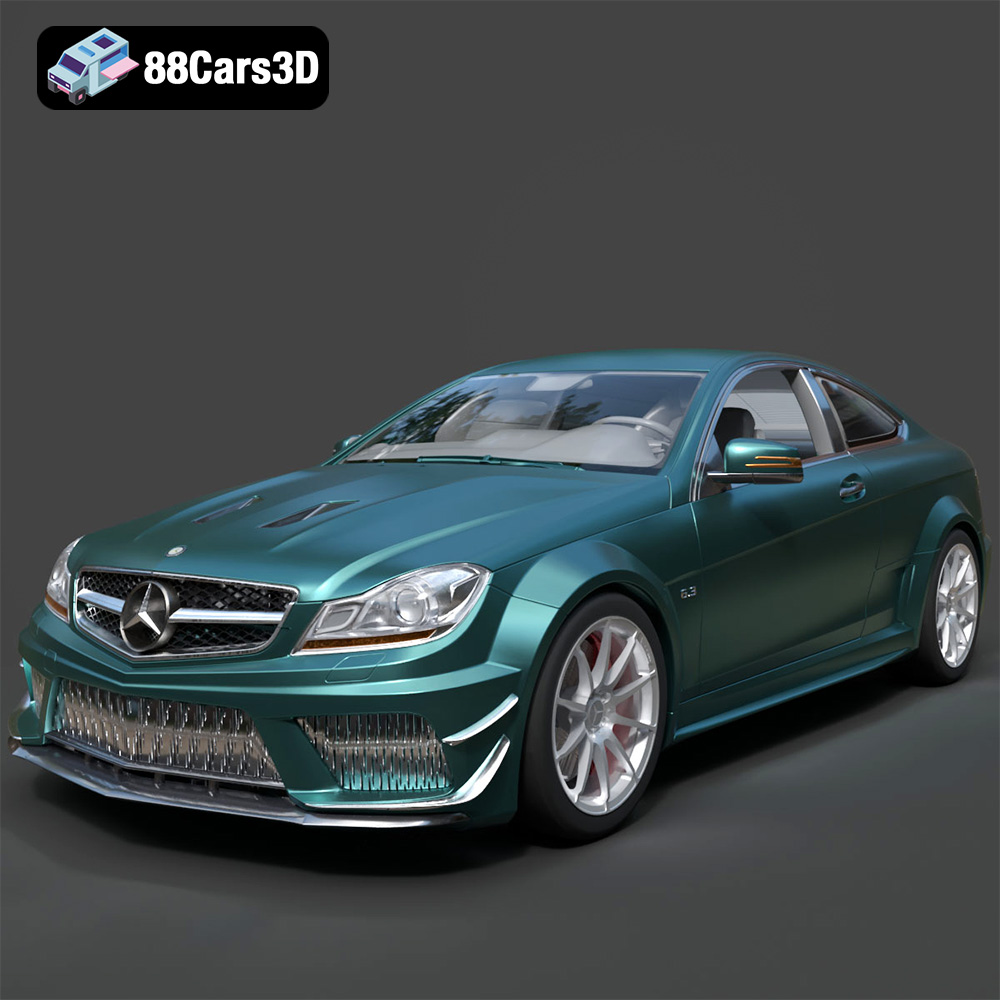
Texture: Yes
Material: Yes
Download the Mercedes-Benz C63 AMG 2012 3D Model featuring clean geometry, realistic detailing, and a fully modeled interior. Includes .blend, .fbx, .obj, .glb, .stl, .ply, .unreal, and .max formats for rendering, simulation, and game development.
Price: $14.99
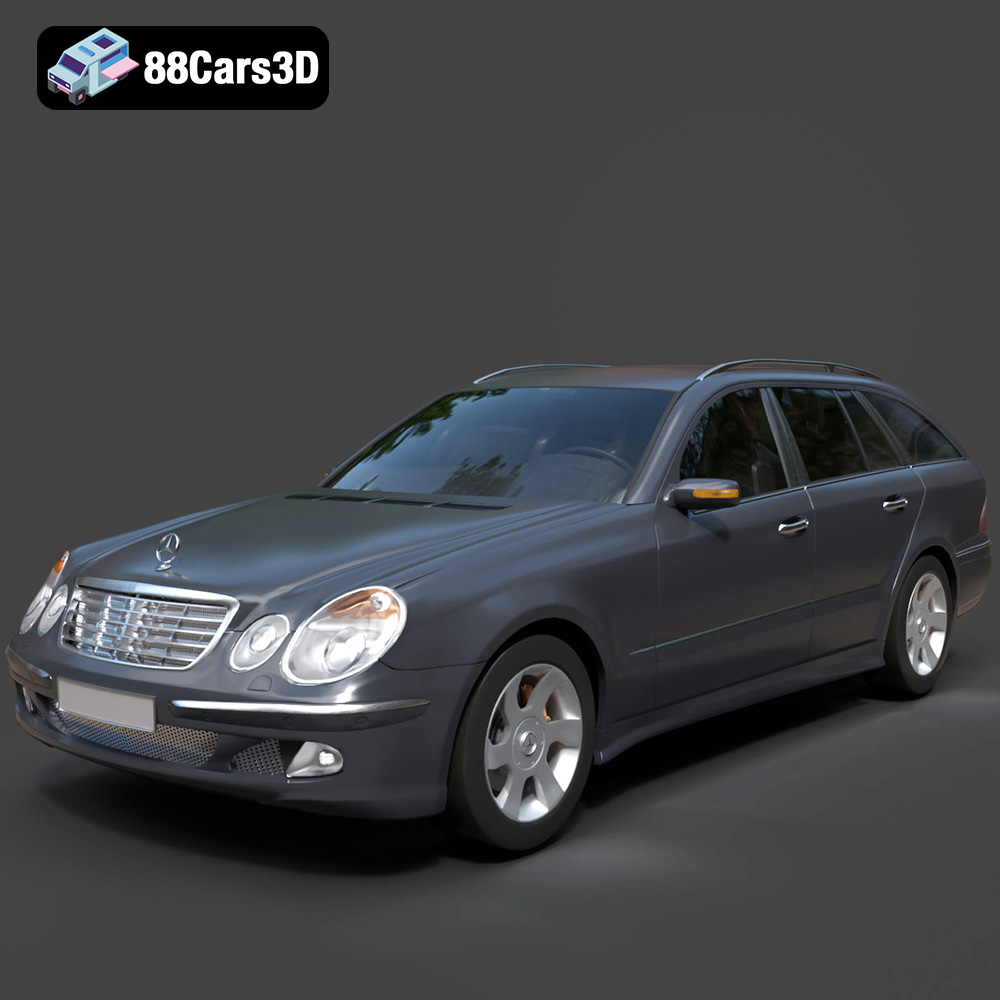
Texture: Yes
Material: Yes
Download the Mercedes-Benz E-Class S211 3D Model featuring clean geometry, realistic detailing, and a fully modeled interior. Includes .blend, .fbx, .obj, .glb, .stl, .ply, .unreal, and .max formats for rendering, simulation, and game development.
Price: $14.99
Texture: Yes
Material: Yes
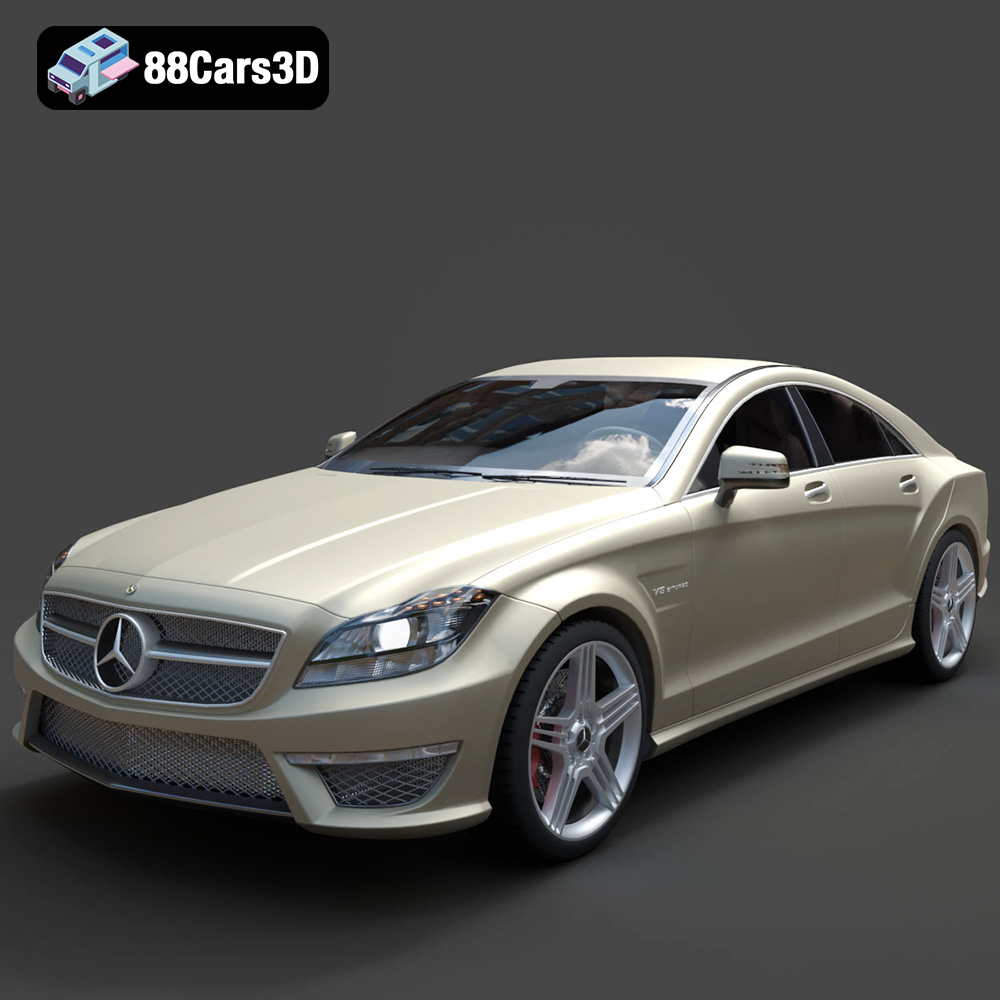
Download the Mercedes-Benz CLS63 AMG (C218) 2014 3D Model featuring clean geometry, realistic detailing, and a fully modeled interior. Includes .blend, .fbx, .obj, .glb, .stl, .ply, .unreal, and .max formats for rendering, simulation, and game development.
Price: $14.99
Texture: Yes
Material: Yes
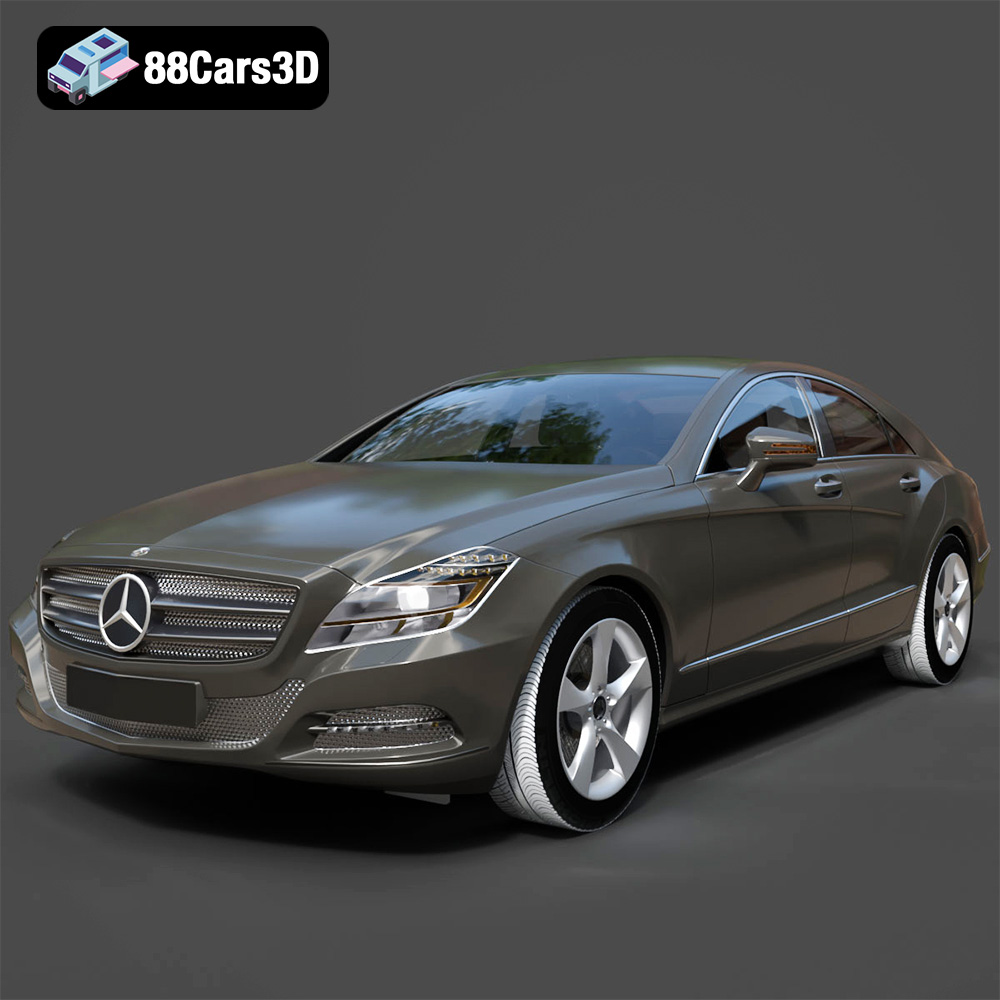
Download the Mercedes-Benz CLS-Klasse 3D Model featuring clean geometry, realistic detailing, and a fully modeled interior. Includes .blend, .fbx, .obj, .glb, .stl, .ply, .unreal, and .max formats for rendering, simulation, and game development.
Price: $14.99
Texture: Yes
Material: Yes
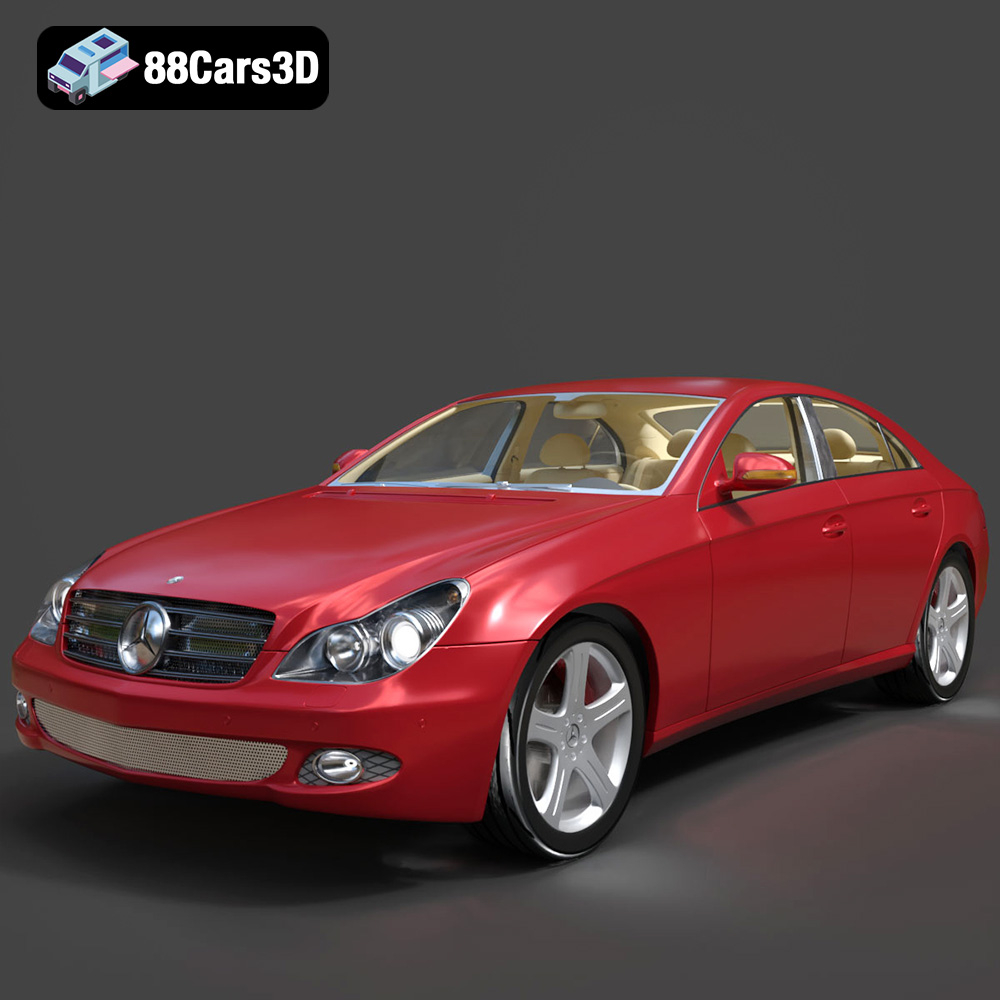
Download the Mercedes-Benz CLS 500 3D Model featuring clean geometry, realistic detailing, and a fully modeled interior. Includes .blend, .fbx, .obj, .glb, .stl, .ply, .unreal, and .max formats for rendering, simulation, and game development.
Price: $14.99

Texture: Yes
Material: Yes
Download the Mercedes-Benz CL-Klasse 2001 3D Model featuring clean geometry, realistic detailing, and a fully modeled interior. Includes .blend, .fbx, .obj, .glb, .stl, .ply, .unreal, and .max formats for rendering, simulation, and game development.
Price: $14.99
Texture: Yes
Material: Yes
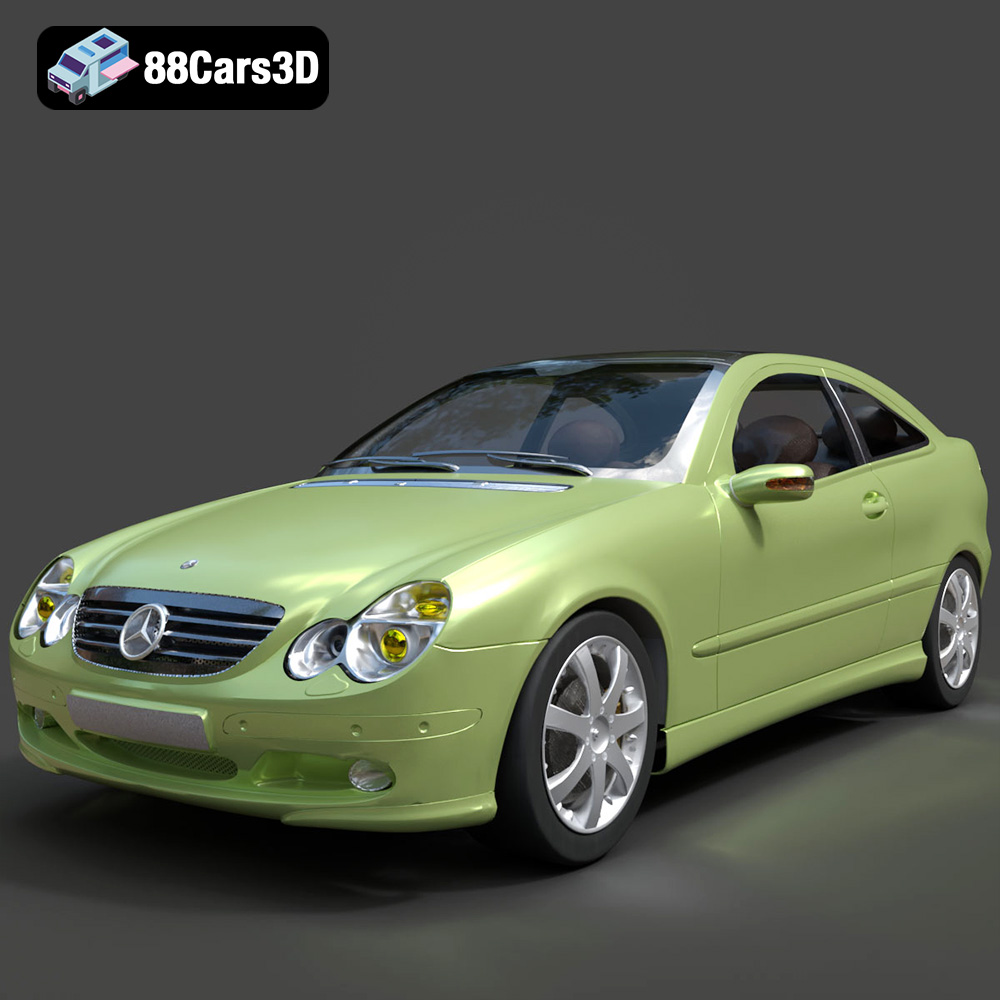
Download the Mercedes-Benz C-Klasse Sportcoupe 2000 3D Model featuring clean geometry, realistic detailing, and a fully modeled interior. Includes .blend, .fbx, .obj, .glb, .stl, .ply, .unreal, and .max formats for rendering, simulation, and game development.
Price: $14.99

