Get 20% OFF All Premium 3D & STL Models!

There’s a captivating magic to a photorealistic 3D automotive render. The way light dances across perfectly sculpted curves, the subtle imperfections in the tire rubber, the deep, lustrous shine of a multi-layered car paint shader—it’s a fusion of technical skill and artistic vision. But achieving this level of realism is a complex journey that extends far beyond simply loading a model and hitting ‘render’. It’s a meticulous process built on a foundation of clean geometry, strategic texturing, and a deep understanding of how to optimize assets for their final destination, whether that’s a cinematic still, a real-time game engine, an augmented reality experience, or even a physical 3D print.
This comprehensive guide will pull back the curtain on the entire professional workflow. We’ll dive deep into the technical nuts and bolts of what makes a truly exceptional 3D car model. You will learn the non-negotiable principles of automotive topology, sophisticated UV mapping strategies for complex surfaces, the science behind physically-based rendering (PBR) materials, and specific optimization techniques for game development and AR/VR. Whether you’re modeling a vehicle from scratch or working with a high-quality pre-made asset from a marketplace like 88cars3d.com, mastering these concepts is the key to elevating your work from good to breathtaking. Get ready to shift your skills into high gear.
Before any material is applied or a single light is placed, the success of a 3D car model is determined by its underlying geometry—its topology. Topology refers to the flow and structure of the polygons (quads, triangles, and n-gons) that form the mesh. For a subject as precise and curvaceous as a car, clean topology isn’t just a best practice; it’s an absolute necessity. It dictates how the model will subdivide, how it will catch and reflect light, and how easily it can be textured or modified. Poor topology leads to rendering artifacts, shading errors (pinching and distortion), and significant problems down the line, especially when preparing assets for real-time applications.
The gold standard in hard-surface modeling, especially for automotive design, is an all-quad mesh. Quads (four-sided polygons) deform and subdivide predictably, creating smooth, clean surfaces. While triangles are the final currency of game engines, they can cause pinching and unpredictable shading on high-poly, subdividable surfaces. N-gons (polygons with more than four sides) are even more problematic, often causing catastrophic errors in rendering and subdivision algorithms. A clean, quad-based mesh ensures:
When you acquire a professional 3D car model, the first thing to inspect should be its wireframe. Look for consistent, grid-like patterns and a distinct lack of triangles or n-gons on the main, visible surfaces.
Edge flow is the directional logic of your topology. The edges should follow the primary contours and curves of the car’s body. Think of it as the grain of the wood; it defines the shape’s strength and character. On a car, proper edge flow is crucial for defining sharp panel gaps, wheel arches, and subtle body creases. Key principles include:
The polygon count should be “as low as possible, as high as necessary.” For a base mesh intended for subdivision (a “low-poly” or “mid-poly” source), the goal is to capture the car’s form with the minimum number of polygons required. This makes the model lightweight and easy to manage. The final smoothness is then achieved non-destructively using a subdivision modifier. A typical high-quality base mesh for a hero car might range from 150,000 to 400,000 polygons. After 2-3 levels of subdivision, this can easily become 2 to 6 million polygons for final rendering, delivering the perfectly smooth surfaces required for automotive rendering.
Once you have a pristine model, the next technical hurdle is UV mapping. This is the process of “unflattening” the 3D mesh into a 2D space so that textures can be applied correctly. For a complex object like a car, with its countless individual parts and sprawling surfaces, UV mapping requires a strategic, organized approach. A poor unwrap can result in stretched textures, visible seams, and inconsistent detail, undermining the realism of your final asset.
The first step is deciding where to place your “seams”—the edges where the 3D mesh will be cut apart to lay flat. The primary rule is to hide seams where they are least likely to be seen. For cars, this means placing them:
Each contiguous group of faces becomes a “UV island” in your 2D layout. Grouping these islands logically (e.g., all left-side body panels together, all wheel components together) makes the texturing process far more intuitive.
Texel density is a critical concept that refers to the resolution of your texture map relative to the surface area of your 3D model. In simple terms, it’s the number of texture pixels per meter of 3D space. Maintaining a consistent texel density across the entire vehicle is crucial for ensuring that details look uniformly sharp. If the door has a higher texel density than the fender next to it, a scratch or decal texture applied across both would appear sharp on the door and blurry on the fender. Tools within software like 3ds Max, Blender, or dedicated UV applications like RizomUV allow you to visualize and normalize the texel density across all your UV islands, typically represented by a color-coded checkerboard pattern.
For hero assets requiring extreme detail, a single texture map (e.g., 4096×4096 pixels) may not be enough to cover the entire car without sacrificing texel density. This is where the UDIM (U-Dimension) workflow comes in. Instead of cramming all UV islands into one 0-1 UV space, UDIMs allow you to use multiple texture maps for a single object. Each map occupies its own UV tile (1001, 1002, 1003, etc.).
Modern PBR texturing applications like Adobe Substance 3D Painter and render engines like V-Ray, Corona, and Arnold have robust support for the UDIM workflow.
With a perfectly modeled and unwrapped car, the next layer of realism comes from its materials. The Physically Based Rendering (PBR) methodology has revolutionized 3D art by simulating the real-world flow of light. Instead of faking material properties, PBR uses a set of straightforward parameters that correspond to actual physical attributes, making it easier to create consistently realistic materials that hold up under any lighting condition.
The PBR workflow primarily revolves around a few key texture maps that control how a surface interacts with light:
By combining these maps, you can create virtually any material found on a car, from the matte black plastic of the trim to the shiny chrome of the exhaust pipe.
Standard car paint is one of the most complex PBR materials to replicate because it’s a layered material. A truly convincing car paint shader is not just a single color; it’s a combination of multiple layers working together. In a render engine like Corona or V-Ray, this is often built using a blend material:
These layers are then blended together, with the Clear Coat sitting on top, to create a final material that reacts to light in a highly realistic and dynamic way.
Perfection is unrealistic. To truly sell a render, you must introduce subtle imperfections. Using tools like Substance 3D Painter or Quixel Mixer, you can add layers of detail that tell a story:
Rendering is where all your hard work in modeling, unwrapping, and texturing culminates. This stage is about light, shadow, and camera work. The goal is to present your 3D car model in the most compelling and realistic way possible. While the render engine does the heavy lifting, the artist’s choices in lighting, camera setup, and post-processing make all the difference.
Modern render engines are incredibly powerful, but each has its strengths. A high-quality model, such as those available on marketplaces like 88cars3d.com, will look stunning in any major path-tracing engine, but your choice may depend on your host software and workflow preferences.
Lighting is everything. The most common and effective method for lighting automotive scenes is Image-Based Lighting (IBL) using a High Dynamic Range Image (HDRI). An HDRI is a 360-degree panoramic image that contains a vast range of light intensity data. When used to illuminate a scene, it realistically recreates the lighting and reflections of the environment where the photo was taken.
For classic studio shots, a manual lighting setup offers more artistic control:
The key is to use large light sources, as they create soft, appealing shadows and reflections, which are flattering for the complex curves of a car.
The raw render is rarely the final image. Post-processing in applications like Adobe Photoshop or DaVinci Resolve is where you add the final cinematic polish. By rendering out separate passes (like reflections, ambient occlusion, and lighting), you gain immense control. Common adjustments include:
Creating a 3D car model for a real-time game engine like Unreal Engine or Unity is a completely different challenge than creating one for offline rendering. The primary constraint is performance. A game must render the scene at 30, 60, or even 120+ frames per second. This requires a ruthless focus on optimization, balancing visual fidelity with polygon counts, draw calls, and memory usage. The beautiful, multi-million polygon model from your V-Ray render must be transformed into a lean, efficient game asset.
Level of Detail (LOD) is the cornerstone of game asset optimization. It’s a system where multiple versions of the same model, with decreasing levels of complexity, are swapped out in real-time based on the object’s distance from the camera. A car right in front of the player will use the highest quality version (LOD0), while a car far in the distance will use a very low-poly version (LOD3), saving precious processing power.
In a game engine, every time the CPU has to tell the GPU to draw an object with a specific material, it’s called a “draw call.” Too many draw calls can severely impact performance. To minimize them, a technique called “texture atlasing” is used. Instead of having separate materials and textures for the body, wheels, interior, and glass, their UVs are all packed together into a single, large UV layout. This allows the entire car (or large portions of it) to be rendered in a single draw call, drastically improving efficiency. This means one set of PBR textures (Albedo, Normal, Roughness/Metalness) can be used for multiple parts of the car.
How do you make a 100k triangle low-poly model look like a 5 million triangle high-poly model? The answer is “baking.” This is the process of projecting the surface detail from the high-poly mesh onto the texture maps of the low-poly mesh. The primary map used for this is the Normal Map. A normal map is an RGB texture that tells the render engine how to shade the low-poly surface as if the high-poly detail were physically present. It fakes the lighting information of bumps, dents, panel lines, and creases without adding any actual geometry. Other maps, like Ambient Occlusion and Curvature, are also baked from the high-poly to aid in the texturing process.
The utility of a high-quality 3D car model extends beyond traditional renders and games. Emerging platforms like Augmented Reality (AR), Virtual Reality (VR), and 3D printing present unique technical challenges and requirements. Optimizing for these use cases involves a focus on performance, specific file formats, and mesh integrity.
AR and VR applications, especially those running on mobile devices or standalone headsets like the Meta Quest, operate under even stricter performance budgets than traditional PC games. The need to render two separate images (one for each eye) at a high, consistent frame rate to avoid motion sickness is paramount.
To deliver 3D content efficiently over the web and on mobile devices, standardized file formats are essential. These formats are designed to package the model, its materials, and textures into a single, compact file.
Converting a standard FBX or OBJ file to these formats requires careful export, ensuring the PBR materials are correctly mapped to the glTF/USD material standard (using Metalness/Roughness maps).
Preparing a model for 3D printing shifts the focus from visual appearance to physical integrity. A 3D printer needs a “watertight” or “manifold” mesh to understand what is solid and what is empty space. This means:
The journey from a blank viewport to a stunning final product—be it a photorealistic render, an interactive game asset, or a tangible 3D print—is a testament to both technical precision and artistic sensibility. We’ve seen that a world-class 3D car model is built on a series of critical, interconnected stages. It begins with the unyielding foundation of clean, quad-based topology and purposeful edge flow. It’s brought to life through strategic UV mapping and the physical accuracy of PBR materials. Finally, it’s tailored for its destination, whether that means dialing in render settings for a cinematic shot or meticulously optimizing every polygon and texture for real-time performance in AR/VR or a game engine.
Mastering this entire pipeline takes time, practice, and a keen eye for detail. Each step informs the next, and a weakness in one area can compromise the entire project. For professionals and studios, this time investment is significant. This is why leveraging professionally crafted assets from dedicated marketplaces can be a huge accelerator. When you start with a model that already incorporates industry-best practices for topology and UVs, you can focus your creative energy on the stages that matter most to your project: texturing, lighting, and final presentation. We encourage you to apply these deep technical insights to your next automotive project and watch as your results shift from simply good to truly exceptional.

Texture: Yes
Material: Yes
Download the Mercedes-Benz SLK 350 2005 3D Model featuring clean geometry, realistic detailing, and a fully modeled interior. Includes .blend, .fbx, .obj, .glb, .stl, .ply, .unreal, and .max formats for rendering, simulation, and game development.
Price: $9.99

Texture: Yes
Material: Yes
Download the Mercedes-Benz SL 65 AMG 3D Model featuring clean geometry, realistic detailing, and a fully modeled interior. Includes .blend, .fbx, .obj, .glb, .stl, .ply, .unreal, and .max formats for rendering, simulation, and game development.
Price: $9.99

Texture: Yes
Material: Yes
Download the Mercedes-Benz S500 3D Model featuring clean geometry, realistic detailing, and a fully modeled interior. Includes .blend, .fbx, .obj, .glb, .stl, .ply, .unreal, and .max formats for rendering, simulation, and game development.
Price: $9.99

Texture: Yes
Material: Yes
Download the Mercedes-Benz S55 W220 AMG 1999 3D Model featuring clean geometry, realistic detailing, and a fully modeled interior. Includes .blend, .fbx, .obj, .glb, .stl, .ply, .unreal, and .max formats for rendering, simulation, and game development.
Price: $9.99
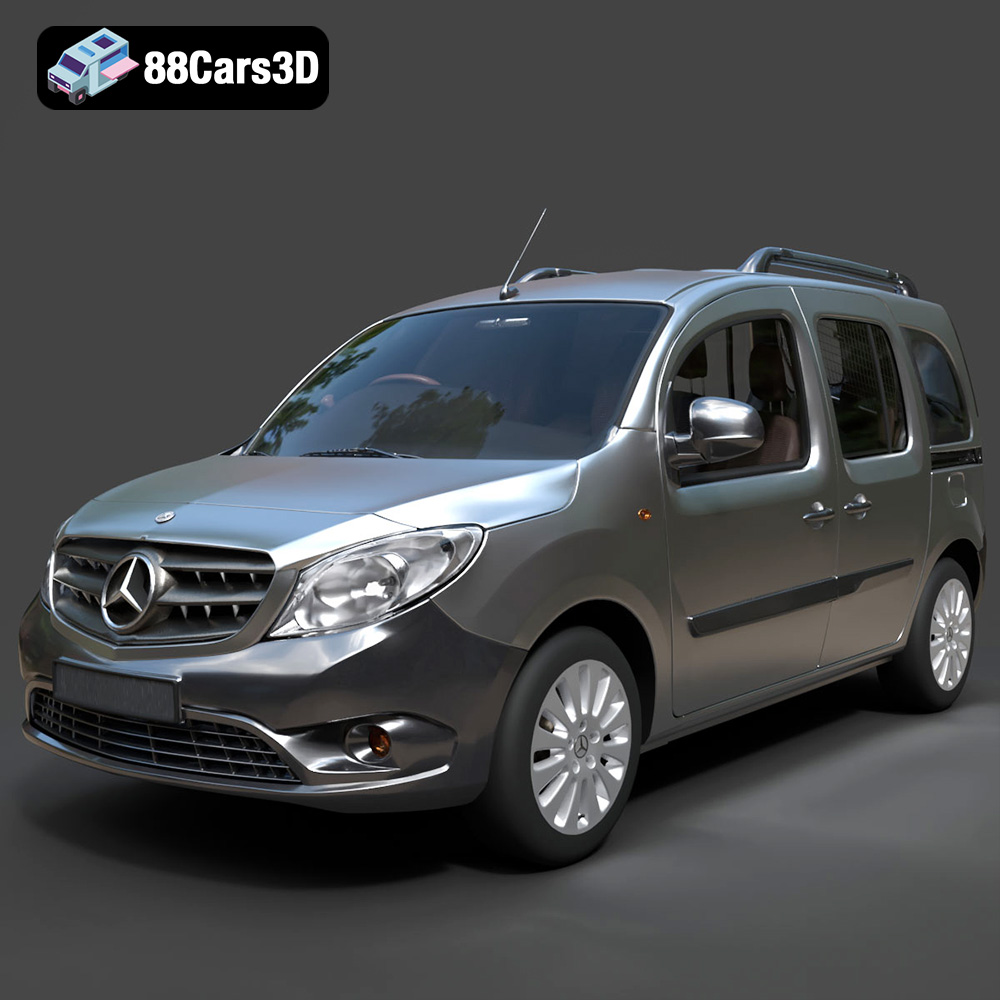
Texture: Yes
Material: Yes
Download the Mercedes-Benz Citan 2025 3D Model featuring clean geometry, realistic detailing, and a fully modeled interior. Includes .blend, .fbx, .obj, .glb, .stl, .ply, .unreal, and .max formats for rendering, simulation, and game development.
Price: $14.99
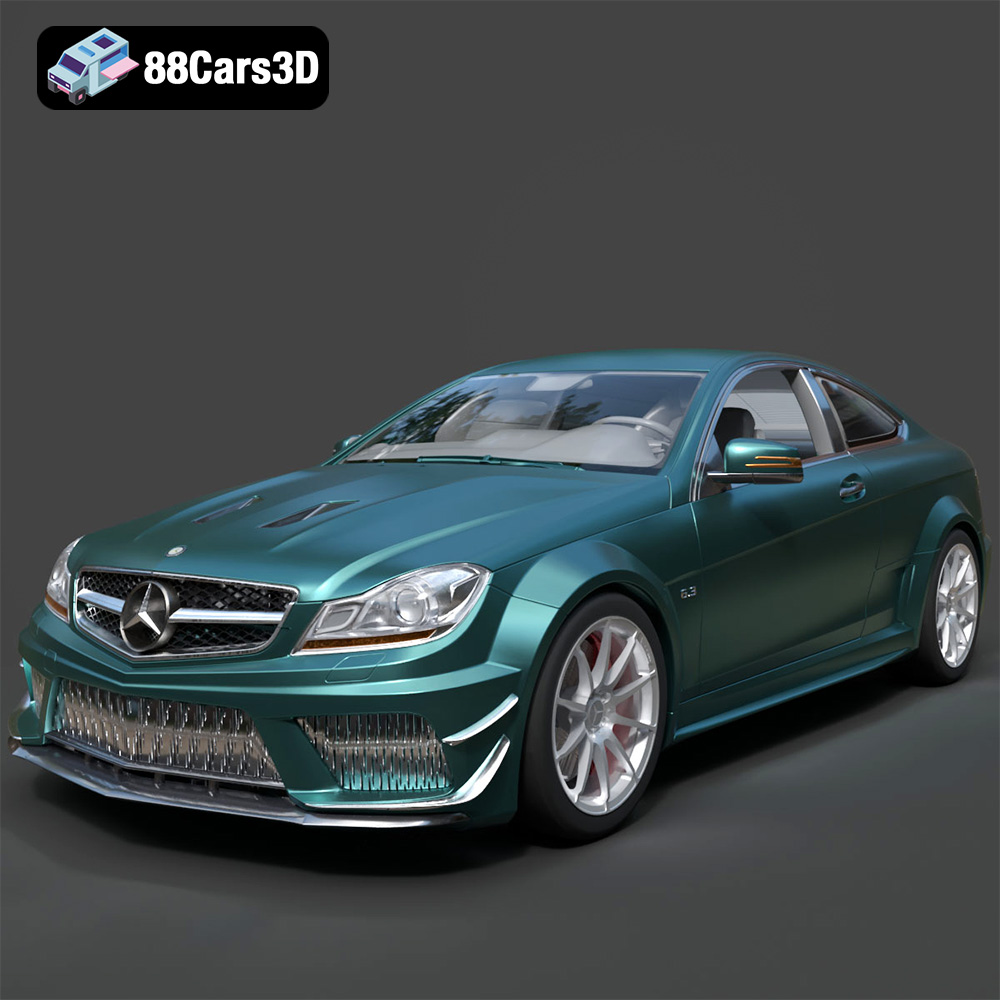
Texture: Yes
Material: Yes
Download the Mercedes-Benz C63 AMG 2012 3D Model featuring clean geometry, realistic detailing, and a fully modeled interior. Includes .blend, .fbx, .obj, .glb, .stl, .ply, .unreal, and .max formats for rendering, simulation, and game development.
Price: $14.99
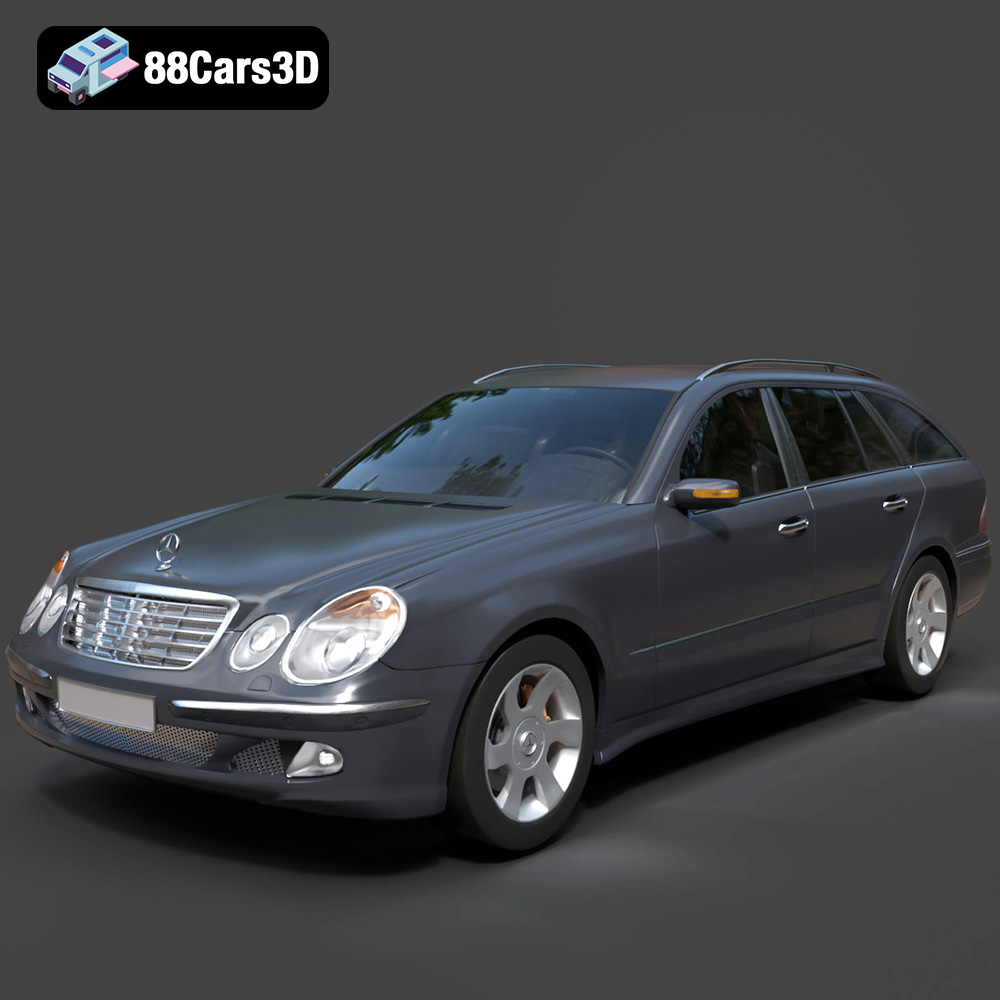
Texture: Yes
Material: Yes
Download the Mercedes-Benz E-Class S211 3D Model featuring clean geometry, realistic detailing, and a fully modeled interior. Includes .blend, .fbx, .obj, .glb, .stl, .ply, .unreal, and .max formats for rendering, simulation, and game development.
Price: $14.99
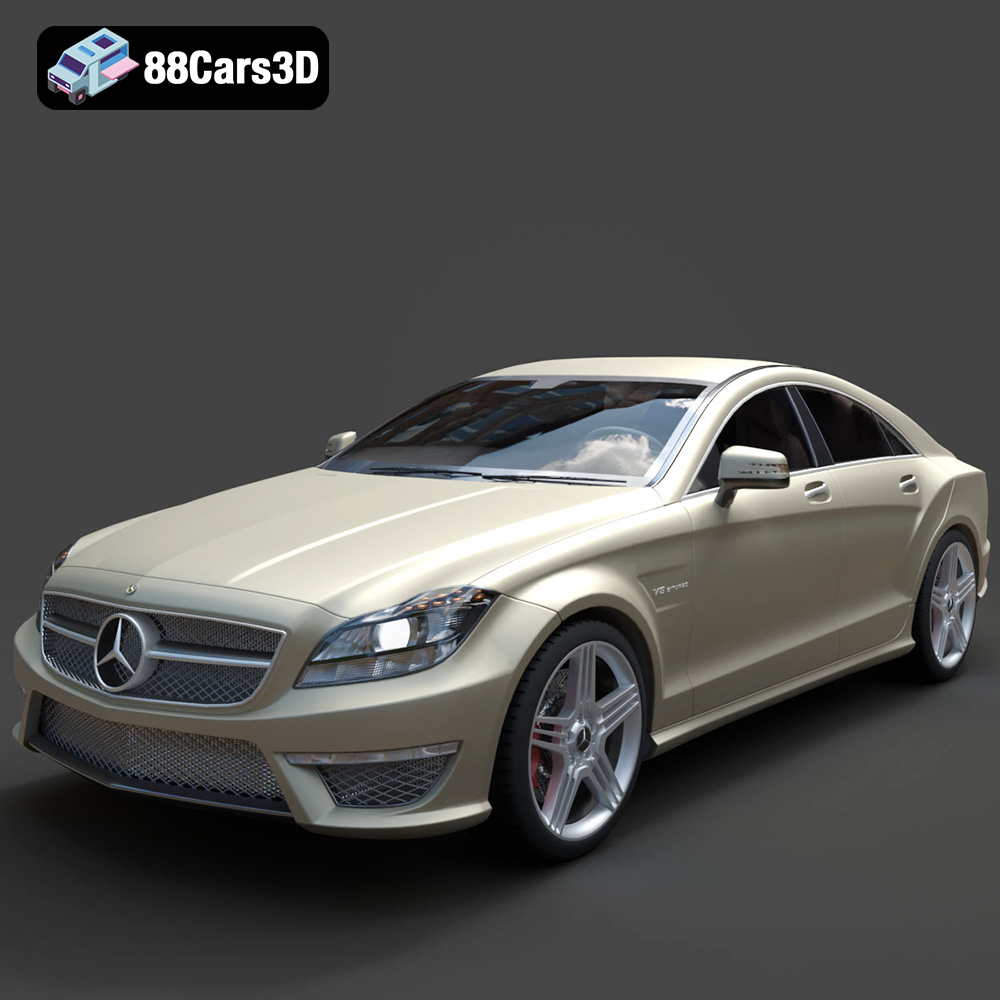
Texture: Yes
Material: Yes
Download the Mercedes-Benz CLS63 AMG (C218) 2014 3D Model featuring clean geometry, realistic detailing, and a fully modeled interior. Includes .blend, .fbx, .obj, .glb, .stl, .ply, .unreal, and .max formats for rendering, simulation, and game development.
Price: $14.99
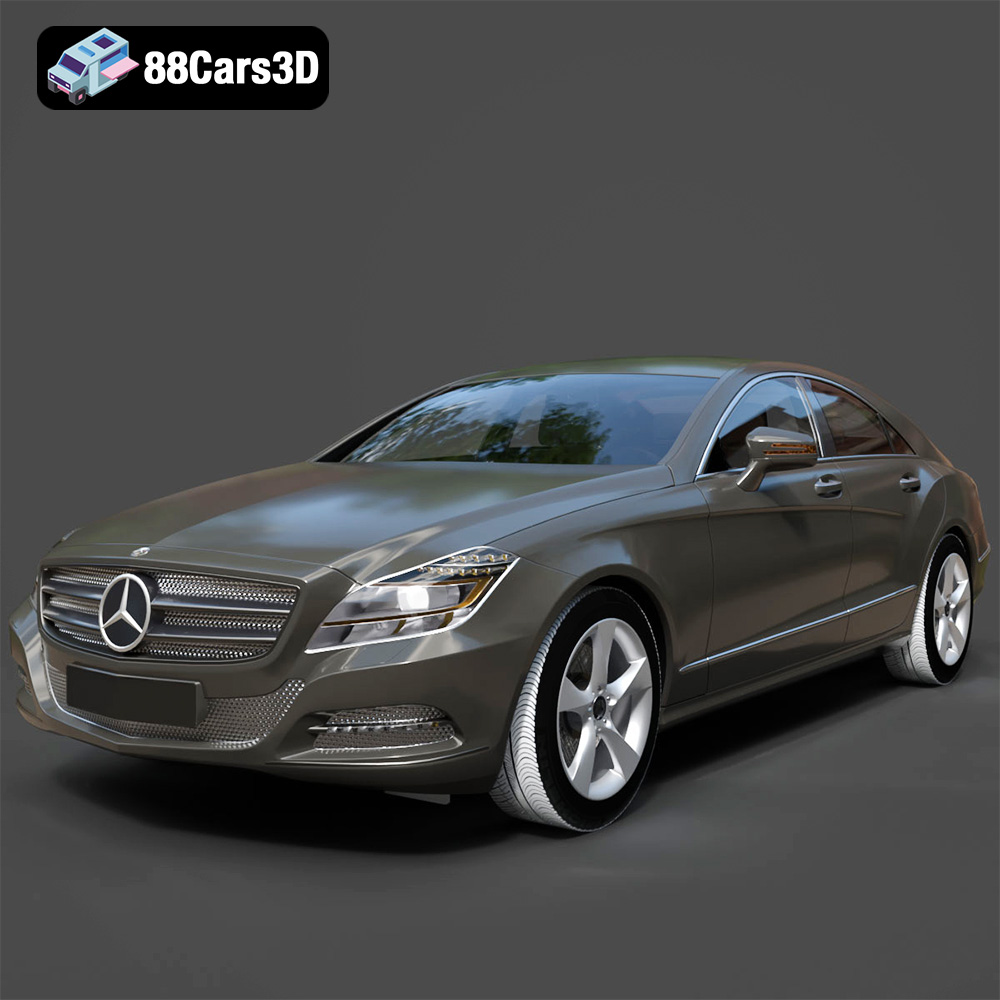
Texture: Yes
Material: Yes
Download the Mercedes-Benz CLS-Klasse 3D Model featuring clean geometry, realistic detailing, and a fully modeled interior. Includes .blend, .fbx, .obj, .glb, .stl, .ply, .unreal, and .max formats for rendering, simulation, and game development.
Price: $14.99
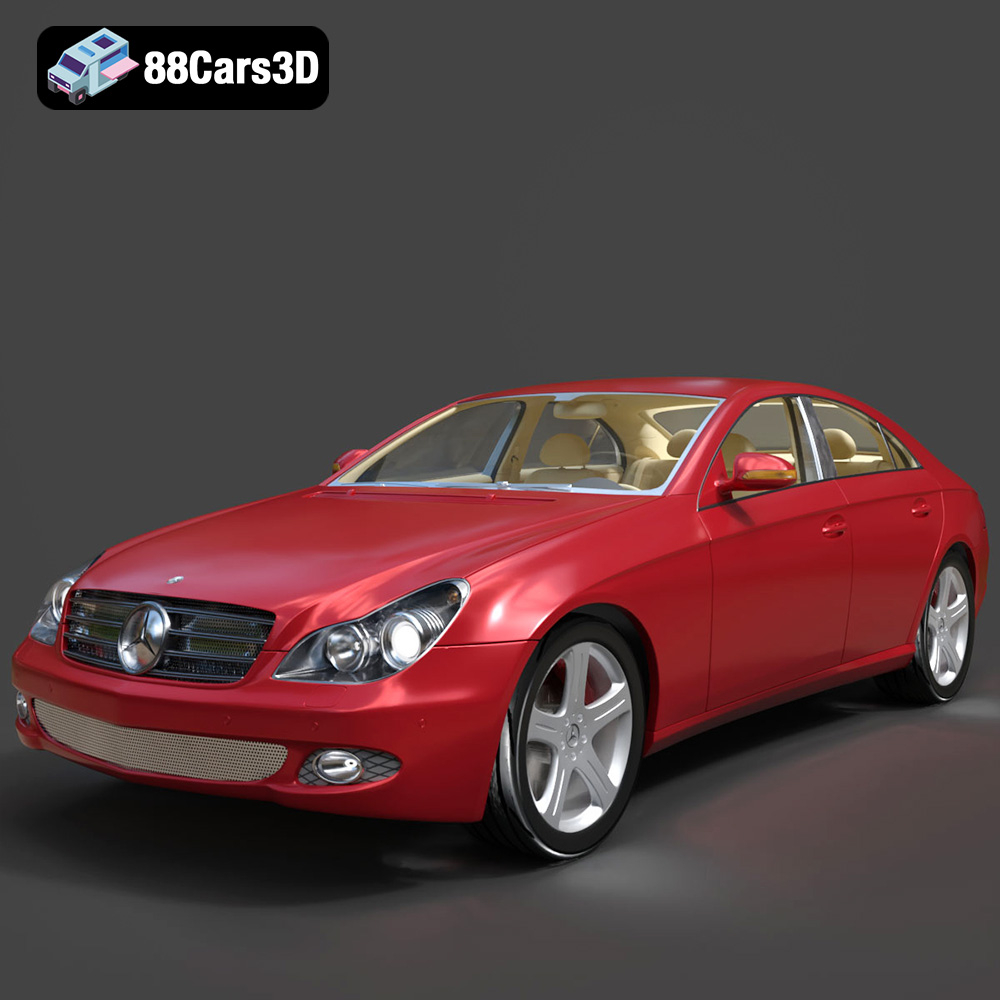
Texture: Yes
Material: Yes
Download the Mercedes-Benz CLS 500 3D Model featuring clean geometry, realistic detailing, and a fully modeled interior. Includes .blend, .fbx, .obj, .glb, .stl, .ply, .unreal, and .max formats for rendering, simulation, and game development.
Price: $14.99

